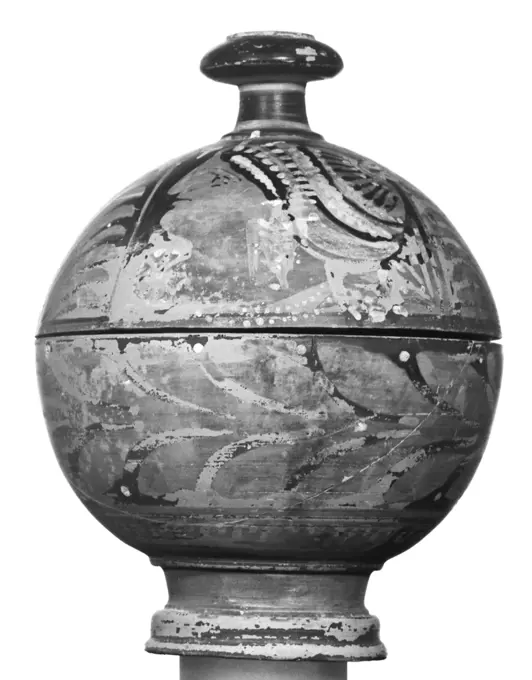
Historic Ceramics and Vessels

Images of ancient pottery and jars from Japan and China, showcasing intricate designs and materials used from historical periods.

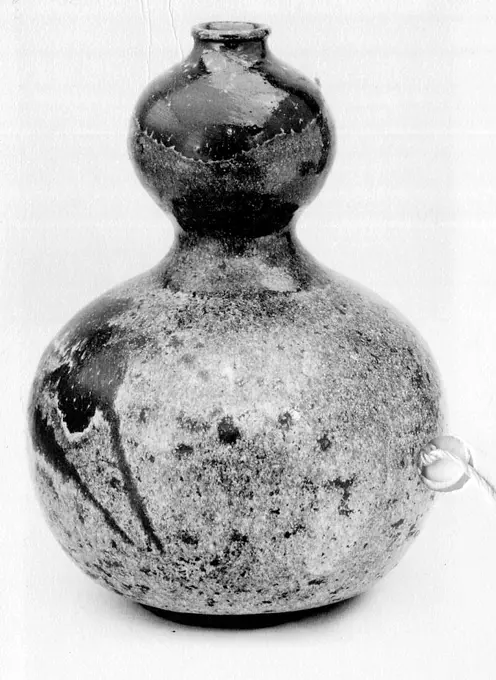
Bottle 19th century Japan. Bottle. Japan. 19th century. Clay covered with glaze splashed on one side, glazed base (Kyoto ware). Edo (1615-1868) or Meiji period (1868-1912). Ceramics
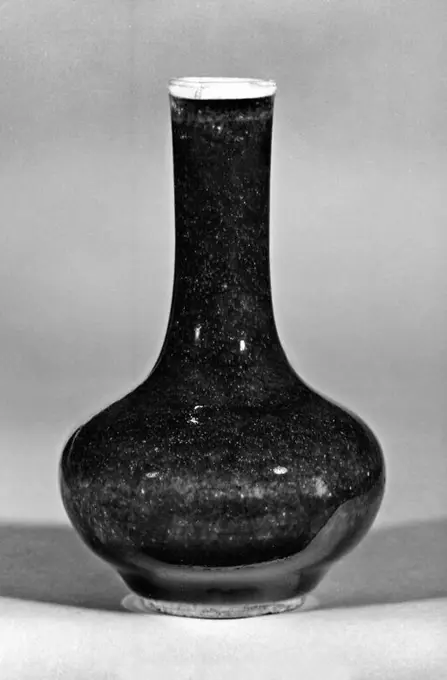
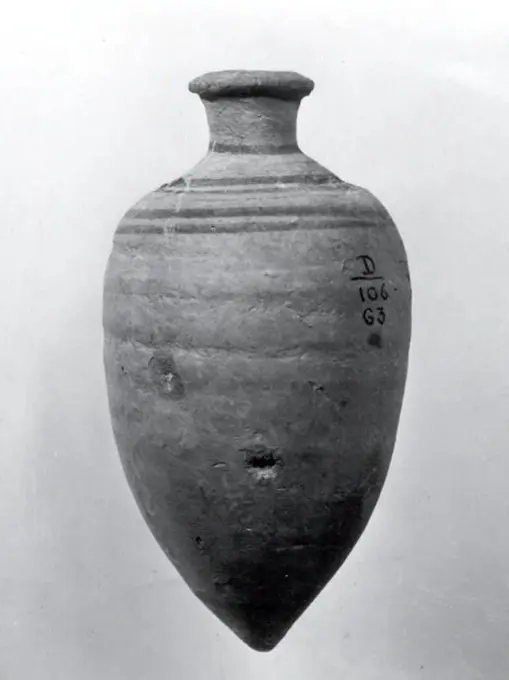
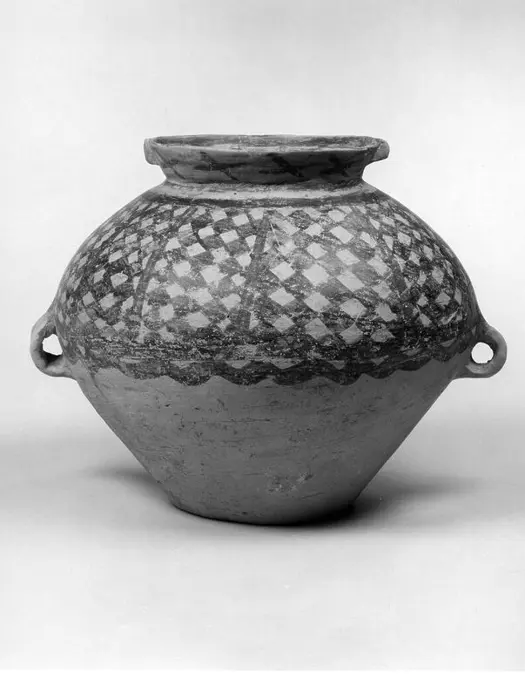
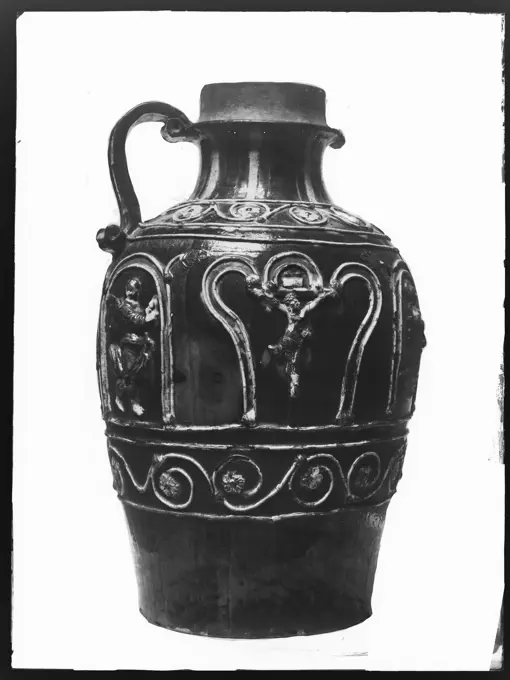
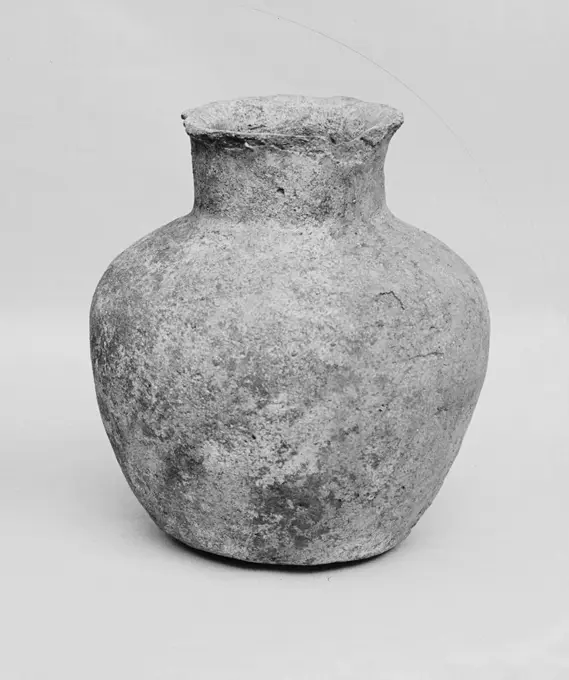
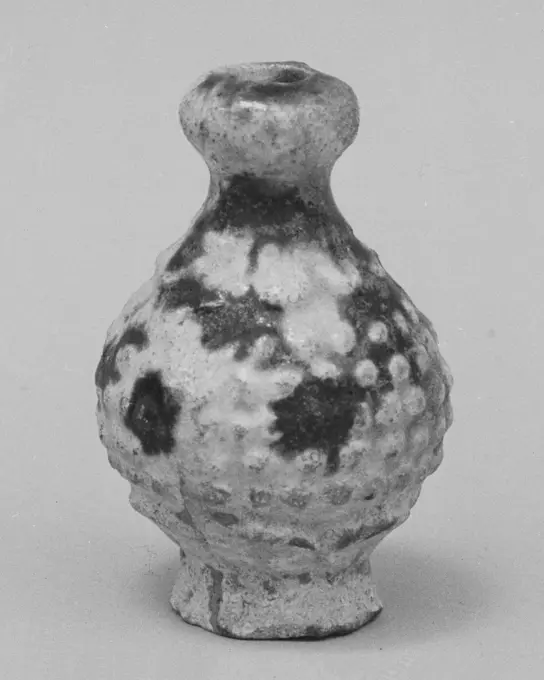
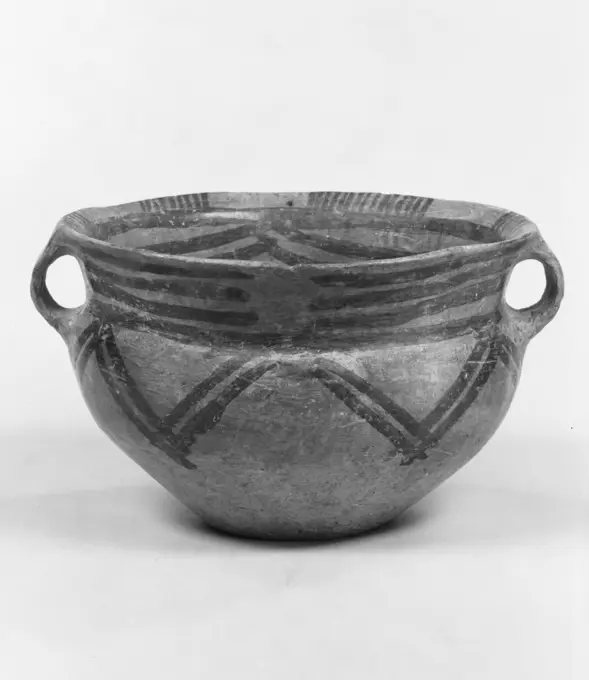
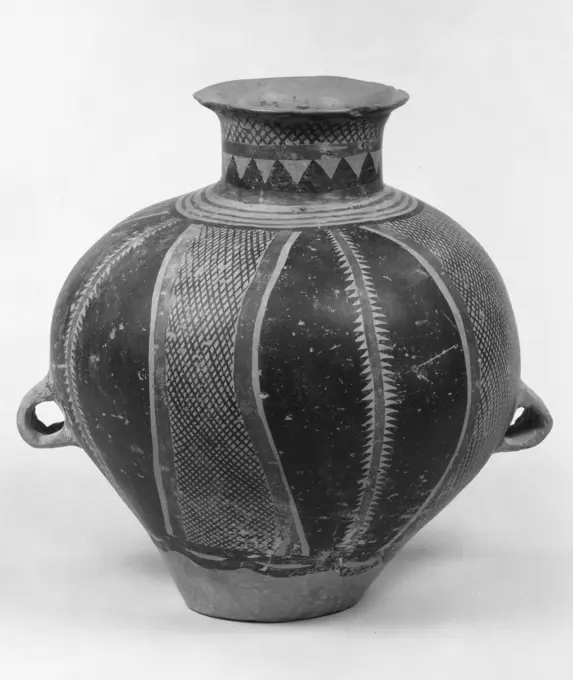
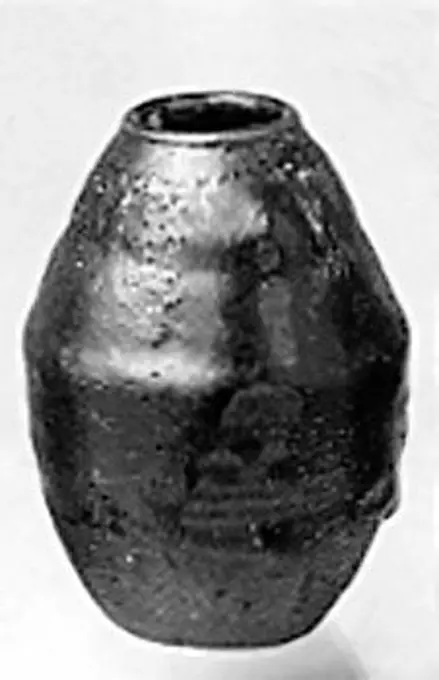
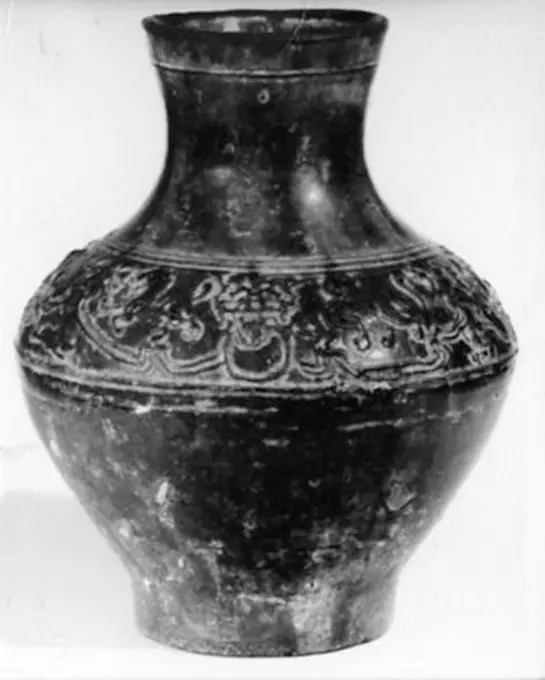
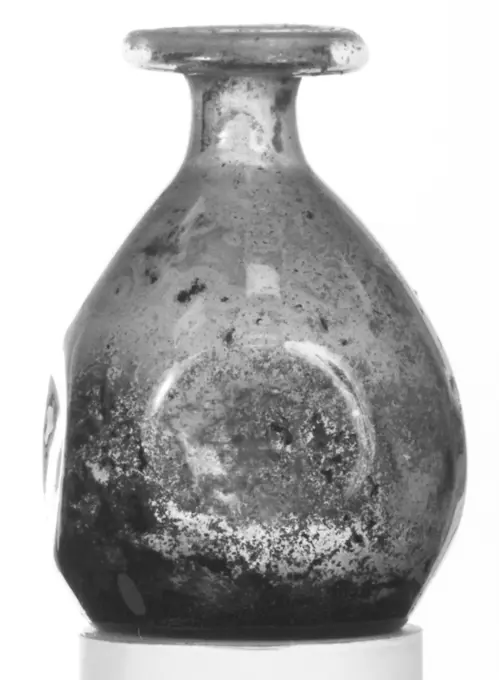
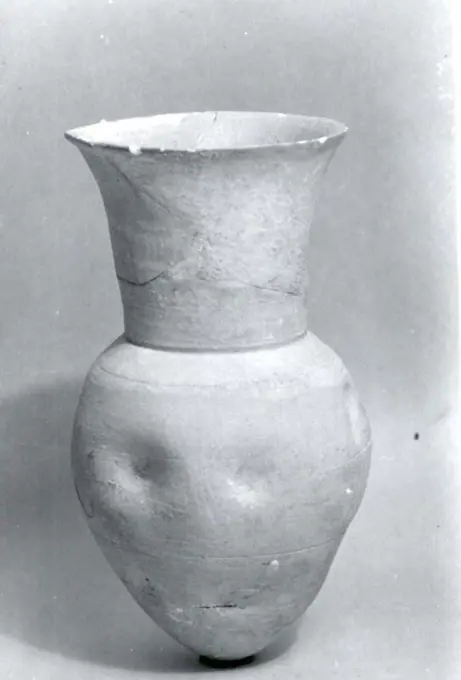
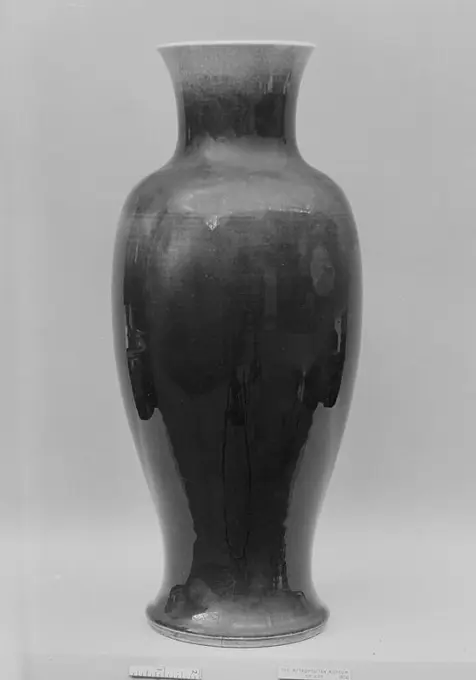
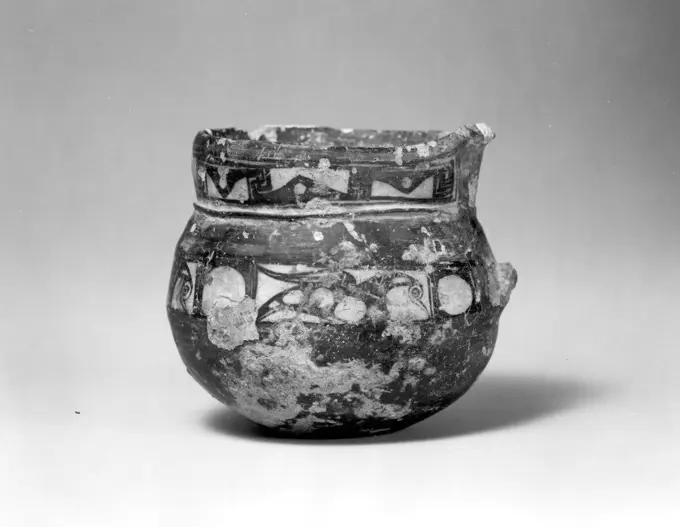
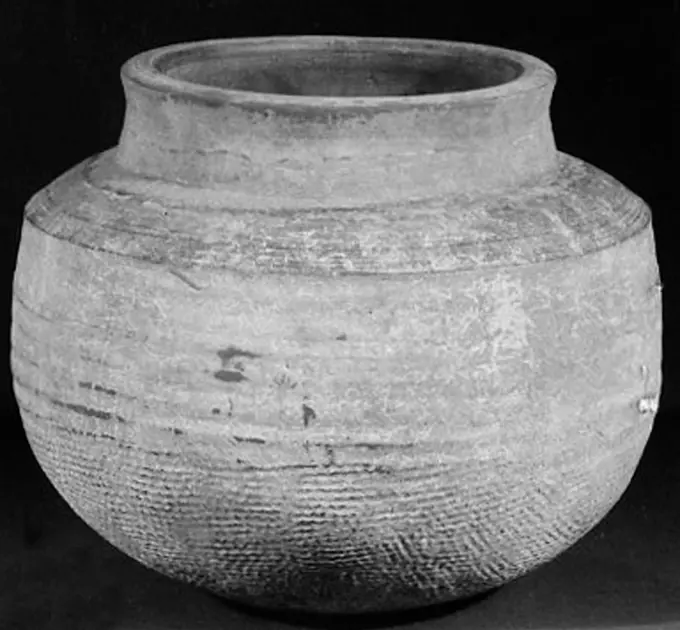
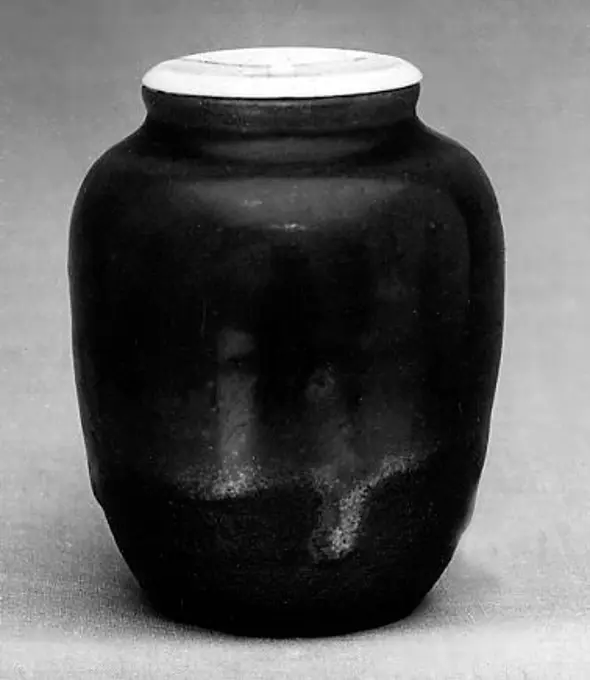
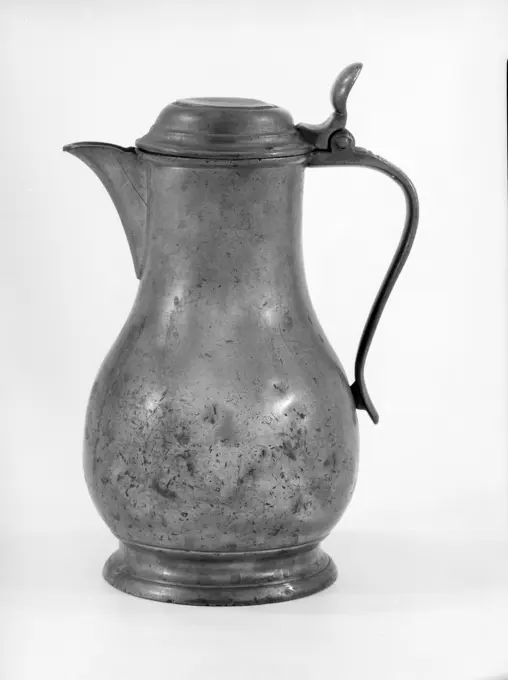
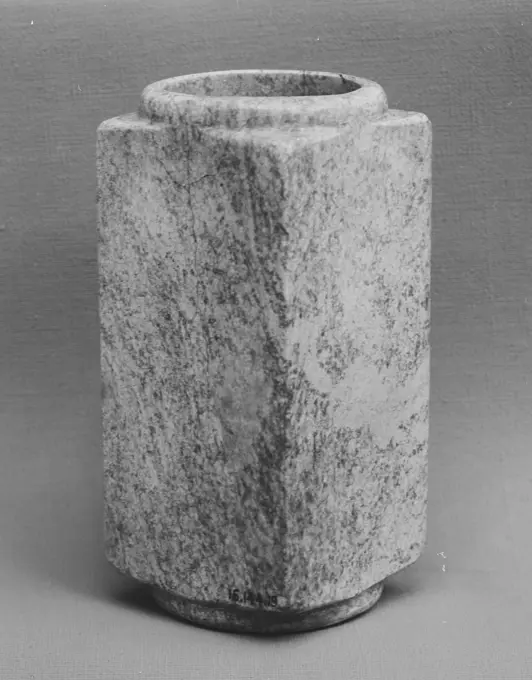
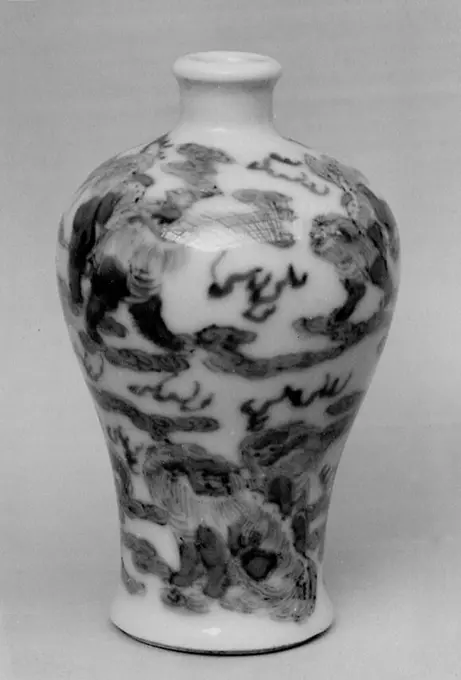
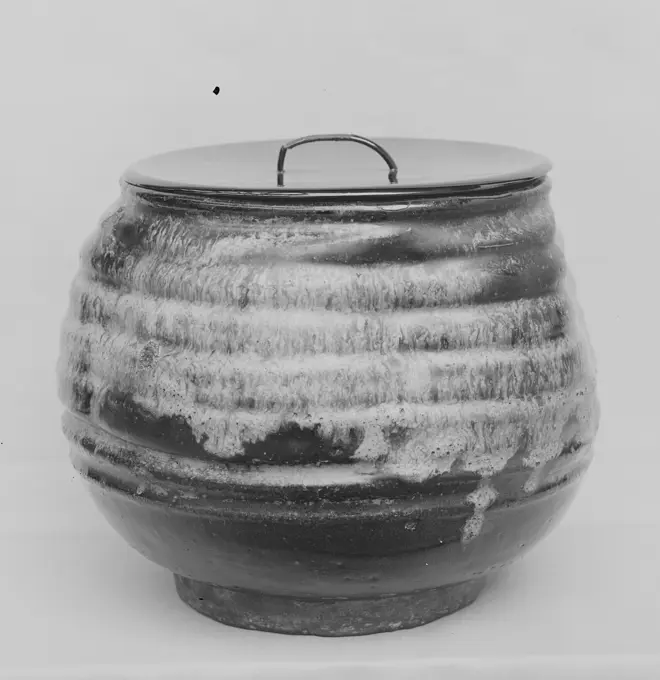
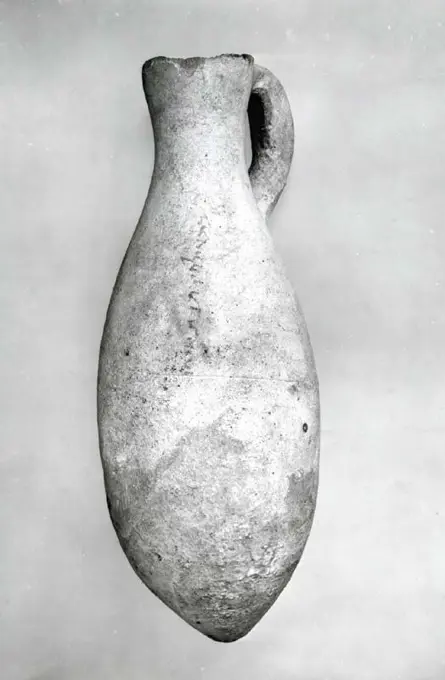
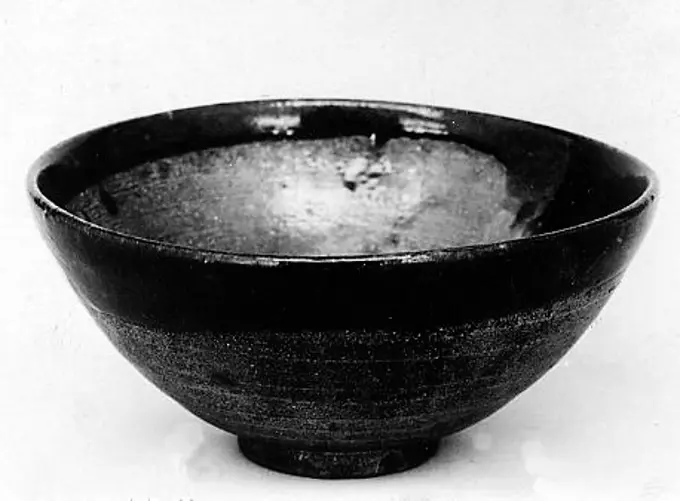
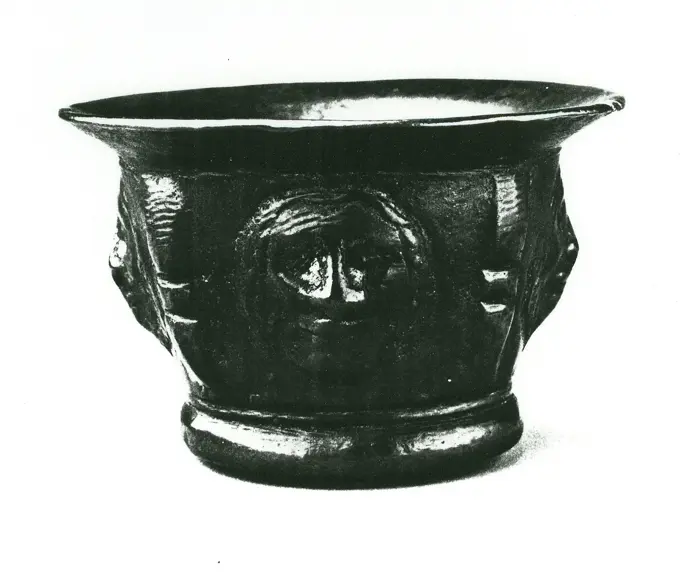
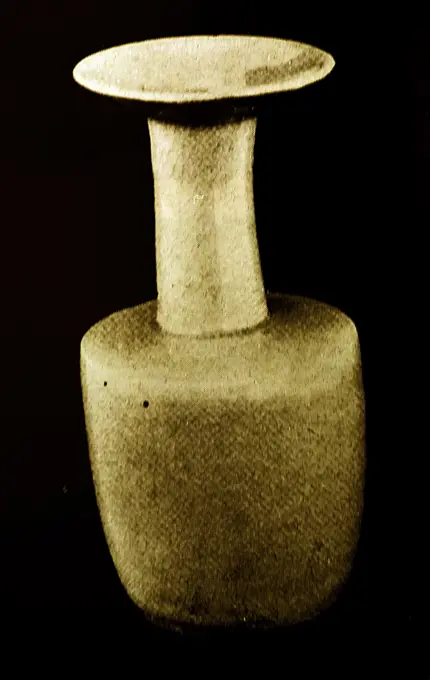
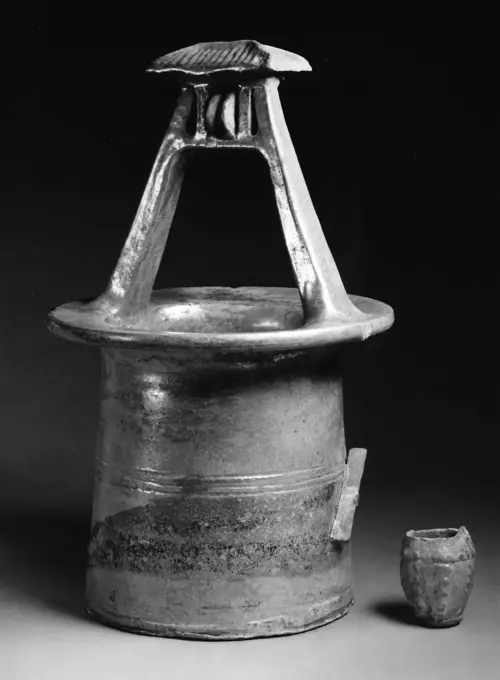
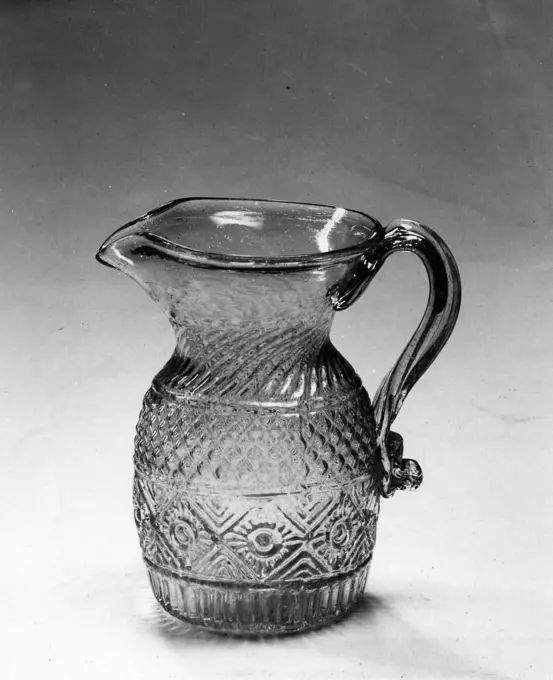
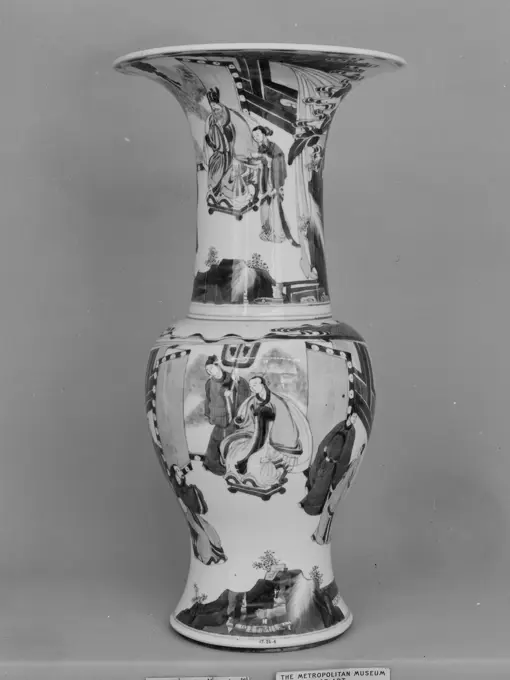
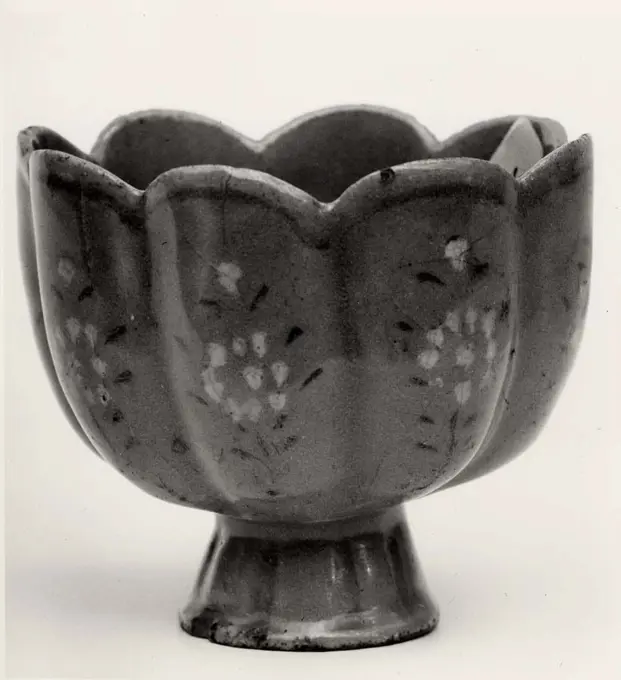
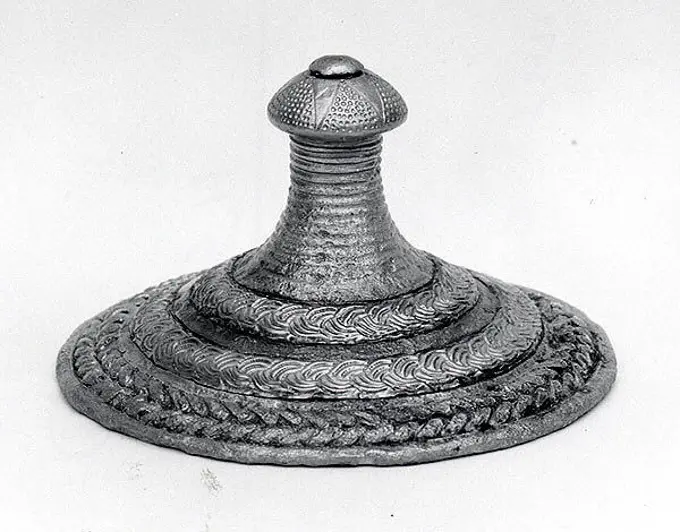
Tea jar 18th century Japan. Tea jar. Japan. 18th century. Clay; metallic glaze running into darker tones (Takatori ware). Edo period (1615-1868). CeramicsVase. Culture: China. Dimensions: H. 3 5/8 in. (9.2 cm); Diam. 2 1/4 in. (5.7 cm). Museum: Metropolitan Museum of Art, New York, USA.Vessel ca. late 8th-7th century B.C.. Vessel 323162Covered Bottle. Culture: Japan. Dimensions: H. 8 in. (20.3 cm). Date: 18th century. Museum: Metropolitan Museum of Art, New York, USA.Double Vase China. Double Vase. China. Porcelain with a clair-de-lune glaze. Qing dynasty (1644-1911), Qianlong mark and period (1736-95). CeramicsJar 19th century Japan. Jar. Japan. 19th century. Clay covered with a mottled glaze (Shidoro ware). Edo (1615-1868) or Meiji period (1868-1912). CeramicsJar (Guan). Culture: China. Dimensions: H. 9 1/8 in. (23.2 cm); W. (not including handles) 10 1/8 in. (25.7 cm). Date: ca. 2500-2300 B.C.. Museum: Metropolitan Museum of Art, New York, USA.Bottle 19th century Japan. Bottle. Japan. 19th century. Clay covered with glaze splashed on one side, glazed base (Kyoto ware). Edo (1615-1868) or Meiji period (1868-1912). CeramicsBliżej Kultury unknownJar. Culture: Islamic. Dimensions: H. 5.8 cm; diam. of rim 3.3 cm; diam. of body 5.3 cm. Date: 7th-11th century. Museum: Metropolitan Museum of Art, New York, USA.Jar 19th century Japan. Jar. Japan. 19th century. Clay covered with a smooth glaze (Takatori ware, Agano type). Edo (1615-1868) or Meiji period (1868-1912). CeramicsJar ca. 3rd-7th century A.D. Sasanian. Jar 323005Jug Japan. Jug. Japan. Earthenware. CeramicsMiniature bottle 7th-8th century China. Miniature bottle. China. 7th-8th century. Earthenware with three-color glaze (Sancai ware). Tang dynasty (618-907). CeramicsQuadrangular Vase (Fang Hu). Culture: China. Dimensions: H. 4 5/16 in. (10.9 cm); W. 2 7/8 in. (7.3 cm); L. 2 7/8 in. (7.3 cm). Museum: Metropolitan Museum of Art, New York, USA.Small Jar (Guan) ca. 2300-2000 B.C. China. Small Jar (Guan). China. ca. 2300-2000 B.C.. Earthenware with painted decoration. Neolithic period, Majiayao culture, Machang phase. CeramicsJar (Guan) Banshan phase (ca. 2650-2350 B.C.) China. Jar (Guan) 44724Tea Jar 17th century Japan. Tea Jar. Japan. 17th century. Clay with glaze (Satsuma ware). Momoyama (1573-1615) or Edo period (1615-1868). CeramicsVase 19th century China. Vase. China. 19th century. Porcelain with mirror-black glaze and overglaze iron decoration. Qing dynasty (1644-1911). CeramicsBottle. Culture: Japan. Dimensions: H. 8 in. (20.3 cm). Date: 18th century. Museum: Metropolitan Museum of Art, New York, USA.Jar China Han dynasty (206 BCE-220 CE)Flask. UnknownCovered bowl with floral patterns mid-19th century China. Covered bowl with floral patterns 46669Palace Ware beaker ca. 8th-7th century B.C. Assyrian Built by the Assyrian king Ashurnasirpal II, the palaces and storerooms of Nimrud housed thousands of pieces of carved ivory. Most of the ivories served as furniture inlays or small precious objects such as boxes. While some of them were carved in the same style as the large Assyrian reliefs lining the walls of the Northwest Palace, the majority of the ivories display images and styles related to the arts of North Syria and the Phoenician city-states. Phoenician style ivories are distinguished by their use of imagery related to Egyptian art, such as sphinxes and figures wearing pharaonic crowns, and the use of elaborate carving techniques such as openwork and colored glass inlay. North Syrian style ivories tend to depict stockier figures in more dynamic compositions, carved as solid plaques with fewer added decorative elements. However, some pieces do not fit easily into any of these three styles. Most of the ivories were probably coVase. Culture: China. Dimensions: H. 17 1/2 in. (44.5 cm); Diam. 7 1/2 in. (19.1 cm). Date: 18th century. Museum: Metropolitan Museum of Art, New York, USA.Vessel ca. 3rd century B.C. Graeco-Bactrian. Vessel 327474Tuscany Grosseto Massa Marittima Museo Civico9. Hutzel, Max 1960-1990 Post-medieval: Panel painting (1), painting Antiquities: Sculpture, urns, arrowheads, tools German-born photographer and scholar Max Hutzel (1911-1988) photographed in Italy from the early 1960s until his death. The result of this project, referred to by Hutzel as Foto Arte Minore, is thorough documentation of art historical development in Italy up to the 18th century, including objects of the Etruscans and the Romans, as well as early Medieval, Romanesque, Gothic, Renaissance and Baroque monuments. Images are organized by geographic region in Italy, then by province, city, site complex and monument.Jar (Guan) 5th-3rd century B.C. China. Jar (Guan) 50563Jar with geometric decoration ca. 8th-7th century B.C. Assyrian. Jar with geometric decoration 324346Vase China. Vase. China. Porcelain. Qing dynasty (1644-1911), Kangxi period (1662-1722). CeramicsBottle ca. 3rd-7th century A.D. Sasanian. Bottle 322982Tea Jar 18th century Japan. Tea Jar. Japan. 18th century. Clay with covering of salt glaze type and a glaze streaked with black; left-handed itogiri (Seto ware). Edo period (1615-1868). CeramicsJar ca. 2600-2300 B.C. China. Jar 49893Vase. Culture: Japan. Dimensions: H. 13 1/8 in. (33.3 cm). Date: 1855. Museum: Metropolitan Museum of Art, New York, USA.Container ca. late 3rd-early 2nd millennium B.C. Bactria-Margiana Archaeological Complex. Container 326754Flask. UnknownCricket pot 18th-19th century Renpō Japanese. Cricket pot 44700Beer Jar, mud stopper replaced ca. 1981-1975 B.C. Middle Kingdom. Beer Jar, mud stopper replaced. ca. 1981-1975 B.C.. Pottery, mud. Middle Kingdom. From Egypt, Upper Egypt, Thebes, Southern Asasif, Tomb of Wah (MMA 1102), in front of coffin, MMA excavations, 1920. Dynasty 12Cricket cage 18th-19th century China. Cricket cage. China. 18th-19th century. Gourd, wood, ivory. Qing dynasty (1644-1911). Cricket cagesBottle. Culture: Japan. Dimensions: H. 11 1/2 in. (29.2 cm). Date: 18th century. Museum: Metropolitan Museum of Art, New York, USA.Snuff Bottle 18th century China. Snuff Bottle 41712Gourd-Shaped Bottle 19th century Japan. Gourd-Shaped Bottle 62609Pitcher 1700-1800 After Frederick Bassett. Pitcher. After Frederick Bassett (1740-1800). 1700-1800. PewterMiniature vase 19th century China. Miniature vase. China. 19th century. Porcelain with crackled green glaze (Jingdezhen ware). Qing dynasty (1644-1911). CeramicsHandle () 1st millennium B.C. (). Handle () 324584Tube China. Tube. China. Jade. Han dynasty (206 B.C.-A.D. 220). JadeVase with floral scrolls late 17th-early 18th century China. Vase with floral scrolls. China. late 17th-early 18th century. Soft-paste porcelain painted in underglaze cobalt blue (Jingdezhen ware). Qing dynasty (1644-1911), Kangxi period (1662-1722). CeramicsSnuff Bottle China. Snuff Bottle 41702Water Pot 18th century Japan. Water Pot. Japan. 18th century. Clay covered with a black glaze and a white frothy overglaze; lacquer cover (Karatsu ware). Edo period (1615-1868). CeramicsDish with flower scrolls 13th-14th century China. Dish with flower scrolls 48242Lazio Roma Grottaferrata Museo50. Hutzel, Max 1960-1990 German-born photographer and scholar Max Hutzel (1911-1988) photographed in Italy from the early 1960s until his death. The result of this project, referred to by Hutzel as Foto Arte Minore, is thorough documentation of art historical development in Italy up to the 18th century, including objects of the Etruscans and the Romans, as well as early Medieval, Romanesque, Gothic, Renaissance and Baroque monuments. Images are organized by geographic region in Italy, then by province, city, site complex and monument.Jar ca. 2nd century B.C.. Jar 324229Lazio Latina Sezze Antiquarium Comunale5. Hutzel, Max 1960-1990 German-born photographer and scholar Max Hutzel (1911-1988) photographed in Italy from the early 1960s until his death. The result of this project, referred to by Hutzel as Foto Arte Minore, is thorough documentation of art historical development in Italy up to the 18th century, including objects of the Etruscans and the Romans, as well as early Medieval, Romanesque, Gothic, Renaissance and Baroque monuments. Images are organized by geographic region in Italy, then by province, city, site complex and monument.Mycenaean Three-Handled Jar. UnknownTeabowl 18th century Sonyu Japanese. Teabowl 63193Bowl Korea Goryeo dynasty (918-1392) View more. Bowl. Korea. Porcelain. Goryeo dynasty (918-1392). CeramicsGreen-Glazed Skyphos. UnknownJar. Culture: China. Dimensions: H. 7 in. (17.8 cm); Diam. 7 3/4 in. (19.7 cm). Date: 9th century.Used for either storage or as a funerary good, this jar illustrates the creation of porcelain in north China, where this material was first used from the sixth to the ninth century. Museum: Metropolitan Museum of Art, New York, USA.Jar with Cover China. Jar with Cover. China. Porcelain. Qing dynasty (1644-1911), Kangxi period (1662-1722). CeramicsTeabowl ca. 1850 Nin'ami Dōhachi (Takahashi Dōhachi II) Japanese. Teabowl 63234Vase. Culture: China. Dimensions: H. 13 1/2 in. (34.3 cm). Date: first half of the 19th century. Museum: Metropolitan Museum of Art, New York, USA.Bottle vase with dragon 18th century China. Bottle vase with dragon. China. 18th century. Porcelain with relief decoration (Jingdezhen ware). Qing dynasty (1644-1911). CeramicsMeiping vase late 18th century China. Meiping vase. China. late 18th century. Porcelain with red glaze (Jingdezhen ware). Qing dynasty (1644-1911), Qianlong period (1736-95). CeramicsLazio Roma Rome SS. Giovanni e Paolo, Museum74. Hutzel, Max 1960-1990 Medieval: Ceramic fragments, sculptural fragments, fresco fragments, inscribed tomb markers. Houses one of the best collections of Malagan medieval ceramics for casting wall monuments, copies of which are housed in campanile. Specific Location: Museum Antiquities: Ceramic fragments, sculptural fragments, architectural fragments Object Notes: Basilica has separate record and is filed separately. German-born photographer and scholar Max Hutzel (1911-1988) photographed in Italy from the early 1960s until his death. The result of this project, referred to by Hutzel as Foto Arte Minore, is thorough documentation of art historical development in Italy up to the 18th century, including objects of the Etruscans and the Romans, as well as early Medieval, Romanesque, Gothic, Renaissance and Baroque monuments. Images are organized by geographic region in Italy, then by province, city, site complex and monument.Bowl 16th-17th century Korea. Bowl. Korea. 16th-17th century. Pottery. Joseon dynasty (1392-1910). CeramicsApulian Red-Figure Globular Lidded Pyxis. Attributed to the Kantharos Group (Greek (Apulian))Bell 1st century Italian (Ancient Roman). Bell 502517Vase 19th century China. Vase. China. 19th century. Porcelain with crackled green glaze (Jingdezhen ware). Qing dynasty (1644-1911). CeramicsMinature bottle vase 19th century China. Minature bottle vase. China. 19th century. Porcelain with teadust glaze (Jingdezhen ware). Qing dynasty (1644-1911). CeramicsBowl China. Bowl. China. Brown clay with streaked dark brown glaze (Jian ware). Song dynasty (960-1279). CeramicsTankard 1581 Possibly by Richard Brooke. Tankard 204946Vase Designer G. M. Forsyth British Manufacturer Pilkington & Co. British ca. 1900Censer 2nd.-1st century B.C. China. Censer. China. 2nd.-1st century B.C.. Earthenware with green glaze. Han dynasty (206 B.C.-A.D. 220). CeramicsVase with design of "Hundred Antiques" late 17th-early 18th century China. Vase with design of "Hundred Antiques". China. late 17th-early 18th century. PoPorcelain painted in overglaze polychrome enamels (Jingdezhen ware). Qing dynasty (1644-1911), Kangxi period (1662-1722). CeramicsVase China. Vase. China. Jade. Qing dynasty (1644-1911), Qianlong period (1736-95). JadeSmall earthenware pot, ball pot with upright neck edge, ball pot utensils earthenware ceramic pottery, hand-shaped baked Pottery ball pot made of light-firing clay Round neck and short neck with constrictions below the neck edge archeology Rotterdam City center Stadsdriehoek Hoogstraat Coolhaven indigenous pottery store found Coolhaven Rotterdam in excavation for the construction of the harbor before 1928 at the location of the former village of Schoonderloo.Canopic jar with jackal lid. Dimensions: h. 35.1 cm (13 13/16 in). Dynasty: Dynasty 21-30. Date: ca. 1070-343 B.C.. Museum: Metropolitan Museum of Art, New York, USA.Teabowl ca. 1650 Ninsei II Japanese. Teabowl 63251Mounted Bowl and Cover 5th-6th century Korea. Mounted Bowl and Cover. Korea. 5th-6th century. Earthenware. Silla Kingdom (57 B.C.-A.D. 676). CeramicsPlatter 18th century Jacob Schramm. Platter 189065 Maker: Jacob Schramm, German, active 16851701, Platter, 18th century, Pewter, 1 1/2  13 3/4 in. (3.8  34.9 cm). The Metropolitan Museum of Art, New York. Rogers Fund, 1906 (06.725)Ritual Offering Vessel 12th-17th century China. Ritual Offering Vessel 61320Bowl. Culture: Korea. Dimensions: H. 3 in. (7.6 cm); Diam. 5 1/2 in. (14 cm). Date: 16th-17th century. Museum: Metropolitan Museum of Art, New York, USA.Covered bowl with floral pattern 19th century China. Covered bowl with floral pattern. China. 19th century. Porcelain painted in overglaze polychrome enamels (Bencharong ware for Thai market ). Qing dynasty (1644-1911). CeramicsTeabowl 18th century Japan. Teabowl 62685Mortar 19th or 20th century, after a 16th century Tuscan model Italian This is probably one of the Four Assorted Italian Bronze and Brass Motars [sic” that Duveen Brothers removed from the apartment of Mrs. Albert E. Goodhart, Robert Lehman’s aunt, after her death in 1952.. Mortar 460485Lazio Viterbo Viterbo Museo Civico68. Hutzel, Max 1960-1990 Views of paintings (Middle Ages through 18th c.), frescoes, a tabernacle, coffin, sculpture reliefs, portal fragments, busts, sculpture, tapestry found in the Pinacoteca, Second floor gallery and Second floor cloister sequences. Antiquities: Many views of Etruscan and Roman fragments, sculpture, sarcophagi, pottery, masks, jewelry and other objects found in the Storeroom sequence (inventory numbers on back of prints), and the Cloister, Second floor Cloister, Valle Giulia, Sala Romana and Sala Etrusca sequences. General Notes: There are eight separate numerical sequences for this location. The cloister as an architectural structure, rather than museum site, is documented in the record and file for S. Maria della Verita, Cloister, all views of which are stored in Medieval core collection. Five views from the Museo Civico Second floor cloister sequence are stored in Medieval. German-born photographer and scholar Max Hutzel (1911-Wine Bottle, Koryo. Celadon glaze; undecorated, Koryo (Goreyo) (Goreyo) Dynasty (early 12th century)Model of Wellhead with Bucket China. Model of Wellhead with Bucket. China. Earthenware with green lead glaze. Eastern Han dynasty (25-220). Tomb PotteryCovered Vegetable Dish 1830-40 American. Covered Vegetable Dish. American. 1830-40. Lacy pressed glass. Made in New England, United StatesBottle 17th-18th century Japan. Bottle 63695Fluted bowl with two handles ca. 9th century B.C. Iran. Fluted bowl with two handles 325028Vase with lions late 17th-early 18th century China. Vase with lions 48758Pitcher. Maker, possibly by: Boston and Sandwich Glass Works, American, 1826-88Vase with collage of archiastic motifs mid-19th century China. Vase with collage of archiastic motifs 47336Jar China. Jar. China. Porcelain. Qing dynasty (1644-1911), Kangxi period (1662-1722). CeramicsCup 13th century Korea. Cup 57503Lazio Viterbo Viterbo Museo Civico88. Hutzel, Max 1960-1990 Views of paintings (Middle Ages through 18th c.), frescoes, a tabernacle, coffin, sculpture reliefs, portal fragments, busts, sculpture, tapestry found in the Pinacoteca, Second floor gallery and Second floor cloister sequences. Antiquities: Many views of Etruscan and Roman fragments, sculpture, sarcophagi, pottery, masks, jewelry and other objects found in the Storeroom sequence (inventory numbers on back of prints), and the Cloister, Second floor Cloister, Valle Giulia, Sala Romana and Sala Etrusca sequences. General Notes: There are eight separate numerical sequences for this location. The cloister as an architectural structure, rather than museum site, is documented in the record and file for S. Maria della Verita, Cloister, all views of which are stored in Medieval core collection. Five views from the Museo Civico Second floor cloister sequence are stored in Medieval. German-born photographer and scholar Max Hutzel (1911-Decorated boss ca. 8th-7th century B.C. Iran The top of this elaborate object has delicately engraved dotted triangles, and the base is embellished with two bands of guilloches that are similar to those on earlier vessels excavated at Marlik in the south Caspian region of Iran.In 1947 a treasure was reputedly found at a mound near the village of Ziwiye in northwestern Iran. Objects attributed to Ziwiye are stylistically similar to Assyrian art of the eighth and seventh centuries B.C. as well as to the art of contemporary Syria, Urartu, and Scythia. Many objects of gold, silver, bronze, ivory, and ceramic have since appeared on the antiquities market with the provenance of Ziwiye, although there is no way to verify this identification.. Decorated boss 324254Cruet 1825-92 Boston & Sandwich Glass Company. Cruet. American. 1825-92. Blown molded glass. Made in Sandwich, Massachusetts, United StatesVase 1830-70 American. Vase. American. 1830-70. Parian porcelain. Probably made in Bennington, Vermont, United States