Historic Ceramics and Vessels

Images of ancient pottery and jars from Japan and China, showcasing intricate designs and materials used from historical periods.

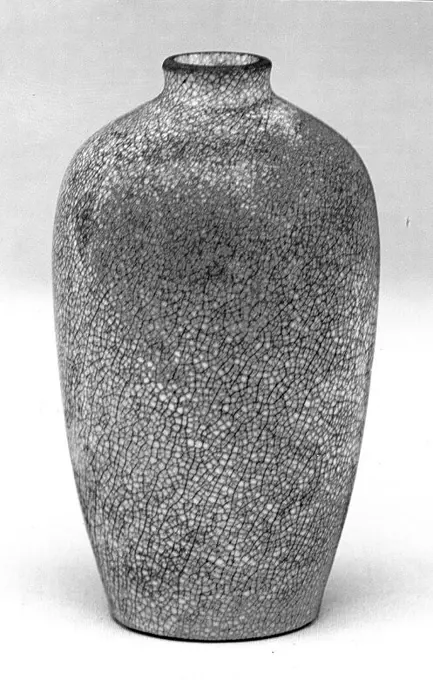
Bottle 19th century Japan. Bottle. Japan. 19th century. Clay covered with glaze splashed on one side, glazed base (Kyoto ware). Edo (1615-1868) or Meiji period (1868-1912). Ceramics
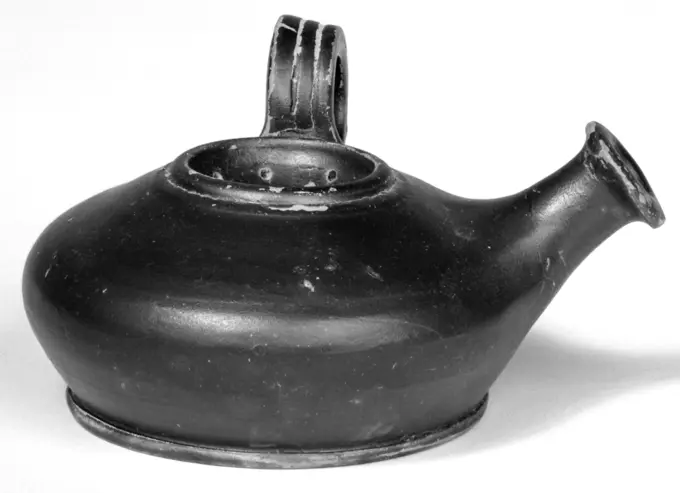
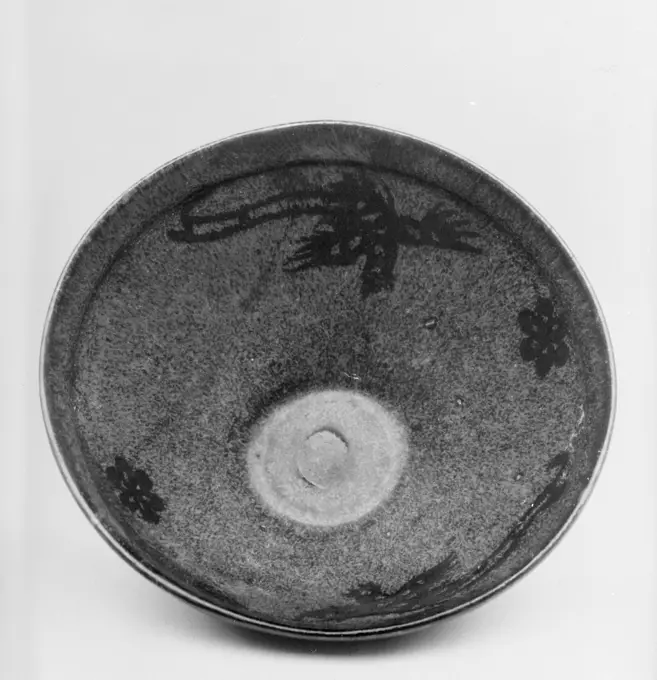
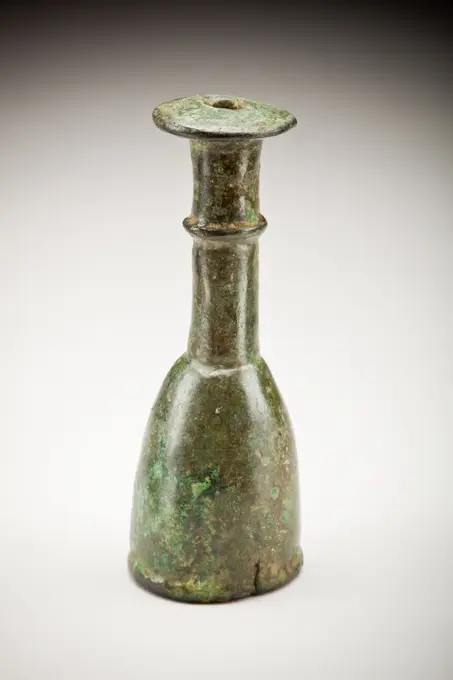
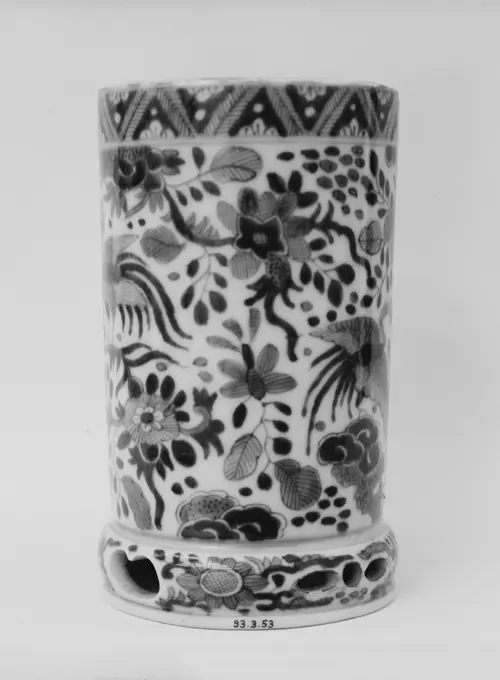
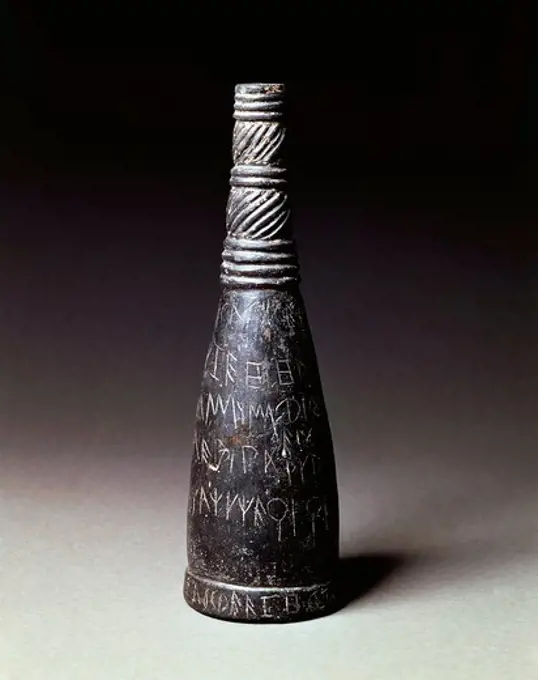
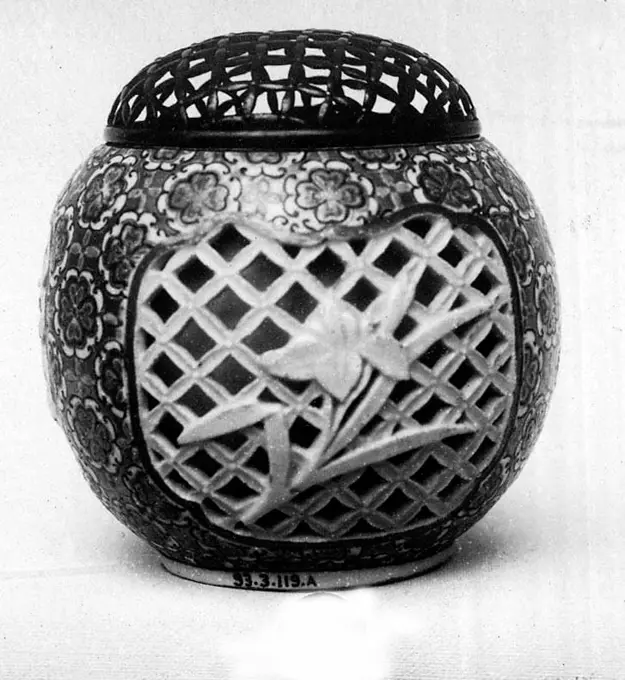
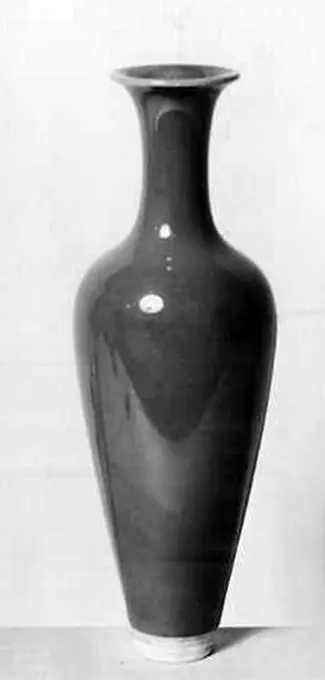
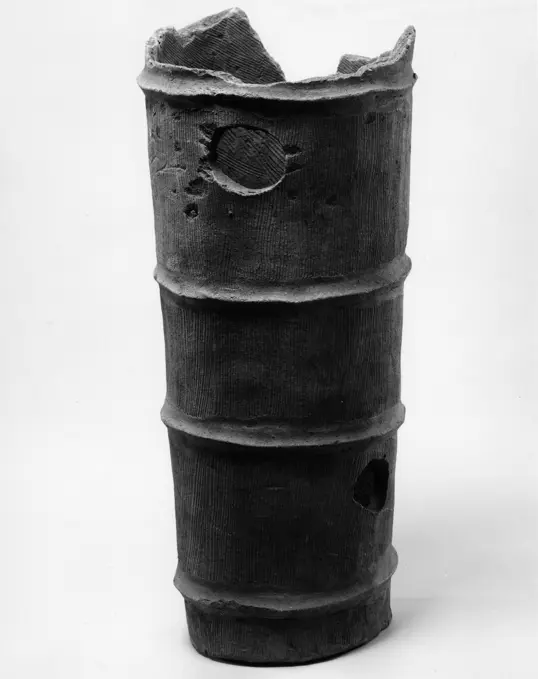
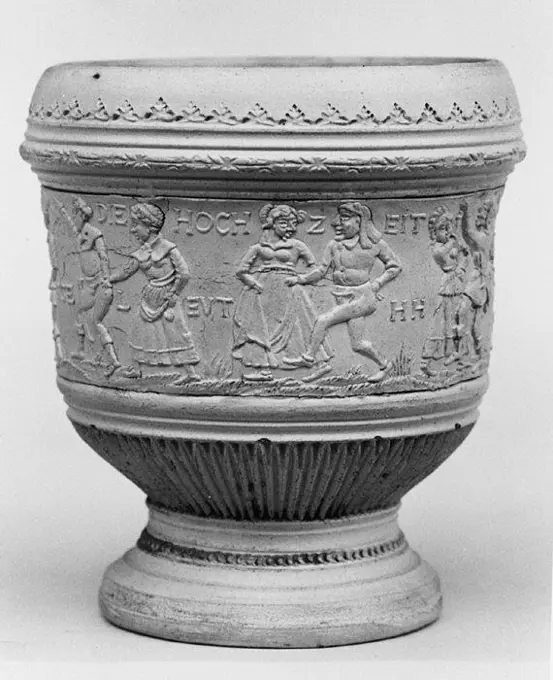
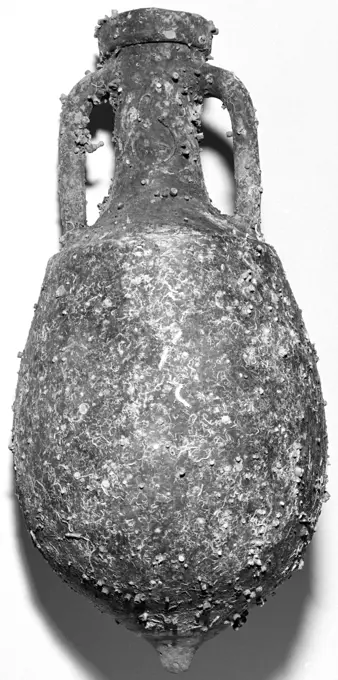
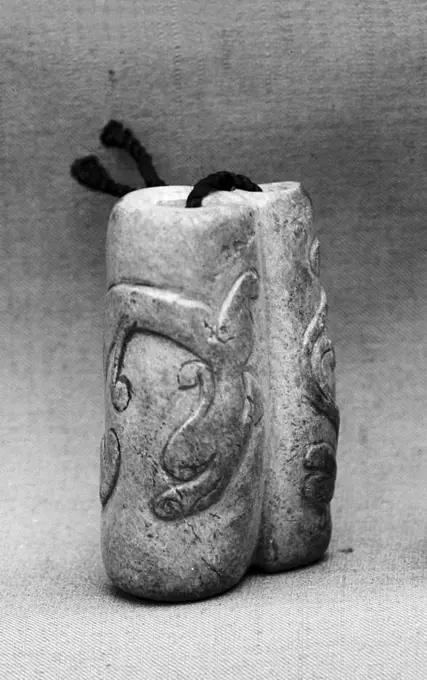
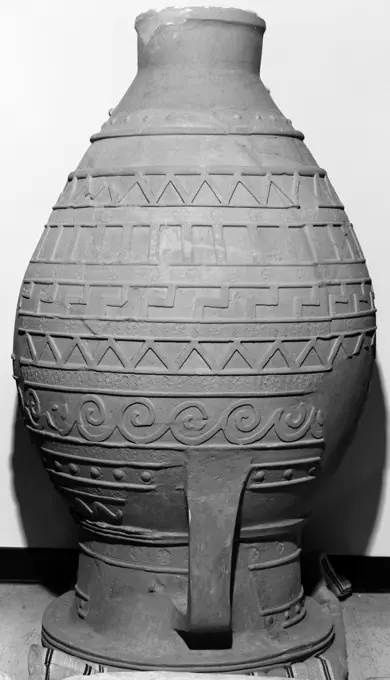
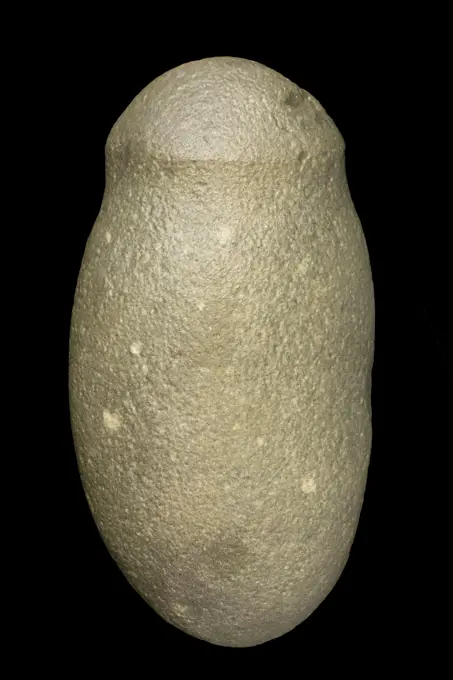
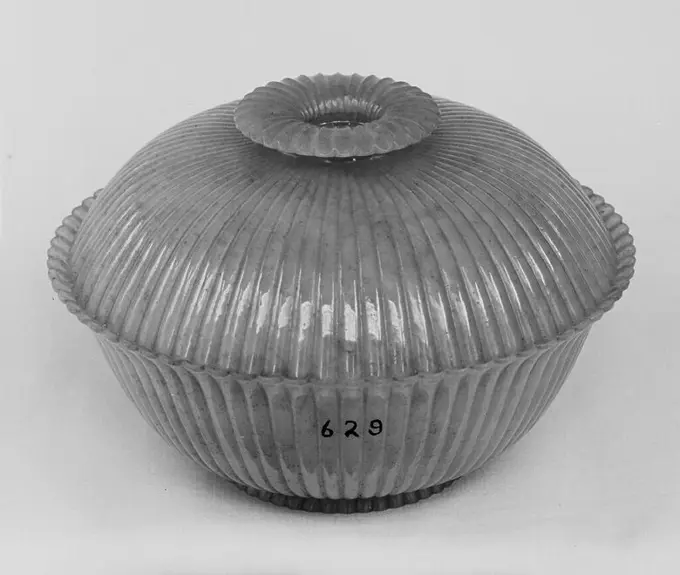
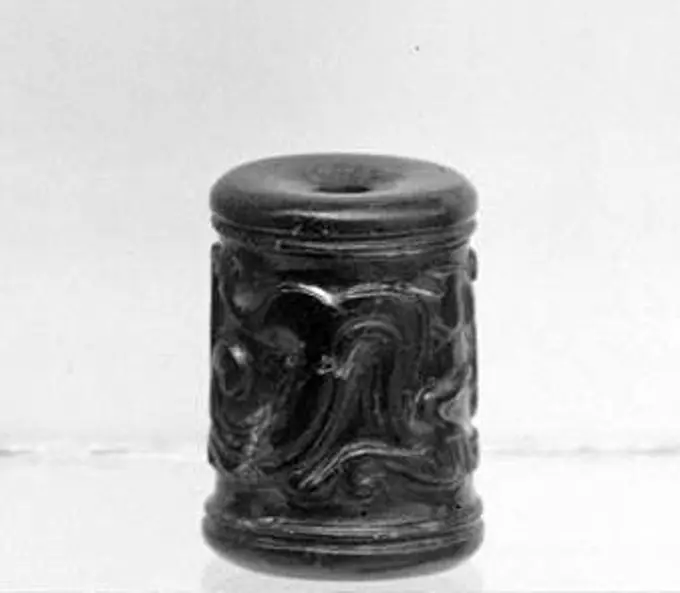
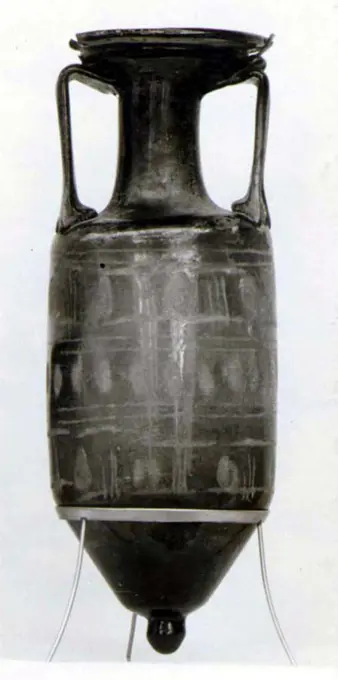
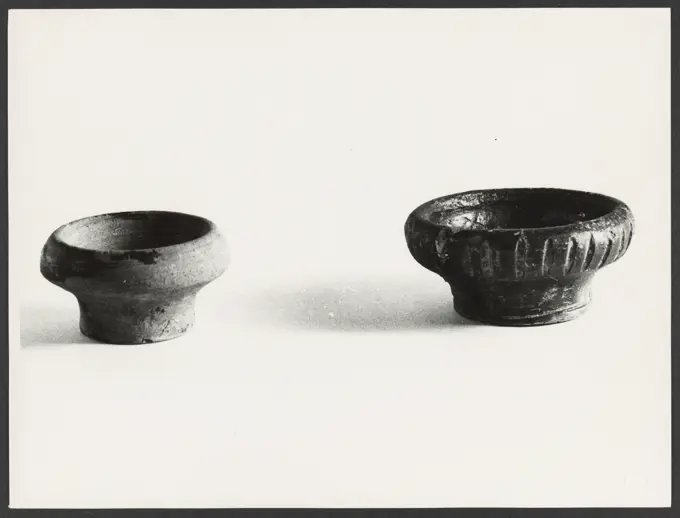
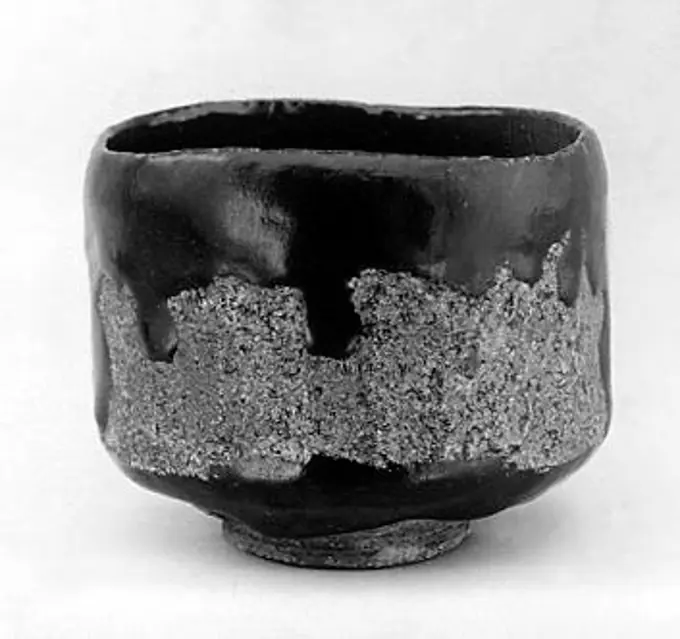
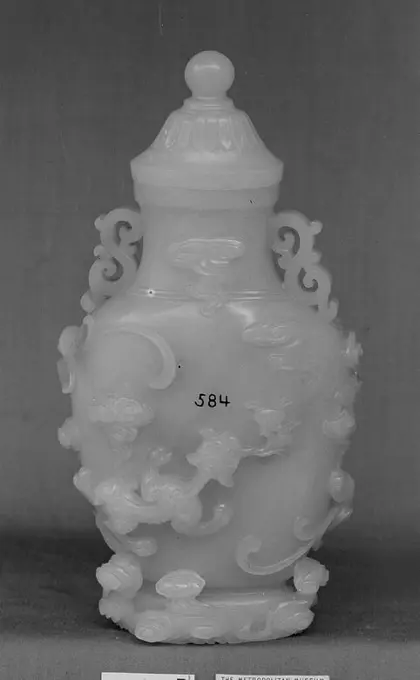
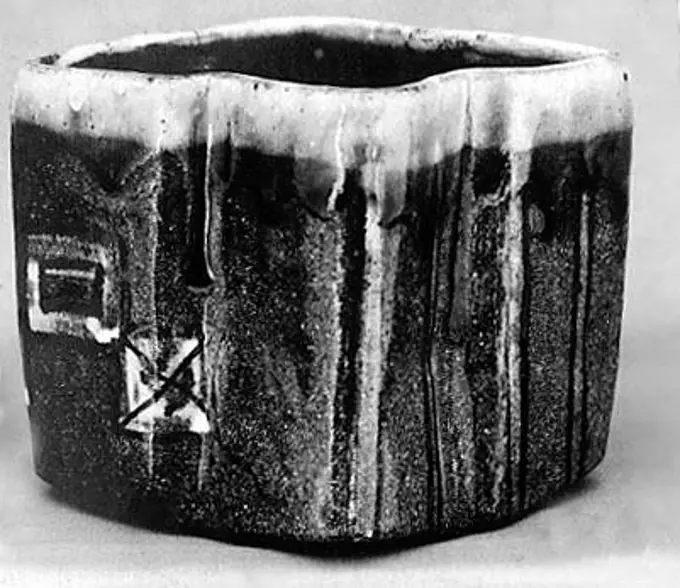
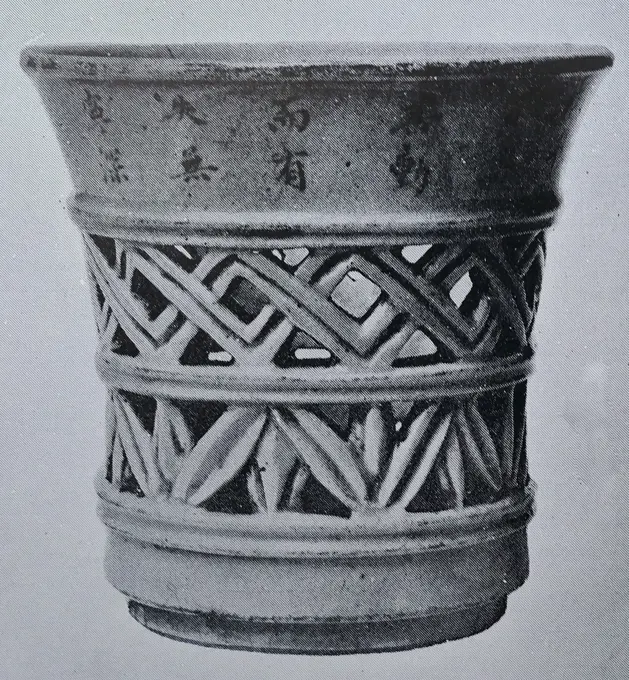
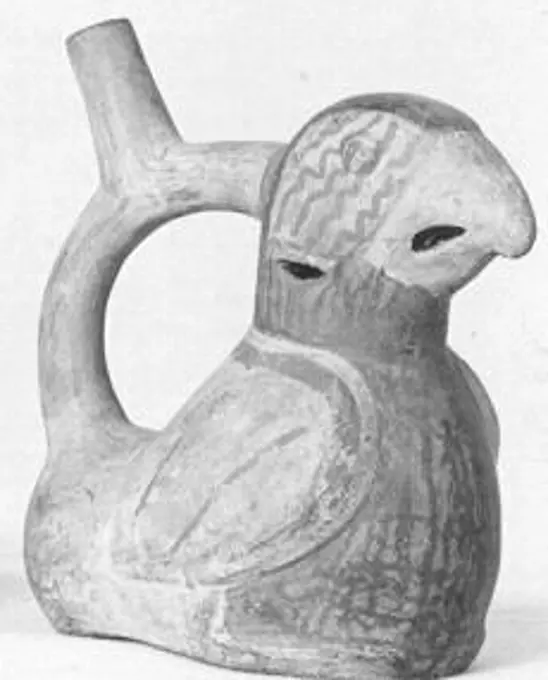
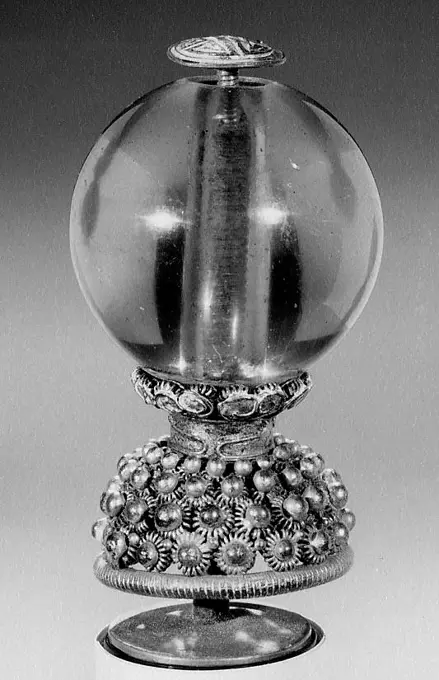
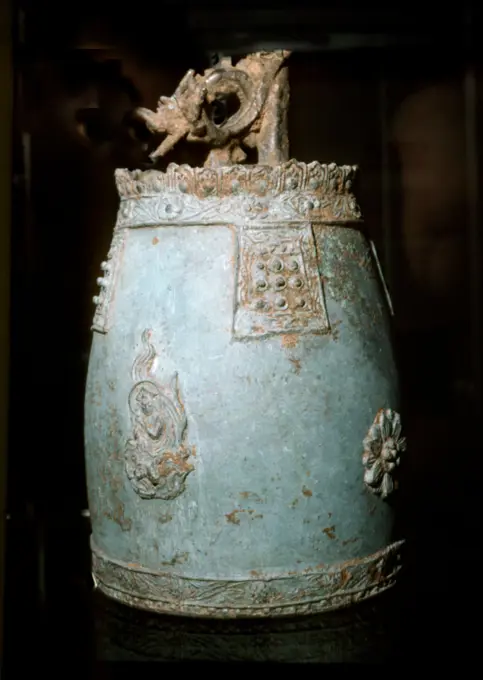
Lazio Viterbo Viterbo Museo Civico43. Hutzel, Max 1960-1990 Views of paintings (Middle Ages through 18th c.), frescoes, a tabernacle, coffin, sculpture reliefs, portal fragments, busts, sculpture, tapestry found in the Pinacoteca, Second floor gallery and Second floor cloister sequences. Antiquities: Many views of Etruscan and Roman fragments, sculpture, sarcophagi, pottery, masks, jewelry and other objects found in the Storeroom sequence (inventory numbers on back of prints), and the Cloister, Second floor Cloister, Valle Giulia, Sala Romana and Sala Etrusca sequences. General Notes: There are eight separate numerical sequences for this location. The cloister as an architectural structure, rather than museum site, is documented in the record and file for S. Maria della Verita, Cloister, all views of which are stored in Medieval core collection. Five views from the Museo Civico Second floor cloister sequence are stored in Medieval. German-born photographer and scholar Max Hutzel (1911-Bottle. Culture: Japan. Dimensions: H. 4 1/2 in. (11.4 cm). Date: 19th century. Museum: Metropolitan Museum of Art, New York, USA.Incense burner with cover China. Incense burner with cover. China. Nephrite, very light gray with patches and veins of very dark gray. Qing dynasty (1644-1911), Kangxi period (1662-1722). JadeZanguleh (zangula) ca. 1850-89 Iranian (Persian). Zanguleh (zangula) 504811Deep Cup 19th century Japan. Deep Cup. Japan. 19th century. Clay, the lower half covered in salt glaze style, the upper half with a white glaze (Tokoname ware) (). Edo (1615-1868) or Meiji period (1868-1912). CeramicsLazio Latina Sezze Antiquarium Comunale49. Hutzel, Max 1960-1990 German-born photographer and scholar Max Hutzel (1911-1988) photographed in Italy from the early 1960s until his death. The result of this project, referred to by Hutzel as Foto Arte Minore, is thorough documentation of art historical development in Italy up to the 18th century, including objects of the Etruscans and the Romans, as well as early Medieval, Romanesque, Gothic, Renaissance and Baroque monuments. Images are organized by geographic region in Italy, then by province, city, site complex and monument.Bottle with Character Design ca. 1630 Japan The auspicious character design is one of the earliest patterns found on underglaze decorated Japanese porcelain. Similar examples have been excavated from Tenjinmori no. 3, Kamano-Tsuji, Tengudani and other Arita area kilns.. Bottle with Character Design 52224Water Pot. Culture: Japan. Dimensions: H. 6 1/8 in. (15.6 cm); Diam. 5 1/2 in. (14 cm). Date: 18th century. Museum: Metropolitan Museum of Art, New York, USA.Pilgrim bottle with dragons late 6th century China. Pilgrim bottle with dragons 48504Campanian Black Guttus with Sieve Top. UnknownBowl China. Bowl. China. Pottery (Jian ware). Song dynasty (960-1279). CeramicsDecorated boss ca. 8th-7th century B.C. Iran This boss, a type of raised ornamentation, is decorated with incised lotus buds and flowers. Its function is uncertain but a riveted loop at the back may indicate that it could have been used as horse harness decoration.In 1947 a treasure was reputedly found at a mound near the village of Ziwiye in northwestern Iran. Objects attributed to Ziwiye are stylistically similar to Assyrian art of the eighth and seventh centuries B.C. as well as to the art of contemporary Syria, Urartu, and Scythia. Many objects of gold, silver, bronze, ivory, and ceramic have since appeared on the antiquities market with the provenance of Ziwiye, although there is no way to verify this identification. Decorated boss 324412Lower Section of a Box ca. 5th century Pakistan (ancient region of Gandhara). Lower Section of a Box 38183Finial Support. Iran, Luristan, circa 1350-650 B.C.. Architecture; Architectural Elements. Bronze, castVase 1820 Japan. Vase. Japan. 1820. White porcelain decorated with blue under the glaze. Edo period (1615-1868). CeramicsCapital 6th-7th century In the 500s Apa (Father) Jeremias founded a Coptic monastery at Saqqara, the ancient Egyptian necropolis (cemetery) of the city of Memphis, near the oldest pyramids. He and the earliest monks lived in tombs at the site. As the monastery grew, several grand churches with lavish decoration were built, as well as many chapels, public buildings, and complexes of cells (rooms) for each monk. The monastery continued to grow after the Arab conquest with materials from early Byzantine tomb structures being reused for additional monastic structures. Inscriptions record prayers to numerous holy figures. Sculptural elements from Saqqara are often carved with deeply undercut patterns to intensify the play of light and shadow and to mask the solidity of the architecture. This sculptural style was popular throughout the Byzantine world in the 500s.. Capital 456149Bucchero vase, perhaps used as inkwell, with written syllabification and on foot entire alphabet from Cerveteri, RomeIncense Burner with Openwork Panels 1820 Japan. Incense Burner with Openwork Panels. Japan. 1820. Clay covered with a finely crackled glaze and colored enamels and gold (Satsuma ware). Edo period (1615-1868). CeramicsMeiping vase 18th century China. Meiping vase. China. 18th century. Porcelain with turqoise glaze (Jingdezhen ware). Qing dynasty (1644-1911). CeramicsDrum 19th century African. Drum 501926Snuff Bottle. Culture: China. Dimensions: H. 2 3/8 in. (6 cm). Date: 18th-19th century. Museum: Metropolitan Museum of Art, New York, USA.Amphora China. Amphora 52922Fragmentary Haniwa Cylinder Japan. Fragmentary Haniwa Cylinder 62461Marriage cup ca. 1830-40 Probably by Peter Löwenick. Marriage cup 201764Transport Amphora. UnknownCandlestick 1700-1800 American or British. Candlestick. American or British. 1700-1800. Brass. Possibly made in England; Possibly made in United StatesSnuff Bottle China. Snuff Bottle 41308Vase late 18th-early 19th century China. Vase. China. late 18th-early 19th century. Porcelain with coral-red glaze (Jingdezhen ware). Qing dynasty (1644-1911). CeramicsCovered vase 18th century China. Covered vase. China. 18th century. Jade. Qing dynasty (1644-1911). JadeDouble Bead: Emblem of Earth China. Double Bead: Emblem of Earth 43176Restored Cretan Pithos. UnknownSeated Figure on a Lotus Pedestal 18th-19th century China. Seated Figure on a Lotus Pedestal 61516Hache a gorge en basalte. Periode Neolithique. Afrique du Nord. 19,4 cm.Flask 18th century Dutch, Haarlem. Flask. Dutch, Haarlem. 18th century. Glass. GlassCup with cover. Culture: China. Dimensions: H. 3 1/4 in. (8.3 cm); Diam. 4 15/16 in. (12.6 cm). Date: 18th century. Museum: Metropolitan Museum of Art, New York, USA.Bead China. Bead. China. Jade. Han dynasty (206 B.C.-A.D. 220). JadeTube: Emblem of Earth China. Tube: Emblem of Earth 43120Glass two-handled bottle (amphora) 4th century A.D. Roman Translucent deep olive green; handles and trail in translucent deep blue green.Rounded rim; shallow funnel-shaped mouth; cylindrical neck; sloping shoulder, with rounded edge that very slightly overhangs side; cylindrical body with vertical side, then funnel-shaped and tapering to solid, pointed, knob base; two four-ribbed strap handles applied to shoulder, drawn up vertically, then turned in, and trailed onto underside of mouth and top of neck under trail decoration, with excess glass drawn up to rim on one handle.Single trail wound once around underside of mouth; on cylindrical side of body, wheel-abraded decoration, carelessly executed, comprising three horizontal registers, with a pair of lines above each register: at top, band of eight vertical oval facets alternating with eight motifs that have three parallel vertical lines flanked at top and bottom with a single long line; in middle, band of 23 vertical oval facets; and aLazio Latina Sezze Antiquarium Comunale47. Hutzel, Max 1960-1990 German-born photographer and scholar Max Hutzel (1911-1988) photographed in Italy from the early 1960s until his death. The result of this project, referred to by Hutzel as Foto Arte Minore, is thorough documentation of art historical development in Italy up to the 18th century, including objects of the Etruscans and the Romans, as well as early Medieval, Romanesque, Gothic, Renaissance and Baroque monuments. Images are organized by geographic region in Italy, then by province, city, site complex and monument.Lazio Roma Subiaco Monastery of S. Scolastica Archaeological Museum6. Hutzel, Max 1960-1990 Antiquities: Views of antiquities in museum, including sarcophagi, plates, vases, coins. General Notes: Hutzel guide says we have negatives, but we cannot find them. German-born photographer and scholar Max Hutzel (1911-1988) photographed in Italy from the early 1960s until his death. The result of this project, referred to by Hutzel as Foto Arte Minore, is thorough documentation of art historical development in Italy up to the 18th century, including objects of the Etruscans and the Romans, as well as early Medieval, Romanesque, Gothic, Renaissance and Baroque monuments. Images are organized by geographic region in Italy, then by province, city, site complex and monument.Campania Napoli Naples S. Lorenzo Maggiore59. Hutzel, Max 1960-1990 Medieval: Sculpture, architecture, architectural sculpture (including Roman spolia) 13-14th century Chapter house; sarcophagi, gravestones; wall painting. Fragment of mosaic; sculptural fragments in the Sala Capitolare. Post-medieval: Architecture, architectural sculpture, ceiling painting fresco cycle; prints depicting Venice c. 1845 (4), sculpture; life-size creche figures dressed in original Neapolitan costume Church restored in 1882, 1926, 1944; excavations under the transept undertaken between 1958-1962, and in the cloister in 1976, have revealed remains of a Roman macellum (market), street, and the paleochristian basilica of the 6th c. AD. Antiquities: Pottery: black-glazed, archaic banded, domestic wares, bucchero; architectural terracottas, statuettes, lamps, sculpture fragments Object Notes: 3 color negatives with no prints at the end. General Notes: Most objects/paintings/frescoes unidentified. Three batches Hammered Silver Peanut Ornament 8th-mid-16th century Peru; north coast (). Hammered Silver Peanut Ornament 308981Pair ofPitchersTeabowl 17th century Japan. Teabowl 62650Bridle Gauntlet. Culture: German. Dimensions: H.11 1/2 in. (29.2 cm). Date: 16th century. Museum: Metropolitan Museum of Art, New York, USA.Bell late 19th century Chinese. Bell 500680Archaic-style vessel with dragon. Culture: China. Dimensions: H. 6 5/8 in. (16.9 cm); W. 3 7/16 in. (8.8 cm); D. 1 3/4 in. (4.4 cm). Date: late 18th-19th century. Museum: Metropolitan Museum of Art, New York, USA.Campania Salerno Nocera Inferiore Museo dell'Agro Nocerino5. Hutzel, Max German-born photographer and scholar Max Hutzel (1911-1988) photographed in Italy from the early 1960s until his death. The result of this project, referred to by Hutzel as Foto Arte Minore, is thorough documentation of art historical development in Italy up to the 18th century, including objects of the Etruscans and the Romans, as well as early Medieval, Romanesque, Gothic, Renaissance and Baroque monuments. Images are organized by geographic region in Italy, then by province, city, site complex and monument.Teabowl 19th century Japan. Teabowl. Japan. 19th century. Clay covered with transparent glaze over a decoration of slip and a transparent overglaze around the rim; (Kiyomizu ware, Oribe type). Edo (1615-1868) or Meiji period (1868-1912). Ceramics'Column'. Italy, 18th century. Dimensions: h. 102 cm. Museum: State Hermitage, St. Petersburg.Brush Stand from Joseon Dynasty , Chongnwa white porcelain; openwork. From the time of Joseon Dynasty (1392 - 1910)順昌印 1600-25 China. 順昌印 41067Whistling Jar 200 B.C.-600 A.D. Peruvian Whistling jar in the shape of a bird.Although numerous pottery instruments survive from pre-Conquest South and Central America, little is known of how they were used before Spanish invaders ravaged the native cultures. Whistles, trumpets and rattles in animal or human form probably had ceremonial functions or served as playthings. The "whistling jar" is a 1- or 2-chambered vessel in which a whistle, often concealed by a bird's head, is sounded by blowing into the spout, or by pouring liquid from one chamber to the other to create a bird-like twittering sound. Smaller whistles in animal shapes, perhaps worn suspended from the neck, sometimes have fingerholes that allow variation of pitch.. Whistling Jar 502281Double Capital late 13th-early 14th century French. Double Capital. French. late 13th-early 14th century. Marble. Made in Pyrénées-Aquintaine, France. Sculpture-ArchitecturalHat Finial early 20th century China. Hat Finial 60888Greek fire bombs and bell at the ethnographic museum of Tashkent. Uzbekistan, Central Asia. From Orenburg to Samarkand 1876-1878 by Madame Marie Ujfalvy-Bourdon, Le Tour du Monde 1879Buddhist bell with dragon head, 1338, Koryo, Korea.Joseph Richardson, Jr. and Nathaniel Richardson, Sugar Bowl and Cover, c. 1785, silver.