Historic Coins and Artifacts

A collection featuring historical coins and amulets from different cultures, primarily Asian, reflecting ancient craftsmanship and decorative elements.
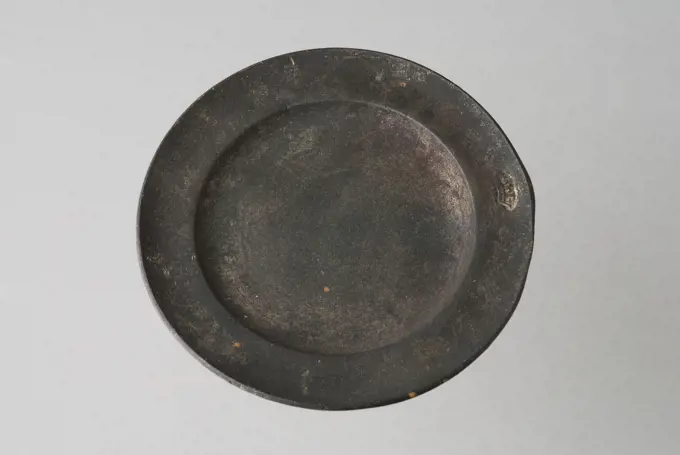
Toy tin plate with brand in the rim, plate crockery holder miniature model soil find tin metal, cast Small tin plate. Toys Flat mirror and flat edge on top Marked on the edge of the tin mark: crown possible with initials archeology Capelle aan den IJssel House in Capelle castle child play child's play dolls girl Soil discovery: house in Capelle Capelle aan den IJssel.
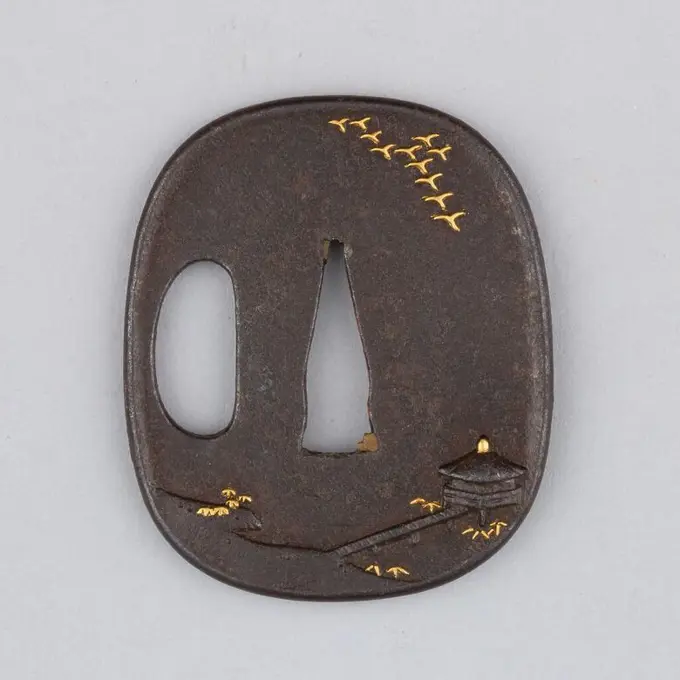
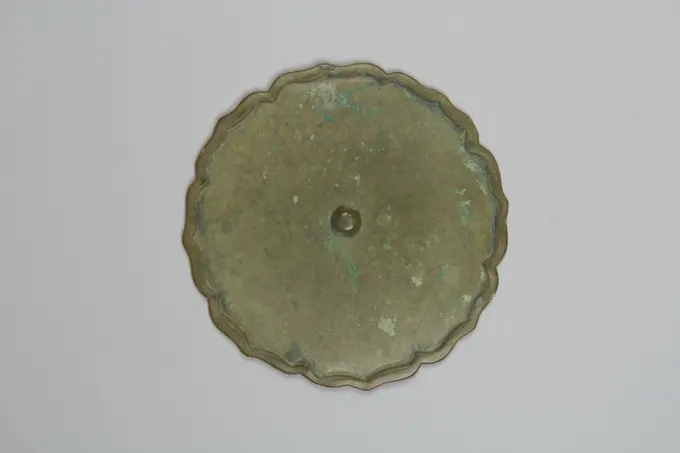
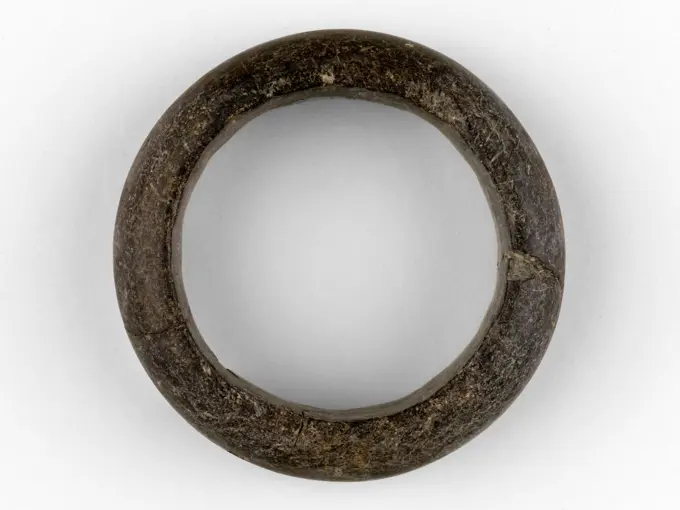
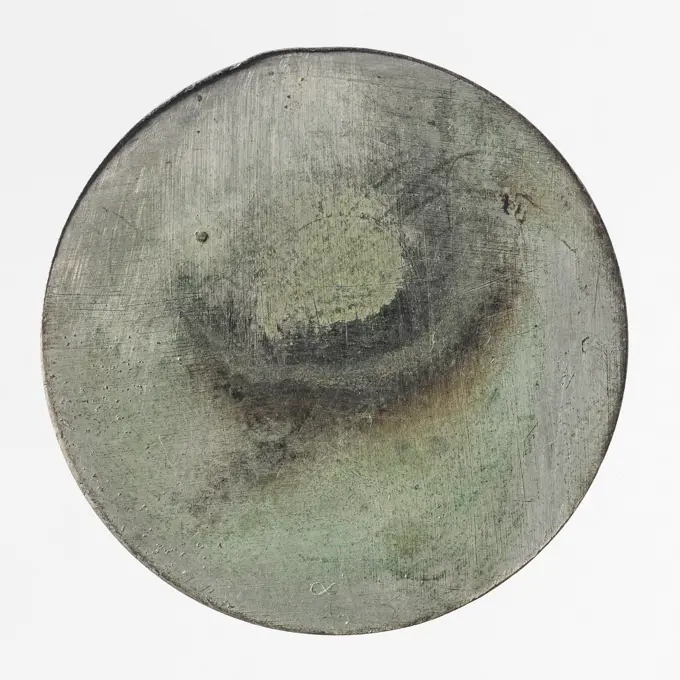
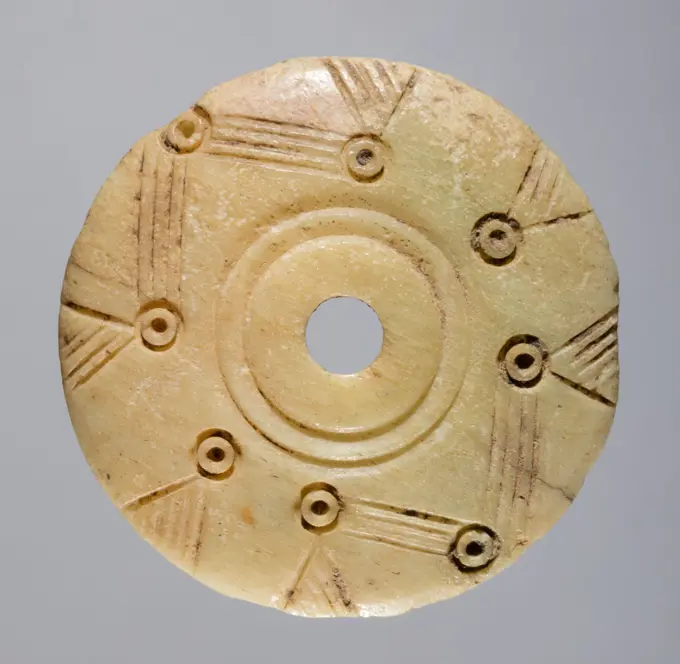
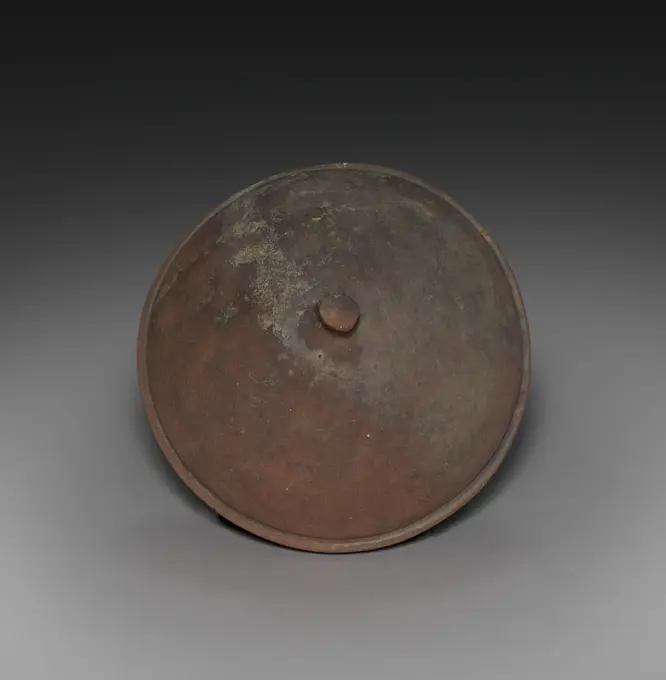
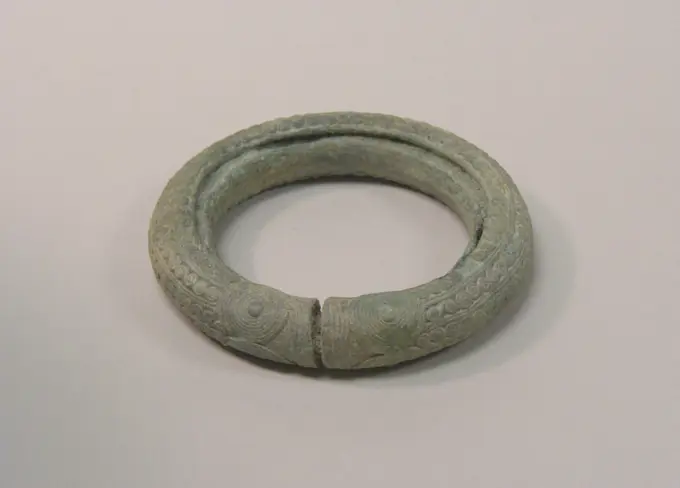
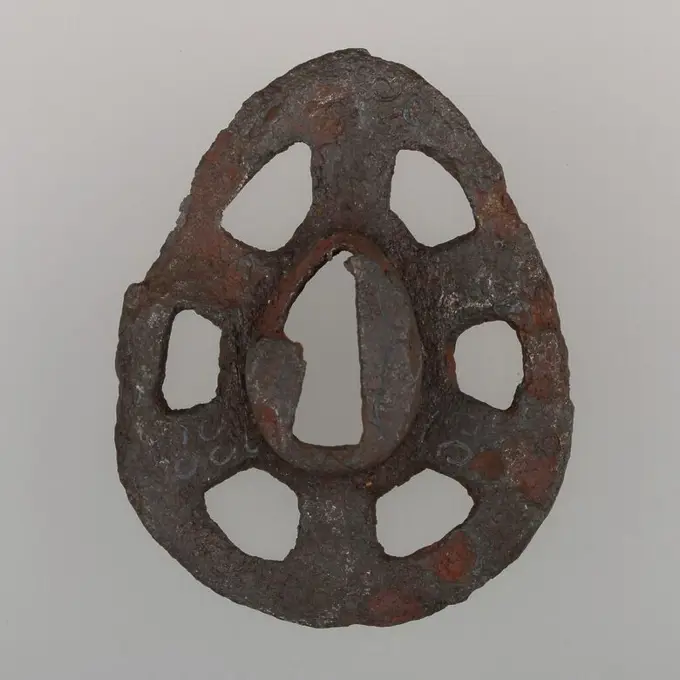
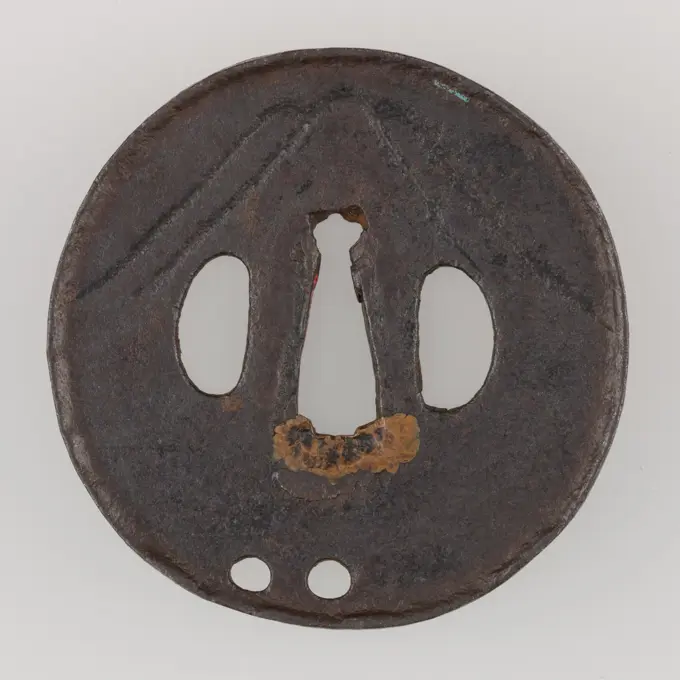
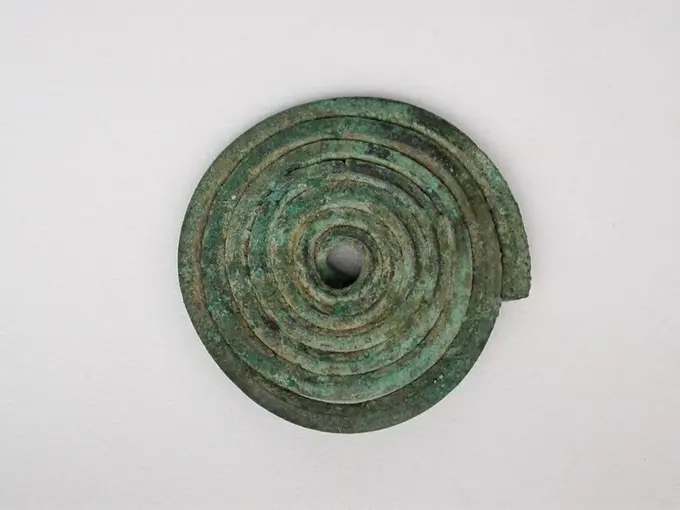
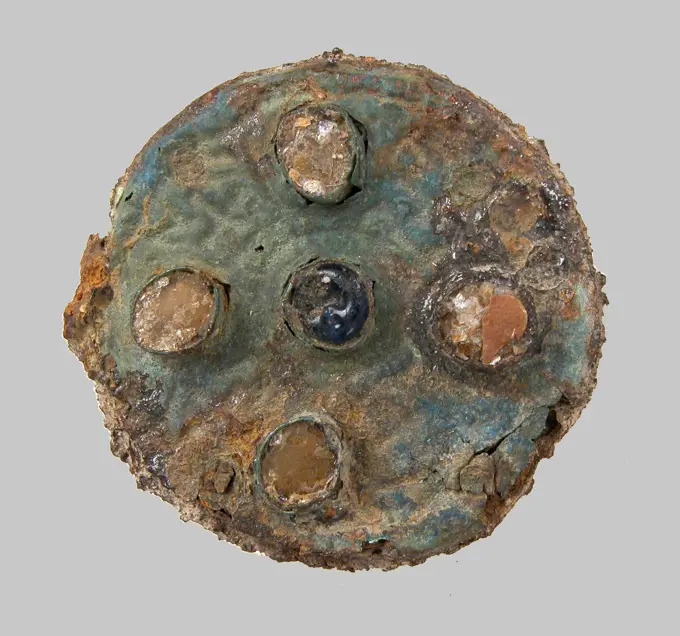
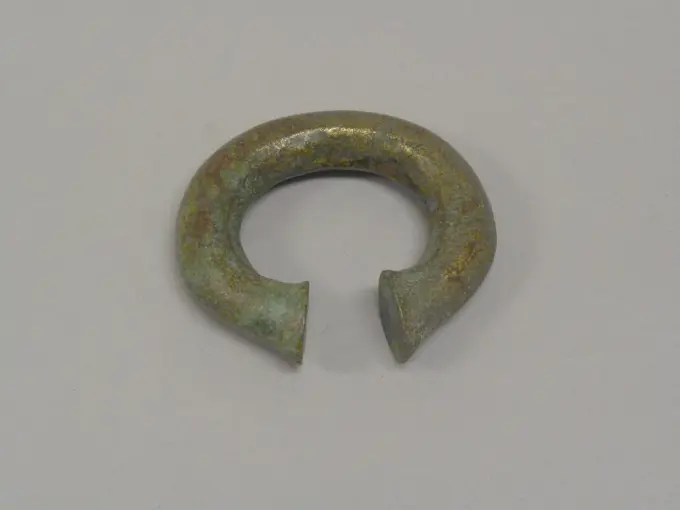
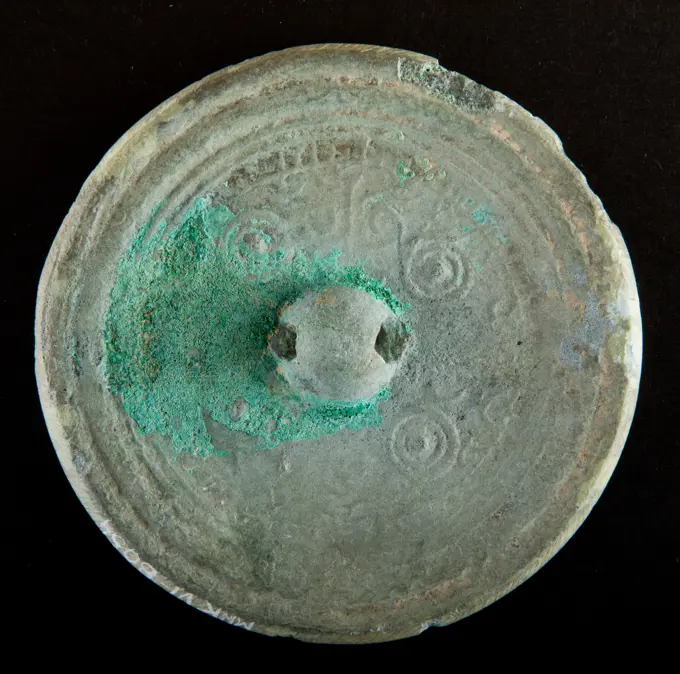
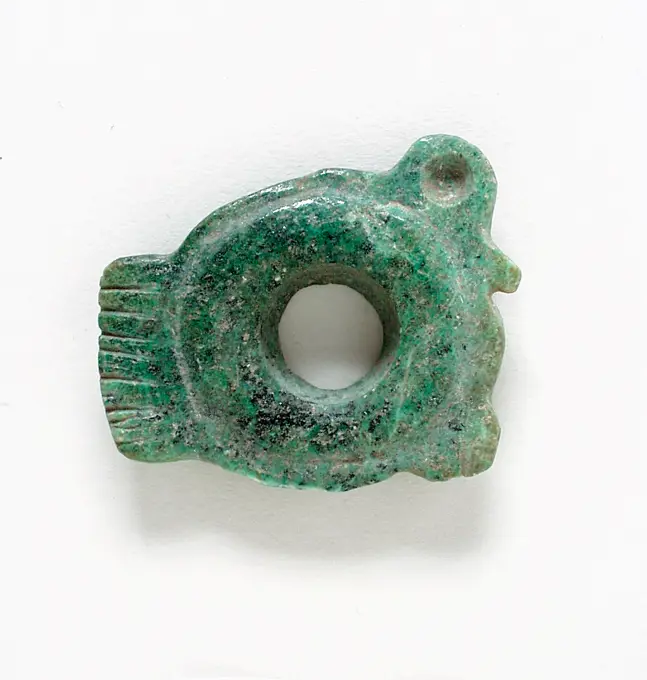
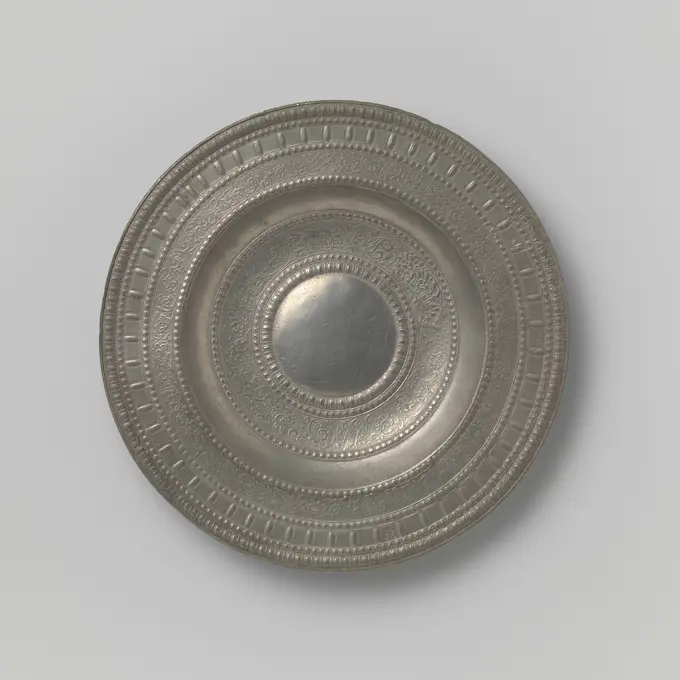
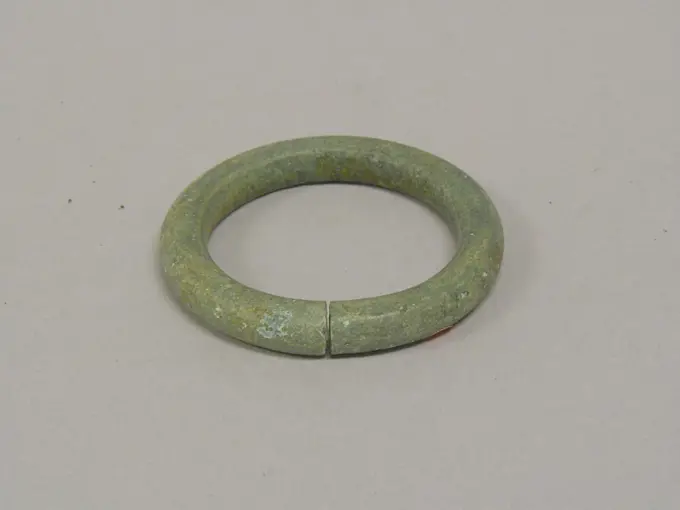
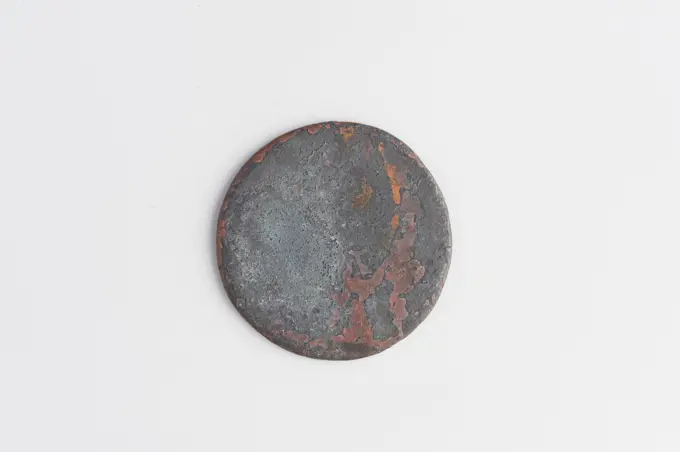
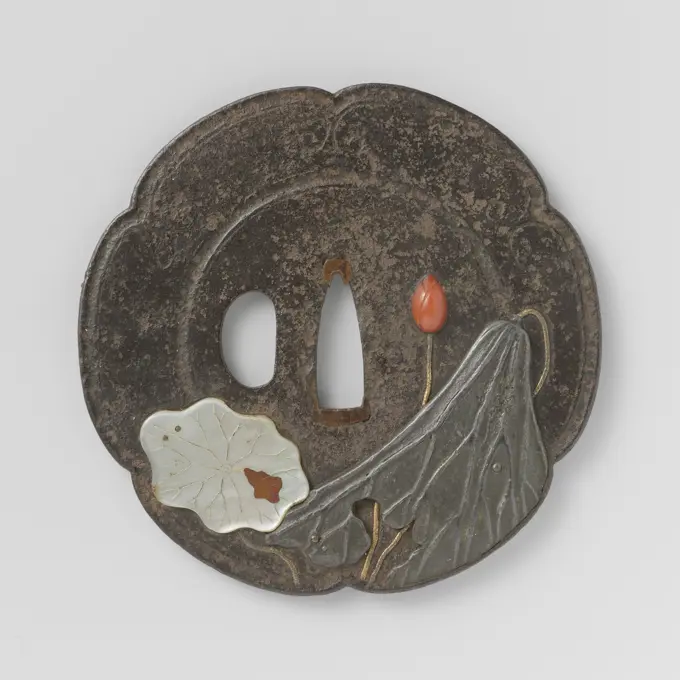
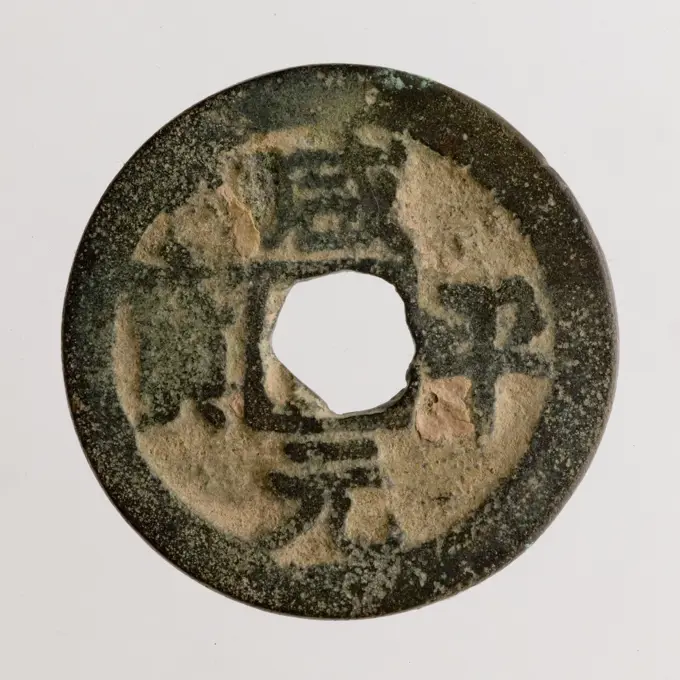
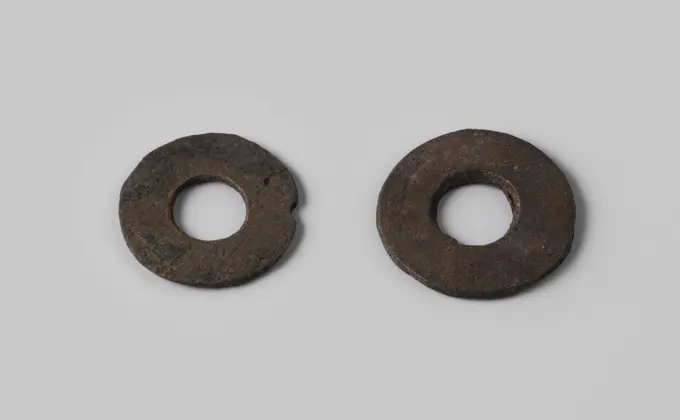
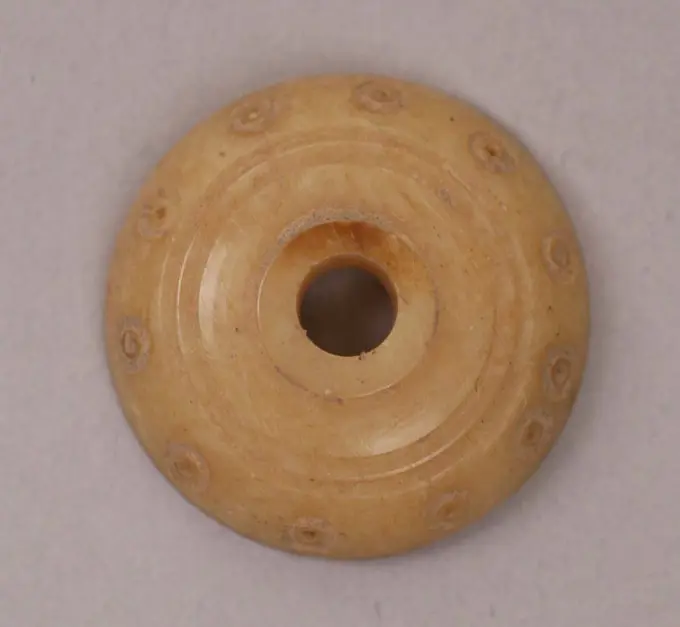
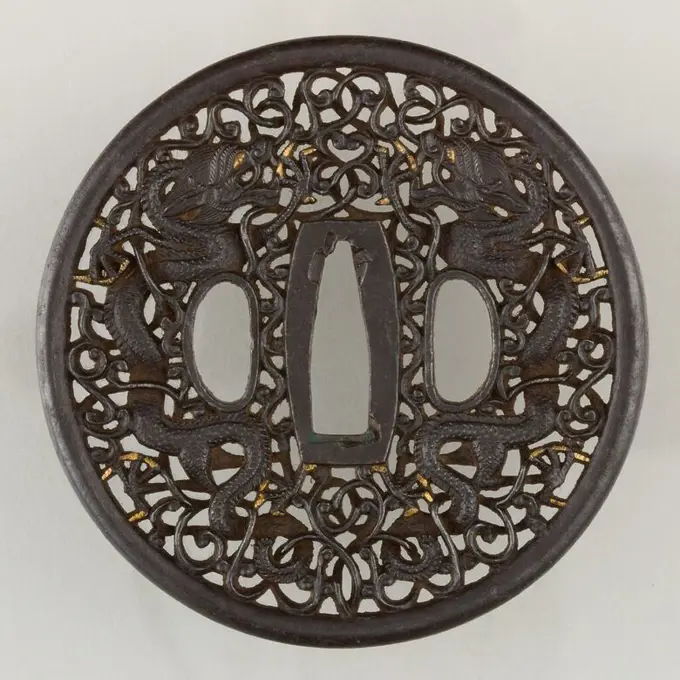
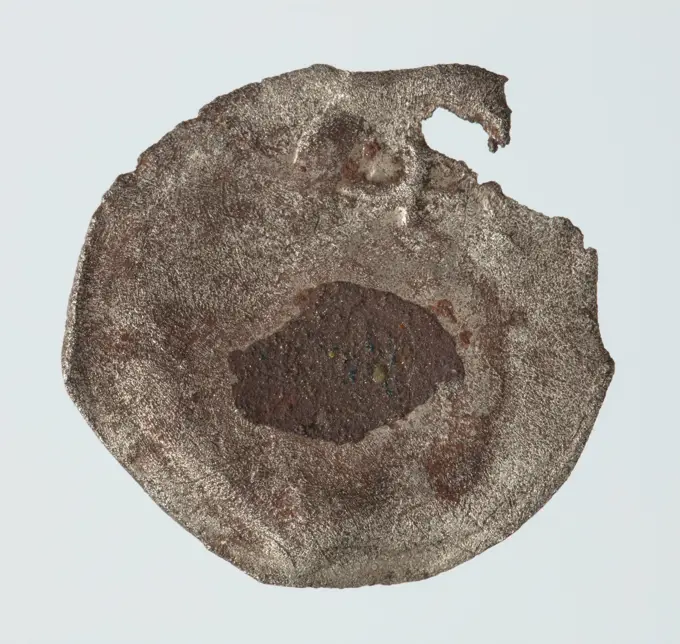
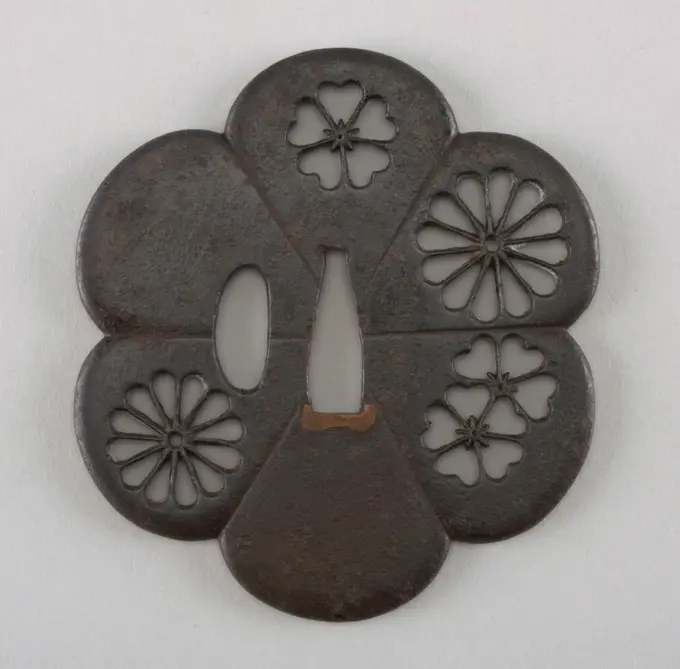
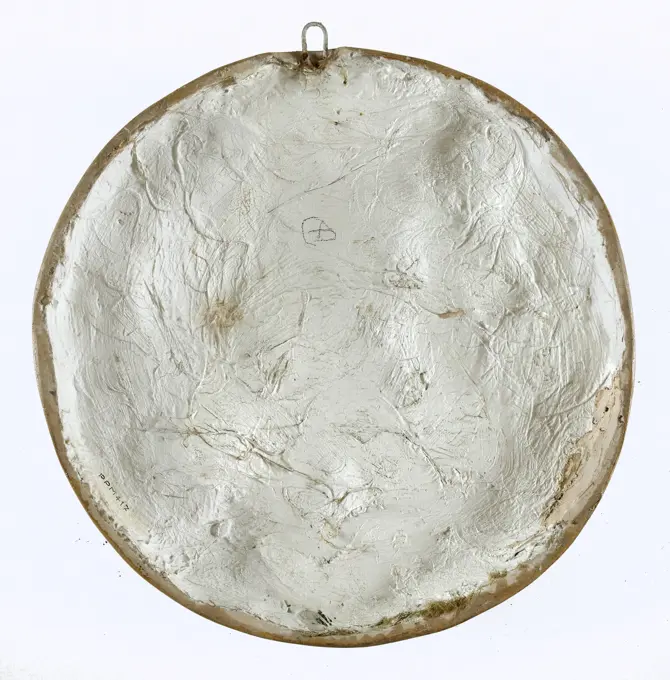
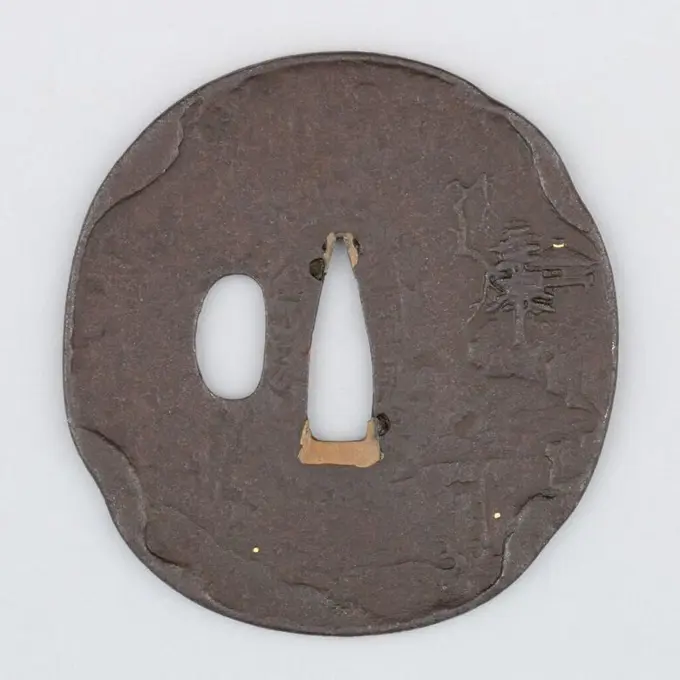
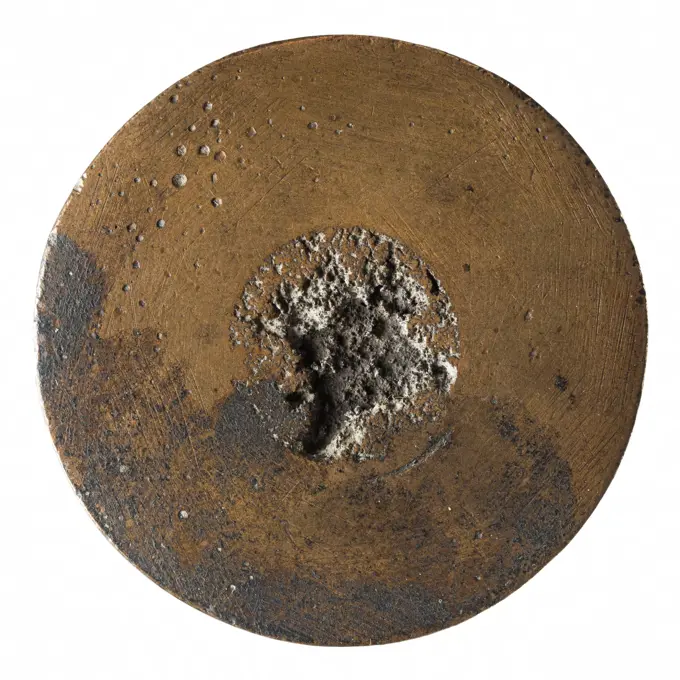
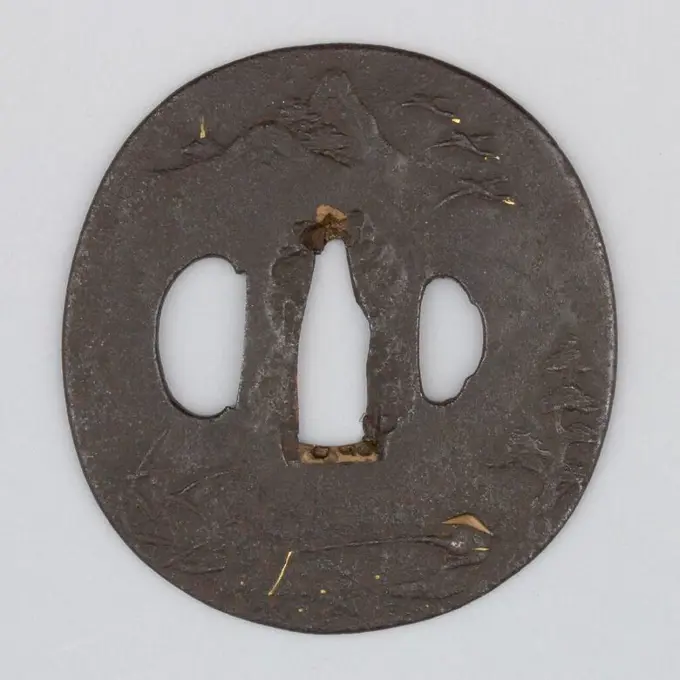
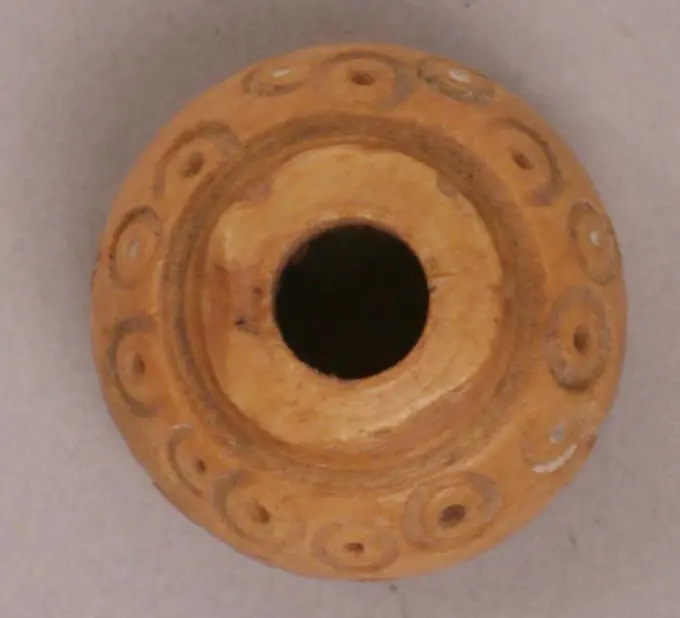
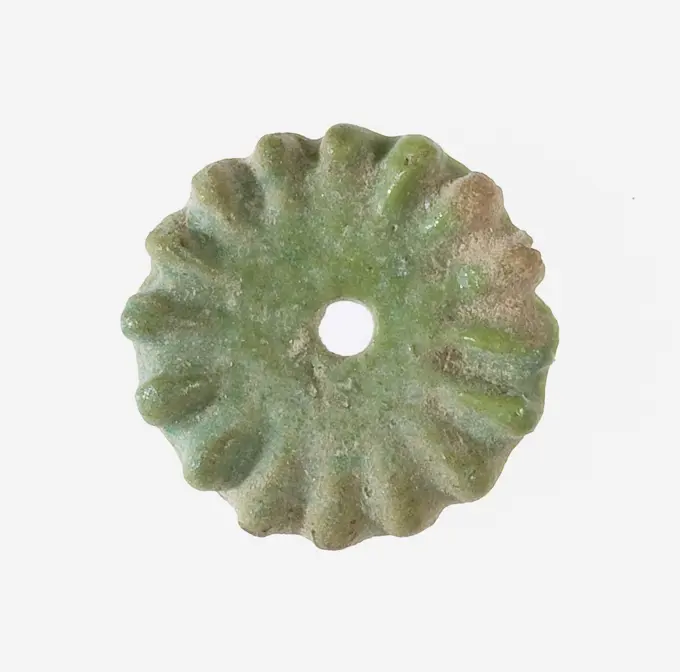
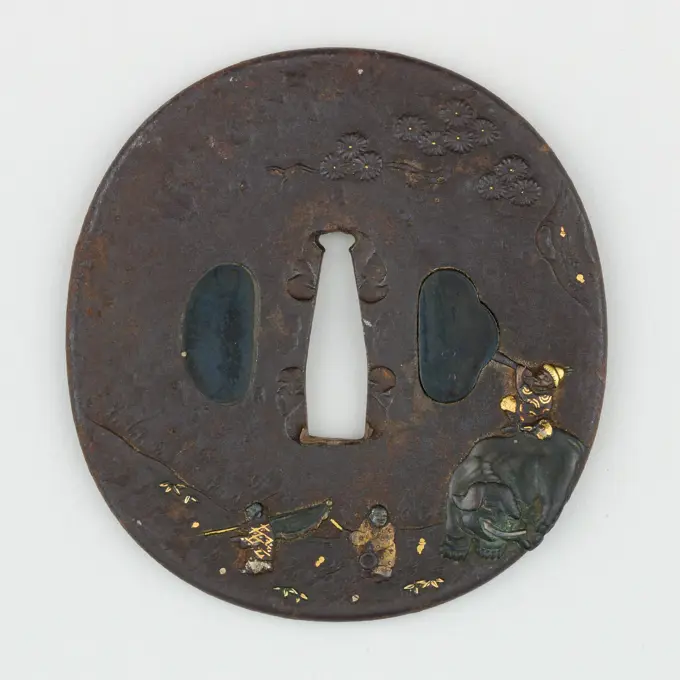
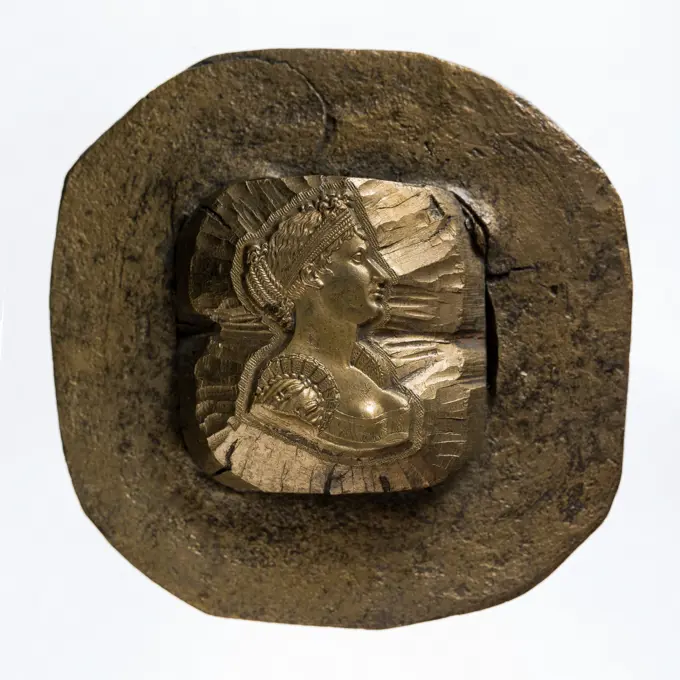
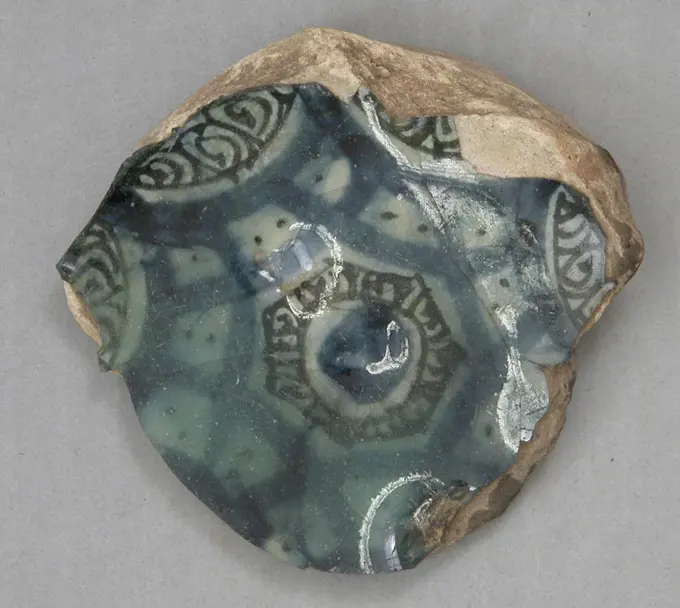
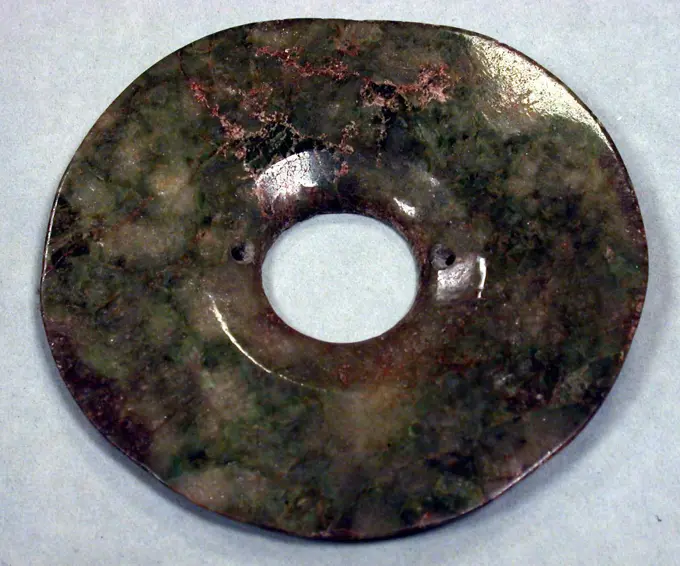
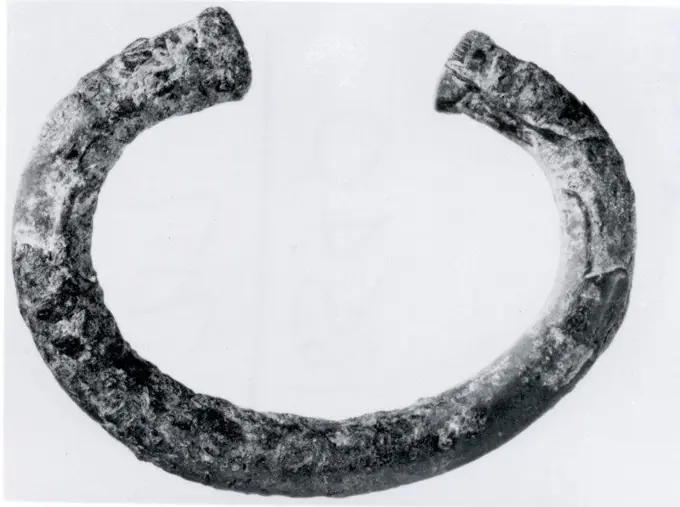
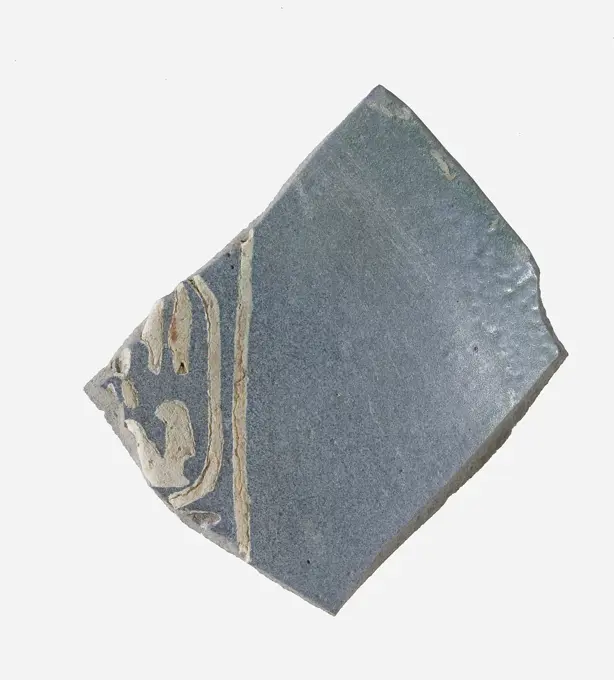
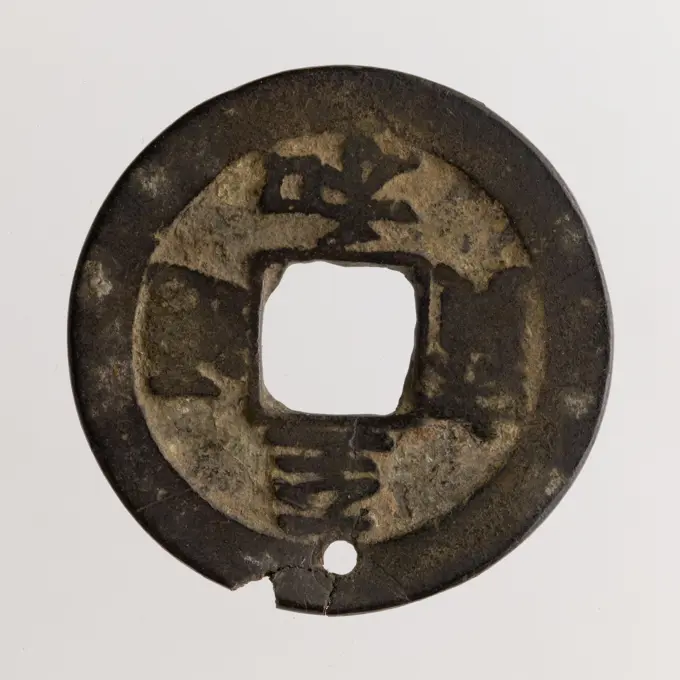
Cash. Copper alloy, China, Song dynasty. Paris, Cernuschi museum. Amulet, Asian art, Chinese art, circle, Asian civilization, Chinese civilization, belief, disc, Song dynasty, currencyFalse coin, crown zloty, John II Casimir (1649 1668)Carnavalet Museum, Medals CollectionSword Guard (Tsuba). Culture: Japanese. Dimensions: H. 2 in. (5.1 cm); W. 1 3/4 in. (4.5 cm); thickness 1/4 in. (0.6 cm); Wt. 1.4 oz. (39.7 g). Date: 18th century. Museum: Metropolitan Museum of Art, New York, USA.Toy tin plate with brand in the rim, plate crockery holder miniature model soil find tin metal, cast Small tin plate. Toys Flat mirror and flat edge on top Marked on the edge of the tin mark: crown possible with initials archeology Capelle aan den IJssel House in Capelle castle child play child's play dolls girl Soil discovery: house in Capelle Capelle aan den IJssel.TsubaSword Guard (Tsuba) possibly 17th century Japanese A tsuba is a sword guard and part of a sword mounting. It is mounted between the swords blade and grip to protect the users hands.. Sword Guard (Tsuba) 33410Lamp, Asia Minor; 5th - 6th century; Terracotta; 3.2 × 8.2 × 8.2 cm (1 1,4 × 3 1,4 × 3 1,4 in.)Sword Guard (Tsuba). Culture: Japanese. Dimensions: H. 3 3/16 in. (8.1 cm); W. 3 in. (7.6 cm); thickness 1/4 in. (0.6 cm); Wt. 5.3 oz. (150.3 g). Date: ca. 1615-1868. Museum: Metropolitan Museum of Art, New York, USA.Notched Axe. China. Date: 1200 BC-1000 BC. Dimensions: 7.0 × 5.5 × .8 cm; 2 3/4 × 2 3/16 × 5/32 in. Jade. Origin: China. Museum: The Chicago Art Institute, Chicago, USA.Planets-manager. Cornalet Collection Sites 2013-2016. Numismatic.Sword Guard (Tsuba) 18th century Japanese A tsuba is a sword guard and part of a sword mounting. It is mounted between the swords blade and grip to protect the users hands.. Sword Guard (Tsuba) 26244. Oval tsuba with a phoenix, three paulownia plants and stylized clouds at the front in the front. At the rear two Paulownia plants and a cloud; Signed "Kishu Ju Teimei" or "Kishu Ju Sadatoshi".Mirror Korea. Mirror. Korea. Bronze. Goryeo dynasty (918-1392). MirrorsMayan, pendant carved from a shell. Shows the four directions east, west, north and south. From Ek' Balam; a Yucatec-Maya archaeological site , Yucatan, Mexico. 600-900 AD.Lid. UnknownShale bracelet. Iron Age Paris, Carnavalet museum. Fashion accessory, iron age, jewelry, bracelet, stone, protohistory, shaleRoundel, disk Cypriot. Roundel, disk. Cypriot. Bone Button or Bead 9th-11th century. Button or Bead 455224Tin foot plate, man and woman in the mirror, dish crockery holder soil find tin metal, Round metal saucer or tray (deformed) on stand ring In the middle presentation in relief archeology Rotterdam rail tunnel serving Soil discovery: route rail tunnel Rotterdam.Disc with Coiled Dragon 1100 BCE-900 BCE China. Jade .Aged antique ship porthole isolated on a white background with clipping path -inner and outerUniface test for Charles X's 5 francs room, 1828 Fran�ois-Augustin Caunois (1787-1859). Uniface test for the 5-francs of Charles X, 1828. Etain, 1828Spindle Whorl, 700s - 900s. Iran, early Islamic period, 8th - 10th century. Bone, incised; overall: 0.4 x 2.6 x 2.6 cm (3/16 x 1 x 1 in.).Vessel with Knobbed Lid (lid), 200s-300s. Korea, Kaya Kingdom (42-562). Stoneware; overall: 34.6 x 29.5 cm (13 5/8 x 11 5/8 in.). This storage vessel is distinguished by its robust, subtly proportioned form and its body color. The purplish-brown surface "skin" is enlivened by a series of smoky black swirling marks that occurred during the firing in the wood kiln. This shape began as a series of clay coils that were pinched and then paddled; however, it spent more time on a potter's wheel to thin and finish its outer surface. The lid received similar, understated attention to detailing and finish.Bracelet 500 B.C.-A.D. 300 Thailand. Bracelet. Thailand. 500 B.C.-A.D. 300. Bronze. Bronze and Iron Age period. MetalworkButton from the wreck of the East India hollandia. Button. (1) SIM. NG 1978-58H169 (3.1D)Box or case of wood, flat, external with brown leather exaggerated, anonymous, c. 1575 - c. 1600 Box or pace made of wood, flat, externally covered with brown leather. The middle part of the soil is missing. The learning work of the lid is richly decorated with pressed and cut flower and leaf work. The bottom is lined with a red side and the lid with a linen tissue.  wood (plant material). leather. silk. linen (material) cutting Box or pace made of wood, flat, externally covered with brown leather. The middle part of the soil is missing. The learning work of the lid is richly decorated with pressed and cut flower and leaf work. The bottom is lined with a red side and the lid with a linen tissue.  wood (plant material). leather. silk. linen (material) cuttingSword Guard (Tsuba). Culture: Japanese. Dimensions: H. 2 7/8 in. (7.3 cm); W. 2 1/4 in. (5.7 cm); thickness 3/4 in. (1.9 cm); Wt. 2.1 oz. (59.5 g). Date: ca. 300-710. Museum: Metropolitan Museum of Art, New York, USA.sesterce; Kommodus (161-192; Roman emperor 177-192), Marek Aureliusz (121-180; Roman emperor 161-180); after 180 (180-00-00-205-00-00);Sword Guard (Tsuba) Depicting Two Gibbons (疋手長猿図鐔) ca. 1615-1868 Japanese The obverse of this tsuba shows towards the top and the bottom a gibbon in an almost symmetrical interpretation and with their hands meeting on the otherwise undecorated reverse, suggesting that they are working together to reach something, possibly fruits. The gibbons are of shakudō with copper faces and eyes in gold. The hitsu-ana (openings for scabbard accessories) are of irregular shapes.. Sword Guard (Tsuba) Depicting Two Gibbons (疋手長猿図鐔) 25694Copper Openwork Mace Head 3rd century B.C.-A.D. 2nd century Vicús (). Copper Openwork Mace Head 315347Sword Guard (Tsuba) 18th century Japanese A tsuba is a sword guard and part of a sword mounting. It is mounted between the swords blade and grip to protect the users hands.. Sword Guard (Tsuba) 26408Round Plaque 3rd century B.C.-A.D. 2nd century Vicús. Round Plaque 315540Spiral Fibula. Greek; Thessaly. Date: 800 BC-700 BC. Dimensions: 4.7 x 4.9 x 0.5 cm (1 7/8 x 1 7/8 x 3/16 in.). Bronze. Origin: Thessaly. Museum: The Chicago Art Institute, Chicago, USA. Author: ANCIENT GREEK.Disk Brooch 500-700 Frankish. Disk Brooch 464989 Frankish, Disk Brooch, 500700, Copper alloy, iron core, glass paste or stone, evidence of gold foil, Overall: 1 3/4 x 11/16 in. (4.5 x 1.7 cm). The Metropolitan Museum of Art, New York. Gift of J. Pierpont Morgan, 1917 (17.191.281)One from a Pair of Solid Open Bangles with Shaved Ends 500 B.C.-A.D. 300 Thailand. One from a Pair of Solid Open Bangles with Shaved Ends 53868Misa unknownMirror unknownSpindle Whorl, one of seven, 7/8 x 2 1/4 in. (2.22 x 5.72 cm), Clay, MexicoBronze mirror cover 4th century B.C. Greek Woman doing her hair with another holding a mirror and alabastron (perfume jar). Bronze mirror cover 249229Duck PendantPlate of tin with yacht scene on the edge. Plate of tin with scalloped edge. On the flat in a medallion is a show with a musician woman, a man and a dog. There are tires with rank motifs. The flat edge shows a hunting scene with hunters, dogs, deer and boar.sesterce; Faustina M Osza (Ca 130-176; Roman Empress 161-176); 147-161 (147-00-00-161-00-00);Decorative dish of tin with tires decorated with tendrils, insects and birds. Decorative dish of tin. The lightly vaulted flat is surrounded from the inside to the outside by a double egg list, a bond with birds amid from rank motifs and an egg list. The rise of flat to edge is unfromed. The edge is decorated from the inside out with an egg list, a band with insects in the middle of rank motifs, and four egg lists of different width.Hand Guard, Mitsuhiro (II), 1800-1850 Oval tsuba with two fields with openwork decoration in positive silhouette of star patterns and; On both sides in raised relief-ropeing monkeys, where the rope runs through one of the Ryo-Hitsu; Signed "Hishu Yagami Ju Mitsuhiro". Japan iron (metal). gold (metal) Oval tsuba with two fields with openwork decoration in positive silhouette of star patterns and; On both sides in raised relief-ropeing monkeys, where the rope runs through one of the Ryo-Hitsu; Signed "Hishu Yagami Ju Mitsuhiro". Japan iron (metal). gold (metal)Button from the wreck of the East India hollandia. Button. (1) Flat, Relieved Decoration, Flower-Head Motif (1.5D, 0.2T), Key-Shank BrokenBangle 4000 B.C.-A.D. 400 Thailand. Bangle 53322Carnavalet Museum, Medals CollectionBatter of a Missaalband, Anonymous, c. 1450 - c. 1500 Ten fittings of a missal band, from brass. The ten volumes are cut from copper plate, driven, engraved and sponed. A copper button with seven facets has sounded on each of them. They are equipped with holes on the corners or along the edge to be able to stock nails, with which they were contested on the book band. Four corner pieces have a rim turned backwards on two sides. The remaining four have that only on the top or bottom (these were placed against the back of the book). Two sides of each corner piece are trimmed with an open edge of cross flowers. The field in the middle is taken by three stilled tiflines. The ornament on the center pieces consists of a plant with three leaves and two flowers in a pot on the corners. The four parts in between are taken by fantasy drugs. Germany (possibly) brass (alloy) cutting / engraving Ten fittings of a missal band, from brass. The ten volumes are cut from copper plate, driven, engraved anCarnavalet Museum, Medals CollectionHand guard, anonymous, 1600 - 1900 Round tsuba in the form of a sea lobby stylized flower; Lotus flowers and leaves in different materials on both sides. Japan iron (metal). gold (metal). silver (metal). mother of pearl. coral (material). tin (metal). copper (metal) Round tsuba in the form of a sea lobby stylized flower; Lotus flowers and leaves in different materials on both sides. Japan iron (metal). gold (metal). silver (metal). mother of pearl. coral (material). tin (metal). copper (metal)Cash. Copper alloy, China, Song dynasty. Paris, Cernuschi museum. Amulet, Asian art, Chinese art, circle, Asian civilization, Chinese civilization, belief, disc, Song dynasty, currencyWeight 3rd-1st millennium B.C.. Weight 321515Studs from the wreck of the East Indies Hollandia, Anonymous, 1700 - in Or Before 1743  Varied parts or fragments, washers; sim. 80H163. Netherlands copper (metal)   SecondSword Guard (Tsuba) 18th century Japanese A tsuba is a sword guard and part of a sword mounting. It is mounted between the swords blade and grip to protect the users hands.. Sword Guard (Tsuba) 29959Fibula, fragment 7th-6th century B.C. Etruscan Fragment with hole through it.. Fibula, fragment. Etruscan. 7th-6th century B.C.. Amber. Archaic. Miscellaneous-AmberBit Boss 16th century possibly French or Netherlandish Bit bosses were ornamental elements decorating both sides of a horse bit.. Bit Boss. possibly French or Netherlandish. 16th century. Copper alloy, gold. Equestrian Equipment-BitsEar pendant 500 B.C.-A.D. 300 Vietnam (North) (Sa Huynh Culture). Ear pendant. Vietnam (North) (Sa Huynh Culture). 500 B.C.-A.D. 300. Stone. Bronze and Iron Age period. JewelryButton or Bead 9th-10th century The dot-in-circle motif recalls designs presumed to be of magical significance, most likely an abstract eye to ward off the evil-eye, which serves an apotropaic function. Easily reproduced with a tool and visible in many cultures and times, this symbol may have lost its meaning, and become simply a decorative pattern, or may have one that we have not yet discovered.. Button or Bead 450009Planets-manager. Cornalet Collection Sites 2013-2016. Numismatic.Weight 9th-10th century. Weight 449931Sword Guard (Tsuba). Culture: Japanese. Dimensions: Diam. 3 5/16 in. (8.4 cm); thickness 3/16 in. (0.5 cm); Wt. 4.4 oz. (124.7 g). Date: early 18th century. Museum: Metropolitan Museum of Art, New York, USA.Bliżej Kultury Władysław Jagiełło (CA 1351 1434), Mint of KrakówTsuba (Japan); iron tetsuAmédée-Paul Bertault (1800-1900). Medal. Portrait of the artist's children. Plaster. Museum of Fine Arts of the City of Paris, Petit Palais. 58769-10 Medal, inventory, numismatics, plaster, reverseSword Guard (Tsuba). Culture: Japanese. Dimensions: H. 3 1/4 in. (8.3 cm); W. 3 in. (7.6 cm); thickness 3/16 in. (0.5 cm); Wt. 3.3 oz. (93.6 g). Date: 1750-1800. Museum: Metropolitan Museum of Art, New York, USA.Sword Guard (Tsuba) 17th century Japanese A tsuba is a sword guard and part of a sword mounting. It is mounted between the swords blade and grip to protect the users hands.. Sword Guard (Tsuba). Japanese. 17th century. Iron, copper, gold, copper-silver alloy (shibuichi). Sword Furniture-TsubaPayment medal of 1 guilder from Hotel -Cafe du Commerce in Amsterdam ,, 1875 - 1900 history medal Brass ring without special characteristics.  brass (alloy) die cuttingButton. UnknownOffering Tray (Talam) 10th-11th century Indonesia (Java). Offering Tray (Talam). Indonesia (Java). 10th-11th century. Bronze. MetalworkKnoop of silver, from a hunting wambuis, Jacob Helweg (II), c. 1822 - c. 1853 Knoop of silver, from a hunting wambuis at the time of King Willem II. Model: Round, flat and with an eye. Brands: Mt. No. 4117 (= J. Helweg). Amsterdam, ca. 1825-1850. Amsterdam silver (metal) Knoop of silver, from a hunting wambuis at the time of King Willem II. Model: Round, flat and with an eye. Brands: Mt. No. 4117 (= J. Helweg). Amsterdam, ca. 1825-1850. Amsterdam silver (metal)Mairie de Pommeuse, Second Empire Mairie de Pommeuse, Second Empire ". Bronze, Revers.Sword Guard (Tsuba). Culture: Japanese. Dimensions: H. 2 7/8 in. (7.3 cm); W. 2 11/16 in. (6.8 cm); thickness 1/8 in. (0.3 cm); Wt. 2.4 oz. (68 g). Date: possibly 18th century. Museum: Metropolitan Museum of Art, New York, USA.Sword Guard (Tsuba) ca. 3rd century-538 Japanese A tsuba is a sword guard and part of a sword mounting. It is mounted between the swords blade and grip to protect the users hands.. Sword Guard (Tsuba) 35187Button or Bead 9th-10th century The dot-in-circle motif recalls designs presumed to be of magical significance, most likely an abstract eye to ward off the evil-eye, which serves an apotropaic function. Easily reproduced with a tool and visible in many cultures and times, this symbol may have lost its meaning, and become simply a decorative pattern, or may have one that we have not yet discovered.. Button or Bead 449260Rosette Pendant ca. 1390-1353 B.C. New Kingdom. Rosette Pendant. ca. 1390-1353 B.C.. Faience. New Kingdom. From Egypt, Upper Egypt, Thebes, Malqata, Palace of Amenhotep III, MMA excavations, 1910-11. Dynasty 18Sword Guard (Tsuba) With Elephant Motif (図鐔) ca. 1615-1868 Japanese The plate of this tsuba is finished with hammerblows (tsuchime) on both sides and the obverse shows may refer to one of the rare occasions when live elephants have been introduced to Japan (i.e. in 1408, 1575, 1597, 1602, 1728, and 1813). Three non-Japanese figures accompany the animal; one carrying a banner, one a drum, and one sitting on the back of the elephant blowing a trumpet. Towards the top right, a pine is engraved which stretches into the reverse which is only sparsely decorated.. Sword Guard (Tsuba) With Elephant Motif (図鐔) 25681Oval, open-worked pewter object, artifact soil find tin metal, Oval of cut-away metalwork. Completely bent and is not closed. Possible fragrance or pommande archeology Rotterdam rail tunnel Soil discovery: trajectory Rotterdam rail tunnel.Woman's bust (maybe the Empress Marie-Louise (usual name) Anonymous. Bust of woman (perhaps the Empress Marie-Louise). Steel. Between 1804 and 1814 (obverse).Sword Guard (Tsuba) possibly 18th century Japanese A tsuba is a sword guard and part of a sword mounting. It is mounted between the swords blade and grip to protect the users hands.. Sword Guard (Tsuba) 33405Grahal-Manzara. Carnavalet 2013-2016 collection sites. Numismatics.Button ca. 3rd-7th century A.D. Sasanian. Button 323087Half coconut filled with fat from v.o.c.-ship the 'white lion'. Half coconut filled with fat from v.o.c.-ship the 'white lion'.Strainer Cypriot With handles and lattice triangles on under side.. Strainer. Cypriot. Terracotta. Iron Age. VasesFragment of a Dish 14th-15th century. Fragment of a Dish 446467Berthe Van Naaldant side with a bar of land and inserts of fine needle -sided soils, anonymous, c. 1900 - c. 1910 Berthe of natural-colored needle side: Venetian relief side with a bar of land and fields in which a mesh side and an alençon ground has been applied alternately. Round model. The pattern consists of tendrils with multifaceted flowers and leaves. The motifs are made with feston stitches and in particular the flower hearts that are filled with decorative lands are accentuated by thick -festonated cordons. West-Europa linen (material) Venetian raised work Berthe of natural-colored needle side: Venetian relief side with a bar of land and fields in which a mesh side and an alençon ground has been applied alternately. Round model. The pattern consists of tendrils with multifaceted flowers and leaves. The motifs are made with feston stitches and in particular the flower hearts that are filled with decorative lands are accentuated by thick -festonated cordons. West-Europa linen (mFragment ca. 1150-ca. 1250 European or Middle Eastern. Fragment 694189Vizier van de jacobsstaf uit het wrak van de Oost-Indiëvaarder Hollandia. Navigation, cross staffs' vizor; consisting of 2 parallel strips, flat, straight, with one curved end, joined by a semicircular strip with straight bevelled rim, rectangular opening between strips, outer rims of both strips right-angled in the shape of triangular pointed lugs.Rosette from the Temple of Ramesses III. Egyptian. Date: 1186 BC-1069 BC. Dimensions: H. 1 cm (3/8 in.); diam. 5.5 cm (2 in.). Faience. Origin: Egypt. Museum: The Chicago Art Institute, Chicago, USA. Author: Ancient Egyptian.bracteate denarius. Zakon krzyżacki (1190-), issuerEarflare before 16th century Mexican. Earflare 317114Button or Bead or Spindle Whorl 8th-10th century The dot-in-circle motif recalls designs presumed to be of magical significance, most likely an abstract eye to ward off the evil-eye, which serves an apotropaic function. Easily reproduced with a tool and visible in many cultures and times, this symbol may have lost its meaning, and become simply a decorative pattern, or may have one that we have not yet discovered.. Button or Bead or Spindle Whorl 450052Greece, Sarmacja, Olbia, approx. 400 350 BCE, AE MintBracelet ca. 8th-7th century B.C. Iran. Bracelet. Iran. ca. 8th-7th century B.C.. Iron. Iron Age III. Iran, probably from LuristanDisk fibula from the necropolis of Senise, by Unknown, 7th Century, gold leaf. Italy, Campania, Naples, National Archaeological Museum. Whole artwork. Disk fibula embossed gold foil burin bow-shaped abstract decorations setting: bezel glass pulps precious stones unkept Romanization of the Longobard.Stone Ear Flare before 16th century Mexican. Stone Ear Flare 317122Sword Guard (Tsuba). Culture: Japanese. Dimensions: H. 3 1/16 in. (7.8 cm); W. 2 15/16 in. (7.5 cm); thickness 1/4 in. (0.6 cm); Wt. 5.6 oz. (158.8 g). Date: ca. 1615-1868. Museum: Metropolitan Museum of Art, New York, USA.Sword Guard (Tsuba) 19th century Japanese A tsuba is a sword guard and part of a sword mounting. It is mounted between the swords blade and grip to protect the users hands.. Sword Guard (Tsuba) 34941Fragment of a Dish ca. 1390-1353 B.C. New Kingdom. Fragment of a Dish. ca. 1390-1353 B.C.. Faience. New Kingdom. From Egypt, Upper Egypt, Thebes, Malqata, Palace of Amenhotep III, MMA excavations, 1910-12. Dynasty 18