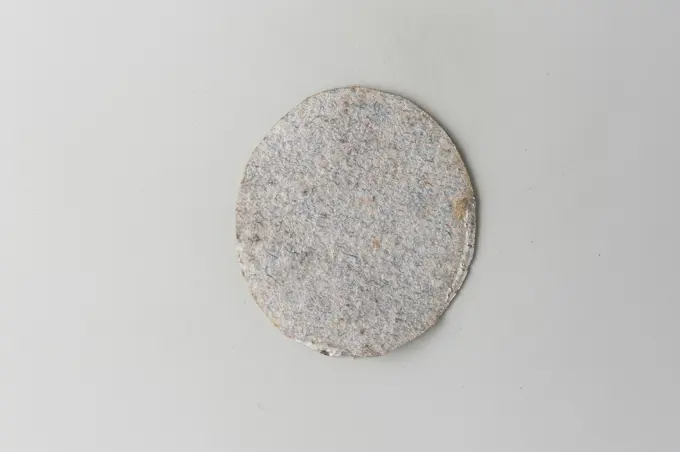
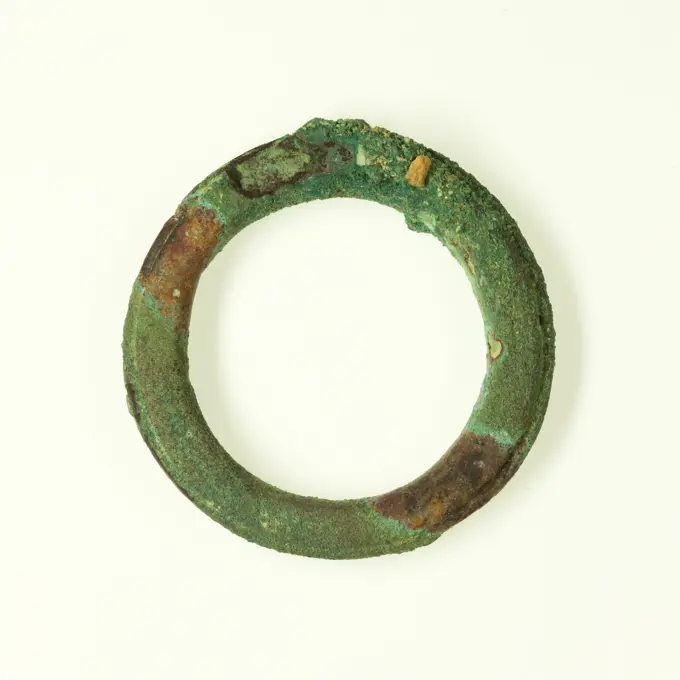
Historic Coins and Artifacts

A collection featuring historical coins and amulets from different cultures, primarily Asian, reflecting ancient craftsmanship and decorative elements.
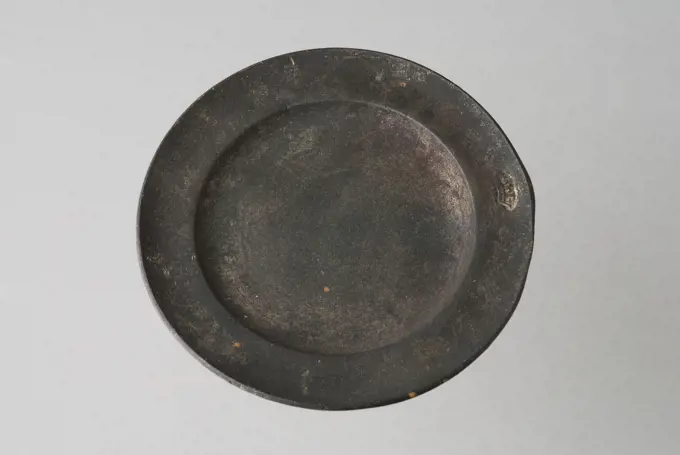
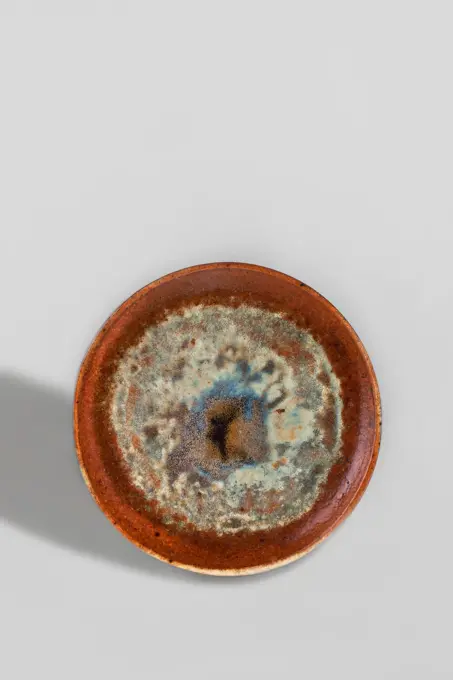
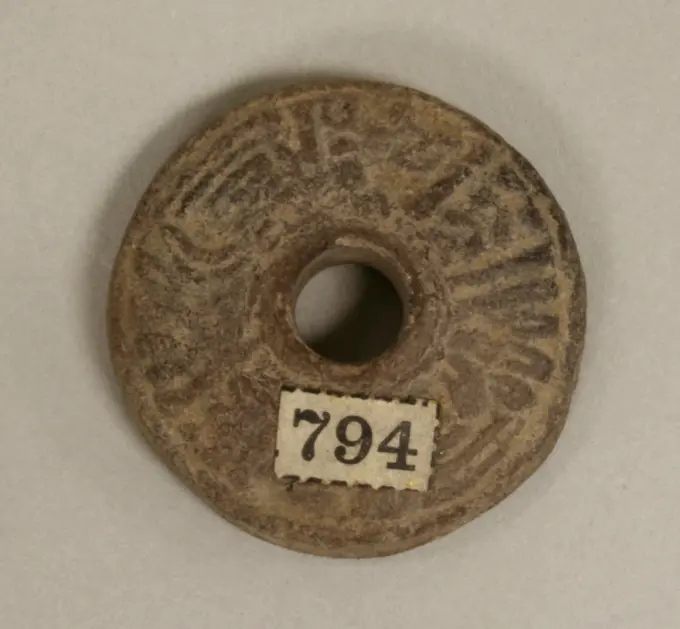
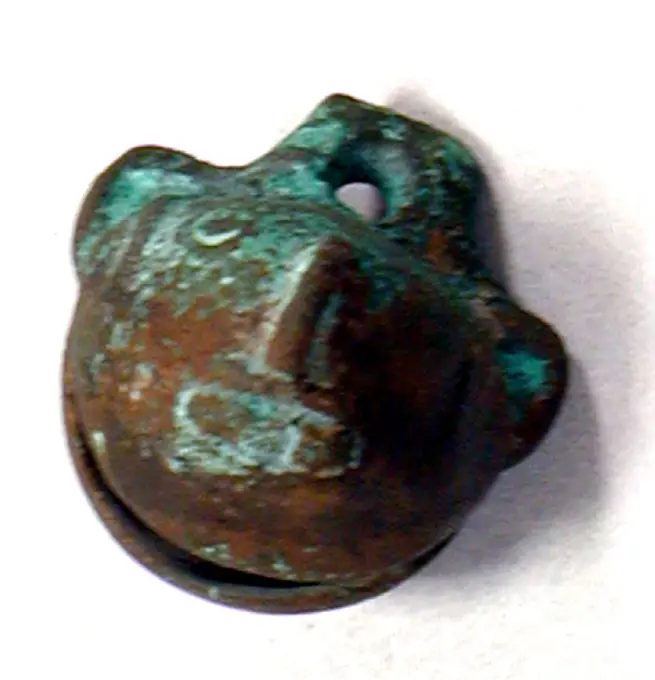
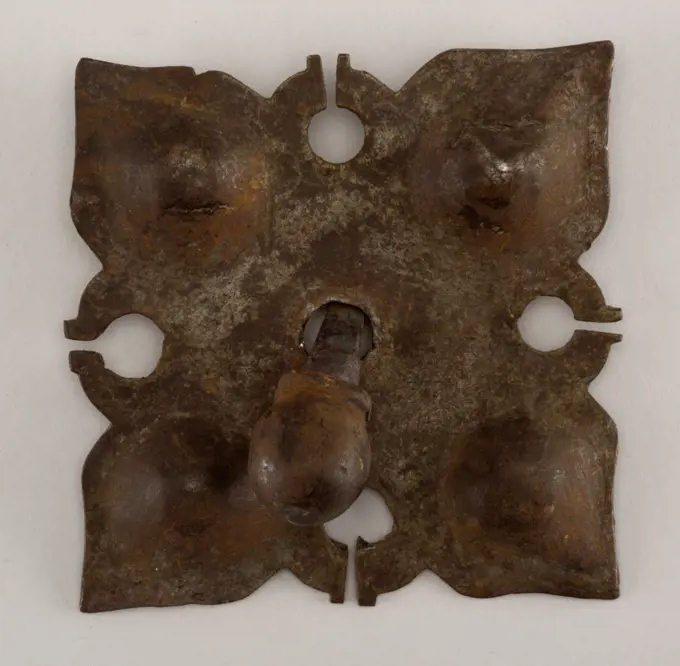
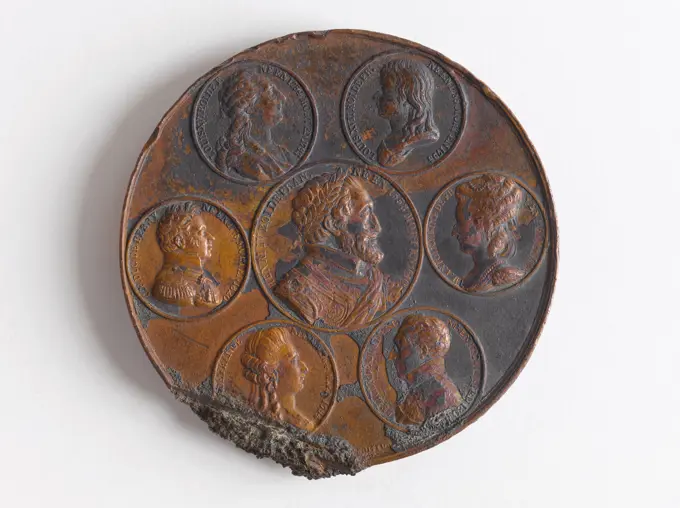
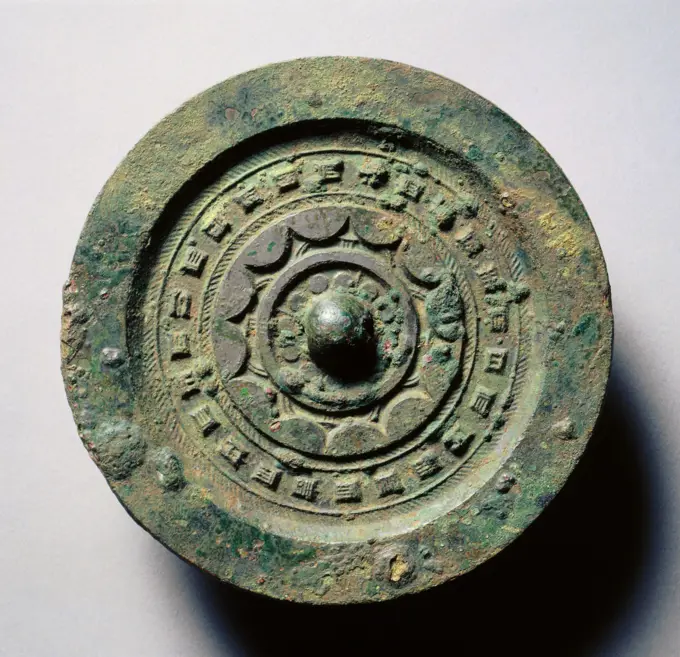
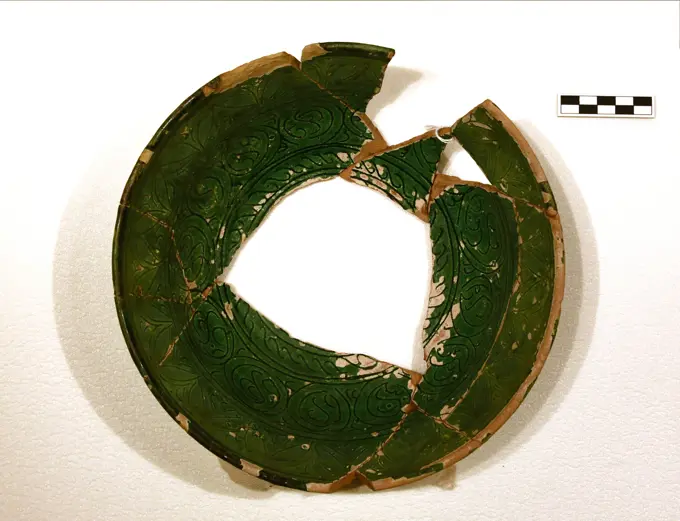
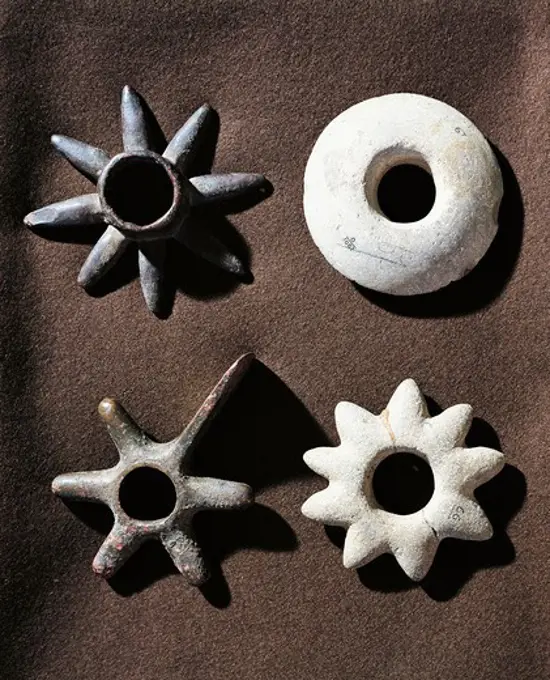
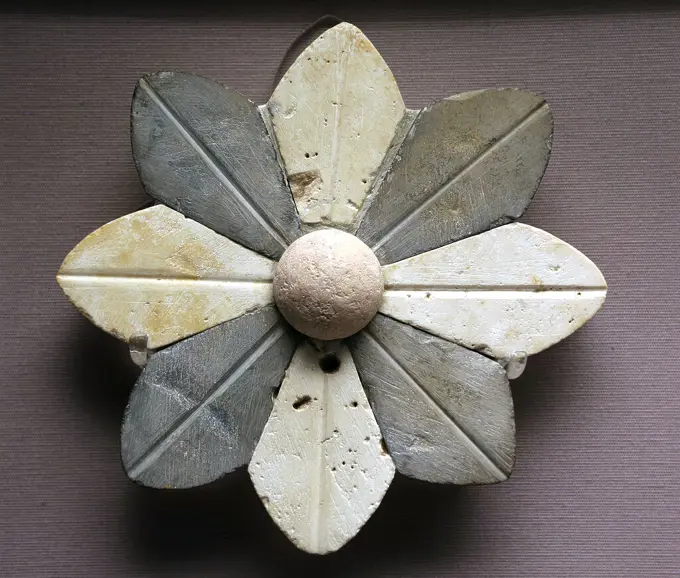
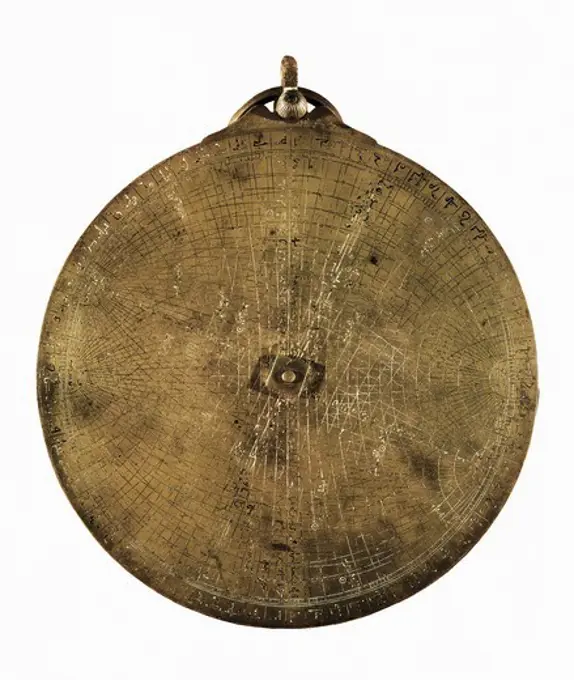
Toy tin plate with brand in the rim, plate crockery holder miniature model soil find tin metal, cast Small tin plate. Toys Flat mirror and flat edge on top Marked on the edge of the tin mark: crown possible with initials archeology Capelle aan den IJssel House in Capelle castle child play child's play dolls girl Soil discovery: house in Capelle Capelle aan den IJssel.
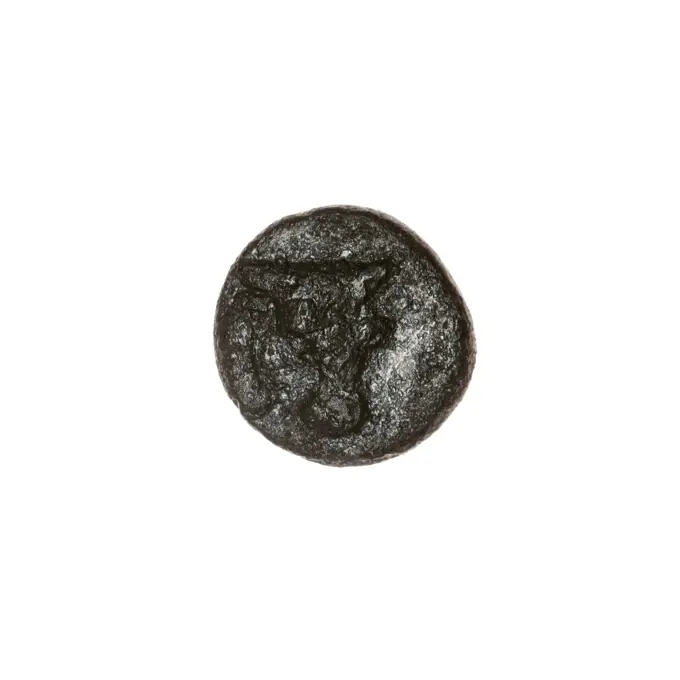
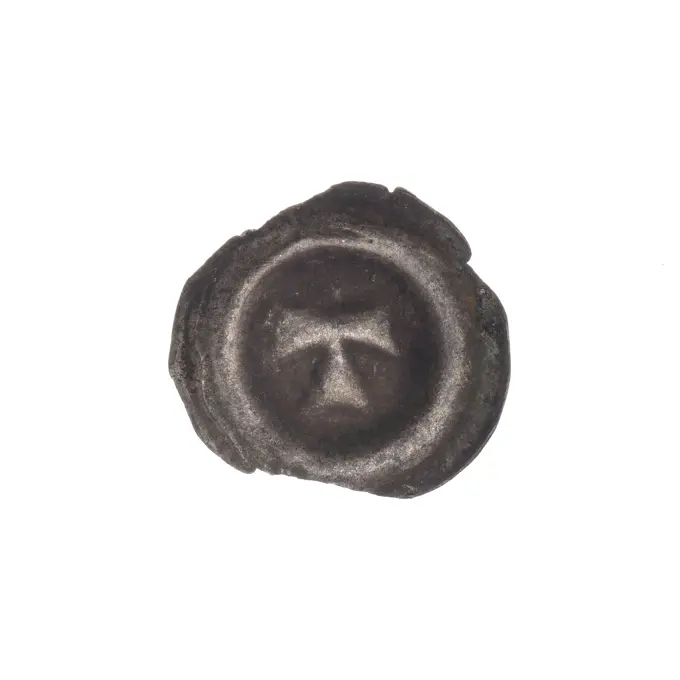
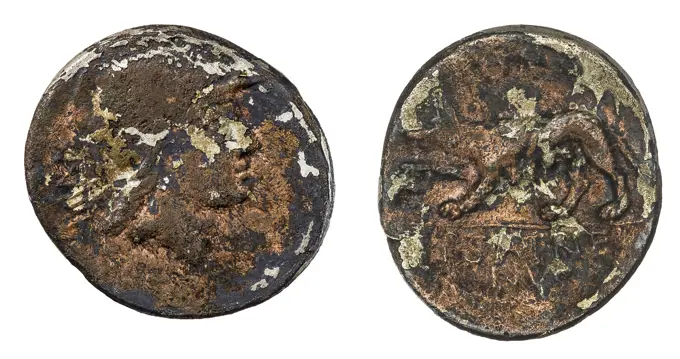
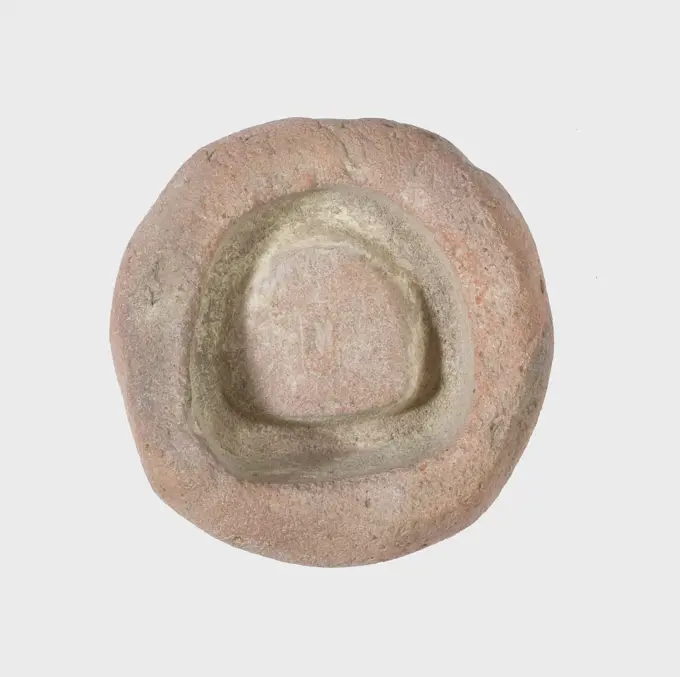
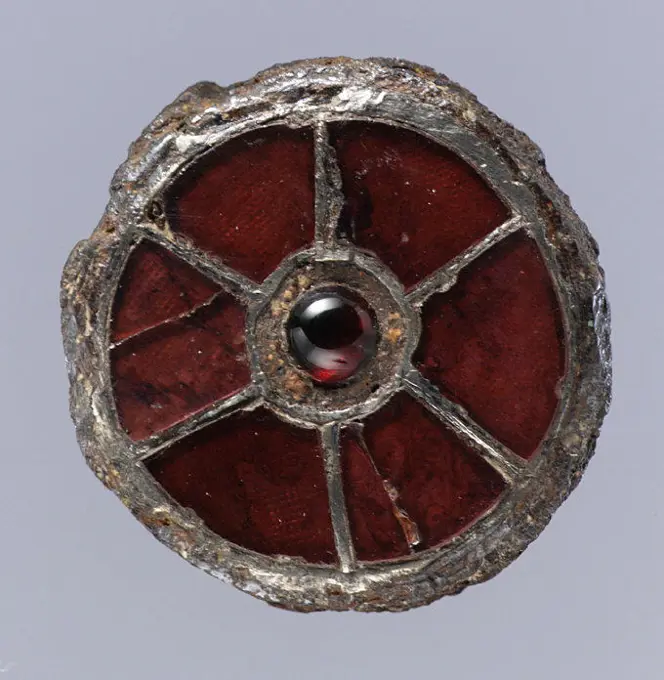
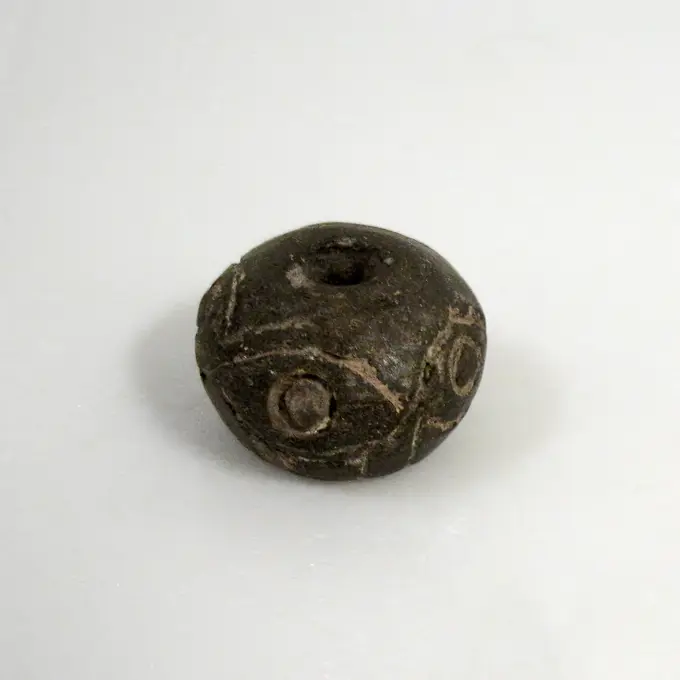
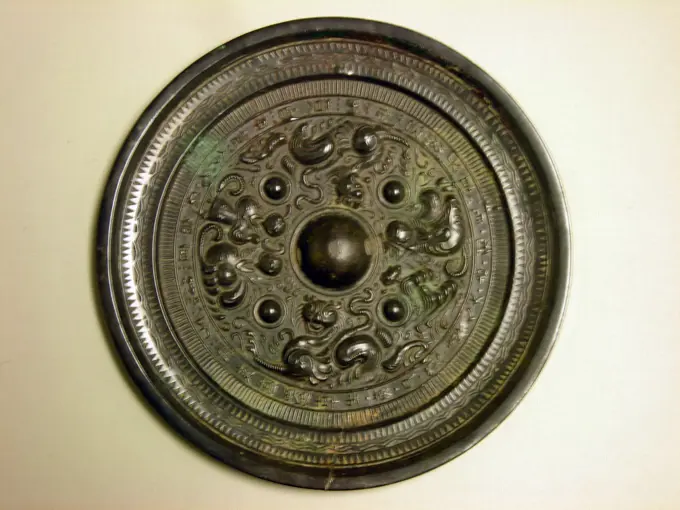
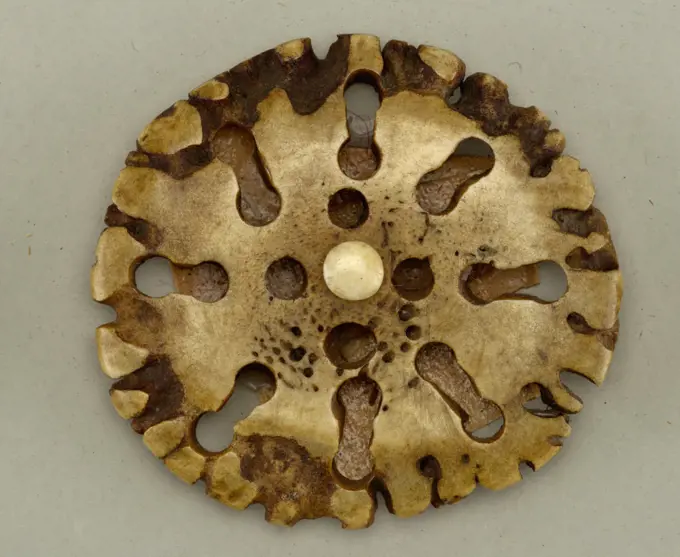
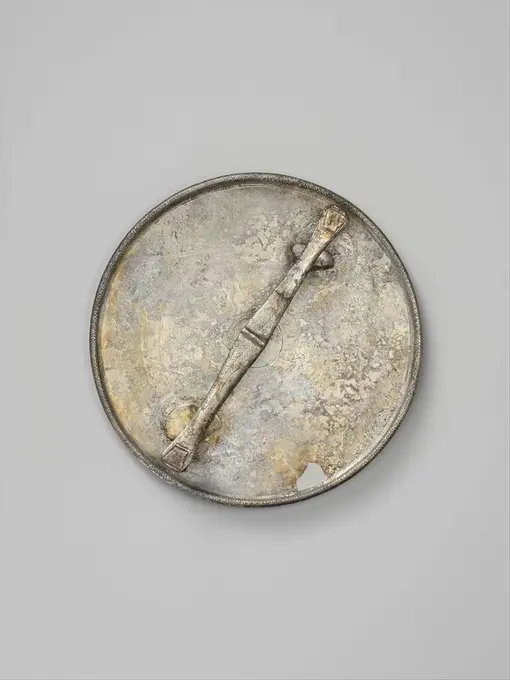
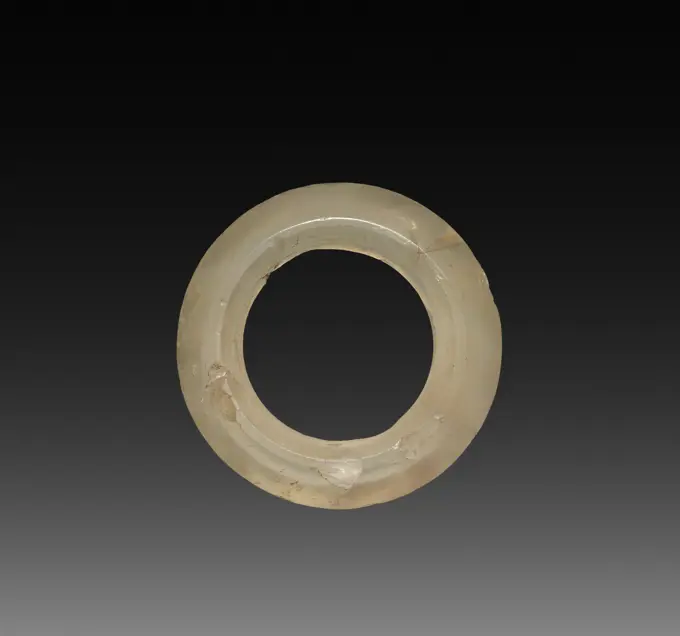
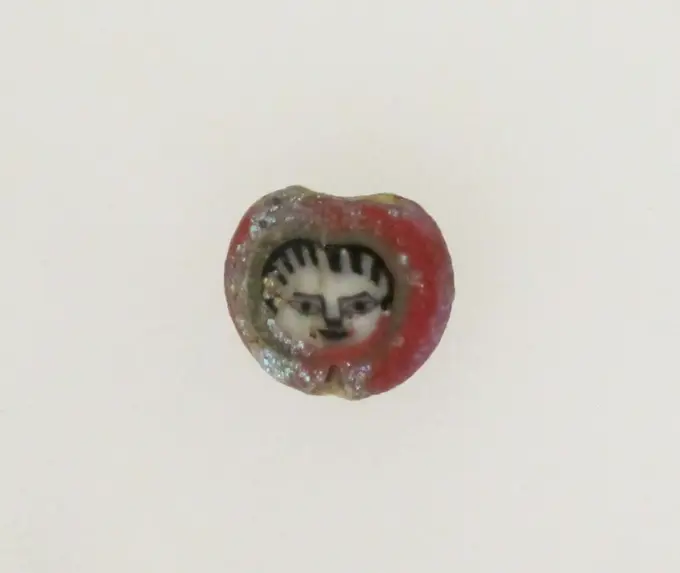
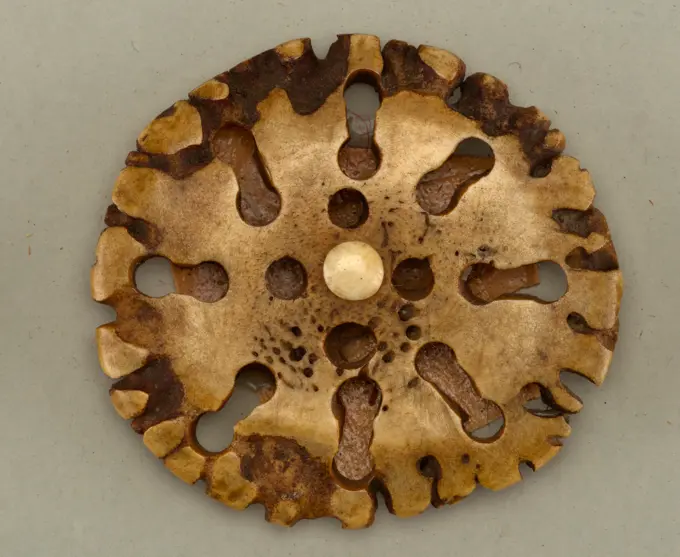
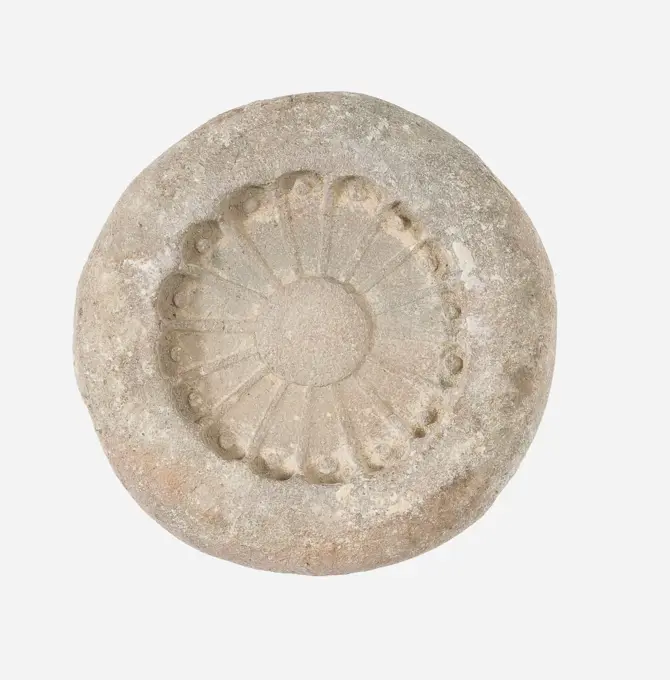
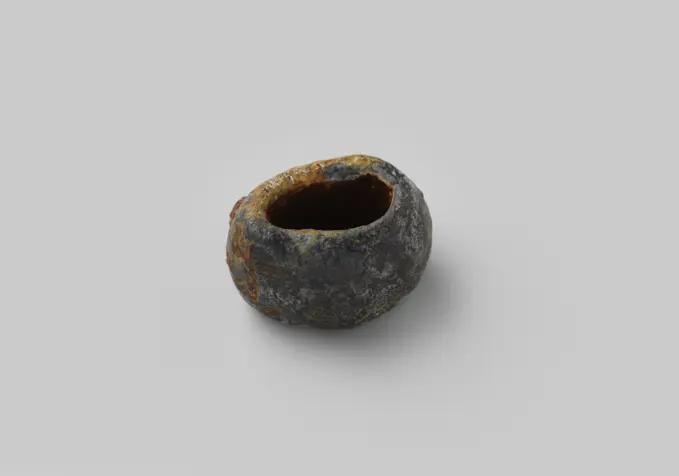
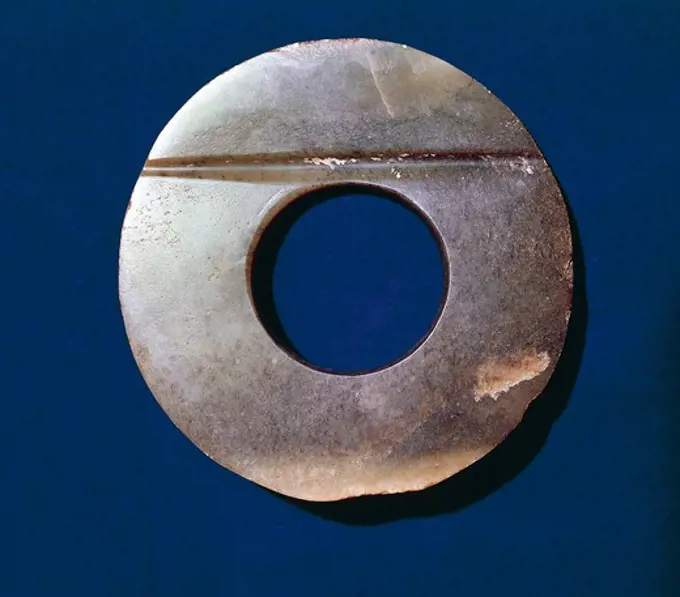
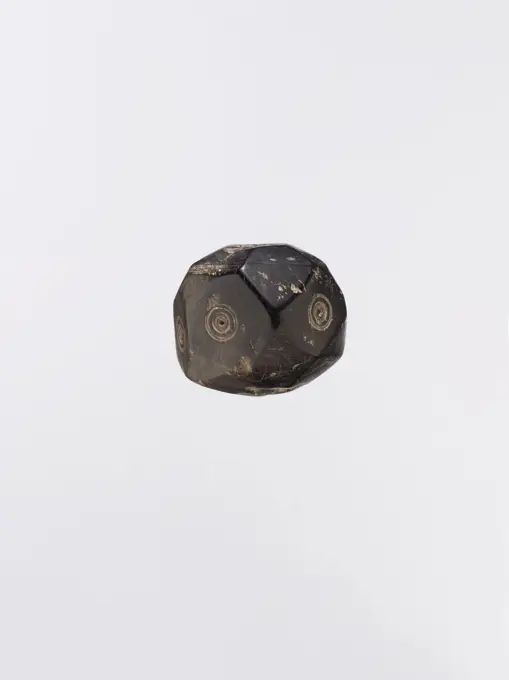
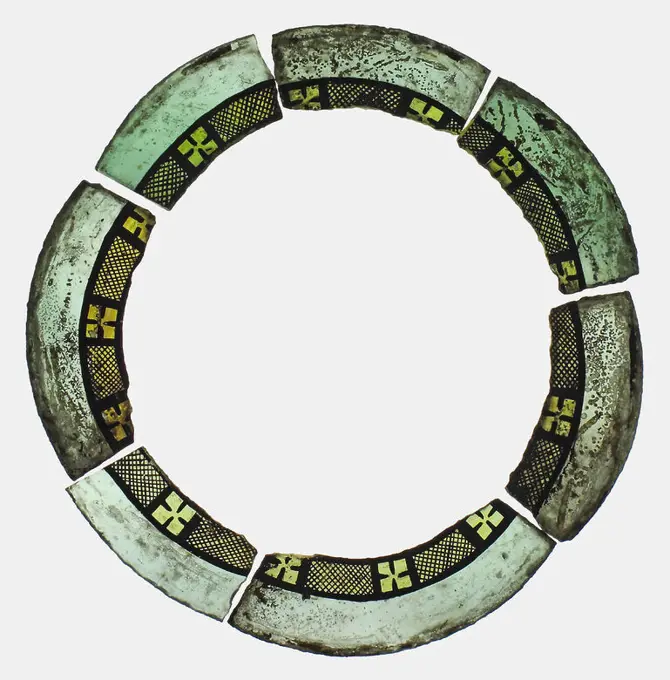
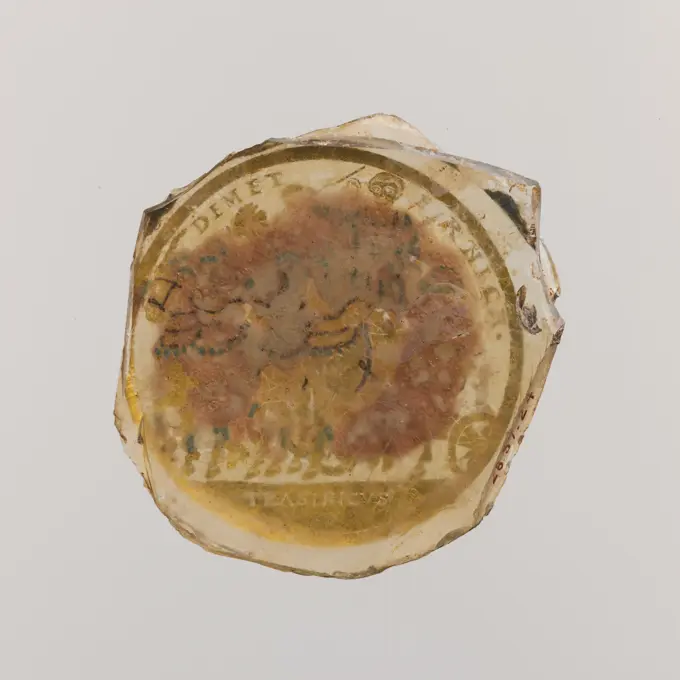
Gold glass base of a beaker 3rd century A.D. Roman Colorless; gold foil; blue and black pigment.Fragment from bottom of vessel, comprising two layers: the lower base disk is thinner and folded down at edge to form a foot ring; the gold foil was applied to the upper surface with details added in colored paint or enamel; the upper paraison is thicker and slightly concave, fused onto the base disk, sealing in the decoration.The decoration is viewed from inside the vessel; roundel framed by a thick gold band, a charioteer stands in his quadriga, holding a victory wreath in his outstretched right hand; behind him is his blue-colored headdress; the horses wear plumes, partially in blue, black harnesses with ornaments in blue across their chests, and blue leg wraps; above to either side of charioteer in gold letters are the words DEMET - ER NICA; below the ground line a section of the disk is filled with gold foil, part of which has been removed to leave the word TRASINICVS in reserve.Broken Coin Weight dated A.H. 401/ A.D. 1010-11. Coin Weight 443189Small plate. Bigot, Aleksander (1862-1927), ceramistBrown coin; Pantikapaion; End of III-1. after. II century BC (-290-00-00--151-00-00);Nadczarzyorze, bulls, bull's head (iconogr.), Ears, tools, plows, plants, animalsStone Earflare before 16th century Mexican. Stone Earflare 317325Mortar 332 BCE-395 CE Egypt. Slate . Ancient EgyptianBrakedate Halter; 15th century (1401-00-00-1500-00-00);The letter T, letters, one -sided coins, city coinsdenarius (subaeratus). Satrienus, P. (fl. 77 a.C.), monetary officer, Republika Rzymska, issuerRing. Ring 256675Bowl 10th century. Bowl 453363Mirror Greek, Cypriot. Mirror 244287Pitji van Sultan Mamoed Bader Ed -Din II Van Palembang, Sumatra, AH 1219 (1804) ,, 1798 - 1821 coin Pewter octagonal mint. Front: Without a change. Downside, smooth. In the middle around hole. Palembang (City) tin (metal) castingAnonymous, round mirror (common name), 0618. Bronze. Cernuschi Museum, Asia Museum of Asia in the city of Paris.Earring-loop type. Earring-loop type. Silver. Gold and SilverSpindle Whorl 10th-early 16th century Mexican. Spindle Whorl 307574Mold for a Ring ca. 1390-1353 B.C. New Kingdom. Mold for a Ring. ca. 1390-1353 B.C.. Pottery. New Kingdom. From Egypt, Upper Egypt, Thebes, Malqata, various, MMA excavations, probably 1910-11. Dynasty 18Openwork Jade Bi 206 BCE-9 CE China. Pale green jade, calcinated .Disk Brooch 6th century Frankish. Disk Brooch 464838 Frankish, Disk Brooch, 6th century, Silver, garnets with patterned foil backings, central garnet, Overall: 13/16 x 1/4 in. (2.1 x 0.6 cm). The Metropolitan Museum of Art, New York. Gift of J. Pierpont Morgan, 1917 (17.191.146)Animal Ornament 6th-7th century Moche (Loma Negra). Animal Ornament. Moche (Loma Negra). 6th-7th century. Gilded copper. Peru. Metal-OrnamentsSpindle Whorl, from a group of thirteen, 13/16 x 7/8 in. (2.06 x 2.22 cm), Earthenware, MexicoCopper Bell with Face before 16th century Peruvian. Copper Bell with Face 315257Decorative door boss and nail, Steel-plated wrought iron, Square type, pierced and embossed with wrought lines. Quadrant leaf design based on old examples. Round, piercings slit to outer edge. Collard nail heads on square shank., Spain, ca. 1550-1700, metalwork, Decorative Arts, Decorative door boss and nailCoiled Dragon Pendant 900 BCE-700 BCE China. Jade .Tribute to Henry IV and seven members of the Royal Family Victims of the Revolution, 1820 Armand-Auguste caked (1793-1881). Tribute to Henry IV and the seven members of the Royal Family Victims of the Revolution, 1820. Bronze, 1820.Mirror with Concentric Circles and Linked Arcs, late 3rd century BC-early 1st century. China, Western Han dynasty (202 BC-AD 9). Bronze; diameter: 14.1 cm (5 9/16 in.); overall: 1.3 cm (1/2 in.); rim: 0.6 cm (1/4 in.).Round Plaque. Culture: Vicús. Dimensions: Diam. 3 1/8 in. (8 cm). Date: 3rd century B.C.-A.D. 2nd century. Museum: Metropolitan Museum of Art, New York, USA.Mirror with deities and mythical creatures 1st-2nd century China. Mirror with deities and mythical creatures. China. 1st-2nd century. Bronze. Han dynasty (206 B.C.-A.D. 220). MirrorsButton, Reindeer antler, Button made from a section of reindeer horn; round and keyhole shaped piercings and notches at edge., On card 2, possibly France, 19th century, costume & accessories, Decorative Arts, ButtonMirror with Handle. Culture: Syrian. Dimensions: Overall (with handle 52.37): 9 1/8 x 1 in. (23.2 x 2.6 cm)without handle: 9 1/8 x 3/8 in. (23.2 x 0.9 cm)Overall: 8 7/16 x 1 5/16 x 1 1/8 in. (21.4 x 3.3 x 2.8 cm). Date: 500-700.A polished disk with a handle was a popular type of mirror in the Byzantine world. A secular object, this mirror was probably donated to the church for its monetary value. It may also have been valued for its amuletic qualities, as mirrors were believed to deflect evil. Museum: Metropolitan Museum of Art, New York, USA.Ring, AD 200 or later. China, Han dynasty (202 BC-AD 220) or later. Agate; diameter: 3.8 cm (1 1/2 in.).Grahal-Manzara. Carnavalet 2013-2016 collection sites. Numismatics.Emilia-Romagna Ferrara Ferrara Museo Civico di Schifanoia87. Hutzel, Max 1960-1990 General Notes: INCOMPLETE RECORD--NEGATIVES PROCESSED, PRINTS FILED German-born photographer and scholar Max Hutzel (1911-1988) photographed in Italy from the early 1960s until his death. The result of this project, referred to by Hutzel as Foto Arte Minore, is thorough documentation of art historical development in Italy up to the 18th century, including objects of the Etruscans and the Romans, as well as early Medieval, Romanesque, Gothic, Renaissance and Baroque monuments. Images are organized by geographic region in Italy, then by province, city, site complex and monument.Openwork Belt Fitting 600-700 Frankish Openwork plaques were hung from a belt by a strap. Such useful objects as combs, keys, or amulets would then be suspended from the plaque by chains or strings. The patterns on these belt fittings ranged from architectural motifs to human figures to abstract designs.. Openwork Belt Fitting 465215Dishwill made of earthenware with a drawing of a star in manganese, anonymous, 1500 - 1799   earthenware. glaze   earthenware. glazeRing of yellow metal, thin and smooth-walled, ring soil find copper brass metal, d 0,2 Ring of undefined metal yellowish and partly shiny metal. Thin ring Flat and smooth-walled on the inside and outside of archeology Rotterdam connecting the railway tunnel to the bottom of the soil Soil discovery: Railway tunnel 1988-1993.Hispano-Visigothic waterhole, 12th century liturgical bowl, Castro peak, Visigoth - early medieval, Valladolid Museum , Castile and Leon, Spain.Roundel with daisy pattern. Roundel with daisy pattern. Clay, glazed. Gold and SilverHousehold ring ca. 1295-1070 B.C. New Kingdom, Ramesside. Household ring 551971Glass mosaic face bead 1st century A.D. Roman, probably Egyptian Opaque red ground, with details in opaque white and red, translucent grayish green and deep purple, appearing black.Section of an oval mosaic composite bar; flat with rounded edges; hole vertically through bead.Circular female face with variations on either side; hair rendered as alternating vertical black and white stripes on forehead; almond-shaped eyes, eyebrows, nose, and slit mouth; circular frame in red and green.Intact but small surface cracks; pitting and iridescent weathering.. Glass mosaic face bead. Roman, probably Egyptian. 1st century A.D.. Glass. Early Imperial. GlassPicture gold frame with a decorative pattern on a whiteBracelet;  19th century (1801-00-00-1900-00-00);BRONCE DE ARNES - RUEDA CON REPRESENTACION DE CABALLO MARCHANDO - BRONCE VISIGODO - SIGLO XI. Location: MUSEO ARQUEOLOGICO NACIONAL-COLECCION. MADRID. SPAIN.Button (possibly France); reindeer antlerClose up shot of a hand holding a homemade hand grenade found inside Government Ordnance Factory #7. This factory is located in Srebrenik, Bosnia-Herzegovina. Close up shot of a hand holding a homemade hand grenade found inside Government Ordnance Factory #7.  This factory is located in Srebrenik, Bosnia-Herzegovina.Flat -printed cup from the wreck of the East Indies' t Vliegend Hart, which was decayed in 1735 ,, 1700 - 1735 cup Pewter crushed cup, sideways crushed with the remnant of a handle. Unserved on a cut edge at the bottom. The upper edge is crumbled. Middelburg tin (metal)Bird Plaque Ornament. Culture: Vicús. Dimensions: H. 2 x W. 2 in. (5 x 5 cm). Date: 3rd century B.C.-A.D. 2nd century. Museum: Metropolitan Museum of Art, New York, USA.Jet Gaming Dice, 14th-15th Century. Gaming dice, hand-carved from jet, from Weoley Castle site.Saucer 1840 Japan. Saucer 52498Big Daisy Mold ca. 1390-1353 B.C. New Kingdom. Big Daisy Mold. ca. 1390-1353 B.C.. Pottery. New Kingdom. From Egypt, Upper Egypt, Thebes, Malqata, Palace of Amenhotep III, MMA excavations, 1910-11. Dynasty 18Glass Fragment 12th-14th century French. Glass Fragment. French. 12th-14th century. Pot-metal glass, vitreous paint. Glass-StainedBird Plaque Ornament 3rd century B.C.-A.D. 2nd century Vicús. Bird Plaque Ornament 315422Horse Accoutrement. Western Inner Mongolia and northern China, 5th-3rd century B.C.. Tools and Equipment; horse trappings. Bronze, castBrooch. Copper alloy between 2,600-2,900 years ago. Hungary, Europe.Round Plaque 3rd century B.C.-A.D. 2nd century Vicús. Round Plaque 315572Cup, Italian majolica of Gubbio, between 1535 and 1540 (reverse). Museum of Fine Arts of the City of Paris, Petit Palais. 27011-11 Ceramic, cut, dragon, faience, gubbio, Italy, Italian majolica, reverseRing -shaped fragment from the wreck of the East Indians Hollandia, Anonymous, 1700 - in Or Before 1743 fragment Varied parts or fragments, rings and ring-shaped fragments; head-shaped, oval, convex outside. Netherlands lead (metal)   SecondSweden, Sotockholm, Ostasiatiska Museet, Green jade Huan disc from BanshanStamp 5th-6th century Atlantic Watershed. Stamp 313382Bead 9th-10th century The dot-in-circle motif recalls designs presumed to be of magical significance, most likely an abstract eye to ward off the evil-eye, which serve an apotropaic function. Easily reproduced with a tool and visible in many cultures and times, this symbol may have lost its meaning, and become simply a decorative pattern, or may have one that we have not yet discovered.. Bead. 9th-10th century. Jet. Excavated in Iran, Nishapur. JewelryBead 9th-12th century. Bead. 9th-12th century. Glass; marvered. Excavated in Iran, Nishapur. GlassMessenlift ring from the wreck of the East Indians Hollandia, Anonymous, 1700 - in Or Before 1743  Knife-handle, ferrule; id. NG 1980-27H426. Netherlands copper (metal)   SecondRetro cartoon with texture. Isolated on White.Tsuba (sword guards) in decorated, engraved and perforated ironTical from Thailand van Maha Mongkut, 1851-1868 ,, 1851 - 1868 coin Silver, grain -shaped mint. Equipped with two stamps (KRA): rosette and flower .  silver (metal) castingDenar - Brakteat; approx. 1327/1328-OK. 1337/1338 (1327-00-00-1338-00-00);Ring 30 B.C.-A.D. 330 Roman Period. Ring. 30 B.C.-A.D. 330. Faience, tortoise shell (). Roman Period. From Egypt, Middle Egypt, Oxyrhynchus (Bahnasa), EEF excavations 1896-97Surrounds. Culture: British. Dimensions: Diam. with surrounds: 11 3/8 in. (29.1 cm)Diam. with border: 7 15/16 in. (20.1 cm). Date: ca. 1320-40. Museum: Metropolitan Museum of Art, New York, USA.Fish Ornament. Culture: Peru; central coast (). Dimensions: L. 1 1/2 in. (3.8 cm). Date: 11th-12th century. Museum: Metropolitan Museum of Art, New York, USA.Bowl Fragment 4th-7th century Coptic. Bowl Fragment 478923Pitji Van Djambi, Sumatra,, 1700 - 1850 coin Pewter mint. Front: Dischanging in Arabic () Loads. Reverse: smooth. Square hole in the middle. Djambi tin (metal) castingRound Plaque 3rd century B.C.-A.D. 2nd century Vicús. Round Plaque 315558Polishing wheel for jade 20th century China These wheels are made of soft materials and are used for polishing works of jade. They are first smeared with a paste made of fine abrasives and water, and then mounted on a spinning shaft driven by foot treadles. This setup frees both of the craftsmans hands to manipulate the jade.. Polishing wheel for jade 62076Swan group (Swan Group). Set of miniature vases: "Lékanè with lid". Ceramics with black figures, without incisions, purplish red highlights, 550-540 BC. AD Museum of Fine Arts of the City of Paris, Petit Palais. 99932-5 Antiquity, ceramic with black figures, rehabilitated red purplish, vieme life VI 6th 6th 6th century before av. JC, ancientSwedish Plate Money (Half Daler), 1731. Copper; overall: 9.6 x 9.9 cm (3 3/4 x 3 7/8 in.). Some monetary denominations in Sweden were issued in large plates of copper and silver because the ores were plentiful. However, by the late 1770s these plates were considered too cumbersome, and consequently, Sweden began issuing some of Europe's first denominations in paper money.Dish. Portuguese; possibly Lisbon. Date: 1495-1505. Dimensions: Diameter: 30.5 cm (12 in.). Silver gilt with champlevé enamel. Origin: Lisbon. Museum: The Chicago Art Institute, USA.Bracelet 15th-19th century Middle Niger civilization. Bracelet 314602Flower-Shaped Plaque mid-7th-9th century Northwest China/Eastern Central Asia. Flower-Shaped Plaque. Northwest China/Eastern Central Asia. mid-7th-9th century. Gold. period of Tibetan rule. MetalworkPins, ornaments. Bronze. Caucasus. Second half of the 2nd millennium BC. Paris, Cernuschi museum. 35407-7 Spindle, bronze, ornamentPins, ornaments. Bronze. Caucasus. Second half of the 2nd millennium BC. Paris, Cernuschi museum. 35407-7 Spindle, bronze, ornamentOld rusty brake disc old rusty brake discWorld war Two (Air Raid Warden's helmet, British 1941Lamp or InkstandBowl 9th-10th century. Bowl. 9th-10th century. Earthenware; white slip, incised and splashed with polychrome glazes under transparent glaze (sgraffito ware). Excavated in Iran, Nishapur. Attributed to Iran, Nishapur. CeramicsFinger Ring. Culture: Frankish (). Dimensions: Overall: 15/16 x 7/8 x 3/16 in. (2.4 x 2.3 x 0.5 cm). Date: 7th century. Museum: Metropolitan Museum of Art, New York, USA.Felt, structure, gray, gray felt with circle and shadowStamp Seal, Hemispheroid. Iran, Sasanian period 224-651. Tools and Equipment; seals. Black agatekeyhole plank isolated vintage keyhole plank isolated on white background Copyright: xZoonar.com/YuryxZapx 13108162Fasteners of wood from a silver wall arm, 1800 - 1899 Ster -shaped wall plate made of a silver wall arm.  wood (plant material). metal Ster -shaped wall plate made of a silver wall arm.  wood (plant material). metalKarte von Südafrika auf rostigem Metall - Map of South Africa on rusty metal Karte von Südafrika auf rostigem Metall - Map of South Africa on rusty metal Copyright: xZoonar.com/lantapixx 10692198Bracelet;  19th century (1801-00-00-1900-00-00);Arms made from stone and iron, Ecuador, Inca civilizationStone rossete. Used in Eye Temple decoration. Associated with fertility. Late Uruk period, 3300-3000 BC. Tell Brak. Syria. British Museum.Azarquiel's azafea, Arabian astrolabe made between 1252-1253. Back. SPAIN. CATALONIA. Barcelona. Fabra Observatory. Proc: TUNISIA.Ancient Egyptian steatite and ivory disc from spinning top with geometric motifs, 4th millennium B.C.Pi, 17th century, 3/16 x 4 3/8 in. (0.5 x 11.11 cm), Grey white jade, China, 17th centurydecorative door nail, Wrought iron, Spain, 16th-17th century, metalwork, Decorative Arts, decorative door nailCarinated lentoid seal ca. 3500-3000 B.C.. Carinated lentoid seal. ca. 3500-3000 B.C.. Hematite, red. Late Uruk (). Iran or MesopotamiaRust, iron or corrosion with molten machine, metal or damage of dirt for medieval forge or craft. Artisan machinery, worn or heated steel for blacksmith restoration, art or rustic fix with decay