Historic Coins and Artifacts

Ancient coins and artifacts from historical sites, featuring engraved designs and various mint marks.

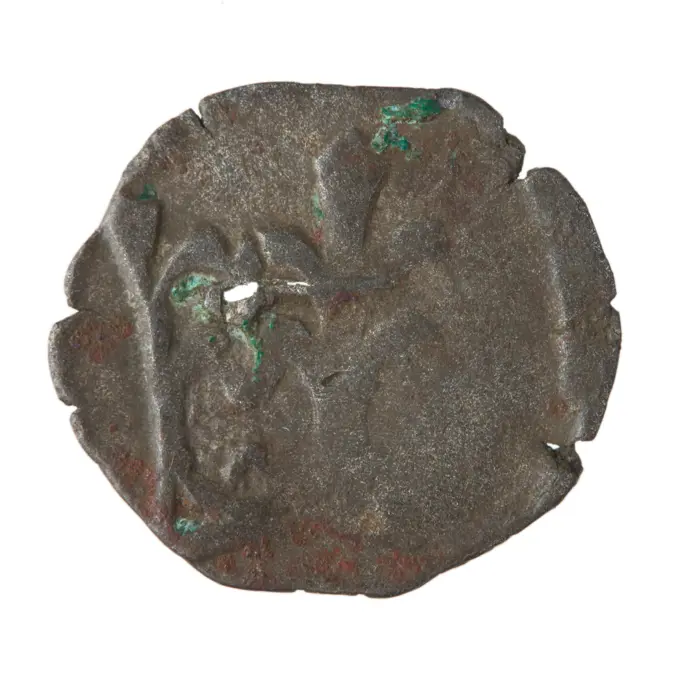
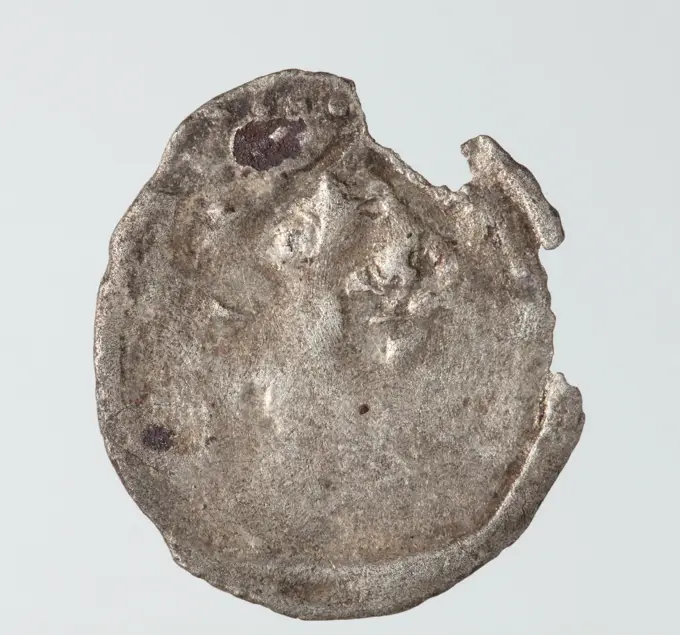
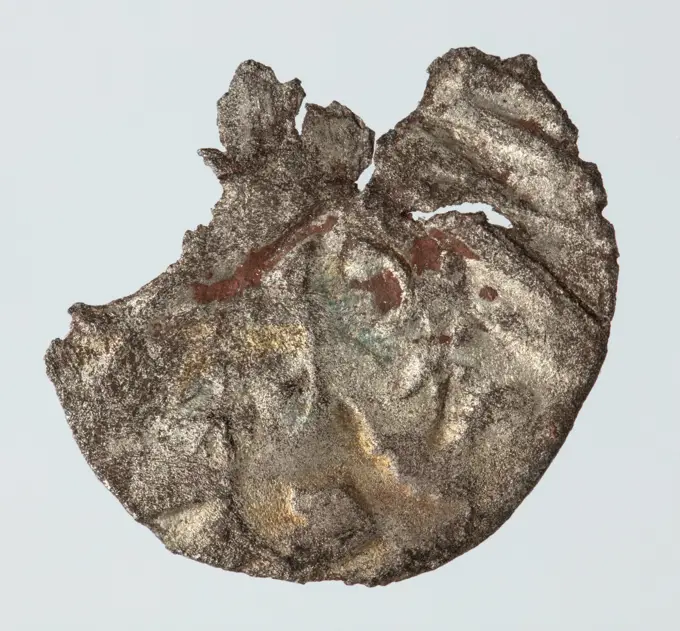
Poland, Władysław Warneńczyk (1434 1444), Denar, 1434 1444, Town of Krakow W ADYS AW WARNE Czyk (King of Poland, 1434 1444), Mint of Kraków
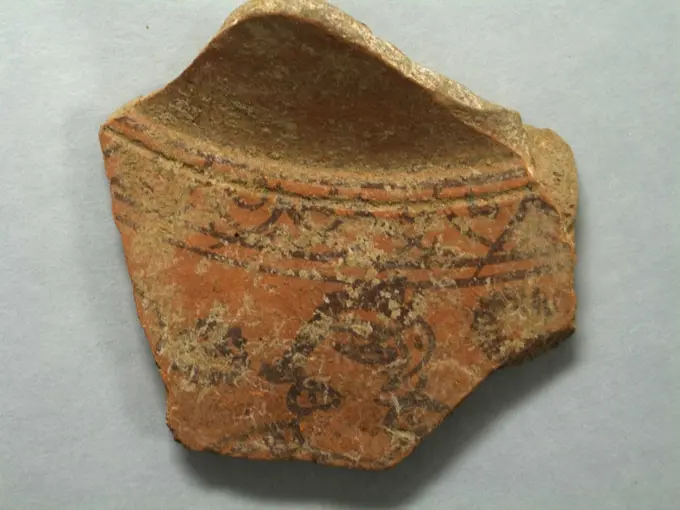
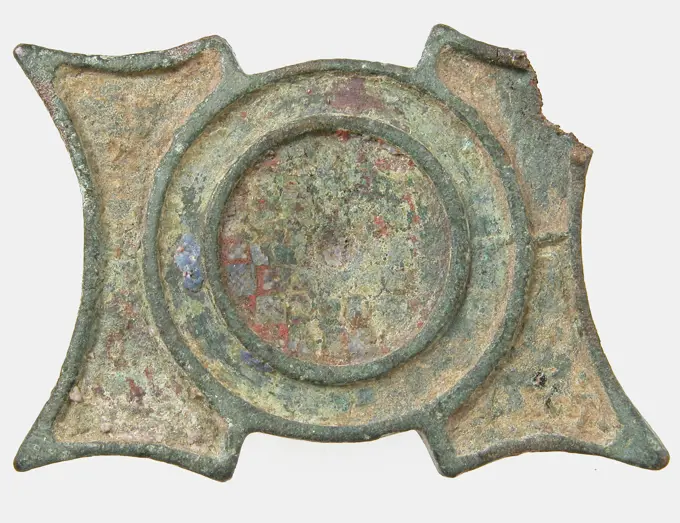
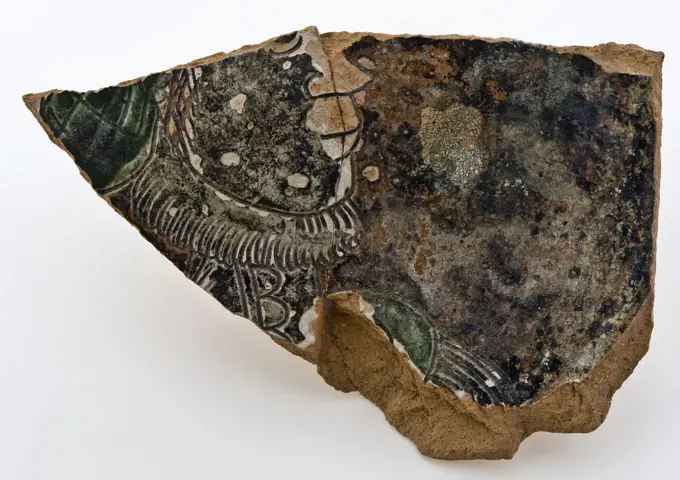
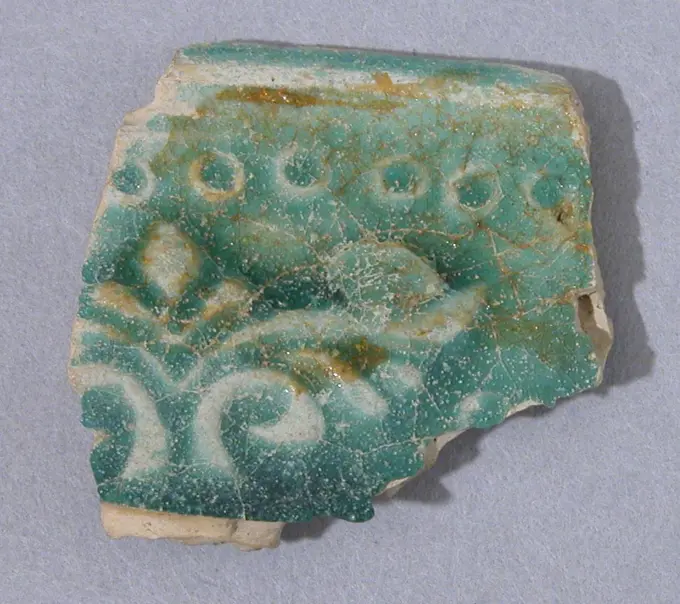
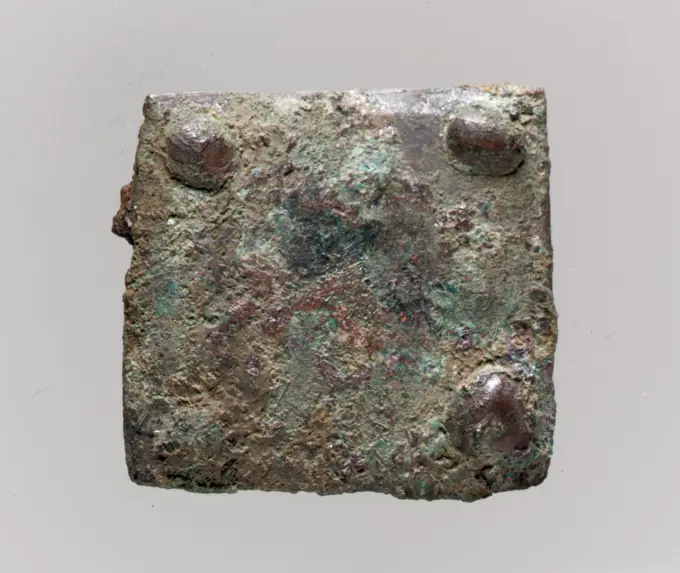
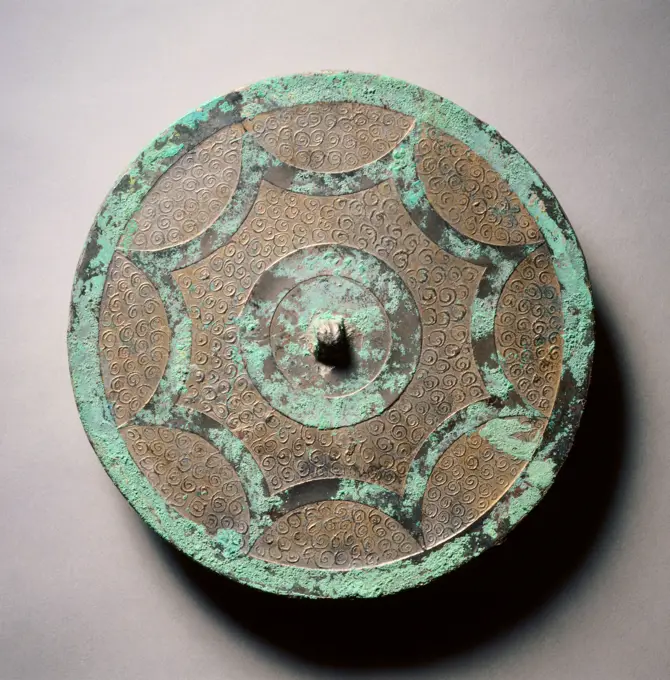
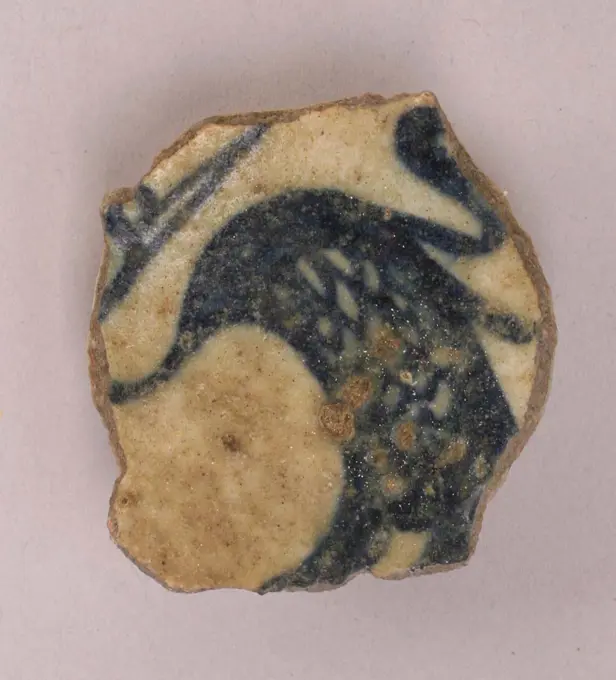
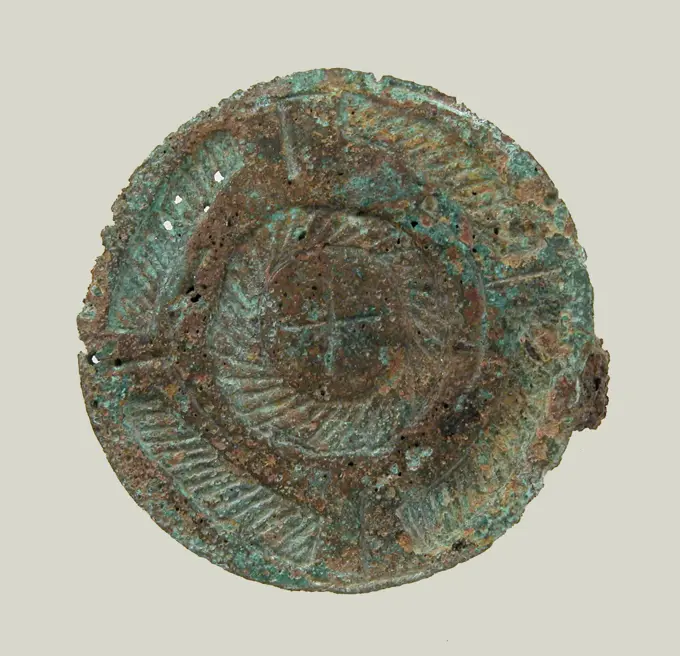
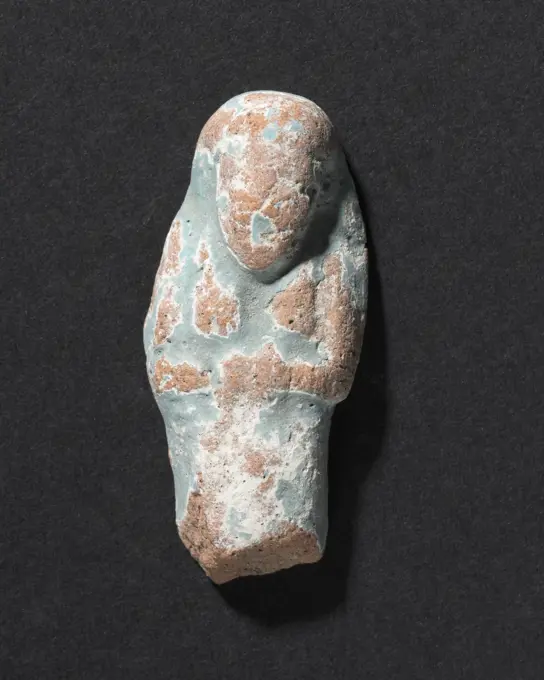
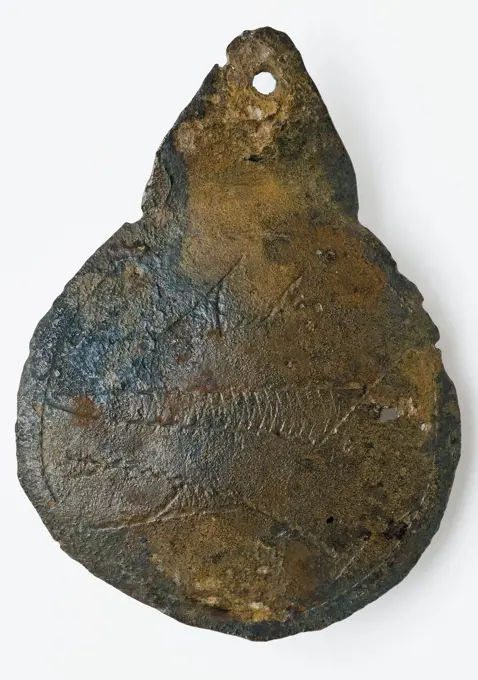
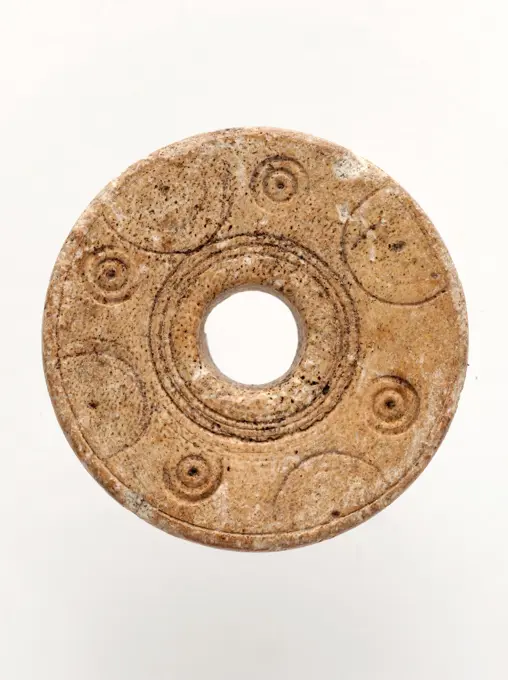
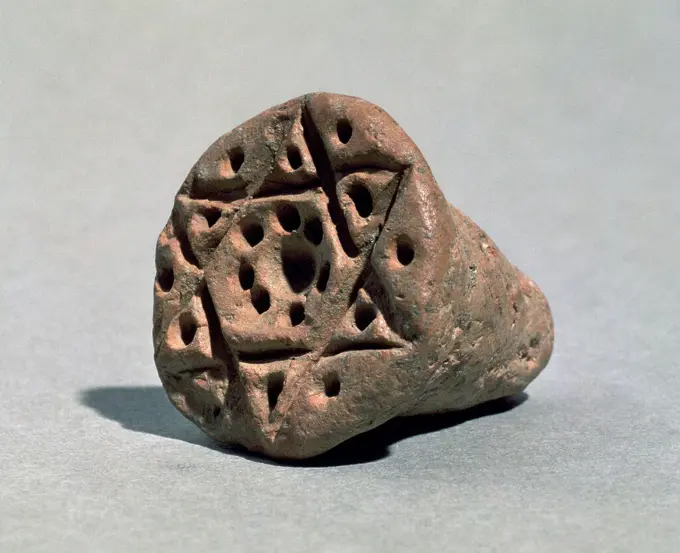
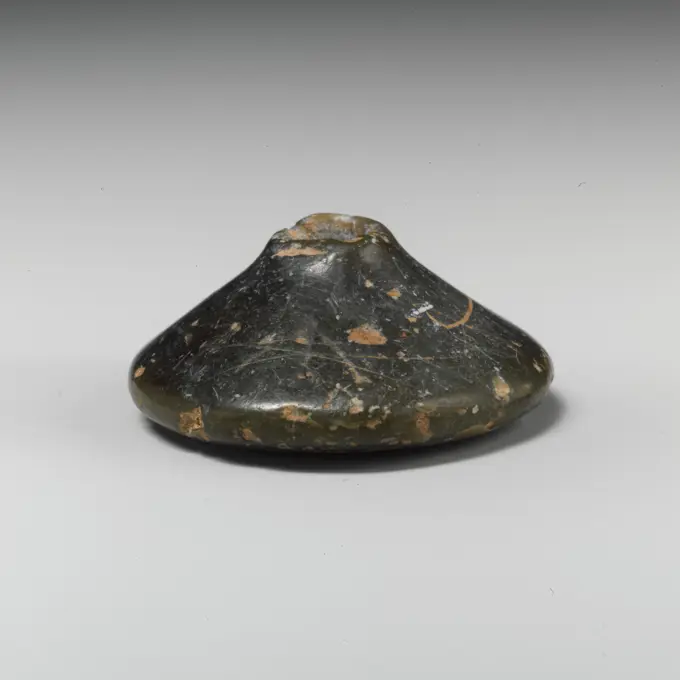
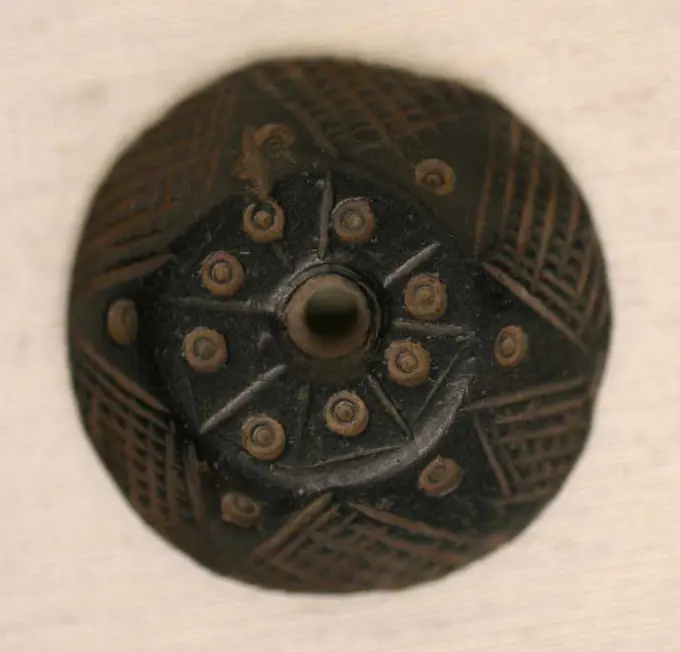
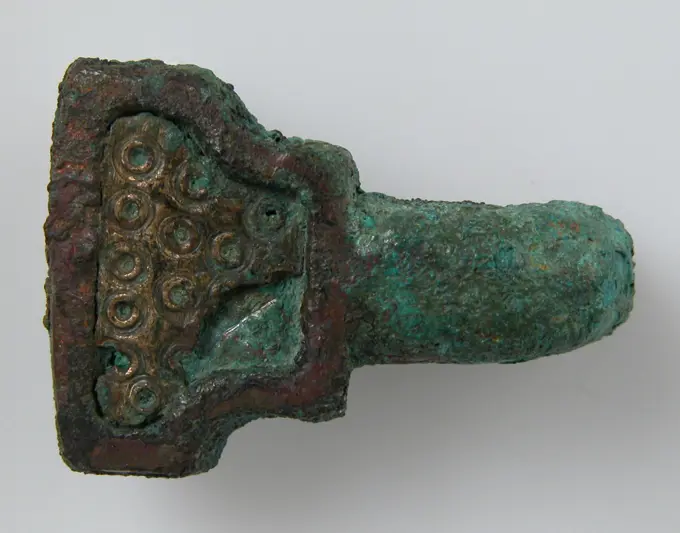
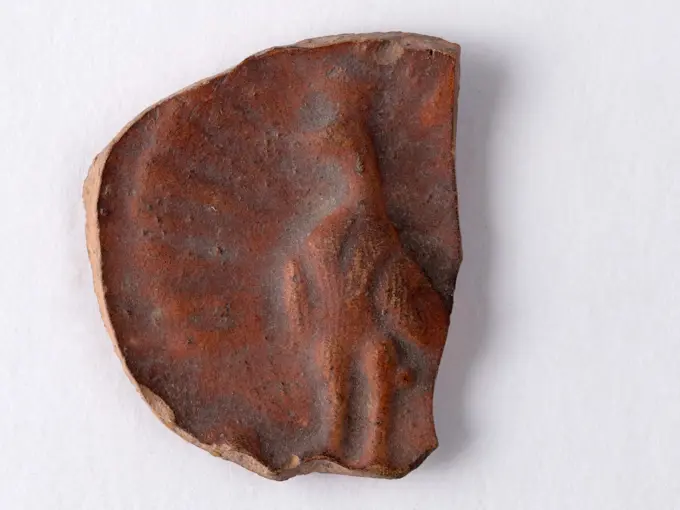
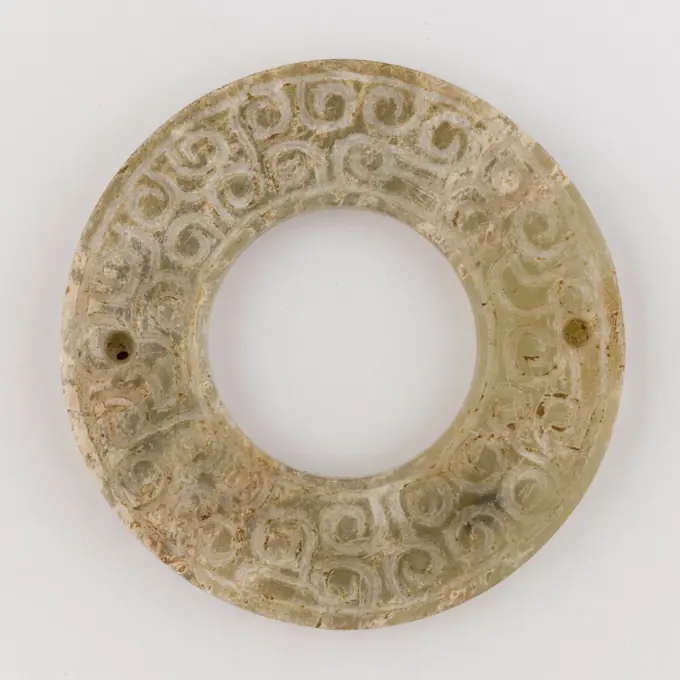
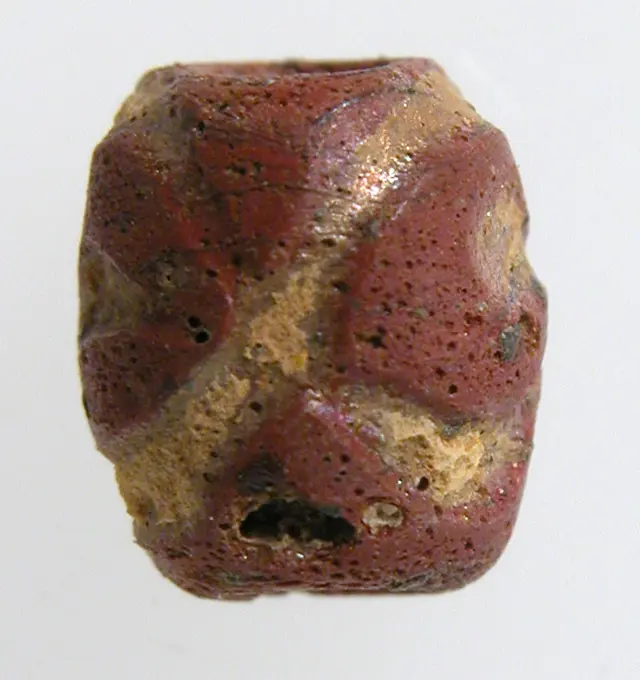
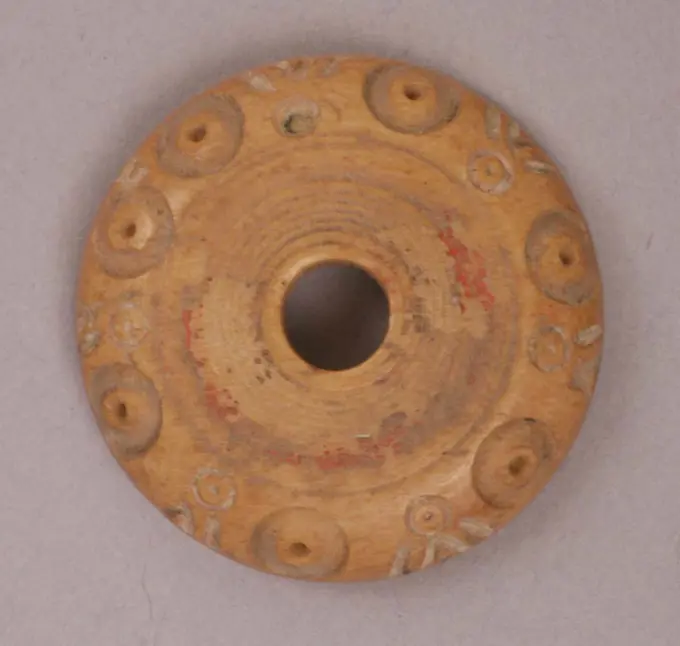
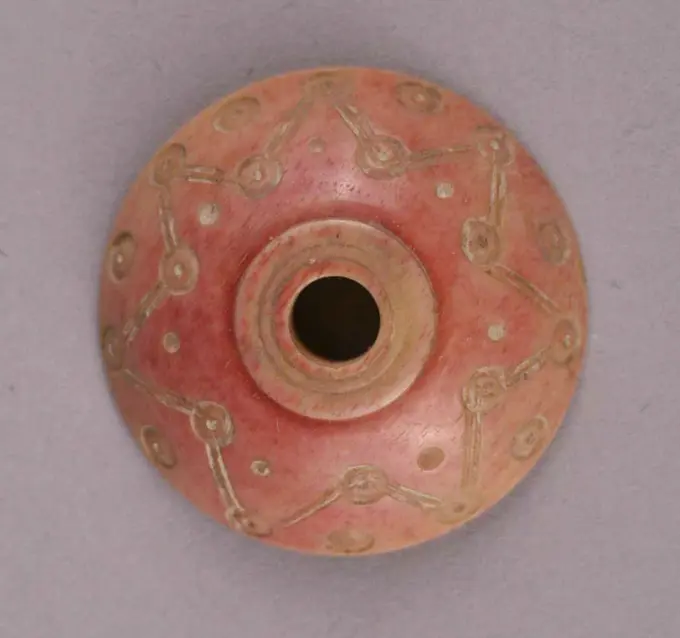
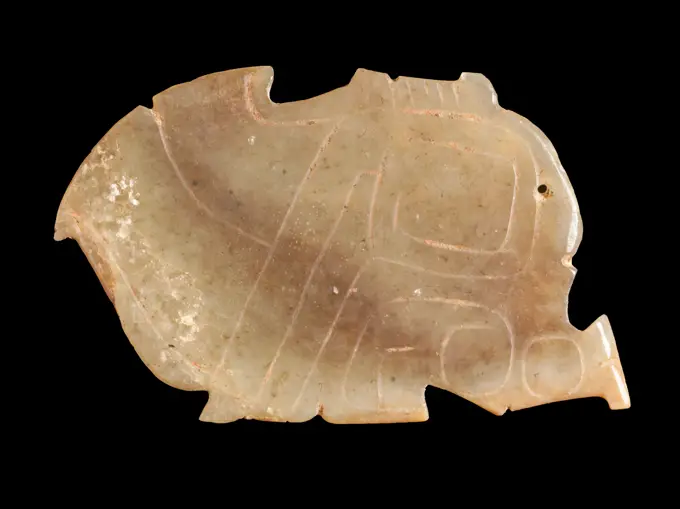
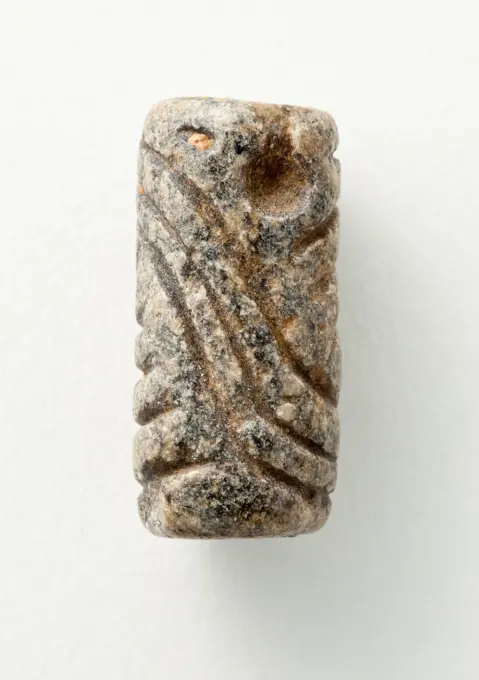
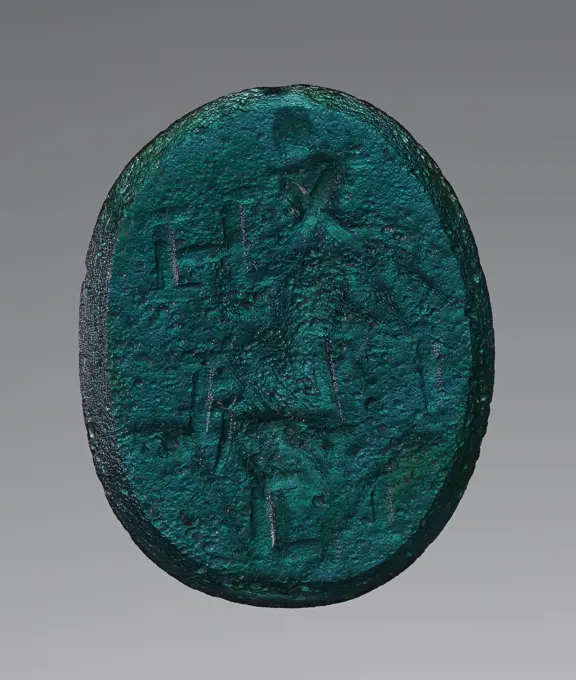
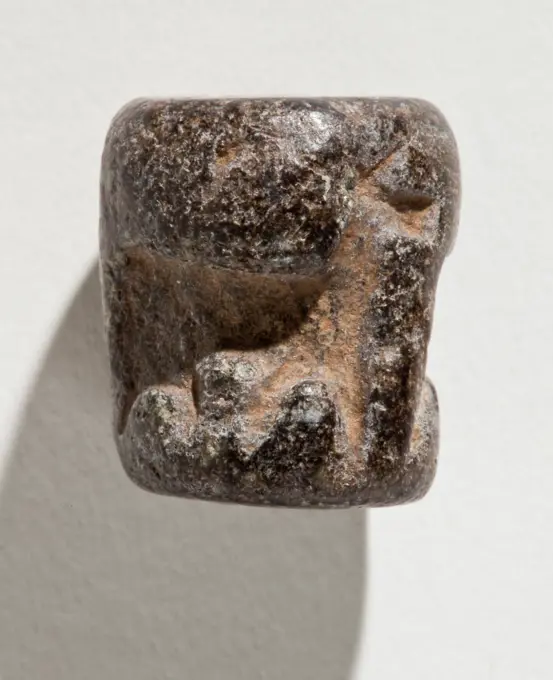
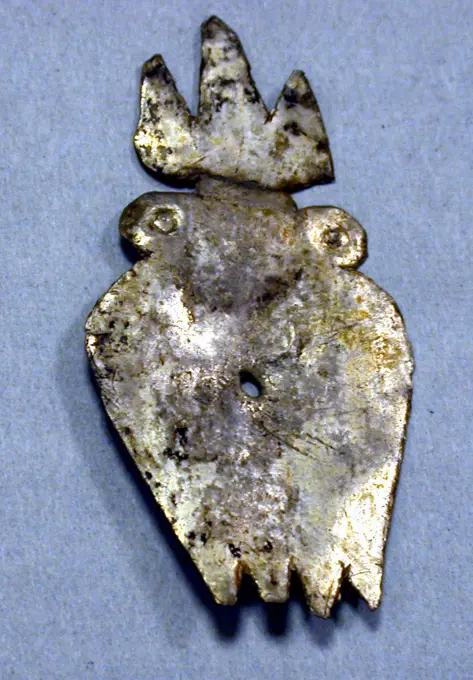
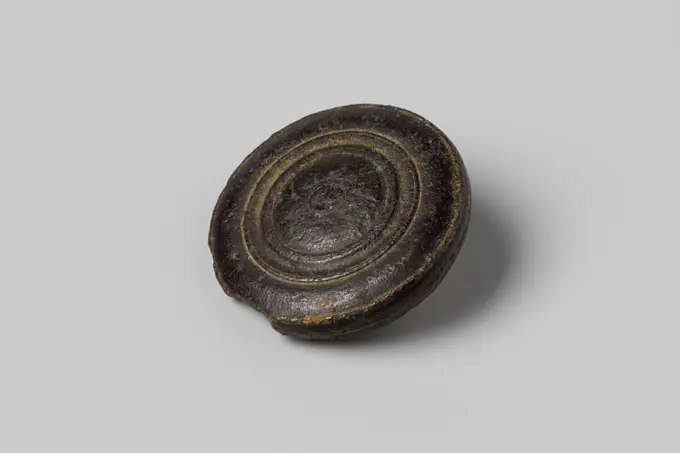
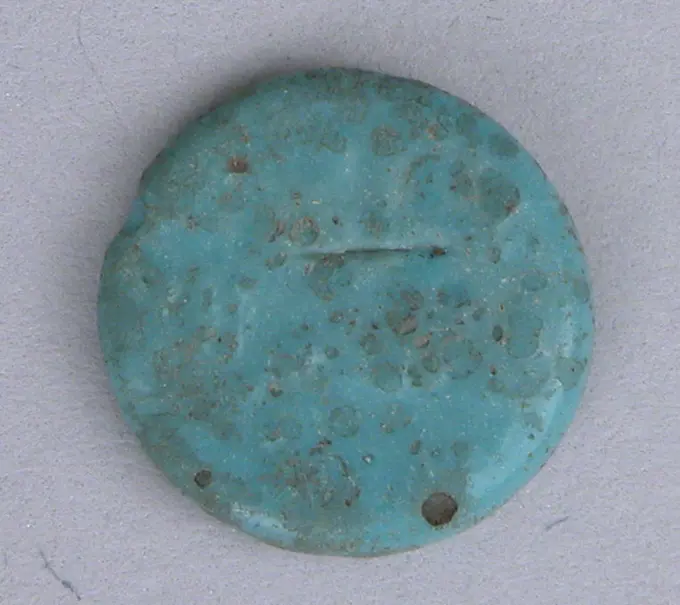
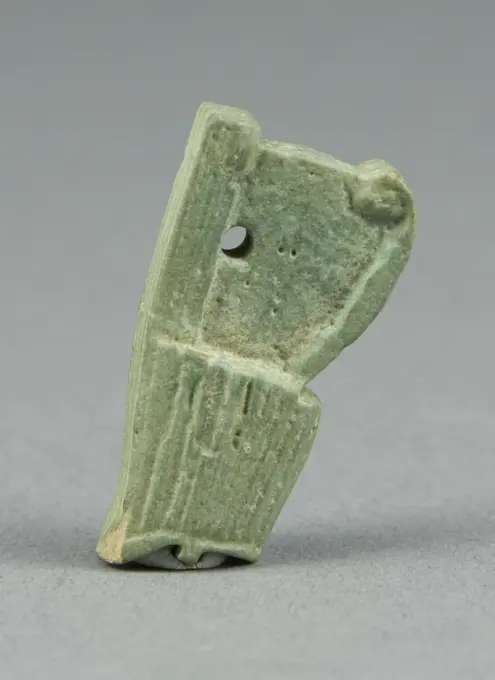
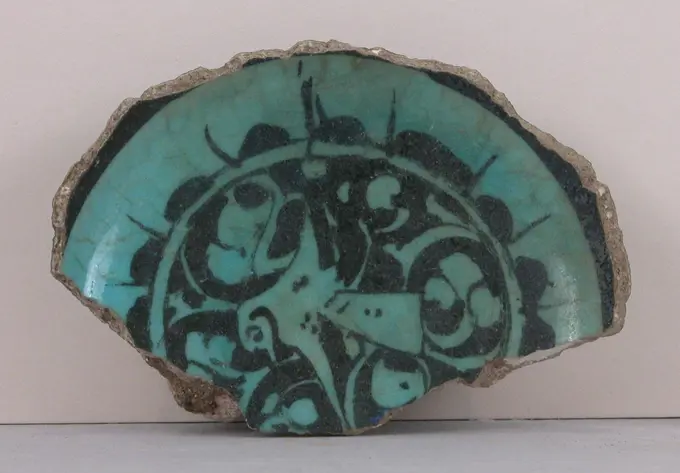
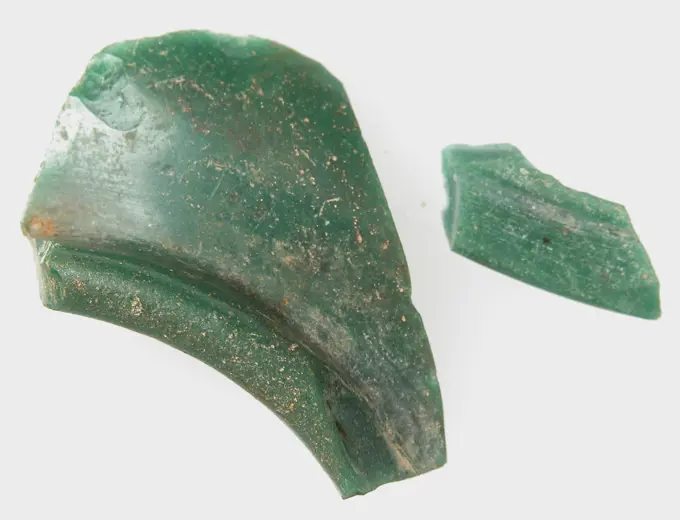
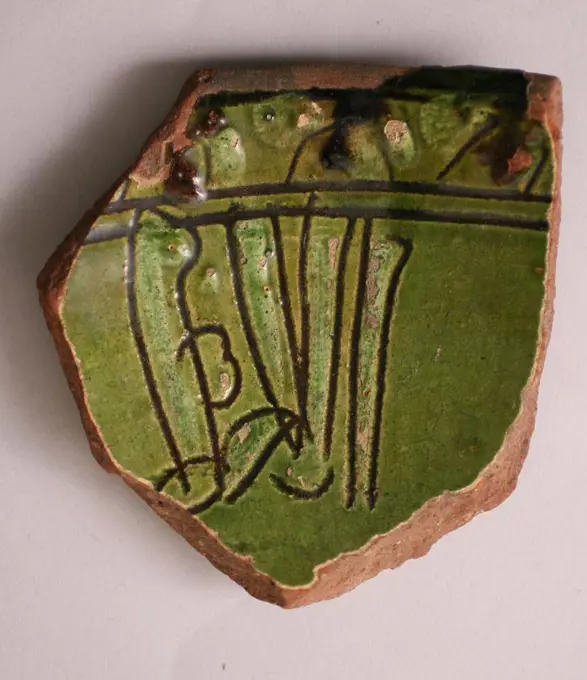
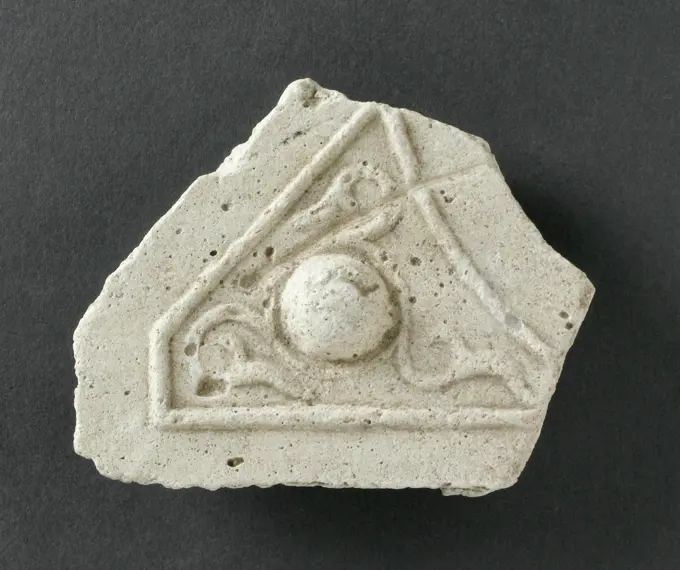
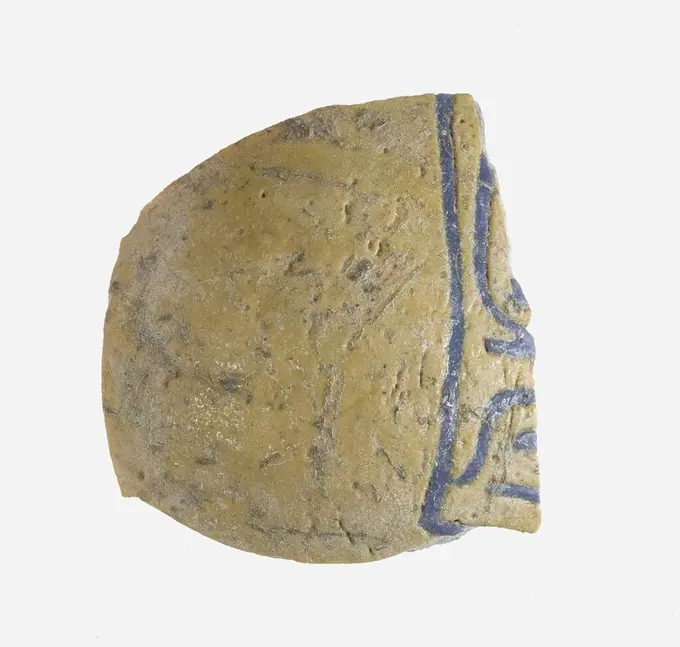
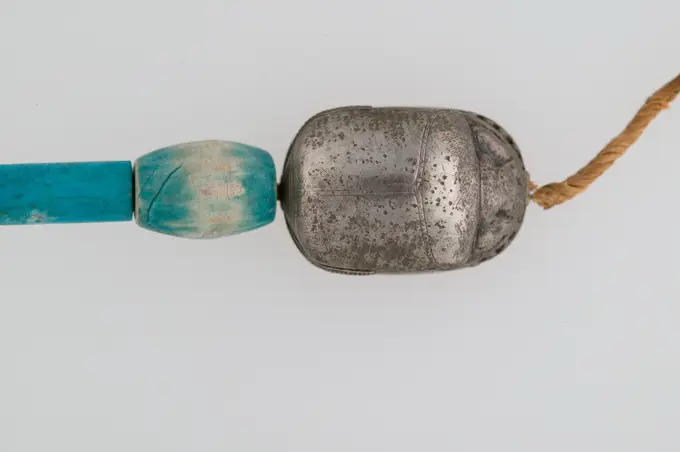
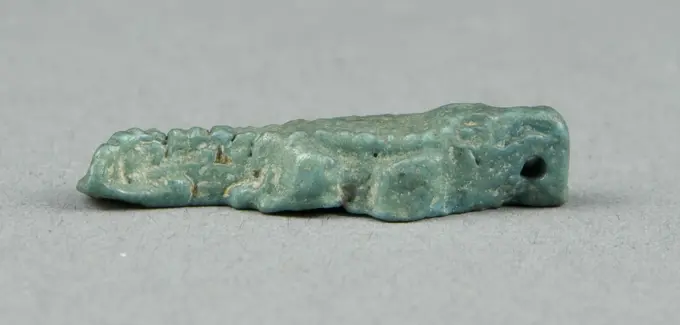
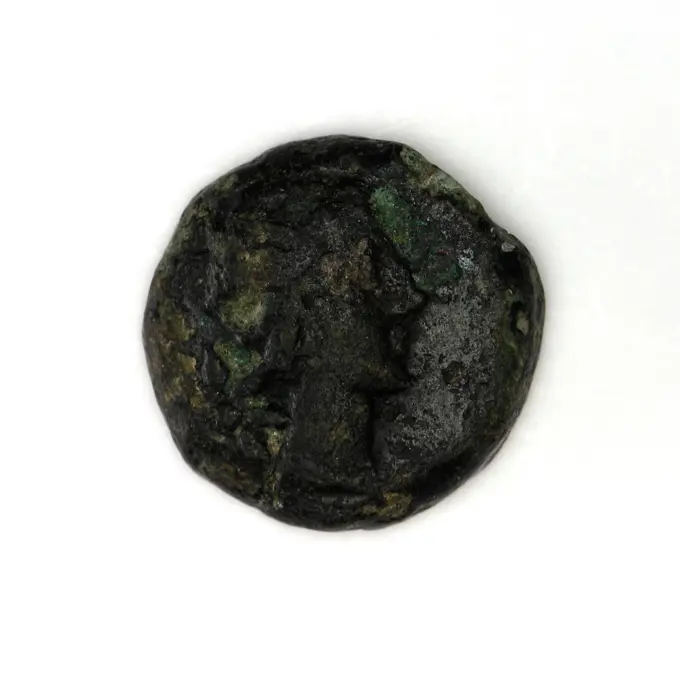
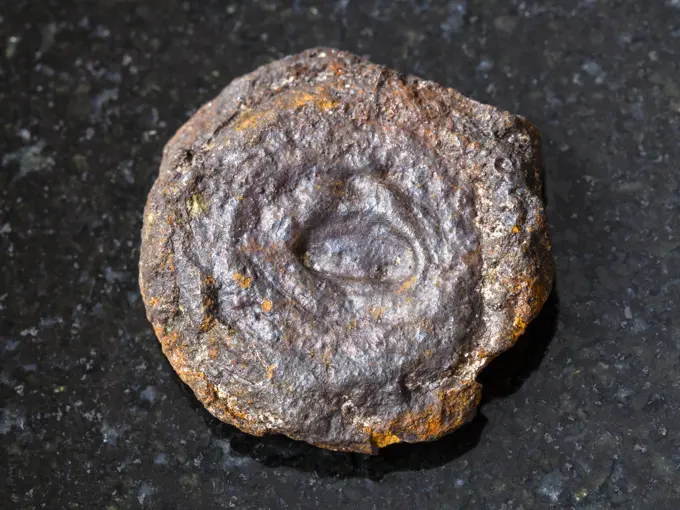
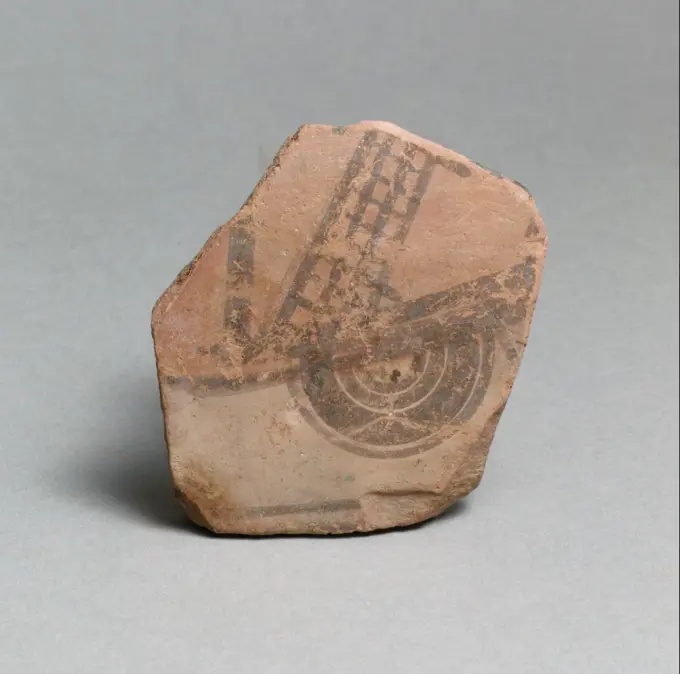
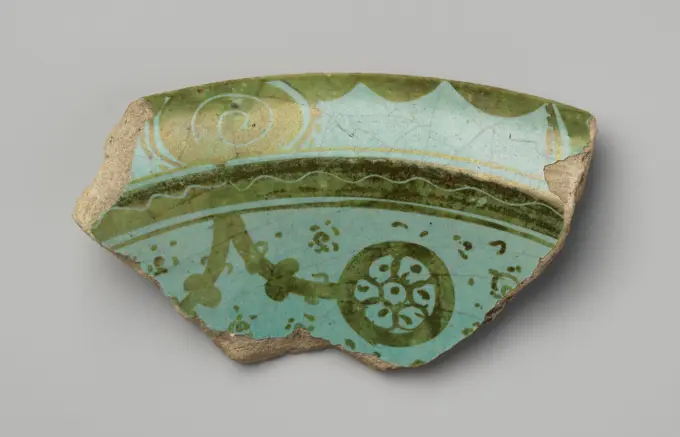
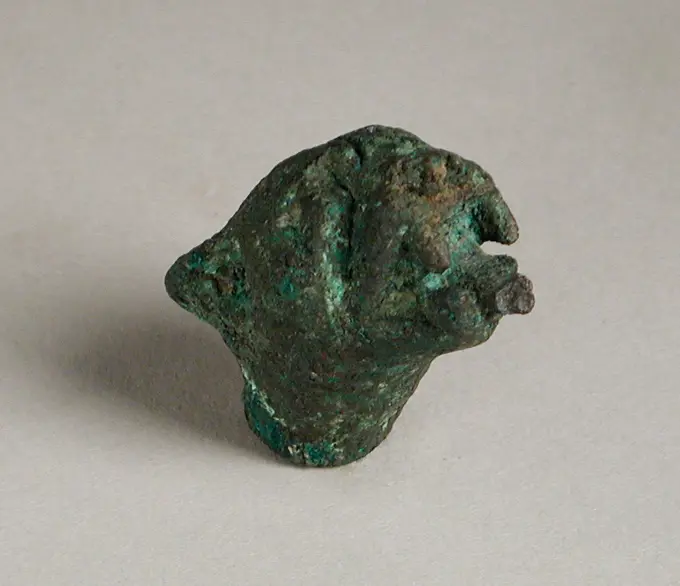
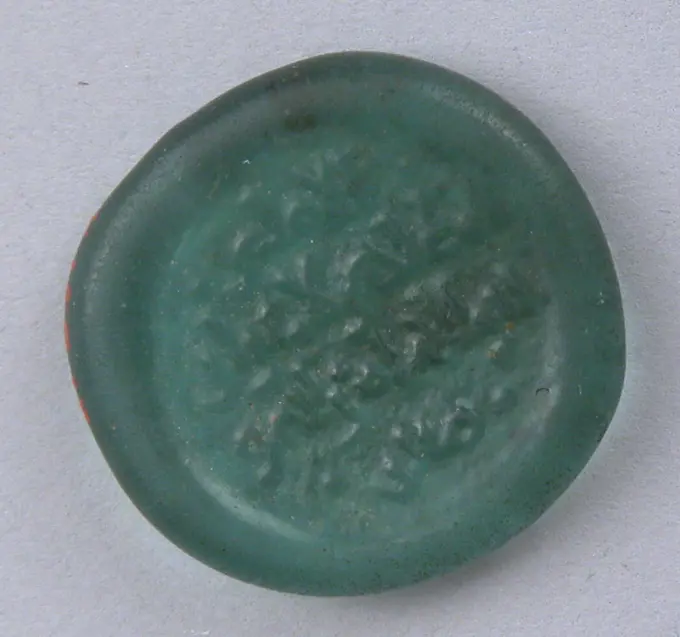
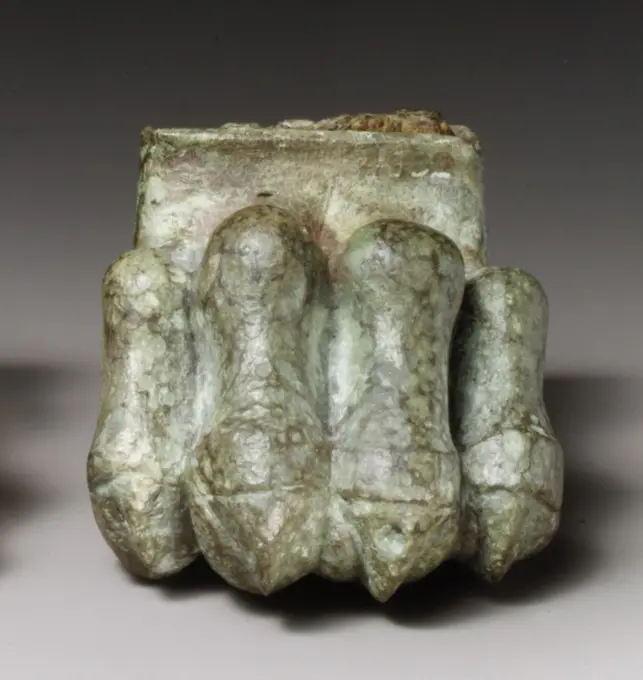
BLIŻEJ KULTURY Mint of Kraków, Władysław Warneńczyk (King of Poland, 1434 1444)Anonymous. Carnavalet museum, history of Paris.Bliżej Kultury Władysław Jagiełło (CA 1351 1434), Mint of KrakówBliżej Kultury Władysław Jagiełło (CA 1351 1434), Mint of KrakówFinger Ring. Western Iran, circa 1350-800 B.C.. Jewelry and Adornments; rings. Bronze, hammeredGreece, Egypt, Ptolemy 4  Ptolemy 8 (221 180), Cyrenaica, Cyrene, Bronze (AE) Cyrene mintBliżej Kultury Władysław Jagiełło (CA 1351 1434)Fragment of a Bowl 14th-15th century. Fragment of a Bowl 445431Triangular Plaque 500-700 Frankish. Triangular Plaque 465643 Frankish, Triangular Plaque, 500700, Copper alloy, Overall: 2 x 1 1/2 x 1/2 in. (5.1 x 3.8 x 1.2 cm). The Metropolitan Museum of Art, New York. Gift of J. Pierpont Morgan, 1917 (17.193.309)Poland, Władysław Warneńczyk (1434 1444), Denar, 1434 1444, Town of Krakow W ADYS AW WARNE Czyk (King of Poland, 1434 1444), Mint of KrakówDisk Brooch 6th century Frankish. Disk Brooch 465332 Frankish, Disk Brooch, 6th century, Copper alloy, glass paste, cabochon, Overall: 13/16 x 7/16 in. (2.1 x 1.1 cm). The Metropolitan Museum of Art, New York. Gift of J. Pierpont Morgan, 1917 (17.192.27)Fragment of a Bowl 15th century. Fragment of a Bowl 445506Fragment of a Bowl 13th-16th century. Fragment of a Bowl 452450Shard: Encrusted Neckpiece with Head and Hand ca. 4th-5th century Pakistan. Shard: Encrusted Neckpiece with Head and Hand 51099Buckle or Stud 100-300 Roman. Buckle or Stud 465839 Roman, Buckle or Stud, 100300, Champlev enamel, copper alloy, Overall: 2 1/16 x 1 3/8 x 3/8 in. (5.2 x 3.5 x 1 cm). The Metropolitan Museum of Art, New York. Gift of J. Pierpont Morgan, 1917 (17.194.1913)Coin Weight 11th century. Coin Weight 445375Fragment of dish on stand surface, Werra, decorated in sgraffito and sludge technique, dish plate bowl bowl dishware holder soil find ceramics earthenware glaze lead glaze clay, w 6.0 hand turned decorated glazed fried loin slice sgraffito Fragment of Werra dish. Red shard internal glazed Decorated in sludge technique and sgraffito Decoration consists of part of the face of woman with green hat and lace collar Yellow and green dark discolored by stay in the soil archeology Rotterdam IJsselmonde pottery serving garnish serving food table Soil discovery: IJsselmonde Castle put 1 Rotterdam 1972.Fragment 14th century. Fragment 445573Fragment 9th century. Fragment 455152Square Plaque 7th century () Frankish. Square Plaque 464978 Frankish, Square Plaque, 7th century (), Copper alloy, Overall: 13/16 x 3/4 x 3/16 in. (2 x 1.9 x 0.5 cm). The Metropolitan Museum of Art, New York. Gift of J. Pierpont Morgan, 1917 (17.191.271)Mirror with Continuous Arcs against Whorl Pattern, 200s BC. China, Eastern Zhou dynasty (771-256 BC), Warring States period (475-221 BC). Bronze; diameter: 23.7 cm (9 5/16 in.); overall: 1.2 cm (1/2 in.); rim: 0.8 cm (5/16 in.).Fragment of a Bowl or Cup 13th-16th century. Fragment of a Bowl or Cup 452448IDOLO FEMENINO. Location: ARCHAEOLOGICAL MUSEUM.Disk Brooch 7th century Frankish. Disk Brooch 465601 Frankish, Disk Brooch, 7th century, Copper alloy, remnants of iron pin, Overall: 1 7/16 x 3/8 in. (3.6 x 0.9 cm). The Metropolitan Museum of Art, New York. Gift of J. Pierpont Morgan, 1917 (17.193.274)Fragment 15th century. Fragment 445479Shawabty of Ditamenpaankh, 715-656 BC. Egypt, Late Period, Dynasty 25. Terracotta; overall: 4.1 x 1.7 x 1.1 cm (1 5/8 x 11/16 x 7/16 in.).Fragments from buyer from the wreck of the East India Hollandia.parts or artifacts; eroded fragments: Materials; Copper.Bliżej Kultury Władysław Jagiełło (CA 1351 1434), Mint of KrakówMirror with floral designs 8th century China. Mirror with floral designs. China. 8th century. Bronze, silver inlay. Tang dynasty (618-907). MirrorsCircular part of fitting with engraving, ornamental fittings fittings foundations copper metal, whipped engraved Sealing plate with circular basic shape with triangle with hole Engraved: unreadable letter Archeology Rotterdam confirm railroad tunnel Soil discovery: trajectory rail tunnel Rotterdam.Stone spindle whorl. Culture: Minoan. Dimensions: Diameter 15/16 in. (2.3 cm); H. 7/16 in. (1 cm). Date: ca. 2400-1600 B.C..Spindle whorls aided in the making of cloth for garments and bedding. They were placed in tombs, perhaps so that the deceased could continue to spin wool in the afterlife. Museum: Metropolitan Museum of Art, New York, USA.Anonymous. Bone spinner. IXth century -. Paris, Carnavalet museum. Circle, fusaire, bone, archeological vestigeAlmoravid clay seal. 11th-12th century. Almeria, archaeological museum. Spain. Location: ARCHAEOLOGICAL MUSEUM. Almería. SPAIN.Leuci Potin (Leucques, Lorraine) Potin de leuches (Lorrows, Lorraine). Mindailly in bronze. Improper identification. Paris, carnavalet Mus�e.Stone spindle whorl ca. 2400-1600 B.C. Minoan Spindle whorls aided in the making of cloth for garments and bedding. They were placed in tombs, perhaps so that the deceased could continue to spin wool in the afterlife.. Stone spindle whorl 252327 Minoan, Stone spindle whorl, ca. 24001600 B.C., Stone, Diameter 15/16 in. (2.3 cm); H. 7/16 in. (1 cm). The Metropolitan Museum of Art, New York. Bequest of Richard B. Seager, 1926 (26.31.399)Bliżej Kultury Kazimierz Jagiellończyk (1447 92)Top of Key Handle 1st-7th century Roman. Top of Key Handle 462925Seal Impression with Name of a New Kingdom Queen. Egypt, probably mid - late 18th Dynasty (circa 1350 BCE). Tools and Equipment; seal impressions. TerracottaButton or Spindle Whorl 9th-10th century The dot-in-circle motif recalls designs presumed to be of magical significance, most likely an abstract eye to ward off the evil-eye, which serves an apotropaic function. Easily reproduced with a tool and visible in many cultures and times, this symbol may have lost its meaning, and become simply a decorative pattern, or may have one that we have not yet discovered.. Button or Spindle Whorl 449287Denier give Paris (Paris) Pomin des Parisi (Paris). Mindailly in bronze. Improper identification. Paris, carnavalet Mus�e.Spindle Whorl or Gaming Piece or Ornament 8th-10th century. Spindle Whorl or Gaming Piece or Ornament 447347Fragment of a Bowl 14th-15th century. Fragment of a Bowl 446527Fragment of a Bowl 14th-15th century. Fragment of a Bowl 446363Counter plate of a Belt Buckle late 6th-7th century Frankish. Counter plate of a Belt Buckle 465406 Frankish, Counter plate of a Belt Buckle, late 6th7th century, Iron, with silver inlay, iron rivet with copper alloy head, Overall: 2 3/16 x 2 3/16 x 1/2 in. (5.6 x 5.6 x 1.3 cm). The Metropolitan Museum of Art, New York. Gift of J. Pierpont Morgan, 1917 (17.193.100)Statue Fragment. UnknownVase fragment East Greek/Sardis, Lydian GeometricBelt Buckle Tongue early 6th century Frankish. Belt Buckle Tongue 464889 Frankish, Belt Buckle Tongue, early 6th century, Copper alloy, gilt, Overall: 1 1/8 x 13/16 x 1/2 in. (2.8 x 2 x 1.2 cm). The Metropolitan Museum of Art, New York. Gift of J. Pierpont Morgan, 1917 (17.191.191b)Oil lamp. Terracotta. High Empire. Paris, Carnavalet museum. 50056-13 High-Empire, oil lamp, terracottaAnnaeau. Jade, China, Iv-Iie s. to. J.-C. Par musée musée malée. Ring, circle, Asian civilization, Chinese civilization, disc, jadeCostume Ornament. Culture: Peru; central coast (). Dimensions: L. 1 3/8 in. (3.5 cm). Date: 11th-12th century. Museum: Metropolitan Museum of Art, New York, USA.Fragments sheet metal from the wreck of the East Indians Hollandia, 1700 - in Or Before 1743 fragment Parts of artefacts; eroded fragments: materials; copper. Netherlands copper (metal)   SecondLamp 5th-6th century. Lamp 447999Amulet of Double Plumes. Egyptian. Date: 664 BC-332 BC. Dimensions: 7 × 2.5 × 1 cm (2 3/4 × 1 × 3/8 in.). Steatite. Origin: Egypt. Museum: The Chicago Art Institute, Chicago, USA. Author: Ancient Egyptian.Small Bead 500-600 Frankish. Small Bead. Frankish. 500-600. Glass. Glass-BeadsButton 9th-10th century The dot-in-circle motif recalls designs presumed to be of magical significance, most likely an abstract eye to ward off the evil-eye, which serves an apotropaic function. Easily reproduced with a tool and visible in many cultures and times, this symbol may have lost its meaning, and become simply a decorative pattern, or may have one that we have not yet discovered.. Button 453476Spindle Whorl 9th-10th century Spindle whorls aided in the making of thread by maintaining the momentum of the spindle. This semi-spherical pink-toned spindle whorl was excavated during the Metropolitan Museums excavation at Nishapur, in eastern Iran. It is decorated with a seven-pointed star, made of double lines joined at the points with a dot-in-circle and organized around the raised lip and center hole. A dot is also incised into each angle. Hundreds of spindle whorls were excavated at Nishapur, providing further evidence that the city possessed a thriving textile industry. Their incised designs exhibit a wide variety of motifs ranging from geometric forms to zoomorphic figures.. Spindle Whorl 450040Dishes of red -baking earthenware, with white glaze at the front with a leaf shape in green and black, unglazed at the rear, anonymous, 1200 - 1899  Italy earthenware  Italy earthenwarePendant plate. Jade. Shang dynasty (1765-1122 BC), China. Paris, Cernuschi museum. 101270-21 Asian art, Chinese art, art of extreme Orient, Shang dynasty, Yin dynasty, Elephant, Shang Epoque, IIEME II 2nd 2 Millennium, Jade, PendentifBone DiscHammered Copper Tweezers 8th-mid-16th century Peru; north coast (). Hammered Copper Tweezers 309009Cylinder Seal. Iran, Mesopotamia or Syria, Early Dynastic Style of Mesopotamia, about 2750-2350 B.C.. Tools and Equipment; seals. Gray serpentineEngraved Gem, Roman Empire; 2nd - 4th century; Greenish-blue glass; 2 × 1.6 cm (13,16 × 5,8 in.)Vase fragment Minoan. Vase fragment 247822Stone Weight or Bead 1st-8th century Mezcala. Stone Weight or Bead 317344Cylinder Seal. Iran, Mesopotamia or Syria, about 3300-2900 B.C.. Tools and Equipment; seals. Brown serpentineFish Ornament 11th-12th century Peru; central coast (). Fish Ornament 308845Button from the wreck of the East India hollandia.knoop, with broken fragment. (1) Fragm, Flat Top, Concentric Molding (2.4D, 0.5t), Filled With WoodCoin Weight 10th-12th century. Coin Weight 453515Amulet of the Crown of Lower Egypt 1070 BCE-656 BCE Egypt. Faience . Ancient EgyptianFragment of a Bowl 13th century. Fragment of a Bowl. 13th century. Stonepaste; underglaze painted. Attributed to Syria. CeramicsBell 500 B.C.-A.D. 300 Thailand. Bell. Thailand. 500 B.C.-A.D. 300. Bronze. Bronze and Iron Age period. MetalworkScarab Two Seated Deities 1295 BCE-1069 BCE Egypt. Stone . Ancient EgyptianFragment of a Floral Inlay. Egyptian or Roman. Date: 100 BC-1 BC. Dimensions: 3 × 2.5 × .5 cm (1 3/16 × 1 × 3/16 in.). Glass, mosaic technique. Origin: Egypt. Museum: The Chicago Art Institute, Chicago, USA. Author: Ancient Egyptian.Glass Fragments 4th-early 5th century Coptic. Glass Fragments 477078Mold for a Persea Fruit Pendant ca. 1353-1336 B.C. New Kingdom, Amarna Period. Mold for a Persea Fruit Pendant 569907Cylinder Seal. Iran, late 2nd-early 1st millennium B.C.. Tools and Equipment; seals. MetalHadrian Sesterce, 117-138 Anonymous. Hadrian sesterce (Reverse), 117-138. Bronze.Fragment 14th-15th century. Fragment 445592Fragment 14th-15th century. Fragment 446483Cowrie Shell John Bunker (20th C. American) Pen and inkFragment. Turkey, 13th century. Stucco. Stucco, moldedStone Figure Cutout 1st-8th century Mezcala. Stone Figure Cutout 317554Inscribed Fragment of Vase. Dimensions: L. 3.5 cm (1 3/8 in), w. 3.6 cm (1 7/16 in). Dynasty: Dynasty 18. Reign: reign of Amenhotep III. Date: ca. 1390-1353 B.C.. Museum: Metropolitan Museum of Art, New York, USA.Scarab Bracelet of Wah ca. 1981-1975 B.C. Middle Kingdom This silver scarab was manufactured in the same fashion as Wah's inscribed silver scarab (40.3.12). On its base are interlocking spirals and three hieroglyphs. Before burial, the heads of both scarabs were intentionally damaged by forceful scratching, possibly an instance of magical "killing.". Scarab Bracelet of Wah. ca. 1981-1975 B.C.. Silver, electrum, glazed steatite, linen cord. Middle Kingdom. From Egypt, Upper Egypt, Thebes, Southern Asasif, Tomb of Wah (MMA 1102), Mummy, over crossed wrists, MMA excavations, 1920. Dynasty 12Amulet of a Crocodile 1069 BCE-332 BCE Egypt. Faience . Ancient EgyptianBrown coin; Fanagoria; 2. PO. 1st century BC (-50-00-00--1-00-00);Nadczarzyorze, Nike (Mitol.), Terlecki, Ignacy (1860-1916), Terlecki, Ignacy (1860-1916)-collection, palm branch (iconogr.), Six-pointed star (iconogr.), Stars, Nike head (iconogr.) , palm trees, plants, purchase (provenance)rough lake iron ore coin type limonite on dark macro shooting of natural mineral rock specimen - rough lake iron ore coin type limonite on dark granite background Copyright: xZoonar.com/ValeryxVoennyyx 11392182Fragments of two stuck majolica plates, lower Chinese tape border, upper aigretrange, plate crockery holder soil find ceramic earthenware glaze tin glaze lead glaze, majolica baked archeology indigenous pottery craft stewardryEccentric Anthropomorph 1500-500 B.C. Nepal (). Eccentric Anthropomorph. Nepal (). 1500-500 B.C.. Copper. MetalworkVase fragment East Greek/Sardis, Lydian. Vase fragment 252745 East Greek/Sardis, Lydian, Vase fragment, Terracotta, Overall: 2 3/8 x 2 1/16in. (6 x 5.3cm). The Metropolitan Museum of Art, New York. Gift of The American Society for the Excavation of Sardis, 1926 (26.199.178)Fragment 13th century. Fragment 446453Terracotta rim of a cup with spirals and bands. Culture: Minoan. Dimensions: Overall: 1 x 2 1/8in. (2.5 x 5.4cm). Date: ca. 1800-1700 B.C..From Knossos, CretePart of rim, polychrome, spiral ornament and bands in white on dark ground. Museum: Metropolitan Museum of Art, New York, USA.Fragment of a Luster Dish 11th-12th century This fragment attributed to Syria shows an opacified turquoise glaze painted in a greenish-gold luster. In addition to a scalloped decoration on the rim, floral motifs appear on the interior of the vessel. As occurs frequently on 11th century luster wares manufactured in Egypt and Syria, the decoration is further enhanced by a wavy line scratched away from the luster, a technique that was abandoned in later productions. The fragment came to the Museum as early as 1913, before the establishment of a dedicated department of Islamic Art.. Fragment of a Luster Dish. 11th-12th century. Stonepaste; glazed and luster painted with scratches on the luster. Attributed to Syria. CeramicsHemispherical Cup with Stone Inlays. UnknownBronze Cymbal. Egypt, probably Roman Period (30 BCE - 300 CE) or later. Tools and Equipment; musical instruments. BronzeShard:Torso of a Bird ca. 4th-5th century Pakistan. Shard:Torso of a Bird 51273Stamp 14th-early 16th century Aztec. Stamp 307743Feline Head Figurine. Egypt, Roman Period (100 - 400 CE) or later. Sculpture. BronzeCoin Weight 11th century. Coin Weight 442889Bronze lion paw 7th century B.C. Possibly Cypriot Form of a lion's paw with four toes; at back, rectangular socket with remains of iron. This paw, along with 74.51.5567, was long considered part of a rod tripod. Recent study has revealed that they belong with a paw now in Berlin and that all three probably come from a piece of furniture, such as a three-legged table (note the terracotta example, 74.51.1790) a support, or a candelabrum.. Bronze lion paw 244447