Historic Coins and Artifacts

Ancient coins and artifacts from historical sites, featuring engraved designs and various mint marks.

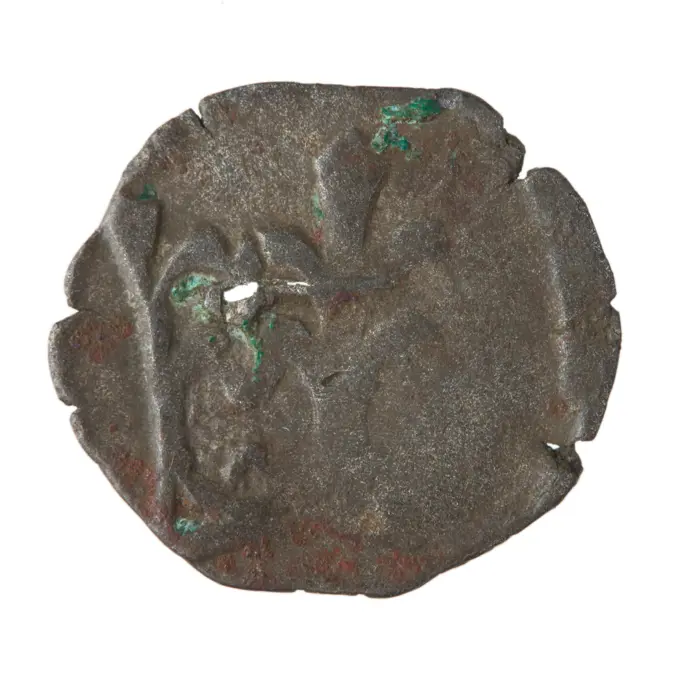
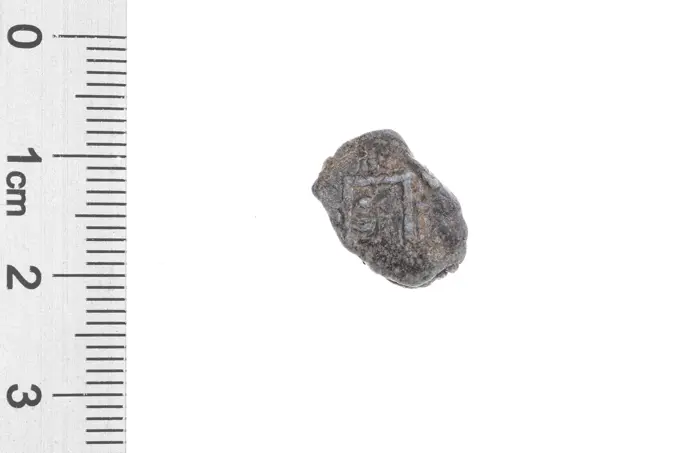
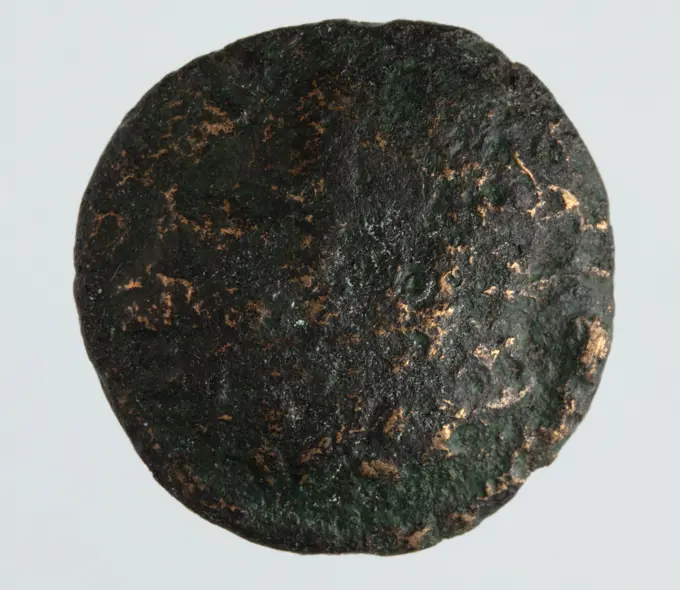
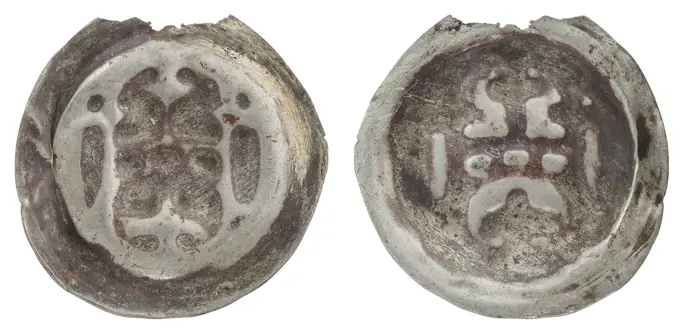
Poland, Władysław Warneńczyk (1434 1444), Denar, 1434 1444, Town of Krakow W ADYS AW WARNE Czyk (King of Poland, 1434 1444), Mint of Kraków
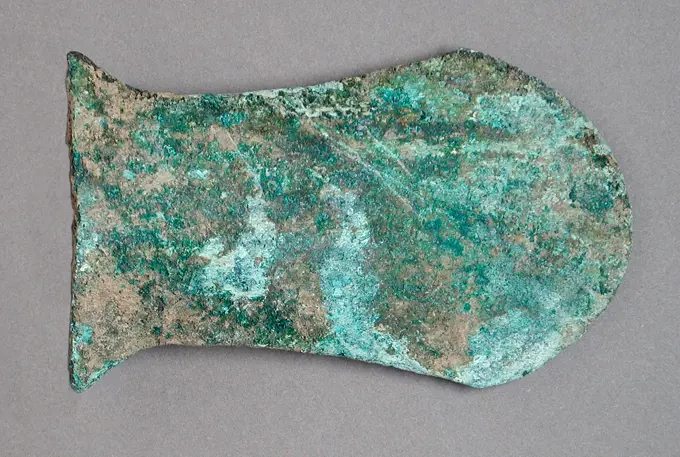
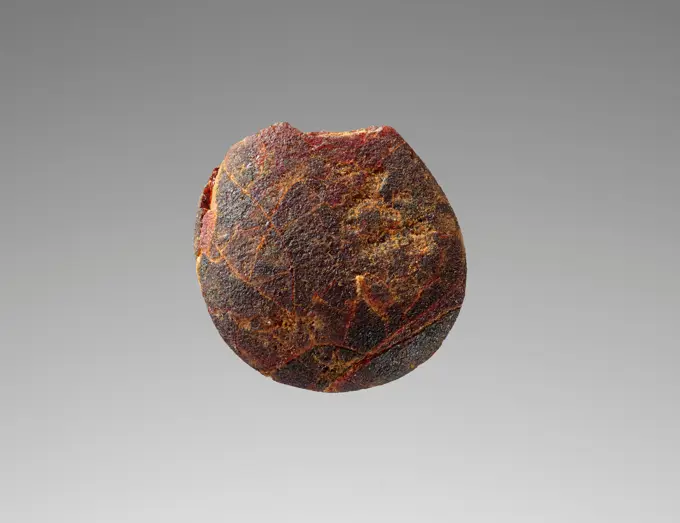
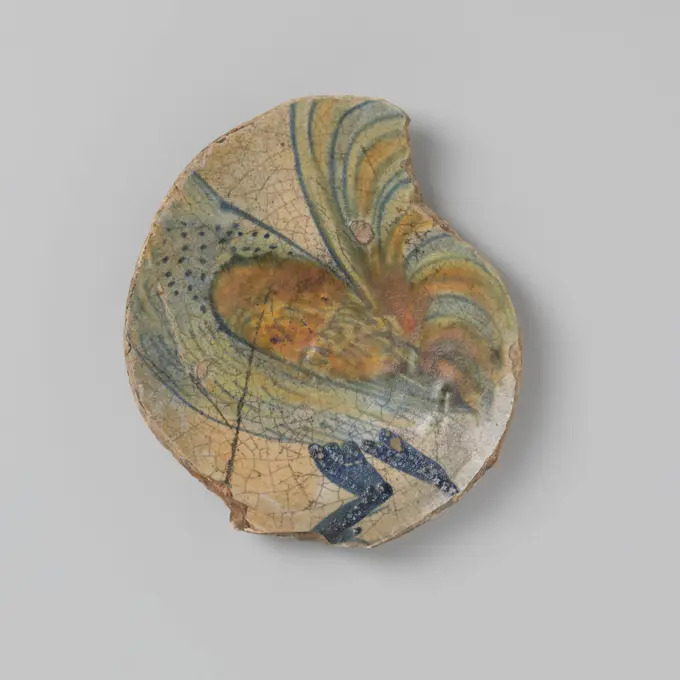
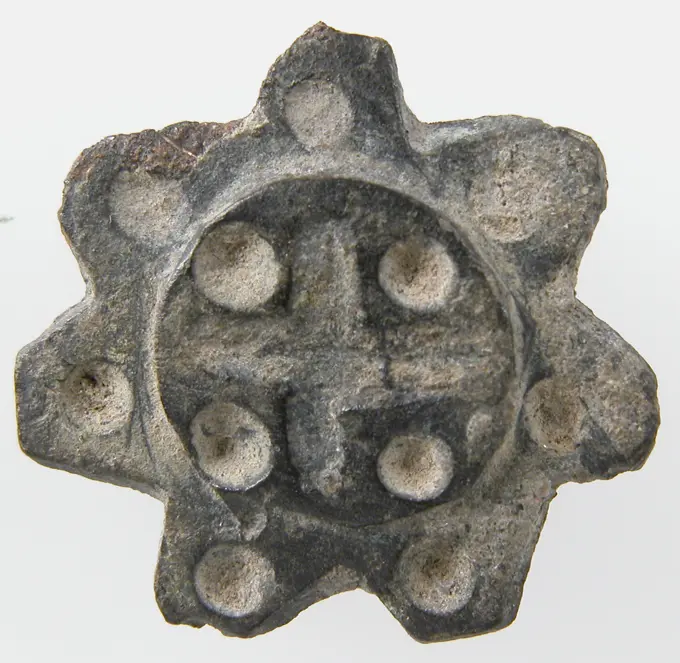
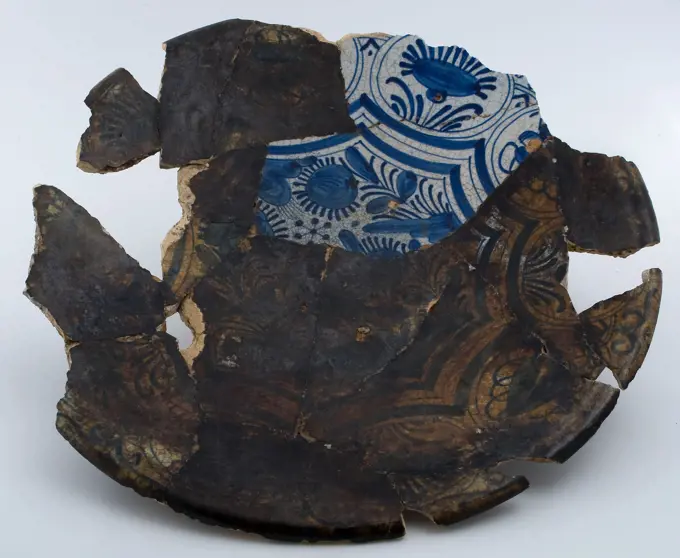
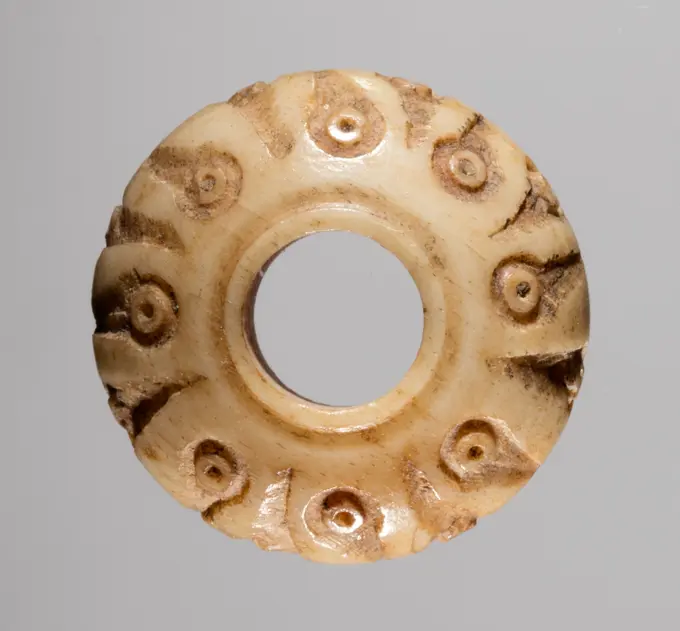
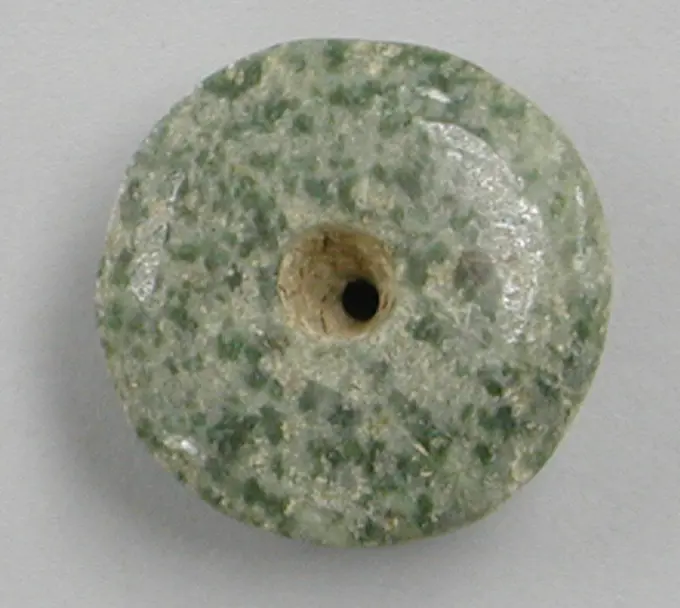
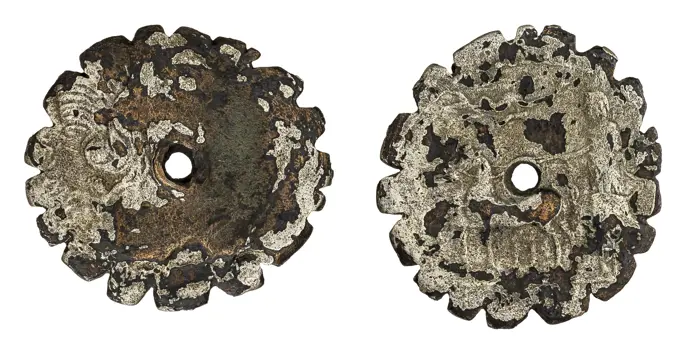
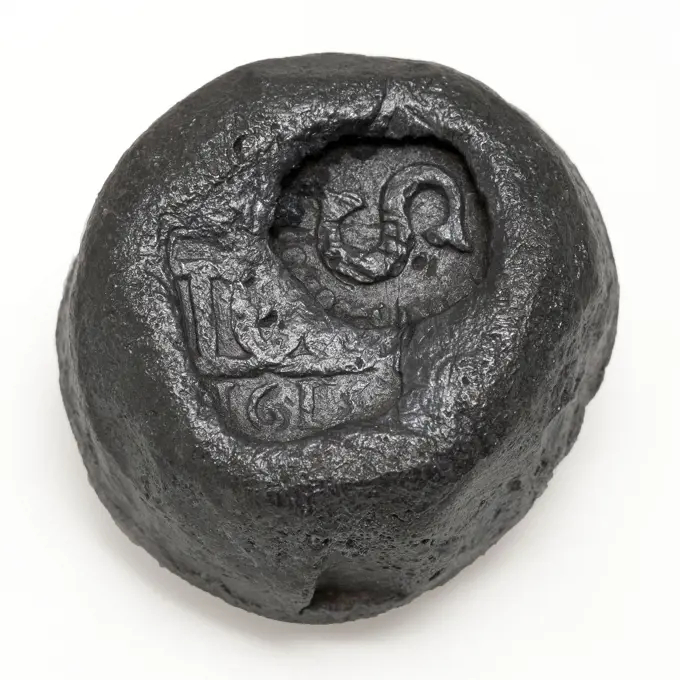
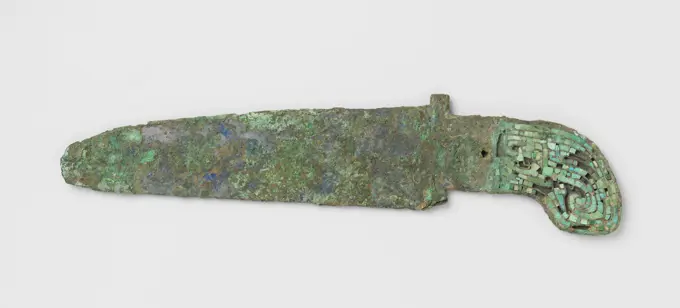
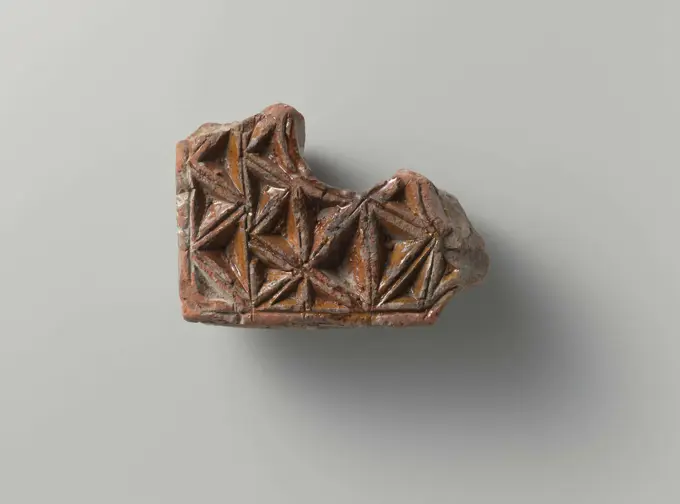
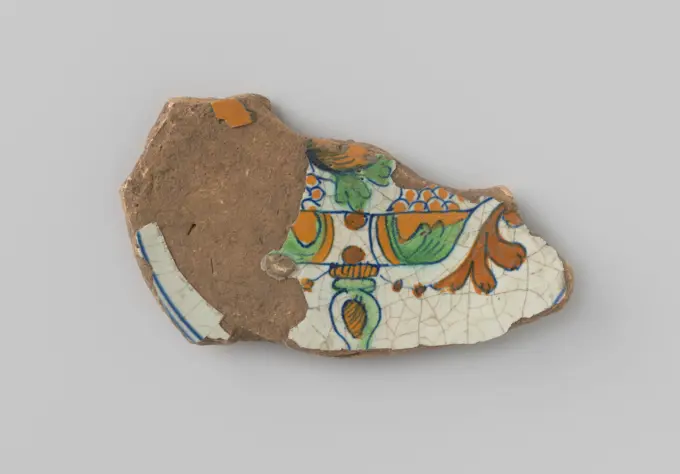
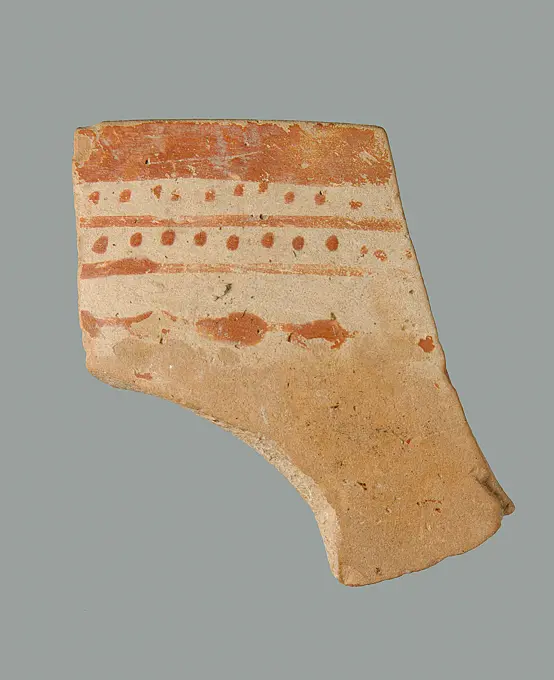
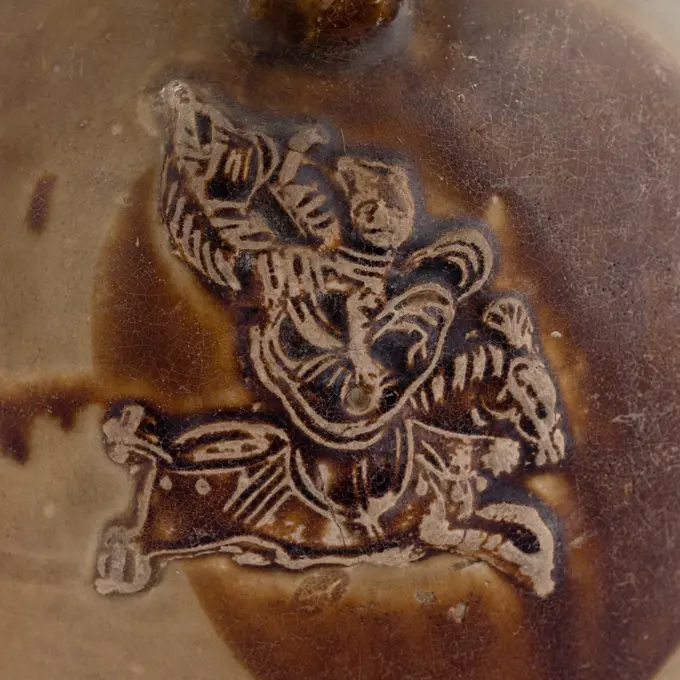
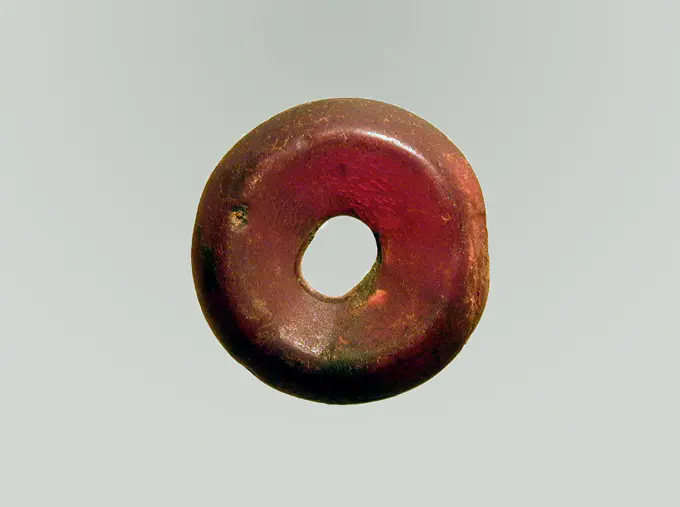
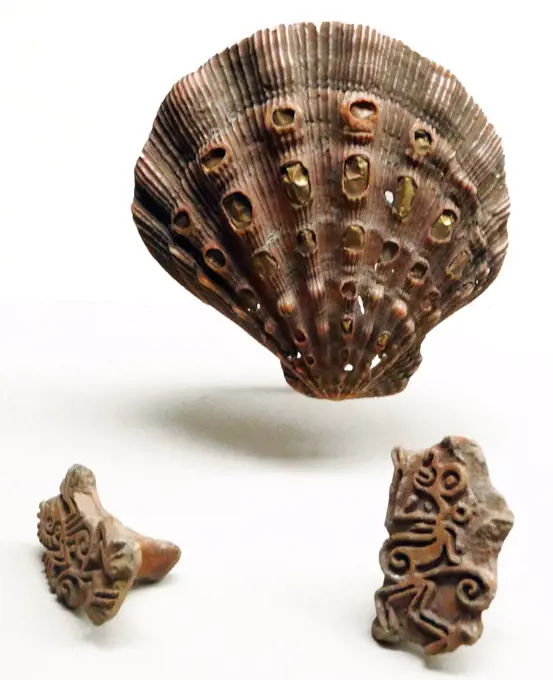
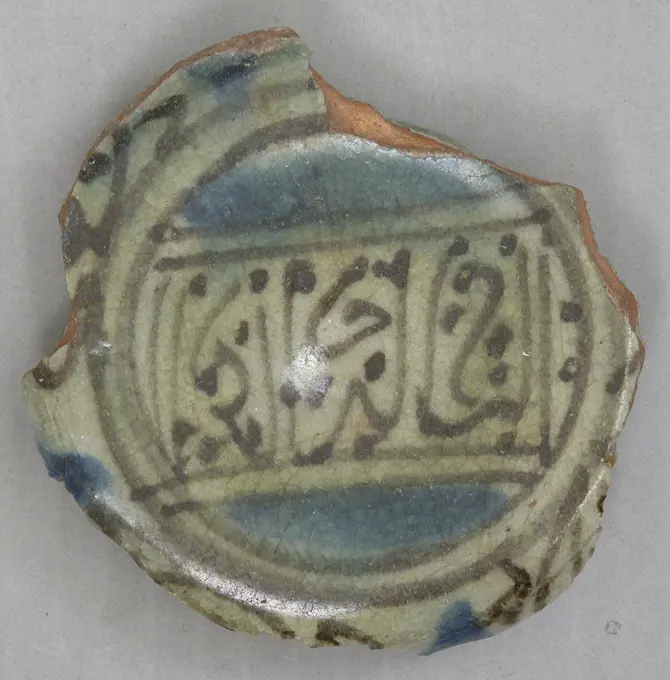
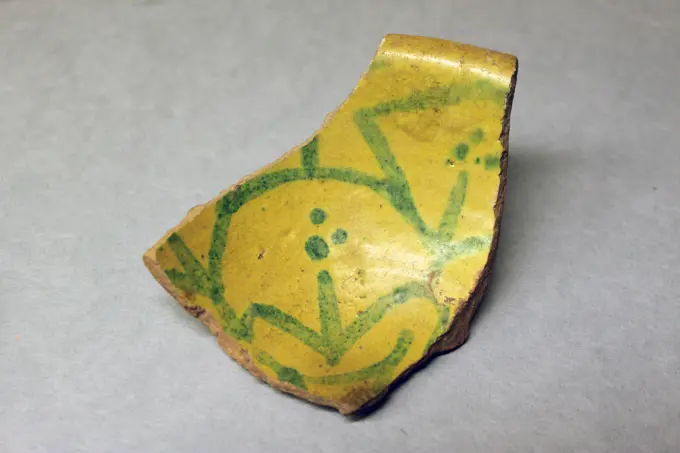
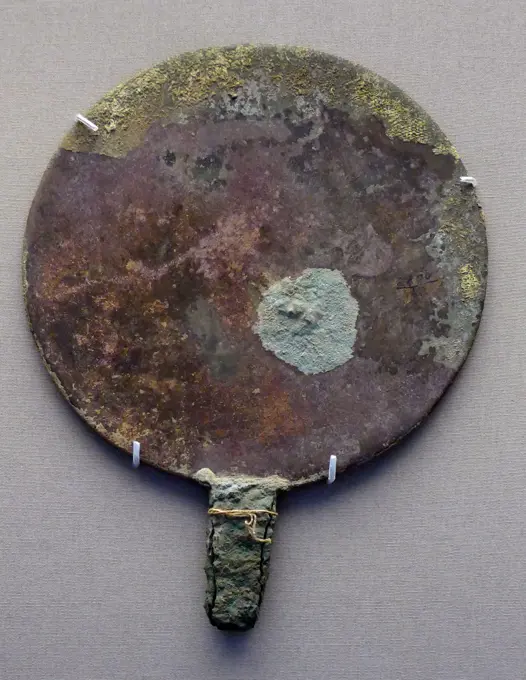
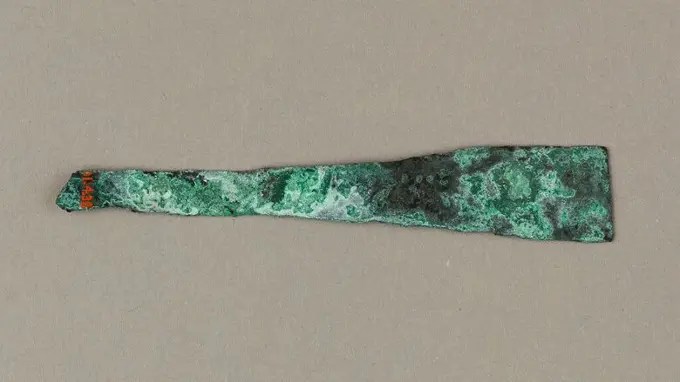
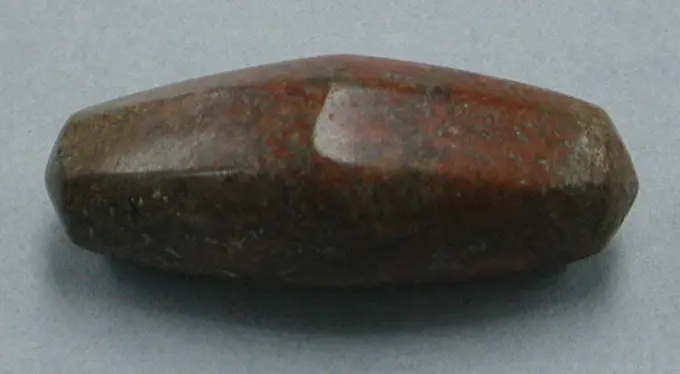
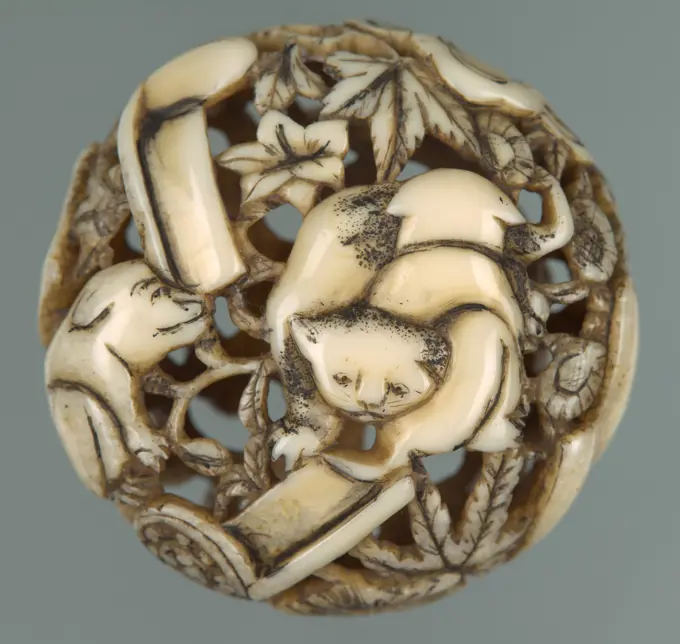
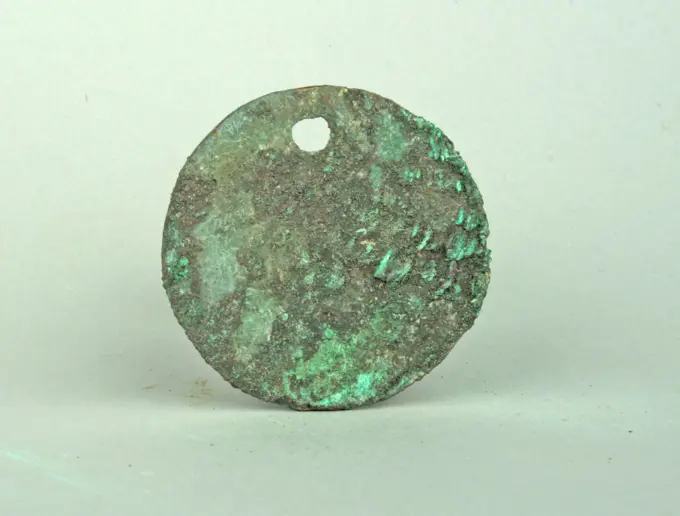
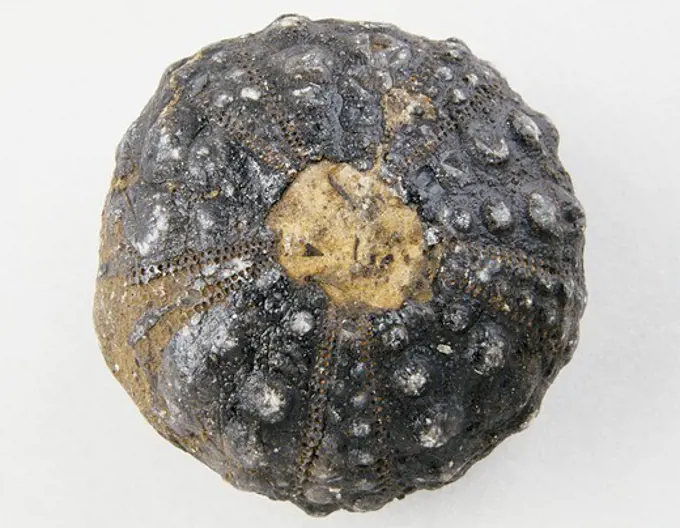
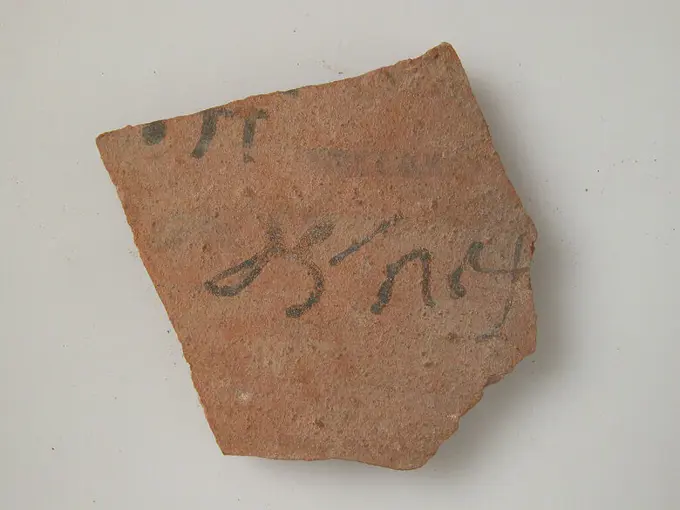
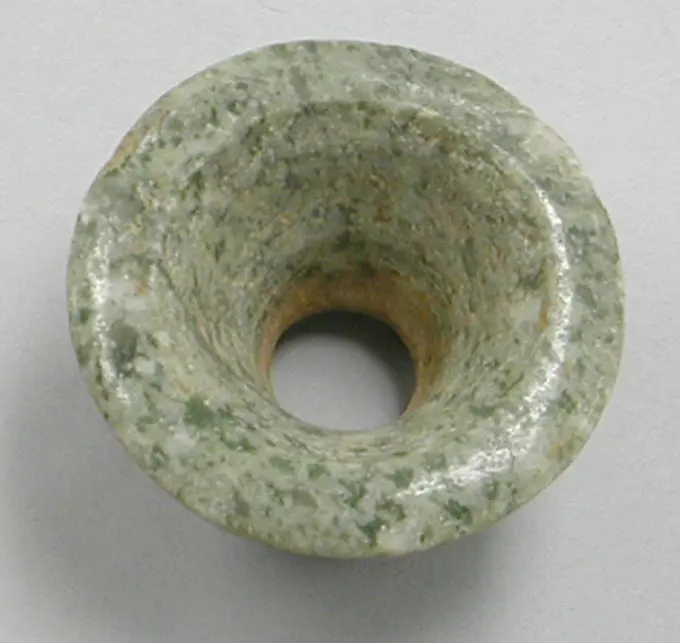
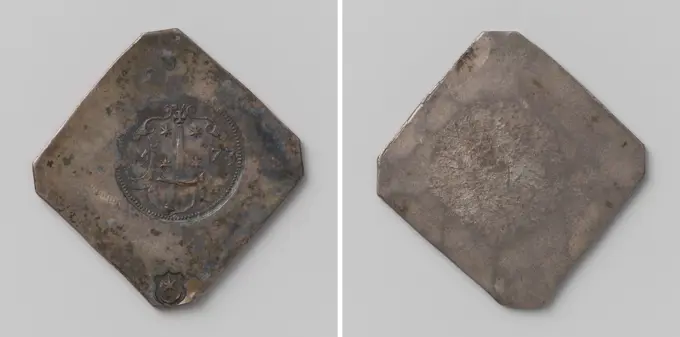
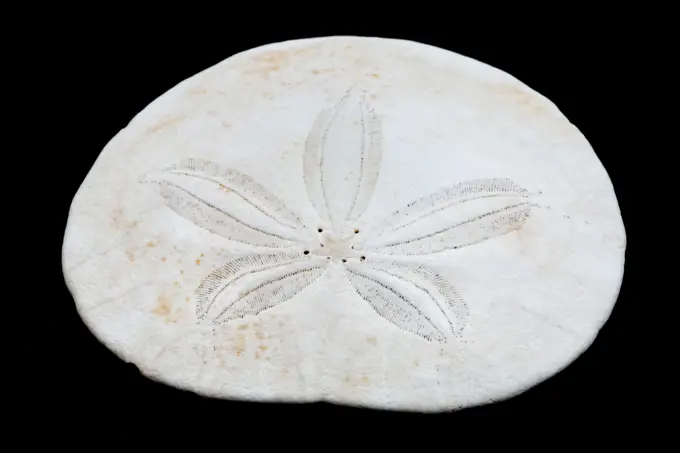
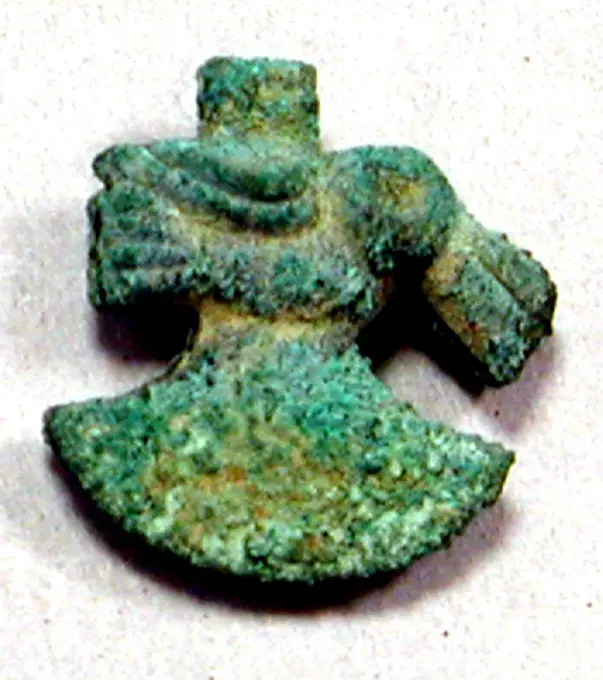
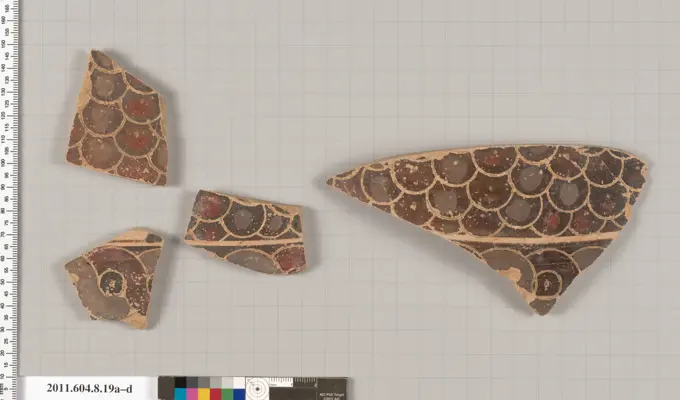
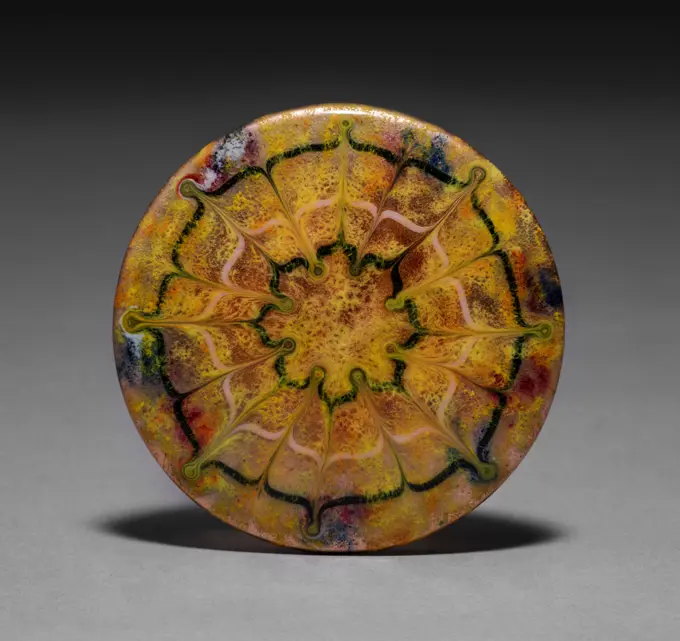
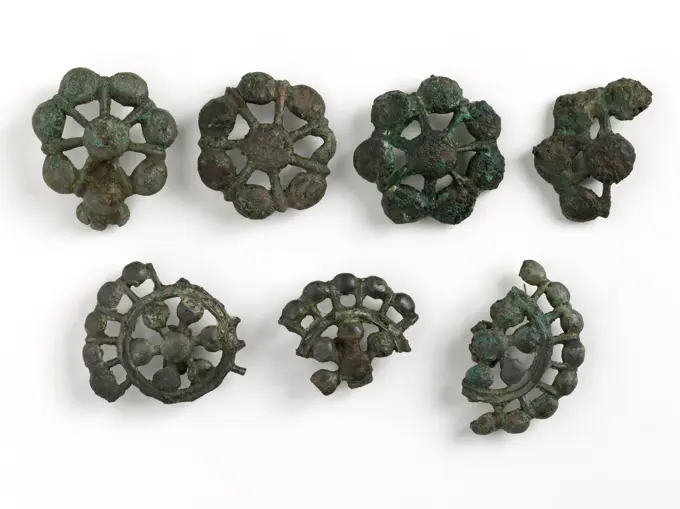
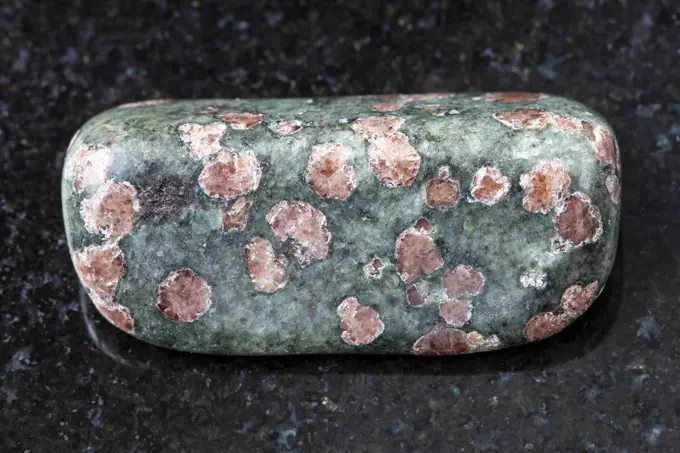
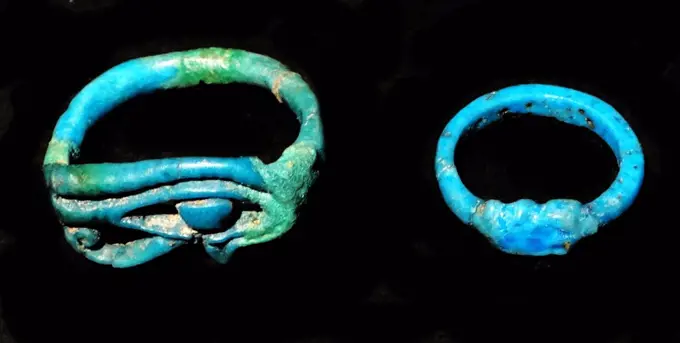
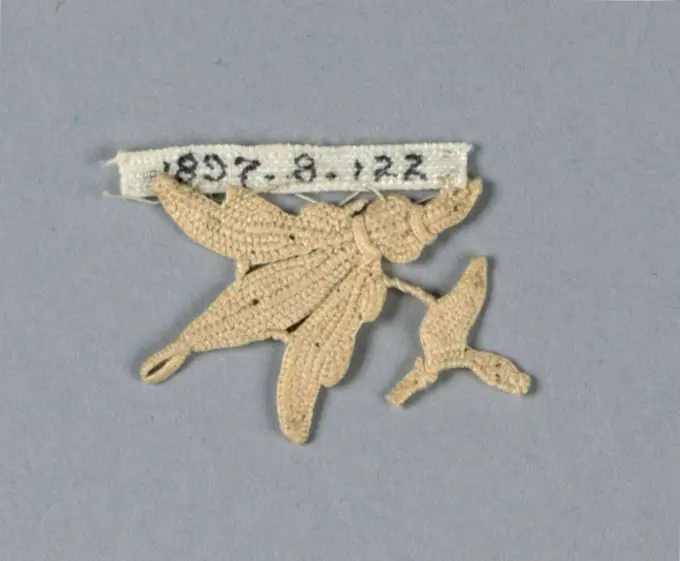
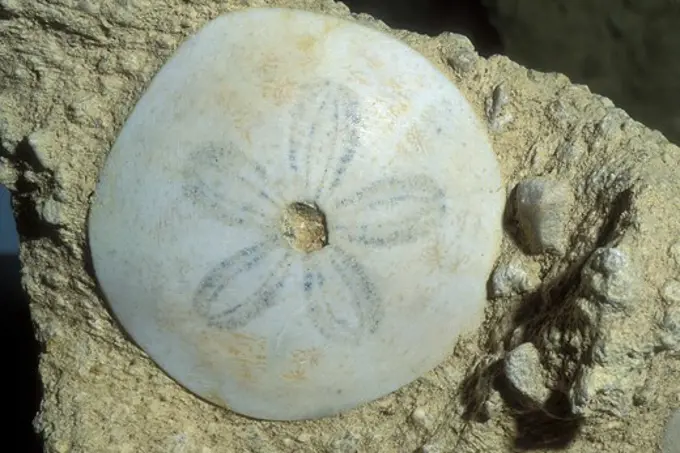
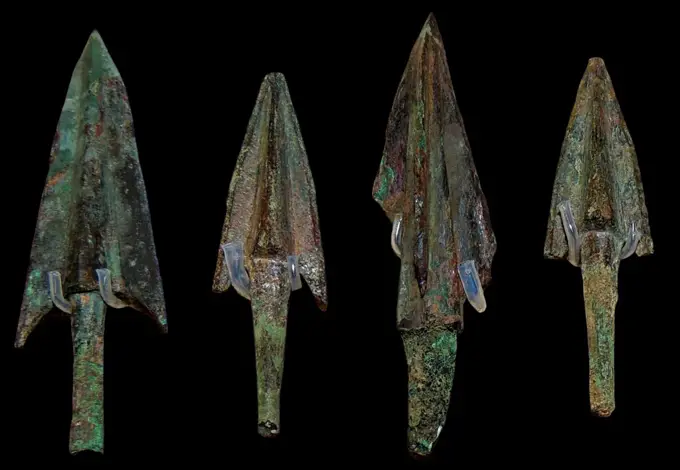
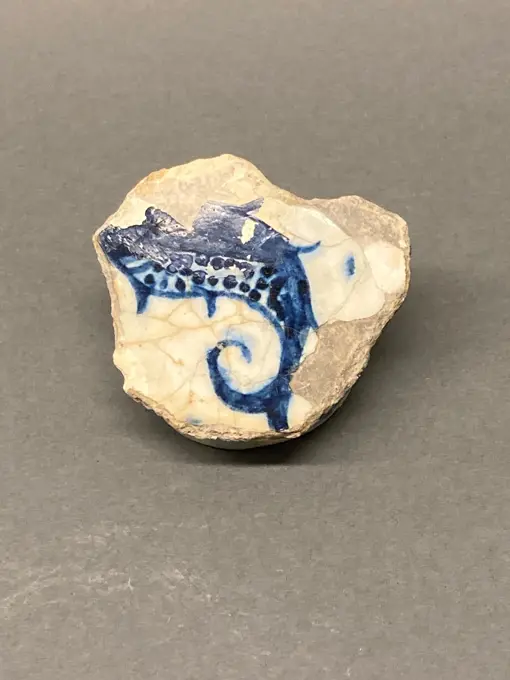
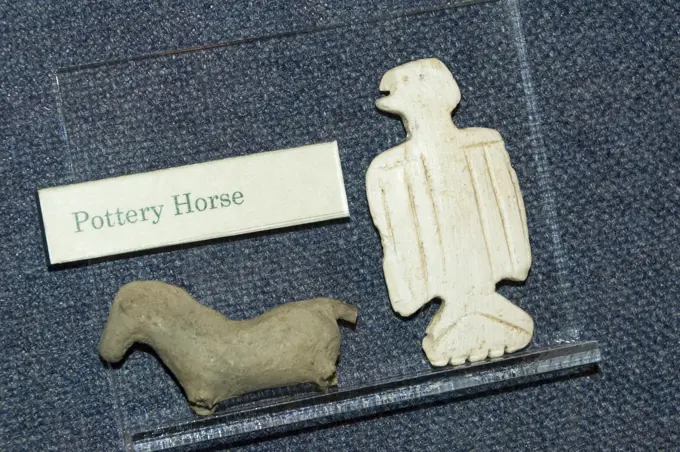
Socket Adze. Northeastern Thailand, Ban Chiang culture, 300 B.C.-A.D. 150. Tools and Equipment; adzes. Copper alloyBead. Unknown 5th century B.C.raw malachite stone on dark background macro shooting of natural mineral rock specimen - raw malachite stone on dark granite background Copyright: xZoonar.com/ValeryxVoennyyx 11383991Arrowheads, primitive era. Museum of archaeology, Seville. Spain. Location: MUSEO ARQUEOLOGICO-COLECCION. Sevilla. Seville. SPAIN.Papier -sherry disher with a multicolored drawing of the body of a rooster, anonymous, 1500 - 1799   earthenware. glaze   earthenware. glazeBrooch 8th-9th century Merovingian. Brooch. Merovingian. 8th-9th century. Copper alloy, champlevé enamel. Metalwork-Copper alloyFragment 9th century. Fragment 451520Drohiczyn seal. unknown, managerScarab, 1901-1648 BC. Egypt, Middle Kingdom, Dynasty 13. Turquoise-glazed steatite; overall: 1.2 cm (1/2 in.).Blue majolica dish on stand, blue flowers in Wanli style as decor, dish plate crockery holder soil find ceramic earthenware glaze tin glaze lead glaze, hand-turned baked glazed fried Large majolica dish on stand. Stand ring pierced for hanging hole Bottom glazing greenish. Top decorated with monochrome representation in blue on white fond. Presentation consists of flowers in the mirror and in ovals along the edge in wanli style. Shallow dish without shoulder Yellow-orange shard Shards very differently discolored due to their stay in various places in the soil archeology Rotterdam City triangle New-home indigenous pottery food serve serve table room decorate Soil discovery: Nieuwe Haven 1st cesspool (round) 21-08-1980. Mokko-shaped tsuba with slightly raised edge; openwork decoration of two tatinum heads in a kidney field; Details in gold Nunome-Zogan; Signed "Yamashiro Mo Kuni Ju Umetada Shichiza".Spindle Whorl, 700s - 900s. Iran, early Islamic period, 8th - 10th century. Bone, incised; overall: 0.6 x 1.3 x 1.3 cm (1/4 x 1/2 x 1/2 in.).Buttons (France); brass with enamel ?Pair of Ear Ornaments, 150-200. Central Mexico, Teotihuacán style, Classic Period. Jadeite-albitite(); diameter: 5.6 cm (2 3/16 in.); overall: 2.4 cm (15/16 in.).Władysław Zygmuntowicz (1610-1612), Kopiejka, Moscow; 1610-1612 Zygmuntowicz, W Adys Aw, Moscow mintStone Earflare before 16th century Mexican. Stone Earflare 317343as. Sempronius Pitio, L. (fl. 148 a.C.), monetary officer, Republika Rzymska, issuerdenarius (serratus, subaeratus). Egnatius Maximus, C. (fl. 75 a.C.), monetary officer, Republika Rzymska, issuerLoden weight of quarter pound with gauge S and year 1615, weight of founding lead metal d 1.0, gram cast Flat tapered disc Marking and year Top stamped in bead edge S ijk and 1615 under part of rectangular stamp probably mark of the archer archeology Rotterdam City Triangle roads Schielandshuis Korte Hoogstraat gauge gauge Ground find: construction site gallery garden of the Schielandshuis.Star-Shaped Tile 14th century. Star-Shaped Tile 448391Fragment 14th century. Fragment 445576Spear Point. Western Iran, circa 1000-825 B.C.. Arms and Armor; spears. BronzeTwo dagger-axes, anonymous, c. -1200 - c. -1050 Hellebaard for ritual use. The handle inlaid with turquoons. China bronze (metal). turquoise (mineral) Hellebaard for ritual use. The handle inlaid with turquoons. China bronze (metal). turquoise (mineral)Mirror with scalloped edge, four birds and arabesques.Round Plaque 3rd century B.C.-A.D. 2nd century Vicús. Round Plaque 315555Reel seal 4th-3rd millennium B.C. (). Reel seal. 4th-3rd millennium B.C. (). Chlorite, black. Prehistoric. Iran or MesopotamiaPrehistory. Bronze Age (1800 - mid second millennium BC). Six pieces of bone in triangular prismatic shape, double perforation in the form of V. Dolmen de l'Espino of Collsuspina. Episcopal Museum of Vic. Catalonia, Spain.Karte von Lettland auf rostigem Metall - Map of Latvia on rusty metal Karte von Lettland auf rostigem Metall - Map of Latvia on rusty metal Copyright: xZoonar.com/lantapix,x 9952867Stone Pendant 1st-8th century Mezcala. Stone Pendant 317385Lead seal, 25, Switzerland unknownFragment of a horse bit, anonymous, -1100 --800 Horse bit in the form of a stylized bird. China bronze (metal) Horse bit in the form of a stylized bird. China bronze (metal)Fragment. A fragment architectural decorated from baked earth all around with deepened triangles. Found in the excavation of the Great road from Utrecht to Vreeswijk opposite the house "De Wiers" when performing the Rijks of the Amsterdam-Merwede canal. Together with Inv. Nr. BK-NM-8413-b.Bliżej Kultury Filip IICostume Ornament 11th-12th century Central coast (). Costume Ornament 308670Sherd with foliate scrolls, anonymous (possibly), c. 1580 - c. 1620 Sharp of earthenware, painted in the glaze with a decoration with leaf vines. Majolica. Netherlands earthenware. tin glaze. lead glaze painting / vitrification Sharp of earthenware, painted in the glaze with a decoration with leaf vines. Majolica. Netherlands earthenware. tin glaze. lead glaze painting / vitrificationPendant: Ram's Head. UnknownFragment of a bowl; Unknown Night -Tamanian workshop; approx. 6500 5500 BC ; Halaf culture (-6505-00-00--5495-00-00);Szarzyńska, Krystyna (1918-), painted ceramics, gift (provenance), Halaf culture (approx. 6500-ok. 5500 BC), bowls, geometric motifs, chessboardStone Figure () Pendant 9th-15th century Costa Rica. Stone Figure () Pendant 315815Round Plaque 3rd century B.C.-A.D. 2nd century Vicús. Round Plaque 315545bracteate denarius. Zakon krzyżacki (1190-), issuerFace Rattle 1st-mid-8th century Moche. Face Rattle 308889Louis Desvignes. "Medal. Reading". Metal, bronze. Museum of Fine Arts of the City of Paris, Petit Palais. 57564-2 Bronze, reading, medal, metal, numismaticsJug. Ceramic. China, Tang dynasty, Changsha. Paris, Cernuschi museum. 72685-49 Chinese art, rider, changsha, jug, tang dynasty, detailWhorl 7th century B.C. Etruscan or Italic Whorl.. Whorl. Etruscan or Italic. 7th century B.C.. Amber. Late Geometric. Miscellaneous-AmberShell pendant, inlaid with gold Aztec, AD 1300-1521Rosette from the sky of the dome of the Zygmuntów chapel  Wawel Cathedral, KrakowFragment of a Bowl 14th-15th century. Fragment of a Bowl 445469Fragment probably 9th century. Fragment 451535Dish fragment with floral scrolls, anonymous, c. 1200 - c. 1299 Fragment of a saucer of quartz fritry with flower vines in olive-green luster. Fairly hard white earth with translucent blue glaze. Syria earthenware. glaze. luster (textile) painting / vitrification Fragment of a saucer of quartz fritry with flower vines in olive-green luster. Fairly hard white earth with translucent blue glaze. Syria earthenware. glaze. luster (textile) painting / vitrificationFragment of a Bowl 9th century. Fragment of a Bowl. 9th century. Earthenware; buff slip, opaque yellow glaze, green decoration, glazed. Excavated in Iran, Nishapur. CeramicsDouble Box (Shuanghe) in the Form of Plum Blossoms. China, Middle Qing dynasty, about 1700-1800. Furnishings; Accessories. Abraded jadeMirror from a Meroitic grave found in Egypt. 300 ADModel adze blade. Dimensions: H. 8.7 cm (3 7/16 in); W. 1.5 cm (9/16 in.). Dynasty: Dynasty 2. Reign: reign of Khasekhemui. Date: ca. 2650 B.C.. Museum: Metropolitan Museum of Art, New York, USA.Spade from Board ofRevenue.  Mint: Board of Revenue Artist: UnknownStone Pulidor before 16th century Mexican. Stone Pulidor 317074Przeszo Przyszoci unknownRound Plaque. Culture: Vicús. Dimensions: Diameter 2-3/16 in. (5.5 cm). Date: 3rd century B.C.-A.D. 2nd century. Museum: Metropolitan Museum of Art, New York, USA.Fragment majolica dish with trumpet gel in orange and blue, dish plate board plate ground find ceramic earthenware glaze tin glaze lead glaze, w 10.4 majolica baked 2x painted glazed Fragment mirror Hanging hole in stand. To represent polychrome trumpet gel in orange and blue some lines in manganese In the right hand the trumpet in the left lance or spear Around the angel sash. Stand ring underside sparing lead glazing baked archeology Rotterdam Stadscentrum Stadsdriehoek Schielandshuis indigenous pottery serving serving food decorating the table Soil discovery: Schielandshuis during restoration.Round Plaque 3rd century B.C.-A.D. 2nd century Vicús. Round Plaque. Vicús. 3rd century B.C.-A.D. 2nd century. Copper (hammered), gilt. Peru. Metal-OrnamentsBracelet ca. 800 B.C. Halstatt Many Bronze Age objects, like these bracelets, were finished with subtle geometric designs incised into the cast metal surface.. Bracelet 468434Excerpt (foot ring) of a dish with red-baking shard, with white glaze at the front and rear, on which a flower is shown in Sgrafitto technology at the front, anonymous, 1200- 1899  Italy earthenware  Italy earthenwarePencil sea urchin fossil (Cidaris sp), Echinoidea.Ecuador. Middle of the World, Equatorial marker (aka Mitad del Mundo). Highland marker near the town of Otavalo marking the location of the equator.Ostrakon. Culture: Coptic. Dimensions: Overall: 1 7/8 x 1 15/16 x 1/4 in. (4.8 x 5 x 0.6 cm). Date: 4th-7th century. Museum: Metropolitan Museum of Art, New York, USA.clay stamp seal, Maritsa, Haskovo region, Chalcolithic, fifth millennium BC, Bulgarian National Archaeological Museum, Sofia, Republic of Bulgaria, Europe.Stone Earflare before 16th century Mexican. Stone Earflare 317332Fragment of a Dish late 11th-first half 12th century. Fragment of a Dish 452712Tweegulden, emergency coin from Haarlem, beaten during the siege, Anonymous, 1573 coin. siege coin Unilateral, diamond -shaped emergency coin with beveled corners. Front: two stamps above each other; From the bottom to top: city coat of arms: reverse sword with two stars on either side, a cross in a cartouche between the year in pearl edge on either sword; Master sign: star and crescent. Reverse: Blanco Haarlem silver (metal) striking (metalworking)  HaarlemUSA, Oregon. Sand dollar close-up.Cycladic decorated pottery bowl, 31st century BC. Artist: UnknownCopper Tweezers before 15th century Peruvian. Copper Tweezers 315657Plaque ca. 3rd-7th century A.D. Sasanian. Plaque 322665Gaming Piece possibly 8th-12th century The dot-in-circle motif recalls designs presumed to be of magical significance, most likely an abstract eye to ward off the evil-eye, which serves an apotropaic function. Easily reproduced with a tool and visible in many cultures and times, this symbol may have lost its meaning, and become simply a decorative pattern, or may have one that we have not yet discovered.. Gaming Piece 452325Terracotta fragments of an amphora (jar) last quarter of the 7th century B.C. Etruscan, Etrusco-Corinthian The largest fragment has, at the top, guilloché; below, scales; a second fragment has scales; a third fragment has a bit of guilloché and some scales; the fourth fragment has guilloché. Terracotta fragments of an amphora (jar). Etruscan, Etrusco-Corinthian. last quarter of the 7th century B.C.. Terracotta. Archaic. VasesFragment 9th century. Fragment 452689FOSSIL: AMMONITES.Rust, copper and iron with closeup of old machine for bronze, mineral oxidation and blacksmith art. Foundry, grunge and metal corrosion with steel gear for textures, abstract and industrial materialCover for a Box, c. 1898-1902. Tiffany Glass & Decorating Company (American, New York, 1892-1902). Favrile glass, enamel on copper; 14 cm (5 1/2 in.). By 1900 Tiffany had expanded his empire by increasing the firms production of “fancy goods,” including inkstands, candlesticks, clocks, small boxes, desk sets, tea screens, and other functional objects. Along with the array of artistic glass designs from his factory in Corona, Queens, works in ceramic, bronze, other metals, and even jewelry abounded. These smaller, more affordable luxury items were designed with as much thought to artistry as the great stained glass windows and lamps through which the firm enjoyed unrivaled success.Fragment. Culture: European or Middle Eastern. Dimensions: L. 1 1/4 in. (3.2 cm). Date: ca. 1150-ca. 1250. Museum: Metropolitan Museum of Art, New York, USA.Gaming Piece possibly 8th-12th century The dot-in-circle motif recalls designs presumed to be of magical significance, most likely an abstract eye to ward off the evil-eye, which serves an apotropaic function. Easily reproduced with a tool and visible in many cultures and times, this symbol may have lost its meaning, and become simply a decorative pattern, or may have one that we have not yet discovered.. Gaming Piece 453889Amulet of the Crown of Upper Egypt 1070 BCE-656 BCE Egypt. Faience . Ancient EgyptianPins, ornaments. Bronze. Caucasus. Second half of the 2nd millennium BC. Paris, Cernuschi museum. 35407-7 Spindle, bronze, ornamentCompartmented Seal with Snake. Northern Afghanistan, 2000-1500 B.C.. Tools and Equipment; seals. BronzeSpindle Whorl, 700s - 900s. Iran, early Islamic period, 8th - 10th century. Bone, incised; overall: 0.5 x 1.5 x 1.5 cm (3/16 x 9/16 x 9/16 in.).polished Eclogite gemstone on dark background macro shooting of natural mineral rock specimen - polished Eclogite gemstone on dark granite background from Salma region, Kola peninsula, Russia Copyright: xZoonar.com/ValeryxVoennyyx 11391996Faience bracelets, Ancient Egyptian 715-332 BCShoe finds in abandoned house, Lost Place, Andalusia, Spain, EuropeFragment faience plate, blue on white, coat of arms with dot and beam, plate crockery holder soil find ceramic earthenware glaze tin glaze, Cooked archeology heraldryFragment; linenGlass Fragments 4th-early 5th century Coptic. Glass Fragments 477093fossil sand dollar eocene 50 million years old franceA group of bronze arrow heads. Shang and Western Zhou periods, 12th-10th century BC.Fragment faience bowl, yellow and blue on white, putto standing on one leg, on ground, bowl plate crockery holder earth discovery ceramic earthenware glaze tin glaze, Cook archeologyRoundel 3rd-4th century. Roundel 445784Ceramic Fragment 13th-16th centuryGame of 58 Holes, Gaming board, 1000 BC. Artist: Unknown.Charred, burnt, braised interior of a power outlet looks like a skull or a mask, symbol of excessive energy consumption, studio recording, GermanyAmulet of a Star, 1980-1801 BC. Egypt, Middle Kingdom, Dynasty 12. Deep turquoise green faience; overall: 1.9 cm (3/4 in.).Mandan children's toys such as a pottery horse and a bone eagle on display at the On-A-Slant Indian Village museum, SDBowl 8th-9th century. Bowl 453609