Historic Coins and Artifacts

A collection featuring historical coins and amulets from different cultures, primarily Asian, reflecting ancient craftsmanship and decorative elements.
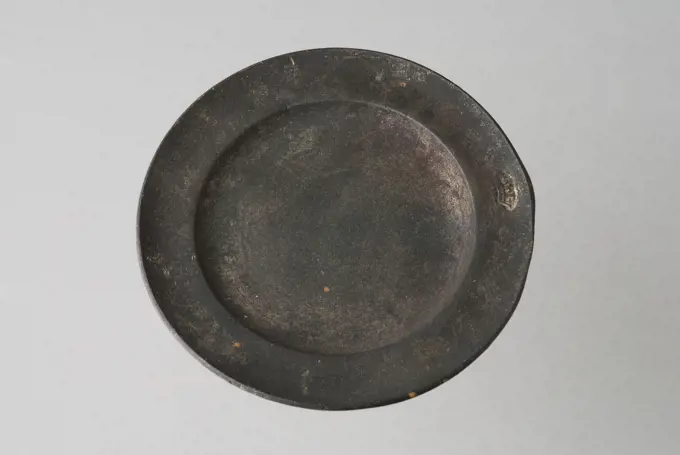
Toy tin plate with brand in the rim, plate crockery holder miniature model soil find tin metal, cast Small tin plate. Toys Flat mirror and flat edge on top Marked on the edge of the tin mark: crown possible with initials archeology Capelle aan den IJssel House in Capelle castle child play child's play dolls girl Soil discovery: house in Capelle Capelle aan den IJssel.
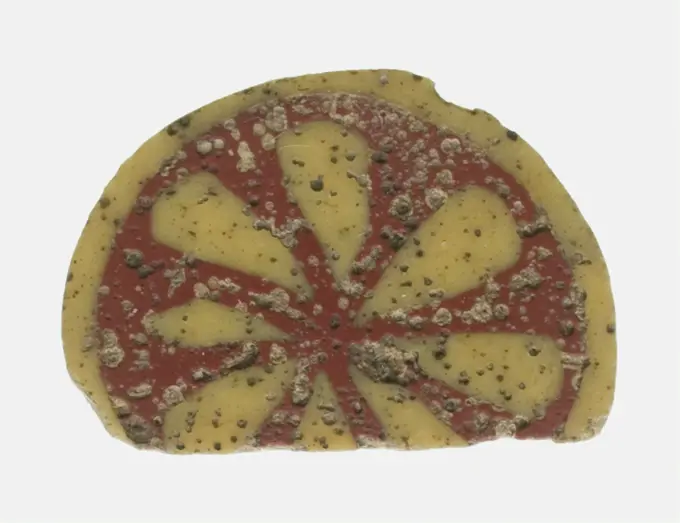
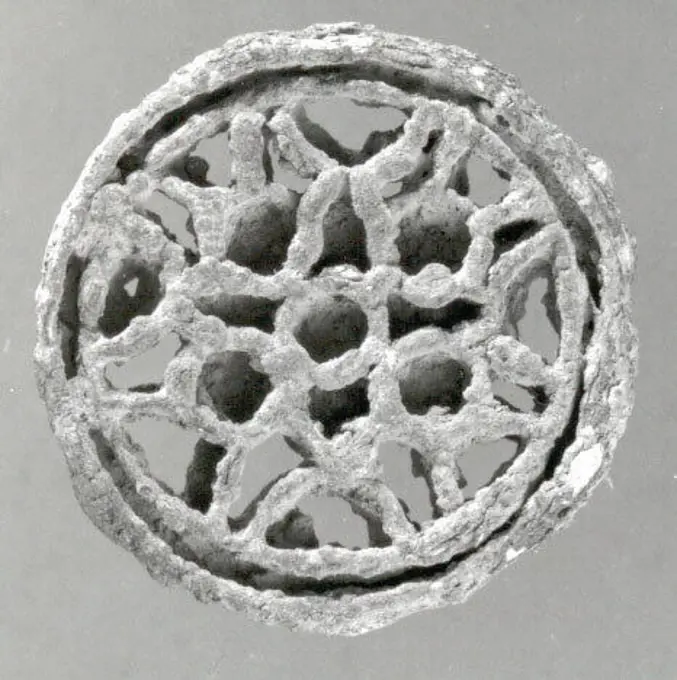
Fragment. Culture: European or Middle Eastern. Dimensions: L. 1 1/8 in. (2.9 cm). Date: ca. 1150-ca. 1250. Museum: Metropolitan Museum of Art, New York, USA.. Round bullet, one half is dyed black with the inscription on top of them. In round box of wood consisting of two halves that are on top of each other.Fragment of an Inlay Depicting a Rosette 100 BCE-100 CE Italy. In ancient Rome, there was a high demand for colorful glass that could dazzle banquet guests alongside the expensive silver and gold serving wares meant to impress. Fragments like this one would have once been a part of larger mosaic dishes. The mosaic pattern was made by sagging molten glass into bowl-shaped molds, a technique used on many of these fragments is similar to millefiori, ìthousand flowersî in Italian, a modern glass-making method in which tiny rods of colored glass are bundled together, wrapped in a sheet of glass, fused, and then thinly sliced to reveal swirls of a flower-like patterns. They were arranged side by side, sometimes together with bits of colored glass, and fused together with heat.. Glass, mosaic glass technique . Ancient RomanFang culture shield, Equatorial Guinea, 1900-1950, wood and pigments, Anthropology National Museum, Madrid, SpainCompartmented stamp seal ca. late 3rd-early 2nd millennium B.C. Bactria-Margiana Archaeological Complex. Compartmented stamp seal. Bactria-Margiana Archaeological Complex. ca. late 3rd-early 2nd millennium B.C.. Copper alloy. Bronze Age. Bactria-MargianaWood Basket BottomThank you for the gift A slate with an inscription and coin slot Copyright: xZoonar.com/EricxHeppx 21743693