Historic Cosmetic and Utility Vessels

A collection of ancient and vintage vessels and buttons, showcasing craftsmanship from various eras, including anhydrite cosmetic jars and unique decorative buttons.
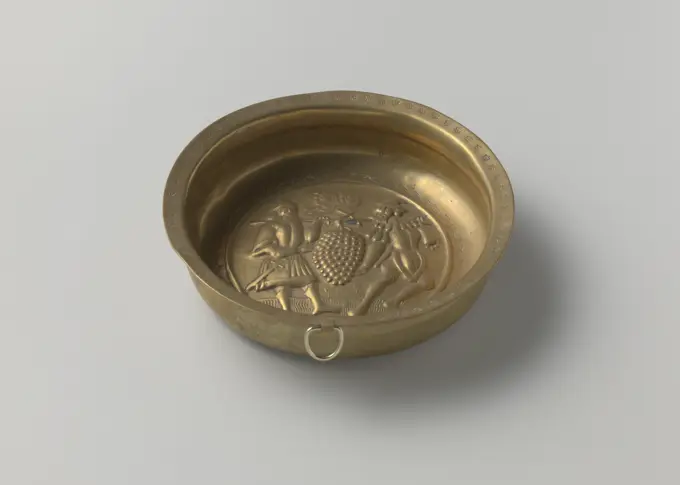
Pelvis with the spies of the Land Canaan, Anonymous, 1450 - 1500 In the flat of the pelvis, which has the center point in the middle, a representation of the spies of the Land Canaan (Joshua 2, 1-22) is punched with the help of a stamp shape. This is surrounded by a border of stylized leaves struck with punch stamps. Rosettes were applied to the border and a hanging ring is attached at the bottom later. Neurenberg (possibly) brass (alloy) casting In the flat of the pelvis, which has the center point in the middle, a representation of the spies of the Land Canaan (Joshua 2, 1-22) is punched with the help of a stamp shape. This is surrounded by a border of stylized leaves struck with punch stamps. Rosettes were applied to the border and a hanging ring is attached at the bottom later. Neurenberg (possibly) brass (alloy) casting
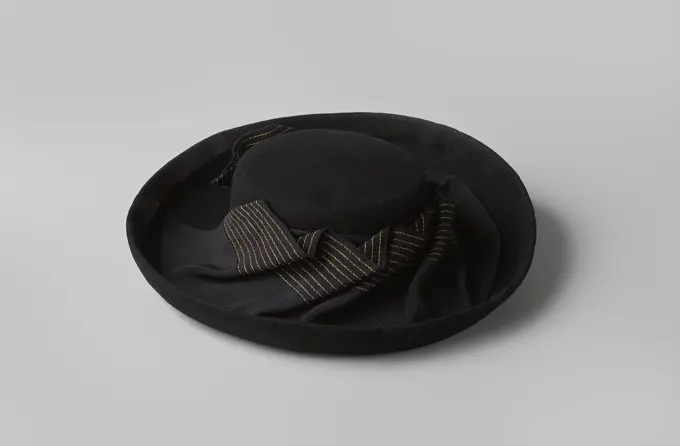
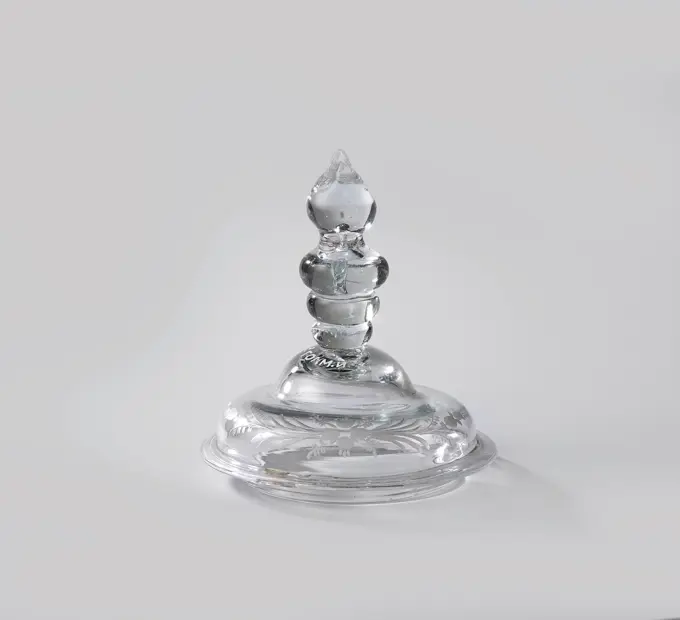
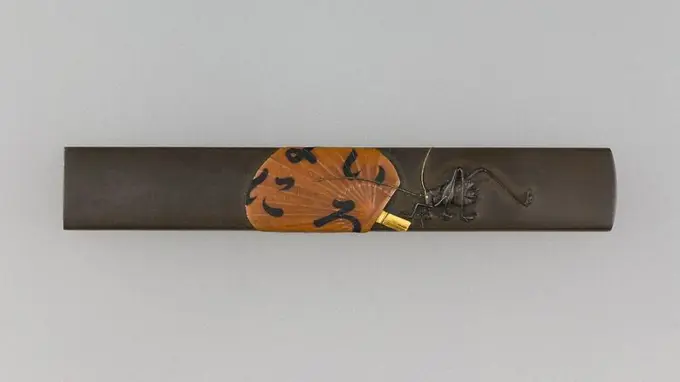
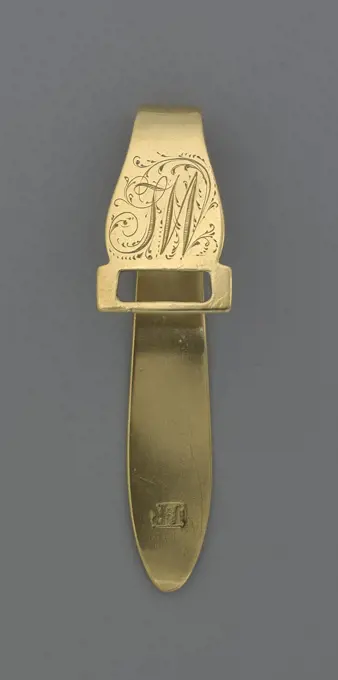
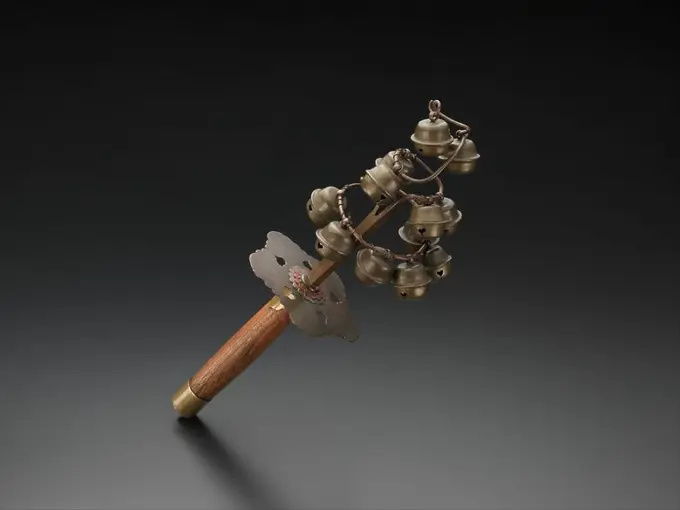
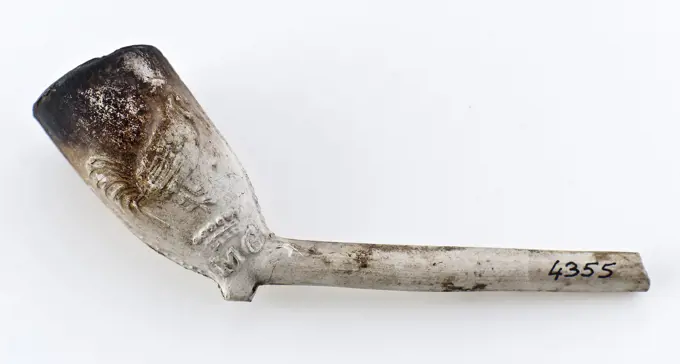
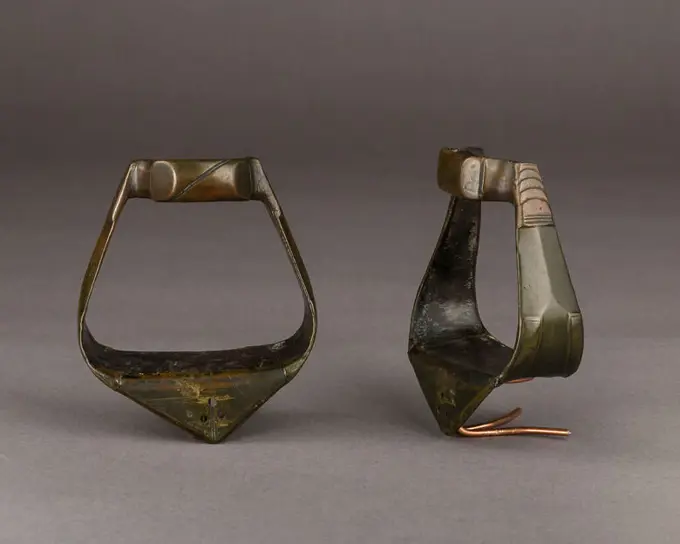
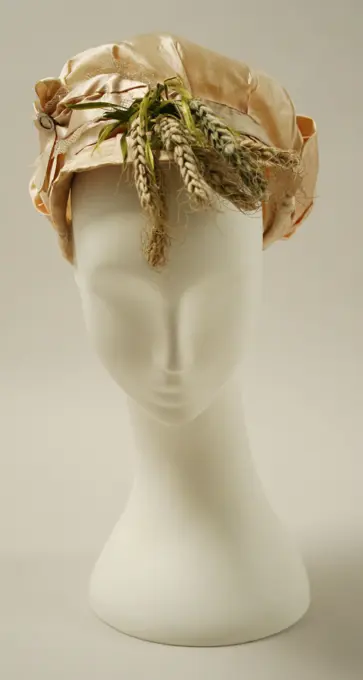
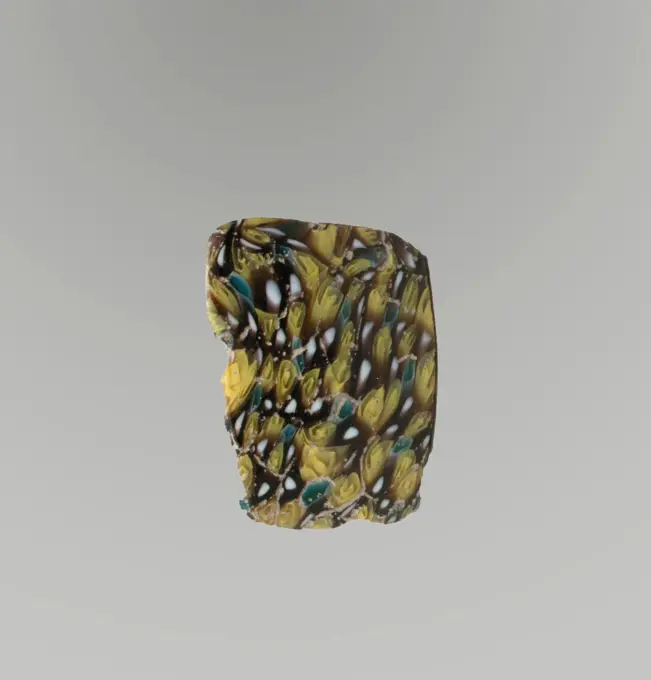
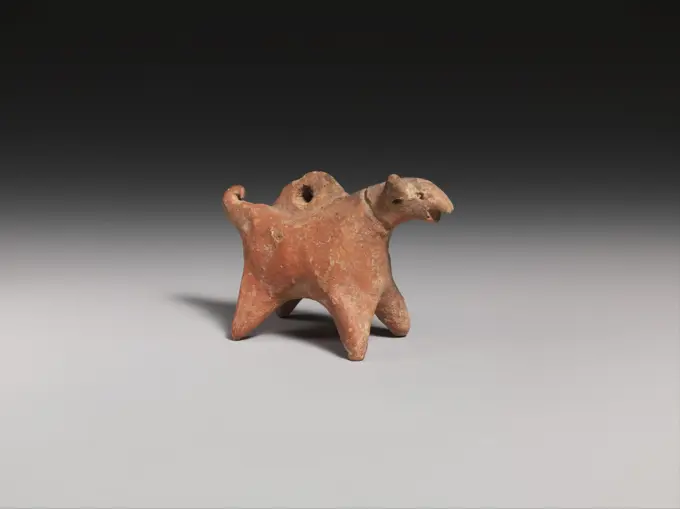
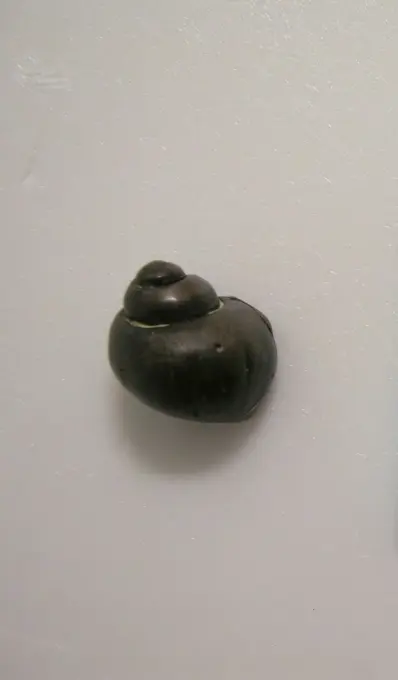
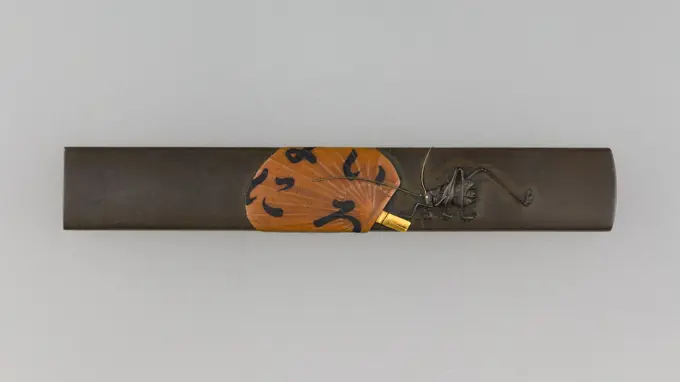
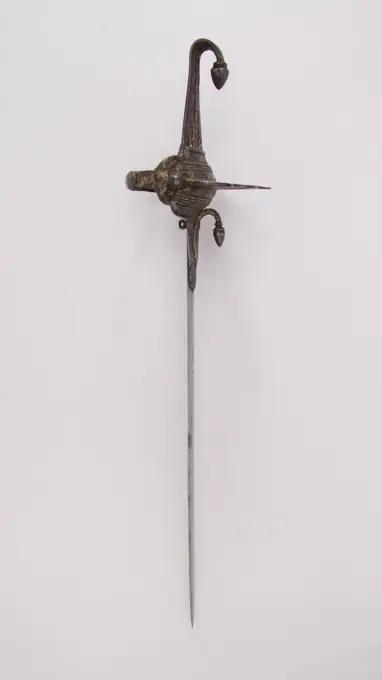
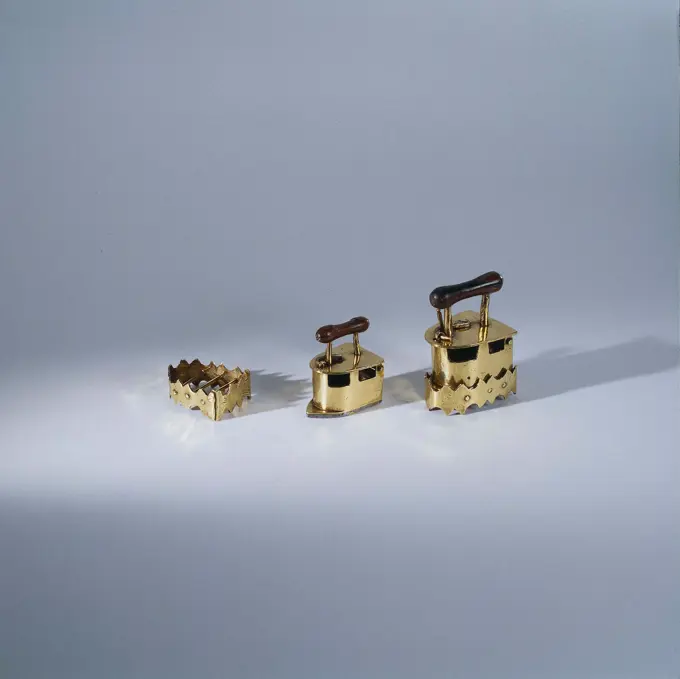
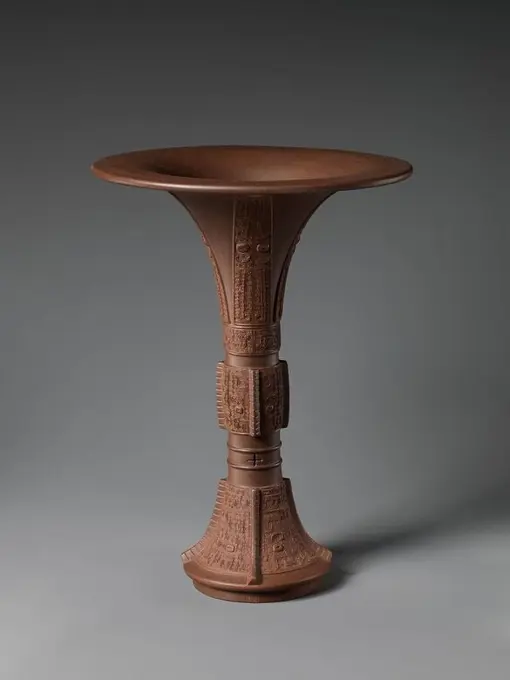
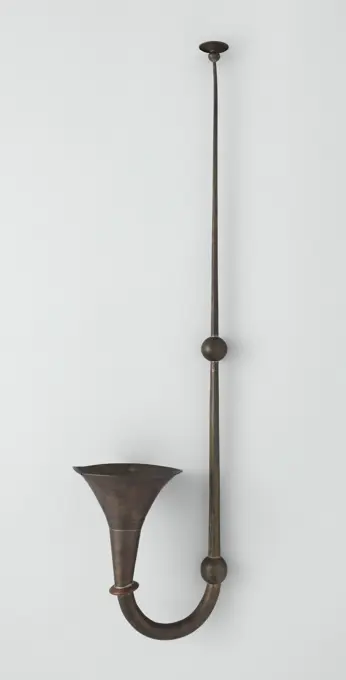
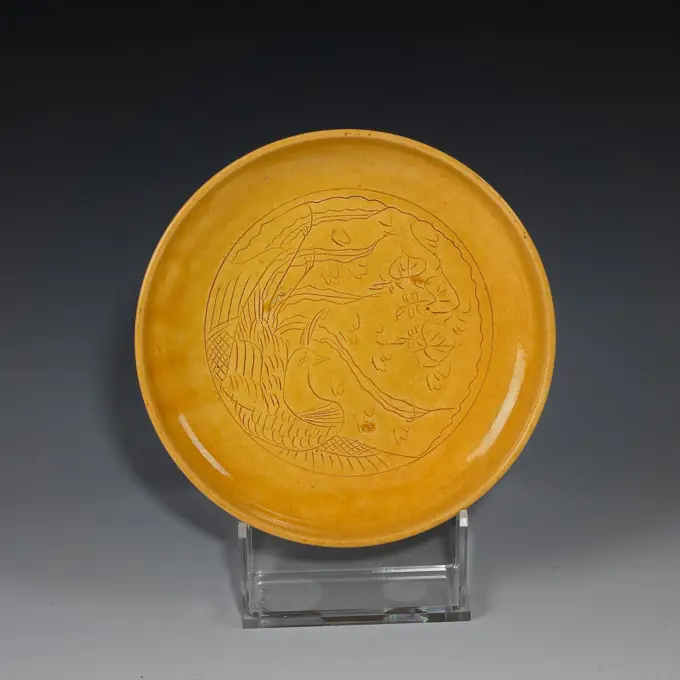
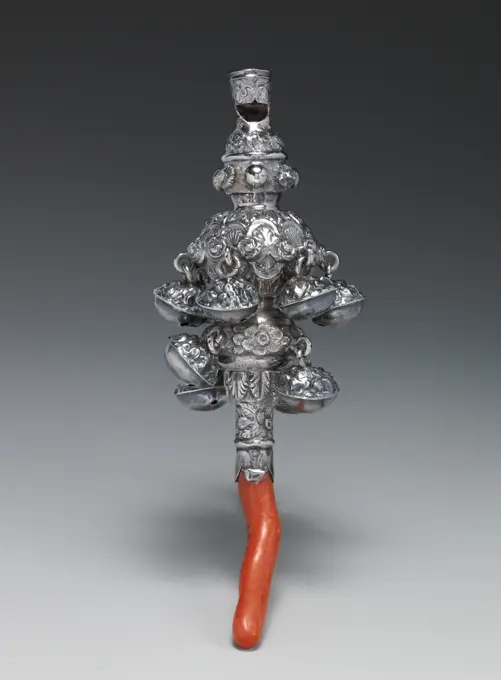
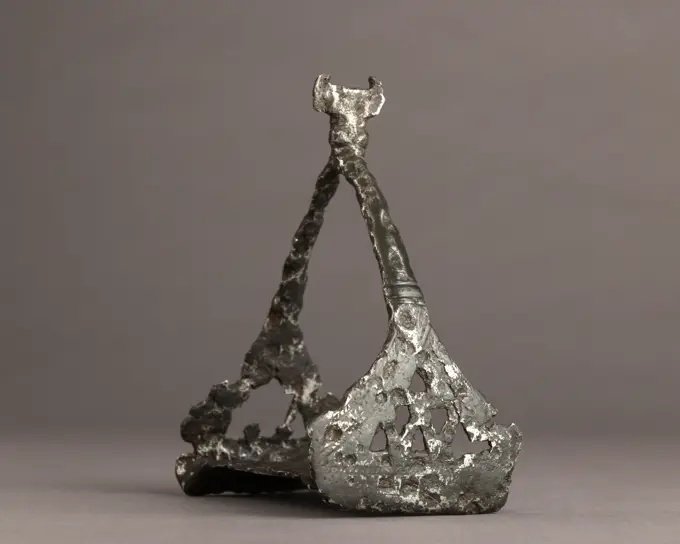
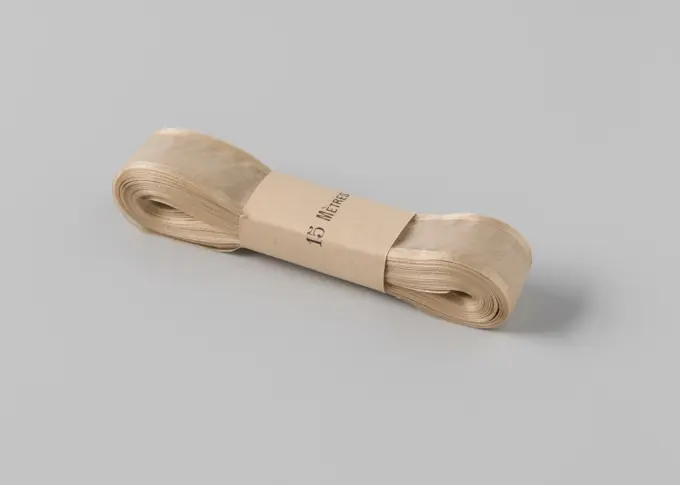
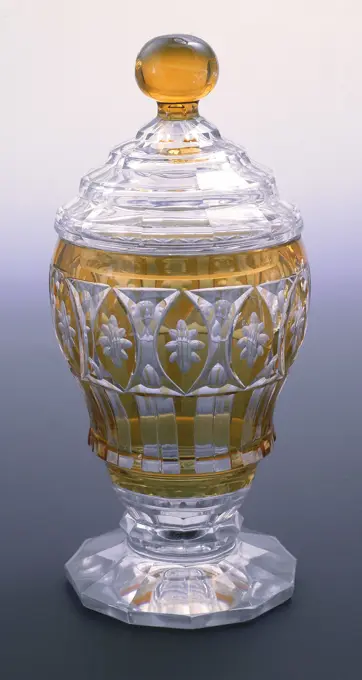
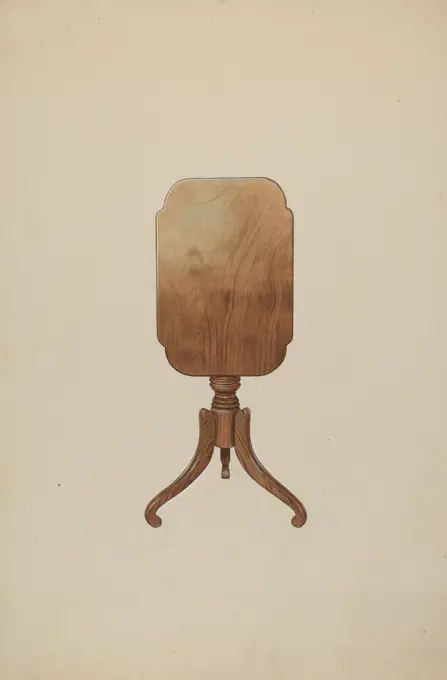
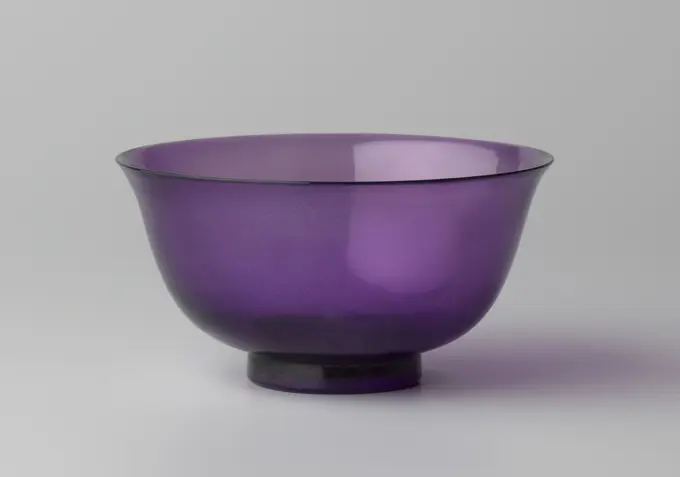
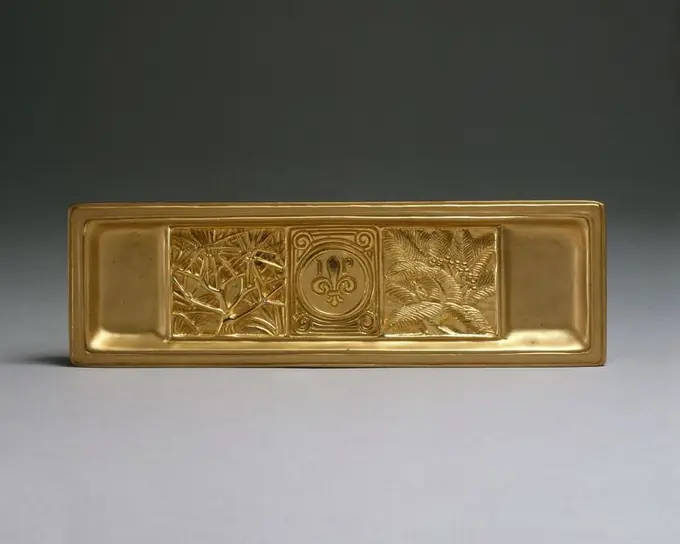
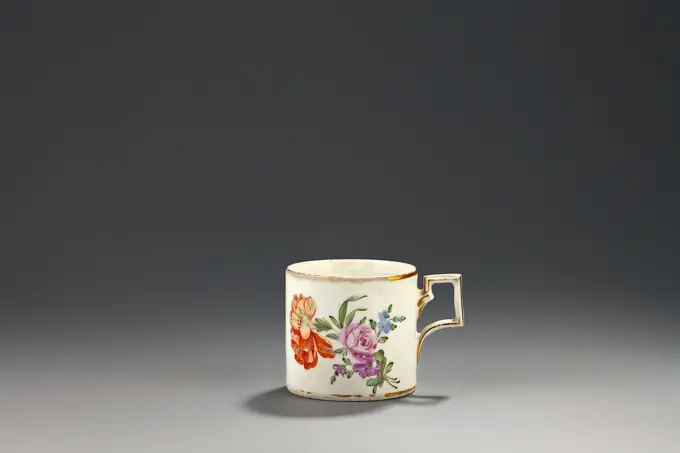
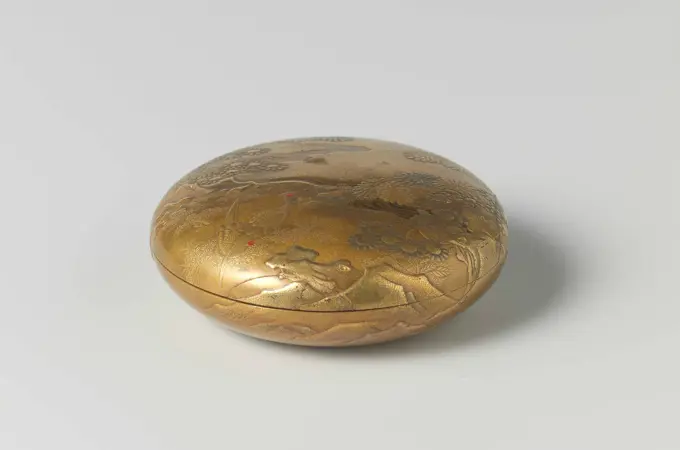
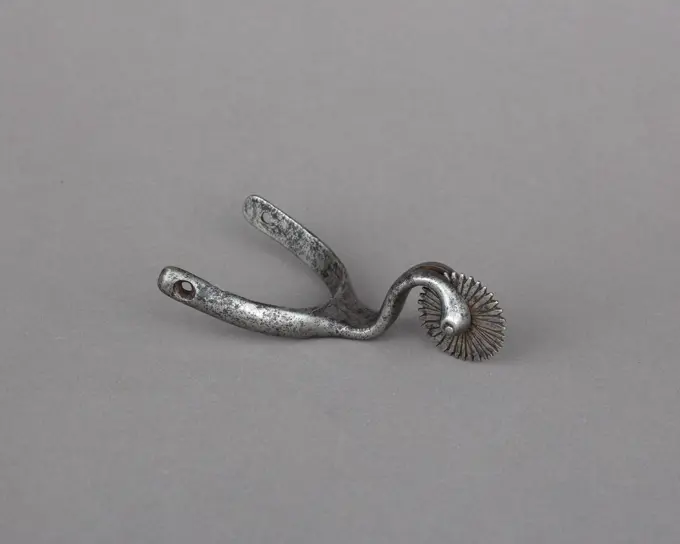
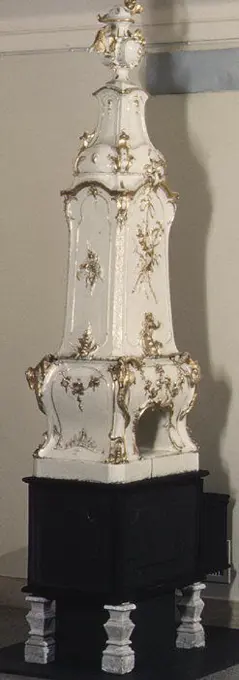
Small bottle. unknown, craftsmanHat van Black felt, anonymous, c. 1935 - c. 1940 Black hat with two interchangeable ribbons, a black with striped gold thread and a black with blue. Replaced by means of press studs. Suitable for afternoon gown with the belt of Bluawe and Zwarte Crepe (BK-1984-154-A, B). Netherlands whole: Felt (textile) Black hat with two interchangeable ribbons, a black with striped gold thread and a black with blue. Replaced by means of press studs. Suitable for afternoon gown with the belt of Bluawe and Zwarte Crepe (BK-1984-154-A, B). Netherlands whole: Felt (textile)Votive Plaque with Amitāyus ca. 8th century or later Tibet. Votive Plaque with Amitāyus 38851Lid of a jar, Anonymous, 1725 - 1750 Vaulted lid with dome -shaped elevation, crowned with pledged lid button, consisting of three knots with an elongated bubble and a pear -shaped end. On the lid an engraved flower garland. Germany glass glassblowing Vaulted lid with dome -shaped elevation, crowned with pledged lid button, consisting of three knots with an elongated bubble and a pear -shaped end. On the lid an engraved flower garland. Germany glass glassblowingKnife Handle (Kozuka). Culture: Japanese. Dimensions: L. 3 13/16 in. (9.7 cm); W. 9/16 in. (1.4 cm); thickness 1/4 in. (0.6 cm); Wt. 1.2 oz. (34 g). Maker: Hamano Haruchika (Japanese, died ca.1850). Date: 19th century. Museum: Metropolitan Museum of Art, New York, USA.Maker: Joseph Richardson Jr., American, 1752-1831, Chatelaine, Gold, 2 5/16 × 7/16 in., 24.25 lb. (5.87 × 1.11 cm, 11g), Made in Philadelphia, Pennsylvania, American, 18thcentury, JewelryMeat Dish Dish; Designed by Christian Johannes van der Hoef (Dutch, 1875 - 1933); Manufactured by Zuid Holland Factory, Gouda; Netherlands; earthenwareSuzu. Culture: Japanese. Dimensions: H. 13 1/2 × Diam. 7 1/2 in. (34.3 × 19 cm). Date: 17th century.The term suzu refers to two Japanese instruments associated with Shinto ritual: (1) a single large crotal bell similar in shape to a sleigh bell and having a slit on one side; and (2) a handheld bell-tree with small crotal bells strung in three levels on a spiraling wire. The larger form may be hung from a rafter in front of a Shinto shrine and sounded by a robe or ribbons that hang within reach of the worshipper. The smaller suzu seen here is supported atop a handle and is held by female shrine attendants (miko) costumed in traditional robes, white-powdered faces, and wearing Heian-period coiffure during performances of kagura dance. Kagura (music for the gods) is a term encompassing Shinto instrumental music, songs, and dances performed at shrines and at court. It was formalized as early as 773, when it appeared in the palace repertoire. These small bells, ritual implements of great aJan Abramsz de Vet, White pipe bowl, embossed with rooster and male, inward decoration, clay pipe smoking equipment smoke floor earthenware ceramics pottery, pressed baked White pipe head embossed decorated with rooster and male with hat in hand inward decoration Under the rooster the crowned initials from the maker MC MC archeology indigenous pottery smoking tobaccoScherf of a jug of the wreck of the East Indians Hollandia, Anonymous, 1700 - in or Before 1743  Stoneware, Rhenish, Frechen-ware, jug; fragm of bellarmine mask-appliqué, sim. NG 1980-27H2024. Cologne stoneware   SecondCarnavalet museum, tokens collectionWine shaped vessel GU unknownPair of Stirrups. Culture: German. Dimensions: Stirrup (a); H. 4 1/2 in. (11.4 cm); W. 4 in. (10.2 cm); D. 1 3/4 in. (4.5 cm); Wt. 10.5 oz. (297.7 g); stirrup (b); H. 4 1/2 in. (11.4 cm); W. 4 in. (10.2 cm); D. 2 1/8 in. (5.4 cm); Wt. 8.1 oz. (229.6 g). Date: ca. 1500.These stirrups, due to their small size, may have been made for a child. The brass foil covering the iron, when new, would have given them a shiny golden aspect. Still recalling the shape of the examples made throughout all the 15th century, they are typical of the stirrups made in eastern Germany and Austria. The scale motif at the top is inspired by the decoration found on late Medieval Bohemian spurs and stirrups. Museum: Metropolitan Museum of Art, New York, USA.Wapenhandschoen, in or after c. 1599 - in or before c. 1799  Weapon glove made of iron, white. The glove has a hood with four bulges that protect part of the fingers. The middle section is articulated by means of four strips hanging over each other that sounded with rivets on both sides. The glove consists of two parts, the upper part of which ends in a point, above the floating edge small round holes, the edges are cacked. The inside is painted black. Europe whole: Iron (metal) striking (metalworking) / forgingHat ca. 1800 French. Hat. French. ca. 1800. silk, raffia, metalGlass mosaic bowl fragment late 1st century B.C.-early 1st century A.D. Roman Rim fragment.Translucent turquoise blue and purple, and opaque white and yellow, and colorless.Vertical rim with beveled inner edge; convex curving side, tapering inward.A single horizontal wheel-cut groove below rim on interior; mosaic pattern formed from sections of several small canes; one in colorless blue ground with a spiral yellow thread, another in purple ground with a central white dot, and a third in blue bordered with white.Polished exterior; pitting of surface bubbles; dulling and creamy weathering on interior, rim, and jagged edges.. Glass mosaic bowl fragment. Roman. late 1st century B.C.-early 1st century A.D.. Glass; cast and cut. Early Imperial. GlassPulls..Terracotta dog () figurine with suspension hole ca. 1900-1800 B.C. Cypriot Red Polished Ware pottery and its derivatives were manufactured in southern Cyprus throughout the Early Bronze Age and a good part of the Middle Bronze Age, a period of more than five hundred years. Potters of the Middle Cypriot period never attained the vivacity and originality seen in Early Cypriot Red Polished Ware works.. Terracotta dog () figurine with suspension hole. Cypriot. ca. 1900-1800 B.C.. Terracotta; hand-made. Middle Cypriot I. VasesBrandy Warmer. Culture: American. Dimensions: Overall: 5 3/8 x 3 in. (13.7 x 7.6 cm); 16 oz. 5 dwt. (505.2 g)Base: Diam. 2 7/8 in. (2 7/8 in.). Maker: Gerardus Boyce (1795/96-1880). Date: 1840-57. Museum: Metropolitan Museum of Art, New York, USA.Goldweight Snail, 19th-20th century, 7/16 x 13/16 x 13/16 in. (1.11 x 2.06 x 2.06 cm), Brass, Ghana, 19th-20th centuryModel of a Rounder Plane, anonymous, anonymous, c. 1819 demonstration model Pens slicer with two handles, to turn a piece of wood. The slightly damaged scrap chisel has the cutting edge on the inside and outside a control mechanism. Scale 1: 1 (derived). United Kingdom wood (plant material)Cup and Saucer Cup And Saucer; Manufactured by Meissen Porcelain Factory (Germany), Meissen Porcelain Manufactory (Germany); Germany; hard paste porcelain, vitreous enamelCandlestick, four -part, anonymous, c. 1590 - c. 1596 candlestick Candlestick, four -part consisting of a circular circular foot decorated with egg frame, a flat fat bowl with egg list, a baluster -shaped shaft above which slice -shaped knot and a cylindrical candle holder with two round leak holes. House candlestick. Netherlands tin (metal) casting  Nova Zembla. Saving Huysmuseo Numantino de Soria, Soria, Comunidad Autónoma de Castilla, Spain, Europe.Netsuke of Okame Holding a Mask 19th century Japan. Netsuke of Okame Holding a Mask 59043Turbo marmoratus shell from the wreck of the Dutch East India ship Witte Leeuw, before 1613  Shell from V.O.C. ship the 'Witte Leeuw'.  .   Sint-HelenaKnife Handle (Kozuka) 19th century Hamano Haruchika Japanese A kozuka is a handle of a by-knife that is part of a sword mounting. It is kept in a slot on the reverse of a katana scabbard, often with a matching kōgai (hairdressing tool).. Knife Handle (Kozuka) 26117Gauntlet Dagger (Pata) 17th century hilt, South Indian; blade, European. Gauntlet Dagger (Pata) 31723Ánfora romana de cerámica, siglo I. Can Serra Museu de Mataró.Cup ca. 1600 China. Cup 41881Salver (one of a pair) 1724 Paul de Lamerie Listen to experts illuminate this artwork's story Listen Play or pause #413. Retail Value. High and Low Supported by Bloomberg Philanthropies We're sorry, the transcript for this audio track is not available at this time. We are working to make it available as soon as possible.. Salver (one of a pair). British, London. 1724. Silver. Metalwork-SilverDish;  around 2686- 2181 BC ; Old PA. Charcoal iron from the Amsterdam type. The folding top is locked by a hook. The handle is made of wood and the sole in wrought iron, which is clamped to the otherwise completely copper iron. The sole ends pointed at the front.X-33 Aeroshell Flight Test Instrumentation. (leeward)Spider 6th-7th century Moche (Loma Negra). Spider 315210Box 1800-1830 American. Box 916Bowl 20th century China. Bowl. China. 20th century. Jade. JadeMountScarab. UnknownZeepbakje, anonymous, c. 1775 - c. 1800 Soap bowl with blue Saxon pattern, unnoticed.  . Soap bowl with blue Saxon pattern, unnoticed.  .Tassel 17th century Italian. Tassel. Italian. 17th century. Linen. Textiles-TrimmingsWooden barrel made of oak wood as decoration in the inner courtyard of a breweryScent bottle ca. 1760 Chelsea Porcelain Manufactory. Scent bottle. British, Chelsea. ca. 1760. Soft-paste porcelain. Chelsea Porcelain Manufactory (British, 1745-1784, Red Anchor Period, ca. 1753-58). Ceramics-PorcelainChalip glass with a hollow trunk with five balls, anonymous, c. 1600 - c. 1650 Flat base with turned around. The hollow trunk, which is made up of two large and three smaller balls, is open to the trumpet -shaped chalice. On the second sphere of above four blue burrs. Venice glass glassblowing Flat base with turned around. The hollow trunk, which is made up of two large and three smaller balls, is open to the trumpet -shaped chalice. On the second sphere of above four blue burrs. Venice glass glassblowingAxe, 1900s. Africa, 20th century. Iron and leather; overall: 70 cm (27 9/16 in.).Gold pendant in the form of two rampant lions ca. 1400-1200 B.C. Minoan. Gold pendant in the form of two rampant lions. Minoan. ca. 1400-1200 B.C.. Gold. Late Minoan. Gold and SilverBelgian Knighthood (Leopolds Order), received by Willem Drees, Anonymous, c. 1950 - c. 1960 ribbon (material) The order sign is a white geemailled Maltzerkruis that hangs on a royal crown, with oak and bay leaves between the arms and between the points of the lower arm one on two sticks draped pennant. The order sign hangs on a purple shoulder strap. The Zilveren Osterster has eight brilliant points, with the middle medallion with lion and reversal, similar to the front of the order sign, still surrounded here with a brilliant golden edge. Brussels ribbon (material). silver (metal). gilding (material)   Netherlands. BelgiumBarometer. Vulliamy London; English, 18th-19th century. Date: 1785-1795. Dimensions: 198.1 × 32.4 × 18.6 cm (78 × 12 3/4 × 7 5/16in.). Marble, gilt bronze, biscuit porcelain. Origin: England. Museum: The Chicago Art Institute, Chicago, USA. Author: Vulliamy Family.Beaker with the House of Hanover Arms (probably). Northern Germany. Date: 1695-1705. Dimensions: 21.3 x 14.5 cm (8 3/8 x 5 11/16 in.). Glass. Origin: Germany. Museum: The Chicago Art Institute, Chicago, USA.Oval Snuifdoos Of Gold with Citeled Louis XVI Ornament., Germain Chayé, 1771 - 1772 box Oval snuff box of gold. Along the edge of the lid and on four panels of the wall, lodewijk XVI ornament. Paris gold (metal)Knielbank of the wedding ceremony of Princess Beatrix of Oranje-Nassau and Claus von Amsberg in the Westerkerk, Dols and Co., c. 1966  Wooden knee bank, upholstered with green-yellow textile. Amsterdam spruce (wood). textile materials   WesterkerkEmpty bowl on dark background with copy spaceFragment from a marble head of a man, preserving the nose and mouth. Culture: Roman. Dimensions: Overall: 3 1/8 x 4 x 2 1/8 in. (7.9 x 10.2 x 5.4 cm). Date: mid-2nd century A.D..The sensitive modeling, polished surface, and presence of a finely incised mustache are typical of the finest work of the Antonine period. Museum: Metropolitan Museum of Art, New York, USA.Miniature Ointment jar ca. 1850-1775 B.C. Late Middle Kingdom The five miniature ointment jars 33.1.16-.20 were excavated in subsidiary shaft tomb 29 in the area of the mastaba of Senwosretankh at Lisht South. The shaft led to two chambers. In the debris filling chamber A were found remains of at least two funerary masks, one of them (33.1.64) covered with gold foil and inscribed with so-called mutilated hieroglyphs (hieroglyphic signs of birds and other animals without feet), a style of writing that is found on objects from the late 12th Dynasty through the beginning of the 18th. More gold leaf from the edges of a wooden coffin with a design imitating papyrus matting suggests that at least one of the plundered burials was of the so-called "court type" best known from the funeral outfits of royal princesses who died during the late 12th and early 13th dynasties. The shapes of several pottery vessels found in pit 29 also fit with these dates, but others (formerly MMA 33.1.150, .152- .15Cup plate. American; Midwest. Date: 1830-1835. Dimensions: diam. 8.7 cm (3 7/16 in.). Pressed glass. Origin: Midwest. Museum: The Chicago Art Institute, Chicago, USA.Ceramic stove on cast-iron firebox (one of a pair) 1773 German, Stockelsdorf. Ceramic stove on cast-iron firebox (one of a pair). German, Stockelsdorf. 1773. Tin-glazed earthenware, gilt (worn). Ceramics-PotteryVase in the shape of an archaic bronze vessel (gu). Artist: Chen Jinhou (Chinese, active 18th century). Culture: China. Dimensions: H. 10 1/8 in. (25.7 cm). Date: 18th century.Both the shape and decoration of the base derive from vessels first produced in China during the Shang (ca. 1600 - 1046 B.C. and Zhou (1046 - 256 B.C.) dynasties. Unlike porcelain pieces produced at Jingdezhen, work made in the Yixing kilns were often signed, in this case by Chen Jinhou, making this ceramic tradition the first example of studio pottery in global ceramic history. Museum: Metropolitan Museum of Art, New York, USA.A small vessel (jug);  VI-VII century (501-00-00-700-00-00);Zhajiao Chinese 19th century View more. Zhajiao. Chinese. 19th century. Brass. China. Aerophone-Lip Vibrated-trumpet / tromboneA plate;  End of the 19th century (1890-00-00-1900-00-00);Paderewski, Ignacy Jan (1860-1941), Paderewski, Ignacy Jan (1860-1941)-collection, qing (style), pheasants, ceramics, Chinese (culture), gift (provenance), Chinese art, platesPlate with family crest Ploos van Amstel, After 1675 - Before 1732 Round of Tin plate with folded edge. On the edge the family crest Ploos van Amstel. Dordrecht tin (metal) Round of Tin plate with folded edge. On the edge the family crest Ploos van Amstel. Dordrecht tin (metal)Lid of turtle with Hertekop of silver (series of 28 pieces A to BB), Anonymous, c. 1700 - c. 1799 Turtle cover (28 pieces: A to BB) with silver's deer head as a button. Indonesia silver (metal) Turtle cover (28 pieces: A to BB) with silver's deer head as a button. Indonesia silver (metal). Wind bellows of walnut. The top, embossed sculpted, shows the workshop of Vulcanus, including Vulcanus, Venus, Amor, a hearted knight and an old man; Volutes with drapery on either side. The handle is decorated with a stung mask. The backleaf exhibits a mask, surrounded by C-Volutes. The handle has a palm with iron ring. The copper bladder pipe is articulated and is decorated with satyrs, putti and an animal head. A wooden extension between the leaf and the pipe.Cap (so -called Bibi) of black velvet and black voile with white satin bow, c. 1948 - c. 1952 Cap (so -called Bibi) of black velvet and black voile with white satin bow West-Europa whole: velvet (fabric weave). whole: Satin Cap (so -called Bibi) of black velvet and black voile with white satin bow West-Europa whole: velvet (fabric weave). whole: SatinChild's rattle and teether 1835-36 G.U. This object functioned as a toy with a whistle and bells, as a teething device and as an amulet. The silver of the whistle and bells made it precious, while the coral was used for teething and was thought to ward off enchantment and disease. As a token of protection and prosperity whistle and bells were included in an eighteenth-century American portrait of Mrs. Jacob Hurd and child (see 64.114.2), as well as many Northern Renaissance paintings. This rattle may have belonged to the daughter of Duncan Phyfe, the New York cabinetmaker (1768-1854).. Child's rattle and teether. British, Birmingham. 1835-36. Silver, coral. Metalwork-Silver In CombinationAmulet of a Duck 1550 BCE-1069 BCE Egypt. Glass . Ancient EgyptianBo ( ) 19th century Chinese Bo is the generic name for pairs of cymbals that come in a variety of sizes, all with rims that curl upward at the edges. Bo are used together with gongs and drums for military music and play a prominent role in opera productions, where they accent the actors' movements. Several playing techniques may be employed: the discs may be clashed together or held horizontally, with one raking across the other to produce a sustained rolling sound.. Bo ( ) 500589Pair of Sword-Grip Ornaments (Menuki). Culture: Japanese. Dimensions: L. of each 1 1/8 in. (2.9 cm); Wt. of each 0.3 oz. (8.5 g). Date: 18th century. Museum: Metropolitan Museum of Art, New York, USA.Stirrup 8th-9th century Germanic or Slavic The flaring sides of this stirrup, found in Northern Poland, are decorated with bands inlaid in silver bearing geometrical designs along the edges, and are pierced with a series of triangular openings.Horses had a great societal importance in Germanic and Slavic cultures, in both social and religious aspects. Equestrian equipment, like stirrups, spurs and bits, are regularly found in their burials, among the goods warriors wanted to bring with them to the afterlife. The elite would sometimes even be accompanied by sacrificed horses, a meaningful practice at that time, considering the high economic value of horses.. Stirrup. Germanic or Slavic. 8th-9th century. Iron, silver. East Prussia. Equestrian Equipment-StirrupsRibbon of cream -colored mesh of 15 meters, c. 1900 - c. 1915 Ribbon of cream -colored mesh for 15 meters. Nijmegenfrance silk. Ribbon of cream -colored mesh for 15 meters. Nijmegenfrance silk.Furniture. Hand press of oak with three drawers and with a copper knevel.Jar And Lid; glassTassel, Medium: linen Technique: braided and knotted, Linen tassel, braided and knotted. Double loops attached to pear-shaped unit from which hang seven elements, knotted and braided, including center., Italy, Europe, 17th century, trimmings, TasselMicroscope for microphos, anonymous, 1851 - 1887 binocular   brass (alloy). glassHenry Murphy, Tilt Top Table, 1937 Tilt Top TableVase China. Vase. China. Porcelain with peach-bloom glaze; carved and pierced wood stand, lined with red velvet. Qing dynasty (1644-1911), Kangxi mark and period (1662-1722). CeramicsBowl, anonymous, 1736 - 1796 Come from purple glass with court brands. China glass Come from purple glass with court brands. China glassPen Tray. Culture: American. Designer: Designed by Louis Comfort Tiffany (American, New York 1848-1933 New York). Dimensions: 8 9/16 x 2 5/8 in. (21.7 x 6.7 cm). Maker: Tiffany Studios (1902-32). Date: ca. 1905-20. Museum: Metropolitan Museum of Art, New York, USA.Earthenware. Claimed by Hugh Owen to have been made at the Easton Porcelain WorksTeacup with flower decoration. Korzec (manufaktura porcelany ; 1790-1832), factorySatire on Modern Dance, Siem Van Den Hoonaard, 1933 Mask of thin plate metal with two different expressive facial expressions per face half, executed in openwork tombak plate and with a lined carrier. Hillegersberg tombac (alloy). textile materials Mask of thin plate metal with two different expressive facial expressions per face half, executed in openwork tombak plate and with a lined carrier. Hillegersberg tombac (alloy). textile materialsPottery spinklos, double conical, gray-brown shard, spinklos soil found ceramic earthenware, hand-turned baked Pottery spindle or spinning stone. Gray-brown shard. Ceramics resemble Pingsdorf pottery. Double conical in shape. Rough shaped archeology Poortugaal Albrandswaard spinning wool wool processing textile clothing Soil discovery Poortugaal rinsing slot L1 middle section west 1971.08.02.Cup, painted with bird in mosaic imitation. Cup of porcelain, painted in light green with a medallion on the wall in which a bird in mosaic imitation. Signature: Scepter with stripe and a red diamond. With associated dish (B).Bowl c 1896-1915 United States. Glass . Louis Comfort TiffanyMousetrap Breaking a Chicken Egg against Black BackgroundEmpty black plate over dark stone background with copy space. Top viewFemale Monkey Holding Its Baby ca. 1981-1802 B.C. Middle Kingdom The monkey sits holding her baby (head missing) close to her chest. The piece is exquisitely carved and a hole has been drilled just below the shoulders for suspension.Monkeys, not native to Egypt, were imported as exotic pets and frequently appeared as decoration on cosmetic equipment. The pose of this pair is first seen in Old Kingdom cosmetic jars (see 30.8.134, 1992.338) that also depict mother monkeys with their young. This example probably dates to Dynasty 12 of the Middle Kingdom when amethyst was frequently used as a material for miniature representations of animals. The image of a mother and infant of any species is often interpreted as symbolizing rebirth. However, small chips and signs of wear around the edges of the suspension hole and the base suggests that the piece was used by a living owner and not designed specifically as an amulet for the dead.. Female Monkey Holding Its Baby 548504Plate 1880-88 Possibly Boston & Sandwich Glass Company. Plate 6436. Round box, decorated with pheasants, pheasant chickens, flowers, small rock formations and a stream in gold.Saucer. Baranówka (manufaktura porcelany ; 1804-post 1900 ), factoryStop of red stained glass, anonymous, c. 1850 With accompanying vial (BK-15202-1). Bohemia glass With accompanying vial (BK-15202-1). Bohemia glassPiccolo (middle joint), Robert Wijne, c. 1750 Middle part of a piccolo with three holes. Nijmegen wood (plant material) Middle part of a piccolo with three holes. Nijmegen wood (plant material)Goblet (England); lignum vitae or yewHand giving away money to a metal bowlStoolRound brooch made of an ingel golden metal, c. 1940 - c. 1945 Round brooch of ingel golden metal with a hammered edge and a spiral shape in the middle. Netherlands metal hammering Round brooch of ingel golden metal with a hammered edge and a spiral shape in the middle. Netherlands metal hammeringInrö with BoatingSceneRowel Spur early 19th century European This type of spur was attached directly to the shoe or boot's heel by means of a small pointed prong in the curve of the branches (lost here) and two screws on the sides.. Rowel Spur. European. early 19th century. Iron alloy. Equestrian Equipment-SpursEarring-hook type with sphere ends. Earring-hook type with sphere ends 243421Stove ca. 1762 Johann August Nahl The ceramics stove, the eighteenth-century equivalent of a radiator, was often designed to be part of a room's architecture and decoration. The body was made of a special clay composition that could withstand the heat of gases that circulated from a firebox located below it (as in this example), in the wall, or in an adjoining room.. Stove 202276