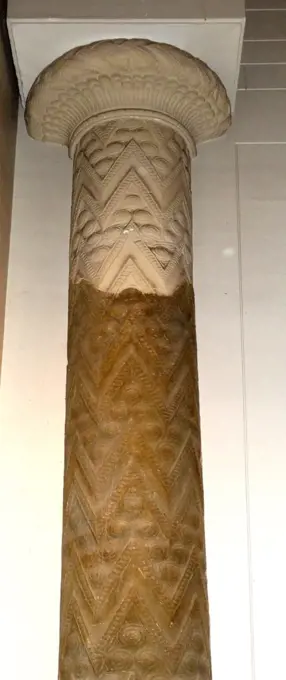
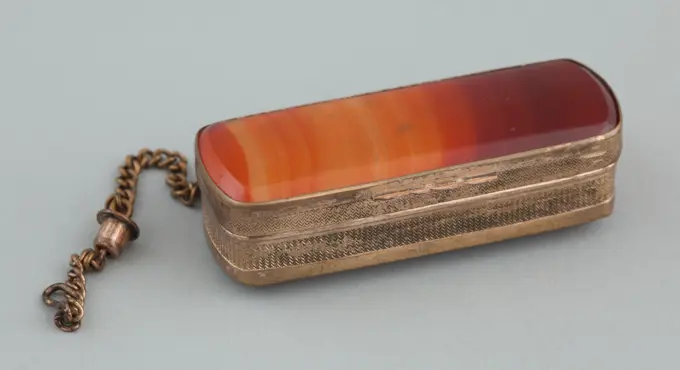
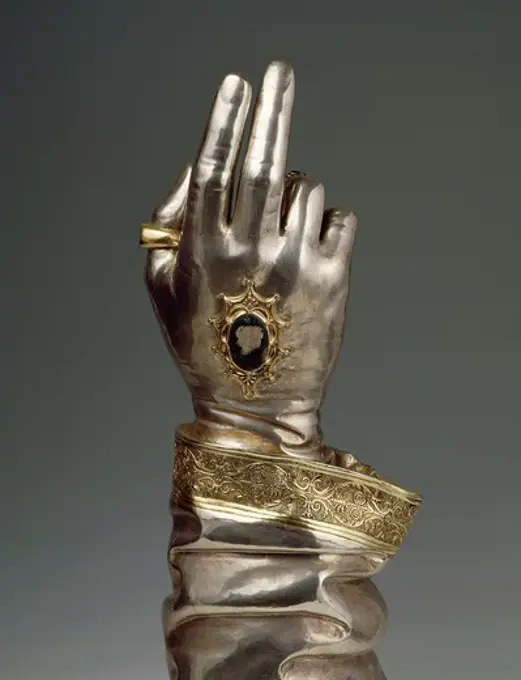
Historic Cosmetic and Utility Vessels

A collection of ancient and vintage vessels and buttons, showcasing craftsmanship from various eras, including anhydrite cosmetic jars and unique decorative buttons.
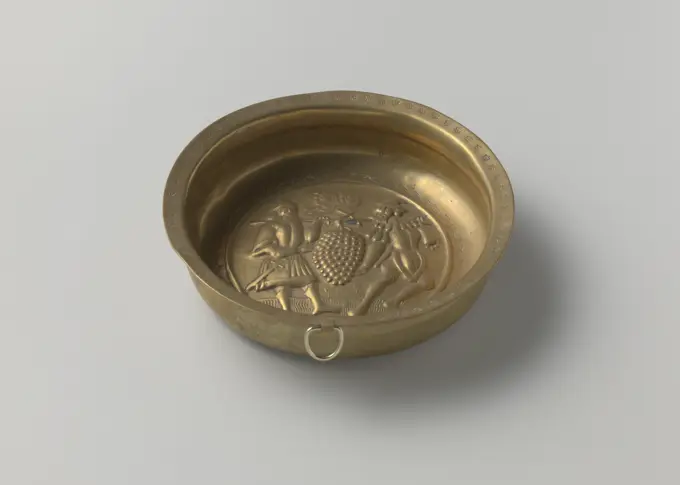
Pelvis with the spies of the Land Canaan, Anonymous, 1450 - 1500 In the flat of the pelvis, which has the center point in the middle, a representation of the spies of the Land Canaan (Joshua 2, 1-22) is punched with the help of a stamp shape. This is surrounded by a border of stylized leaves struck with punch stamps. Rosettes were applied to the border and a hanging ring is attached at the bottom later. Neurenberg (possibly) brass (alloy) casting In the flat of the pelvis, which has the center point in the middle, a representation of the spies of the Land Canaan (Joshua 2, 1-22) is punched with the help of a stamp shape. This is surrounded by a border of stylized leaves struck with punch stamps. Rosettes were applied to the border and a hanging ring is attached at the bottom later. Neurenberg (possibly) brass (alloy) casting
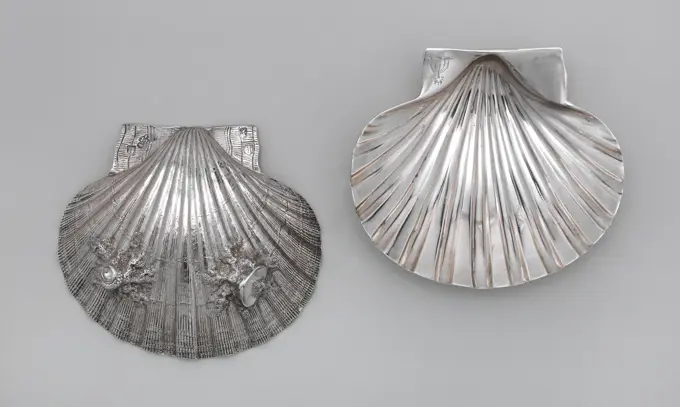
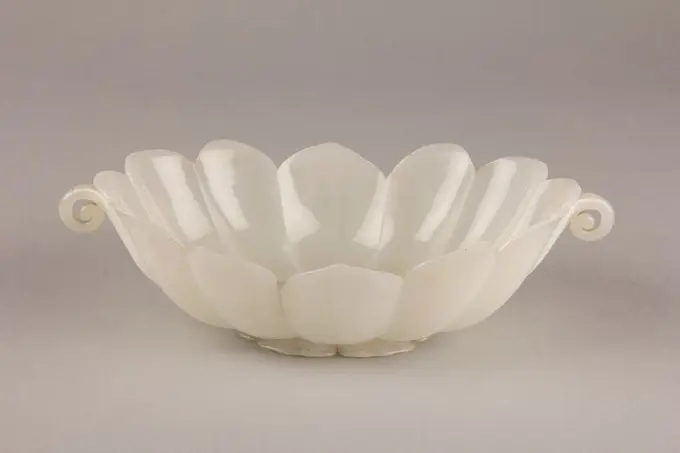
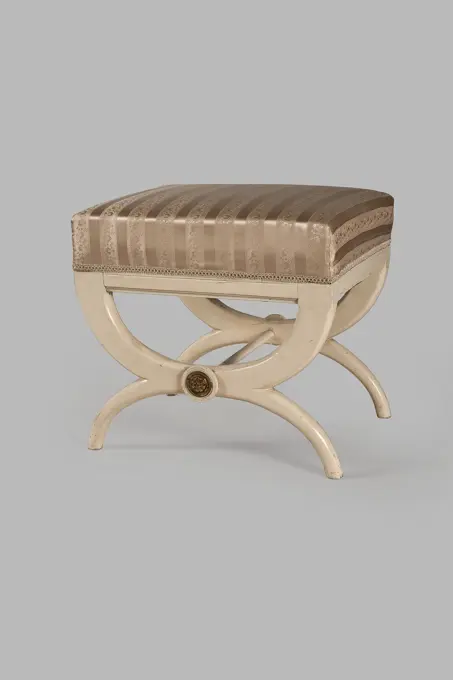
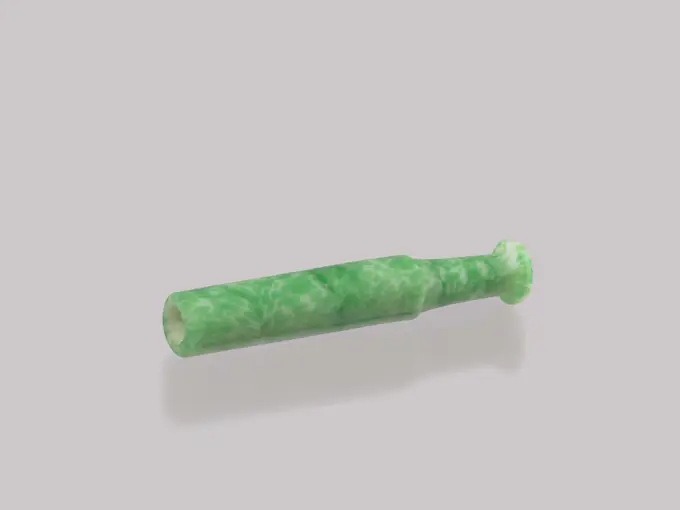
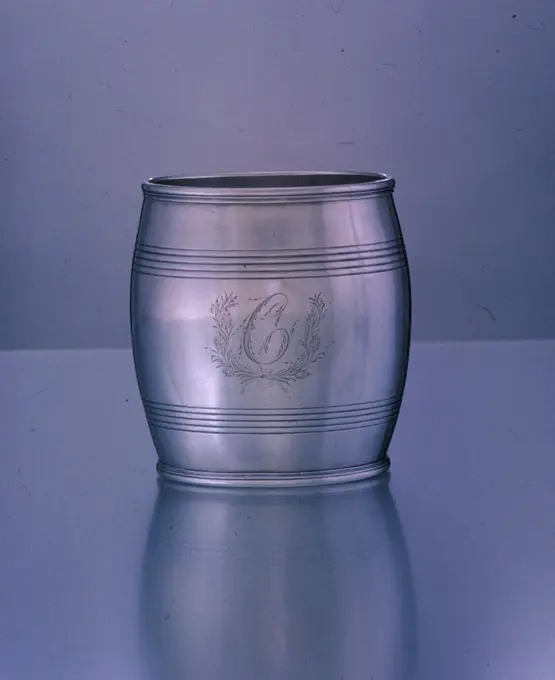
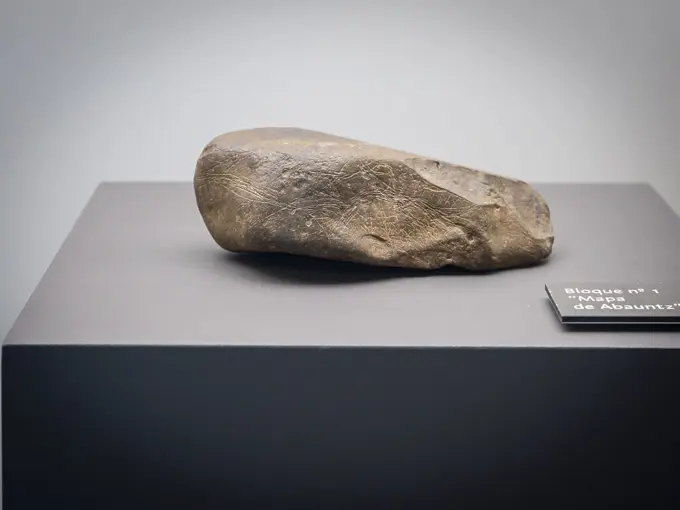
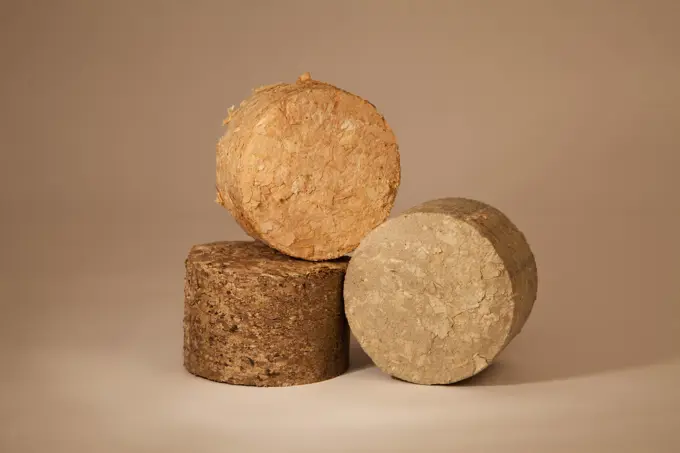
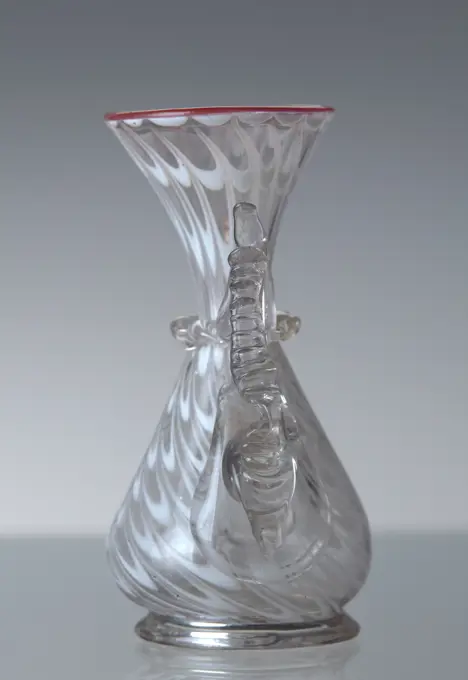
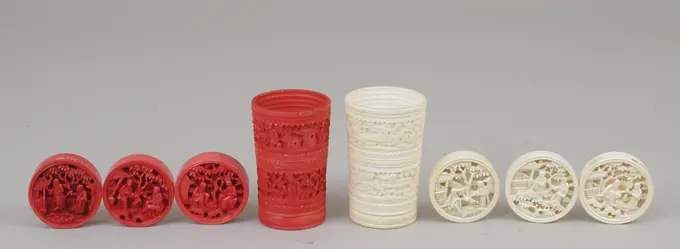
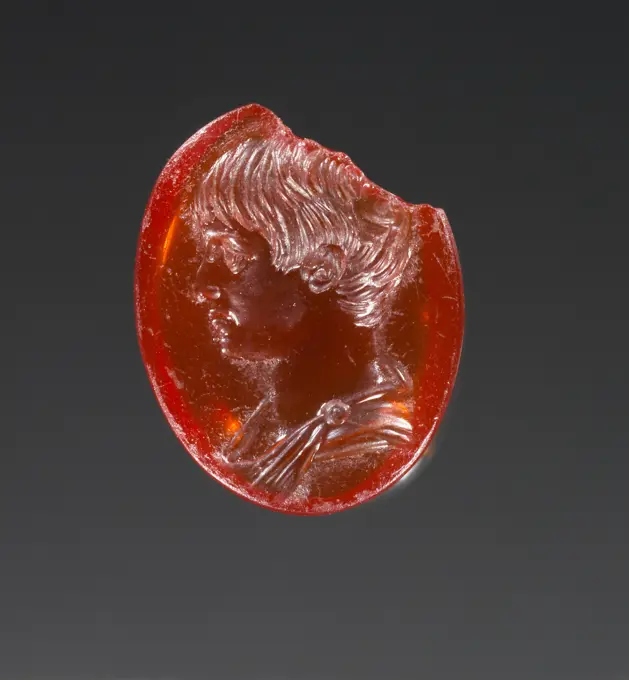
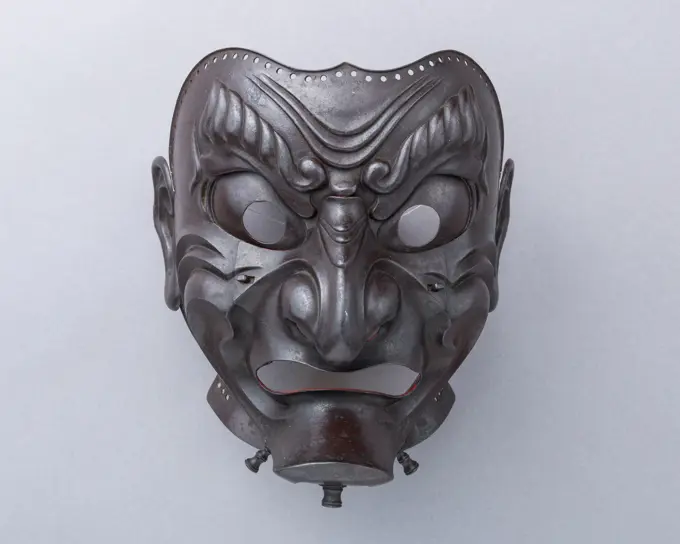
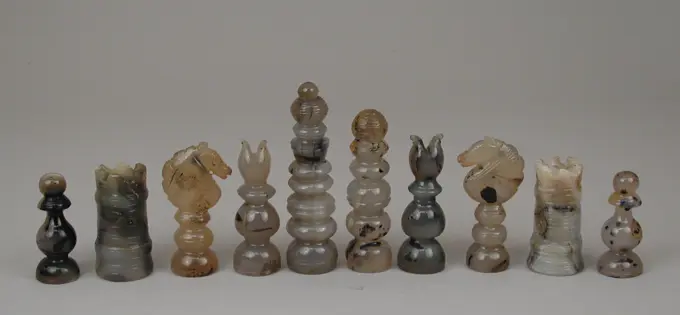
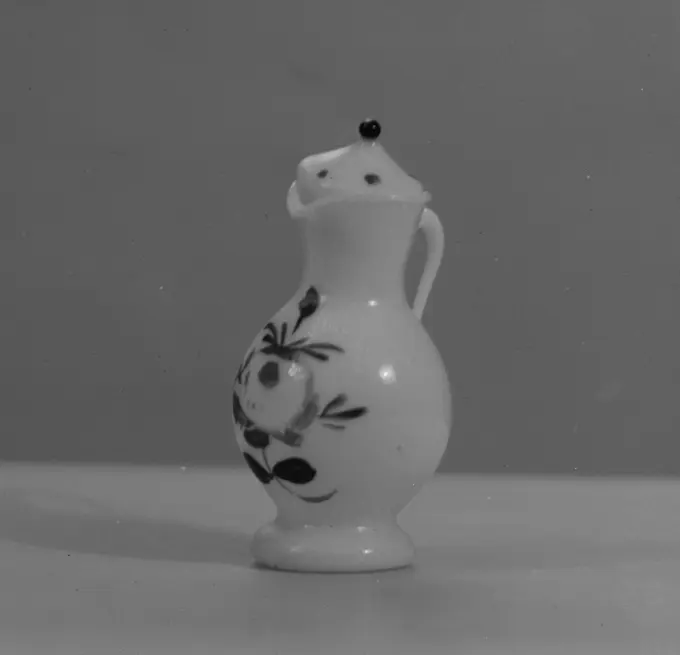
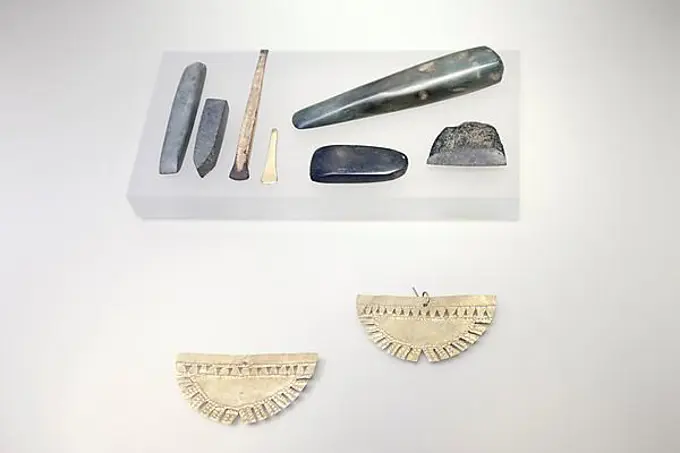
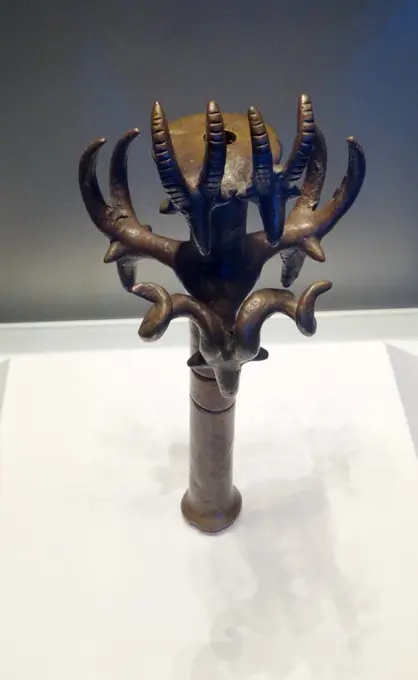
Bracelet: Openwork. Culture: Yoruba peoples. Dimensions: H. 4 1/2 x Diam. 3 7/8 in. (11.4 x 9.9 cm). Date: 15th-19th century. Museum: Metropolitan Museum of Art, New York, USA.Passe-partout for chiefen. Passe-partout for painting woman reading a letter; In the air a flight geese and leaves on the floor and a plum blossom branch.Anonymous pendant (attributed title). Cernuschi Museum, Asia Museum of Asia in the city of Paris.white horse. chess 3DPair of scallop shells 1734/35 Paul de Lamerie British In the first decades of the eighteenth century, fashionable English households adopted a taste for French cuisine. Silver dinner services were expanded to accommodate the new, elaborate sauces, soups, gratins, and fricassees. These naturalistic shells may have been used to serve oysters, sauce, or possibly butter.. Pair of scallop shells 195270Three-Legged Vessel of Archaistic Design late 17th-early 18th century China. Three-Legged Vessel of Archaistic Design. China. late 17th-early 18th century. Bronze. Qing dynasty (1644-1911). MetalworkPicture frame. A.C. (złotnik ; Petersburg ; fl. ca 1908-ca 1917), goldsmithJar with lid, with the weapon of the Republic of the Seven United Provinces, c. 1680 - c. 1700 Flat base with turned around. The trunk composed of two hollow, four -lobe knots between three pairs of rings. Funnel-shaped chalice with rounded underside with tangonament (NIPT diamond-waies). Vaulted lid with bent edge and tang ornament on the top. Ring -shaped button. On the chalice the crowned weapon of the Republic of the Seven United Provinces, surrounded by vines with grapes and birds. On the lid and the foot a leaf vank. glassblower: Low CountriesNorthern Netherlands glass glassblowing Flat base with turned around. The trunk composed of two hollow, four -lobe knots between three pairs of rings. Funnel-shaped chalice with rounded underside with tangonament (NIPT diamond-waies). Vaulted lid with bent edge and tang ornament on the top. Ring -shaped button. On the chalice the crowned weapon of the Republic of the Seven United Provinces, surrounded by vines with grapes and birds. On the lFlower-Shaped Bowl. Culture: India. Dimensions: H. 2 1/16 in. (5.2 cm); W. 7 5/16 in. (18.6 cm); D. 4 1/4 in. (10.8 cm). Date: 17th-18th century. Museum: Metropolitan Museum of Art, New York, USA.Terracotta sculpture of the legendry artist  Himmat Shah  Indian Art  Master piece  Clay  for editorial use only  Jaipur  Rajasthan  India Copyright: xRavixShekhar/DinodiaxPhotoxEmpty wooden cutting board for preparing ingredients for preparing a delicious dish. Kitchen utensilsClose-up of a green glass fig, Murano, Venice, Veneto, ItalyStone Temple Model. Culture: Mezcala. Dimensions: Height 4-1/2 in.. Date: 1st-8th century. Museum: Metropolitan Museum of Art, New York, USA.Pinangnut from V.O.C. ship De 'Witte Leeuw', Before 1613 nut (plant material) Pinangnut from V.O.C. ship De 'Witte Leeuw'.  nut (plant material)   Sint-HelenaStool;  around 1810 (1805-00-00-1815-00-00);Cygaretka. unknown, craftsmanBeaker.   Maker: Philip Garrett, American, 1780-1851Abauntz map, cartographic document on stone, (around 19,000 BC), Museum of Navarra, Pamplona, Navarra, Spain.Close-up of an ink well, FranceFour -pitched castle, key;  18th century (1701-00-00-1800-00-00), 1 PO. 18th century (1700-00-00-1750-00-00);holzbrikett,brikett ** wood briquette ftj-geaCandlestick ca. 1845-65 Boston & Sandwich Glass Company. Candlestick. American. ca. 1845-65. Pressed glass. Made in United StatesPrzeszo Przyszoci unknownInk Stand, 1736-1795, 15/16 x 2 7/8 x 1 7/16 in. (2.38 x 7.3 x 3.65 cm), Ivory, China, 18th centuryMans hat unknownMorocco, Marrakech, arts and crafts, metal plateAx 1500-500 B.C. India. Ax 50635Exhibition Arita Porcelain from now. .Draughtsmen (34) and cups (2) Chinese 19th century View more. Draughtsmen (34) and cups (2). Chinese. 19th century. Ivory. Chess SetsPair of Child's Stirrups late 17th-18th century German or Spanish The small size of these stirrups means that they were probably made for a child. Children from wealthy families would start riding lessons as soon as they could sit on a pony, usually around the age of 3. Horsemanship was an important component of European noble society, and children of the elite were expected to master the art of equitation. Moreover, as many nobles served in the cavalry, it was essential for them to be skillful riders by the time they were old enough to go to war. Pair of Child's Stirrups. German or Spanish. late 17th-18th century. Iron. Equestrian Equipment-StirrupsFaaience butter fleet lid in the form of an artichoke, anonymous, c. 1740 - c. 1775 Lid of butter fleet made of green -colored faience in the form of an artichoke. Delft earthenware. tin glaze. Lid of butter fleet made of green -colored faience in the form of an artichoke. Delft earthenware. tin glaze.Sculpture. Cup, fairly weathered with flattened hairdresser, ornament rosette above the head. On base.Medallion (France); Manufactured by Jean-Baptiste Nini (Italian, active Italy and France, 1717 - 1786); earthenware, salmon colored.Crocodile-Headed Female Buddhist Deity (Makaravaktra Dakini) 1701-1800 Tibet. Gilt bronze .Engraved Gem. UnknownPijpenkop, Unknown, 1735 - 1760 Pipe. Arm with tulip. Of the excavations on the Hofstede Arentsburg 1827-1831 under the supervision of Professor Reuvens. Gouda pipe clay Pipe. Arm with tulip. Of the excavations on the Hofstede Arentsburg 1827-1831 under the supervision of Professor Reuvens. Gouda pipe clayMask dated 1715 Inscribed by Mychin Muneakira Japanese Masks have long played an important role in Japanese culture: in religious ceremonies, dance, Noh theater, and military costume. For samurai, masks served as a principal face defense and helped secure the helmet to the head more firmly.The majority of masks were half-length (mempo), covering the nose and the face below the eyes. Their iron surfaces are either lacquered or a dark russet finish; the interiors are usually lacquered red. In addition to half masks, the Metropolitan Museum's collection is unusual in possessing numerous full masks (somen). The majority date from the peaceful Edo period. During that time, armorers like the Mychin clan took pride in making ever more varied masks as a demonstration of their creativity and their famous metalworking skills.. Mask. Japanese. dated 1715. Iron, lacquer. Armor Parts-MasksChessmen (32) early 19th century Chinese. Chessmen (32). Chinese. early 19th century. Opaline and moss agate. Chess SetsMiniature coffeepot with cover (part of a dollhouse set) early 19th century German. Miniature coffeepot with cover (part of a dollhouse set). German. early 19th century. Glass. GlassBell Inscribed with the Heart Sutra. China. Date: 960 AD-1127. Dimensions: 7.3 × 4.4 × 2.3 cm (2 7/8 × 1 3/4 × 15/16 in.). Jade. Origin: China. Museum: The Chicago Art Institute, Chicago, USA.front view bowl with frozen blackberries copy spaceExhibits from the Gold Museum, Bogota, Colombia, South AmericaPillar from the entrance to the 'Treasury of Atreusí at Mycenae; a tomb, built between about 1350 and 1250 BCA crawling children's figure of soapstone, c. 1800 - c. 1899 A crawling children's figure of ivory soapstone. Flower branches on the back. China soapstone (metamorphic rock) A crawling children's figure of ivory soapstone. Flower branches on the back. China soapstone (metamorphic rock)Match box with a lighterBuckle Loop 14th century French. Buckle Loop. French. 14th century. Bronze. Miscellaneous-Buckles & OrnamentMinimalistische WabiSabi-Pflanzenskulptur Minimalist sculpture ikebana with small plant growing from natural wood piece placed on dark wooden stand against light wall. Japanese aesthetics art installation. LicenseRF Copyright: xZoonar.com/NATASHAxBREENx 23381478Image in the form of an animal, possibly a candlestick, anonymous, c. 1200 - c. 1300 The object has the shape of a four -legged animal with an elongated body, a small head and two ears and a short tail. In the back a round hole (to confirm the trunk of the candlestick). Germany (possibly) copper alloy casting The object has the shape of a four -legged animal with an elongated body, a small head and two ears and a short tail. In the back a round hole (to confirm the trunk of the candlestick). Germany (possibly) copper alloy castingGlobe,Terrestrial globetrilobed glass, III BC, El Moro tomb, Niebla, Huelva Museum, Huelva, Andalusia, Spain.Carnavalet museum, tokens collectionScarab. UnknownPin (part of a set). Culture: Italian, probably Naples. Dimensions: Overall: 1 3/4 × 1 1/2 in. (4.4 × 3.8 cm); visible cameo (confirmed): 26.4 × 32.1 mm. Date: mid-19th century.Made to catch the eye of a shopper bent on ballroom glory, the cameos in this set of jewelry (99.33.1-.6) bear typical Grand Tour images, including (on the necklace's clasp) Guido Reni's Aurora fresco of 1614 (Palazzo Pallavicini-Rospigliosi, Rome), mythological scenes, peasants of the Roman campagna, and (on both the pin and the necklace) Bertel Thorvaldsen's ever-popular marble relief Night of 1815 (Thorvaldsens Museum, Copenhagen). Billing doves grace the earrings, and on one of the bracelets are a comely marine divinity and a dolphin.The rather flimsy fittings of stamped gold filigree suggest that this was costume jewelry, not meant to be worn often. Museum: Metropolitan Museum of Art, New York, USA.Tassel 17th century Italian. Tassel. Italian. 17th century. Linen. Textiles-TrimmingsA man handcuffed to himself. The concept of complexes and stiffness. Shyness. High risk of mental breakdown. Depression and frustration. Censure, psychological abuse. Get outside the box. A man handcuffed to himself. The concept of complexes and stiffness. Shyness. High risk of mental breakdown. Depression and frustration. Censure, psychological abuse. Get outside the box. Copyright: xZoonar.com/AndriixYalanskyix 21690201Men´s room sign, SwedenDinna Waste Your Wind, John' still bank, 1901, 8 3/4 x 4 1/16 x 1 9/16 in. (22.23 x 10.32 x 3.97 cm), Metal, Scotland, 20th centuryIndustrial composition. Man with cogwheel gearsGoldsmith's art, Italy, 15th century. Reliquary of holy arm of Saint Bonaventure, gold and silver, 1491. Detail.Sticks, with oval leaf of pink/red and white feathers on a sliced ivory stick, anonymous, c. 1870 - c. 1875 Stick blower, with oval leaf of pink/red and white feathers on a sliced ivory stick. Brasil (possibly) sheet:. stick: Ivory cutting Stick blower, with oval leaf of pink/red and white feathers on a sliced ivory stick. Brasil (possibly) sheet:. stick: Ivory cuttingVery old style metal ewer water jar in viewSERPIENTE ENROSCADA-ALTO 180 CM-75 CM DIAMETR. Location: MUSEO NACIONAL DE ANTROPOLOGIA. MEXICO CITY. CIUDAD DE MEXICO.Sceptre from the Cave of Treasure, Nahal Mishmar, Judean Desert from over 6,500-5,500 years ago. Made from copper.Anonymous, reduced residential model: central pavilion, between 0 and 400. Terracotta. Cernuschi Museum, Asia Museum of Asia in the city of Paris.This is a very old ring from Anatolia. Ottoman stylePewter figures manufactured by the Moravian brothers from Zeist, Evangelical Brother Church, 1758 - 1853 toy. miniature Collection of pewter figures, polychromed, consisting of: animals: 10 geese, 9 sheep, 9 goats, 5 horses, 5 cows, and 1 bison. People: 4 skaters + 1 sled with lady pushed by a gentleman, one flute player, one gentleman, one poor woman, one lying woman, one lying man. Buildings: 22 farms, barns and houses, 2 mills, 2 churches, one fence and one well. Trees: 7 rows of four trees, 15 single and one bare tree. Zeist tin (metal) castingCollection of hand grenades of the First World War One in the Memorial Museum Passchendaele 1917 at Zonnebeke, Belgium, EuropePortugal, Regua, Douro Museum, tastevinVaseBonnet -Workplace of a porcelain painter, Bavarian National Museum, Munich, Bavaria, Germany, Europe