Historic Cutlery and Blades

Artifacts of historic cutlery and tools, including fragments of forks and decorative knives from different centuries, showcasing craftsmanship.

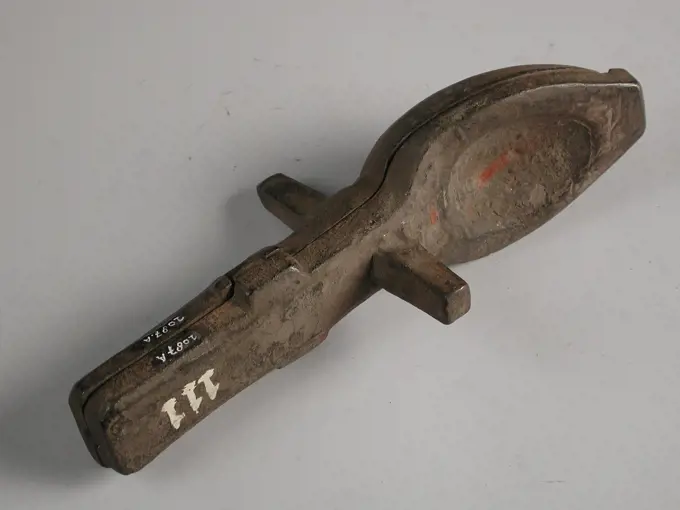
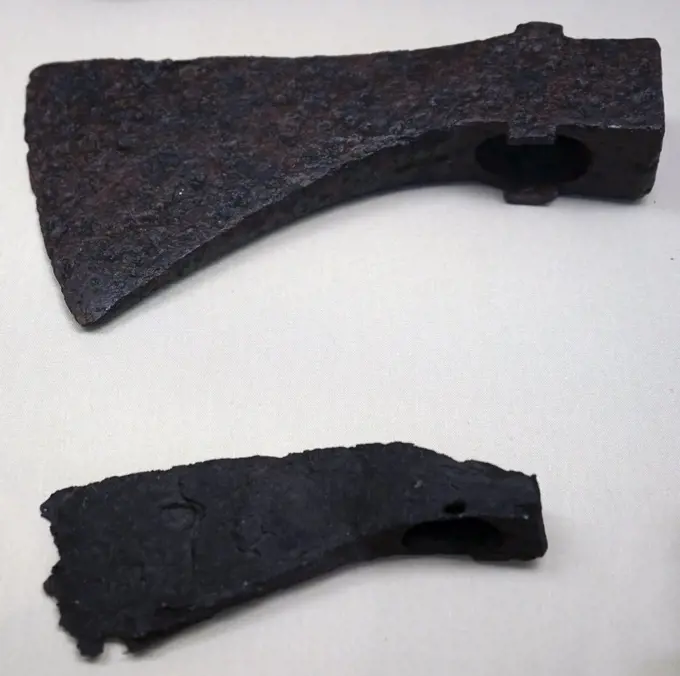
Half of squeeze shear, pinch scissors cutting tool soil find iron metal, archeology Rotterdam City triangle Schielandshuis clipping Soil discovery: Schielandshuis during restoration 1981 - 1985.
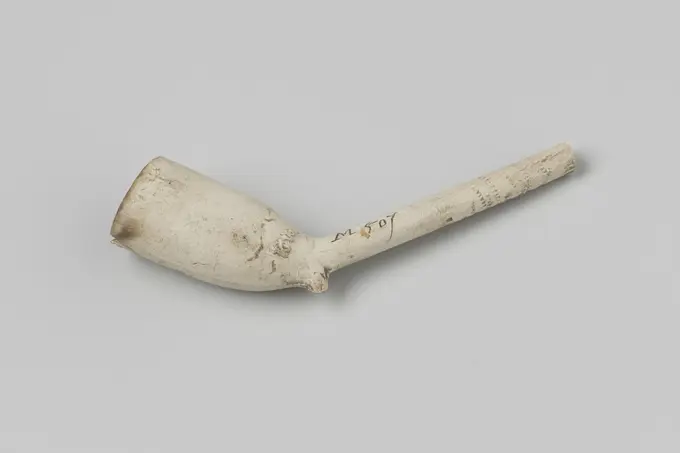
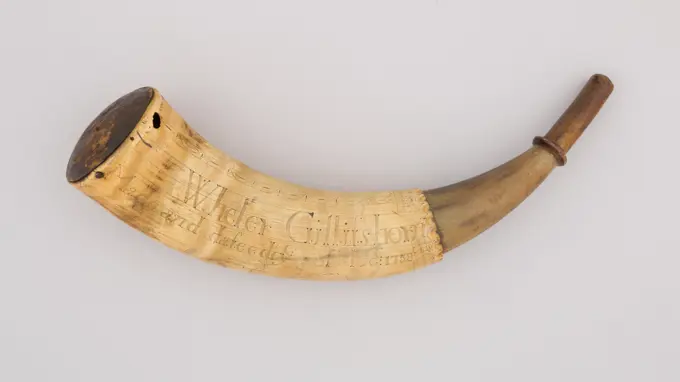
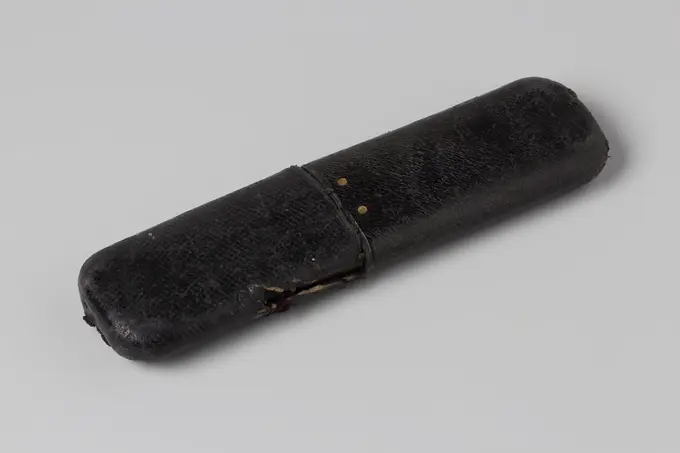
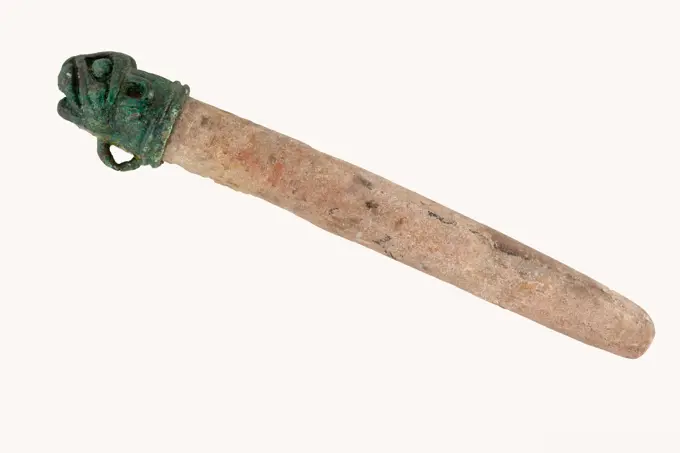
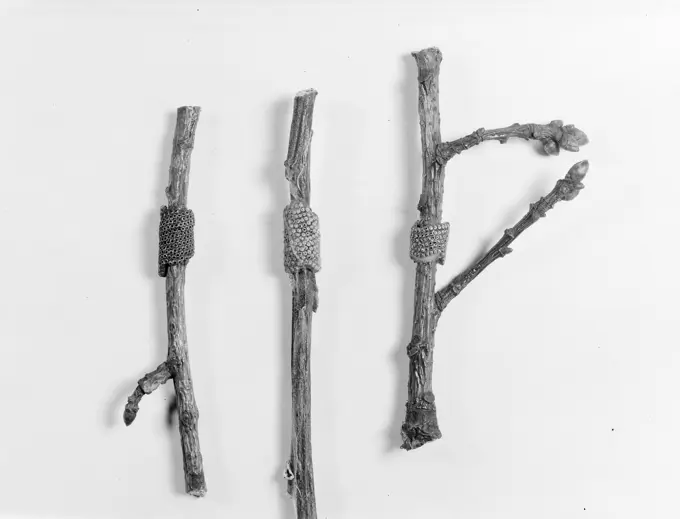
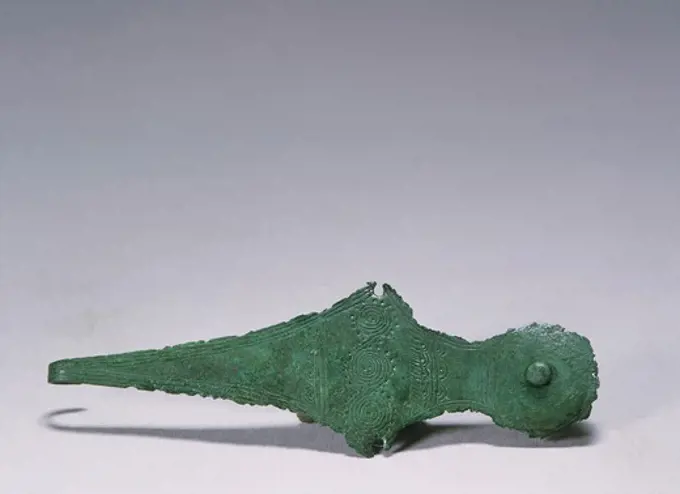
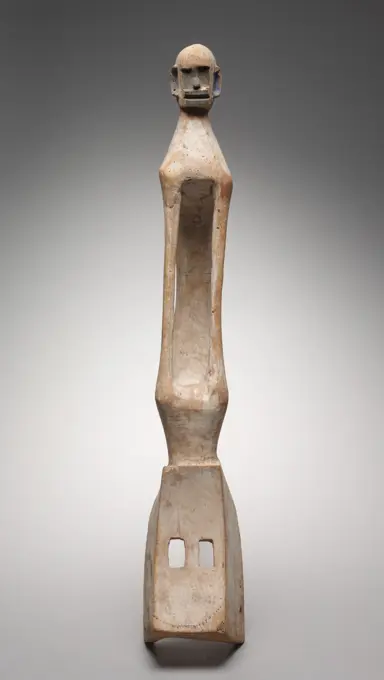
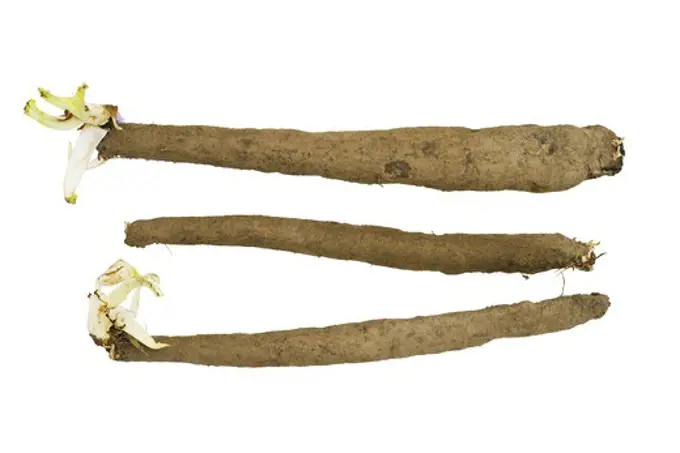
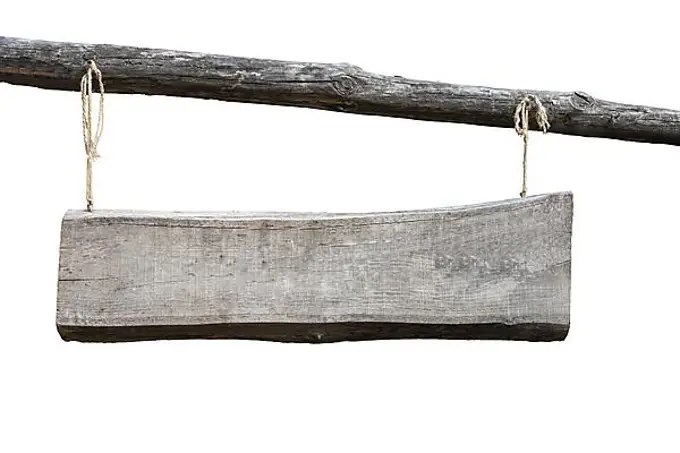
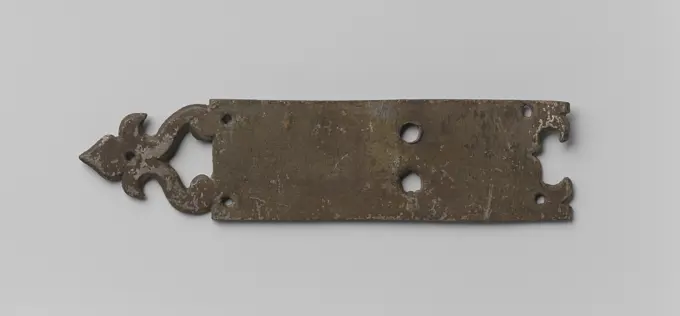
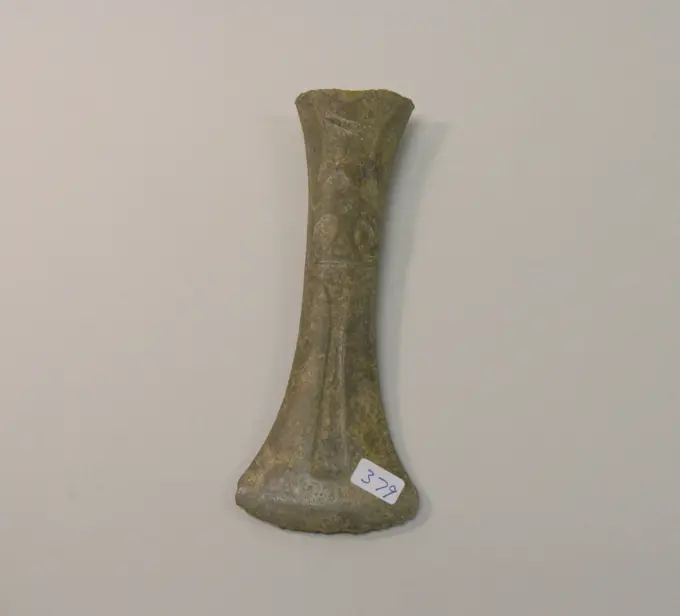
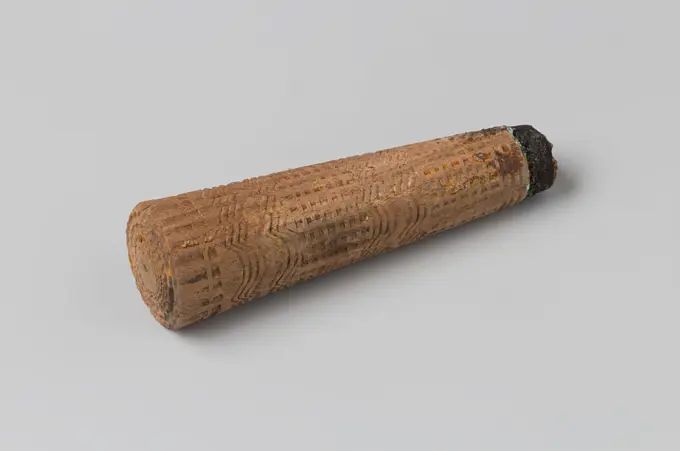
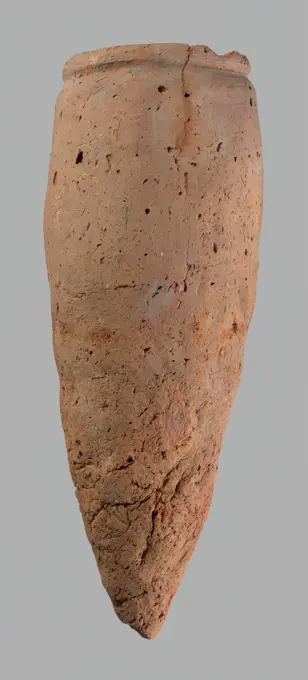
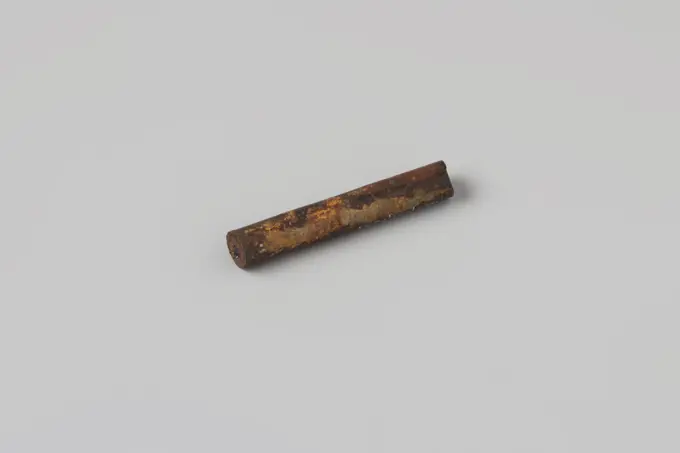
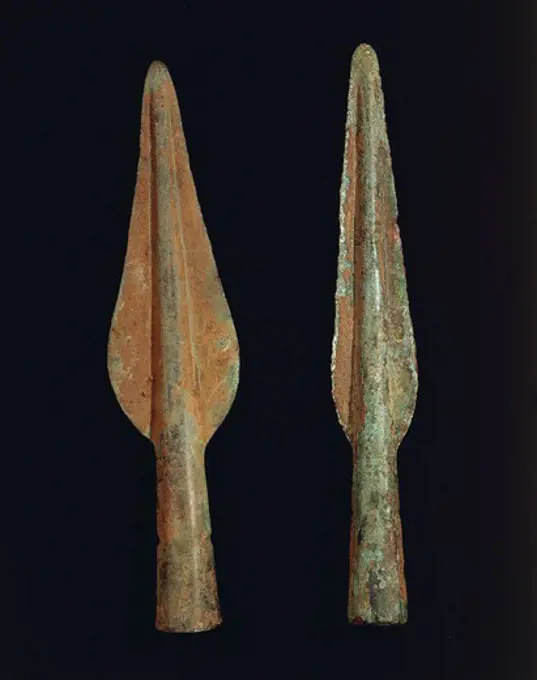
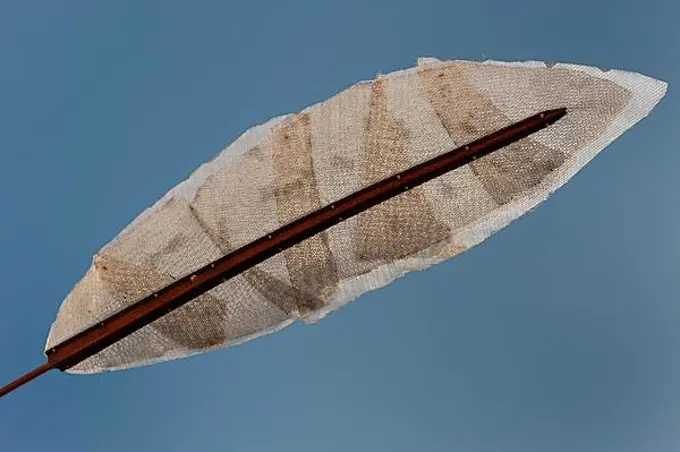
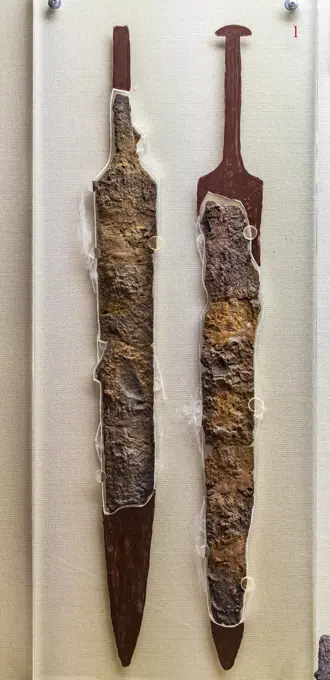
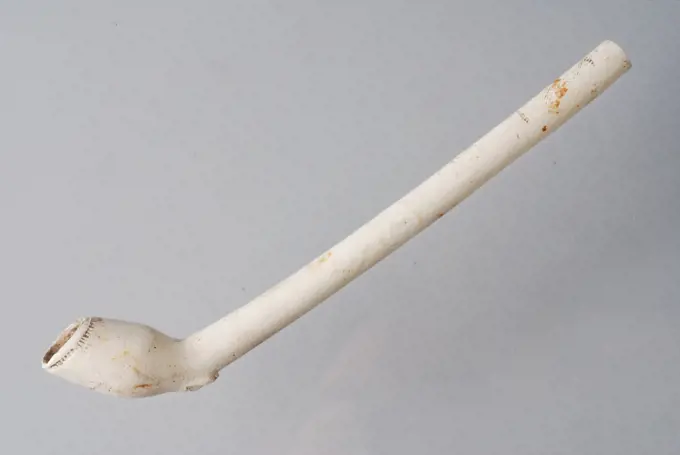
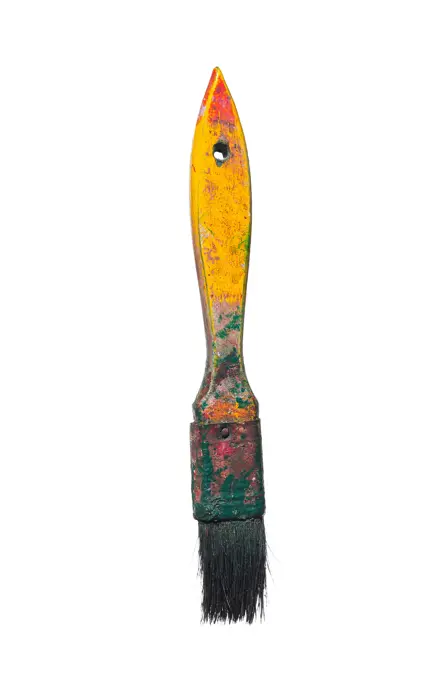
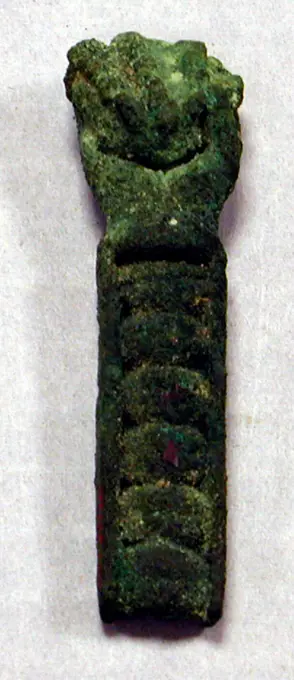
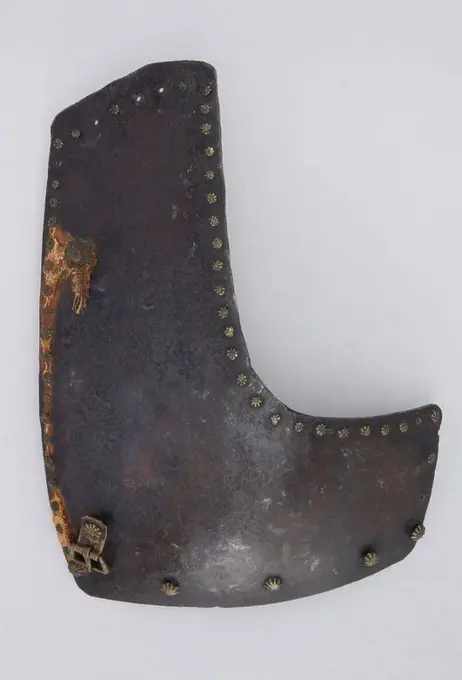
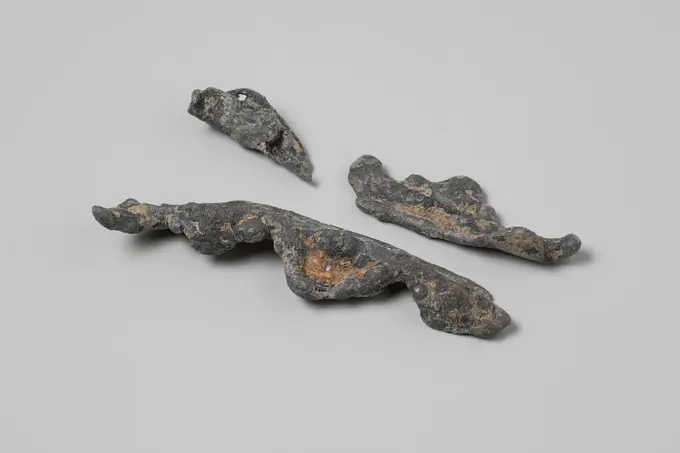
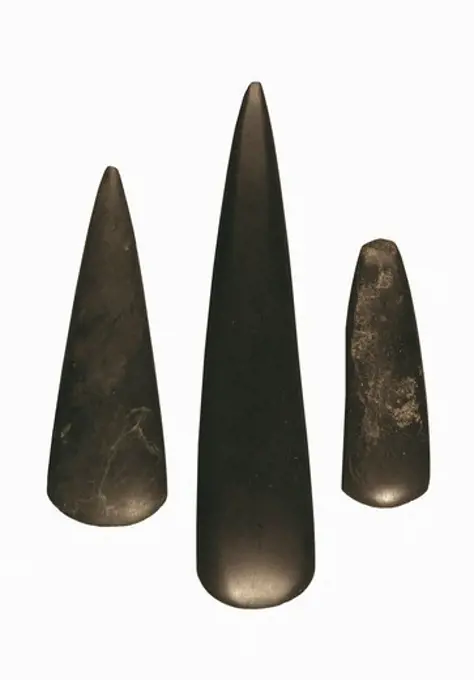
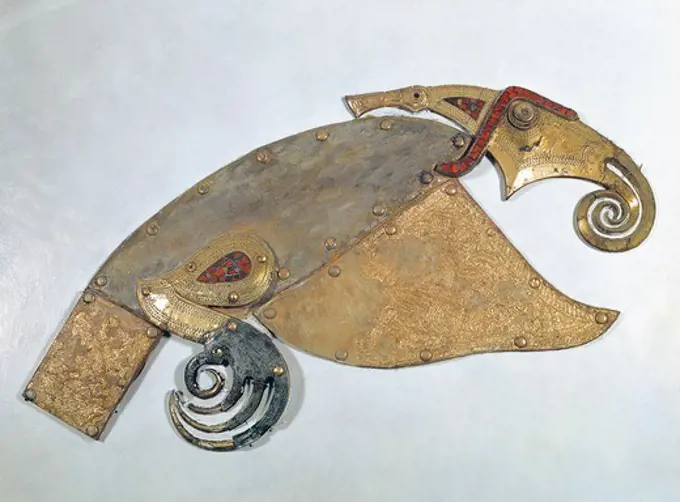
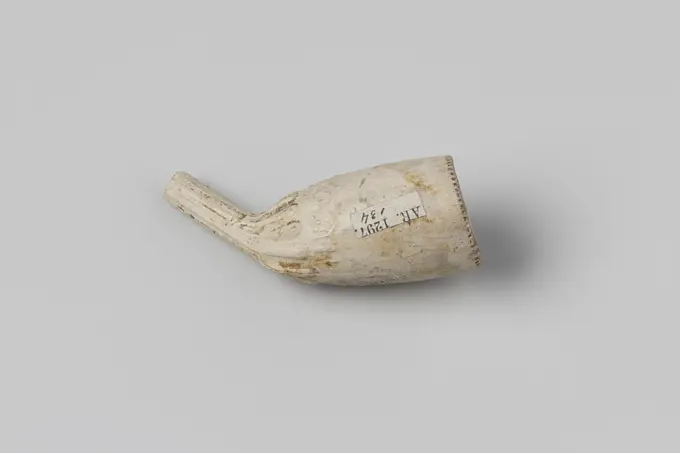
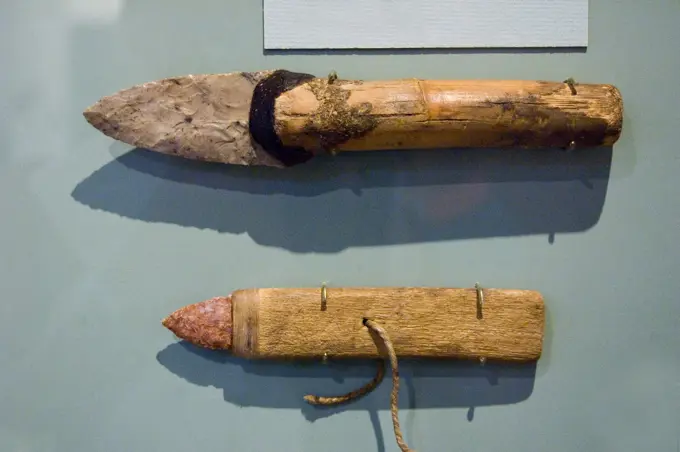
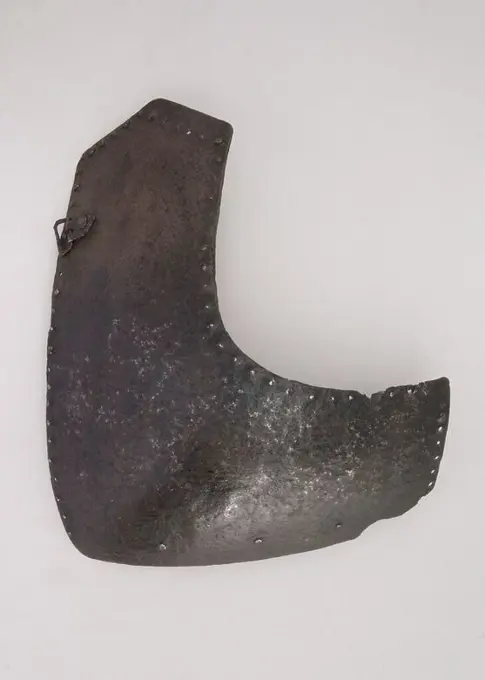
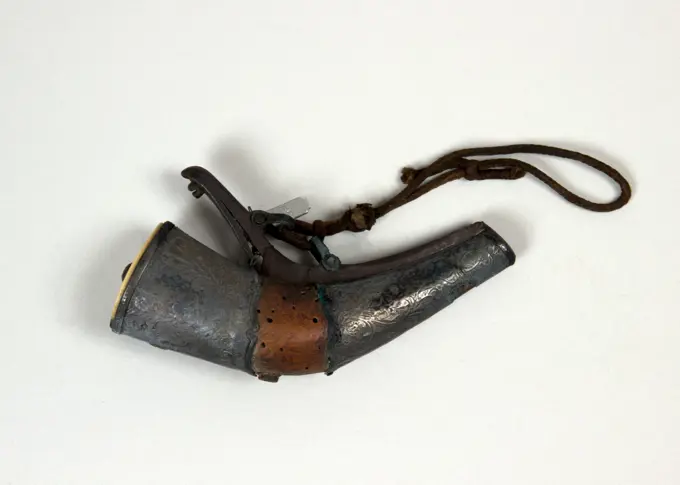
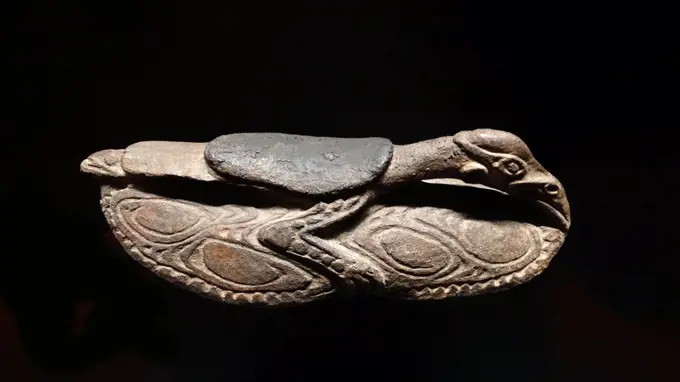
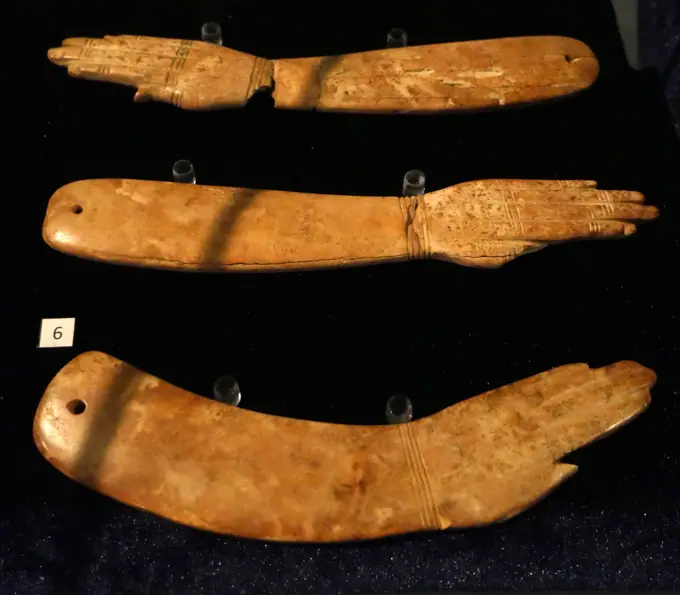
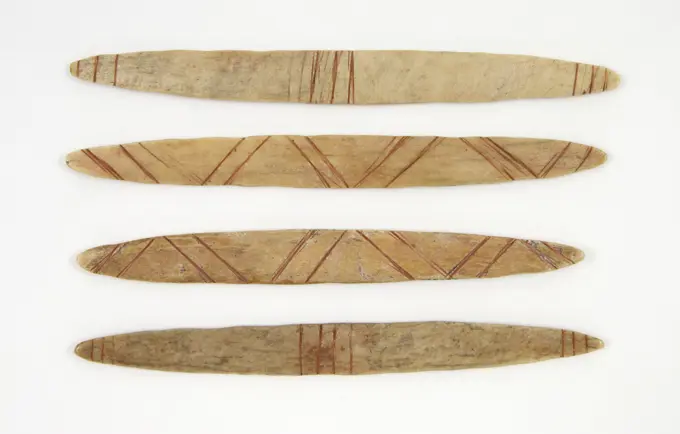
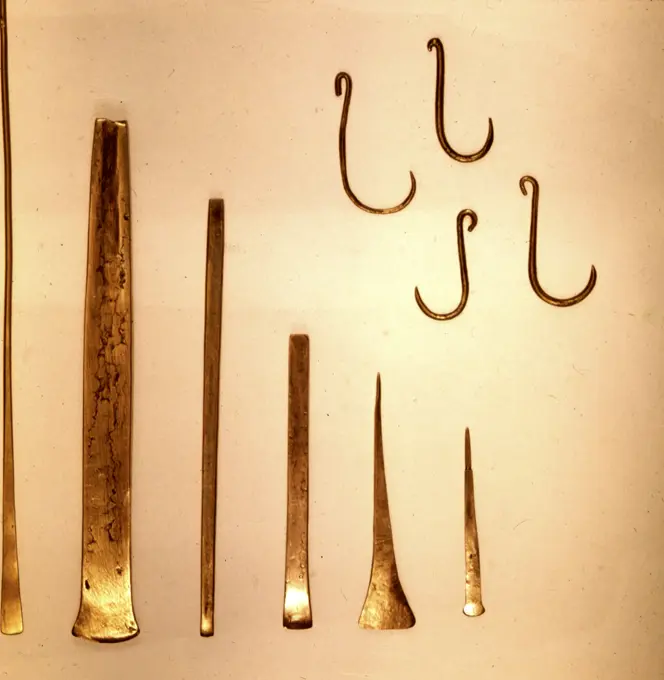
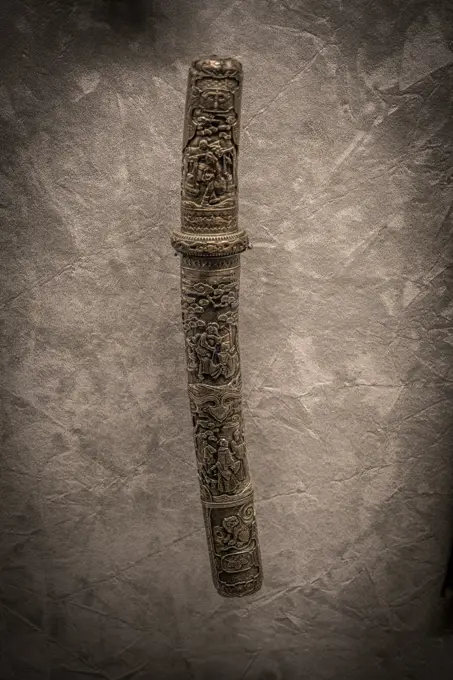
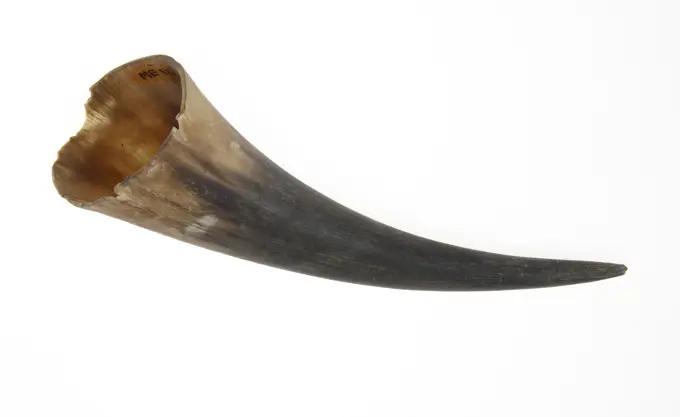
Two-piece bronze mold for spoon with rat tail, mold casting tool tools kit metal_metal bronze, cast Two-piece bronze shape for spoon with rat tail or needle as transition from oval tray to stem with 'pied de biche' as handle end Rotterdam tingieterij tin stainer tin Meeuws Druy craft Shapes are from the originally 18th century Rotterdam tinnegieter J Druy. The large molds that were not signed or dated were the property of the tinker guild and were rented to the small tin caster.Musket size, fragment consisting of strongly distorted brass sleeve with holes. Musket size, fragment consisting of distorted brass sleeve with holes.Fragment of a tobacco pipe .. fragment of a tobacco pipe with the letters k.w.Powder Horn 1760 Colonial American This powder horn is engraved with two masted ships.. Powder Horn 29589Ivory forearm, from Preneste (modern day Palestrina, Lazio). Etruscan civilization, 7th Century BC.Chisel or ligula Roman. Chisel or ligula 250626 Roman, Chisel or ligula, Bronze, Other: 3 3/4 in. (9.5 cm). The Metropolitan Museum of Art, New York. Rogers Fund, 1917 (17.230.99)Arrow or Javelin Point of Neferkhawet ca. 1504-1447 B.C. New Kingdom. Arrow or Javelin Point of Neferkhawet. ca. 1504-1447 B.C.. Bronze or copper alloy. New Kingdom. From Egypt, Upper Egypt, Thebes, Asasif, Tomb of Neferkhawet (MMA 729), west chamber A, Burial of Neferkhawt (I), MMA excavations, 1934-35. Dynasty 18, earlyBlack sleeve in which 13 crochet hooks (two of plastic and elf of metal). Black sleeve in which 13 crochet hooks (two of plastic and elf of metal).Whetstone Socket. Iran, Luristan, 1000-800 B.C.. Tools and Equipment; sockets. Bronze, castSeal toggle -Sickle Blade, 1980-1801 BC. Egypt, Middle Kingdom, Dynasty 12. Flint; overall: 5 cm (1 15/16 in.).Collection of the Dutch Heidematschappij. Caterpillars, branches, ringel brackets. undatedDecorated wooden knife handles from the wreck of the Dutch East Indiaman Hollandia, anonymous, 1700 - in or before 1743  Knife, handle, cylindrical: tapering; id. NG 1979-403H, ferrules, id. NG 1980-27H426. Netherlands wood (plant material). copper (metal)   SecondMessen Lifts from the wreck of the East Indians Hollandia, Anonymous, 1700 - in Or Before 1743  Knife, handle, cylindrical: tapering; id. NG 1979-403H, ferrules, id. NG 1980-27H426. Netherlands wood (plant material)   SecondPrehistory, Albania, Iron Age. Bronze belt clasp in the shape of a dagger. From Kukes.Smelter's Crucible ca. 1479-1458 B.C. New Kingdom. Smelter's Crucible. ca. 1479-1458 B.C.. Pottery. New Kingdom. From Egypt, Upper Egypt, Thebes, Deir el-Bahri, Temple of Hatshepsut, forecourt, Foundation Deposit 4 (D), MMA excavations, 1923-24. Dynasty 18White clay pipe, unnoticed, with smooth handle, clay pipe smoking equipment smoke floor pottery ceramics pottery, pressed finished baked white clay pipe unnoticed with smooth handle Part pressure seam on stalk archeology smoking tobaccoThree fragments of leather from V.O.C. ship De 'Witte Leeuw', 1613 fragment Three leather fragments. One sickle -shaped fragment, one rectangular fragments and a fragment that is rolled/folded with holes along the edges to close it.  leatherRim Ornament. Central Italy, Etruria, circa 500 B.C.. Sculpture. BronzeCopper Armour Back 2nd-7th century Moche. Copper Armour Back 315274Excerpt antlers from v.o.c. ship De 'Witte Leeuw', not applicable, Before 1613 antler (material) Excerpts antlers.  antler (material)ArrowheadMask (Omono or Tana Wurum Bogoro), early 1900s. Africa, West Africa, Mali, Dogon-style blacksmith-carver. Wood and paint; overall: 91.5 cm (36 in.). Dogon masks can be interpreted on two fundamentally different levels: "front speech" (giri so) reflects an early stage of knowledge and consists of a tale that is intended to arouse curiosity; and "speech of the world" (aduno so) refers to Dogon cosmogony, reserved for highly instructed men and women. Masked dances have recently been organized in Dogon regions for tourists and dignitaries.Close-up studio shot of black salsify.Fragment of legs pointed or harpoon, pointed harpoon tools equipment soil find bone, sawn cut cut Late stone age archeology Maglemose culture Rotterdam Maasvlakte prehistoric stone age late stone age fishing fishing nutrition Soil discovery Maasvlakte Maglemose culture.wooden sign on white backgroundOval tobacco box with hinging lid, tobacco box holder soil find iron metal, Oval box with hinged lid. Hinges in the middle of long silk bulb cover and bottom. Outside wall peg with round head is part of the closure archeology Rotterdam rail tunnel smoking storage tobacco pipe transporting snuff box Soil discovery: trajectory rail tunnel Rotterdam.Winged Pendant 10th-16th century Tairona. Winged Pendant 317449Glass Fragment 13th-14th century European. Glass Fragment 467247Batter ..Hafted Ax with Bird 500 B.C.-A.D. 300 Indonesia. Hafted Ax with Bird. Indonesia. 500 B.C.-A.D. 300. Bronze. Bronze and Iron Age period. MetalworkKnife lift from the wreck of the East Indiesman Hollandia.knife, Handle, Cylindrical: tapering; ID. NG 1979-403H, Ferrules, ID. NG 1980-27H426.Dish;  around 2686- 2181 BC ; Old PABuckle, 600s. Merovingian, Burgundian, Migration period, 7th century. Iron with silver overlay; part 2: 6.1 cm (2 3/8 in.).Fragment Pijpensteel from the wreck of the East Indians Hollandia, Anonymous, 1700 - in Or Before 1743  Pipe, stem; fragment, decorated. Netherlands pipe clay   SecondPrehistory, Italy, Iron Age. Spearheads from the Necropolis of San Marco dei Cavoti, Benevento province, 7th century b.C.Inscribed Ointment Jar From Foundation Deposit 2 of Hatshepsut's Valley Temple ca. 1479-1458 B.C. New Kingdom. Inscribed Ointment Jar From Foundation Deposit 2 of Hatshepsut's Valley Temple. ca. 1479-1458 B.C.. Travertine (Egyptian alabaster), linen. New Kingdom. From Egypt, Upper Egypt, Thebes, Asasif, Hatshepsut Valley Temple, Foundation Deposit 5AFD2, MMA excavations, 1915-16. Dynasty 18Arrow Straightener, Eskimo Art, USA, Washington DC, Smithsonian Institution (National Museum of Natural History)Stylised metal leaf, Cacela Velha, Algarve, Portugal, EuropeSpoon with fig-shaped container and flattened round stem, small size, spoon cutlery soil find tin metal, Small fig-shaped container in cross section oval stem very short rat tail. Marked in the spoonball on the handle side Front of the bin unclearly stamped: crowned rose Archeology Rotterdam railroad tunnel food Soil discovery: trajectory rail tunnel Rotterdam.Gladius hispaniensis Gladius Hispaniensis, Azucarera, Alfaro, 3rd-1st centuries BC, Museum of Romanization, Calahorra, La Rioja, Spain, Europe Copyright: xZoonar.com/BartomeuxBalaguerxRotgerx 22946260Scribal Palette with Inscription. Egypt, New Kingdom, 19th - 20th Dynasties (1315 - 1081 BCE). Tools and Equipment; palettes. WoodTray;  19th century (1800-00-00-1868-00-00);Oracle bone. Culture: China. Dimensions: W. 1 1/4 in. (3.2 cm); L. 6 3/4 in. (17.1 cm). Museum: Metropolitan Museum of Art, New York, USA.Earring or bonnet pendant China. Earring or bonnet pendant 42967Messenheft from the wreck of the East Indians Hollandia, Anonymous, 1700 - in Or Before 1743  Knife-handle, cylindrical: tapering id. NG 1979-403H. Netherlands wood (plant material). copper (metal)   Scilly IslandsTest piece with balein. Test piece with balein with three-pass shape.Gold hilt plates from the Staffordshire Hoard. Dated 6th CenturyOstrze sierpa. nieznany warsztat północno mezopotamski, workshopOld can opener with wooden handle isolated on white backgroundCostume Ornament. Culture: Peru; central coast (). Dimensions: Overall: 1 3/8 in. (3.49 cm). Date: 11th-12th century. Museum: Metropolitan Museum of Art, New York, USA.Clay pipe, unnoticed, from the waste of Rotterdam pipe making with decorated handle, clay pipe smoking equipment smoke floor pottery ceramics pottery, pressed finished baked Clay pipe unnoticed from the waste of Rotterdam pipe factory Decorated handle decoration consists of four fleur de lis stamps interspersed with line of stripes applied with radstempel archeology Rotterdam Hillegersberg-Schiebroek Hillegersberg Noord Hillegersberg Zuid Judge Rottekade indigenous pottery craft workshop smoking tobacco Hendrick Jansz archaeological find in the soil: Judge Rottekade Rotterdam at number 71 in 1976.Knife Handle (Kozuka) 18th century Japanese A kozuka is a handle of a by-knife that is part of a sword mounting. It is kept in a slot on the reverse of a katana scabbard, often with a matching kōgai (hairdressing tool).. Knife Handle (Kozuka) 35037Pinsel Pinsel Copyright: xZoonar.com/RobertxBiedermannx 3635376pipes, 18th century, Arkeologi Museoa, aqueologico museum, Bilbao, Bizkaia, Pais Vasco, Spain.Unidentified item salvaged from the Great Chelsea Fire of 1908 , Fires. Chelsea Public Library Archive Collectionpliers on white backgroundFulcrum with Bust of Artemis and Horse Protome. Italy, Roman, 1st-2nd century. Tools and Equipment; fulcra. BronzePendant in the Form of a Fish, 475-221 BCE, 3 1/2 x 1 x 3/16 in. (8.89 x 2.54 x 0.48 cm), Originally a white color, the jade is now mottled grey with blue clouds, China, 5th-3rd century BCEFragment stoneware jug, decorated with groups of rings around neck and shoulder, jug crockery holder fragment soil find ceramic stoneware glaze salt glaze, hand-turned glazed baked Neck of stoneware jug or jug decorated with three bands of circumferential rings or hoops Cylindrical neck round belly Gray shard Covered with mottled salt-glaze gray and brown archeology Stadscentrum Stadsdriehoek Rotterdam Laurenskerk uitheems earthenware import drinking serve serving Soil discovery found during the restoration of the Laurenskerk in Rotterdam. Excavation east of the church.Tumi Fragment with Fist 2nd-7th century Moche. Tumi Fragment with Fist 315223TESORILLO DE LA FINCA LA PALOMA: ALABARDAS, PUÑALES DE LENGÜETA, PUNTAS PALMERAS, CINTA DE ORO, EN EL MUSEO DE SANTA CRUZ (AÑOS 1750-1500 A.C.).Spatula 4th millennium B.C.. Spatula 327845Left Breastplate from a Brigandine. Culture: Italian. Dimensions: H. 10 3/4 in. (27.31 cm); W. 8 in. (20.32 cm); Wt. 1 lb. 17.2 oz. (657.7 g). Date: ca. 1400-1450.This left breastplate retains some of its original textile covering. Museum: Metropolitan Museum of Art, New York, USA.Knife Handle (Kozuka) ca. 1615-1868 Japanese A kozuka is a handle of a by-knife that is part of a sword mounting. It is kept in a slot on the reverse of a katana scabbard, often with a matching kōgai (hairdressing tool).. Knife Handle (Kozuka) 34579TABLA DEL PRIMER ALFABETO FENICIO CONOCIDO - S XIV AC. Location: MUSEO DE ARTE ANTIGUO. UGARIT.Decorative batter from the wreck of the East India Hollandia. Fitting, decorative fitting or fragment; Fragm or Rim, ID. NG 1980-27H139 Eroded, squashed.Polished basalt axes of the Catalan grave culture (2500-1800 BC). Neolithic art. SPAIN. CATALONIA. BARCELONA. Barcelona. Archaeology Museum of Catalonia.England, London, Shield ornament representing an eagle, from the Sutton Hoo treasure, goldworkFragment tabakspijp.Fragment tobacco pipe with floral fashed motif with flower dots. Of the excavations at the Hofstede Arentsburg 1827-1831 under the supervision of professor Reuvens.Miniature canoe -Hopi stone knife blade fastened onto a wooden handle with pinion pitch and sinew. Museum of Northern Arizona, Flagstaff, AZAgujas romanas de maquillaje. Can Serra Museu de Mataró.Cover for the collar of a soldier's uniform of the Swiss army unknown labelLeft Breastplate from a Brigandine. Culture: Italian. Dimensions: H. 11 11/16 in. (29.7 cm); W. 9 15/16 in. (50.6 cm); Wt. 2 lb. 4.1 oz. (1023.4 g). Date: ca. 1400-1425.This left breastplate was once covered with textile. Museum: Metropolitan Museum of Art, New York, USA.Ivory figure with hollow eyes and eyebrows from Ancient Egypt.Small right fish (plate). Jade. Shang dynasty (1765-1122 BC), China. Paris, Cernuschi museum. 101270-14 Asian art, Chinese art, art of extreme orient, Shang dynasty, Yin dynasty, Shang time, iieme II 2nd 2 millennial, jade, fishBatter from the wreck of the East Indiesman Hollandia. Fittings, bands and bracing, flat; ID. NG 1980-27H3053.Loden role from the wreck of the East Indiesman 't flying heart. To tubularly loden pictures. Black-gray in color. Roll or lead.Bronze fish hook. Culture: Minoan. Dimensions: L. 1 3/4 in. (4.5 cm.). Date: ca. 2400-1450 B.C..Fish hook. Museum: Metropolitan Museum of Art, New York, USA.Fireman's Axe. Dated: c. 1937. Dimensions: overall: 37.8 x 51 cm (14 7/8 x 20 1/16 in.). Medium: watercolor, graphite, and colored pencil on paperboard. Museum: National Gallery of Art, Washington DC. Author: Elmer G. Anderson.Primer 18th century Turkish. Primer. Turkish. 18th century. Wood, horn, silver. Firearms Accessories-Flasks & Primerswooden headrest from the Nagodombi of Yesimbit, in East Sepik, Papua New Guinea late 19th centuryold rusty horseshoe on a wood backgroundClappers used as musical instruments which granted protection through their sound.Axe-head from Camerton, Somerset. Dated 1st Century ADGaming stick -Sheath of knife from the wreck of the East India Hollandia. Knife, scabbard; Fragm of RIM, on the Inside Imprint of the Engraved Decoration Motif or Handle.alte rostige zange nahaufnahme bild old rusty pliers close up image . LicenseRF Copyright: xZoonar.com/AltayxSuleymanx 23235456Fragment animal rib from the wreck of the East Indians Hollandia, 1700 - in or before 1743  Faunal remains: bones; indetermined bones; fragm.  bone (material)   SecondWeaver's comb ca. 1295-1070 B.C. New Kingdom, Ramesside. Weaver's comb. ca. 1295-1070 B.C.. Wood. New Kingdom, Ramesside. From Egypt, Memphite Region, Lisht North, Late New Kingdom Settlement, MMA excavations, 1920-22. Dynasty 19-20Gold fish hooks and chisels, Pre-Colomian period.Attic Red-Figure Column Krater Fragment; Athens, Greece; about 475 - 450 B.C; Terracotta; 8.2 cm (3 1,4 in.)Aikuchi with engraved scene, 20th century, Japan, Álava Armory Museum, Vitoria, Basque Country, SpainOld horseshoe - a symbol of good luck on white backgroundMaterial sample -Messen Lifts from the wreck of the East Indians Hollandia, Anonymous, 1700 - in Or Before 1743  Knife, handle, cylindrical: tapering; id. NG 1979-403H. Netherlands wood (plant material)   SecondFolding stamp in a cover. unknown labelMessen Lifts from the wreck of the East Indians Hollandia, Anonymous, 1700 - in Or Before 1743  Knife, handle, cylindrical: tapering; id. 403H. Netherlands wood (plant material)   SecondESCARABAJO SAGRADO-VISTA LATERAL. Location: EGYPTIAN MUSEUM. KAIRO. EGYPT.