Historic Cutlery and Blades

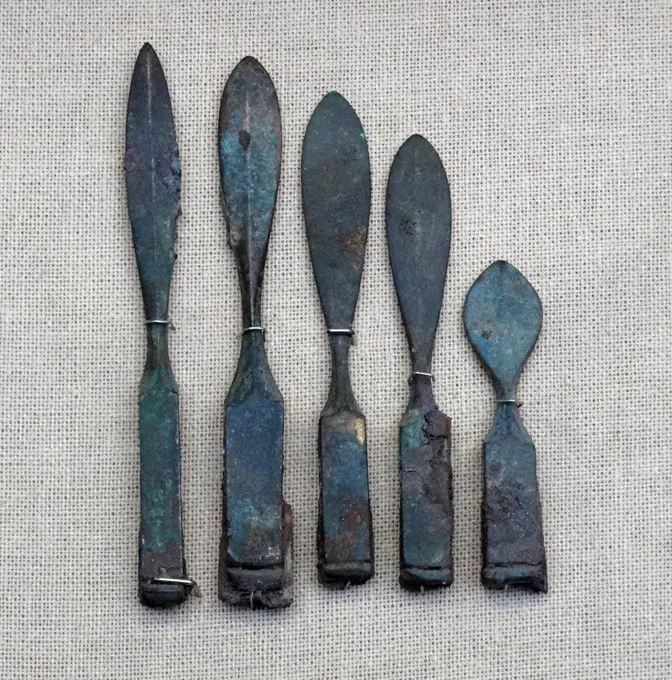
Artifacts of historic cutlery and tools, including fragments of forks and decorative knives from different centuries, showcasing craftsmanship.

Half of squeeze shear, pinch scissors cutting tool soil find iron metal, archeology Rotterdam City triangle Schielandshuis clipping Soil discovery: Schielandshuis during restoration 1981 - 1985.
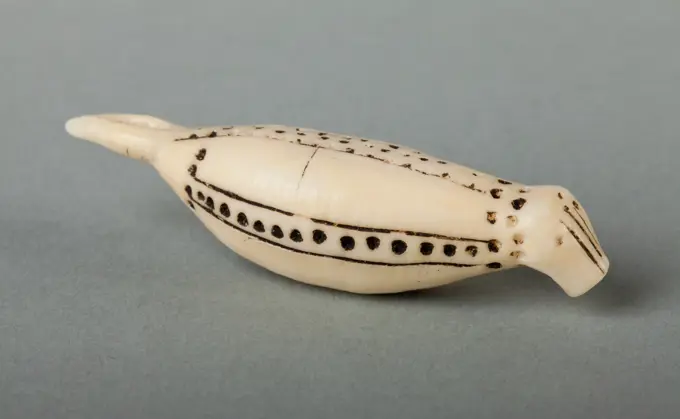
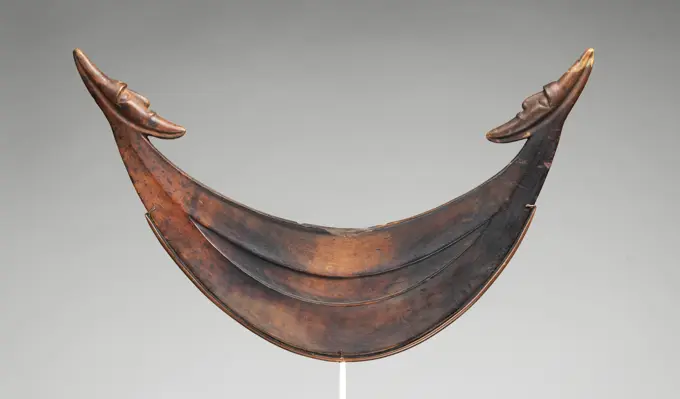
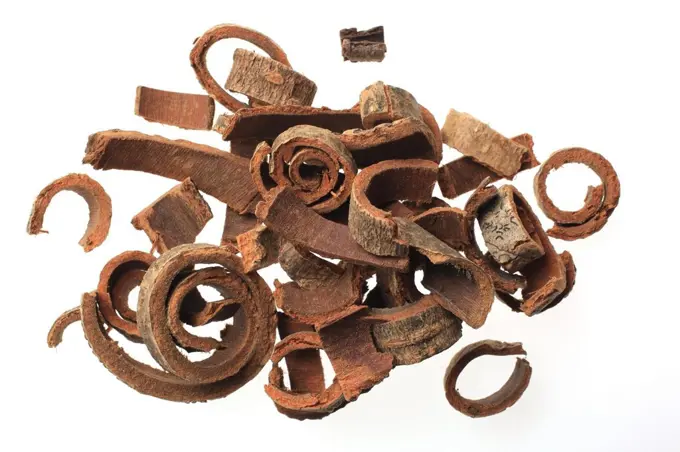
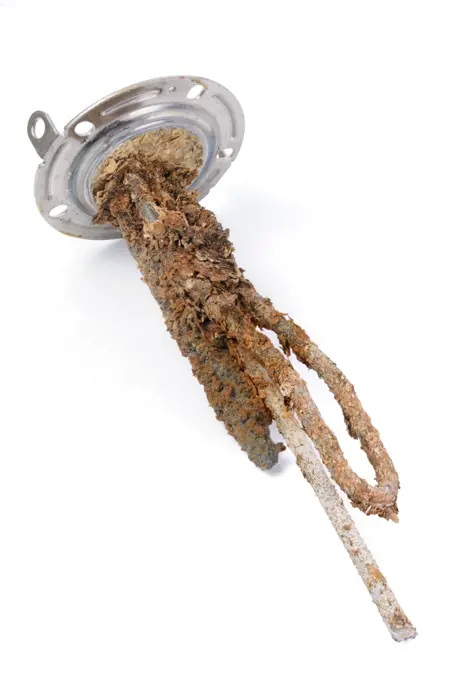
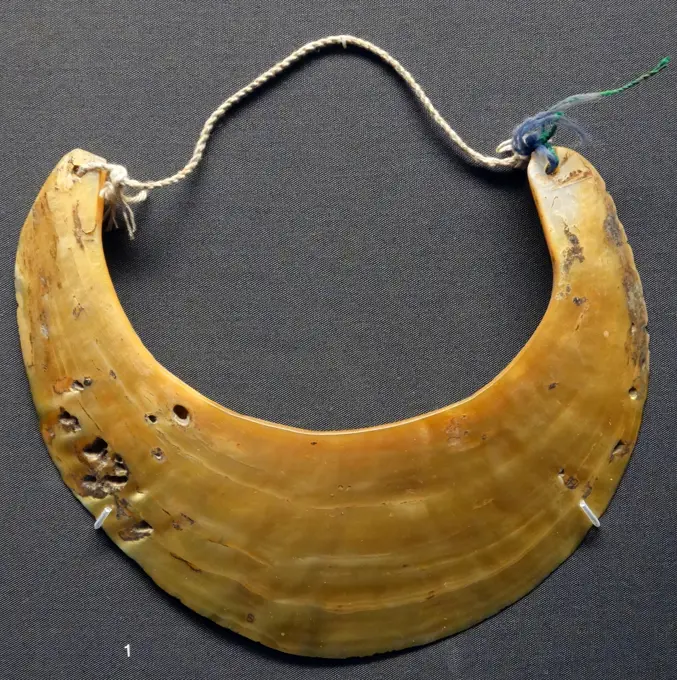
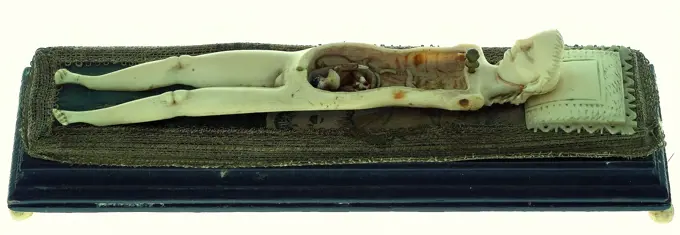
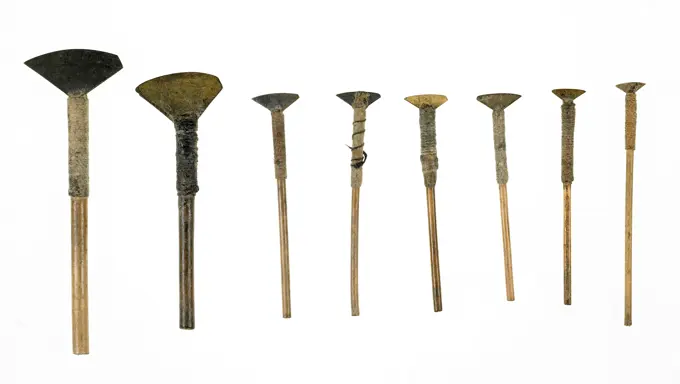
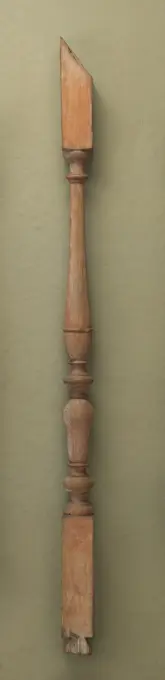
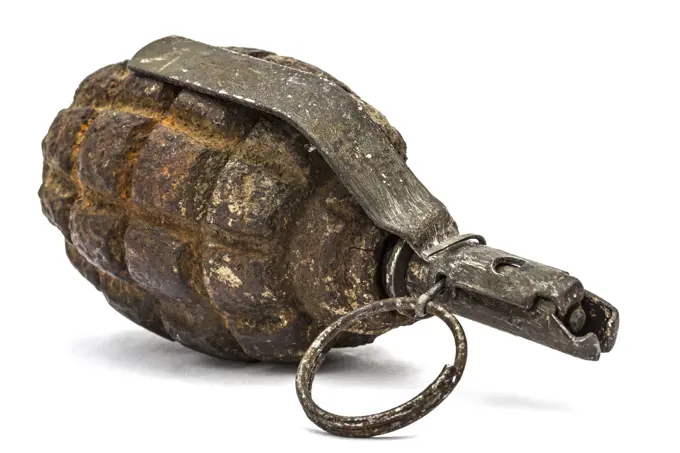
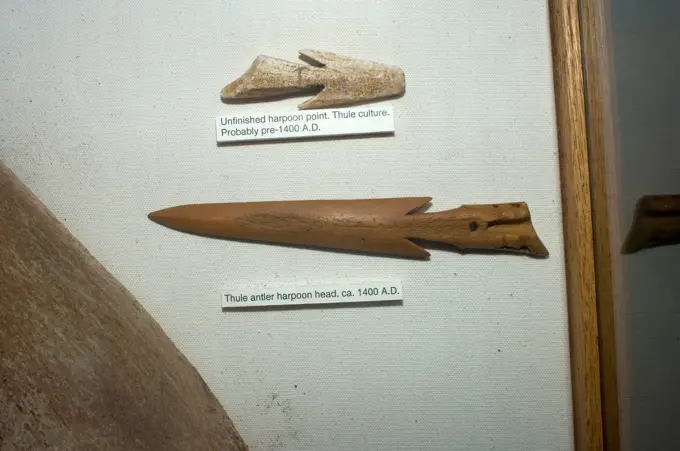
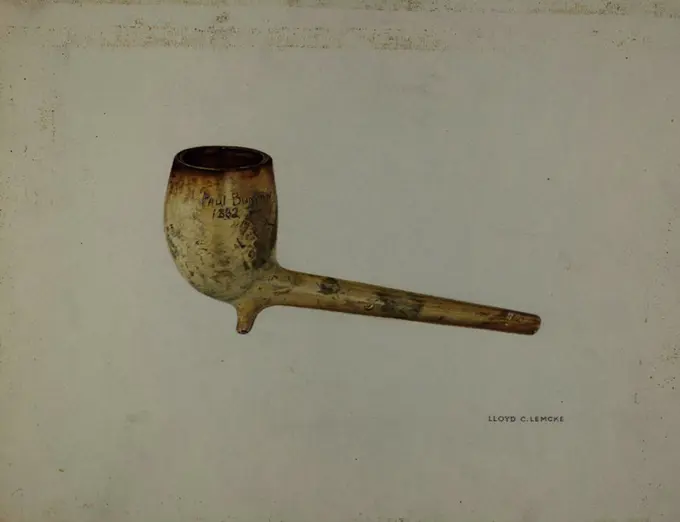
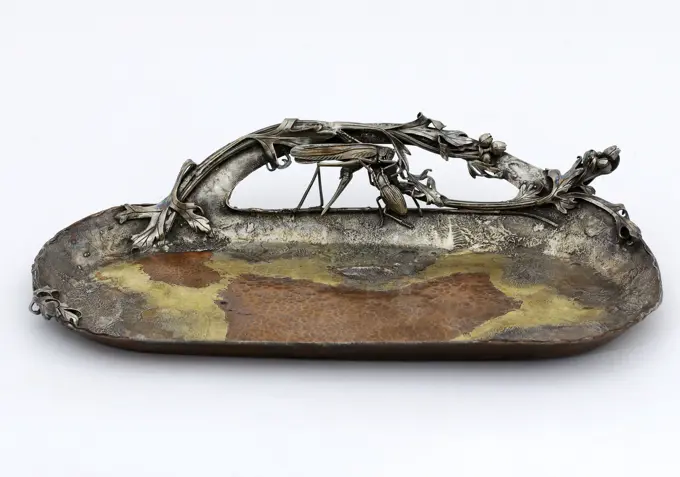
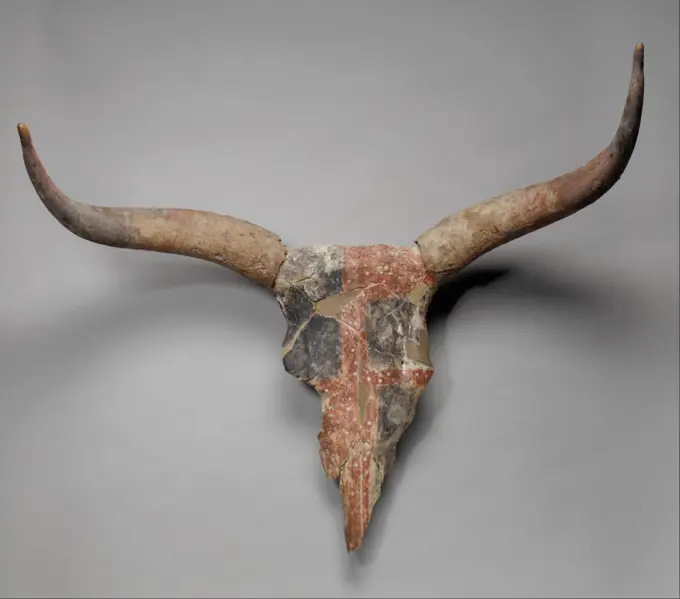
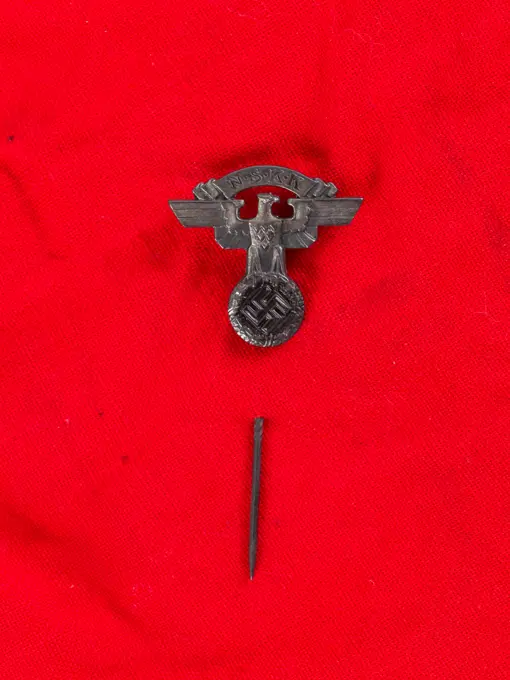
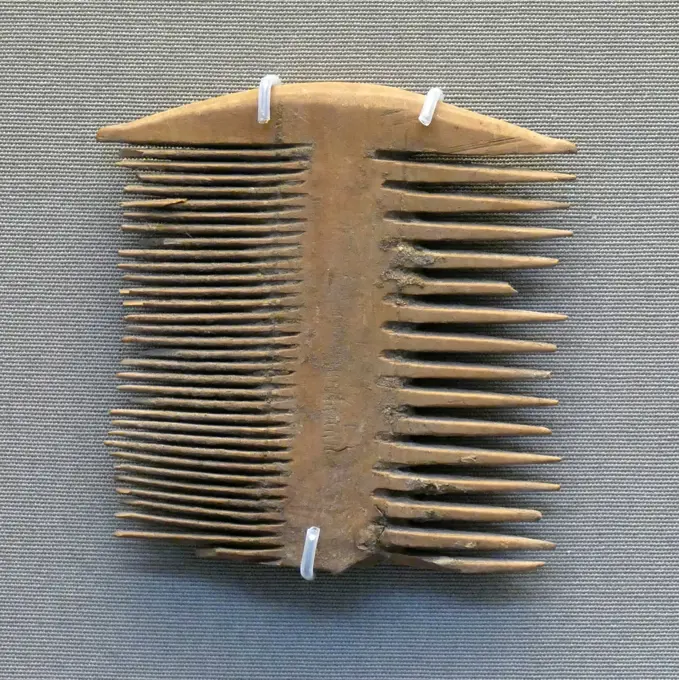
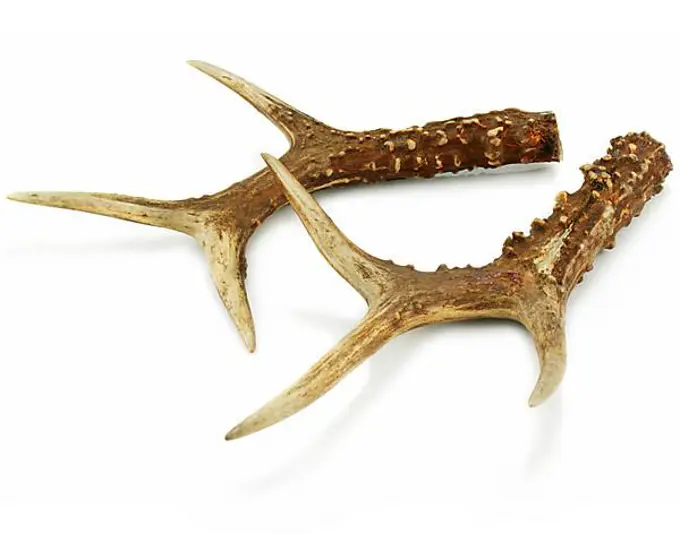
cylinder idol, limestone, 3000-2500 BC, Alcalar, Portimao (Faro), Portugal, Huelva Museum, Huelva, Andalusia, Spain.Figurine seals Koriak folk productsGorget (Rei Miro) Rapa Nui people 19th century Elegant symbols of chiefly authority, the crescent-shaped gorgets known as rei miro reputedly were used primarily by chiefly women. Worn around the neck on important occasions, they signified the wearer's noble birth. The gorgets also formed part of the ceremonial attire of the island's paramount male chief (ariki mau), whose regalia reportedly included six rei miro, two worn on the chest and two hanging from each shoulder.Rei miro typically consist, as in this example, of a flat wooden crescent adorned at each end by an anthropomorphic head depicted in profile. The central portion is decorated with a shallow intaglio crescent, whose form echoes the curve of the ornament. Rapa Nui artists also created a number of variants on the rei miro image, in which other forms, such as the tails of whales, are substituted for the human heads. View more. Gorget (Rei Miro). Rapa Nui people. 19th century. Wood. Chile, Rapa Nui (Easter Island). Wood-OrnamRitual vessel for the offerings of rice. 6th century B.C. bronze from ChinaMedicinal plant Magnolia, Magnolia tree bark, Magnolia cortex, Hou Po, Magnolia officinalis, Magnolia Bark, officinalis. Used for digestive disorders,... heating element of water heater with scum and sediment isolated on white backgroundStone drill , Archaeological assemblages, Charles F. Walcott Archaleogical CollectionKina shell. Papua New Guinea, 1950s. Pearl Kina shells were used to make traditional brideprice payments in Papua New Guinea until the late 1960sCarved ivory anatomical image of pregnant woman, sculpture sculpture casing holder wood textile ivory copper metal, w 6.5 (bed) carved painted carved ivory figurine of pregnant woman used in the anatomy lessons (). In wooden box science anatomy teaching teaching midwife pregnancy animal material instruction modelLazio Latina Sezze Antiquarium Comunale09. Hutzel, Max 1960-1990 German-born photographer and scholar Max Hutzel (1911-1988) photographed in Italy from the early 1960s until his death. The result of this project, referred to by Hutzel as Foto Arte Minore, is thorough documentation of art historical development in Italy up to the 18th century, including objects of the Etruscans and the Romans, as well as early Medieval, Romanesque, Gothic, Renaissance and Baroque monuments. Images are organized by geographic region in Italy, then by province, city, site complex and monument.Beads, 5. Beads, 5. Glass. GlassKris Sheath Parts and Mounts. Culture: Javanese. Dimensions: H. of blade 3 1/4 in. (8.3 cm); W. 6 5/8 in. (16.8 cm); D. 1 1/2 in. (3.8 cm); Wt. 2.3 oz. (65.2 g). Date: 16th-19th century. Museum: Metropolitan Museum of Art, New York, USA.Remains of a wooden sleigh, decorated with reliefs and silver and bronze nails. Detail. Found in the Tomb of the Boat of Oseberg, Norway. 9th century. Viking Ship Museum. Oslo. Norway.Te Poel, Wooden miniature witches broom, broom miniature kitchen utensils toy relaxant model wood rattan h 37.0, twisted bound Street broom of tied twigs on stick 1868 Sibilla van Embden playing cleaning kitchenRope fragment from the wreck of the East Indies Fleet, Vliegend Hart, c. 1700 - c. 1735 rope Piece of rope, brown, fairly thin, consisting of four strands, broken at 14/18 cm. Rope.  . striking (metalworking)Batik Tool, from a set of eight, 3 3/8 x 3/4 x 1/4 in. (8.57 x 1.91 x 0.64 cm), Metal, bamboo, string, ChinaBatik Tool, from a set of eight, 3 1/4 x 1/2 x 3/16 in. (8.26 x 1.27 x 0.48 cm), Metal, bamboo, string, ChinaTemple with Figures 1st-8th century Mezcala. Temple with Figures 317473Baluster first half 18th century British. Baluster. British. first half 18th century. Deal. WoodworkArrowheads from the Chacolithic. Museum of archaeology, Seville. Spain. Location: MUSEO ARQUEOLOGICO-COLECCION. Sevilla. Seville. SPAIN.ARCABUZ DE CARLOS V MADERA CON INCRUSTACION MARFIL - SIGLO XVI. Location: PALACIO REAL-REAL ARMERIA DE MADRID. MADRID. SPAIN.Excerpt of a wooden pin and a bundle of fiber, possibly a wick, from the wreck of the East Indies' t Vliegend Hart, 1700 - 1735 in 1735  To be determined to determine pen and fiber bundle.  softwoodOld combat grenade isolated on a white background Old combat grenade isolated on a white background Copyright: xZoonar.com/OleksandrxKostiuchenkox 8906126Bronze arrowheads from Rhodes. Dated 13th Century BCInlaid Tooth 14th-15th century or earlier Visayes or Mindanao. Inlaid Tooth 317769Fishing rod -whaling artifacts in the Herschel Island museum off the Mackenzie River delta Yukon Territory CanadaPrehistory, Italy, Neolithic. Flint daggers. From Luni, province of La Spezia.Pipe. Dated: c. 1937. Dimensions: overall: 27.8 x 35.9 cm (10 15/16 x 14 1/8 in.) Original IAD Object: 2" in diameter; 5 1/4" long. Medium: watercolor and graphite on paperboard. Museum: National Gallery of Art, Washington DC. Author: Lloyd Charles Lemcke.Henri Husson / Adrien-Aurélien Hébrard. Vacuks. Hammered and patinated copper, brass (or gold) and forged silver and chiseled, silver frog. 1909-1914. Museum of Fine Arts of the City of Paris, Petit Palais. 75296-9 Silver forge, chisel, hammer copper, silver frog, insect, brass, gold, patina, storageBucranium ca. 1640-1550 B.C. Second Intermediate Period When archaeologists first uncovered a group of shallow, circular graves at the site of Abydos in Upper Egypt, they designated the owners as the "pan-grave" people. The burials were accompanied by pottery of Nubian type and weapons of Egyptian manufacture. It is now generally accepted that these graves, found throughout Upper Egypt and Lower Nubia, are evidence of the nomadic Medjayu people, documented in Egyptian texts as fierce warriors who served in the Egyptian army and desert police force from the late Old Kingdom.One of the most distinctive aspects of pan-grave burials are the painted skulls of various horned animals that are found above the graves or in nearby pits. The horns and skull of this example have been decorated with large blocks and bands of red and black, and white dots have been applied to the red areas.For photographs of other examples, see 16.2.33, 16.2.35. Bucranium. ca. 1640-1550 B.C.. Horn, bone, paint. SecoARMAS DE BRONCE PROCEDEN DE HUELVA. Location: MUSEO ARQUEOLOGICO NACIONAL-COLECCION. MADRID. SPAIN.Textile fragment ca. 6th-7th century A.D. Sasanian. Textile fragment. Sasanian. ca. 6th-7th century A.D.. Silk, plain weave. Sasanian. IranFritz Zimmermann. "Nskk abstock (national -socialistians kiss crops)". MNtal. 1931-1945. Homndoral Laclerc the LallectsCelc Fischecational Grouss the Lib libert is the long-libearation The Paris, Musée Jean Middle Eméstine. 158828-14Beads, 17. Beads, 17. Glass. Glasswooden comb from a Meroitic grave found in Egypt. 300 ADPair of deer antlers isolated on a white backgroundraw vivianite crystal isolated on white close up of sample of natural stone from geological collection - raw vivianite crystal isolated on white background from Brazil Copyright: xZoonar.com/ValeryxVoennyyx 21466879Vase late 17th-early 18th century China. Vase 48613Roman surgical instrument 1st century ADAtlantic Jackknife Clam (Ensis Directus), Germany.Pair of deer antlers and bullets isolated on a white backgroundIn this photograph taken by the Ordnance Department in 1918, a series of German gas shells are displayed. The image documents the different symbol types used to identify these shells. Note the identification number of the photograph: 111-SC-9384 and the accompanying description: "Takes issued AU symbol types of German gas shells. Note 09884."Shadow Puppet (Wayang Kulit) of a Prop (Ricikan), from the set KyaiDrajatWatercolor western boots. Cowboy boot and sunflowers. Farmhouse rustic clipart Watercolor western boots. Cowboy boot and sunflowers. Farmhouse rustic clipart isolated on white background. Copyright: xZoonar.com/LiubovxPonomarchukx 19326118Glass ampoule of vitamin D.Detail of a closing door of a yurt from Mongolia