Historic Decorative Artifacts

Unique art pieces and decorative artifacts showcasing historical craftsmanship, including frontlets and console decorations from different cultures.

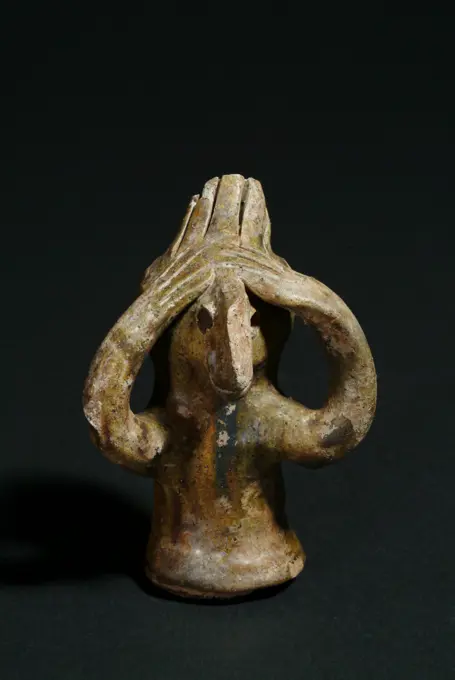
Small Herm; Macedonia, Greece; 1st century B.C; Limestone; 33 × 13 × 10.6 cm (13 × 5 1,8 × 4 3,16 in.)
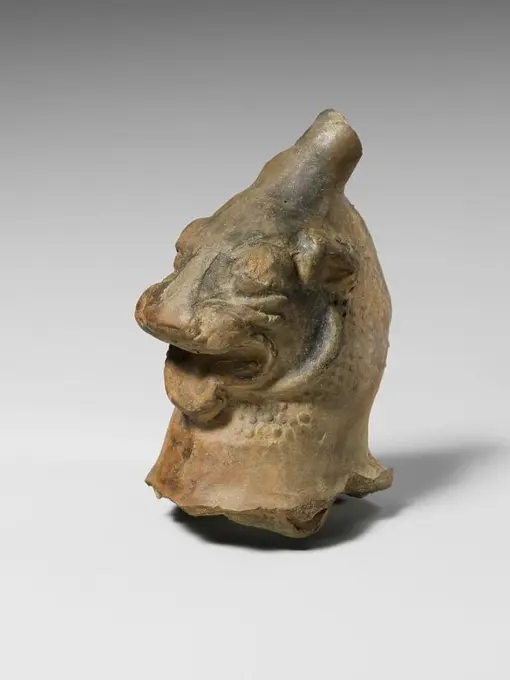
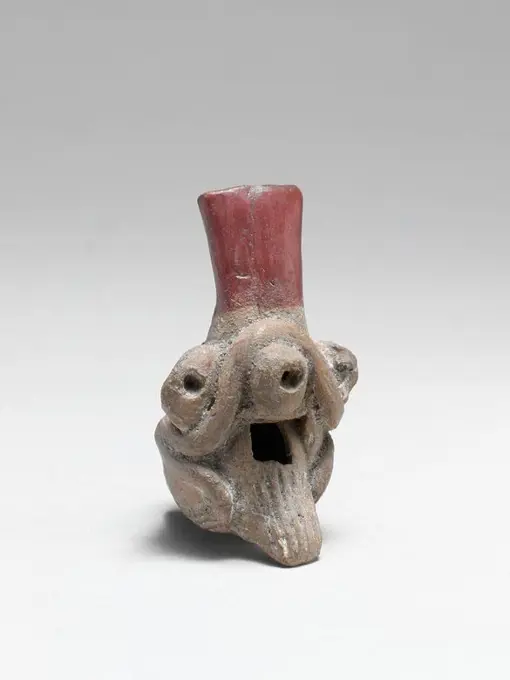
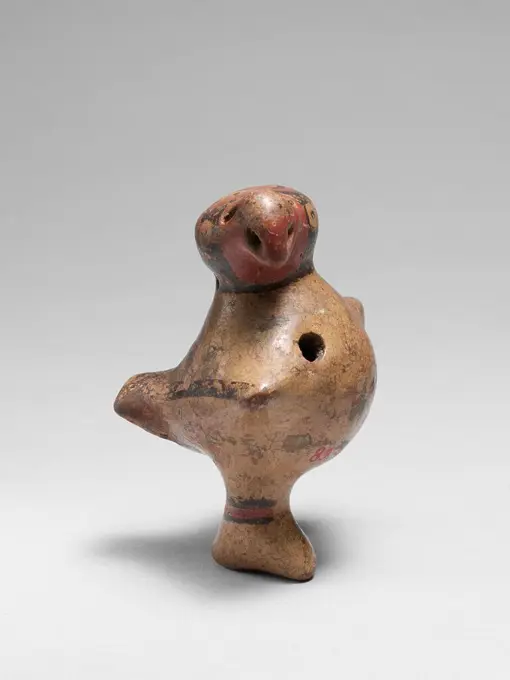
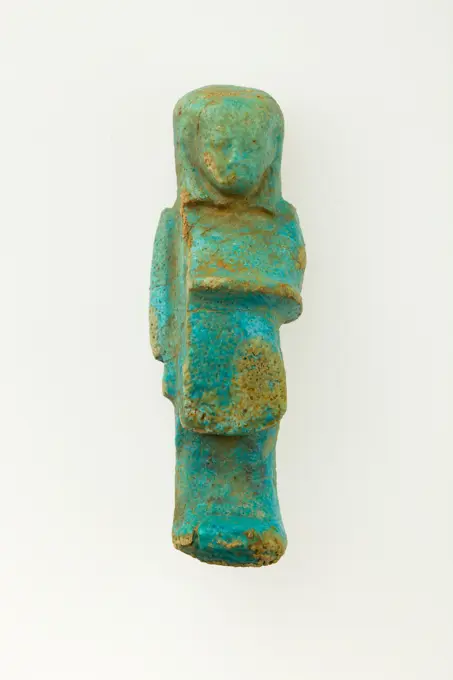
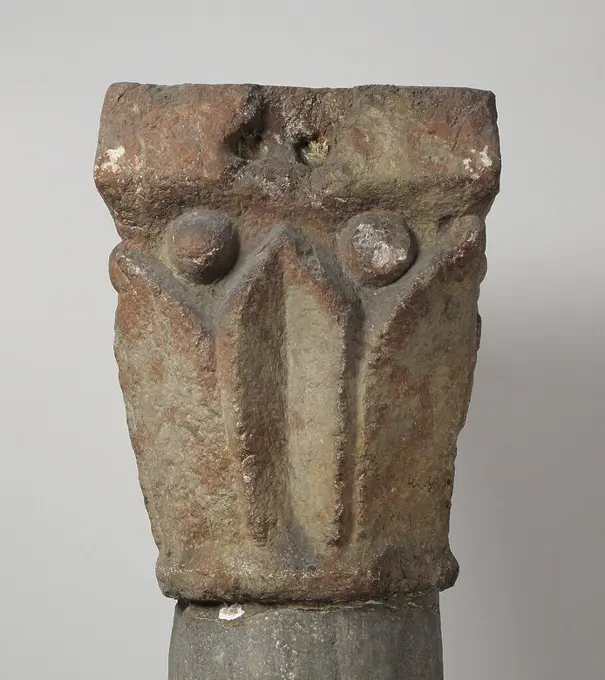
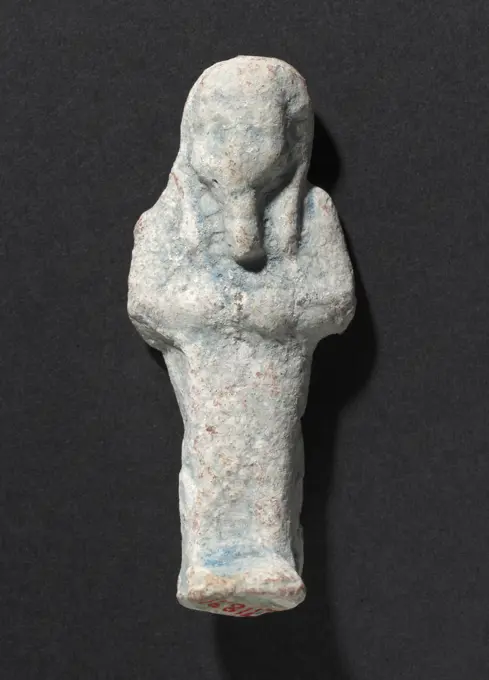
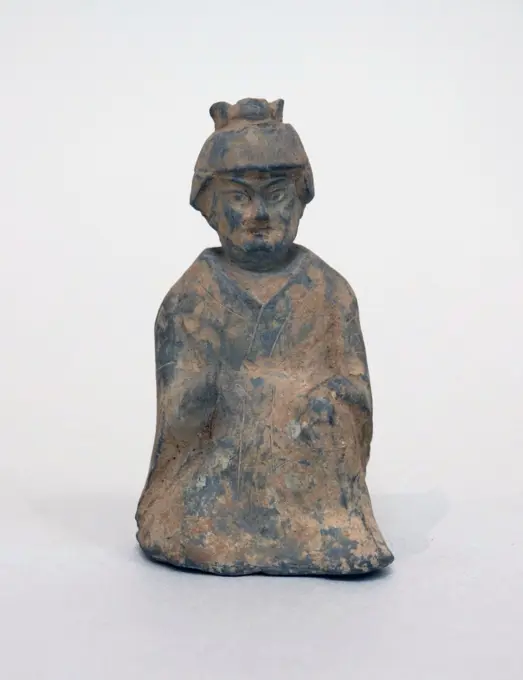
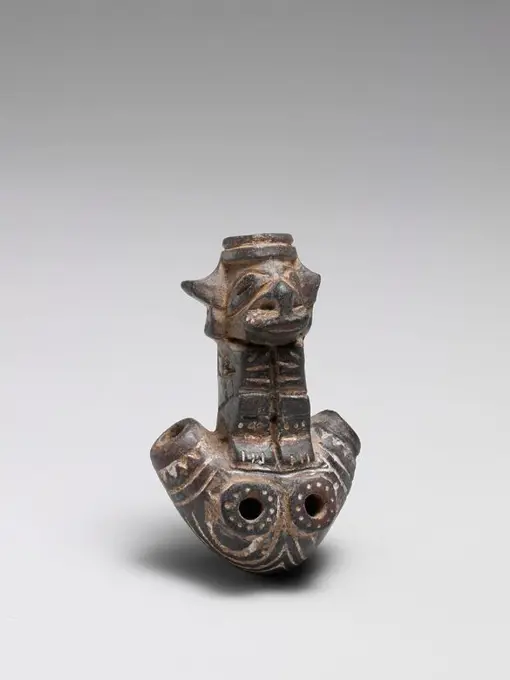
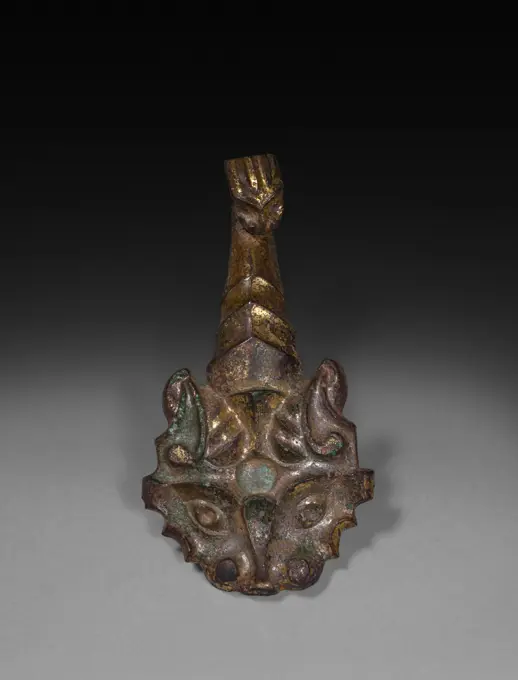
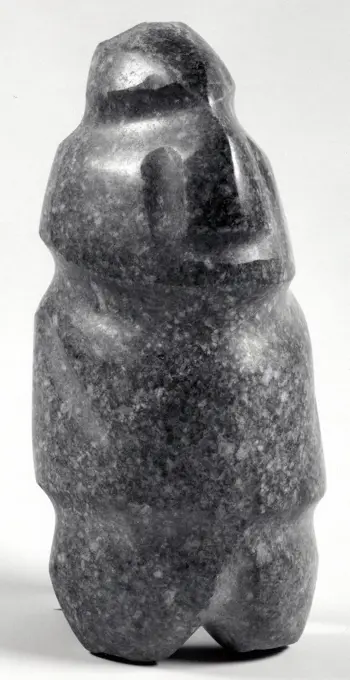
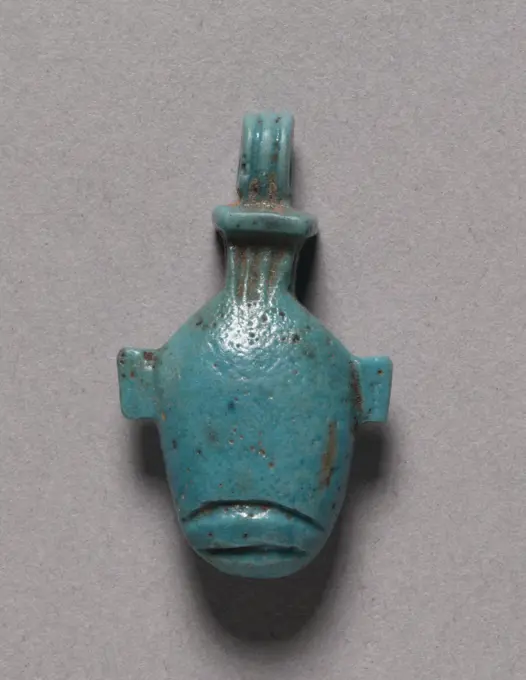
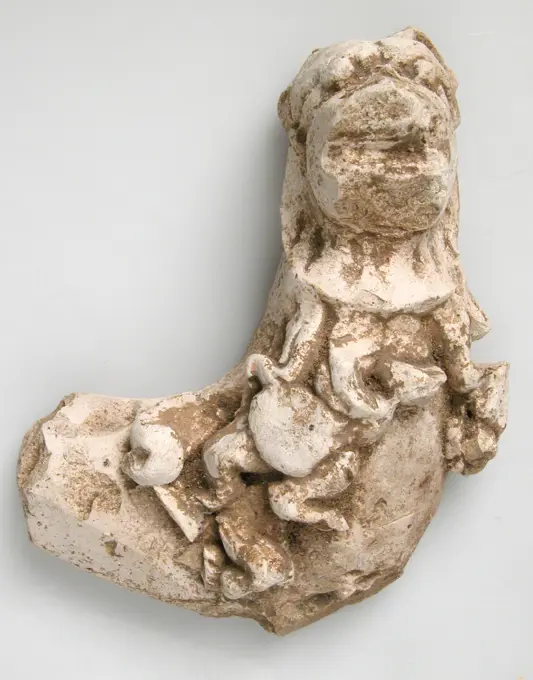
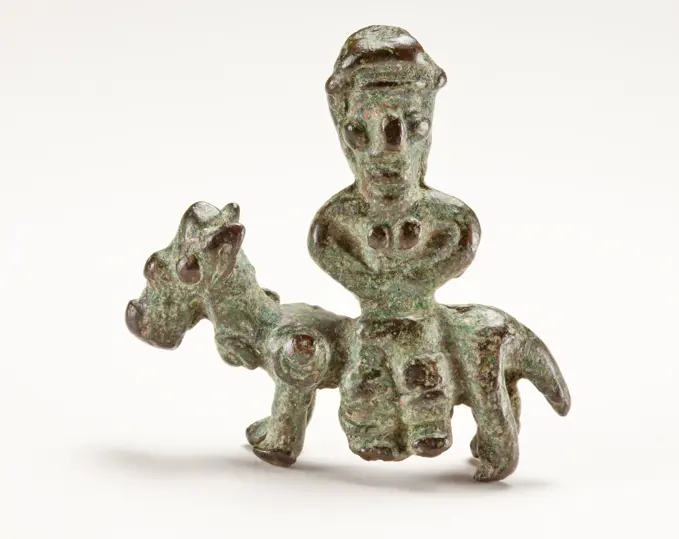
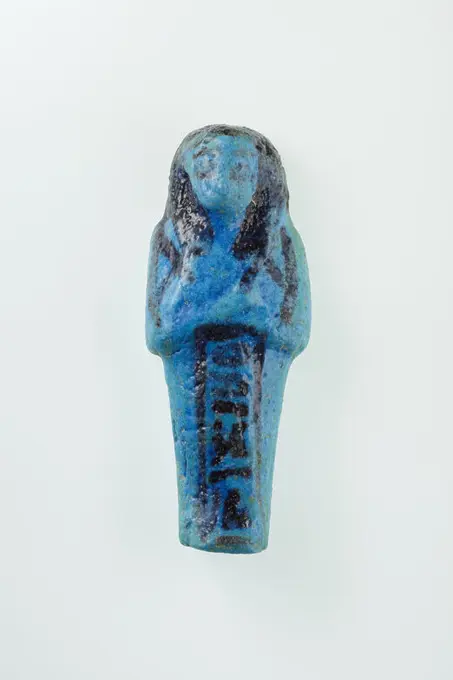
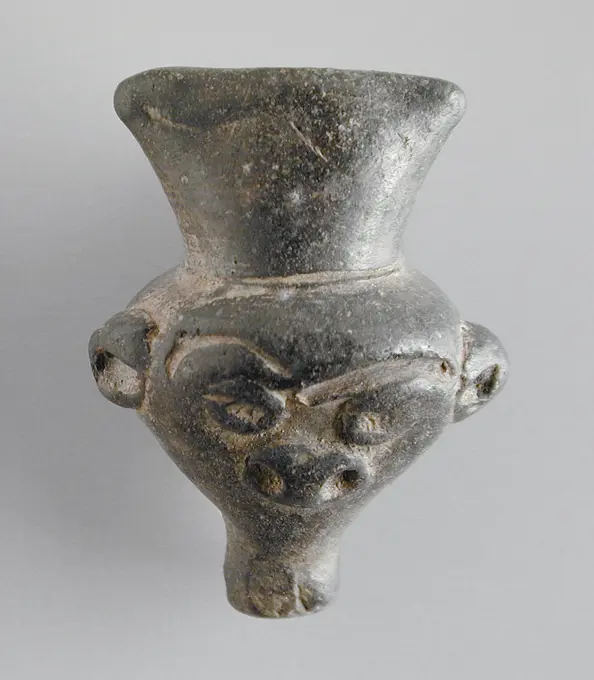
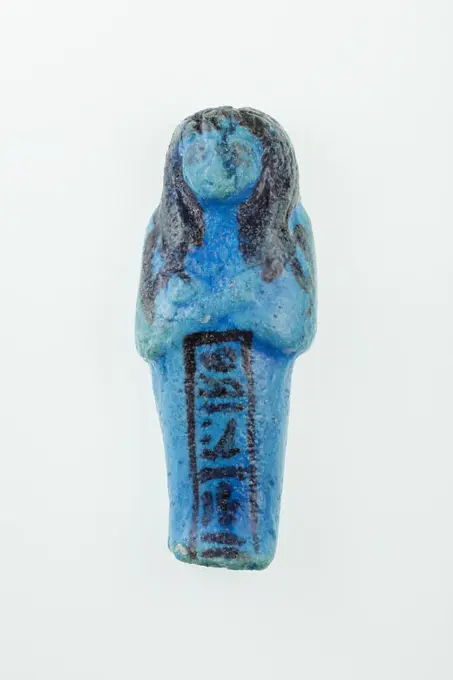
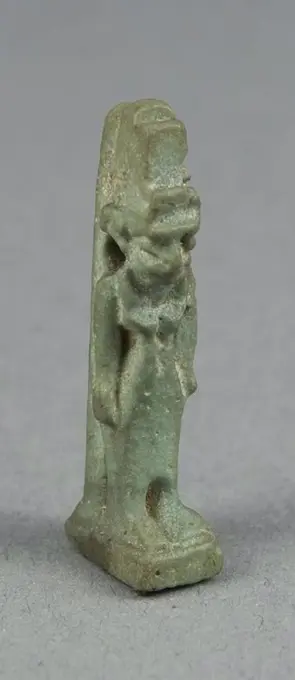
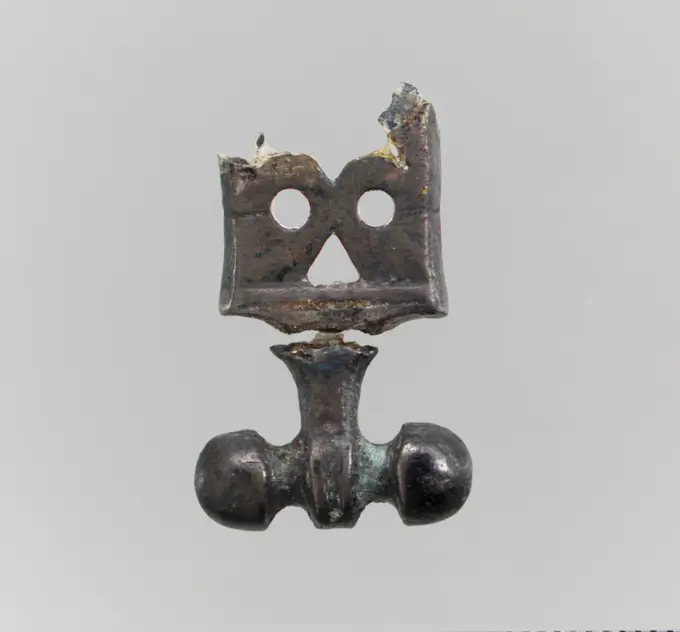
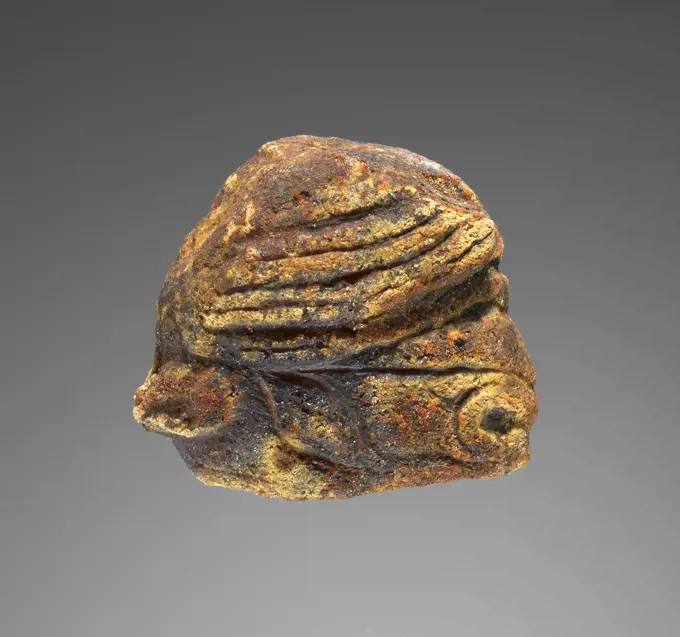
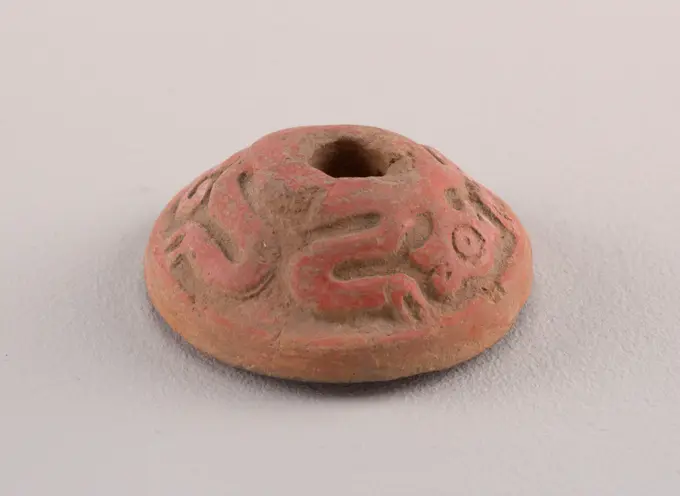
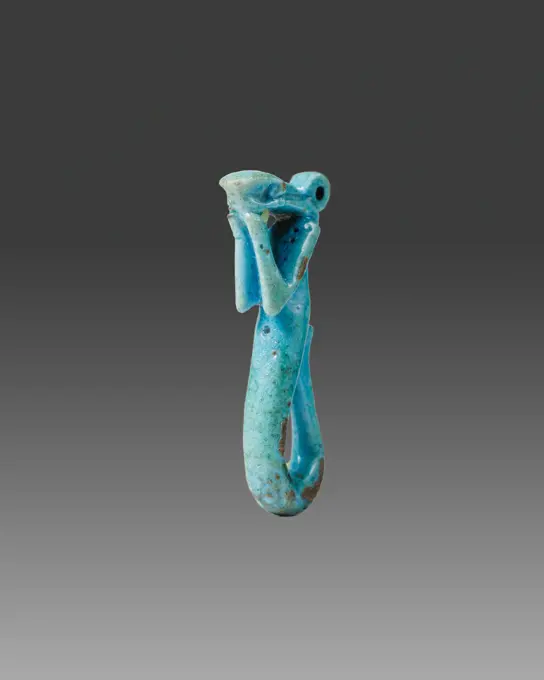
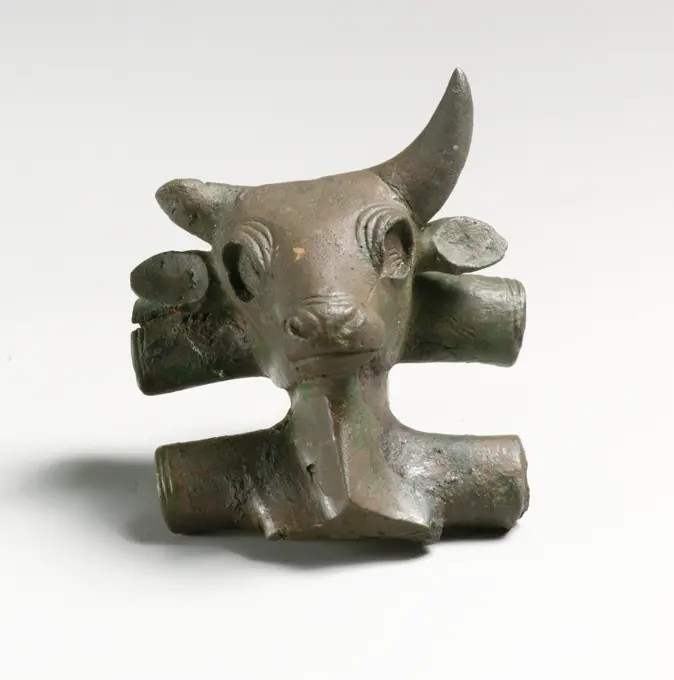
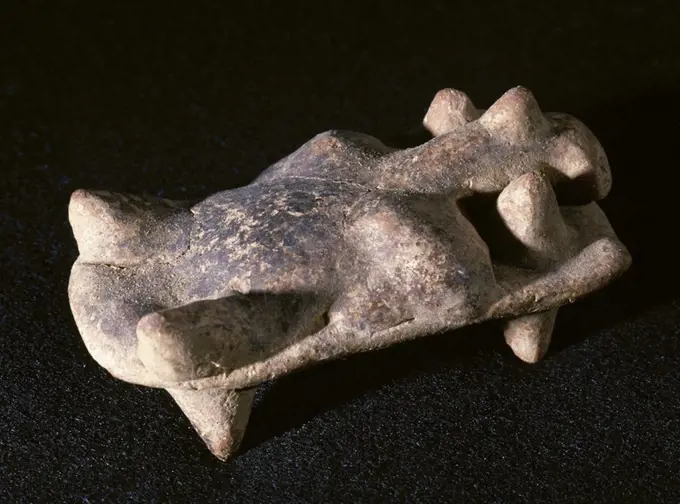
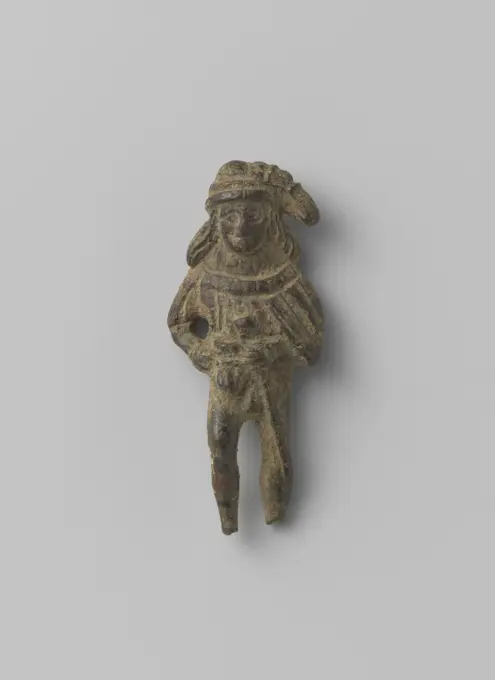
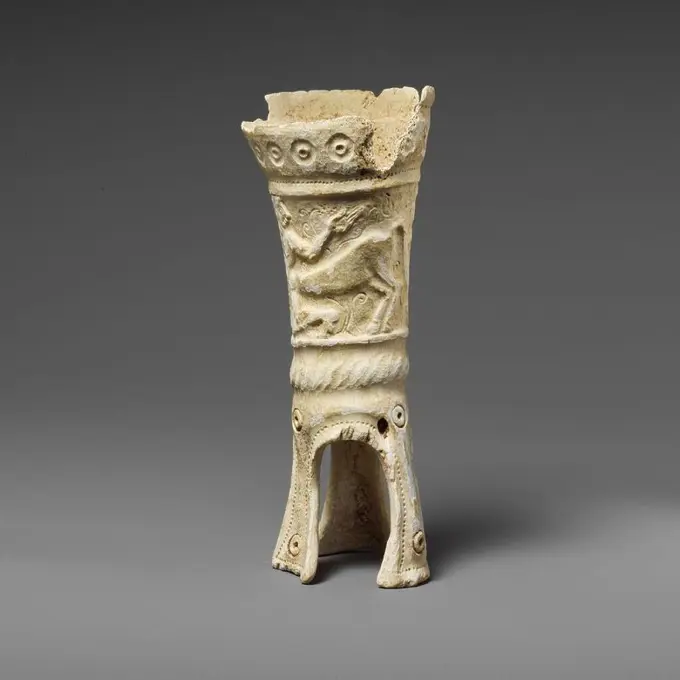
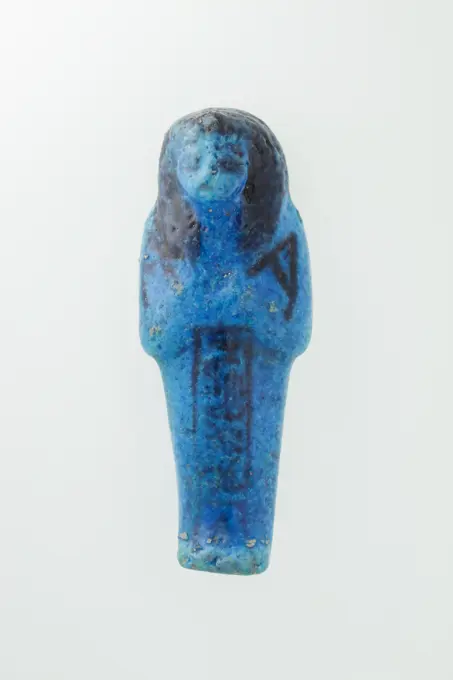
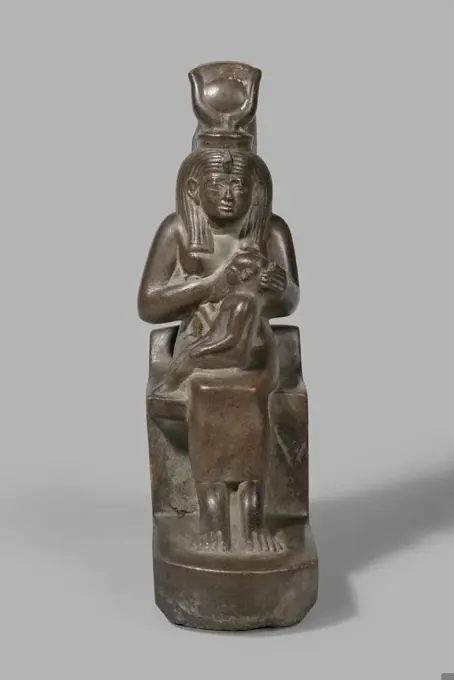
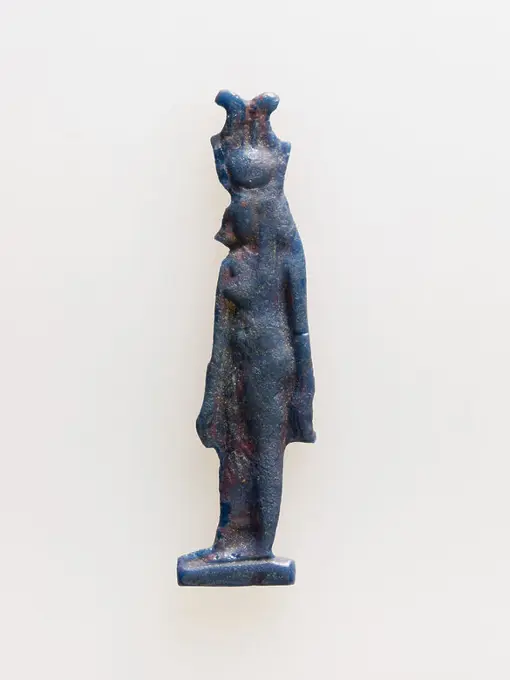
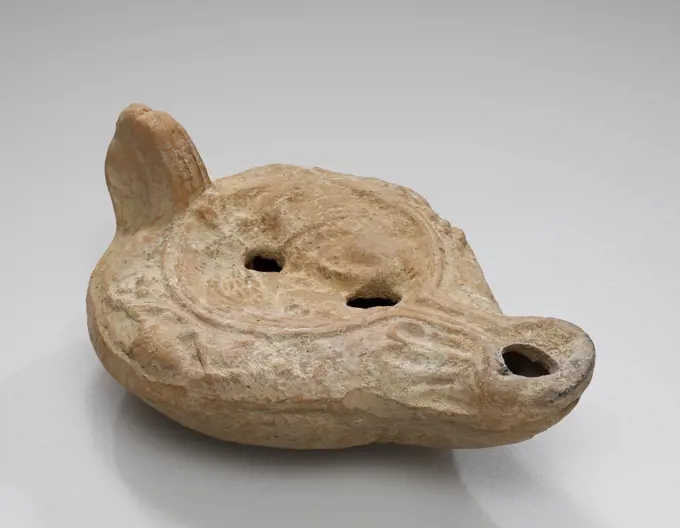
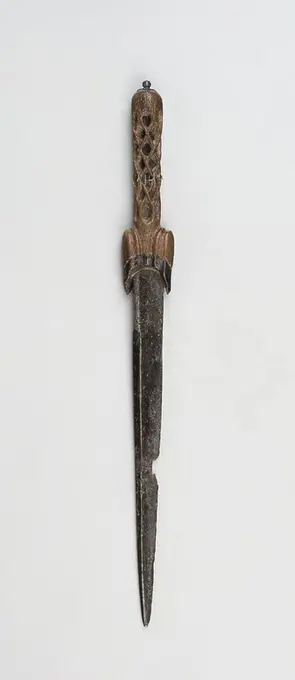
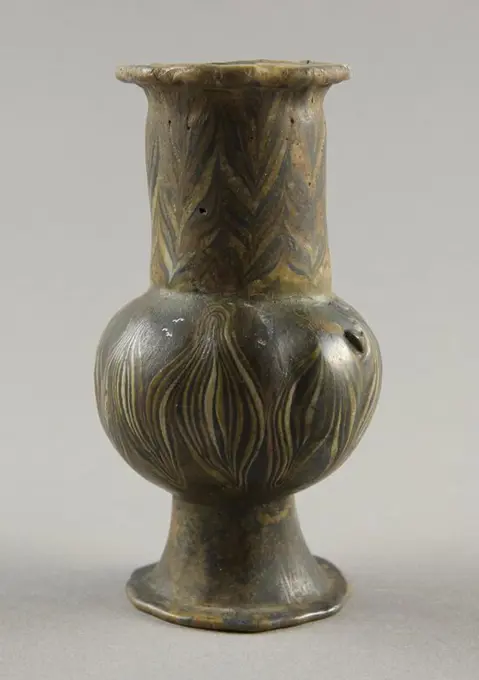
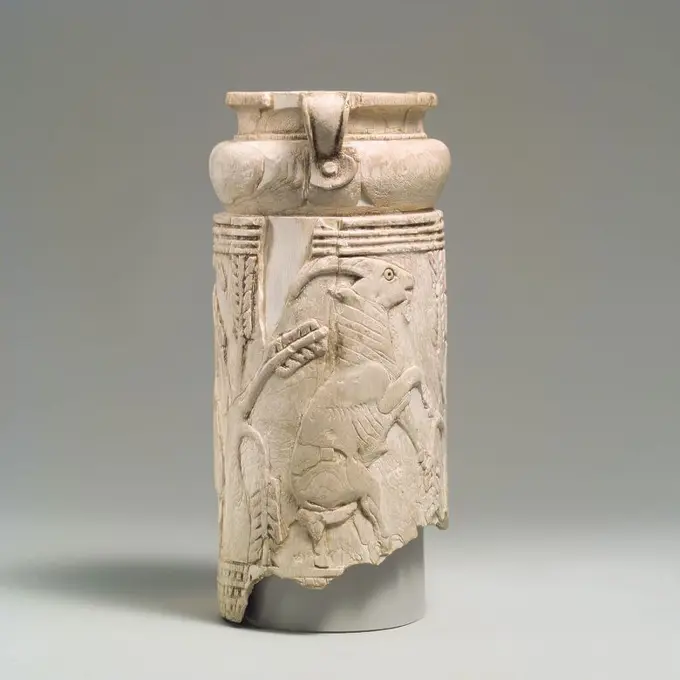
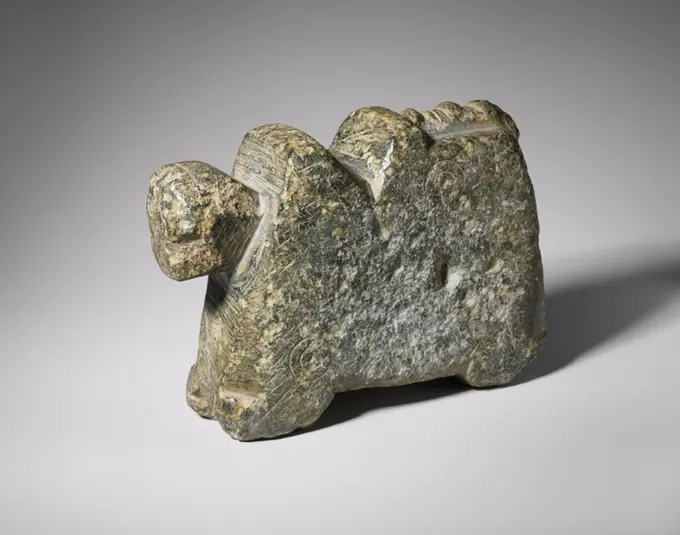
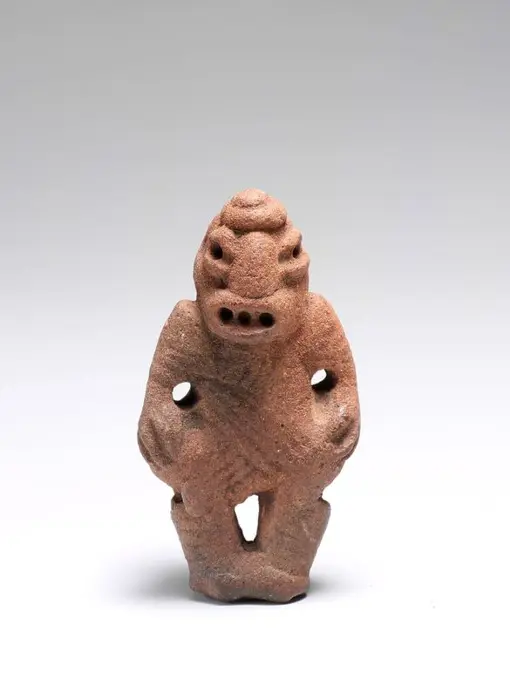
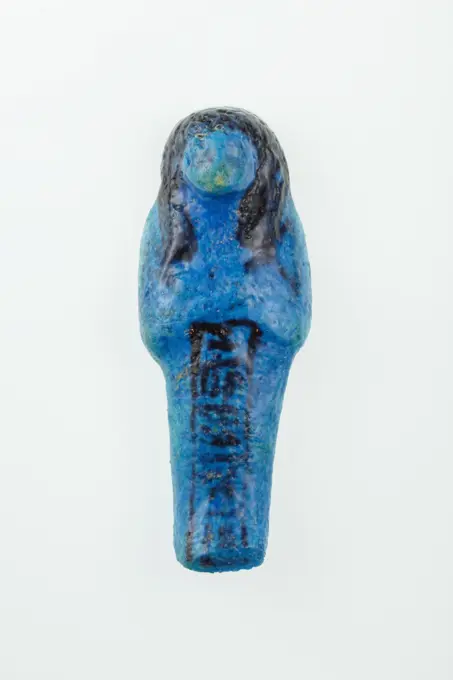
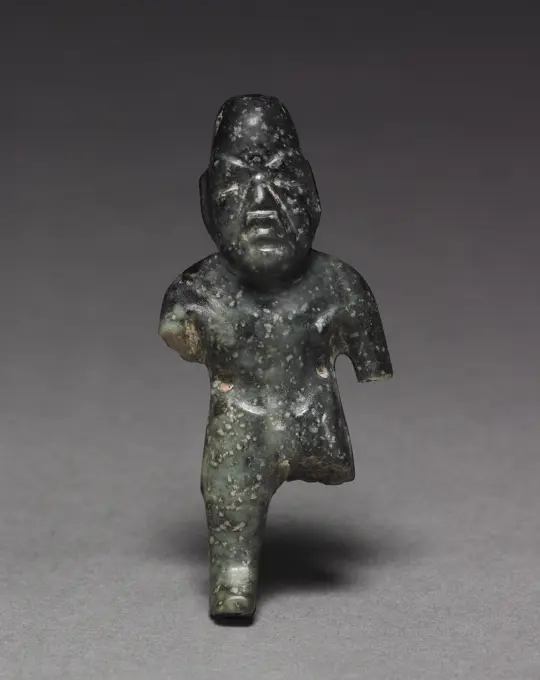
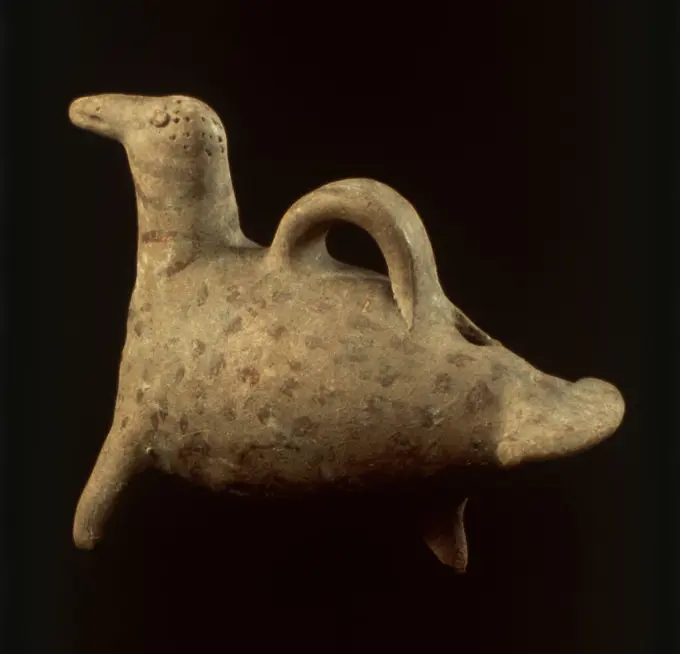
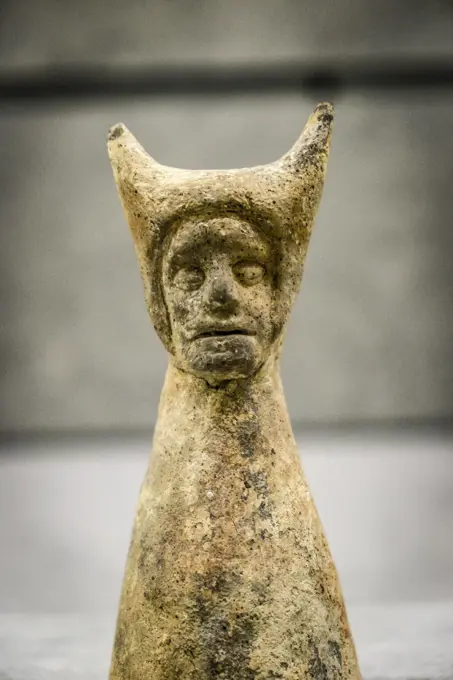
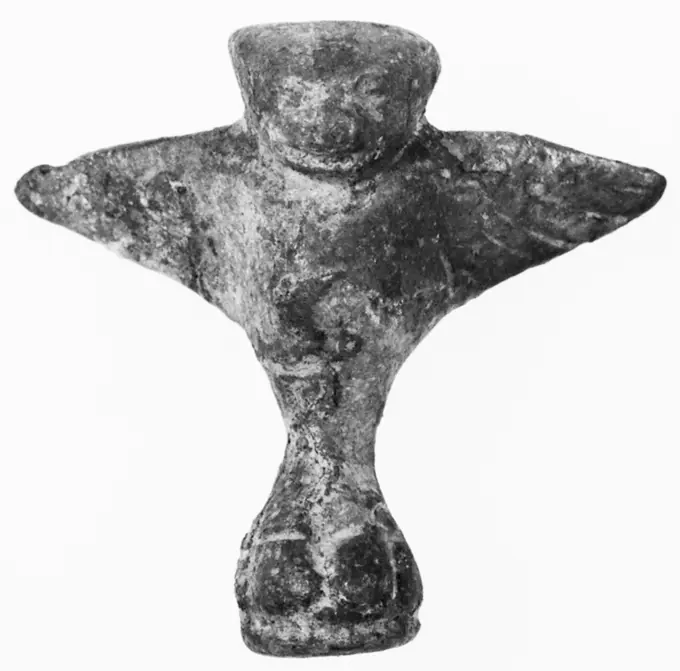
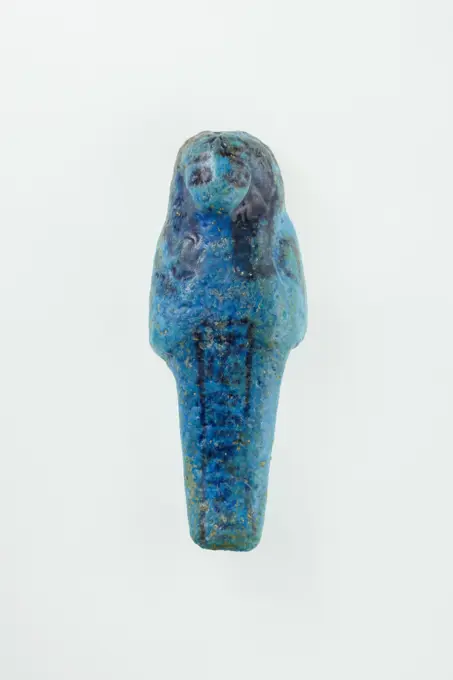
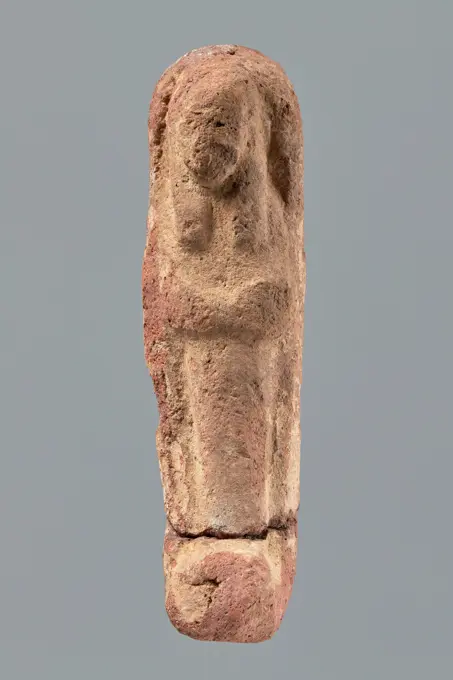
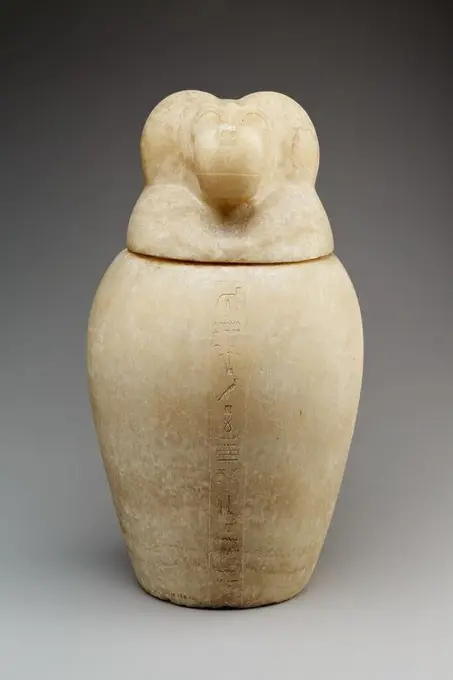
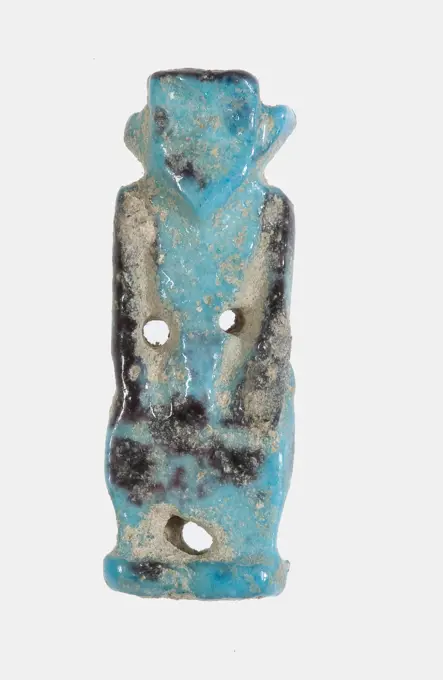
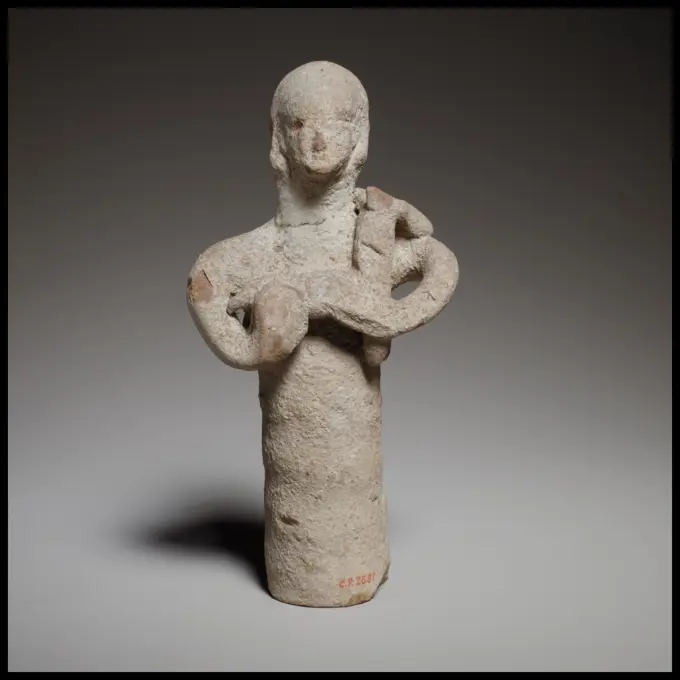
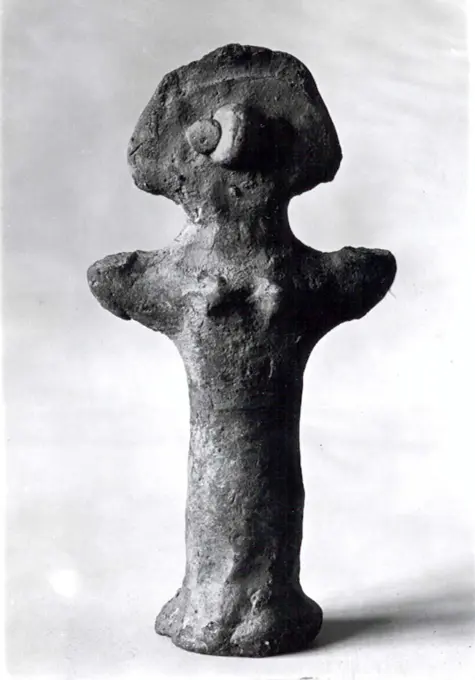
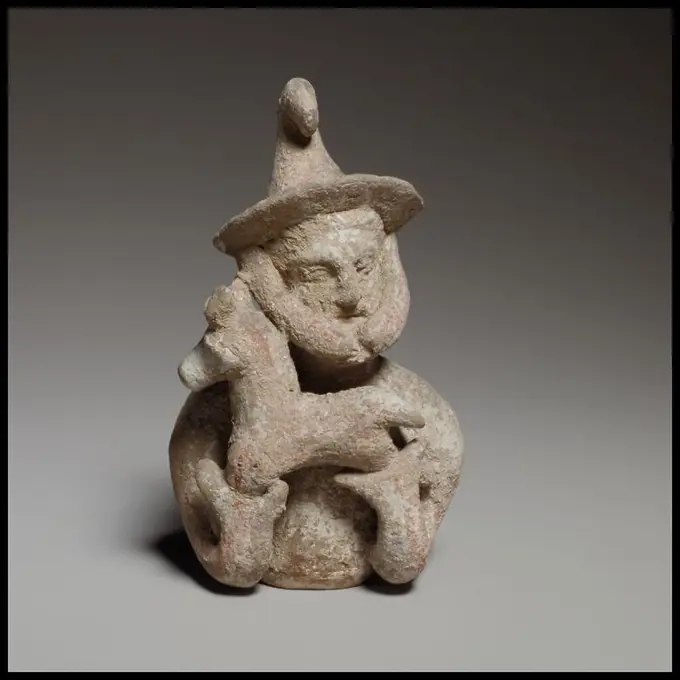
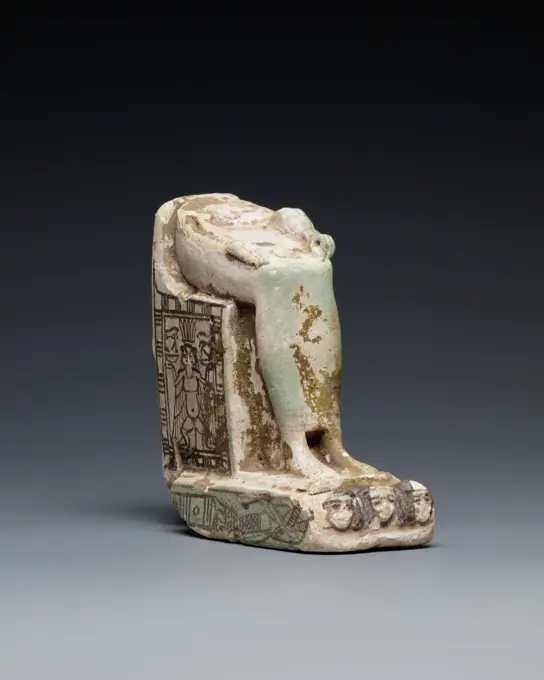
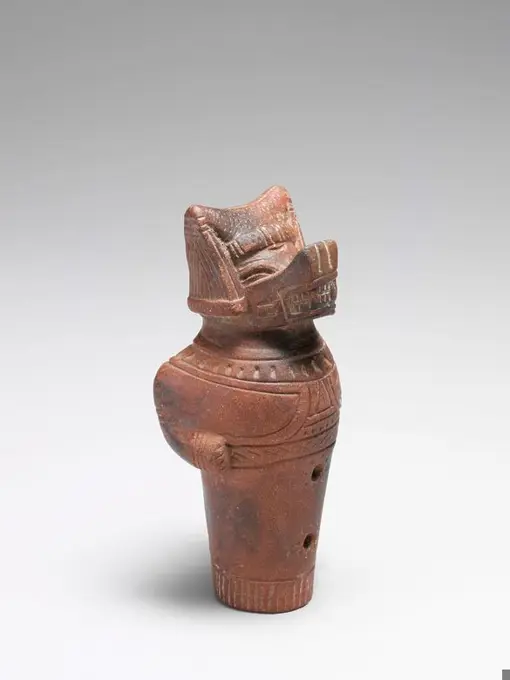
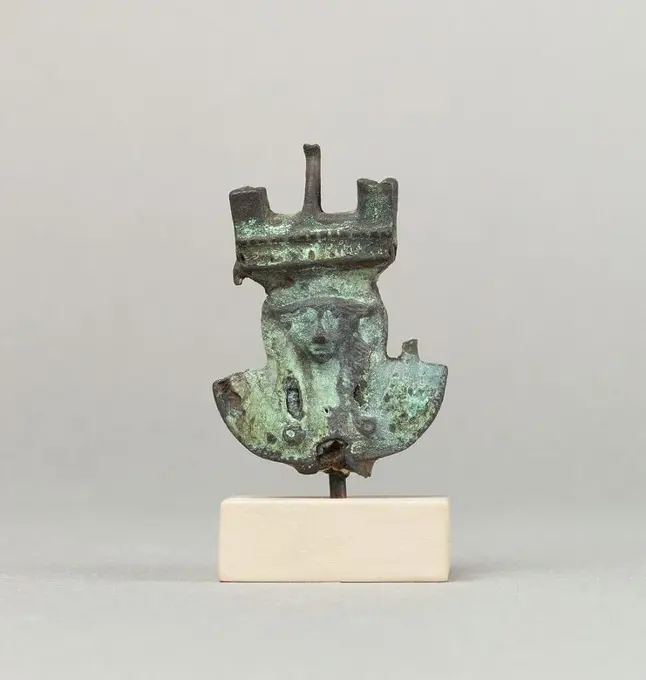
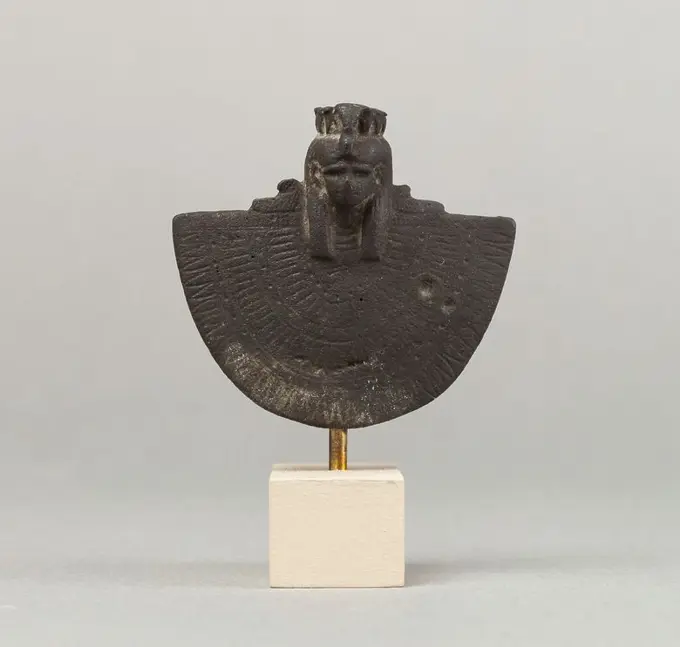
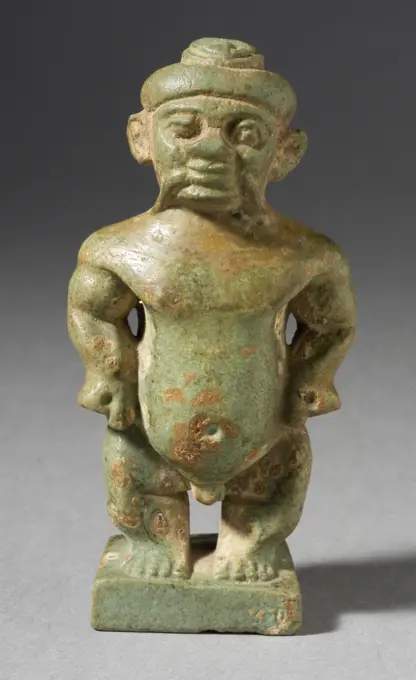
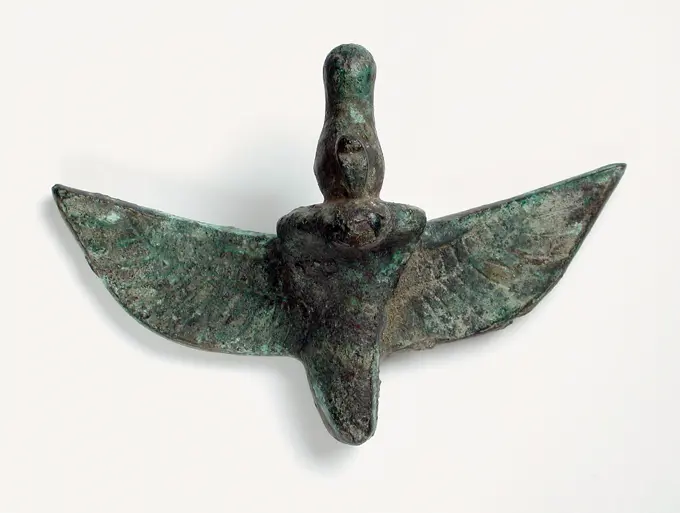
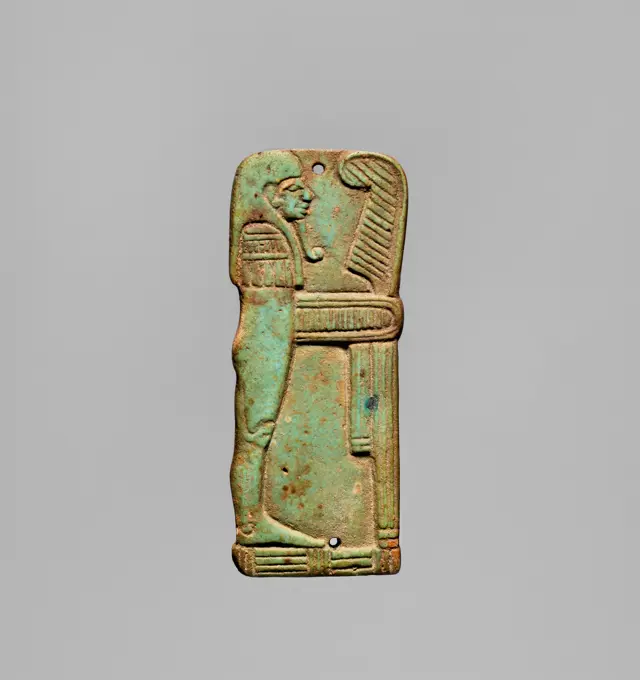
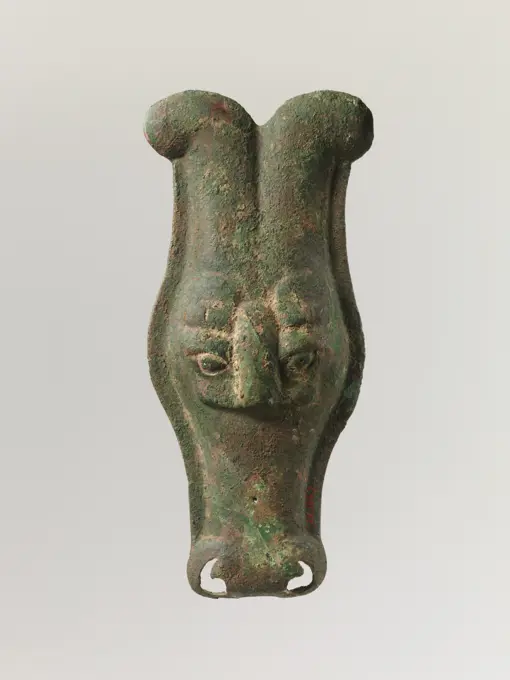
Frontlet China. Frontlet 52168Console for a list decoration, anonymous, c. 1400 - c. 1950 A sliced pine console for the list decoration of a house. Netherlands pine (wood). paint (coating) A sliced pine console for the list decoration of a house. Netherlands pine (wood). paint (coating)Ptah Amulet. Egypt, Late Period (724 - 333 BCE). Jewelry and Adornments; amulets. FaienceHandle Spout Vessel in Form of an Owl Eating a Mouse Made 100 BCE-500 CE North Coast. Ceramic and pigment . MocheTerracotta head of a griffin. Culture: East Greek. Dimensions: H. 3 1/8 in. (7.93 cm.)D. 2 7/16 in. (6.19 cm.). Date: 4th century B.C..In the Hellenistic era, the heraldic griffin, with the body of a lion and the head and wings of an eagle, could take on many different styles and themes. The style of this griffin appears to have Near Eastern influence and may have been the protome of a rhyton. Museum: Metropolitan Museum of Art, New York, USA.Pottery Whistle. Culture: Mexican. Dimensions: H: 52mm; W: 31mm; D: 30mm; Wt: 18 g.. Date: 1880. Museum: Metropolitan Museum of Art, New York, USA.Figurine of Goddess Ma'at. Egypt, Late Period - Ptolemaic Period (711 - 30 BCE). Jewelry and Adornments. BronzeSmall Herm; Macedonia, Greece; 1st century B.C; Limestone; 33 × 13 × 10.6 cm (13 × 5 1,8 × 4 3,16 in.)Shu amulet 664-332 B.C. Late Period. Shu amulet 553345Pottery Whistle and Rattle. Culture: Costa Rican. Dimensions: Overall: 8.7 x 6.1 x 5.8 cm, 76 g (3 7/16 x 2 3/8 x 2 5/16 in., 2.7 oz .). Date: ca. 800-1525. Museum: Metropolitan Museum of Art, New York, USA.Overseer Shabti of Henettawy (C), Daughter of Isetemkheb ca. 990-970 B.C. Third Intermediate Period See 25.3.19.. Overseer Shabti of Henettawy (C), Daughter of Isetemkheb 590982Capital. Culture: Catalan. Dimensions: Overall: 8 1/4 x 11 1/2 x 8 1/4 in. (21 x 29.2 x 21 cm). Date: ca. 1130-40. Museum: Metropolitan Museum of Art, New York, USA.Shawabty of Ditamenpaankh, c. 715-656 BC. Egypt, Late Period, Dynasty 25, c. 715-656 BC. Faience; overall: 5.7 x 1.8 x 1.5 cm (2 1/4 x 11/16 x 9/16 in.).Spout or Finial: Lion's Head. UnknownFigure of a seated man 5th century China. Figure of a seated man. China. 5th century. Earthenware with pigments. Northern Wei dynasty (386-534). Tomb PotteryTerracotta oil lamp Greek Shallow body. Large, slightly off-center filling hole, surrounded by a plain, horizontal band and two grooves. Sloping, plain shoulder, with projecting knob at left. Slightly tapering, flat nozzle, with small studs at back and outlined down sides. Raised base ring, and concave base.Some surface chipping on underside of nozzle and around edge of base, with one area repaired.. Terracotta oil lamp. Greek. Terracotta. Hellenistic. TerracottasStirrup Spout Bottle with Seated Figure 6th-7th century Moche. Stirrup Spout Bottle with Seated Figure 309327Ocarina. Culture: Tairona People; La Aguja Style. Dimensions: L. 5.5 cm (2-5/16 in.); W. 3.7 cm (1-7/16 in.). Date: 1300-1500. Museum: Metropolitan Museum of Art, New York, USA.Figurine Pendant, c. 1200-1519. Mexico, Oaxaca, Mixtec style. Jade; overall: 6.1 x 2 x 2.3 cm (2 3/8 x 13/16 x 7/8 in.).Garment Hook (Daigou), 475-221 BC. China, Eastern Zhou dynasty (771-256 BC), Warring States period (475-221 BC). Gilt bronze; overall: 5.7 cm (2 1/4 in.).Stone Figure 1st-8th century Mezcala. Stone Figure. Mezcala. 1st-8th century. Stone. Mexico, Mesoamerica, Guerrero, Balsas River region. Stone-SculptureFigure on stool, 100-600, 10 1/4 x 6 1/4 x 6 in. (26 x 15.9 x 15.2 cm), Earthenware, Mexico, 2nd-7th centuryAppliqué for a funeral couch. UnknownTaweret Amulet ca. 1295-1070 B.C. New Kingdom, Ramesside. Taweret Amulet 555415Pre-Columbian art. Pre-Incan. Mantena Culture. 500-1500 AD. From Ecuador. 21 x 15 cm (diameter). Anthropomorphic ceramic vessel. Private collection.Heart Amulet, 1069-715 BC. Egypt, Third Intermediate Period or later. Deep turquoise-blue faience; overall: 3 x 2.1 x 1 cm (1 3/16 x 13/16 x 3/8 in.).Vessel ca. 2nd century A.D. Roman. Vessel 324318Figure, 3rd-5th century, 3 1/2 x 3 1/4 x 3 in. (8.9 x 8.3 x 7.6 cm), Ceramic, Mexico, 3rd-5th centuryAnimal 4th-7th century Coptic. Animal 478734Head 4th-7th century Coptic. Head 478481Pendant. Northwestern Iran, modern. Jewelry and Adornments; pendants. Bronze, castWorker Shabti of Nany. Dimensions: H. 8.7 × W. 3.4 × D. 1.8 cm (3 7/16 × 1 5/16 × 11/16 in.). Dynasty: Dynasty 21. Reign: reign of Psusennes I. Date: ca. 1050 B.C..See 30.3.27.1a, b. Museum: Metropolitan Museum of Art, New York, USA.Statuette of a woman votary ca. 625-425 B.C. Greek, Laconian. Statuette of a woman votary 251587 Greek, Laconian, Statuette of a woman votary, ca. 625425 B.C., Lead, Height: 1 5/16 in. (3.3 cm). The Metropolitan Museum of Art, New York. Gift of A. J. B. Wace, 1924 (24.195.21)Amulet in the Form of the Head of the God Bes. Egypt, Late Period - Ptolemaic Period (724 BCE - 337 CE). Jewelry and Adornments; amulets. Earthenware or steatiteWorker Shabti of Nany. Dimensions: H. 8.9 × W. 3.5 × D. 2.2 cm (3 1/2 × 1 3/8 × 7/8 in.). Dynasty: Dynasty 21. Reign: reign of Psusennes I. Date: ca. 1050 B.C..See 30.3.28.1a, b. Museum: Metropolitan Museum of Art, New York, USA.Amulet of the Goddess Isis. Egyptian. Date: 332 BC-30 BC. Dimensions: 0.6 × 1 × 1.3 cm (1/4 × 3/8 × 1/2 in.). Faience. Origin: Egypt. Museum: The Chicago Art Institute, Chicago, USA. Author: Ancient Egyptian.Belt Ornament ca. 575 Avar or Byzantine. Belt Ornament 464874 Avar or Byzantine, Belt Ornament, ca. 575, Silver, Overall (broken in two pieces/missing tip): 11/16 x 1 1/16 x 1/8 in. (1.7 x 2.7 x 0.3 cm). The Metropolitan Museum of Art, New York. Gift of J. Pierpont Morgan, 1917 (17.191.179)Standing Figure 300 BCE-100 BCE Guerrero. Greenstone . MezcalaPendant: Horse's Head in Profile; Italy; 500 - 400 B.C; Amber; 37 × 36 × 18.5 mm (1 7,16 × 1 7,16 × 3,4 in.)Weight (Mexico); earthenwareNehebkau Amulet 664-30 B.C. Late Period-Ptolemaic Period. Nehebkau Amulet. 664-30 B.C.. Faience. Late Period-Ptolemaic Period. From Egypt. Dynasty 26-30Bronze bull's head early 7th century B.C. Possibly Cypriot Bull's head attachment from a tripod with horizontal tubular socket. Painstaking scholarship over twenty years has discovered that these pieces and others now in Berlin originally belonged to one bronze and iron rod tripod. Luigi Palma di Cesnola and his brother Alessandro divided their finds made in Kourion in 1873-74 and sold them to New York and Berlin, respectively. Bronze tripods represent one of the most prestigious and costly creations of the Archaic period. While they originated in the Near East, by the eighth century B.C. they were exported westward to the Greeks and Etruscans as well as copied locally. Thanks to its copper mines, Cyprus was probably an important production center; numerous examples have come to light on the island.The tripod originally had six bulls' heads at the top and three bovine hooves forming the feet. The missing heads and feet are in Berlin.. Bronze bull's head 244498Pre-Colombian art. Mesoamerican. Western Mexico. Colima culture. Clay figurine. It depicts a man lying on a bed. Private collection.Mansfiguur, anonymous, c. 1475 - c. 1500 The cast figure represents a young man dressed, Wambuis, Mantel and Bonnet with a sword and a pouch. Germany iron (metal) casting The cast figure represents a young man dressed, Wambuis, Mantel and Bonnet with a sword and a pouch. Germany iron (metal) castingTerracotta Zoomorphic Roof Finial, 1280-1320. Found at Weoley Castle, Birmingham, a Birmingham Museums Trust heritage siteBronze statuette of an actor ca. 1st-2nd century A.D. Roman Statuette of an actor.. Bronze statuette of an actor 250563 Roman, Bronze statuette of an actor, ca. 1st2nd century A.D., Bronze, H. 2 3/16 in. (7.2 cm). The Metropolitan Museum of Art, New York. Rogers Fund, 1917 (17.230.29)Terracotta oil lamp 4th century A.D. Roman Broneer Type 28. Mold-made, with unpierced handle. Discus: cross, radiating spokes in relief, with central, irregular filling hole. Broad, horizontal shoulder: a series of raised circles, each with a central dot. Irregular, uneven base.Intact.. Terracotta oil lamp. Roman. 4th century A.D.. Terracotta. Late Imperial. TerracottasBone stand with relief of a centaur. Culture: Greek. Dimensions: H. 5 1/4 in. (13.3 cm)diameter of foot 1 7/8 in. (4.8 cm)diameter of lip 2 1/8 in. (5.4 cm). Date: ca. 550-500 B.C..Small stand on three legs; surface decorated with a centaur and other decorative elements. Museum: Metropolitan Museum of Art, New York, USA.Worker Shabti of Nauny ca. 1050 B.C. Third Intermediate Period See 30.3.30.1a, b. Worker Shabti of Nauny. ca. 1050 B.C.. Faience. Third Intermediate Period. From Egypt, Upper Egypt, Thebes, Deir el-Bahri, Tomb of Meritamun (TT 358, MMA 65), first corridor, burial of Nauny, MMA excavations, 1928-29. Dynasty 21Part of pipe image, person, saint in pleated robe on pedestal, sculpture visual material soil finds ceramic pipe earth, in mold formed baked Bottom of pipes image Small fromaat Solid Representing person or saint in strongly pleated robe Standing on hexagonal pedestal Plinth with niches archeology Rotterdam railway tunnel indigenous pottery devotion worship religion Soil discovery Rotterdam tracé rail tunnel.Carved Bone DollHeadFigurka bogini Izydy z Horusem-dzieckiem na kolanach. unknown, authorFemale figurine ca. 1750 B.C. Middle Kingdom. Female figurine. ca. 1750 B.C.. Faience, paint. Middle Kingdom. From Egypt, Memphite Region, Lisht North, cemetery south of pyramid below House A1:1, Pit 885, MMA excavations, 1920-21. Dynasty 13, midAmulet of cow-headed goddess with feathers atop disk and horns. Dimensions: H. 5.5 × W. 1.5 cm (2 3/16 × 9/16 in.). Date: 525-30 BC.Starting in the later Late Period and continuing through the Ptolemaic Period, a type of glass amulet cast by pressing the glass into a shallow open mold appears. The back was left rough, and the amulets may look ragged because glass overflowed the mold around the edges. The earlier amulets are monochrome, bi- or multicolor amulets supplement the repertoire during the Ptolemaic Period. Some of the amulets can be specifically tied to spells of the Book of the Dead - for example, acc. no. 17.194.2526 - and most are clearly funerary amulets, presumably meant to be wrapped between the bandages of the mummy where the presence of the amulet would do its job irrespective of its degree of finish. Museum: Metropolitan Museum of Art, New York, USA.Double-End Snake Bottle 3rd-2nd century B.C. Paracas. Double-End Snake Bottle. Paracas. 3rd-2nd century B.C.. Ceramic, pigment. Peru. Ceramics-ContainersPottery figure of a warrior Jalisco, Mexico. 300 BC-AD 300.Strands nesamenopeta;  after. 21 dynasties (0-00-00-0-00-00);Collection of ancient Egypt, nesamonopets, private name, purchaseJar 4th-7th century Coptic. Jar 476304Lamp, Asia Minor; 1st - 4th century; Terracotta; 2.3 x 6.6 x 10 cm (7,8 x 2 5,8 x 3 15,16 in.)Ballock Dagger. North European, possibly Flemish. Date: 1450-1500. Dimensions: L. 34 cm (13 3/8 in.)Blade L. 22.5 cm (8 7/8 in.)Wt. 5.5 oz. Steel, horn, and iron. Origin: Northern Europe. Museum: The Chicago Art Institute, Chicago, USA.Vase. Egyptian. Date: 1550 BC-1292 BC. Dimensions: 10.8 × 5.7 × 5.7 cm (4 1/4 × 2 1/4 × 2 1/4 in.). Glass, core-formed technique. Origin: Egypt. Museum: The Chicago Art Institute, Chicago, USA. Author: Ancient Egyptian.Levantine vessel with rampant goats and olive trees. Dimensions: H. 6 1/2 in. (16.4cm). Date: ca. late 2nd-early 1st millennium B.C..Carved from a single piece of elephant ivory, this vessel takes the form of a tapering cylinder with a small handled cup on top. The cup has been damaged and may have had a second handle opposite the one which is preserved. The base of the vessel is likewise now missing. Carved in relief around the base of the vessel is a scene framed by decorative borders at top and bottom, showing two male goats grazing from trees. A third tree of the same type is represented on its own, without a grazing goat. The goats stand on their hind legs in order to reach tender leaves high on the plant, a typical behavior of these animals. The motif of a goat standing upright to graze from a plant appears in ancient Near Eastern art as early as the Late Uruk period. As the goat's feeding posture is identical to its mating posture, the image has been interpreted as exemplifyingAnimal-Shaped Spit Rest. Dimensions: H. 4 1/2 in. (11.4 cm)L. 4 6 3/8 in. (16.2 cm)W. 2 in. 5.1 cm). Date: 9th-10th century.Made of fire-resistant stone, this object has been identified as a spit rest. Two such rests would have been placed on either side of an underground hearth, a feature found in buildings throughout Nishapur. Museum: Metropolitan Museum of Art, New York, USA.Double Pottery Whistle. Culture: Costa Rican. Dimensions: L. 6.9 cm (2-3/4 in.); D. 19 cm (7-1/2 in.); W. 38 cm (15 in.); Wt. 32 g. Date: 500 B.C.-500 A.D.. Museum: Metropolitan Museum of Art, New York, USA.Equal-Arm Brooch 7th-8th century Frankish. Equal-Arm Brooch 465008 Frankish, Equal-Arm Brooch, 7th8th century, Copper alloy, Overall: 1 9/16 x 1/4 x 3/4 in. (4 x 0.7 x 1.9 cm). The Metropolitan Museum of Art, New York. Gift of J. Pierpont Morgan, 1917 (17.191.299)Fragment of a faience statuette of a woman holding a vase on her head late 7th-6th century B.C. East Greek Holding vessel on head with both hands.. Fragment of a faience statuette of a woman holding a vase on her head 250528 East Greek, Fragment of a faience statuette of a woman holding a vase on her head, late 7th6th century B.C., Faience, H.: 3 1/8 in. (7.9 cm). The Metropolitan Museum of Art, New York. Gift of J. Pierpont Morgan, 1917 (17.194.2396)Terracotta oil lamp 1st century B.C.-1st century A.D. Greek or Roman Mold-made. Small central filling hole, surrounded by a horizontal band. Broad sloping shoulder, decorated with a pattern of dots interspersed with arched lines, surrounded by a raised band around the edge and divided from the nozzle by a cable pattern. Short nozzle, with palmette in relief on top and circular rim to wick hole. Incised circle outside broad, raised base ring, and flat base.Intact, except for one chip at top, left side of shoulder.. Terracotta oil lamp 241529Chlorite pendant in the form of the head of a Black African 9th-8th century B.C. Cypriot This is the earliest image of an African in the collection of the Greek and Roman Department at the Museum.. Chlorite pendant in the form of the head of a Black African 243889Worker Shabti of Nauny ca. 1050 B.C. Third Intermediate Period See 30.3.28.1a, b. Worker Shabti of Nauny. ca. 1050 B.C.. Faience. Third Intermediate Period. From Egypt, Upper Egypt, Thebes, Deir el-Bahri, Tomb of Meritamun (TT 358, MMA 65), first corridor, burial of Nauny, MMA excavations, 1928-29. Dynasty 21Figurine, 1200-300 BC. Mexico, Olmec, 1200-300 BC. Jadeite; overall: 8.6 x 4.2 cm (3 3/8 x 1 5/8 in.).VASO EN FORMA DE PALOMA - NECROPOLIS DEL PUIG DES MOLINS (IBIZA). Location: MUSEO ARQUEOLOGICO / MUSEO DE PUIG DES MOLINS. SPAIN.Figure with horned headdress Figure with horned headdress, 300-200 BC, Archaeological Museum of Ibiza and Formentera, Ibiza, Spain Copyright: xZoonar.com/Tolox 23005468Vessel Foot. UnknownWorker Shabti of Nauny ca. 1050 B.C. Third Intermediate Period See 30.3.27.1a, b. Worker Shabti of Nauny. ca. 1050 B.C.. Faience. Third Intermediate Period. From Egypt, Upper Egypt, Thebes, Deir el-Bahri, Tomb of Meritamun (TT 358, MMA 65), first corridor, burial of Nauny, MMA excavations, 1928-29. Dynasty 21Boat;  around 1069 715 BC ; 3rd transition period, 21-23 dynasty (-1069-00-00--715-00-00);Votive Hathor Column Capital, 380-30 BC. Egypt, Late Period, Dynasty 30- Ptolemaic Dynasty. Limestone; overall: 14.5 x 5.4 x 5.1 cm (5 11/16 x 2 1/8 x 2 in.).Pendant. Iran, Parthian period, about 150 B.C.-A.D. 225. Jewelry and Adornments; pendants. Bronze, castCanopic jar with a baboon-headed lid (Hapy). Dimensions: Jar with Lid: H. 41.5 cm (16 5/16 in); greatest diam. 23 cm (9 1/16 in)Jar: H. 28.5cm (11 1/4 in.); depth (inside) 25.7 cm (10 1/8 in.); base diam. 14.4 cm (5 11/16 in.); rim diam. 13.6 cm (5 3/8 in.); circ. 72.2 cm (28 7/16 in.)Lid: H. 14.5 cm (5 11/16 in.); w. 16.9 cm (6 5/8 in.); d. 18.2 cm (7 3/16 in.); foot diam. 12.8 cm (7 3/16 in.).. Dynasty: Dynasty 26. Date: 664-525 B.C..Canopic jars were made to contain the embalmed viscera removed from the body in the process of mummification. The organs were placed under the protection of the Four Sons of Horus, whose heads form the lids of the jars: Hapy (baboon-headed), Imsety (human-headed), Duamutef (jackal-headed), and Qebehsenuef (falcon-headed). In turn these gods were under the protection of the goddesses Nephthys, Isis, Neith, and Selket, respectively, as the inscriptions on the jars state. Museum: Metropolitan Museum of Art, New York, USA.Pakhet () Amulet ca. 1802-1450 B.C. Late Middle Kingdom-Early New Kingdom. Pakhet () Amulet. ca. 1802-1450 B.C.. Faience. Late Middle Kingdom-Early New Kingdom. From Egypt, Memphite Region, Lisht North, Cemetery south of pyramid, House A1, so-called "faience factory", MMA excavations, 1920-22. Dynasty 13-18, earlyFinial Terminating in a Lion's Head. Iran, 12th-13th century. Metal. Brass, engravedGlass pendant in the form of a vase mid-4th to early 5th century A.D. Roman Translucent blue green; handle and trails in same color.Tall cylindrical hollow body; rounded lip with applied trail as rim; flat pad base; handle applied over trail decoration, drawn up, and attached to underside of rim.In addition to the applied trails forming the rim and handle, there are two horizontal trails around the lower half of the body; between them, openwork trail in zigzag pattern.Complete except for large chip in rim; dulling, pitting, and faint iridescent weathering.. Glass pendant in the form of a vase. Roman. mid-4th to early 5th century A.D.. Glass; rod-formed and trailed. Late Imperial. GlassStanding figurine holding a quadruped 6th century B.C. Cypriot The figurine, of uncertain gender, is wheel-made and hollow. The lower part of the body is missing, but it probably flared at the bottom. It has a small head, made from a worn mold.. Standing figurine holding a quadruped 241186Double Spout Bottle 3rd-2nd century B.C. Nasca. Double Spout Bottle. Nasca. 3rd-2nd century B.C.. Ceramic, pigment. Peru, Rio Grande de Nasca. Ceramics-ContainersFigure of a woman 2nd-1st millennium B.C.. Figure of a woman 322480Terracotta statuette of a male votary offering a kid. Culture: Cypriot. Dimensions: H. 3 9/16 in. (9 cm). Date: 4th century B.C..The figurine is handmade and solid, with a mold-made face. Only the upper part of the figurine is preserved. He holds a small horned quadruped against his chest with both hands. Museum: Metropolitan Museum of Art, New York, USA.Amulet of the God Horus as a Falcon with Double Crown 664 BCE-332 BCE Egypt. Steatite . Ancient EgyptianFigurine of an Ithyphallic Man Playing the Double Lute. Egypt, Late Period - Roman Period (711 BCE - 100 CE). Sculpture. BronzeLower half of a goddess on a throne with Bes figures, its base formed by prostrate captives ca. 1295-1070 B.C. New Kingdom, Ramesside. Lower half of a goddess on a throne with Bes figures, its base formed by prostrate captives. ca. 1295-1070 B.C.. Faience. New Kingdom, Ramesside. From Egypt. Dynasty 19-20Main young people;  Archaic period (0-00-00-0-00-00);Daszewski, Wiktor A. (1936-), Daszewski, Wiktor A. (1936-)-collection, gift (provenance)Terracotta lamp. Culture: Roman. Dimensions: Overall: 1 1/16 x 3 1/16 in. (2.7 x 7.8 cm). Date: 3rd century A.D.. Museum: Metropolitan Museum of Art, New York, USA.Boat;  around 1069 735 BC ; 3rd transition period, 21-22 dynasty (-1069-00-00--735-00-00);Bull's head protome 1st millennium B.C.. Bull's head protome. 1st millennium B.C.. Bronze. Iron Age. TranscaucasiaBlue Faience Shabti.. Late PeriodFlute. Culture: Tairona People; Gayraca style. Dimensions: L. 8.7 cm (3-7/16 in.); Diam. app. 4.2 cm (1-11/16 in.). Date: 1300-1500. Museum: Metropolitan Museum of Art, New York, USA.Seated or Kneeling figure, 250 BCE - 300 CE, 2 x 1 3/8 x 3/4 in. (5.1 x 3.49 x 1.91 cm), Earthenware, Mexico, 3rd century BCE - 4th century CEHathor sistrum head. Dimensions: H. 5.7 cm (2 1/4 in.); W. 4.1 cm (1 5/8 in.); D. 1.2cm (1/2 in.). Date: 664-30 B.C.. Museum: Metropolitan Museum of Art, New York, USA.Aegis of a female goddess. Dimensions: H. 4.8 cm (1 7/8 in.); W. 5 cm (1 15/16 in.); D. 1.3 cm (1/2 in.). Date: 664-30 B.C..The aegis is an object that comprises the bust of a deity with a broad collar below it. Broad collars are generally accompanied by a menat, a counterpoise that hangs at the back of the neck, balancing the weight of the heavy, elaborate collar on the chest. Although this piece only shows the deity's head and broad collar, it represents the aegis-menat combination, which was not only a personal adornment but also played an important role in cult. It was a protective symbol and was used in rituals and festivals; the head allowed the deity to inhabit the ritual instrument and thus take part in the ceremonies. In this case, a goddess is represented, whose crown was separately crafted and attached, but is now lost. These types of ritual objects are most closely associated with goddesses, especially Bastet, but also Sakhmet and Isis. This aegis has a small suspension lAmulet of Bes. Egypt, Late Period (724 - 333 BCE). Jewelry and Adornments; amulets. FaienceWinged Uraeus Figurine with White Crown. Egypt, Late Period - Ptolemaic Period (664 - 30 BCE). Sculpture. BronzeAmulet - plakietka w kształcie boga Imseti. unknown, author