Historic Decorative Artifacts

Unique art pieces and decorative artifacts showcasing historical craftsmanship, including frontlets and console decorations from different cultures.

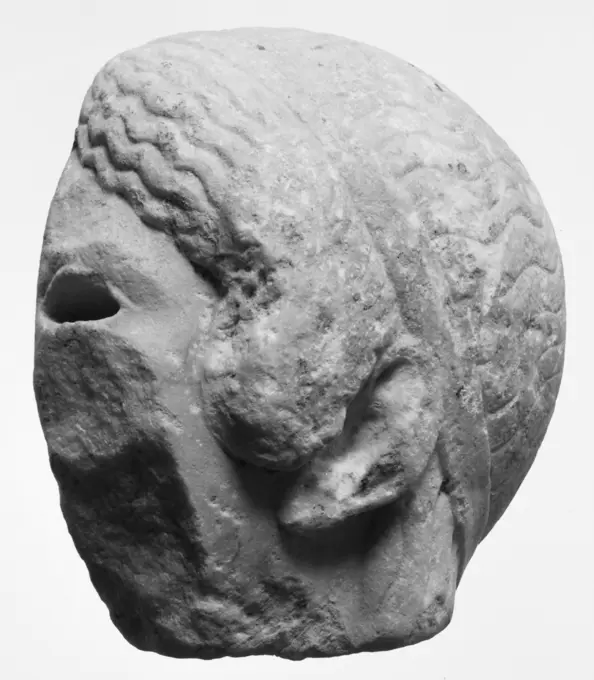
Small Herm; Macedonia, Greece; 1st century B.C; Limestone; 33 × 13 × 10.6 cm (13 × 5 1,8 × 4 3,16 in.)
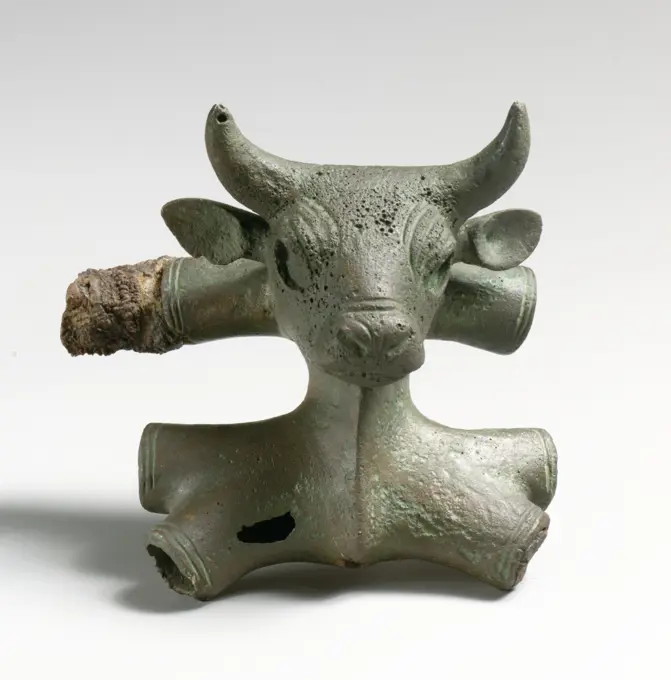
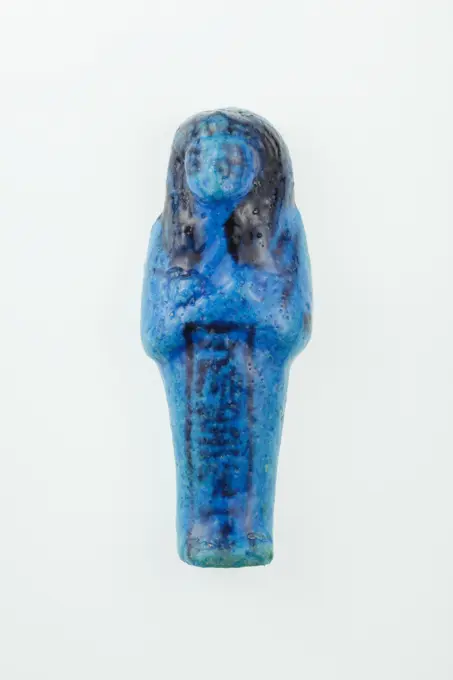
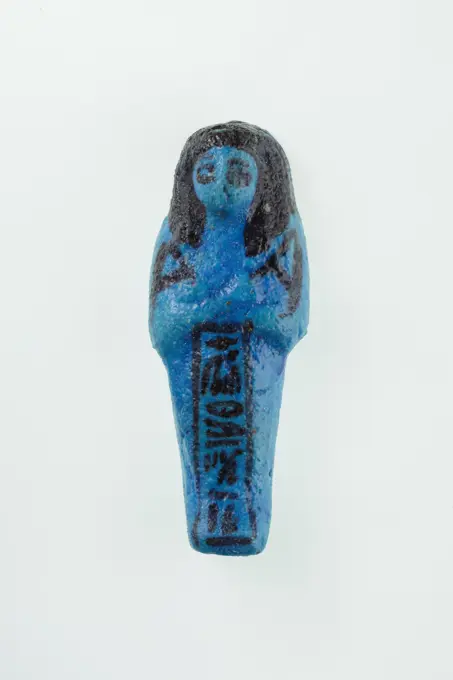
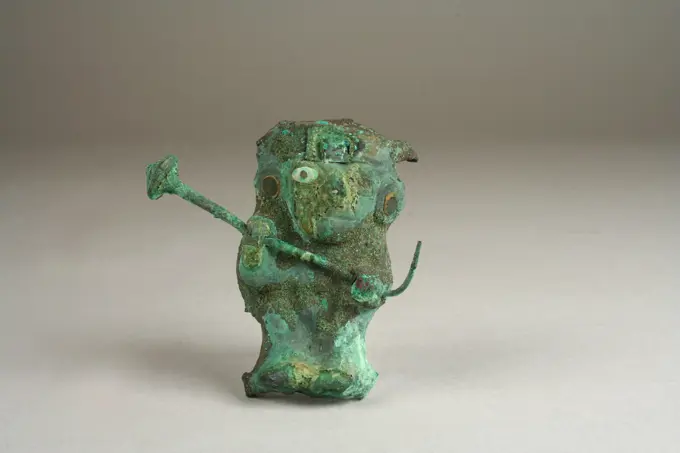
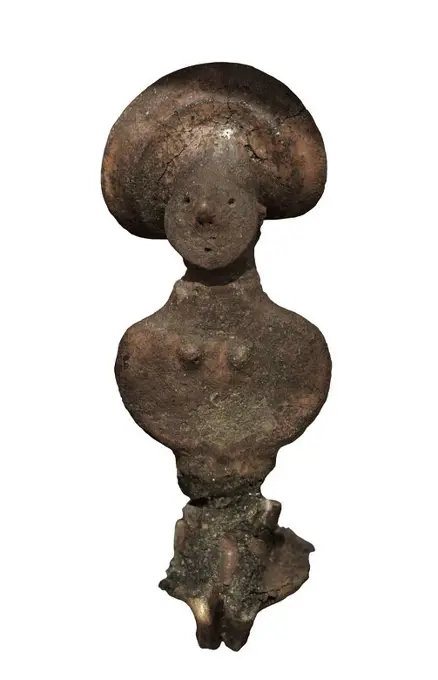
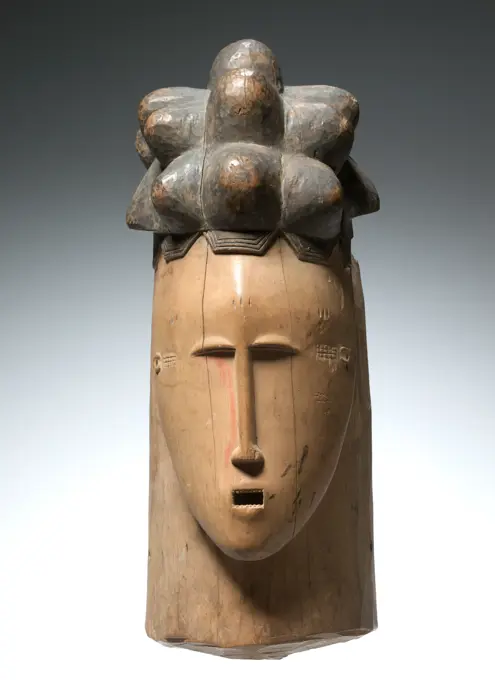
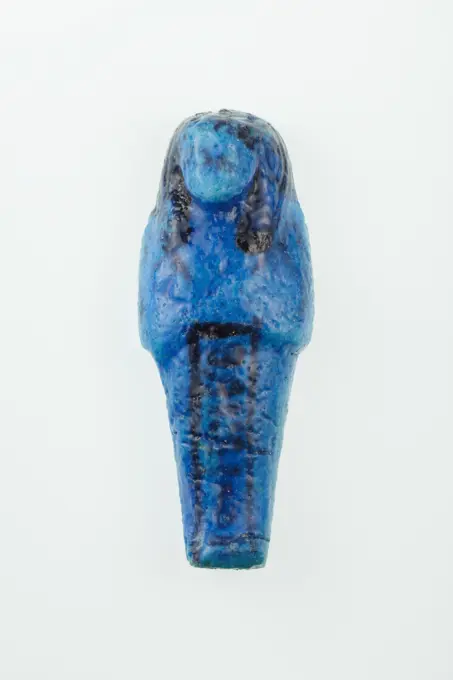
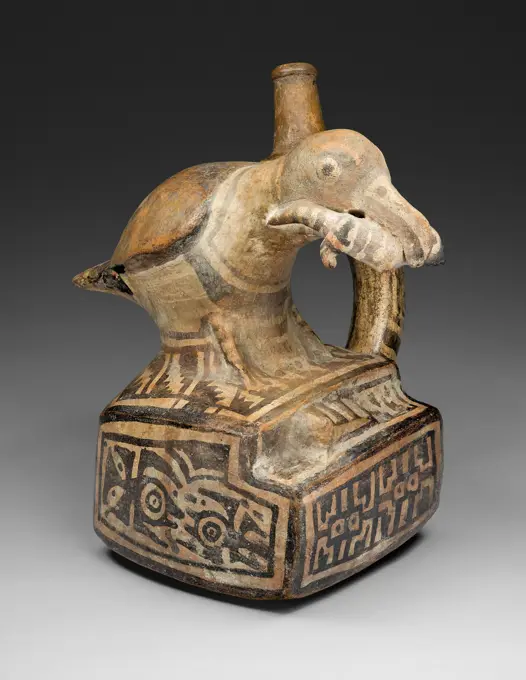
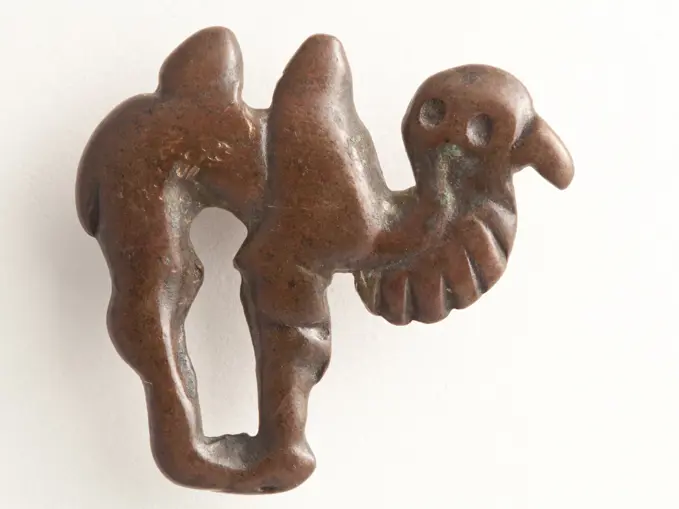
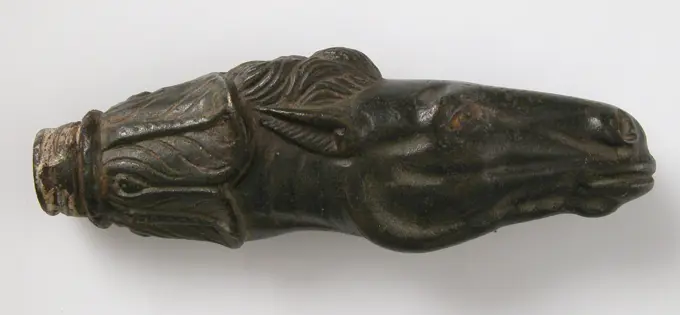
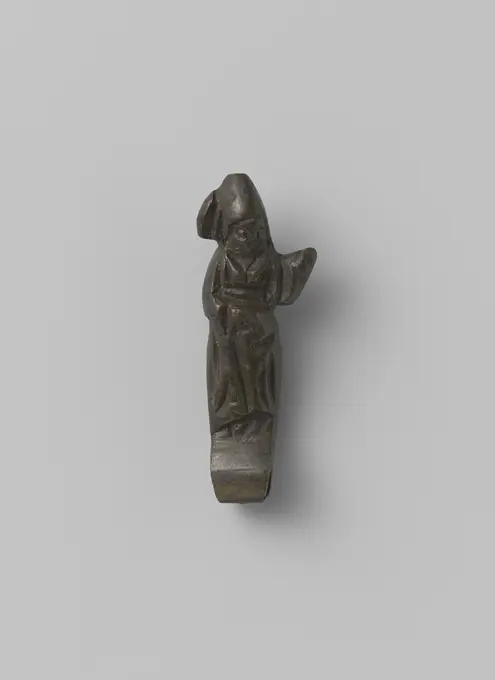
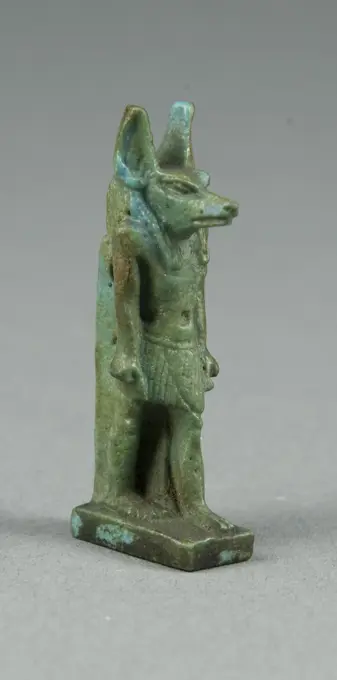
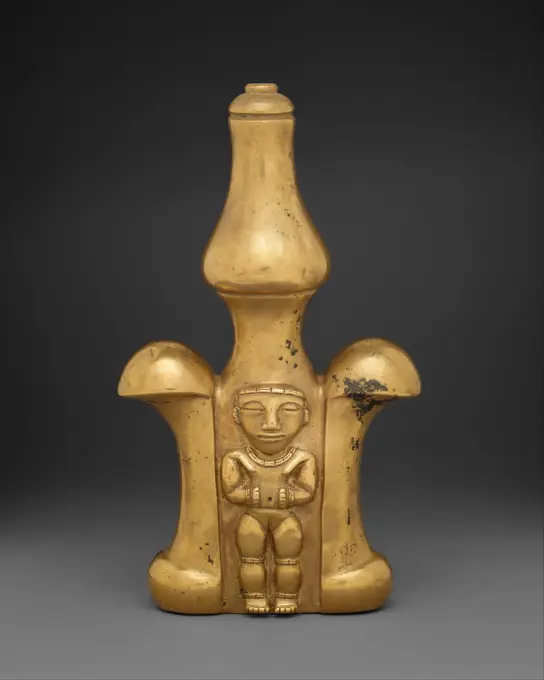
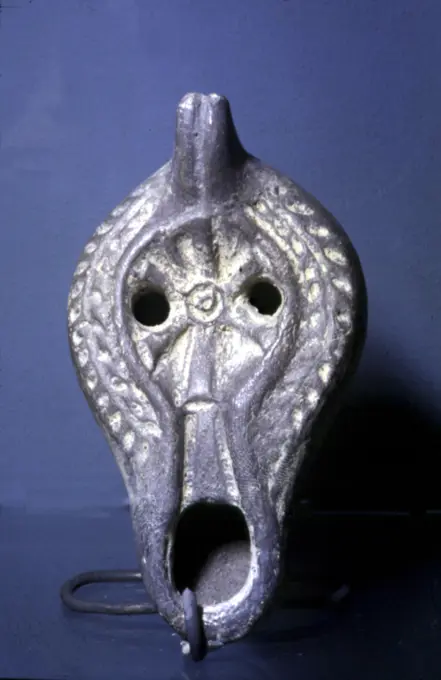
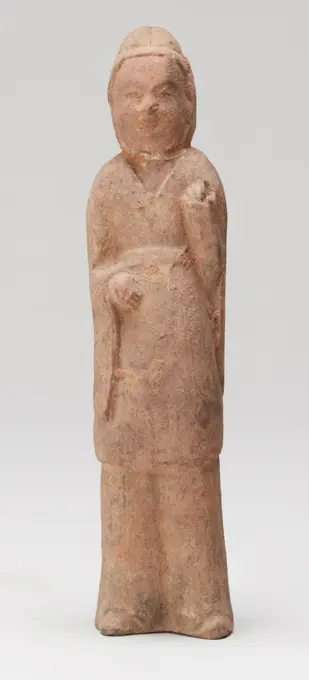
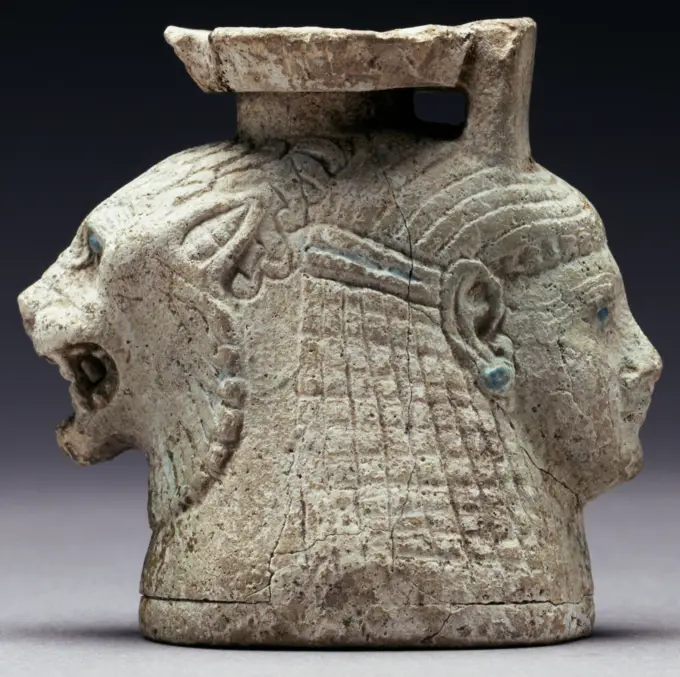
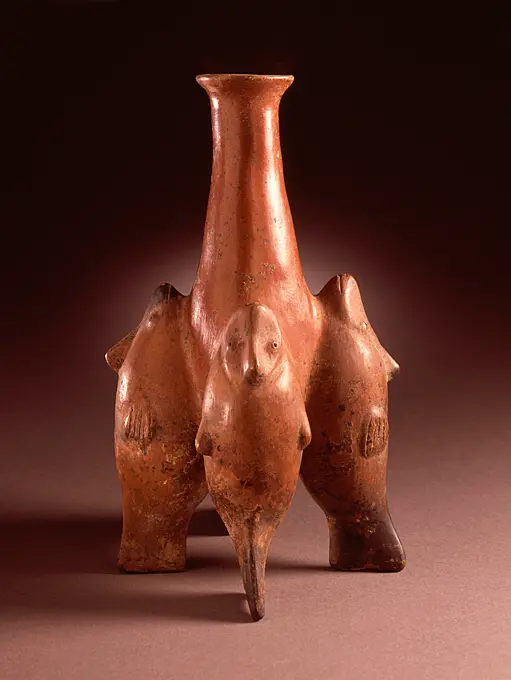
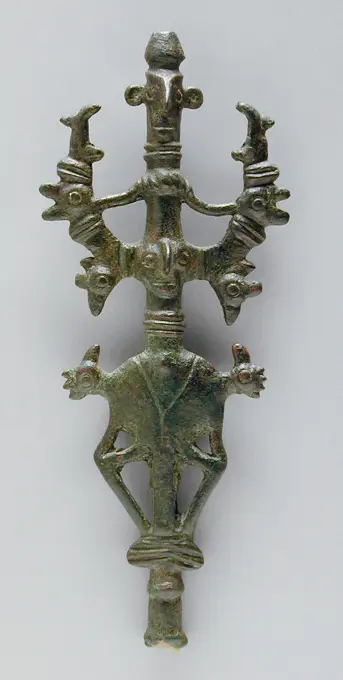
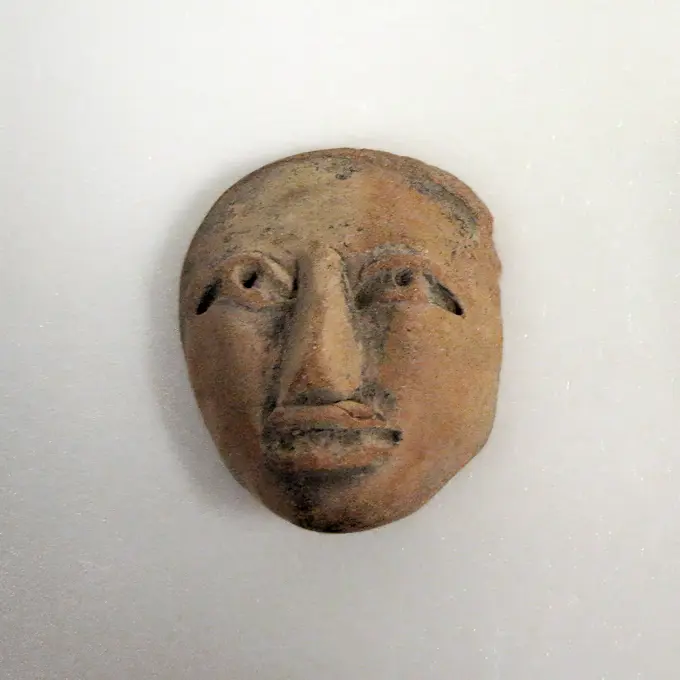
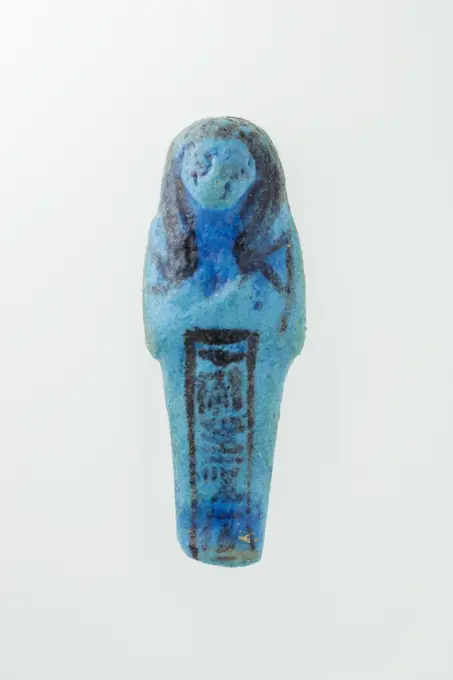
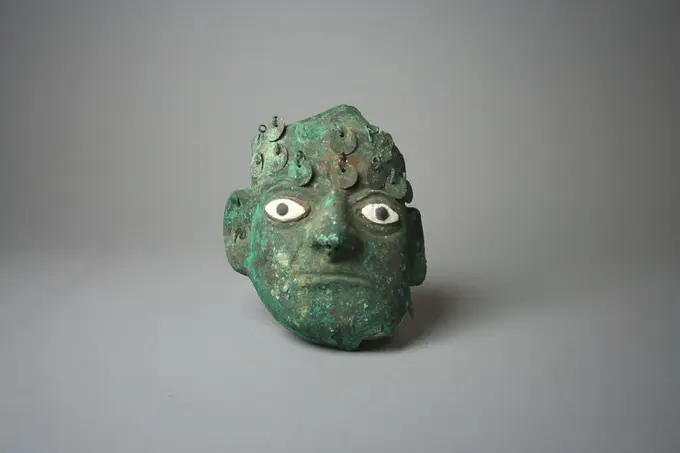
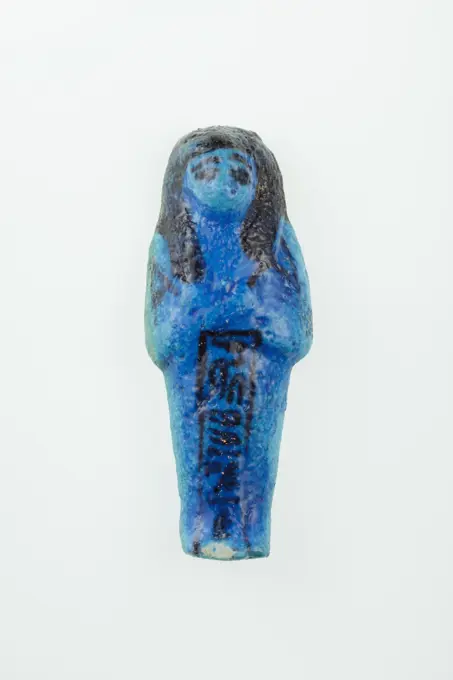
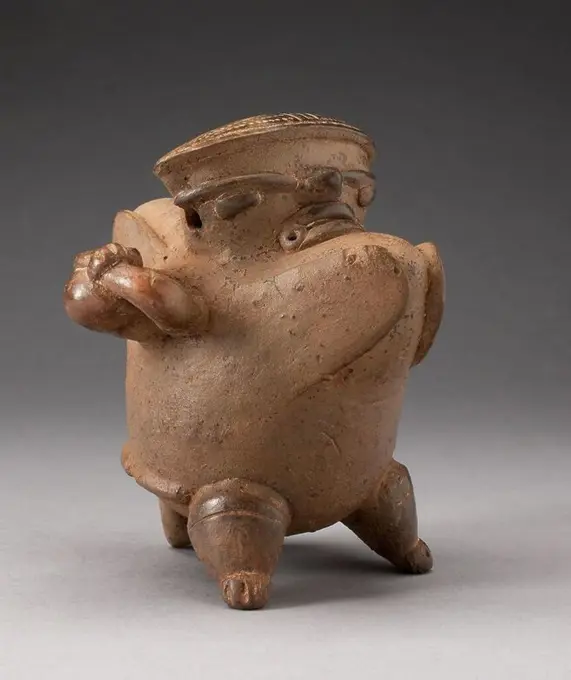
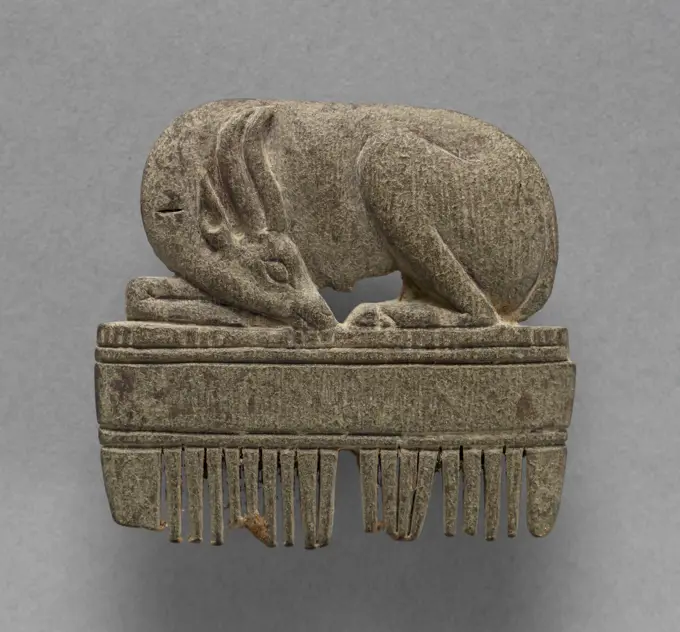
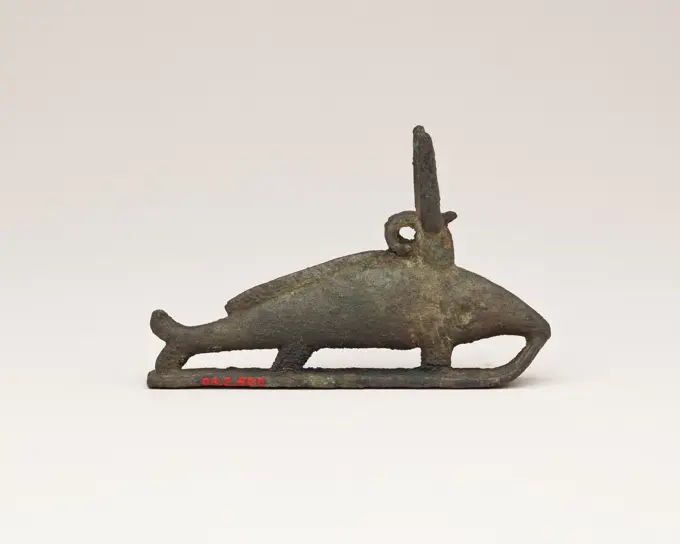
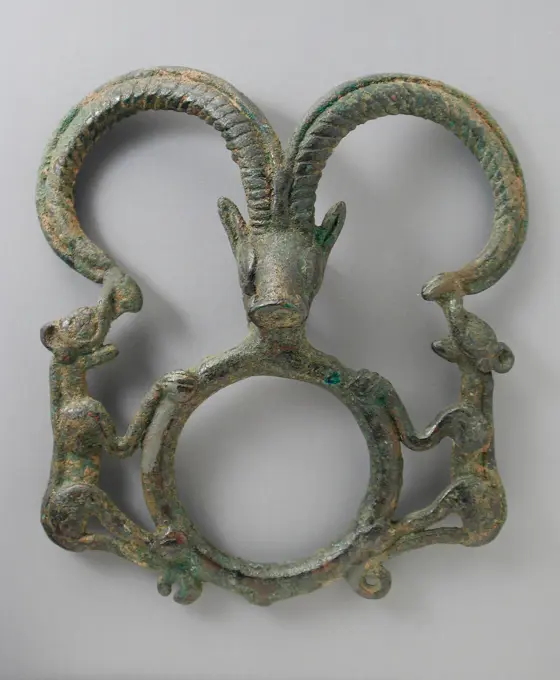
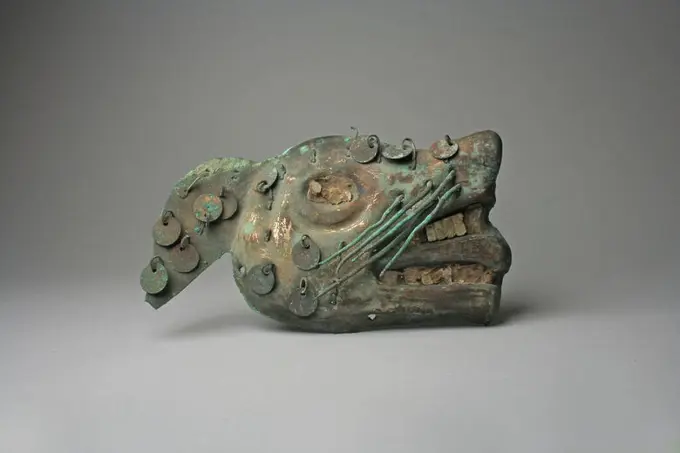
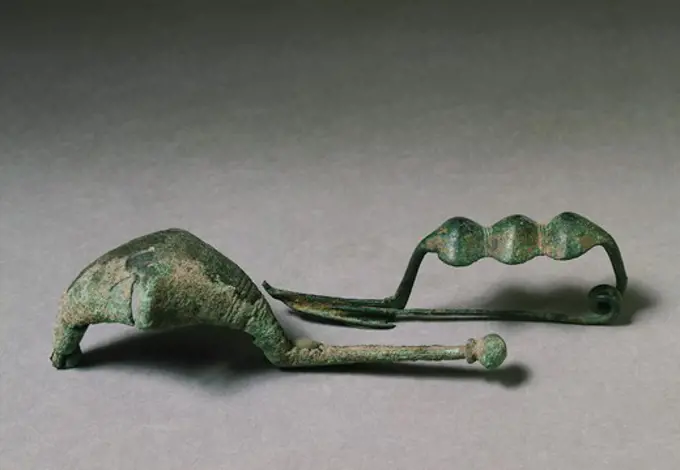
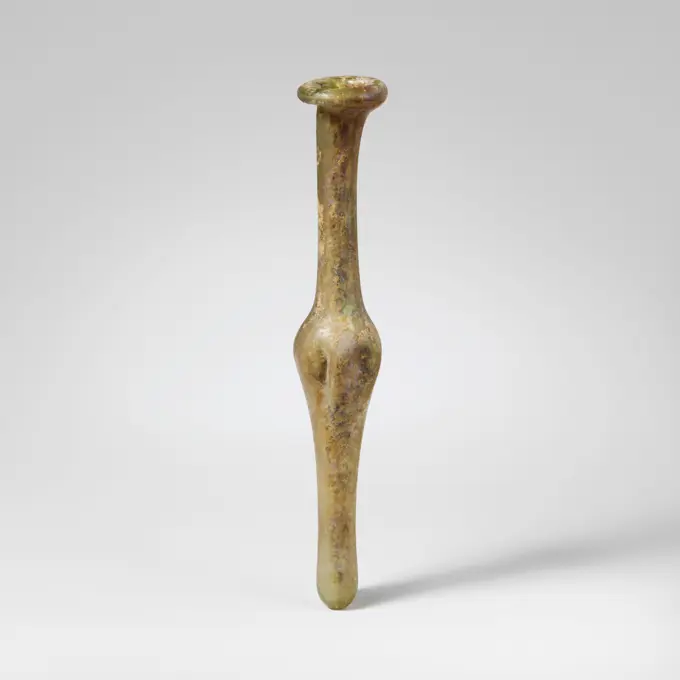
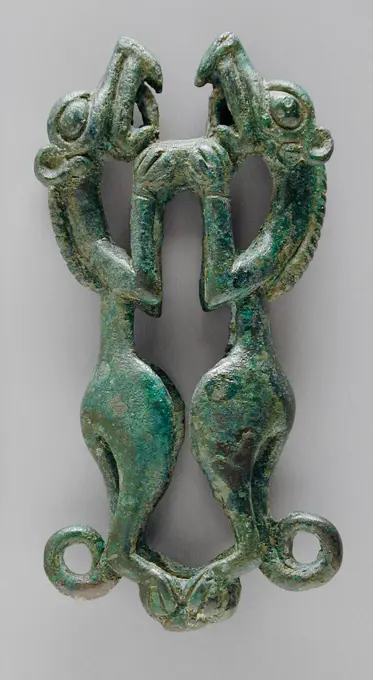
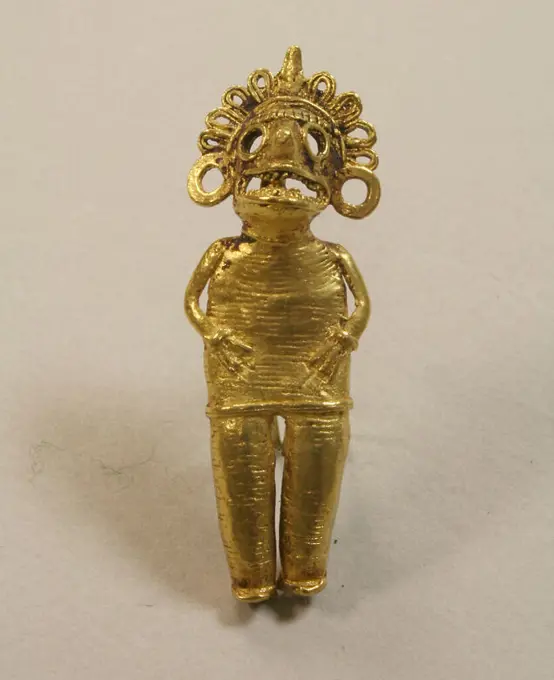
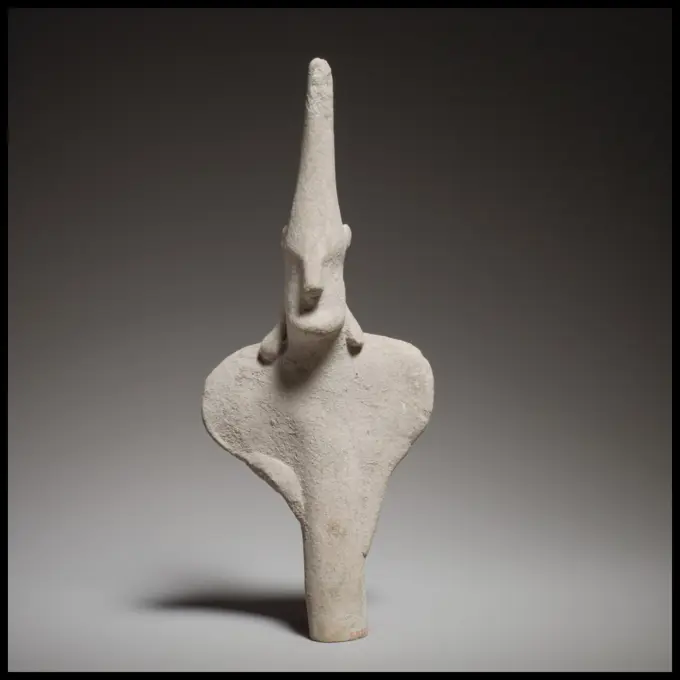
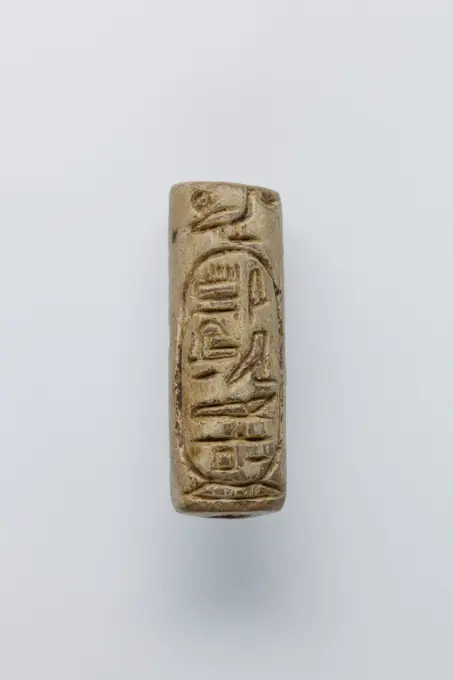
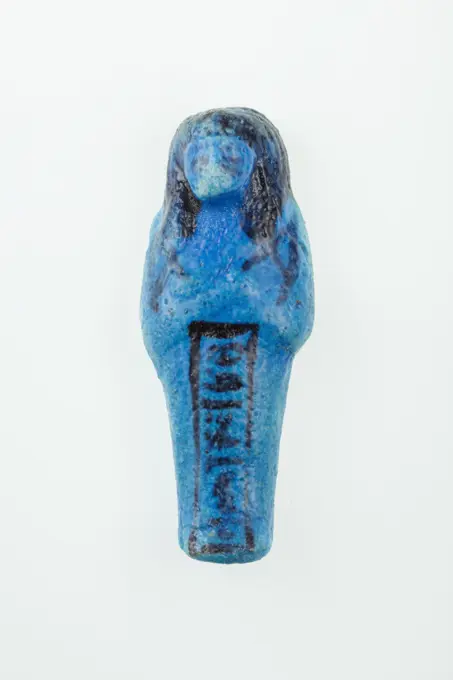
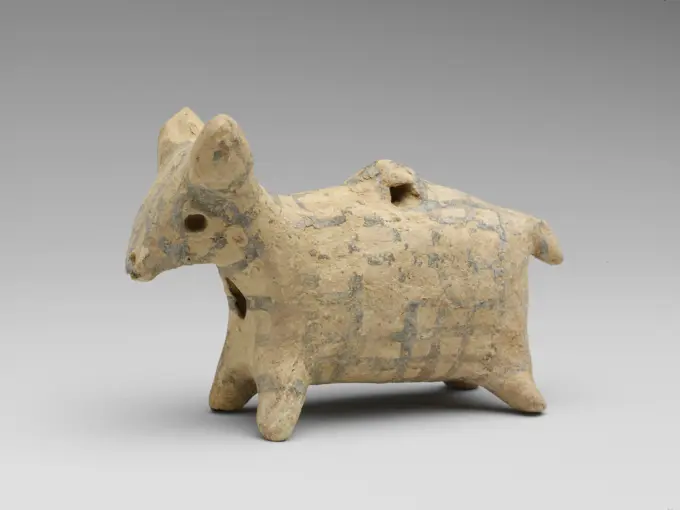
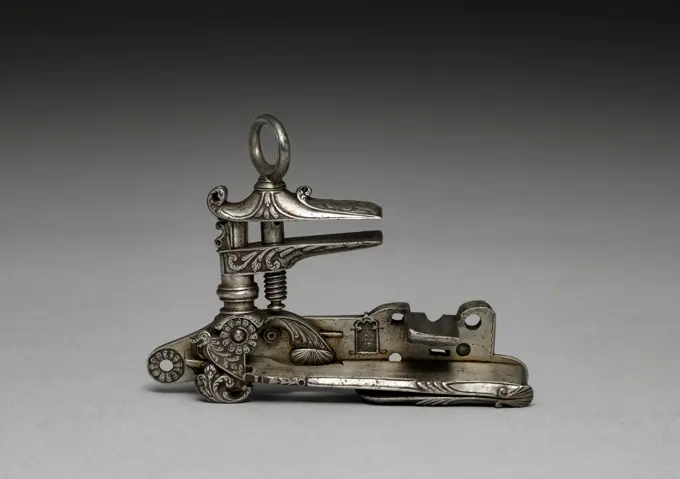
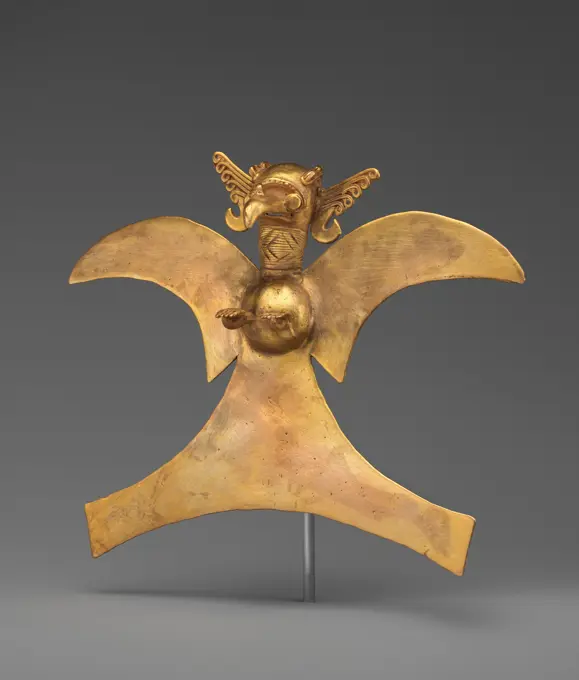
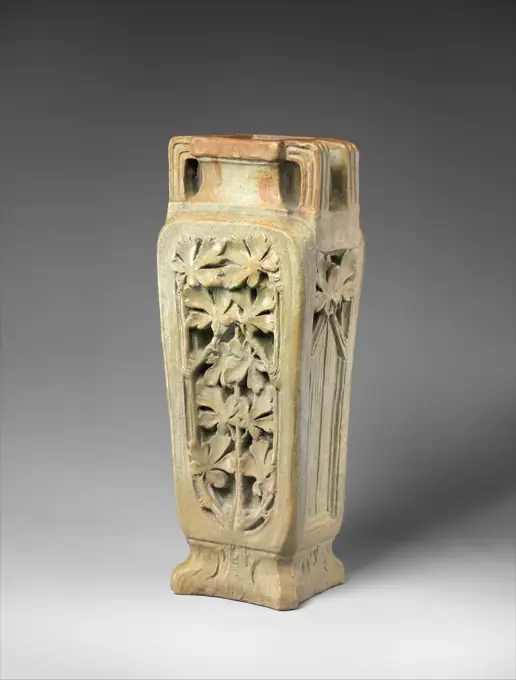
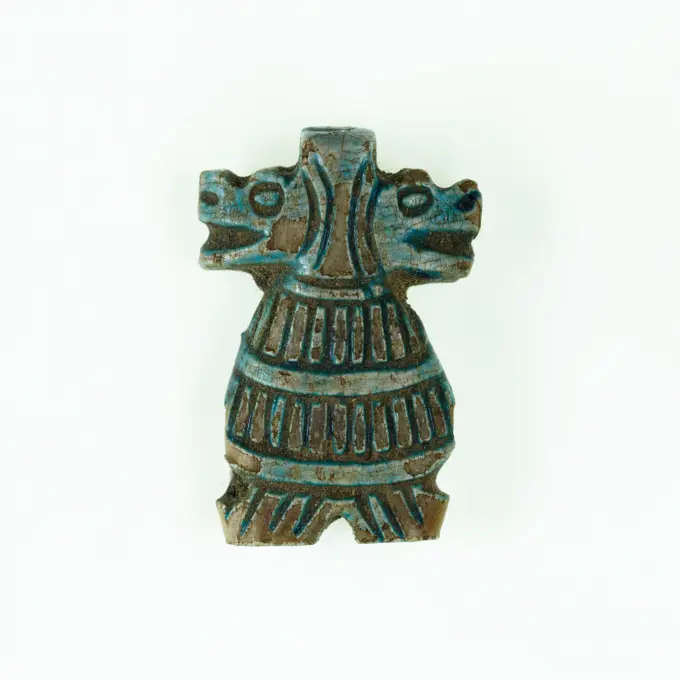
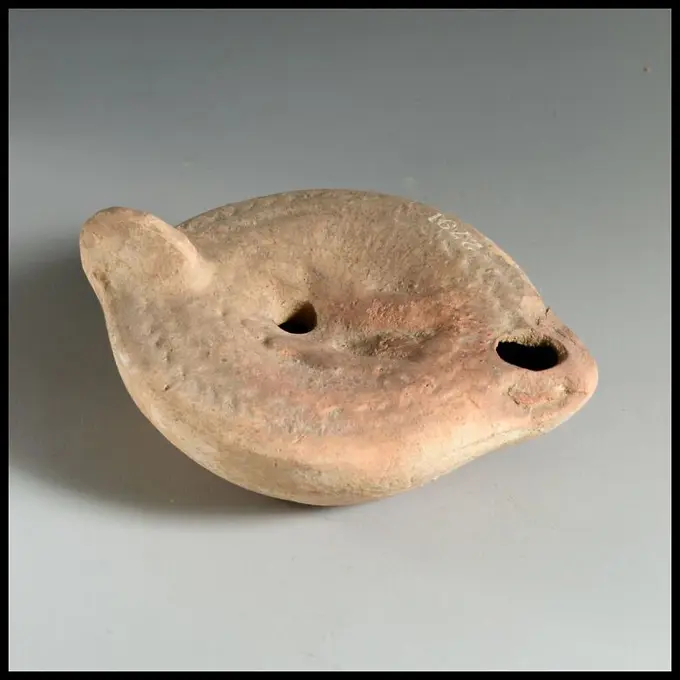
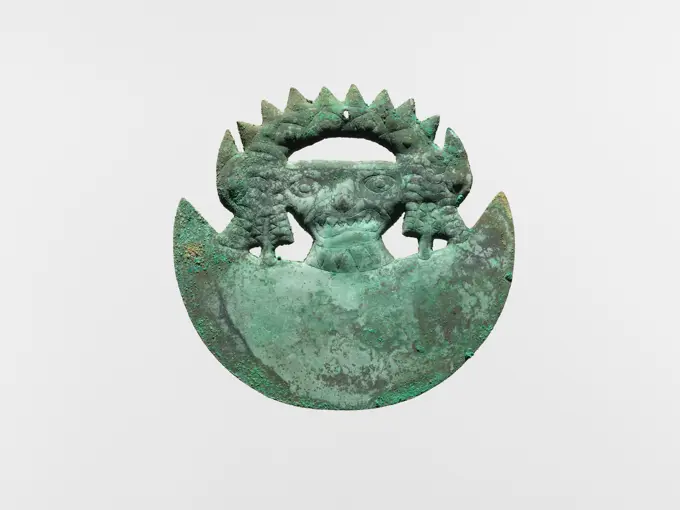
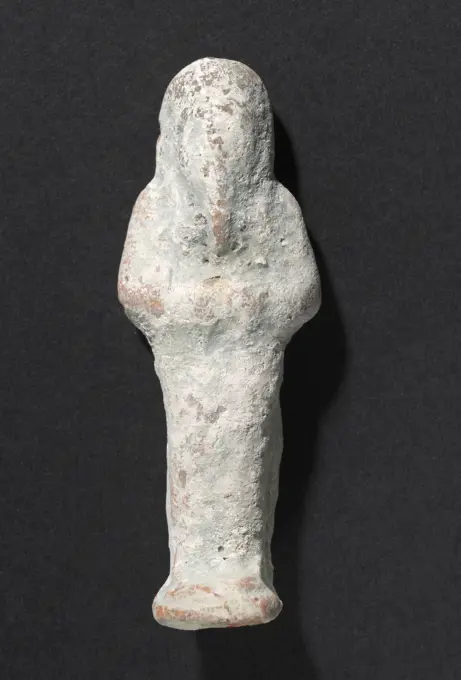
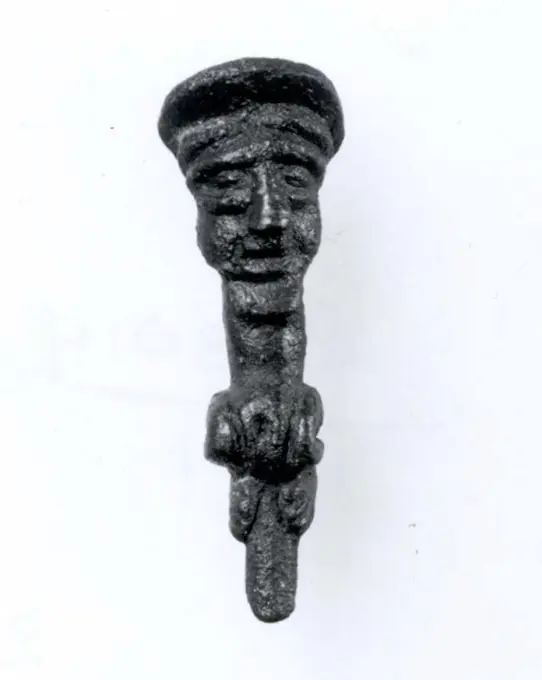
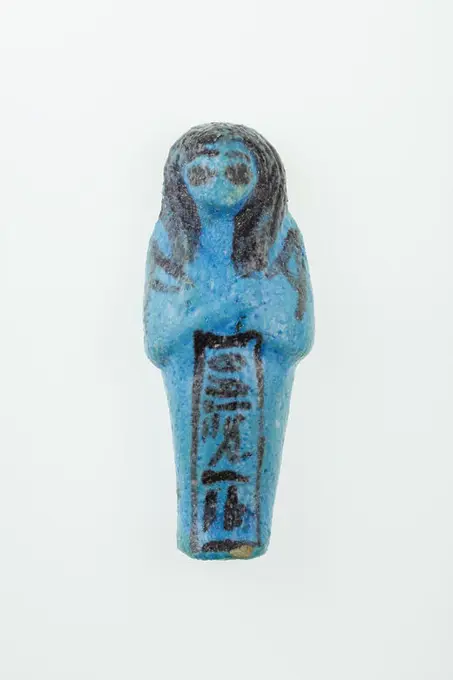
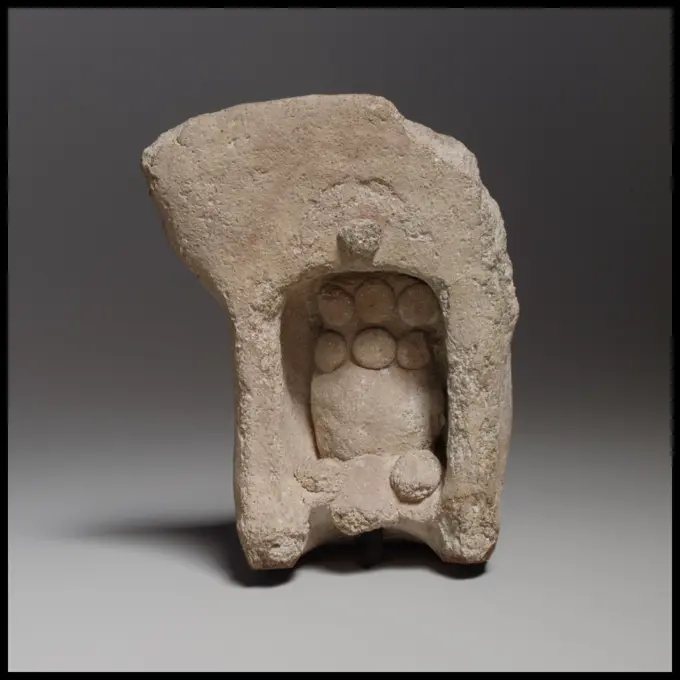
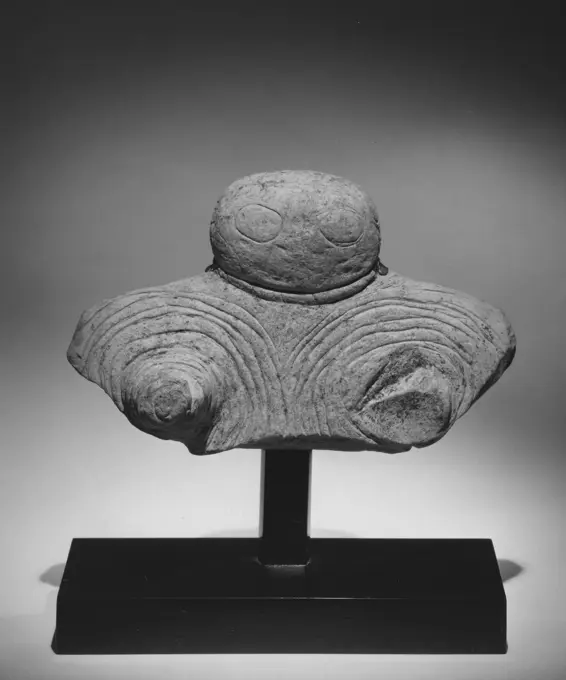
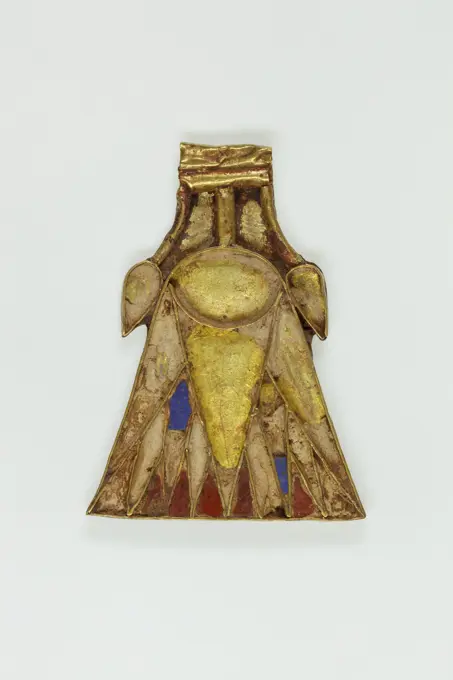
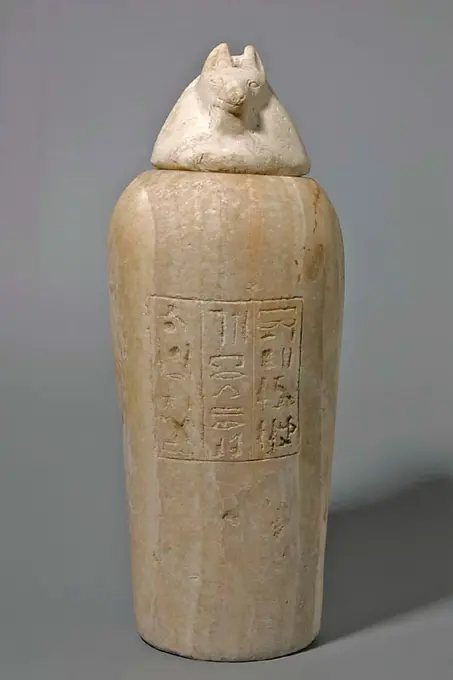
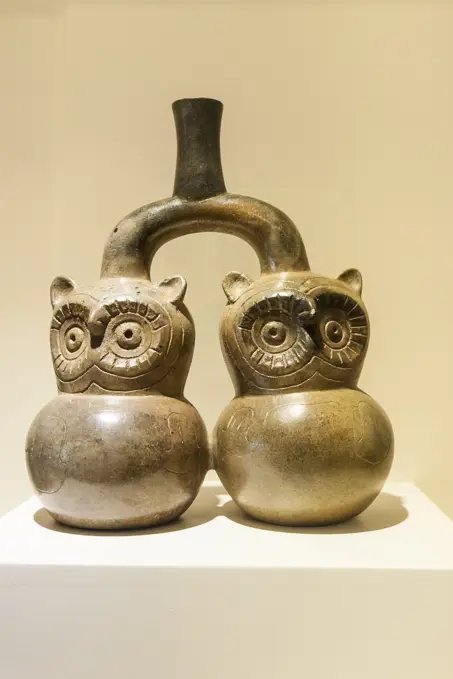
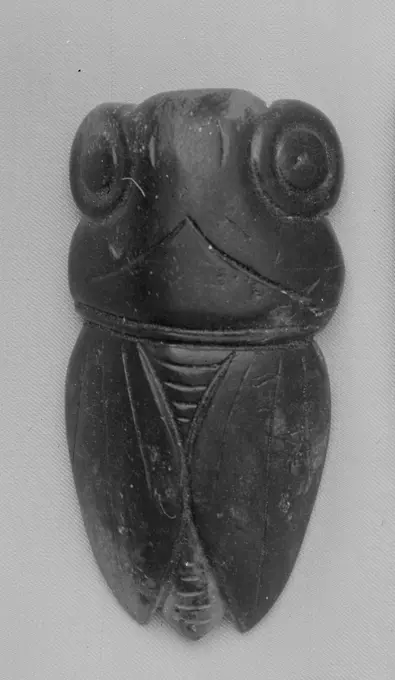
Cicada late 19th to early 20th century China. Cicada 43028Bronze bull's head early 7th century B.C. Possibly Cypriot Bull's head attachment from a tripod with horizontal tubular socket. Painstaking scholarship over twenty years has discovered that these pieces and others now in Berlin originally belonged to one bronze and iron rod tripod. Luigi Palma di Cesnola and his brother Alessandro divided their finds made in Kourion in 1873-74 and sold them to New York and Berlin, respectively. Bronze tripods represent one of the most prestigious and costly creations of the Archaic period. While they originated in the Near East, by the eighth century B.C. they were exported westward to the Greeks and Etruscans as well as copied locally. Thanks to its copper mines, Cyprus was probably an important production center; numerous examples have come to light on the island.The tripod originally had six bulls' heads at the top and three bovine hooves forming the feet. The missing heads and feet are in Berlin.. Bronze bull's head 244501Foundation peg and Figurine from a temple. Dated to the Early Dynastic III period.Worker Shabti of Nany ca. 1050 B.C. Third Intermediate Period See 30.3.29.1a, b. Worker Shabti of Nany. ca. 1050 B.C.. Faience. Third Intermediate Period. From Egypt, Upper Egypt, Thebes, Deir el-Bahri, Tomb of Meritamun (TT 358, MMA 65), first corridor, burial of Nany, MMA excavations, 1928-29. Dynasty 21Worker Shabti of Nany ca. 1050 B.C. Third Intermediate Period See 30.3.27.1a, b. Worker Shabti of Nany. ca. 1050 B.C.. Faience. Third Intermediate Period. From Egypt, Upper Egypt, Thebes, Deir el-Bahri, Tomb of Meritamun (TT 358, MMA 65), first corridor, burial of Nany, MMA excavations, 1928-29. Dynasty 21Head of an Animal Vase Artist Unknown Alacahoyuk, TurkeyPieczęć stemplowa z przedstawieniem głowy byka. nieznany warsztat cypryjski, workshopOrnament Figure 6th-7th century Moche (Loma Negra). Ornament Figure 313479Ornamented Knife 15th-16th century Inca. Ornamented Knife 315487Rectangular Palette. Nubia, A-Group Culture (3100 - 2800 BCE). Tools and Equipment; palettes. DioriteWhistle 700 CE-900 CE Veracruz state. Ceramic and pigment . Veracruz, ClassicSteatite Cypriot idol, 31st century BC. Artist: UnknownPendant: Head of a Female Divinity or Sphinx. UnknownPendant. Iran, Parthian period, about 150 B.C.-A.D. 225. Jewelry and Adornments; pendants. Bronze, castBronze Age. Anthropomorphic figurine. Tarxien Cemetery Phase (2400 BC to 1500 BC). National Museum of Archaeology. Valletta. Malta.Portrait Mask (mblo), early-mid 1900s. Africa, West Africa, Côte dIvoire, Baule-style carver. Wood and paint; overall: 41.2 cm (16 1/4 in.).Worker Shabti of Nany ca. 1050 B.C. Third Intermediate Period See 30.3.29.1a, b. Worker Shabti of Nany. ca. 1050 B.C.. Faience. Third Intermediate Period. From Egypt, Upper Egypt, Thebes, Deir el-Bahri, Tomb of Meritamun (TT 358, MMA 65), first corridor, burial of Nany, MMA excavations, 1928-29. Dynasty 21Square Handle Spout Vessel with Form of a Bird Eating a Lizard Made 100 BCE-500 CE North Coast. Ceramic and pigment . MochePlaque (Camel). Western Inner Mongolia, 4th-3rd century B.C.. Sculpture; plaques. BronzeRoman Phallic Amulet. Artist: UnknownKey Handle in the Form of a Horses Head 2nd-3rd century Roman. Key Handle in the Form of a Horses Head 462907Fragment of a HandleBracket hook in the form of a women's figure. The object, which can be cast from two parts, represents a woman with a Hennin. Due to the round opening at the bottom, the pin must be inserted to confirm the bracket.Amulet Depicting Crown of Upper Egypt. Egypt, circa 1550 - 625 BCE. Jewelry and Adornments; amulets. FaienceLamp, Anatolia; 1st - 4th century; Terracotta; 3.3 x 9.5 x 12 cm (1 5,16 x 3 3,4 x 4 3,4 in.)Amulet of the God Anubis 1070 BCE-656 BCE Egypt. Faience . Ancient EgyptianAmulet of the God Bes. Egyptian. Date: 664 BC-332 BC. Dimensions: 2 × .5 × .25 cm (3/4 × 3/16 × 1/8 in.). Faience. Origin: Egypt. Museum: The Chicago Art Institute, Chicago, USA. Author: Ancient Egyptian.Lime Container (Poporo) 1st-7th century Quimbaya In Andean South America, there is an indigenous tradition for the ritual use of coca leaves. In Precolumbian times the chief method of using coca was to place a quid of leaves into the mouth and add a small amount of powdered lime, made from calcined seashells. Standard coca-chewing paraphernalia included a small bag for the leaves and a container and a spatula or spoon for the lime. The utensils could be quite elaborate and made of precious materials. Lime containers from Colombia, known as "poporos," were often cast in gold in the form of nude human figures or as flasks incorporating raised nude images on each side. Both figures and flasks exhibit great elegance of conception, manufacture, and finish. The shouldered bottle here, adorned on either side with a female figure, still contains powdered lime.. Lime Container (Poporo) 316682Ewer SpoutOil lamp with Chi Rho Christian symbol, Abu Mena, 2nd-4th cent. AD .Coptic Period. EGYPT.Tomb Figure, c. 600, 7 1/2 x 1 7/8 x 1 3/4in. (19 x 4.8 x 4.4cm), Polychromed earthenware, China, 6th-7th centurySilver Alloybird, silver alloy, 1 1/2 × 2 1/2 in. (3.8 × 6.4cm), China, Chinese, Tang dynasty (618-907 C.E.), SculptureBottle, Deity Figure 4th-7th century Moche. Bottle, Deity Figure 310207Double-Headed Aryballos. UnknownFragment of a Head from an Acrolithic Statue. UnknownVessel with Four Fish. Mexico, Colima, 200 BCE-500 CE. Ceramics. Slip-painted ceramicProfile Face. Culture: Moche (Loma Negra). Dimensions: H. 5 7/8 x W. 6 1/4 x D. 7/8 in. (15 x 15.9 x 2.2 cm). Date: 390-450. Museum: Metropolitan Museum of Art, New York, USA.Waterspout with Acheloös; Etruria; 500 - 460 B.C; Terracotta; 21.8 × 29.4 × 10.6 cm (8 9,16 × 11 9,16 × 4 3,16 in.)Standing female figure, 200-700, 4 1/8 x 1 1/2 x 1/2 in. (10.5 x 3.8 x 1.3 cm), Earthenware, Mexico, 3rd-8th centuryStandard Finial. Iran, Luristan, Luristan bronzes, circa 1000-650 B.C.. Architecture; Architectural Elements. Bronze, castMiniature Mask, 1500 BCE, Earthenware, Mexico, Pre-ClassicBronze Age. Anthropomorphic figurine. Tarxien Cemetery Phase (2400 BC to 1500 BC). National Museum of Archaeology. Valletta. Malta.Applique Fragment. UnknownWorker Shabti of Nany ca. 1050 B.C. Third Intermediate Period See 30.3.30.1a, b. Worker Shabti of Nany. ca. 1050 B.C.. Faience. Third Intermediate Period. From Egypt, Upper Egypt, Thebes, Deir el-Bahri, Tomb of Meritamun (TT 358, MMA 65), first corridor, burial of Nany, MMA excavations, 1928-29. Dynasty 21Face Mask Ornament. Culture: Moche (Loma Negra). Dimensions: H x W: 4 5/16 x 3 3/4in. (11 x 9.5cm). Date: 390-450. Museum: Metropolitan Museum of Art, New York, USA.Amulet of the Goddess Bastet 1070 BCE-656 BCE Egypt. Faience . Ancient EgyptianWorker Shabti of Nany ca. 1050 B.C. Third Intermediate Period See 30.3.29.1a, b. Worker Shabti of Nany. ca. 1050 B.C.. Faience. Third Intermediate Period. From Egypt, Upper Egypt, Thebes, Deir el-Bahri, Tomb of Meritamun (TT 358, MMA 65), first corridor, burial of Nany, MMA excavations, 1928-29. Dynasty 21Capitel, Catedral de Vic, siglo X.Recumbent Dog. Culture: China. Dimensions: L. 3 9/16 in. (9 cm); W. 1 15/16 in. (5 cm). Museum: Metropolitan Museum of Art, New York, USA.Vessel in the Form of a Hunchback Figure Carrying a Jar. Nicoya; Costa Rica. Date: 1200-1500. Dimensions: 13.3 × 14 cm (5 1/2 × 5 1/2 in.). Ceramic and pigment. Origin: Costa Rica. Museum: The Chicago Art Institute, Chicago, USA.Comb with Gazelle, c. 1391-1353 BC. Egypt, New Kingdom, Dynasty 18 (1540-1296 BC) reign of Amenhotep III. Wood; overall: 5.4 x 5.7 x 0.4 cm (2 1/8 x 2 1/4 x 3/16 in.).Oxyrhynchus fish 664-30 B.C. Late Period-Ptolemaic Period. Oxyrhynchus fish 570228UshabtiAmulet of a Seated Lion-headed Goddess Holding a Sistrum, possibly Bastet. Egyptian. Date: 945 BC-664 BC. Dimensions: 2.5 × 1.5 × .75 cm (1 × 9/16 × 1/4 in.). Faience. Origin: Egypt. Museum: The Chicago Art Institute, USA. Author: Ancient Egyptian.Harness Ring. Iran, Luristan, Luristan bronzes, circa 1000-650 B.C.. Tools and Equipment; horse trappings. Bronze, castFox Head Ornament. Culture: Moche (Loma Negra). Dimensions: H x W: 3 3/8 x 5 15/16in. (8.6 x 15cm). Date: 390-450. Museum: Metropolitan Museum of Art, New York, USA.Prehistory, France, Iron Age. Fibulas.Glass fusiform bottle 3rd-4th century A.D. Roman Fusiform perfume bottleTranslucent pale green.Tubular rim folded out, round, and in, forming irregular oval mouth; cylindrical, concave neck; short, sloping shoulder; slender, bulbous body, tapering downward, with irregular pattern of four indents at top; rounded bottom, with flat pad from pontil.Intact; pinprick bubbles; dulling, creamy weathering, and iridescence.. Glass fusiform bottle 239797Finial. Iran, Luristan, Luristan bronzes, circa 1350-800 B.C.. Architecture; Architectural Elements. Bronze, castVulture with spread wings Late Period-Ptolemaic Period 664-30 B.C. View more. Vulture with spread wings. 664-30 B.C.. Bronze or cupreous alloy. Late Period-Ptolemaic Period. From EgyptFigure pendant. Culture: Colima or Mixtec. Dimensions: H. 1 5/8 in. (4.1 cm). Date: 13th-15th century. Museum: Metropolitan Museum of Art, New York, USA.Standing male figurine ca. 600-480 B.C. Cypriot The lower part of the solid cylindrical body is missing. His arms are stretched along his body and fused with his torso.. Standing male figurine 241182. Cup from a relief from the Borobudur.Cylinder Seal of King Amenemhat Sebekhotep ca. 1765-1763 B.C. Late Middle Kingdom. Cylinder Seal of King Amenemhat Sebekhotep. ca. 1765-1763 B.C.. Glazed steatite. Late Middle Kingdom. From Egypt. Dynasty 13Worker Shabti of Nany ca. 1050 B.C. Third Intermediate Period See 30.3.28.1a, b. Worker Shabti of Nany. ca. 1050 B.C.. Faience. Third Intermediate Period. From Egypt, Upper Egypt, Thebes, Deir el-Bahri, Tomb of Meritamun (TT 358, MMA 65), first corridor, burial of Nany, MMA excavations, 1928-29. Dynasty 21Shabti with Birth Name of King Psusennes I. Egypt, 21st Dynasty, reign of Psusennes I (1055 - 1004 BCE) or later. Sculpture. BronzeOpenwork pin ca. 8th-7th century B.C. Iran. Openwork pin 322880Terracotta zoomorphic askos (vessel) 1900-1600 B.C. Cypriot With string-hole and cross-hatching.. Terracotta zoomorphic askos (vessel). Cypriot. 1900-1600 B.C.. Terracotta; White Painted Ware. Middle Cypriot. VasesSnaphance Gunlock, 1700s or early 1800s. Spain, 18th or early 19th century. Steel, engraved and chased; overall: 14.7 x 11.4 cm (5 13/16 x 4 1/2 in.).Anonymous, Assisi (usual name), -300. STEATITY (ROCHE). Cernuschi Museum, Asia Museum of Asia in the city of Paris.Eagle Pendant 11th-16th century Veraguas Avian pendants cast in gold, called águilas (eagles) by the invading Spanish, were symbols of mythological power in the region now known as Veraguas, Panama. Leaders in the Caribbean region widely exchanged such pendants and wore them to emulate the natural prowess of birds of prey. The supernatural birds have fanciful, hybrid features such as neck ornaments, elaborate crests, and other protuberancesthat complicate the identification of a recognizable species. The sound effects made by the pendants were important: some birds have bells for eyes, while others have bell chambers for bodies. In ceremonies the audience could have heard a ruler before they saw him or her.. Eagle Pendant. Veraguas. 11th-16th century. Gold. Panama. Metal-OrnamentsVase ca. 1890-1900 Georges Hoentschel French Hoentschel was an interior decorator and a collector of medieval and eighteenth-century decorative art. Like his close friend Jean Carriès, he designed Art Nouveau ceramics and was the architect of the pavilion of the Union Centrale des Arts Décoratifs at the 1900 Paris Exposition Universelle. This stoneware vase features an architectural framework that adds visual contrast to the naturalistically carved floral decoration.. Vase 238560Handle attachment Etruscan. Handle attachment. Etruscan. Bronze. BronzesTaweret amulet with double head ca. 1390-1213 B.C. New Kingdom Double-headed amulets of the domestic goddess Taweret are rare forms and date to the 18th dynasty,. Amarna is among the known findspots for these, although this particular example is without provenance.. Taweret amulet with double head 555341Lamp. Culture: Roman. Dimensions: Length: 3 3/8 in. (8.6 cm)Height: 1 7/16 in. (3.7 cm). Date: 3rd-mid-4th century A.D.. Museum: Metropolitan Museum of Art, New York, USA.Animal Ornament 6th-7th century Moche (Loma Negra). Animal Ornament. Moche (Loma Negra). 6th-7th century. Copper. Peru. Metal-OrnamentsShawabty of Ditamenpaankh, 715-656 BC. Egypt, Late Period, Dynasty 25. Terracotta; overall: 6.7 x 2.4 x 1.6 cm (2 5/8 x 15/16 x 5/8 in.). High demand for shawabtys in the Late Period, a time when as many as 400 or more shawabtys were placed in the tomb with the deceased, gave rise to a specialized container for storing them: the shawabty box. This example is inscribed for the lady of the house, Ditamenpaankh, and was probably one of a pair originally made for her. The single-masted boat on the box's lid is perhaps an allusion to the pilgrimage of the deceased to the holy city of Abydos, the cult city of Osiris, king of the dead. The shawabtys inside are crude, mass-produced examples cast in an open mold. Made of terracotta, their blue paint imitates more costly shawabtys made of faience. As for the shawabty spell, it has been removed from its traditional location on the shawabty's front and relocated onto the sides of box, where it needed only to be written once, thus expediting produPolychrome terracotta vessel in shape of a house with a man inside, Peru, Vicus culture, circa 100 B.C.Figurine, 1325-1521. Mexico, Aztec. Pottery; overall: 8.4 cm (3 5/16 in.).Weight () 3rd millennium B.C. (). Weight () 323773Mid-conservation (reverse) - Model Coffin and Mummy, c.1400-1200 BC. New KingdomFigurine 6th-10th century Wari. Figurine 313124Head of a pin: seated figure with cap ca. 8th-7th century B.C. Iran This is a cast pin in the form of a male figure, as suggested by the slight bulge at the front of his thick neck. The figure has a very large head, with a prominent nose, puffy cheeks, pointed chin, and thick brow. He wears a beret over his wavy hair. He has a tiny, squatting body, and his feet rest on either side of the top of the pins shaft, much of which no longer survives. The figure itself is made of copper, while the shaft of the pin is bronze.This pinhead was excavated at Surkh Dum, a settlement site in Luristan in the Zagros Mountains of western Iran. It was part of a hoard of objects buried beneath the floor of a structure interpreted as a sanctuary; thus the objects were probably offerings made for a god. Such pins were probably used to fasten clothing and as objects of adornment in their own right.The style and imagery of this figure are unparalleled. Although many stylized human figures made of bronze haveRussian Forest Cultures, Elk horn , 2nd century BC, Russia, St. Petersburg, State Hermitage, H 9, 3Hals with cork of a wine bottle from the wreck of the East Indians Hollandia, Anonymous, 1700 - in or before 1743  Wine bottle, continental production, neck, onion-shaped bottle or bottle with vertical side; eroded, vs-string rim, cork level with mouth. Netherlands cork (bark)   SecondWorker Shabti of Nany. Dimensions: H. 8.4 × W. 3.3 × D. 2 cm (3 5/16 × 1 5/16 × 13/16 in.). Dynasty: Dynasty 21. Reign: reign of Psusennes I. Date: ca. 1050 B.C..See 30.3.29.1a, b. Museum: Metropolitan Museum of Art, New York, USA.Standing Figure 1st-8th century Mezcala. Standing Figure 310498Appliqué in the form of taotie mask, 12th century BCE, 2 3/8 × 3 in., 0.2 lb. (6.1 × 7.6 cm, 0.1 kg), Bronze inlaid with turquoise, China, 12th century BCEBowl on a Base of Three Molded Lions 12th-13th century This object is an unusual combination of decorative ceramic sculpture and a utilitarian dish. Such a juxtaposition was employed in later stone sculpture, particularly for fountains.. Bowl on a Base of Three Molded Lions 451794Terracotta model of a shrine ca. 600-480 B.C. Cypriot The shrine contains a nonfigural representation, known as a betyl. The crescent and disk above the opening are symbols of the goddess Astarte, to whom the model may have been dedicated.. Terracotta model of a shrine 241308Animal Ornament 6th-7th century Moche (Loma Negra). Animal Ornament 314714Study Models of Parts of the Body, Johan Gregor van der Schardt (attributed to), c. 1560 - c. 1570  Florence (possibly) terracotta (clay material) casting  Florence (possibly) terracotta (clay material) castingBust of Figurine ca. 1000-250 B.C. Japan. Bust of Figurine. Japan. ca. 1000-250 B.C.. Stone. Final Jmon period (ca. 1000-300 B.C.) or later. StoneLotus pendant ca. 1550-1070 B.C. New Kingdom. Lotus pendant. ca. 1550-1070 B.C.. Gold, carnelian, blue glass, pigmented calcareous bedding material. New Kingdom. From Egypt. Dynasties 18-20Jerboa figurine ca. 1850-1640 B.C. Middle Kingdom Already in the Early Dynastic Period, Egyptians deposited faience figurines of wild animals in temple precincts. These figurines were reintroduced in the Twelfth Dynasty, but as a component of burial equipment and with new species added to the repertoire. The controlled representation of desert animals may have assured the Egyptians of eternal safety, though they also likely had symbolic meanings.. Jerboa figurine 545723Effigy vessel, 200-600, 8 1/4 x 8 1/2 in. (21 x 21.59 cm), Clay, pigments, Peru, 3rd-7th centuryPendant. Colombia, Chiriqui, 500-1550 CE. Metal. GoldUrna kanopska z głową szakala. unknown, authorHistoric Roman Dodecahedron Ancient bronze Roman dodecahedron on a black background Copyright: xZoonar.com/PaulxFleetx 5766097Pre-Columbian artifacts and art in the Larco Museum, Lima, Peru, South America