Historic Decorative Artifacts

Unique art pieces and decorative artifacts showcasing historical craftsmanship, including frontlets and console decorations from different cultures.

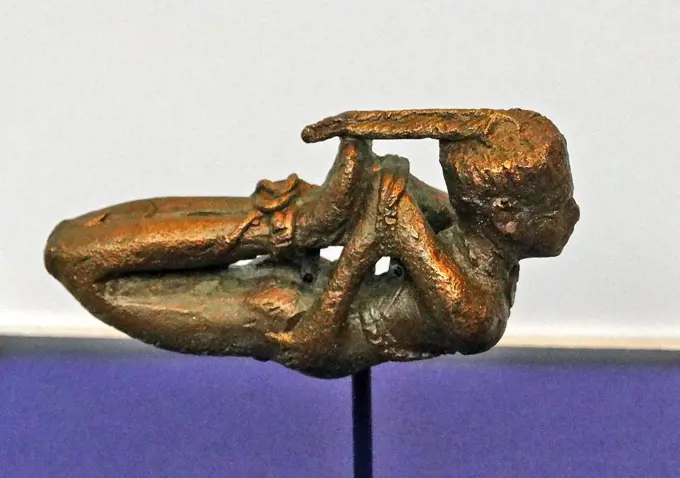
Small Herm; Macedonia, Greece; 1st century B.C; Limestone; 33 × 13 × 10.6 cm (13 × 5 1,8 × 4 3,16 in.)
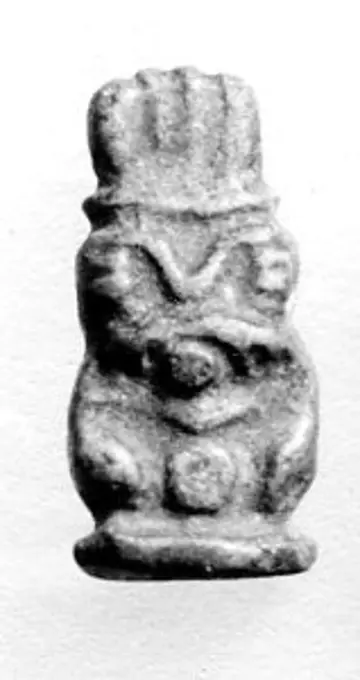
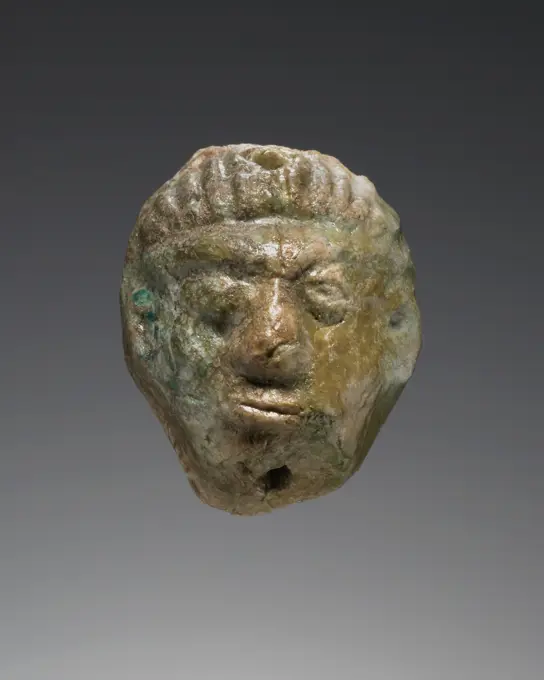
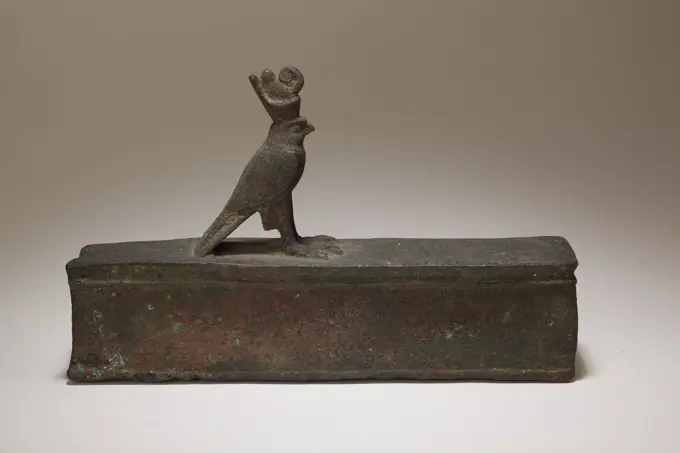
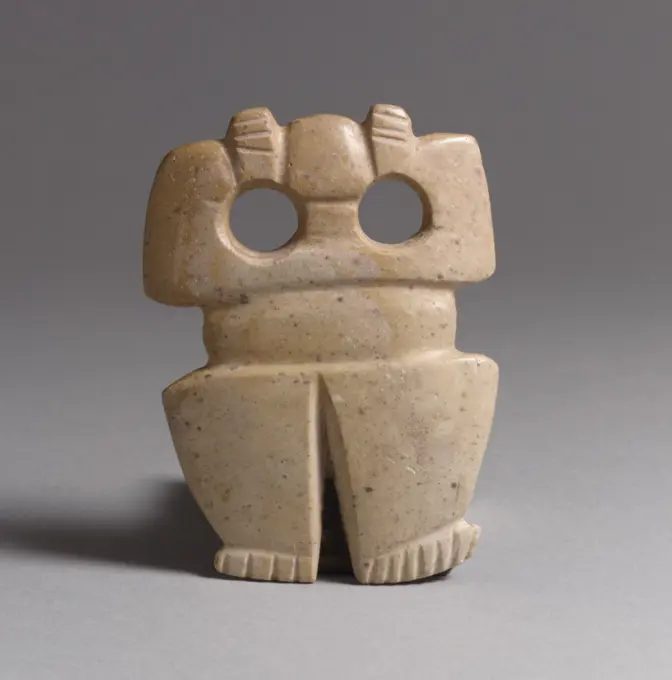
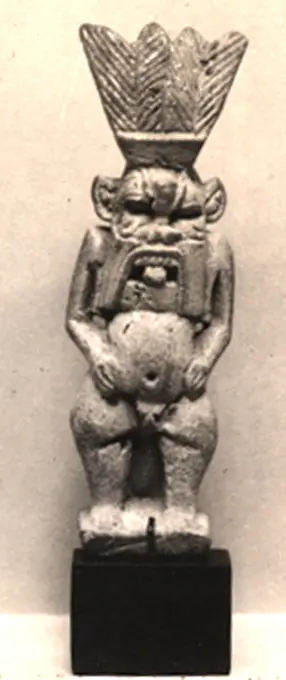
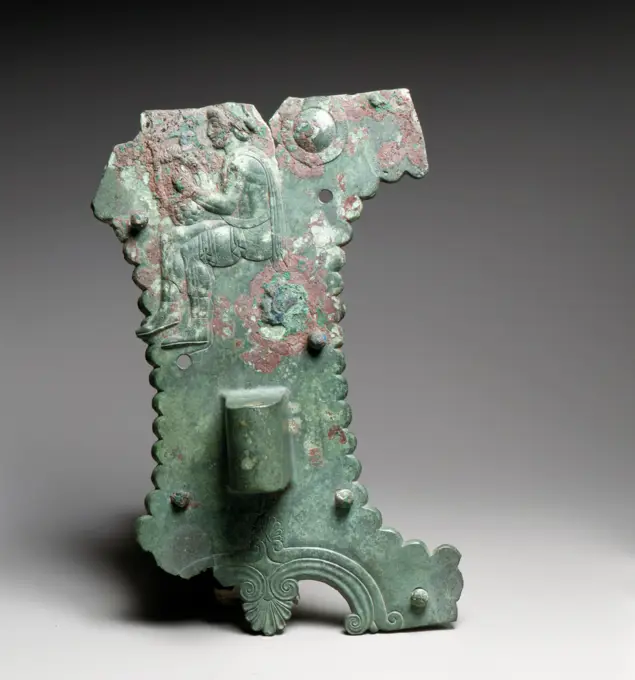
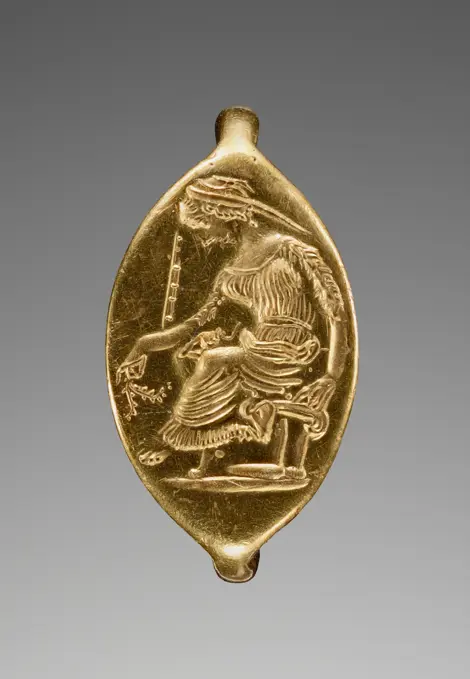
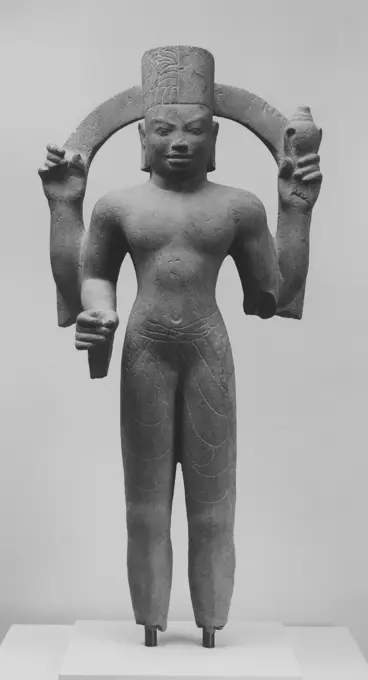
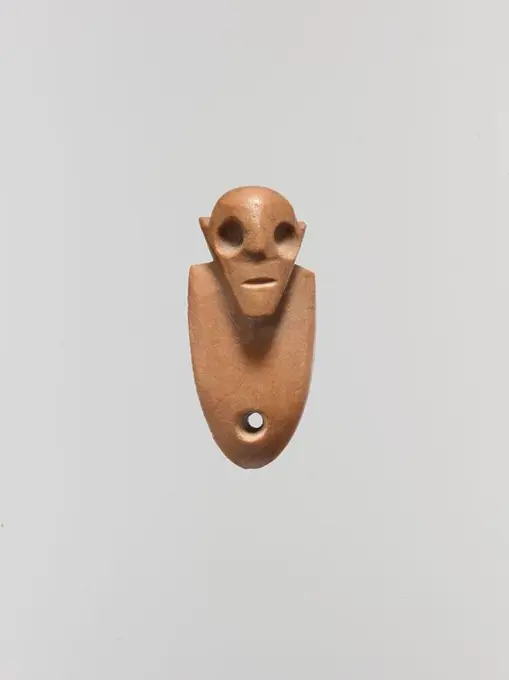
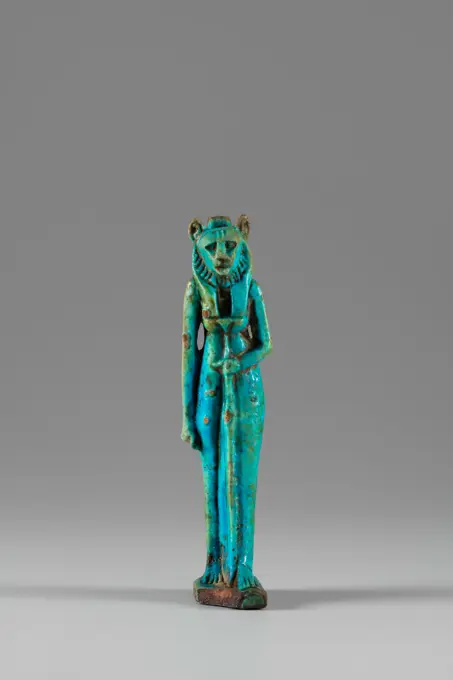
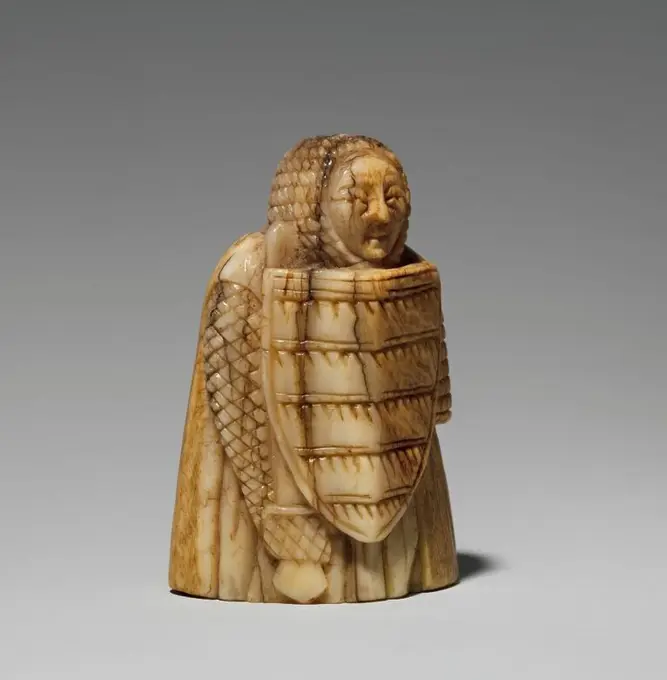
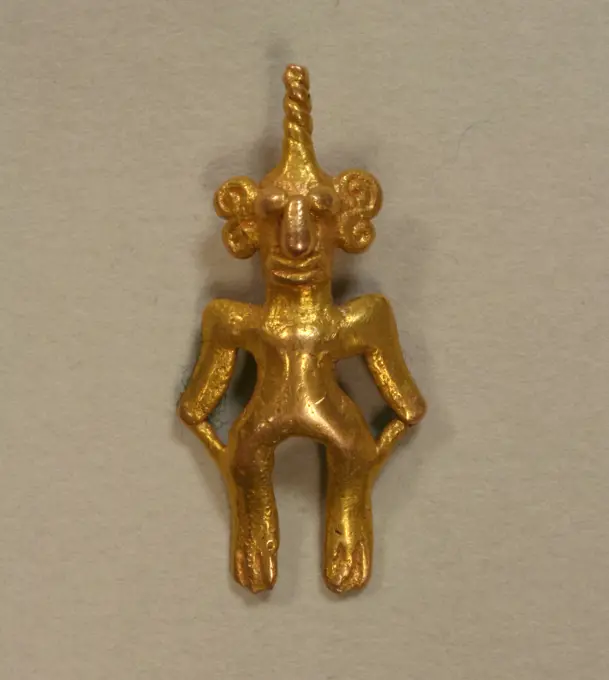
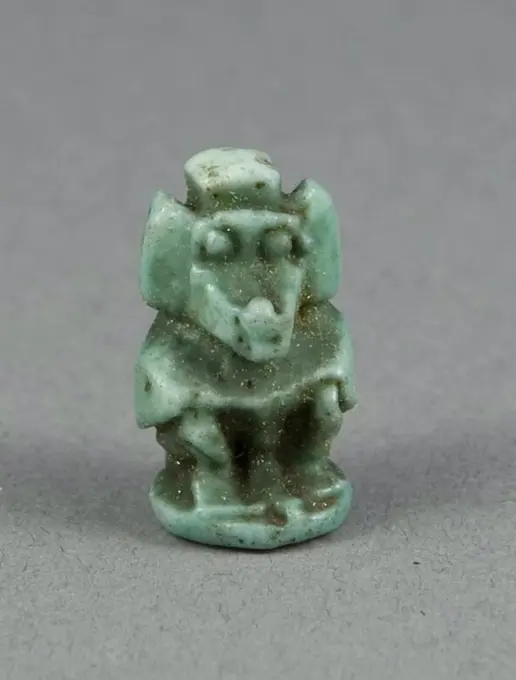
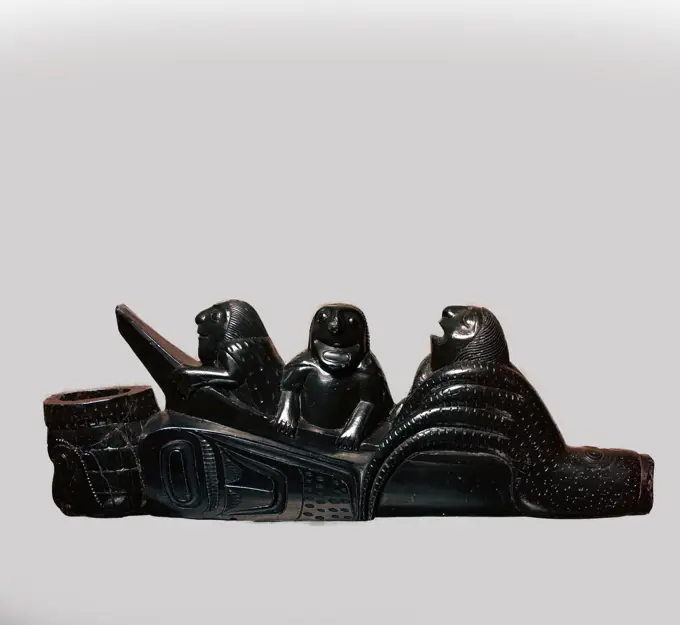
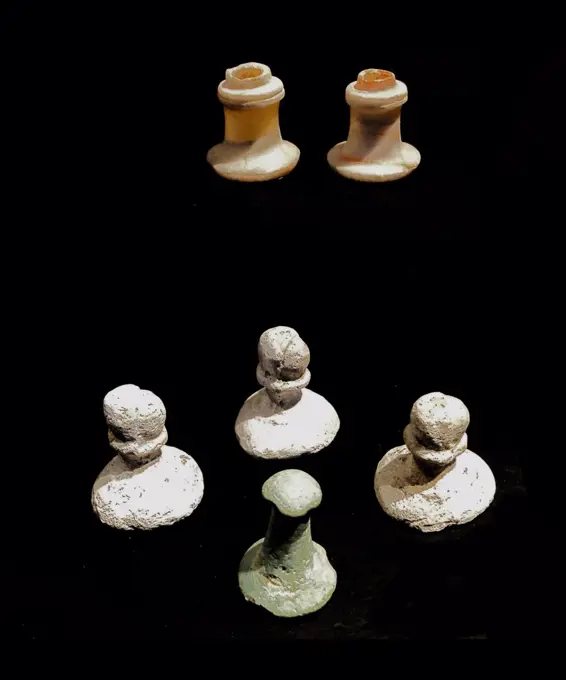
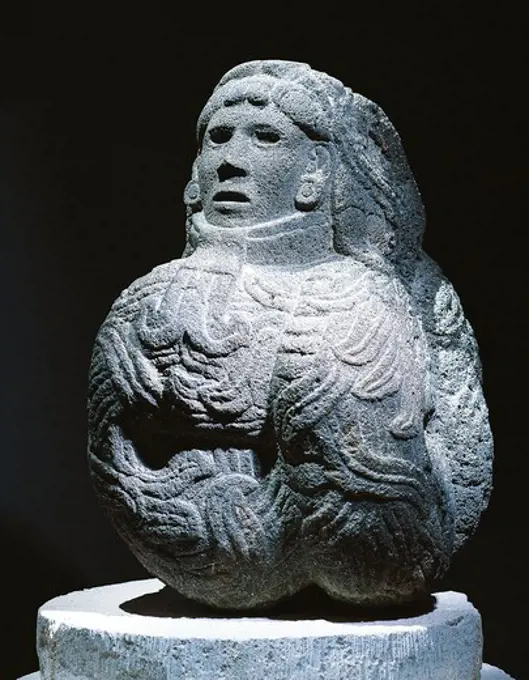
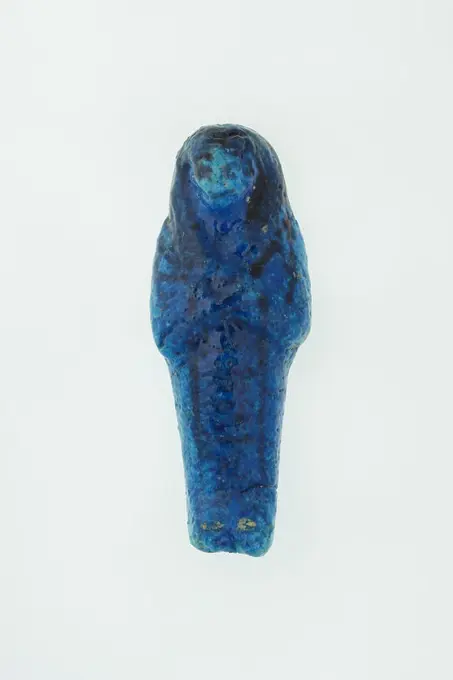
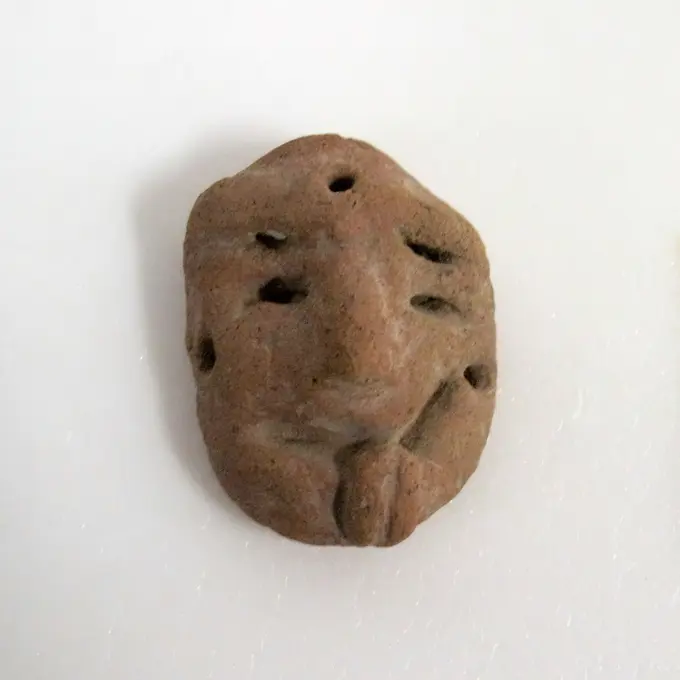
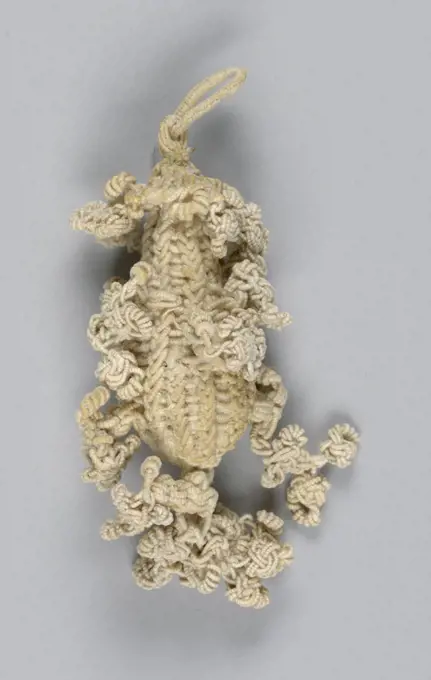
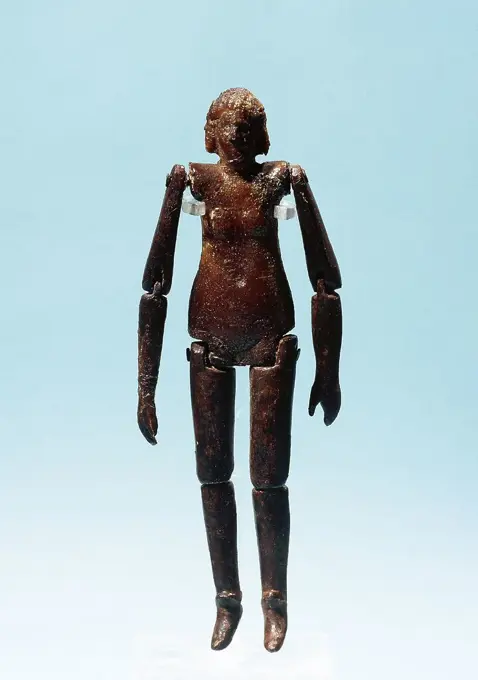
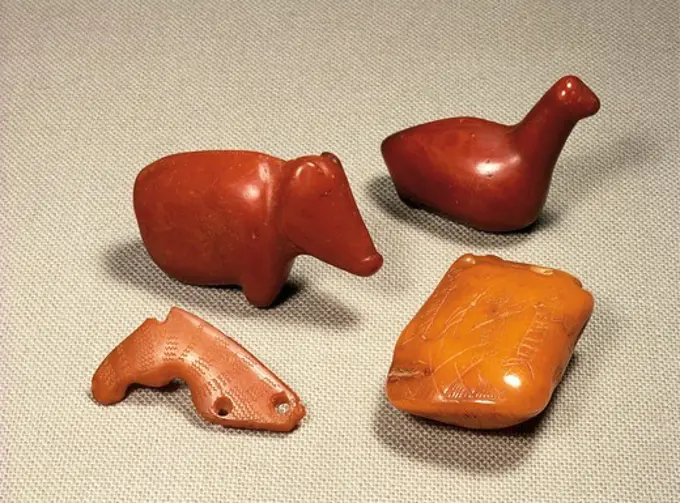
statuette of a bound prisoner, around 50-1 BC inscribed with Meroitic text that says, ëThis is the king of the Nubiansí. He has characteristic Nubian features and is shown naked and bound. The Kushites typically represented their defeated enemies in this way. Nubia was the ancient name for the Nile Valley in Southern Egypt and northern Sudan.Bes amulet 664-332 B.C. Late Period. Bes amulet. 664-332 B.C.. Faience. Late Period. From Egypt. Dynasty 26-30Mask of a Grotesque. UnknownBronze mount from a "Shawabty Bundle": Crossed Arms, c. 1336-1256 BC. Egypt, Thebes, Wadi Qubbanet el-Qirud, New Kingdom, late Dynasty 18 (1540-1296 BC) or early Dynasty 19 (1295-1186 BC). Bronze; overall: 3.5 cm (1 3/8 in.).Plaque. Egypt, New Kingdom (circa 1569 - 1081 BCE). Sculpture. FaienceCase for an animal mummy topped by a falcon 664-30 B.C. Late Period-Ptolemaic Period The falcon god Horus stands with his wings swept back. He has a prominent beak, large rounded eyes, and a strong brow, which supports the double crown of Egypt. This royal crown symbolizes the union of Lower and Upper Egypt, and highlights Horus role as the legitimate ruler of the entire land. On this particular figure, the crowns elements are closely modeled together but are still distinct: the red crown of Lower Egypt, complete with its curling spiral at the front, and the white crown of Upper Egypt. The falcon wears the double crown because Horus and the concept of kingship were closely tied, as early as the Predynastic Period. The falcon stands on a rectangular receptacle that would have held an animal mummy. The back end is open where the mummy, now lost, would have been inserted. Such falcon mummy boxes, or sarcophagi, would have been offered for deposition in animal necropoleis, not just in reFigure Pendant 4th-8th century Atlantic Watershed Possessing a monumental quality despite its actual size, this simple stone pendant boldly depicts an abstract faceless figure with a body segmented into three registers. The prominent circular holes framed by the arms and head are not for suspension; there is a separate hole drilled through the neck for that purpose. Instead, they are negative spaces that clarify the hands-to-head posture of the figure. Speckled stone and an irregular, soft geometricity lend an organic air to the form. Realism is not a goal here as the incised delineations of digits depict eight toes on the figure's left foot.. Figure Pendant 310600Hafted Ax with Abstract Face ca. 500 B.C.-A.D. 300 Indonesia. Hafted Ax with Abstract Face. Indonesia. ca. 500 B.C.-A.D. 300. Bronze. Bronze and Iron Age period. MetalworkAmulet of Bes 1070-664 BC Third Intermediate Period. Amulet of Bes 558369Bronze and iron fittings from a cart or chariot ca. 500-480 B.C. Etruscan This large collection of bronze fittings, many with their iron or bronze nails still preserved, once belonged to a wheeled wooden cart or chariot. Because all the larger elements have a flat back, we can assume that they came from a vehicle that was basically rectilinear rather than curved like the Monteleone Chariot displayed in this gallery. In a number of instances, the same Etruscan tomb contained both a chariot and a light cart that perhaps served as a hearse to carry the deceased to the cemetery. The precise function of the vehicle represented here is uncertain.Among the most interesting pieces is the large plate (29.131.3a) showing, in shallow relief, a seated youth playing the lyre. The pendant to this piece (29.131.3b) lacks the upper portion, where perhaps a related figure was once depicted. There are ten S-shaped reinforcement plates, eight of which are decorated with bearded snakes (29.131.3k1-k8). PaMiniature figurine, 1500 BCE, 1 3/8 in. (3.5 cm), Earthenware, Mexico, Pre-ClassicArtefacts in the gold museum, Bogota, Colombia, South AmericaEngraved Ring with a Seated Woman Holding a Branch. UnknownFour-Armed God Vishnu Holding Discus and Conch 1401-1500 Thanjavur. Bronze .Standing female figure, 200-700, 2 3/4 x 1 1/4 x 1/2 in. (7 x 3.2 x 1.3 cm), Earthenware, Mexico, 3rd-8th centuryStanding Hari-Hara first half of the 8th century Vietnam or Cambodia. Standing Hari-Hara 38617Base for Weather Vane. Dated: c. 1939. Dimensions: overall: 38.3 x 27.8 cm (15 1/16 x 10 15/16 in.) Original IAD Object: 25" high. Medium: watercolor and graphite on paperboard. Museum: National Gallery of Art, Washington DC. Author: Hazel Hyde.Amuletic figure. Dimensions: H. 4 x W. 1.9 x D. 1.1 cm (1 9/16 x 3/4 x 7/16 in.). Date: ca. 3650-3300 B.C.. Museum: Metropolitan Museum of Art, New York, USA.Amulet - figurka lwiogłowej bogini. unknown, authorTwo chariot elements (common name), -1050. Cernuschi Museum, Asia Museum of Asia in the city of Paris. Each element is decorated with a buffalo protomedTerracotta roundels in the form of theatrical masks 1st century B.C. Greek Roundels with theatrical masks attached.. Terracotta roundels in the form of theatrical masks 257595Rook or Pawn Chess Piece. Culture: Scandinavian. Dimensions: 1 7/8 × 1 1/4 × 7/8 in. (4.8 × 3.2 × 2.3 cm). Date: 12th century.Armed and ready for battle, the standing warrior appears in full body mail and a long cloak. He hunches his shoulders slightly, as if from the weight of his armor, and yet has an open, almost smiling face. Museum: Metropolitan Museum of Art, New York, USA.Stylized female figure made of bone, from Dolni Vestonice, Czech Republic Height 8.7 cm. Paleolithic Age.Arrowhead 2nd-1st millennium B.C. Iran. Arrowhead 325233Figure Ornament 7th-16th century Costa Rica. Figure Ornament 309966Abstract Figure Pendant, c. 100-900. Colombia, (Central Highlands), Tolima Style, c. 100-900. Hammered gold; overall: 4.5 x 5.9 cm (1 3/4 x 2 5/16 in.).Amulet of a Seated Baboon. Egyptian. Date: 664 BC-332 BC. Dimensions: 1.9 × 1.3 × 1 cm (3/4 × 1/2 × 3/8 in.). Faience. Origin: Egypt. Museum: The Chicago Art Institute, Chicago, USA. Author: Ancient Egyptian.Peccary Head Hacha. Culture: Veracruz. Dimensions: Height 6-1/2 in.. Date: 10th-12th century. Museum: Metropolitan Museum of Art, New York, USA.Haida Native American tobacco-pipe, 19th century. Artist: UnknownAncient Egyptian Gambling chips made from Alabaster and limestone. New Kingdom 1550-1070 BCBasalt statuette of god Quetzalcoatl, feathered serpentNaked Female Figure with Necklace probably 9th-10th century. Naked Female Figure with Necklace 449445Crested figure (Macuilxochitl) 15th-early 16th century Aztec. Crested figure (Macuilxochitl) 307775Head with Wreath. UnknownWorker Shabti of Nany. Dimensions: H. 8.9 × W. 3.4 × D. 2.4 cm (3 1/2 × 1 5/16 × 15/16 in.). Dynasty: Dynasty 21. Reign: reign of Psusennes I. Date: ca. 1050 B.C..See 30.3.27.1a, b. Museum: Metropolitan Museum of Art, New York, USA.Miniature mask, 1500 BCE, Earthenware, Mexico, Pre-ClassicMayan pottery vessel in shape of a foot, Mexico.Tassel, Medium: linen Technique: braided and knotted, White linen tassel teardrop-shaped base that is braided over. From the top of the core hang knotted elements of varying lengths. A cluster of knotted elements also hangs from the bottom center of the core., Italy, 17th century, trimmings, TasselEgyptian Ushabti or Ushabti. The Ushabti also called Ushabti or shawabti, was an Ancient Egyptian funerary figurineESCULTURA DEL EMPERADOR TRAJANO-98/117 DC-ARTE ROMANO-PROCEDENTE DE LAS RUINAS DE BAELO CLAUDIA. Location: MUSEO DE CADIZ-ARQUEOLOGIA. Cadiz. SPAIN.Roman doll. Articulated arms and legs. Amber. From Necropolis of Ontur (Albacete province), 4th century. Albacete Provincial Museum. Castile-La Mancha. Spain.Denmark, Copenhagen, animal shaped amber figurines