Historic Decorative Bowls

A collection of diverse bowls showcasing various glazes and materials, including stoneware, celadon, and Coptic pottery, highlighting unique designs and historical significance.

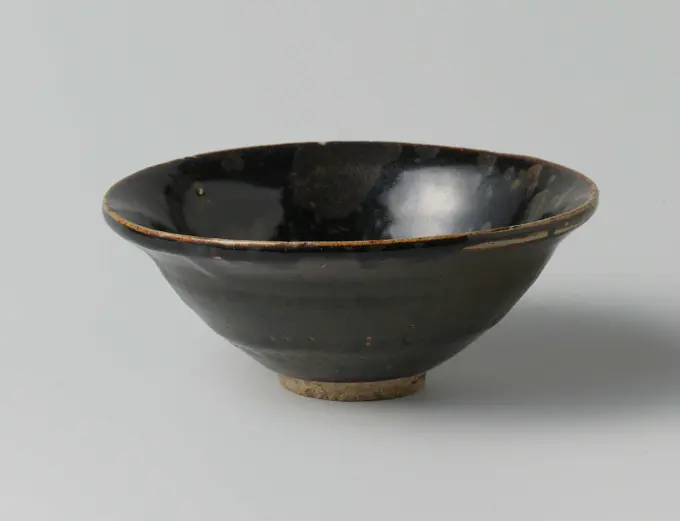
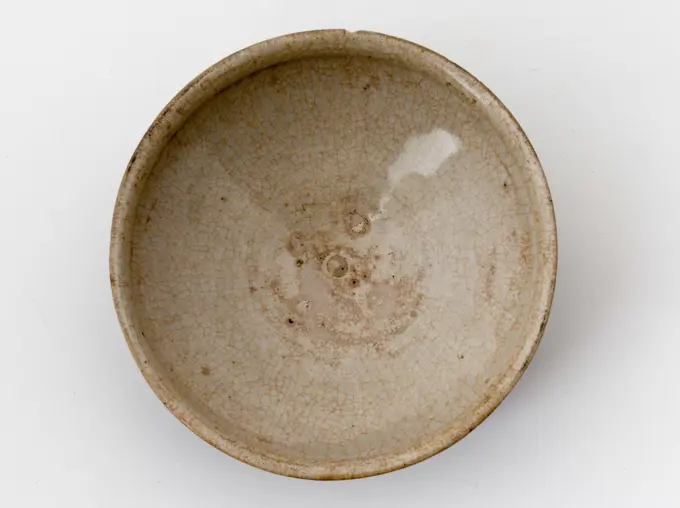
Cup (common name). Celadon coverage sandstone. Cernuschi Museum, Asia Museum of Asia in the city of Paris.
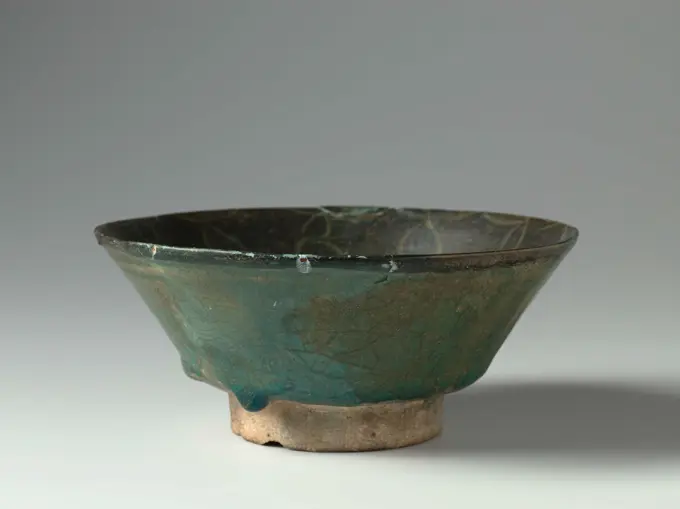
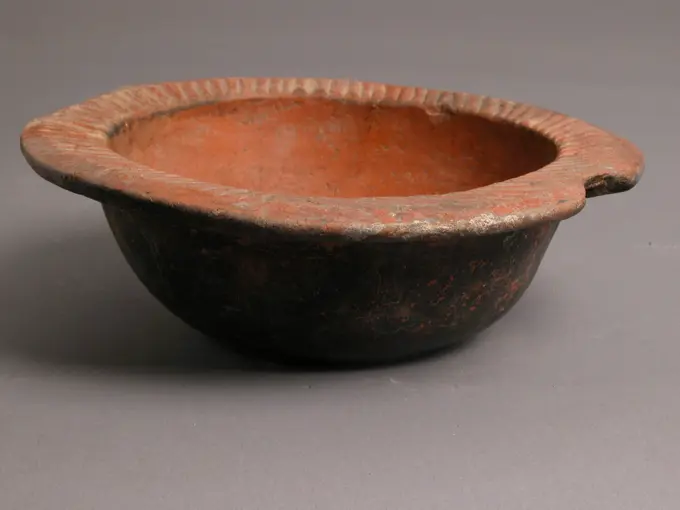
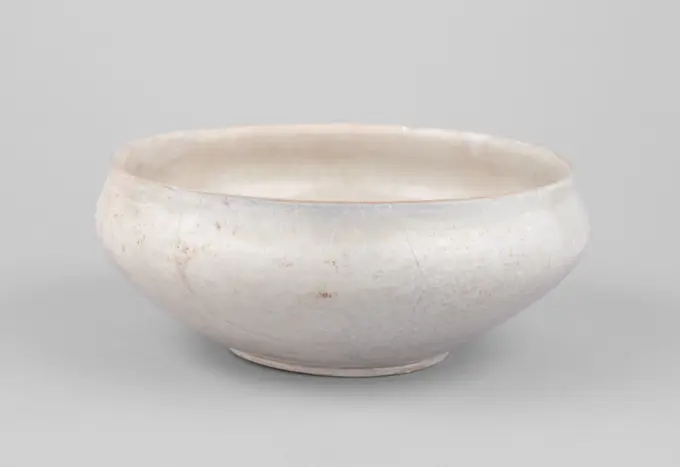
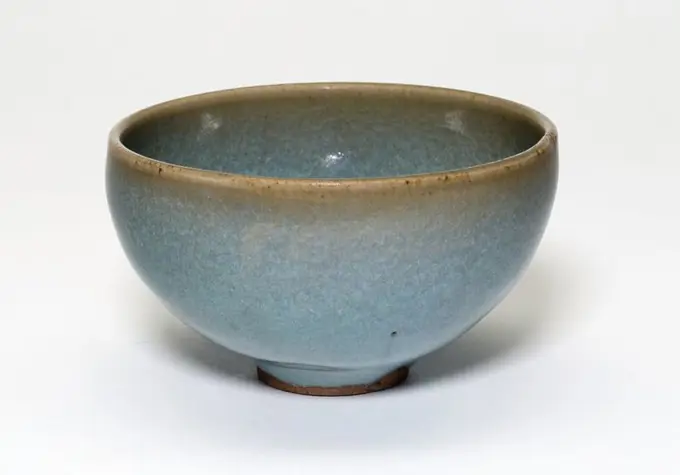
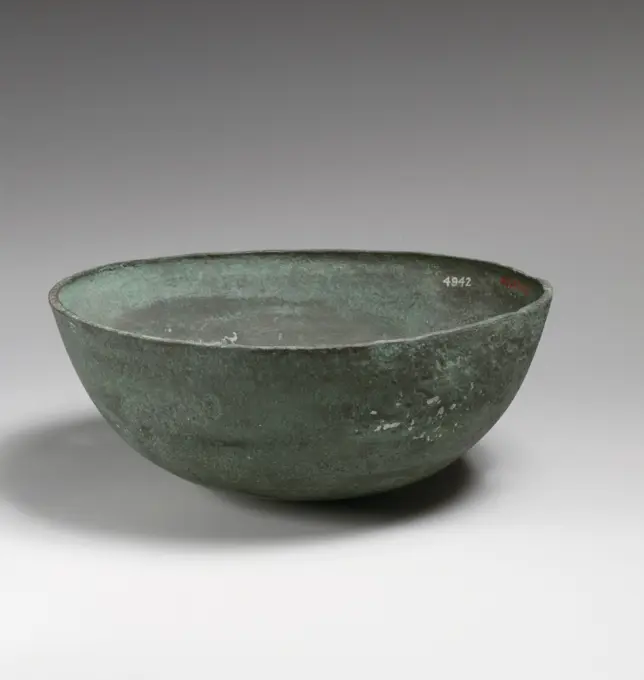
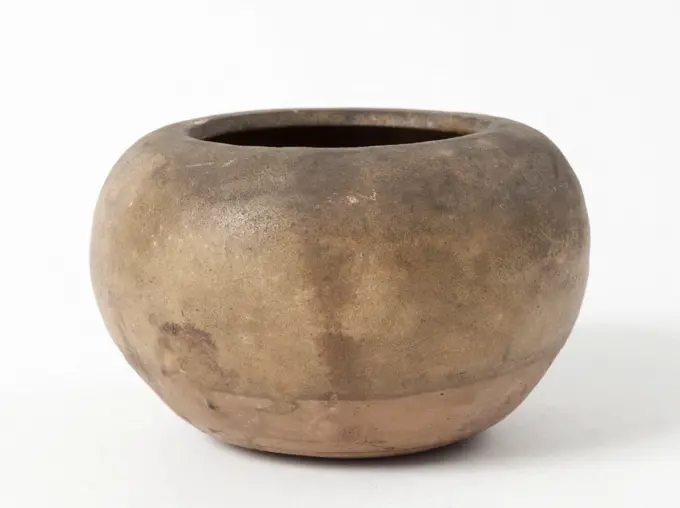
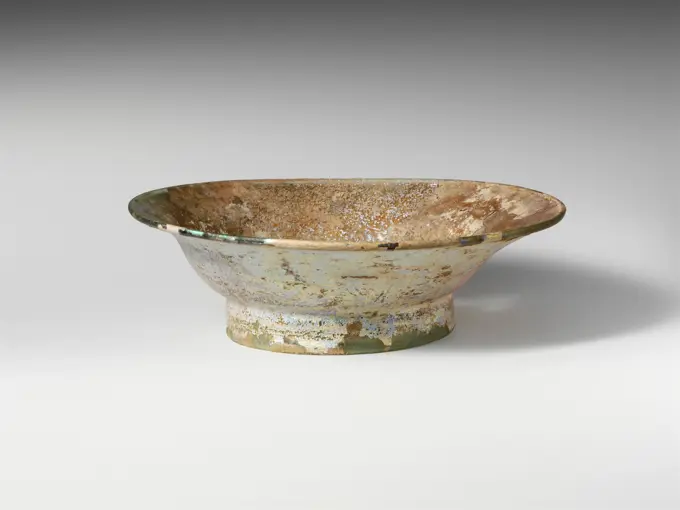
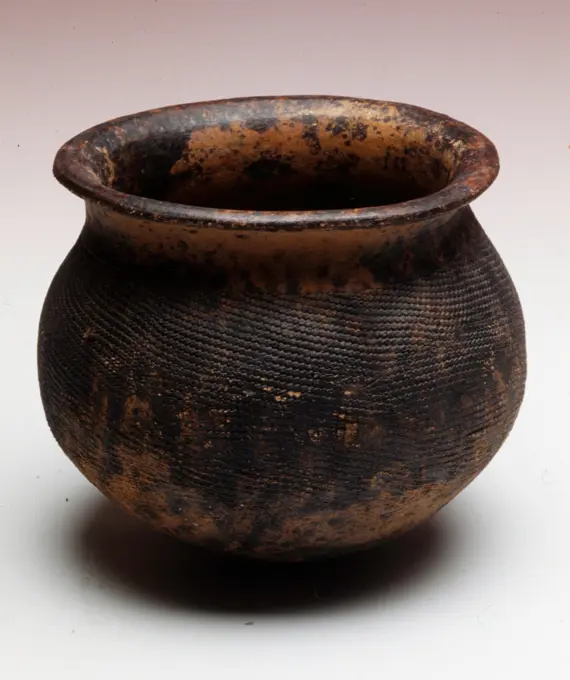
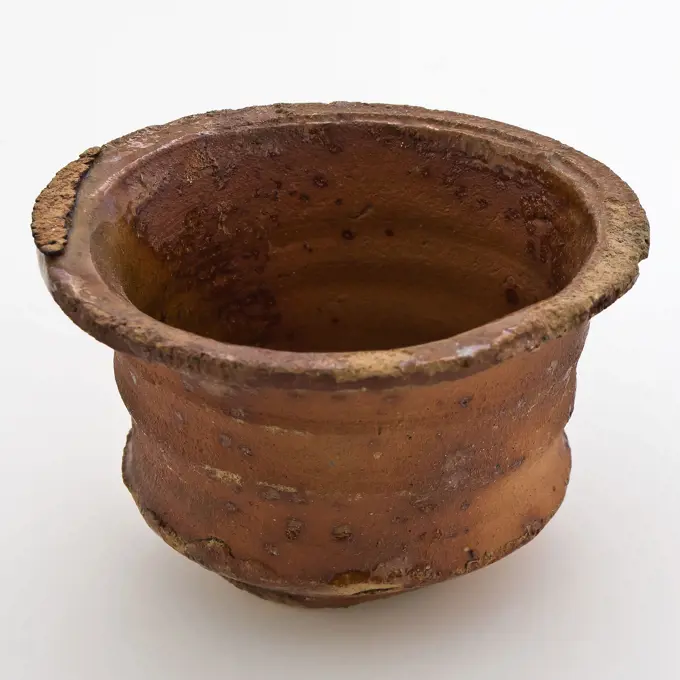
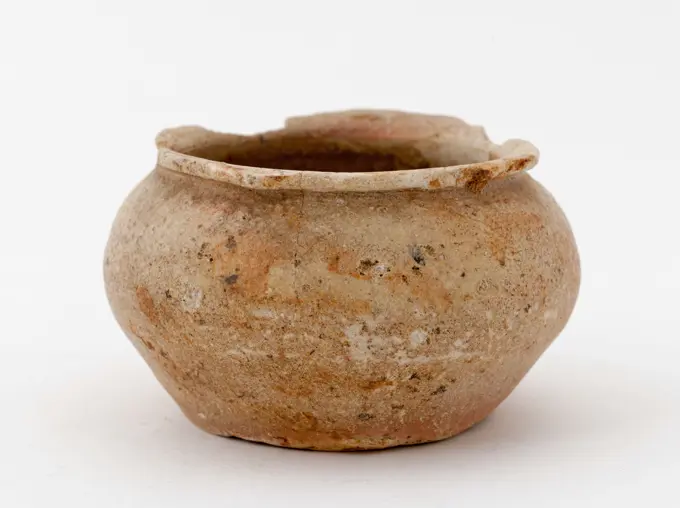
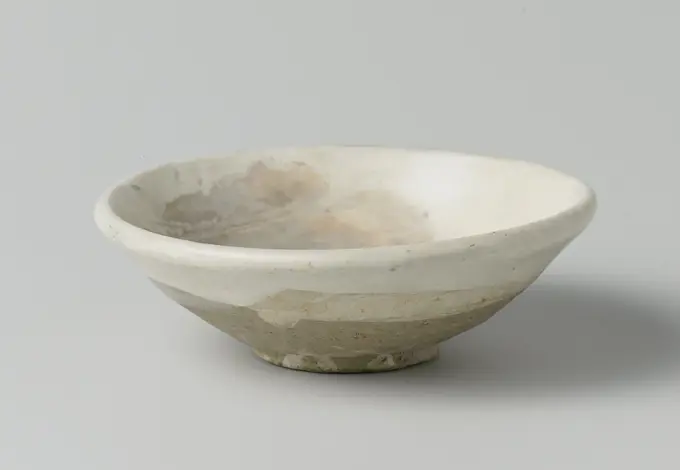
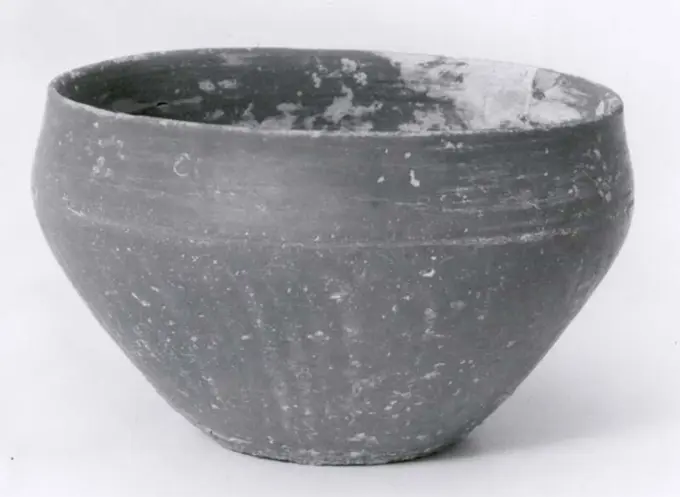
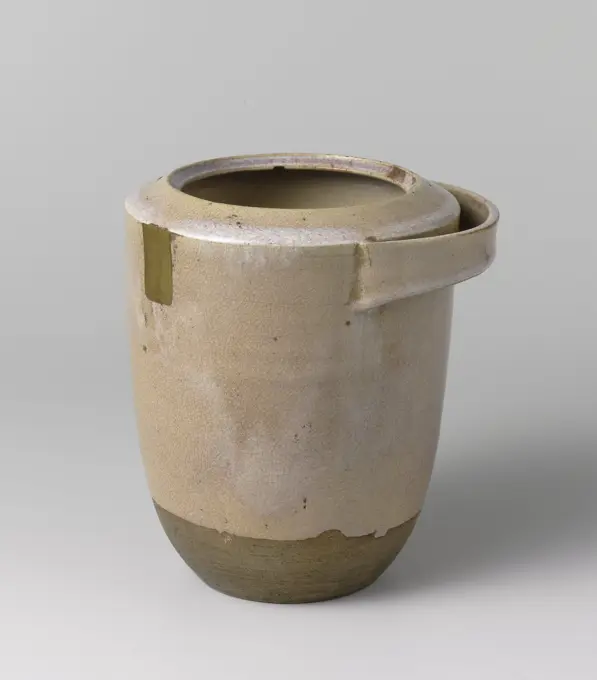
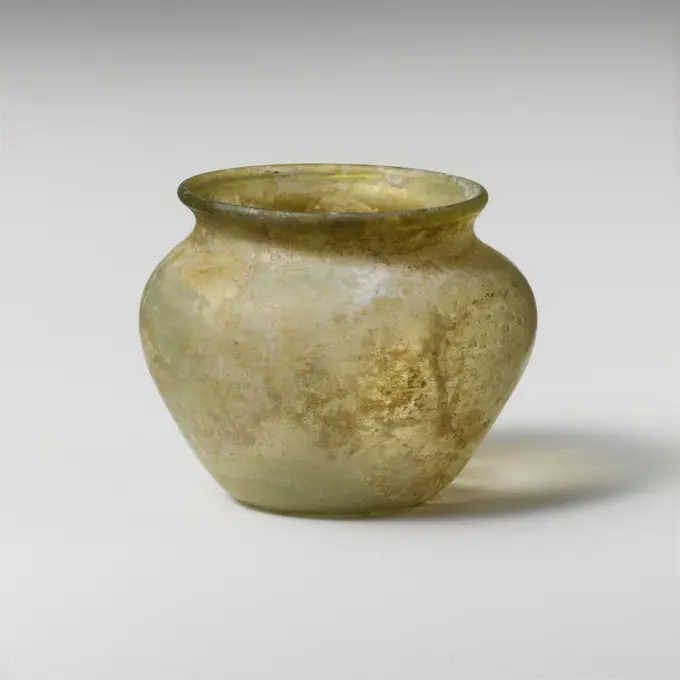
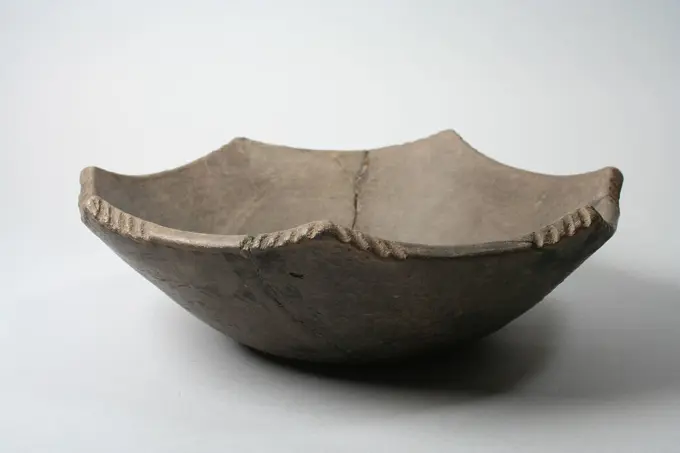
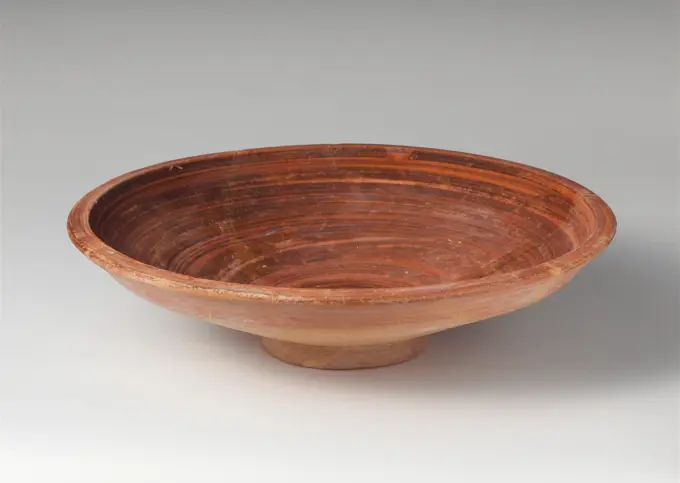
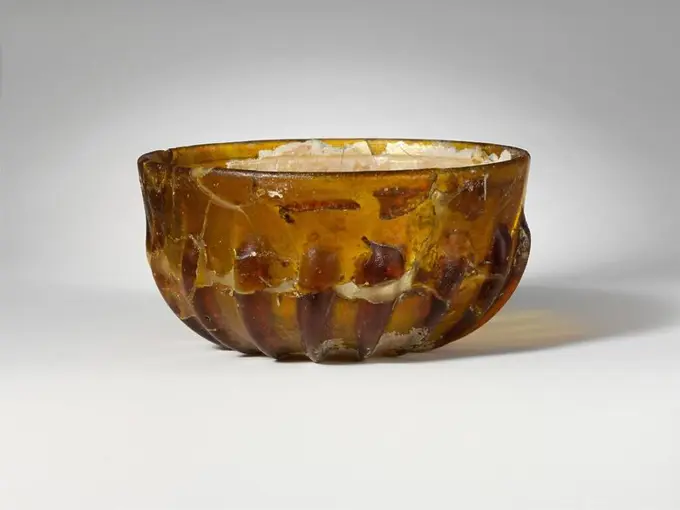
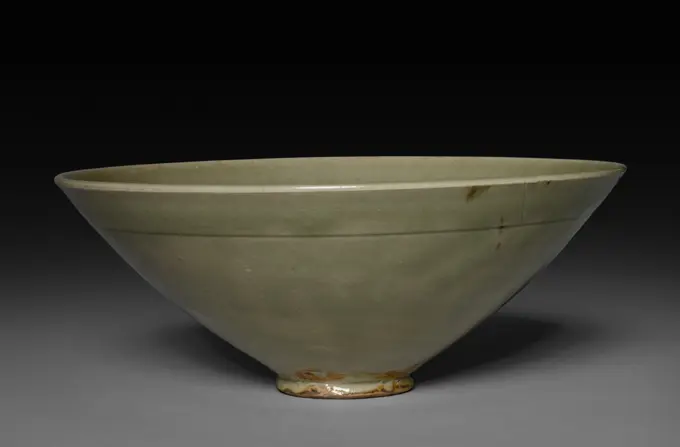
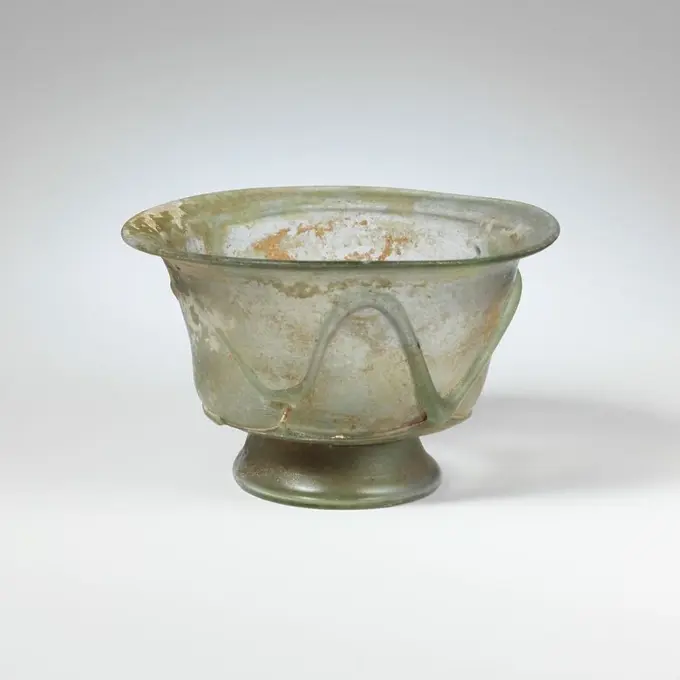
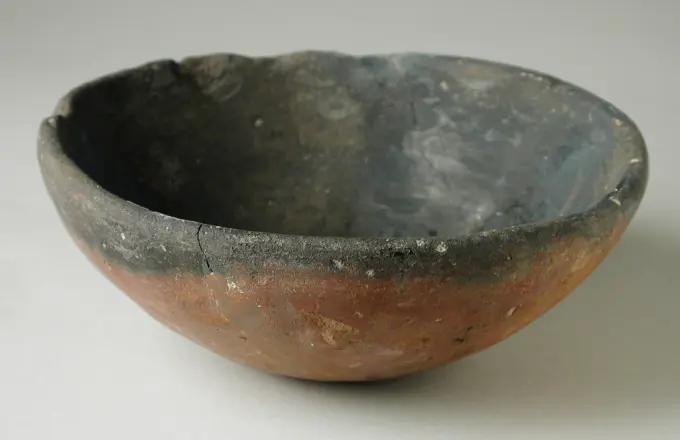
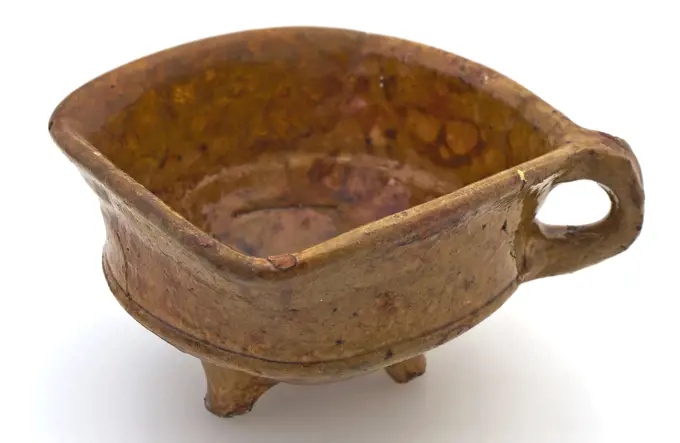
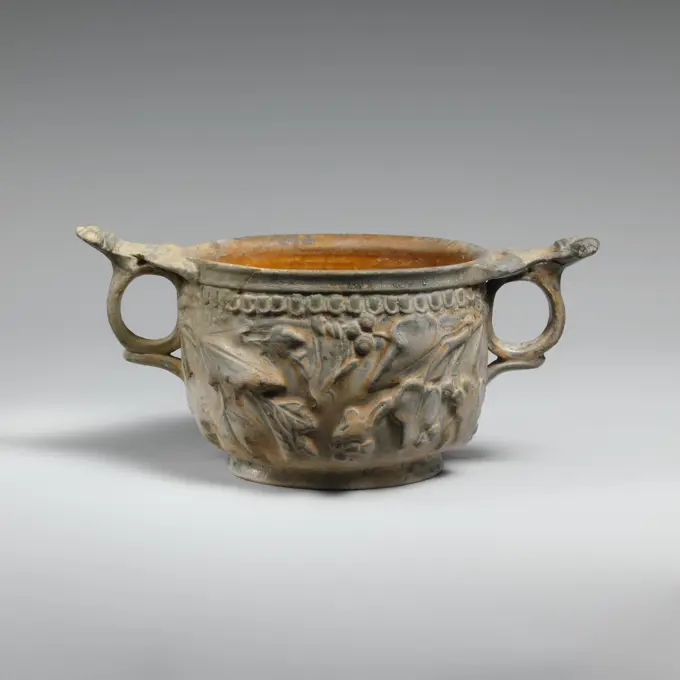
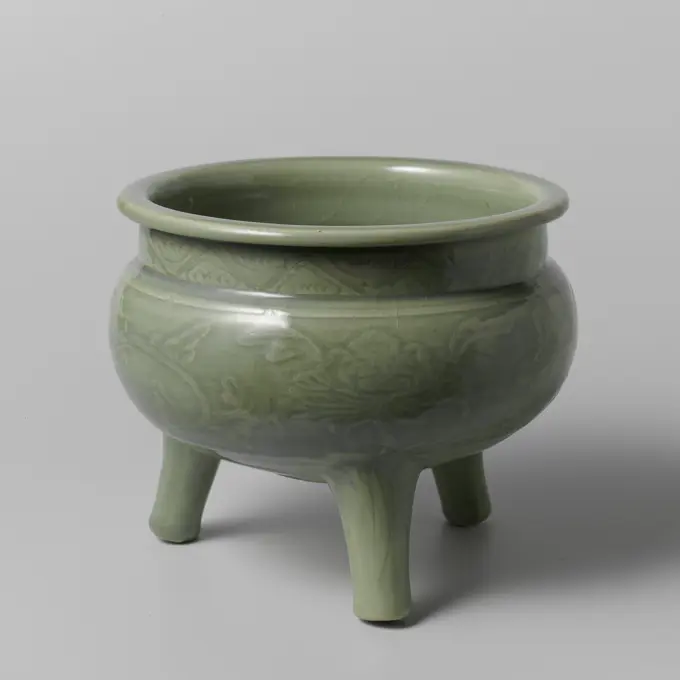
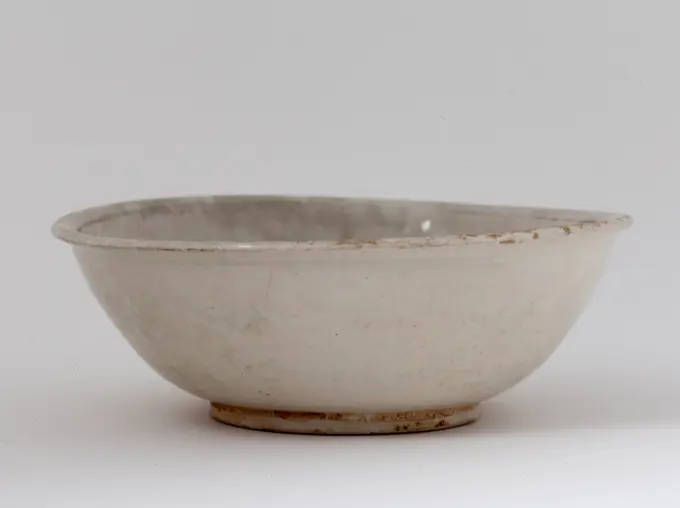
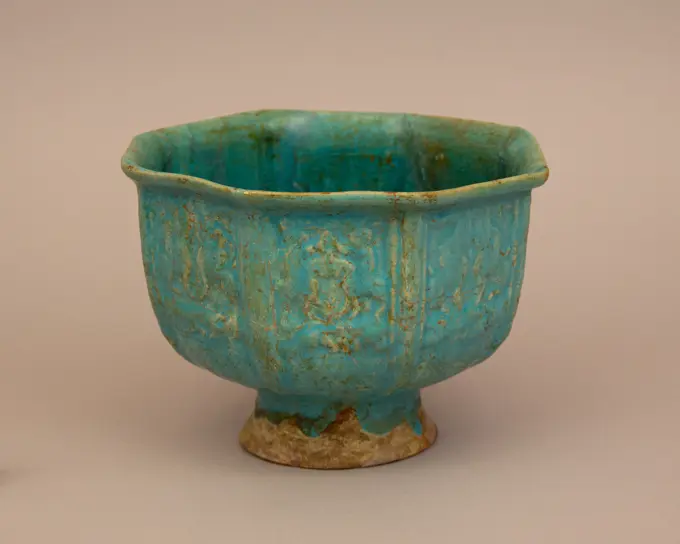
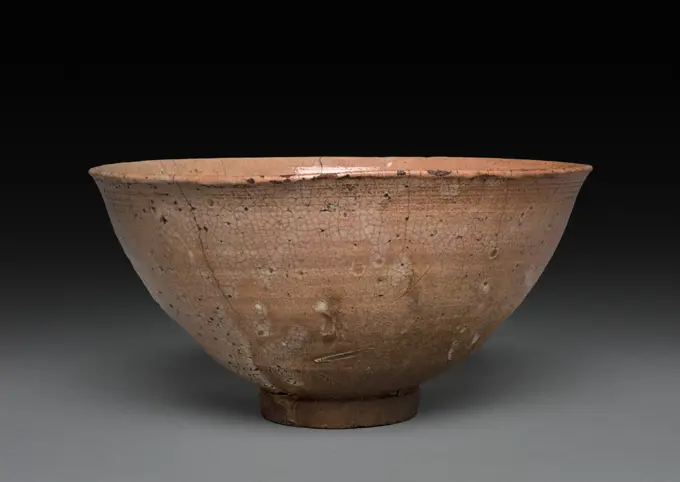
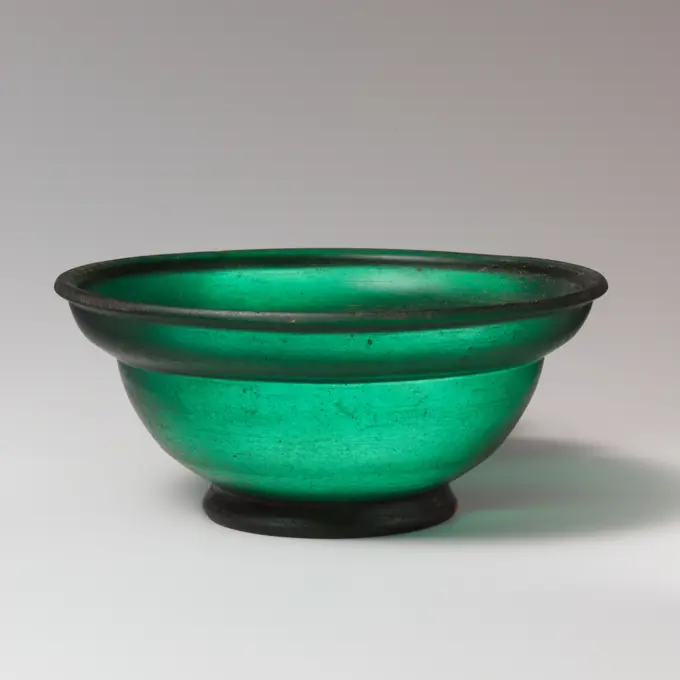
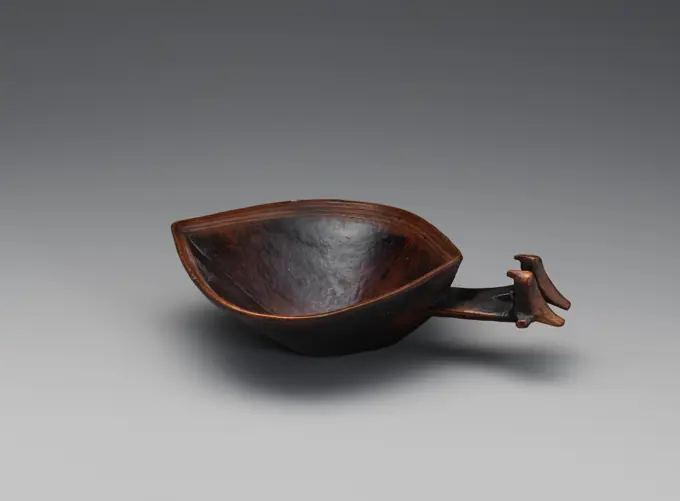
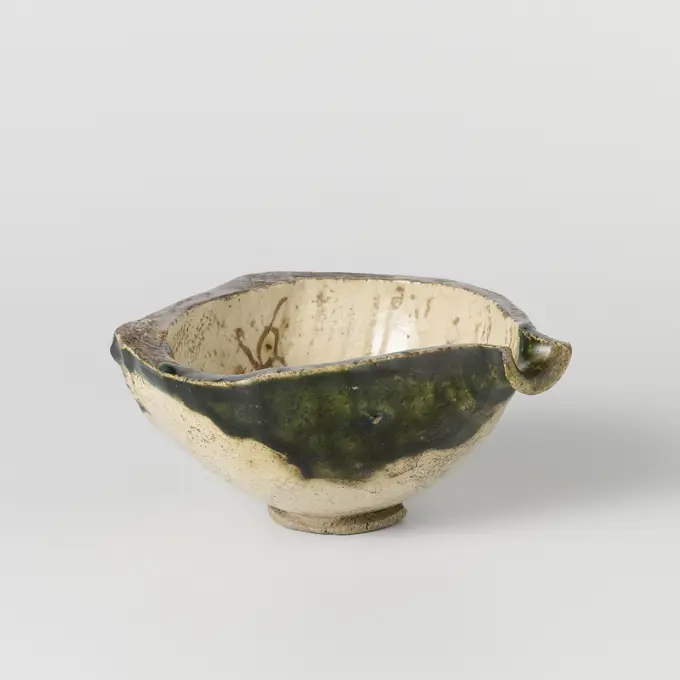
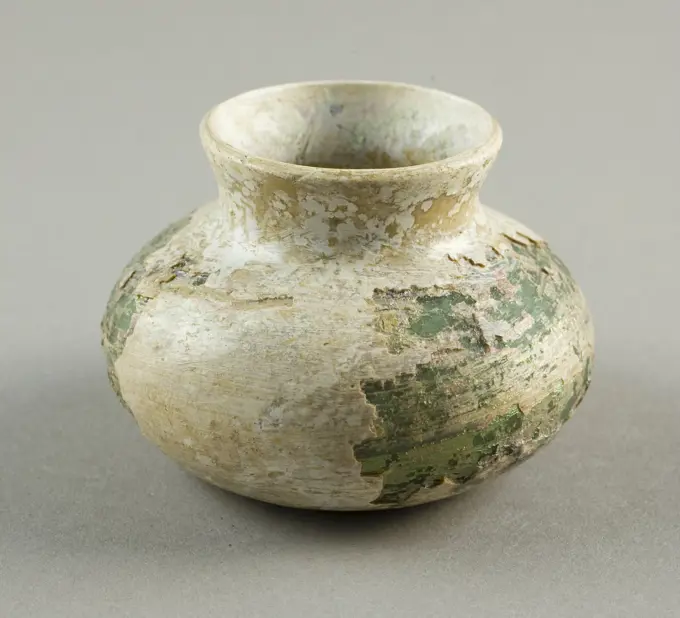
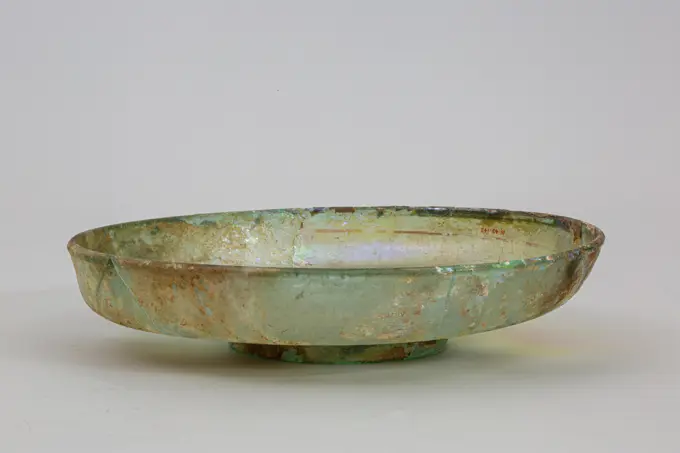
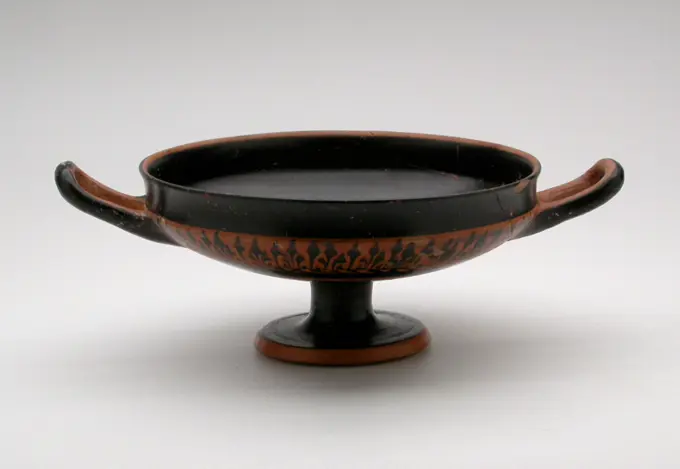
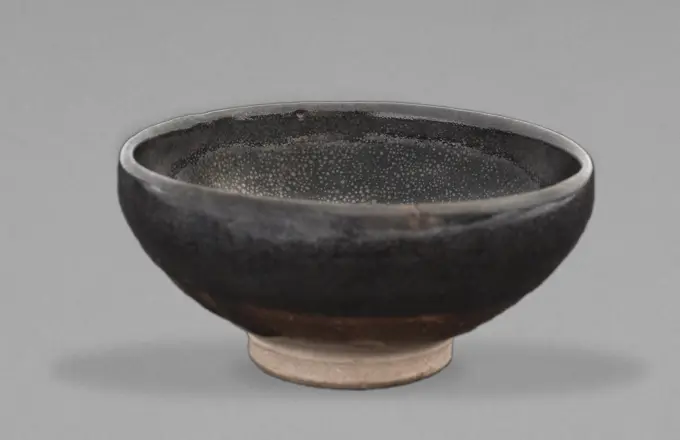
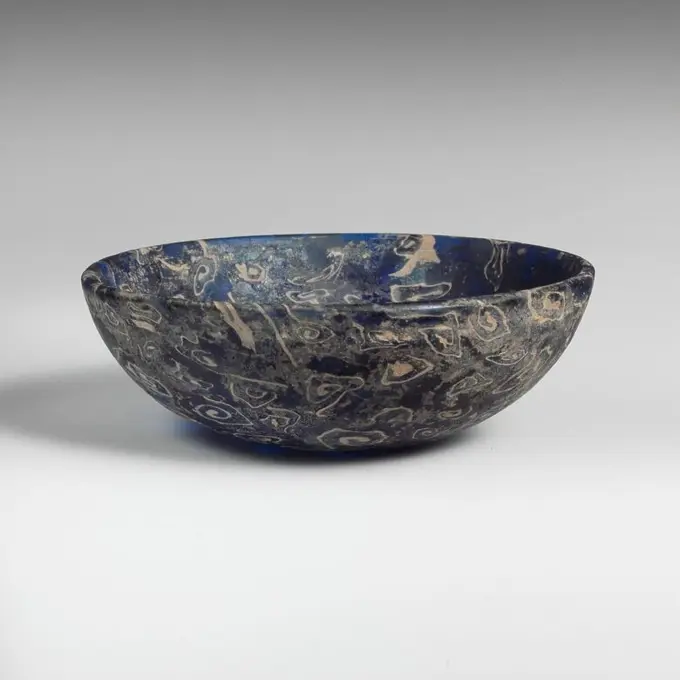
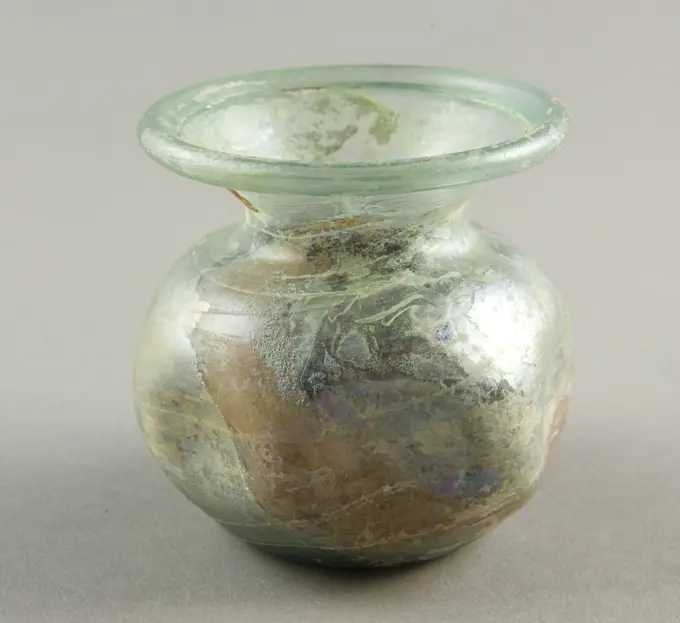
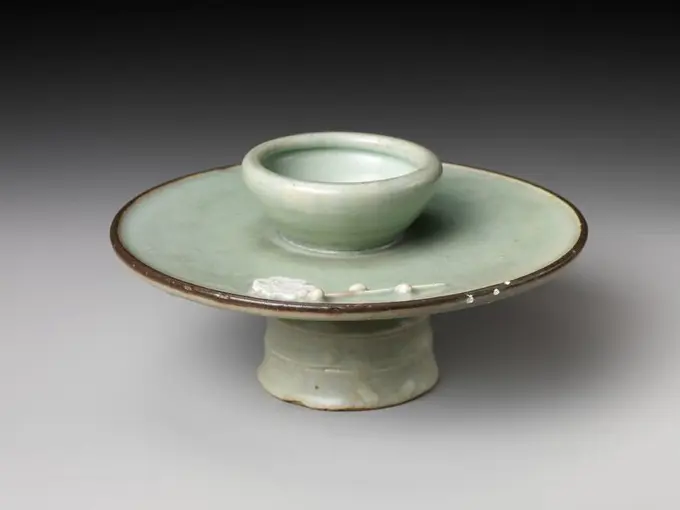
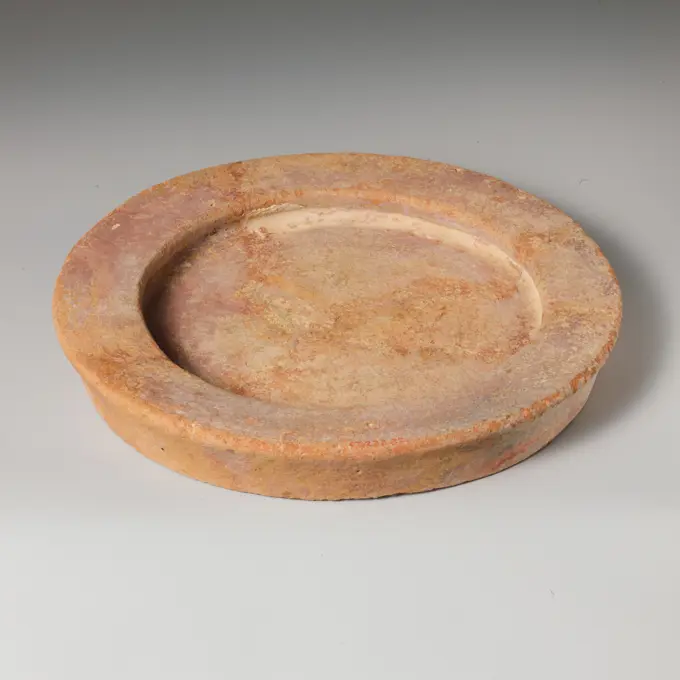
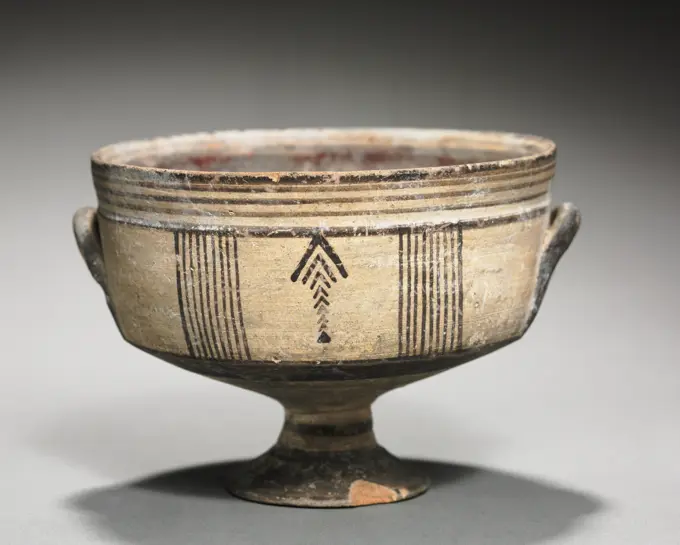
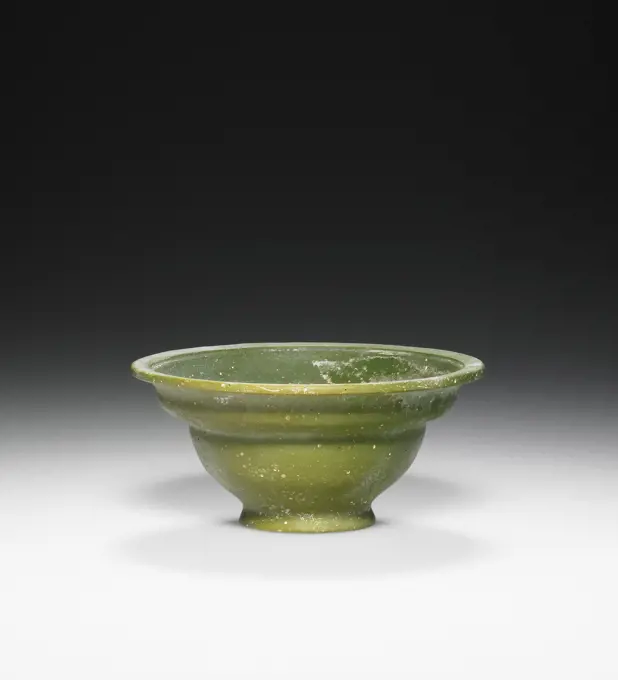
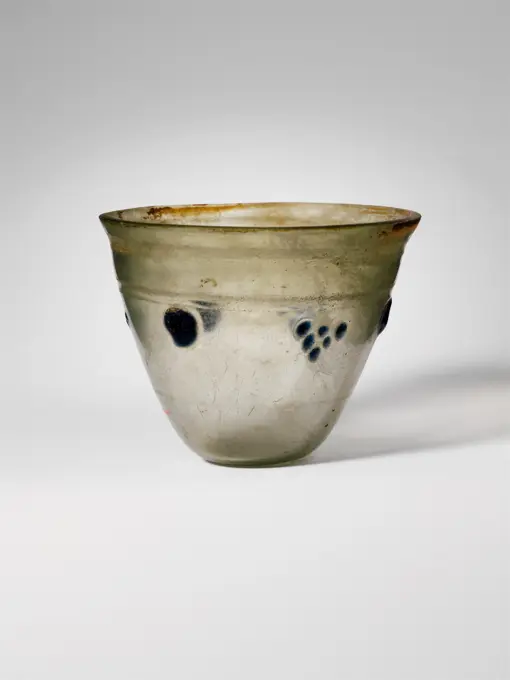
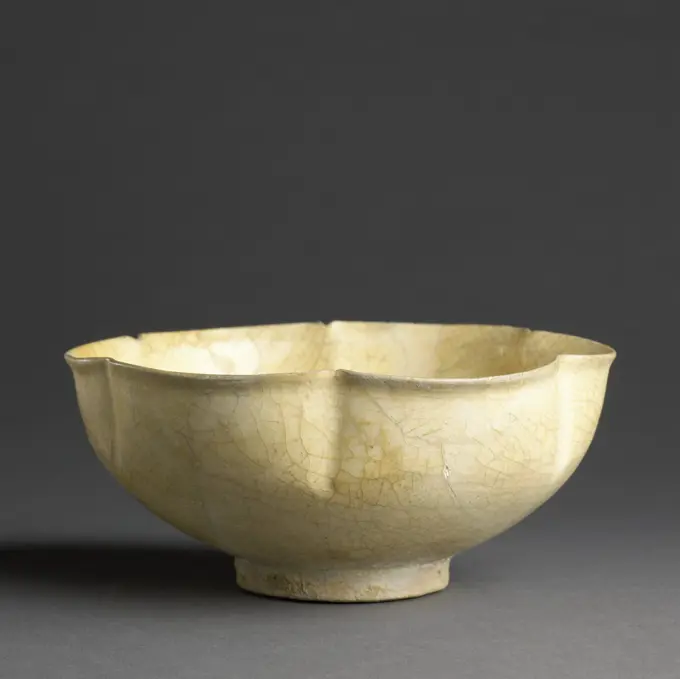
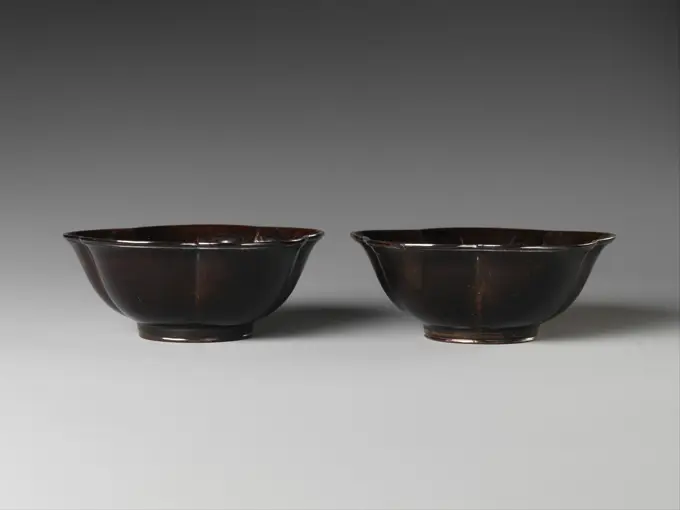
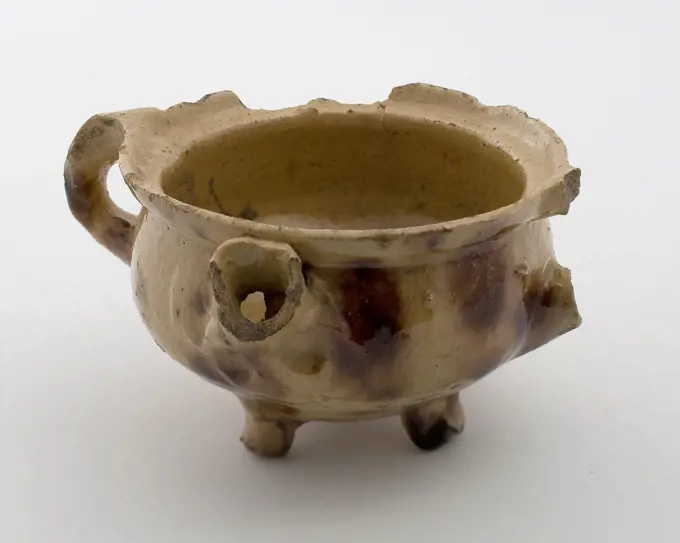
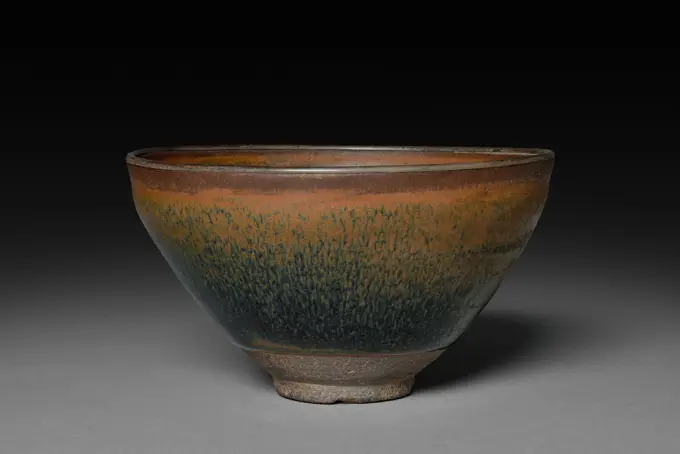
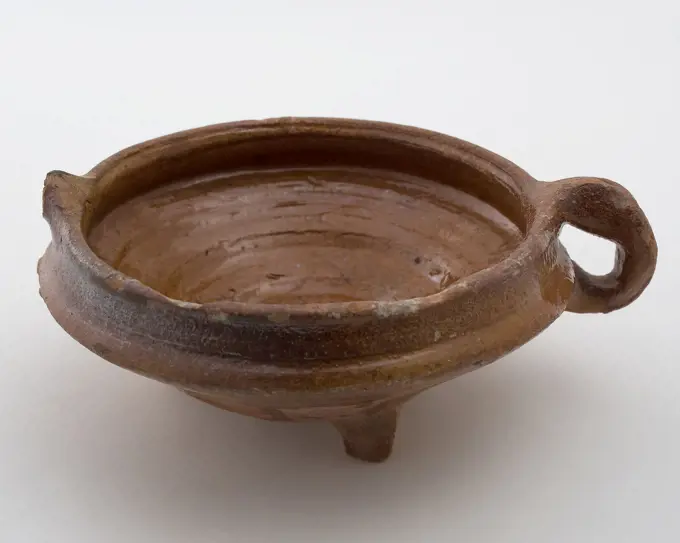
. Tea bowl of stoneware, on the inside covered with a black glaze with golden brown spots. The outside with a blue-green glaze. The underside of the bowl is unglazed. A crack in the edge.. Come from quartz frying with a blue alkalilation. The inside is covered with a black soil, which has been cut to the wall tendrils so that the blue glaze can be seen.Bowl 4th-7th century Coptic Bowls such as these were common throughout Egypt. These two bowls were found outside of the el-Dier fortress. While the forms are typical of pottery production throughout Egypt, the bowls are made of local clay indicating production at a local ceramic workshop.. Bowl 478448Cup (common name). Celadon coverage sandstone. Cernuschi Museum, Asia Museum of Asia in the city of Paris.Bowl. Culture: Coptic. Dimensions: Overall: 2 5/8 x 7 13/16 in. (6.6 x 19.8 cm). Date: 4th-7th century. Museum: Metropolitan Museum of Art, New York, USA.Anonymous, cut into fragments (common name), 900. Covered sandstone. Cernuschi Museum, Asia Museum of Asia in the city of Paris.Cup. China. Date: 960 AD-1127. Dimensions: H. 5.2 cm (2 1/6 in.); diam. 9.1 cm (3 9/16 in.). Jun ware; stoneware with light blue glaze. Origin: China. Museum: The Chicago Art Institute, Chicago, USA.Bowl. Culture: Coptic. Dimensions: Overall: 1 3/4 x 4 3/16 in. (4.4 x 10.6 cm). Date: 4th-7th century. Museum: Metropolitan Museum of Art, New York, USA.Tea Bowl With a Gray Glaze. Tea bowl of stoneware, covered with a gray-colored cream-colored enamel. Eight preen on the bottom; Twice a golden roof restoration in the edge. Old label on the bottom with 'W136'. Komogai.Glass cup. Culture: Roman. Dimensions: Overall: 2 3/4 x 3 7/8 x 3 1/4 in. (7 x 9.8 x 8.3 cm). Date: 3rd century A.D..Translucent pale blue green.Rim slightly outsplayed, cracked off, and ground flat; slightly convex sides expanding downwards to rounded carination, then curves in sharply to bottom with slightly pushed-in central circle.Band of horizontal wheel-cut decoration above carination, comprising two thin lines flanking a broad, deeper groove.Intact; few bubbles and blowing striations; dulling and small patches of iridescence weathering on exterior, milky white weathering on interior with thick layer of soil encrustation on bottom. Museum: Metropolitan Museum of Art, New York, USA.Bowl 4th-7th century Coptic. Bowl 478820Bowl Cypriot. Bowl 244488Pot ". Sandstone, slip, cream coating. China, Tang dynasty (618-907). Paris, Cernuschi museum. Chinese art, Chinese ceramic, container, tang dynasty, oval form, gres, pot, container, terracotta. Iranian potters admired the porcelain imported from China. From the 12th century they began using a new material, quartz paste fritware: white clay ground with fine quartz and glass powder. It allowed them to throw much thinner walls. They were trying to approximatethe translucency of Chinese porcelain. Sometimes, as with this bowl, they made perforations and used a transparent glaze to enhance this effect.Bowl with acorn bosses at shoulder, lotus pattern beneath, and rosette on bottom, and with inscribed weight. Dimensions: H. 8.5 x Diam. 13.6 cm at mouth 15 for body (3 3/8 x 5 3/8 and 5 7/8 in). Date: 4th century B.C..The heavy silver vessels 18.2.13-18.2.17 are in created in a decorative style widespread in the Greek world, and can be dated to the fourth century BC. They are said to have been found together in the Egyptian Delta. Several of the vessels have small Demotic designations scored into the rim recording the weight of the silver, which correlated with the vessel's value. The larger weight unit was a deben (about 91 grams at this time) and this was divided into 10 kites..18.2.13 has an inscription that reads "...deben 4 kite." Its actual weight is 552.8 grams. Museum: Metropolitan Museum of Art, New York, USA.Bowl (Wan). China, late Jin to early Yuan dynasty, 13th-14th century. Furnishings; Serviceware. Longquan type ware, wheel-thrown stoneware with carved decoration and green glazeDish with Incised Fan Pattern. Thailand, Chiang Mai Province, Sankampaeng. Date: 1301-1400. Dimensions: 6.2 × 21.6 × 21.6 cm ( 2 7 /16 × 8 1/2 × 8 1/2 in.). Stoneware with celadon glaze. Origin: Chiang Mai, Changwat. Museum: The Chicago Art Institute, Chicago, USA.Glass dish 4th century A.D. Roman Translucent pale blue green.Thickened, rounded rim; side curves down and in, with angular profile; tall foot ring, made by folding, slightly splayed and with tubular, inward-bulging edge; uneven bottom with thick dome at center and prominent pontil scar. Intact; many pinprick bubbles; heavily weathered, with pitting, some dulling, and brilliant iridescence.. Glass dish 245291Bowl. UnknownFocolare bowl second half of 6th century B.C. Etruscan Undecorated.. Focolare bowl. Etruscan. second half of 6th century B.C.. Terracotta; bucchero. Archaic. VasesGlobular Pot, 20th century, 8 1/2 x 9 1/4 in. (21.6 x 23.5 cm), Earthenware, Democratic Republic of Congo, 20th centuryGray bowl or nap with pouring lip, conical in shape, bowl crockery kitchen utensils earthenware ceramics pottery, hand-turned baked Bowl or nap of gray earthenware Rough and scraped earthenware Conical model on narrow standing surface At the bottom part of stashed sintered strange pottery. Internal round bottom pouring clip at the top edge. Possibly melting pot archeology Poortugaal Albrandswaard indigenous pottery import cooking kitchen melting metalworking craft Soil discovery Poortugaal.Glass dish 4th century A.D. Roman Colorless with faint yellow green tinge.Tubular, flaring rim, folded out and down, with almost horizontal inner shoulder; S-shaped side to body, curving in to integral tubular base ring; slightly concave bottom, thicknened at center with small pontil scar.Broken and repaired, cracked on one side and a large hole in the other; pinprick bubbles; pitting, iridescent weathering, and some limy encrustation around rim.. Glass dish 239890Incised Painted Bowl 5th-2nd century B.C. Paracas. Incised Painted Bowl 308656Pottery ointment jar, mortar model with protruding edge and narrow stand, ointment jar pot holder soil find ceramic earthenware glaze lead glaze, hand-turned glazed baked earthenware ointment jar. Mortar model with coarse rotations over the side wall and protruding ridge above the foot. Filling top edge and narrow standing surface. Red shard internally partially glazed Stand with minimal soul archeology Rotterdam IJsselmonde health care indigenous pottery packaging ointment care medication medicine handicraft pharmacy Soil discovery: IJsselmonde Castle 1 Rotterdam 1972.Czelka with spotted browns on a black background unknown. Bowl of pottery with white sludge and a painting with black sludge under a transparent lead glaze. A duck on the bottom; The inner wall with a band Pseudocript.Bowl. Culture: Coptic. Dimensions: Overall: 15/16 x 2 9/16 in. (2.4 x 6.5 cm). Date: 4th-7th century. Museum: Metropolitan Museum of Art, New York, USA.Small globular pot vas "transparent covered white GRS. Paris, Muse Cernuschi. Small globular pot Vietnamese art, Col Evase, Vietnamese collection, transparent coverage, ebrecher, white gres, globular pot, archeological vestigeBowl with a white slip, anonymous, c. 1000 - c. 1099 Shallow bowl of stoneware, partially covered with a gray -colored white sludge and a cream -colored glaze. The underside is unglazed. Cizhou . China stoneware. glaze vitrification Shallow bowl of stoneware, partially covered with a gray -colored white sludge and a cream -colored glaze. The underside is unglazed. Cizhou . China stoneware. glaze vitrificationBowl with Phoenix. Korea. Date: 1000-1035. Dimensions: H. 6.2 cm (2 7/16 in.); diam. 11.4 cm (4 1/2 in.). Celadon-glazed stoneware with underglaze incised decoration. Origin: Korea. Museum: The Chicago Art Institute, Chicago, USA.Cup ca. 900-700 B.C. Iran This biconical cup has a flat base. It is made of red clay, and has been burnished. Wheel lines on the interior indicate that it was made on a potters wheel.This cup was excavated at Tepe Sialk, near Kashan in central Iran. Sialk was the site of a fortified town, constructed in the early first millennium B.C. Several hundred yards from the town there was a large cemetery, called Necropolis B by the archaeologists who explored it between 1933 and 1937. The graves were pits covered with pitched roofs made of stone or clay, and in addition to the bodies of the dead they contained jewelry, weapons, leather armor, horse trappings and ceramic vessels, including many similar cups. Possibly it was used in a funerary banquet or ritual before it was placed in the grave; regardless, its burial in the cemetery shows that drinking was an important part of life and death in Iron Age Sialk.. Cup 323798Water jar with a handle and cream glaze, anonymous, c. 1600 - c. 1799 Water pot (Mizusashi) of stoneware with a horizontal handle on the abdomen just below the shoulder, partly covered with a cream -colored glaze. The lower part of the pot is unglazed. Marked on the underside with an unidentified, printed seal brand. Old label on the bottom with '20251/ Coll Bing/ NTT'. A second handle has been broken down; The fractures have been repaired with gold lacquer. In the style of Ninsei. Kyoyaki. Kyoto stoneware. glaze vitrification Water pot (Mizusashi) of stoneware with a horizontal handle on the abdomen just below the shoulder, partly covered with a cream -colored glaze. The lower part of the pot is unglazed. Marked on the underside with an unidentified, printed seal brand. Old label on the bottom with '20251/ Coll Bing/ NTT'. A second handle has been broken down; The fractures have been repaired with gold lacquer. In the style of Ninsei. Kyoyaki. Kyoto stoneware. glaze vitrificationGlass jar 2nd-3rd century A.D. Roman Colorless with pale greenish tinge.Rounded and everted rim; narrow, concave neck; bulbous body, tapering downwards; pushed-in bottom with traces of irregular pontil mark.Intact; some pinprick and larger bubbles; dulling, iridescence, and whitish weathering.. Glass jar 244616Bowl second half 18th century British or Scottish. Bowl. British or Scottish. second half 18th century. Pewter. Metalwork-PewterBowl with a bird in a medallion of floral scrolls, anonymous, c. 1200 - c. 1299 Come from quail fritry with a polychrome figural decoration. On the bottom a medallion of flower vines with a bird in it. Iran earthenware. glaze. cobalt (mineral) painting / vitrification Come from quail fritry with a polychrome figural decoration. On the bottom a medallion of flower vines with a bird in it. Iran earthenware. glaze. cobalt (mineral) painting / vitrificationBowl. Culture: Mississippian. Dimensions: Height 3-1/2 in.. Date: 11th-14th century. Museum: Metropolitan Museum of Art, New York, USA.. Come from quartz frying with a painting of pseudo-script and tendrils in brown and blue under transparent alkalilation.Terracotta footed bowl early 6th century B.C. Lydian Bowl on low foot decorated inside with concentric circles.. Terracotta footed bowl 248840Glass ribbed bowl. Culture: Roman. Dimensions: H.: 2 1/2 x 5 in. (6.4 x 12.7 cm). Date: late 1st century B.C.-mid 1st century A.D..Translucent honey brown.Slightly outsplayed rounded rim; deep sides with plain band around top, curving in to concave bottom.On interior, one wide horizontal groove below rim, and two narrow, close-set grooves cut in a band around middle of body; on exterior, seventeen long, broad, and slightly slanting ribs with rounded tops, tapering downwards, and extending to edge of bottom.Broken and repaired with some areas of colorless fill, and one weathered chip in outer edge of rim; pinprick bubbles; dulling, deep pitting, and brilliant iridescence, with patches of thick creamy weathering.Rotary grinding marks on interior and on plain band around top of sides. Museum: Metropolitan Museum of Art, New York, USA.Lamp ca. 1981-1640 B.C. Middle Kingdom. Lamp. ca. 1981-1640 B.C.. Pottery. Middle Kingdom. From Egypt, Memphite Region, Lisht North, Cemetery, MMA excavations, 1906-07. Dynasty 12-13Bowl 9th-2nd century B.C. () Veracruz (). Bowl 310510Bowl: Northern Celadon Ware, 12th Century. China, Shaanxi or Henan province, Northern Song dynasty (960-1127). Glazed stoneware; diameter: 20.3 cm (8 in.); overall: 8.3 cm (3 1/4 in.).Bowl 4th-7th century Coptic. Bowl 478834Glass bowl. Culture: Roman. Dimensions: Overall: 2 5/8in. (6.7cm)Other: 4 1/16in. (10.3cm). Date: 4th century A.D..Translucent blue green; trails in same color.Outsplayed rim, with rounded lip; side of body tapers downwards, then curves inwards; tall, splayed tubular foot, made by folding; thick, conical bottom, flattened at center by pontil mark.A fine trail applied horizontally around base of side; another thicker trail applied over it and wound round side in an irregular, curving zigzag pattern, ending in a long trail under rim.Intact; pinprick bubbles and blowing striations, with a few black impurities; dulling, patches of whitish weathering, and some iridescence. Museum: Metropolitan Museum of Art, New York, USA.Black-topped Ware Bowl. Egypt, Predynastic Period (5500 - 3050 BCE). Furnishings; Serviceware. TerracottaGobelet ". Red terracotta with Céladon covered. China, six dynasties (311-589). Paris, Cernuschi museum. Chinese art, Chinese ceramic, containing, time six dynasty, goblet, container, terracotta. Come from stoneware with a spherical body, partly covered with a white sludge. The lines in the glaze have a somewhat red color. On the outer wall a wide bond with an ingrangled decoration with lines and shaded diamond forms. Five preen on the bottom. The bottom and foot ring are unglazed. Cizhou.Pottery test, pipe test, square model on three legs, fire test test earth discovery ceramics earthenware glaze lead glaze, hand-turned glazed baked Pottery test pipe test square model on three legs Fully glazed One-sided tape band On the transition from boiler to bottom thickened ring. Test was intended to contain glowing coals with which clay pipes could be lit. Restoration is repainted archeology Rotterdam City Triangle Groenendaal indigenous pottery heating smoking tobacco room Soil discovery: Mariniersweg Groenendaal Rotterdam 1983.Terracotta lead-glazed scyphus (drinking cup) end of 1st century B.C.-early 1st century A.D. Roman Mold-made body, with applied handles. Pale green exterior and yellow-brown interior.Vertical rim, with narrow, flaring lip and concave, narrow band below on exterior; convex-curving side; slightly flaring base ring; broad, flat base; small, raised center on interior of bottom; two ring handles on upper body, with projecting supports below; above each ring, thumb-rest, slanting upward and flanked by finials.Decoration: matching pattern in high relief on both sides; two confronted sprays: at left, vine or sycamore leaves; at right, ivy leaves and berries; all issuing from ties at top of sides, concealed by the handle. Above decoration, narrow band of ovules. Raised circle on inner edge of base ring; raised circle towards center of base. On upper surface of handles: in the middle two raised ridges run across top, with three bud-like knobs at the end; the finials are shaped as birds' heads.InIncense-burner, anonymous, c. 1400 - c. 1599 Incense burner of stoneware in the form of a three -foot, covered with a green glaze. On the outside wall flower vines in relief. On the outer edge a decorative band with a zigzag pattern in relief. Celadon (Longquan). China stoneware. glaze vitrification Incense burner of stoneware in the form of a three -foot, covered with a green glaze. On the outside wall flower vines in relief. On the outer edge a decorative band with a zigzag pattern in relief. Celadon (Longquan). China stoneware. glaze vitrificationRinse bowl, hexagonal, gres blanc, with cartouches with flowers in relief, Peter Regout, c. 1870 - c. 1890 Rinse bowl of glazed earthenware, Gres Blanc. The hexagonal body is decorated in relief with six onion-shaped cartouches with flowers, against a matted soil. The inside is glazed. Maastricht . vitrification Rinse bowl of glazed earthenware, Gres Blanc. The hexagonal body is decorated in relief with six onion-shaped cartouches with flowers, against a matted soil. The inside is glazed. Maastricht . vitrificationGlass bowl. Culture: Greek, Eastern Mediterranean. Dimensions: H.: 2 1/2 in. (6.4 cm)Diam.: 4 7/8 in. (12.4 cm). Date: mid-2nd-early 1st century B.C..Colorless with translucent purple streak.Uneven, angular, and slightly inverted rim; hemispherical body with straight side, tapering diagonally downward and then curving in ; convex bottom.On interior, two horizontal grooves cut in a band below rim; on exterior, a band of two lightly abraded grooves around bottom with small circle at center.Intact, but many internal strain cracks around side below rim and in bottom; some pinprick bubbles; isolated patches of deep pitting and brownish iridescent weathering.Rotary grinding marks on interior. Museum: Metropolitan Museum of Art, New York, USA.Kylix (Greece); terra-cottaBasin ". Terracotta, white slip under transparent cover. China, Tang dynasty (618-907). Paris, Cernuschi museum. Chinese art, Basin, Chinese Ceramic, container, Tang dynasty, container, terracottaBowl 12th century. Bowl. 12th century. Stonepaste; painted under transparent glaze. Attributed to Iran. CeramicsTea Bowl, c. 1600. Japan, Momoyama period (1573-1615). Glazed stoneware (Karatsu ware); diameter: 18.4 cm (7 1/4 in.); overall: 9.5 cm (3 3/4 in.). Wide-mouthed bowls were used for consuming whipped tea such as that imbibed during the tea ceremony. Karatsu ware like this was among the most prized of such tea bowls. The port city of Karatsu in Saga prefecture in Kyushu was known for its kilns that produced high-fired, Korean-style glazed pottery. The Japanese ruler Toyotomi Hideyoshi invaded Korea in 1592 and 1597, returning with families of Korean potters as spoils of war. This region was one of the sites where these potters were resettled.Glass bowl 1st half of 1st century A.D. Roman Translucent emerald green.Short, outsplayed rim with beveled edge; carinated side, with two convex curves, the upper being shallow and the lower deep; slightly convex bottom within outsplayed base ring with flat edge.Intact; pinprick bubbles; dulling, some pitting, and faint iridescent weathering.Rotary grinding marks on interior, exterior, and bottom.These small cast bowls are modeled in shape on Roman silverware and Arretine pottery. Likewise, the brilliant emerald green color appears to be an innovation of the Roman glass industry itself. This was probably based in Italy, although examples of such bowls, either in mosaic glass or in monochrome versions of both translucent and opaque glass, are found thoroughout the Roman world.. Glass bowl. Roman. 1st half of 1st century A.D.. Glass; cast. Early Imperial, Julio-Claudian. GlassLadle ca. 1850 Chinook, Native American Carvers throughout the Northwest Coast made elaborate utensils for ceremonial feasts. This Chinook ladle, with an oval bowl, finely carved rim, and flat handle embellished with two guardian birds, is typical of the Lower Columbia River peoples.. Ladle. Chinook, Native American. ca. 1850. Wood and pigment. Possibly made in Oregon, United States; Possibly made in Washington, United StatesTea bowl with a cream and green glaze, anonymous, anonymous, c. 1600 - c. 1799 Theekom of stoneware in Katakichi shape with a flat wall and a modeled spout, covered with a white sludge, partly with a green glaze and painted in brown. On the inner and outer wall a sketchy decoration of a butterfly near a tree . The foot ring is unglazed. Old label on the bottom with 'type oribe type, gec. Ichiamon/ Kummel, including Geröt BL 116 '. Oribe. Japan stoneware. glaze painting / vitrification Theekom of stoneware in Katakichi shape with a flat wall and a modeled spout, covered with a white sludge, partly with a green glaze and painted in brown. On the inner and outer wall a sketchy decoration of a butterfly near a tree . The foot ring is unglazed. Old label on the bottom with 'type oribe type, gec. Ichiamon/ Kummel, including Geröt BL 116 '. Oribe. Japan stoneware. glaze painting / vitrificationCarinatedBowlBowl. Miniature with imperial Inca decoration. The pottery was a support to spread the imperial ideology. Inca culture. Late Horizon (1400-1532 AD). Peru. Museum of the Americas. Madrid, Spain. Jar 201 CE-500 CE Syria. Glass . IslamicGlass dish Roman 3rd-4th century CE Translucent blue green.Rounded, thickened vertical rim, with slight outward lip; convex side to body, tapering downwards then curving sharply in to slightly pushed-in, sloping outer section of bottom; solid foot ring with rounded edge; inner section of bottom slightly concave.Broken and repaired on one side, with one small hole; some pinprick bubbles; dulling, pitting, brilliant iridescence, and patches of brownish weathering and encrustation. View more. Glass dish. Roman. 3rd-4th century CE. Glass; blown. Late Imperial. GlassKylix (Drinking Cup) 520 BCE-500 BCE Athens. terracotta, decorated in the black-figure technique . Ancient Greek1100. Céladon coverage sandstones. Cernuschi Museum, Asia Museum of Asia in the city of Paris.Torch-holder. Culture: Cypriot. Dimensions: H. 3 1/2 in. (8.9 cm)diameter of saucer 5 3/4 in. (14.6 cm). Date: 6th-4th century B.C..Without decoration. Museum: Metropolitan Museum of Art, New York, USA.Deep Dish or Shallow BowlPhiale; Asia Minor; 7th century B.C; Bronze; 4.4 × 18.7 cm (1 3,4 × 7 3,8 in.)Tea bowl (common name), 1115. Sandstone clothed with a brown slip under a black covered type oil drops. Cernuschi Museum, Asia Museum of Asia in the city of Paris.Flower Vase, 12th-13th century, 9 3/8 x 7 1/2 x 7 1/2 in. (23.81 x 19.05 x 19.05 cm), Stoneware with black glaze, markings in overglaze iron oxide, China, 12th-13th century, With its elegant fluid shape, lustrous blue-black glaze, and exceptional russet markings, this is a particularly beautiful vessel. Probably inspired by 'hare's-fur' markings on Jian ware tea bowls, potters of certain Cizhou kilns in North China had begun by the eleventh century to decorate their black-glazed wares with russet-colored flecks and splashes. Such markings were created by applying an iron-oxide-bearing slip to the vessel surface. Some markings were splashed on the surface and others were created by dipping the vessel in the iron-saturated compound.A plate with a transverse streak of purple on a light blue background unknownGlass mosaic bowl. Culture: Roman, probably Italian. Dimensions: H. 1 5/16 in. (3.3 cm); diameter 3 1/2 in. (8.9 cm). Date: late 1st century B.C.-early 1st century A.D..Translucent cobalt blue and opaque white.Upright rim with rounded edge; convex curving side; shallow convex bottom.Composite mosaic pattern formed from large polygonal sections of a single cane in a blue ground with a regular central white spiral.Intact; slight pitting, dulling, and iridescent weathering.Rotary grinding marks on interior. Museum: Metropolitan Museum of Art, New York, USA.Jar 101 CE-200 CE Syria. Glass, blown technique . Ancient Roman. Come from stoneware, partly covered with a brown glaze. The lower part of the bowl is unglazed. Two old labels on the bottom with 'W684' and 'Sastuma'. Satsuma.Cup Stand with Floral Design. Culture: Japan. Dimensions: H. 3 in. (7.6 cm); Diam. 6 1/8 in. (15.6 cm). Museum: Metropolitan Museum of Art, New York, USA.Covered Box. Thailand, Sawankhalok, 16th century. Furnishings; Accessories. StonewareCup, late 1st century B.C.-early 1st century A.D., Terracotta (Eastern Sigillata A), 5.9 × 10.8 cm (2 5/16 × 4 1/4in.), Roman,Syria, Containers -CeramicsBowlCup ". GRS covered ivory and brown. Paris, Muse Cernuschi. Coupe Asian art, extreme-East art, Vietnamese art, ceramic, cut, gres, dishesGeorges Despret (1862-1952). Cup. Glass, glass paste. XIXth-XXth century. Museum of Fine Arts of the City of Paris, Petit Palais. 19th XIXth XIX 19th 19th 19th century, XXth XXth XX 20th 20th 20th centuryGlass bowl late 1st century B.C.-early 1st century A.D. Roman Translucent blue.Rounded, slightly flaring vertical rim; sides tapering downward, then curved in to slightly concave bottom.Intact, but one internal crack across bottom; some pinprick bubbles; dulling and iridescence, patches of white and creamy brown weathering.. Glass bowl. Roman. late 1st century B.C.-early 1st century A.D.. Glass; cast. Early Imperial. GlassTe Poel, Painted round wooden shell, bake holder kitchenware miniature toy relaxant model wood paint, twisted painted Round from foot woadening outside green inside reddish brown With hanging cord 1868 Sibilla van Embden playing peeling food preparing kitchenTerracotta plate ca. 1750-1600 B.C. Minoan No decoration, but some traces of color remain.. Terracotta plate 247639Bowl with a floral roundel among fish, anonymous, c. 1200 - c. 1299 Come from Kwarts-Fritgoeden Black painting under a transparent turquoise alternal laze. On the bottom a rosette of flower vines surrounded by a band of fish. is the earthenware. glaze painting / vitrification Come from Kwarts-Fritgoeden Black painting under a transparent turquoise alternal laze. On the bottom a rosette of flower vines surrounded by a band of fish. is the earthenware. glaze painting / vitrificationSkyfos (kubek) z przedstawieniami kaczek. unknown, authorFooted Bowl, c. 850-750 BC. Cyprus, Cypro-Geometric III. White painted ware; overall: 8.7 cm (3 7/16 in.); diameter of rim: 11.8 cm (4 5/8 in.); diameter of foot: 5.3 cm (2 1/16 in.).Terracotta dish ca. 330-300 B.C. Greek, South Italian, Campanian, Teano Shallow dish with ring base, decorated with stamped pattern.. Terracotta dish 248198Miniature Pedestal Bowl. Culture: Aztec. Dimensions: Height 1-5/8 in.. Date: 15th-early 16th century. Museum: Metropolitan Museum of Art, New York, USA.Stew Bowl, 1860. Southwest,Pueblo, Acoma, Post-Contact Period, 20th century. Ceramic; overall: 15 x 29 cm (5 7/8 x 11 7/16 in.).Bowl; Eastern Mediterranean or Italy; end of 1st century B.C. - beginning of 1st century A.D; Glass; 3.3 x 7.3 cm (1 5,16 x 2 7,8 in.)Glass beaker or lamp 4th century A.D. Roman Colorless with green tinge; translucent cobalt blue blobs.Thick, slightly bulging rim, cracked off and ground flat; funnel-shaped body with slightly convex side; concave bottom.Three horizontal bands of wheel-abraded decoration on body: immediately below rim, a band of two broad lines; another single very broad band, forming a shallow groove on upper body; the third band comprising fine lines on lower body. Between the second and third cut bands, a band of applied blobs in relief comprising three single large blobs alternating with three groups of six smaller blobs arranged in a downturned triangular pattern.Intact; a few bubbles; dulling, slight pitting, and patches of limy brown weathering.. Glass beaker or lamp 249392White bowl with six-lobed sides, anonymous, c. 1100 - c. 1199 Kwartsfritgoed Come with a six-time wall; A beige shard covered with a colorless alarm laze. Iran earthenware. glaze vitrification Kwartsfritgoed Come with a six-time wall; A beige shard covered with a colorless alarm laze. Iran earthenware. glaze vitrificationPair of plum-blossom-shaped cups 11th-12th century China. Pair of plum-blossom-shaped cups. China. 11th-12th century. Black lacquer. Song dynasty (960-1279). LacquerPottery toy room pot, white shard, glazed in yellow and brown, two sausage ears, spout, on three legs, spout pottery pottery pottery holder toy relaxing device floorfound ceramics pottery clay engobe glaze leadglass, hand turned baking glazed earthenware spout roompot white shard fully covered with yellow lead glaze with brown (engobe) dot work two top pinched sausage puffs spout three legs Toy archeology native pottery serving toy kitchen gamesBlackware Narrow Neck Jar with Shoulder Impressed with Birds Made 1000-1400 North Coast. Ceramic and pigment . ChimúBowl 14th century. Bowl 444548Tea Bowl: Jian ware, 960- 1279. China, Fujian province, Song dynasty (960-1279). Purplish brown stoneware with iron slip glaze coating; diameter: 12.4 cm (4 7/8 in.); overall: 7 cm (2 3/4 in.).Earthenware earthenware pot, red shard, internally glazed, two bandors, on three legs, Strawberry pottery pottery holder earthenware pottery earthenware glaze lead glaze, hand-turned baked glazed earthenware strawberry jar red shard inside and mouth rim covered with lead glaze two pinched bottoms in the bottom three legs hole in the bottom archeology indigenous pottery prepare food kitchen cooking market sell serveCup Stand China. Cup Stand 40670