Historic Decorative Bowls

A collection of diverse bowls showcasing various glazes and materials, including stoneware, celadon, and Coptic pottery, highlighting unique designs and historical significance.

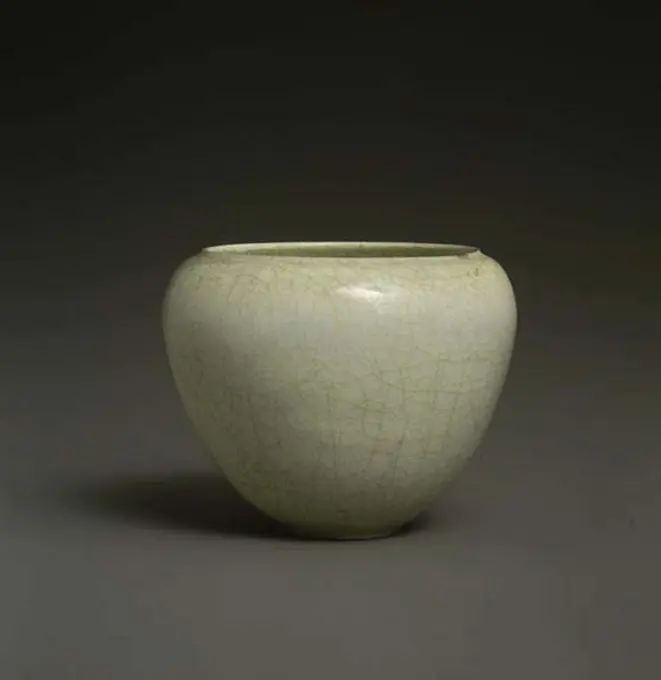
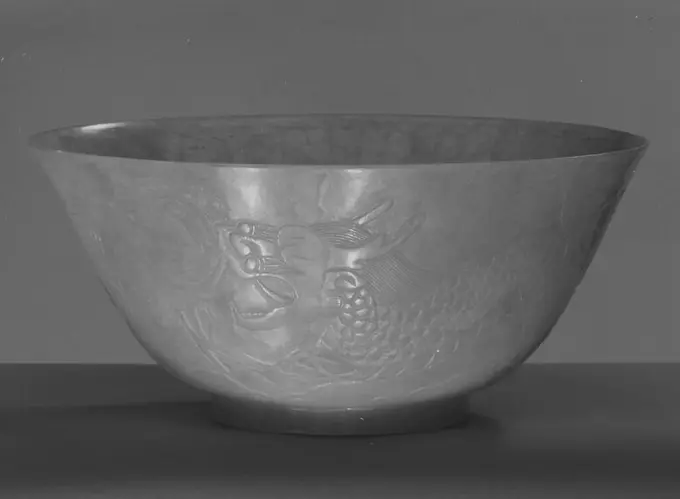
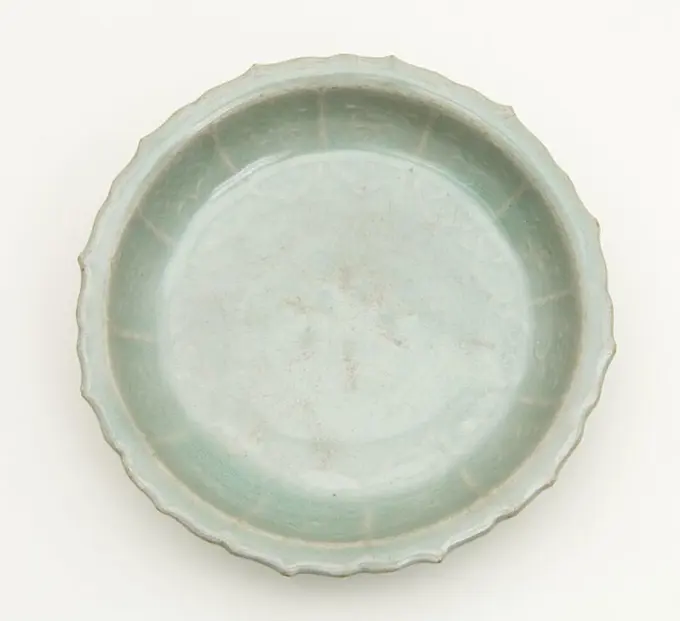
Cup (common name). Celadon coverage sandstone. Cernuschi Museum, Asia Museum of Asia in the city of Paris.
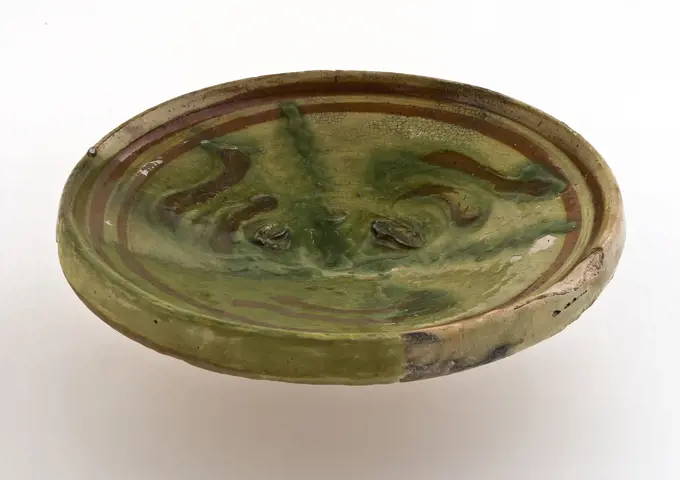
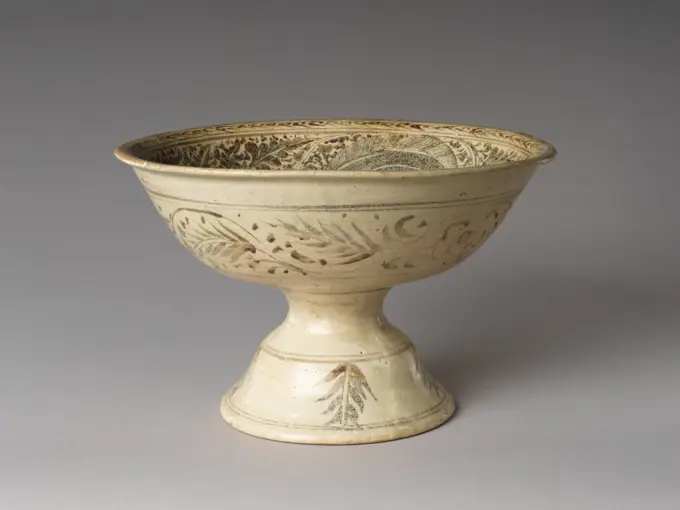
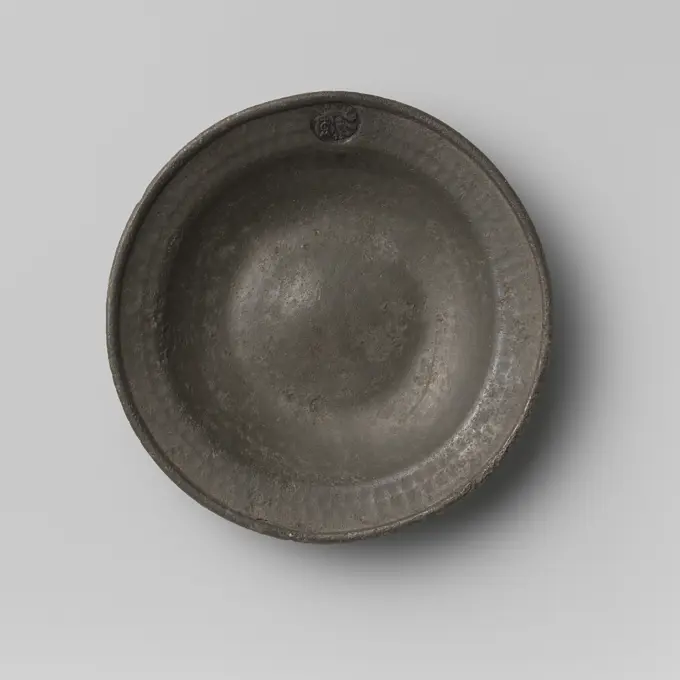
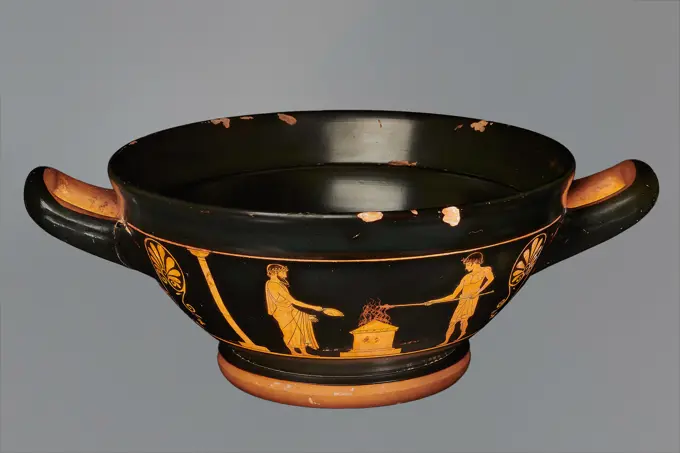
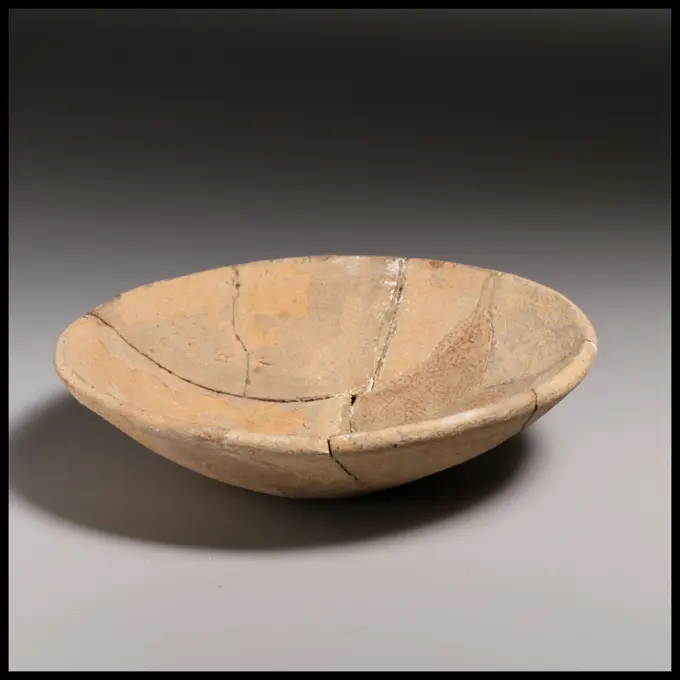
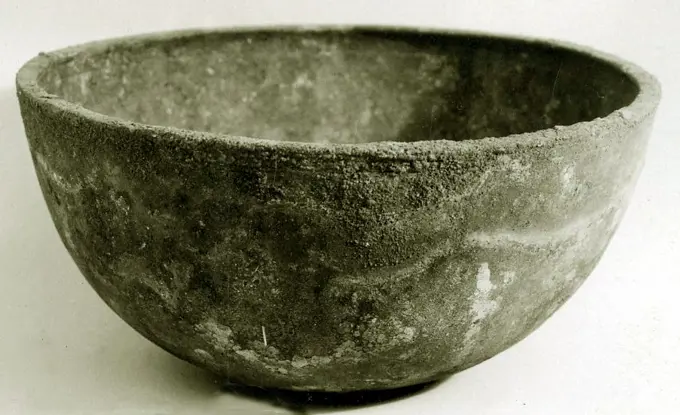
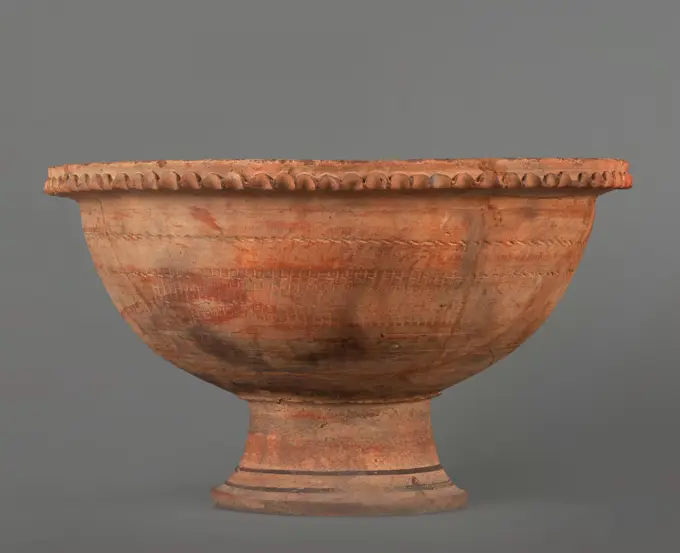
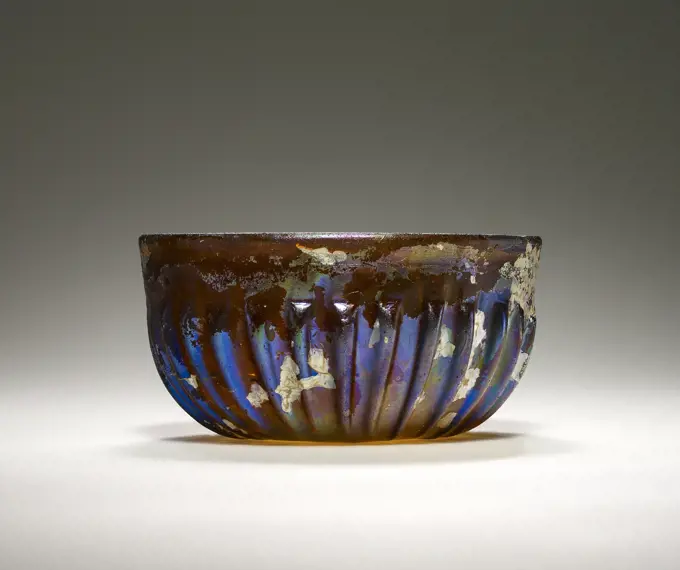
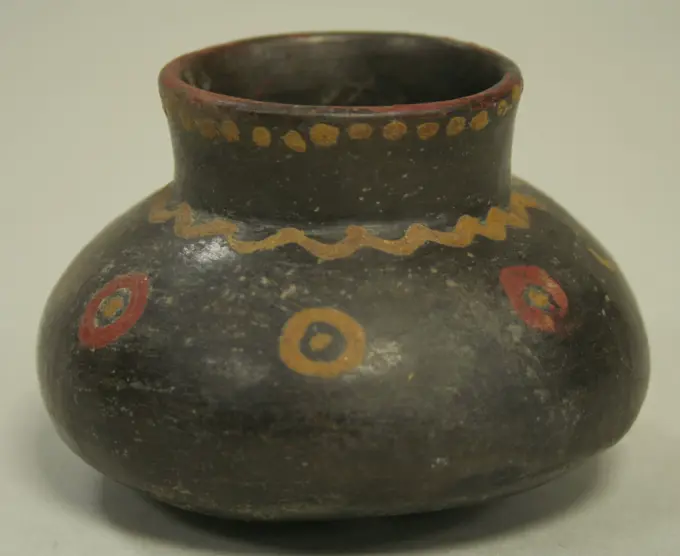
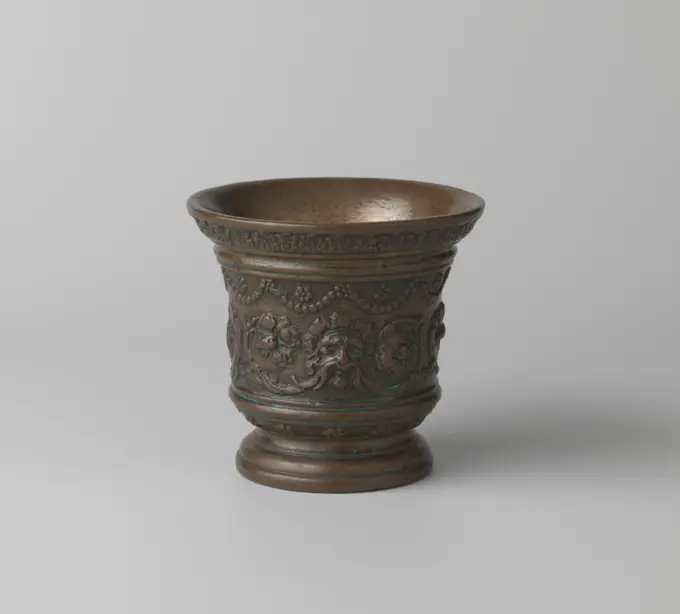
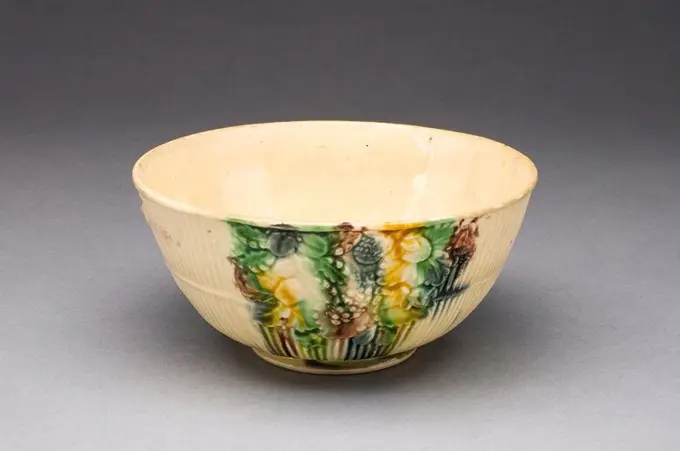
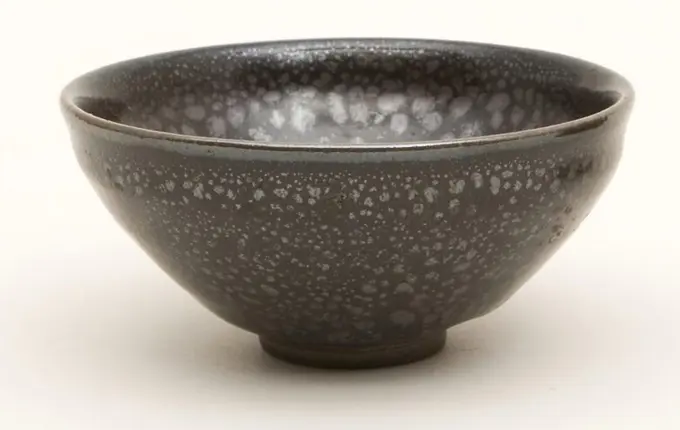
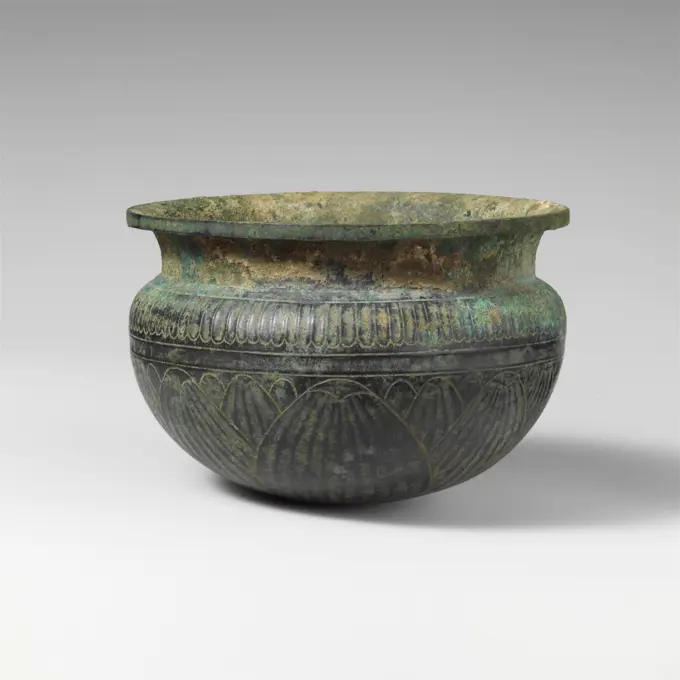
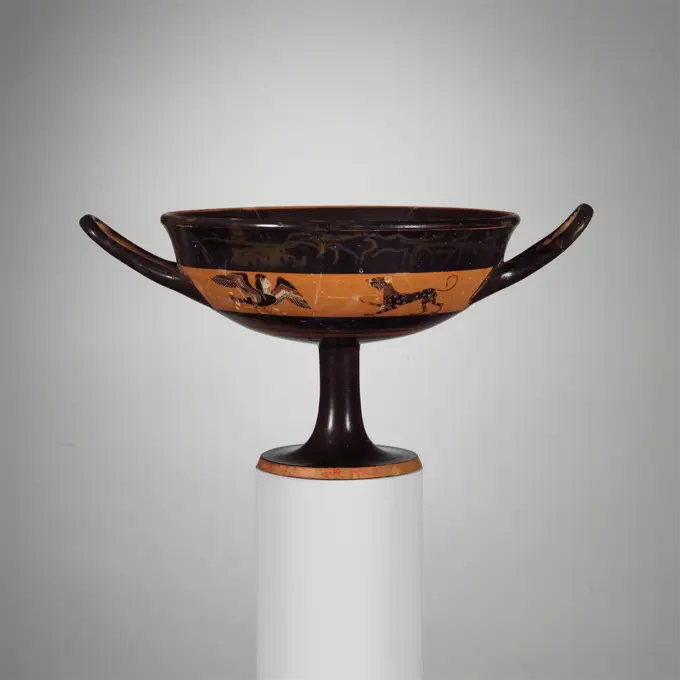
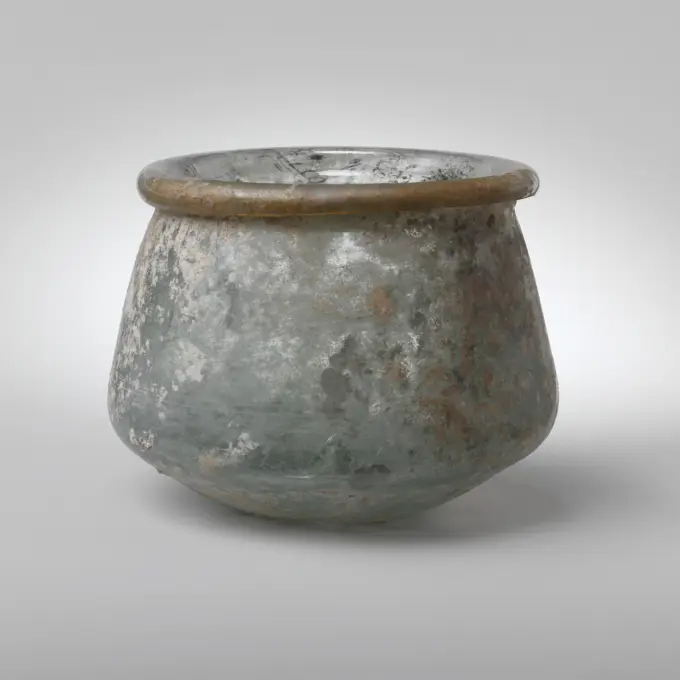
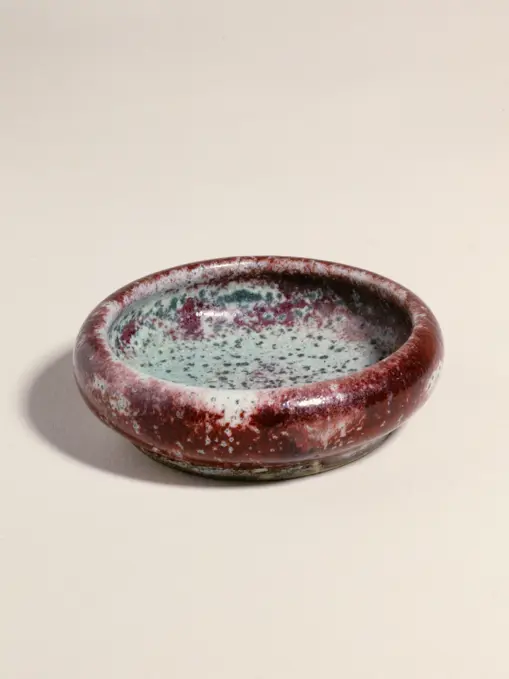
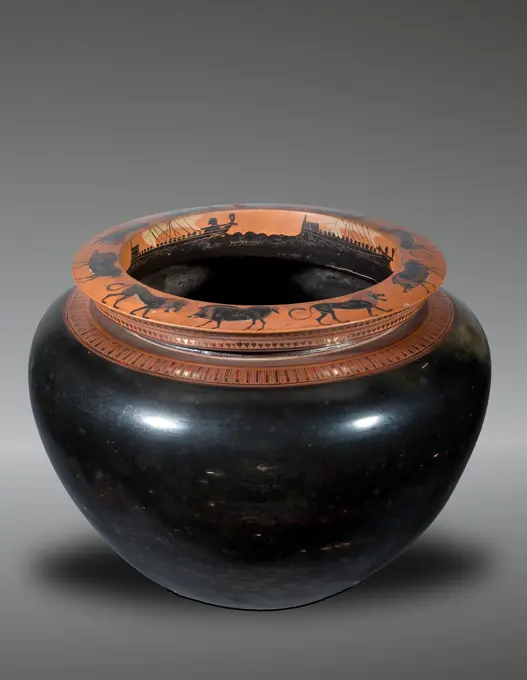
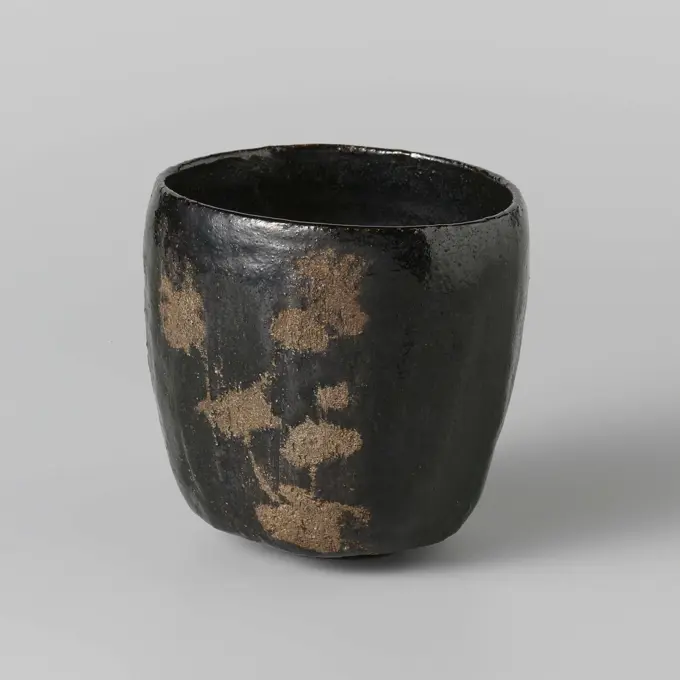
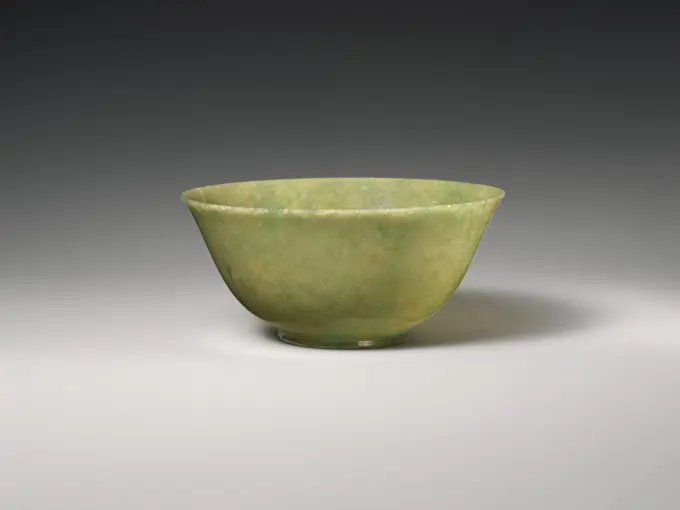
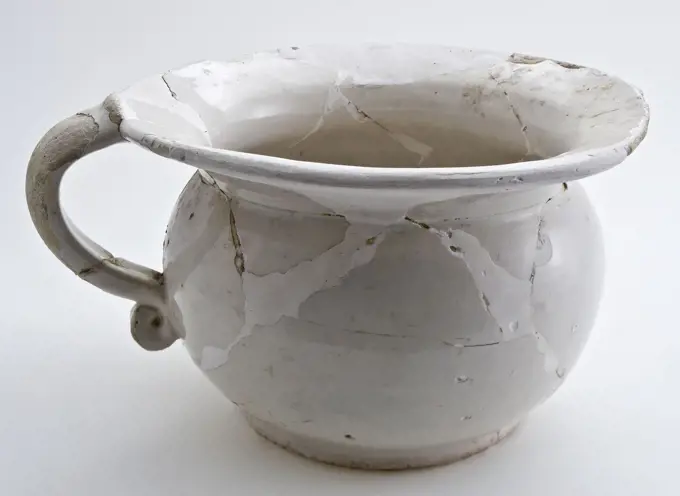
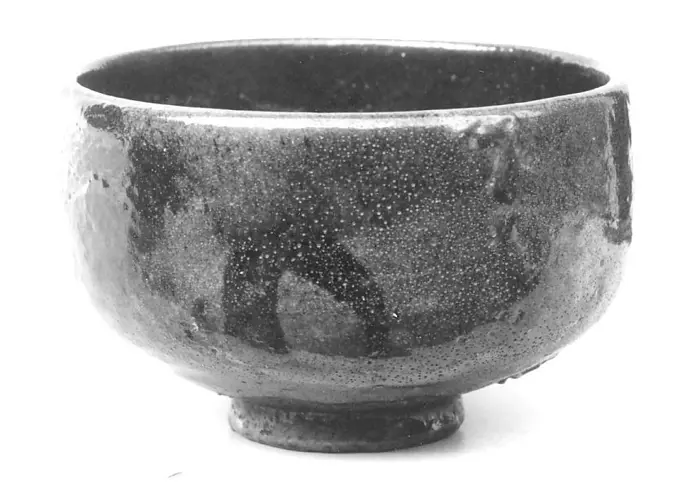
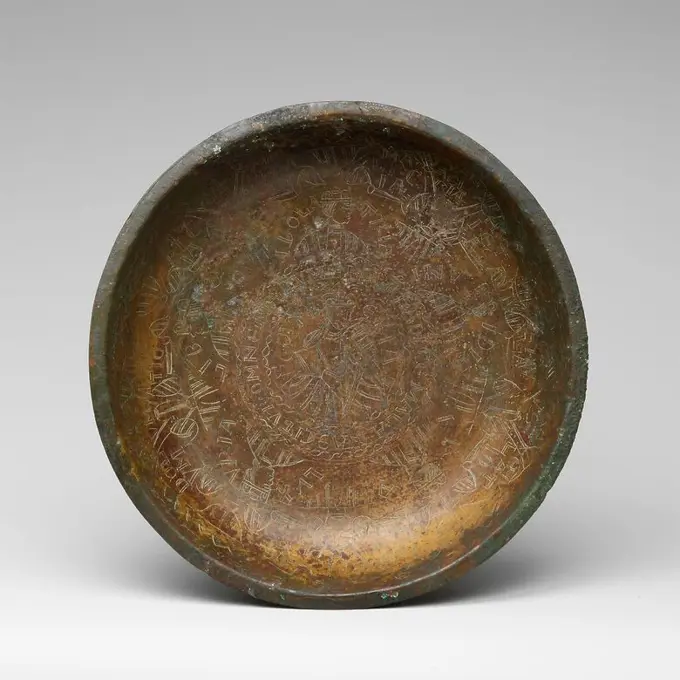
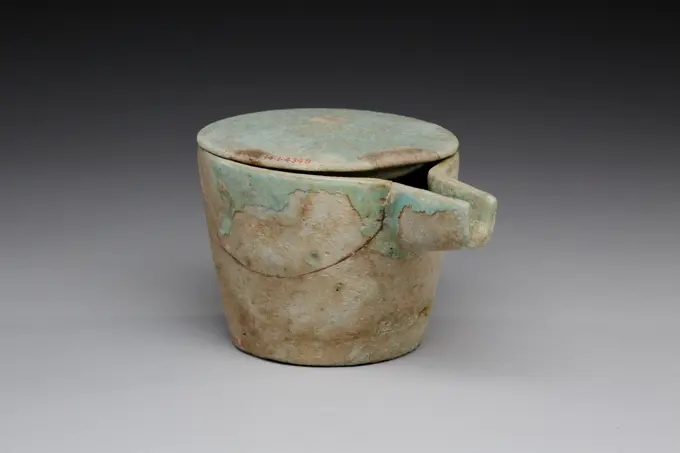
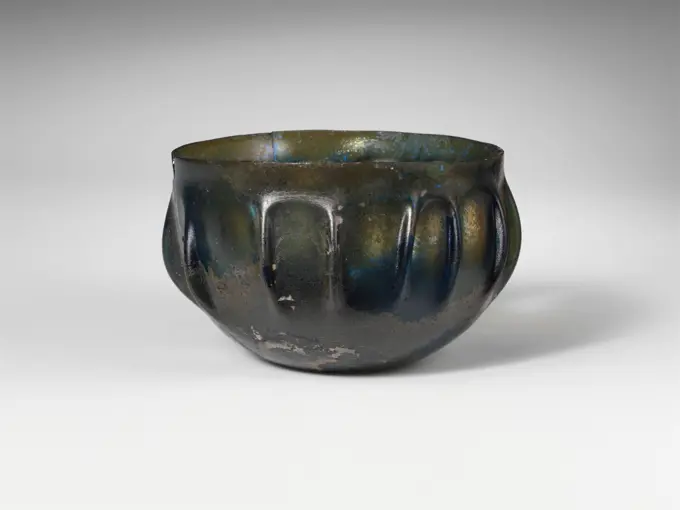
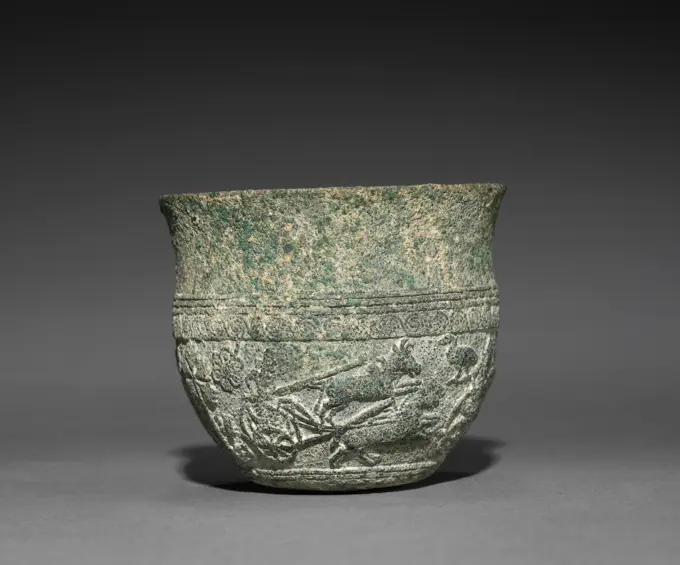
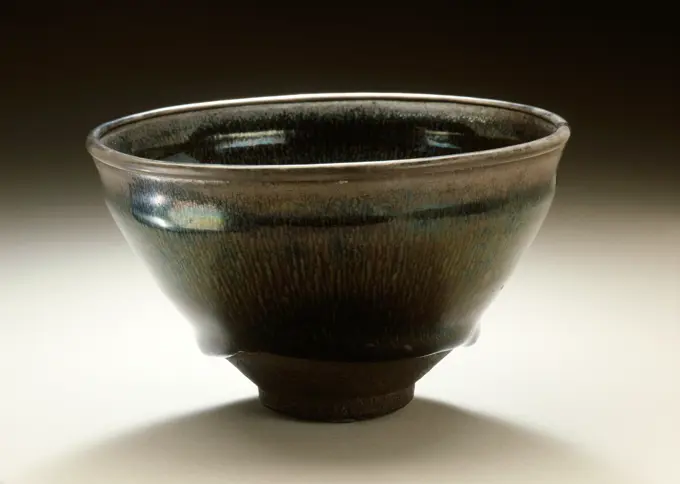
Tea Bowl (Chawan) with Hare's Fur Pattern. China, Fujian Province, Jianyang County, Southern Song dynasty, 1127-1279. Furnishings; Serviceware. Jian ware, wheel-thrown stoneware with mottled black glaze and banded metal rimKohl Jar with Lid, 1980-1801 BC. Egypt, Middle Kingdom, Dynasty 12. Travertine; diameter: 3.9 cm (1 9/16 in.); diameter of mouth: 1.4 cm (9/16 in.); overall: 4.2 cm (1 5/8 in.).Vase; Jagmin, Stanis AW (1875-1961); around 1910 (1900-00-00-1910-00-00);Bowl with foliate motifs and scrolls, anonymous, c. 900 - c. 999 Come of earthenware decorated with polychrome decoration of green and yellow lead glazes and manganese brown sludge next to Sgraffito leaf motifs and curl work on white sludge Engobe. Nishapur earthenware. glaze painting / vitrification Come of earthenware decorated with polychrome decoration of green and yellow lead glazes and manganese brown sludge next to Sgraffito leaf motifs and curl work on white sludge Engobe. Nishapur earthenware. glaze painting / vitrificationSmall earthenware plate on small stand, decorated with brown and green decor on yellow background, plate dish crockery holder soil find ceramic earthenware glaze lead glaze clay, hand turned decorated glazed fried loin cord Small Weser plate. Small stand with slanting side walls Raised plate edge Decorated in sludge technology with stylized leaves in green and brown on yellow background Thick must be glazed in the mirror of stained earthenware Roge-gray shard glazed only at the top archeology Rotterdam IJsselmonde pottery serve garnish serving food table Soil discovery: Castle IJsselmonde well 1 Rotterdam 1972.Ching Pai Yao Wase with a lid unknownBowl with Peonies. Ryukyu Islands, about 1500-1600. Furnishings; Serviceware. Green and red lacquer on wood core with incised and gold- filled decoration (chinkin in Japanese, qiangjin in Chinese)Basin with Zodiac signs and royal titles. Dimensions: H. 4 1/2 in. (11.4 cm)Diam. 12 3/4 in. (32.4 cm). Date: late 13th-early 14th century.The bottom of this basin depicts the sun surrounded by all twelve signs on the zodiac and the seven planets of medieval belief. The titles of an unknown noble are arranged around the rim. This basin, with a matching ewer, may have been used for ablutions. Museum: Metropolitan Museum of Art, New York, USA.Covered vessel, 1st century BCE - 1st century CE, 1 15/16 x 1 15/16 x 1 15/16 in. (4.92 x 4.92 x 4.92 cm), Glazed ceramic, Thailand, 1st century BCE - 1st century CETerracotta skyphos (drinking cup with two handles) 4th quarter of the 8th century B.C. Greek, Attic Dipylon skyphos with geometric decoration.. Terracotta skyphos (drinking cup with two handles). Greek, Attic. 4th quarter of the 8th century B.C.. Terracotta. Geometric. VasesPedestal dish with catfish and aquatic plants décor North Central Thailand, Sukhothai 15th century Pedestal bowls of this type are one of the high points in the ceramic aspirations of the Thai potters, represent a class of ceramic expressly emulating Southeast Asian metalwork. Such pedestal bowls served as presentation vessels for temple offerings. This example displays the use of a white slip over a coarse beige body, the signature body-features of ceramics produced at the kilns of Sukhothai, the first Thai kingdoms capital in north-central Thailand. This bowl has one of the most skillfully painted interiors of any ceramic from the Sukhothai kilns. View more. Pedestal dish with catfish and aquatic plants décor. North Central Thailand, Sukhothai. 15th century. Stoneware with iron-underglaze painted décor over a white slip. CeramicsBowl 5th-4th century B.C. Paracas. Bowl 308418Round saucer of tin. Round saucer from tin, completely hammered. The edge ends in a raised profiling and is equipped with the Nuremberg city arm.Kotyle (miseczka) czerwonofigurowa ze sceną składania ofiary. Krąg Malarza Dourisa, Ateny, workshop, Euaion Painter, painterSaucer. Culture: Roman. Dimensions: 1 1/8in. (2.8cm)Other: 2 7/8in. (7.4cm).Pale blue glazed saucer with close darker blue veining. Museum: Metropolitan Museum of Art, New York, USA.Jar 11th-12th century China. Jar. China. 11th-12th century. Stoneware with slip decoration (Cizhou ware). Song dynasty (960-1279). CeramicsBarrel and lid. Terracotta. Vietnam. Paris, Muse Cernuschi. Barrel and lid Asian art, art of extreme orient, art of Vietnam, Vietnamese art, terracotta, dishes35mm originalTerracotta bowl ca. 2650-2150 B.C. Helladic Shallow bowl without decoration.. Terracotta bowl 252913 Helladic, Terracotta bowl, ca. 26502150 B.C., Terracotta, H. 1 3/4 in. (4.4 cm.) Diameter 6 1/4 in. (5.8 cm.). The Metropolitan Museum of Art, New York. Gift of the Greek Government, 1927 (27.120.15)Bowl 4th-7th century Coptic. Bowl 478895Bowl 270 B.C.-A.D. 320 Meroitic Period. Bowl. 270 B.C.-A.D. 320. Copper alloy. Meroitic Period. From Nubia (Sudan), Lower Nubia, Faras, Cemetery 1, Grave 2001, University of Oxford Excavations in Nubia 1910-1912Vessel, crater; Unknown Egyptian workshop; VI-VII century (501-00-00-700-00-00);Deposit of the University of Warsaw from 1937-1939, figural decorations, floral decorations, geometric decorations, bowls, Coptic dishes, Coptic dishes paintedRibbed Bowl; Eastern Mediterranean; end of 1st century B.C. - beginning of 1st century A.D; Glass; 5.6 x 11.1 cm (2 3,16 x 4 3,8 in.). Tea cup from stoneware, partly covered with a brown glaze and painted in green and red. The lower part of the bowl is unglazed. On the glaze a decoration of loose, sketchy lines. The bowl has been broken and repaired with gold lacquer. BIZEN.While porcelain was their primary specialization, all the members of the Seif studio also made stoneware painted with iron oxide designs under the glaze and with color enamel and gold over the glaze. Many examples are further characterized by pink dots brought out during firing and by crackling in the glaze. Works of this type are classified as Kyoto ware, after the city where the style developed. People used the ceramics for a diversity of purposes, from everyday dining to chanoyu, or Japanese tea practice. Bowl with Seven Treasures, 1860-78. Seifū Yohei II (Japanese, 1844-1878). Stoneware with overglaze color enamel and gold;BowlIncised Painted Jar with Single Spout 7th-5th century B.C. Paracas. Incised Painted Jar with Single Spout 307619Glass lid. Culture: Roman. Dimensions: 1 9/16 × 3 3/8 in. (4 × 8.6 cm)Lip diameter: 2 11/16 in. (6.9 cm)Cover diameter: 3 3/8 in. (8.6 cm). Date: 2nd-3rd century A.D..Translucent yellow green.Solid, round, central knob; domed upper sides; broad, folded, tubular flange, turned slightly upwards; lower sides expand slightly downwards to rounded, thickened rim.Intact; pinprick and larger bubbles; patches of dulling, iridescence, and limy weathering.Top of knob is scarred, perhaps from the pontil. The lid does not fit or match 74.51.5742.Yellowish glass cover with knob and projecting rim. Museum: Metropolitan Museum of Art, New York, USA.Footed Bowl. Culture: Frankish. Dimensions: Overall: 2 15/16 x 2 15/16 in. (7.5 x 7.5 cm). Date: late 4th-early 5th century. Museum: Metropolitan Museum of Art, New York, USA.Pijzel with masks, ranking and pearls, anonymous, c. 1500 - c. 1525 The cast round mortar has a base, which is tied up at the top, and a rounded edge, which is decorated with a Frisian of Acanthus leaves interspersed with stalked three -leaves. The somewhat diabolov-shaped wall, which is closed at the top and bottom by a profiled rib, has a decoration of eighteen six-leaf roses at the top, of which nine are connected by winding pearl edges. Below that, the motif of a mask has been repeated three times, which is connected to two symmetrical flowers -ending volutes of stylized flowers. Twelve six -leaf roses on the transition to constricted foot. Italy bronze (metal) casting The cast round mortar has a base, which is tied up at the top, and a rounded edge, which is decorated with a Frisian of Acanthus leaves interspersed with stalked three -leaves. The somewhat diabolov-shaped wall, which is closed at the top and bottom by a profiled rib, has a decoration of eighteen six-leaf roses at thBowl. England, Staffordshire. Date: 1760-1769. Dimensions: 6.5 x 13.8 cm (2 9/16 x 5 7/16 in.). Lead-glazed earthenware (creamware). Origin: Staffordshire. Museum: The Chicago Art Institute, Chicago, USA. Author: Staffordshire Potteries.Terracotta bowl ca. A.D. 1-300 Roman Orange glazed bowl with barbotine design of raised ribs.. Terracotta bowl. Roman. ca. A.D. 1-300. Terracotta. Imperial. VasesTerracotta Megarian bowl. Culture: Greek, Asia Minor. Dimensions: h. 2 9/16 in. (6.5 cm); d. 4 5/8 in. (11.8 cm). Date: ca. 2nd-mid 1st century B.C..Rosettes banded by ridges above rows of stylized fernsThe floral motifs, matt glaze, and in-turned rim of this bowl are characteristics of pottery found in great quantities on the Greek island of Delos, an important trading center in the Cyclades. Potter stamps on many of these bowls, however, suggest that they were in fact made by workshops on the Ionian coast of Asia Minor (Turkey) and then imported to Delos. Bowl fragments with very similar relief decoration to this one have been found in Alexandria, Egypt and Tel Dor, Israel, attesting to the wide export of these ceramics throughout the eastern Mediterranean basin. Museum: Metropolitan Museum of Art, New York, USA.Glazed stonepaste bowl. Persian, Iran, AD 1400-1500Georges Despret (1862-1952). Cut. Glass, glass paste. XIXth-XXth century. Museum of Fine Arts of the City of Paris, Petit Palais. 19th XIXth XIX 19th 19th 19th century, XXth XXth XX 20th 20th 20th centuryLimestone bowl Cypriot The bowl has a flat base.. Limestone bowl 244057Exaleiptron. Unknown about 500 B.C.Tea Bowl with "Oil Spot" Markings. China. Date: 1115-1234. Dimensions: H. 4.1 cm (1 5/8 in.); diam. 10.2 cm (4 in.). Northern blackware, Cizhou type; grey stoneware with dark brown glaze and overglaze iron oxide. Origin: China. Museum: The Chicago Art Institute, Chicago, USA.Bell Beaker, 500s-600s. Syro-Palestinian, 5th-6th century. Glass; overall: 9.3 cm (3 11/16 in.).Jarre. Terre Civa. Vietnam. Paris, Muse Cernuschi. Jar Asian art, art of extreme orient, art of Vietnam, Vietnamese art, terracotta, dishesBronze bowl 5th-4th century B.C. Greek Shallow bowl with a turned out lip. Shoulder decorated with a tongue pattern and the body with lotus petals. On the bottom, a rosette.. Bronze bowl 256123Teabowl JapanGlass beaker. Culture: Roman. Dimensions: Overall: 3 3/4in. (9.6cm)Diam.: 3 x 1 13/16 in. (7.6 x 4.6 cm). Date: 2nd-3rd century A.D..Translucent light green with yellowish tinge.Rounded, thickened rim, folded inwards; body with almost straight sides tapering downwards; integral, tubular base ring; slight kick in bottom with traces of large circular pontil mark.Intact; many pinprick bubbles; dulling, pitting, and iridescent weathering on exterior; thick patches of soil encrustation and weathering on interior. Museum: Metropolitan Museum of Art, New York, USA.CoveredBowl.   Maker: Albert Berry, American, 1878-1949Bowl with Stamped Chrysanthemum Design. Korea, Korean, Joseon dynasty (1392-1910), 15th-early 16th century. Furnishings; Serviceware. Wheel-thrown stoneware with stamped, incised, and slip-filled decoration, and pale green glazeTerracotta tripod pyxis (box) 2nd half of the 6th century B.C. Greek, Corinthian Decorated with lotus buds.. Terracotta tripod pyxis (box) 247200Ladle, 18th-early 19th century, 6 5/16 x 3 1/2 x 3 1/2 in. (16.03 x 8.89 x 8.89 cm), Wood, United States, 18th-19th centuryBowl. Culture: China. Dimensions: H. 3 1/16 in. (7.8 cm); Diam. 6 3/4 in. (17.1 cm). Date: late 19th century. Museum: Metropolitan Museum of Art, New York, USA.Cup (Guang) with Dragons in Waves. China, Chinese, late Ming dynasty, about 1550-1644. Furnishings; Serviceware. Carved rhinoceros hornBowl 12th century Korea. Bowl 48137Bowl. Culture: Roman. Dimensions: H. 8.46 cm. Diameter 11.76 cm.. Museum: Metropolitan Museum of Art, New York, USA.Incised Painted Bowl 5th-2nd century B.C. Paracas. Incised Painted Bowl 308644FoliateVaseTerracotta kylix: band-cup (drinking cup) ca. 550-540 B.C. Attributed to the Tleson Painter Obverse, siren and panther;Reverse, two sphinxesThe band-cup was produced concurrently with the lip-cup. Thetwo shapes are often designated "Little Master cups," owingto their small scale. Some artists, such as Tleson and hispainter-collaborator, worked on both shapes. the ban-cup isa darker vase than the lip cup, with the decoration confinedto a clay-colored zone between the handles. The motifs,however, tend to be similar.. Terracotta kylix: band-cup (drinking cup) 246728Lazio Viterbo Viterbo Museo Civico65. Hutzel, Max 1960-1990 Views of paintings (Middle Ages through 18th c.), frescoes, a tabernacle, coffin, sculpture reliefs, portal fragments, busts, sculpture, tapestry found in the Pinacoteca, Second floor gallery and Second floor cloister sequences. Antiquities: Many views of Etruscan and Roman fragments, sculpture, sarcophagi, pottery, masks, jewelry and other objects found in the Storeroom sequence (inventory numbers on back of prints), and the Cloister, Second floor Cloister, Valle Giulia, Sala Romana and Sala Etrusca sequences. General Notes: There are eight separate numerical sequences for this location. The cloister as an architectural structure, rather than museum site, is documented in the record and file for S. Maria della Verita, Cloister, all views of which are stored in Medieval core collection. Five views from the Museo Civico Second floor cloister sequence are stored in Medieval. German-born photographer and scholar Max Hutzel (1911-Glass bowl with painted lid 2nd century A.D. Roman, Cypriot Bowl (17.194.88a): Translucent blue green.Everted, knocked-off rim, with ground upper edge; narrow concave neck; sack-shaped body with side expanding downwards to rounded carination, then sloping inwards; small bottom, pushed in to form tall spike-like kick.On side above carination, two narrow wheel-abraded horizontal bands.Complete but one vertical crack from rim down side; few bubbles; soil encrustation, slight dulling, and creamy brown weathering.Lid (17.194.88b):Translucent blue green.Rim turned down and inwards with unworked inner lip; concave upper surface.Decoration in black lines on interior: woman seated to right but head turned to left with bare upper body and drapery below, flanked at bottom with flowers; objects in field to left (altar and offerings).Intact; few bubbles; patches of creamy weathering and brilliant iridescence.Painted on the inside of the lid is a sketched drawing, possibly of the goddess Aphrodite.Ernest Chaplet. Cut. Flammed porcelain Red brown enamel. Museum of Fine Arts of the City of Paris, Petit Palais. Art Menager, cut, brown red email, porcelain, flame porcelain, dishes, 19th 19th 19th 19 19th 19th centuryTIESTO EN BARRO SIN VIDRIAR - S XX ARTE POPULAR. Location: ALFARERIA. SPAIN.Bowl ca. 1820. Bowl 773Bowl 11th century Apparently stemming from an attempt to emulate the translucency of Chinese porcelain, the potters of the Seljuq period developed the technique of piercing the wall and filling the holes with transparent glaze.. Bowl 449398Black -gear deinos;  530-500 BC (-530-00-00--500-00-00);Greece, boar (iconogr.), Lew (iconogr.), Archaic period, ships (iconogr.), Images of animalsBowl China. Bowl 60638. Tea bowl of stoneware, covered with a black glaze. On the wall a saved decoration with flowering plants. Marked on the outside wall with "'' Kenzan '. Old label on the bottom with 'w668'. Raku (black).Glass jar mid-1st-2nd century A.D. Roman Colorless with pale blue green tinge.Uneven horizontal rim, with rounded tubular edge, folded out, down, and in, forming collar around neck; ovoid body; concave bottom.Intact, but internal cracks around rim; large and pinprick bubbles, with yellow green impurity streak in rim; some dulling, slight pitting and iridescent weathering, but much of exterior and interior covered with thick limy encrustation and creamy brown weathering.. Glass jar 245176Kylix (Drinking Cup) 540 BCE-530 BCE Ancient Greece. In the center of this scene, a young man dons armor for battle, affixing a shin guard to his left leg. His helmet rests on the ground, and the woman standing before him holds his shield as attendants look on. Approaching riders on rearing steeds and a running youth give the impression of urgency. Because the soldier is not bearded, which indicates youth, and is so much taller than the other figures, which often indicates special status, he may represent the Greek hero Achilles, whose mother, upon learning that her son would fight in the Trojan War, gave him a suit of armor that she had specially commissioned from Hephaistos, blacksmith to the gods.. terracotta, decorated in the black-figure technique . Ancient GreekPear-Shaped Nesting Toy, 1895-1905. Sets of nesting toys were popular playthings in the late nineteenth century. Although they were often sold for a few pence, they took considerable skill to make. This set of six nesting pears was made in Hungary around 1900. They were turned from beech wood and would originally have been painted. Some sets contained a miniature 'prize' in the smallest pear... Purchased from Edward H Pinto, 1965. .Bowl 15th-early 16th century Aztec. Bowl. Aztec. 15th-early 16th century. Ceramic. Mexico, Mesoamerica. Ceramics-ContainersAntique glass 1898, Middle EastCut. Celadon coverage sandstone. Provenance: Vietnam. Paris, Cernuschi museum. 79863-25 Cut, archeological object, dishesTeabowl ca. 1780 Japan. Teabowl. Japan. ca. 1780. Clay, glaze, finely crackled and strongly pitted (Raku ware). Edo period (1615-1868). CeramicsWOODEN MORTAR AND PESTLEBowl China. Bowl. China. Jadeite, yellowish green. Qing dynasty (1644-1911), Kangxi period (1662-1722). JadeSmall goblet. unknown, craftsmanBeaker, 1805-1815. Thomas Knox Emery (American, 1781-1815). Silver; overall: 9.3 x 7.4 cm (3 11/16 x 2 15/16 in.).Incense Burner: Jizhou ware, 13th-14th Century. China, Jiangxi province, Yonghe kilns, Jizhou, Jiangxi, Southern Song Dynasty (1127-1279) - Yuan Dynasty (1271-1368). Glazed stoneware; diameter: 15.2 cm (6 in.); overall: 10.4 cm (4 1/8 in.).Kohl Jar with Lid 1985 BCE-1650 BCE Egypt. Hematite . Ancient EgyptianCobalt-blue blown glass bowl. Circa AD 50-80 From Sardinia, ItalyBowlWhite faience room pot with outstanding rim and curled ear, pot holder sanitary earthenware ceramics pottery glaze tin glaze, hand turned fried glazed baked Chamber pot white glazed Delftware one ear that runs downwards in curl outward edge Belly model with wide and upright upper edge. Faience archeology Valckensteyn Poortugaal Albrandswaard indigenous pottery drains night sleeping room sanitary toilet night mirror Soil discovery: castle Valckensteyn in Poortugaal now Albrandswaard.Covered dish still bank, late 19th century, George E. Ohr, American, 1857-1918, 2 3/4 x 4 x 4 in. (6.99 x 10.16 x 10.16 cm), Ceramic, 19th centurySixteen-lobed box 1736-95 China. Sixteen-lobed box. China. 1736-95. Polychrome lacquer with filled-in and engraved gold decoration. Qing dynasty (1644-1911), Qianlong period (1736-95). LacquerTeabowl ca. 1790 Ryōnyu Japanese. Teabowl 63233Covered Vessel China. Covered Vessel. China. Bronze. Zhou dynasty (1046-256 B.C.). MetalworkLazio Roma Subiaco Monastery of S. Scolastica Archaeological Museum3. Hutzel, Max 1960-1990 Antiquities: Views of antiquities in museum, including sarcophagi, plates, vases, coins. General Notes: Hutzel guide says we have negatives, but we cannot find them. German-born photographer and scholar Max Hutzel (1911-1988) photographed in Italy from the early 1960s until his death. The result of this project, referred to by Hutzel as Foto Arte Minore, is thorough documentation of art historical development in Italy up to the 18th century, including objects of the Etruscans and the Romans, as well as early Medieval, Romanesque, Gothic, Renaissance and Baroque monuments. Images are organized by geographic region in Italy, then by province, city, site complex and monument.Fragments earthenware cooking jug, completely lacquered in green and brown, on three legs, cooking jug be found in the earthenware ceramic earthenware glaze lead glaze clay, hand-turned glazed baked Fragments earthenware cooking jug completely glazed in green and brown on three legs Internal green glazed on the bottom Five fragments archeology Rotterdam railroad tunnel indigenous pottery food preparation kitchen cooking food Soil discovery: rail tunnel Rotterdam.Oil bottle with ornamental borders and flowers, anonymous, c. 1100 - c. 1200 Oil lesson of stoneware with a printed spherical body and short, spreading neck, covered with a white and black sludge and a green glaze. On the abdomen, various entry decorative tires, one with four separate flowers. The entered decoration is filled with white and black sludge sanggam technology). Celadon. Korea stoneware. glaze engraving / vitrification Oil lesson of stoneware with a printed spherical body and short, spreading neck, covered with a white and black sludge and a green glaze. On the abdomen, various entry decorative tires, one with four separate flowers. The entered decoration is filled with white and black sludge sanggam technology). Celadon. Korea stoneware. glaze engraving / vitrificationVessel 3500 BCE-3200 BCE Egypt. Ceramic . Ancient EgyptianCup. Iran, 12th century/circa 5-6th century A.H.. Ceramics. Fritware, molded and glazedFoliate and Lobed Dish with Floral Sprays. Korea. Date: 1100-1199. Dimensions: H. 3.4 cm (1 3/8 in.); diam. 11.5 cm (4 9/16 in.). Stoneware with underglaze molded decoration. Origin: South Korea. Museum: The Chicago Art Institute, Chicago, USA.Marble pyxis (box). Culture: Greek, Attic. Dimensions: H. 3 1/8 in. (8 cm)diameter 3 15/16 in. (10 cm). Date: late 5th-early 4th century B.C..Greek marble-working of the Classical period is generally associated with architecture and monumental sculpture. This vase is remarkable for its precision and delicacy. It is likely that it was orginally painted. Museum: Metropolitan Museum of Art, New York, USA.Pedestal 5th century Korea. Pedestal 39507Engraved Bowl. Culture: Netherlandish. Dimensions: Overall: 10 7/16 x 1 7/8 in. (26.5 x 4.8 cm). Date: ca. 1130.This shallow bowl, engraved with the personification of Pride in the central medallion, was used for hand washing. The central figure is surrounded by other vices, such as Jealousy, identified by Latin inscriptions, indicating the moralizing nature of the decoration. Such bowls were often produced in pairs, and this one would likely have been paired with a bowl depicting personifications of virtue. It belongs to a large group of surviving bowls, known as Hansa bowls, made in northern and western Germany, Scandinavia, and England during the twelfth and thirteenth centuries. Museum: Metropolitan Museum of Art, New York, USA.Cup on High Foot China. Cup on High Foot 52722Cup with lid 664-30 B.C. Late Period-Ptolemaic Period This spouted cup also has a lid. The color suggests a date in the Late Period to Ptolemaic Periods, and the use of faience suggests the vessel may have been intended for a ritual purpose, probably funerary.. Cup with lid. 664-30 B.C.. Faience. Late Period-Ptolemaic Period. From Egypt, Upper Egypt, Thebes, Sheikh Abd el-Qurna, MMA excavations, 1913-14Glass ribbed bowl mid-1st century A.D. Roman Translucent cobalt blue.Knocked-off, uneven rim; short vertical neck; bulging side curving in to slightly pushed-in bottom.Side tooled into thirteen irregular, vertical ribs, with rounded, projecting outer edges.Broken and repaired, with one chip in rim and three holes in side; some pinprick bubbles; deep pitting, brown enamel-like weathering, and iridescence.. Glass ribbed bowl. Roman. mid-1st century A.D.. Glass; blown and tooled. Early Imperial. GlassEarthenware ointment jar, low model, white glazed, ointment jar pot holder soil find ceramic earthenware glaze tin glaze, delfts white hand turned glazed baked Pottery ointment jar wide low form with two smooth nips along the outside of the kettle. White glazed with pink tint. Stand archaeology Rotterdam City triangle Delftsevaart health care indigenous pottery pharmacy packaging medicine drug sell craft store Soil discovery discovered and found during the partial reclamation of the Delfse Vaart for the purpose of making the lift over the Vaart in the summer of 1928.Jar with Basketweave Pattern 100 CE-199 CE China. Stoneware with thin ash glaze and underglaze impressed decoration .Bowl 12th-13th century. Bowl 450476Bowl 50 BCE-50 CE Syria. Glass, sagged, rotary-polished and fire-polished . Ancient RomanLibation Cup, c. 235-185 BC. India, Maurya-Sunga period. Bronze, lost wax technique; diameter: 7 cm (2 3/4 in.); overall: 6 cm (2 3/8 in.).