Historic Decorative Bowls and Dishes

A collection of decorative bowls and dishes from various cultures, featuring intricate designs and historical significance, predominantly in ceramics and porcelain.
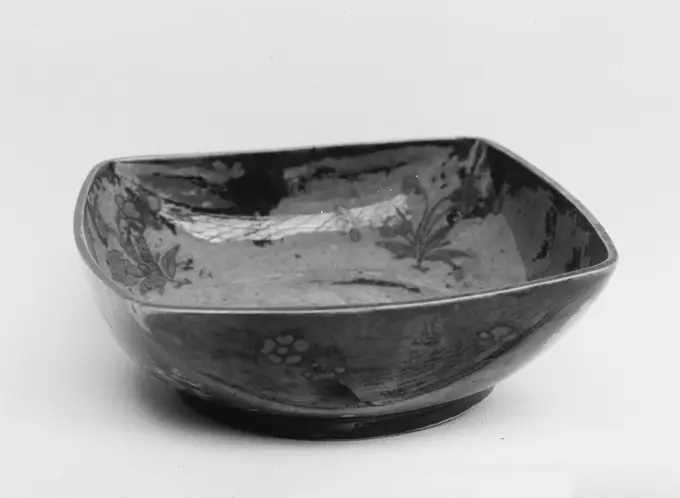
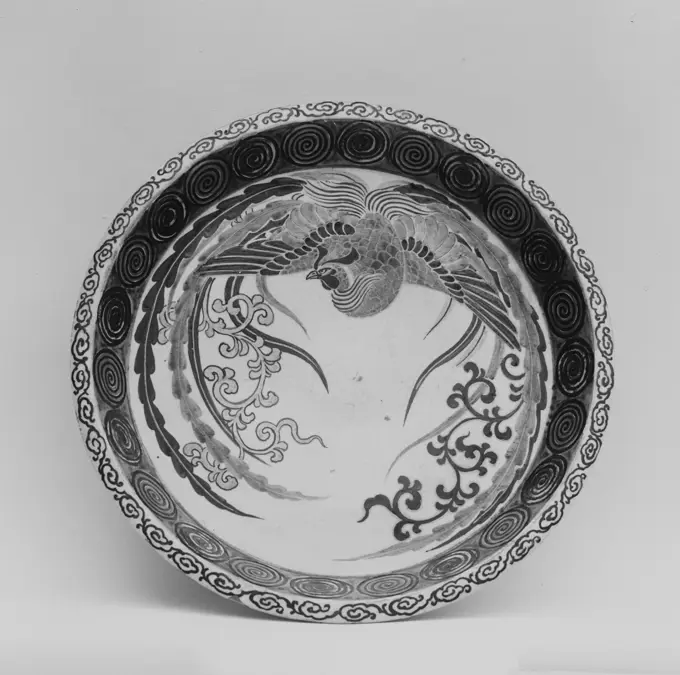
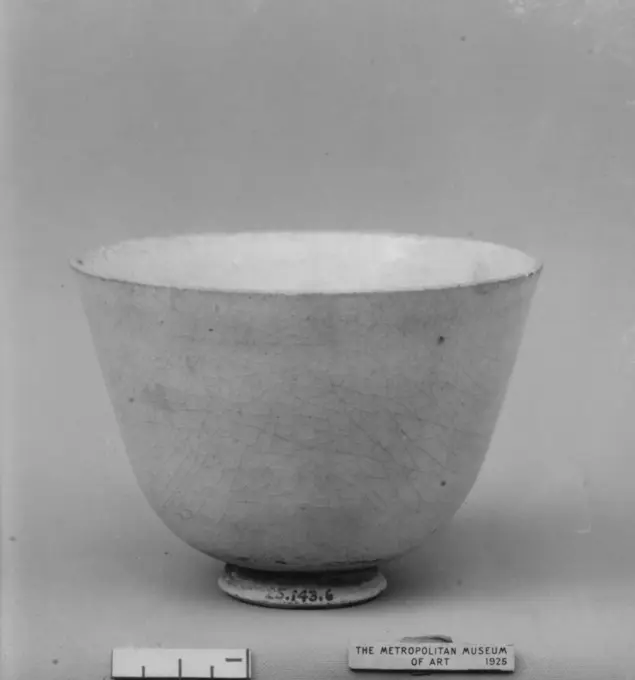
Bowl 1720 Japan. Bowl. Japan. 1720. Porcelain covered with mottled glaze and decorated in polychrome enamels (Arita ware). Edo period (1615-1868). Ceramics
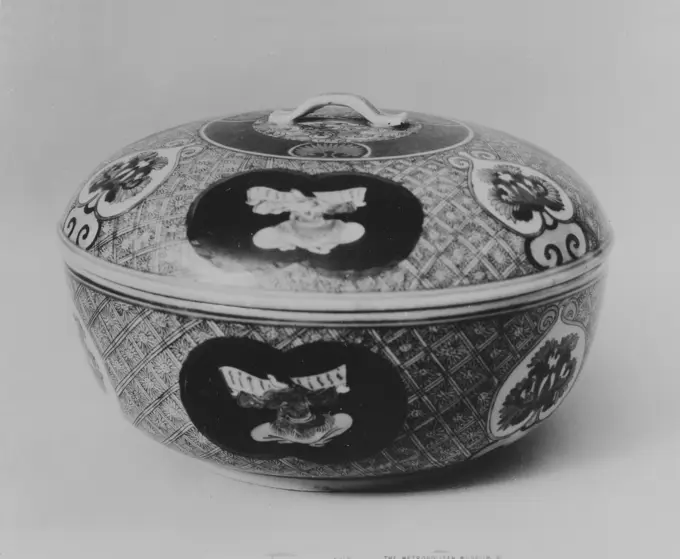
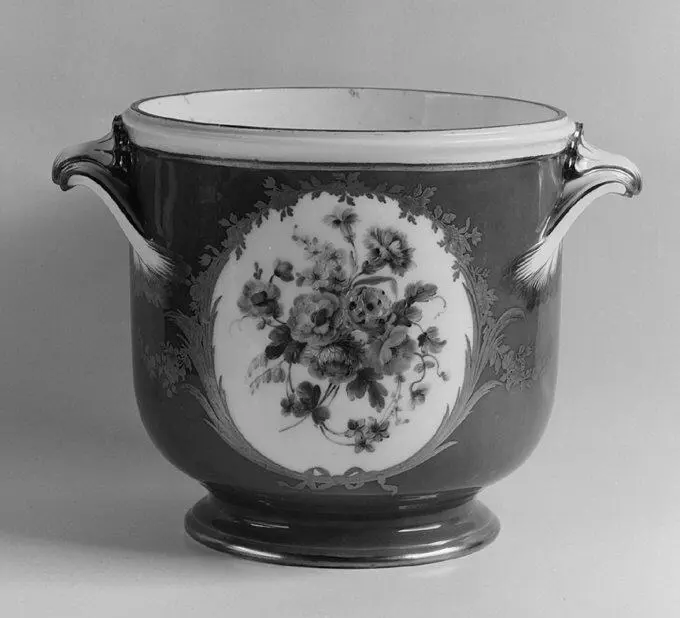
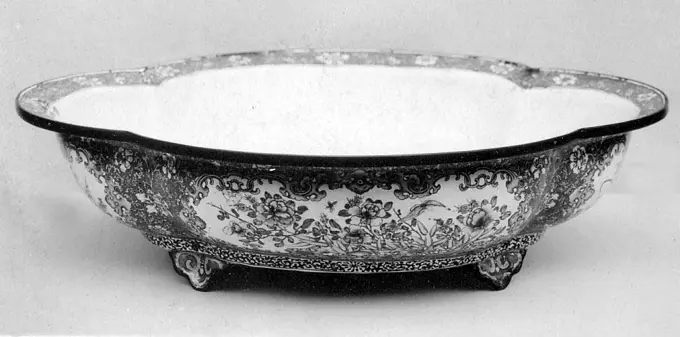
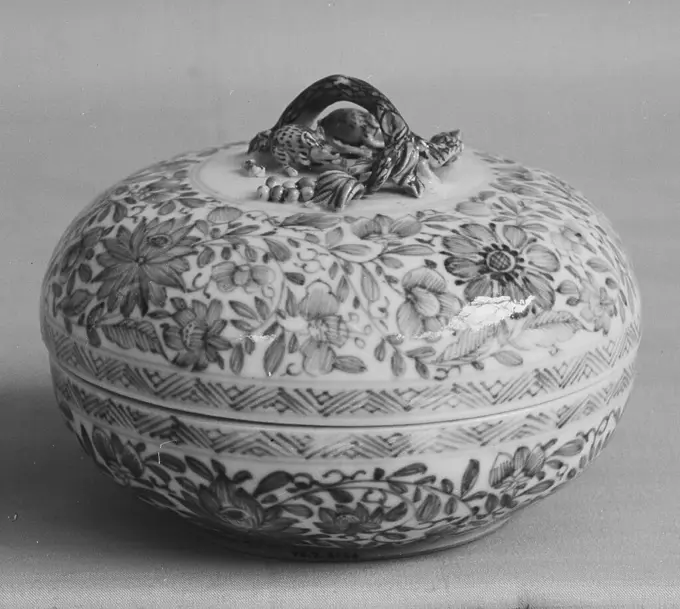
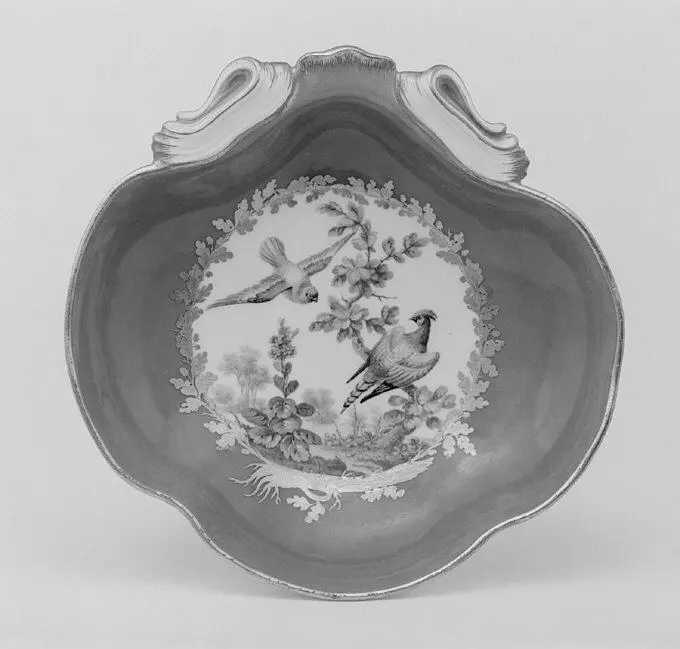
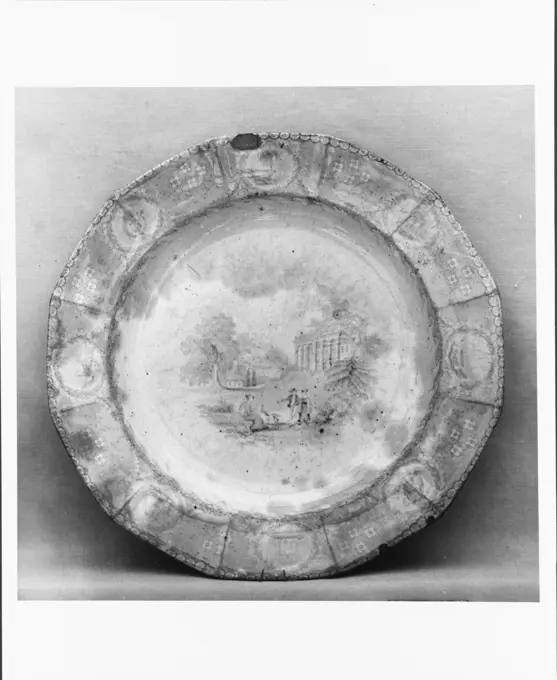
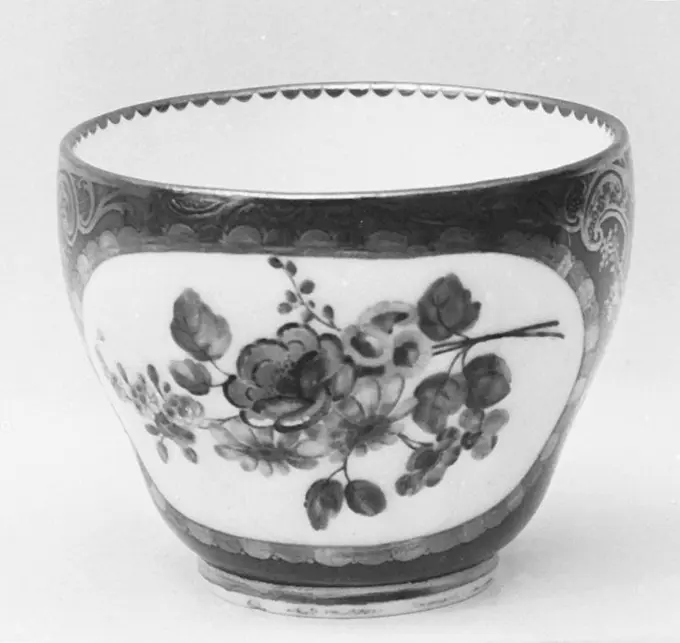
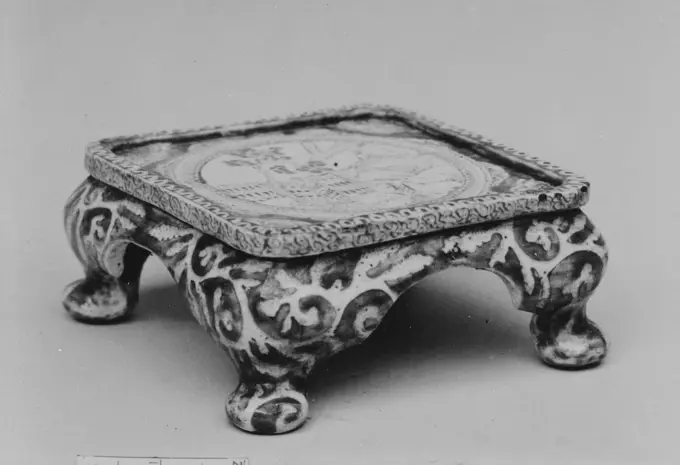
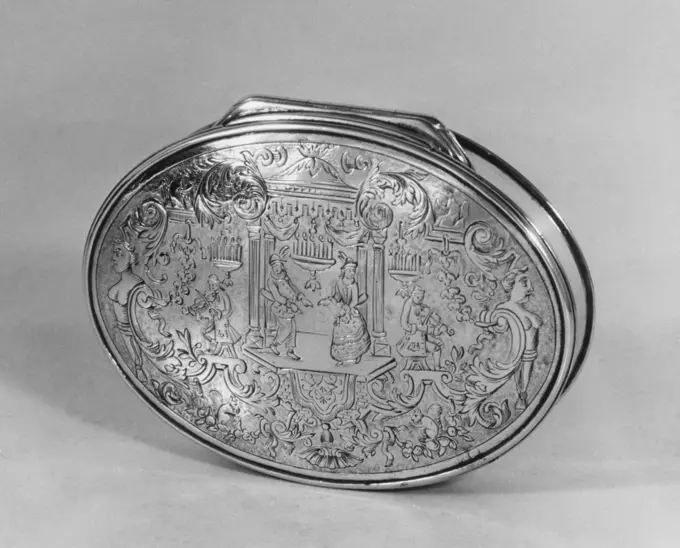
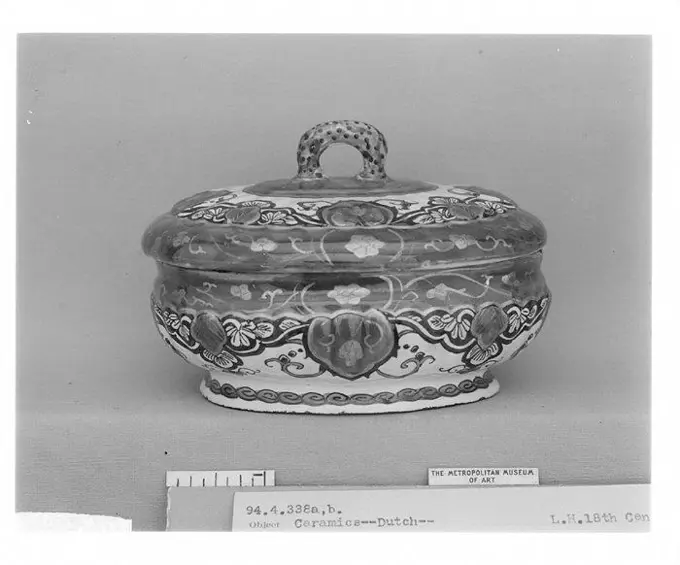
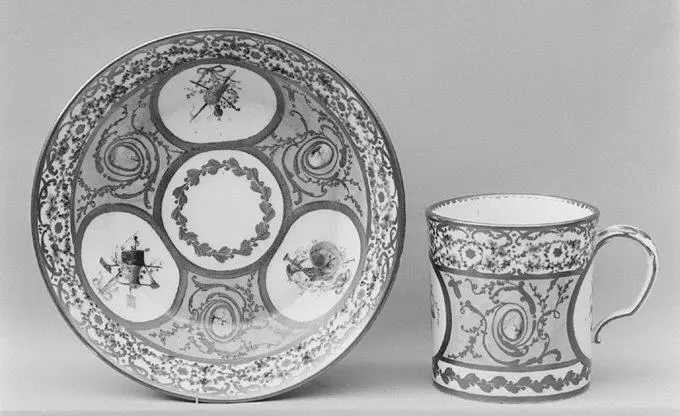
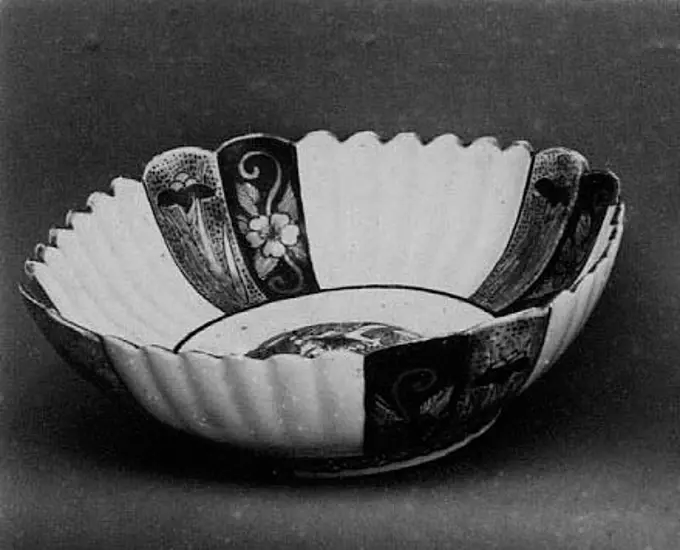
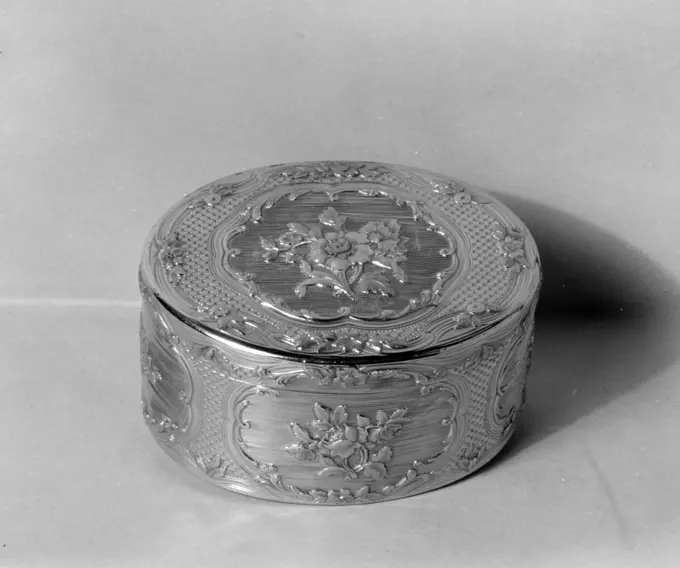
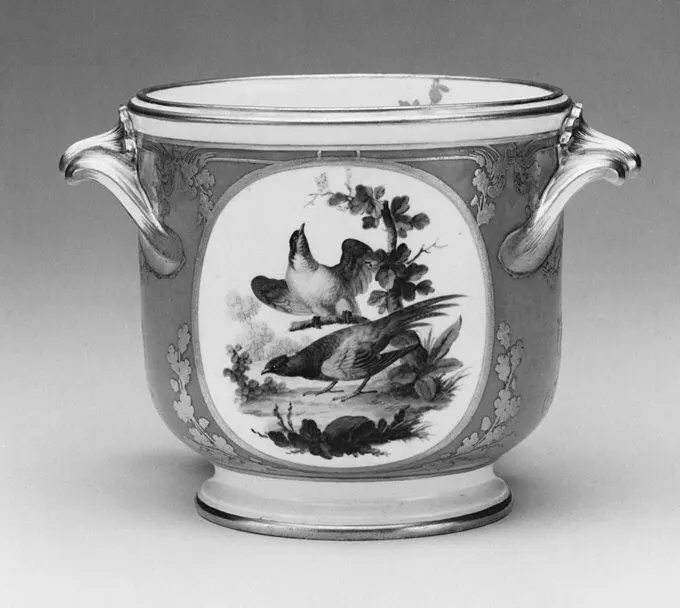
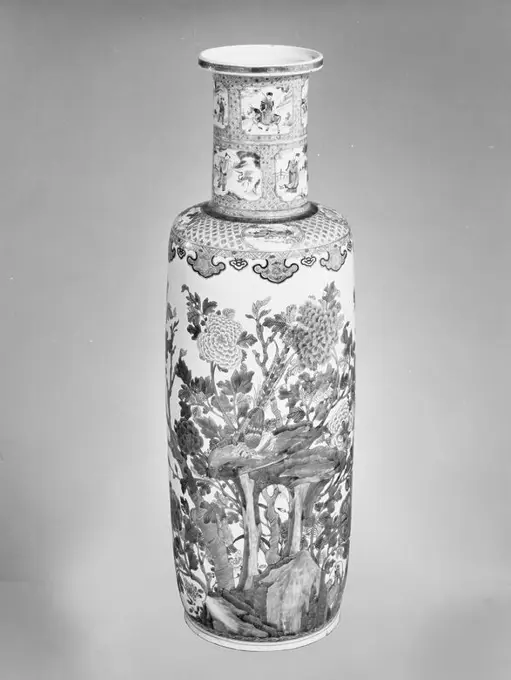
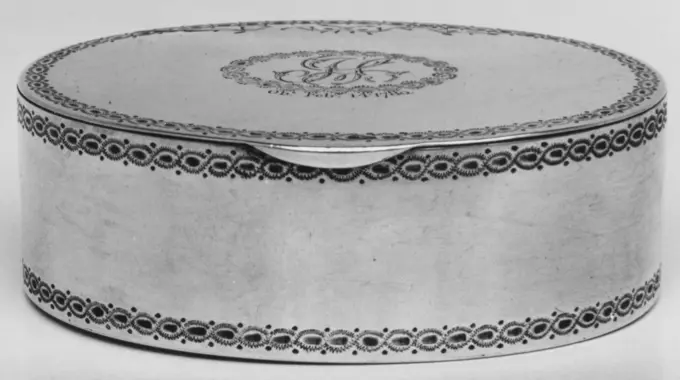
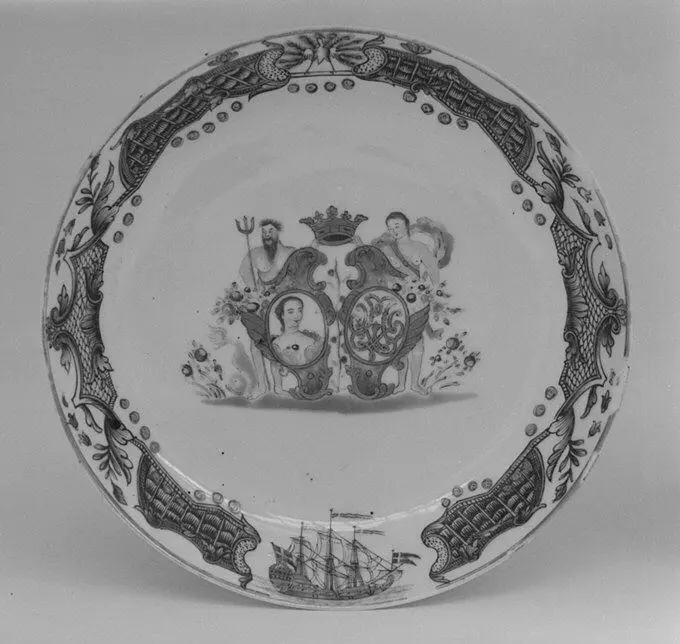
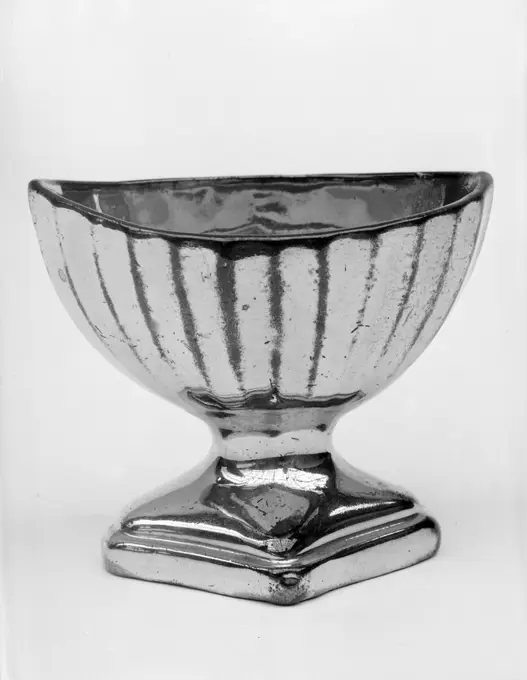
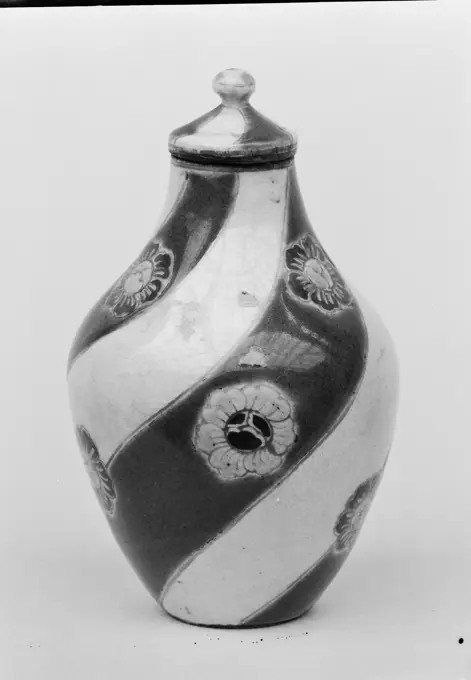
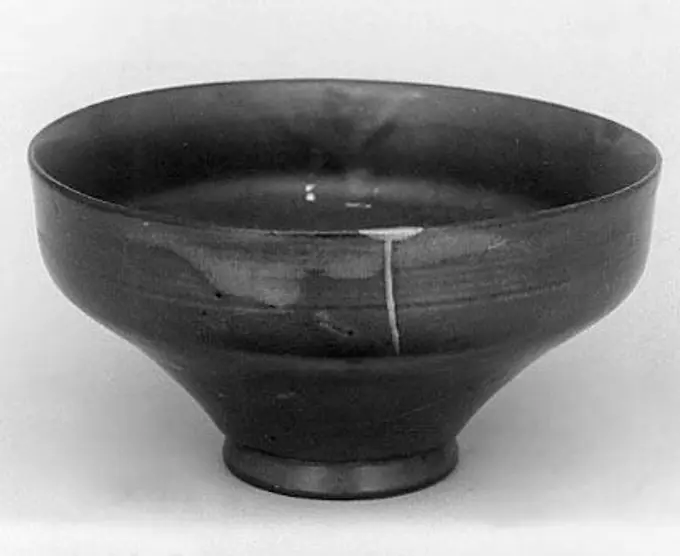
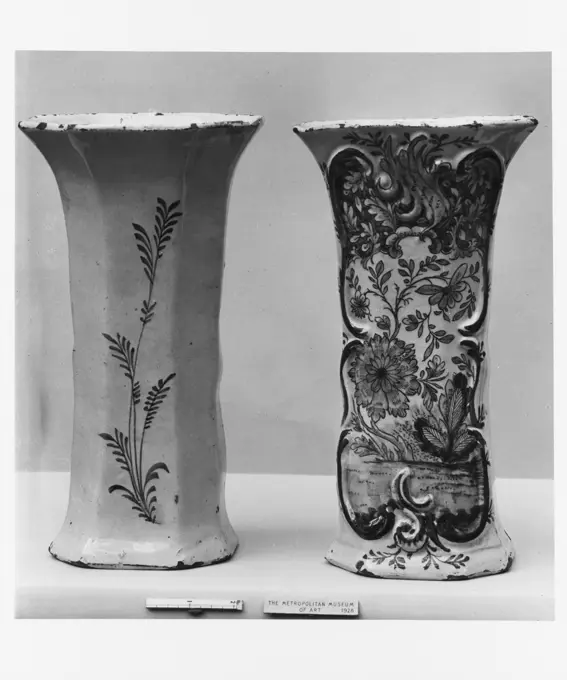
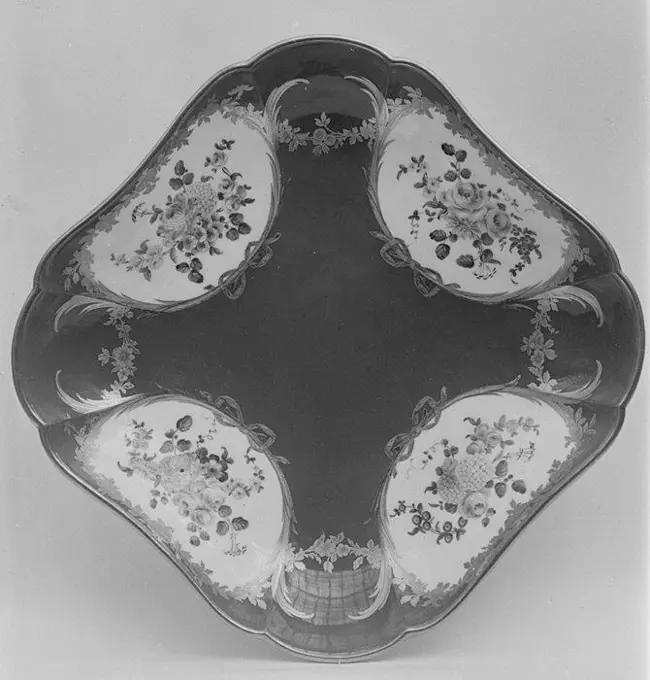
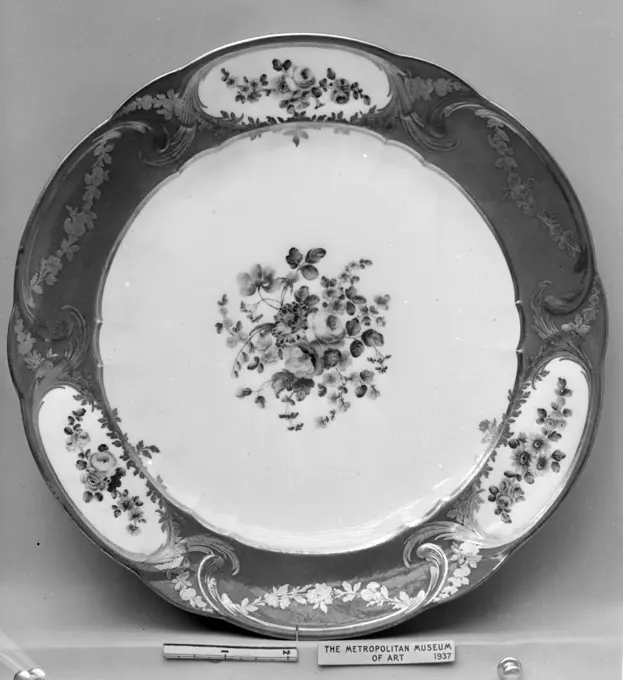
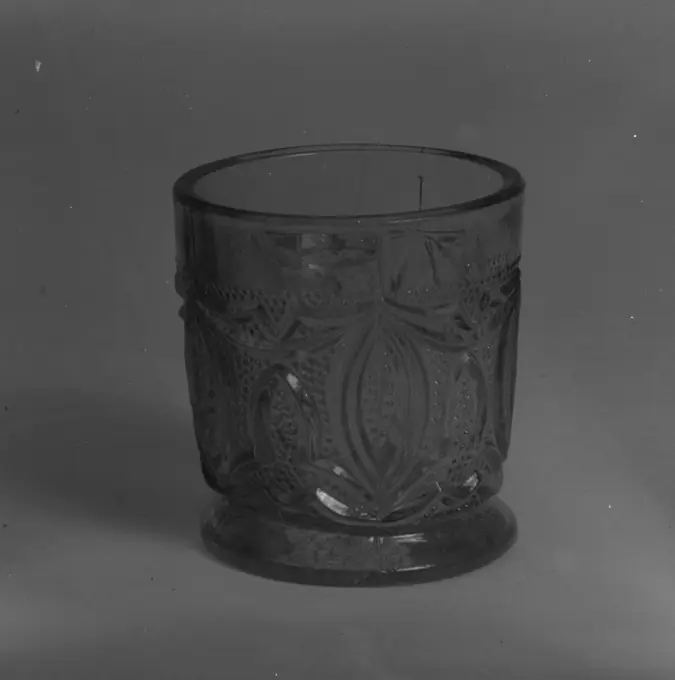
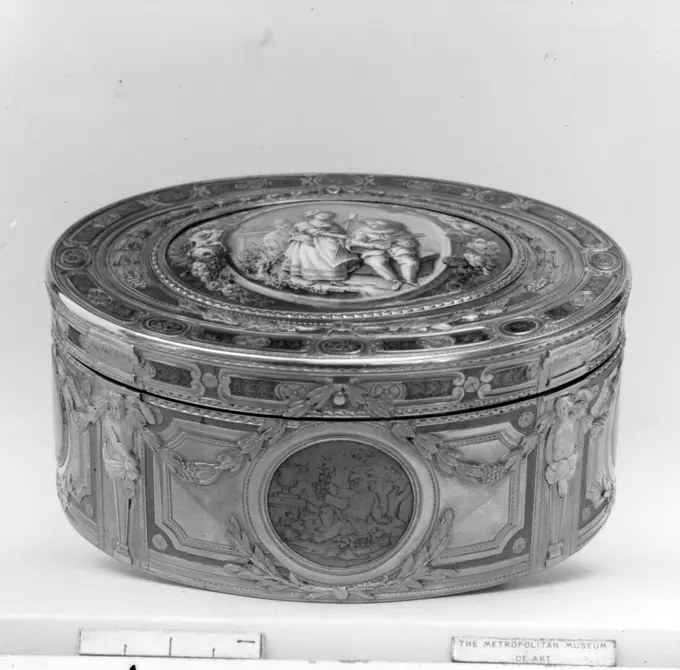
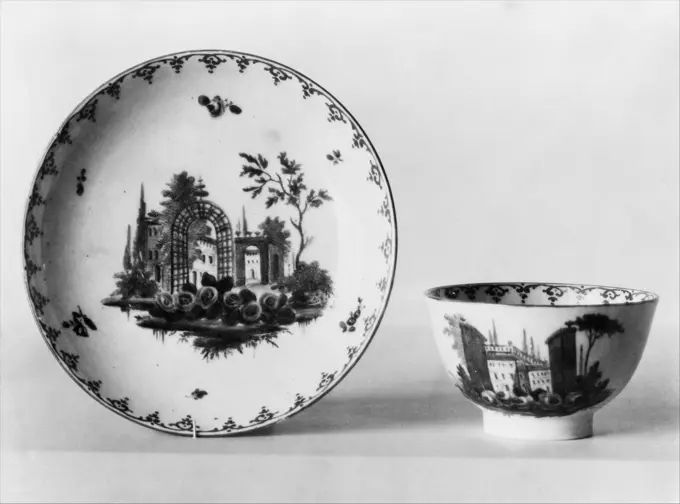
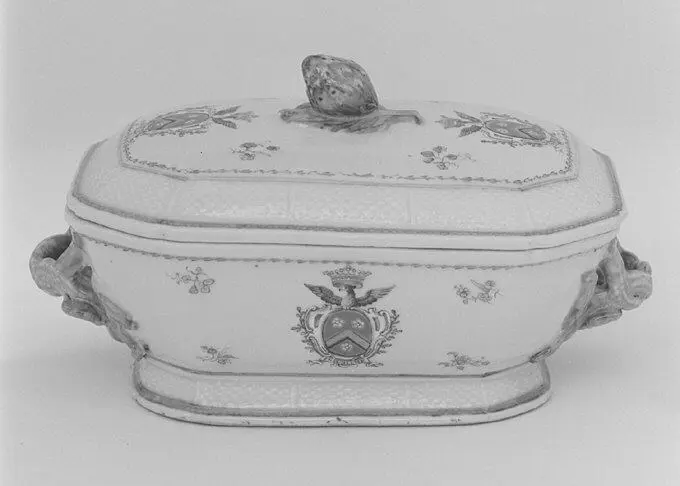
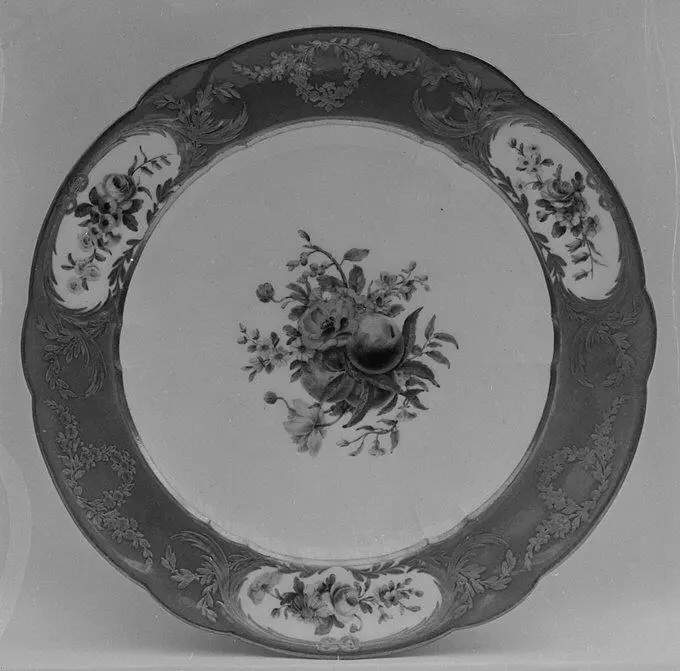
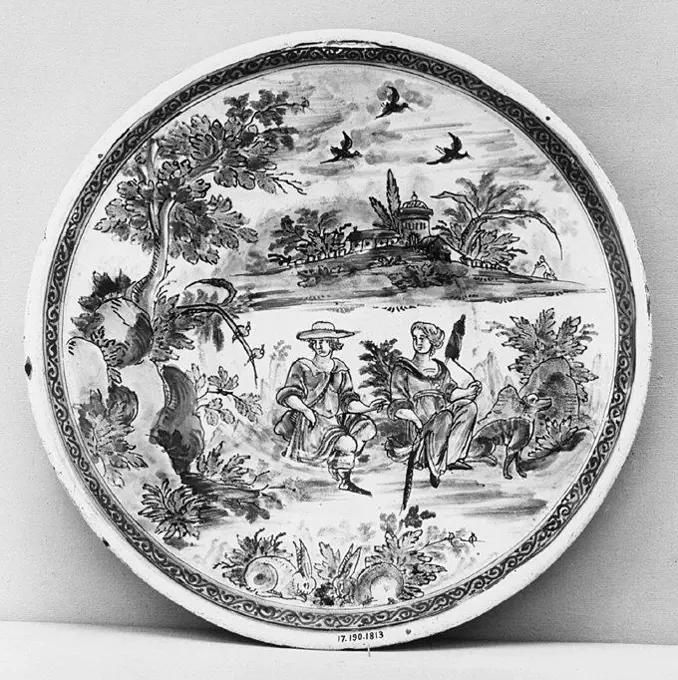
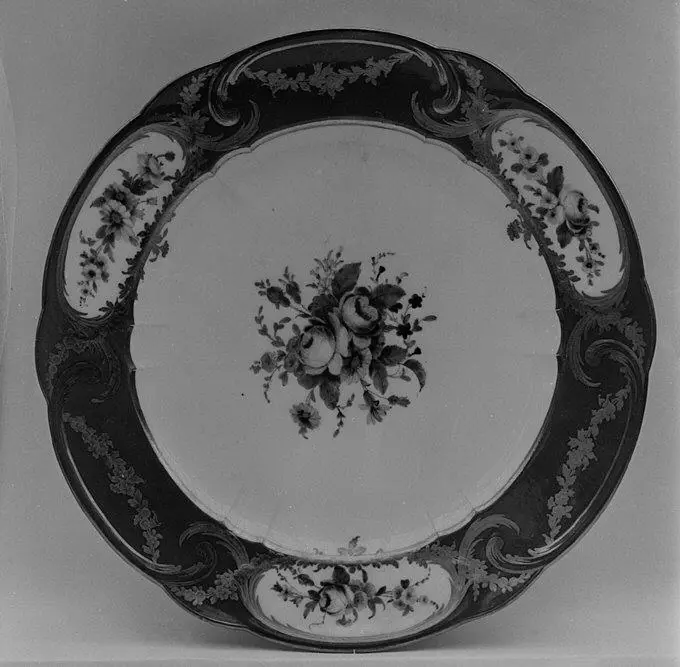
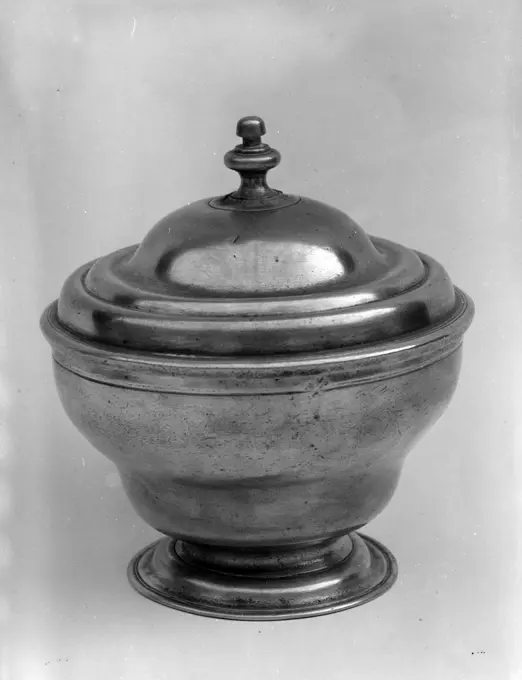
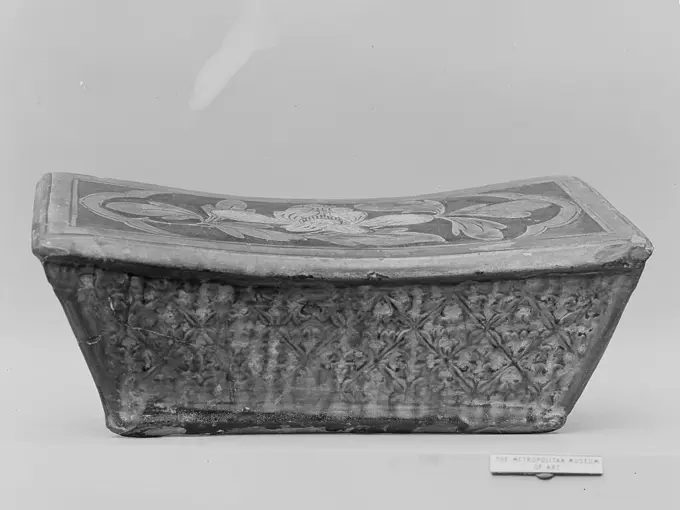
Dish. Culture: Bohemian. Dimensions: Overall: 1 1/16 × 9 5/16 in. (2.7 × 23.7 cm). Date: 1613. Museum: Metropolitan Museum of Art, New York, USA.Covered bowl Japan 1750 View more. Covered bowl. Japan. 1750. Porcelain decorated in enamels (Arita ware, Imari type). Edo period (1615-1868). CeramicsLidded Bowl. Culture: Japan. Dimensions: H. 5 in. (12.7 cm); Diam. 5 in. (12.7 cm). Date: 18th century. Museum: Metropolitan Museum of Art, New York, USA.Bowl with floral sprays China. Bowl with floral sprays 52968Half-bottle cooler (seau à demi-bouteille) (one of two) (part of a service) 1771 Sèvres Manufactory French. Half-bottle cooler (seau à demi-bouteille) (one of two) (part of a service) 197855Worcester Porcelain Manufactory, Basket, c. 1770, soft-paste porcelain.Jardinière 18th century China. Jardinière. China. 18th century. Painted enamel. Qing dynasty (1644-1911), Qianlong period (1736-95). EnamelsBowl 1720 Japan. Bowl. Japan. 1720. Porcelain covered with mottled glaze and decorated in polychrome enamels (Arita ware). Edo period (1615-1868). CeramicsBowl 1800 Japan. Bowl 62999Small jug late 17th century German. Small jug 205832Covered Box. Culture: China. Dimensions: H. 3 in. (7.6 cm); W. 4 1/8 in. (10.5 cm). Date: late 17th-early 18th century. Museum: Metropolitan Museum of Art, New York, USA.Strasburg, France, porcelain factory, Faience Cachepot, 1770, Tin enamelled pottery.Vase ca. 1700 German, Hanau. Vase 201749Bowl (part of a service) ca. 1765 Chinese, for Portuguese market. Bowl (part of a service) 201149Bowl 1780 Japan. Bowl. Japan. 1780. Porcelain decorated with enamels (Arita ware, Imari type). Edo period (1615-1868). CeramicsFruit dish (compotier coquille) (one of a pair) (part of a service) 1771 Sèvres Manufactory French The table services produced at Sèvres in the eighteenth century were highly prized and extremely expensive. They were not only purchased by the Crown and members of the aristocracy but also given by the king as diplomatic gifts to foreign courts and visiting dignitaries, and the esteem in which they were held did much to enhance the factorys prestige and fortunes. Because the number of pieces composing a service was very large, the cost was enormous, but this did not deter many courtiers from ordering a dinner or dessert service, or both.One of the most celebrated services produced at Sèvres was delivered to Louis-René-Édouard, prince de Rohan-Guémenée (1734-1803), on September 7, 1772. All of the pieces were decorated with the rich turquoise ground color known as bleu céleste and with birds encircled by an elaborate gilt wreath of oak leaves and acorns. Many of the components of the serEwer 19th century German. Ewer. German. 19th century. Glass. GlassPlate ca. 1840-ca. 1845 Mellor, Venables & Co.. Plate 6162Cup (part of a service) 1759-60 Sèvres Manufactory French Small tea services, often intended for just two people, were produced in large quantities at the Sèvres factory. Both the number of surviving services and the factory's extensive archives indicate that tea wares were not only popular but also an important source of revenue for the factory. This set (37.20.5-.9) is missing its sugar bowl and a cup and saucer, but it is notable nevertheless for its lavish gilding.Jeffrey H. Munger, 2006. Cup (part of a service) 197832Stand 1800 Japan. Stand. Japan. 1800. Faience decorated in rich, blue enamel (Kyoto ware). Edo period (1615-1868). CeramicsSaucer (part of a service) ca. 1844-46 Sèvres Manufactory French. Saucer (part of a service) 201386Sugar caster ca. 1700 German, Ansbach. Sugar caster 192309Vegetable dish with cover first half 19th century Chinese, for American market. Vegetable dish with cover 201076Dish 19th century China. Dish. China. 19th century. Painted enamel. Qing dynasty (1644-1911). EnamelsPlate 1765-66 Alexis Micalef. Plate. French, Paris. 1765-66. Silver. Metalwork-SilverSnuffbox 1700-1725 I.S.. Snuffbox 197683Plate (Assiette à palmes) (1 of 102) (part of a service) 1772 Sèvres Manufactory French. Plate (Assiette à palmes) (1 of 102) (part of a service). French, Sèvres. 1772. Soft-paste porcelain. Ceramics-PorcelainSugar bowl in 18th century style probably 19th century French, Paris. Sugar bowl in 18th century style 192122Sweetmeat box and cover probably 19th century Dutch, Delft. Sweetmeat box and cover 187884Bowl with cover ca. 1772-93 Sceaux. Bowl with cover 200992Cup (gobelet litron) 1783 Sèvres Manufactory French. Cup (gobelet litron) 191152BowlDish 1700 Japan. Dish. Japan. 1700. Clay with a crackled transparent glaze decorated with enamels and gold (Hizen ware, Kutani type). Edo period (1615-1868). CeramicsVegetable Dish 1800 Japan. Vegetable Dish. Japan. 1800. White porcelain decorated with colored enamels (Arita ware). Edo period (1615-1868). CeramicsDish China. Dish. China. Porcelain. Ming dynasty (1369-1644), Wanli period (1573-1620). CeramicsSnuffbox 1760-61 Jean-Charles-Simphorien Dubos In eighteenth-century Europe, Paris led the production of high-quality luxury goods. Parisian goldsmiths made a wide range of small, personal articles such as snuffboxes; étuis to hold sealing wax, tweezers, or utensils for sewing; souvenirs, which contained thin ivory tablets for note taking; and shuttles for knotting lace. Gold snuffboxes and boxes decorated with portrait miniatures were prized and frequently given as royal gifts, often to ambassadors or members of the court in lieu of cash payments for their services. Coveted and admired, these boxes were produced from a variety of materials. The best were skillfully made of gold and embellished with diamonds, enameled decoration, lacquer, and other luxurious materials. By the middle of the century, the taking of snuff had become an entrenched social ritual, and the snuffbox, too, had become an important social prop. Snuffboxes were considered highly fashionable accessories, with some mLarge Dish 1800 Japan. Large Dish. Japan. 1800. White porcelain decorated with blue under the glaze and green enamel (Arita ware). Edo period (1615-1868). CeramicsHot water plate 1785-1800 Chinese, for British market. Hot water plate 201269Étui probably mid-18th century probably German. Étui. probably German. probably mid-18th century. Hard-paste porcelain, crystal, copper gilt. Ceramics-PorcelainPlate ca. 1851 Anthony Shaw. Plate 6095Bowl with cover ca. 1770 Royal Porcelain Manufactory, Berlin. Bowl with cover 199253Goblet (Roemer) probably Dutch probably 19th century View more. Goblet (Roemer). probably Dutch. probably 19th century. Glass. GlassWine cooler (seau à demi-bouteille) (one of two) (part of a service) 1771-72 Sèvres Manufactory French The table services produced at Sèvres in the eighteenth century were highly prized and extremely expensive. They were not only purchased by the Crown and members of the aristocracy but also given by the king as diplomatic gifts to foreign courts and visiting dignitaries, and the esteem in which they were held did much to enhance the factorys prestige and fortunes. Because the number of pieces composing a service was very large, the cost was enormous, but this did not deter many courtiers from ordering a dinner or dessert service, or both.One of the most celebrated services produced at Sèvres was delivered to Louis-René-Édouard, prince de Rohan-Guémenée (1734-1803), on September 7, 1772. All of the pieces were decorated with the rich turquoise ground color known as bleu céleste and with birds encircled by an elaborate gilt wreath of oak leaves and acorns. Many of the components of theSugar bowl with cover (pot à sucre pestum) (part of a service) ca. 1844-46 Sèvres Manufactory French. Sugar bowl with cover (pot à sucre pestum) (part of a service) 201382Vase 1830-70 American. Vase. American. 1830-70. Parian porcelain. Probably made in Bennington, Vermont, United StatesFootedBowlJar with Cover. Culture: China. Dimensions: H. 25 in. (63.5 cm). Museum: Metropolitan Museum of Art, New York, USA.Vase. Culture: China. Dimensions: H. 29 in. (73.7 cm). Date: late 17th-early 18th century. Museum: Metropolitan Museum of Art, New York, USA.Box late 18th century A. L.. Box 197374Saucer (part of a set) Chinese, for Danish market 1760-70Saltcellar 1800-1830 British (American market). Saltcellar. British (American market). 1800-1830. Earthenware, lusterware. Made in Staffordshire, EnglandVase. Culture: China. Dimensions: H. 9 1/2 in. (24.1 cm); W. 4 1/2 in. (11.4 cm). Museum: Metropolitan Museum of Art, New York, USA.Three-Footed Dish. Culture: China. Dimensions: Diam. 7 1/2 in. (19.1 cm). Museum: Metropolitan Museum of Art, New York, USA.Plate China. Plate. China. Porcelain. Modern (). CeramicsSauceboat ca. 1755 Worcester factory. Sauceboat 204819Miniature Jar with Cover late 18th century Japan. Miniature Jar with Cover. Japan. late 18th century. Porcelain with blue spiral stripes enameled on white glaze, with superimposed flowers in yellow and red enamels (Satsuma ware). Edo period (1615-1868). CeramicsTeabowl 18th century Japan. Teabowl. Japan. 18th century. Clay covered with glaze (Satsuma type). Edo period (1615-1868). CeramicsVase 1739-75 Designed by Justus Brouwer Dutch. Vase 9570Fruit dish (part of a service) 1771 Sèvres Manufactory French. Fruit dish (part of a service) 197941Covered bowl with floral patterns 19th century China. Covered bowl with floral patterns. China. 19th century. Porcelain painted in overglaze polychrome enamels (Bencharong ware for Thai market ). Qing dynasty (1644-1911). CeramicsFruit Bowl 1880-88 Possibly Boston & Sandwich Glass Company. Fruit Bowl. American. 1880-88. Blown amber glass with applied threaded decoration. Made in Sandwich, Massachusetts, United StatesPlate (part of a service) 1772 Sèvres Manufactory. Plate (part of a service). French, Sèvres. 1772. Soft-paste porcelain. Ceramics-PorcelainVase (vaso) ca. 1520 Italian, Deruta. Vase (vaso). Italian, Deruta. ca. 1520. Maiolica (tin-glazed earthenware). Ceramics-PotteryBowl with floral patterns 19th century China. Bowl with floral patterns. China. 19th century. Porcelain painted in overglaze polychrome enamels (Bencharong ware for Thai market ). Qing dynasty (1644-1911). CeramicsDecanter with scene of children fishing (Summer) (one of a pair) ca. 1870-80 Austrian or Bohemian. Decanter with scene of children fishing (Summer) (one of a pair). Austrian or Bohemian. ca. 1870-80. Glass, engraved incavo. GlassPlate (Assiette à palmes) (1 of 102) (part of a service) 1772 Sèvres Manufactory French. Plate (Assiette à palmes) (1 of 102) (part of a service). French, Sèvres. 1772. Soft-paste porcelain. Ceramics-PorcelainBowl 19th century Japan. Bowl. Japan. 19th century. Clay covered with a spotted glaze (Kyoto ware). Edo (1615-1868) or Meiji period (1868-1912). CeramicsWhiskey Taster 1840-60. Whiskey Taster. 1840-60. Lacy pressed blue glassSnuffbox 1765-66 Jean-Joseph Barrière In eighteenth-century Europe, Paris led the production of high-quality luxury goods. Parisian goldsmiths made a wide range of small, personal articles such as snuffboxes; étuis to hold sealing wax, tweezers, or utensils for sewing; souvenirs, which contained thin ivory tablets for note taking; and shuttles for knotting lace. Gold snuffboxes and boxes decorated with portrait miniatures were prized and frequently given as royal gifts, often to ambassadors or members of the court in lieu of cash payments for their services. Coveted and admired, these boxes were produced from a variety of materials. The best were skillfully made of gold and embellished with diamonds, enameled decoration, lacquer, and other luxurious materials. By the middle of the century, the taking of snuff had become an entrenched social ritual, and the snuffbox, too, had become an important social prop. Snuffboxes were considered highly fashionable accessories, with some merchants Jar. Culture: China. Dimensions: H. 5 3/8 in. (13.7 cm). Date: first half of the 19th century. Museum: Metropolitan Museum of Art, New York, USA.Cup China. Cup 52581Teabowl and saucer ca. 1765-75 Cozzi Manufactory Italian. Teabowl and saucer 189008Vase probably late 19th century, possibly late 18th century Italian (Venice). Vase 460766PanTureen with cover (part of a service) 1770-85 Chinese, probably for Swedish market. Tureen with cover (part of a service) 201174Barber's basin 18th century probably French. Barber's basin 189140 probably French, Barber's basin, 18th century, Pewter, Width: 10 1/4 in. (26 cm). The Metropolitan Museum of Art, New York. Rogers Fund, 1906 (06.872)Whiskey Taster 1840-60 American. Whiskey Taster. American. 1840-60. Lacy pressed glass, with painted decoration. Made in New England, United StatesBowl (one of a pair) China. Bowl (one of a pair) 52829Watch ca. 1820-35 French or Swiss. Watch. French or Swiss. ca. 1820-35. Case of gold and enamel, with butterfly and rose design. HorologyTray 1783-84 Jacques Favre. Tray 200307Deep Bowl. Culture: China. Dimensions: Diam. 5 3/4 in. (14.6 cm). Date: late 16th-early 17th century. Museum: Metropolitan Museum of Art, New York, USA.Salt dish ca. 1765-70 Mennecy. Salt dish 200874Box ca. 1735 Continental European. Box 192876Snuff Bottle. Culture: China. Dimensions: H. 2 1/4 in. (5.7 cm); W. 1 5/8 in. (4.1 cm). Date: second half of the 19th century. Museum: Metropolitan Museum of Art, New York, USA.Bowl 18th century Japan. Bowl. Japan. 18th century. Pottery with designs on a crackled ground (Kyoto ware). Edo period (1615-1868). CeramicsBowl 18th century China. Bowl. China. 18th century. Porcelain painted in overglaze polychrome enamels. Qing dynasty (1644-1911), Qianlong period (1736-95). CeramicsPlate (part of a service) 1777 Sèvres Manufactory French. Plate (part of a service) 197985Bowl. Culture: China. Dimensions: H. 4 in. (10.2 cm); Diam. 8 7/8 in. (22.5 cm). Museum: Metropolitan Museum of Art, New York, USA.Fan ca. 1750 Italian. Fan 209976Plate ca. 1650-80 French, Nevers This plate is decorated with figures from L'Astrée (1607-1627) of Honoré d'Urfé (1568-1625).. Plate 194306Spoon Dish 1740-60 British (American market). Spoon Dish. British (American market). 1740-60. Stoneware. Made in Staffordshire, EnglandBliżej Kultury unknownPlate (Assiette à palmes) (1 of 102) (part of a service) 1780 Sèvres Manufactory French. Plate (Assiette à palmes) (1 of 102) (part of a service) 197963Sugar Bowl Attributed to William Will American Johann Christoph Heyne American 1742-98 View more. Sugar Bowl. American. 1742-98. Pewter. Probably made in Philadelphia, Pennsylvania, United StatesCovered Bowl 1800-1850 American. Covered Bowl. American. 1800-1850. Free-blown glass. Probably made in New York, United StatesShowcase with objects of ceramics; Halls of crafts July 1962..Cup and saucer. Culture: Italian, Venice. Dimensions: Height (cup .364a): 2 1/2 in. (6.4 cm); Diameter (saucer .364b): 4 3/8 in. (11.1 cm). Factory: Cozzi manufactory (Italian, 1764-1812). Date: ca. 1770. Museum: Metropolitan Museum of Art, New York, USA.Ceramic stove on cast-iron firebox (one of a pair) 1773 Abraham Leihamer The painted decoration depicts Saint Francis Xavier baptizing in a river.. Ceramic stove on cast-iron firebox (one of a pair) 205853Pillow. Culture: China. Dimensions: H. 4 3/4 in. (12.1 cm); W. 3 1/4 in. (8.3 cm); L. 10 in. (25.4 cm). Museum: Metropolitan Museum of Art, New York, USA.Plate (part of a service) 1784 Sèvres Manufactory French. Plate (part of a service) 197970