Historic Decorative Bowls and Dishes

A collection of decorative bowls and dishes from various cultures, featuring intricate designs and historical significance, predominantly in ceramics and porcelain.
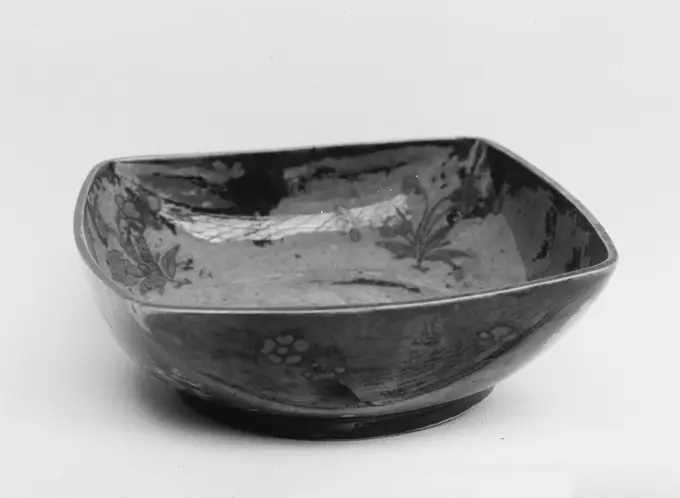
Bowl 1720 Japan. Bowl. Japan. 1720. Porcelain covered with mottled glaze and decorated in polychrome enamels (Arita ware). Edo period (1615-1868). Ceramics
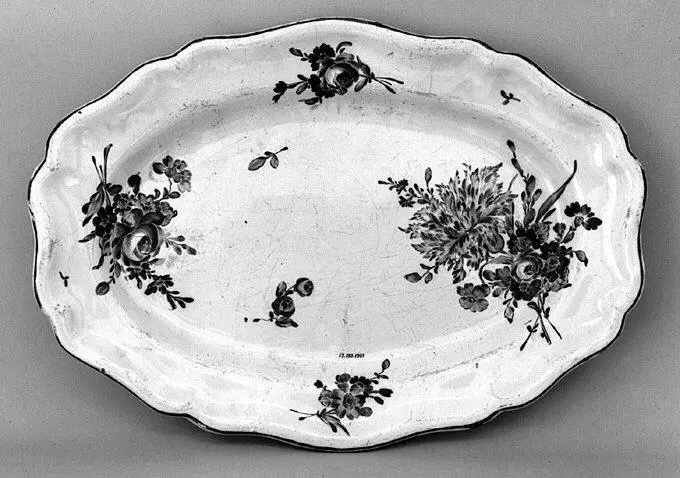
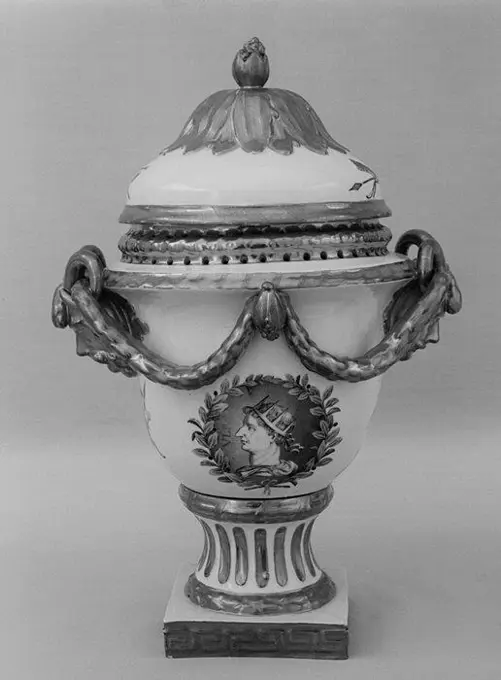
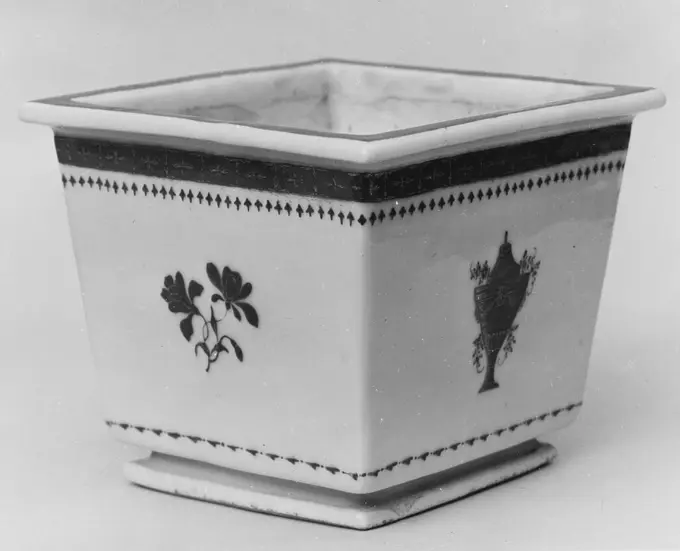
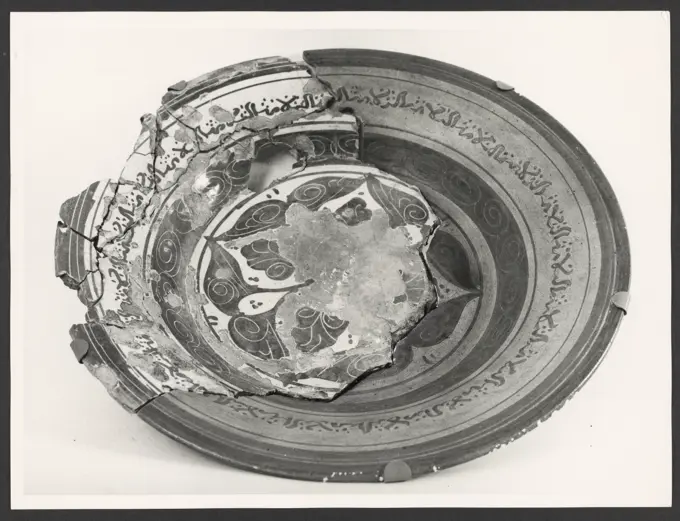
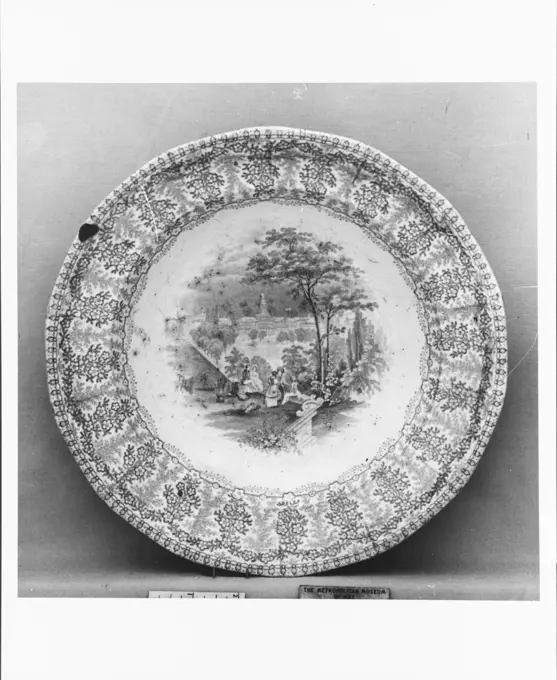
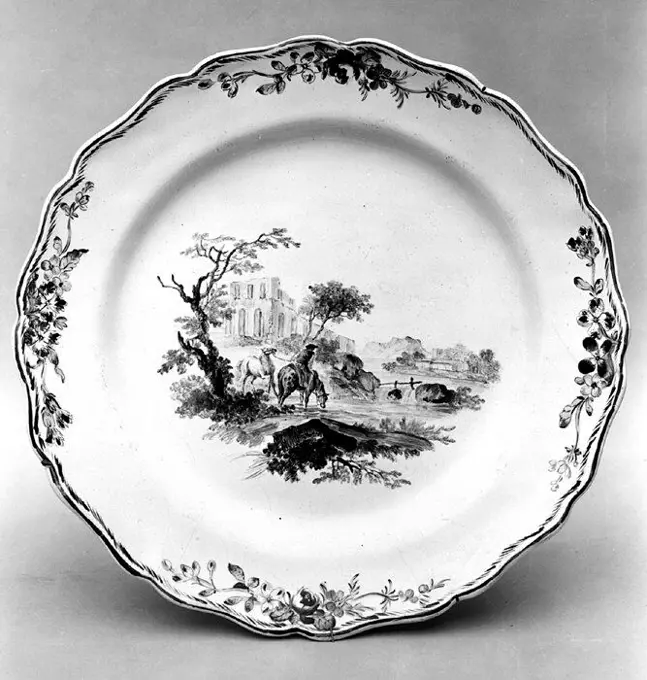
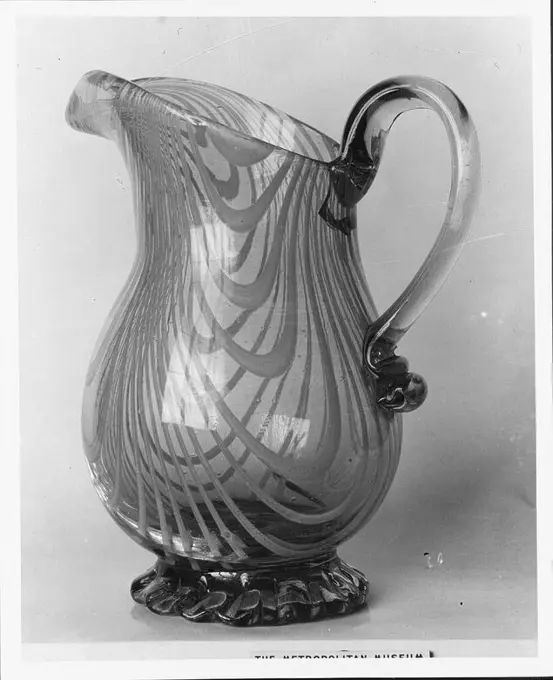
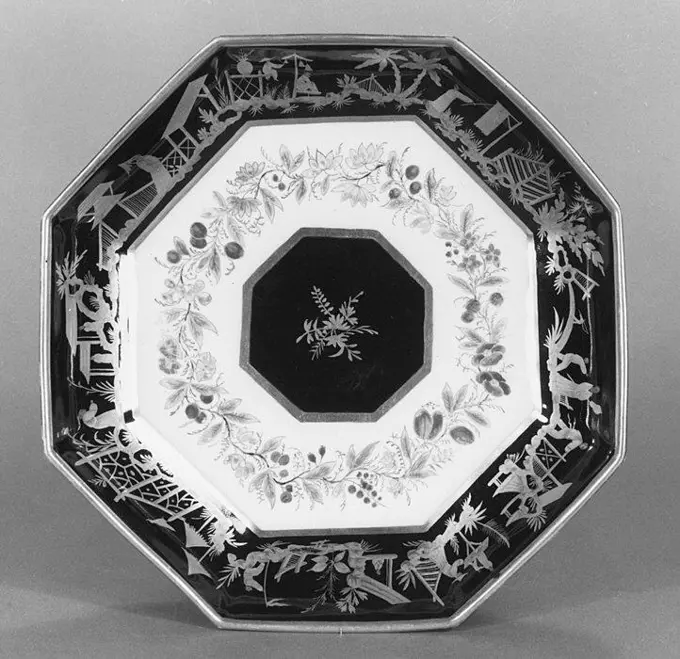
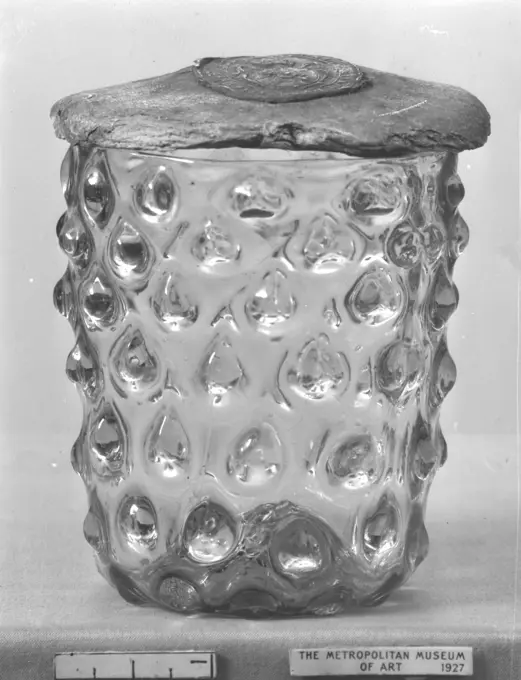
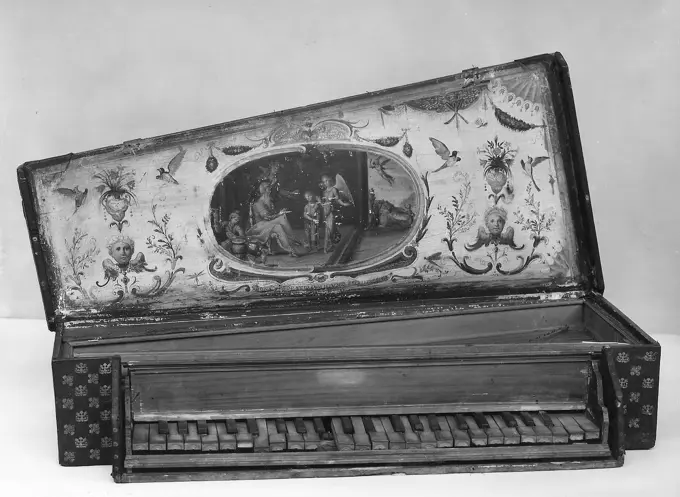
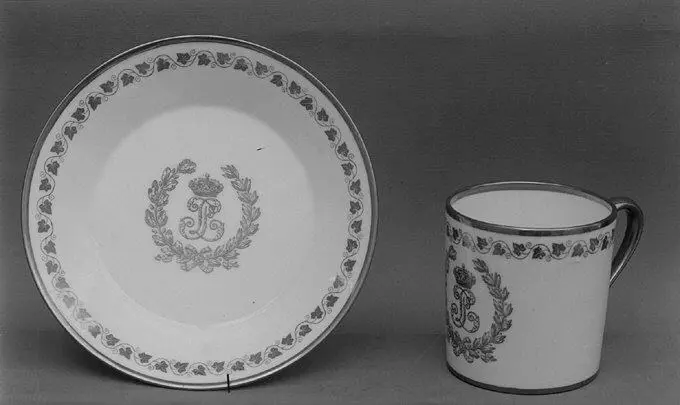
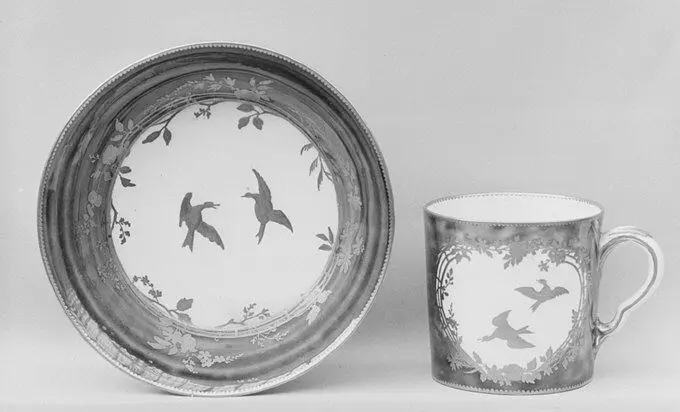
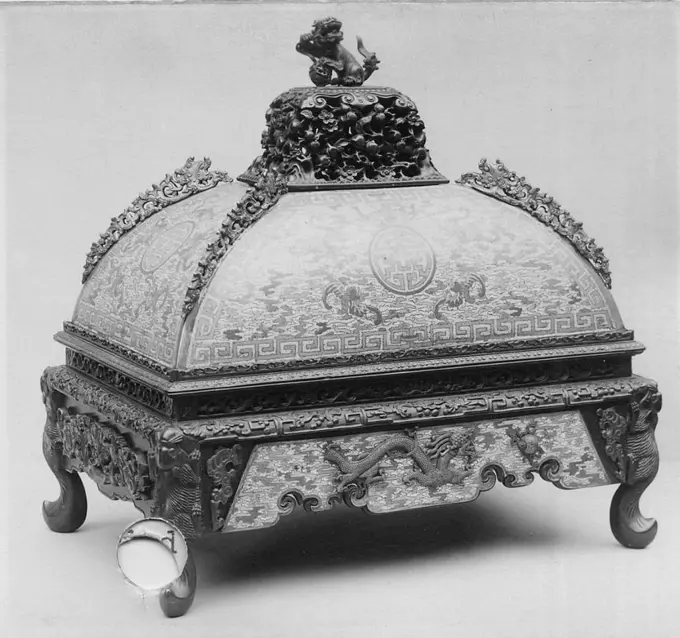
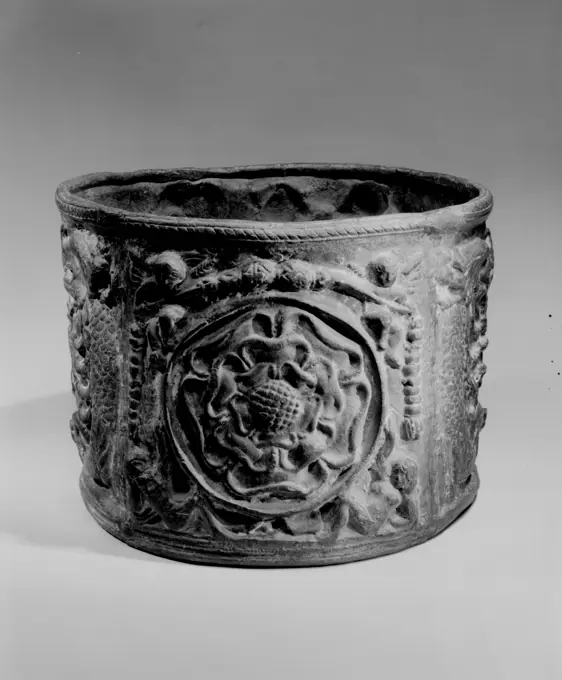
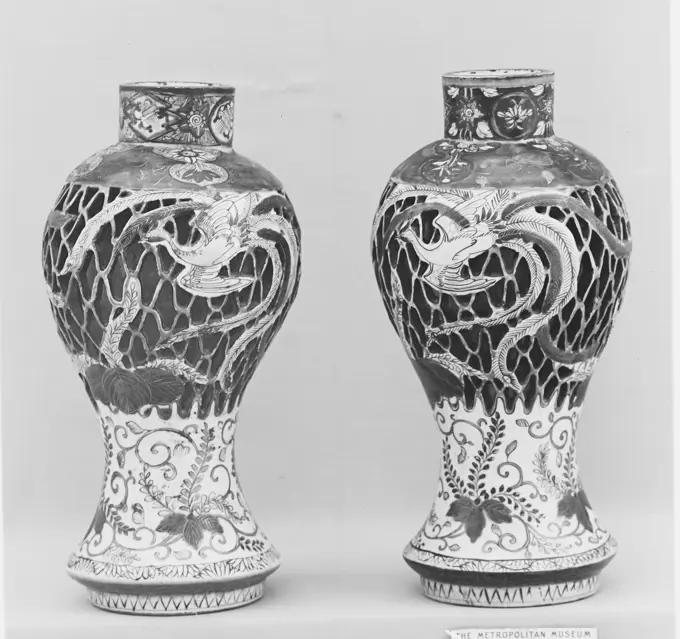
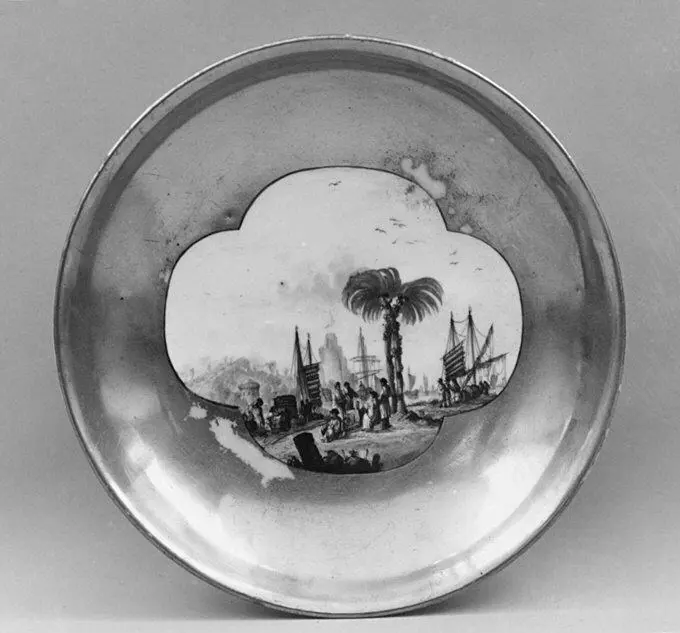
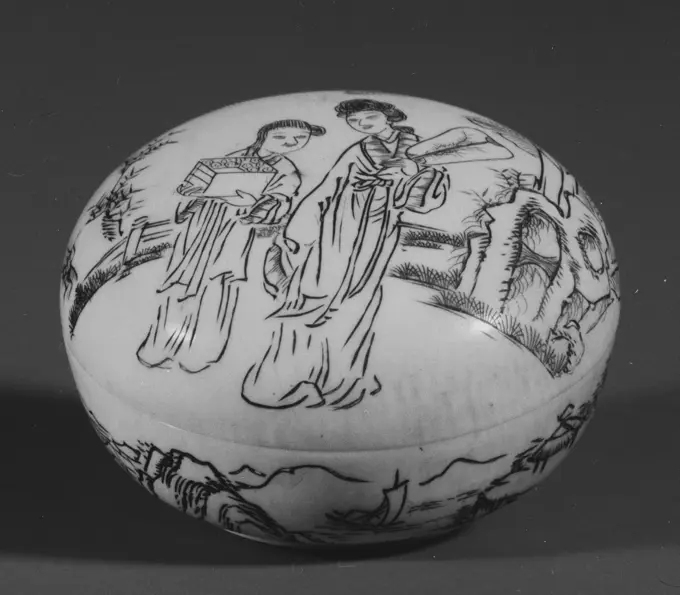
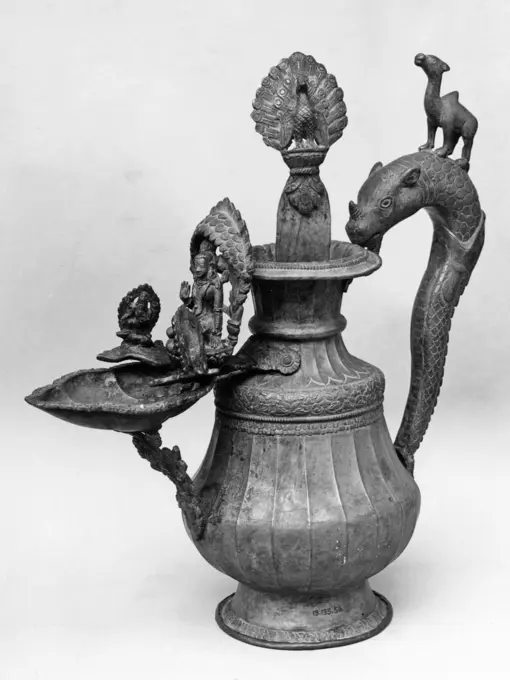
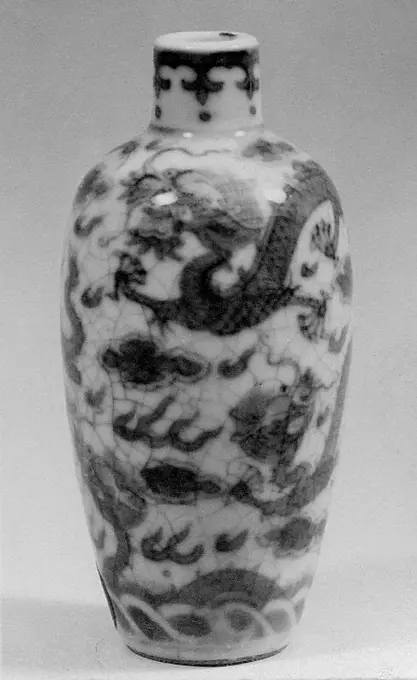
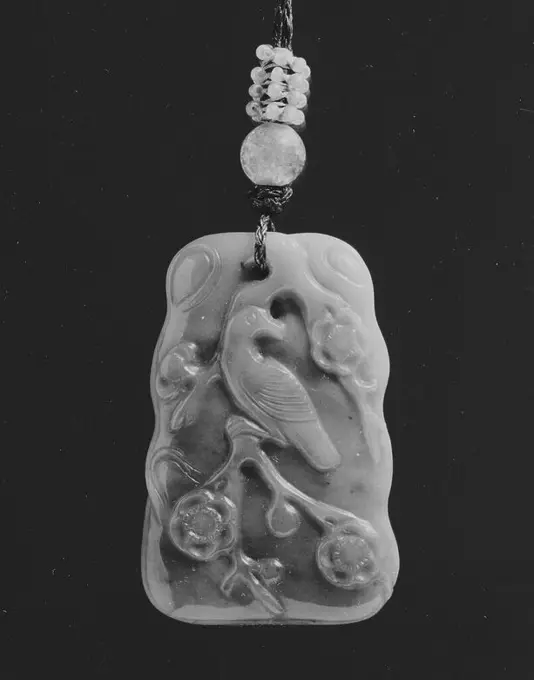
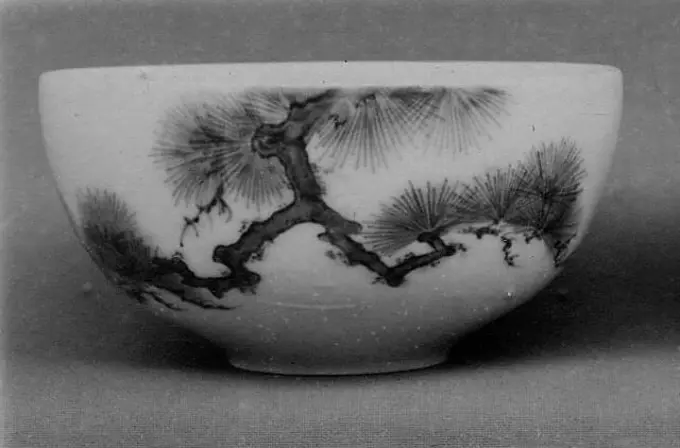
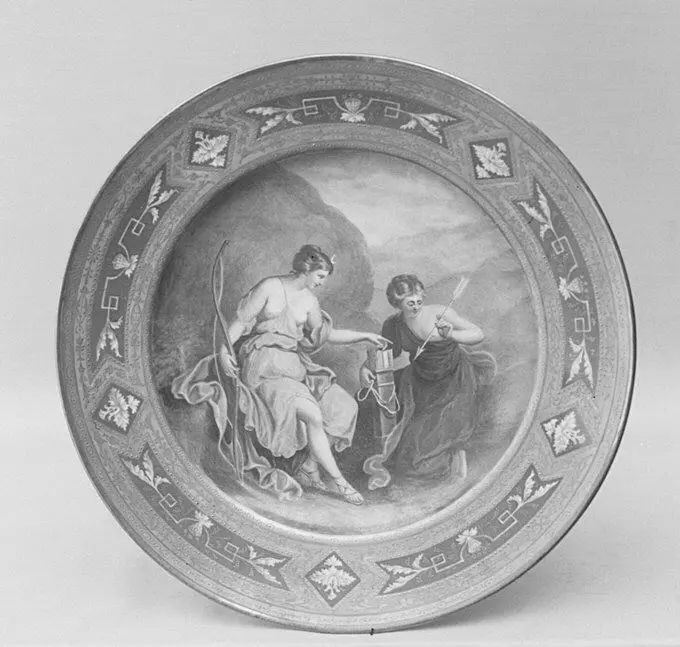
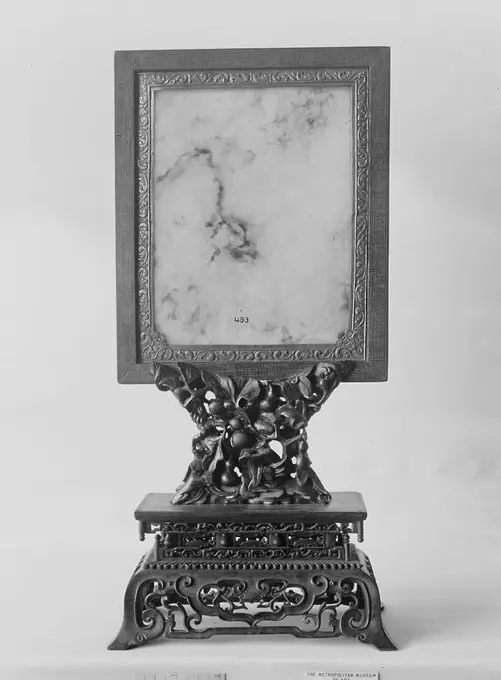
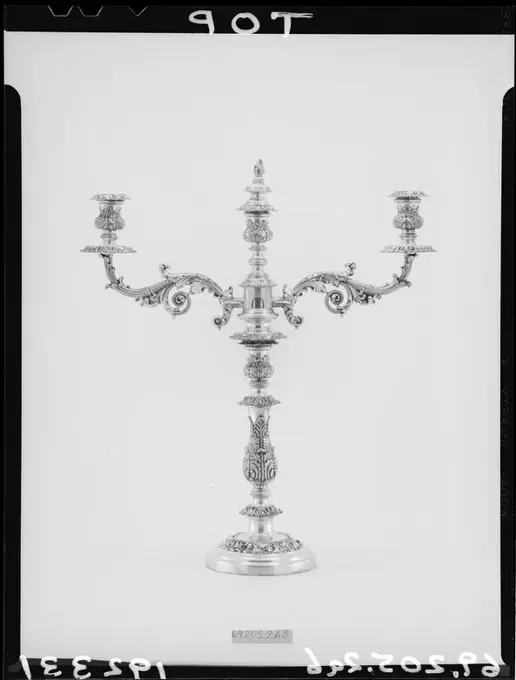
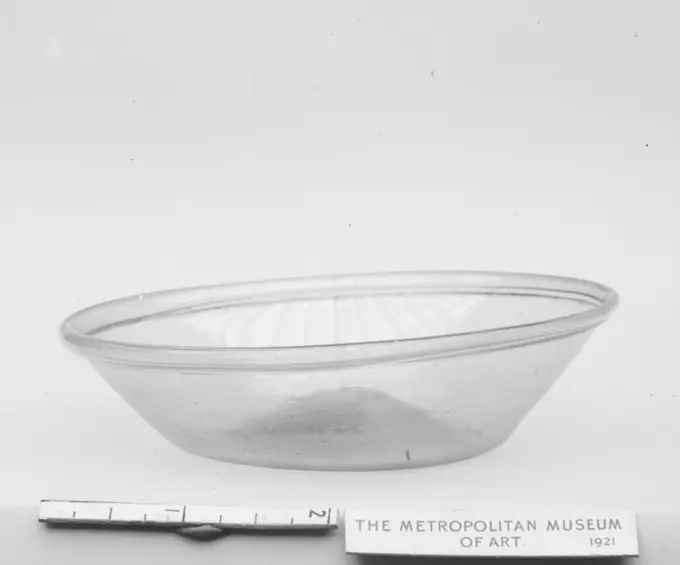
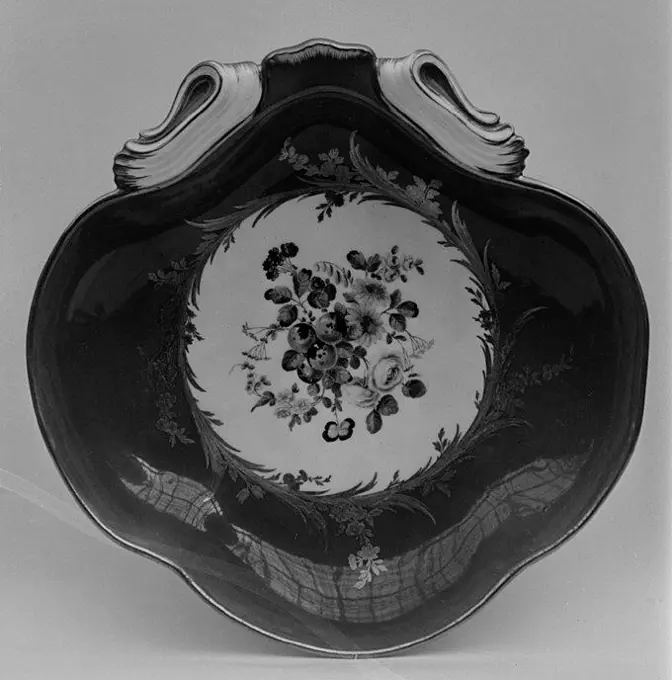
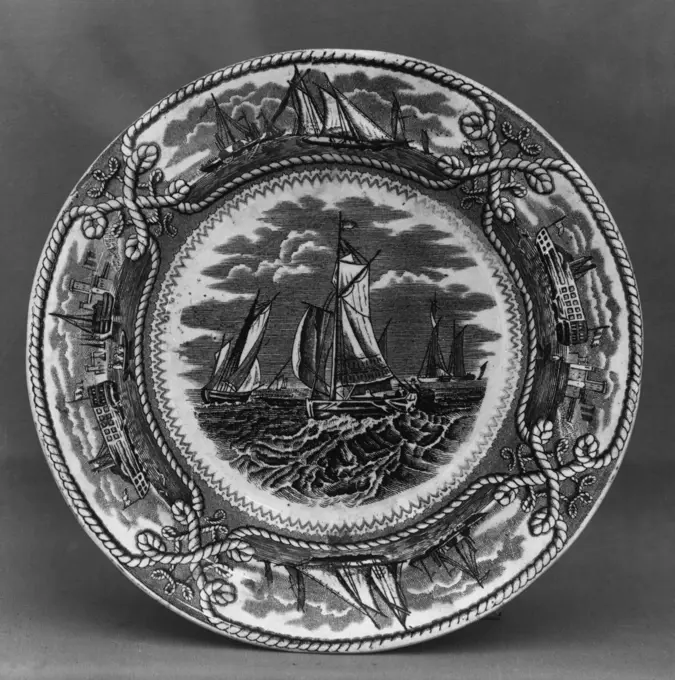
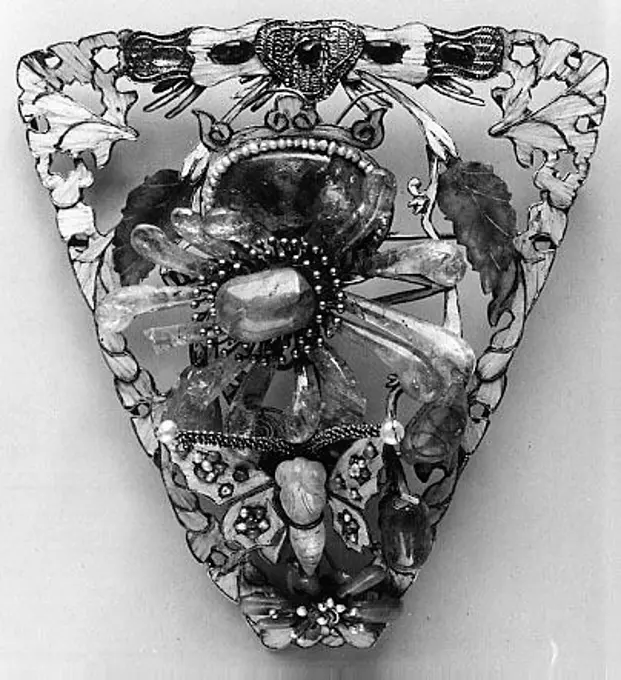
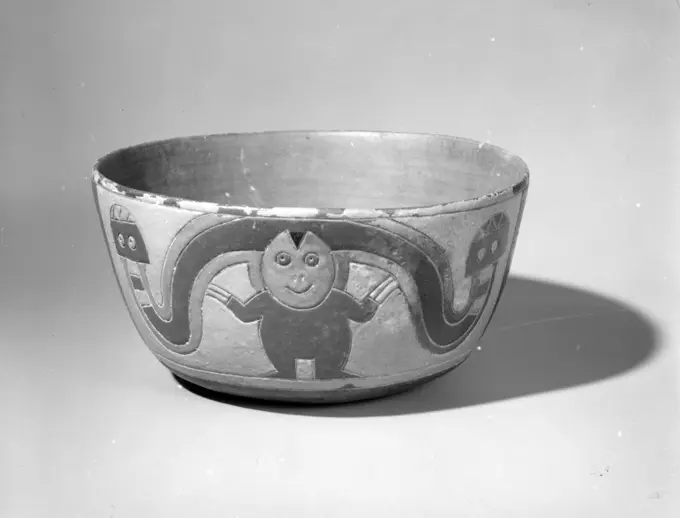
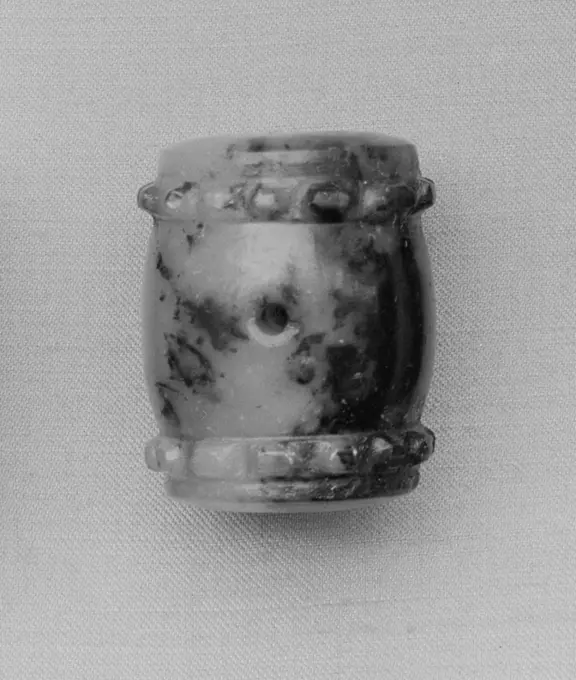
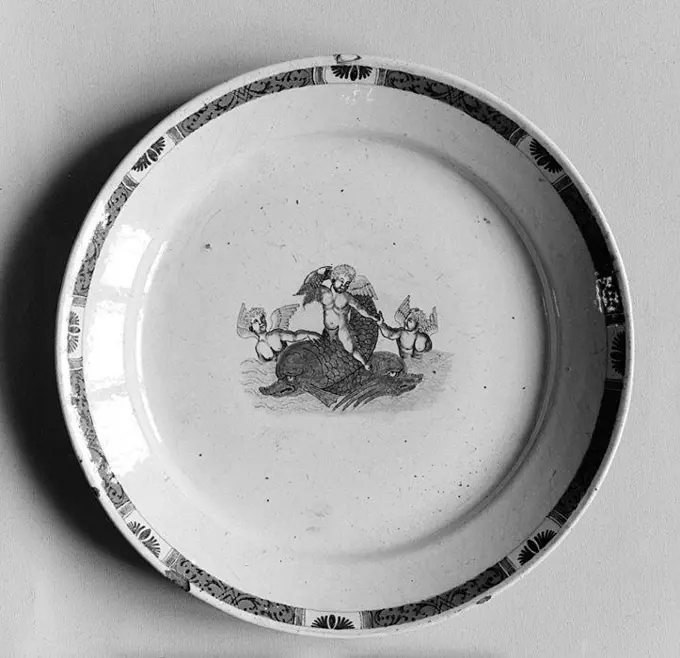
Plate mid-18th century French, Rouen Faience, or tin-glazed and enameled earthenware, first emerged in France during the sixteenth century, reaching widespread usage among elite patrons during the seventeenth and early eighteenth centuries, prior to the establishment of soft-paste porcelain factories. Although characterized as more provincial in style than porcelain, French faience was used at the court of Louis XIV as part of elaborate meals and displays, with large-scale vessels incorporated into the Baroque garden designs of Versailles. Earlier examples of French faience attest to the strong influence of maiolica artists from Italy. Later works demonstrate the ways in which cities such as Nevers, Rouen, Lyon, Moustiers, and Marseille developed innovative vessel shapes and decorative motifs prized among collectors throughout Europe. While faience can be created from a wide mixture of clays, it is foremost distinguished by the milky opaque white color achieved by the addition of tin oTwo-handled beaker and saucer 1720-25 Meissen Manufactory German. Two-handled beaker and saucer 206005Plateau ca. 1788 Levavasseur Faience, or tin-glazed and enameled earthenware, first emerged in France during the sixteenth century, reaching widespread usage among elite patrons during the seventeenth and early eighteenth centuries, prior to the establishment of soft-paste porcelain factories. Although characterized as more provincial in style than porcelain, French faience was used at the court of Louis XIV as part of elaborate meals and displays, with large-scale vessels incorporated into the Baroque garden designs of Versailles. Earlier examples of French faience attest to the strong influence of maiolica artists from Italy. Later works demonstrate the ways in which cities such as Nevers, Rouen, Lyon, Moustiers, and Marseille developed innovative vessel shapes and decorative motifs prized among collectors throughout Europe. While faience can be created from a wide mixture of clays, it is foremost distinguished by the milky opaque white color achieved by the addition of tin oxide to Vase (part of a garniture) ca. 1780-90 Fürstenberg Porcelain Manufactory. Vase (part of a garniture) 187858 Factory: Frstenberg Porcelain Manufactory, German, founded 1747, Vase (part of a garniture), ca. 178090, Hard-paste porcelain, Height: 11 1/2 in. (29.2 cm). The Metropolitan Museum of Art, New York. Gift of Henry G. Marquand, 1894 (94.4.353a, b)Cup 1736-95 Chinese. Cup. Chinese. 1736-95. Porcelain. Made in ChinaCup and saucer ca. 1770 Cozzi Manufactory Italian. Cup and saucer 189004Dish. Culture: Japan. Dimensions: Diam. 8 in. (20.3 cm). Date: 19th century. Museum: Metropolitan Museum of Art, New York, USA.Dish 1760 Japan. Dish 52324Plate. Culture: China. Dimensions: Diam. 10 5/8 in. (27 cm). Date: early 18th century. Museum: Metropolitan Museum of Art, New York, USA.Table Screen. Culture: China. Dimensions: H. 6 in. (15.2 cm); H. (with stand) 9 in. (22.9 cm); W. 5 in. (12.7 cm). Date: 18th century. Museum: Metropolitan Museum of Art, New York, USA.Image about the glass, its manufacture and history, with motifs of finished glass, manufacturing process and craft.Flower Pot. Culture: Chinese. Dimensions: 3 3/4 x 4 1/2 x 4 1/2 in. (9.5 x 11.4 x 11.4 cm). Date: 1770-1800. Museum: Metropolitan Museum of Art, New York, USA.Compote 1830-35 American. Compote. American. 1830-35. Lacy pressed glass. Made in New England, United StatesSquare Bottle early 18th century Japan. Square Bottle. Japan. early 18th century. White porcelain decorated with blue under the glaze, polychrome enamels (Arita ware, Imari type). Edo period (1615-1868). CeramicsLazio Roma Rome SS. Giovanni e Paolo, Museum16. Hutzel, Max 1960-1990 Medieval: Ceramic fragments, sculptural fragments, fresco fragments, inscribed tomb markers. Houses one of the best collections of Malagan medieval ceramics for casting wall monuments, copies of which are housed in campanile. Specific Location: Museum Antiquities: Ceramic fragments, sculptural fragments, architectural fragments Object Notes: Basilica has separate record and is filed separately. German-born photographer and scholar Max Hutzel (1911-1988) photographed in Italy from the early 1960s until his death. The result of this project, referred to by Hutzel as Foto Arte Minore, is thorough documentation of art historical development in Italy up to the 18th century, including objects of the Etruscans and the Romans, as well as early Medieval, Romanesque, Gothic, Renaissance and Baroque monuments. Images are organized by geographic region in Italy, then by province, city, site complex and monument.Tray of wine cup China. Tray of wine cup. China. Nephrite, light sage-green. Qing dynasty (1644-1911), Qianlong period (1736-95). JadePlate ca. 1835-ca. 1849 Charles Meigh British. Plate 6159Plate 18th century Probably Antoine Bonnefoy French Faience, or tin-glazed and enameled earthenware, first emerged in France during the sixteenth century, reaching widespread usage among elite patrons during the seventeenth and early eighteenth centuries, prior to the establishment of soft-paste porcelain factories. Although characterized as more provincial in style than porcelain, French faience was used at the court of Louis XIV as part of elaborate meals and displays, with large-scale vessels incorporated into the Baroque garden designs of Versailles. Earlier examples of French faience attest to the strong influence of maiolica artists from Italy. Later works demonstrate the ways in which cities such as Nevers, Rouen, Lyon, Moustiers, and Marseille developed innovative vessel shapes and decorative motifs prized among collectors throughout Europe. While faience can be created from a wide mixture of clays, it is foremost distinguished by the milky opaque white color achieved by the adPlatter (part of a service) early 19th century Chinese, for American market. Platter (part of a service) 201260Pitcher. Culture: American. Dimensions: H. 8 3/4 in. (22.2 cm). Date: 1825-50. Museum: Metropolitan Museum of Art, New York, USA.Trinket Box. Culture: American. Dimensions: 2 1/2 x 7 1/2 x 5 in. (6.4 x 19.1 x 12.7 cm). Maker: Henry Bucher. Date: ca. 1780. Museum: Metropolitan Museum of Art, New York, USA.Dish 1804-13 Sèvres Manufactory French Porcelain decorated with a black ground in imitation of Asian lacquer was produced at Sèvres for about a fifteen-year period beginning in 1790. Furniture decorated with imported black lacquer panels saw a resurgence of popularity in the last two decades of the eighteenth century, and the Sèvres factory's efforts to simulate black lacquer on porcelain were probably stimulated by this renewed general interest in lacquer decoration. Black-ground Sèvres porcelain was decorated with chinoiserie scenes executed in gold, which was often applied in subtle tones of yellow, green, and red. Small decorative highlights were often executed in platinum, and the ability to apply platinumfirst mastered by the factory in 1790may have been an impetus to produce these lacquer-inspired pieces.[Jeffrey H. Munger, 2015. Dish 202678Rouge Box. Culture: China. Dimensions: Diam. 2 3/4 in. (7 cm). Museum: Metropolitan Museum of Art, New York, USA.Cup ca. 1760-70 Lowestoft. Cup 198000Vase for a Pillar. Culture: Japan. Dimensions: H. 11 5/8 in. (29.5 cm); W. 5 7/8 in. (14.9 cm). Date: 19th century. Museum: Metropolitan Museum of Art, New York, USA.Pair of brush backs 18th century Dutch. Pair of brush backs 196709Plate ca. 1775 Chinese, for Portuguese market The statue is that of Joseph I of Portugal (r. 1750-77), by Joachim Machado de Castro (ca. 1731-1822, inaugurated 6 June 1775 and still in the Place de Commerce, Lisbon.. Plate 206823Cup 2nd half of the 6th century B.C. Etruscan High foot, rim decorated with four human masks.. Cup. Etruscan. 2nd half of the 6th century B.C.. Terracotta; bucchero pesante. Archaic. VasesPlate. Culture: British (American market). Dimensions: Diam. 9 in. (22.9 cm). Date: ca. 1830-ca. 1835. Museum: Metropolitan Museum of Art, New York, USA.Bliżej Kultury unknownCandlestick from a Set Five-Piece Altar Set (Wugong) China. Candlestick from a Set Five-Piece Altar Set (Wugong). China. Porcelain. Qing dynasty (1644-1911), Daoguang period (1821-50). CeramicsSlop Bowl 1800-1815 Chinese. Slop Bowl. Chinese. 1800-1815. Porcelain. Made in ChinaReliquary beaker with wax cover 16th century German This was probably used to seal in a religious relic, now lost.. Reliquary beaker with wax cover. German. 16th century. Glass. GlassTripod table ca. 1815-25 French. Tripod table 191993Miniature Bottle. Culture: China. Dimensions: H. 3 5/8 in. (9.2 cm). Museum: Metropolitan Museum of Art, New York, USA.Triangular Octave Spinet 1625 Pasquino Querci Technical description: Inner-outer case construction, inner case and soundboard are cypress, the outer case is covered with gilt-embossed leather, inside lid is painted with conventional ornaments; compass c/e-c4, d4, boxwood naturals with boxwood arcades, walnut accidentals, keyboard balance rail and back rail are glued to the bottom, no front rail, but padding is glued to bottom under key heads to control key dip; jacks are pear with beech tongues, brass leaf springs, slots for double flag dampers (none present), and leather plectra, box guide is built up of shaped blocks; multi-layered parchment rose. (Douglas Maple, 1983). Triangular Octave Spinet. Italian. 1625. Wood, various materials. Florence, Italy. Chordophone-Zither-plucked-spinetSaucer possibly 1845 Sèvres Manufactory French. Saucer 188710 Factory: Svres Manufactory, French, 1740present, Decorator: Gilded by Jean-Louis Moyez, French, active 181848, Saucer, possibly 1845, Soft-paste porcelain, Diameter: 5 1/4 in. (13.3 cm). The Metropolitan Museum of Art, New York. Gift of Alfred Duane Pell, 1902 (02.6.200)Cup (gobelet litron) and saucer 1754 Vincennes Manufactory French. Cup (gobelet litron) and saucer 188625 Factory: Vincennes Manufactory, French, ca. 17401756, Cup (gobelet litron) and saucer, 1753, Soft-paste porcelain, Height (cup .63): 2 3/4 in. (7 cm); Diameter (saucer .64): 5 1/4 in. (13.3 cm). The Metropolitan Museum of Art, New York. Gift of Alfred Duane Pell, 1902 (02.6.63, .64)Fruit Dish - "Brooklyn Ferry". Dated: c. 1936. Dimensions: overall: 20.3 x 25.4 cm (8 x 10 in.) Original IAD Object: 10" long; 7 1/4" wide; 4 5/8" high. Medium: black and white photograph. Museum: National Gallery of Art, Washington DC. Author: Helmut Hiatt.Chamber candlestick Manufactory Meissen Manufactory German ca. 1765 View more. Chamber candlestick. German, Meissen. ca. 1765. Hard-paste porcelain. Ceramics-PorcelainMirror 16th century Italian, Venice. Mirror 196720Vase with Inlaid Designs early 20th century Korea. Vase with Inlaid Designs 57357Incense Burner China. Incense Burner. China. Cloisonné enamel on copper, gilt bronze, teakwood. Qing dynasty (1644-1911), Kangxi period (1662-1722). CloisonnéSalt 1830-70 Probably Providence Flint Glass Works. Salt. American. 1830-70. Lacy pressed blue glass. Made in Providence, Rhode Island, United StatesBeaker with cover (Humpen) 1668 German, Silesia This shape is called a "humpen.". Beaker with cover (Humpen). German, Silesia. 1668. Glass. GlassCover 1854 S. T. M.. Cover. Austrian, Vienna. 1854. Silver. Metalwork-SilverSaucer (part of a service) ca. 1750 Chinese, for British market. Saucer (part of a service) 201349Cistern ca. 1527 British. Cistern. British. ca. 1527. Lead. Metalwork-Base MetalBliżej Kultury unknownBowl early 19th century China. Bowl 50734Anefo photo collection. Masters in silverware from Rotterdam Silversmiths in Museum Holthuysen, the oldest ornament a spiral shell. January 4, 1967Miniature Vase. Culture: China. Dimensions: H. 1 5/8 in. (4.2 cm); W. 3 1/4 in. (8.3 cm). Museum: Metropolitan Museum of Art, New York, USA.Half-pint Decanter 1850-70 American With the development of new formulas and techniques, glass-pressing technology had improved markedly by the late 1840s. By this time, pressed tablewares were being produced in large matching sets and innumerable forms. During the mid-1850s, colorless glass and simple geometric patterns dominated. Catering to the demand for moderately-priced dining wares, the glass industry in the United States expanded widely, and numerous factories supplied less expensive pressed glassware to the growing market. At the Exhibition of the Industry of All Nations at New Yorks Crystal Palace in 1853, for example, the New England Glass Company exhibited 130 pieces of one design, "consisting of bowls, tumblers, champagnes, wines, and jelly glasses." This object belongs to one such service. Although the glass manufactory is not known, the glassware is very typical of the large services that were very popular with Americas middle class in the nineteenth century.. Half-pinBrush Holder 18th century Japan. Brush Holder 59830Vase 1664-1700 Japan. Vase. Japan. 1664-1700. Porcelain with reticulated design and ornamentation in colors and gold (Arita ware, Imari type). Edo period (1615-1868). CeramicsDish with Peaches. Culture: Japan. Dimensions: H. 8 1/2 in. (21.6 cm). Date: 18th century. Museum: Metropolitan Museum of Art, New York, USA.Pendant 17th century Italian, Sicily. Pendant 194223Astral Lamp ca. 1855 Archer and Warner American. Astral Lamp 280Candelabrum porcelain ca. 1725, mounts 1745-49 Meissen Manufactory German. Candelabrum 210152Saucer ca. 1735 Meissen Manufactory German. Saucer 188750 Factory: Meissen Manufactory, German, 1710present, Saucer, ca. 1735, Hard-paste porcelain, Diameter: 5 1/8 in. (13 cm). The Metropolitan Museum of Art, New York. Gift of Alfred Duane Pell, 1902 (02.6.250)Pill box late 19th century China. Pill box. China. late 19th century. Ivory. Qing dynasty (1644-1911). IvoriesBox ca. 1730 Meissen Manufactory German Probably once part of a toilet service, this five-lobed box is based on a Japanese lacquer prototype and may have been placed on a matching stand.. Box 206018Plate ca. 1820-ca. 1846 Enoch Wood & Sons British. Plate 6225Sacrificial Vase or Lamp with Ladle (Arti) probably 18th century Nepal (Kathmandu Valley). Sacrificial Vase or Lamp with Ladle (Arti). Nepal (Kathmandu Valley). probably 18th century. Brass. MetalworkIncense burner Japan Incense burners in imitation of Chinese forms, were among the first shapes made in Hizen. The combination of glazed and unglazed surface decoration reflects technological experimentation between 1630 and 1660.. Incense burner 52247Cup 19th century Japan. Cup. Japan. 19th century. Porcelain decorated with blue underglaze (Mino ware). Edo (1615-1868) or Meiji period (1868-1912). CeramicsSaltcellar 1780-1825 American or British. Saltcellar. American or British. 1780-1825. Blown pattern-molded lead blue glass. Possibly made in England; Possibly made in United StatesCrown ca. 1800 Portuguese. Crown. Portuguese. ca. 1800. Silver, jewels. Metalwork-Silver In CombinationSnuff Bottle China. Snuff Bottle 41689Plate - "Baltimore and Ohio Railroad". Dated: c. 1936. Dimensions: overall: 20.3 x 25.4 cm (8 x 10 in.) Original IAD Object: 10 1/8" in diameter. Medium: black and white photograph. Museum: National Gallery of Art, Washington DC. Author: Helmut Hiatt.Plate 1820 Japan. Plate 47128Pendants. Culture: China. Dimensions: W. 1 3/8 in. (3.5 cm); L. 2 1/4 in. (5.7 cm). Date: 20th century. Museum: Metropolitan Museum of Art, New York, USA.Bowl 1820 Japan. Bowl. Japan. 1820. White porcelain decorated with blue under the glaze (Hirado ware). Edo period (1615-1868). CeramicsVase ca. 1890-1900 Emile Gallé French. Vase 487944Platter 19th century Possibly made at Davenport, Longport. Platter. British, possibly Longport. 19th century. Dark blue printed ware. Ceramics-PotterySoup tureen British, London 1759-60Stem cup probably 1860-80 probably French. Stem cup 205118Soup Plate 1800-1830 Chinese. Soup Plate. Chinese. 1800-1830. Porcelain. Made in ChinaPlate possibly Vienna 19th centuryWine bottle 1800 Japan. Wine bottle 52479Bliżej Kultury unknownPlate (part of a set) ca. 1660-90 Dutch, Delft The legends inscribed in the well of these plates (1977.22.5-.10) make one continuous verse. When read in numerical sequence, the inscription is: "Clean plates and napkins/ tablecloths without stains/ full glasses and fine flutes/ make the stomach open/ but the mistress of the house who is joyful/ makes the real happiness of the table".. Plate (part of a set). Dutch, Delft. ca. 1660-90. Tin-glazed earthenware. Ceramics-PotteryManchu Woman's Headdress late 18th century China. Manchu Woman's Headdress. China. late 18th century. Semi-precious stones, imitation pearls, feathers. JewelryBowl. Dimensions: Diam. 8 11/16 in. (22.1 cm); H. 2 1/8 in. (5.4 cm). Date: mid-12th century. Museum: Metropolitan Museum of Art, New York, USA.Bowl 1850-75 American. Bowl 690Dish ca. 1735-36 Possibly Pierre II Demange. Dish 200313Table screen. Culture: China. Dimensions: H. 14 9/16 in. (37 cm); W. 6 13/16 in. (17.3 cm). Museum: Metropolitan Museum of Art, New York, USA.Candelabrum. Dimensions: 22 7/8 x 20 3/16 in. (58.1 x 51.3 cm). Date: ca. 1830. Museum: Metropolitan Museum of Art, New York, USA.Dish possibly 17th century Italian, possibly Venice (Murano) During the Renaissance, Venetian glassmakers, working on the island of Murano, were celebrated across Europe for their fine and sparkling work. Called cristallo” emulating the clarity of rock crystal, in the hands of the most skilled glassblowers the medium could be delightfully manipulated, variously stretched paper-thin flat, or playfully twisted, or blown into molds with spectacular patterns.. Dish. Italian, possibly Venice (Murano). possibly 17th century. Glass. GlassIshizara Plate with Design of Pine Tree late 18th-early 19th century Japan. Ishizara Plate with Design of Pine Tree 53642Fruit dish (part of a service) 1771 Sèvres Manufactory French. Fruit dish (part of a service) 197942Snuffbox 1771-72 Pierre Bidault In eighteenth-century Europe, Paris led the production of high-quality luxury goods. Parisian goldsmiths made a wide range of small, personal articles such as snuffboxes; étuis to hold sealing wax, tweezers, or utensils for sewing; souvenirs, which contained thin ivory tablets for note taking; and shuttles for knotting lace. Gold snuffboxes and boxes decorated with portrait miniatures were prized and frequently given as royal gifts, often to ambassadors or members of the court in lieu of cash payments for their services. Coveted and admired, these boxes were produced from a variety of materials. The best were skillfully made of gold and embellished with diamonds, enameled decoration, lacquer, and other luxurious materials. By the middle of the century, the taking of snuff had become an entrenched social ritual, and the snuffbox, too, had become an important social prop. Snuffboxes were considered highly fashionable accessories, with some merchants advertCup (part of a service) 18th century Meissen Manufactory German. Cup (part of a service) 209397Flowers in a Figured Vase Attributed to Jan Peeter Brueghel (Flemish, 1628-after 1664). Flowers in a Figured Vase, ca. 1670s. Oil on canvas, 73 3/4 x 46 5/8 in. (187.3 x 118.4 cm).   European Art ca. 1670sPlate ca. 1862-ca. 1880 G. L. Ashworth & Bros. Ltd.. Plate 6131Beaker 1634 Dutch, Dordrecht. Beaker 192004Ornaments for Manzhu Hat 18th century China. Ornaments for Manzhu Hat 60886Jar 1800-1830 American. Jar. American. 1800-1830. Free-blown blue and amber glass. Made in New Jersey, United StatesBowl 2nd-1st century B.C. Paracas. Bowl. Paracas. 2nd-1st century B.C.. Ceramic, post-fired paint. Peru. Ceramics-ContainersBead China. Bead. China. Jade. Jade