Historic Decorative Bowls and Dishes

A collection of decorative bowls and dishes from various cultures, featuring intricate designs and historical significance, predominantly in ceramics and porcelain.
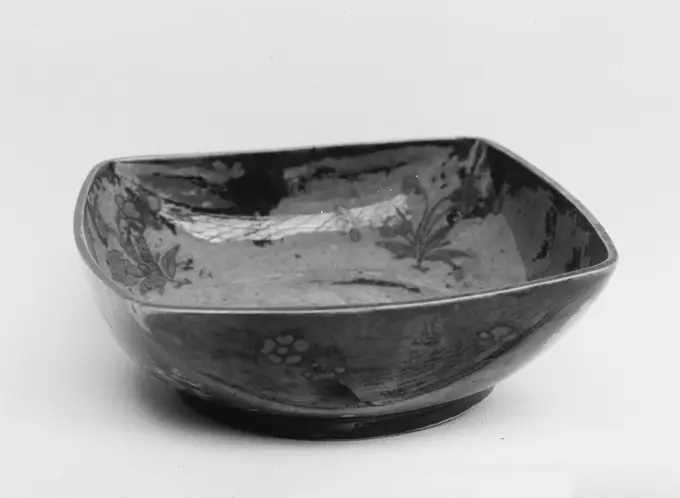
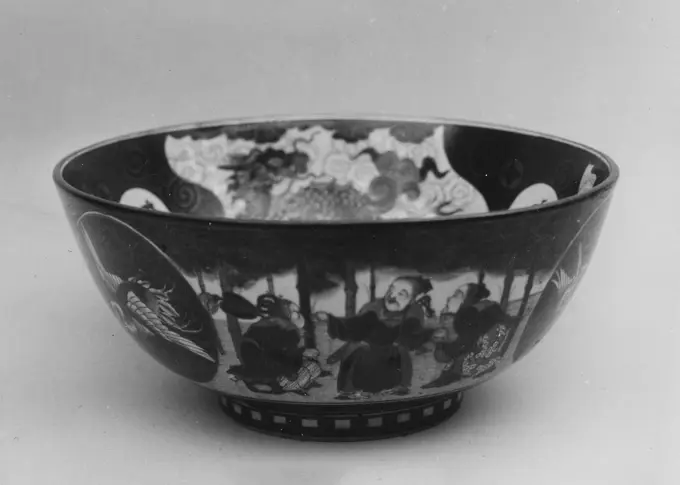
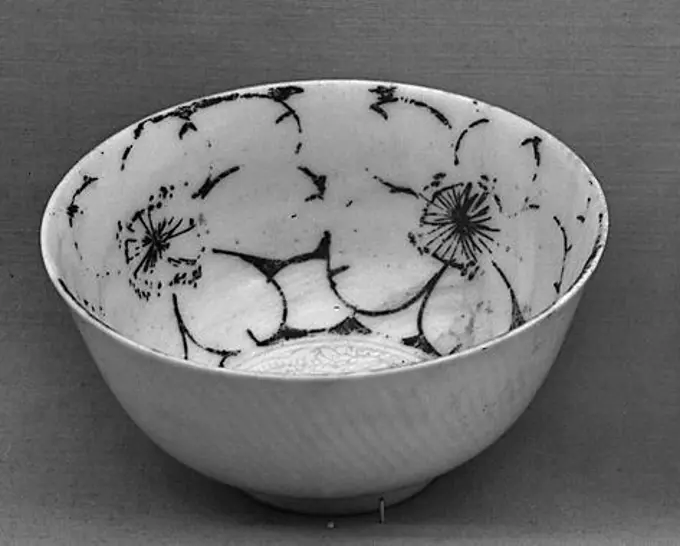
Bowl 1720 Japan. Bowl. Japan. 1720. Porcelain covered with mottled glaze and decorated in polychrome enamels (Arita ware). Edo period (1615-1868). Ceramics
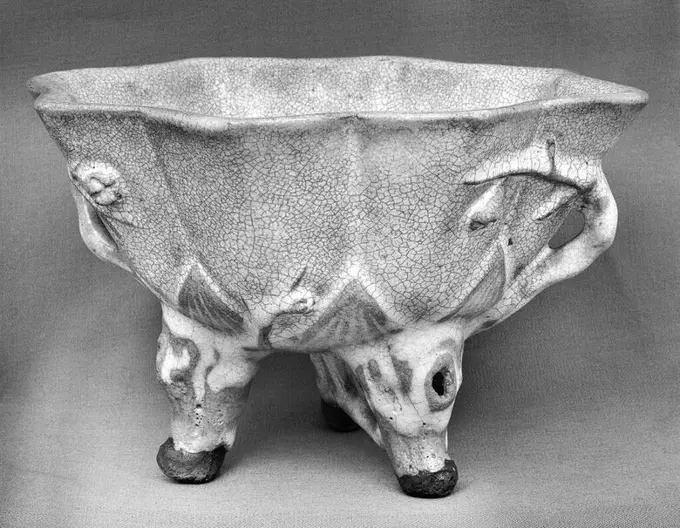
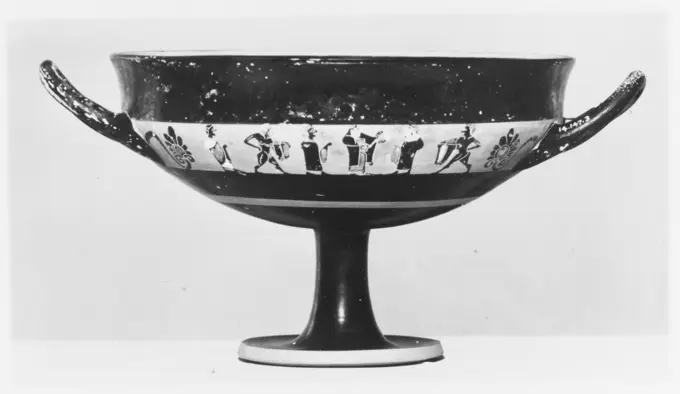
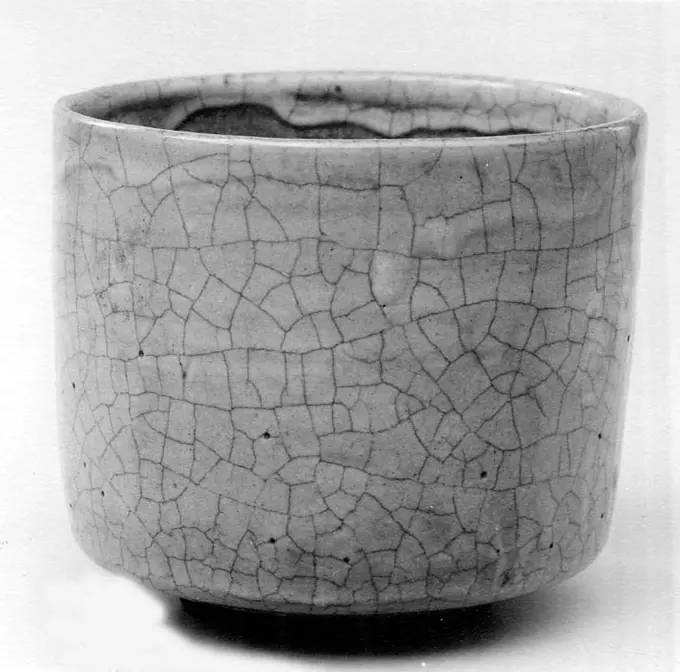
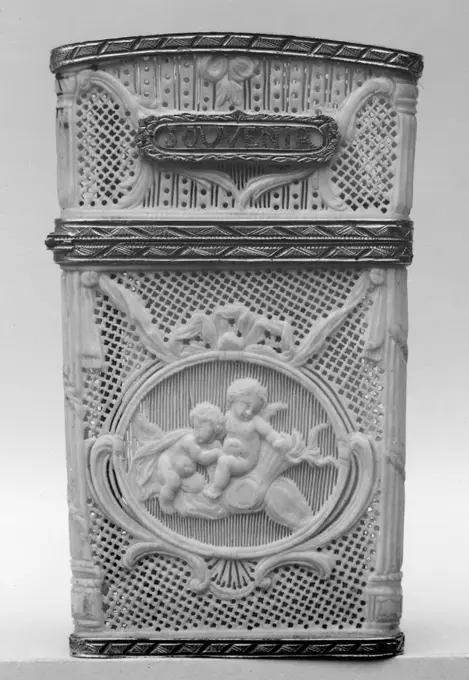
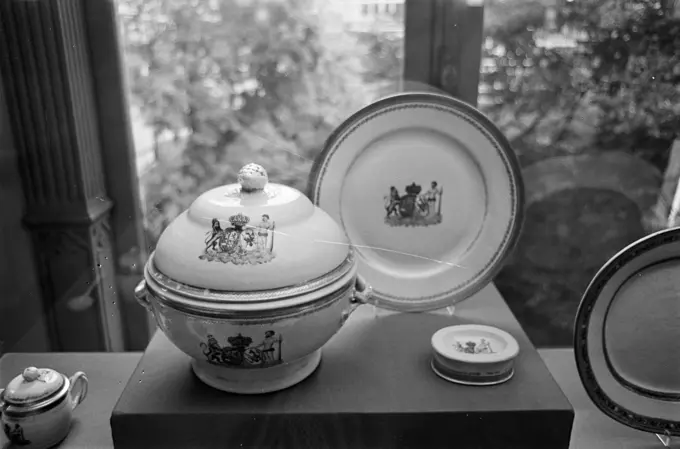
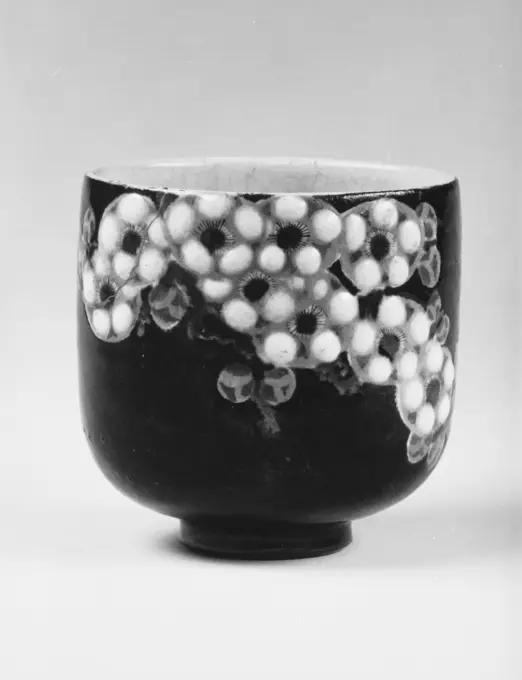
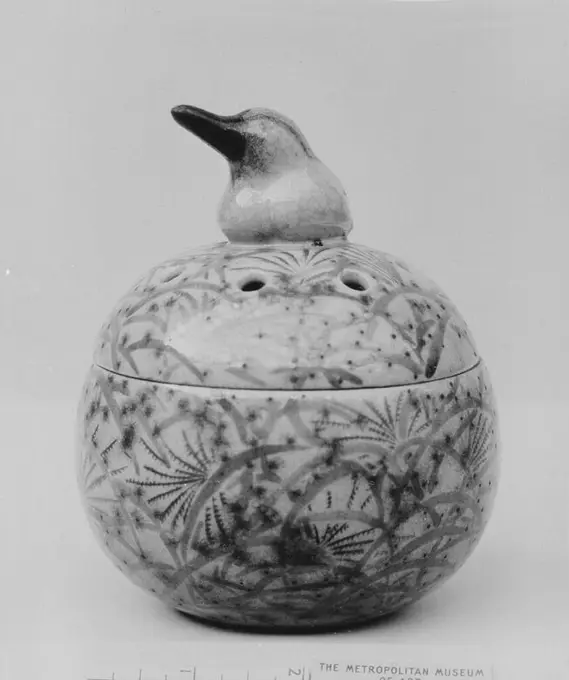
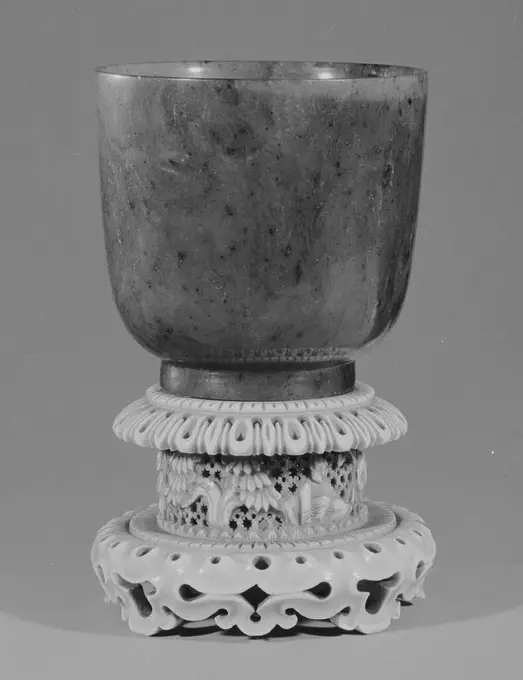
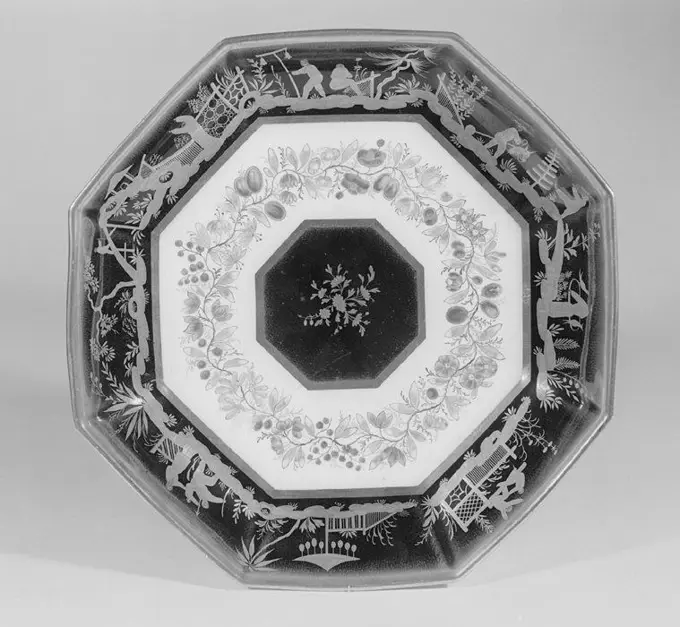
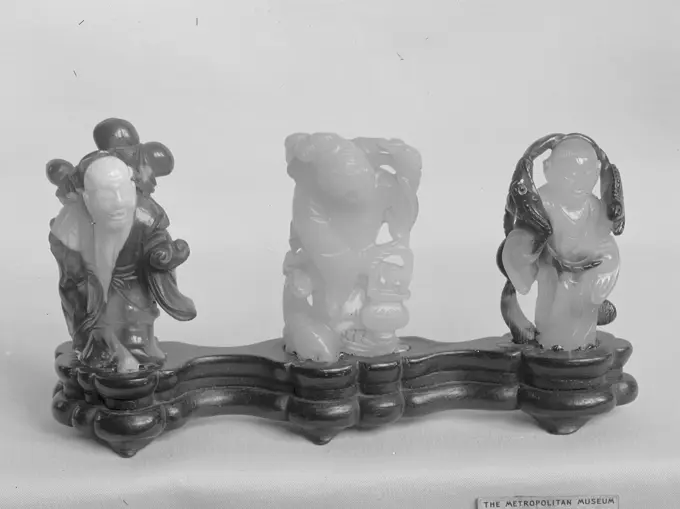
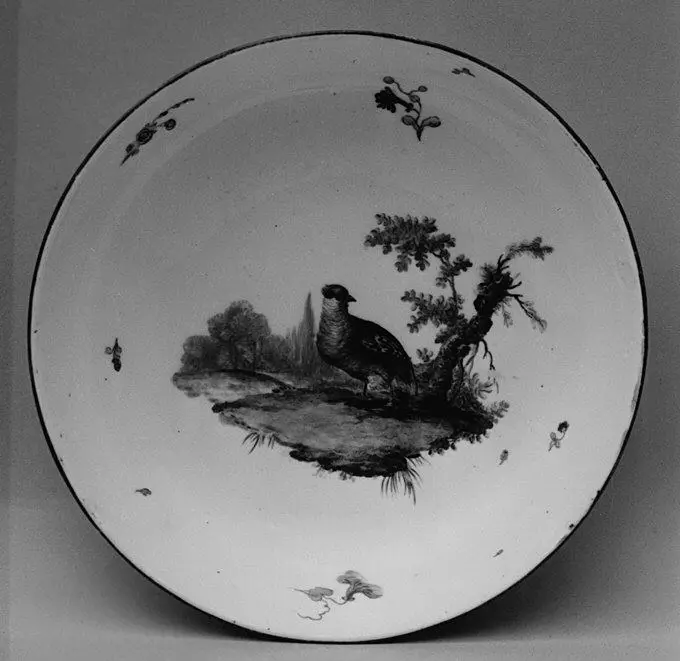
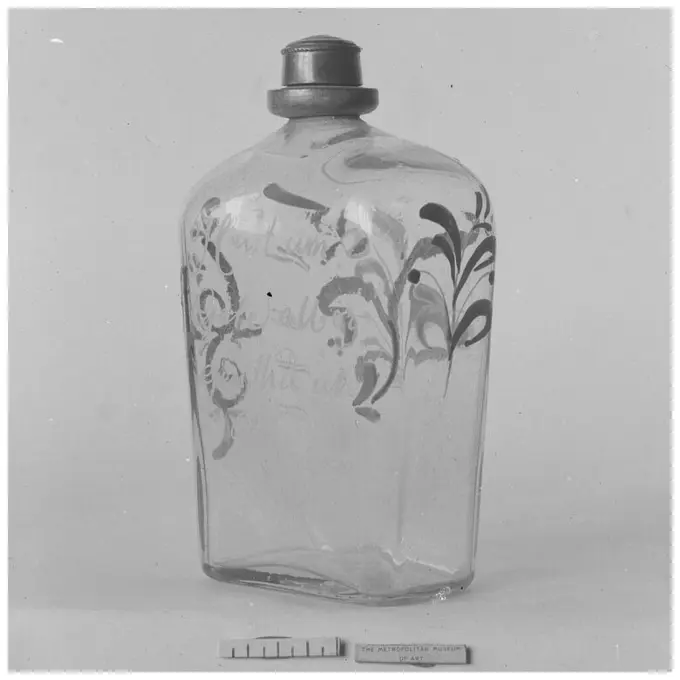
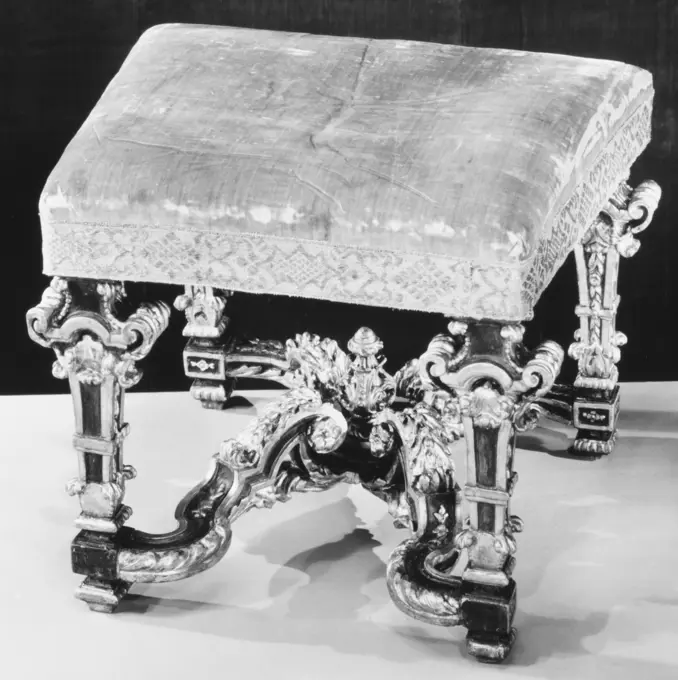
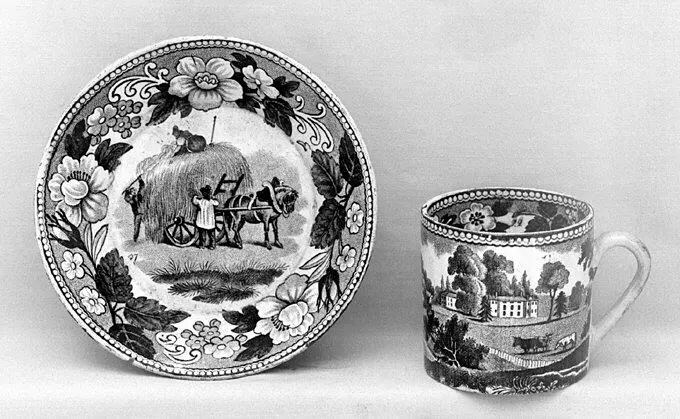
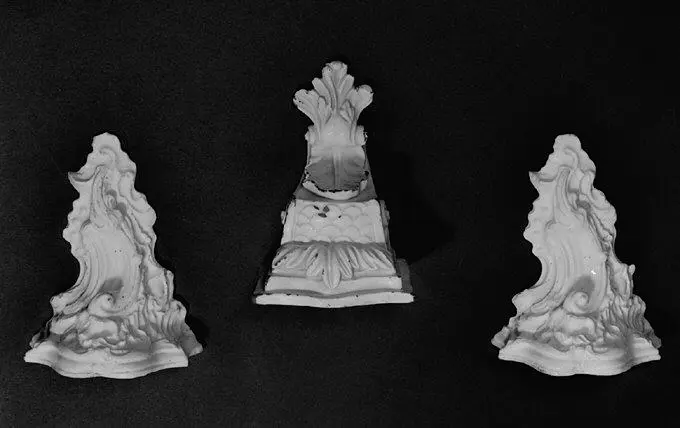
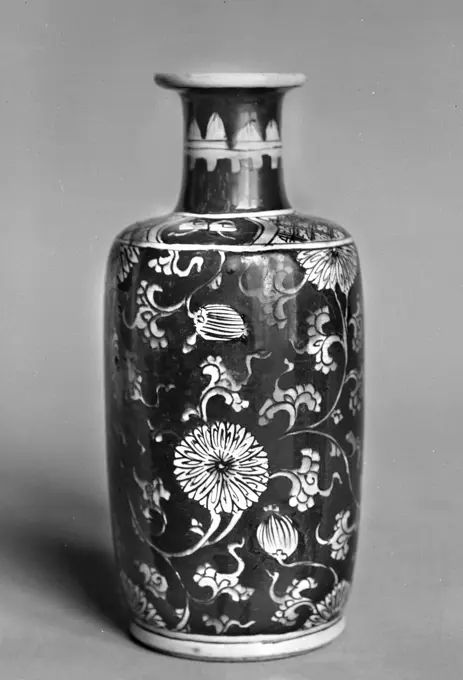
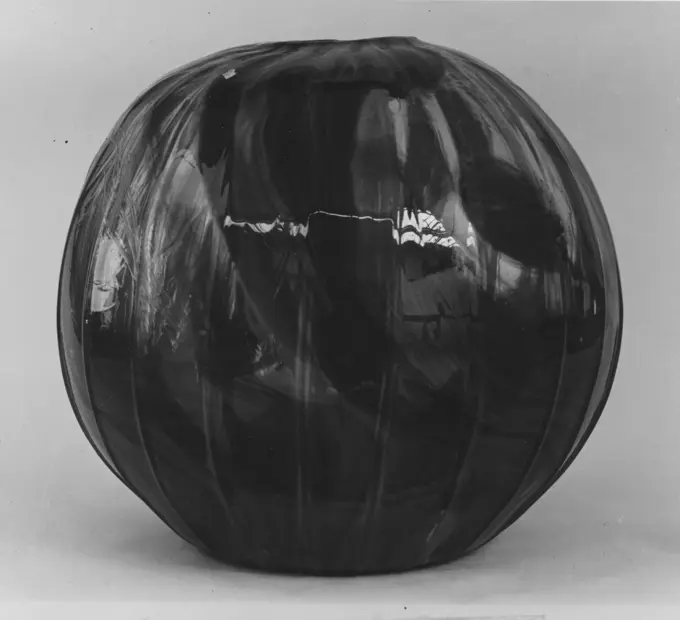
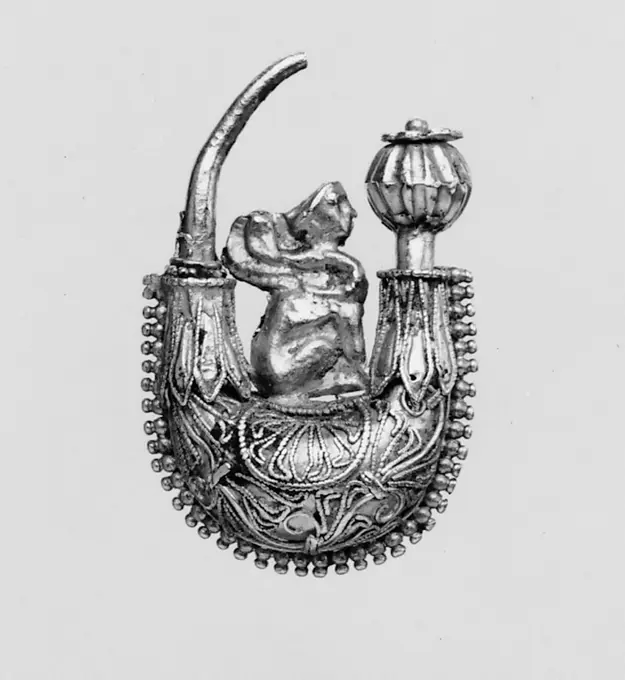
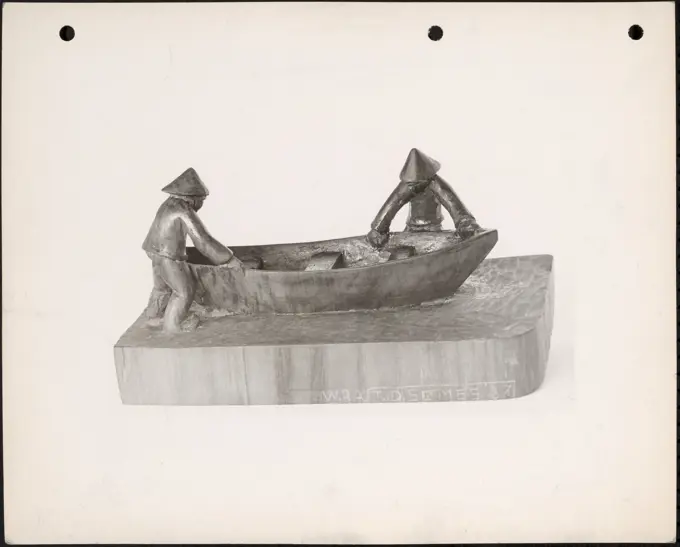
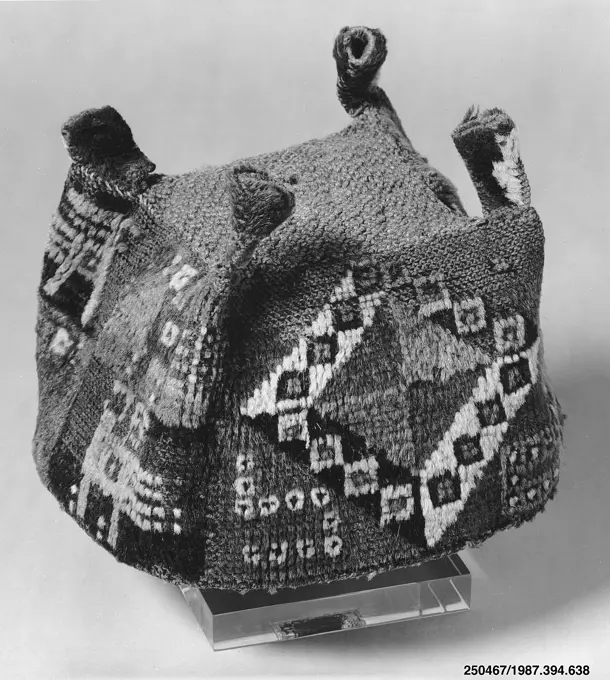
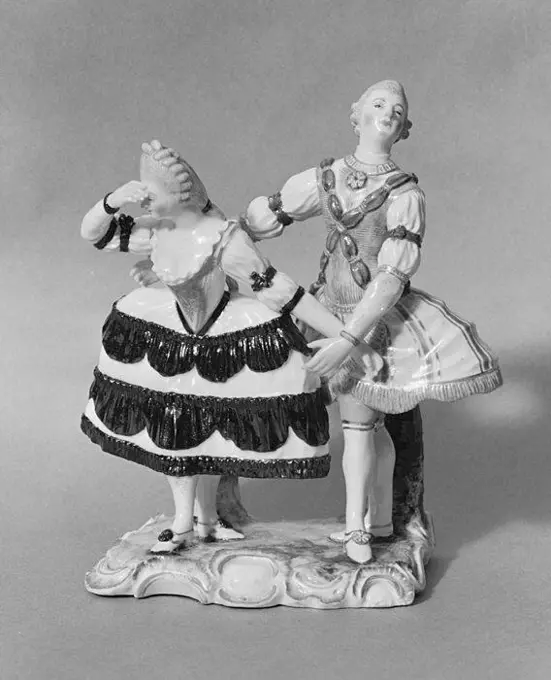
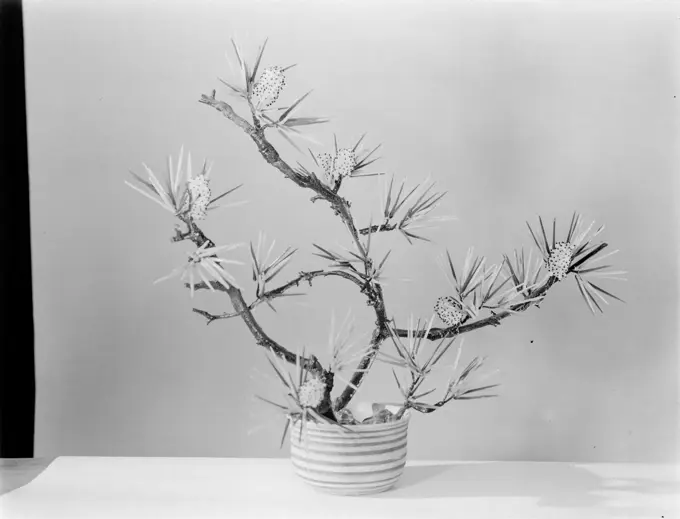
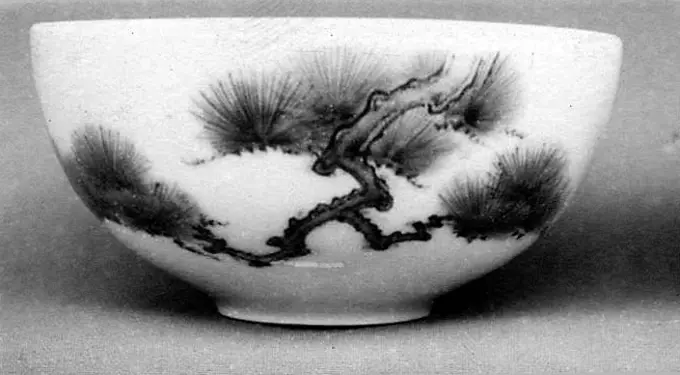
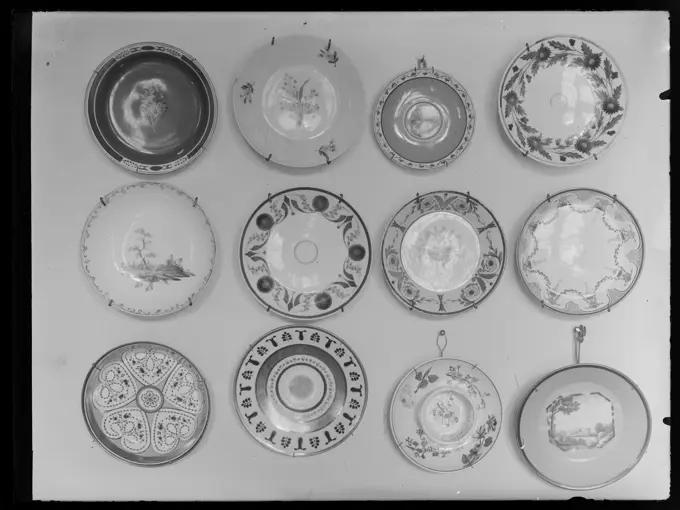
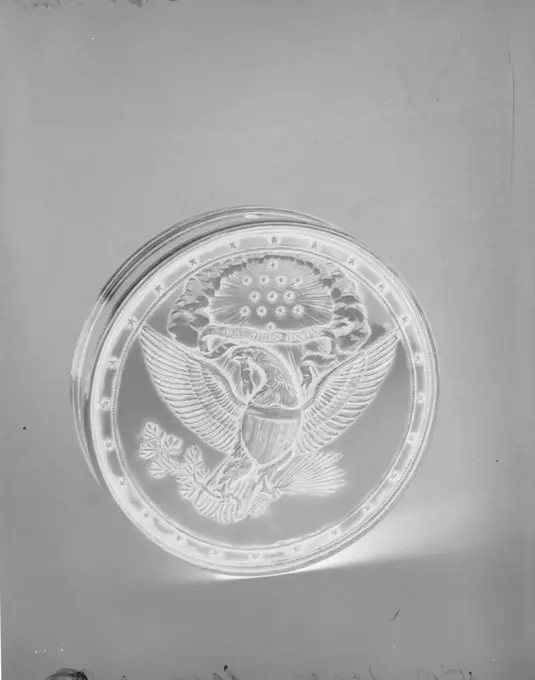
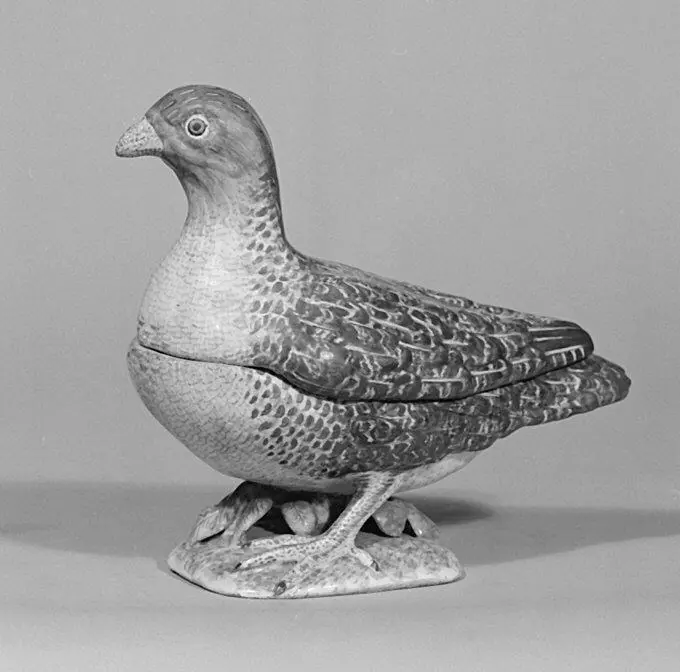
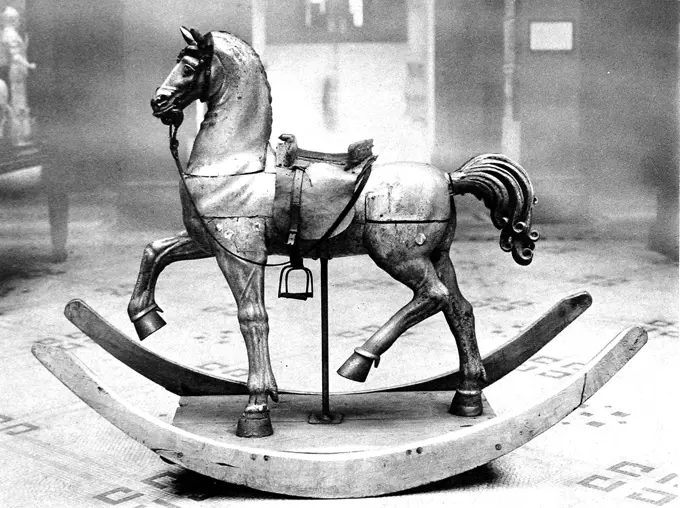
Plate 1801-4 Imperial Porcelain Manufactory, St. Petersburg Russian. Plate 208894Saucer late 18th century Meissen Manufactory German. Saucer 192302Standing cup 1607 German, probably Nuremberg. Standing cup. German, probably Nuremberg. 1607. Glass. GlassStand ca. 1770 () Chinese, for European market This stand was probably made for a tea/punch pot or coffeepot.. Stand 201249Covered SugarBowlPlate (part of a service) 1770-85 Chinese, probably for Swedish market. Plate (part of a service) 201168Three-Footed Bowl. Culture: China. Dimensions: H. 4 3/4 in. (12.1 cm); W. 7 1/2 in. (19.1 cm); L. 6 7/8 in. (17.5 cm). Date: 18th century. Museum: Metropolitan Museum of Art, New York, USA.Bliej Kultury unknownKylix, band-cup 3rd quarter of the 6th century B.C. Attributed to near the BMN Painter In band between handles, frieze of human figures between palmettes.. Kylix, band-cup 248913Bowl 1840 Japan. Bowl. Japan. 1840. Porcelain decorated in red and gold (Hizen ware, Kutani type). Edo period (1615-1868). CeramicsTeabowl ca. 1850 Japan. Teabowl 63165Souvenir 1773-74 French, Paris In eighteenth-century Europe, Paris led the production of high-quality luxury goods. Parisian goldsmiths made a wide range of small, personal articles such as snuffboxes; étuis to hold sealing wax, tweezers, or utensils for sewing; souvenirs, which contained thin ivory tablets for note taking; and shuttles for knotting lace. Gold snuffboxes and boxes decorated with portrait miniatures were prized and frequently given as royal gifts, often to ambassadors or members of the court in lieu of cash payments for their services. Coveted and admired, these boxes were produced from a variety of materials. The best were skillfully made of gold and embellished with diamonds, enameled decoration, lacquer, and other luxurious materials. By the middle of the century, the taking of snuff had become an entrenched social ritual, and the snuffbox, too, had become an important social prop. Snuffboxes were considered highly fashionable accessories, with some merchants advertiAnefo photo collection. Exhibition "The Chinese Porcelain Chest". Part of the service of Willem V. August 29, 1968Looking Glass 1795-1805 American. Looking Glass 4889Oil lamp 18th century China. Oil lamp. China. 18th century. Jade (nephrite). Qing dynasty (1644-1911). JadeCup ca. 1840 Kenya Japanese. Cup 62620Censer with Kingfisher Knob. Artist: Eiraku Hozen (1795-1854). Culture: Japan. Dimensions: H. 5 1/8 in. (13 cm); Diam. 4 1/4 in. (10.8 cm). Date: 1820. Museum: Metropolitan Museum of Art, New York, USA.Cup. Culture: China. Dimensions: H. 2 5/8 in. (6.7 cm); H. (with stand) 4 1/2 in. (11.4 cm); Diam. 2 3/4 in. (7 cm). Date: late 19th century. Museum: Metropolitan Museum of Art, New York, USA.Plate 16th century Italian, Venice (Murano). Plate. Italian, Venice (Murano). 16th century. Glass. GlassScholarship Medal 1770-1830 American. Scholarship Medal 5130Rock in the Form of a Fantastic Mountain 18th-19th century () China. Rock in the Form of a Fantastic Mountain 53120Plate. Culture: British. Dimensions: Diam. 6 3/4 in. (17.1 cm). Date: ca. 1800. Museum: Metropolitan Museum of Art, New York, USA.Bliżej Kultury unknownPlate (part of a set) ca. 1660-90 Dutch, Delft The legends inscribed in the well of these plates (1977.22.5-.10) make one continuous verse. When read in numerical sequence, the inscription is: "Clean plates and napkins/ tablecloths without stains/ full glasses and fine flutes/ make the stomach open/ but the mistress of the house who is joyful/ makes the real happiness of the table".. Plate (part of a set). Dutch, Delft. ca. 1660-90. Tin-glazed earthenware. Ceramics-PotteryDish 1804-13 Sèvres Manufactory French Porcelain decorated with a black ground in imitation of Asian lacquer was produced at Sèvres for about a fifteen-year period beginning in 1790. Furniture decorated with imported black lacquer panels saw a resurgence of popularity in the last two decades of the eighteenth century, and the Sèvres factory's efforts to simulate black lacquer on porcelain were probably stimulated by this renewed general interest in lacquer decoration. Black-ground Sèvres porcelain was decorated with chinoiserie scenes executed in gold, which was often applied in subtle tones of yellow, green, and red. Small decorative highlights were often executed in platinum, and the ability to apply platinumfirst mastered by the factory in 1790may have been an impetus to produce these lacquer-inspired pieces.[Jeffrey H. Munger, 2015. Dish 202680Vase. Culture: China. Dimensions: H. 16 3/4 in. (42.5 cm); Diam. 8 in. (20.3 cm). Date: late 17th-early 18th century. Museum: Metropolitan Museum of Art, New York, USA.Figures of Daoist deities 18th century China. Figures of Daoist deities. China. 18th century. Jade (nephrite) and agate. Qing dynasty (1644-1911). HardstonePlatter (part of a service) 1785-1800 Chinese, for British market. Platter (part of a service) 201162Fruit Dish - "Quebec". Dated: c. 1936. Dimensions: overall: 20.3 x 25.4 cm (8 x 10 in.) Original IAD Object: 8 3/4" square; 3 1/4" high. Medium: black and white photograph. Museum: National Gallery of Art, Washington DC. Author: Helmut Hiatt.Saucer (part of a service) ca. 1770 Frankenthal Porcelain Manufactory. Saucer (part of a service) 196959Snuff Bottle China. Snuff Bottle 41616Cup with flowers 19th century China. Cup with flowers 46875Bottle. Culture: German. Dimensions: Height: 5 in. (12.7 cm). Date: 1827. Museum: Metropolitan Museum of Art, New York, USA.Stool for harpsicord (part of a set) ca. 1700 Italian, possibly Rome Designed to be the focus of visual as well as auditory attention during a musical performance. The exterior is elaborately carved and gilded; the interiors of the lid and keyboard-cover are painted with landscapes attributed to the artist Crescenzio Onofri (1632-1698).. Stool for harpsicord (part of a set) 209095Saucer (part of a set) ca. 1815-30 French, Creil. Saucer (part of a set) 193036Cricket cage 18th-19th century China. Cricket cage. China. 18th-19th century. Gourd, wood, jade. Qing dynasty (1644-1911). Cricket cagesLazio Latina Sezze Antiquarium Comunale51. Hutzel, Max 1960-1990 German-born photographer and scholar Max Hutzel (1911-1988) photographed in Italy from the early 1960s until his death. The result of this project, referred to by Hutzel as Foto Arte Minore, is thorough documentation of art historical development in Italy up to the 18th century, including objects of the Etruscans and the Romans, as well as early Medieval, Romanesque, Gothic, Renaissance and Baroque monuments. Images are organized by geographic region in Italy, then by province, city, site complex and monument.Pair of wall brackets 1752-55 Derby Porcelain Manufactory. Pair of wall brackets. British, Derby. 1752-55. Soft-paste porcelain. Derby Porcelain Manufactory (British, 1751-1785). Ceramics-PorcelainVase with floral patterns 19th century China. Vase with floral patterns. China. 19th century. Porcelain painted in polychrome enamels over a black ground (Jingdezhen ware, famille noire). Qing dynasty (1644-1911). CeramicsBowl 1893-96 Designed by Louis Comfort Tiffany American. Bowl 823Pair of sauceboats ca. 1742 Meissen Manufactory German. Pair of sauceboats 205272Looking Glass 1700-1800 Mexican. Looking Glass 5206Bowl China. Bowl 60640Plate ca. 1831-ca. 1835 Job & John Jackson. Plate 6141Cummings' Columbian Art Tresures Exhibit. Photographs of Marshall Plan Programs, Exhibits, and PersonnelModel of a Stupa second half of the 10th century Indonesia (Java). Model of a Stupa 39089Gold boat-shaped earring with a sphinx ca. 375-350 B.C. Greek Gold boat-shaped earring with a sphinx.. Gold boat-shaped earring with a sphinx 253652 Greek, Gold boat-shaped earring with a sphinx, ca. 375350 B.C., Gold, Overall: 1 x 5/8in. (2.5 x 1.6cm). The Metropolitan Museum of Art, New York. Bequest of W. Gedney Beatty, 1941 (41.160.418)Snuff bottle with stopper 18th-19th century China. Snuff bottle with stopper 41157Powder Flask. Culture: Italian. Dimensions: H. 8 1/2 in. (21.6 cm); W. 4 in. (10.2 cm); D. 3 1/4 in. (8.3 cm); Wt. 13.8 oz. (391.2 g). Date: second half 16th century. Museum: Metropolitan Museum of Art, New York, USA.Fisherman & boat , Fishermen, Boats. The Massachusetts WPA Federal Art Project Photograph CollectionSarcophagus with lions Roman, 3rd century AD marble Marmor.Fender. Dimensions: 6 3/4 x 44 3/4 in. (17.1 x 113.7 cm). Date: 1795-1805. Museum: Metropolitan Museum of Art, New York, USA.Pair of moldings French 17th-18th century View more. Pair of moldings. French. 17th-18th century. Gilt bronze. Metalwork-Gilt BronzePorcelain cup lasts from the factory in Valenciennes, vintage engraved illustration. Magasin Pittoresque 1878.Four-Cornered Hat 7th-10th century Wari Finely woven, brightly colored hats, customarily featuring a square crown, four sides, and four pointed tips, are most frequently associated with two ancient cultures of the Andes: the Wari and the Tiwanaku. The Wari Empire dominated the south-central highlands and the west coastal regions of what is now Peru from 500-1000 A.D. The Tiwanaku occupied the altiplano (high plain) directly south of Wari-populated areas around the same time, including territory now part of the modern country of Bolivia. The cultures not only developed and flourished as contemporaries, but also occupied adjacent lands for nearly four centuries. A Wari ceremonial center called Cerro Baúl was located a mere five miles from Tiwanaku-settled fields in the Moquegua Valley of Peru. The two cultures likely encountered each other at Cerro Baúl and elsewhere, but the nature of these interactions remains largely unknown. Four-cornered hats from both the Wari and the Tiwanaku wereBallet dancers ca. 1760-63 Ludwigsburg Porcelain Manufactory. Ballet dancers 200914Sugar bowl 1774-75 Mary Makemeid. Sugar bowl 192142Saucer (one of a pair) second half 18th century or later European. Saucer (one of a pair) 204718Poll photo collection. Reporting Marie Chauvel. Glass plant in a round pot of the fa. Marie Chauvel Décoration. June 1936. France, ParisBowl 1820 Japan. Bowl. Japan. 1820. White porcelain decorated with blue under the glaze (Hirado ware). Edo period (1615-1868). CeramicsMourning Miniature for "EA" Unknown. Mourning Miniature for "EA," ca. 1788. Watercolor and human hair on ivory mounted in a brass locket with glass lenses, Image (Recto): 1 5/16 x 1 1/16 in. (3.3 x 2.7 cm).   American Art ca. 1788Bliżej Kultury unknownSkippet ca. 1825-52 Attributed to Seraphim Masi. Skippet 953Tureen in the form of a partridge ca. 1750 French, Strasbourg Faience, or tin-glazed and enameled earthenware, first emerged in France during the sixteenth century, reaching widespread usage among elite patrons during the seventeenth and early eighteenth centuries, prior to the establishment of soft-paste porcelain factories. Although characterized as more provincial in style than porcelain, French faience was used at the court of Louis XIV as part of elaborate meals and displays, with large-scale vessels incorporated into the Baroque garden designs of Versailles. Earlier examples of French faience attest to the strong influence of maiolica artists from Italy. Later works demonstrate the ways in which cities such as Nevers, Rouen, Lyon, Moustiers, and Marseille developed innovative vessel shapes and decorative motifs prized among collectors throughout Europe. While faience can be created from a wide mixture of clays, it is foremost distinguished by the milky opaque white color achievedDouble Capital 1450-1500 French. Double Capital. French. 1450-1500. St. Béat marble. Made in Trie or St. Sever de RustanPendant 12th century. Pendant 450715Photograph showing a child's seventeenth-century wooden rocking horse, at the Victoria and Albert Museum, London, 1930.     Date: 28/06/1930