Historic Decorative Bowls

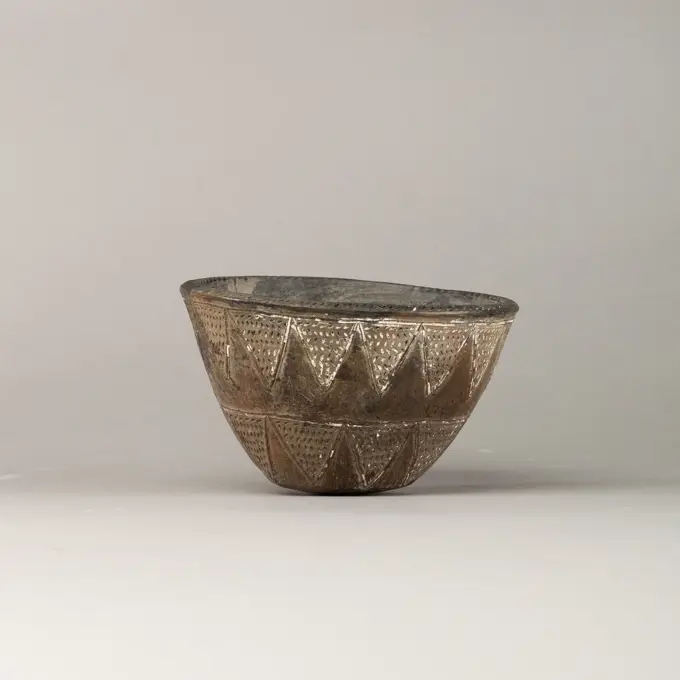
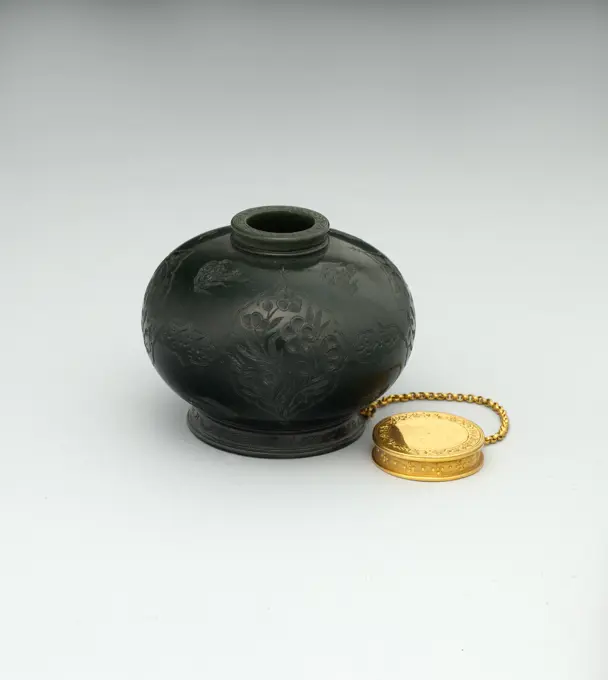
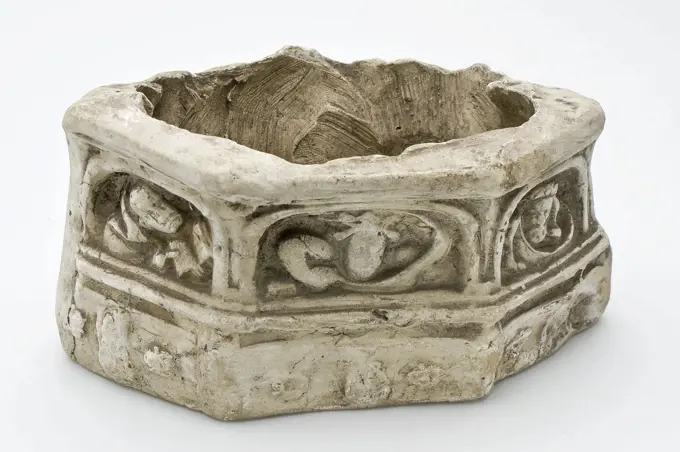
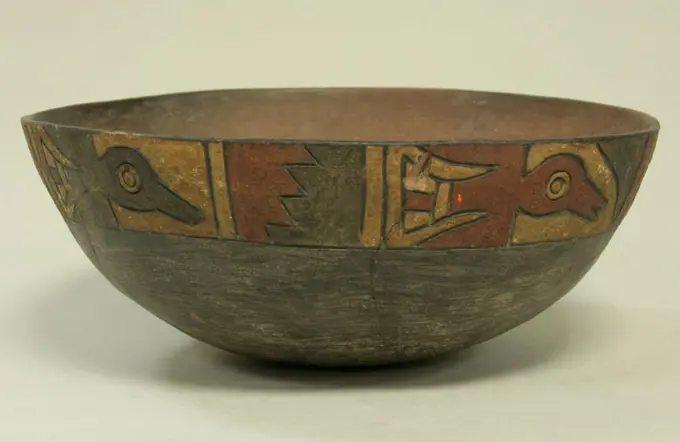
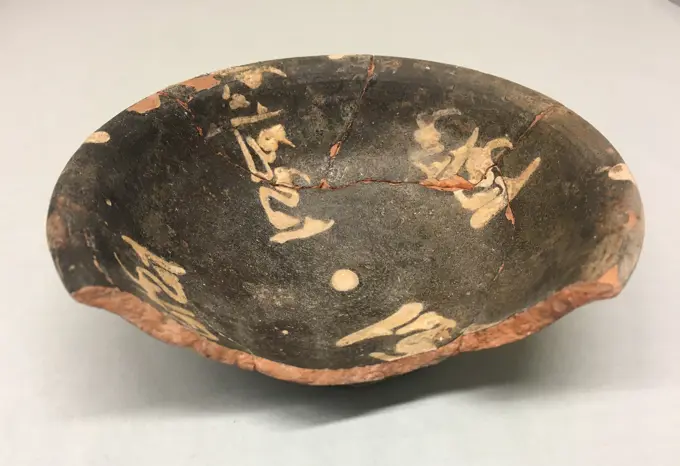
A collection of diverse bowls showcasing various glazes and materials, including stoneware, celadon, and Coptic pottery, highlighting unique designs and historical significance.

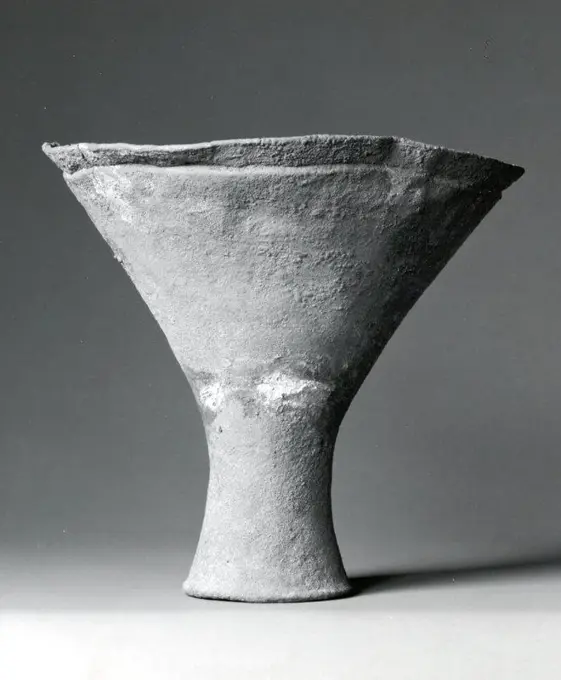
Cup (common name). Celadon coverage sandstone. Cernuschi Museum, Asia Museum of Asia in the city of Paris.
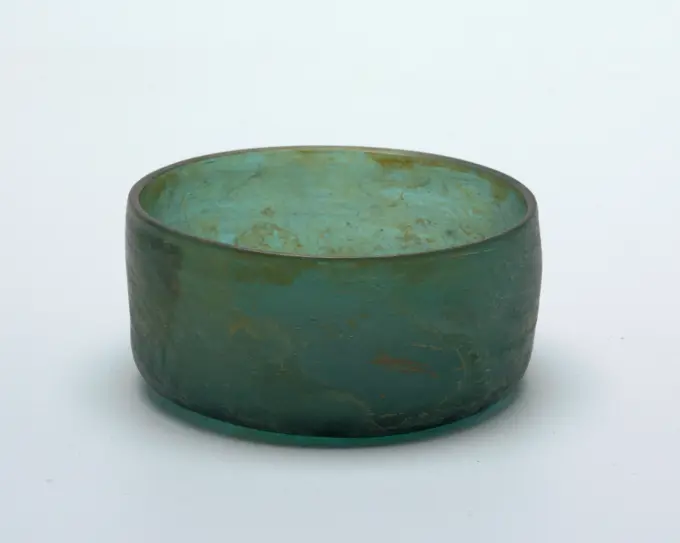
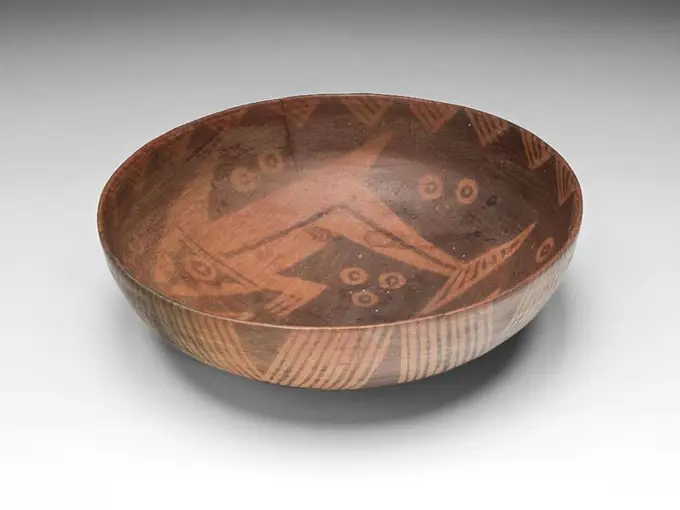
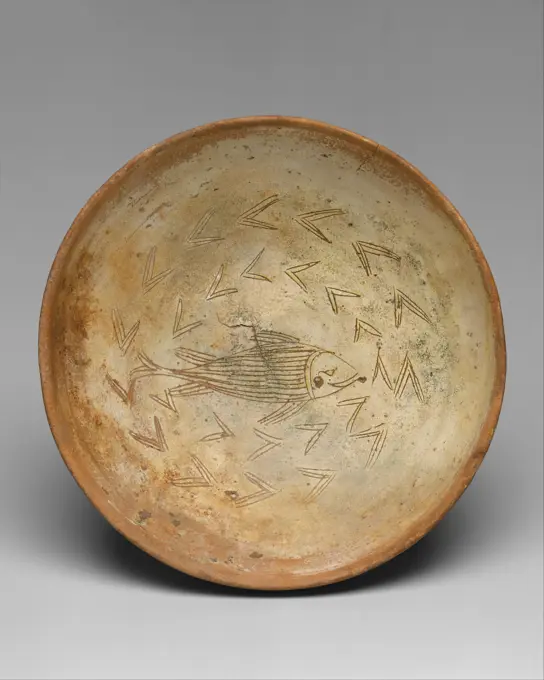
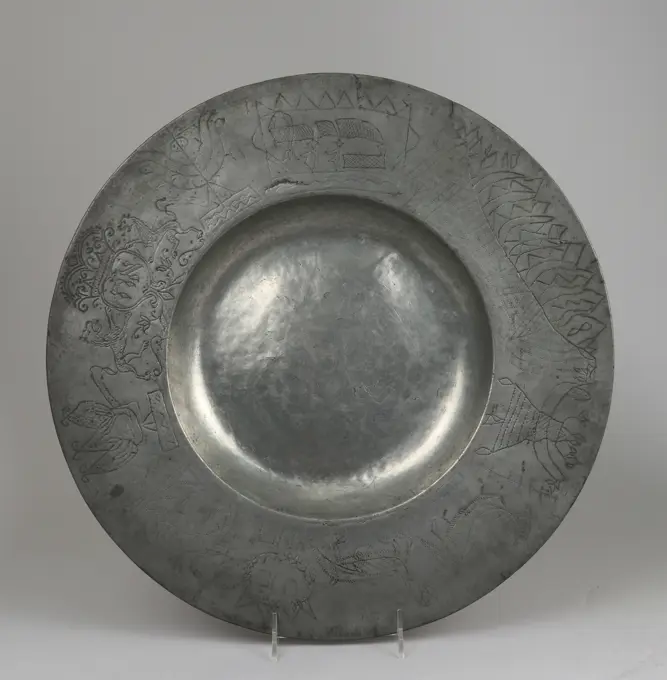
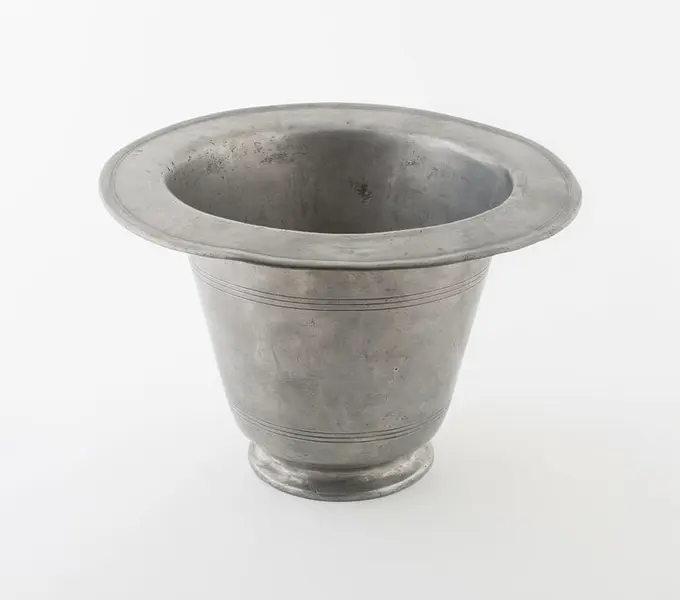
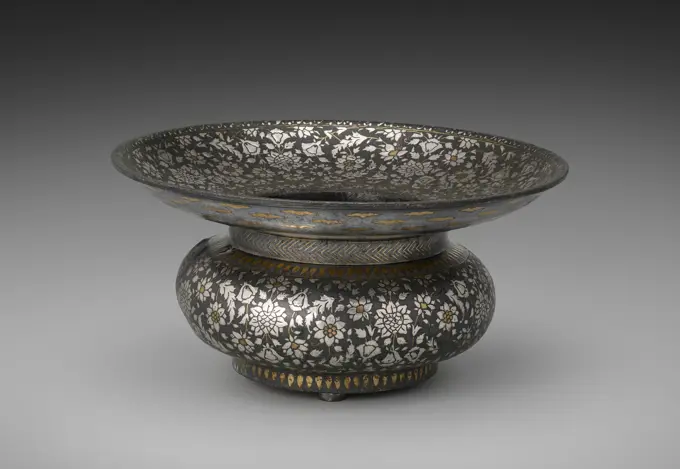
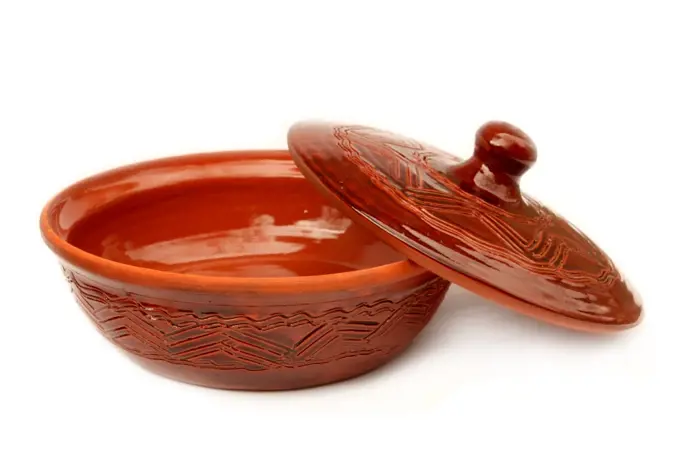
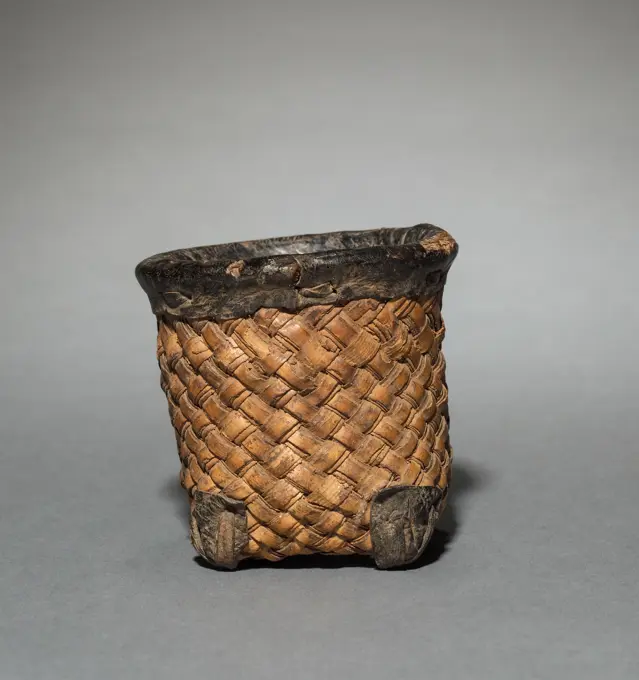
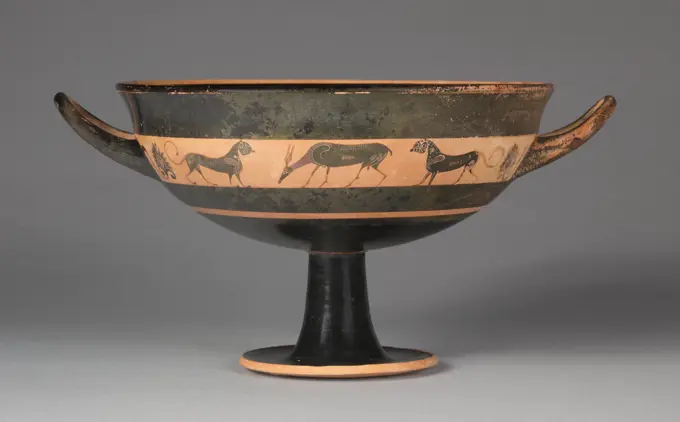
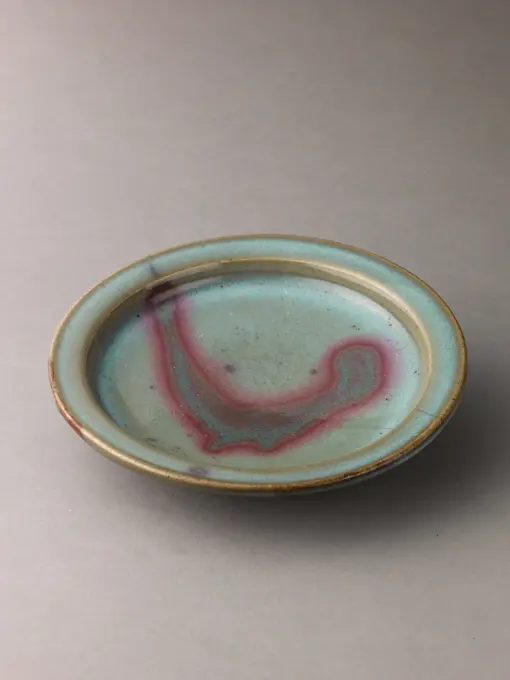
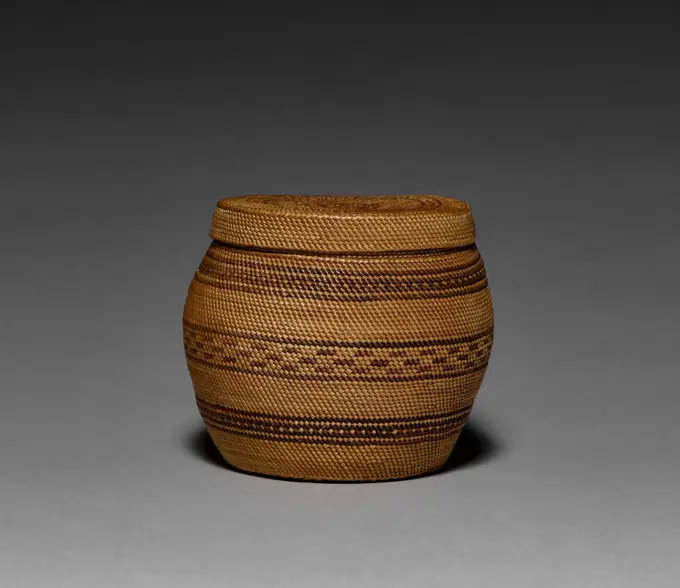
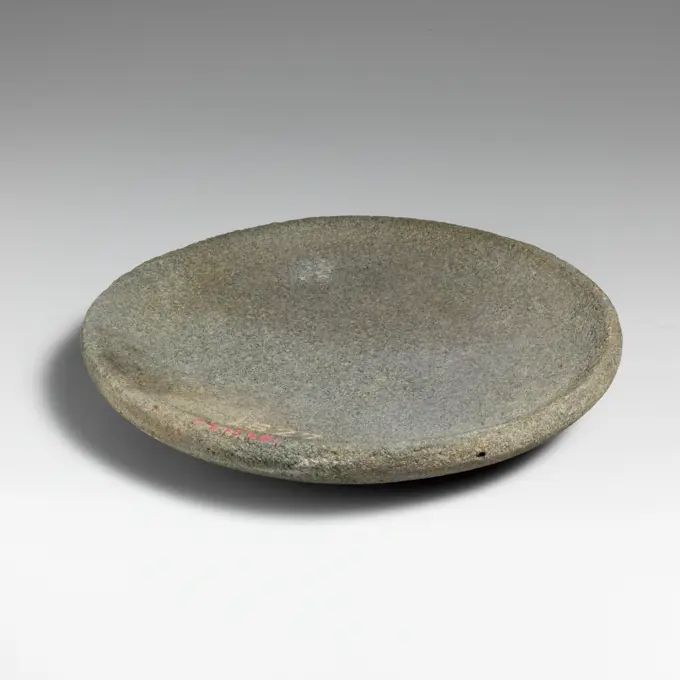
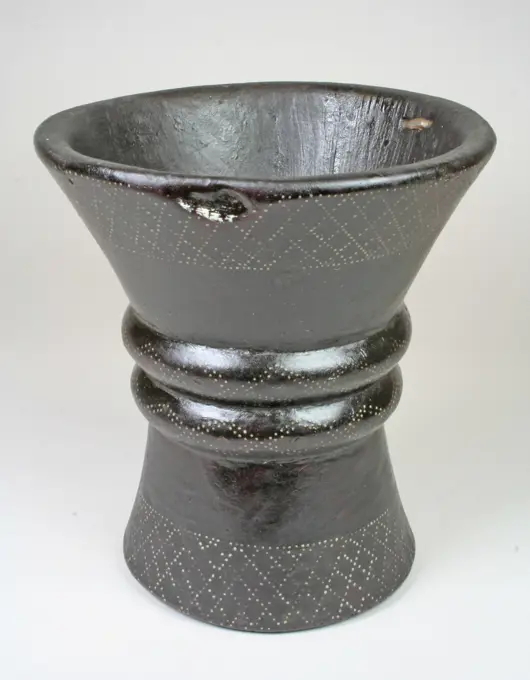
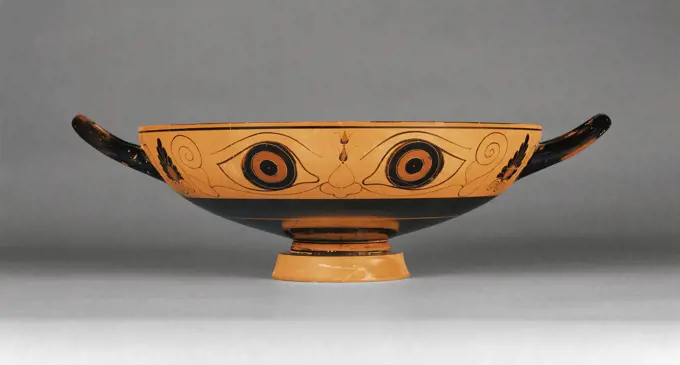
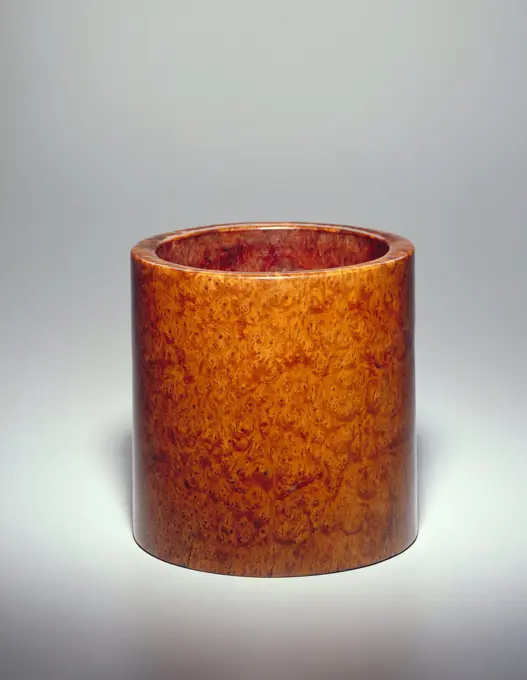
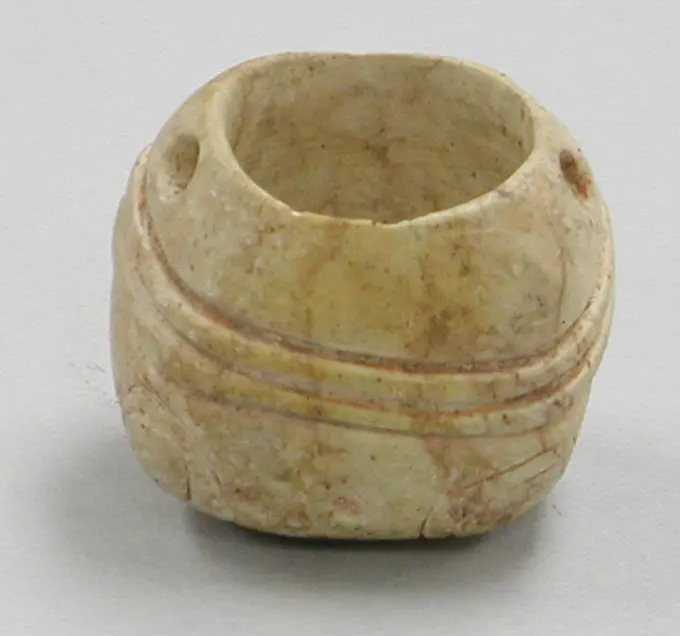
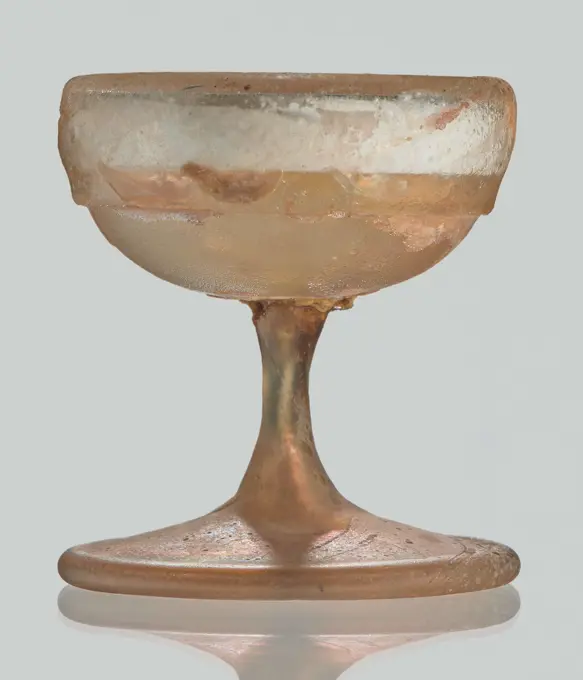
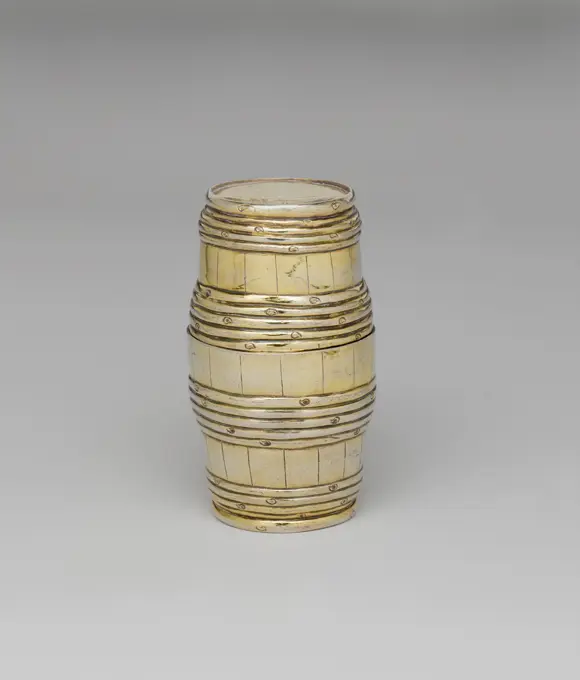
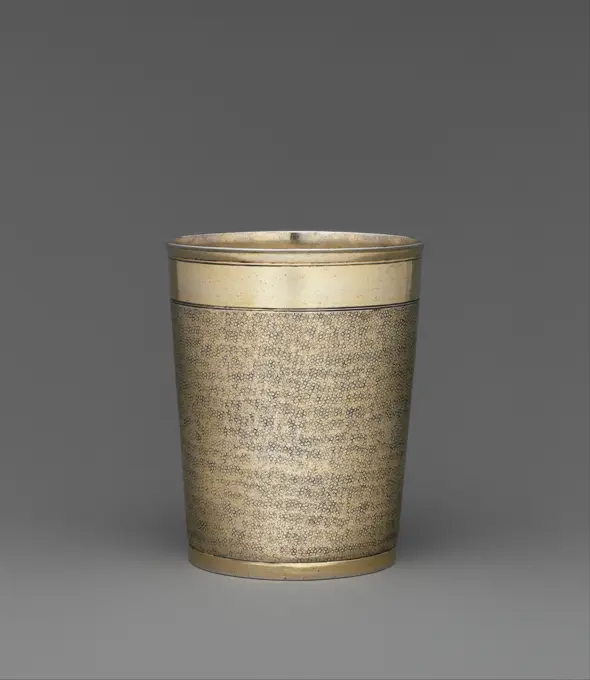
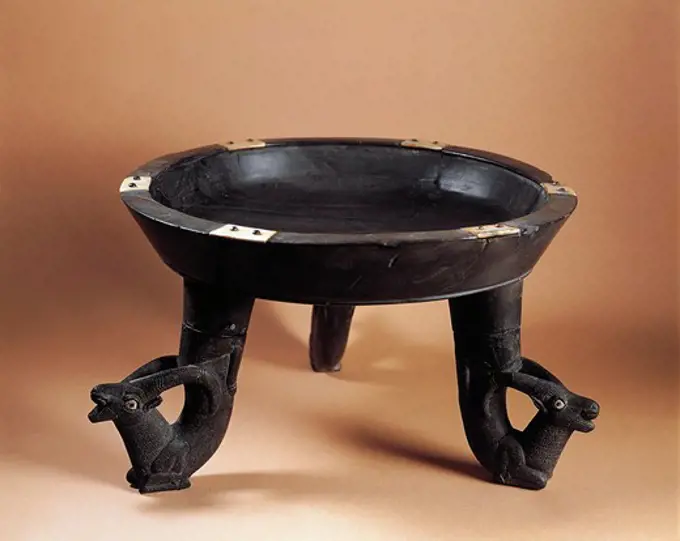
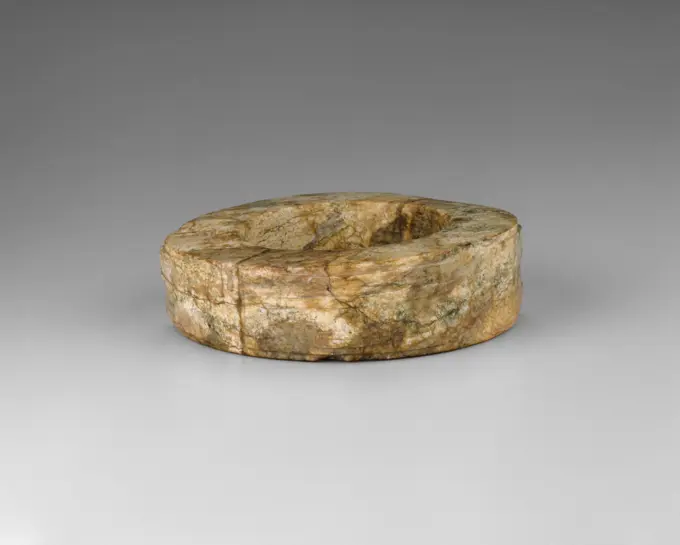
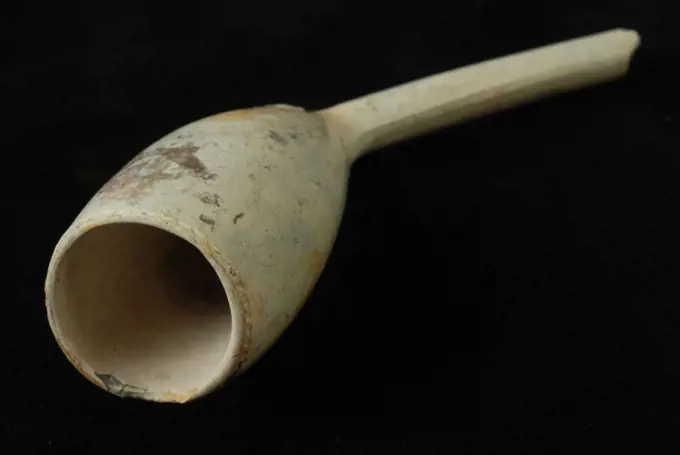
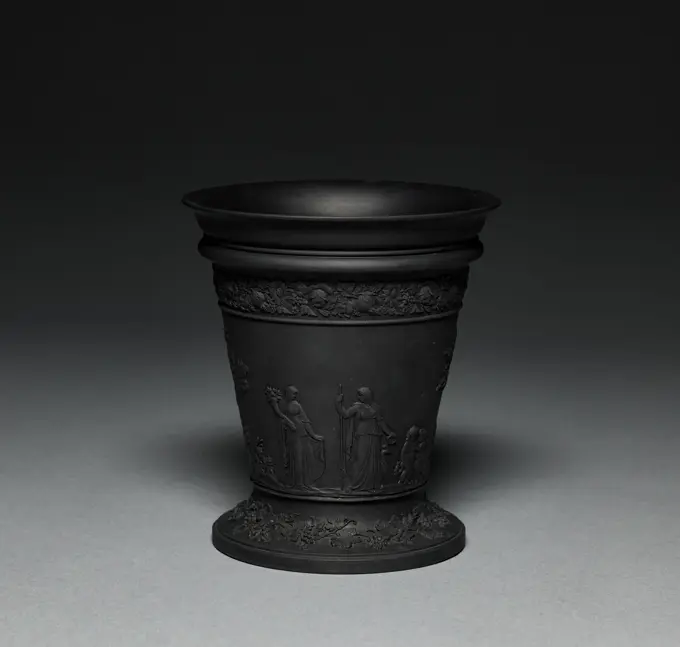
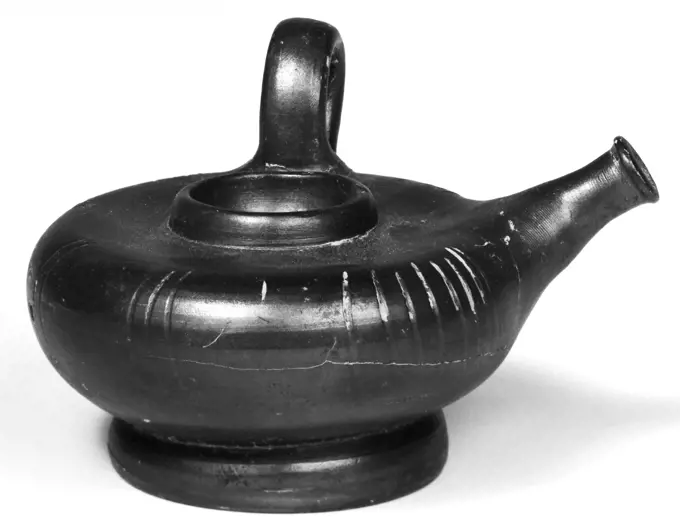
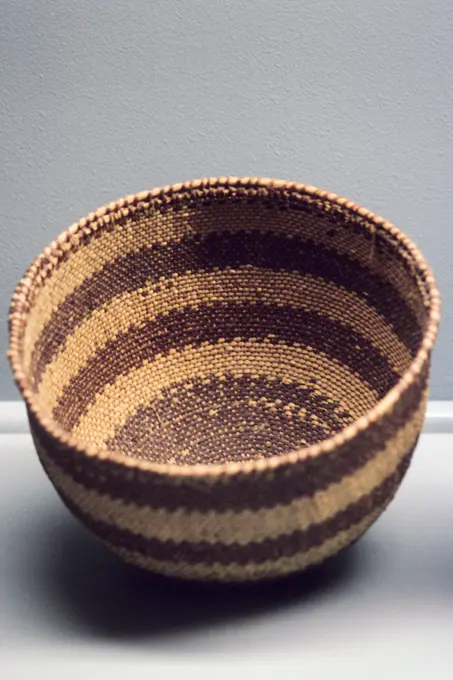
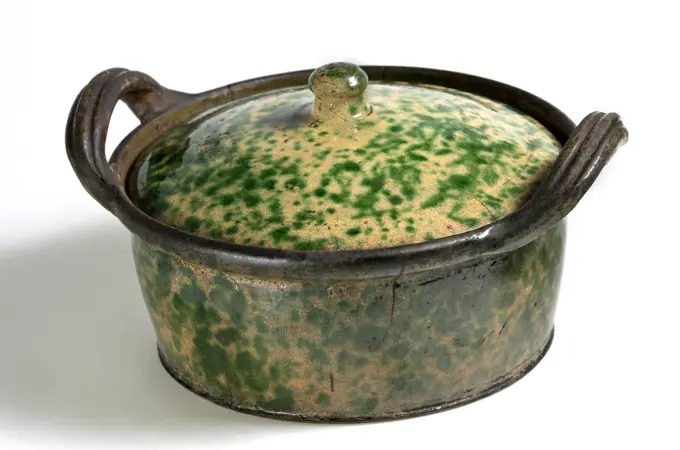
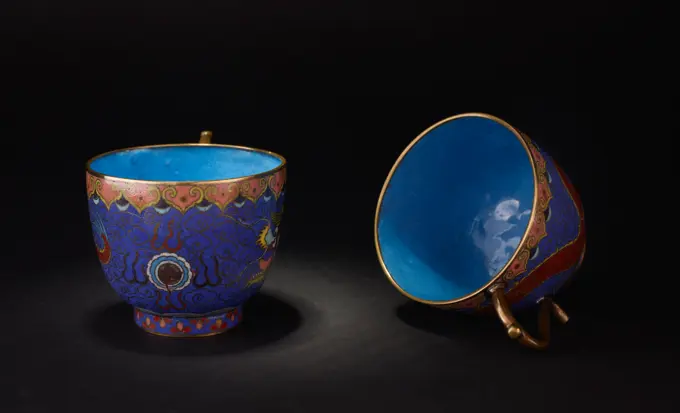
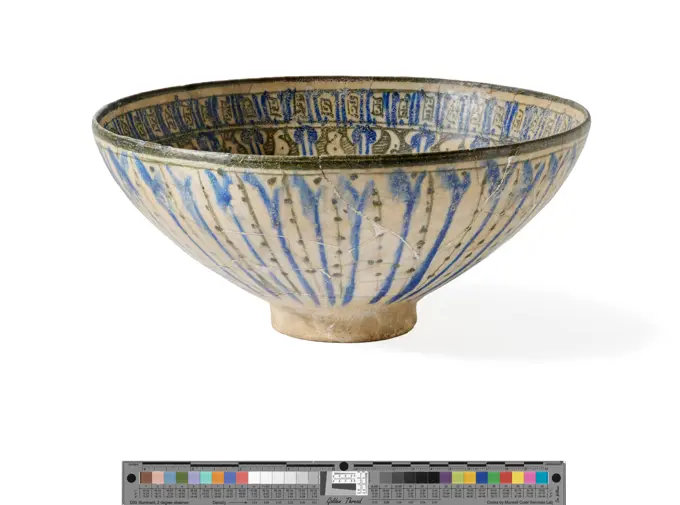
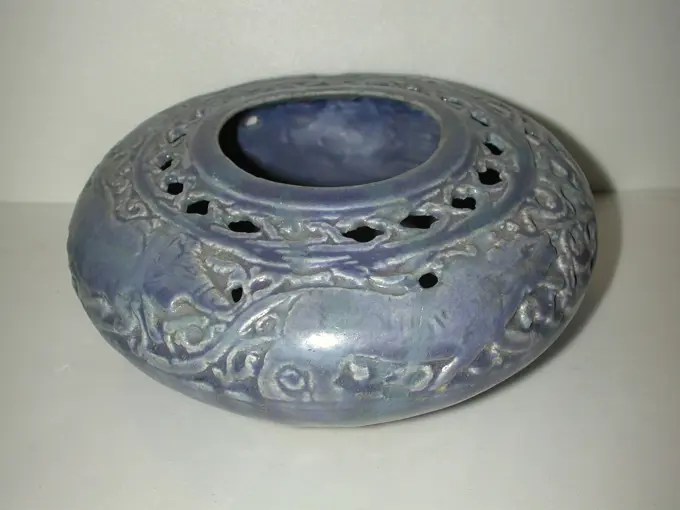
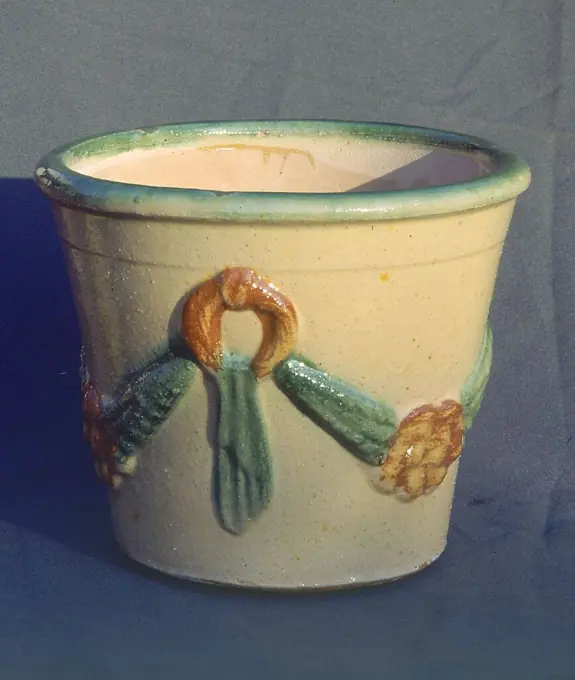
Terracotta marbled slip ware bowl. Culture: Roman. Dimensions: H. 1 5/16 in. (3.3 cm)diameter 5 11/16 in. (14.4 cm). Date: mid-1st century A.D..Yellow plate with base, veined with red; stamped; unglazed. Museum: Metropolitan Museum of Art, New York, USA.Dish from Dishes with Matching Shells, c. 1893-1914. Seifū Yohei III (Japanese, 1851-1914). One of a pair of dishes; porcelain with celadon glaze;Dish 19th century. Dish. 19th century. Copper; tinned. Attributed to Iran. MetalVessel ca. late 3rd-early 2nd millennium B.C. Bactria-Margiana Archaeological Complex. Vessel 326689Bowl; glassBowl (Wan) with Polychrome Splashes. China, Jiangxi Province, Jingdezhen, Qing dynasty, Kangxi period, 1662-1772. Furnishings; Serviceware. Wheel-thrown porcelain with enamel decoration ("Egg-and-spinach" glaze)Bowl with Fish Motif. Paracas; Ocucaje area, Ica Valley, south coast, Peru. Date: 650 BC-100 BC. Dimensions: 5.9 × 19.2 cm (2 5/16 × 7 9/16 in.). Ceramic with negative resist painting. Origin: Ocucaje. Museum: The Chicago Art Institute, Chicago, USA.Handmade wooden mortar isolated on white backgroundBowl with Fish 1000-1300 Byzantine A fish wearing a playful smile swims among reeds. Fishing was an important trade in the Byzantine Empire. Large fish were often centerpieces of banquets and were given as valuable gifts.. Bowl with Fish 473100Nubian culture vessel, Egypt, collected 1961-1964, clay and pigments,Anthropology National Museum, Madrid, SpainPlate with Hebrew inscriptions 18th century German. Plate with Hebrew inscriptions. German. 18th century. Pewter. Metalwork-PewterHemispherical cup on ring-shaped base. unknown, craftsmanPlate Krakow workshopsCommode Pot. Birch and Villers (John Birch and William Villers); England, active c. 1775-1820; Birmingham, England. Date: 1775-1785. Dimensions: 20.3 × 31.1 cm (8 × 12 1/4 (D. rim) in. D. base 13.3 cm (5 1/4 in.). Pewter. Origin: England. Museum: The Chicago Art Institute, Chicago, USA.BowlAnnyme, inkwell by Victor Hugo, in Gien earthenware (dummy title). Polychrome earthenware. Houses of Victor Hugo Paris - Guernsey.Bidri Basin, c. 1650. Southwestern India, Deccan, Karnataka, Bidar. Zinc alloy with silver and brass inlay; diameter: 34.5 cm (13 9/16 in.); height: 17 cm (6 11/16 in.). Wide-rimmed basins called sailabchi were used to catch water poured from a pitcher during hand washing before prayer and before and after meals. A sumptuous example such as this was made for an elite setting. Every element of the allover floral arabesque was cut from silver and brass sheets or wire and hammered into the cast zinc alloy vessel in a distinctive technique developed in southern India.Annealed clay pot with a cover isolated on white backgroundAuger, decorated with inserts, Arabesken, animals and Naskhi script. The molded object has a flat soil and one of the cylindrical and from outside eight-severe wall. This runs up and down at or off and has a flat top. The top and exterior have outstretched decorations, of which details with red copper are inlaid or covered with a black pasta. This is largely disappeared. The decoration is in line with the articulation of the object. On top of Half mane to outstreled tendrils ornament with clover leaf-like structure interspersed with fields with stylized words in Naskhi script. They also occur on the sloping surfaces at the edge and foot. On the transitions of the sloping to the upright surfaces are profiled with copper inserted ribs. The eight stand-up areas have to be a decoration of a braid motif, which above and under passes into Arabesken or one of a Frisian with a show of a hare, a panther, a hare and a dog against an Arabaske and with a frame, Making up at the top and bottom in ABowl 13th century. Bowl 450479One of Ten Nesting Wedding Baskets, c 1900s . Africa, Western Sudan, Burkina Faso, Lobi, 20th century (). Plant fiber and leather; diameter of mouth with rim: 6.8 x 7 cm (2 11/16 x 2 3/4 in.).Fragment of soil, stem and calyx of roemer, roemer wineglass drinking glass drinkware tableware holder soil find glass forest glass, free blown and formed glass application Fragment of soil stem and calyx of roemer in clear light green glass (forest glass) Lightly lit soil. Open cylindrical trunk with two rows of three small bramble buds On transition from stem to goblet continuously round ribbed imposed glass thread Chalice bowl shaped with fused rim archeology drinkceramic vessels, Son Fornes archaeological museum, Talayotic period room (1300-123 B. C.), Montuiri, Comarca de Es Pla, Mallorca, Spain.Tobacco boxBoka Misa, a cup in a tulip, a bowl of a bowl;  2050-1750 BC ; Kerma Rodkowa (-2050-00-00--1750-00-00);Egyptian ceramics, transmission (provenance), rescue excavations, IV Qatract (Sudan)Fingerbowl, from a set of 12, c. 1929-1930, 1 5/8 x 4 5/8 x 4 1/2 in. (4.1 x 11.7 x 11.4 cm), Silver, Mexico, 20th centurySquare Cup with Molded Studs and Carved Inscription 1821-1850 China. Yixing stoneware with underglaze molded, carved, and incised decoration . Yu YunweîBlack-Figure Band Cup: Stags and Panthers, c. 540 BC. Greece. Ceramic; diameter: 20.3 cm (8 in.); overall: 13.7 x 26.5 cm (5 3/8 x 10 7/16 in.); diameter of foot: 9.5 cm (3 3/4 in.).Plate, Jun ware 13th-14th century Chinese. Plate, Jun ware 460658Covered Bowl, c. 1875-1900. Northwest Coast, Vancouver Island, late 19th century (). Twined grass; overall: 1.3 x 7.8 cm (1/2 x 3 1/16 in.).Saucer-dish with an ochre yellow glaze, anonymous, c. 900 - c. 1099 Scale of stoneware, covered with a white sludge and an ocher yellow enamel. Three prenes on the front. China stoneware. glaze vitrification Scale of stoneware, covered with a white sludge and an ocher yellow enamel. Three prenes on the front. China stoneware. glaze vitrificationChalice (), 100-300. Italy, Roman, 2nd-3rd Century. Glass; overall: 8 x 9 cm (3 1/8 x 3 9/16 in.).Cup with facet grinding. In addition to gold and silver work, glass is one of the coveted luxury goods. The machining of the extremely fragile material usually requires several steps and the knowledge of different techniques: here first the casting over a wood core, then the grinding of the individual facets. Property of the Foundation for the Hamburg Art CollectionsPan. American; Possibly Kent, Ohio. Date: 1820-1830. Dimensions: 13.3 cm (5 1/4 in.). Blown glass. Origin: Ohio. Museum: The Chicago Art Institute, Chicago, USA.Rustic clay pot isolated on white background.Half faience plate with fish or sea monster in blue on white ground, plate dish crockery holder soil find ceramic earthenware glaze tin glaze, w 9,5 fried 2x painted glazed Fragment of faience plate depicting fish or sea monster rising from the water in blue on white ground Deep plate with standing up edge flat outstanding dish edge. Completely glazed. Standring archeology Rotterdam Stadscentrum Stadsdriehoek Schielandshuis indigenous pottery serve serving food table room Soil discovery: Schielandshuis 1982 during restoration.Black Incised Ware Bowl ca. 3850-2960 B.C. Predynastic Period. Black Incised Ware Bowl. ca. 3850-2960 B.C.. Pottery. Predynastic Period. From EgyptInkpot of the Emperor Jahangir dated A.H. 1028/A.D. 1618-19 Mu'min Jahangir Sturdy, monumental, artfully rounded, richly adorned, and so weighty and well balanced that it could hardly be overturned, this dignified and useful inkpot can be seen as a poetic visual symbol of the empire inherited by Jahangir. If his father, Akbar, commissioned works of art as elements of a dynamic imperial vision, the son did so for delectation and spiritual nourishment. His miniatures, architecture, objects, and autobiography, the Tuzuk-i Jahangiri, reveal him as a responsible-if quirky, warm-blooded, and sometimes cruel-ruler, whose aesthetic concerns left enough time and energy for essential statecraft. Few rulers in world history match his artistic discernment or breadth of taste. He collected pictures and objects from the Islamic world and beyond: Chinese porcelains, Augsburg gilt-bronze statuettes, engravings by Dürer and the Flemish Mannerists, and Renaissance jewels as well as Persian miniatures. OPipes pedestal of statue of Madonna, sculpture footage earth discovery pottery earthenware pipe earth, in mold formed baked Pipes pedestal of statue representing Madonna Rough hexagonal in shape consists of series of six niches with images of three heads of prophets on pedestal. Clear front and back; the niches are empty on one side. Left recess: reclining figure in book probably indicates Jonas Middle niche: King David with beard and headgear Right niche: Isaiah with beard with turban or other headgear. In the soil round hole archeology native pottery adornment toy worship religion Maria David prophet Isaiah JonahBowl 300-100 B.C. Paracas. Bowl 308489Iberic glass from the gold cave. Valencia, Prehistory Museum. Location: MUSEO DE PREHISTORIA Y ARQUEOLOGIA. Valencia. SPAIN.Pottery from ancient Iran. Dated 5th Century BCBasalt mortar or plate ca. 1600-1050 B.C. Cypriot The small plate has a ring foot and a slightly in-curving rim.. Basalt mortar or plate 243925Kero early 17th century Quechua. Kero 316847Ceramic tableware on concrete table backgroundOlmec Bowl with Serpent Motifs (2/3)Bowl 10th century. Bowl. 10th century. Earthenware; purplish- brown slip with slip decoration under transparent glaze. Excavated in Iran, Nishapur. CeramicsGreyware Bowl with Incised Geometric Patterns 3rd century B.C. Paracas. Greyware Bowl with Incised Geometric Patterns 308504Silversmith's Art, Italy 20th century. Silver vegetable dish. Alessi manufacturing, 1930.Terracotta kylix: lip-cup (drinking cup) 3rd quarter of 6th century B.C. Greek, Attic Obverse, warrior with helmet, spear, and shield;Reverse, Amazon with spear and shield.. Terracotta kylix: lip-cup (drinking cup). Greek, Attic. 3rd quarter of 6th century B.C.. Terracotta; black-figure. Archaic. VasesWine Cup with Eyes; Attributed to Phineus Painter (Greek (Chalcidian), active about 530 - 510 B.C.); perhaps Rhegion, Southern Italy; about 520 B.C; Terracotta; 10.6 × 35.1 × 26 cm (4 3,16 × 13 13,16 × 10 1,4 in.)CosmeticShellBrushpot, c. 1700, 7 1/4 x 7 7/16 in. (18.42 x 18.89 cm), Hua-mu, China, 17th-18th centuryGlass Fragment. Culture: European. Dimensions: Overall: 9 1/8 x 4 1/2 inches (23 x 10.5 cm). Date: 15th-16th century. Museum: Metropolitan Museum of Art, New York, USA.Stone Bowl before 16th century Mexican. Stone Bowl 317579Pucharek. warsztat egipski, workshopCebrzyk Belvedere (Royal Manufaktura)Double beaker 1603-9 Nicholaus I Emmerling The barrel-shaped beaker was in use since sixteenth century, at a time when precious silver vessels of various shapes imitating everyday objects of utilitarian nature were very fashionable-especially in German-speaking cultural centers. They detach in the middle to be used as separate vessels.. Double beaker 236507Empty wooden plate, knife, fork and cutting board set on textured concrete backgroundBeaker 1689 Paul Solanier Paul Solanier was among the most gifted masters in the German imperial city of Augsburg, a leading producer of silver objects. As well as complicated display pieces, his workshop produced a great deal of utilitarian silver. The quality of the punched snakeskin ornament on this example shows how much attention was given to the even smallest detail so as to sustain Augsburgs leading role in the art of goldsmithing.. Beaker 197434Geuzennap, according to tradition, having belonged to the Count of EgmontShard: Section of Everted Rim. Egypt, Faiyum, 10th century. Ceramics. Earthenware, sgraffito splash wareBasin with Feathered Serpent, 400-550. Central Mexico, Teotihuacán style, Classic Period. Earthenware, stucco, pigment; diameter: 16.2 x 34.5 x 34.5 cm (6 3/8 x 13 9/16 x 13 9/16 in.).Basin 1740-1750 Capodimonte. Made during the first years of the royal porcelain factory in Capodimonte, this rare set is one of the great masterpieces of European porcelain. With its malleability and whiteness, porcelain was especially suited to the Rococo emphasis on asymmetry, natural motifs, and a palette that was lucid and light. These soft-paste porcelain surfaces, probably designed by Capodimonteís master modeler, Giuseppe Gricci, conjure up the textures and luminescence of sea-washed shells and natural mother-of-pearl. The allusion to the marine worldóso appropriate to these water-bearing vesselsóis furthered by the use of shell-like forms for both the shape and decoration of the ewer and basin. The surfaces of the vessels are also encrusted with marine elements, and a trompe líoeil coral branch cleverly serves as the ewerís handle. Swirling lines and irregular surfaces contribute to the ewerís sense of lightness and complete the allusion to the sea.. Soft-paste porcelain, polycTripod Vessel Depicting Eagles and Shells. Mexico, Basin of Mexico, Teotihuacan, Teotihuacan, 400-650 CE. Ceramics. Stuccoed ceramic with postfire applied pigmentsCistern 13th century French Similar lead cisterns have been found in churches in the region of Toulouse, where they were placed on stone columns and used as fonts for the water used in baptism. The two bands of decoration are filled with lions, accompanied by fantastic creatures: griffins, centaurs, and dragons.. Cistern 467593Porringer.   Maker: Jacob Hurd, American, 1702-1758Bowl ca. 2960-2770 B.C. Early Dynastic Period. Bowl. ca. 2960-2770 B.C.. Pottery. Early Dynastic Period. From Egypt, Northern Upper Egypt, Abydos, Osiris Temple precinct, Tomb M12, Egypt Exploration Fund excavations, 1902. Dynasty 1Bowl; Workshop in the Eastern Mediterranean, Eastern Mediterranean; 2nd - 1st century B.C; Glass; 8.5 x 14 cm (3 3,8 x 5 1,2 in.)A six flapped flower shaped bowl unknownPalm Cup 7th-8th century Frankish. Palm Cup 465674 Frankish, Palm Cup, 7th8th century, Glass, Overall: 2 9/16 x 4 1/8 in. (6.5 x 10.5 cm). The Metropolitan Museum of Art, New York. Gift of J. Pierpont Morgan, 1917 (17.193.337)Bitumen bowl with supports shaped as steinbocks, from ancient Susa, Iran, 3rd millennium B.C.Squared disc (cong) 3000 BCE-2000 BCE China. Elaborately furnished Chinese tombs of the late fourth and third millennia B.C. reveal that jade objects were prestigious burial gifts, particularly among the Liangzhu people of the eastern coast (present-day Zhejiang and Jiangsu provinces). This bracelet-like form is carved with a masklike image composed of circles and bars that suggest eyes and nose or mouth. The same motif is seen in the tapered exterior surfaces of tall prisms, where it is multiplied in vertical tiers.Jade-rich burials suggest that Chinese beliefs in the stoneís life-preserving properties originated in prehistoric times.. Jade .Water clock, copy of conical alabaster vase with columns of twelve holesPersian gold bowl, 5th c. BC Xrexes inscription, Hamadan, Teheran Museum.Clay pipe, basic model with heel and heel mark, clay pipe smoking equipment smoke floor earthenware ceramic pottery h 4,3, pressed into shape finished baked Pipe with oval head and heel. Basic model with heel mark On the sides of the heel letter S and the city arms of Gouda designation of ordinary quality Heel mark: draw pot archeology Rotterdam rail tunnel indigenous pottery tobacco smoking Soil discovery: rail tunnel Rotterdam.clay cup, mug isolated on white backgroundCovered bowl, anonymous, c. 1800 - c. 1899 Bell -shaped lid bowl of porcelain, painted on the glaze in red, green, black and gold. The wall is covered with a geometric leaf pattern; A decorative band on the edge. The foot ring is green. The lid with the same decoration. Exports for Thailand in the Bencharong style (five colors). Porcelain with email colors. China porcelain. glaze. gold (metal) painting / gilding / vitrification Bell -shaped lid bowl of porcelain, painted on the glaze in red, green, black and gold. The wall is covered with a geometric leaf pattern; A decorative band on the edge. The foot ring is green. The lid with the same decoration. Exports for Thailand in the Bencharong style (five colors). Porcelain with email colors. China porcelain. glaze. gold (metal) painting / gilding / vitrificationJardiniere, late 1700s. Wedgwood Factory (British). Black basalt; diameter of mouth: 13.2 cm (5 3/16 in.); overall: 14.6 cm (5 3/4 in.).Campanian Black Guttus with Sieve Top; Campania, South Italy; 323 - 31 B.C; Terracotta; 7.5 × 9.7 cm (2 15,16 × 3 13,16 in.)Style of basket that would be used for cooking foods by the Pomo Indians of Californiaceramic pot with lid glazed brown and green ceramic pot with lid glazed brown and green Copyright: xZoonar.com/BorisxZerwannx 7009453Lamp. UnknownCampanian Black Guttus with Sieve Top. Unknown 323-31 B.C. The circular handle is vertical at a right angle to an upward-pointing mouth, in the form of a cylindrical tube. At the center of the upper, slightly concave, surface of the vessel is a circular ledge, within which are six perforations, arranged with five surrounding one at the center. The surface is covered with black gloss, save the underside of the low foot. There are groups of vertical incised lines around the exterior, in groups ranging from two to eight.There are many preserved traces of off-white paint.Pair of cups with a dragon motif unknownBowl. Iran, Kashan, 14th century. Ceramics. Fritware, underglaze-painted in black, blue and turquoiseDrom, old model of the arches. Groom of the militia. The brass boiler is provided with a veal sheet on both sides, held by a hoop and tense by means of a tensioner with tractors and screws. Both hoops are decorated with a motif of triangles in the colors red, white and blue. With engraved numbers: 1847-16.. Square charcoal burner (hiire) of stoneware with squeezed corners, partly covered with a cracked, cream-colored glaze and painted on the glaze in blue and green. On the outside wall a continuous pine branch and bamboo leaves. The inside and bottom are unglazed. Marked on the underside with an unidentified signature. Kyoyaki.Empty wooden bowl . Empty wooden bowl on a white background.Four DecanterStands.   Maker: Thomas Holland, British, mark first entered 1798Vase 1830-70 American. Vase. American. 1830-70. Parian porcelain. Probably made in Bennington, Vermont, United StatesPierced Blue Pot with Animals and Vegetal Scroll last quarter 11th or 12th century Archaeological evidence reveals that carved and pierced vessels with a monochrome glaze are among the earliest stonepaste wares produced in Iran. They were produced already in the last quarter of the 11th century, in a range of new shapes and forms. Some of them, like lobed bowls, animal-shaped spouts and jug-like ewers, became common forms used for luster and minai objects; others, like this sub-globular vessel, were used distinctively for monochrome wares.Before being glazed in blue, the object was carved. It features a main band of walking quadrupeds in sequence, such as a dog, a feline, a boar (?), and a fox (?). These creatures were associated with the hunt, one of the chief royal pastimes in both Iranian and Central Asian territories.. Pierced Blue Pot with Animals and Vegetal Scroll 446217Four Bracelets 1801-1899 Nigeria. Nigerians have worn ivory jewelry for generations. Ivory was a favored medium for jewelry for both its ease of carving and its supple feel against the skin. These bracelets have turned a warm, honey color through the interaction of the ivory with oils on the skin.óPermanent Collection Object Description. Ivory . IgboCup Stand, 10th-12th century, 2 13/16 x 4 1/16 x 4 1/16 in. (7.14 x 10.32 x 10.32 cm), Yaozhou ware Stoneware with persimmon glaze, China, 10th-12th centuryMACETERO DECORADA Y VIDRIADA EN ROJO VERDE Y AMARILLO-S XX ARTE POPULAR. Location: ALFARERIA. Malaga. SPAIN.Brush Washer. Korea, Joseon (1392-1910), 19th century. Tools and Equipment; brush washers. Wheel-thrown porcelain with copper painted decoration under clear glazeCommemorative bowl - King George VI. Queen Elizabeth Coronation May 12, 1937 Moorcroft Moorcroft