Historic Decorative Jars

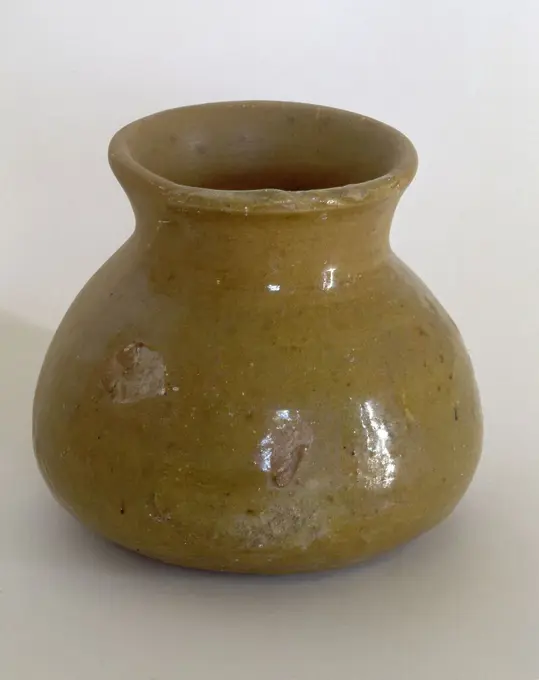
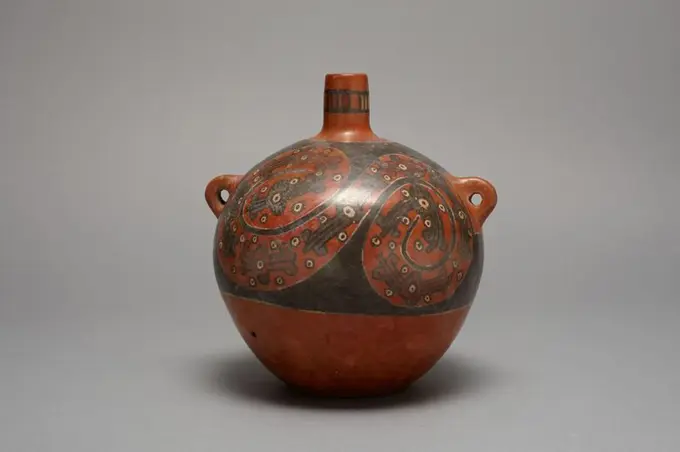
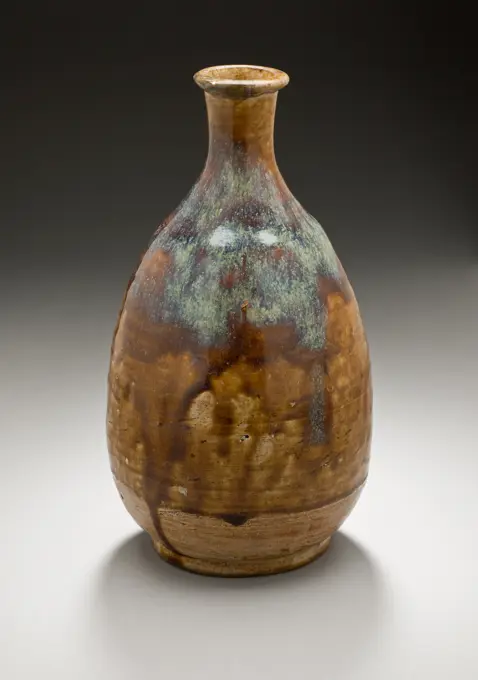
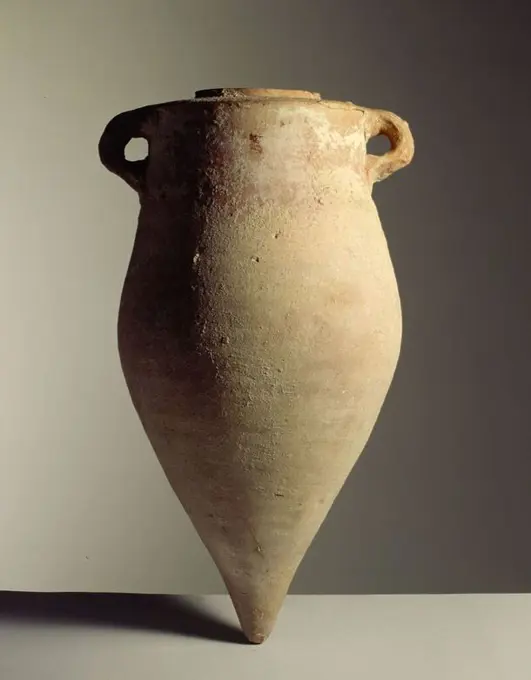
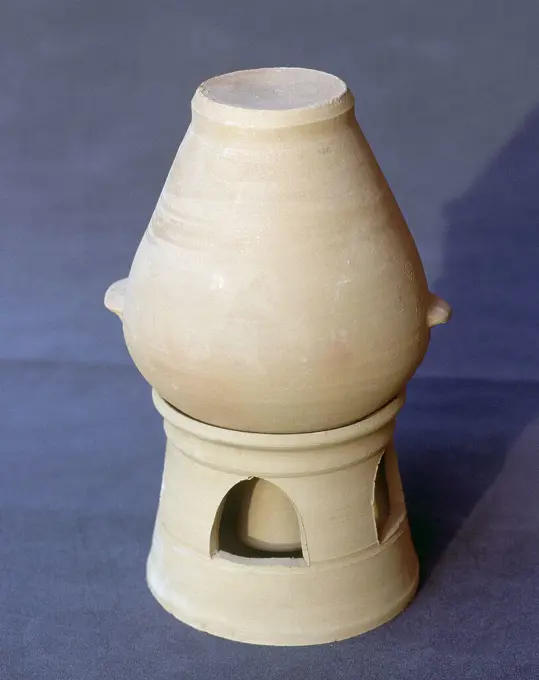
An assortment of antique jars and flasks made of glass and ceramic, highlighting their unique shapes and historical significance.

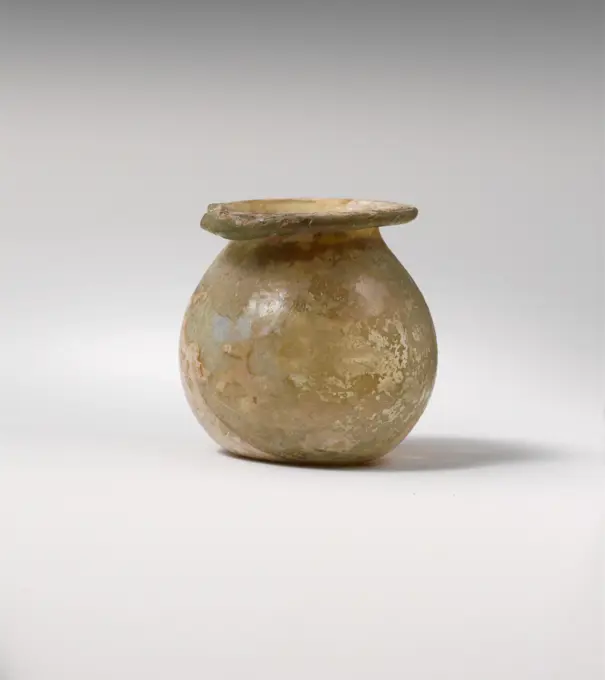
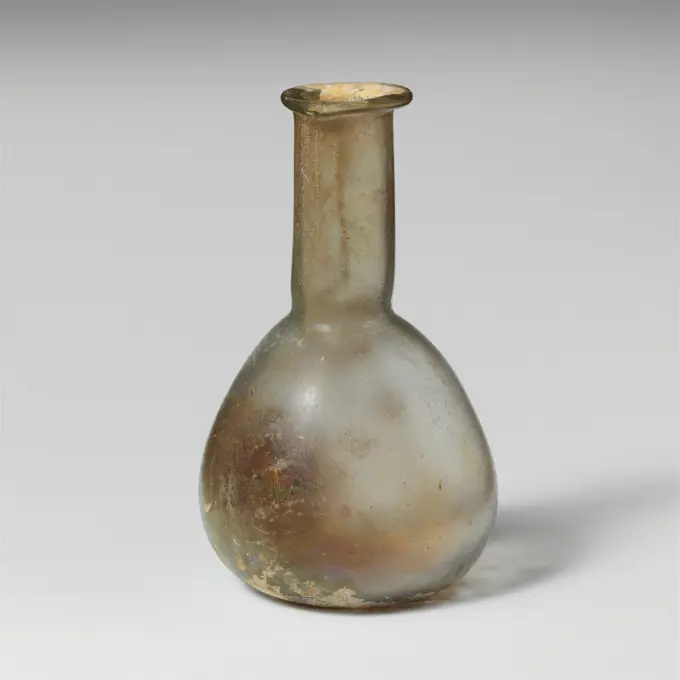
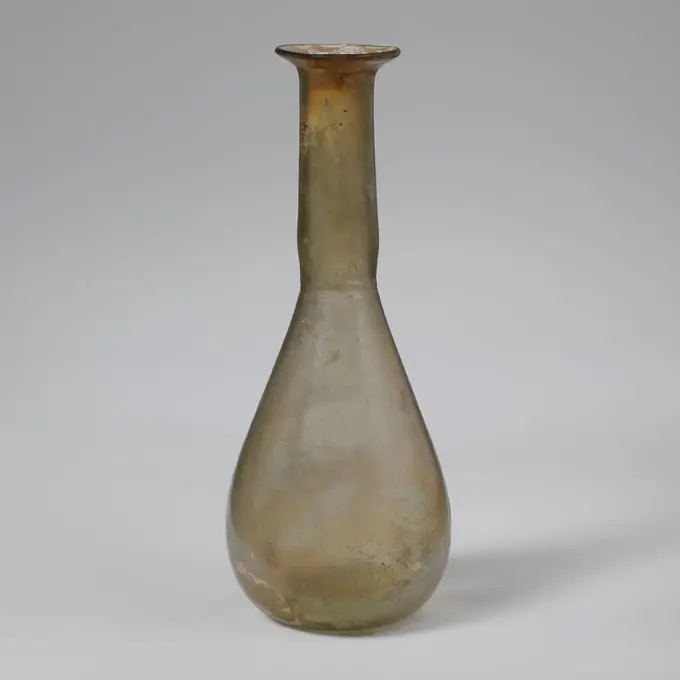
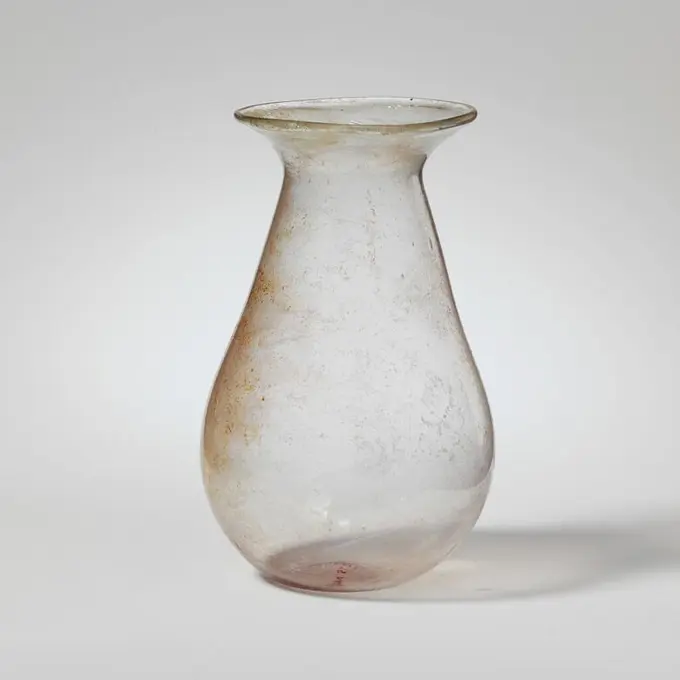
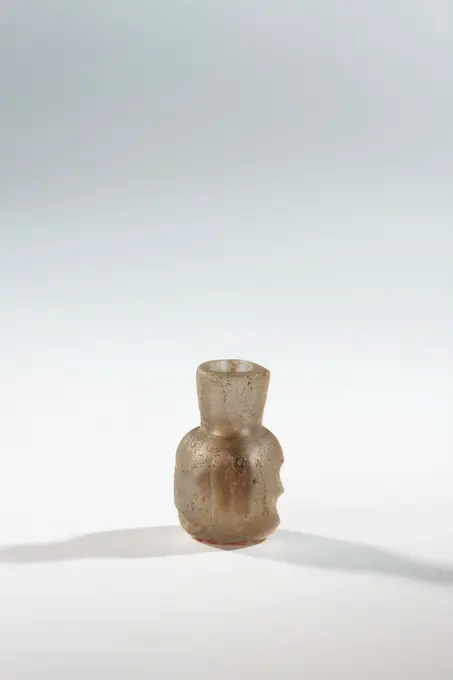
Flask; Eastern Mediterranean; perhaps 4th - 5th century; Glass; 11 cm (4 5,16 in.)
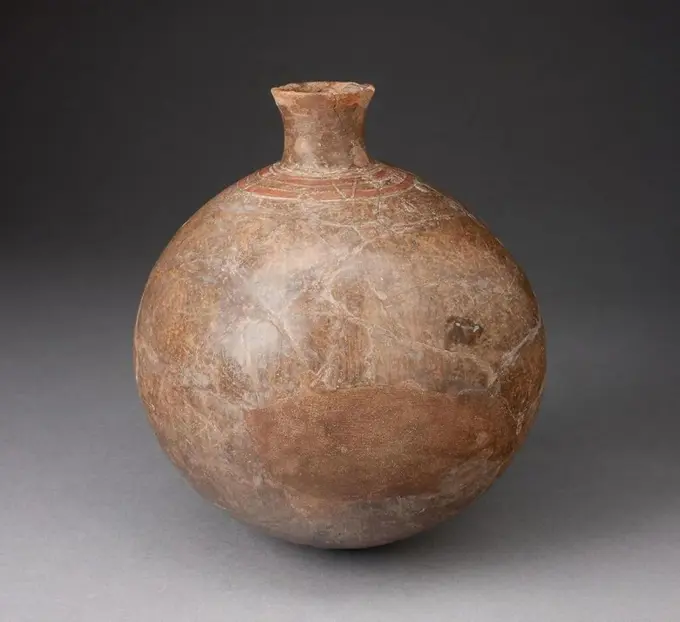
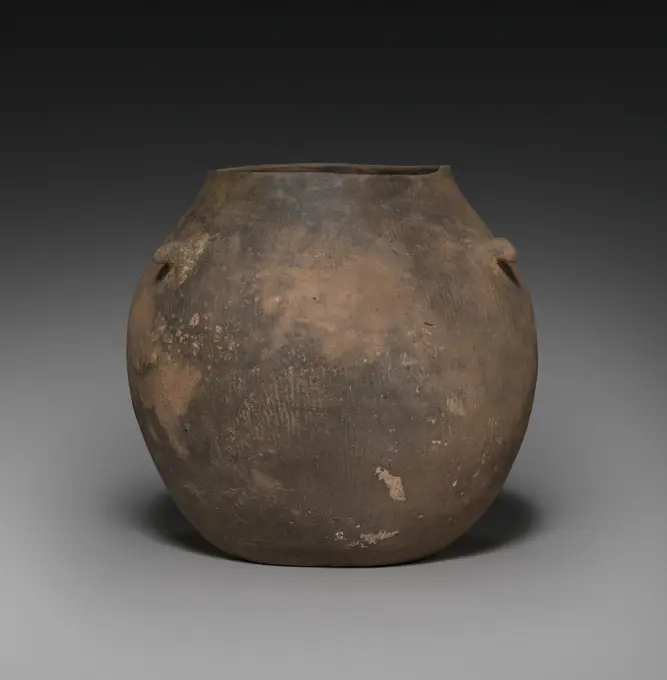
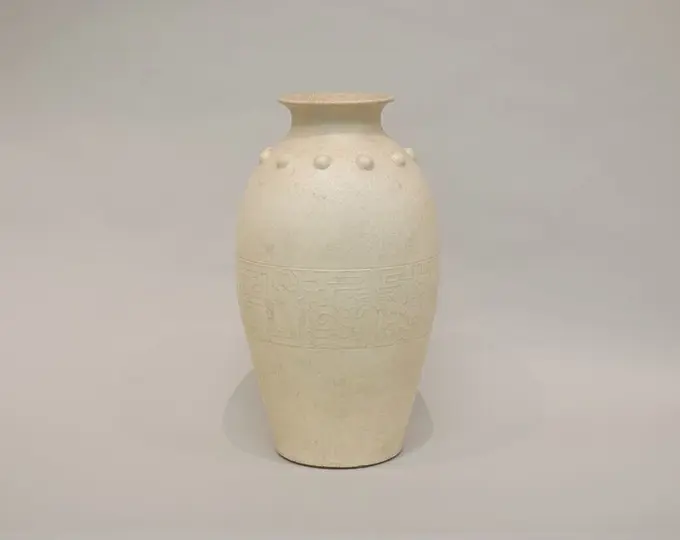
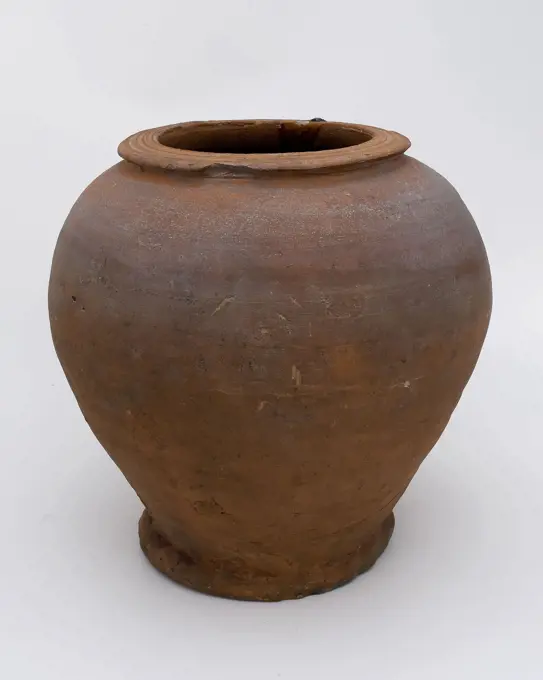
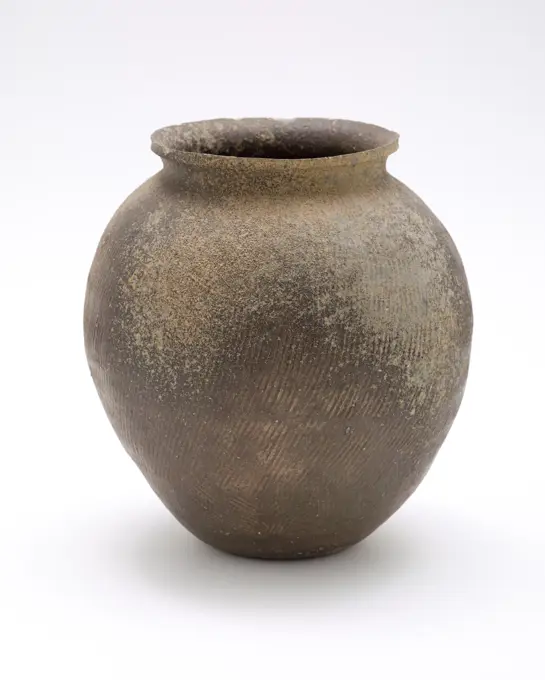
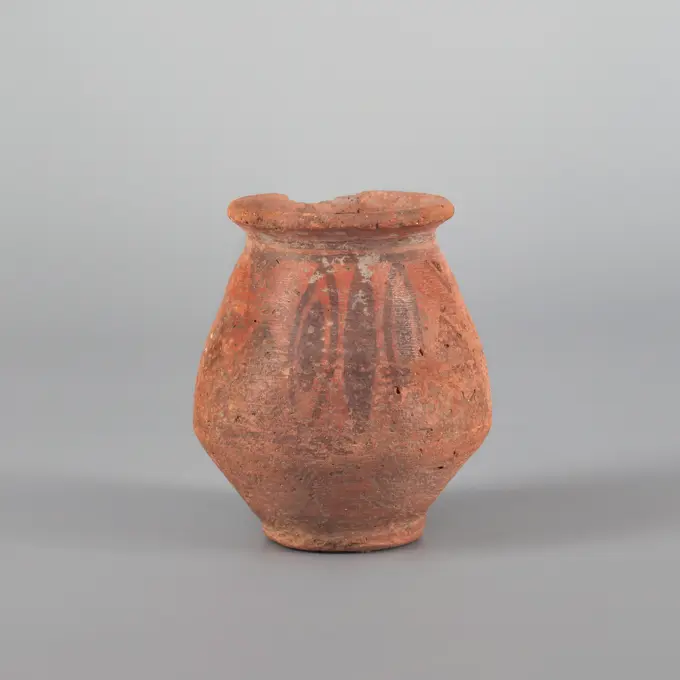
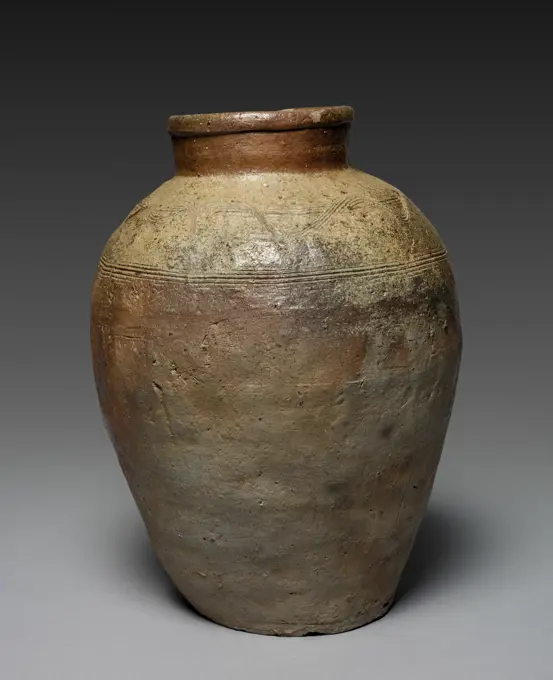
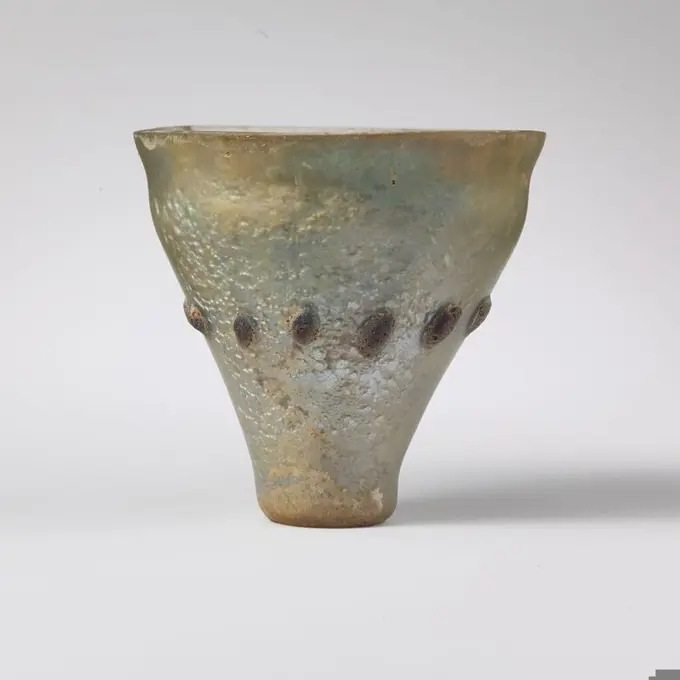
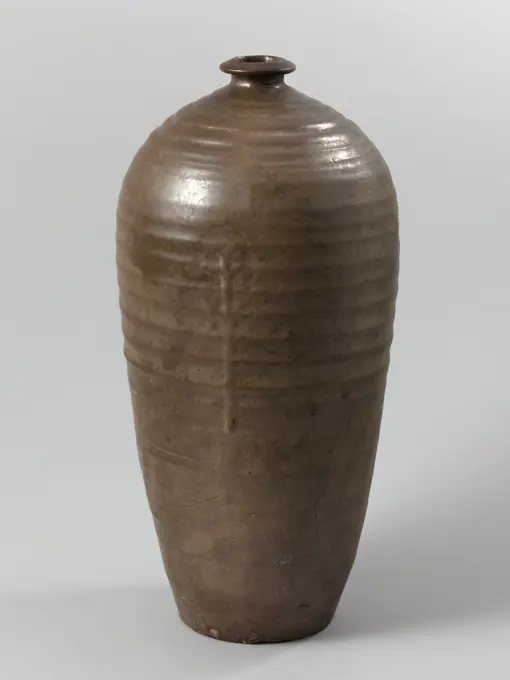
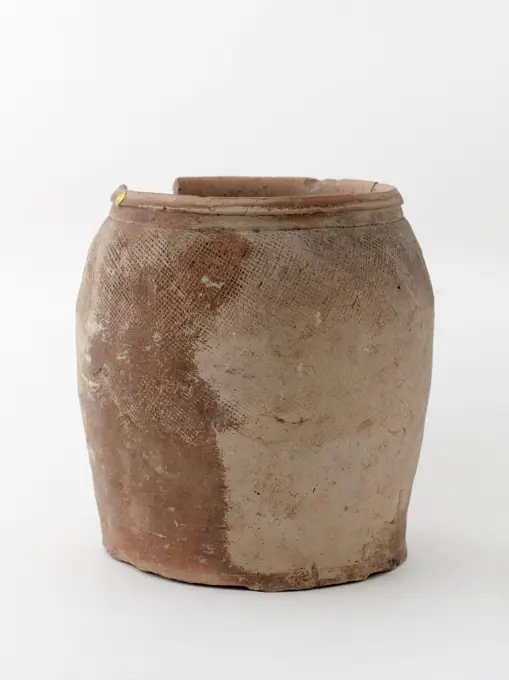
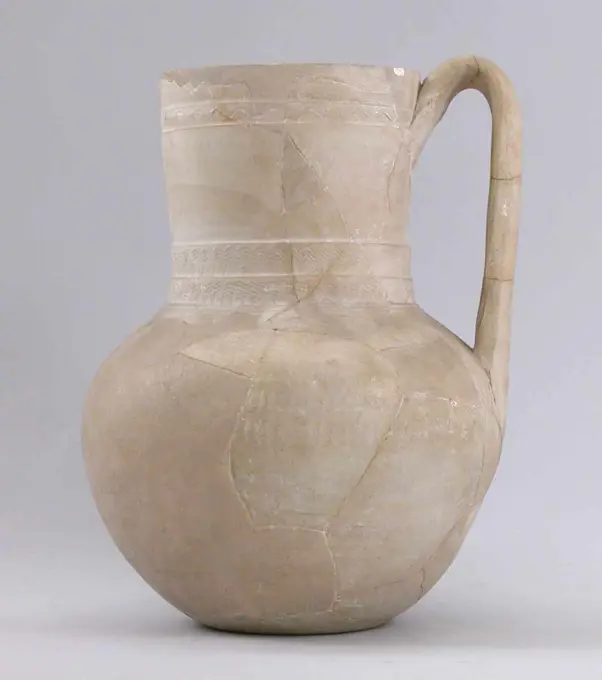
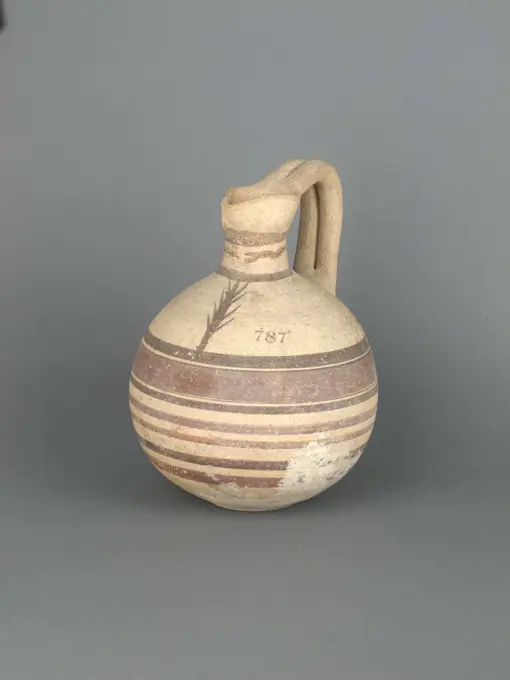
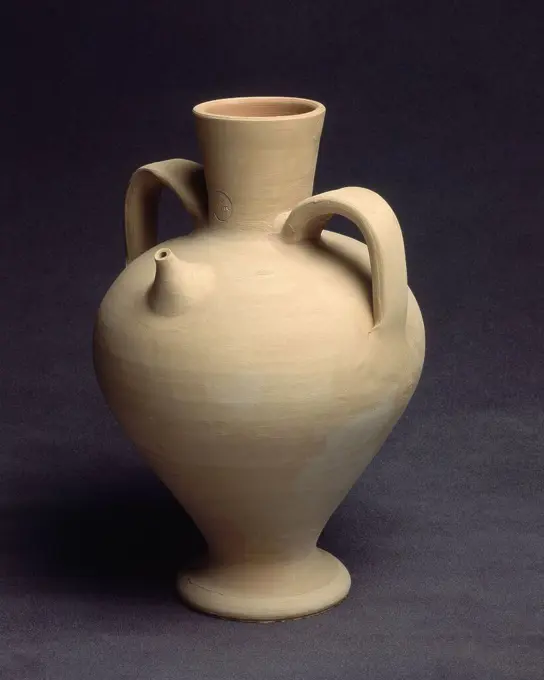
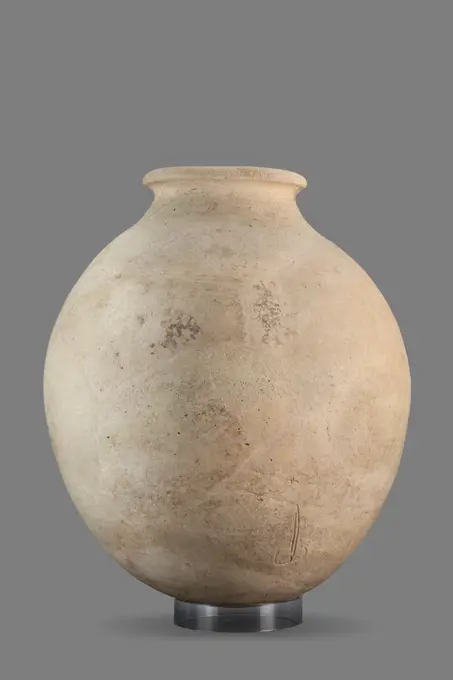
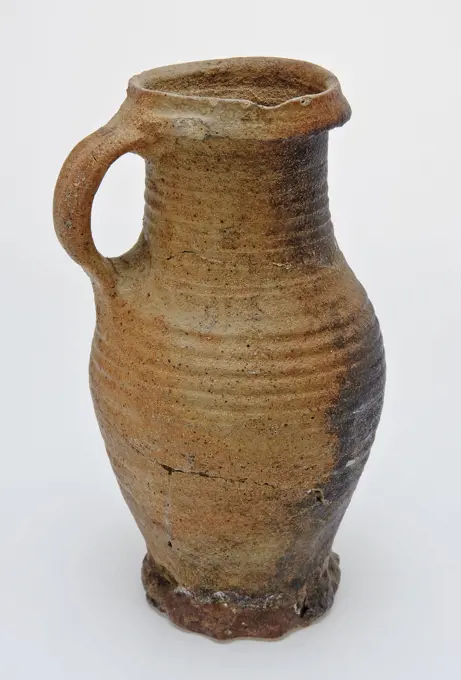
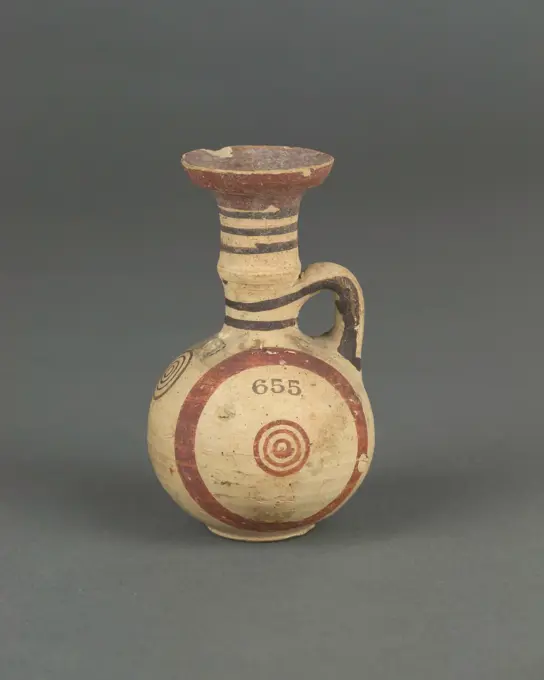
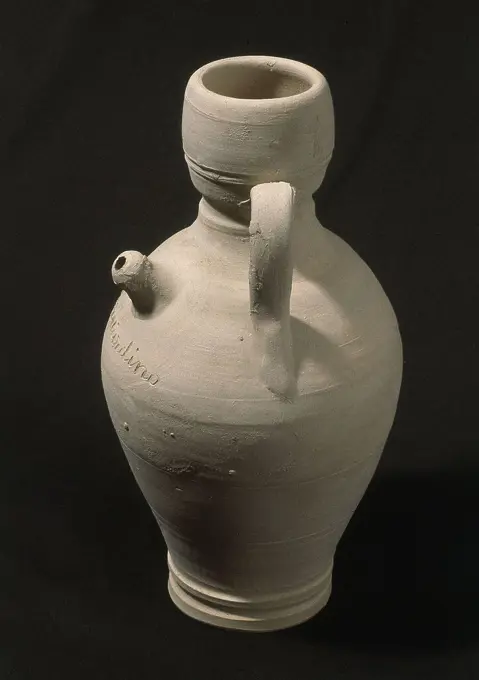
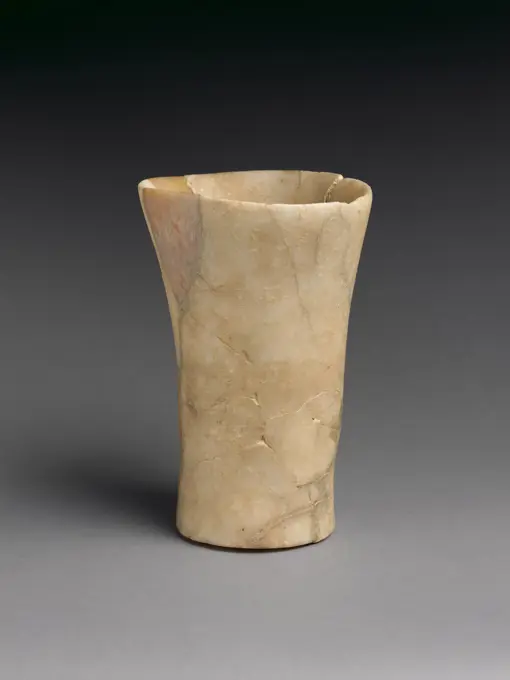
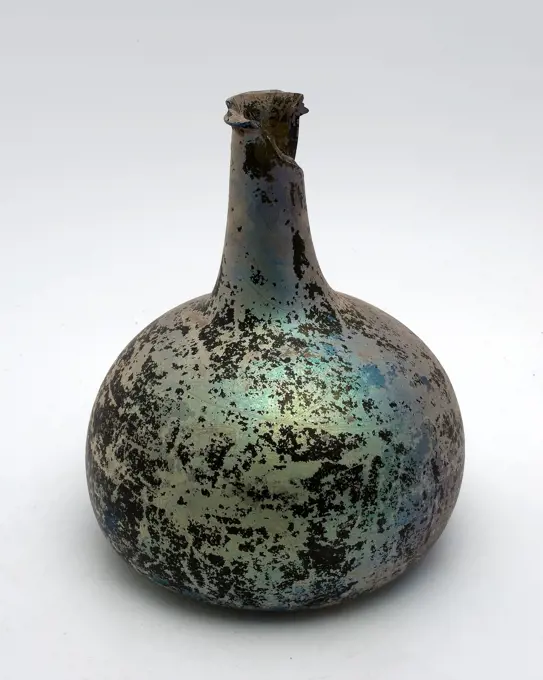
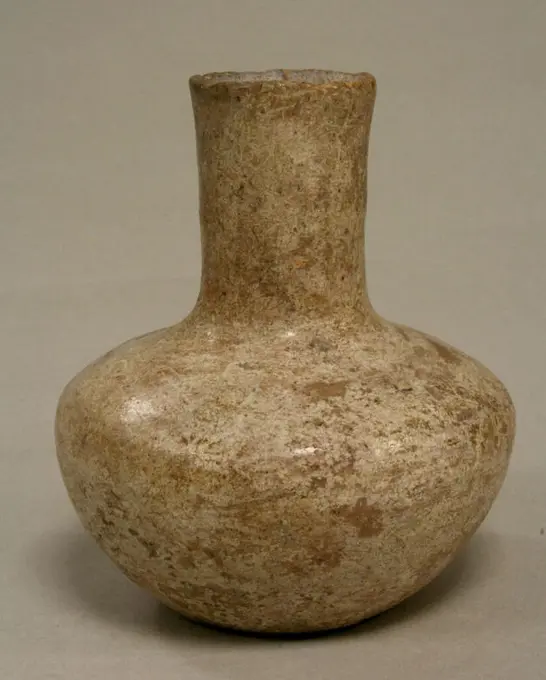
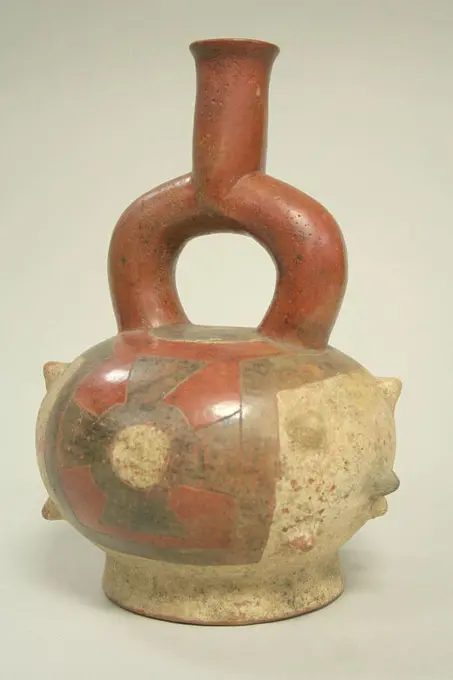
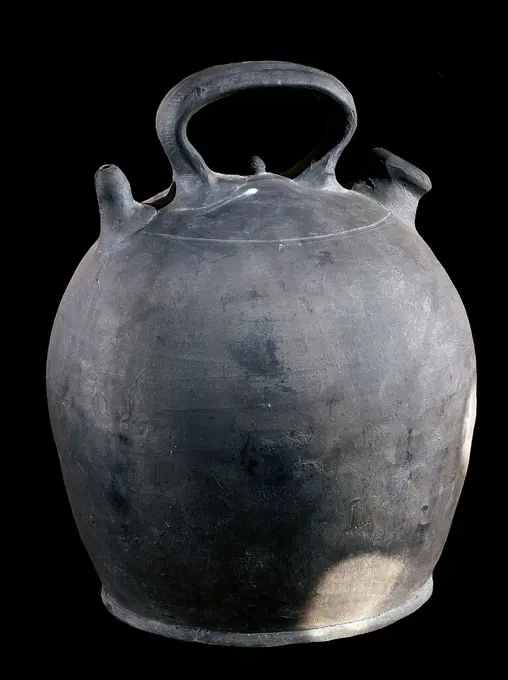
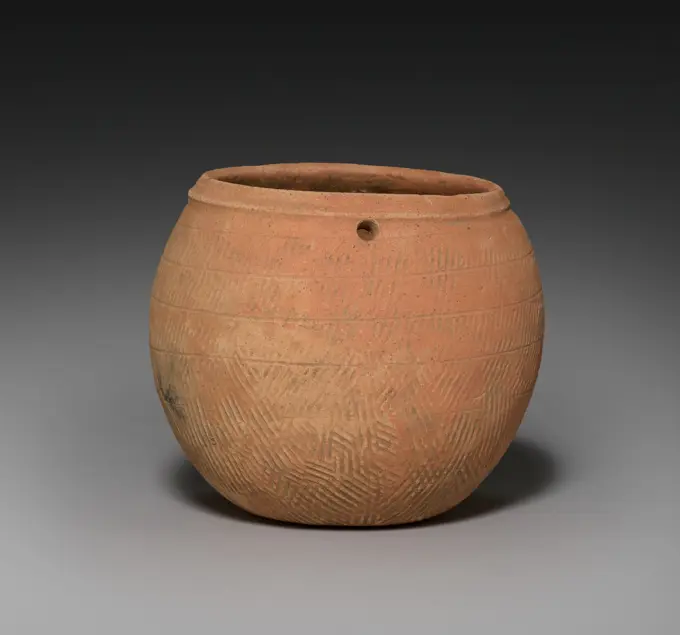
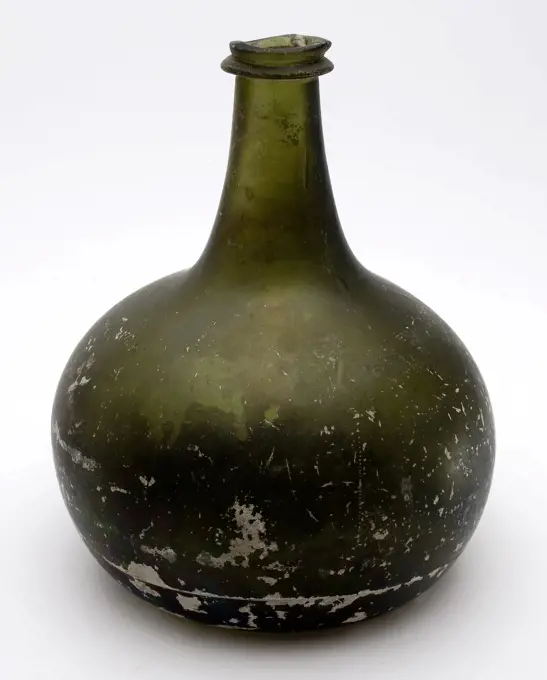
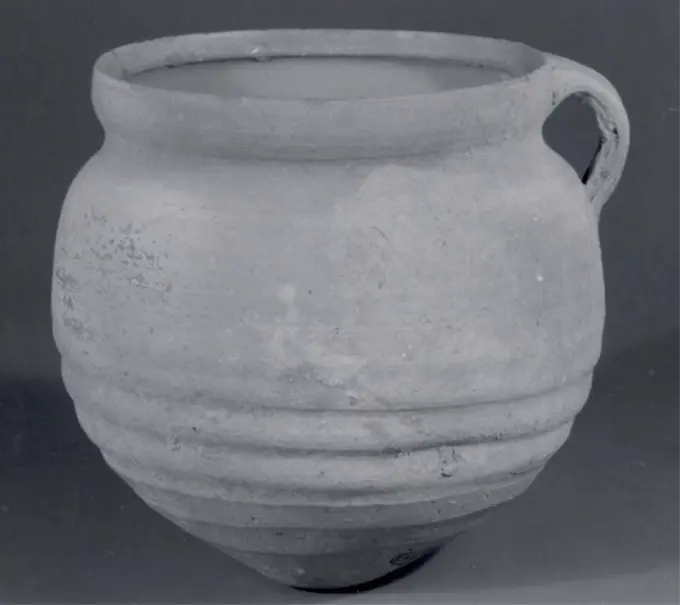
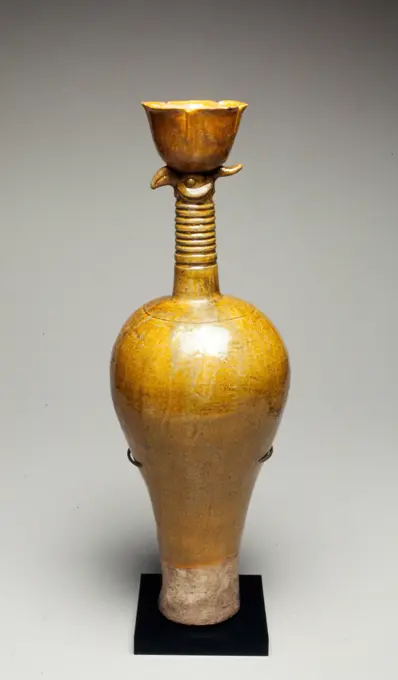
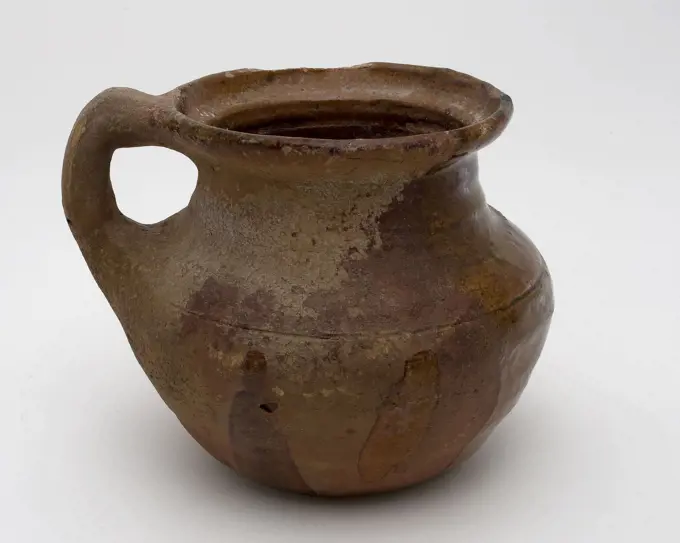
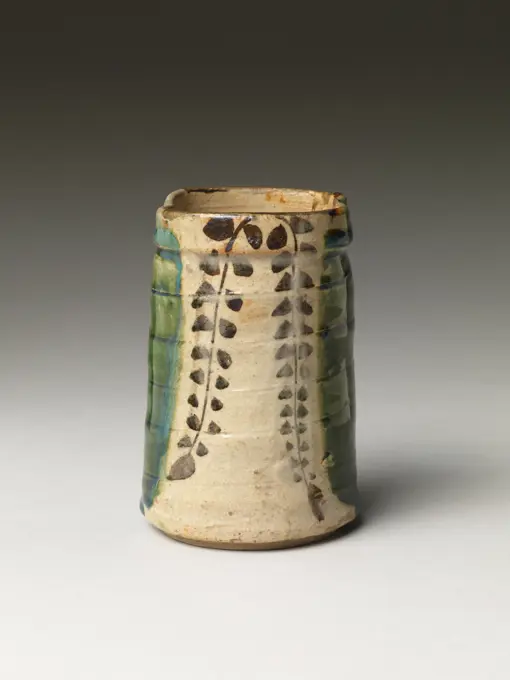
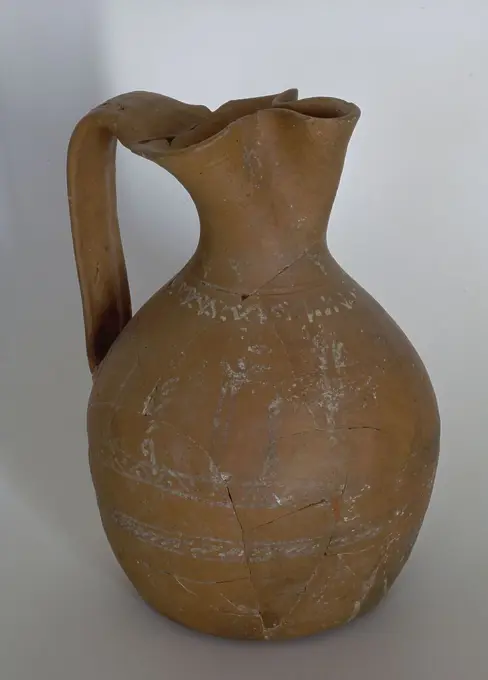
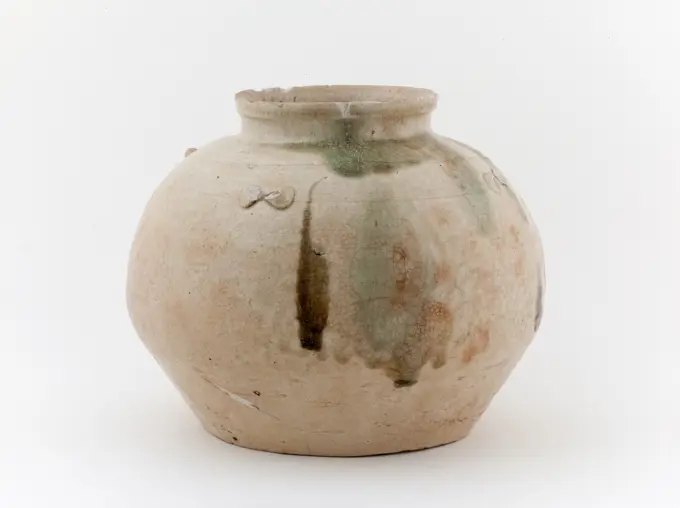
Jar. White sandstone with covered. Janse, Lach Truong, burial 4, C16. Epoque by Giao Chi (1st century BC - 4th century AD). Paris, Cernuschi museum. 60216-4 C16, covered, GIAO CHI, GRES BLANC, JARRE, LACH TRUONG, Vietnamese object, Sepulture 4Flask; Eastern Mediterranean; perhaps 4th - 5th century; Glass; 11 cm (4 5,16 in.)Jar 8th-9th century. Jar 448987Glass perfume bottle. Culture: Roman. Dimensions: Overall: 2 3/4in. (7cm)Diam.: 1 7/16 x 5/8 in. (3.7 x 1.6 cm). Date: 1st century A.D..Colorless with pale blue green tinge.Rim folded out, over, and in; cylindrical neck, tapering downwards; piriform body, rounded at base with small flat bottom.One large chip in rim and neck; many pinprick bubbles; deep pitting and iridescent weathering. Museum: Metropolitan Museum of Art, New York, USA.Earthenware pot on stand, baluster shape, used in the sugar industry, sugar bowl pot holder soil find ceramic earthenware glaze lead glaze, hand turned glazed baked Pottery pot on stand. Baluster shape with round shoulder and narrow neck opening. Thick and round neck edge Blurred drapery legs Made of relatively dry clay Red shard internal glazed Here sugar cones were made archeology indigenous earthenware sugar confectionery sugar industryVase Roman Brown spindle-shaped vase with white bands; unglazed.. Vase. Roman. Terracotta. VasesOvoid jar. Terracotta, Vietnam, 10th-12th century. Provenance: Vietnam. Paris, Cernuschi museum. 78605-5 Archeology, Vietnamese art, jar ovow, container, terracotta, archeological vestige, XEME X 10th 10th 10th century, XIIIEM XIIII 13th 13th 13th 13Pot China. Pot 46268Bottle with Incised Feline Tooth Motif Around Neck. Paracas; Ica Valley, south coast, Peru. Date: 650 BC-150 BC. Dimensions: H. 15.9 cm (6 1/4 in.). Ceramic and pigment. Origin: Peru. Museum: The Chicago Art Institute, Chicago, USA.Lidded Jar with Four Horn Lugs, AD 200s-400s. Korea, Kaya period (AD 42-562). Earthenware; diameter of mouth: 11.4 cm (4 1/2 in.); overall: 25 x 21.5 cm (9 13/16 x 8 7/16 in.). Closed kilns built on hillsides became widely used for producing this type of pottery vessel in Korea during the Three Kingdoms period. Both its gray color and shimmering glaze are the result of the reduction of oxygen in the closed kiln chamber built on hillsides.Pot of earth, urn -shaped, on which 'GB' under a palm tree, anonymous, c. 1850 - c. 1950 Pot of earth, urn -shaped, on which 'GB' under a palm tree in a rosette. In the past and perhaps even to transport palm oil.  earthenware Pot of earth, urn -shaped, on which 'GB' under a palm tree in a rosette. In the past and perhaps even to transport palm oil.  earthenwareMugJar with Loop-Handles. China. Date: 800 AD-999 AD. Dimensions: H. 12.3 cm (4 13/16 in.); diam. 14.3 cm (5 5/8 in.). Yue ware; celadon-glazed stoneware. Origin: China. Museum: The Chicago Art Institute, Chicago, USA.Vase Hu ". Terracotta. Fighter kingdoms. Paris, Cernuschi museum. Chinese art, Chinese ceramic, combatant kingdoms, terracotta, humVase. Culture: China. Dimensions: H. 18 in. (45.7 cm); W. 8 3/4 in. (22.2 cm); Diam. of rim 5 1/2 in. (14 cm); Diam. of foot 6 3/8 in. (16.2 cm). Museum: Metropolitan Museum of Art, New York, USA.Jug Etruscan Encircled by five incised lines.. Jug. Etruscan. Terracotta. VasesJug with handle of Silenos head. Jug with handle of Silenos head. Bronze. BronzesPottery baluster-shaped pot on stand, flat top with grooves, storage pot aspot pot holder soil find ceramic earthenware, hand-turned baked Red shard. Standring wide flared abdomen flat ring with rings as edge Glaze spatters on edge and inside bottom probably accidentally dripped on the pot during baking archeology Rotterdam Overschie Delfshavense Schie packing store store store basement clogged Soil discovery: Overschie at former shipyard located on the NW side of the Hoge brug over the Delfshavense Schie Found before 1924.PhialGlass lentoid bottle. Culture: Roman. Dimensions: 8 3/4 x 6 9/16in. (22.2 x 16.7cm). Date: 4th-6th century A.D..Translucent blue green.Everted rim, folded over and in, flattened on top and protruding inwards over mouth; cylindrical neck, tapering downwards at sides; circular lentoid body with sides tapering downwards; round bottom with pontil scar on edge.Intact; pinprick and a few larger bubbles; soil and limy encrustation, dulling, and faint weathering on exterior; soil encrustation and iridescent weathering on interior.Flask shaped; plain blown glass. Museum: Metropolitan Museum of Art, New York, USA.Covered Jar 700 CE-735 CE China. Slip-coated earthenware .Jar 8th-10th century The shape of this jar is close to that of certain T'ang Chinese jars, and may have had a domed lid. View more. Jar. 8th-10th century. Earthenware; under green glaze. Excavated in Iran, Nishapur. CeramicsGlass jar 2nd-3rd century A.D. Roman Small jar.Colorless with blue green tinge.Rim folded down, round, and pressed into outer edge of broad, outsplayed mouth; very narrow concave neck; globular body; pushed-in bottom.Large cracks, part of rim and neck missing with weathered breaks; pinprick bubbles; dulling, creamy white weathering, and iridescence covering most of surfaces.. Glass jar 245279Jar with Short Neck. Korea, Korean, Baekje, Three Kingdoms Period (18 BCE - 668 CE), 4th-5th century. Furnishings; Serviceware. Coil-built stoneware with ash glazeCANTARO DE CUELLO ALTO Y GRAN ASA CON VIDRIADO A MODO DE MANCHA EN LA UNION. Location: ALFARERIA. SPAIN.Fire Pot, 1550 - 1700 fire pot Fire or stink pot of earthenware with three ears. Netherlands earthenware. glaze   FlushingThey weigh; Unknown Nubian workshop; 15th century (1301-00-00-1500-00-00);Faras (Sudan), Nubian ceramics, painted ceramics, flore decorations, painted decorations, table vessels, vases, Polish excavations in Faras (Sudan)Jar late 9th-10th century. Jar 449436Jar with Incised Combed Shoulder Designs: Bizen Ware, Muromachi Period (1392-1573). Japan, Muromachi period (1392-1573). Stoneware, ash glaze; diameter: 30.5 cm (12 in.); overall: 41.6 cm (16 3/8 in.).Glass beaker or lamp. Culture: Roman, Syrian. Dimensions: H.: 2 13/16 in. (7.1 cm)Diam.: 2 7/8 in. (7.3 cm). Date: 4th century A.D..Colorless with pale green tinge; translucent blue blobs appearing opaque bluish grey.Thick rim, cracked off and ground, slightly outsplayed; short, vertical side to top of body, then funnel-shaped; small kick in bottom.Midway down side an uneven horizontal row of thirteen applied blobs.Intact, except for a small chip in rim; many bubbles; dulling on exterior, with pitting and whitish weathering on blobs, thick encrustation and weathering on interior above brilliant iridescence.Conical, with glass patches. Museum: Metropolitan Museum of Art, New York, USA.CANTARO CON UN ASA Y TAPA EN BARRO. Location: ALFARERIA. Guadix. GRANADA. SPAIN.Martavaan from V.O.C. ship De 'Witte Leeuw', Before 1613  Martavaan from V.O.C. ship De 'Witte Leeuw', 80 present, made up of shards and filled with plaster. The Martavaan was made by means of a clay hose and has a thin egg -shaped wall, a high shoulder and almost no neck. The barrel has 4 lying loops high on the shoulder. The exterior is sepia -colored glazed and the interior sepia and greenish brown. The lower part of the wall is horion language ribbed. South China stoneware. porcelain   Sint-HelenaMeiping. Clear brown covered sandstone. Paris, Cernuschi museum. 78844-13 Asian art, ancient ceramic, gres, container, terracotta, vaseFragment stoneware jug, cylindrical model with wide vertical ear, on squeeze foot, can crockery holder soil find ceramic stoneware, hand-turned baked stoneware can cylindrical model with wide vertical ear on squeeze foot. Rotating spools over the entire height on the neck fine spinning lips. The entire can is brown archeology Rotterdam North Agniesebuurt castle Weena indigenous pottery import drink pouring table room Soil discovery: Castle Weena Rotterdam found during excavation work for construction station in 1905.Jug with a face with a bagpipe player, anonymous, c. 1520 - c. 1550 Jug (facial jug) of stoneware on wavy base with an egg -shaped body and narrow neck. The C-shaped ear is attached to the neck and shoulder. Covered with a brown Engobe. The jug is decorated with hirkings and on the shoulder with a face, a bagpipe player. The face and the arms are partially input, stamped and printed and imposed in relief. Aachen/ Raeren. Aken (possibly) stoneware. glaze. engobe vitrification Jug (facial jug) of stoneware on wavy base with an egg -shaped body and narrow neck. The C-shaped ear is attached to the neck and shoulder. Covered with a brown Engobe. The jug is decorated with hirkings and on the shoulder with a face, a bagpipe player. The face and the arms are partially input, stamped and printed and imposed in relief. Aachen/ Raeren. Aken (possibly) stoneware. glaze. engobe vitrificationBottle 12th-13th century. Bottle 446264Jar. Dimensions: h. 14.6 cm (5 3/4 in). Dynasty: Dynasty 12, mid-13. Date: ca. 1900-1640 B.C.. Museum: Metropolitan Museum of Art, New York, USA.Jar ". Terracotta. Vietnam-Xe-Xive s. Paris, Cernuschi museum. 72186-23 Jar, Vietnamese object, terracottaJug 9th century. Jug 449418MUSEO-ORCITA CON VIDRIO MELADO-HISPANO MUSULMAN. Location: MEDINA AZAHARA / MADINAT AL-ZAHRA-MUSEO-CERAMICA. PROVINCIA. CORDOBA. SPAIN.Can. Hopper of Stoneware. The egg-shaped belly is completely ribbed. The funnel-shaped neck has been demolished. There are three medallions on the belly and shoulder with busts by Karel V, the Duke of Saxony and the Duke of Gulik, Kleef and Mountain.Prehistory. Metal Age. Iron Age. Pot. Gray terracota. 7th-6th century BC. Near Manlleu, Catalonia. Episcopal Museum of Vic. Catalonia, Spain.Glass perfume bottle 1st century A.D. Roman Colorless with pale blue green tinge.Rim folded out, over, and in, forming uneven constriction on one side of mouth; cylindrical neck with tooled indent around base; squat piriform body; thick bottom, slightly concave at center.Intact; pinprick bubbles; dulling and iridescence on exterior; patches of soil encrustation and iridescent weathering on interior.. Glass perfume bottle 244591Globular Jar with Repeated Abstract Motifs in Sprial Design. Tiwanaku-Wari; North coast, Bolivia. Date: 600 AD-1000. Dimensions: 19.4 × 20.6 cm (8 5/8 × 8 1/8 in.). Ceramic and pigment. Origin: Bolivia. Museum: The Chicago Art Institute, Chicago, USA.Glass perfume bottle. Culture: Roman. Dimensions: 4 3/4in. (12.1cm)Other: 2 1/16in. (5.2cm)Diam. of rim: 1 1/8 in. (2.8 cm). Date: 1st century A.D..Translucent pale yellow green.Plain, rounded rim; flaring mouth; cylindrical neck, expanding slightly downward and with tooling grooves around base; elongated conical body with convex sides; slightly concave bottom.Intact; a few bubbles and black impurities; patches of dulling and weathering; iridescence. Museum: Metropolitan Museum of Art, New York, USA.Can of red -baking earthenware, on the inner and partly the outside with glaze, with damaged edge, foot and ear, anonymous, 1500 - 1799   earthenware. glaze   earthenware. glazeJug 600-480 B.C. Cypriot Horizontal bands and tree on shoulder.. Jug. Cypriot. 600-480 B.C.. Terracotta. Cypro-Archaic II. VasesBOTIJA O RALLO CON DOS ASAS Y CUELLO ANCHO-CERAMICA POPULAR S XX. Location: ALFARERIA. SPAIN.Butla. nieznany warsztat północno mezopotamski, workshopVase with stopper, 20th century, 11 x 7 1/4 in. (27.94 x 18.42 cm), Earthenware, Democratic Republic of Congo, 20th centuryKohl jar ca. 1981-1640 B.C. Middle Kingdom. Kohl jar 556897Jug 4th-7th century Coptic. Jug 478438Stoneware jug be on pinched foot, rough, triangular neck edge, proto stoneware, drink jug drinking utensils holder soil find ceramics stoneware clay engobe, hand-turned baked brown stoneware can be pinched. Proto stoneware rough and scraped earthenware adorned with brown engobe. Cylindrical neck and slightly curved belly Triangular edge along the neck. Standing ear archeology Poortugaal Albrandswaard indigenous pottery import drinking serving serving wine beer Soil discovery: Poortugaal moat of the 1970 moth.Juglet 750-600 B.C. Cypriot. Juglet. Cypriot. 750-600 B.C.. Terracotta. Cypro-Archaic I. VasesMiniature Buddhist Water Sprinkler (Kundika) with Lotus-leaf Spout 1200-1299 China. Glazed stoneware .CANTARO LLAMADO "BARTOLO"-BARRO BLANCO. Location: ALFARERIA. Vera. Almería. SPAIN.Vessel ca. 2700-2600 B.C. Sumerian. Vessel. Sumerian. ca. 2700-2600 B.C.. Alabaster. Early Dynastic II. Mesopotamia, NippurBulbous bottle, wine bottle bottle holder bottomfound glass, free blown and shaped glass application Bulky bottle in clear green glass. Pontil mark under slightly raised bottom Body with convex wall to convex shoulders and long rejuvenated (h 7.0, cm) neck with imposed all-round sharp glass thread and flattened lip Large S-shaped chip from neck glass thread and lip archeology packagingBottle. Culture: Tlatilco. Dimensions: Height: 3 1/2in. (8.9cm)Diameter: 3 1/4in. (8.3cm). Date: 12th-9th century B.C.. Museum: Metropolitan Museum of Art, New York, USA.VesselStirrup Spout Bottle. Culture: Cupisnique (). Dimensions: H x W x D: 10 1/2 x 7 1/2 x 6 7/8 in. (26.7 x 19.1 x 17.5 cm). Date: 12th-5th century B.C.. Museum: Metropolitan Museum of Art, New York, USA.BOTIJO EN CERAMICA NEGRA SIN VIDRIAR - PROCEDE DE QUART (GERONA). Location: MUSEO DEL PUEBLO ESPAÑOL. MADRID. SPAIN.Lidded Vessel with Loop Handles, 3rd-1st Century BC. Korea, Iron Age (c. 300-57 BC). Earthenware, with impressed, paddled, and incised decoration and red slip; diameter of base: 8.5 cm (3 3/8 in.); with cover: 21.3 cm (8 3/8 in.). This small storage jar was hand built from coils of clay before it was finished on a potter's wheel. The thick, vertical ridges covering the surface were impressed into the wet clay using a carved wooden paddle. This network of raised lines was then intersected by four incised lines coursing around the bulbous form and separating the body into lower and upper areas with deft visual simplicity. Such direct, effective design solutions to ceramic decoration appear frequently in early Korean ceramics. The two perforations in the upper body were no doubt used to help secure the lid to the body with cord.Belly bottle, cat's head, belly bottle bottle holder soil find glass, free blown and shaped glass application Bottle shaped bottle head in bright green glass. Pontil mark under slightly raised bottom Body with convex wall to convex shoulders and rejuvenated neck with imposed circumferential sharp glass thread (chip 2.0 cm) and widened lip (small chip) archeology packagingAmphoriskos. UnknownPottery pot on stand, baluster shape, used in the sugar industry, sugar bowl pot holder soil find ceramic earthenware glaze lead glaze, hand turned glazed earthenware pot on stand. Baluster shape with round shoulder and narrow neck opening Thick and rounded neckline including waistline. Red shard internally glazed Blurred spinning of the entire height and shallow dent in the sidewall under the arch archeology indigenous pottery sugar sugar industry confectioneryVessel ca. 1st century A.D. Nabataean. Vessel 325898Jug (Bartmann jug) with coat of arms and portraits, anonymous, c. 1604 - c. 1610 Jug (beard fancier bush) of stoneware on standing surface with a spherical body and narrow, short neck. The getting c-shaped ear is attached to the neck and shoulder. Profiles on the neck. Covered with a brown engobe and cobalt blue. On the abdomen three times printed and imposed medallion in relief. The middle medallion shows the national weapon, a double eagle, with small coats of arms in the wings and above the date '1604'. On either side of this a medallion with a portrait of a emperor, each with a different, illegible, border script. On the neck, continuously on the shoulder, a bearded man. Frechten. Cheek stoneware. glaze. engobe. cobalt (mineral) vitrification Jug (beard fancier bush) of stoneware on standing surface with a spherical body and narrow, short neck. The getting c-shaped ear is attached to the neck and shoulder. Profiles on the neck. Covered with a brown engobe and cobalt blue. On the abPhoenix-Head Ewer, 10th-13th century, 19 1/2 x 6 3/4 in. (49.5 x 17.15 cm), Stoneware with yellow glaze over a white slip, China, 10th-13th century, Ceramic shapes of the Liao dynasty (907-1125) generally have their antecedents in the wares of the Five Dynasties (906-960) and Northern Song (960-1127). The long necked vase with an exaggerated tapering body was, however, a purely Liao form. Found in Inner Mongolia and Liaoning Province, these vases are usually glazed in white, yellow, or green and have a simple trumpet -shaped mouth. This phoenix-head vase is a typical hybrid example. It seems that porcelain phoenix-head vases recurrent in South China inspired the bird head shape during the Northern Song dynasty. The basic tall-necked vase peculiar to Liao has been augmented with rudimentary beak, eyes, and feathers as well as with a six-lobed form of the mouth and rilled neck suggestive of a Northern Song phoenix-headed vase. It is a non-functional burial vessel simulating the shape of Lamp. UnknownPottery chamber pot, easy to use with large neck opening and standing sausage ear, pot holder sanitary earthenware ceramics earthenware glaze lead glaze, hand turned glazed baked Pottery chamber pot red shard sparingly glazed Externally quarter of the shoulder and side wall glazed internally only the bottom under the neck opening Belly model with tapering neck Outstanding pot edge with lid slot. Deep groove or turn ring on the shoulder Standing and pinched sausage ear above the edge excellent archeology indigenous pottery drains sanitary night sleeping room hygieneGlobular Jar with Loop Handles. China. Date: 700 AD-799 AD. Dimensions: H. 13.2 cm (5 3/16 in.); diam. 15.4 cm (6 1/16 in.). Stoneware with amber glaze. Origin: China. Museum: The Chicago Art Institute, Chicago, USA.URNA CON TAPA. EDAD DEL BRONCE CAMPOS DE URNAS S VII a.C. (DEPOSITO: MUSEO ARQUEOLOGICO NACIONAL).Small Jug. Dimensions: h. 6 cm (2 3/8 in). Dynasty: Dynasty 26-29. Date: 664-380 B.C.. Museum: Metropolitan Museum of Art, New York, USA.Wine bottle from the wreck of the East Indies Hollandia, Anonymous, 1700 - in or before 1743  Incomplete wijnfles. Wine bottle, continental production, onion-shaped, mouth missing; (1) eroded (10.5h, belly 14.5d, base 10.7d), tcs-kick-up. Netherlands .   SecondGlass flask 3rd-4th century A.D. Roman Translucent blue green.Plain, rounded, and slightly thickened vertical rim; tall, slightly concave, cylindrical neck; horizontal shoulder; bulbous body, curving in to small, concave bottom.Intact; many bubbles, elongated in neck; slight dulling, extensive pitting and iridescent weathering.. Glass flask. Roman. 3rd-4th century A.D.. Glass; blown. Late Imperial. GlassSmall chalk amphora (jar) 6th-3rd century B.C. Cypriot With wide mouth and two loophandles.. Small chalk amphora (jar) 244041Waterkan with spout in the form of animal head, anonymous, c. 1575 - c. 1625 The object is composed of the following parts: the vessel and lid driven from red copper plate, the foot, which is poured out of yellow copper, with lead -reinforced foot, the spout, the neck and the lid button. The relatively small powerful profiled round base, which is cut off at the front along the edge on the right, contrasts with the unpleasant round barrel, which is flat-shaped and above flat-bulb. The round neck has a hollow round structure with powerfully profiled edges to the top and top. The Ronde Hanvat is brased against this, which is on top of eight with a profiled nodus in the middle. The lid decorated with a round button is flat and smooth. The spout is formed by a spy of yellow copper cast in two parts in the form of an animal head with a cartouche and white shield. Italy Tuit, neck, lid button and foot: Brass (Alloy). Vat and lid: copper (metal). Foot: Lead (Metal) casting The object is composGlass jar. Culture: Roman. Dimensions: Height: 4 7/16 in. (11.3 cm)Diameter: 2 7/8 x 2 3/8 in. (7.3 x 6 cm). Date: 2nd-3rd century A.D..Colorless with slight greenish tinge.Plain, rounded rim; flaring neck; elongated piriform body; small, concave bottom.Single horizontal trail around upper body, then spiral up to end below rim.Intact; pinprick and some large bubbles, and blowing striations; patches of faint brownish weathering and iridescence. Museum: Metropolitan Museum of Art, New York, USA.Chawan.  Artist, style of: Raku Chny, Japanese, 1714-1770Can,, 1200 - 1499 Bronze is possible for life elixir. The spout on the shoulder is missing. Java bronze (metal) Bronze is possible for life elixir. The spout on the shoulder is missing. Java bronze (metal)Can with spout with two mouths. The object, which is poured as a whole, stands on three legs, which are provided with feet. It has a convex slightly flat stomach with a high neck. This is sealed by a sharp lying out sloping edge. The round spout-oriented round spout has two mouths, which reminded of animal heads through a relief on top of vague. At the point, where the mouths come together, the round bar is located, which connects the spout with the neck of the. In line with this there is the handle on the other side. This is attached to the hull on the belly and precisely under the edge of the neck. The handle has the shape of a circle segment. It is relatively wide but small of thickness.Dish;  around 2686- 2181 BC ; Old state (-2686-00-00--2181-00-00);Roman Glass. Artist: UnknownSake Bottle. Japan, mid-19th century. Ceramics. Seto ware; stoneware with iron and rice straw ash glazesPainted Vase 360 B.C. Pear-shaped vessel with handle, anonymous, c. 900 - c. 1399 Jug of earthenware decorated with some entry lines and indentions. Unglazed. Iran earthenware engraving Jug of earthenware decorated with some entry lines and indentions. Unglazed. Iran earthenware engravingMadrid, M.A.N. Arte Edad Antigua. Ánfora. Torpedo del tipo Trajamar 3. Cerámica. Long. 51, boca 11,5. s. VIII-VII a.c.Small bottle. unknown, craftsmanBEBEDERO DE POLLOS - S XX ARTE POPULAR -. Location: ALFARERIA. MARRATXI-PORTOL. MALLORCA. SPAIN.Small bottle. unknown, craftsmanSide Dish (Mukōzuke) with Wisteria Design first half of the 19th century Japan The simplicity of design, stiffness of shape, and color of the copper glaze reveal this piece to be a revival of Oribe ware. In the nineteenth century, many kilns started replicating earlier wares; the Oribe style was particularly popular.. Side Dish (Mukōzuke) with Wisteria Design 62622CANTARO U OLLA DE BOCA ANCHA DESDE DONDE SALEN LAS DOS ASAS - SIN VIDRIAR. Location: ALFARERIA. NIÑODAGUIA. Orense. SPAIN.Jug, decorated with blue flower and rank motifs on a white stock, anonymous, c. 1700 - c. 1799 A jug turned from wood, white painted and decorated with blue flower and leaf vend. Two set -off points for ear (broken down). Imitation Delft pottery. Amsterdam (possibly) wood (plant material) A jug turned from wood, white painted and decorated with blue flower and leaf vend. Two set -off points for ear (broken down). Imitation Delft pottery. Amsterdam (possibly) wood (plant material)Milkkan of red hard baked earthenware, children's toys., Anonymous, c. 1830 - c. 1860 Lying Ellipsvoirly milk can of red hard baked pottery. The jug has a spout and a rectangular ear. The jug is in relief with garlands of leaves and fruits. The milk jug is part of a miniature tea set (BK-15429-A to BK-15429-D). Bohemia earthenware Lying Ellipsvoirly milk can of red hard baked pottery. The jug has a spout and a rectangular ear. The jug is in relief with garlands of leaves and fruits. The milk jug is part of a miniature tea set (BK-15429-A to BK-15429-D). Bohemia earthenwareBelly bottle, belly bottle bottle holder soil find glass, raised bottom Body with almost vertically ascending wall with convex shoulders to rejuvenated neck with imposed all-round sharp glass thread and flattened lip archeology packagingFlower vase in the style of Louis Philippe. Malcz, Karol (1797-1867), goldsmithMUSEO-JARRITO ROJO DECORADO EN ROJO-HISPANO MUSULMAN. Location: MEDINA AZAHARA / MADINAT AL-ZAHRA-MUSEO-CERAMICA. PROVINCIA. CORDOBA. SPAIN.Batter jug 1882-85 American. Batter jug 5494Jug, c. 1400 - c. 1950 Round jug of pottery with paint residues. Pingsdorf  earthenware Round jug of pottery with paint residues. Pingsdorf  earthenware