Historic Decorative Jars

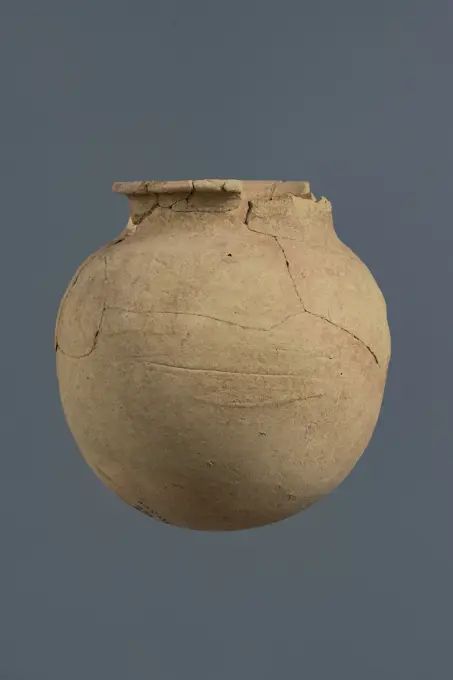
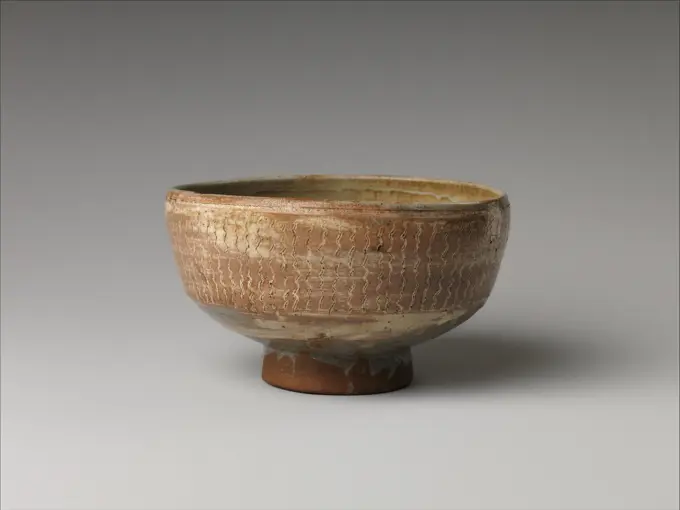
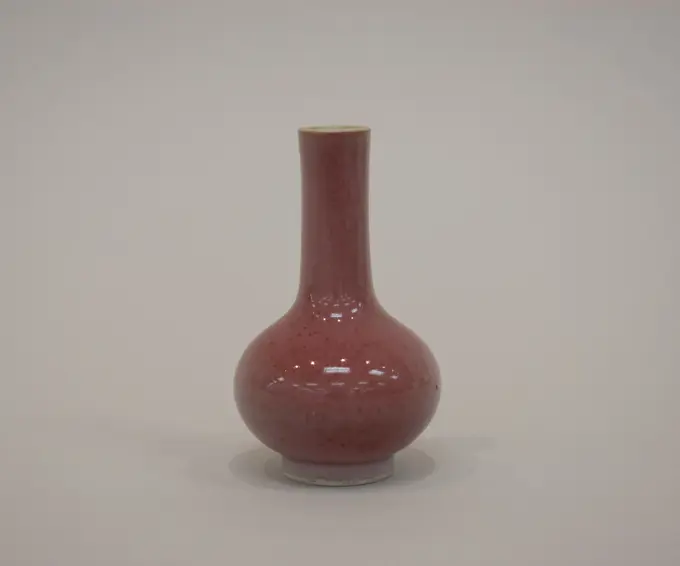
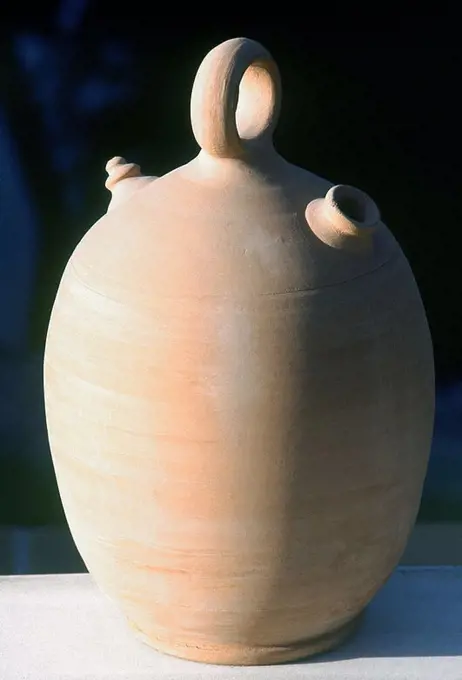
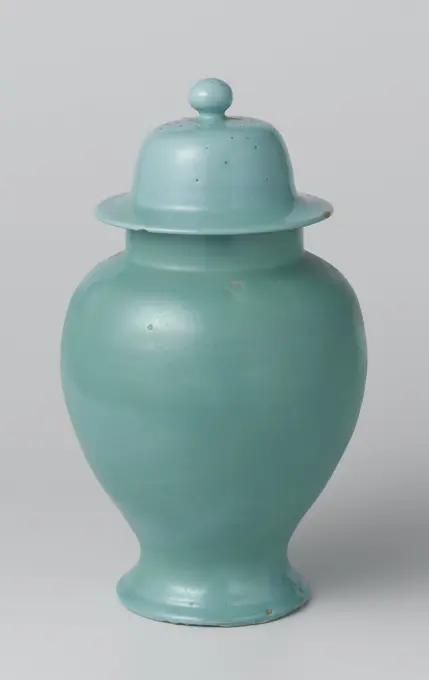
An assortment of antique jars and flasks made of glass and ceramic, highlighting their unique shapes and historical significance.

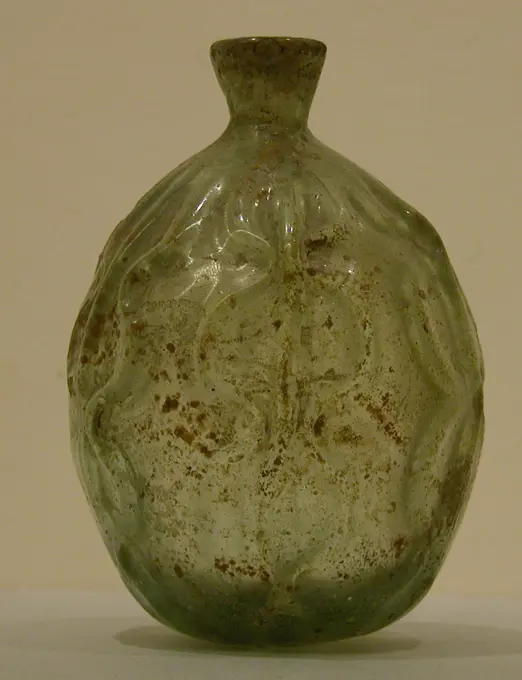
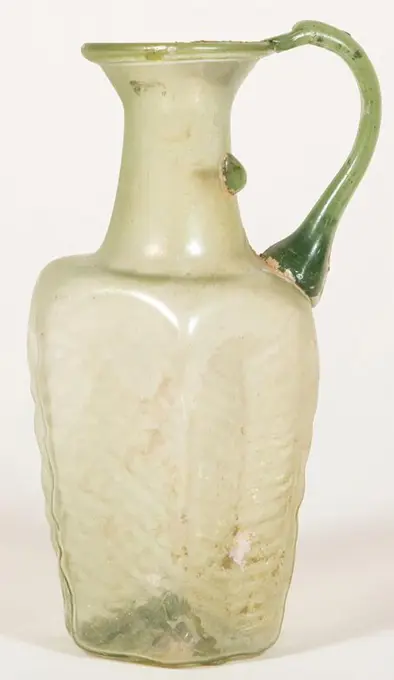
Flask; Eastern Mediterranean; perhaps 4th - 5th century; Glass; 11 cm (4 5,16 in.)
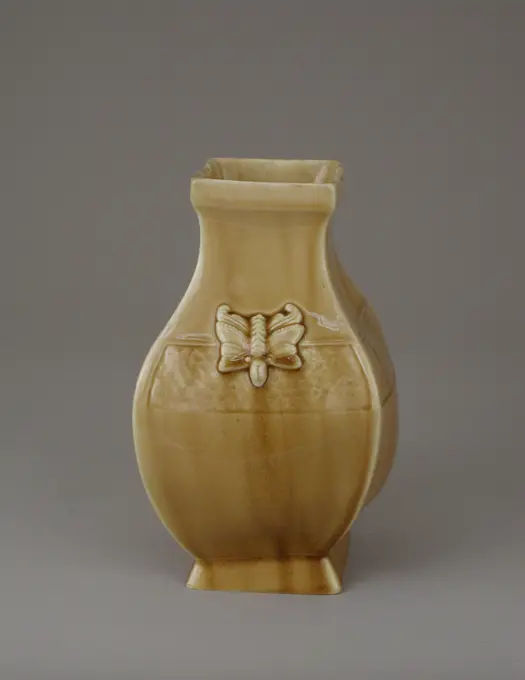
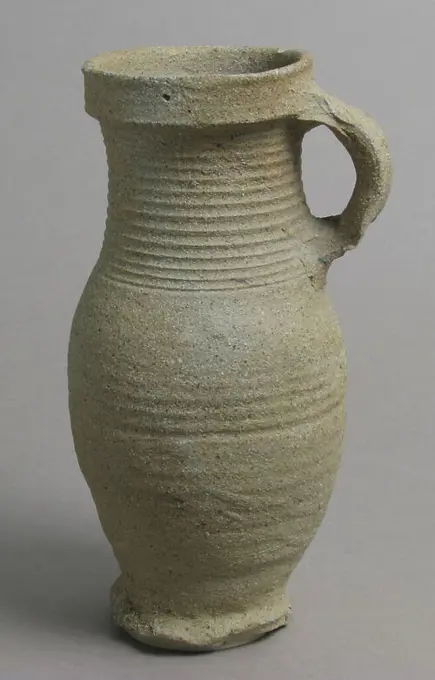
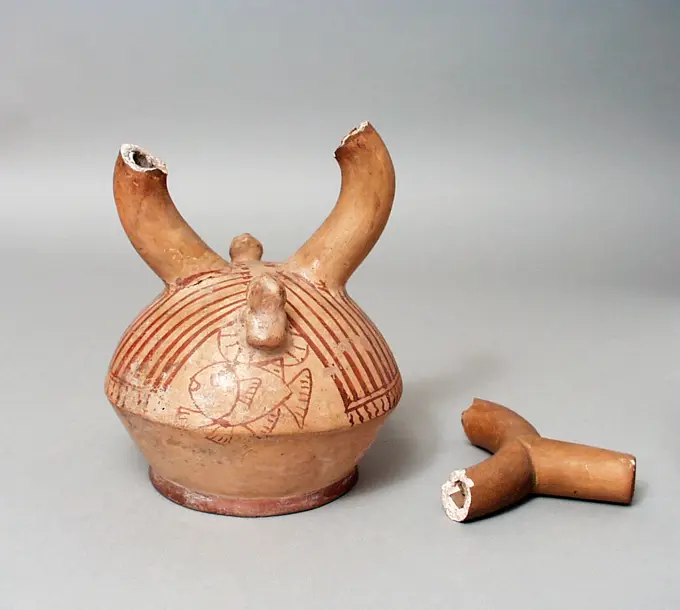
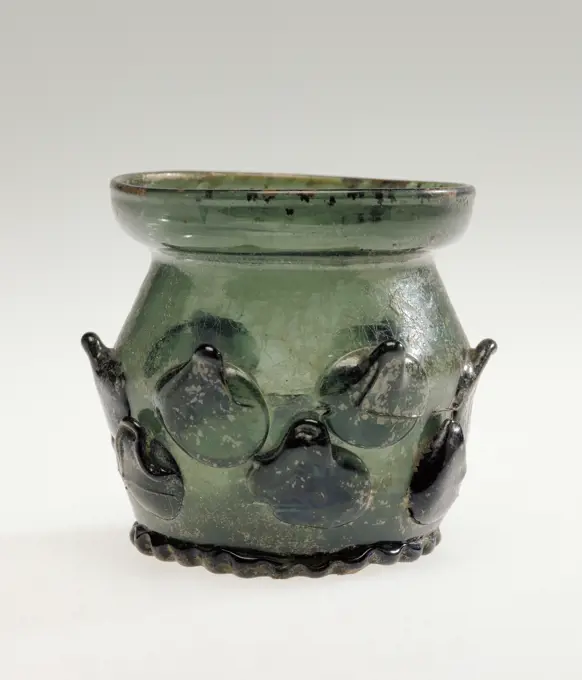
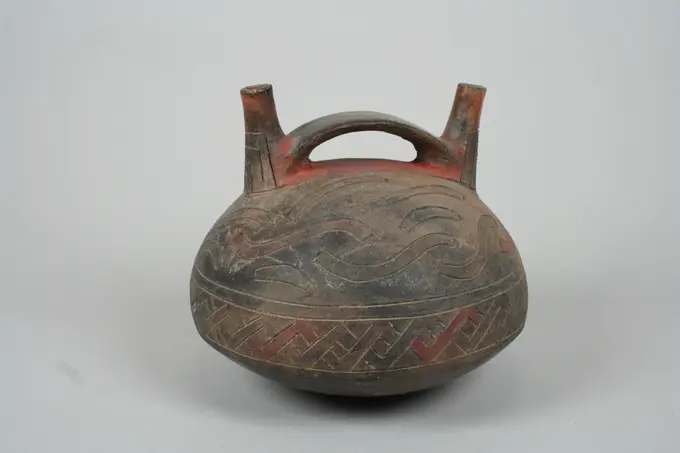
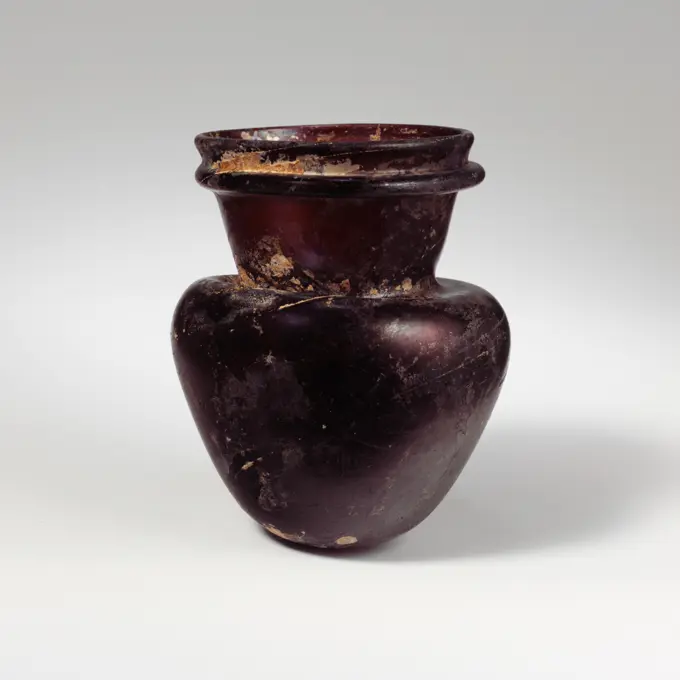
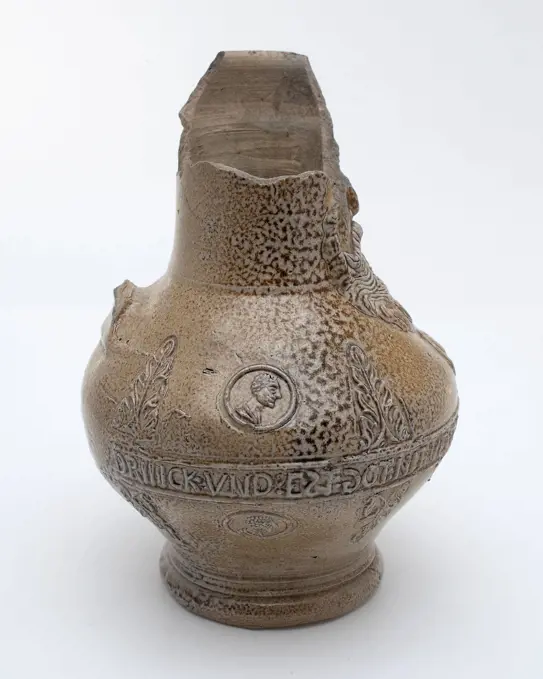
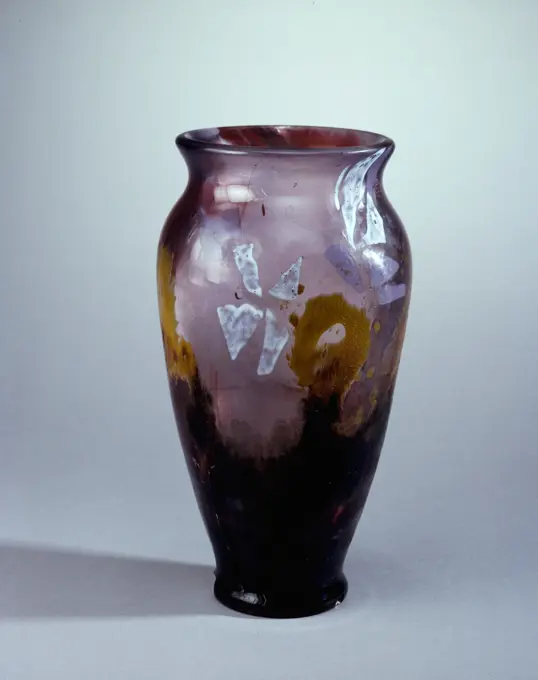
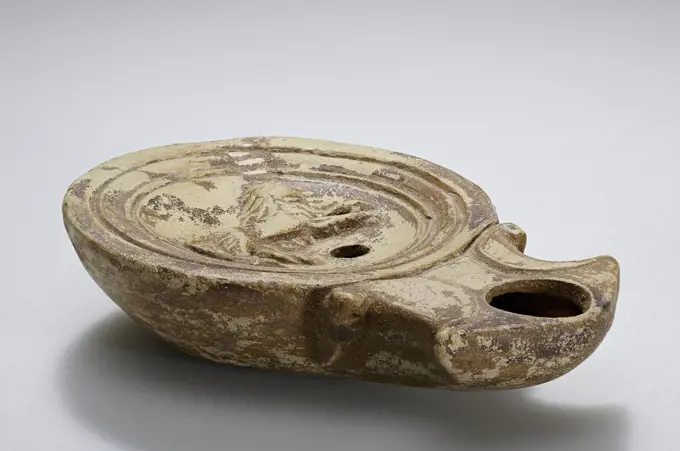
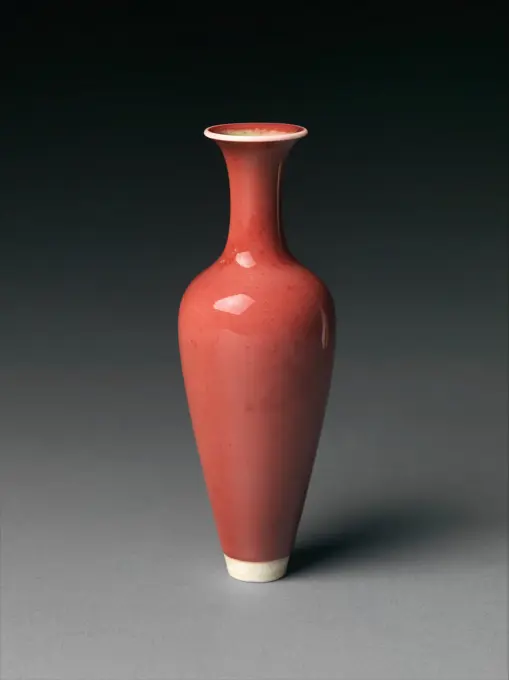
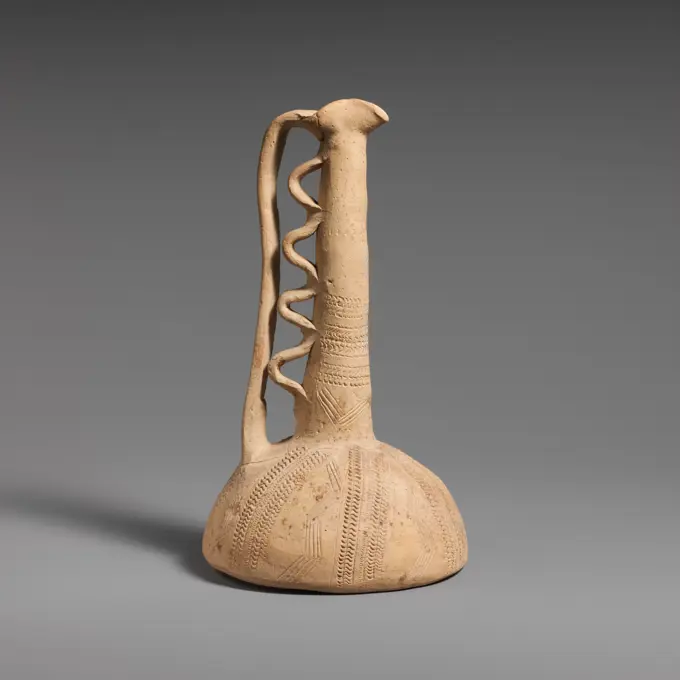
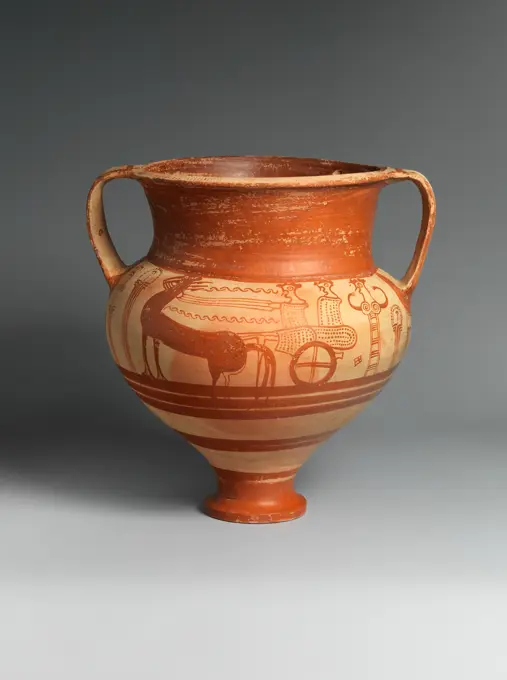
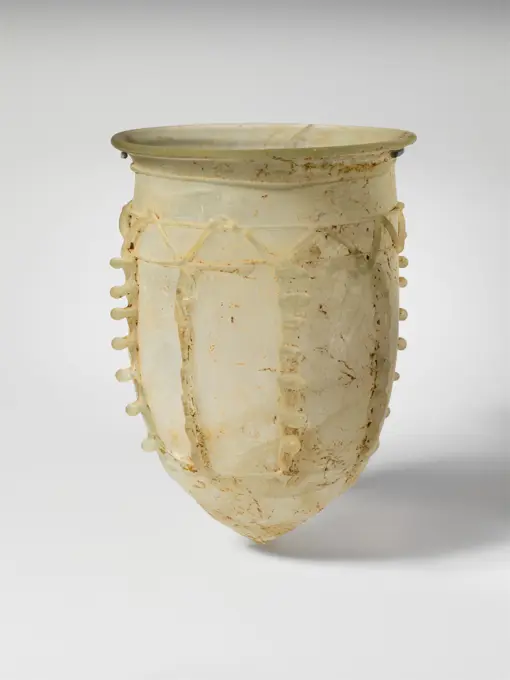
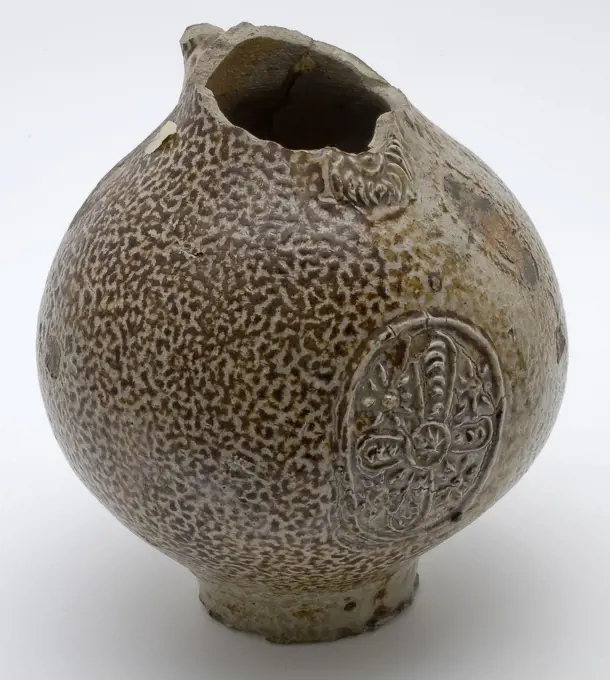
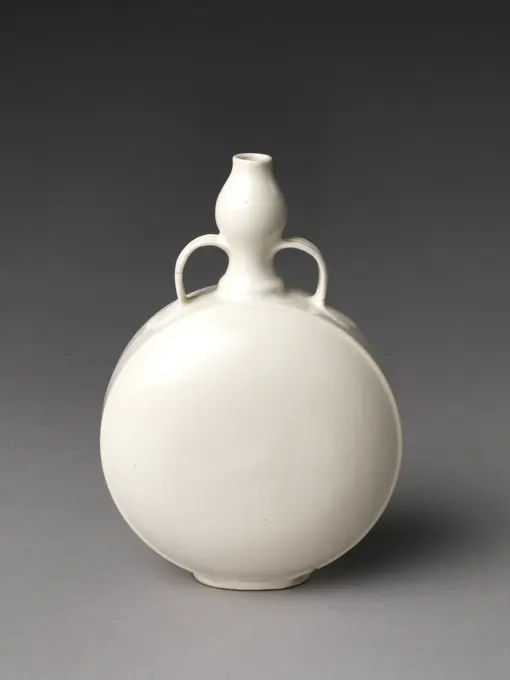
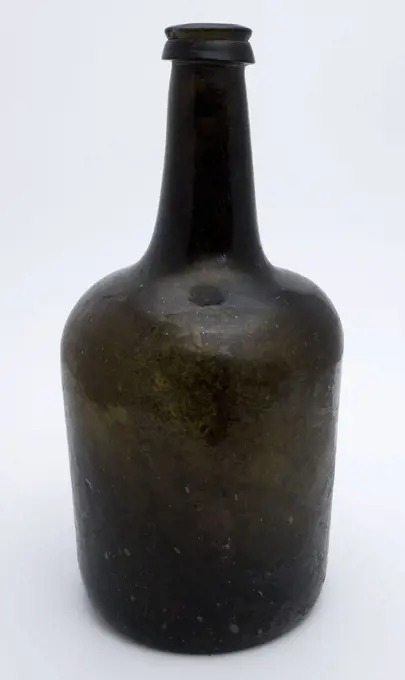
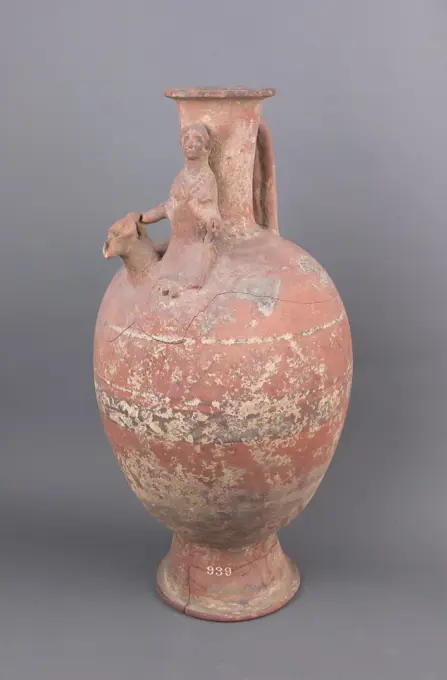
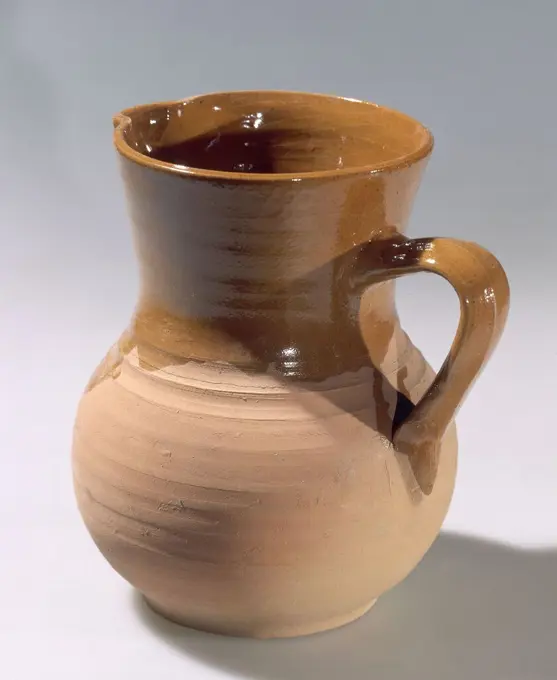
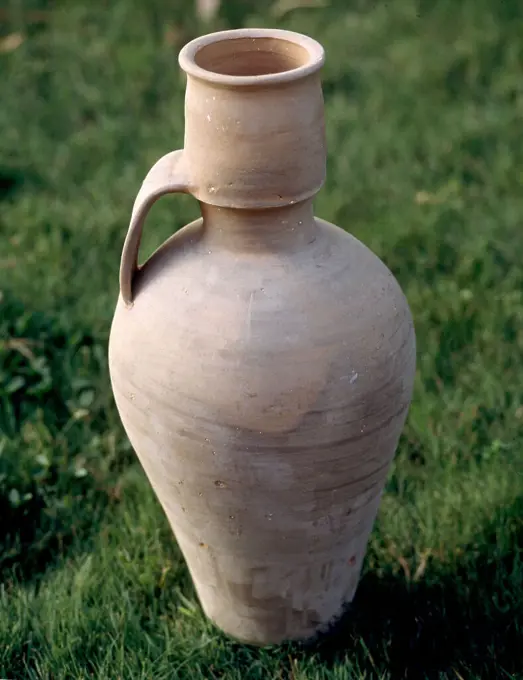
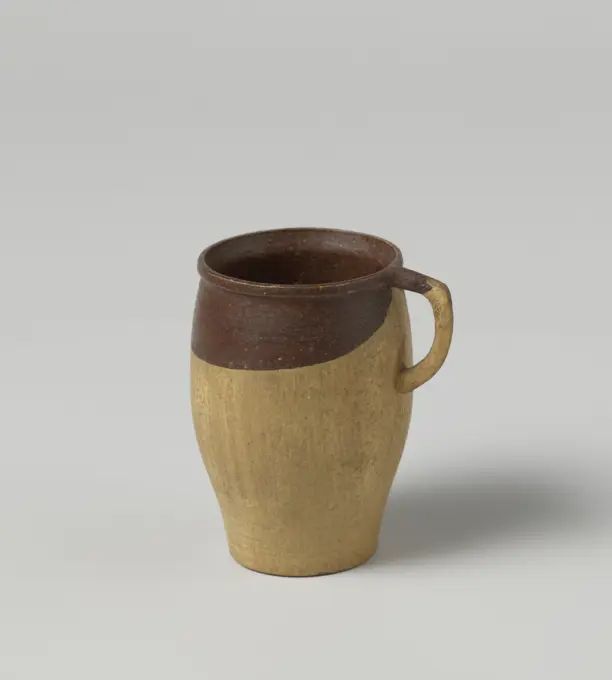
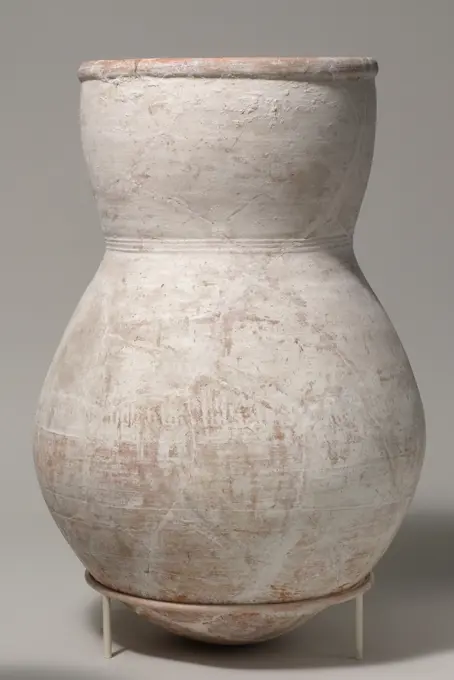
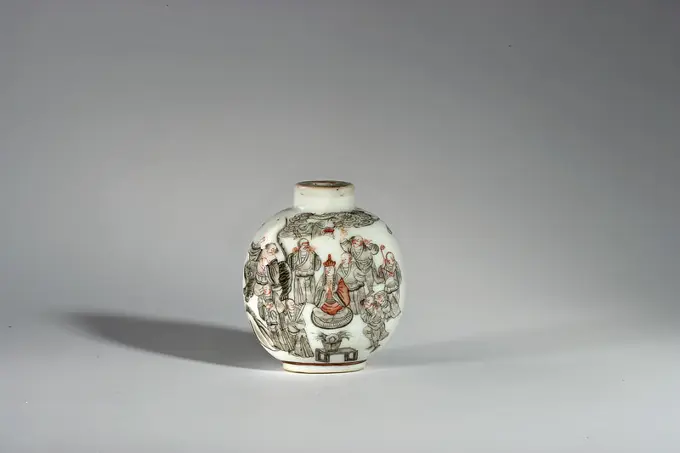
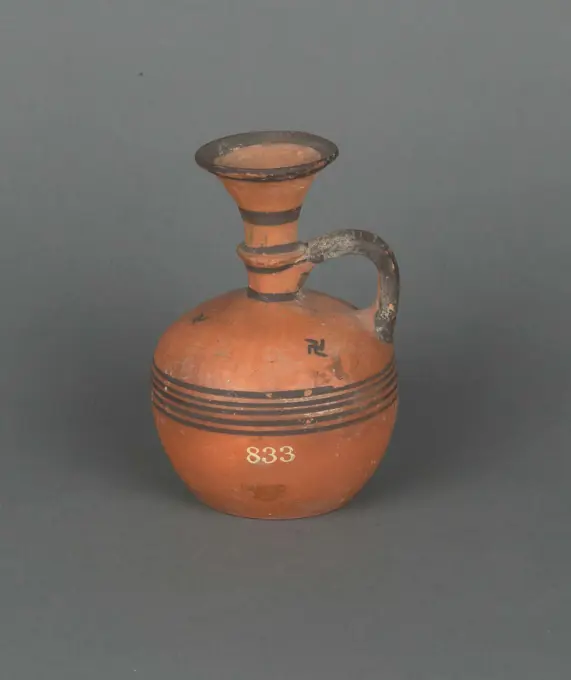
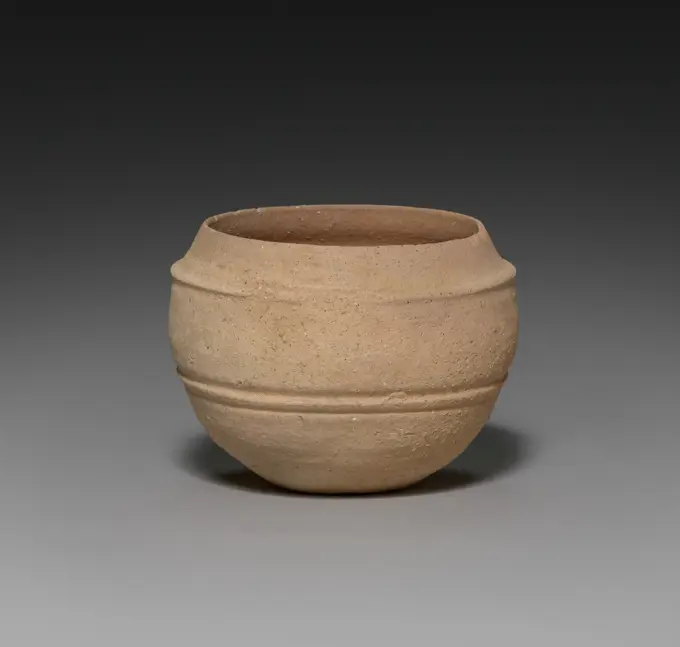
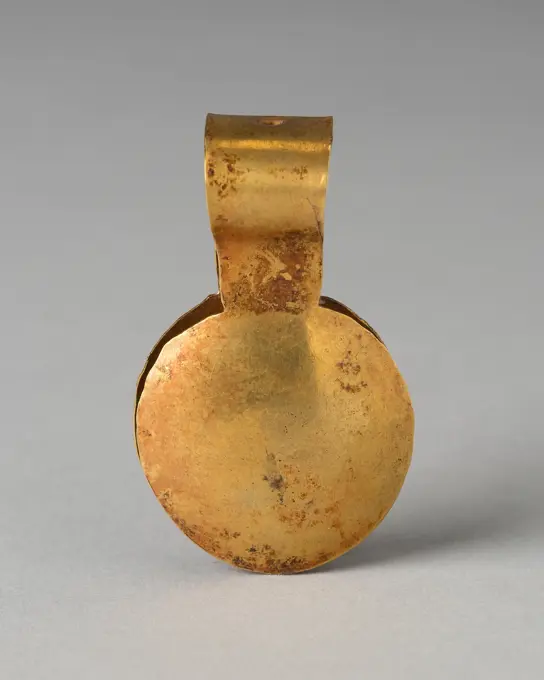
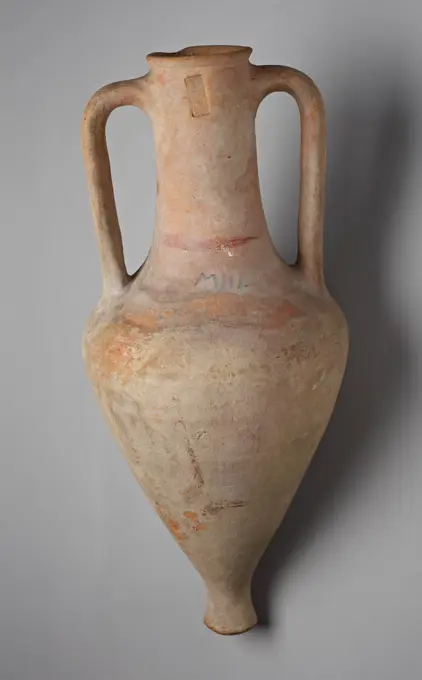
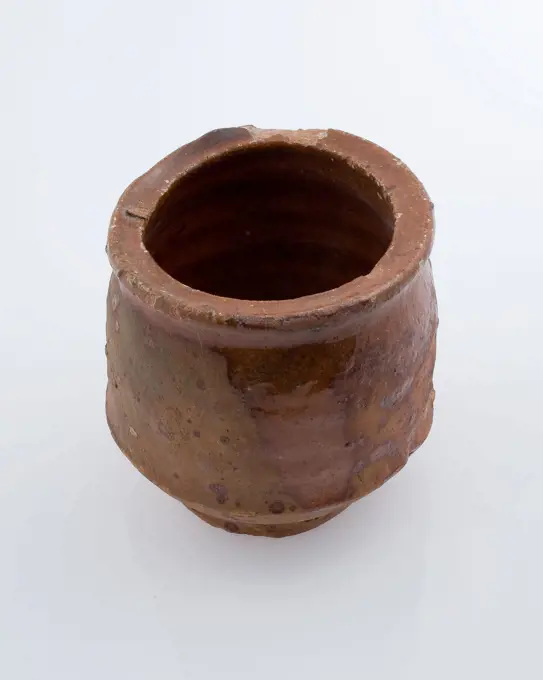
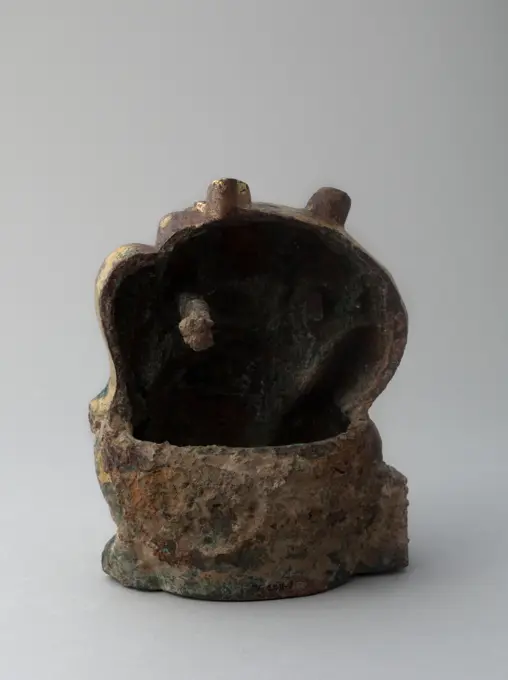
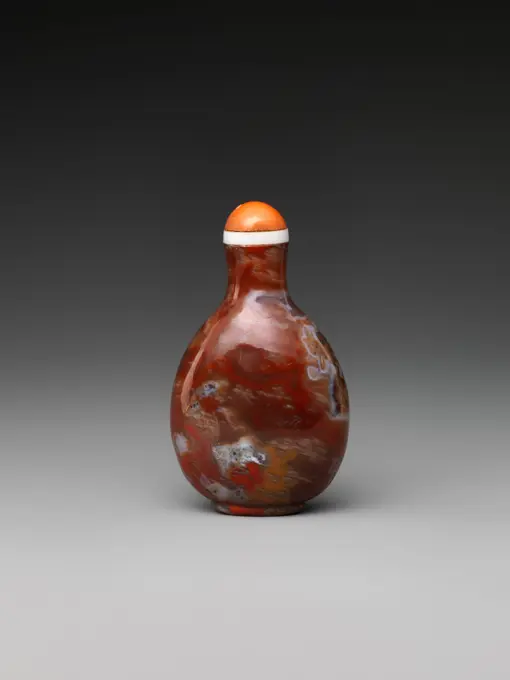
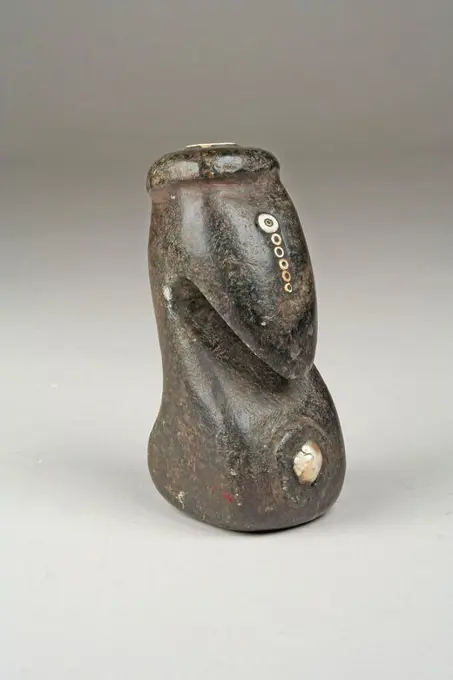
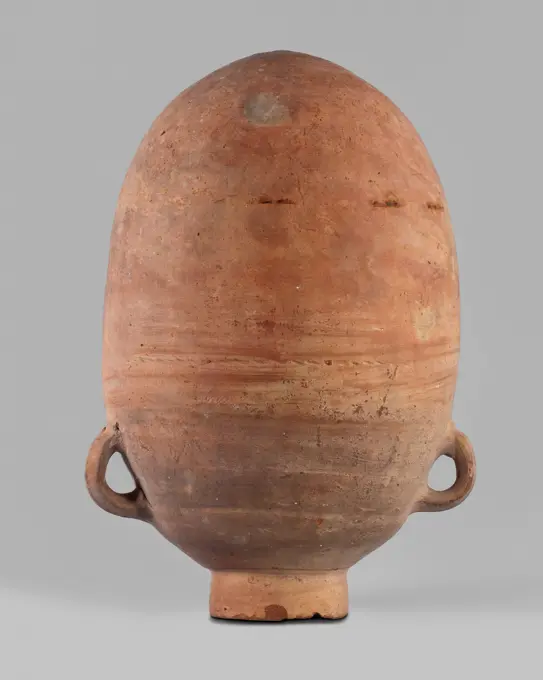
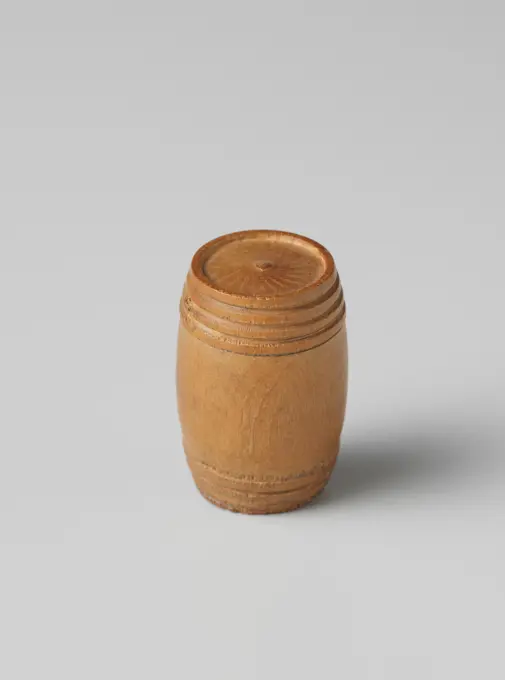
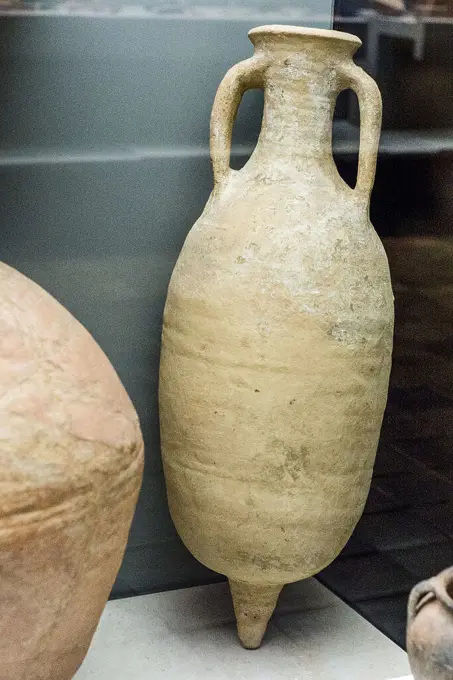
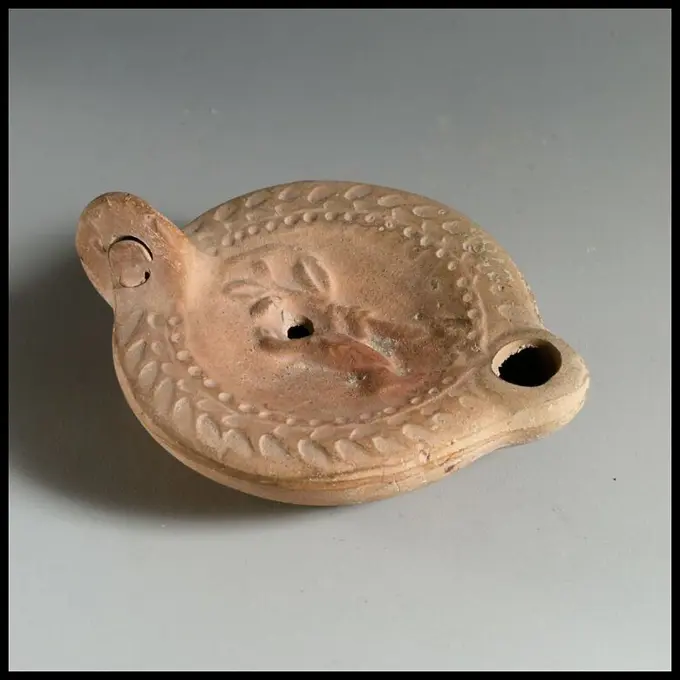
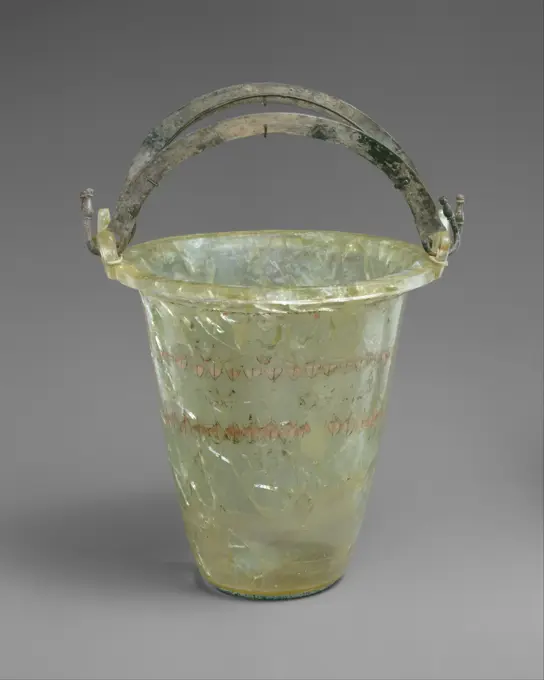
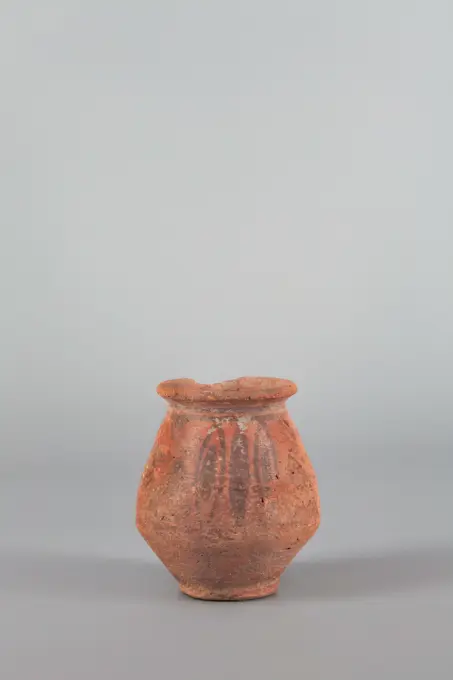
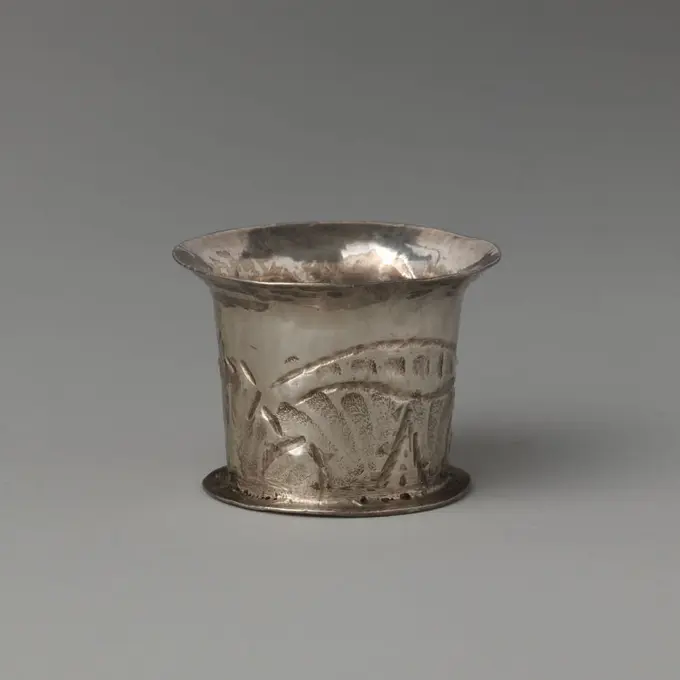
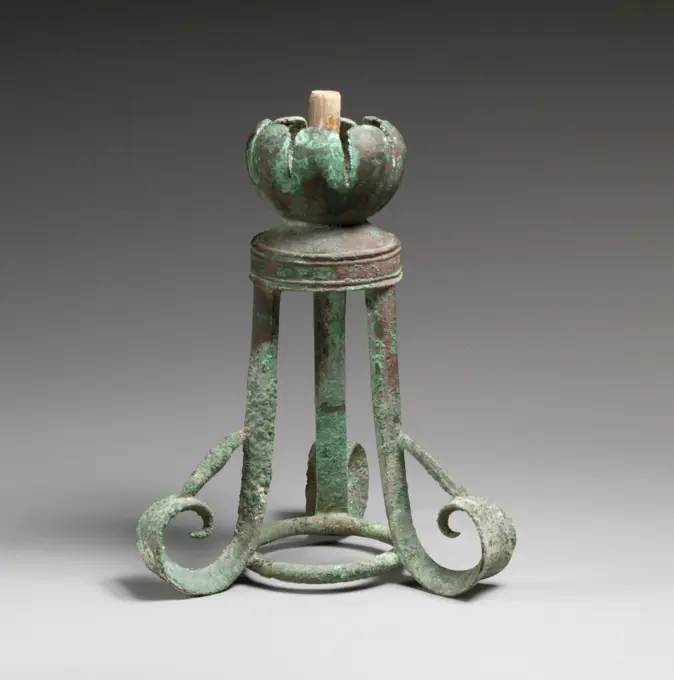
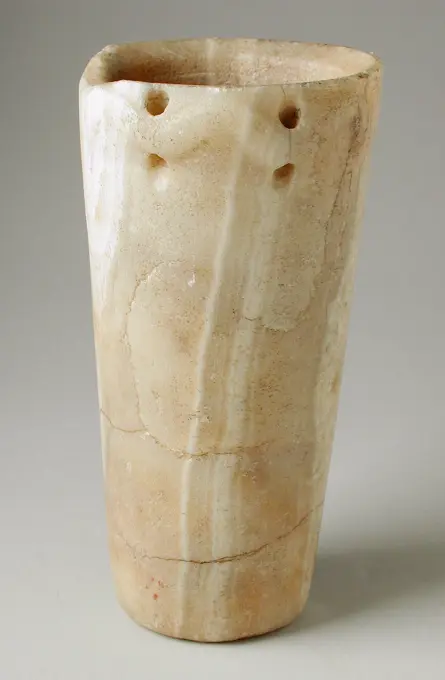
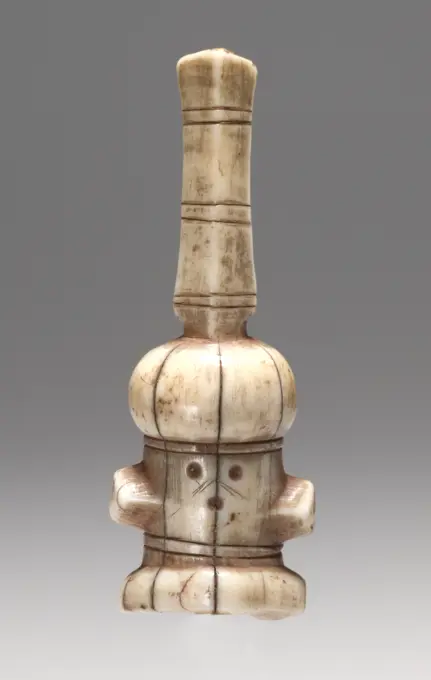
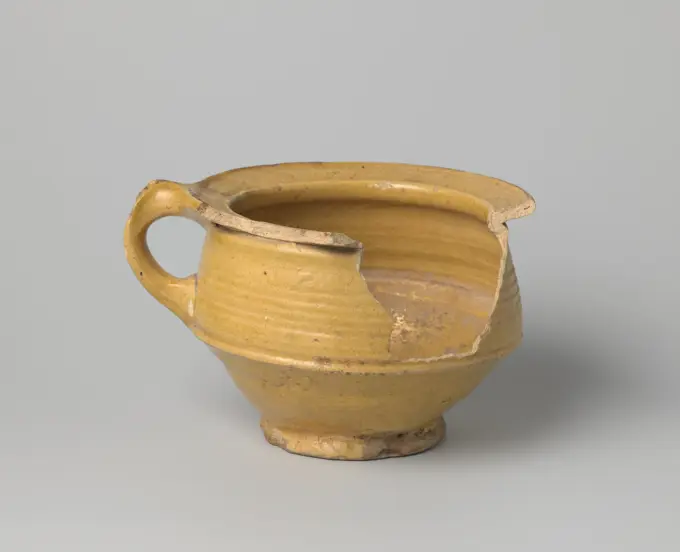
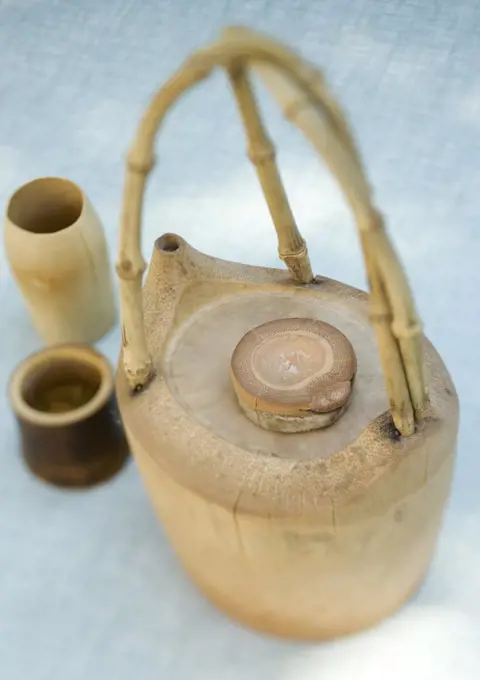
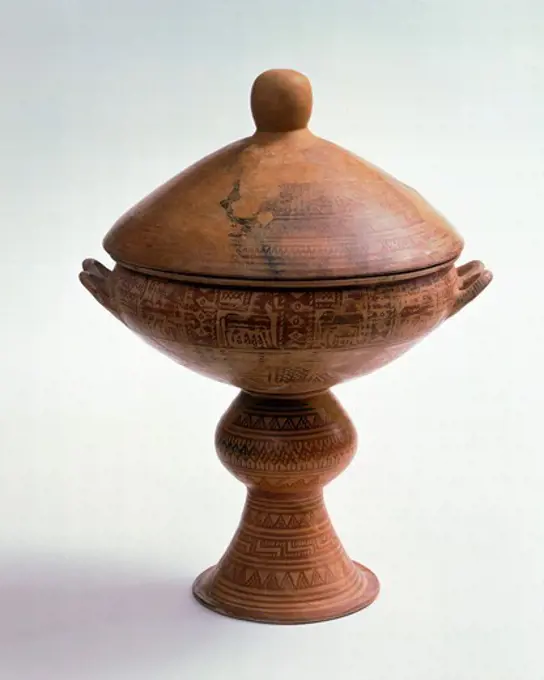
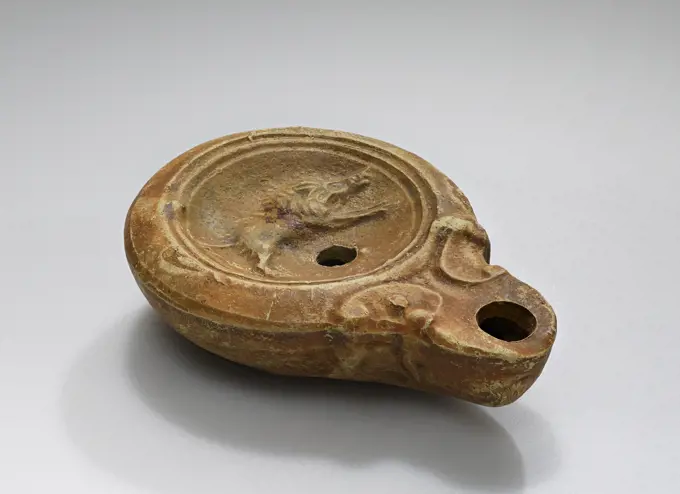
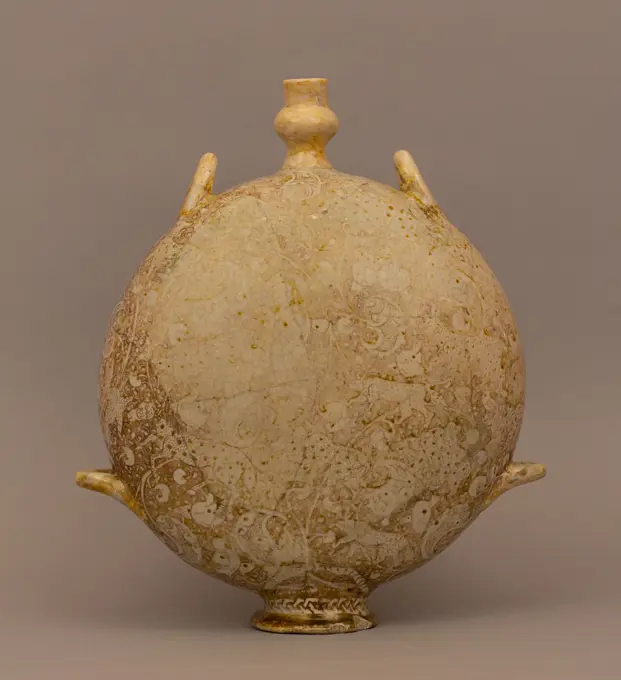
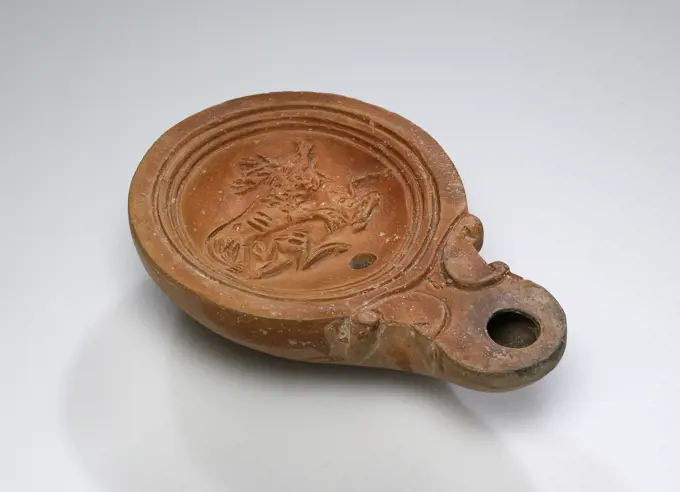
Celtic jar of type Oinochoe, IV-I centuries BC, Cerro de San Miguel, Arnedo, Museo de la Romanización, Calahorra, La Rioja , Spain, Europe.Vase ca. 1880 Haviland & Co. American and French. Vase. French, Limoges. ca. 1880. Hard-paste porcelain. Haviland & Co. (American and French, 1864-1931). Ceramics-PorcelainJug. Culture: German. Dimensions: Overall: 7 15/16 x 4 3/16 x 3 11/16 in. (20.2 x 10.6 x 9.3 cm). Date: first half 14th century.Stoneware vessels are fired at a higher temperature than earthenware, rendering them vitrified (glassy), and therefore harder and less porous. Museum: Metropolitan Museum of Art, New York, USA.Bottle 8th-9th century The decoration on this bottle resembles a popular design on late Roman imperial glass vessels. The technique, however, is different: the glass was blown into a vertically ribbed mold, then the ribs created on its surface were pinched together and the vessel was blown again to its present size.. Bottle 451720Tea caddy with a brown glaze, anonymous, anonymous, c. 1700 - c. 1850 Dust bar or Chare of stoneware with an ivory lid, covered with a brown glaze. The underside is unglazed. Takatori. Japan stoneware. glaze. deksel: ivory vitrification Dust bar or Chare of stoneware with an ivory lid, covered with a brown glaze. The underside is unglazed. Takatori. Japan stoneware. glaze. deksel: ivory vitrificationGlass polygonal bottle. Culture: Roman. Dimensions: 4 13/16 in. (12.2 cm)Other: 3 5/16 in. (8.5 cm)Diam. of rim: 1 5/16 in. (3.4 cm). Date: 2nd-3rd century A.D..Translucent pale blue green; handle in same color.Rim folded out, down, round, in, and flattened on top, with flaring mouth; cylindrical neck, expanding downward; broad shoulder, curving downward; straight, fluted sides to body; slightly concave bottom; strap handle applied as a broad, thin pad on shoulder, drawn up vertical, turned in at sharp angle, and trailed on to neck and underside of rim.Sides formed in mold into twelve concave vertical flutes.Intact; few bubbles but many impurities in rim and handle; dulling and faint iridescent weathering; soli encrustation on bottom of interior. Museum: Metropolitan Museum of Art, New York, USA.Single Spouted JarBottle ca. 1900-1800 B.C. Middle Kingdom. Bottle. ca. 1900-1800 B.C.. Pottery, Nile clay, red ochre wash. Middle Kingdom. From Egypt, Memphite Region, Lisht South, tomb west of the tomb of Senwosretankh, Southwest corner of enclosure, debris at corner of empty cut perhaps for a burial, MMA excavations, 1933-34. Dynasty 12, mid-latePrunted Beaker (Krautstrunk); Germany; 1480 - 1520; Free-blown dark green glass with applied decoration; 6.2 x 6.4 cm (2 7,16 x 2 1,2 in.)Double Spout and Bridge Bottle with "S" Designs 7th-4th century B.C. Paracas. Double Spout and Bridge Bottle with "S" Designs 308447Lamp. UnknownJar with Three Inscribed Bands in Cursive Script 12th century This heavily restored jar illustrates the practice of bringing together an assortment of fragmentseasily found at Raqqa’s archaeological siteto reconstruct a single, more valuable object. Most of the fragments here originally belonged to the same vessel, but others did not; the latter were filed and glued to fill the gaps. Extensive overpainting, now cleaned away, covered the seams.. Jar with Three Inscribed Bands in Cursive Script 446887Glass jar 4th century A.D. Roman Translucent manganese purple.Rim slightly outsplayed, with rounded vertical lip; below hollow folded flange; funnel-shaped neck; pushed-in shoulder; body with convex side, tapering downwards to small, pushed-in bottom with jagged pontil scar.Cracked around neck with three small holes, but body complete; some bubbles and blowing striations, with inclusions in body; dulling, pitting, small patches of weathering, and iridescence on exterior, thick black weathering covering much of interior.. Glass jar 256723Bartmann jug, also called Bellarmine jug, around middle stomach frieze with text, portrait medallions and acanthus leaves, Bartmann juggeruik tableware holder soil find ceramic stoneware glaze salt glaze, hand turned stamped glazed glazed baked stoneware jug gray shard beige local brown brindled salt glaze profiled under the mouth rim In frieze twice: DRINCK: UND: EST: GOT: NIT: CONFUSED (drink and eat but do not forget God) archeology import pottery drink serve serve beer wineEmile Gallé (1846-1904). Vase "Paistra herbs", before 1894. Glass, crystal with several hammered and engraved layers and metallic inclusions. Museum of Fine Arts of the City of Paris, Petit Palais. Martelee layer, crystal, serious, palistrae grass, metallic inclusion, decorative object, vase, glassLamp; North Africa, Tunisia; second half of 1st century; Terracotta; 2.3 × 7.5 × 10.5 cm (7,8 × 2 15,16 × 4 1,8 in.)Vase late 17th-early 18th century China As had been the case earlier in Europe, when American collectors such as Altman began to collect Chinese porcelains, they often commissioned elegant mounts to hold and display these precious pieces.. Vase 42225Pottery cooking jug, grape model, decorated in sludge technology, on three outstanding legs, grape cooking pot crockery holder kitchenware earthenware ceramics earthenware glaze lead glaze clay, hand turned decorated glazed fried lemonade Pottery cooking jug or grape red shard decorated in sludge technology on three legs. Vertical sausage ear. Rotations on the shoulder. Sparely glazed neck and part shoulder and the bottom only under the neck opening. Decoration consists of line of yellow bows and loops on the shoulder. Outstanding legs Upright top edge with lid slot Reasonably flat bottom at the bottom Grit spores at the bottom archeology Rotterdam indigenous pottery cooking food preparation kitchen Soil discovery Rotterdam.Vase with a Drip Glaze, Emile Lenoble, c. 1910 Vase of stoneware, covered with a dark brown glaze, over which a lighter dripping glaze has been applied. Marked with a pressed stamp consisting of the letters in a circle. Choisy-le-Roi stoneware vitrification Vase of stoneware, covered with a dark brown glaze, over which a lighter dripping glaze has been applied. Marked with a pressed stamp consisting of the letters in a circle. Choisy-le-Roi stoneware vitrificationJug. Byzantine; Eastern Mediterranean, probably Syria. Date: 501 AD-600 AD. Dimensions: 14.3 × 7.9 × 6.8 cm (5 5/8 × 3 1/8 × 2 5/8 in.). Glass, mold-blown technique. Origin: Syria. Museum: The Chicago Art Institute, Chicago, USA.Terracotta conical lekythos-oinochoe (combination oil flask and jug) late 8th century B.C.-early 7th century B.C. Greek, Attic This piece is said to have been found with 36.11.3.. Terracotta conical lekythos-oinochoe (combination oil flask and jug). Greek, Attic. late 8th century B.C.-early 7th century B.C.. Terracotta. Geometric. VasesTerracotta chariot krater ca. 1300-1230 B.C. Helladic, Mycenaean The chariot was an important motif in art from the Greek mainland; its frequency on Mycenaean pictorial vases has characterized an entire subgroup. These vases were probably connected with funerary practices, and in some regions they may have served as sarcophagi. The occupants of the chariots may be the deceased, while the ancillary figures may be deities or participants in funerary observances. Listen to experts illuminate this artwork's story Listen Play or pause #1004. Terracotta chariot krater, Part 1 Play or pause #1440. Terracotta chariot krater, Part 2 Supported by Bloomberg Philanthropies We're sorry, the transcript for this audio track is not available at this time. We are working to make it available as soon as possible.. Terracotta chariot krater. Helladic, Mycenaean. ca. 1300-1230 B.C.. Terracotta. Late Helladic IIIB. VasesGlass beaker ca. 4th century A.D. Roman Colorless with pale green tinge; trails in same color.Outsplayed, rounded rim; tall body with slightly convex side, tapering downwards.On body, decoration comprising four horizontal trails, one below rim, two others on upper body with a zigzag pattern overlaid between them, below this eight vertical trails that end where another horizontal trail runs around lower body; the vertical trails of two different types, one of a double overlapping pattern, the other of a row of pinched, rounded projections, alternating around body.Broken and repaired, with large cracks and large part of lower body and whole of foot and bottom missing; a few bubbles; dulling, whitish weathering, iridescence, and limy soil encrustation.. Glass beaker 245317Brown speckled gray Bartmann jug, also called Bellarmine jug, under beard mask medallion with star motif, Bartmann jug jug crockery holder soil find ceramic stoneware clay engobe glaze salt glaze, hand turned stamped glazed glazed baked stoneware jug gray shard brown brindled salt glaze pointed tail archeology city triangle rotterdam Laurenskerk import pottery drink packaging transport archaeological find in the soil Rotterdam: environment Laurenskerk 1957.Moon-Shaped Bottle 18th century China In the eighteenth century, the kilns at Jingdezhen began using another material for the production of porcelains. Known as huashi, or slippery stone,” this expensive material, often called soft paste,” was used to make thin vessels that were frequently decorated with incised or raised designs. It remains unclear why this new material was introduced. It is worth noting, however, that it is easily carved and provides a parallel to the interest in the manipulation of surfaces found in other media, such as ivory and bamboo, at the time.. Moon-Shaped Bottle. China. 18th century. Soft-paste porcelain with incised decoration under ivory glaze (Jingdezhen ware). Qing dynasty (1644-1911). CeramicsLamp. UnknownCylindrical bottle, wine bottle bottle holder soil find glass, in mold blown glass application Cylindrical bottle in clear light green glass Unclear pontilemark under slightly raised bottom. Cylindrical light widened body with rounded-straight shoulders and slightly rejuvenated neck with flared flattened mouth and lip. Neck-tight glass wire approximately 1 cm below mouth. In production shallow dent to body of 3.0 by 1.2 cm archeology packaging transportCANTARO DE BARRO CON DECORACION EN RELIEVE Y UN ASA-SIN VIDRIAR-S XX. Location: ALFARERIA LAS VISTILLAS. SPAIN.Nuragic civilization. Pear-shaped askos vase. From Sardinia Region.Pottery ointment jar, belly model, internally glazed, ointment jar pot holder soil find ceramic earthenware glaze lead glaze, hand-turned glazed baked Red shard Wide scraping edge Straight body that runs slightly wider and tapers down again to the stand. Inside completely glazed outside only one spot Stand surface with light soul Restoration is originally reprocessed archeology Rotterdam City Triangle Schielandshuis health care indigenous pottery packing medicine drug store ointment pharmacy Soil discovery: Schielandshuis during restoration 1982.Yellow glazed earthenware candlestick, with handle and candle holder, sconce candlestick lighting means floorfound ceramics pottery glaze leadglaze, hand turned molded glazed baked Yellow glazed candlestick dish on three legs with handle centered on dish candle holder with support for the dover High cut soul at the bottom under the candleholder White shard. Dish edge with wide groove Start of handle or stem is scaled archeology indigenous pottery illuminate candle evening nightShigaraki-Ware Jar 1401-1500 Japan. Stoneware with ash glaze .Jug 600-480 B.C. Cypriot "Woman-and-pitcher" vase with ivy pattern in black on shoulder.. Jug. Cypriot. 600-480 B.C.. Terracotta. Cypro-Archaic II. VasesJARRA PARA AGUA PARCIALMENTE VIDRIADA-ARTE POPULAR S XX. Location: ALFARERIA. CORDOBA. SPAIN.BOTIJO DE CUELLO ANCHO Y UNA ASA-S XX CERAMICA POPULAR. Location: ALFARERIA. MOTA DEL CUERVO. CUENCA. SPAIN.Stock jar with two ears, painted in light and dark brown, anonymous, c. 1700 - c. 1799 Stock jar with two ears of twisted wood; Painted on the inside and top edge dark brown and further light brown. Rotated by one piece. Amsterdam (possibly) wood (plant material) Stock jar with two ears of twisted wood; Painted on the inside and top edge dark brown and further light brown. Rotated by one piece. Amsterdam (possibly) wood (plant material)Large Storage Jar from Tutankhamun's Embalming Cache ca. 1336-1327 B.C. New Kingdom In 1907, a small pit (KV 54) was discovered in the Valley of the Kings. It contained a dozen or so large sealed storage jars, including this one. Inside the jars was an assortment of objects carefully packed in chaff. These included: broken pottery (09.184.21); linen bags of natron, the salt used in mummification; animal bones; floral collars (09.184.216); linen kerchiefs (09.184.217); pieces of linen inscribed with the cartouche of an obscure king named Tutankhamun (09.184.693); and mud sealings stamped with the seal of the royal necropolis (09.184.261) and cartouches of the same king (09.184.260). Careful study of the material found in the jars suggests that the natron and linen were unused embalming materials from the mummification of Tutankhamun. The broken pottery, animal bones, and floral collars may have been used in the offering and purification ceremonies performed at the king's funeral. FifteeFlask - snuff bottle. unknown, craftsmanFlask 7th-8th century During Roman and early Islamic times a popular type of vessel was a single, double, or quadruple glass cosmetic tube intricately decorated with trailed glass threads. In the Islamic examples, these tubes or small bottles are carried on the backs of domestic animals, with the trailed threads meant to imitate wicker baskets or cages.. Flask. 7th-8th century. Glass; free blown, applied decoration; tooled on the blow-pipe. Attributed to Syria. GlassJuglet 750-600 B.C. Cypriot Handle-ridge jug with horizontal handles and swastikas on shoulder.. Juglet. Cypriot. 750-600 B.C.. Terracotta. Cypro-Archaic I. VasesBottle Vase (Yuhuchun). China, probably Hebei Province, middle Northern Song dynasty, about 1000-1100. Furnishings; Accessories. Ding type ware, wheel-thrown stoneware with transparent glazePottery jug, small size, with narrow neck, ball round, on base, sludge decoration, oil jug holder soil find ceramic earthenware glaze lead glaze clay, foot 4.1 hand turned glazed decorated fried ring leather Bolle can be used on stand foot. White shard glazed except the foot and inside. Narrow cylindrical neck Wide bandoor attached halfway down the neck at the bottom of the shoulder. Decorated with sludge technique green and brown stripes across the belly and dots on the ear Stand surface with soul archeology indigenous pottery import oil store packagingLidded Jar, AD 400s-500s. Korea, Silla (57 BC-935) or Kaya (AD 42-562) period. Red earthenware with incised band designs; diameter of mouth: 7 cm (2 3/4 in.); overall: 11 x 12.8 cm (4 5/16 x 5 1/16 in.).Box with Design of Pine, Bamboo, and Cherry Blossom 19th century Japan. Box with Design of Pine, Bamboo, and Cherry Blossom 57886Circular Tweezers 1000-1400 Peru. Gold . ChimúTransport amphoraPottery ointment jar, double conical in shape with low belly, red shard, ointment jar pot holder soil find ceramic earthenware glaze lead glaze, hand turned glazed baked Pottery ointment jar. Red shard internal glazed external single splash glaze Large size. Double conical in shape with low belly Small foot with standing surface. Standing surface with cutting marks Fuzzy turnings on the bottom on the inside twisted point Flat little outstanding edge irregular shape archeology health care indigenous pottery care ointment pharmacy medicine medicament craft packagingAschenurne Aschenurne Copyright: xZoonar.com/BartomeuxBalaguerxRotgerx 23057552Ovoid vase with a black glaze, anonymous, c. 1000 - c. 1199 Egg -shaped vase of stoneware, partially covered with a black glaze. The underside is unglazed. In the glaze brown-gold stripes. Old label on the bottom with 'W118'. Cizhou. China stoneware. glaze vitrification Egg -shaped vase of stoneware, partially covered with a black glaze. The underside is unglazed. In the glaze brown-gold stripes. Old label on the bottom with 'W118'. Cizhou. China stoneware. glaze vitrificationBear. Golden bronze. Epoque des Han (206 BC - 220 AP J.C). Paris, Cernuschi museum. 71422-15 Bronze gilded, back, han, bear, statuetteSnuff bottle 19th century China. Snuff bottle 41540CANTARO DE BARRO DE CUELLO ALTO CON DOS ASAS- CERAMICA PARA AGUA- ARTE POPULAR. Location: ALFARERIA. Bailén. JAEN. SPAIN.Pelican. Culture: Chumash. Dimensions: H. 3 3/4 x W. 1 1/2 in. (9.5 x 3.8 cm). Date: 16th-17th century. Museum: Metropolitan Museum of Art, New York, USA.Pitcher. Culture: American. Designer: Designed by Karl L. H. Müller (ca. 1820-1887). Dimensions: H. 8 3/16 in. (20.8 cm). Manufacturer: Manufactured by Union Porcelain Works (1863-ca. 1922). Date: 1875. Museum: Metropolitan Museum of Art, New York, USA.Dish;Deposit of the University of Warsaw from 1937-1939, Egyptian ceramics, French excavations in Deir El-Medina (Egypt)Jean Carriès (1855-1894). "Jar". Enameled sandstone. Museum of Fine Arts of the City of Paris, Petit Palais. J. CARRIES - POT Ceramic, ceramic, enamed stoneware, gres emaille, potBarrel of turned, solid wood. A barrel of solid maple wood.Roman ceramic amphora, monographic museum of Conimbriga, city of Conventus Scallabitanus, district of Coimbra, Portugal.Terracotta lamp. Culture: Roman. Dimensions: Length: 2 15/16 in. (7.5 cm)Height: 1 1/4 in. (3.2 cm). Date: mid-2nd-mid-3rd century A.D.. Museum: Metropolitan Museum of Art, New York, USA.Lamp. UnknownBowl;  around 2686- 2181 BC ; Old PAPot. Jar of stoneware, in the shape of a thimble.Naczynie baniaste. nieznany warsztat północno mezopotamski (ca 2600-ca 2350 a.C.), workshopMortar. Culture: French. Dimensions: Overall: 2 1/2 × 3 3/4 in. (6.4 × 9.5 cm). Date: 16th century.This modest object is an example of the utilitarian metalwork produced and used in massive numbers throughout the sixteenth century. An everyday version of the fantastic and virtuoso display mortars such as 2016.492 and 2017.11), the working mortar is made from bell metal: hard-wearing but considerably cheaper than bronze because of its higher tin content. All the same, it was decorated--cast from a mold lightly embellished with a simple, repeating crowned-dolphin motif.Elizabeth Cleland, 2017. Museum: Metropolitan Museum of Art, New York, USA.Teabowl 18th century Japan. Teabowl 62672Flask. Roman; Levant or Syria. Date: 101 AD-600 AD. Dimensions: 14.6 × 8.9 × 3.2 cm (5 3/4 × 3 1/2 × 1 1/4 in.). Glass, blown technique. Origin: Syria. Museum: The Chicago Art Institute, Chicago, USA. Author: ANCIENT ROMAN.flower brown vase on the hessian backgroundNicholas Amantea, Churn, c 1938 ChurnBottle vase 18th century China. Bottle vase. China. 18th century. Porcelain with copper red glaze (Jingdezhen ware). Qing dynasty (1644-1911). CeramicsCANTIR O BOTIJO EN BARRO - CERAMICA POPULAR - FOTO AÑOS 90. Location: ALFARERIA. QUART. GERONA. SPAIN.Small jugGlass situla (bucket) with silver handles late 4th-early 3rd century B.C. Greek Translucent greenish.Everted, angular rim, with thick vertical outer edge; slightly convex side tapering downwards; slightly domed bottom; two handle attachments, each pierced by two horizontal holes, project outward and upward from the edge of the rim on opposite sides of the bucket; two silver handles, each cut from a flat sheet into a semicircular arched strip, end in U-shaped round rods with decorative finials that are turned upward through the holes in the handle attachments.The handle attachments are carved into rounded rectilinear blocks with a central upward finial with a raised outer surface, resembling a stylized palmette. On exterior, painted decoration extends from underside of rim to the bottom, comprising four main elements: at top, under rim, a continuous dog-tooth band in purplish red, with a thin line of light (Egyptian) blue below; on body, several irregular horizontal bands of small bud-lceramic flask ceramic flask Copyright: xZoonar.com/Tolox 22568987Lamp. UnknownWaza. warsztat nubijski, workshop. The head of Feedraal.Alcoholic beverage bottle -Lamp. UnknownMiniature beaker. Culture: British, London. Dimensions: 3/4 × 1 1/16 in. (1.9 × 2.7 cm). Maker: Probably by George Manjoy (British, active 1685-ca. 1720). Date: 1689-90. Museum: Metropolitan Museum of Art, New York, USA.VASO NEOLITICO DE BENAOCAR. Location: MUSEO ARQUEOLOGICO-COLECCION. Sevilla. Seville. SPAIN.Bronze lamp holder 6th century B.C. Cypriot. Bronze lamp holder 244519Jar. Egypt, Pre-dynastic Period - early Dynastic Period (5500 - 2687 BCE). Furnishings; Serviceware. Carved and drilled calciteCANTARO DE ARCILLA BLANCA SIN VIDRIAR. Location: EXTERIOR. Martos. JAEN. SPAIN.Can with a cover;  XIX-XX century (1801-00-00-1920-00-00);Whistle, late 1800s. Central Africa, Democratic Republic of Congo or Angola, Chokwe people, late 19th century. Probably hippopotamus ivory; overall: 8.6 x 3.2 cm (3 3/8 x 1 1/4 in.).Imperial tripod censer 18th century China This incense burners elegant shape, intense color, and glass medium epitomizes the antiquarian taste and cosmopolitan synthesis of traditional and imported technology and symbolism at the eighteenth-century Qing court. In particular, the censer exemplifies the contact between China and the West as European missionaries introduced advanced glassmaking technology that was then adapted and transformed by a uniquely Chinese sensibility and ideology.. Imperial tripod censer. China. 18th century. Glass. Qing dynasty (1644-1911), Qianlong mark and period (1736-95). GlassJarra de cerámica de la edad del bronce procedente de Rocallaura. Museu Comarcal de la Conca de Barberà.Pot of white -baking clay, with yellow glaze on the inside and outside, damaged, anonymous, 1500 - 1799   earthenware. glaze   earthenware. glazeJar with Dragon Chasing Flaming Pearl 1601-1700 Korea. Stoneware painted in underglaze iron brown .Bamboo tea setKrater with high stand, geometric-style pottery, Greece. Greek Civilization, 8th Century BC.Lamp, Roman Empire; 1st century B.C. - 4th century A.D; Terracotta; 9.2 x 2.6 x 6.7 cm (3 5,8 x 1 x 2 5,8 in.)CANDIL AL ESTILO ARABE CON DECORACION INCISA. Location: ALFARERIA. Órjiva. GRANADA. SPAIN.Flask with Harpies, Animals, and Human Figures in Lush Vegetation and a Pond late 12th-13th century Only a closer look at this faded lusterware flask reveals its bevy of masterfully painted creatures.. Flask with Harpies, Animals, and Human Figures in Lush Vegetation and a Pond. late 12th-13th century. Stonepaste; molded, luster-painted over opaque white glaze. Attributed to Iran, Kashan. CeramicsLamp, North Africa; 1st - 4th century; Terracotta; 3 x 7.5 x 11.2 cm (1 3,16 x 2 15,16 x 4 7,16 in.)Vase van Faience with blue -green fond, anonymous, c. 1700 - c. 1750 cup. vase Cup of multi -colored painted faience on a blue -green stock. The cup is part of a couple. Delft earthenware. tin glaze.Snuff Bottle 19th century China. Snuff Bottle 41461Bottle of white-baking earthenware, with a pearl edge in relief and white glaze on the inside and outside, damaged, c. 1500 - c. 1899    earthenware. glazeBottle;  IX-XIII century (801-00-00-1300-00-00);Semerau-Siemianowski, Władysław (1849-1938), Semerau-Siemianowski, Władysław (1849-1938)-collection, gift (provenance), Islam (culture), art of IslamVase with dragons China 18th century View more. Vase with dragons. China. 18th century. Porcelain with incised pattern under white glaze (Jingdezhen ware). Qing dynasty (1644-1911). Ceramics