Historic Italian Textile Fragments

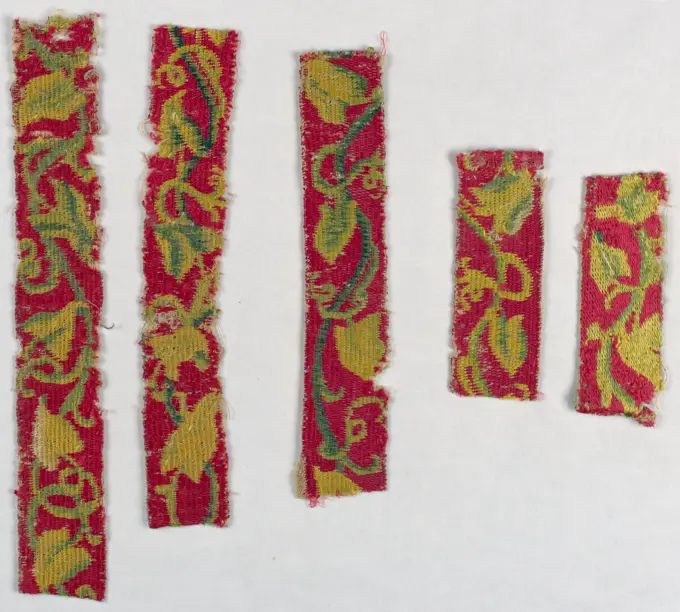
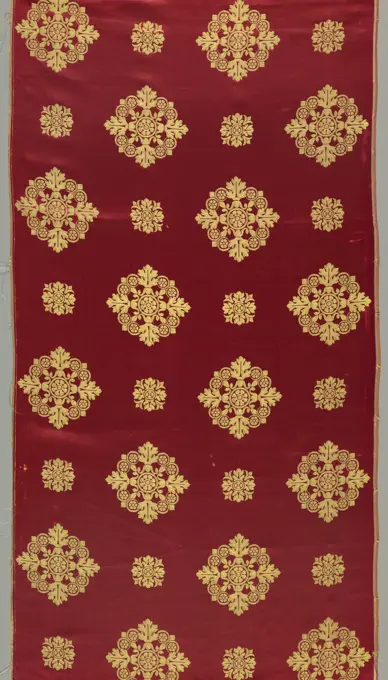
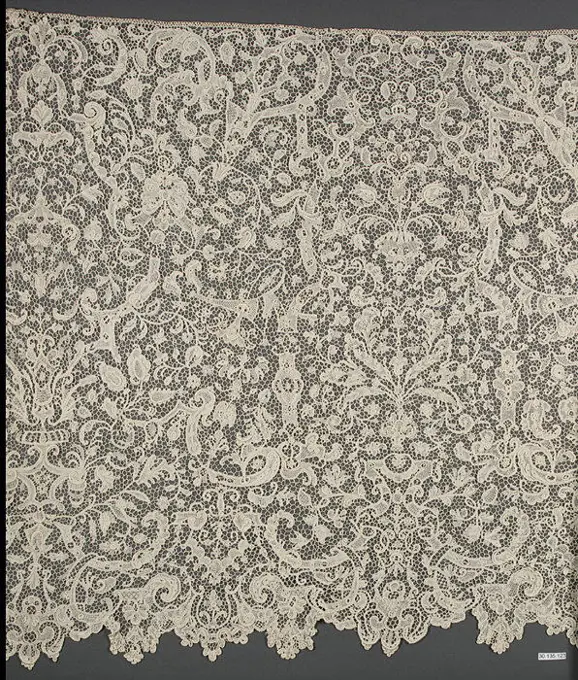
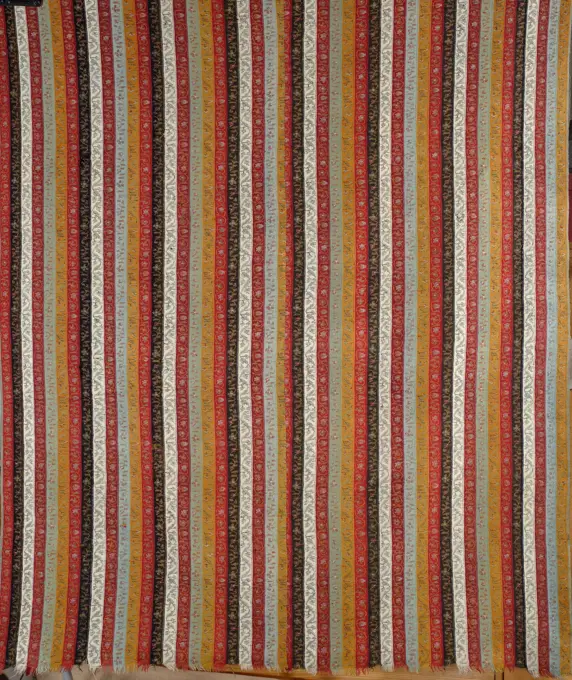
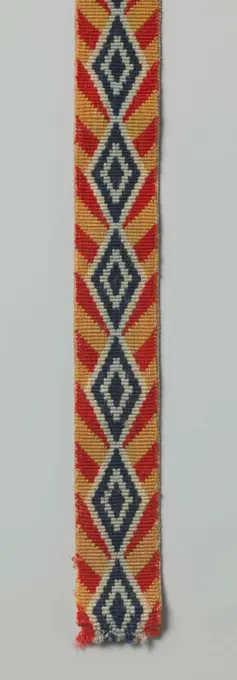
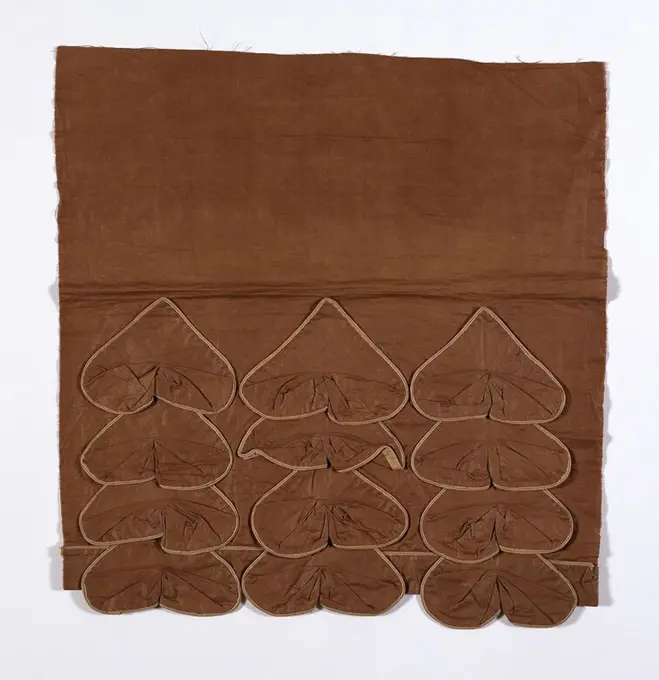
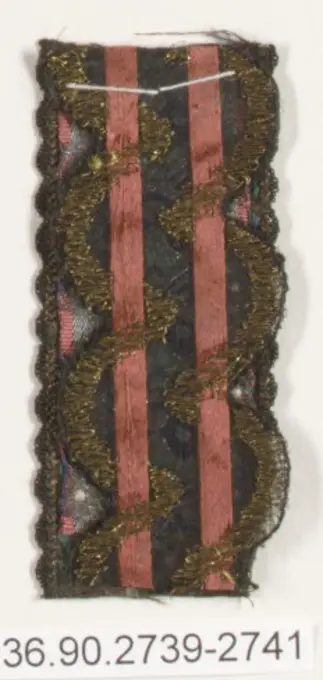
A collection of various textile fragments showcasing intricate designs, including silk, lace, and velvet. Features motifs of foliage, architectural elements, and floral patterns.

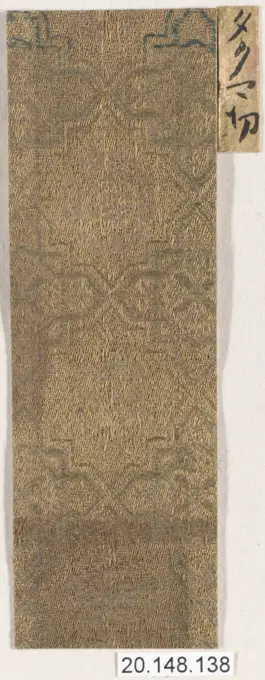
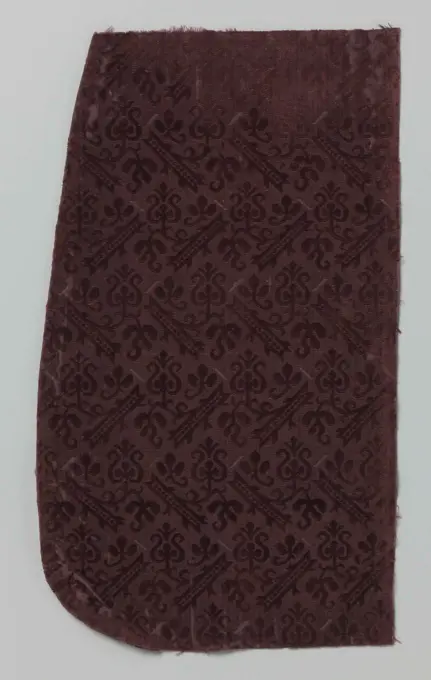
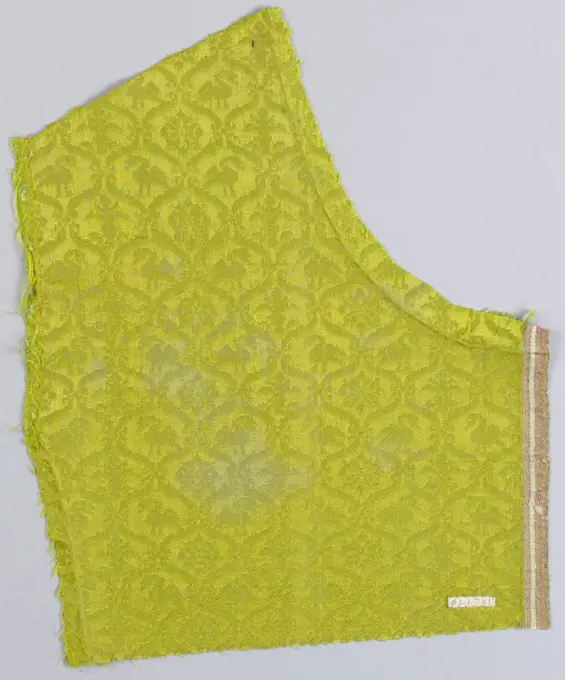
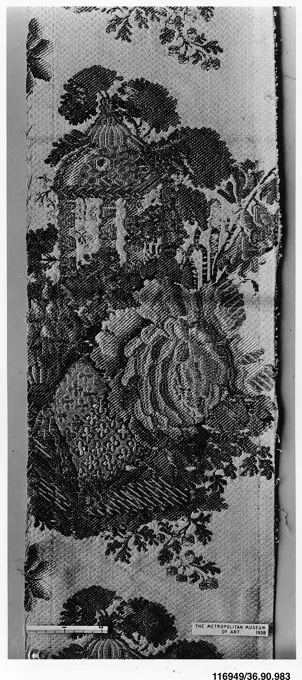
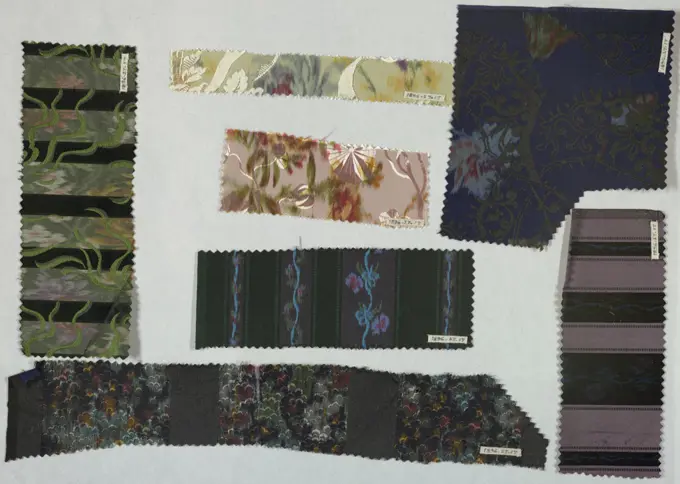
Fragments, Medium: silk, metallic thread Technique: damassé (8-harness satin and plain weave (doubled warps and wefts) plus discontinuous supplementary weft floats, Vertically-striped arrangement of small simplified architectural vignettes with oversized foliage alternates with vertical stacked columnar scrolls with simple flower motifs. Metallic floral forms are superimposed on yellow-green damaseé-patterned background., Europe, late 17th century, woven textiles, Fragments
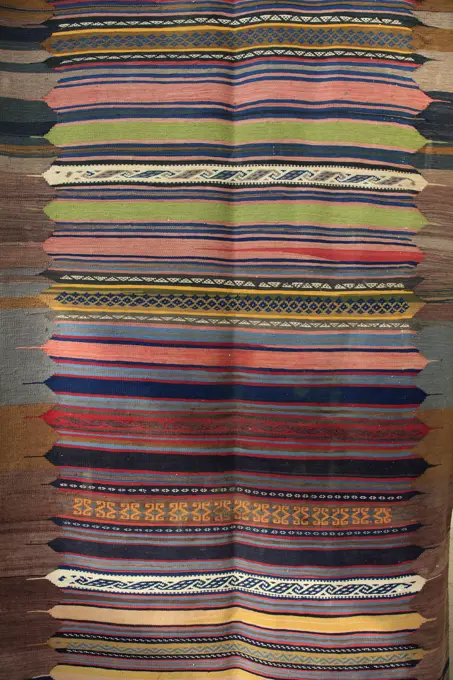
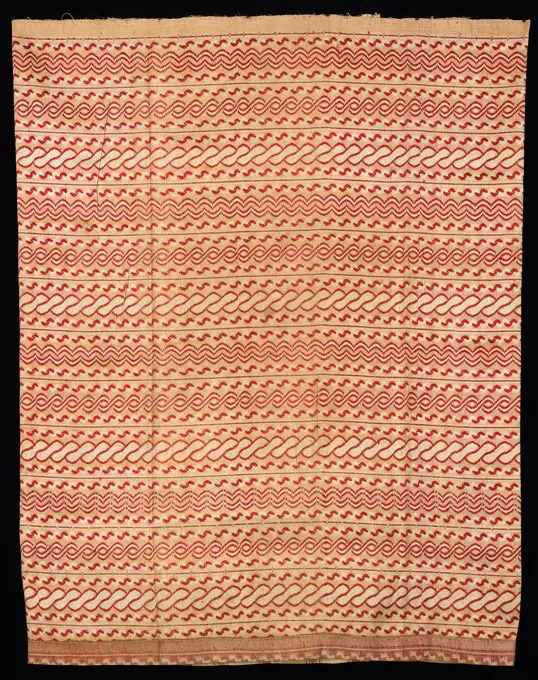
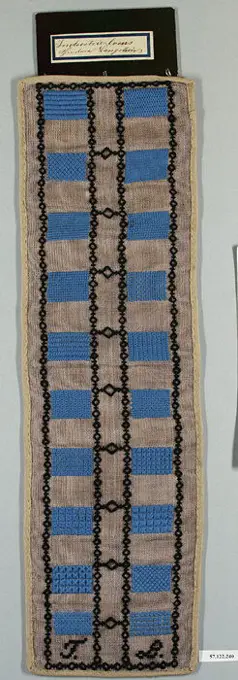
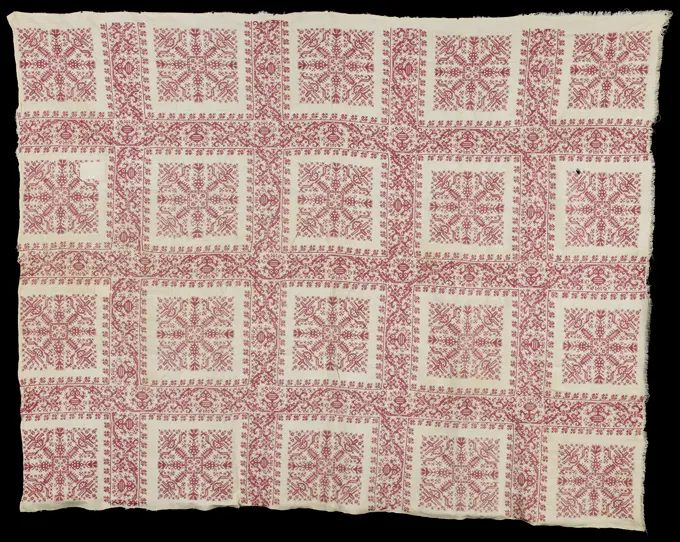
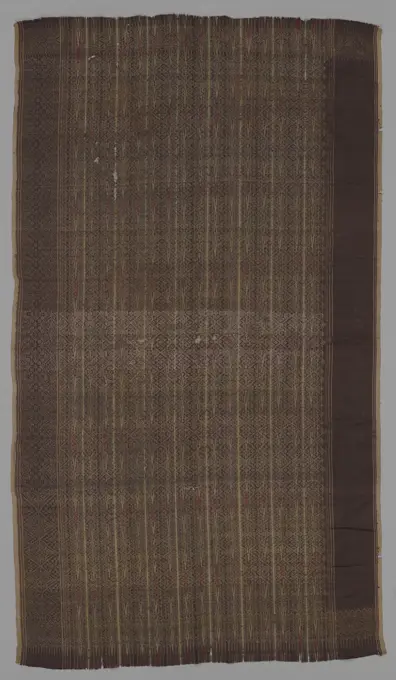
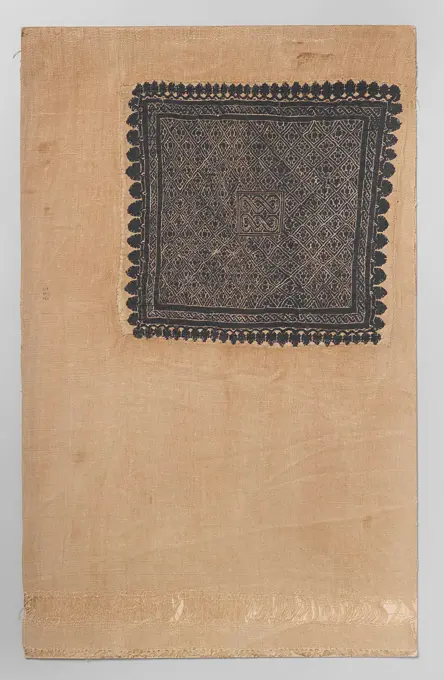
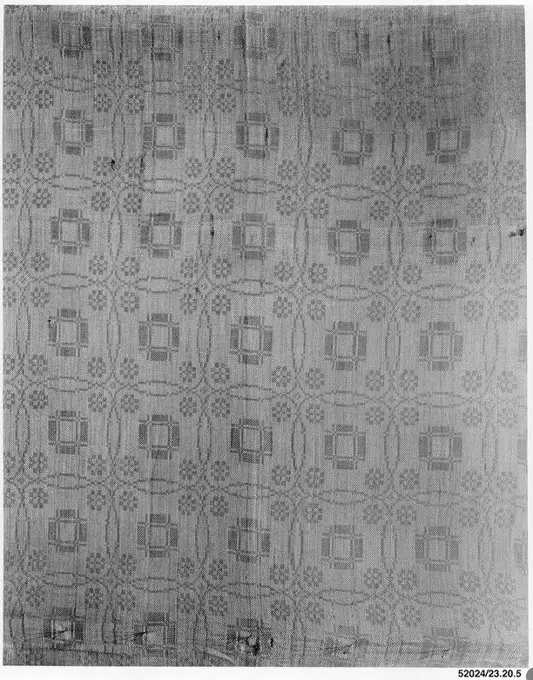
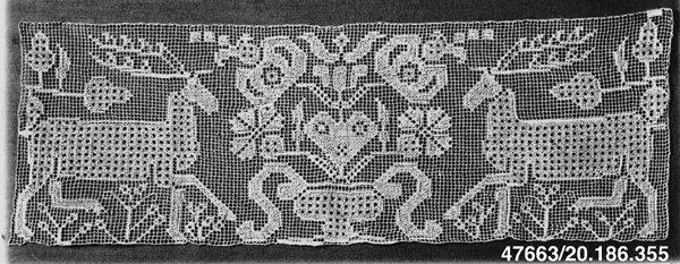
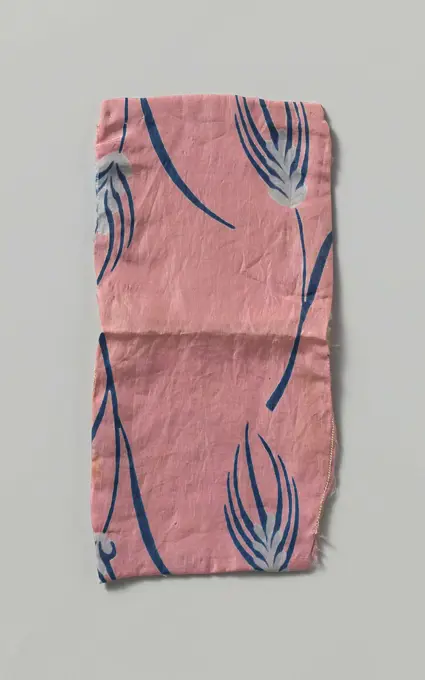
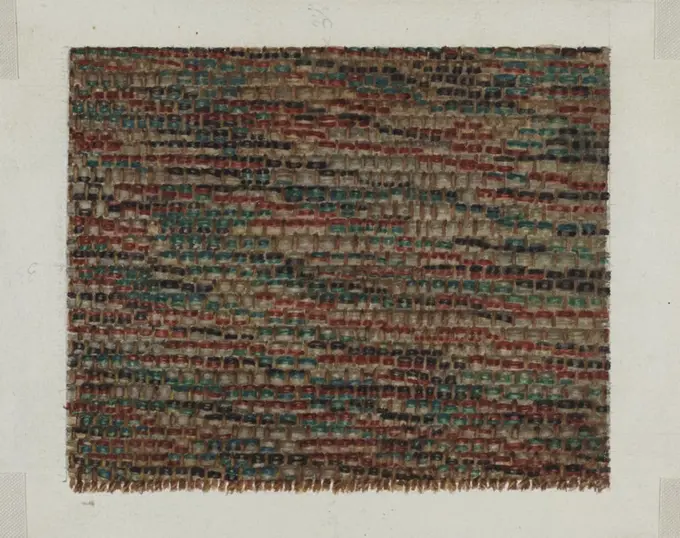
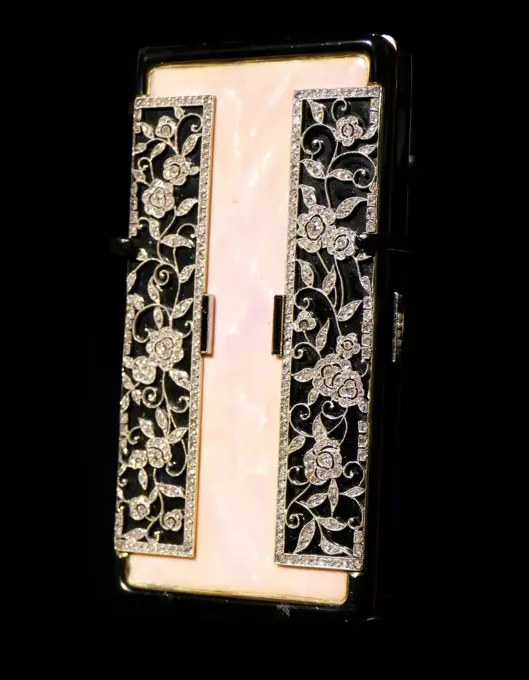
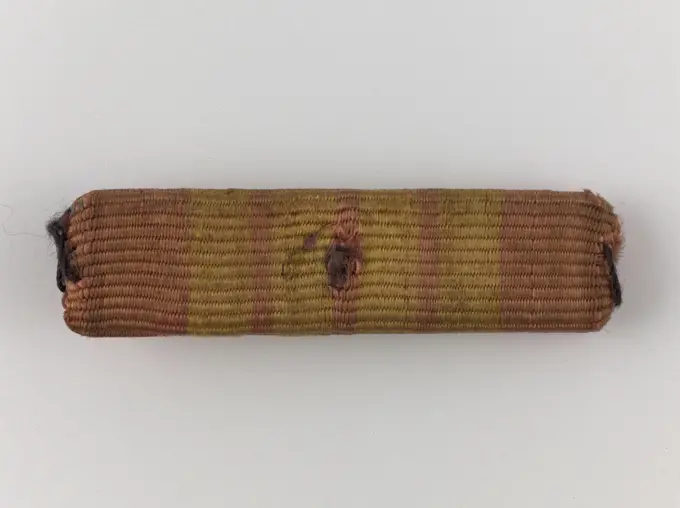
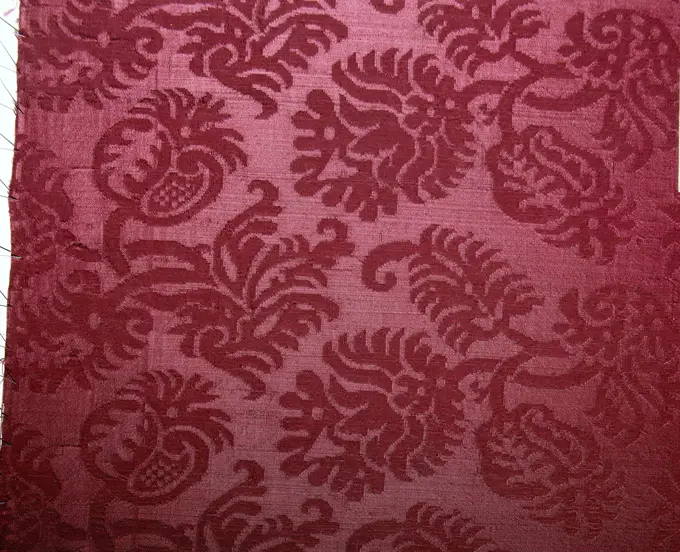
Piece 16th-17th century Italian. Piece 223509Kuwait, Kuwait City, Sadu House, Beduin carpet,Fragment; woven silk; 1896-23-5Shoulder cloth, Anonymous, 1900 - 1999 Shoulder cloth with geometric motifs. Noord-sumatra silk. Shoulder cloth with geometric motifs. Noord-sumatra silk.Skirt (Longyi), mid 20th century, 38 x 30 1/2 in. (96.52 x 77.47 cm), Silk, Myanmar (Burma), 20th centuryTextile Sample from Sample Book 19th century Japan. Textile Sample from Sample Book 68116Cover 16th century Italian. Cover 228730Textile (France); silk, metallic threadBedcover Made 1851-1900 United States. Cotton, knitted; edged with knotted fringe .Sampler 19th century Austrian or German. Sampler 228167Napkin van Wit Linnamast, Anonymous, 1625 - 1650 White Linnamasten napkin with a pattern of stripped flowers and edge with garlands, brand Kroon LP 12. Northern Netherlands (Possible) linen (material) damask White Linnamasten napkin with a pattern of stripped flowers and edge with garlands, brand Kroon LP 12. Northern Netherlands (Possible) linen (material) damaskFragment, Medium: silk Technique: cut and uncut supplementary warp pile (velvet) in a woven foundation, Fragment of red silk velvet, cut and uncut, on a yellow ground with a pattern of lions, birds, and flower sprigs., Italy, 17th century, woven textiles, FragmentPiece 15th century Japan. Piece. Japan. 15th century. Silk / Compound weave. Muromachi period (1392-1573). Textiles-WovenBanknote motif: band of lace-like lathe work ornament. Artist: Associated with Cyrus Durand (American, 1787-1868). Dimensions: plate: 5 7/8 x 2 7/16 in. (15 x 6.2 cm)sheet: 9 7/8 x 3 7/8 in. (25.1 x 9.8 cm). Printer: Printed by A. B. & C. Durand & Company (American, active 1824-27); Printed by Durand, Perkins, and Company (New York). Date: ca. 1824-42. Museum: Metropolitan Museum of Art, New York, USA.Piece 17th century Italian. Piece 212468Fragment 18th century Japan. Fragment 69953Bed cover, 17th century, 71 1/2 x 57 1/2 in. (181.61 x 146.05 cm), Linen, silk; cross stitch embroidery, Italy, 17th century, This bed cover is part of a larger set of bed linens that includes six curtains, a valance and a head panel. In the sixteenth century bed curtains served a variety of functions apart from mere decoration. They not only provided privacy, they could protect the sleeper from intruding insects and creatures, and they were an important means of retaining warmth in an era preceding the invention of central heating.Fragment (Japan)Turkish ornamentNapkin with peel pattern ,, 1869 White linen napkin with a peel pattern, brand HW 30 and 1869. Northern Netherlands (Possible) linen (material) White linen napkin with a peel pattern, brand HW 30 and 1869. Northern Netherlands (Possible) linen (material)Textile Swatches Onondaga Silk Company, Inc. (1925-1981). , 1948-1959. Silk, 22 3/4 x 9 in. (57.8 x 22.9 cm).    1948-1959ShoulderClothTissue fragment with Tabula. Natural linen tissue fragment with solid tabula of dark blue wool with diamond motif arranged in flying wire technique with a geometric format. In the middle a small rectangle with a recurring pendulum motif. To the whole a double edge within which a continuous spray design and a border with palm-shaped leaf. The flying thread is mainly natural, here and there light blue and pink in the central rectangle. The ground tissue has an unwoven strip of 3 cm at the bottom of a finished Franjerand of 1 cm and after 3 cm fabric.Tablecover. Culture: American. Dimensions: 62 x 67 1/2 in. (157.5 x 171.5 cm). Maker: Probably Jane Simonton Chapman (born 1794). Date: ca. 1820. Museum: Metropolitan Museum of Art, New York, USA.Band aid bandage isolated over whiteWoman's Skirt Length, 20th century, Design invented by Aisseta Napo, 60.25 x 44.5 in. (153.0 x 113.0 cm), Cotton, narrowband, handwoven, indigo dyed., Mali, 20th centuryBands, Medium: linen Technique: interlacing stitch on knotted net with a narrow interlooped band sewn to an intact edge of the net (needlework on knotted net), Two net borders embroidered with a design of medallions containing animals and stylized floral shapes., Italy or Spain, 16th century, lace, BandsFragment Made 1700-1799 Japan. 38.1 x 20.3 cm (15 x 8 in.) .Ribbon (France)Panel 17th century German. Panel 221166Samples (Italy); silk embroidery on linen foundationTextile (probably France); silk; Warp: 284 cm (111 1/2 in.) Weft (selvedge to selvedge): 56cm (22in.); Bequest of Elinor Merrell; 1995-50-334Textile (Japan); silkHeadcover, 19th century, 140 x 45 in. (355.6 x 114.3 cm), Cotton, metallic threads; brocade and tapestry, India, 19th centuryIndian ornamentFragment of pink printed silk with a cartridge pattern. Fragment of Pink Printed Silk Fabric with A Pattern or Corners in Blue. Dessin: ÄhrePipeline with lace plunger with symmetrical corner motif, anonymous, c. 1925 - c. 1949  Batist piece of which the majority of which consists of overhoeks placed lace clockwork: work with pulled threads and cut work. Square model. The symmetrical pattern consists of a cartouche with a straight bottom from which a stretched S-shaped motif goes up on each side, the mirrored S forms come together at the top of the cartouche. Two sides are finished with a zoompje. China .Sample early 19th century French. Sample 224847Shaker Rug Strips. Dated: 1935/1942. Dimensions: overall: 16.1 x 13.1 cm (6 5/16 x 5 3/16 in.). Medium: watercolor and graphite on paper. Museum: National Gallery of Art, Washington DC. Author: Lucille Chabot.Fragment room zijde fluweel..A fragment of a velvet. In wine red velvet horizontal row stylized sheets and flowers on twigs to beam-shaped ends.Coverlet Made 1801-1900 New York. Cotton and wool, plain weave double cloth; woven on loom with Jacquard attachment; two loom widths joined .Piece 1750-60 French. Piece 220490Indian ornamentWoman's Head Scarf, 26 5/8 x 14 1/8 in. (67.63 x 35.88 cm) (without ties), Cotton, silk, ChinaSample ca. 1840 French, Mulhouse. Sample. French, Mulhouse. ca. 1840. Cotton. Textiles-PrintedRag rug, 1980s, 71 × 56 1/2 in. (180.34 × 143.51 cm), Cotton, industrial yarn, Morocco, 20th century, This rug, with its bold design in black and green, has a strikingly modernist feel to it. It represents the innovative approach of contemporary women weavers in Morocco. Since the 1970s, a new style developed in both rural areas and small urban centers: so-called 'rag rugs' made in part of recycled fabricoften remnants of used clothes.Steel Printed Trijp with stripe pattern in black on Red Fond, Leo Schellens & Co, 1920 - 1930 Steel Printed Trijp with stripe pattern, including a zigzag line in black and red. At the top right of the label: H.P. Mutters & Son/Kon. Ned. Furniture factory. maker: EindhovenThe Hague poollaag: mohair. gondweefsel: cotton (textile) printing Steel Printed Trijp with stripe pattern, including a zigzag line in black and red. At the top right of the label: H.P. Mutters & Son/Kon. Ned. Furniture factory. maker: EindhovenThe Hague poollaag: mohair. gondweefsel: cotton (textile) printingFragment of a kitchen towel with a fringeComb Case with Wig and Lice Combs, tortoiseshell, paint, Retangular case (a) with engraved decoration of floral borders surrounding a coat of arms with 'IAMAICA' etched above and '1671' below; one large toothed comb (b) with engraved floral decoration along top and sides; double-sided comb (c), fine teeth one on side, large teeth on the other, engraved floral decoration on sides and center panel. Floral engraving and coat of arms picked out with white pigment; word and date with red-orange pigment., Jamaica, 1671, costume & accessories, Decorative Arts, comb case, comb caseTextile Swatches Onondaga Silk Company, Inc. (1925-1981). , 1948-1959. Silk, 23 1/4 x 9 in. (59.1 x 22.9 cm).    1948-1959Curtain with pattern of roses, Theo Nieuwenhuis, 1900 - 1925 Curtain with pattern of roses. Blue necklace chain on yellow impact. Netherlands cotton (textile) Curtain with pattern of roses. Blue necklace chain on yellow impact. Netherlands cotton (textile)Kesa Made 1750-1800 Japan. This large kesa was made for use by either the Jodo or the Rinzai sect from an elaborately embroidered kosode, or kimono with small sleeves, that was worn off the shoulders and held at the waist by a belt or sash. Together with a sheer white kimono, it was part of the formal summer dress favored by women of the samurai class. The pattern of the kesa fabric consists of the symbols of riches and good fortune, the so-called treasures (takarazukushi). The gold thread was made of gilt-paper strips, but in this work, unlike kinran, the strips were cut extremely fine and wrapped around a silk core.. Silk; plain weave, embroidered with silk and gilt-paper-strip-wrapped silk; silk cords .Textile Swatches Onondaga Silk Company, Inc. (1925-1981). , 1948-1959. Silk, 24 x 17 1/4 in. (61 x 43.8 cm).    1948-1959Greek Ornament and Etruscan OrnamentPiece 18th-19th century Japan. Piece 66162Sample French first half 19th centuryUnfinished Sampler Panel on Loom. Culture: Peru; central coast (). Dimensions: Overall: 14 1/2 x 5 3/8 in. (36.83 x 13.67 cm)Other: 5 3/8 in. (13.67 cm). Date: 10th-15th century. Museum: Metropolitan Museum of Art, New York, USA.Sample early 19th century French. Sample 224677Fragment, Medium: silk Technique: 4&1 satin damask, Cartouches containing birds and plants. Selvage at right side., 17th century, woven textiles, FragmentPanel with four uncut chair arms, Medium: silk, wool Technique: plain weave with discontinuous wefts (tapestry), One piece that contains four uncut chair arms (1898-18-2,3,4,5)., France, 19th century, woven textiles, Panel with four uncut chair armsTextile Swatches Onondaga Silk Company, Inc. (1925-1981). Textile Swatches, 1948-1959. silk; metal, a-d: 9 × 5 in. (22.9 × 12.7 cm).    1948-1959Textile (Germany)Textile; woolLinnamast napkin, Anonymous, c. 1850 Shalling napkin with mosjes in connection and pellets all around. The napkin belongs to a napkin (BK-1987-32-B). Netherlands (possibly) linen (material) damask Shalling napkin with mosjes in connection and pellets all around. The napkin belongs to a napkin (BK-1987-32-B). Netherlands (possibly) linen (material) damaskPiece 18th century Japan. Piece 71569Kloskant dress with thistles and roses, anonymous, c. 1800 - c. 1899 Dress of natural-colored bobbin: Honiton side. Rectangular model. A purple-wise scumed edge encloses a midfield, which is littered with thistle branches and rose branches, caught between deeply incised leaves. Furthermore loose spring motifs and roses of different sizes. The motifs are made in netslag and linen battle with openwork edges and with contour threads. Here and there, relief contours are used, for example with the petals of the larger roses and for the veins of larger leaves. In many motives, decorations with numerous and varied forms have been realized. And fine picots have been applied along the edges along the edges. The motifs are connected by a braid ground of long braids. Assert linen (material) bobbin lace / Honiton lace Dress of natural-colored bobbin: Honiton side. Rectangular model. A purple-wise scumed edge encloses a midfield, which is littered with thistle branches and rose branches, caught betLace Flounce. Italy, 1650-1700. Costumes. Linen 'occhioli'-type bobbin and tape laceBelt, 19th-20th century, 106 3/4 x 19 in. (271.15 x 48.26 cm), Silk, metal threads; lampas weave, Morocco, 19th-20th century, Weaving technology used by urban Arab weavers was very sophisticated. A belt such as this, with its complicated and diverse patterning would probably have involved at least five specialists: a dyer to create the four warp colors, three coordinated weavers (one handling the weft thread and ground structure, and two developing the pattern), and a passementerie craftsperson to finish the braided warp ends and tassels.Bliżej Kultury unknownPiece ca. 1735-40 possibly Italian. Piece 224075Fragment Made 1775-1800 France. Silk, plain compound cloth .Vanity case, Compaq, French, made in Paris, 1925, by Van Cleef and Arpels. Gold, platinum, rose enamel, and onyx.Train 1850s French. Train 108190Recall bar of the 1939-1945 war cross. Fabric, metal, 1945-1968. General Leclerc Museum of Hauteclocque and the Liberation of Paris, Jean Moulin Museum.Sachet of Blue Taf With White Tamboering Work in the Hoeken, Anonymous, c. 1850 Sachet of Blue Tafzijde, belonging to two batist handkerchiefs. The sachet is trimmed along the sides with a pleated ribbon in the same blue side and is decorated in the corners with white tambouring work. Square model lined with natural quilted silk. The points are folded to the center to close the sachet. A white mother -of -pearl button is attached to one corner point. Every other corner has a loop that can be beaten around the button. When the sachet is closed, a blue silk bow, which is sewn on one of the corner points, the closure with a button and loops. Netherlands (possibly) silk Sachet of Blue Tafzijde, belonging to two batist handkerchiefs. The sachet is trimmed along the sides with a pleated ribbon in the same blue side and is decorated in the corners with white tambouring work. Square model lined with natural quilted silk. The points are folded to the center to close the sachet. A white mother -Fragments, Medium: silk Technique: supplementary warp pile in a 4&1 satin foundation (voided velvet), Green voided velvet of the ferronerie type with a design of curling leaves and a five-petaled flower., Italy or Spain, 15th century, woven textiles, FragmentsCourt Robe (Hyeki-H) Japan. Court Robe (Hyeki-H). Japan. Silk; gold / Brocaded. Edo period (1615-1868). Textiles-CostumesPatchwork panel, 52 5/16 x 35 3/4 in. (132.87 x 90.81 cm), Cotton, silk; needlework, ChinaFragment, Medium: silk, metallic Technique: woven, Diagonal green leaves on yellow background., Selvage on both sides., 17th century, woven textiles, FragmentSwatches (France); silk; 1896-27-17-1/14Medieval ornamentPiece 1774-93 French. Piece. French. 1774-93. Silk. Textiles-WovenFragment veelkleurige gebrocheerde zijde.Fragment silk tissue. A dark green soil has a pattern with white lace garlands and multicolored flower branches.Fragment of skoutari wall hanging unknownFlounce late 17th century French. Flounce 222441Piece second half 15th century Italian. Piece 216226Chair covering of red velvet, anonymous, 1750 - 1799 Red velvet seat covering. The upholstery is made for a seat.  wool. velvet (fabric weave). linen (material) Red velvet seat covering. The upholstery is made for a seat.  wool. velvet (fabric weave). linen (material)Fragment; silk; Bequest of Richard Cranch Greenleaf in memory of his mother, Adeline Emma Greenleaf; 1962-56-85Cashmere;  beginning of the 19th century (1801-00-00-1810-00-00);Smolarski, Mieczysław (Fl. Ca 1950) - collection, fashion accessories, geometric ornaments, plant ornaments, purchase (provenance)Sewing sample, France, late 19th century, Sewing sampleTextile Swatches Onondaga Silk Company, Inc. (1925-1981). Textile Swatches, 1948-1959. 60 acetate; 27 nylon; 13 metal, (a) - (b): 11 x 5 in. (27.9 x 12.7 cm).    1948-1959Metrage livreiband in passementweefsel.Livreiband mongrage in lodging tissue in the colors of the Teding van Berkhout family, executed in silk and wool.Piece 16th century Italian. Piece 216515Piece. Culture: Italian. Dimensions: L. 25 3/4 x W. 9 inches (65.4 x 22.9 cm). Date: second half 15th century. Museum: Metropolitan Museum of Art, New York, USA.Coverlet, 1875-1890, 79-1/4 x 72-1/2 in. (201.3 x 184.2 cm), Wool, Canada, 19th centurySample (Dress Trimming). England or France. Date: 1815-1835. Dimensions: 38.1 × 36.2 cm (15 × 14 1/4 in.). Cotton, plain weave; glazed; calenderized; qappliquéd with cotton plain weaves, edged with cording covered with cotton, plain weave, glazed, calenderized; edged with cording covered with cotton, plain weave, glazed, calenderized. Origin: France. Museum: The Chicago Art Institute, Chicago, USA.Ribbon French 19th century View more. Ribbon. French. 19th century. Textiles-TrimmingsPiece 17th century Japan. Piece 71304Fragment red silk dam mast with pattern of S-shaped leaf branches with flowers and seed bulbs, anonymous, c. 1600 - c. 1699 Fragment of red silk dam mast with pattern of repeating S-shaped leaf branches with flowers and seed bulbs. The fragment consists of two parts sewn together on pattern. Spain (possibly)Italy (possibly) silk damask Fragment of red silk dam mast with pattern of repeating S-shaped leaf branches with flowers and seed bulbs. The fragment consists of two parts sewn together on pattern. Spain (possibly)Italy (possibly) silk damaskcolor tone of fabric swatch samples