Historic Italian Textile Fragments

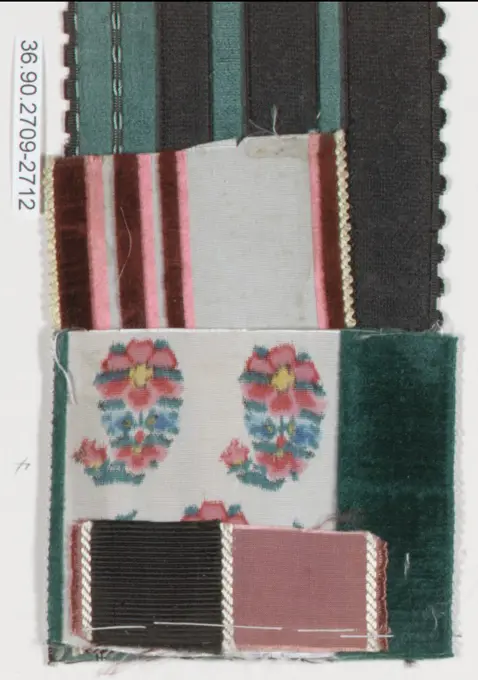
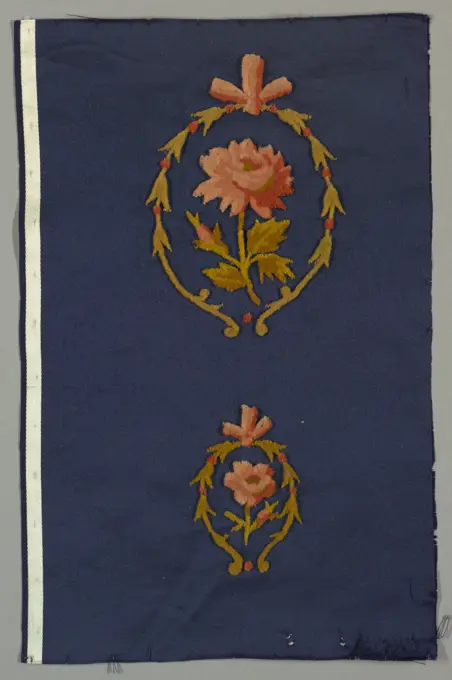
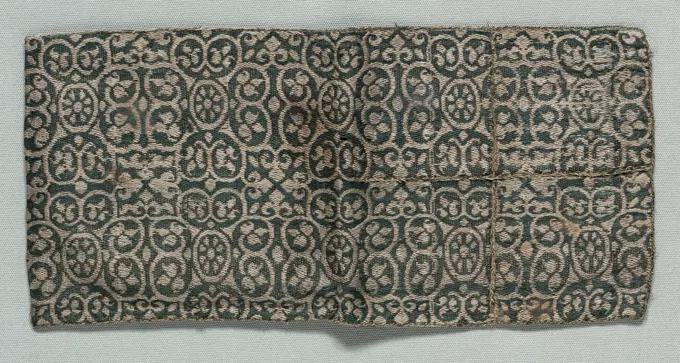
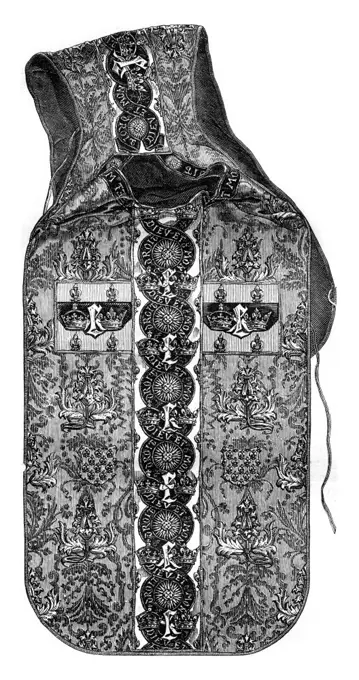
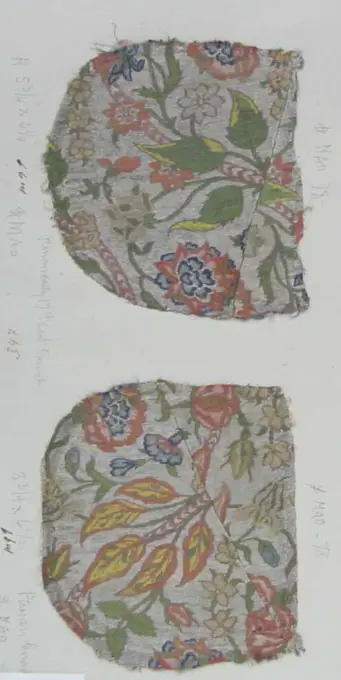
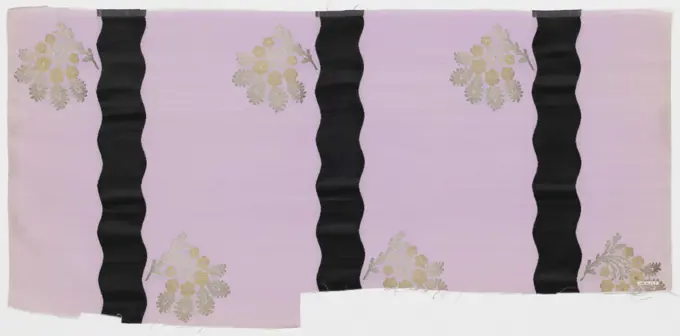
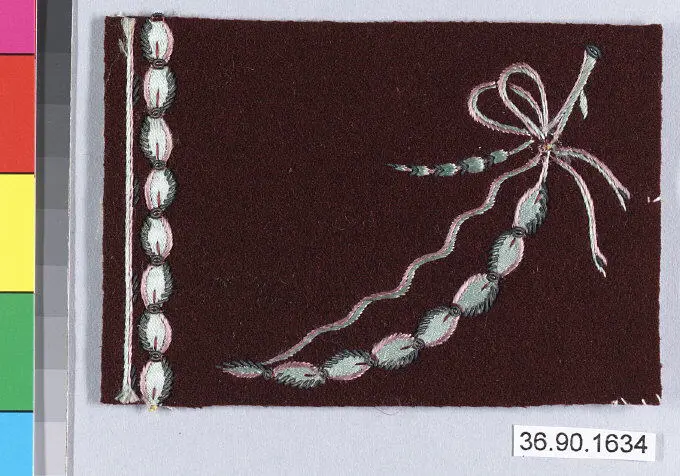
A collection of various textile fragments showcasing intricate designs, including silk, lace, and velvet. Features motifs of foliage, architectural elements, and floral patterns.

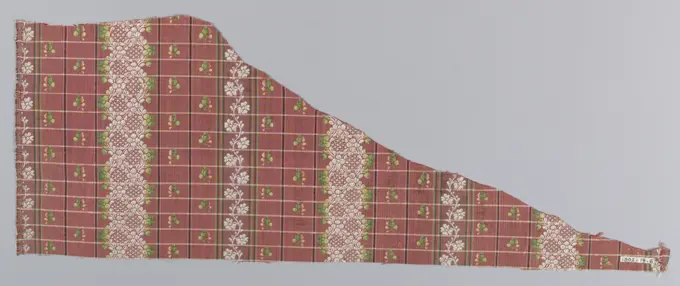
Fragments, Medium: silk, metallic thread Technique: damassé (8-harness satin and plain weave (doubled warps and wefts) plus discontinuous supplementary weft floats, Vertically-striped arrangement of small simplified architectural vignettes with oversized foliage alternates with vertical stacked columnar scrolls with simple flower motifs. Metallic floral forms are superimposed on yellow-green damaseé-patterned background., Europe, late 17th century, woven textiles, Fragments
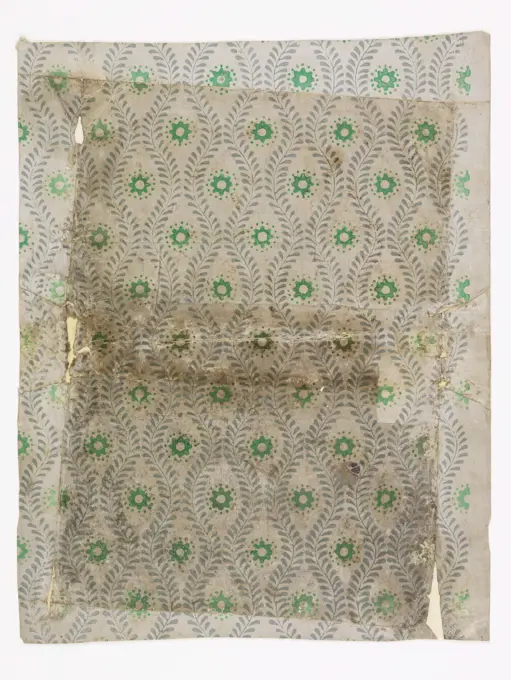
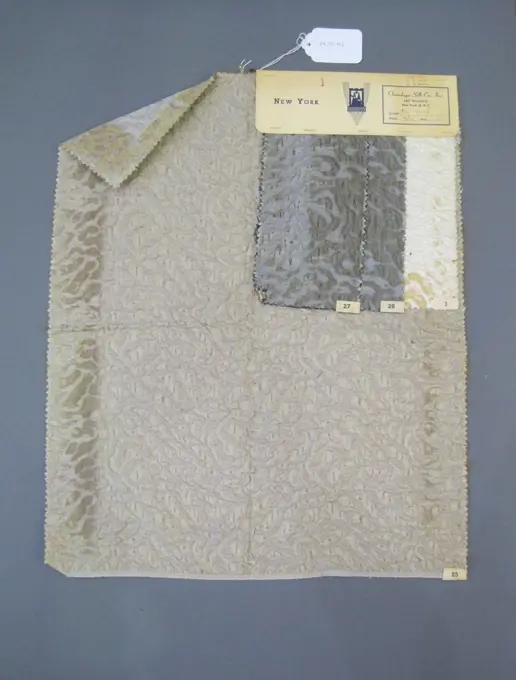
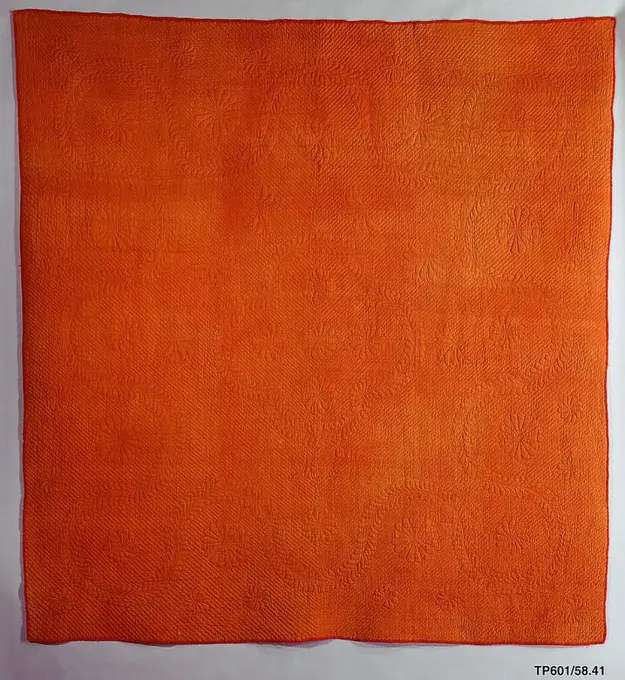
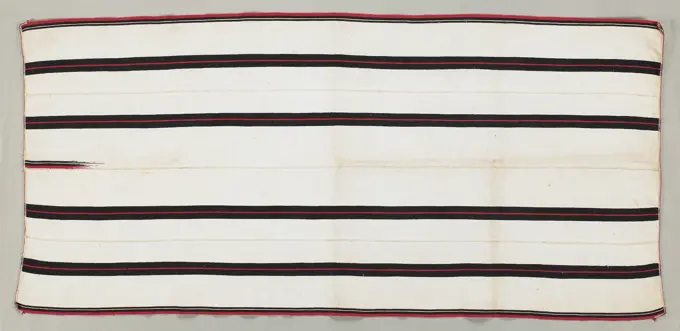
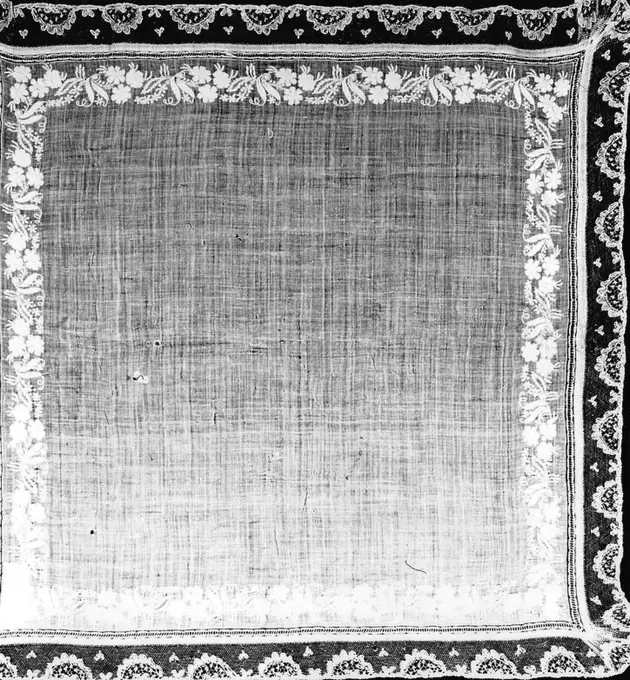
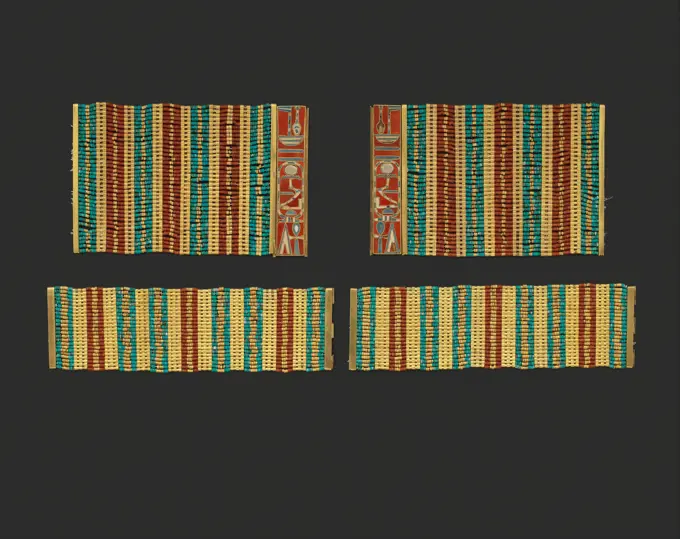
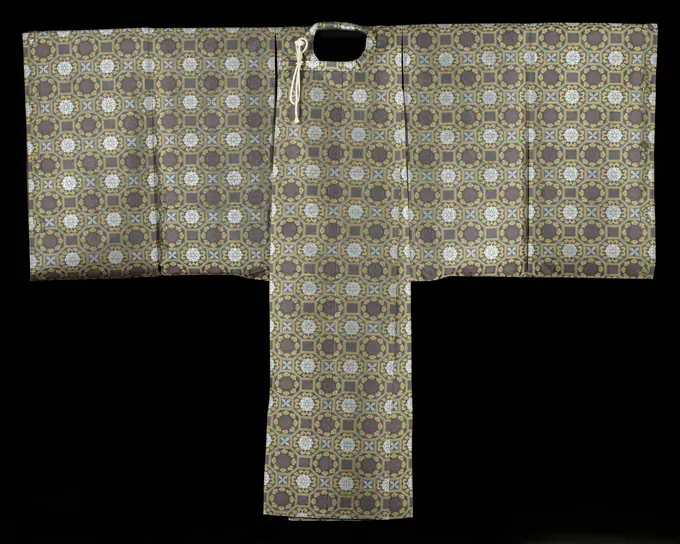
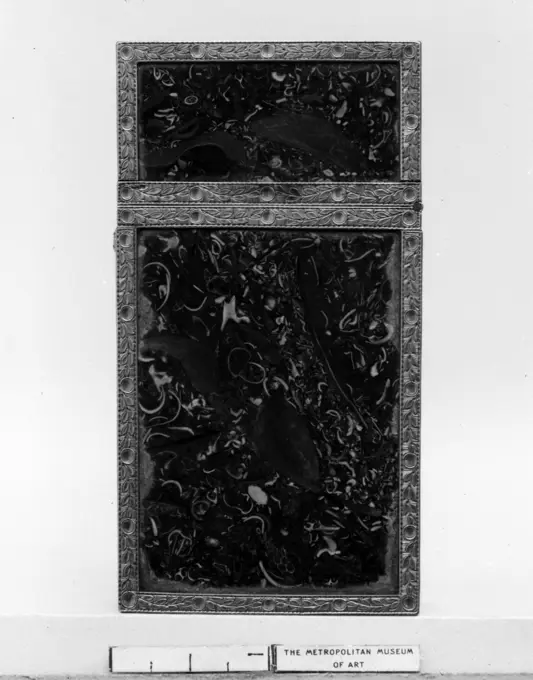
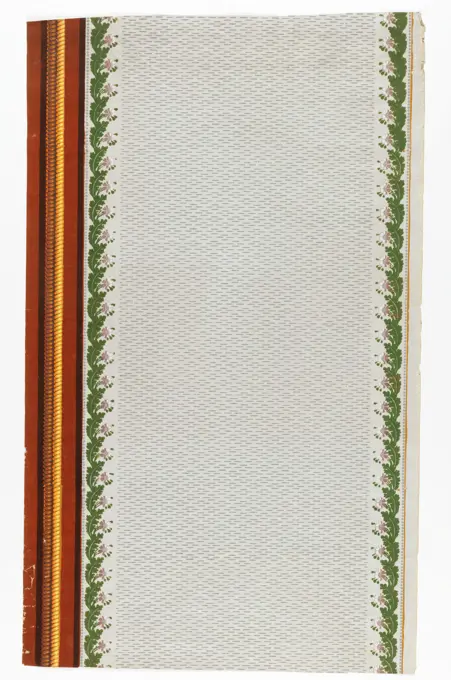
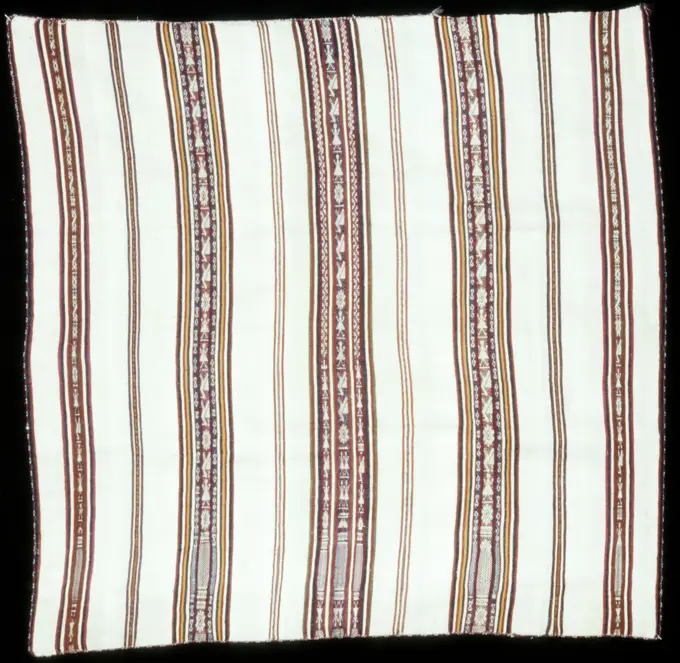
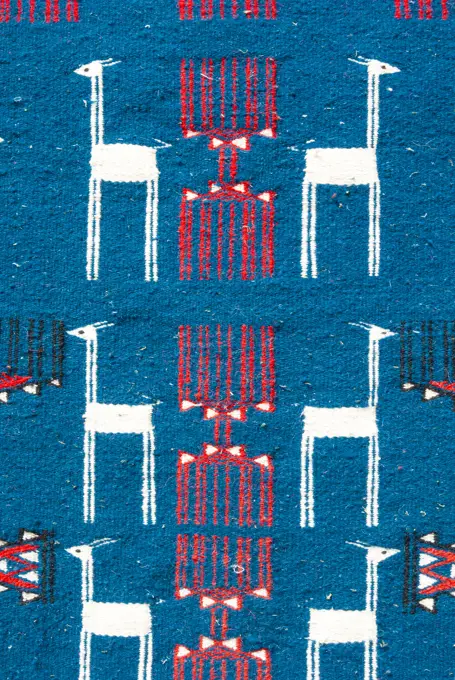
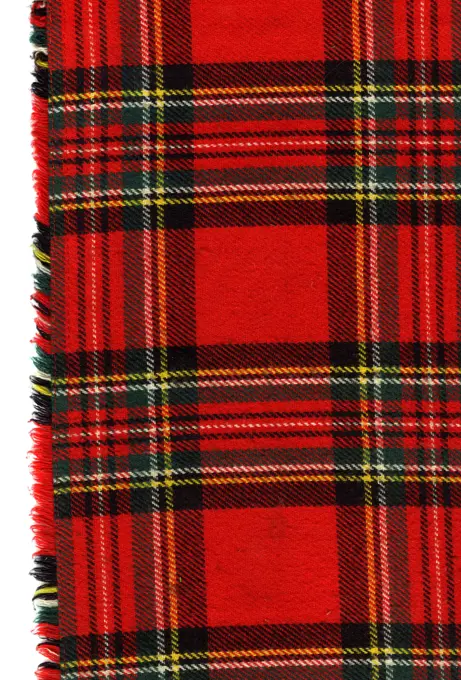
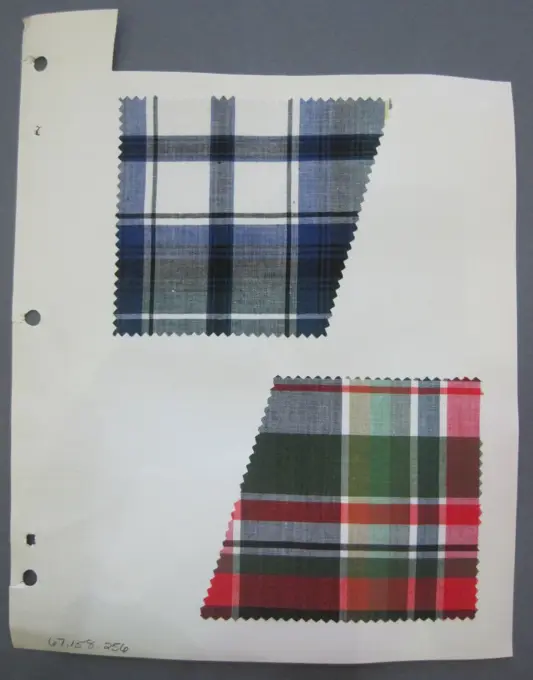
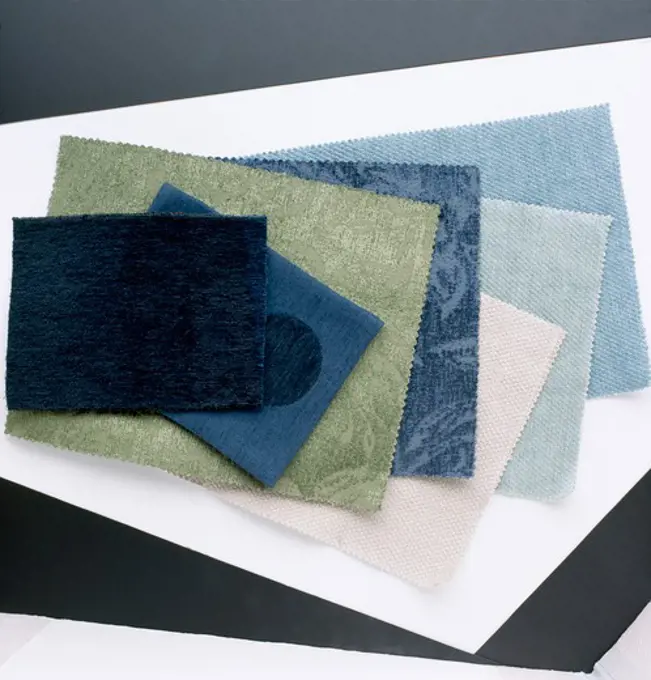
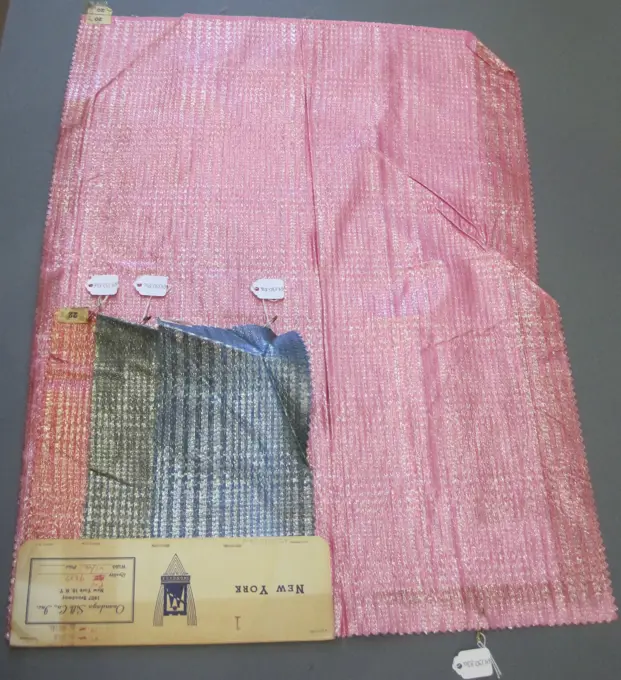
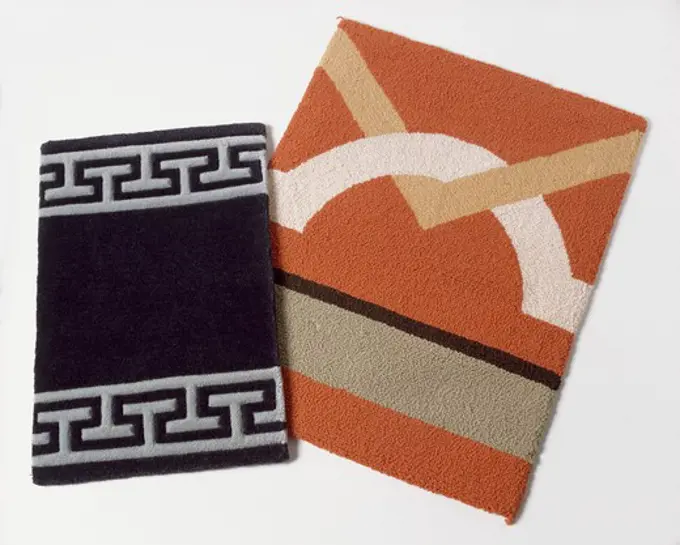
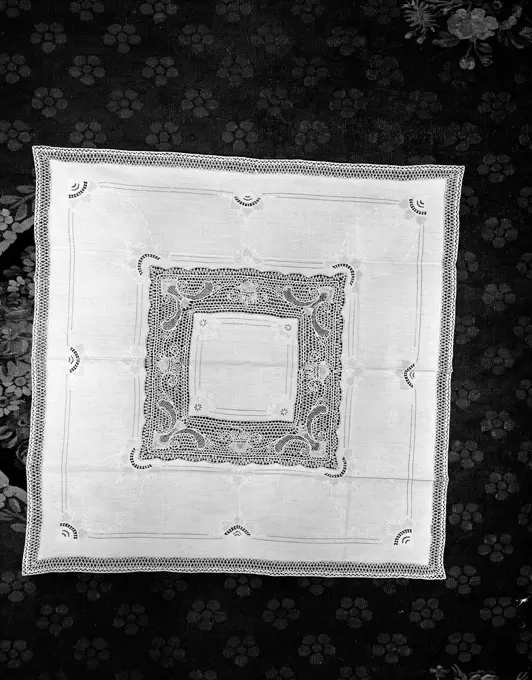
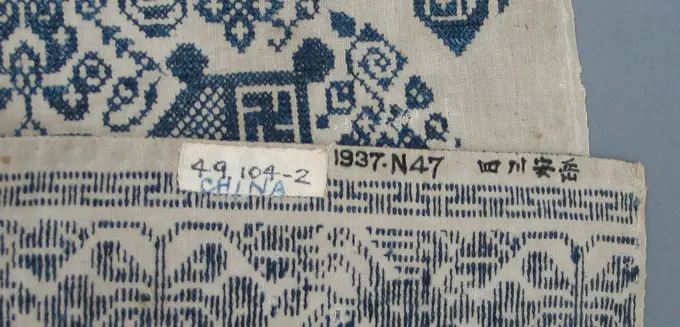
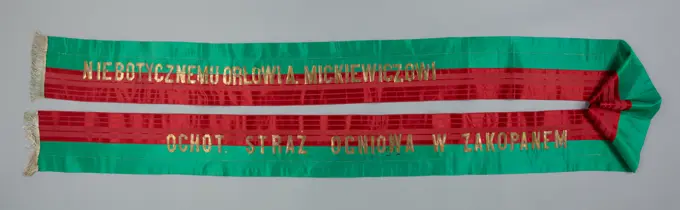
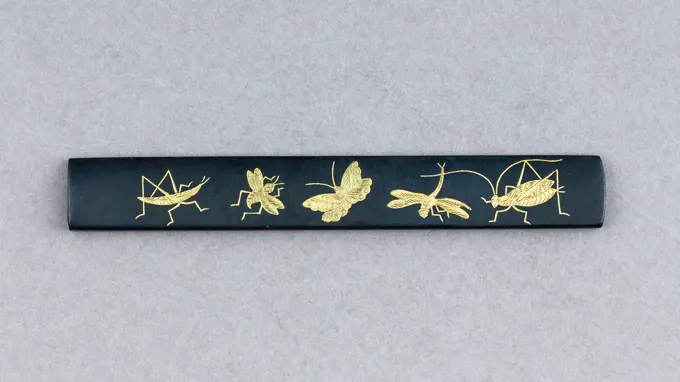
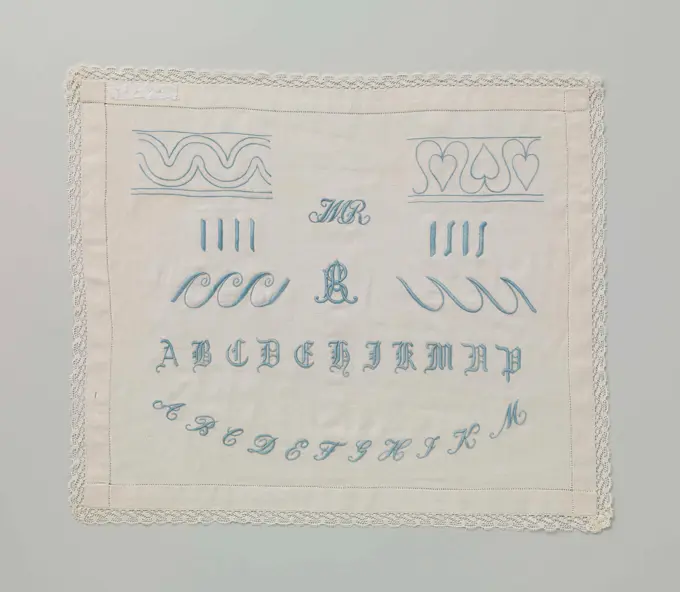
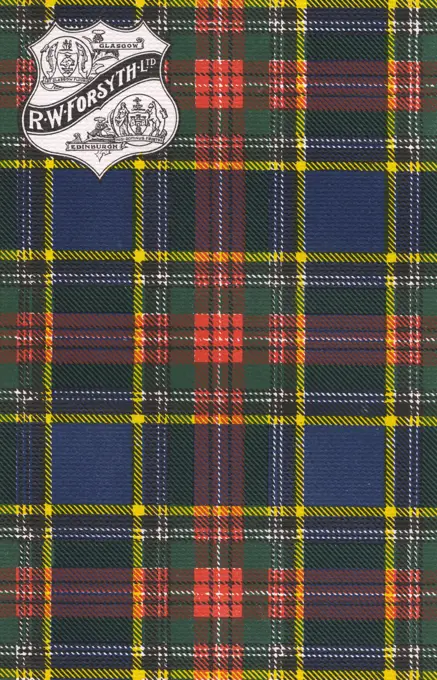
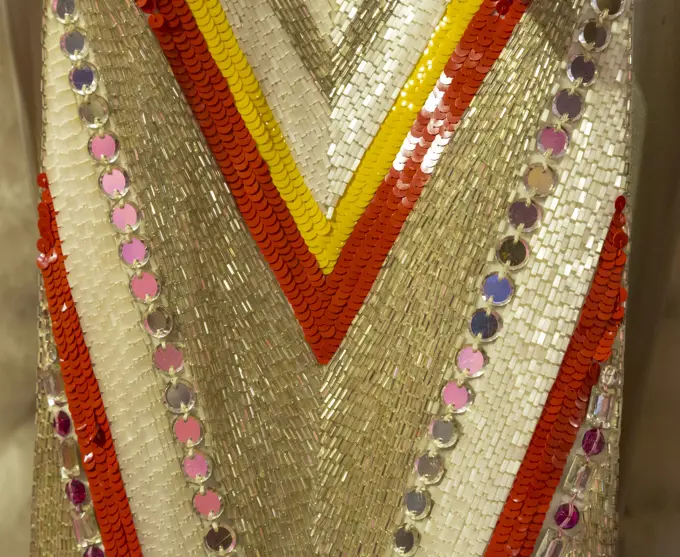
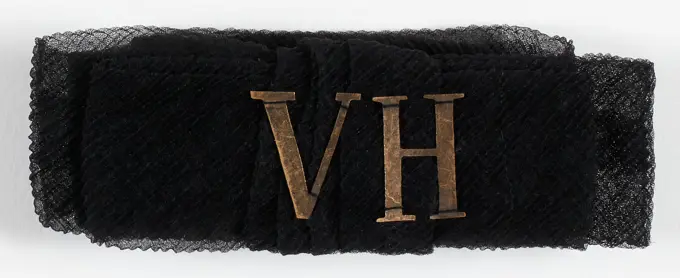
Piece 17th century Italian. Piece 227852Ceremonial Baby Carrier, 26 1/2 x 27 in. (67.31 x 68.58 cm), Cotton, silk, ChinaTelephones on the desk of Erich Mielke, Stasi Museum in the Forschungs- und Gedenkstaette Normannenstrasse, Berlin, Germany, EuropeSwatches, Medium: silk Technique: woven, France, 19th century, woven textiles, SwatchesPiece 18th-19th century Japan. Piece 66823Textile Swatches Onondaga Silk Company, Inc. (1925-1981). , 1948-1959. Silk, 24 x 16 in. (61 x 40.6 cm).    1948-1959Textile Swatches Onondaga Silk Company, Inc. (1925-1981). , 1948-1959. Silk, 24 x 17 1/2 in. (61 x 44.5 cm).    1948-1959Sidewall - Fragment (England); block-printed, distemper colors; 35 x 27 cm (13 3/4 x 10 5/8 in.)Textile Swatches Onondaga Silk Company, Inc. (1925-1981). , 1948-1959. 40 silk, 30 nylon, 30 rayon, 22 x 17 3/4 in. (55.9 x 45.1 cm).    1948-1959William J. Clinton Scarf orbandanna.   Subject: Bill Clinton, American, born 1946Purse, Medium: metal beads Technique: frame beadwork, Small purse that fits inside 1920-21-1-a., France, early 20th century, costume & accessories, PurseGreek Ornament and Etruscan OrnamentQuilt, Wholecloth calamanco. Culture: American. Dimensions: 96 1/4 x 90 1/2 in. (244.5 x 229.9 cm). Date: ca. 1780.This quilt has a rust-colored glazed wool top and back, with brick-red wool edge binding. It is quilted with a central medallion and a feather-vine border. Museum: Metropolitan Museum of Art, New York, USA.Ribbon French 19th centuryKnife Handle (Kozuka). Culture: Japanese. Dimensions: L. 3 13/16 in. (9.7 cm); W. 9/16 in. (1.4 cm); thickness 3/16 in. (0.5 cm); Wt. 1.2 oz. (34 g). Date: ca. 1615-1868. Museum: Metropolitan Museum of Art, New York, USA.Woman's waist wrap, 1970s, 43 13/16 x 20 1/2 in. (111.28 x 52.07 cm), Cotton, India, 20th centuryBelt 12th-early 16th century Chuquibamba. Belt 318770Handkerchief. England, Midland Counties. Date: 1840-1849. Dimensions: 57.2 × 56.2 cm (22 1/2 × 22 1/8 in.). Linen, plain weave; pulled thread work embroidered with cotton in back, buttonhole, double and overcast stitches; embroidered with cotton in back, eyelet, padded overcast and padded satin stitches; French knots; edged with cotton, bobbin straight lace. Origin: England. Museum: The Chicago Art Institute, Chicago, USA.Broad Bracelet of Sithathoryunet ca. 1887-1813 B.C. Middle Kingdom. Broad Bracelet of Sithathoryunet 558067Piece 18th century Japan. Piece 71810Noh costume with geometric pattern for the role of Okina, 19th century, Unknown Japanese, 63 x 81 7/16 in. (160.02 x 206.85 cm), Twill-weave silk with supplementary weft patterning, Japan, 19th century, Kariginu, literally 'hunting robe' was originally an informal jacket worn by noblemen during Japan's Heian era (794-1185). Later, elite warriors donned kariginu as their most formal garment. Since warrior-patrons expressed their appreciation for fine performances by presenting actors with articles from their own lavish wardrobes, it is likely that the first kariginu used on stage were originally worn by samurai-aristocrats. This robe is decorated with an overall pattern of octagons connected by smaller squares to the left, right, top, and bottom, a design the Japanese call 'shokkō' (Shuchiang in Chinese), after a style favored in neighboring China during the Ming dynasty. Kariginu with the shokkōpattern are reserved for the most lofty of all Nō roles, that of the god-like Okina (divine Souvenir 18th century possibly French or German In eighteenth-century Europe, Paris led the production of high-quality luxury goods. Parisian goldsmiths made a wide range of small, personal articles such as snuffboxes; étuis to hold sealing wax, tweezers, or utensils for sewing; souvenirs, which contained thin ivory tablets for note taking; and shuttles for knotting lace. Gold snuffboxes and boxes decorated with portrait miniatures were prized and frequently given as royal gifts, often to ambassadors or members of the court in lieu of cash payments for their services. Coveted and admired, these boxes were produced from a variety of materials. The best were skillfully made of gold and embellished with diamonds, enameled decoration, lacquer, and other luxurious materials. By the middle of the century, the taking of snuff had become an entrenched social ritual, and the snuffbox, too, had become an important social prop. Snuffboxes were considered highly fashionable accessories, with some Mummy Net with Amulets Made 818 BCE-656 BCE Egypt. Faience . Ancient EgyptianFragmentSidewall (France); block-printed and flocked on handmade paper; 90.5 x 55.5 cm (35 5/8 x 21 7/8 in.)Fragment (USA)Textile (USA); silk, woolBand 16th-17th century Italian. Band 228754Closeup of a sock - Closeup of a sock2 Band Fragments with Botanical and Geometric Decoration Coptic. 2 Band Fragments with Botanical and Geometric Decoration, 5th-7th century C.E. Wool, 2 3/8 x 5 3/8 in. (6 x 13.7 cm).   Egyptian, Classical, Ancient Near Eastern Art 5th-7th century C.E.Handmade woven wool rugTextile (Malay () China ()); silk, metallic threadFabric Swatch Fab-Tex Inc.. Fabric Swatch, 1963-1966. Cotton and synthetic, sheet: 8 1/4 x 10 1/2 in. (21 x 26.7 cm).    1963-1966Textile Swatches Onondaga Silk Company, Inc. (1925-1981). , 1948-1959. Silk, 23 x 15 3/4 in. (58.4 x 40 cm).    1948-1959Open sewing juice of white linen on linen, industrial school De Windroos, c. 1880 - c. 1905 Open sewing juice from linen on linen. The embroidery has nine tests, an open zoom and Swedish seams.  linen (material) embroidering Open sewing juice from linen on linen. The embroidery has nine tests, an open zoom and Swedish seams.  linen (material) embroideringPiece French 19th century View more. Piece. French. 19th century. Textiles-WovenFragments, Medium: silk Technique: uncut voided supplementary warp pile (velvet) with supplementary weft, Two coat or waistcoat pocket flaps (components b/c) are lined with ivory silk plain twill. Left top waistband of breeches (component a) are lined with linen plain weave. Purple uncut pile has background floats in a secondary purple silk weft. Purple uncut pile forms a small allover design of hexagons, each enclosing a round dot. Waistband has pocket attached with button closure and three buttonholes at the left edge., France, 1750-1800, woven textiles, FragmentsCeltic ornamentReliquary () Bag, 1200s. Italy or Spain, 13th century. Compound twill weave, silk; overall: 11.5 x 10.5 cm (4 1/2 x 4 1/8 in.).Steel linen with lace plunge with extended threads and four -pointed stars in a square grid, anonymous, c. 1925 - c. 1929 sample Steel natural -colored linen with lace plunger: work with threaded threads. Study material. In a considerable part of the linen, a square grid has been created by pulling out threads in a horizontal and vertical direction. With an added wire, a start was made with bundling the remaining threads that form the grid and finish the edges around the grid with feston stitches. Bundling is carried out in horizontal and vertical lines, the added wire forms its own square grid in this way. The bundled wires form four -pointed stars. To the right next to the pattern you can see how impact wires (horizontal) are partly cut and pulled out of the coarse linen tissue, the chain wires are still intact here. The linen is finished with hems along which an edge of work with extended threads. Netherlands (possibly) linen (material)Fragment of the lace;  2. PO. XVII century (1651-00-00-1700-00-00);floral ornamentsArmour of the medieval knight. Metal protection of the soldier against the weapon of the opponentMedal of the 40th anniversary of People's Poland in the case Gorol, Edward (1930 2003)Sample early 19th century French. Sample 224755Textile Swatches Onondaga Silk Company, Inc. (1925-1981). , 1948-1959. 70 rayon, 30 silk, 47 x 20 in. (119.4 x 50.8 cm).    1948-1959Godard etching of Alencon, vintage engraved illustration. Magasin Pittoresque 1847.Piece 17th century Japan. Piece 71324Man's Kimono, 19th century, Unknown Japanese, 55 x 23 1/4 in. (139.7 x 59.06 cm), Silk, Japan, 19th centuryTextile Fragment 17th century. Textile Fragment 454553Anefo photo collection. Textilia assignment. December 30, 1968Textile (France); silk, metallic thread; Anonymous bequest in memory of Albert and Rebecca Elsberg; 1938-82-57-fStrip of embroidery, 19th century, 75 x 29 1/2 in. (190.5 x 74.9 cm), Satin; needlework, India, 19th centurySample early 19th century French. Sample 224722color tone of fabric swatch samplesIncuna (ceremonial cloth), 19th century, 40 3/8 x 40 3/4 in. (102.6 x 103.5 cm), Alpaca, Bolivia, 19th centuryBliżej Kultury unknownCarpet for sale, Tabarka, Tunisia, North AfricaRed scottish plaid Red scottish plaid Copyright: xZoonar.com/NatalliaxYaumenenkax 1357463Fabric Swatch Fab-Tex Inc.. , 1963-1966. Cotton, sheet: 8 1/4 x 10 1/2 in. (21 x 26.7 cm).    1963-1966Samples of plain and patterned chenille fabricFabric Swatch Fab-Tex Inc.. , 1963-1966. Wool, sheet: 8 1/4 x 10 1/2 in. (21 x 26.7 cm).    1963-1966Textile Swatches Onondaga Silk Company, Inc. (1925-1981). , 1948-1959. 58 wool, 42 silk, 55 x 17 1/2 in. (139.7 x 44.5 cm).    1948-1959Blanket, circa 1900, New Zealand, maker unknown. Gift of Mrs L Brown, 1987.Textile Swatches Onondaga Silk Company, Inc. (1925-1981). , 1948-1959. 81 silk, 19 metal, largest component (a): 23 1/2 x 17 in. (59.7 x 43.2 cm).    1948-1959Man's Court Robe (Kariginu) with Belt and Hat 19th century Japan. Man's Court Robe (Kariginu) with Belt and Hat. Japan. 19th century. Silk. Edo period (1615-1868). CostumesDuvet unknownArmband -Piece 18th-19th century Japan. Piece. Japan. 18th-19th century. Silk. Textiles-VelvetsSample Book (France); paper, cotton; Sample book: 28 W x 32.5 L x 5 H cmClose-up of Greek-key patterned carpet swatch with terracotta patterned swatchWhite House furniture and furnishings. White House furnishings. Antique lace. White House, Washington, D.C.Textile Swatches Onondaga Silk Company, Inc. (1925-1981). , 1948-1959. 54 silk; 36 wool; 10 metal, largest component (a): 23 x 18 in. (58.4 x 45.7 cm).    1948-1959Textile Used as a Bed Valance Textile Used as a Bed Valance, 1644-1912. Rough undyed cotton, 15 3/8 x 66 5/16 in. (39 x 168.5 cm).   Asian Art 1644-1912Women Maru Obi with geometric and plant motifs, c. 1920 - c. 1940 Ceintuur of side brokaat for a formal kimono (Maru Obi) for a woman, with a decoration over the entire plane of different geometric motifs and pine, chrysanthemum, prunus and other floral motifs, suitable in circle and fan -shaped surfaces. Cream -white silk with brokaat woven decoration (nishiki). Japan silk Ceintuur of side brokaat for a formal kimono (Maru Obi) for a woman, with a decoration over the entire plane of different geometric motifs and pine, chrysanthemum, prunus and other floral motifs, suitable in circle and fan -shaped surfaces. Cream -white silk with brokaat woven decoration (nishiki). Japan silkCoverlet. Dated: c. 1936. Dimensions: overall: 50.8 x 37.4 cm (20 x 14 3/4 in.) Original IAD Object: 72" wide; 89" long. Medium: watercolor, gouache, and graphite on paperboard. Museum: National Gallery of Art, Washington DC. Author: Ralph Atkinson.A sash from the funeral of Adam Mickiewicz in Krakow on July 4, 1890Knife Handle (Kozuka) ca. 1615-1868 Japanese A kozuka is a handle of a by-knife that is part of a sword mounting. It is kept in a slot on the reverse of a katana scabbard, often with a matching kōgai (hairdressing tool).. Knife Handle (Kozuka) 34556Embroidery patch of linen, trimmed with machining. Embroidery patch of light blue yarn on linen, trimmed with machining. The embroidery once has the alphabet up to the letter M, once the alphabet up to the letter P and French embroidery.Border; linenBanner early 18th century Italian, Savoy. Banner 25827Amsterdams Schuttersbandel van het Groene Regiment, Anonymous, 1750 - 1795  Amsterdams Schuttersbandel van het Groene Regiment. Green silk banner with a red, white, black track at the top. This job runs until the recess where the weapon has been. The red color is discolored to orange and the white to yellow. Front and parade side of the banner are identical. On the pants side an unbleached cotton ribbon is sewn in five places. Netherlands silk   AmsterdamVeren Pen, Johan Braakensiek, 1868 - 1940 drawing   paper. India ink (ink). watercolor (paint). pencil pen / brush quillThe Macbeth Tartan  (Blue, red, green and yellow)        Date: circa 1902USA, Arizona, Phoenix, Musical Instrument Museum. Rock costume details.A sash from the funeral of Adam Mickiewicz in Krakow on July 4, 1890TextileAnonymous. "Shoulder paw of the Hitler Youth" 318 ". Weaving. 1933-1945. General Leclerc Museum of Hauteclocque and the Liberation of Paris, Jean Moulin Museum. 158808-13Fragment; cotton and woolAnonymous, Brassard with VH initials for the funeral of Victor Hugo (attributed title), 1885-05. House of Victor Hugo - Hauteville House.Sample early 19th century French. Sample 224818Chair Pads (USA)Mexico, Oaxaca, Zapotec Indian carpets, hand woven by children, and colored with natural dyes.Textile Swatches Onondaga Silk Company, Inc. (1925-1981). , 1948-1959. Silk, 11 x 9 in. (27.9 x 22.9 cm).    1948-1959'Cameron of Lochiel', c1935. Artist: Unknown.Ulica Kanonicza Street Sign, Krakow, Poland, Europe