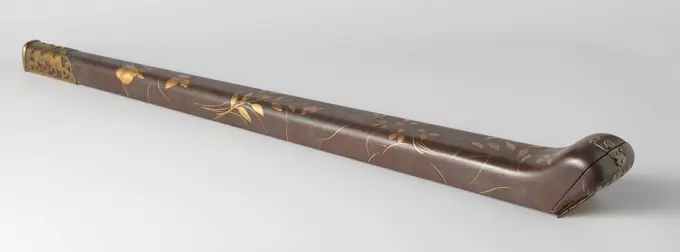
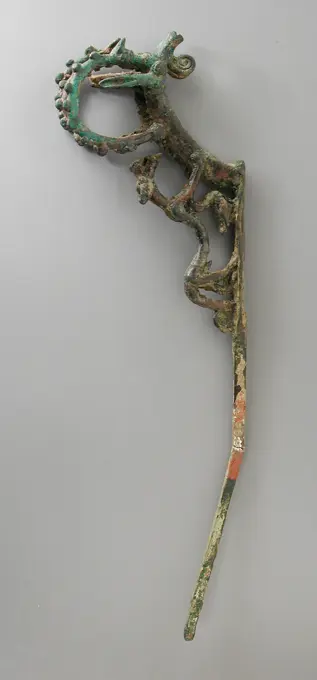
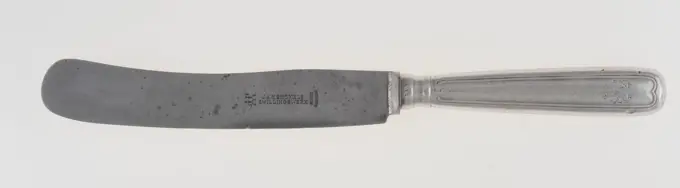
Historic Metal Artifacts

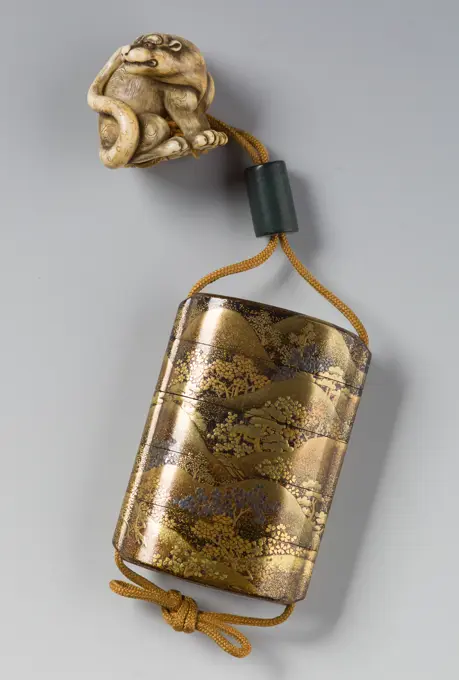
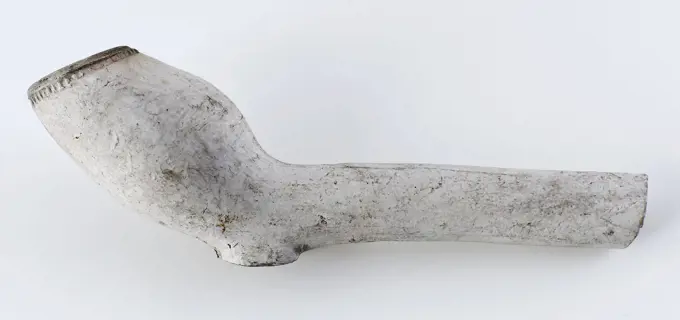
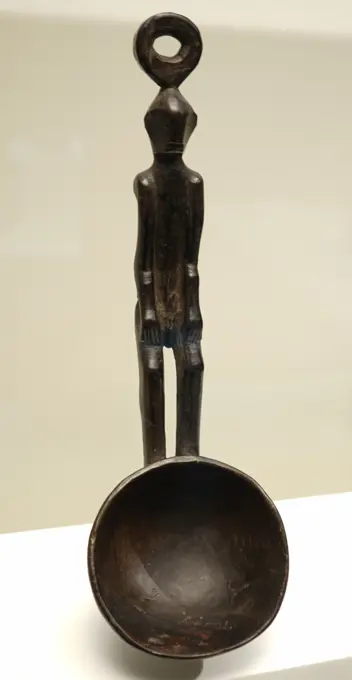
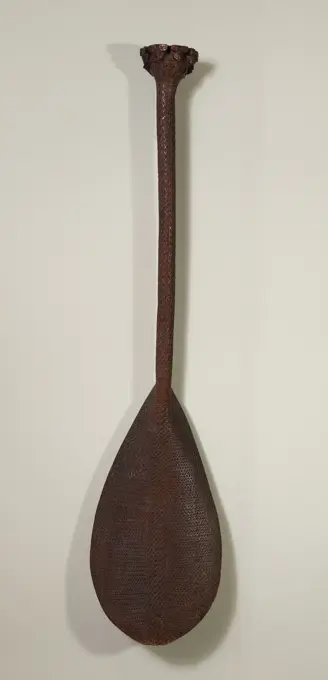
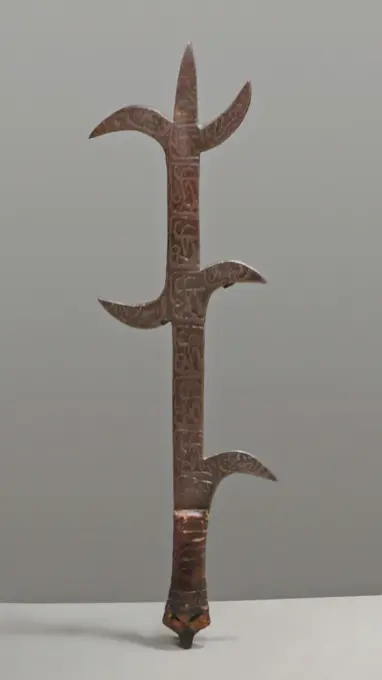
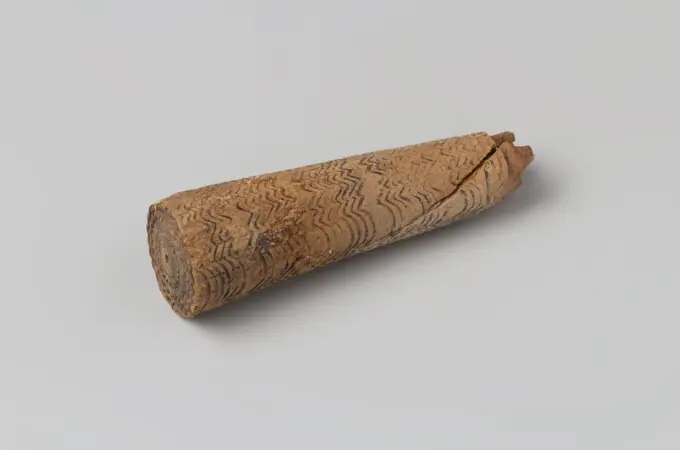
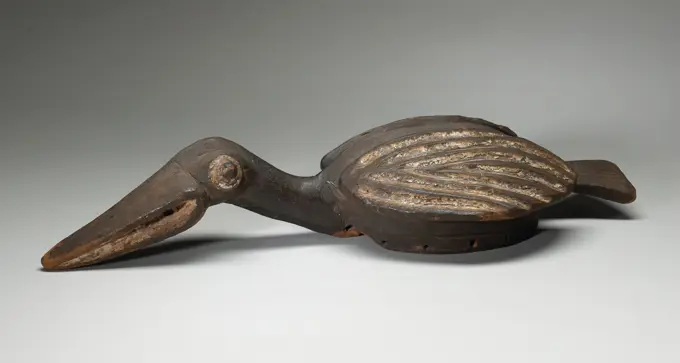
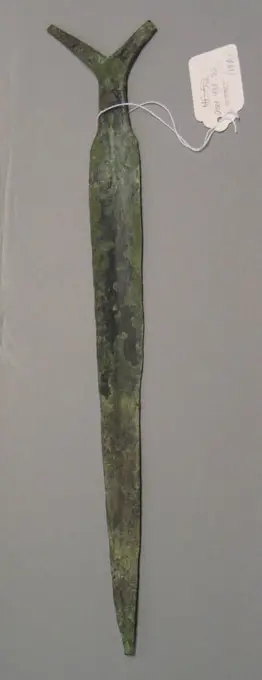
An array of historical metal items including a sword, carved wood styles, and various ancient tools, showcasing craftsmanship from different eras.

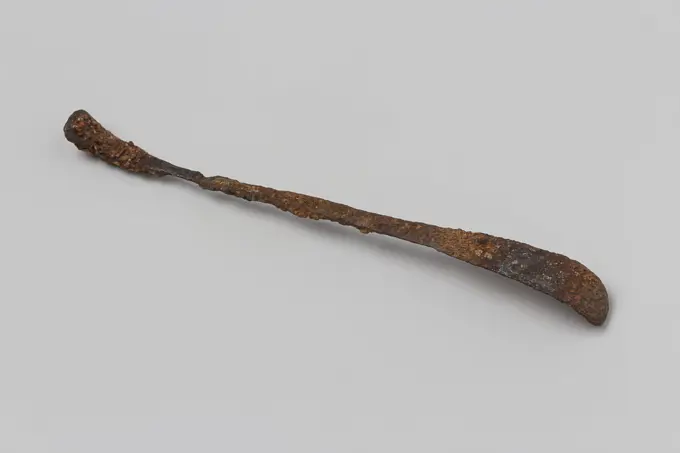
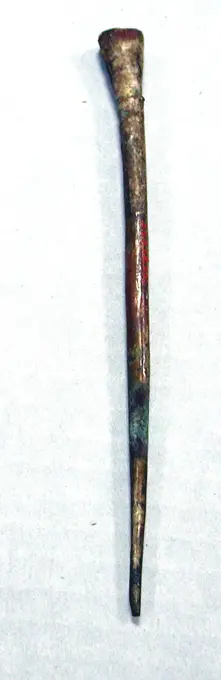
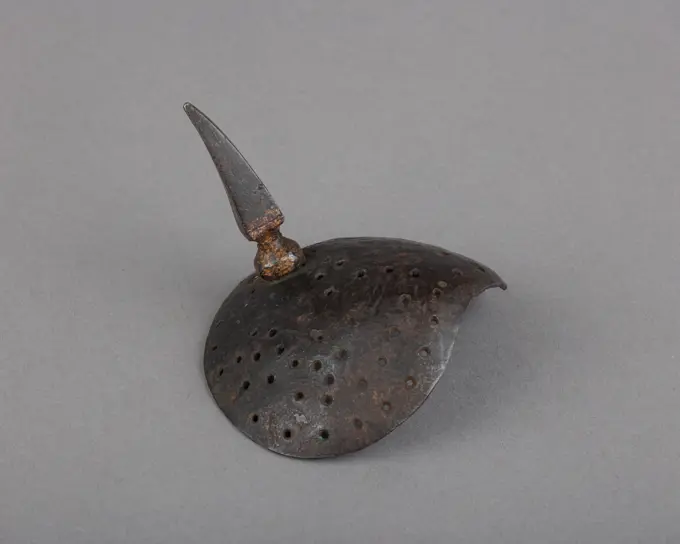
Fragment of driller, at one end flat and at the other end with slit, anonymous, c. 1590 - c. 1596 drill Fragment of a driller, at one end a slit (like a guts) and rectangular flat at the other end.  iron (metal) forging  Nova Zembla. Saving Huys
Fragment of driller, at one end flat and at the other end with slit, anonymous, c. 1590 - c. 1596 drill Fragment of a driller, at one end a slit (like a guts) and rectangular flat at the other end. iron (metal) forging Nova Zembla. Saving Huys
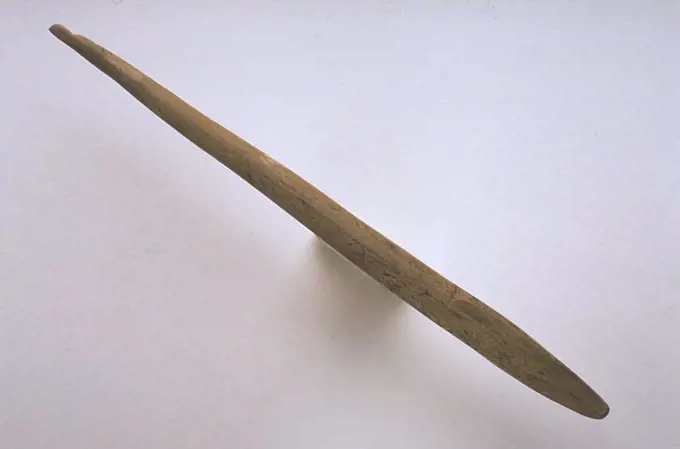
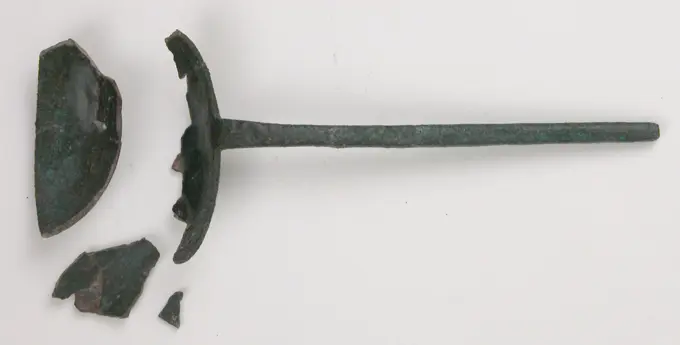
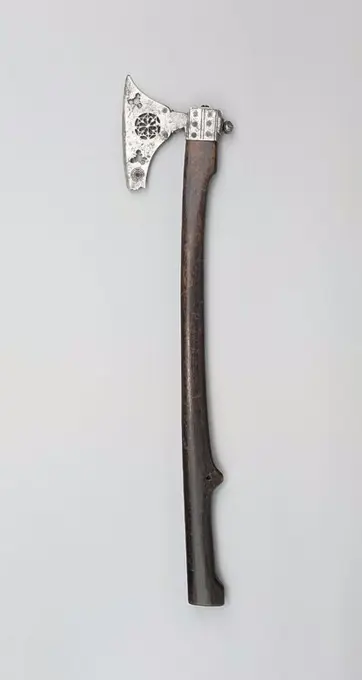
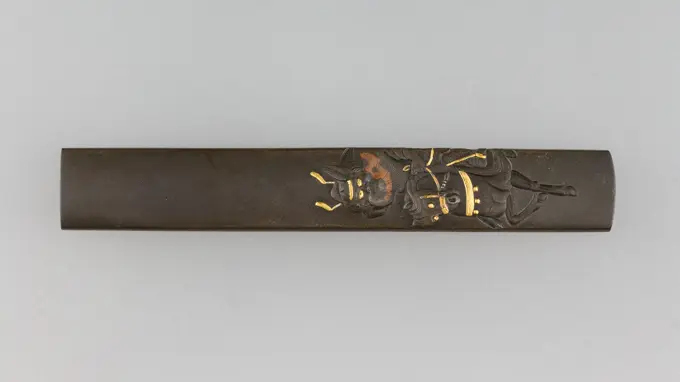
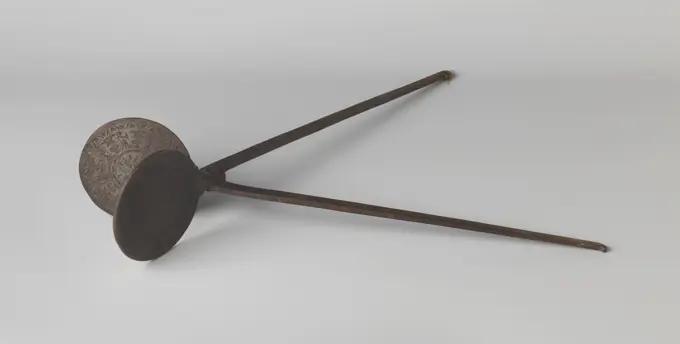
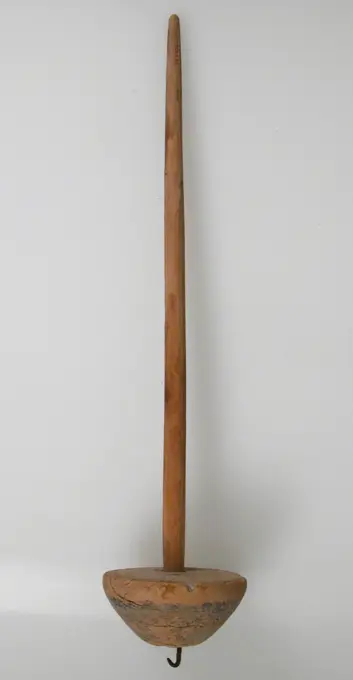
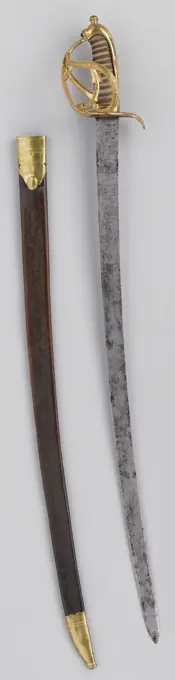
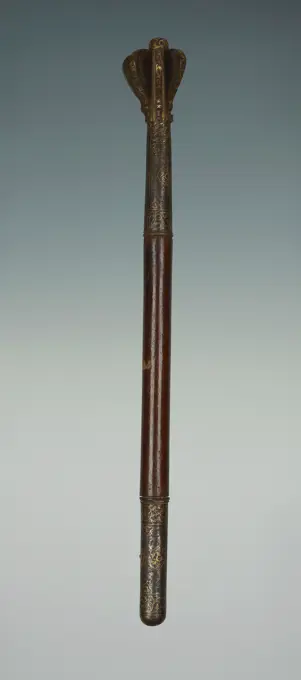
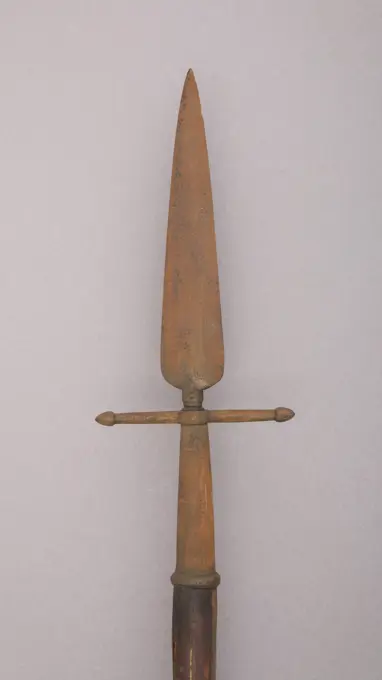
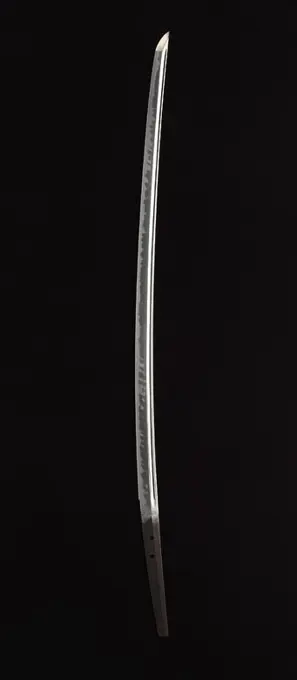
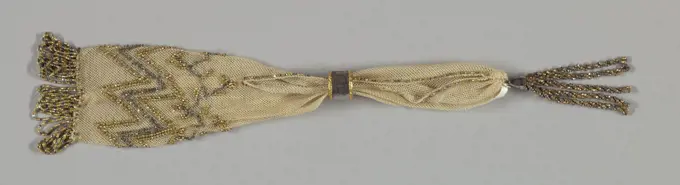
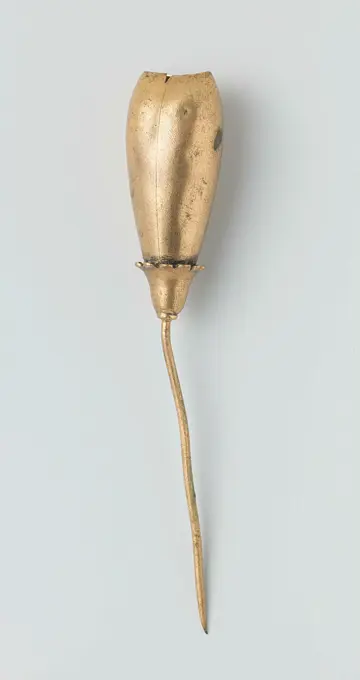
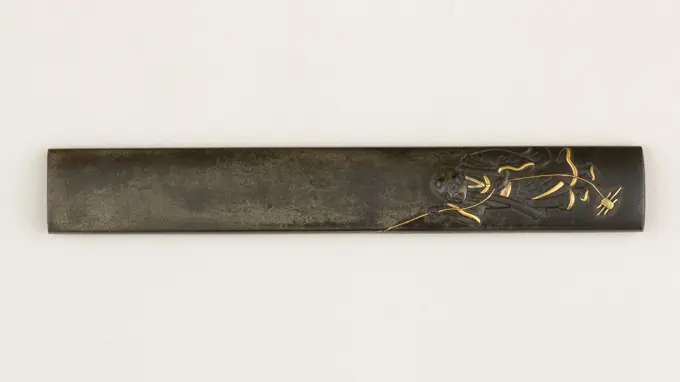
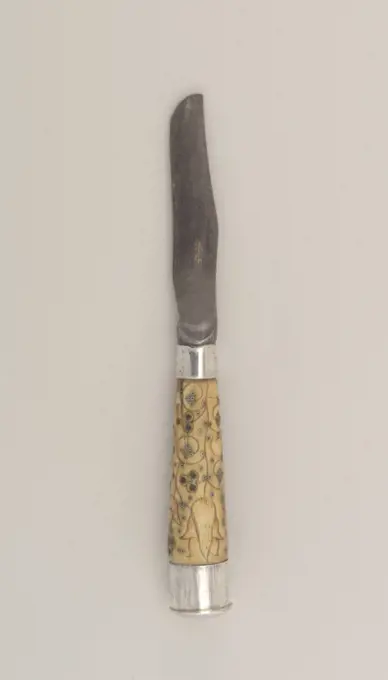
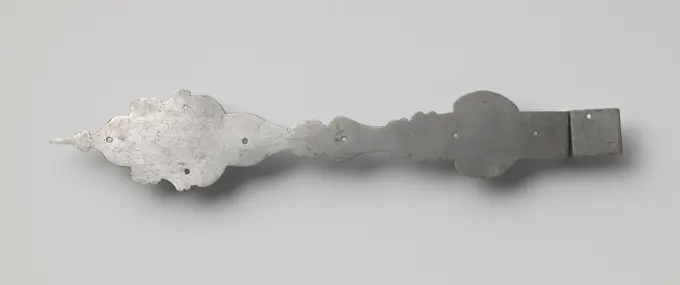
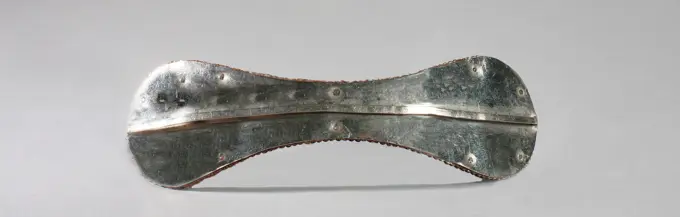
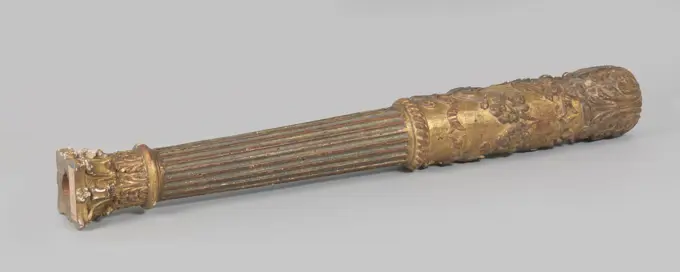
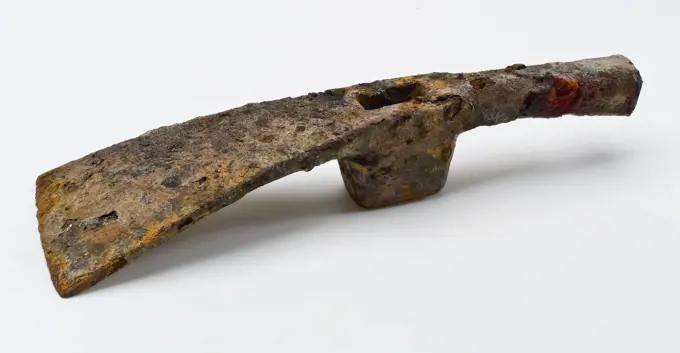
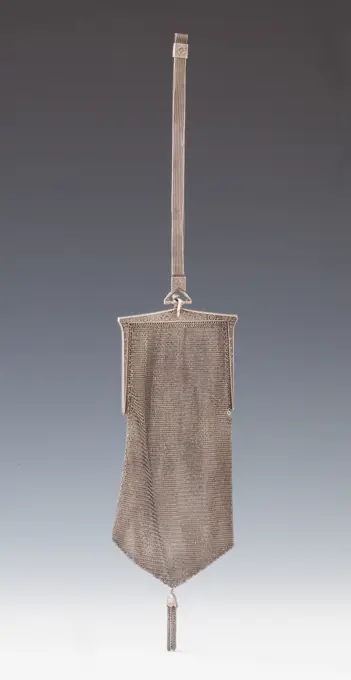
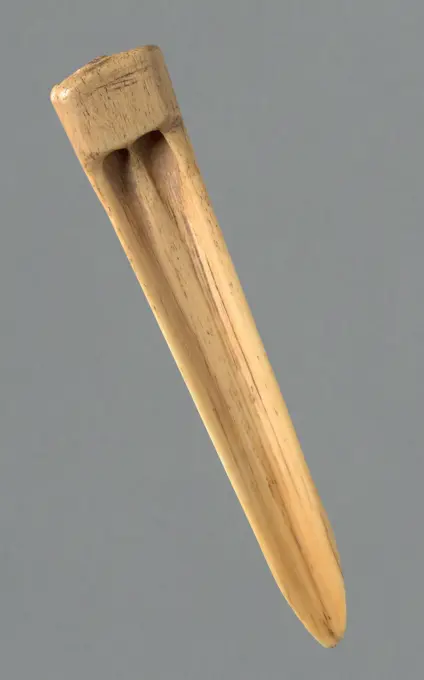
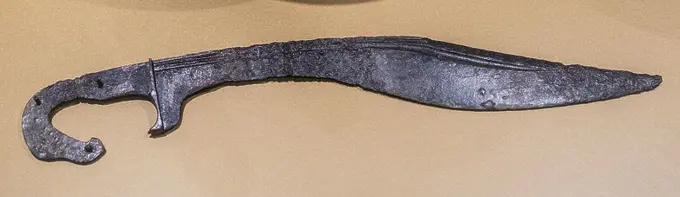
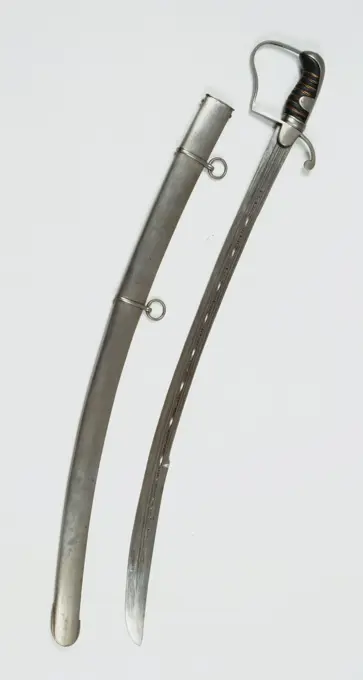
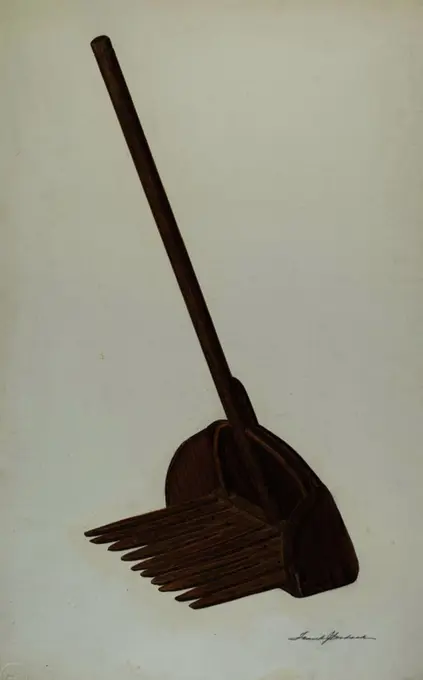
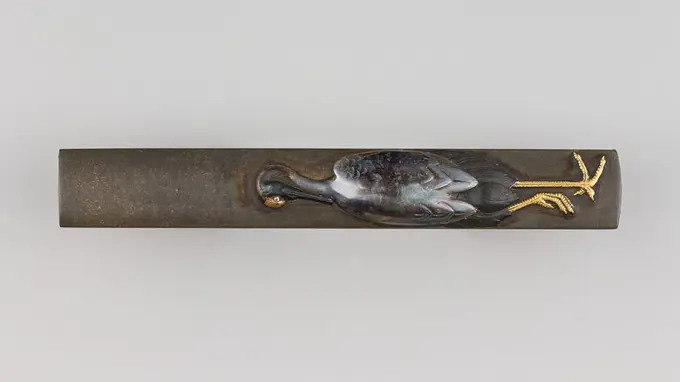
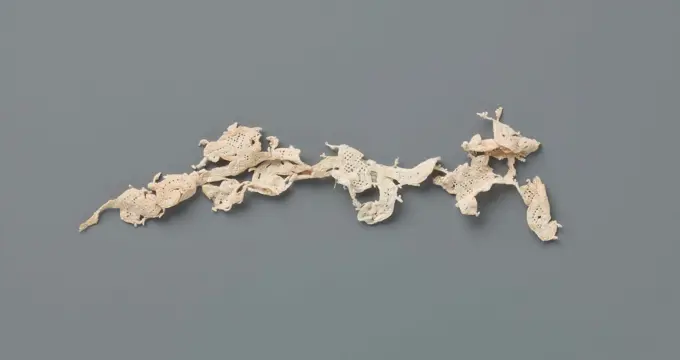
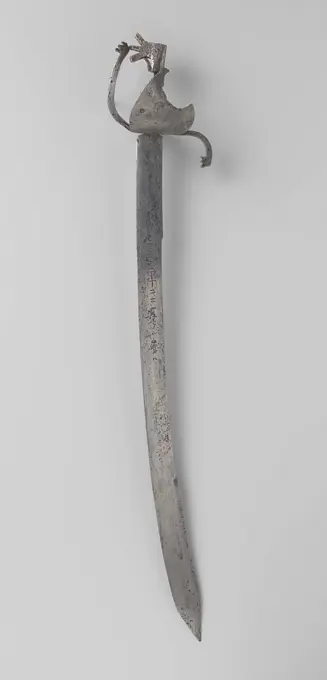
Sinclairsabel.Sinclairsabel (precursor of the so-called Solinger Houwer). Hilt: Do not handle, flared in a button with three vintage teeth. Front bracket and half pearl rod, both finished in a trident ornament. Dense, curved baffle board and thumb eye. Cling: Diad and double-edged (the bottom piece) is etched with a running wolf and the name: Iohanni. Signature.Sculpted style of oak, from the so -called house of Alva, Warmoestraat in Amsterdam, Anonymous, c. 1500 - c. 1699 Carryed oak style without finish from the so -called Huis van Alva, Warmoestraat in Amsterdam. In total it concerns two consoles, three wide and three narrow styles (BK-KOG-755-A to D, F to H). See also BK-KOG-754-1 to 7, these are 6 painted styles that come from the same house. Northern Netherlands (possibly) wood (plant material). oak (wood) Carryed oak style without finish from the so -called Huis van Alva, Warmoestraat in Amsterdam. In total it concerns two consoles, three wide and three narrow styles (BK-KOG-755-A to D, F to H). See also BK-KOG-754-1 to 7, these are 6 painted styles that come from the same house. Northern Netherlands (possibly) wood (plant material). oak (wood)AZAGAYA.PALEOLITICO. (DEPOSITO: MUSEO ARQUEOLOGICO NACIONAL).Stylus. Stylus. Ivory or boneSpoon 8th-13th century. Spoon. 8th-13th century. Bronze. Excavated in Iran, Nishapur. MetalFragment of driller, at one end flat and at the other end with slit, anonymous, c. 1590 - c. 1596 drill Fragment of a driller, at one end a slit (like a guts) and rectangular flat at the other end.  iron (metal) forging  Nova Zembla. Saving HuysKnife (Kard) 18th-19th century Persian. Knife (Kard) 31543Huntsman's knife 18th century Southern German. Huntsman's knife. Southern German. 18th century. Steel, horn, silver. Metalwork-SteelClub (Gugu) Fijian 19th century View more. Club (Gugu). Fijian. 19th century. Wood. Fiji. Wood-ImplementsAxe. Italian. Date: 1480-1500. Dimensions: L. 63.2 cm (24 7/8 in.)Wt. 1 lb. 7 oz. Steel and wood (ash). Origin: Italy. Museum: The Chicago Art Institute, Chicago, USA.Knife, Kandyan Type 18th century Sri Lanka. Knife, Kandyan Type 37528Eresabel van Musquetier with inscription: Due to the action of Doggersbank, with Schede, Abraham Scheurleer, c. 1781 presentation sword Doggersbank-Eresabel by Stadholder Prince Willem V in 1781 awarded to officer Musquetier. This type of a more or less normalized honorary label stands out due to the successful design of the rag basket: the contemporary hilt with screwed front bracket, the normally smooth head is now modeled as Leeuwekop and the processing of the navy symbol, the anchor, in one of the side brackets. Held by yellow buyer, gilded. The handle is covered with shark skin and wrapped with copper wire. In total, around 20 of such honorary labels were awarded in response to the Doggersbank Action. The Hague Kling: Iron (Metal). Handle: Sharkskin. hundred, funnel, bus: copper (metal). Schede: Leather   DoggersbankSteel from a spoon from the wreck the East Indiesman Hollandia. Spoon handle, Silver.Knife Handle (Kozuka) late 18th or early 19th century Japanese A kozuka is a handle of a by-knife that is part of a sword mounting. It is kept in a slot on the reverse of a katana scabbard, often with a matching kōgai (hairdressing tool).. Knife Handle (Kozuka) 29784Koekijzer decorated with angels and lions, anonymous, c. 1550 - c. 1600 A cookie iron for circular waffles and cookies. On one circle is central a flower pattern with a band with angels and vases with a winged angel's head on it. The other circle shows an empty coat of arms in the middle with a bond with angels and standing lions in the midst of columns. The outside of the circles and the handles are undecorated. West-Europa iron (metal) forging / engraving A cookie iron for circular waffles and cookies. On one circle is central a flower pattern with a band with angels and vases with a winged angel's head on it. The other circle shows an empty coat of arms in the middle with a bond with angels and standing lions in the midst of columns. The outside of the circles and the handles are undecorated. West-Europa iron (metal) forging / engravingSpindle 580-640 Coptic. Spindle 474945Ribbon of plain gold brocade, anonymous, c. 1920 Ribbon of plain gold brocade. Losgetorn from hat BK-1967-124. Europe . Ribbon of plain gold brocade. Losgetorn from hat BK-1967-124. Europe .Eresable of musquetier with inscription: Due to the action of Doggersbank, with sheath.DoggersBank-eresabel by Stadholder Prince Willem V in 1781 awarded to officer musquetier. This type of a more or less standardized erasable stands out by the successful design of the lobby: the contemporary hilt with clamping front bracket, the normally smooth head has now been modeled to lion head and the processing of the marine symbol, the anchor, in one of the side brackets. Hilt from Geelkoper, gilt. The handle is covered with hauie skin and wrapped with copper wire. In total, approximately 20 of such erasables have been awarded following the Doggersbank action.MaceBanner with Shaft dated 1634 French. Banner with Shaft 26932Key of iron, c. 1500 - c. 1600 Iron key, probably serving as signs.  iron (metal) Iron key, probably serving as signs.  iron (metal)Leave pass, Van Dongen Bolding, 1833 document. case Sinking, cylindrical tube with cap in which number 586 was beaten, in which document, leave pass for Cornelis Kleijweg from Gouda to go home indefinitely, provided that it can be called on by the garrison commander 1st Bataillon, 4th compass of the third section of the Department of the Department South Holland militia in Roosendaal, 17 June 1833; Printed leaf paper (on one side), filled with brown pen. Signed: V Dongen Bolding. Inscription; B.: '3rd AfD Zuidholl. Militia. Rudder zinc. paper. ink striking (metalworking) / printing / writing (processes)Blade for a Sword (Katana). Culture: Japanese. Dimensions: L. 36 1/2 in. (92.8 cm); L. of cutting edge 28 1/16 in. (71.5 cm); D. of curvature 1 in. (1.5 cm). Swordsmith: Inscribed Etchu no kami Fujiwara Takahira (Japanese, active early 17th century). Date: dated June 1622.Kanewaka was the most famous swordsmith of Kaga (now in Ishikawa Prefecture) during the Shinto (new sword) period, which spanned 200 years, from the late sixteenth to the late eighteenth century. Sometime between making a sword dated September 18, 1619, and his next recorded sword, dated January 1621, Kanewaka began signing his blades with the name Takahira and including two important titles granted him by the emperor. This is seen in the signature on the Museum's sword: Etchu no kami Fujiwara no Takahira (Takahira, Honorary Governor of Etchu, Honorary Member of the Fujiwara Family).In forging the surface texture of blades he signed Kanewaka, the swordsmith favored a mixture of two patterns: itame (wood grainChisel ca. 1550-1295 B.C. New Kingdom. Chisel. ca. 1550-1295 B.C.. Wood, bronze or copper alloy. New Kingdom. From Egypt, Upper Egypt, Thebes, Deir el-Bahri, Temple of Hatshepsut, Foundation Deposit 4 (D), MMA excavations, 1923-24. Dynasty 18Fragment Tobak Pipe, Unknown, 1660 - 1680 Fragment tobacco pipe. Of the excavations on the Hofstede Arentsburg 1827-1831 under the supervision of Professor Reuvens. Gouda pipe clay Fragment tobacco pipe. Of the excavations on the Hofstede Arentsburg 1827-1831 under the supervision of Professor Reuvens. Gouda pipe claySkewer, 1762-1763. Firm of Charles Wright (British), firm of Thomas Whipham (British). Silver; overall: 32.9 cm (12 15/16 in.).Trap Charm(Tuntun)Miser's purse, Medium: metal beads, silk Technique: metal beads sewn on to machine-made net using running and back stitches, Netted white silk ornamented with gold and cut steel beads, on one side only, in a zigzag and stylized floral pattern. One ring of cut steel rimmed in gold controls side opening. At one end a fringe of gold and steel beads; at the other, a tassel of twisted gold and steel beads., France, 1830-60, costume & accessories, Miser's purseSickle Weapon, early to mid 20th century, 21 x 5 15/16 x 2 in. (53.3 x 15.1 x 5.1 cm), Wood, metal, Democratic Republic of the Congo, 20th centuryHammered Silver Fluted Tube 8th-mid-16th century Peru; north coast (). Hammered Silver Fluted Tube. Peru; north coast (). 8th-mid-16th century. Silver (hammered), gilt. Peru. Metal-OrnamentsHoedenspeld van Perzisch maskeradekostuum.Hat pin of gold colored metal (copper) With open lotus flower-like ornament on needle with pointed point.Chair Leg (France), ca. 1735; walnut covered with gesso, painted and gildedKnife Handle (Kozuka) 19th century Hamano Haruchika Japanese A kozuka is a handle of a by-knife that is part of a sword mounting. It is kept in a slot on the reverse of a katana scabbard, often with a matching kōgai (hairdressing tool).. Knife Handle (Kozuka) 25244During. Cernuschi Museum, Asia Museum of Asia in the city of Paris.Knife, ivory, silver, steel, iron, enamel, Sabre-shaped blade, rounded bolster, plain silver ferrule. Tapered ivory handle, stained red and green and inlaid with floral designs in silverwire. Plain silver cap with rounded top., Sheffield, England, ca. 1660-90, cutlery, Decorative Arts, KnifeHinge, c. 1400 - c. 1950   iron (metal)   iron (metal)Loop. 3 openwork rows of faceted steel pearls.Bronze stamper, pestle tools equipment bronze, cast Round handle with profiled node in the middle At the ends pear-shaped widening healthcare pharmacy grinding augerAngel wing of brass, anonymous, c. 1400 - c. 1500 Cast right wing, with a row of five feathers, with five long springs above it. Nummered on the mounting piece I. Northern Netherlands (possibly) brass (alloy) casting Cast right wing, with a row of five feathers, with five long springs above it. Nummered on the mounting piece I. Northern Netherlands (possibly) brass (alloy) castingChopping knife whose attaches ends in a lion's head, anonymous, c. 1750 - c. 1800 The object is composed of a cast and bite -in Lemmer, which sounded at the end of the attached. It is close in diameter shivered quadrangular, has a thickening in the middle and ends in a lion's head, of which details are out and punched. The eyes are made of black stones. The mouth has been pierced. The Lemmer is smooth on one side and is chamfered on the other and has two longitudinal slots. Germany heft: brass (alloy). lemmet: iron (metal) casting The object is composed of a cast and bite -in Lemmer, which sounded at the end of the attached. It is close in diameter shivered quadrangular, has a thickening in the middle and ends in a lion's head, of which details are out and punched. The eyes are made of black stones. The mouth has been pierced. The Lemmer is smooth on one side and is chamfered on the other and has two longitudinal slots. Germany heft: brass (alloy). lemmet: iron (metal) castingBouwfragment, anonymous, 1500 - 1600 Column on a square base of gilded, partially polychromed wood. The round upper part shows a scanning column with composite capital; The lower part of the shaft is decorated with standing acanthus leaf and with fruits and wreaths, hung on bows. Spain (possibly) wood (plant material). gilding (material). oak (wood) gilding Column on a square base of gilded, partially polychromed wood. The round upper part shows a scanning column with composite capital; The lower part of the shaft is decorated with standing acanthus leaf and with fruits and wreaths, hung on bows. Spain (possibly) wood (plant material). gilding (material). oak (wood) gildingCarpenter's drawbar with drawbar on one side and hammer on the other side, carpenter drawbar drawbar tool equipment ground find iron metal, forged Drawbar with slightly curved top and elongated hammer head. Heavy conical seat for stem with rectangular hole archeology Rotterdam rail tunnel wood processing carpenter craft shipbuilding Soil discovery: rail tunnel Rotterdam.Waongoos of thick paper, placed outside with black paper, stuck inside with sky blue paper. The paper is made up of several layers and the edges are lacquered to fix. Clasp two hooks and eyes; Crochet punched up lead.Half Model of A Screw Steamer, Royal Factory for Steam and Other Tools, c. 1876 - c. 1877 ship model. half model. builder's model Stacking model (starboard) of a three -mast screw steam ship. Closed deck and small campanjedek. Clipper with curl as a cheg image. Elliptical fence with praise, screw window for screw light appliance and stir with rounded stirring leaf. The model has a chimney. The Zeeg is almost flat, a reehout. Almost flat underwater ship with round kimmen. Scale 1:40 (scale on model). Amsterdam wood (plant material)Pijpenkop, on which a mill and a fisherman, anonymous, c. 1400 - c. 1950 Pijpenkop, on which a mill and a fisherman.  pipe clay Pijpenkop, on which a mill and a fisherman.  pipe claySheet, linen mark, medium spin, irregular weave. Dimensions: L. 520 cm (204 3/4 in); w. 154 cm (60 5/8 in). Dynasty: Dynasty 18. Reign: reign of Thutmose II-Early Joint reign. Date: ca. 1492-1473 B.C.. Museum: Metropolitan Museum of Art, New York, USA.Baluster with stabbed C and S-Voluten, Anonymous, c. 1740 - c. 1760 S-shaped baluster with stabbed C and S-Voluten with rocaille shells. Northern Netherlands wood (plant material) S-shaped baluster with stabbed C and S-Voluten with rocaille shells. Northern Netherlands wood (plant material)Wooden clapplate of tub with notch for bottom, fairing barrel ton of soil find timber, sawn planed Wooden clapboard of tub. Keep on the underside for attachment to the bottom. Clear wood grain in the longitudinal direction of the object archeology Rotterdam City Triangle Groenendaal underground pit store market cellar transport archaeological find in the soil Rotterdam underground pit Groenendaal from 15th century vuellag 19750922.Hair Ornament China. Hair Ornament. China. Gilt silver. Tang dynasty (618-907). JewelryBag Whiting & Davies CompanyBone Pick Made 1000-1476 Peru. Bone .Ceremonial Ge Dagger, 1600-1100 BCE, 9 1/2 x 2 5/8 x 5/16 in. (24.13 x 6.67 x 0.79 cm), Mottled green jade, China, 16th-11th century BCEArrow Point, 1700s. Japan, Edo period (1615-1868). Steel; overall: 23.8 cm (9 3/8 in.); head: 7.6 cm (3 in.).Iron falcata, curved Iberian sword, 4th century BC, Las Torrecillas, Marmolejo, Iberian Museum of Jaén, Andalusia, Spain.Sabel with sheath officers Light Cavalry No. 1, M 1813, Anonymous, c. 1813 sabre Sabel Light Cavalry No. 1, Model 1814. Holling up to 8.5 cm. The blade is engraved and provided with ajour work, à Baguette. Two short and three long narrow hollows. Raised finished with reinforcements in the corner. Schede has no brand. Netherlands iron (metal) engraving  NetherlandsSporting Crossbow 1575-1600 Uri. Steel, wood, ivory, horn, iron, cord, and leather .Fork, steel, brass, wood, Two-tined fork, baluster shaft. Octagonal plain brass socket. Carved wooden handle, three-dimensional figure of St. George on horse slaying the Dragon., England, ca. 1700, cutlery, Decorative Arts, ForkEquipment of iron with openwork bracket, anonymous, c. 1540 - c. 1560  Equipment of iron with openwork bracket, ditto plate and large wheel (or ring) in the form of an eight -pointed star.  iron (metal)Bijl, 1600 - 1700  Iron ax found in the IJ during work for the Central Station, probably tool of ship -timers.  iron (metal)Bouwfragment, anonymous, 1700 - 1725 A trapezoidal, openwork stair balluster of dark brown painted pine. A rosette has been applied in the middle, and the bottom and top volutes with shell. See also: BK-16698-A/C. Northern Netherlands (possibly)Netherlands (possibly) wood (plant material). pine (wood) A trapezoidal, openwork stair balluster of dark brown painted pine. A rosette has been applied in the middle, and the bottom and top volutes with shell. See also: BK-16698-A/C. Northern Netherlands (possibly)Netherlands (possibly) wood (plant material). pine (wood)Vinaigrette 1825-1875 Netherlands. Silver-plated brass .Pendant for a Chain; Iran (); 2nd - 1st century B.C; Agate, dark stone, rock crystal and gold;Shield. Culture: Bornean, Dyak. Dimensions: H. 53 1/4 in. (135.3 cm); W. 16 1/2 in. (41.9 cm); D. 3 1/4 in. (8.3 cm); Wt. 4 lb. 6.8 oz. (2007.1 g). Date: 18th-19th century. Museum: Metropolitan Museum of Art, New York, USA.Shoe sole from the wreck of the East India hollandia.shoe; Fragm, Sole, Dried, Curved.Amulet of a Falcon-Headed God 780 BCE-343 BCE Egypt. Glass . Ancient EgyptianBlade. China. Date: 2000 BC-1000 BC. Dimensions: 32.4 × 10.8 × .3 cm (12 3/4 × 4 1/4 × 1/8 in.). Jade. Origin: China. Museum: The Chicago Art Institute, Chicago, USA.Pendiente, obra de Alfons Serrahima i Bofill, siglo XX. Colección privada.Earth pipe, fragment, anonymous, c. 1400 - c. 1950 Earth pipe, fragment.  earthenware. pipe clay Earth pipe, fragment.  earthenware. pipe clayPart of a Forearm Defense (Vambrace). Culture: Italian. Dimensions: H. 6 1/2 in. (16.5 cm); W. 2 3/8 in. (6 cm); D. 4 in. (10.2 cm); Wt. 7.8 oz. (221.1 g). Date: ca. 1450-70. Museum: Metropolitan Museum of Art, New York, USA.Fork (possibly France); steel, horn, mother-of-pearl, brass; L x W: 18 x 2.2 cm (7 1/16 x 7/8 in.); The Robert L. Metzenberg Collection, gift of Eleanor L. Metzenberg; 1985-103-59Steven Woutersz Bel, White clay pipe, marked with stem decorated with fleur de lis stamps, clay pipe smoking equipment smoke floor pottery ceramics pottery, hand molded baked White clay pipe marked with fleur de lis stamps decorated handle Heel mark: SB archeology smoking tobaccoCeremonial Knife. Culture: Chimú. Dimensions: H. 9 1/2 x W. 4 1/4in. (24.1 x 10.8cm). Date: 12th-15th century. Museum: Metropolitan Museum of Art, New York, USA.CDK YAMAGUSCHI OKATAMO, UNKNOWNMountFrog unknown labelWhite clay pipe, unnoticed, stem decorated with fleur de lis stamps, clay pipe smoking equipment smoke floor pottery ceramics pottery, hand shaped baked white clay pipe unnoticed handle decorated with fleur de lis stamps archeology smoking tobaccoHead of ice ax, elongated narrow ax, ax tool equipment soil find iron metal, forged Head of ice ax. Elongated leaves Right at the top. Oblique notch at the bottom between blade and tube. Tube with slanted bottom and rectangular shank for the seat of the handle Marked on the side of the blade on unclear mark: 8 or archeology Rotterdam rail tunnel wood processing chopping ice free Soil discovery: rail tunnel Rotterdam.Wooden ladle from the Philippines. Dated 19th CenturySickle Blades, 1980-1801 BC. Egypt, Middle Kingdom, Dynasty 12. Flint; overall: 5 cm (1 15/16 in.).Ceremonial Paddle, 1820-1840, 8 x 35 in. (20.32 x 88.9 cm), Wood, Austral Islands, 19th century, Ceremonial paddles are among the best known examples of Austral Islands art. Although their original purpose is not clear, they were likely used as dance wands. In the early nineteenth century, many were made as souvenirs for European travelers. It is unclear whether this particular paddle was used locally or made for the market nearly 200 years ago.Prestige blade, late 19th century, Unknown Mahdist, 18 x 5 x 3/4 in. (45.72 x 12.7 x 1.91 cm), Metal, leather, Sudan, 19th century, These prestige blades belonged to soldiers of the 19th-century Sudanese Mahdist army, at a time when Sudan was under Turkish-Egyptian colonial rule. In 1881, Muhammad Ahmad (1844-1885), a Sudanese religious leader, was heralded as Mahdi (lit. 'Guided One' in Arabic) or messianic redeemer of the Islamic faith. He and his successor led successful military campaigns against Ottoman Turkish occupying forces. Members of the Mahdi military carried forked and branched blades inspired by the shape of Central African throwing knives. Unlike their Central African counterparts, these blades were not meant as weapons but as emblems of rank.Messenheft from the wreck of the East Indians Hollandia, 1700 - in or before 1743  Knife, handle, cylindrical: tapering; id. NG 1979-403H, ferrules, id. NG 1980-27H426. Netherlands wood (plant material)   SecondSharf of a jug of the wreck of the East Indians' t Vliegend Hart ,, 1700 - 1735  One thick brown shard with rowing that has been part of a jug. Netherlands earthenwareBird Headdress, 19th-early 20th century, 8 1/2 x 27 1/4 x 12 in. (21.59 x 69.22 x 30.48 cm), Wood, pigment, Cameroon, 19th-20th centuryBlade ca. 9th century B.C. Iran. Blade 325721Antennae Sword 1500-500 B.C. India. Antennae Sword 50572Baluster 17th century British. Baluster. British. 17th century. Pine. WoodworkGoldweight Three Birds, 19th-20th century, 11/16 x 1 5/16 x 1 in. (1.75 x 3.33 x 2.54 cm), Brass, Ghana, 19th-20th centuryCranberry Picker. Dated: c. 1941. Dimensions: overall: 56 x 35.1 cm (22 1/16 x 13 13/16 in.). Medium: watercolor and graphite on paper. Museum: National Gallery of Art, Washington DC. Author: Frank Budash.Vadermoordenaar, anonymous, c. 1850 - c. 1920  Europe cotton (textile)  Europe cotton (textile)Prick Spur probably 19th century European Published by Viollet-le-Duc in his Dictionnaire du mobilier français in 1874 as a rare type of 12th-century spur that would have been sewn directly to the mail at the back of the foot, recent study revealed it to be a forgery. No other spur of this type is preserved or documented.Regular spurs used at this time consist of a goad or prick, more or less pointed, connected to side arms attached to the foot with straps.. Prick Spur. European. probably 19th century. Iron alloy, gold. Equestrian Equipment-SpursSkeleton tailMountPijpenkop, Unknown, 1750 - 1800 Blowjob with a crown, the letters A v e s and a standing man with glass. Of the excavations on the Hofstede Arentsburg 1827-1831 under the supervision of Professor Reuvens. Netherlands pipe clay Blowjob with a crown, the letters A v e s and a standing man with glass. Of the excavations on the Hofstede Arentsburg 1827-1831 under the supervision of Professor Reuvens. Netherlands pipe clayKnife Handle (Kozuka). Culture: Japanese. Dimensions: L. 3 7/8 in. (9.8 cm); W. 9/16 in. (1.4 cm); thickness 1/4 in. (0.6 cm); Wt. 1 oz. (28.3 g). Date: 18th century. Museum: Metropolitan Museum of Art, New York, USA.Fragment van een strook naaldkant met krullende ranken en veelsoortige bloemen.Fragment of a strip of natural needle side: Flat Venetian side. Original pattern: richly branched curly tendrils with small large flowers on an irregular open ground with one-sided picoted bars. The motifs are made with feston stitches in which recesses are made with twisted stitches and form a pattern. The top was originally trimmed with a border of clamping side, causing damage to this finish. From the straight picotland with arches along the lower edge, a few small fragments can be seen.Box for two long pipes, the shape of the pipes next. The box can be opened with a hinged lid on the side of pipe head. Decorated with flower branches in gold-makie on a Nashiji substrate. Schaernier, closure and fitting (at the end of the box) of engraved copper. In the box there is 1 pipe (unclear whether it belongs to the box, marked Peter Berger from Grenzhausen Westerwald, Active 1734-1771).Scandinavia. Swords. 9th-10th century. Norway. Historical Museum. Oslo. Norway.Pin. Iran, Luristan, Luristan bronzes, circa 1350-800 B.C.. Jewelry and Adornments; pins. Bronze, castYeah one hundred; Zwilling J. A. Henckels (Solingen; Factory; 1731-); XIX/XXW. (1880-00-00-1880-00-00);