Historic Metal Artifacts

An array of historical metal items including a sword, carved wood styles, and various ancient tools, showcasing craftsmanship from different eras.

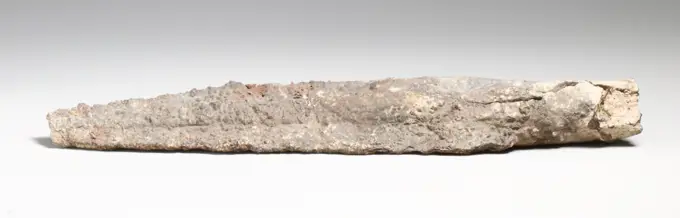
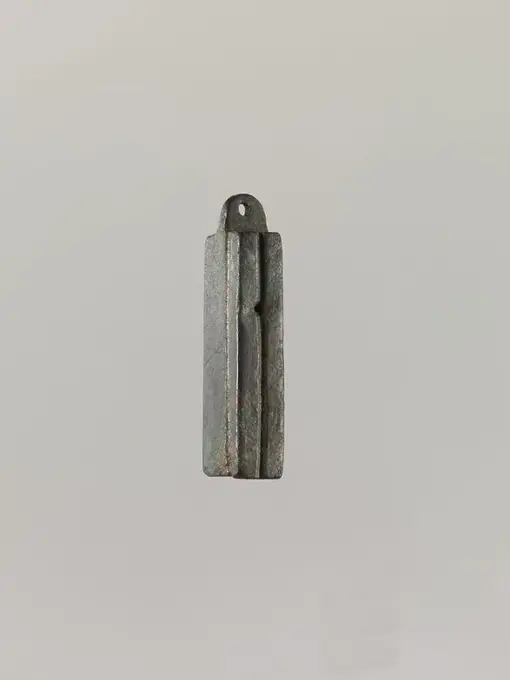
Fragment of driller, at one end flat and at the other end with slit, anonymous, c. 1590 - c. 1596 drill Fragment of a driller, at one end a slit (like a guts) and rectangular flat at the other end.  iron (metal) forging  Nova Zembla. Saving Huys
Fragment of driller, at one end flat and at the other end with slit, anonymous, c. 1590 - c. 1596 drill Fragment of a driller, at one end a slit (like a guts) and rectangular flat at the other end. iron (metal) forging Nova Zembla. Saving Huys
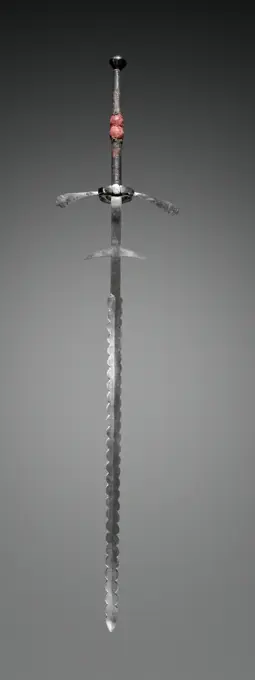
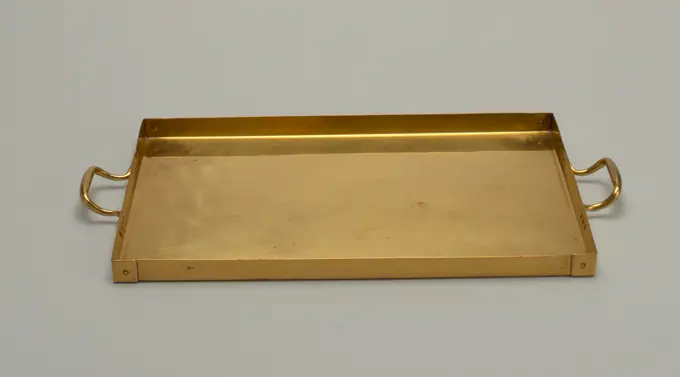
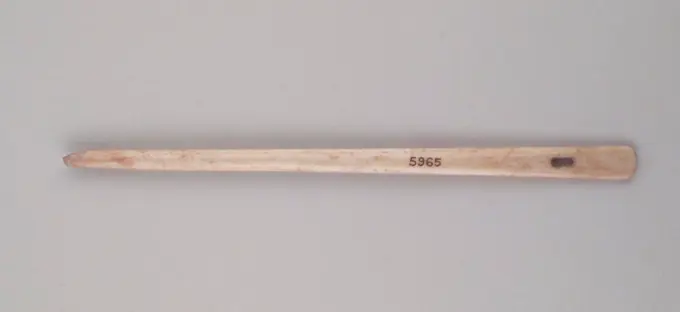
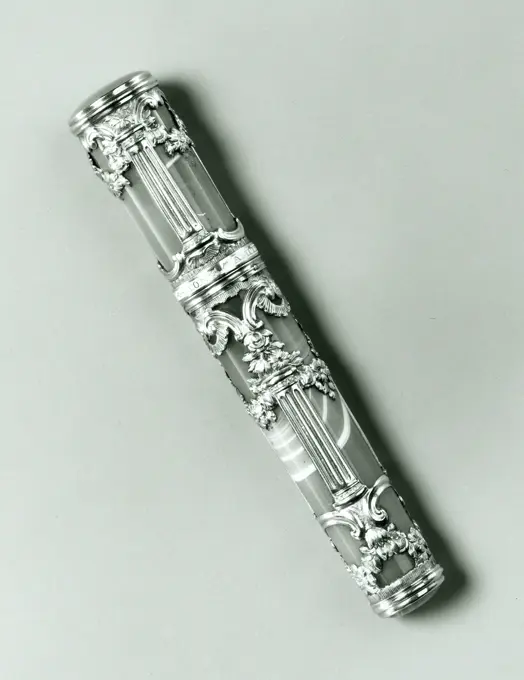
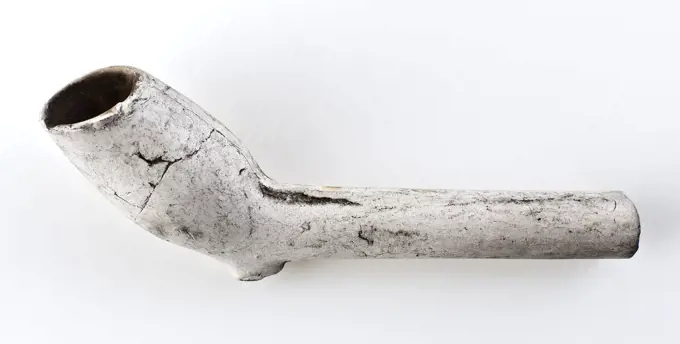
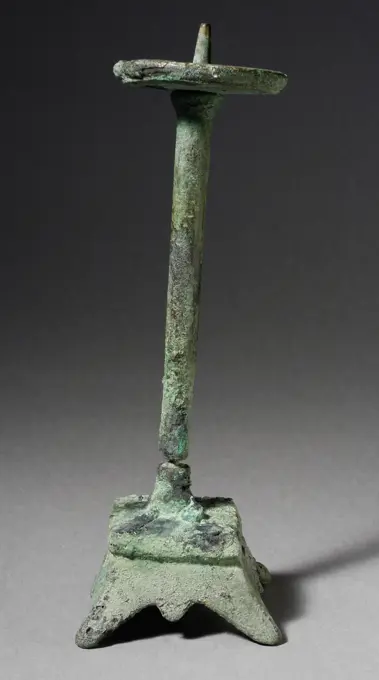
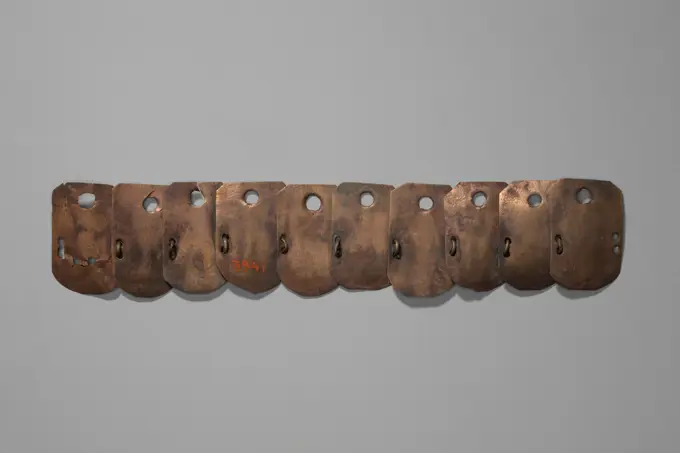
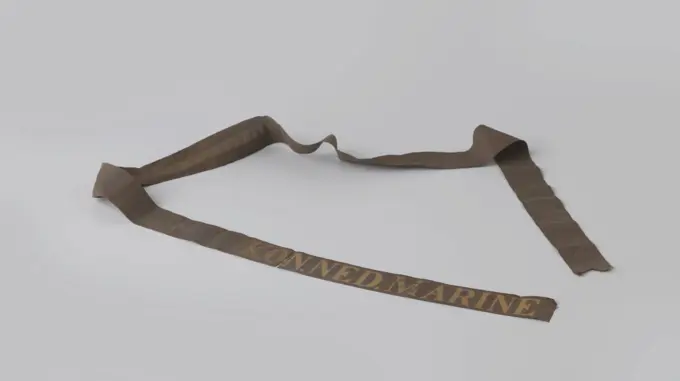
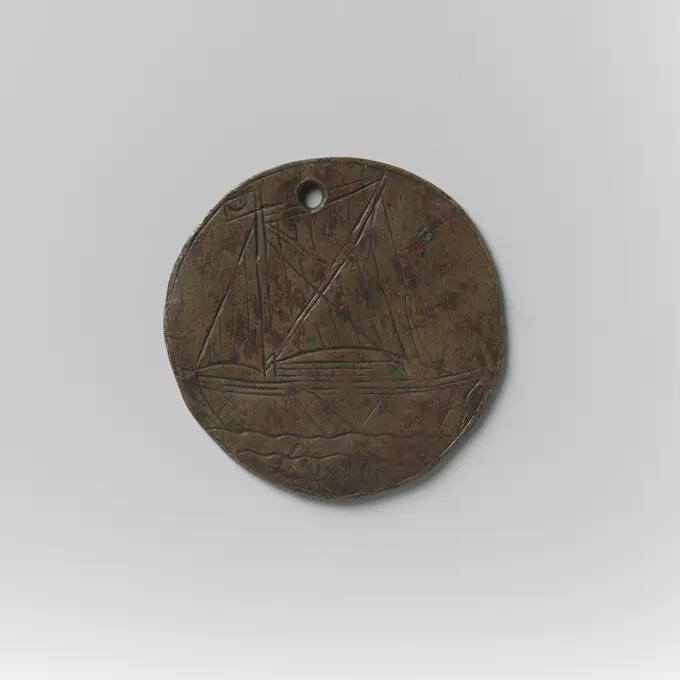
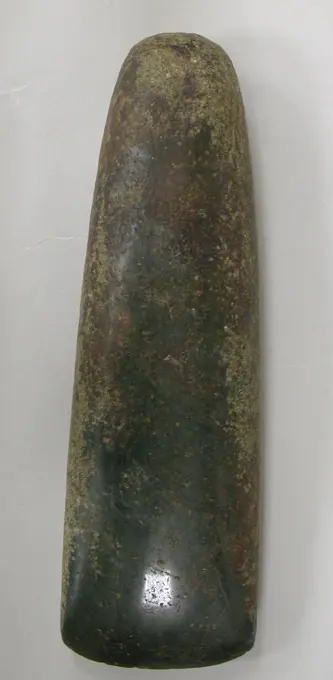
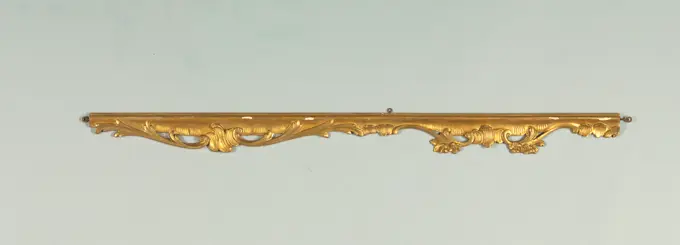
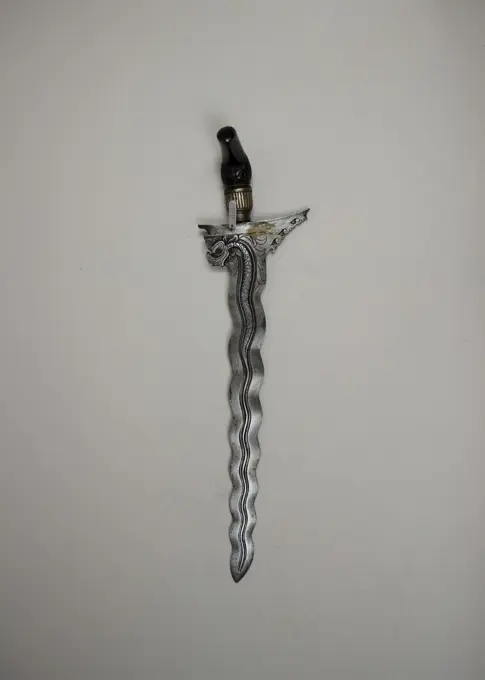
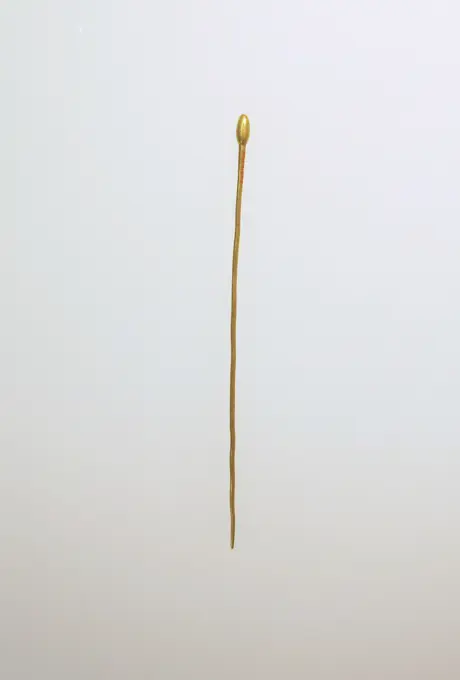
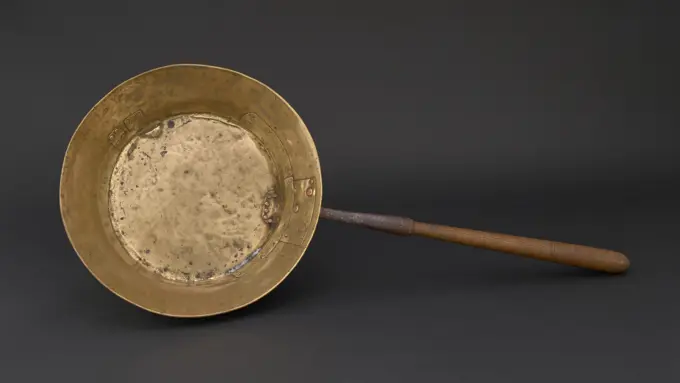
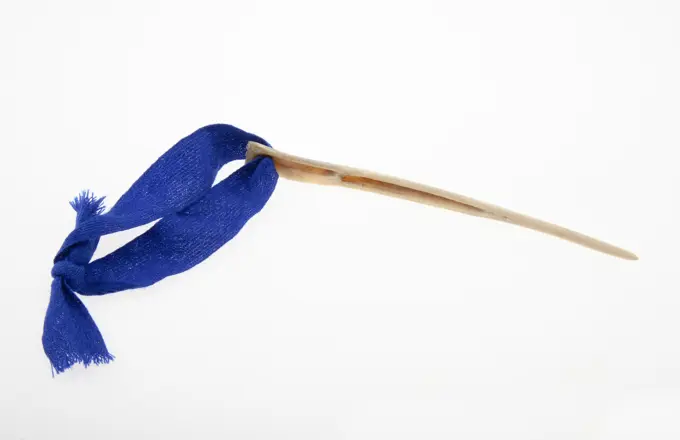
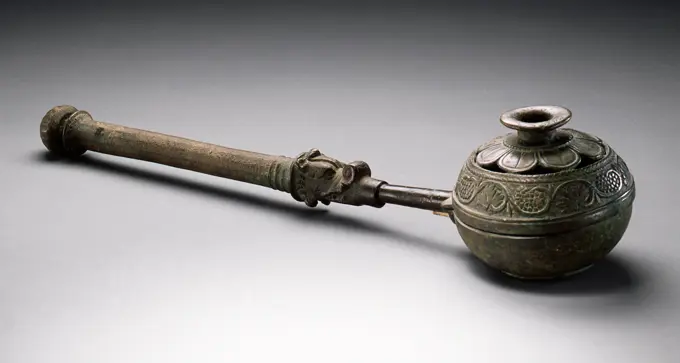
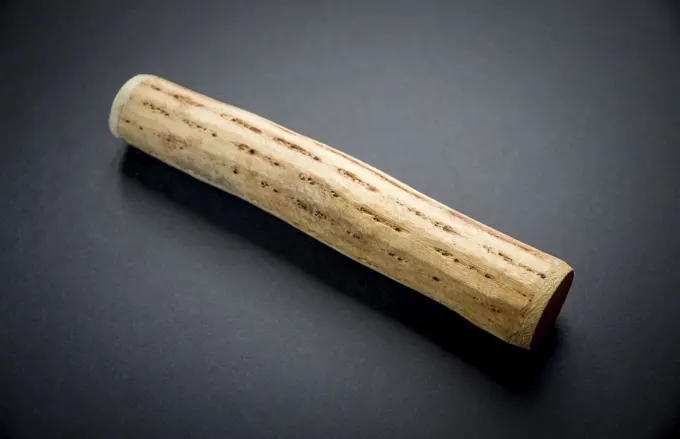
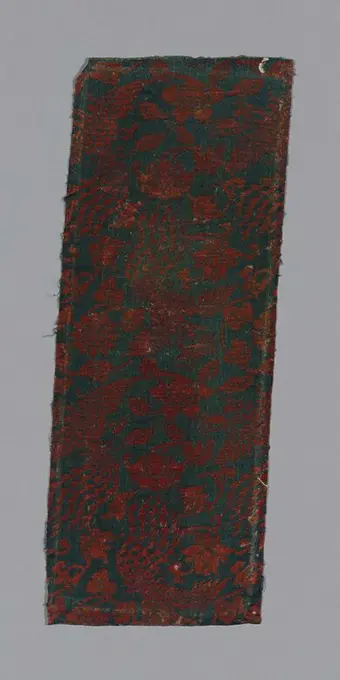
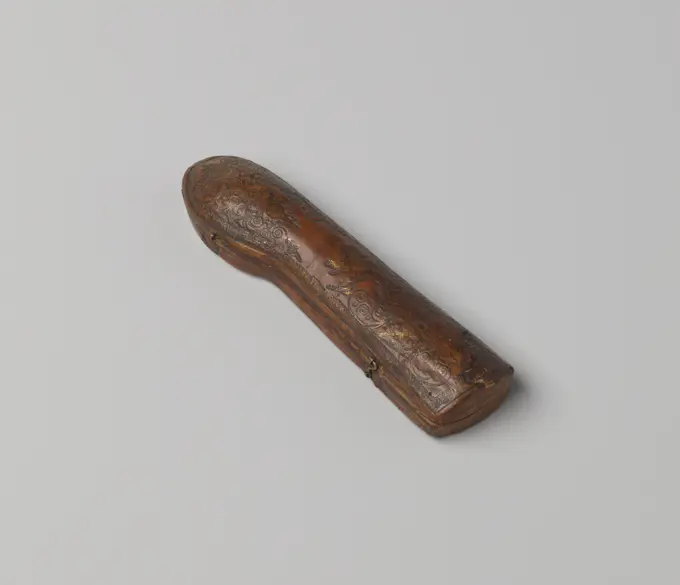
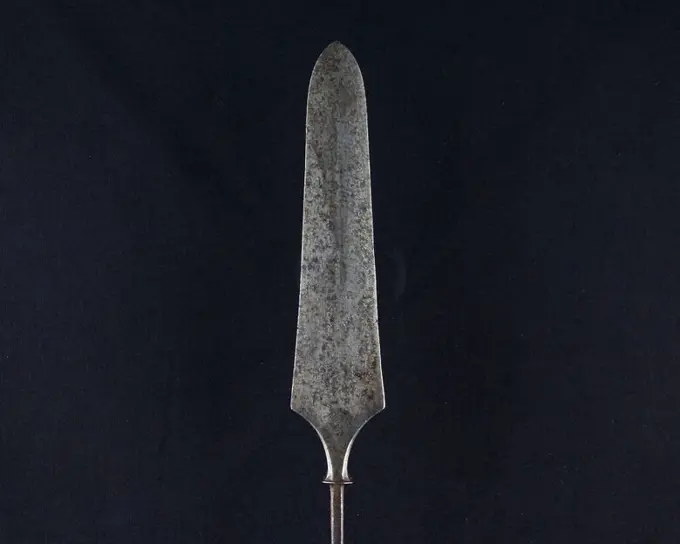
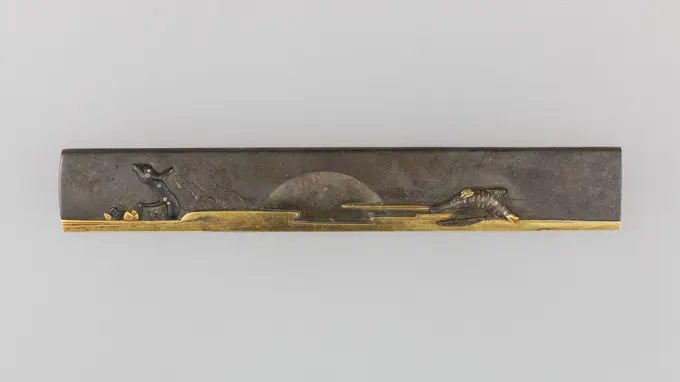
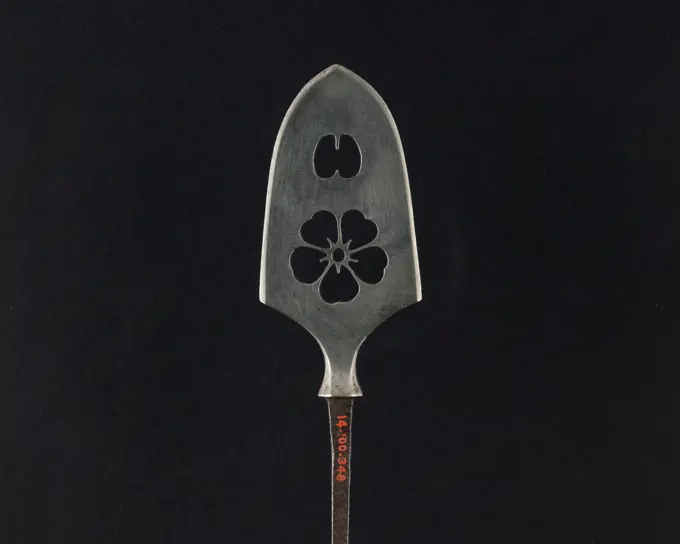
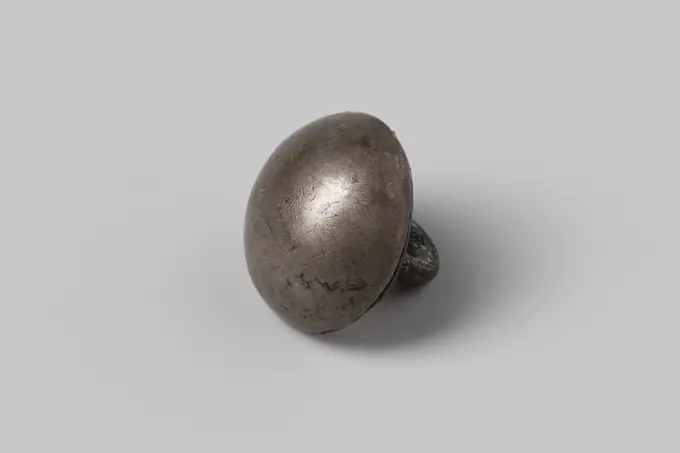
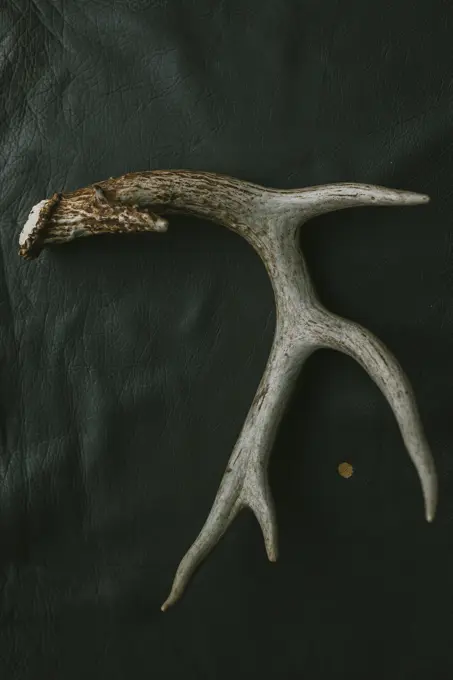
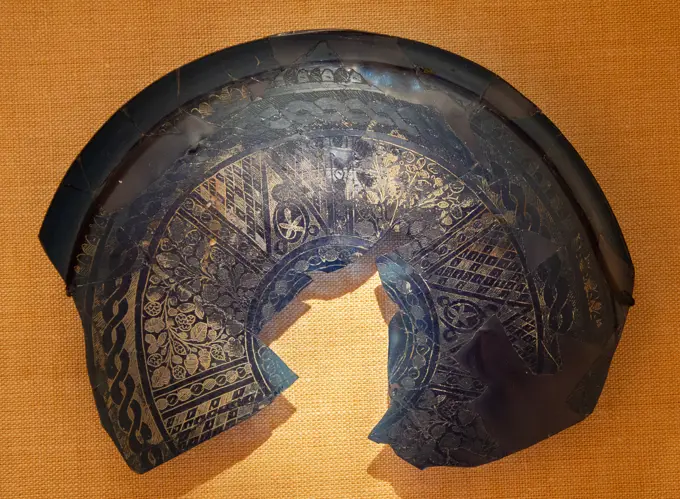
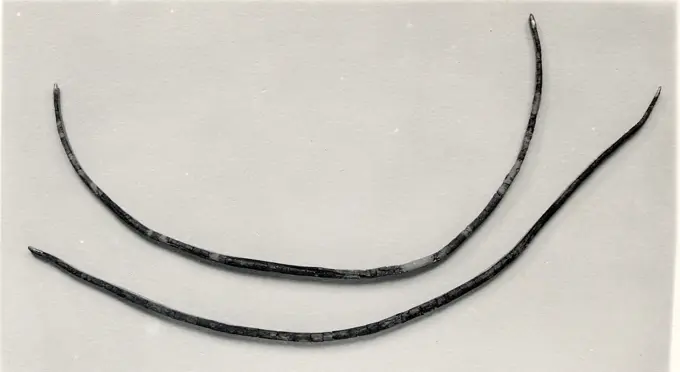
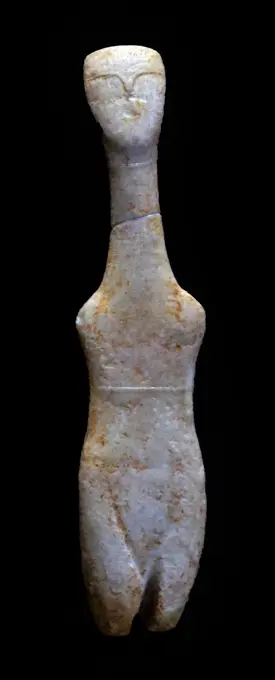
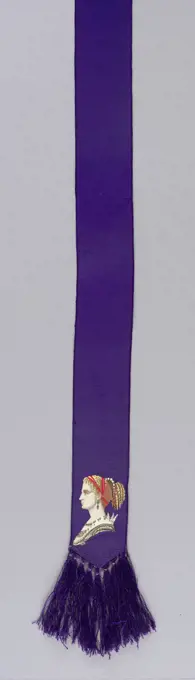
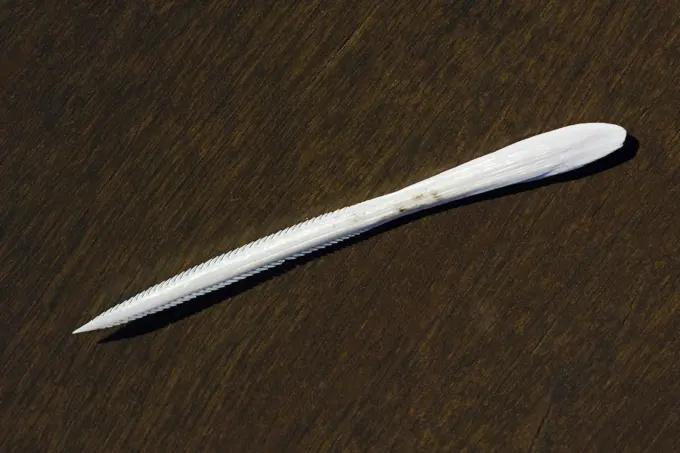
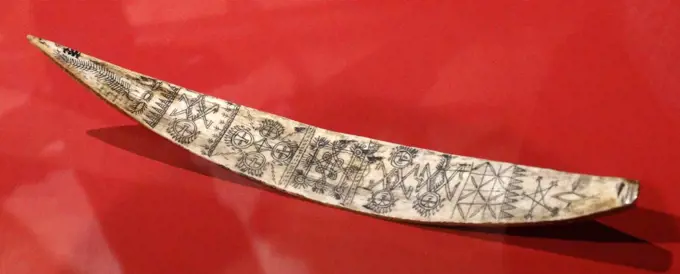
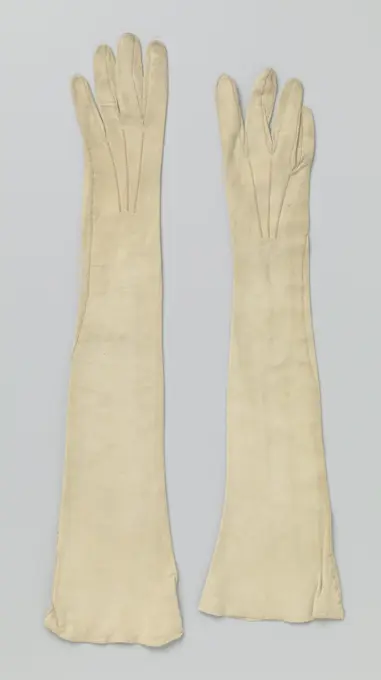
Close-up of protractorAdjustable pipe wrench on a blue backgroundSpoon with elongated, oval bowl and hexagonal handle, spoon cutlery soil find tin metal, poured Oblong oblong dish rat tail and praise hexagonal stalk Reverse side stalk unreadable smashed mark archeology Rotterdam rail tunnel food Soil discovery: rail tunnel Rotterdam.Two-Handed Sword, 1550-1600. Germany, second half of 16th Century. Steel; leather and wood grip, cloth-covered middle; overall: 191.5 cm (75 3/8 in.); blade: 144.8 cm (57 in.); quillions: 41.5 cm (16 5/16 in.); grip: 40.7 cm (16 in.); ricasso: 33.4 cm (13 1/8 in.). The two-handed sword, originally a weapon of war for specialist infantry, is so named because two hands were required to wield it. By the late 1600s, these enormous swords assumed a largely ceremonial or bodyguard function.Tablespoon.   Maker: Jonathan Otis, American, 1723-1791Dagger with Sheath 19th century Philippine, Mindanao. Dagger with Sheath 27832Powder Horn. Artist: F. M. Hazard. Culture: American. Dimensions: L. 6 1/4 in. (15.9 cm); Diam. 2 in. (5.1 cm); Wt. 1.2 oz. (34 g). Date: 1869. Museum: Metropolitan Museum of Art, New York, USA.Fragment of a tobacco pipe., Anonymous, c. 1600 - c. 1699 A fragment of a small white tobacco pipe, on which H.  pipe clay A fragment of a small white tobacco pipe, on which H.  pipe clayTea Tray (Netherlands); Designed by Jan Eisenloeffel (1876 - 1957); brassNeedle. Needle. BoneHammer isolated on whiteEtui 1765-70 British, London. Etui. British, London. 1765-70. Tapered cylinder of striated gray agate sheathed in chased gold cagework.White clay pipe, unnoticed, with smooth handle, clay pipe smoking equipment smoke floor pottery ceramics pottery, pressed finished baked White clay pipe unnoticed with smooth handle Pipe is made in unequal mold and the seams are still visible Various shrinkage or pressure cracks in pottery archeology smoking tobaccoFlail, Bavaria, GermanyCandelabrum. Egypt, Roman Period - Byzantine Period (30 BCE - 1000 CE). Furnishings; Lighting. BronzeKnife (France); Manufactured by Chantilly Porcelain Manufactory (France); porcelain, silver, steel; L x W: 21.3 x 2.1 cm (8 3/8 x 13/16 in.); The Robert L. Metzenberg Collection, gift of Eleanor L. Metzenberg; 1985-103-237Knife (England); Probably Bow Porcelain Manufactory (England, GB, United Kingdom); Manufactured by Chelsea Porcelain Manufactory (United Kingdom); porcelain, steel, silver; L x W: 27.6 x 2.5 cm (10 7/8 x 1 in.); The Robert L. Metzenberg Collection, gift of Eleanor L. Metzenberg; 1985-103-203Closed round bracelet (attributed title). Bronze. Carnavalet museum, history of Paris.Censer with Animal and Scroll Motifs 13th century North Italian Burning incense during church services symbolizes prayers rising to heaven. The architectural form of this censer is enriched by the animal forms that inhabit the surface.. Censer with Animal and Scroll Motifs 463199Knife (France); ivory, steel, silver; L x W: 18.4 x 1.5 cm (7 1/4 x 9/16 in.); The Robert L. Metzenberg Collection, gift of Eleanor L. Metzenberg; 1985-103-197Toggle -Roman bronze armour scales (10scales)Tire belonging to sailor hat, anonymous, c. 1800 - c. 1850  Piece of black silk ribbon (faded), with inscription woven in gold: Kon. Ned. Marine. Belonging to sailor hat of the Navy Corps. Netherlands silk.   NetherlandsCoin China. Coin 61149Medal; 1902-26-2Flute, anonymous, c. 1830 Flute in C van Palmhout with nine valves. Europe wood (plant material). boxwood Flute in C van Palmhout with nine valves. Europe wood (plant material). boxwoodDessert Knife (France); Designed by F. Nicoud (French, active 1890); silver, steel, mother-of-pearl, gilding; L x W x D: 20 x 1 x 0.8 cm (7 7/8 x 3/8 x 5/16 in.)Knife Handle (Kozuka) 18th century Japanese A kozuka is a handle of a by-knife that is part of a sword mounting. It is kept in a slot on the reverse of a katana scabbard, often with a matching kgai (hairdressing tool).. Knife Handle (Kozuka). Japanese. 18th century. Copper-silver alloy (shibuichi), gold. Sword Furniture-KozukaStaff, c. 1900, 36 1/8 x 1 5/16 x 1 3/16 in. (91.76 x 3.33 x 3.02 cm), Wood, Papua New Guinea, 19th-20th centuryStirrup. Culture: West Slavic. Dimensions: H. 5 3/8 in. (13.7 cm); W. 5 3/8 in. (13.7 cm); D. 1 1/4 in. (3.2 cm); Wt. 5 oz. (141.7 g). Date: 10th-11th century.This simple stirrup of Slavic type is said to have been found on the site of Dolkheim, today in Northern Poland.Horses had great importance in Slavic society, in both its social and religious aspects. Equestrian equipment, like stirrups, spurs and bits, are regularly found in their burials, even after their Christianization, among the goods warriors wanted to bring with them to the afterlife. The elite would sometimes even be accompanied by sacrificed horses, a meaningful practice at that time, considering the high economic value of horses. Museum: Metropolitan Museum of Art, New York, USA.Presence medal of the small interior guild guild in Amsterdam 1650, 1650 history medal. medal Round plate brass engraved on the front a sailing ship to the left, on the reverse two lines of text, in the name of Dirck Buys, with carrier hole  brass (alloy) engravingTerracotta fragment of a kylix (drinking cup) 460-450 B.C. Greek, Attic Exterior, right half of handle; two frond of a circumscribed palmette; below rim, an egg pattern. Terracotta fragment of a kylix (drinking cup). Greek, Attic. 460-450 B.C.. Terracotta; red-figure. Classical. VasesHair comb of gray mother -of -pearl plastic, with narrow, straight back, c. 1875 - c. 1900 Hair comb with four teeth of gray mother -of -pearl plastic, with narrow, straight, unadorned back. Netherlands (possibly) celluloid (cellulosic). cellulose acetate sawing / filing / polishing Hair comb with four teeth of gray mother -of -pearl plastic, with narrow, straight, unadorned back. Netherlands (possibly) celluloid (cellulosic). cellulose acetate sawing / filing / polishingLeft Stirrup. Culture: German. Dimensions: H. 5 1/2 in. (14 cm); W. 4 3/4 in. (12.1 cm); D. 1 1/2 in. (3.8 cm); Wt. 5.8 oz. (164.4 g). Date: early 15th century.The purpose of the asymmetrical shape of this stirrup was to accommodate the foot better and giving the rider more comfort and stability. The front of the suspension bar was adorned with a plaque, now lost. Museum: Metropolitan Museum of Art, New York, USA.Reed Pipe 19th century Native American (Northwest Coast). Reed Pipe 501311Borstel.Rectangular brush with a long turned stem. There is a ring at the end of the handle. The brush is marked: STK. = Amsterdam, JRL. = A (1760) and Mt. = Jan embroidery.Reduced housing model: roof of the Pavilion of the right angle. Terracotta. Cernuschi Museum, Asia Museum of Asia in the city of Paris.Maker Unknown, Peg Lamp, c. 1850-70, colorless and amethyst glass and brass.Naczynie. nieznany warsztat północno mezopotamski (ca 2600-ca 2350 a.C.), workshopSpearhead ca. 1050-1000 B.C. Cypriot. Spearhead 244192Frontlet of gold leaf. Frontlet of gold leaf 242977Runka 16th century Italian. Runka 25913Celt before 16th century Olmec (). Celt 317254Molding; wood, carvedKris 18th-19th century possibly Bornean. Kris 31256Pin Etruscan With plain oval head.. Pin. Etruscan. Gold. Gold and SilverFrying pan;  K.Xixw. (1880-00-00-1880-00-00);adze, amphibolite, 3000-2000 BC, Toril dolmen, Zalamea la Real, Huelva Museum, Huelva, Andalusia, Spain.Awl -Censer with Handle. Pakistan, Gandhara region, circa 4th century. Tools and Equipment; containers. copper alloyWestern cowboy equipment- sterling silver hand-engraved spurModel Chisel from the Foundation Deposit for Hatshepsut's Tomb New Kingdom ca. 1479-1458 B.C. View more. Model Chisel from the Foundation Deposit for Hatshepsut's Tomb. ca. 1479-1458 B.C.. Bronze or copper alloy, wood. New Kingdom. From Egypt, Upper Egypt, Thebes, Valley of the Kings, Tomb of Hatshepsut (KV 20), Foundation deposit, Davis/Carter excavations, 1903-04. Dynasty 18Traditional rain stick made of cactus wood isolated on black background. Traditional rain stick made of cactus wood isolated on blackSutra Cover. China. Date: 1590-1599. Dimensions: 34.8 × 13.3 cm (13 3/4 × 5 1/4 in.)Repeat: 18.1 × 10.8 cm (7 1/8 × 4 1/4 in.). Silk, warp-float faced 4:1 stain weave with supplementary patterning wefts bound in weft-float faced 1:4 satin interlacings. Origin: China. Museum: The Chicago Art Institute, Chicago, USA.Cutlery case ,, 1700 - 1800 Leather pouch for spoon, fork and knife; Pressed decoration with gilding Germany leather Leather pouch for spoon, fork and knife; Pressed decoration with gilding Germany leatherThe Hummer equipment on the white backgroundSpoon without stem or scales from v.o.c.-ship the 'white lion'. Spoon without stem or scales from v.o.c.-ship the 'white lion'. BOLVOLRMY metal object with short stalk (broken off). There is a hole on the left. The object is colored light gray and has lumps. The bottom is sand-colored and gray.EaselArrowhead (Yanone). Culture: Japanese. Dimensions: L. 14 in. (35.6 cm); L. of head 6 5/8 in. (16.8 cm); W. 1 3/8 in. (3.5 cm); Wt. 2.9 oz. (82.2 g). Date: 18th century. Museum: Metropolitan Museum of Art, New York, USA.Rolling Pin (Glass). Dated: c. 1938. Dimensions: overall: 34.1 x 45.3 cm (13 7/16 x 17 13/16 in.). Medium: watercolor, graphite, and colored pencil on paperboard. Museum: National Gallery of Art, Washington DC. Author: Donald Williams.Iron stirrup, 8th c. Avar Period, Zitavaska Jan. Slovakia.Miser's Purse (France); silk, steel; L: 31 cm (12 3/16 in.)Opium Pipe, 1800s. China, Qing dynasty (1644-1911). Ivory stem decorated with silver and enamel work; overall: 57.8 cm (22 3/4 in.).Fragment Pijpenkop from the wreck of the East Indians Hollandia, Anonymous, 1700 - in Or Before 1743  Pipe, bowl, heelmark: crowned P; fragm, no hsm. Netherlands pipe clay   SecondCoin. Culture: China. Dimensions: H. 2 in. (5.1 cm); W. 1/2 in. (1.3 cm). Museum: Metropolitan Museum of Art, New York, USA.Stone Chisel before 16th century Costa Rica. Stone Chisel 317279Knife Handle (Kozuka) dated 1784 Japanese A kozuka is a handle of a by-knife that is part of a sword mounting. It is kept in a slot on the reverse of a katana scabbard, often with a matching kōgai (hairdressing tool).. Knife Handle (Kozuka) 29713Copper lanyard, leather fittings with engraved shields, conical model, fitting belt accessory soil found copper brass metal, cast punched riveted engraved Copper belt band or belt tongue Elongated with two flat sides ending in blunt point. Consisting of three riveted copper strips of which the middle is shorter. Engraved adornment consisting of shield shape on which oblique beams on an underground line of lines archeology Rotterdam City Triangle Botersloot Binnenrotte leather clothing belt adorn close Soil discovery Rotterdam collapses Binnenrotte behind the Botersloot.Arrowhead (Yanone) 13th-18th century Japanese Although today Japanese warriors are renowned most for their swordsmanship, archery, especially from horseback, has been an essential part of samurai warfare and culture for centuries. Arrows were fitted with heads of varying shape according to their intended use in war, the hunt, or target practice. Arrowheads made for use on the battlefield incorporated different designs intended for specialized purposes such as the piercing of armor or to cause maximum damage to horses and unarmored personnel.Large arrowheads, pierced and elaborately chiseled with landscapes, birds, flowers, dragons, and Buddhist divinities, were created to be admired for the beauty of their metalwork and design rather than for use in archery. Such highly elaborate examples may have been made for presentation or as a votive offerings to a shrine.. Arrowhead (Yanone). Japanese. 13th-18th century. Steel. Archery Equipment-ArrowheadsNails and screws, computer illustration.Mwana nya nghiti, 20th century, 6 3/4 x 2 3/4 x 2 5/8 in. (17.1 x 7.0 x 6.7 cm), Wood, Tanzania, 20th centuryTextile; 1975-79-3Vertical plate - frame;  19th century (1801-00-00-1900-00-00);Button from the wreck of the East India hollandia. Button. Button; Domed Plain Top, Silver-Plated, Flat Base, Loop-Shank, Lead-Filled.Hunting chopper with calendar blade Gemich, Ambro YA Single Deer Antler on a Leather BackgroundFob late 18th century Italian. Fob 102464Buckle ca. 1550 possibly Italian. Buckle. possibly Italian. ca. 1550. Brass. Miscellaneous-Buckles & OrnamentFragmentary Plate with Engraved Designs 9th century The striking blue color of this plate was achieved by adding cobalt to the glass fabric, and its surface has been engraved with various patterns arranged in concentric registers around a central roundel. The circular hole at the center indicates the place where a foot was once attached. This plate is important evidence of the active glass trade from west to east during the ninth and tenth centuries. Probably made in Syria, it was imported to Nishapur where it was found in the prosperous Tepe Madrasa section of the city. The fact that six dishes of this type were found in the crypt of the Famen Temple in China demonstrates the far eastern reaches of the trade routes that passed through Nishapur. Furthermore, the evidence from this temple, whose crypt was sealed in 874, provides an ante quem date for our plate.. Fragmentary Plate with Engraved Designs. 9th century. Glass, blue; blown, applied trail, scratch-engraved. Attributed to SyriaAppliqué for a funeral couch. UnknownKnife Handle (Kozuka). Culture: Japanese. Dimensions: L. 3 13/16 in. (9.7 cm); W. 9/16 in. (1.4 cm); thickness 1/4 in. (0.6 cm); Wt. 1.3 oz. (36.9 g). Date: ca. 1615-1868. Museum: Metropolitan Museum of Art, New York, USA.ButterKnife.   Maker: Wood and Hughes, American, active 1840-99Bow from the tomb of Senebtisi ca. 1850-1775 B.C. Middle Kingdom. Bow from the tomb of Senebtisi 544152Antennae Sword 1500-500 B.C. India. Antennae Sword. India. 1500-500 B.C.. Copper. MetalworkKnife lift from the wreck of the East India Hollandia. Knife, handle, cylindrical: tapering; ID. NG 1980-27H1364.Vintage pens and quillMiser's purse, Medium: silk, metal Technique: crocheted, Crocheted black silk embroidered with areas of red, blue and yellow silk. Further ornamented with beads of gold and cut steel. Stylized leaf pattern and other decoration in the same beads. Gold and steel rings control side opening; tassels at each end of beads, twisted gold wire, and faceted cut steel balls., France, early 19th century, costume & accessories, Miser's purseWatch in the form of a globe, 1552 Silver pivot watch with string without spiral. Cupboard in the form of a globe, engraved. With compass and sundial. On the dial Adam in Paradise. Unknownclockmaker: Strasbourg (France) silver (metal) Silver pivot watch with string without spiral. Cupboard in the form of a globe, engraved. With compass and sundial. On the dial Adam in Paradise. Unknownclockmaker: Strasbourg (France) silver (metal)Cycladic 'Apeiranthos style' figurine, from Naxos, Greece, Early Cycladic culture evolved in three phases, between c. 3300 - 2000 BCE, when it was increasingly swamped in the rising influence of Minoan CreteSash, Medium: silk Technique: jacquard woven, Narrow purple sash with two identical portraits of a woman in profile on each end. Finished with purple fringe., France, late 19th century, woven textiles, SashIndonesia, Tail Barb Of Stingray; KomodoHełm typu korynckiego. unknown, authorAmulet carved from buffalo bone. Made by the Batak people of Sumatra, Indonesia in the 19th century.Roman era. Loom weight. Clay. Archaeological Museum of Seville. Spain.Gozon (Way Lidia) ĆmielówFragment crane from the wreck of the East Indians Hollandia, Anonymous, 1700 - in Or Before 1743  Tap, part of tap; fragm of spout, front id. NG 1979-521H. Netherlands copper (metal)   SecondFragment of a tobacco pipe., Anonymous, c. 1400 - c. 1950 Fragment of a tobacco pipe. Completely smooth.  earthenware. pipe clay   Slot Loevestein Fragment of a tobacco pipe. Completely smooth.  earthenware. pipe clay   Slot LoevesteinSpit Bracket 16th century Spanish (). Spit Bracket. Spanish (). 16th century. Iron. Metalwork-Ironwater bottle over  white background Glove of beige chamois leather, sozet, c. 1900 - c. 1920 Left glove of beige chamois leather with three embroidered gold -colored lines on the back. At the wrist a split with three mother -of -pearl knots. France geheel: chamois (animal material). knopen: mother of pearl Left glove of beige chamois leather with three embroidered gold -colored lines on the back. At the wrist a split with three mother -of -pearl knots. France geheel: chamois (animal material). knopen: mother of pearl