Historic Metal Artifacts

An array of historical metal items including a sword, carved wood styles, and various ancient tools, showcasing craftsmanship from different eras.

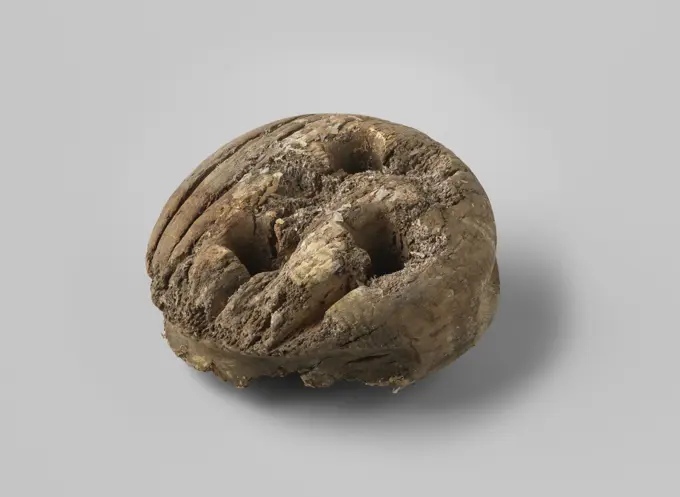
Fragment of driller, at one end flat and at the other end with slit, anonymous, c. 1590 - c. 1596 drill Fragment of a driller, at one end a slit (like a guts) and rectangular flat at the other end.  iron (metal) forging  Nova Zembla. Saving Huys
Fragment of driller, at one end flat and at the other end with slit, anonymous, c. 1590 - c. 1596 drill Fragment of a driller, at one end a slit (like a guts) and rectangular flat at the other end. iron (metal) forging Nova Zembla. Saving Huys
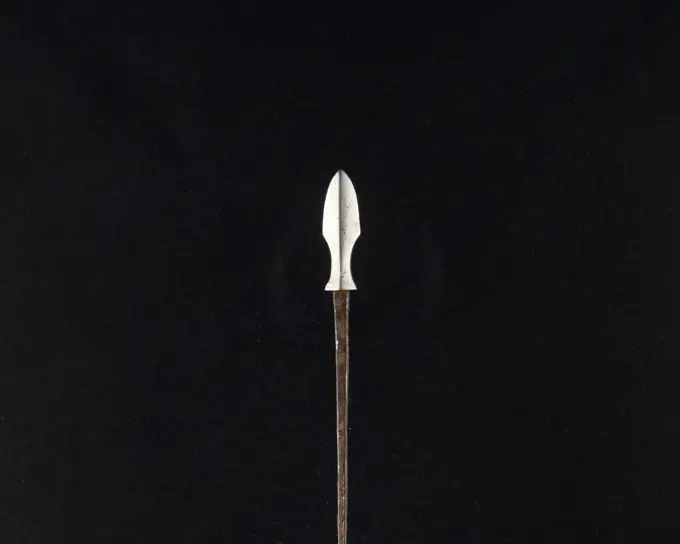
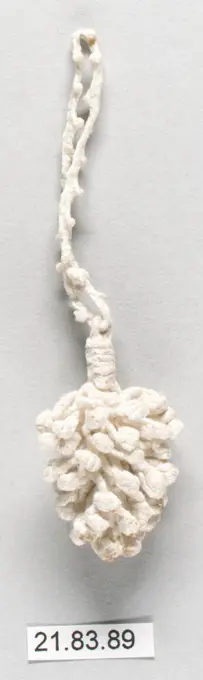
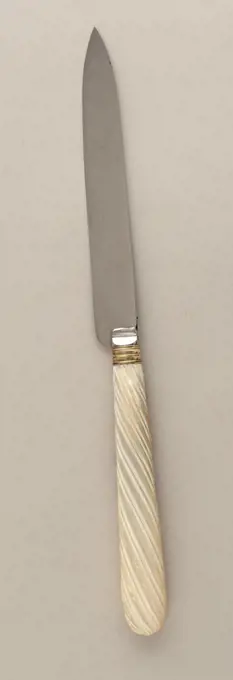
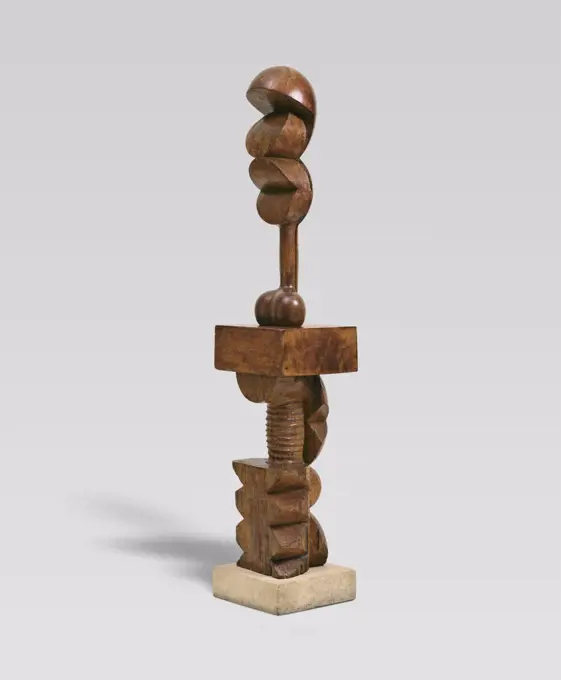
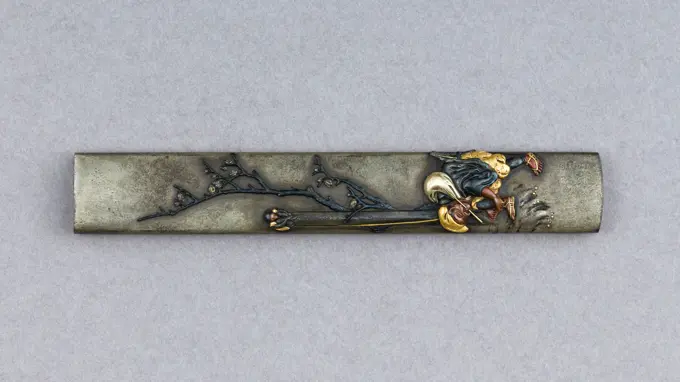
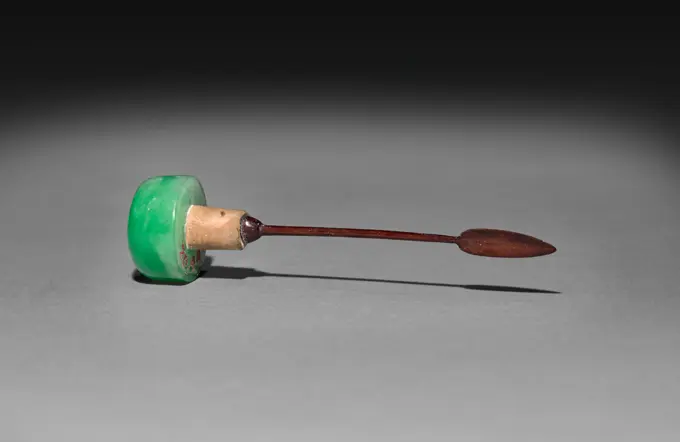
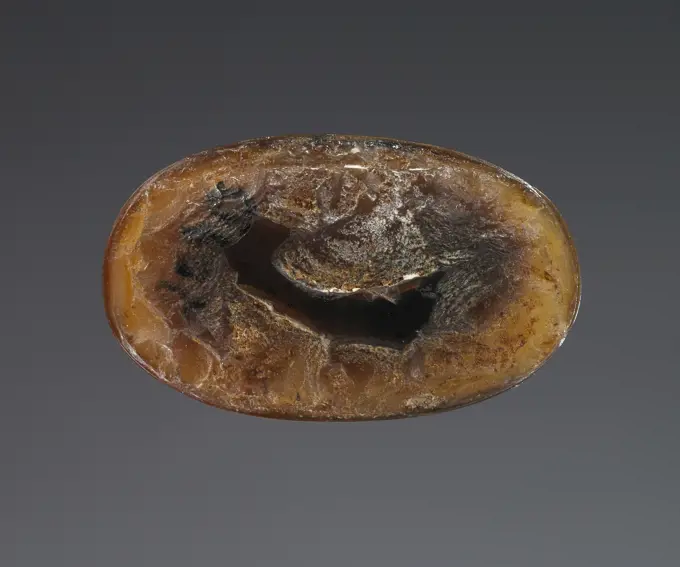
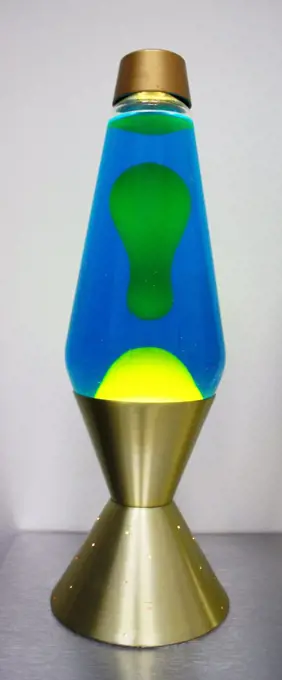
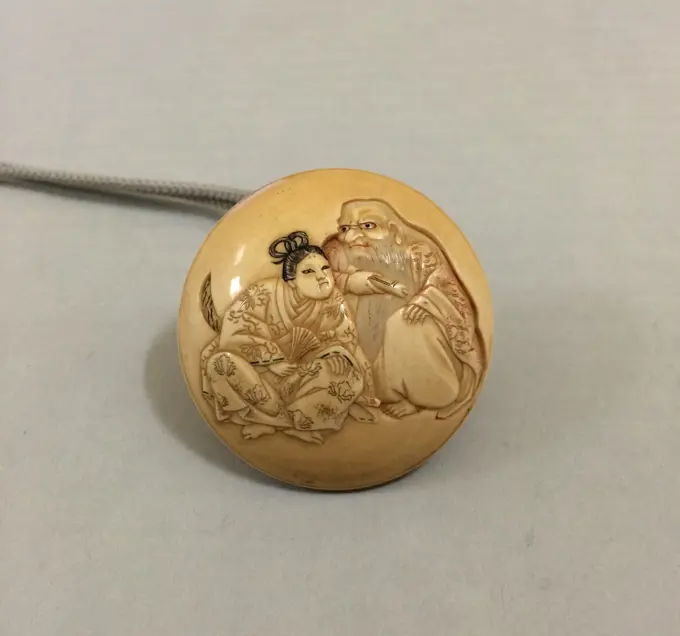
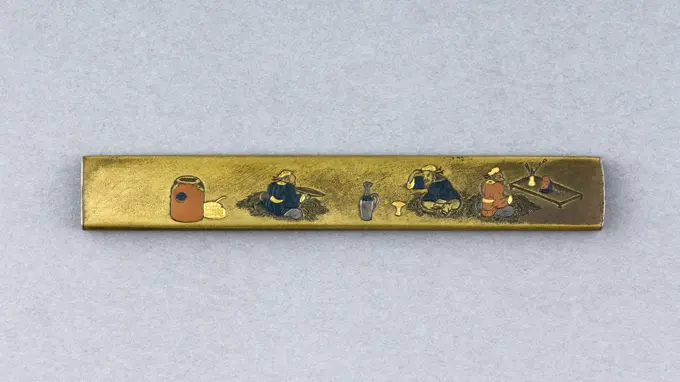
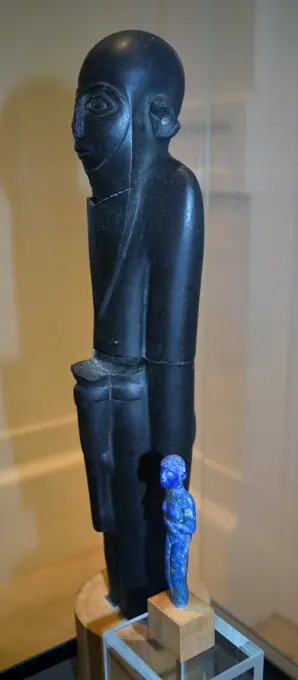
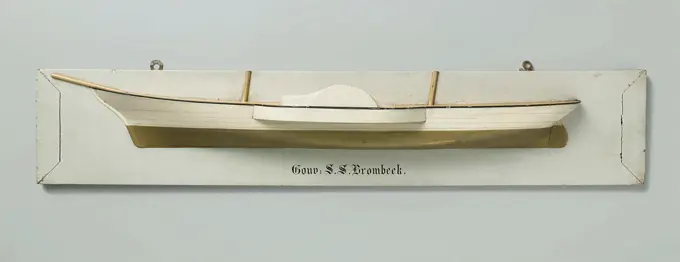
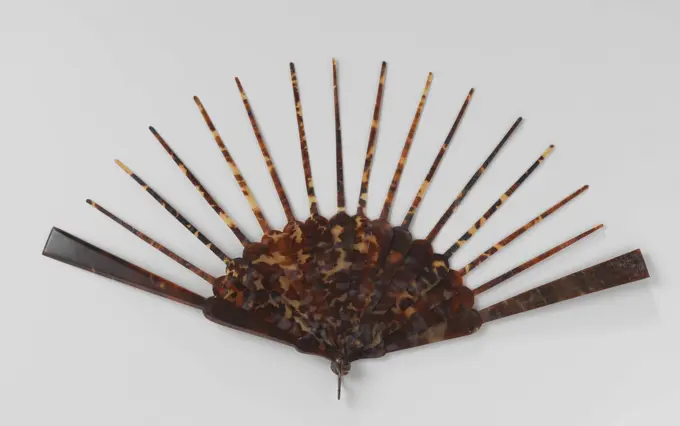
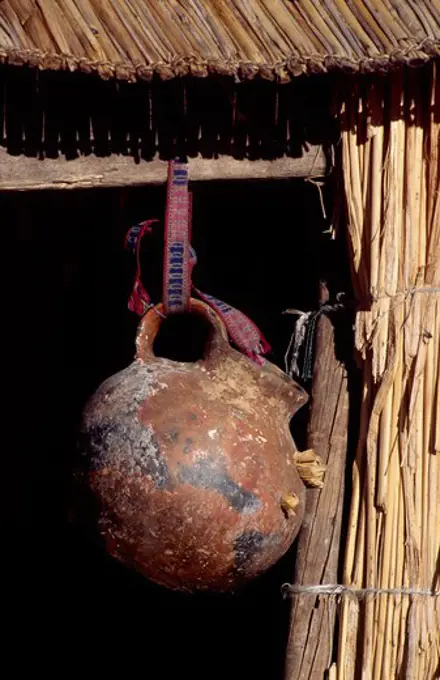
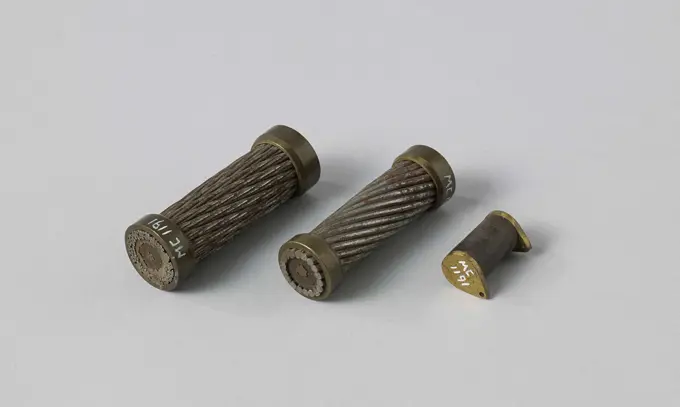
Two samples or Telegraph Cable for Floating MINES AND A BREAK.Two Samples from telegraph cable for sea mines, each with brass rings at the ends. Both are mistrochure with a heart of seven copper threads in a thick insulating layer of black plastic. The outer sheath of the thicker cable consists of seven yarn cable stroke. The 'break' () Consists of a tube with two pear-shaped brass plates at the ends, one has a hole for a key.Pottery Sheath for a pottery dagger, Incised Red-and-Black Polished Ware, Early Bronze Age, 2000 BC. from CyprusToe stall ca. 1479-1425 B.C. New Kingdom. Toe stall 547654Arrowhead (Yanone) 18th century Japanese Although today Japanese warriors are renowned most for their swordsmanship, archery, especially from horseback, has been an essential part of samurai warfare and culture for centuries. Arrows were fitted with heads of varying shape according to their intended use in war, the hunt, or target practice. Arrowheads made for use on the battlefield incorporated different designs intended for specialized purposes such as the piercing of armor or to cause maximum damage to horses and unarmored personnel.Large arrowheads, pierced and elaborately chiseled with landscapes, birds, flowers, dragons, and Buddhist divinities, were created to be admired for the beauty of their metalwork and design rather than for use in archery. Such highly elaborate examples may have been made for presentation or as a votive offerings to a shrine.. Arrowhead (Yanone). Japanese. 18th century. Steel. Archery Equipment-ArrowheadsTassel 17th century Italian. Tassel. Italian. 17th century. Linen. Textiles-TrimmingsTabakspijp., anonymous, c. 1400 - c. 1950 Tobacco pipe.  earthenware. pipe clay Tobacco pipe.  earthenware. pipe clayBog Shoe for Horse. Dated: c. 1936. Dimensions: overall: 35.3 x 24.2 cm (13 7/8 x 9 1/2 in.). Medium: watercolor, gouache, pen and ink, and graphite on paper. Museum: National Gallery of Art, Washington DC. Author: James Vail.Knife Handle (Kozuka). Culture: Japanese. Dimensions: L. 3 7/8 in. (9.8 cm); W. 9/16 in. (1.4 cm); thickness 3/16 in. (0.5 cm); Wt. 1.3 oz. (36.9 g). Date: ca. 1615-1868. Museum: Metropolitan Museum of Art, New York, USA.Dessert knife, F. Nicoud, French, active 1890, Silver, steel, mother-of-pearl, gilding, One of twelve steel-bladed dessert knives with mother-of-pearl handles and gilt bolsters., ca. 1890, cutlery, Decorative Arts, Dessert knifethrowing staff of Pharaoh Akhenaten, blue faience, dynasty, XVIII, 1352-1336 a. C., royal tomb, Tell el-Amarna, Egypt, collection of the British Museum.old tennis ball on a wooden floorAdam and Eve, Brancusi, Constantin (1876-1957)Knife, ivory (whale bone), silver, steel, gold, Sabre-shaped blade with straight upper edge; plain bolster. Silver ferrule engraved with leaf-pattern; has traces of gilding. Carved ivory handle, oval in section, has plain lower part and a decorative pattern around the middle of the handle. Upper part of handle carved in the shape of a king (shown from the waist up) wearing a crown. He is holding a chalice in one hand while pointing to it with the other hand., possibly France, ca. 1600, cutlery, Decorative Arts, KnifeA Pair of Chopsticks, 918-1392. Korea, Goryeo period (918-1392). Bronze; overall: 23.9 cm (9 7/16 in.). In Korea, chopsticks made of metal such as brass, silver, and gold were excavated from ancient tombs and ruins dated to the 6th century at the earliest. Burial goods often include utilitarian objects such as table wares and utensils because the dead were believed to need them in the afterlife.Knife Handle (Kozuka) ca. 1615-1868 Japanese A kozuka is a handle of a by-knife that is part of a sword mounting. It is kept in a slot on the reverse of a katana scabbard, often with a matching kōgai (hairdressing tool).. Knife Handle (Kozuka) 34532Pipe Bag, late 19th century, 26 13/16 x 7 11/16 in. (68.1 x 19.5 cm) (without fringe), Animal hide, beads, cotton, United States, 19th centurySnuff Bottle (stopper), 1644-1911. China, Qing dynasty (1644-1911). Glass; overall: 7.4 cm (2 15/16 in.).Cameo with a Lion; Roman Empire; 1st - 3rd century; Sardonyx; 2.3 × 1.4 × 1.1 cm (7,8 × 9,16 × 7,16 in.)Fragment image in gown, toes, sculpture footage fragment limestone stone, total (10397 tm 10400) ca 130 kg sculpted Rectangular pedestal with three toes and fragment of gown At 10397 10399 and 10400 Roman gownViking walking-stick, 10th century. Artist: UnknownInscribed Adze From Foundation Deposit 2 of Hatshepsut's Valley Temple ca. 1479-1458 B.C. New Kingdom. Inscribed Adze From Foundation Deposit 2 of Hatshepsut's Valley Temple. ca. 1479-1458 B.C.. Wood, bronze or copper alloy, leather. New Kingdom. From Egypt, Upper Egypt, Thebes, Asasif, Hatshepsut Valley Temple, Foundation Deposit 5AFD2, MMA excavations, 1915-16. Dynasty 18Knife, steel, glass beads, thread, Sabre-shaped blade with globular bolster. Tubular-tapered handle covered beadwork in multi-colored spiral-floral bands on a white ground., England, late 17th-18th century, cutlery, Decorative Arts, KnifeMeat fork wooden handle on gray stone slate backgroundlava lamps (or Astro lamps are a decorative novelty item, invented by British accountant Edward Craven Walker, the founder of Mathmos, in 1963. The lamp contains blobs of coloured wax inside a glass vessel filled with clear or translucent liquid; the wax rises and falls as its density changes due to heating from an incandescent light bulb underneath the vessel.LidNetsuke of Yoshitsune as a Child and Tengu with a Fan 19th century Japan. Netsuke of Yoshitsune as a Child and Tengu with a Fan. Japan. 19th century. Ivory. Edo (1615-1868) or Meiji period (1868-1912). NetsukeTerracotta fragment of a kylix (drinking cup) 6th/5th centuries B.C. Greek, Attic Right half of a kylix handle with a bit of the handle patch. Terracotta fragment of a kylix (drinking cup). Greek, Attic. 6th/5th centuries B.C.. Terracotta; black-figure. Archaic. VasesAx head ca. 2030-1550 B.C. Middle Kingdom-Second Intermediate Period. Ax head 544278Loofah (Luffa sp.) Dried fruit 'Sponge' (Luffa sp.)Fire Tongs. Dated: c. 1937. Dimensions: overall: 30.5 x 23 cm (12 x 9 1/16 in.). Medium: watercolor and graphite on paper. Museum: National Gallery of Art, Washington DC. Author: Clyde L. Cheney.Knife Handle (Kozuka) ca. 1615-1868 Japanese A kozuka is a handle of a by-knife that is part of a sword mounting. It is kept in a slot on the reverse of a katana scabbard, often with a matching kōgai (hairdressing tool).. Knife Handle (Kozuka) 34622Fragment of a Vessel in the Shape of a Fish with a Chain and CircularOrnamentMacGregor Man', a basalt statue which depicts a bearded man wearing a skull cap and a belt and penis sheath. It is named after the Reverend William MacGregor, who purchased the piece together with a group of ivory statuettes said to have been found near Naqada.Half model or a paddle steamer. Polychromed stack model (port) of a tweemast passenger steam ship. The model has a falling venture with a double bend in it. Elliptical fence with stir with round robe (American rudder) and rounded leaf. One closed rear cupboard in the side. The Zeeg opens forward; The underwater ship is a round trip with flat bottom.CrossJufferblok from the wreck of the East Indians Princesse Maria, Anonymous, 1700 - 1735  Flat cylindrian wooden disc, solid with three holes and a slot in the edge. Highly worn out and damaged on one side. Deadeye. Middelburg wood (plant material)Imposing knife Illustration of a knife stuck into a surface Copyright: xZoonar.com/PaulxFleetx 812290USA, Arizona, Scottsdale. Native-American tomahawk and shadow.Shadow Puppet (Wayang Kulit) of SurengGanaVertical image of closed tap in bathroom Vertical macro image of closed tap over a white bathroom sink Copyright: xZoonar.com/AlainxdexMaximyx 13701697Feather quill pen with a vintage ink well and old paper on a dark rustic wooden backgroundBerber brooches, Maghreb, "Corral del Carbón" , "al-fundaq al-yadida", 14th century, Granada, Andalusia, Spain.Reliek ostensorium. The object consists of a plate decorated with an engraved Christ's figure, which is placed on four legs and where four mans figures with Kromtenaven are placed on the corners, which stop their right or their left hand, in which they have probably behaved something together. The plate is decorated with eight rosettes. In the middle two yoking stands were placed, one of which is missing.eyed betyl idol, marble, 2500-2300 BC, marble, Perdigoes, Reguengos de Monsaraz, Évora, Portugal, Huelva Museum, Huelva, Andalusia, Spain.A musselBelt with Buckle, 1800s. Siam, 19th century. Brass; overall: 12.2 x 7.4 cm (4 13/16 x 2 15/16 in.).Star anis and cinnamon stick on shaleAngel or statue of a Saint, Rise, Oppdal k., Sor-Trondelag, Viking Age. Reliquary shrine, Kaupang, Larvik k., Vestfold, 9th-10th century. Mould for making crosses. Eikenes, Larvik k., Vestfold. Viking Age. Historical Museum. Oslo. Norway.. Turtle frame with fan ring and eye; 16 Continuous legsWATER VESSEL hangs from a REED HOUSE on the FLOATING ISLANDS of LAKE TITICACA near PUNO - PERU