Historic Metal Bowls and Dishes

Collection of antique bowls and dishes from various cultures, featuring intricate designs and varying materials, emphasizing texture and historical significance.
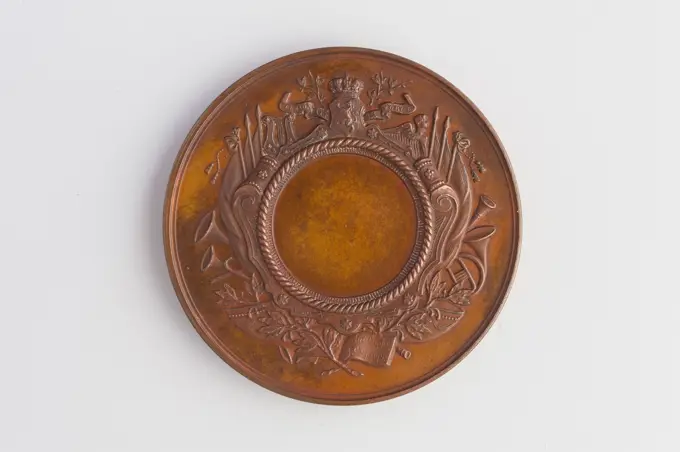
Carnavalet Museum, Medals Collection
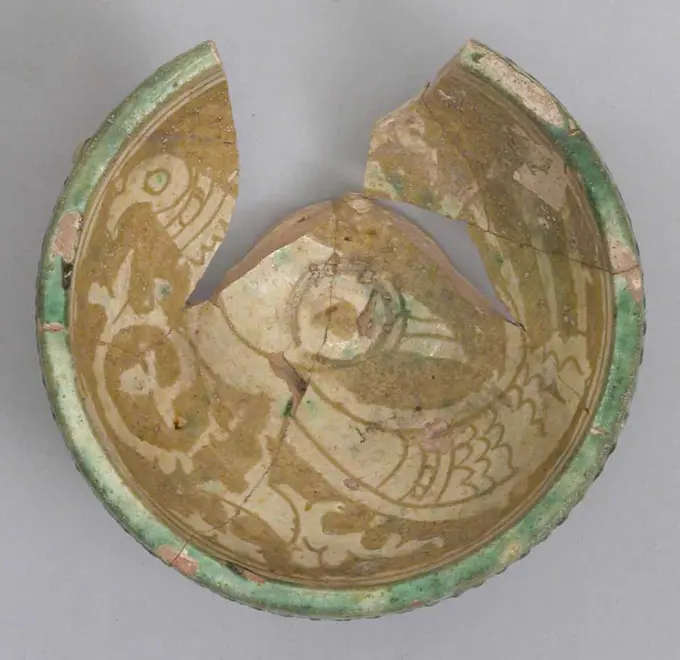
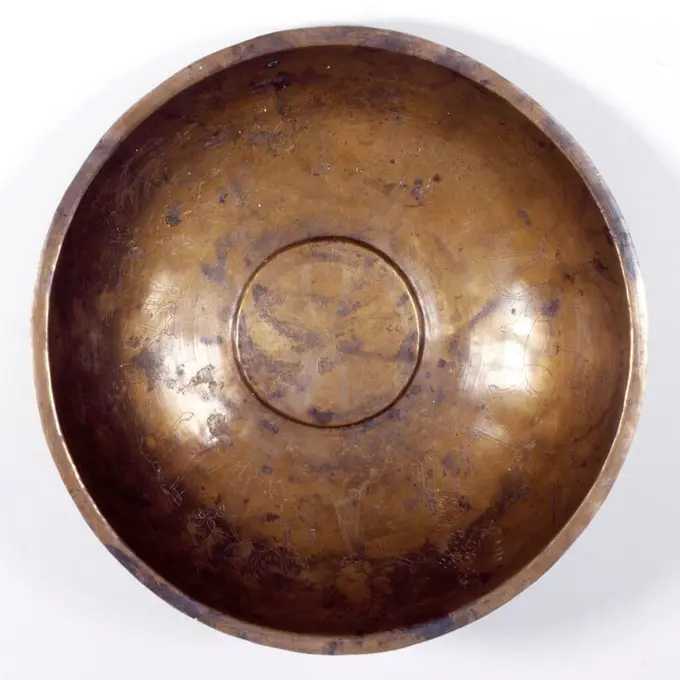
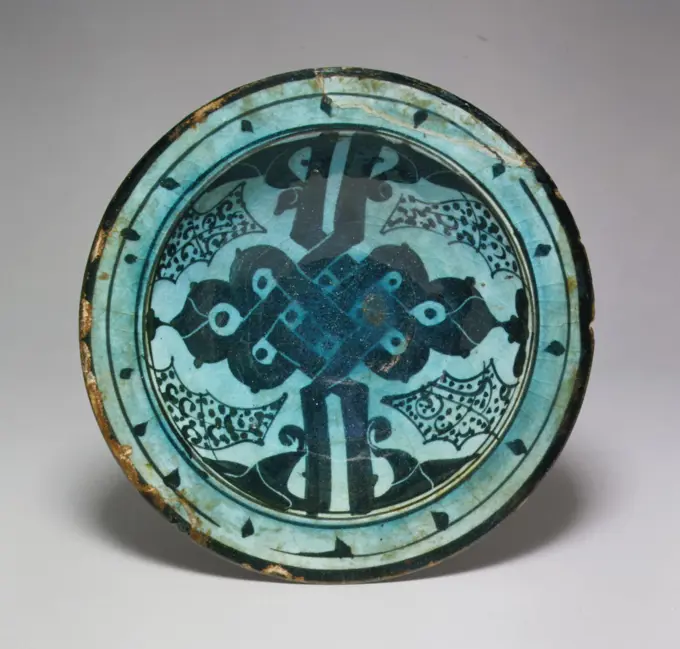
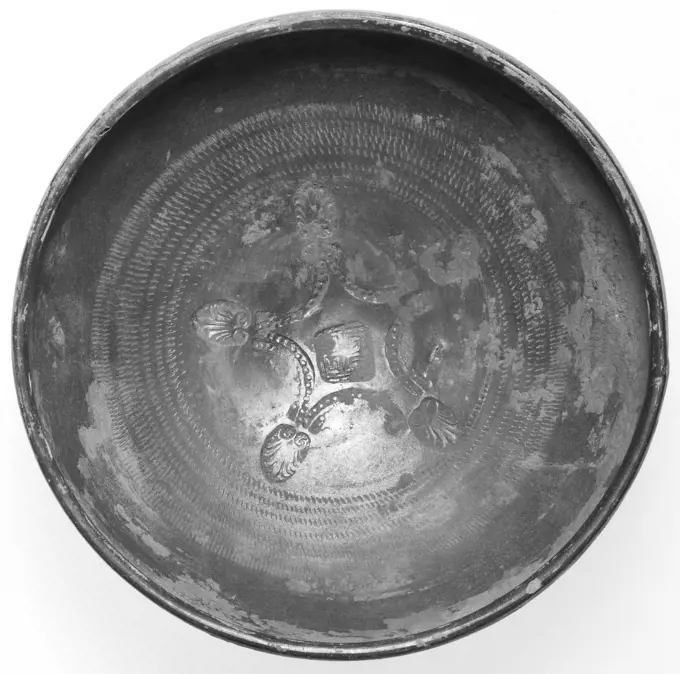
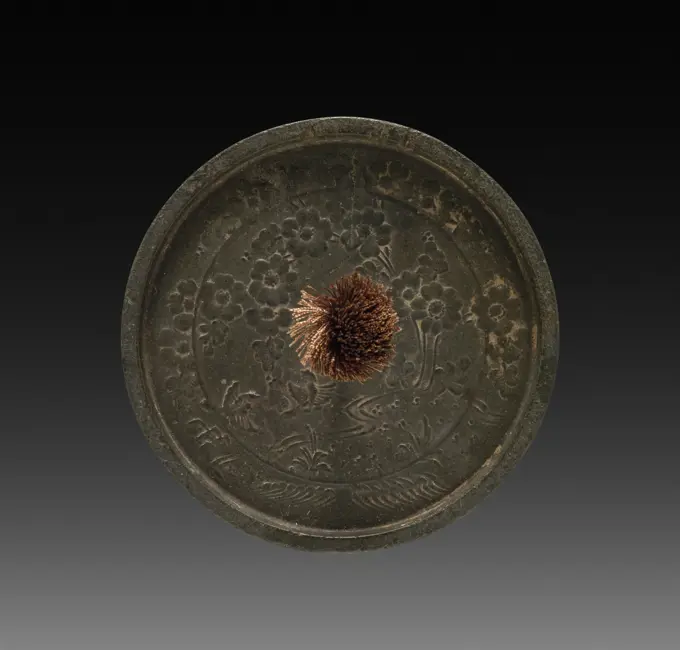
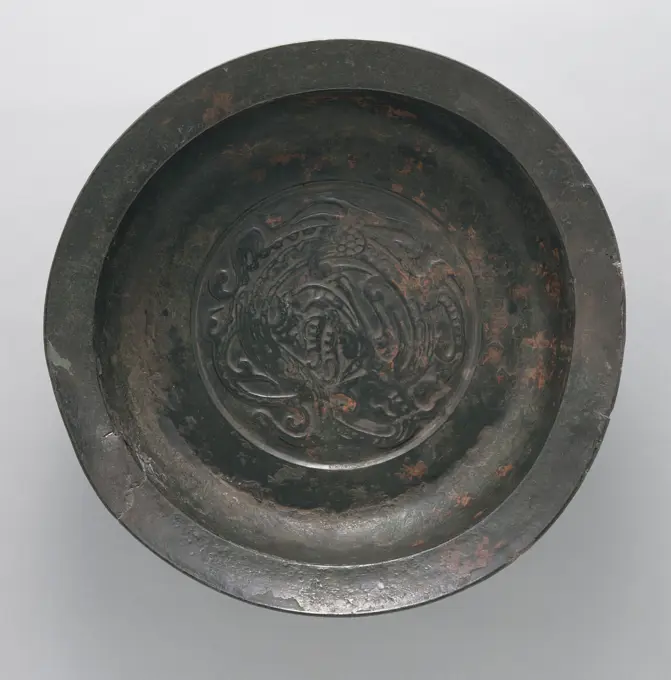
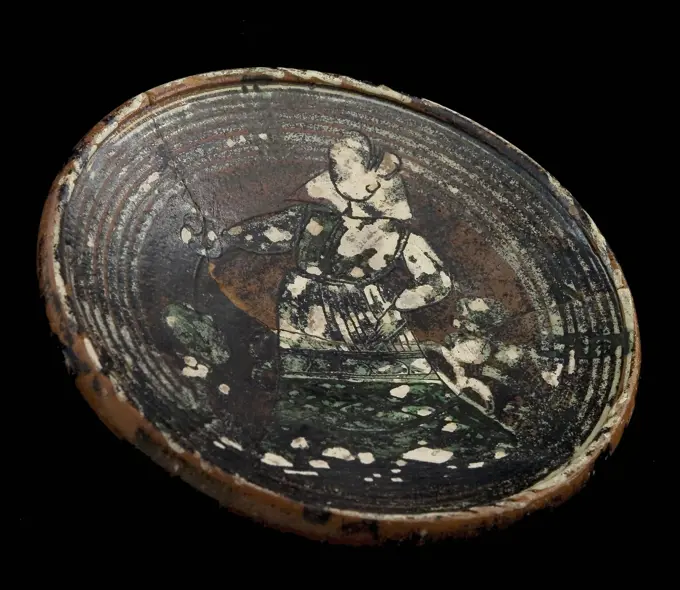
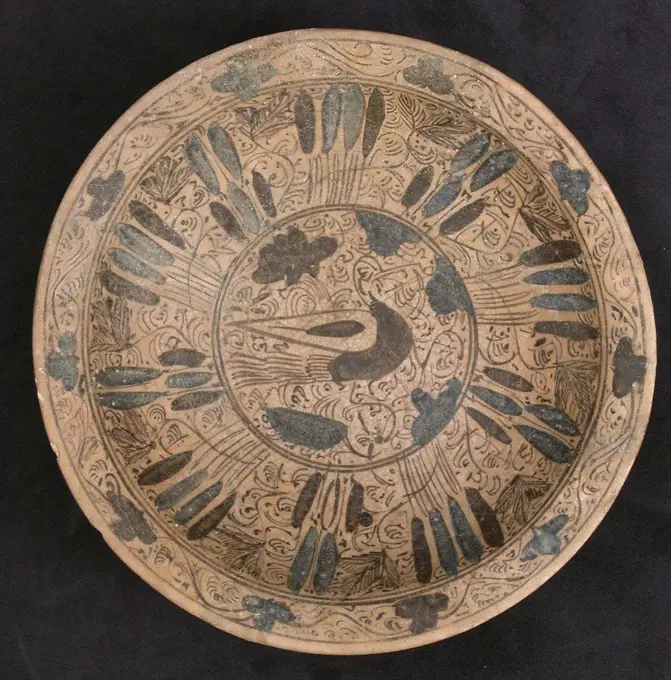
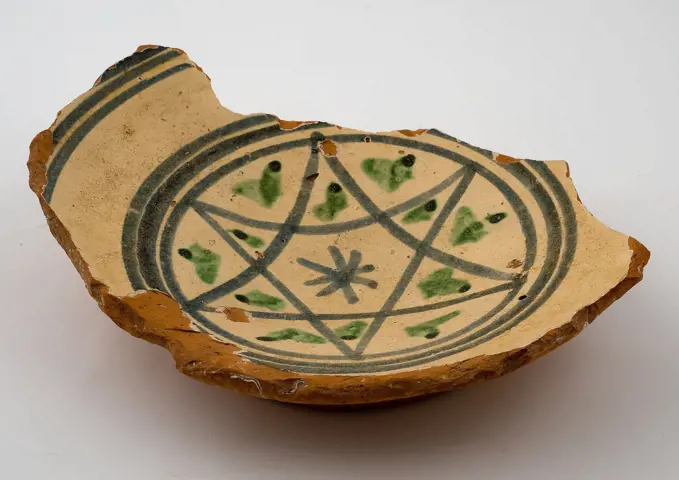
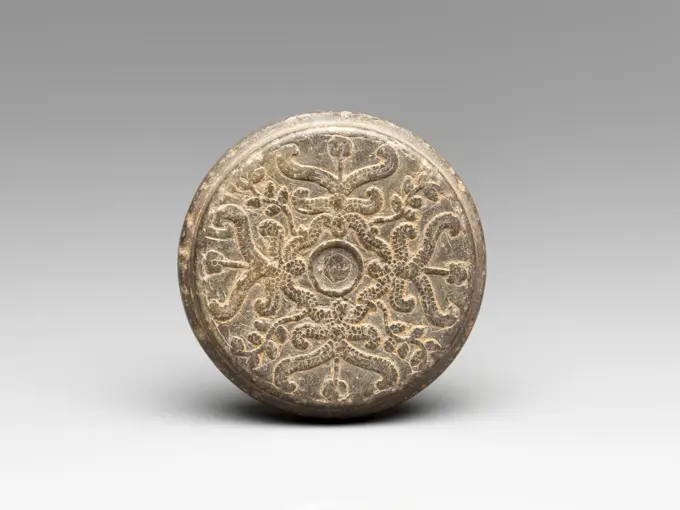
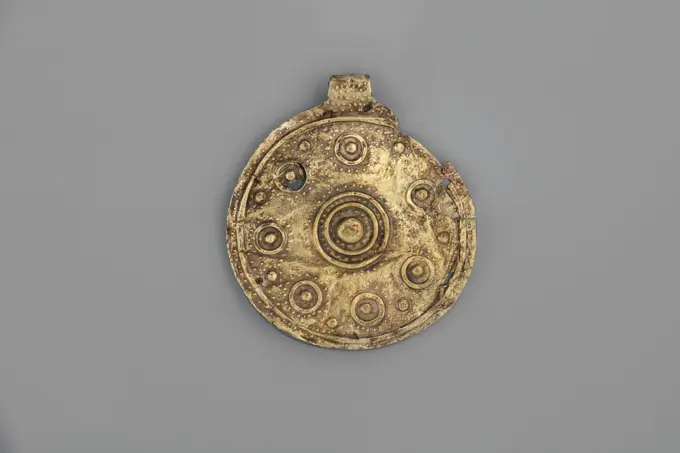
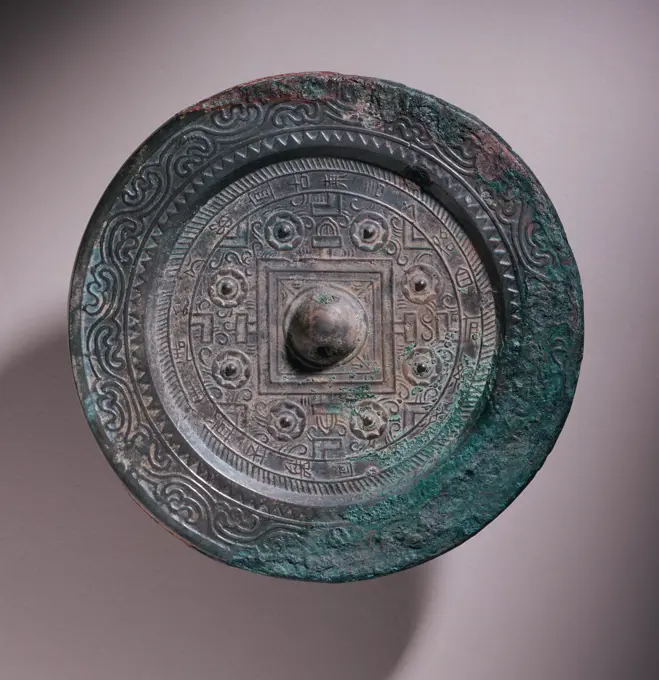
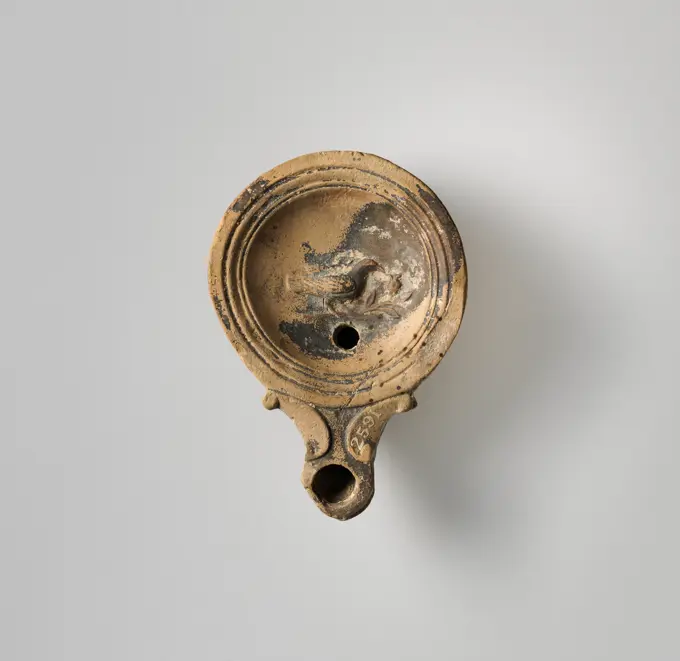
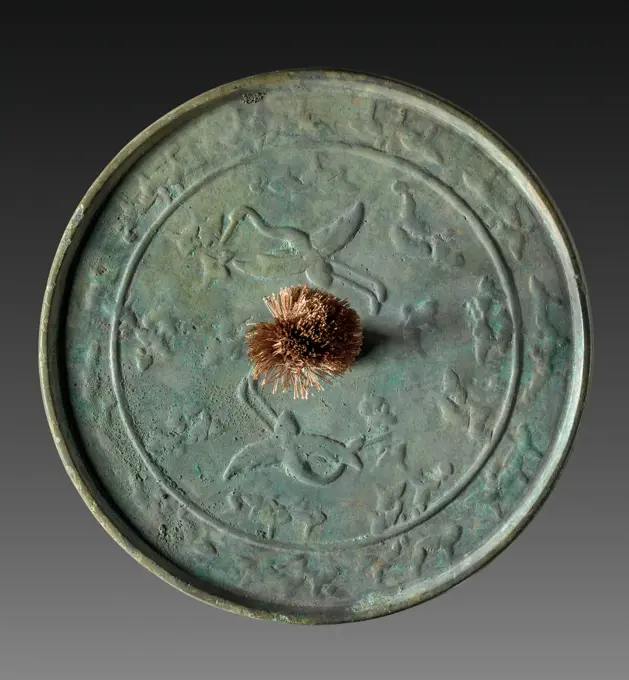
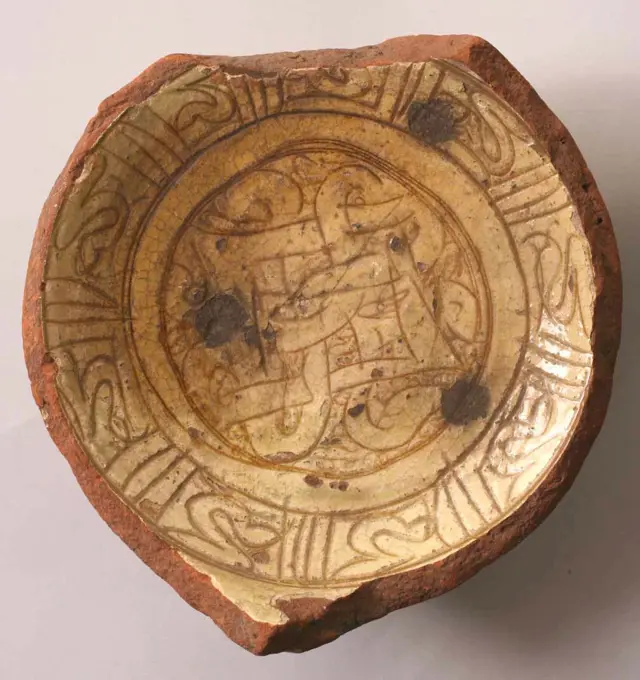
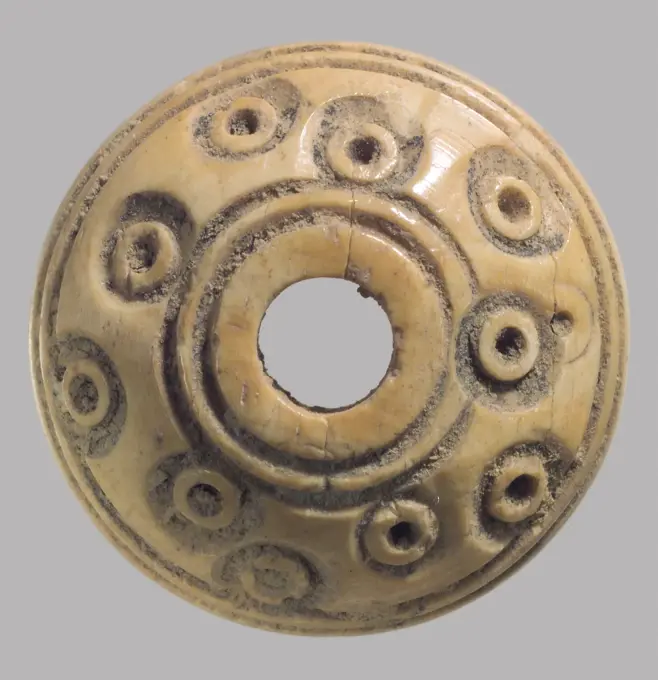
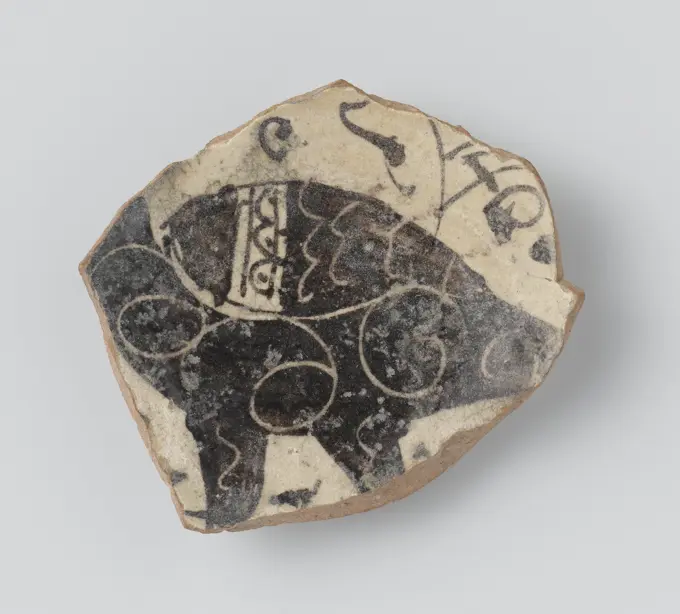
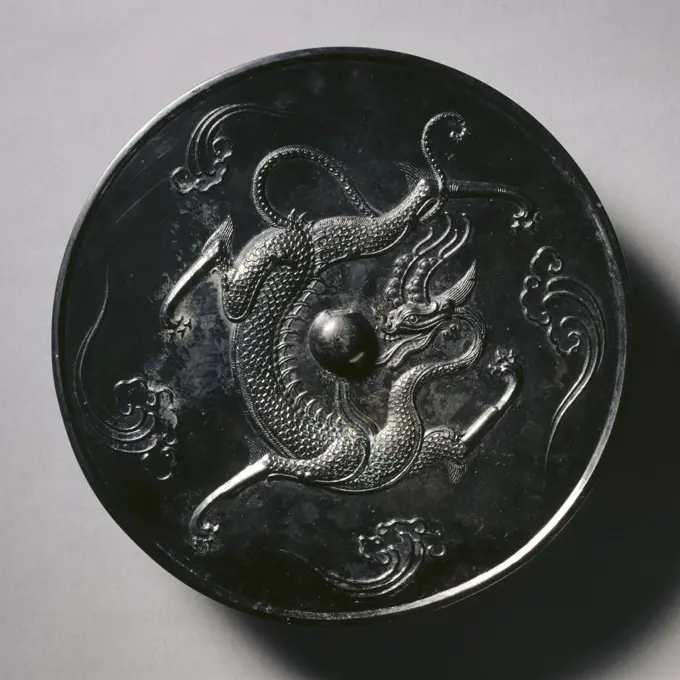
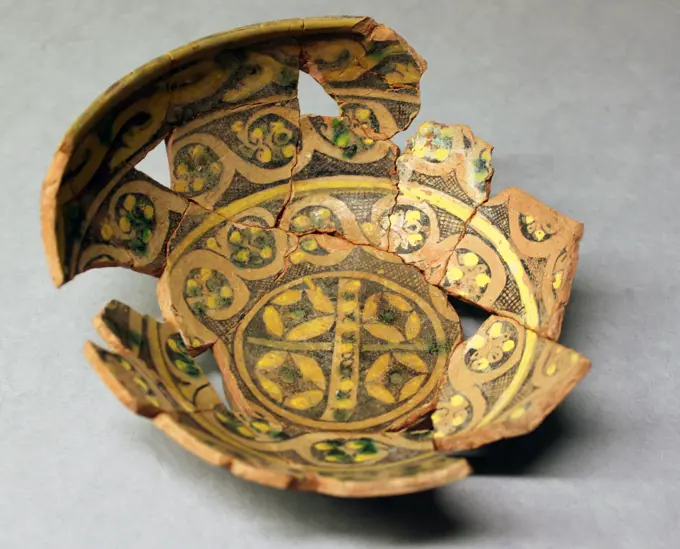
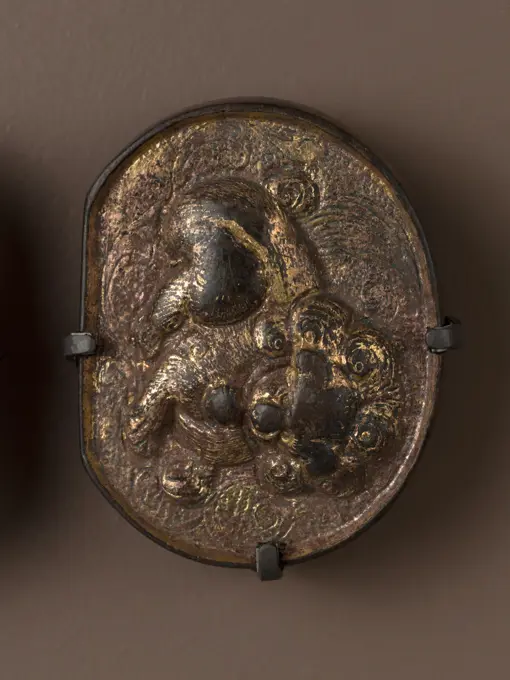
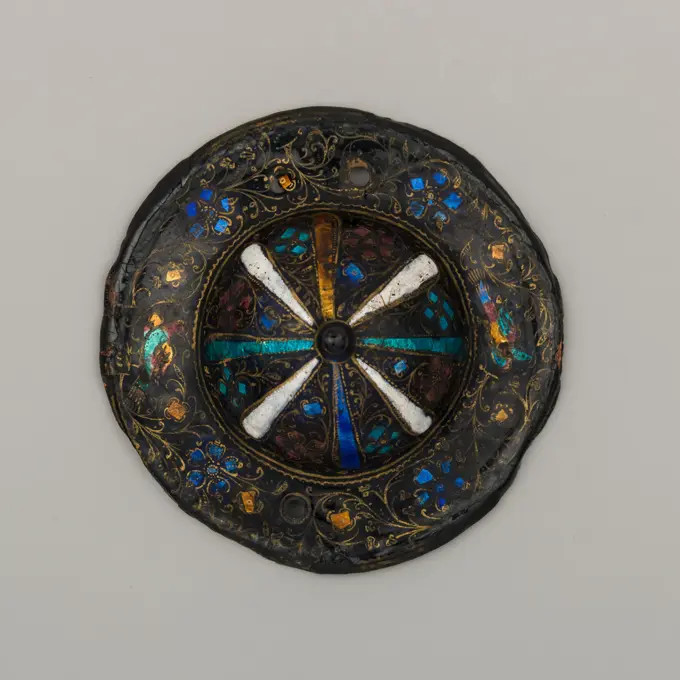
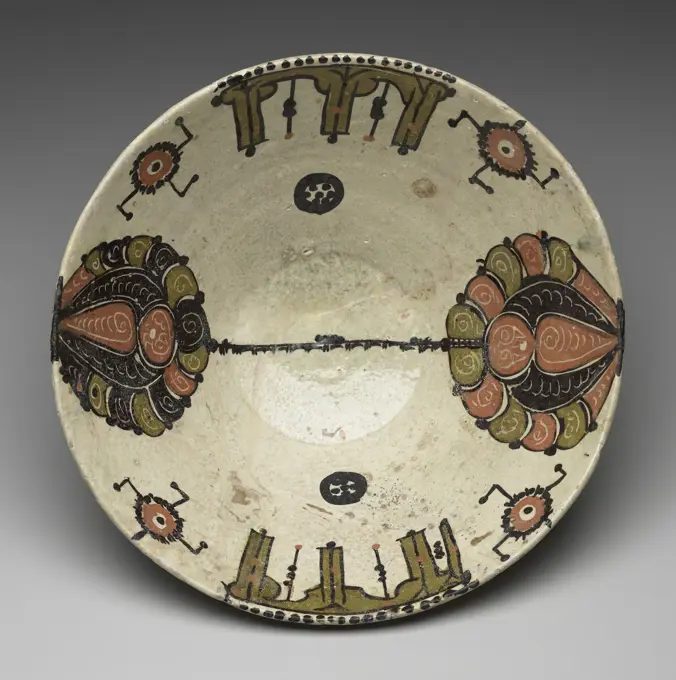
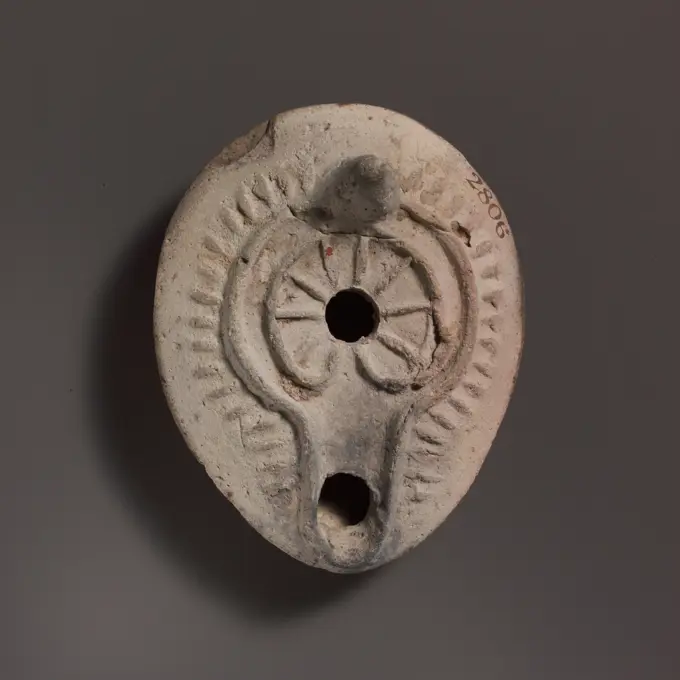
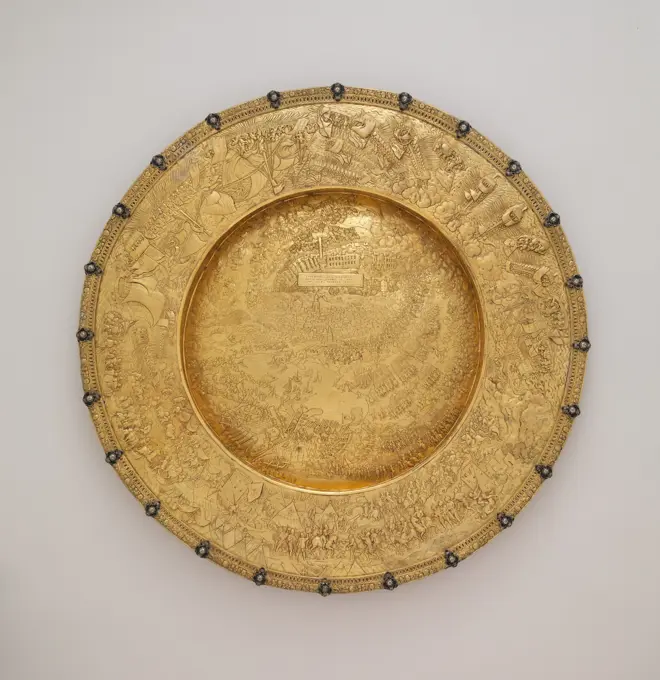
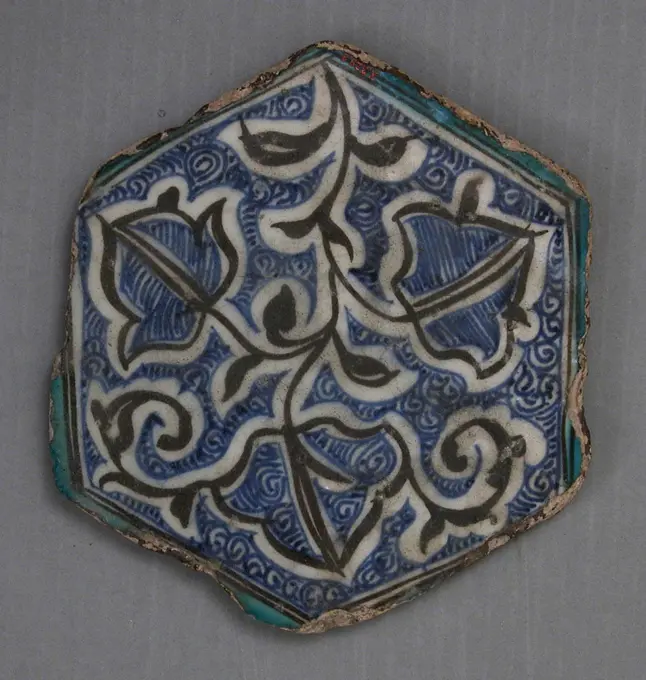
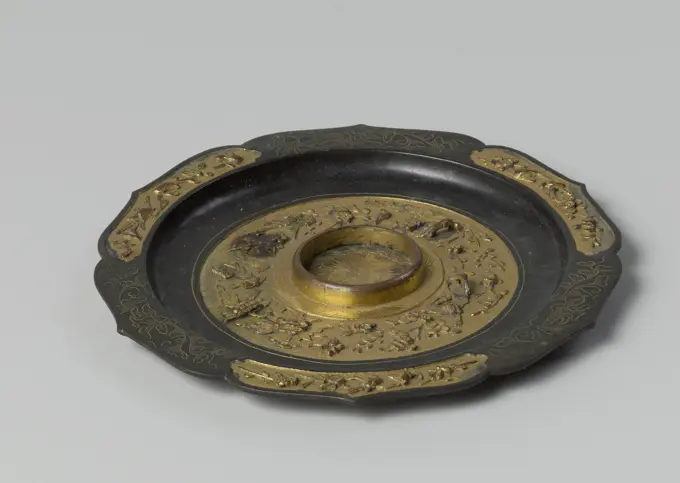
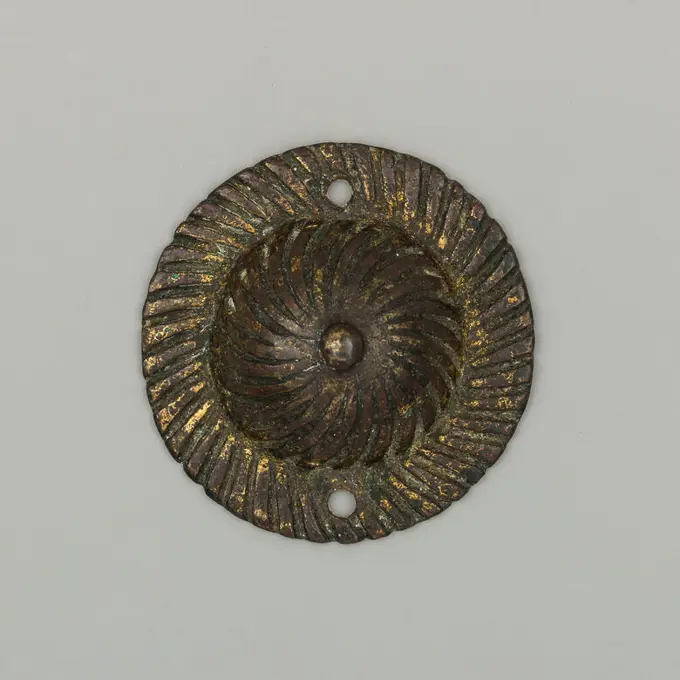
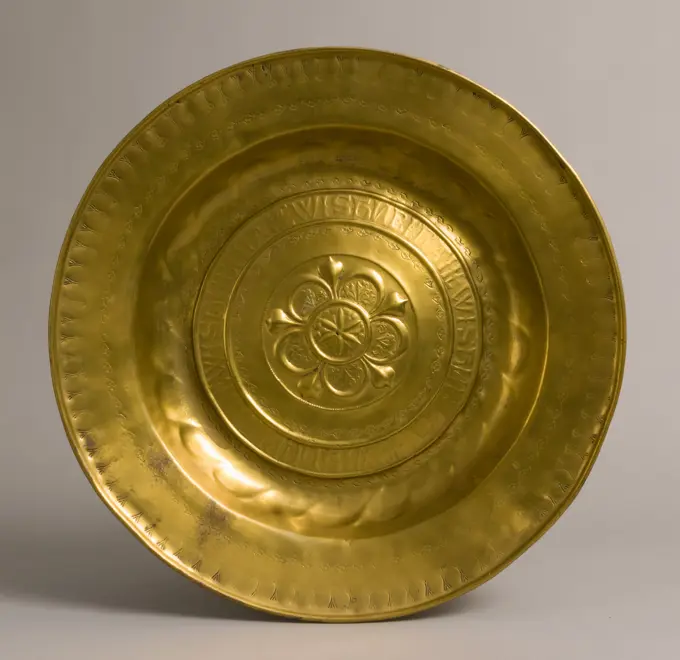
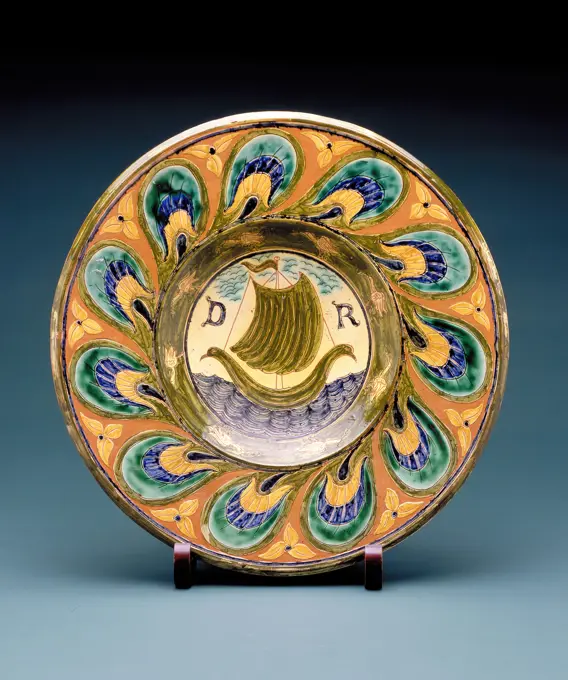
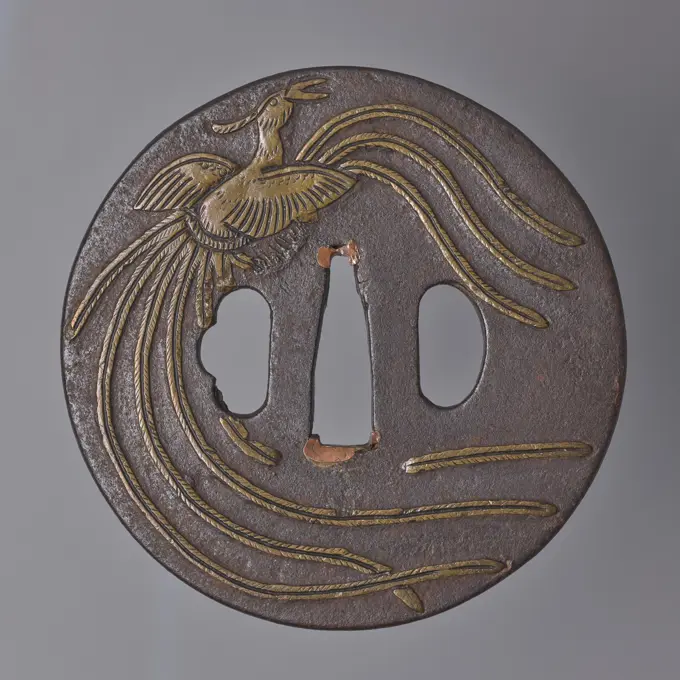
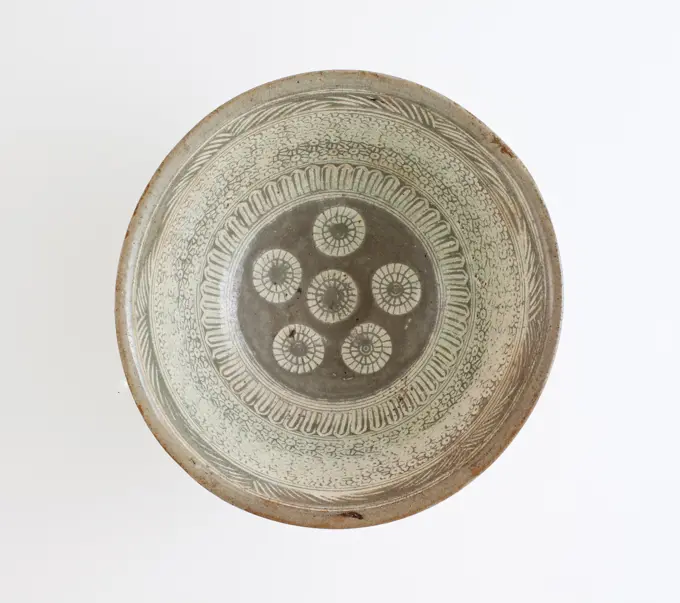
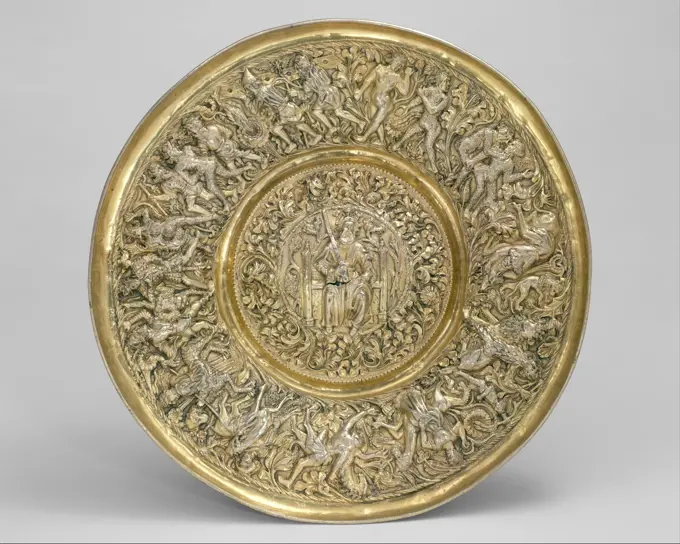
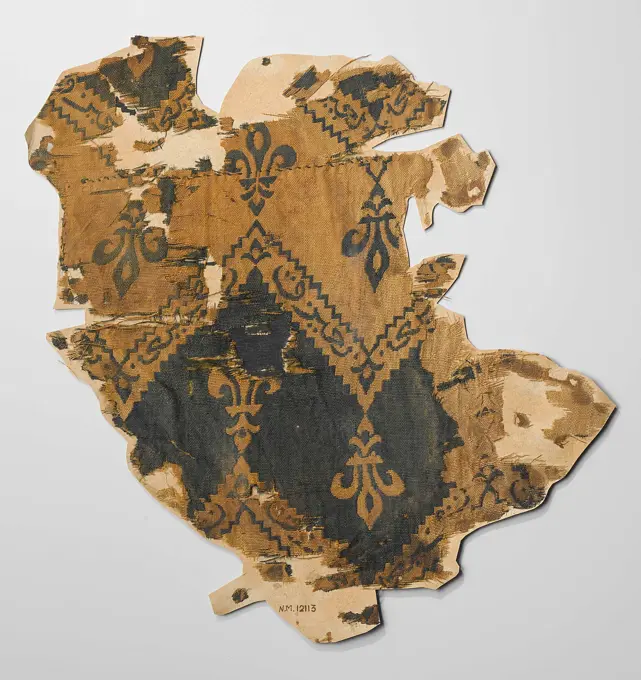
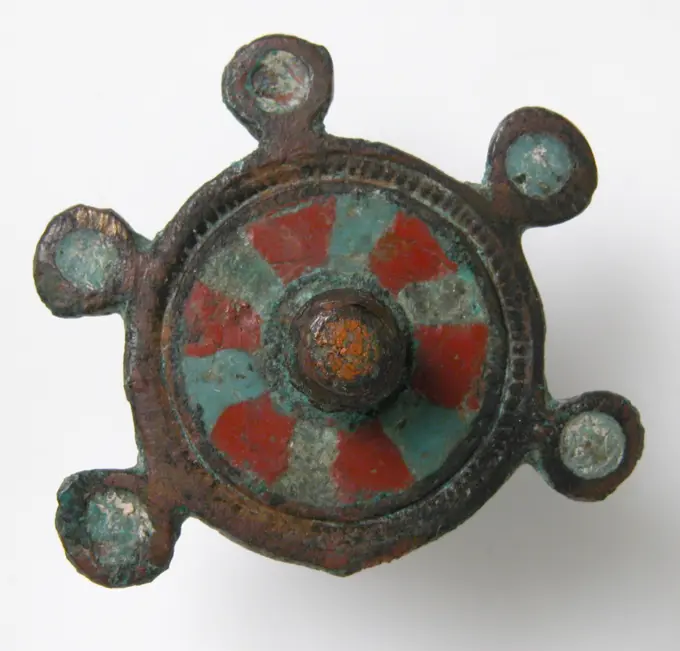
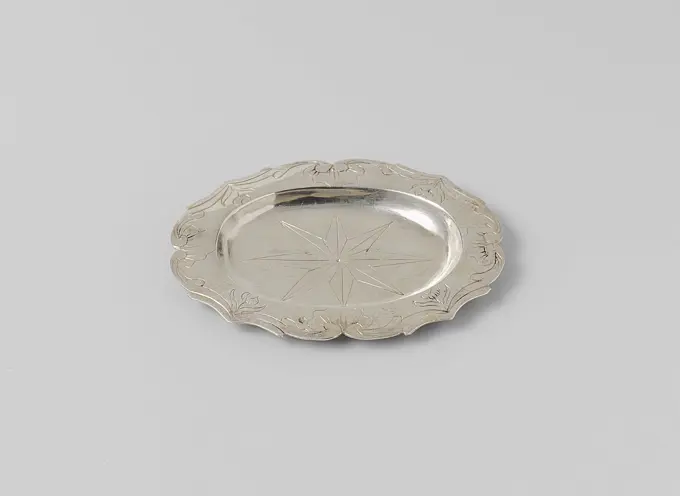
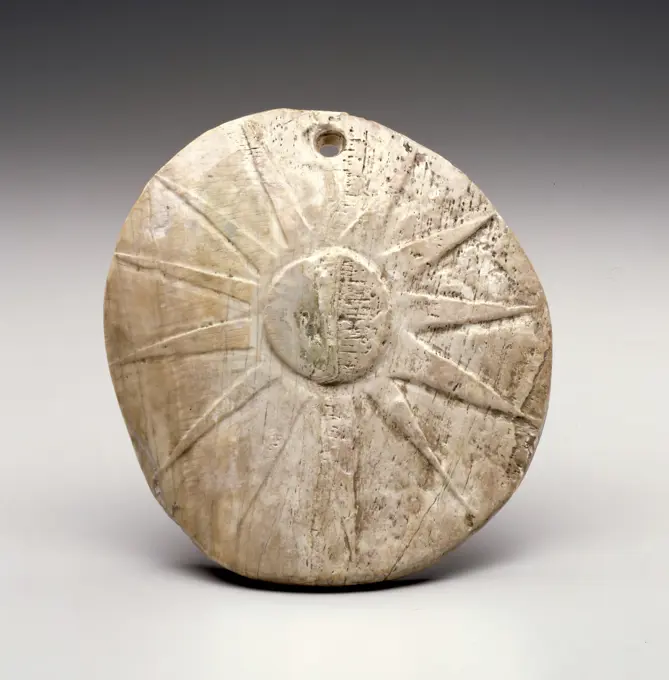
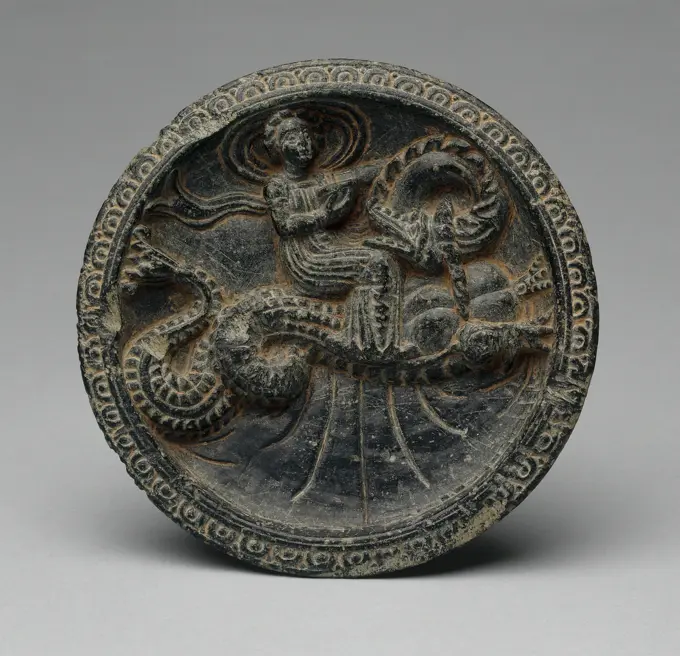
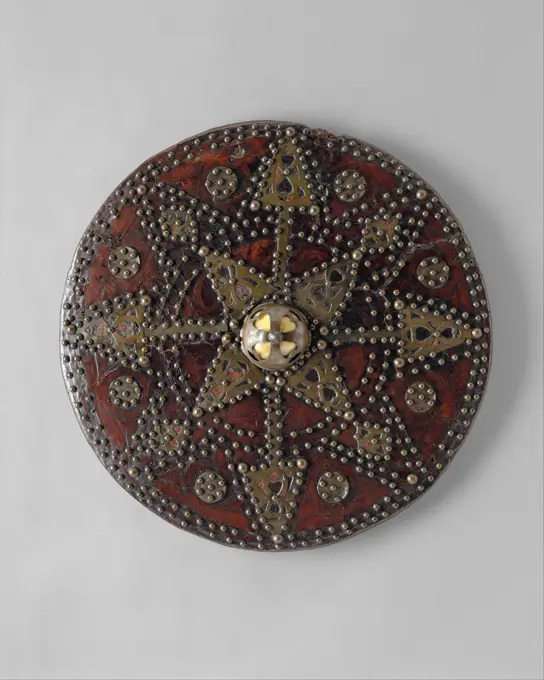
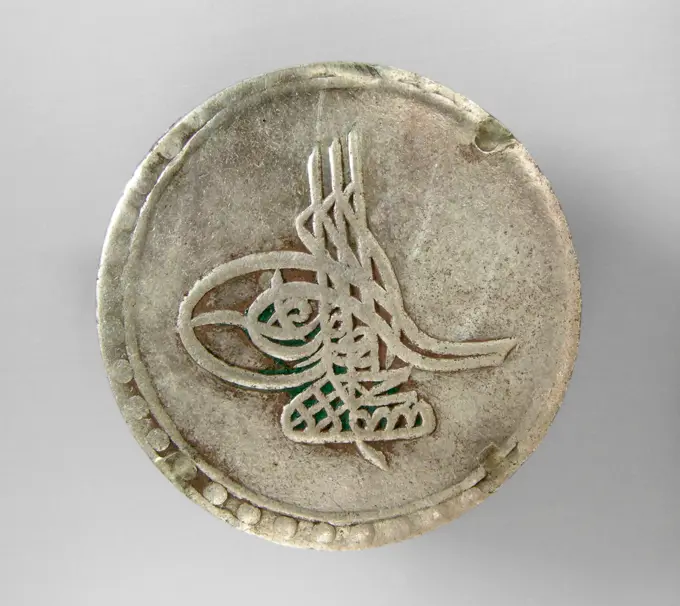
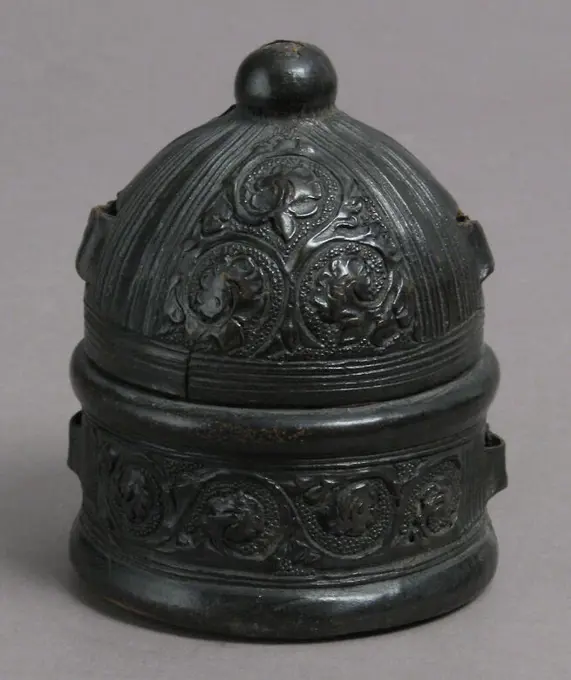
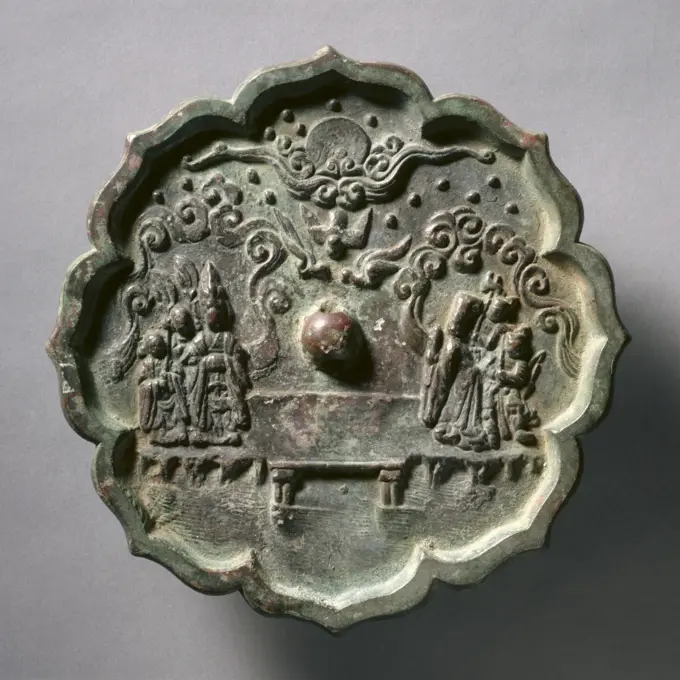
Dish. Culture: German. Dimensions: Diam.: 14 7/8 in. (37.8 cm). Date: early 16th century. Museum: Metropolitan Museum of Art, New York, USA.Bowl 12th century. Bowl 454063Fragment of a Bowl 12th-13th century. Fragment of a Bowl 445453Dish. Culture: German. Dimensions: Overall: 11 7/8 x 1 1/2 in. (30.2 x 3.8 cm). Date: early 16th century. Museum: Metropolitan Museum of Art, New York, USA.High-Tin Bronze Bowl. Dimensions: 7 1/16 x 1 9/16 in. (17.9 x 4 cm). Date: 12th century.High-tin bronze was an alternative to silver, appreciated for its bright surface, resonant quality, and resistance to bronze disease. This piece belongs to a group of hemispherical footless bowls produced in the Ghaznavid period. Museum: Metropolitan Museum of Art, New York, USA.Carnavalet Museum, Medals CollectionPlatter. unknown, manufacturerAGUAMANILES DE SAN JUAN DE LA PEÑA DE LA CATEDRAL DE SAN SALVADOR (DEPOSITO: MUSEO DIOCESANO) . JACA, HUESCA, ARAGON, ESPAÑA.Bowl 10th century. Bowl 451448Bowl with Alif-lam Motif 12th century Gertrude Bell, the famous archaeologists and writer, photographed this bowl in 1909 at the house of a diplomat and antiquity dealer in Haleb, among others said to come from Raqqa. While many of these objects were actually found in Raqqa, the high demand of "Raqqa ware" on the market in the early 20th century certainly had as a consequence that dealers would always claim such provenance for their objects. Archaeological research has now ascertained that similar objects, whose distribution included Anatolia, Syria, Egypt and even in Europe, were produced in several workshops in Syria and Egypt.The main design painted on this bowl recalls an epigraphic motif in which the vertical shafts of the letters lam and alif are richly interlaced among them.. Bowl with Alif-lam Motif 449007Platter. unknown, manufacturerBowl Bachmiński, Aleksander (1820 1882)Vessel Cover ca. 830-850 Carolingian Adorned with hunting scenes surrounded by a scrolling acanthus vine, this restored lid is a rare surviving example of secular goldsmiths work from the Carolingian period. Similar subjects are found on contemporary ivory carvings and in illuminated manuscripts.. Vessel Cover 464389Fragment of a Bowl 14th-15th century. Fragment of a Bowl 445207Spindle Whorl, 700s - 900s. Iran, early Islamic period, 8th - 10th century. Bone, incised; overall: 0.6 x 3.5 x 3.5 cm (1/4 x 1 3/8 x 1 3/8 in.).Belgium, Brussels, Bronze diskEngraved Bowl early 17th century The decoration of this bowl combines Persian poetry with a frieze of huntsmen, birds, and animals in a format popular in both Safavid and Mughal metalwork.. Engraved Bowl 457019Bliżej Kultury Steinberg, Karol (fl. 1939), Zapolski, Jarema Maj.Campanian Black Bowl; Campania, South Italy, Europe; 323 - 31 B.C; Terracotta; 6.6 x 17.5 cm (2 5,8 x 6 7,8 in.)Spindle Whorl, 700s - 900s. Iran, early Islamic period, 8th - 10th century. Bone, incised; overall: 1 x 1.5 x 1.5 cm (3/8 x 9/16 x 9/16 in.).Mirror, 794-1185. Japan, Heian period (794-1185). Bronze; diameter: 9.3 cm (3 11/16 in.).Fragment of a Bowl 14th century. Fragment of a Bowl 445176Mirror. Bronze. Cernuschi Museum, Asia Museum of Asia in the city of Paris.Water Basin (Xi) with Dragon. China, Eastern Han dynasty, 25-220. Tools and Equipment; basins. Cast bronzeWerra plate, mirror decor lady in long dress, decorated in sludge technique and sgraffito, plate dish crockery holder soil find ceramic earthenware glaze lead glaze clay, hand turned decorated glazed fried loin cord sgraffito Low dish on stand. Red shard only glazed on the top. Upright vertical dish edge. Decorated in sludge technology and sgraffito. Decoration consists of richly dressed woman with wreath of yellow circles in her right hand. Yellow and green. Glaze layer black archeology City Triangle Rotterdam City Hall City Hall serving pottery serving garnish food tableDish 13th century. Dish 447820Mirror with Three Dragons, early 1100s-early 1200s. China, Jin dynasty (1115-1234). Bronze; diameter: 10.2 cm (4 in.); overall: 1 cm (3/8 in.); rim: 0.8 cm (5/16 in.).Decoration (France); oak; Overall: diameter 23.5 x 2.9 cm (9 1/4 x 1 1/8 in.)Fragment red earthenware bowl with white background and blue star shape with green accents, bowl dish bowl tableware holder soil find ceramics pottery glaze, hand turned decorated glazed fried loin dish Bowl-shaped dish on stand. Red shard internally glazed Probably sludge technology on white ground is possible here tinglaze used for the substrate Star decor with green accents in the mirror around it blue circles archeology indigenous pottery import adorn food serving serve Object from sea remains of small snails still present on object.Stamp for minting the reverse of 50 groschen coinSpindle Whorl, 700s - 900s. Iran, early Islamic period, 8th - 10th century. Bone, incised; overall: 1.3 x 2.1 x 2.1 cm (1/2 x 13/16 x 13/16 in.).Mirror with Lasa Etruscan. Mirror with Lasa. Etruscan. Bronze. BronzesCharger with Alexander the Great Defeating Darius Surrounded by the Four Continents; After Hans Ulrich Frank (German, 1603-1680), Stefano della Bella (Italian, 1610-1664); Silversmith Johann Adolf Gaap (German, active in Italy, 1667 - 1724); Germany; silver, goldDisk Stone with a Four-Part Design of Palmettes and Branches 1st century B.C. Pakistan (ancient region of Gandhara). Disk Stone with a Four-Part Design of Palmettes and Branches. Pakistan (ancient region of Gandhara). 1st century B.C.. Stone. SculptureBulla - medalion. unknown, authorMirror (Jing) with 'TLV' design. China, Eastern Han dynasty, 25-220. Furnishings; Accessories. Cast bronzeTerracotta oil lamp 1st century B.C.-1st century A.D. Roman, Cypriot Loeschcke Type 4. Mold-made. Deep, concave discus: bird, facing right, perched on branch, with leaves and flower bud; a single filling hole at bottom center; broad band of lines and grooves around edge. Volutes flanking rounded nozzle. Broad, raised base ring, and flat base.Intact. End of nozzle slightly misshapen, and irregular indent in right, front side of body.. Terracotta oil lamp. Roman, Cypriot. 1st century B.C.-1st century A.D.. Terracotta. Early Imperial. TerracottasGrahal-Manzara. Carnavalet 2013-2016 collection sites. Numismatics. Right of standing, on the front, draped, leaning on a stele, holding a picnic surmounted by a Phrygian cap and a baton; In the background on the right, prow of a ship and on the left building under construction.Mirror with Pair of Cranes, 1392-1573. Japan, Muromachi period (1392-1573). Bronze; diameter: 18.5 cm (7 5/16 in.).Fragment of a Bowl 14th-15th century. Fragment of a Bowl 445427Fragment of a dish with a flowering plant, floral scrolls and geometrical patterns, anonymous, c. 1300 - c. 1399 Fragment of a quark fritry dish with a white engobe and a thick enamel. Around the circular center, in which a three -leaf flower is spared in dark blue field, there is a decor of radial compartments, alternating in blue and black -gray filled with flower vines and geometric motifs. An Arabian inscription on the back. The fragment was found in Cairo. Syria earthenware. glaze painting / vitrification Fragment of a quark fritry dish with a white engobe and a thick enamel. Around the circular center, in which a three -leaf flower is spared in dark blue field, there is a decor of radial compartments, alternating in blue and black -gray filled with flower vines and geometric motifs. An Arabian inscription on the back. The fragment was found in Cairo. Syria earthenware. glaze painting / vitrificationButton ca. 3rd-7th century A.D. Sasanian This small bone object has incised concentric circles around its inner and outer edges with smaller circles incised on its rounded top-side. The reverse of the object is flat. This object may have been used as a button or may be a spindle whorl. The function of small objects found in archaeological excavations are often difficult to identify as they are frequently recovered from disturbed contexts, or would have been attached to larger objects that have since decayed. It was excavated at the site of Maaridh IV in the Ctesiphon area, and is very similar to the bone object found nearby at Maaridh II (32.150.208). The city of Ctesiphon was located on the east bank of the Tigris River, 20 miles (32 km) south of modern Baghdad in Iraq. It flourished for more than 800 years as the capital of the Parthians and the Sasanians, the last two dynasties to rule the ancient Near East before the Islamic conquest in the seventh century. Systematic excavationsFragment of a dish or container with a large bird, anonymous, c. 1000 - c. 1099 Fragment of a bottom of a bowl or small container decorated on white -gray soil with a large bird in purple brown, between tendrils. The head is missing. Reddish shard. The fragment was found in Cairo. Egypte (possibly) earthenware. glaze. luster (textile) painting / vitrification Fragment of a bottom of a bowl or small container decorated on white -gray soil with a large bird in purple brown, between tendrils. The head is missing. Reddish shard. The fragment was found in Cairo. Egypte (possibly) earthenware. glaze. luster (textile) painting / vitrificationBowl 14th-15th century Chimú. Bowl 310639Mirror with a Coiling Dragon, 700s. China, Tang dynasty (618-907). Bronze; diameter: 10.2 cm (4 in.); overall: 1.1 cm (7/16 in.); rim: 0.8 cm (5/16 in.).Tile, Anonymous, 1700 - 1800 Tile decorated with a star and lilies in the corners. Limburg (Belgian province) earthenware. lead glaze Tile decorated with a star and lilies in the corners. Limburg (Belgian province) earthenware. lead glazeBowl 9th-10th century This ceramic bowl was excavated at the site of Tepe Madrasa in Nishapur.   Nishapur was a vital city in the early and middle Islamic periods, located along one of the main trajectories that connected Iran and West Asia Islamic lands with Central Asia and China. These itineraries are often referred to by the term Silk routes’ but were in fact crucial to the movement of constellations of materials and objects, as well as people and ideas. The diverse population of Nishapur and its surroundings, from the better-researched elite groups of merchants, land-owning aristocracy, and literates, to the less-known artisans, farmers, miners, and servants, were instrumental in adapting global cultural trends to create their own distinctive visual languages. This is seen in the material remains of everyday life in medieval Nishapur—from pots and pans to lighting devices, inkwells, textiles and trimmings, jewelry, games and toys, talismanic devices, weapons, coins, and architectLimestone disk with geometric decoration Cypriot Decorated with rosette and dotted triangles.. Limestone disk with geometric decoration 244062Belt buckle ". Bronze. China, Tang dynasty. Paris, Cernuschi museum. 72687-37 Silver, Chinese art, belt loop, bronze, Chinese ceramic, spoon, tang dynasty, terracottaBit Bosses 16th century German These two bosses, attached to the sides on a horse bit, appear similar but in fact do not originally form a pair. The rim of each is decorated with flowers and birds in blue, green, purple and yellow translucent enamel over patches of silver foil, standing out against a black background painted with golden scrolls. The domed central section is adorned with white, green, blue and yellow rays with flowers and scrolls using the same techniques.The bosses style and technique are typical of painted enamels made in Germany in the 16th century. Enameled harness ornaments are very rare because of their extreme fragility. Such pieces would only be used on special events like parades or equestrian demonstrations.. Bit Bosses. German. 16th century. Copper, enamel, silver, gold. Equestrian Equipment-BitsMingqi frog ". Terracotta. Dynasty of Han (206 BC at 220 AD). Paris, Cernuschi museum. 157345-9 Asian art, Chinese art, han dynasty, mingqi frog, terracottaButton or Spindle Whorl 9th-10th century The dot-in-circle motif recalls designs presumed to be of magical significance, most likely an abstract eye to ward off the evil-eye, which serves an apotropaic function. Easily reproduced with a tool and visible in many cultures and times, this symbol may have lost its meaning, and become simply a decorative pattern, or may have one that we have not yet discovered.. Button or Spindle Whorl 449264Roundel with Mermaids and Lotus, c. 100 BC. India, Bengal, Chandraketugarh area, Shunga period (c. 187-78 BC). Ivory; diameter: 10.5 cm (4 1/8 in.); overall: 2.5 cm (1 in.).Mirror (Jing) with Interlaced Dragons. China, probably Anhui Province, Late Eastern Zhou dynasty, late Warring States period, about 300-221 B.C.. Furnishings; Accessories. Cast bronzeBowl 8th-10th century Mimbres. Bowl 310579Half of desk disc with portrait: Charlemagne. Carolus. Magnvs. Empire. Aygvst. (Charlemagne (742-814)Wickerwork shield, called Po, decorated with a head of a tiger. Carried by the elite of the troops or tiger soldiers. Ca.1850, Vietnam. Naval Museum. Madrid. Spain.Large bowl with Kufic and Palmette motifs, 10th century, 5 3/16 x 12 7/8 x 12 7/8 in. (13.18 x 32.7 x 32.7 cm), Earthenware with a white slip ground under a clear glaze with red, dark brown, olive and gold slip-painted decor, Iran or Uzbekistan, Samanid dynasty (819-999 CE), Notable for its size, this steep bowl features inner walls with leaf-shaped palmettes united by a narrow, highly abstract mock-Kufic inscription. Two bands of Kufic script in gold appear opposite each other on the rim. Small brown and reddish-brown roundels are positioned between the palmettes and the gold inscriptions animating the overall design.Watch 18th century Probably by an imitator of Abraham-Louis Bréguet. Watch. French, Paris. 18th century. Gold. HorologyCarnavalet museum, tokens collectionTerracotta oil lamp 7th century A.D. Roman Vessberg Type 19 (slipper lamp). Mold-made, with applied conical lug handle. Sharply carinated, pear-shaped body. Discus: radiating, raised spokes around a single central filling hole; channel to wick hole. Wide, rounded shoulder with raised short lines on upper part. Circular raised base ring and flat base.One chip in edge of shoulder on left near handle. The join between the two halves of the mold is clearly visible. Dull pinkish micaceous fabric.. Terracotta oil lamp 241683Gilt silver kylix. Culture: Greek. Dimensions: Diameter: 5 1/8 in. (13 cm)Width: 7 1/8 in. (18.1 cm)Height: 1 13/16 in. (4.6 cm)Other: 9.699oz. (274.993g). Date: late 5th century B.C..The hero Bellerophon rides Pegasos, the winged horse, as he battles the Chimaera, a mythical creature with the heads of a lion and goat and a tail in the form of a snake. According to legend, Bellerophon and Pegasos both hailed from the region around Corinth, and the myth of their battle with the Chimaera first appears in Greek art on Corinthian painted pottery of the eighth century B.C. Museum: Metropolitan Museum of Art, New York, USA.Salver 19th century, after 1558-59 original Franchi and Son This electrotype is after a 1558-59 original in the Louvre, Paris. It is paired with ewer (73.8.52).. Salver 185875Hexagonal Tile 15th-16th century. Hexagonal Tile 442906Saucer, 1700 - 1800  Dish of fire gilt Suassa, with scalloped accolade edge and a raised ring in the middle, in which a cup fits. The edge is black, with three carved floral motifs and three cartouches (medallions) with decorated decorations of branches with flowers and birds. On the bottom, all around the raised ring (with weld seam), black -bodied band with the tired strip pattern; Excused gilded relief, from branches with leaves, flowers and birds. Inside raised ring fried image of an open flower. The underside of the dish is smooth. Tonkin . casting  Vietnam. CantonEarthenware dish, ringing-plate, internal glazed, decoration in green and yellow, on stand, dish plate tableware holder earth discovery ceramic earthenware glaze lead glaze, hand-turned glazed decorated fried lozenge Earthenware dish ring anchor internal glazed decoration in green and yellow on stand. Decoration consists of stylized flower surrounded by rings garlands and dots in sludge technology archeology Rotterdam City center Stadsdriehoek Oudehaven indigenous pottery food kitchen serving table dinnerware archaeological find in the soil Oude Haven Rotterdam.Vase cover. Gray cutting sandstone. Cernuschi Museum, Asia Museum of Asia in the city of Paris.Bit Boss. Culture: Italian or French. Dimensions: Diam. 2 7/16 in. (6.2 cm); Wt. 1.7 oz. (47 g). Date: late 16th - early 17th century.Bit bosses were ornamental elements decorating both sides of a horse bit. These hat-shape bit bosses, probably inspired by Ancient shield bosses excavated at the time, were very popular in Italy and France in the 16th and the early 17th century. Museum: Metropolitan Museum of Art, New York, USA.Saucer of lead glaze pottery, anonymous, c. 1600 - c. 1675 Round dish of lead glaze pottery, on three shell -shaped legs. The dish is decorated in white sludge, with a jumping deer on the flat between leaf motifs and on the edge of leaf motifs interspersed by an ornament. The dish is covered with local green -tinted lead glaze. North Holland earthenware. lead glaze Round dish of lead glaze pottery, on three shell -shaped legs. The dish is decorated in white sludge, with a jumping deer on the flat between leaf motifs and on the edge of leaf motifs interspersed by an ornament. The dish is covered with local green -tinted lead glaze. North Holland earthenware. lead glazeMirror with two dragons 2nd century B.C. China. Mirror with two dragons 72743Nishapur Dish IRAN 9th cent. AD.Dish early 16th century German. Dish. German. early 16th century. Brass. Metalwork-BrassCharger, c. 1900, Della Robbia Factory, Birkenhead, England, 1894-1906, 2 3/4 x 18 3/4 x 18 3/4 in. (6.99 x 47.63 x 47.63 cm), Glazed earthenware, England, 19th-20th century, A ship at sea, sandwiched between the letters D and R, for Della Robbia Pottery, serves as this chargers focal point. Birds above the boat and in the plates green center band recall the natural source of the peacock feathers around the edge. The swirling shapes introduce the theme of movement inherent in nature. The vivid colors on earthenware, as well as the use of initials, are reminiscent of early Italian ceramics made by the Della Robbia family, after whom Della Robbia Pottery took its name.Half of Dam disk with portrait: Charlemagne ,, 1525 - 1575 Carolus. Magnvs. Empire. Aygvst. (Charlemagne (742-814) Nuremberg boxwood Carolus. Magnvs. Empire. Aygvst. (Charlemagne (742-814) Nuremberg boxwoodJelec (Tsuba);  XVII-XVIII century (1601-00-00-1800-00-00);Stone Dish 10th-11th century. Stone Dish 449061QuadrantDish first half of the 19th century China. Dish 46277Bowl with Stamped Chrysanthemum Design. Korea, Joseon dynasty (1392-1910), 15th century. Furnishings; Serviceware. Buncheong ware: Wheel-thrown stoneware with stamped, incised and slip-filled decoration and pale green glazeLobed Mirror with Paired Phoenixes and Floral Displays, 700s. China, Tang dynasty (618-907). Bronze; diameter: 14.8 cm (5 13/16 in.); overall: 1.1 cm (7/16 in.); rim: 0.6 cm (1/4 in.).ArmorialPlate.  Artist: UnknownDish ca. 1500-1520 Portuguese The raised decoration depicts wild folk, humans, and animals engaged in frenzied activities around a centarlized crowned king, probably Manuel I of Portugal (r. 1495-1521). The agents of Portugal's rapid overseas expansion brought back reports of monstrous and exotic races, possibly reflected in the imagery seen here.. Dish. Portuguese. ca. 1500-1520. Silver-gilt. Metalwork-Silver. Fragment of yellow and black silk with repeating pattern of fleurs the lis and zigzag tires, alternating in positive and negative colors. In the Zigzag tapes Arab letters. Incomplete report. Sticked on cardboard.Brooch 2nd-3rd century Roman. Brooch 466384. Oval dish with serrated edge. Flowers are engraved in the edge. An eight-pointed star is engraved in the middle of the dish. The dish has been marked: stk. = Amsterdam, jrl. = K (1794), mt. = Hendrik duller, crowned o, written letter V (re-mortar French time), foot 930 (Rerkur). The dish is stored under a non-associated terrine (BK-NM-11177-245-B).Panel 13th-14th century. Panel 445029. In the flat of the pelvis, which in the middle has the center point, a show has been a representation of the crowned Mary with the child on the crowbar, surrounded by a beam wreath with the help of a stamp shape. This is surrounded by a punched edge of stylized leaf ornament. A decoration composed of such a motif is also punched on the edge of the pelvis. In a later time a hanging ring with iron is clocked at the top and a hanging ring is soldered at the rear.Gorget, c. 1200-1350, 1/2 x 4 in. (1.27 x 10.16 cm), Shell, United States, 12th-14th century, These large gorgets were carved out of conch shell traded all the way in from the Gulf Coast. Worn as chest ornaments, they were a marker of influence and standing in ancient Mississippian culture. Each has prominent celestial imagery, depicting important elements of the Above World. The sun is the chief divinity, represented in this realm by fire. The Hand and Eye motif signifies the constellation that marks the entrance to the Path of Souls in the sky, the Milky Way. Each has significant supernatural power, power that was extended to the individual wearing their symbol. Whether they indicated rank, membership in a special society, warrior status or something else is unknown, but the context in which they have been found, the expensive material and the high quality of the carvings confirm their role as prestige objects.Palette with Sea Nymph (Nereid) Riding on a Sea Monster 99 BCE-100 CE Gandhara. Gray chloritic schist .Copper sconce, candle holder, sconce candlestick lighting means soil find copper metal, tray 11.0 whipped shaped riveted Copper round cup oblique raised edge flat bottom in the middle upright sleeve holder riveted in three places to the container and the container separate from each other archeology Valckensteyn Poortugaal Albrandswaard evening night illuminate candle Soil discovery: castle Valckensteyn in Poortugaal now Albrandswaard.Highland Targe 1700-1750 Scottish Highland targes were the last type of European shields to be used actively in battle, remaining a standard part of Highland equipment up to the battle of Culloden in 1746.. Highland Targe 24961Carnavalet Museum, Medals CollectionSword Guard (Tsuba). Culture: Japanese. Dimensions: H. 2 3/4 in. (7 cm); W. 2 5/8 in. (6.7 cm). Date: 18th century. Museum: Metropolitan Museum of Art, New York, USA.Coin. Turkey, Constantinople, 1757/1171 A.H.. Tools and Equipment; coins. CoinGalvanoplastic reproduction of one can withdands of the four elements from the popta treasure. Galvanoplastic reproduction of a can. On the basic performances of the four elements; On the belly Neptune surrounded by sea uts. The handle has the shape of a hose.Coupe lid, Anonymous, 1700 - 1725 Lid of small oval coupe \ of agate. The frame and the crowning of the lid are made of openwork gold and partially decorated with green translucid enamel. A diamond is contained in the button. Italy (possibly)Dresden (possibly) agate (chalcedony). gold (metal). diamond (mineral) Lid of small oval coupe \ of agate. The frame and the crowning of the lid are made of openwork gold and partially decorated with green translucid enamel. A diamond is contained in the button. Italy (possibly)Dresden (possibly) agate (chalcedony). gold (metal). diamond (mineral)Box. Culture: Italian. Dimensions: Overall: 3 9/16 x 2 7/8 x 2 3/4 in. (9 x 7.3 x 7 cm). Date: 15th century.Ink containers of different shapes and sizes frequently appear in manuscript illuminations and in paintings depicting scribes or scholars in their studies. Although it is difficult to determine their material from the pictorial evidence, ink containers are known to have been made not only of horn, but also of silver, tin, and leather, and, in later periods, of glass and stoneware. Horn was used early in the Middle Ages; a twelfth-century manuscript shows two containers made of ox horns set in holes in the scribe's desk. By the fifteenth century, however, ink pots were designed as free-standing containers. Twelfth-century recipes for ink indicate that pigments, made of lampblack, gallnut, and similar materials, were stored in powder form and mixed with liquid in small amounts according to the scribes' immediate requirements. This practice, which continued throughout the Middle ACover ca. 1850 Bohemian. Cover 207923Octafoil Mirror with Legend of Herdboy and Weaver Maid, mid-900s-late 1200s. China, Song dynasty (960-1279). Bronze; diameter: 17.8 cm (7 in.); overall: 1.1 cm (7/16 in.); rim: 0.7 cm (1/4 in.).Medallion. Eastern Mediterranean, Roman, 400-390 B.C.. Jewelry and Adornments; medals. Gold