Historic Metal Bowls and Dishes

Collection of antique bowls and dishes from various cultures, featuring intricate designs and varying materials, emphasizing texture and historical significance.
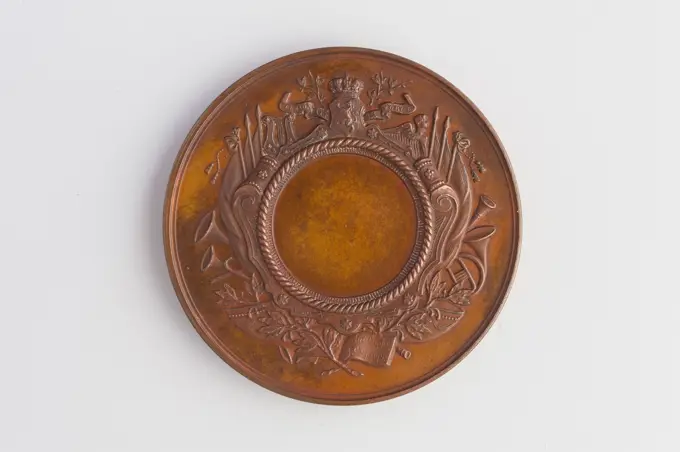
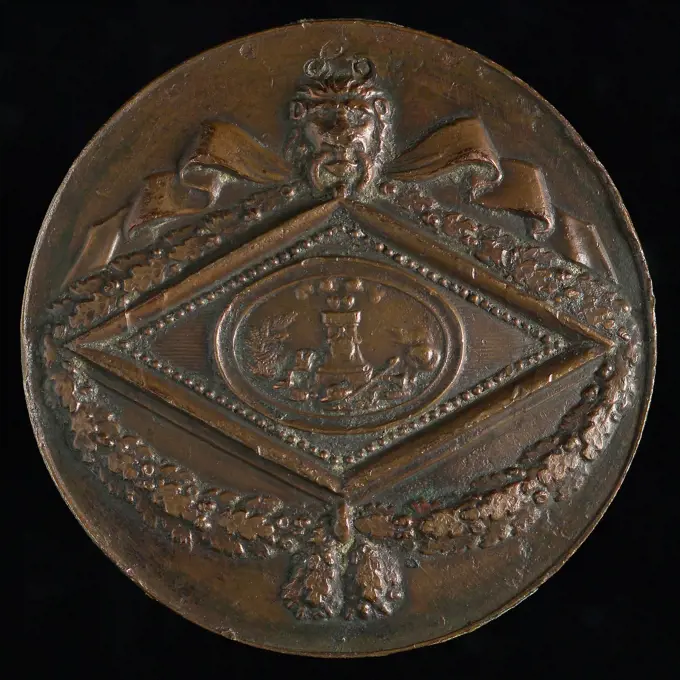
Carnavalet Museum, Medals Collection
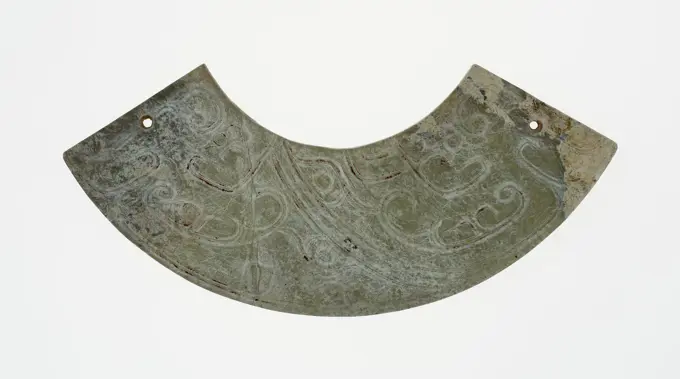
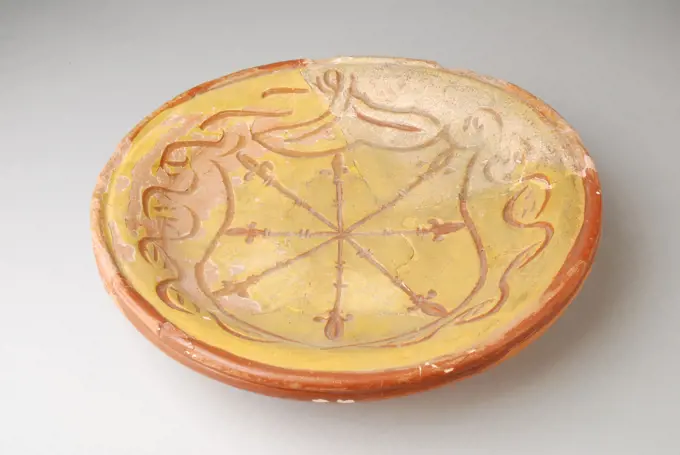
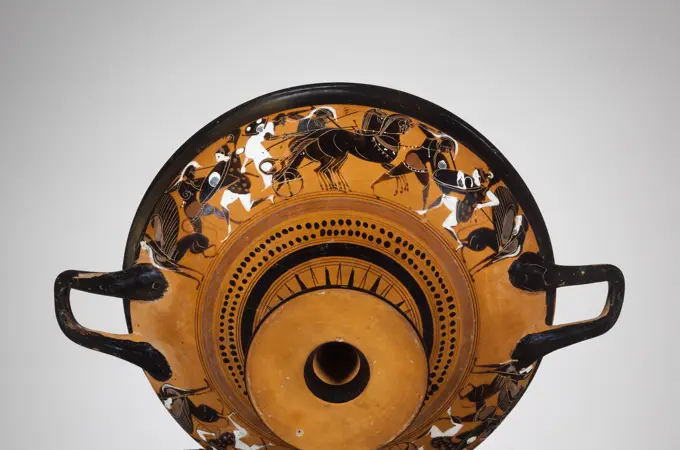
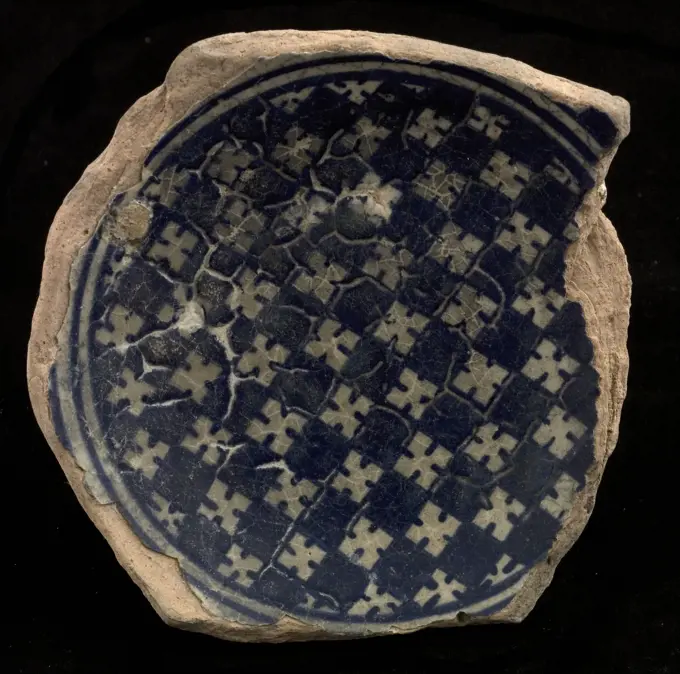
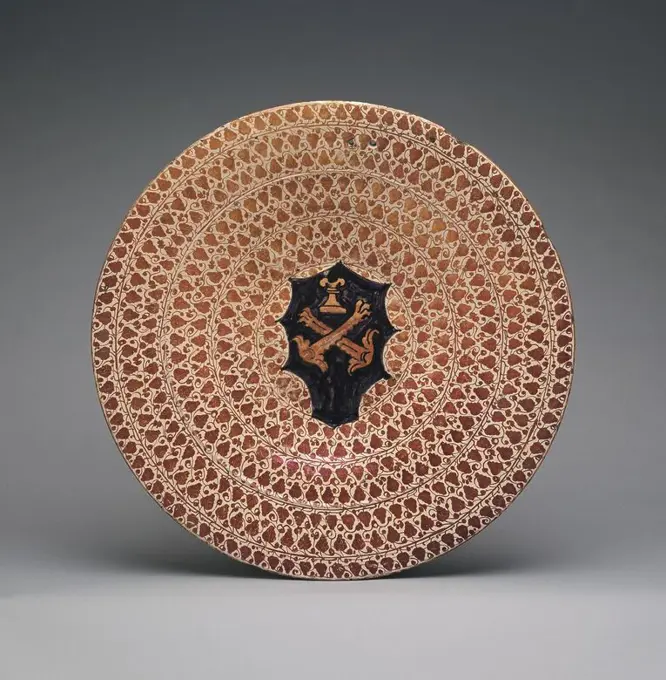
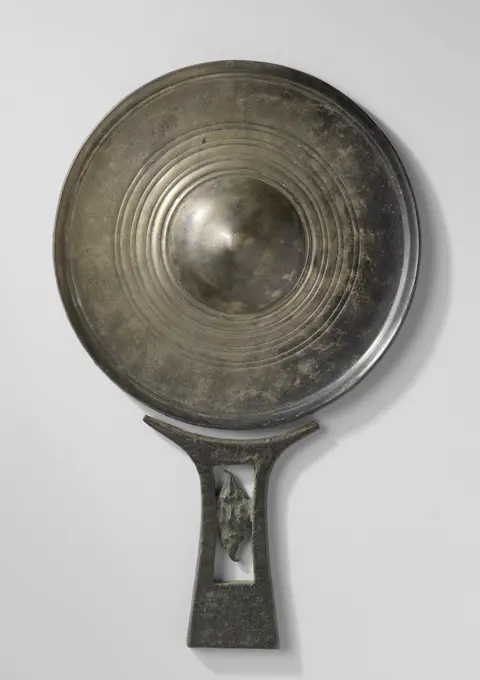
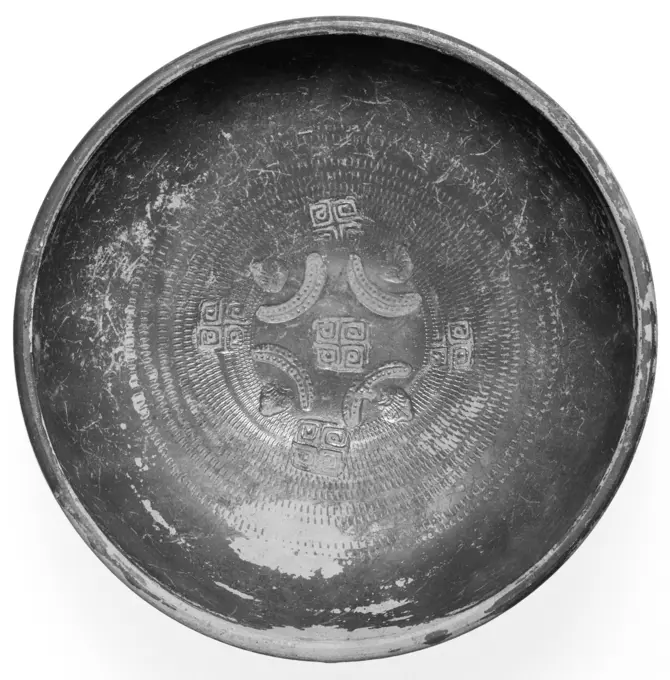
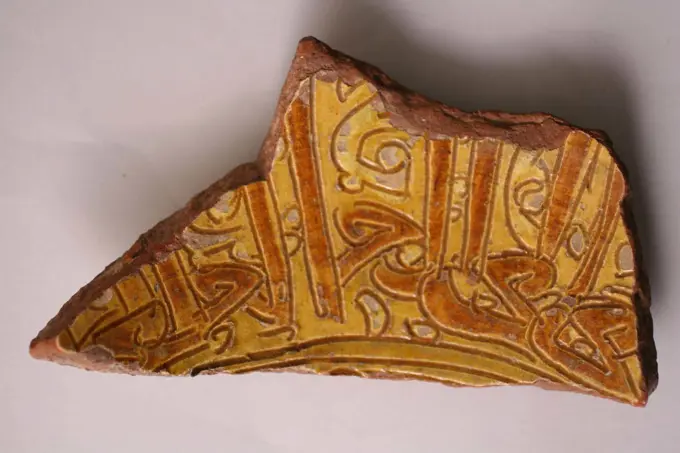
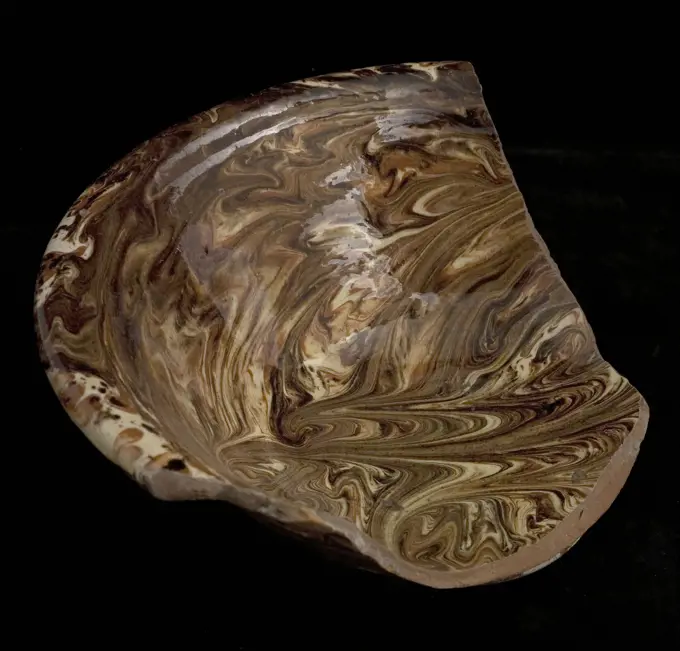
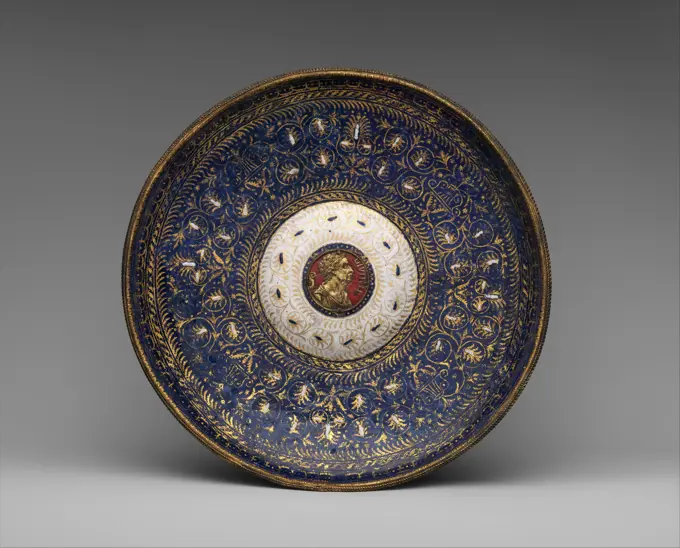
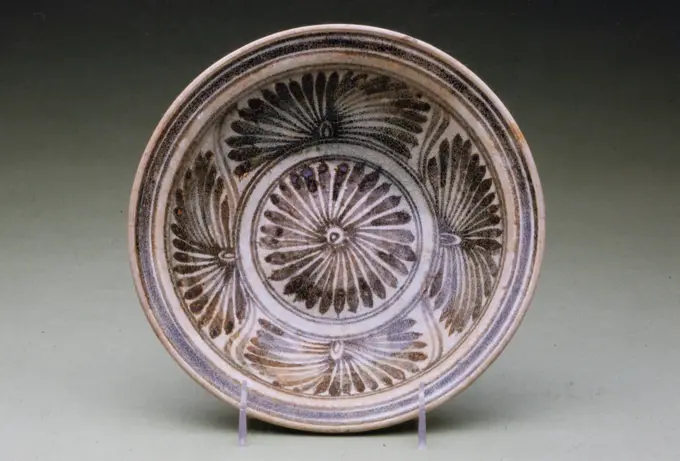
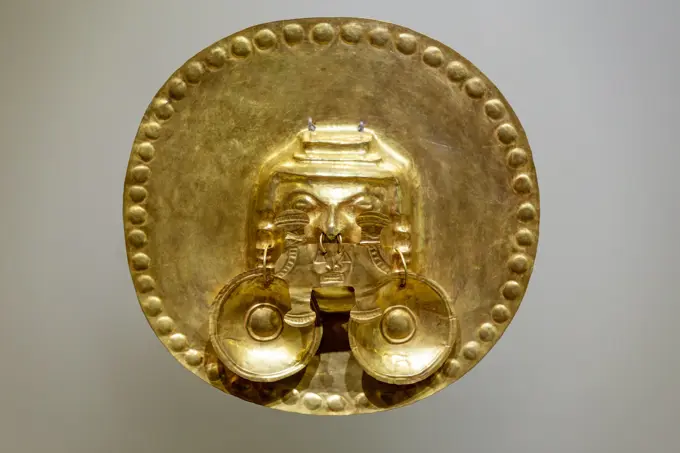
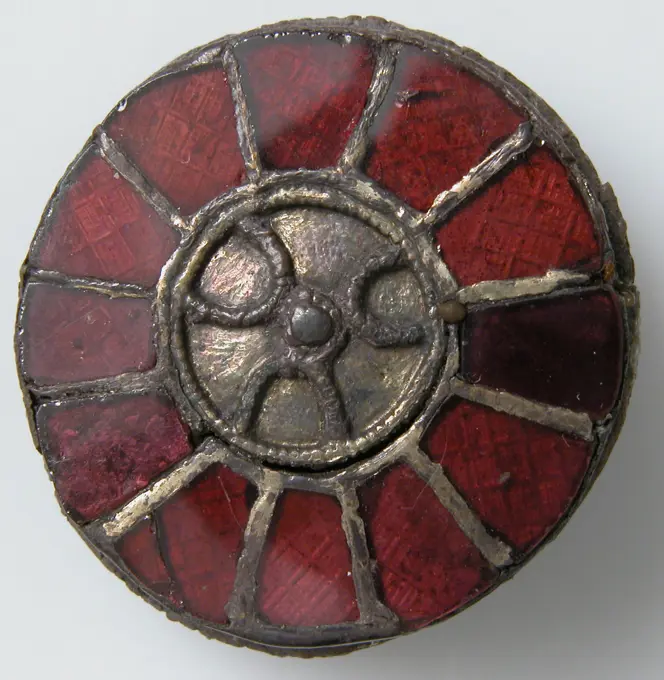
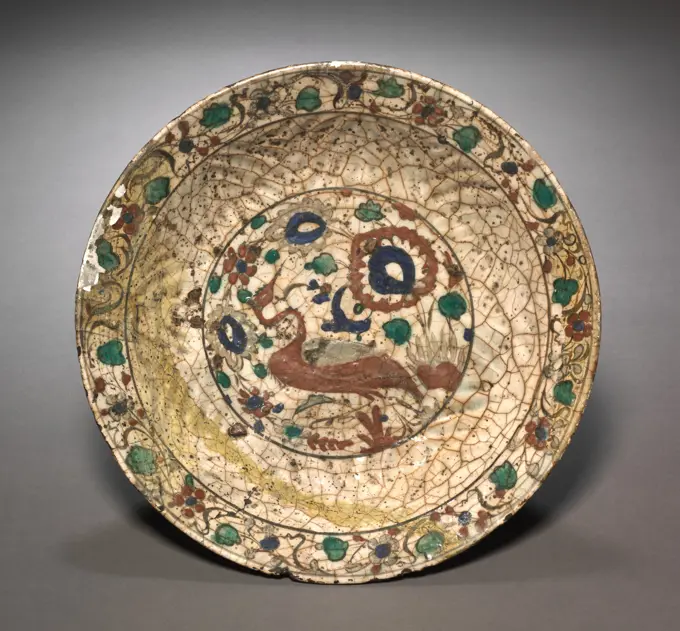
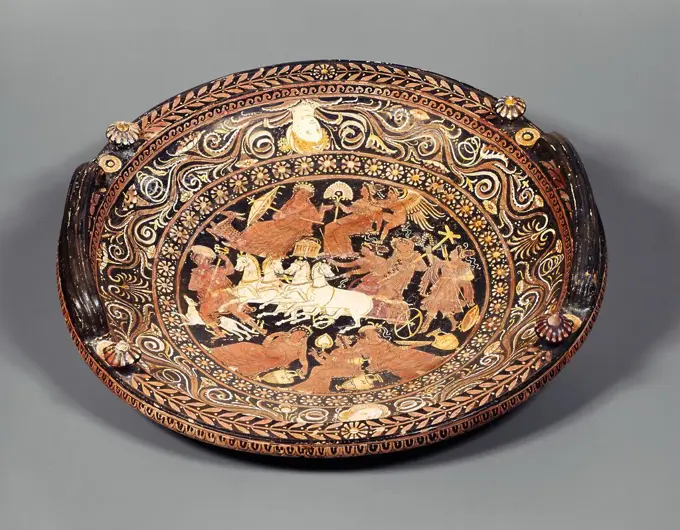
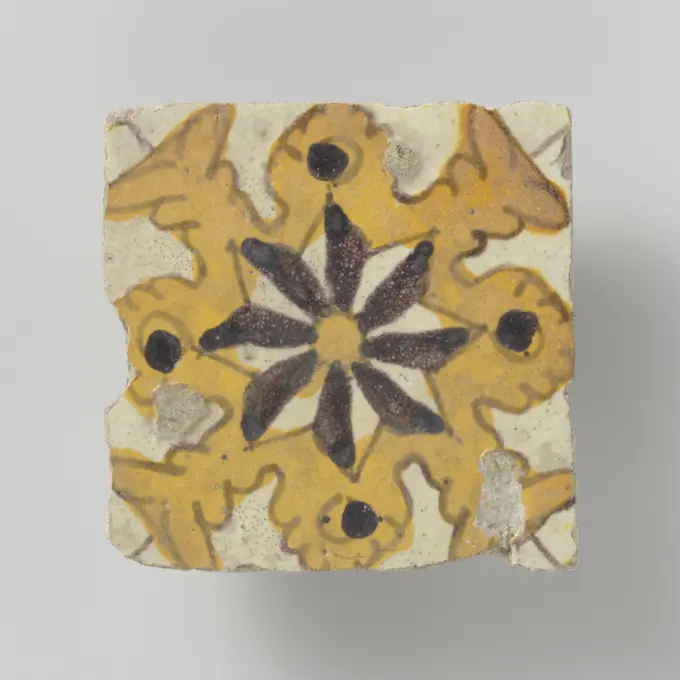
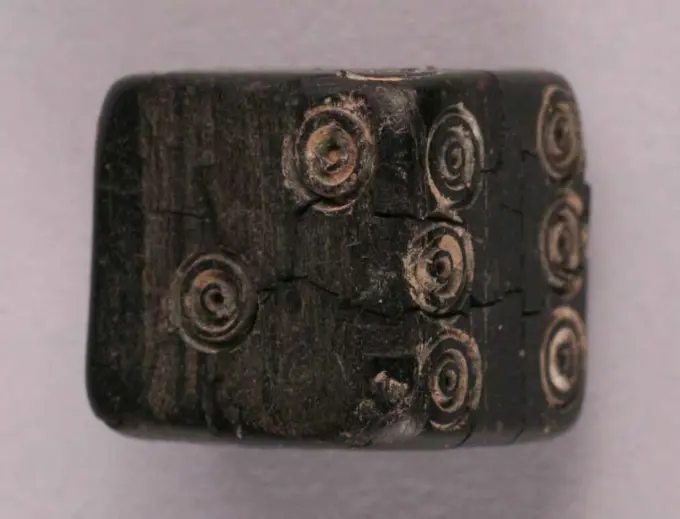
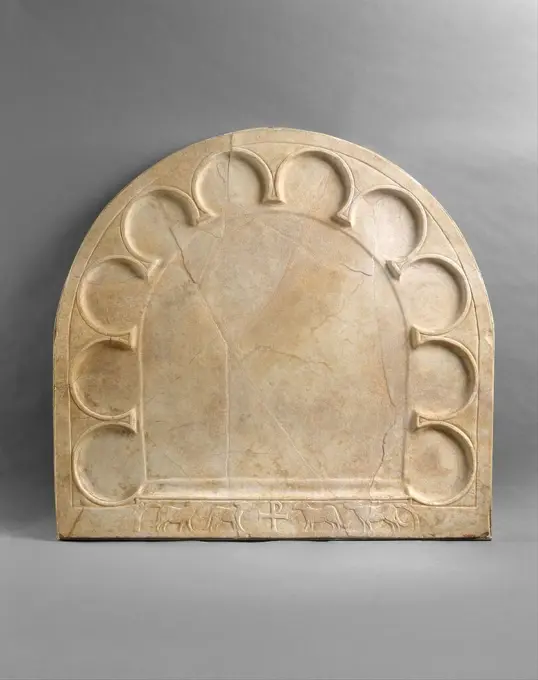
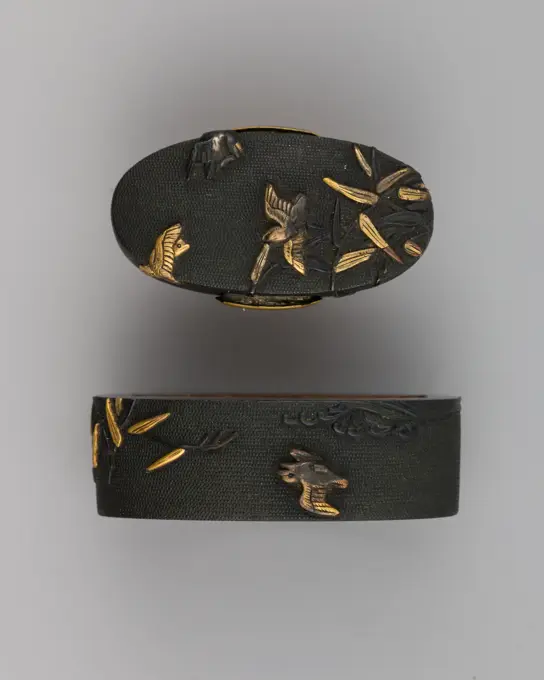
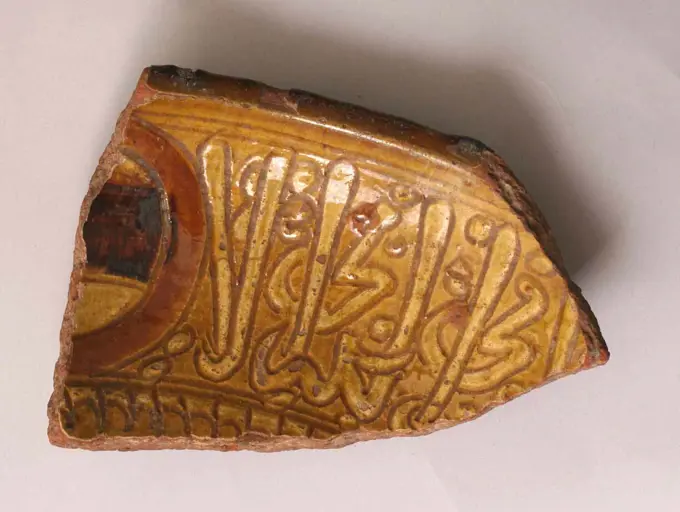
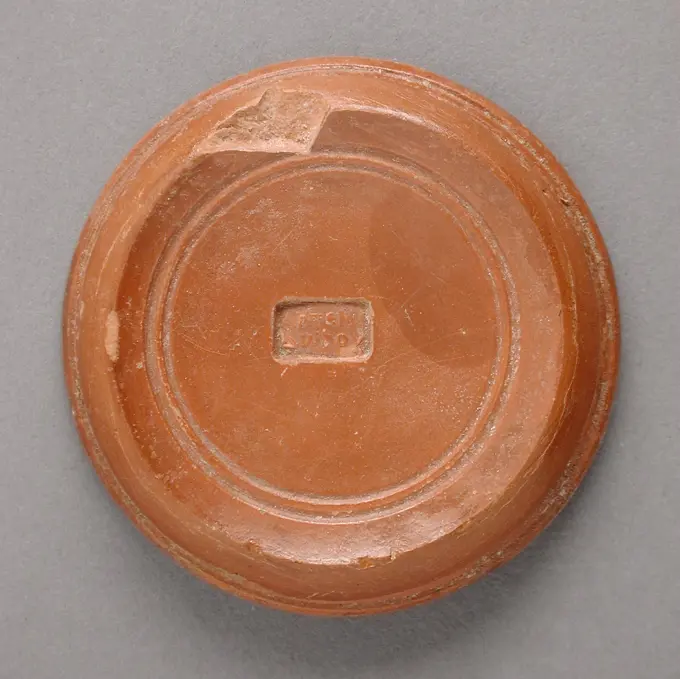
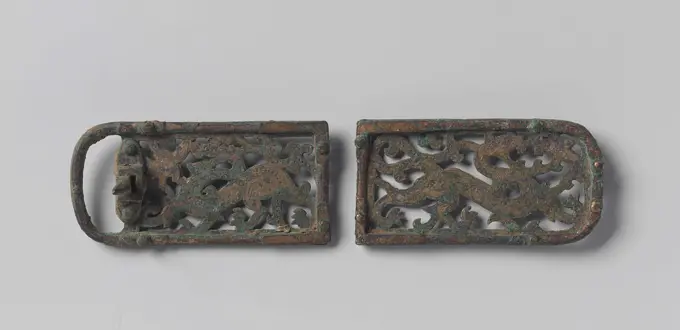
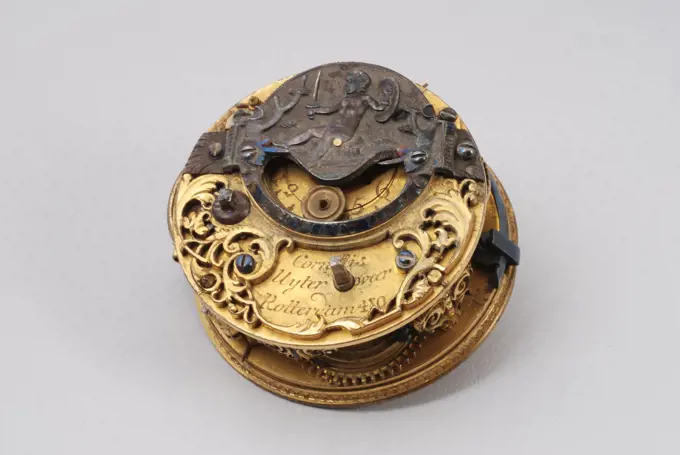
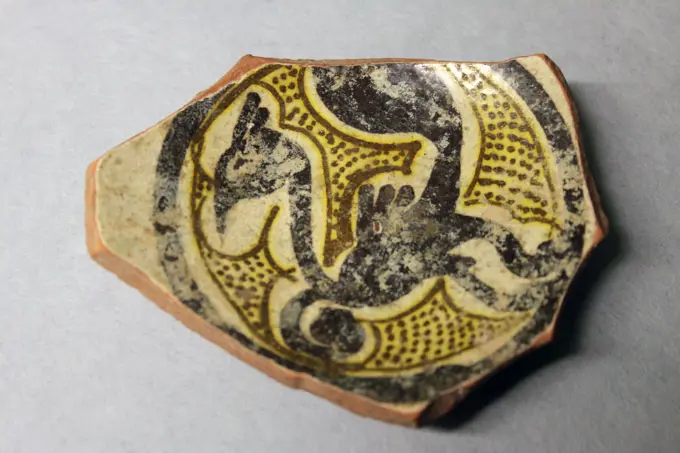
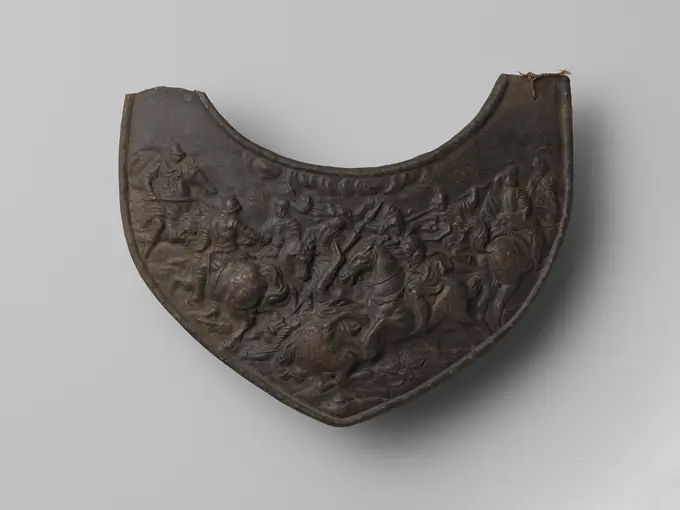
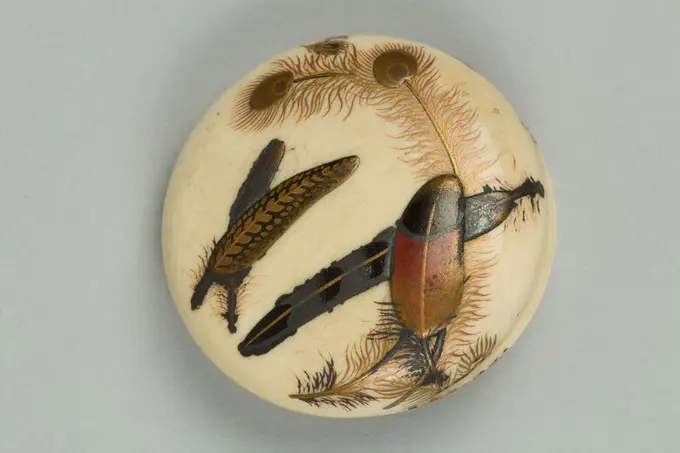
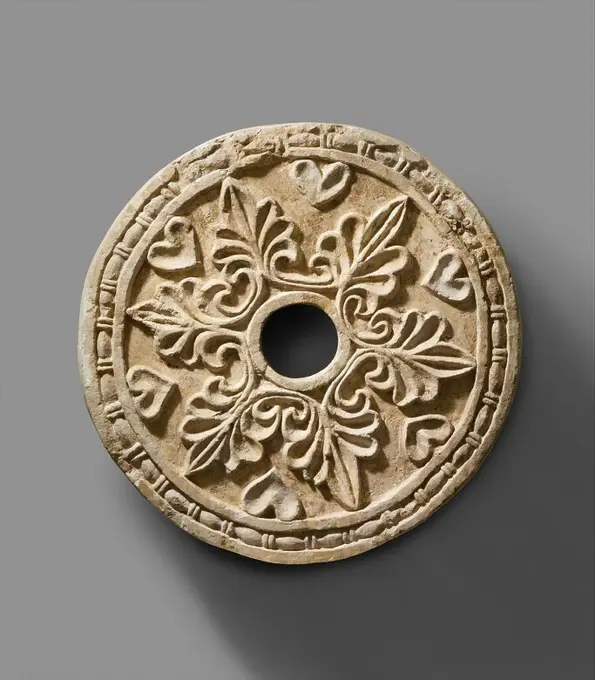
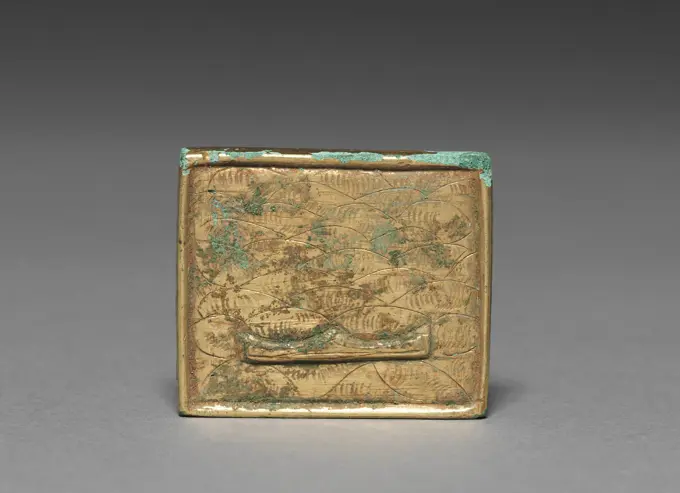
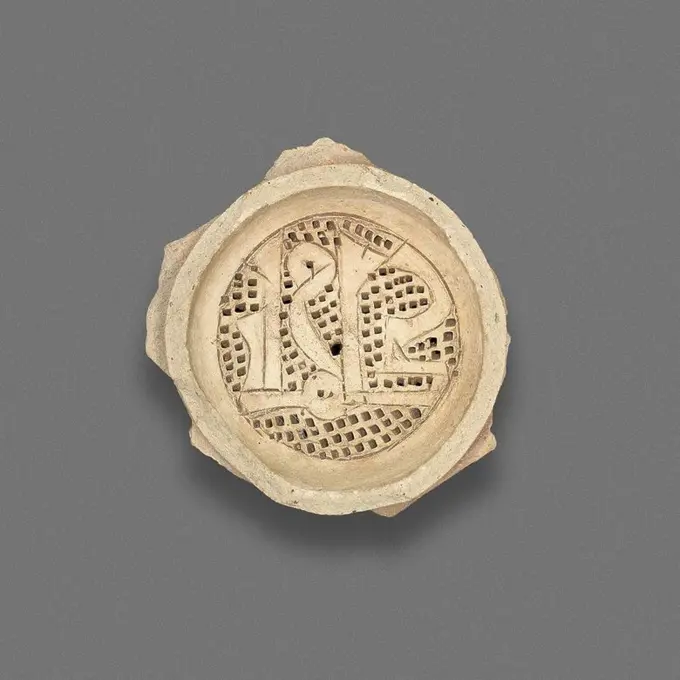
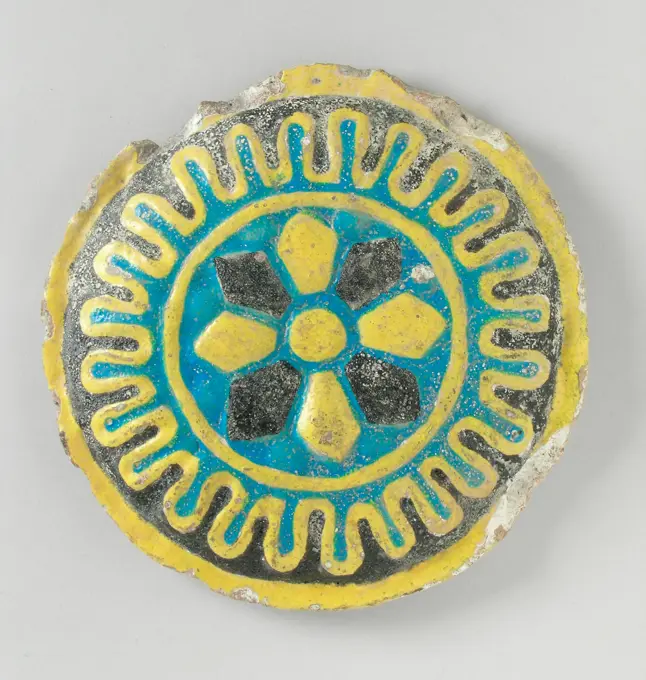
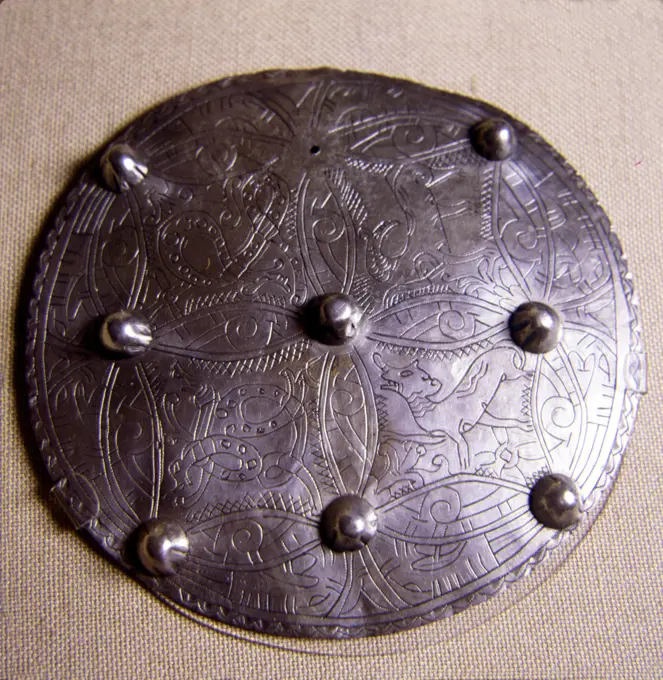
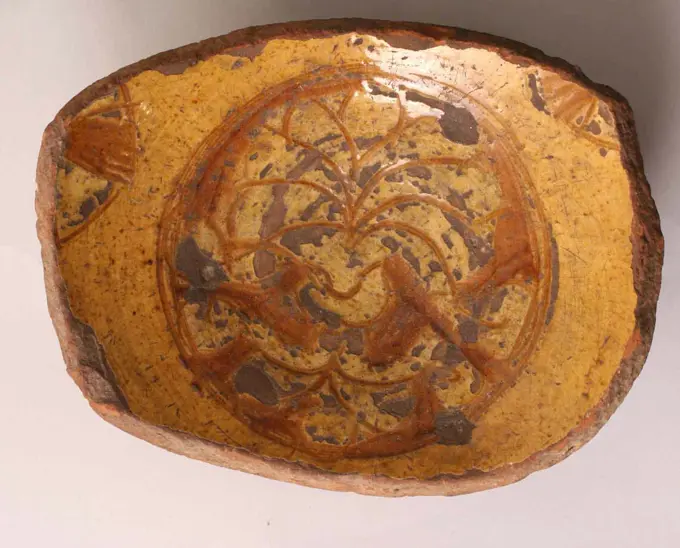
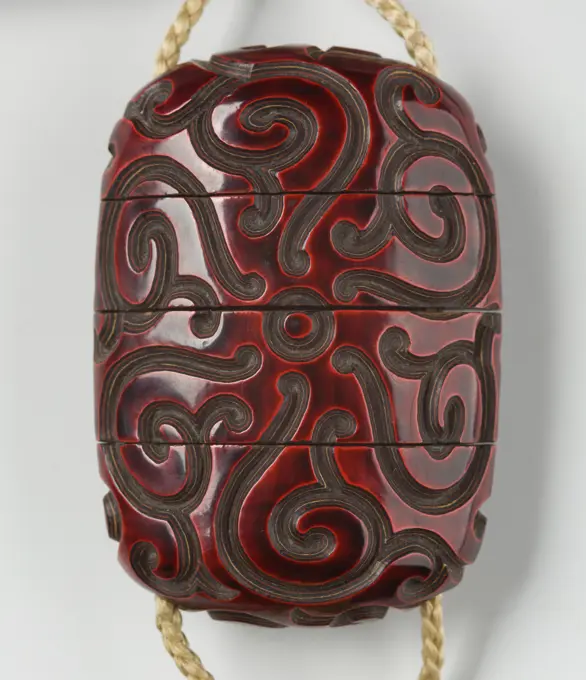
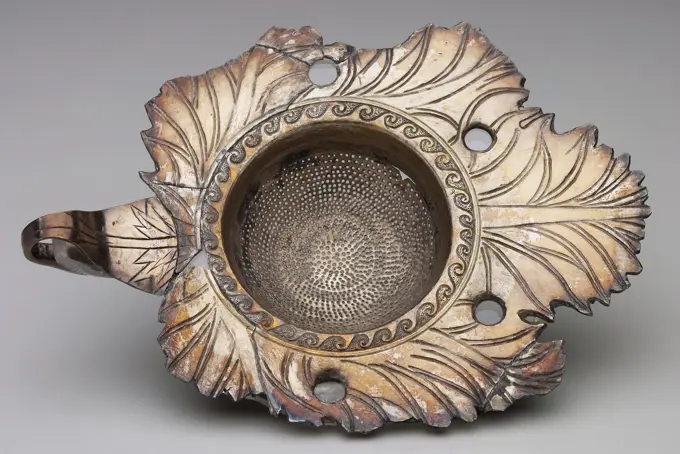
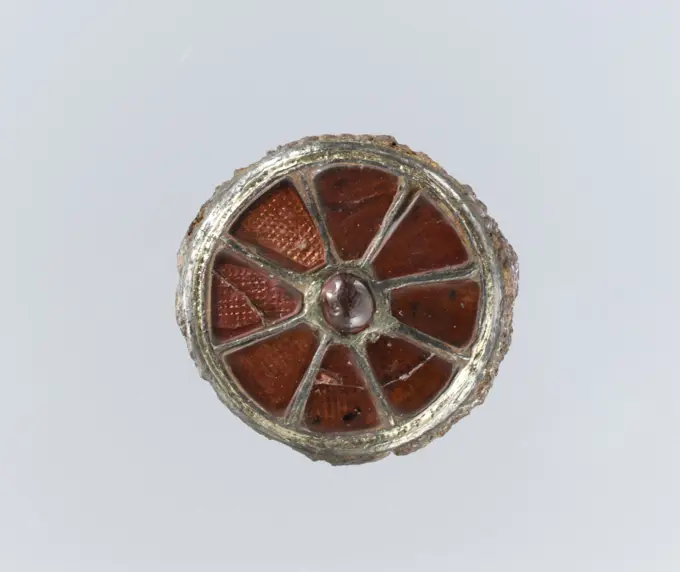
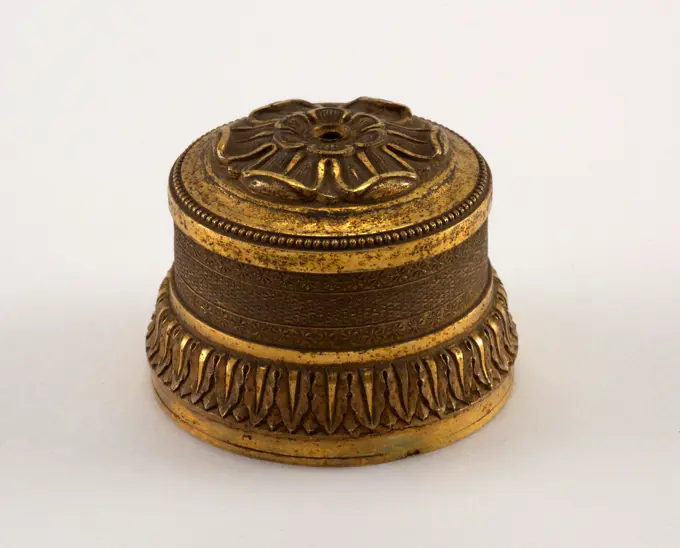
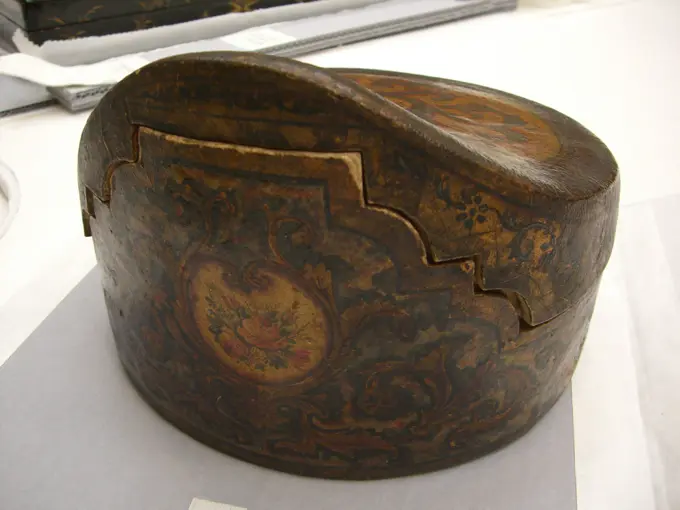
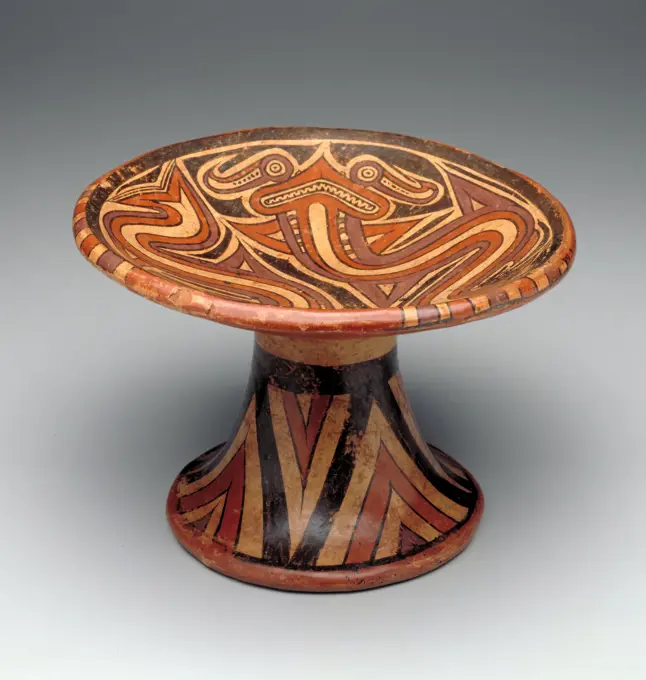
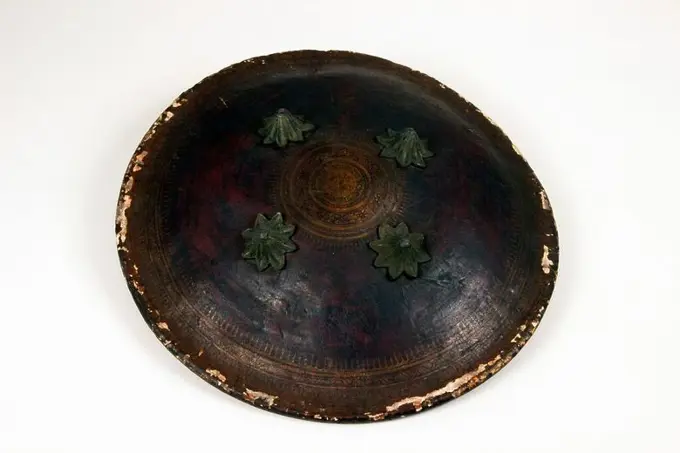
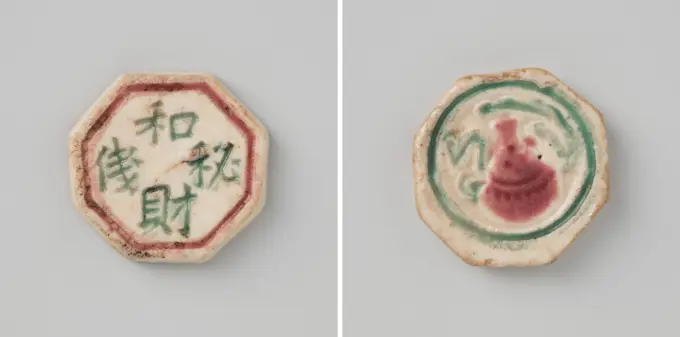
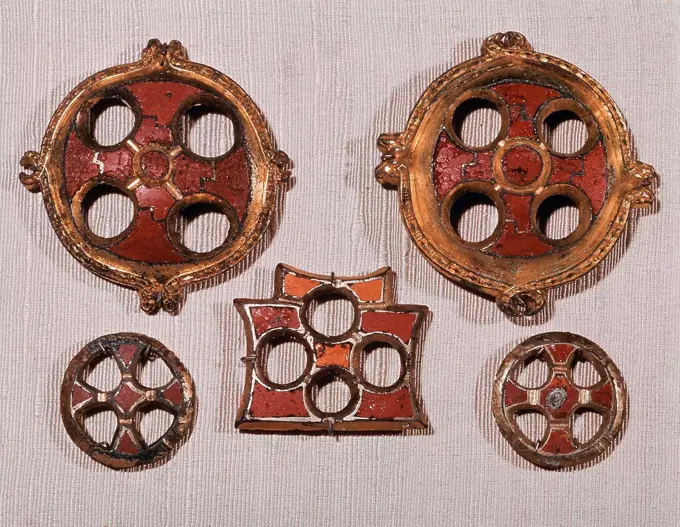
Silversmith's Art, Italy 20th century. Mario Buccellati, Silver powder compact with gold button and hinged cover ornated with an engraving depicting a typical lace of Burano. Closed.Arc-shaped pendant (huang) 1000 BCE-900 BCE China. Jade .Dish, red pottery, silt, decorated with fantasy weapon in sgraffito technique, dish crockery holder soil find ceramic earthenware glaze lead glaze, twisted sgraffito glazed fried lemonade Dish red earthenware sludge internal glaze decorated with fantasy weapon in sgraffito technique three pinched stand lobes of which one restoration in plaster. In the escutcheon double cross at the ends fleur de lis archeology Capelle aan den IJssel House in Capelle castle serving crockery serve cooking heraldry Soil discovery: canal south-side house in Capelle ± 1395 - ± 1500 Capelle aan den IJssel 1963.Tile (Spain), 17th century; earthenwareTerracotta kylix: Droop cup (drinking cup) ca. 540 B.C. Attributed to the Group of Rhodes 12264 Exterior, obverse and reverse, AmazonomachyAt the handles, sphinxesNamed after the scholar J.P. Droop who first described the shape, Droop cups were produced between about 540 and 510 B.C. They are characterized by channeling at the top of the stem and, in particular, by the succession of friezes between the main figured zone and the rays at the base of the bowl.. Terracotta kylix: Droop cup (drinking cup). Greek, Attic. ca. 540 B.C.. Terracotta; black-figure. Archaic. VasesBelt Buckle with Kulans Attacked by Wolves 3rd-2nd century B.C. Southern Siberia. Belt Buckle with Kulans Attacked by Wolves. Southern Siberia. 3rd-2nd century B.C.. Bronze. MetalworkBottom fragment Werra plate, mirror finish grape bunch, year 1620, pale yellow, blue and green glaze, border decoration bows, plate crockery holder soil find ceramic earthenware glaze, Red earthenware with drawing in light yellow and green glaze. year glazed: 1620 archeologyBox with chrysanthemum and praying mantis. Culture: China. Dimensions: H. 1 1/8 in. (2 cm); Diam. 2 3/4 in. (7 cm). Date: 16th century.In China, the praying mantis was appreciated for its skillful hunting with its long front legs. The term for "praying mantis" has the same pronunciation as the word for "handsome man" (lang), and the insect became a popular motif in Chinese art from the sixteenth century on. Museum: Metropolitan Museum of Art, New York, USA.Fragment of a Bowl 14th-15th century. Fragment of a Bowl 445413Balance Cock / Coque De Montre (probably France); brassJ.J. van Baerll, Medal at the Alliance party in Rotterdam, medallion bronze bronze figure 4,9, Mercury hangs French and Dutch coats of arms against which reciprocal mercurius staff rests, GAUDETE - BATAVI. (legend) HOC MONUM. DUPL. FELIC. D.D. GRATI CIVES ROTTERODAMENSES. 24 APRL. 1786 (in cut-off) RotterdamFragment majolica bowl, blue on white, chessplate decor, bowl crockery holder soil find ceramic earthenware glaze, Cooked on the soul of bowl or deep plate. underside covered with gray lead glaze. Italian Dutch decor Monochrome archeology Italy Rotterdam decorating food archaeological find in the soil Rotterdam 1940.Fragment of a Bowl 14th-15th century. Fragment of a Bowl 445392Fragment 14th-15th century. Fragment 446463Plate. Culture: Spanish. Dimensions: Overall: 2 5/8 x 17 1/2 in. (6.7 x 44.5 cm)Diameter of foot: 5 7/8 in. (14.9 cm). Date: 1430-1470.This plate is emblazoned with the coat of arms of the Morelli family of Florence, and must have belonged to a large table service. This large plate, called in contemporary documents a tayador or tallador, could have been used as a trencher for carving or a salver for serving meats or other foods. Examples of matching services have only rarely survived, although documents indicate great numbers were made for both the domestic and the export markets. In a receipt dated 1454, the widow of Don Pedro Buyl, overlord of the Manises lusterware factories, received payment of 6000 gueldos (roughly equivalent to $360,000 in 2016) as a tithe on the potters' goods destined for the export market. These wares leaving Grao, the port of Valencia, destined for Mediterranean markets, generally were transported by ships of Mallorcan registry. For this reason, lusterware,SPIEGEL, Anonymous, 1300 - 1600 Mirror: in the center of breast -shaped bulge surrounded by four, double concentric circles. The handle is flat with openly worked elongated decorative motif in longitudinal direction. Indonesia bronze (metal) Mirror: in the center of breast -shaped bulge surrounded by four, double concentric circles. The handle is flat with openly worked elongated decorative motif in longitudinal direction. Indonesia bronze (metal)Axe HeadOrnament tile, central kidney-shaped green and brown floral shape, corner motifs, quarter rosette and saving technique, wall tile tile visualization earth discovery ceramics earthenware glaze, baked 2x glazed painted Multicolored: blue draft; green yellow brown blue on white fond archeology underground pit Churchillplein Rotterdam City center Stadsdriehoek Soil discovery: Churchillplein underground pit 1968 Gerzon.Campanian Black Bowl. UnknownBowl probably 9th century This ceramic bowl was excavated at the site of Tepe Madrasa in Nishapur.Nishapur was a vital city in the early and middle Islamic periods, located along one of the main trajectories that connected Iran and West Asia Islamic lands with Central Asia and China. These itineraries are often referred by the term Silk routes but were in fact crucial to the movement of constellations of materials and objects, as well as people and ideas. The diverse population of Nishapur and its surroundings, from the better-researched elite groups of merchants, land-owning aristocracy, and literates, to the less-known artisans, farmers, miners, and servants, were instrumental in adapting global cultural trends to create their own distinctive visual languages. This is seen in the material remains of everyday life in medieval Nishapur - from pots and pans to lighting devices, inkwells, textiles and trimmings, jewelry, games and toys, talismanic devices, weapons, coins, and architecturLamp 13th-14th century. Lamp 451656Fragment 14th-15th century. Fragment 446366Salver. Culture: British, London, after Flemish, Antwerp original. Dimensions: Overall: 1 3/4 × 24 3/4 × 24 3/4 in. (4.4 × 62.9 × 62.9 cm). Maker: Franchi and Son. Date: 19th century, after 1558-59 original.This electrotype is after a 1558-59 original in the Louvre, Paris. It is paired with ewer (73.8.52). Museum: Metropolitan Museum of Art, New York, USA.Fragment earthenware bowl, marbled in brown tones, bowl bowl tableware holder soil find ceramic pottery clay engobe glaze lead glaze, hand-turned baked glazed decorated fried loin string Fragment of deep pottery bowl on stand. Red shard entirely glazed except the bottom of the bottom. Decorated with flowed brown red and white shades in glaze Sludge technique flow technique Deep bowl with curled upper edge with lip Turning lips on the outside prints on the mirror archeology indigenous pottery import serve serve tablePlate late 15th-early 16th century Italian, Venice The central medallion with a laurel-crowned bust of Julius Caesar is a later addition.. Plate 193541BuckleOval amulet with ornamental religious inscription. unknown, craftsmanNetsuke, japanese miniature sculpture. Museum: COLECCION PRIVADA.Terracotta fish-plate. Culture: Greek, South Italian, Campanian or Sicilian. Dimensions: Diameter 10 7/8 in. (27.6 cm)H. 2 5/8 in. (6.7 cm). Date: ca. 375-360 B.C..Although this plate is among a group of similar fish-plates by the Bastis Painter, certain features are different. On this piece, the body of the fish is outlined in white, not black, the mouth, eyes, and dots on the body are drawn differently, and the decoration around the central depression is a band of strokes, not the usual wave-pattern. Museum: Metropolitan Museum of Art, New York, USA.Plate, 15th century, 1 15/16 x 8 15/16 in. (4.92 x 22.7 cm), Kalong ware Stoneware with underglaze brown decor, Thailand, 15th centuryPre-Columbian gold artifact in the Museo del Oro. Famous Gold Museum, Bogota, Colombia. Pre-Columbian gold artifacts in the Museo del Oro. Golden indigenous ornament from South American natives civilization. Famous Gold Museum, Bogota, Colombia. Copyright: xZoonar.com/www.artushfoto.eux 21638044Disk Brooch 6th century Frankish Garnets, worked in the cloisonné technique, featured prominently in the luxury jewelry of the Franks. Jewelers would solder small compartments arranged in geometric patterns onto the surface of a metal disk. In those cells, or cloisons, they would place a textured piece of gold foil, which would show through the thin translucent garnet that would then be set on top.. Disk Brooch 465613 Frankish, Disk Brooch, 6th century, Silver, parcel gilt, foil and wire, glass paste or garnet, Overall: 1 1/16 x 3/8 in. (2.7 x 1 cm). The Metropolitan Museum of Art, New York. Gift of J. Pierpont Morgan, 1917 (17.193.285)BowlBowl, early 1600s. Iran, Safavid period (1501-1722). Fritware with underglaze design in colored slips, Kubachi ware; overall: 8.4 x 35.6 cm (3 5/16 x 14 in.).Incense Burner, 1736-95. China, Qing dynasty (1644-1911), Qianlong reign (1736-95). Jade; overall: 14.6 cm (5 3/4 in.).Knob-Handled Patera (Dish). Greek; Apulia, Italy; Attributed to the Baltimore Painter. Date: 330 BC-320 BC. Dimensions: 17.7 × 67.3 × 68.5 cm (7 × 26 1/2 × 27 in.). Terra-cotta, decorated in the red-figure technique. Origin: Puglia. Museum: The Chicago Art Institute, FLORENCIA, USA. Author: ANCIENT GREEK.Dish Incised with Two Cats 3rd-2nd century B.C. Paracas. Dish Incised with Two Cats 308717Tile, Anonymous, 1600 - 1800 Tile, painted in yellow, manganese. Lobbed rosette, in which an eight -pointed star. In the corners of a quarter of huge corners, connected to the rosette with a thin line. Tunisia (Possible) Morocco (Possible) earthenware. tin glaze Tile, painted in yellow, manganese. Lobbed rosette, in which an eight -pointed star. In the corners of a quarter of huge corners, connected to the rosette with a thin line. Tunisia (Possible) Morocco (Possible) earthenware. tin glazeDice probably 8th-12th century The dot-in-circle motif recalls designs presumed to be of magical significance, most likely an abstract eye to ward off the evil-eye, which serves an apotropaic function. Easily reproduced with a tool and visible in many cultures and times, this symbol may have lost its meaning, and become simply a decorative pattern, or may have one that we have not yet discovered.. Dice 453463Plate ca. 1475-1500 German. Plate 468650Tabletop. Culture: Byzantine. Dimensions: Overall: 32 7/16 x 35 1/8 x 1 1/2 in. (82.4 x 89.2 x 3.8 cm). Date: 400-600.Small tabletops like this one were used to celebrate feasts for the dead at grave sites; this commemorative practice was known throughout the Roman and early Byzantine worlds. The tables were often supported on bases, similar to the example displayed below, which were elaborately carved with messages promising mankind's salvation. Here, at the lower edge of the table, four sheep, representing the blessed according to Matthew 25:33-40, flank a Christogram, a monogram composed of the first two letters of Christ's name in Greek, chi (X) and rho (P). Such tables are often called sigma tables due to their resemblance to the late form of the Greek letter. Museum: Metropolitan Museum of Art, New York, USA.Pedestal Plate 800-1200 Conte. Pedestal Plate. Conte. 800-1200. Ceramic. Panama. Ceramics-ContainersSword-Hilt Collar and Pommel (Fuchigashira) 18th century Japanese A fuchigashira is a pair of matching sword fittings comprising the fuchi (collar at the base of the grip of the sword hilt) and kashira (pommel cap at the end of a sword hilt).. Sword-Hilt Collar and Pommel (Fuchigashira). Japanese. 18th century. Copper-gold alloy (shakud), gold, silver. Sword Furniture-Fuchi-KashiraFragment 14th-15th century. Fragment 445192Vase Lid with Greek Inscription. Egypt, Probably Greco-Roman Period (332 BCE - 337 CE). Furnishings; Accessories. TerracottaInkwell (top to bottle), 1825-1850. England or America, 19th century. Gilt bronze and glass; overall: 7 x 24.8 x 13.4 cm (2 3/4 x 9 3/4 x 5 1/4 in.).Umbria Terni Collescipoli S. Maria Maggiore0. Hutzel, Max 1960-1990 Post-medieval: Architecture, architectural sculpture (15th century); Baroque interior (c. 1688); frescoes (c. 1690). In sacristy treasury: metalwork (13-16th century) Object Notes: Hutzel photo campaign date: February 6, 1986. General Notes: Re material in treasury, Hutzel refers reader to Terni-Narni Catalogue Should treasury be noted in location field German-born photographer and scholar Max Hutzel (1911-1988) photographed in Italy from the early 1960s until his death. The result of this project, referred to by Hutzel as Foto Arte Minore, is thorough documentation of art historical development in Italy up to the 18th century, including objects of the Etruscans and the Romans, as well as early Medieval, Romanesque, Gothic, Renaissance and Baroque monuments. Images are organized by geographic region in Italy, then by province, city, site complex and monument.Carved wooden part of a bed tent. Date/Period: 1600 - 1730. Textile document. Author: UNKNOWN ARTIST.Incense Box in Two Compartments late 19th century Japan. Incense Box in Two Compartments 57711Chinese Red on Black Cinnebar Lacquer Lobed Box and Cover on Stand,  Qing Dynasty, Qianlong Period, 1736 - 1795Speelbeurs from Oranjerood velvet, embroidered with silver wire and multicolored silk with the city coat of arms of Paris, Anonymous, c. 1680 - c. 1720 Speelbeurs of Oranjerood velvet (of which the Pool is largely worn away), embroidered with silver wire and multicolored silk with the city coat of arms of Paris. Model: flat round bottom around which a wavy raised edge with holes with holes, which has a tapered button with a wooden core on both sides and originally completely wounded with a vlo -side (one button is missing) - is pulled. Lined with goat leather. Decoration: The 20 bulges or 'ribs' are decorated with alternating stacked ornaments in relief of silver wire. Alternate there is a circle with a border in which a silver lover is sewn in (missing in many cases). A horizontal line of silver thread runs on three -quarters. Along the top the whole is trimmed with an edge of silver thread. The bottom is circled by a double edge within which a zigzag line of silver wire. Herein the cBelt buckle. Two spins.Cornelis Uyterweer, Inside of pocket watch with on gap image child with sword and shield and written SERVIAT UNI, pocket watch watch movement measuring instrument gold brass steel d 2,4, The movement with spindle and snout Fan-shaped pillars at the top side-sawed Awning for the snek. On the back plate silver closed bridge with driven representation of child sitting on stool with sword and shield. Under the kidney-shaped opening for glass pane the text: SERVIAT UNI. Behind it the visible part of the balance in the form of grooved lens. Beside the gorge square blued tip for the regulage. well-worn floral ornament on the back plate CORNELIS UYTERWEER ROTTERDAM 480 (under gaps) measuring measured citizenship around the signatureFragment of a Bowl 9th-10th century This object was excavated at Nishapur.Nishapur was a vital city in the early and middle Islamic periods, located along one of the main trajectories that connected Iran and West Asia Islamic lands with Central Asia and China. These itineraries are often referred to by the term Silk routes’ but were in fact crucial to the movement of constellations of materials and objects, as well as people and ideas. The diverse population of Nishapur and its surroundings, from the better-researched elite groups of merchants, land-owning aristocracy, and literates, to the less-known artisans, farmers, miners, and servants, were instrumental in adapting global cultural trends to create their own distinctive visual languages. This is seen in the material remains of everyday life in medieval Nishapur - from pots and pans to lighting devices, inkwells, textiles and trimmings, jewelry, games and toys, talismanic devices, weapons, coins, and architectural fragments.NishapThree-piece folding mirror. This folding mirror represents a unique level. The actual mirror is located between two figuratively decorated cover plates and was formerly highly polished on both sides. The mirror surface is connected to the handle by an intermediate member in the form of two volutes with an above-up palmette. Originally, these were bones, ivory or wood. A rotatable bracket served to fix the plates. On a hinge, a recess at the upper edge of the mirror surface and two intake holes for pens in the front plate indicate. The front plate (Inv. 2007.372.B) is decorated outside with a soldered applying and an engraved trim strip. The applica shows a finely educated woman's head. A headband tries to tame the haarmasse in all directions with numerous thick strands. The neck adorns a wide chain with eight drop-shaped pendants. Due to the wild hair, reference to the coin images of the city of Syracuse has been proposed to recognize a portrait of Syracusan Source Nymph Arethusa. The Ring collar of a harness with relief of battle. Iron ring collar. The top is hemisphere and the underside approaches a slight point. The high relief shows a battle with men on horseback and with spears and swords. In the middle a horse falls on the ground with rider.Randtegel of a tile tableau, anonymous, c. 1550 - c. 1600 Randtegel for a corner of a tile tableau, painted in blue, green, yellow and orange with rolling motifs between a pearl list. Antwerp (possibly) earthenware. tin glaze majolica Randtegel for a corner of a tile tableau, painted in blue, green, yellow and orange with rolling motifs between a pearl list. Antwerp (possibly) earthenware. tin glaze majolicaDecorative ceiling, 11th century, from Castillo Formós (Balaguer). Museum: Museu Comarcal La Noguera, Balaguer, Lérida, Cataluña, España.Netsuke. Culture: Japan. Dimensions: H. 1/2 in. (1.3 cm); Diam. 1 1/2 in. (3.8 cm). Date: 19th century. Museum: Metropolitan Museum of Art, New York, USA.Roundel with radiating palmettes. Culture: Sasanian. Dimensions: Diam. 42 in. (106.7 cm). Date: ca. 6th century A.D..Written sources describe the Taq-I Kisra, the winter palace of the Sasanian emperor Khusrau I (r. 531-79), as richly decorated with mosaics and stucco decorations. Numerous stucco reliefs were recovered from the excavations around the palace area including several roundels such as this piece. Excavation photographs show fragments of these large roundels in place as they were excavated, and it appears that they were originally placed between square posts and formed a balustrade. This roundel is pierced in the center and has decoration on both sides consisting of radiating palmettes and heart shaped leaves.The city of Ctesiphon was located on the east bank of the Tigris River, 20 miles (32 km) south of modern Baghdad in Iraq. It flourished for more than 800 years as the capital of the Parthians and the Sasanians, the last two dynasties to rule the ancient Near East beforBelt Ornament, 918-1392. Korea, Goryeo period (918-1392). Bronze gilt; overall: 4 x 4.6 x 0.7 cm (1 9/16 x 1 13/16 x 1/4 in.).Drum Earspools with Warrior Faces. Mexico, Basin of Mexico, Teotihuacan, Teotihuacan, 350-650 CE. Ceramics. Ceramic with post-fire pigmentClay filter with callegraphic design. Egypt; Fustat. Date: 1000-1200. Dimensions: .75 × 6.7 × cm (3/4 × 2 5/8 in.). Earthenware, carved and punched. Origin: Masr al-`Atiqah. Museum: The Chicago Art Institute, Chicago, USA. Author: Islamic.Dish 15th-16th century Thailand (SukhoThailand). Dish 37593RELICARIO CON INSCRIPCIONES HEBREAS. Location: CATEDRAL-INTERIOR. Toledo. SPAIN.Wall Plaque. Iran, second half of 14th century (). Ceramics. Earthenware, molded and glaze-paintedPlanets-manager. Cornalet Collection Sites 2013-2016. Numismatic.Viking jewellery- disc brooch.Fragment of a Bowl 14th-15th century. Fragment of a Bowl 455198CDK unknownSilver Ring, Roman, 4th century. Artist: Unknown.Patternas belonging to the equipment of a juice of the 1st Department of Noord-Hollandse Schutterij, M1832, Anonymous, 1832 cartridge pouch Pattern bag made of black leather. Four yellow metal jumping grenades in the corners. Two yellow metal crossed axes in the middle. A few holes in the leather under the axes. Klep has a battery shape and the inside is made of brown leather. Inside valve: holes in the leather, causing the eyes of the batter from the front, causing a yellow metal wire. In the middle in white a 2. above two rows of vertical holes of disappeared lip. Inside of the black leather bag, in which, slightly curved wooden holder with eight holes (for storing patterns). Holder is stitched to the pattern bag. Two learn to flap left and right. Bottom pattern bag: yellow metal button for clip. Back of pattern bag three vertical black leather loops. Netherlands copper (metal). iron (metal). leatherFoliate Sieve, late 4th or early 3rd century BCE, 4 15/16 x 5 3/4 in. (12.54 x 14.61 cm), Silver, Greece, 3rd-4th century BCE, This elegant ladle and sieve in the form of a grape leaf were used to strain particulates (skins, seeds, and stems) from and to serve wine. They were found together in Arcarnania, in southwestern Greece. The Greeks mixed their wine with water, and regarded the consumption of undiluted wine as uncivilized.Disk Brooch 6th century Frankish. Disk Brooch 464853 Frankish, Disk Brooch, 6th century, Silver-gilt, garnets with patterned foil backings, garnet ..., diam. 13/16 x 5/16 inches (diam. 2.0 x 0.8 cm). The Metropolitan Museum of Art, New York. Gift of J. Pierpont Morgan, 1917 (17.191.16)CapSpeech fair of wine red velvet, embroidered in gold and silver thread and multicolored silk with an unidentified (family) Weapon. Speech fair of wine red velvet, embroidered in gold and silver thread and multicolored silk with an unidentified (family) Weapon. Model: Flat round bottom of which a wavy raised edge is provided with holes through which a cord of red and yellow braided silk - ending in a button with wooden core and wounded with silver thread - has been drawn. On the edge, a button is sewn in one place. Lined with goat leather. Decoration: The 20 bulges or 'ribs' are decorated with alternating stacked ornaments in relief of silver thread and a silver lover. A horizontal line of silver thread runs at three-quarters of height. The bottom is circled with a double edge within which a zigzag line of silver wire. In this a family cruined embroidery embroidered in multicolored silk surrounded by an ordinary chain with shells (order of Saint Michel) and a star in the middle (order The double sided (Two-Dog) palette. Ancient Egyptian 3300-3100 B.C. A ceremonial object carved in relief depicting hunting and animalsBox 18th century () Italian, Venice. Box 212617Tile. Tile, painted in blue, yellow, orange, green and manganese. A rocaille on which a palm with; A C-voltage on either side. On top and bottom yellow and orange tires.Fragment 15th century. Fragment 4455652016.49 View 6 of 7. Qibla Indicator, 1700-1825. Also known as Qibla Compass.. Qibla indicators are used to find the direction and time of prayer by Muslim worshippers. According to the central tenets (or five pillars) of Islam they must pray five times a day.Bowl 10th-12th century Mimbres. Bowl 310574Disk Brooch 6th century Frankish. Disk Brooch 465337 Frankish, Disk Brooch, 6th century, Silver on iron core, partial gilt, glass paste or garnet, Overall: 7/8 x 3/16 in. (2.2 x 0.4 cm). The Metropolitan Museum of Art, New York. Gift of J. Pierpont Morgan, 1917 (17.192.31)Fragmentary Bowl 10th-12th century. Fragmentary Bowl 453302Carnavalet museum, medal collectionGlass Fragment 16th century European. Glass Fragment. European. 16th century. Colorless glass. Glass-StainedSword Guard (Tsuba) with Dragon, c. 1615-1868. Japan, possibly Edo period (1615-1868). Iron; diameter: 8.3 cm (3 1/4 in.).Pedestal Plate, c. 800-1100, 6 1/4 x 9 3/4 x 9 3/4 in. (15.88 x 24.77 x 24.77 cm), Ceramic, pigment, Panama, 9th-12th centuryDoor handles, anonymous, c. 1600 - c. 1699 Door rod, decorated with five -clawy dragon. Note: see AK-MAK-500-A. China bronze (metal) Door rod, decorated with five -clawy dragon. Note: see AK-MAK-500-A. China bronze (metal)Disk Brooch ca. 550-600 Frankish or Northern French. Disk Brooch 465230 Frankish or Northern French, Disk Brooch, ca. 550600, Copper alloy, silver wire, glass paste, remnant of iron pin, Overall: 1 1/4 x 3/8 in. (3.1 x 1 cm). The Metropolitan Museum of Art, New York. Gift of J. Pierpont Morgan, 1917 (17.192.17)Europe, Bulgaria. Silver-gilt phiale. 5th cent. BC. Thrace, Bulgaria.Shield (Dhàl). Culture: Indian. Dimensions: Diam. 14 1/4 in. (36.2 cm); Wt. 2 lbs. 10.8 oz. (1213.4 g). Date: 18th-19th century. Museum: Metropolitan Museum of Art, New York, USA.Speelhuisensning from Thailand, 1760-1871 ,, 1760 - 1871 coin Octagonal porcelain playing house fencing, which is also used as a mint. Front: Four Chinese characters. Reverse: image.  porcelainRELOJ CON CAJA ESFERICA DE MESA-FRANCES 1540. Location: PRIVATE COLLECTION. MADRID. SPANIEN.Campania Napoli Naples S. Lorenzo Maggiore83. Hutzel, Max 1960-1990 Medieval: Sculpture, architecture, architectural sculpture (including Roman spolia) 13-14th century Chapter house; sarcophagi, gravestones; wall painting. Fragment of mosaic; sculptural fragments in the Sala Capitolare. Post-medieval: Architecture, architectural sculpture, ceiling painting fresco cycle; prints depicting Venice c. 1845 (4), sculpture; life-size creche figures dressed in original Neapolitan costume Church restored in 1882, 1926, 1944; excavations under the transept undertaken between 1958-1962, and in the cloister in 1976, have revealed remains of a Roman macellum (market), street, and the paleochristian basilica of the 6th c. AD. Antiquities: Pottery: black-glazed, archaic banded, domestic wares, bucchero; architectural terracottas, statuettes, lamps, sculpture fragments Object Notes: 3 color negatives with no prints at the end. General Notes: Most objects/paintings/frescoes unidentified. Three batches Anonymous. "Cup background: two spouses". Colorful glass, inclusion of a gold leaf. Ire half of the 4th century BC .. Museum of Fine Arts in the city of Paris, Petit Palais. 99938-27 Antiquity, gold leaf, half half of the 4th 4th 4th 4th century, glass, ancientADORNOS DE BRIDAS EN BRONCE DORADO CON ESMALTE INCRUSTADO. Location: MUSEO. Uppland.Augustin Dupré (1748-1833). Coin: Sacrifice to love, after Clodion, 1782. Steel, octagonal block. Paris, Carnavalet museum. Medal, numismaticsMirror frame 19th century, after 16th century original British, after Russian original This electrotype is after a sixteenth-century original in the Brobinsky collection, Moscow, at the time of reproduction.. Mirror frame. British, after Russian original. 19th century, after 16th century original. Silver on base metal. Metalwork-ElectrotypeFragment majolica plate, blue on white, Chinese inspired decor, border in Wanli style, plate dish crockery holder soil find ceramics pottery glaze, Op fried archeology food adorn serving buddhism China