Historic Metal Bowls and Dishes

Collection of antique bowls and dishes from various cultures, featuring intricate designs and varying materials, emphasizing texture and historical significance.
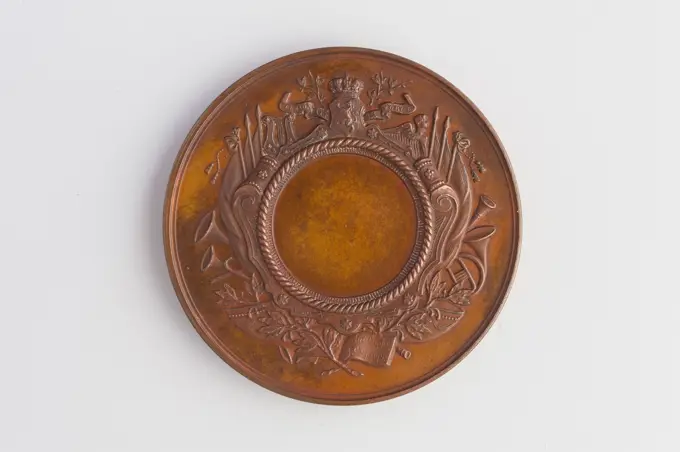
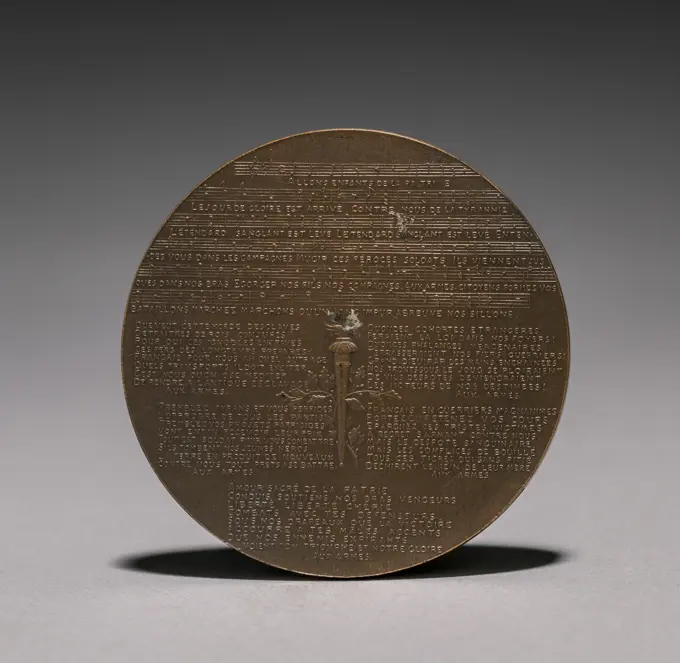
Carnavalet Museum, Medals Collection
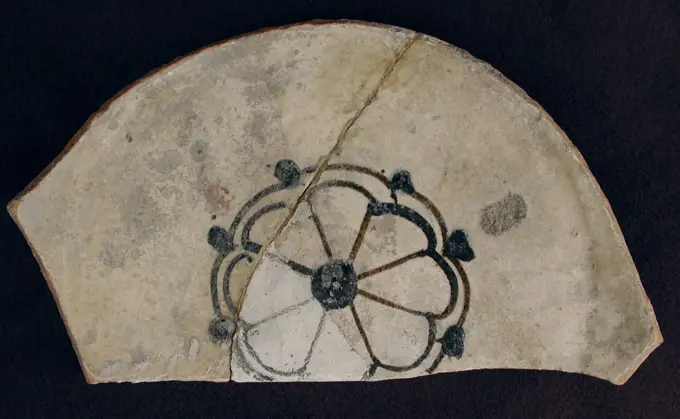
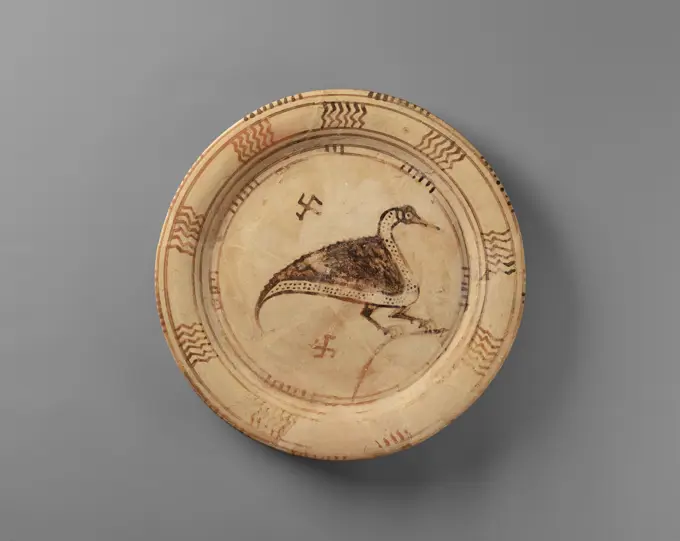
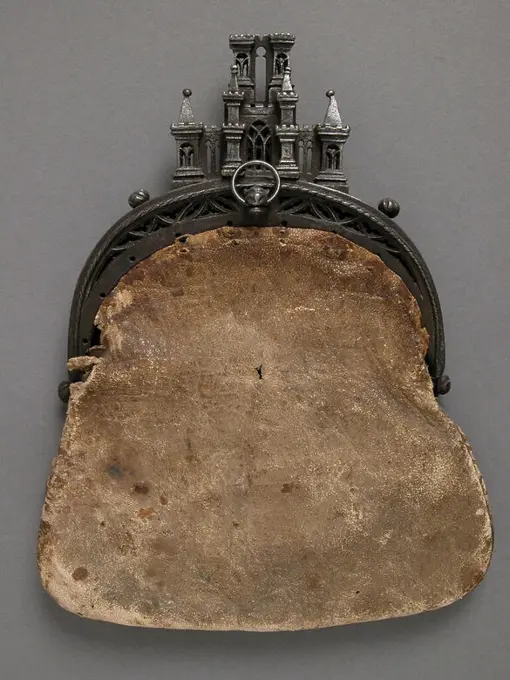
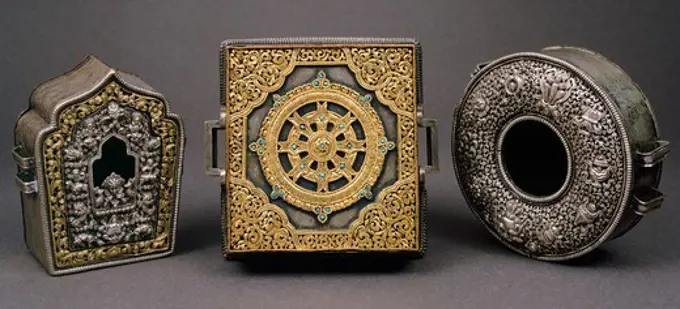
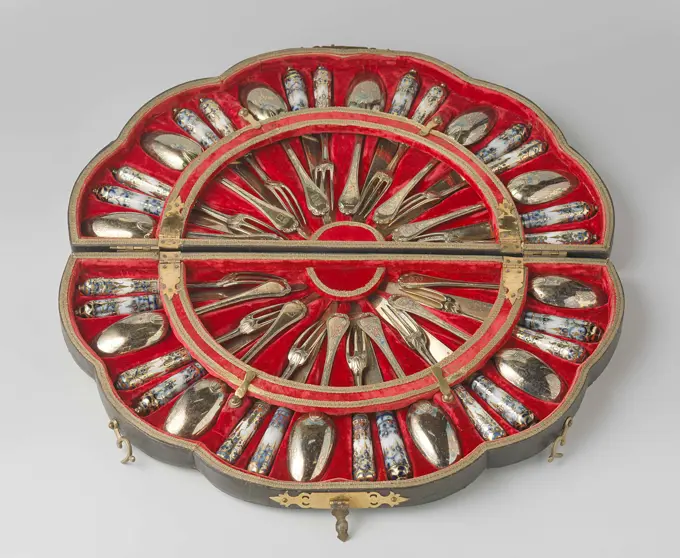
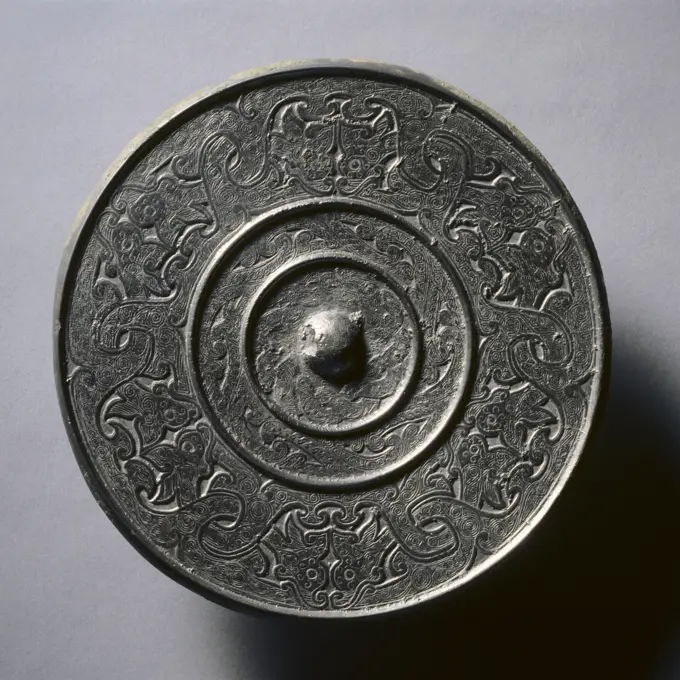
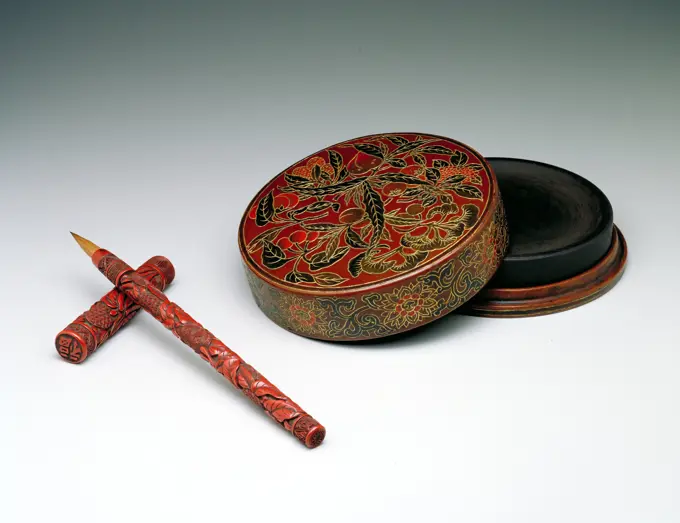
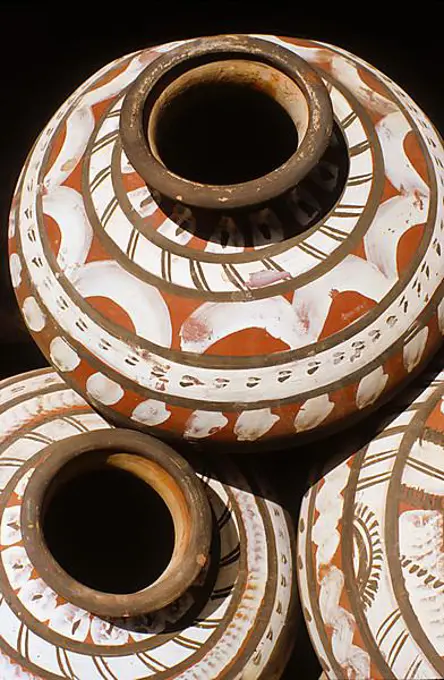
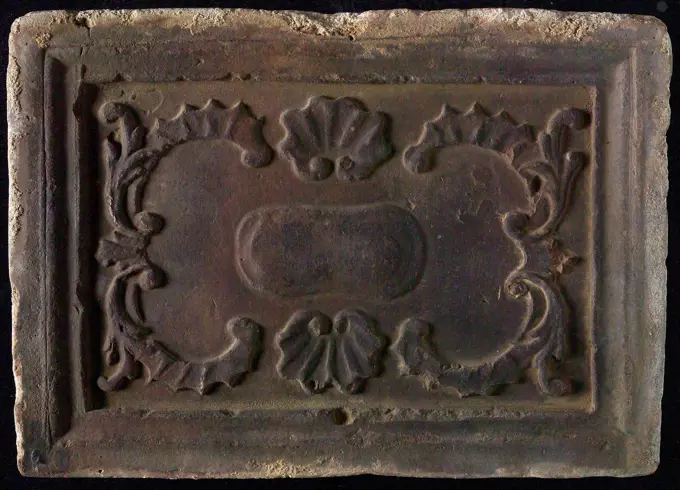
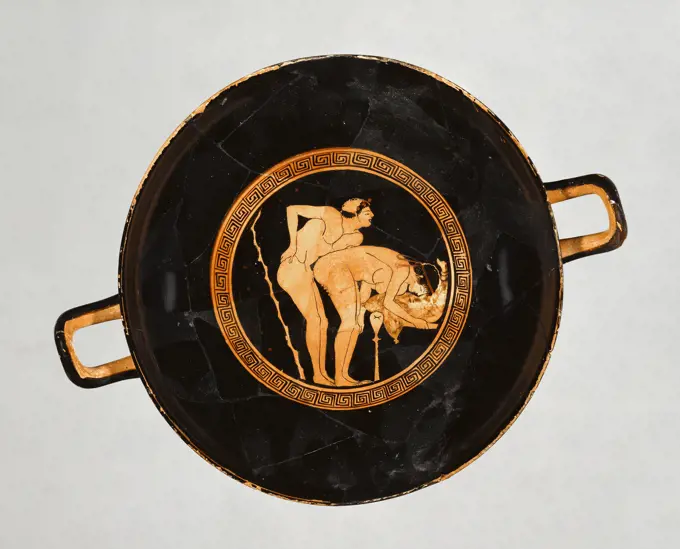
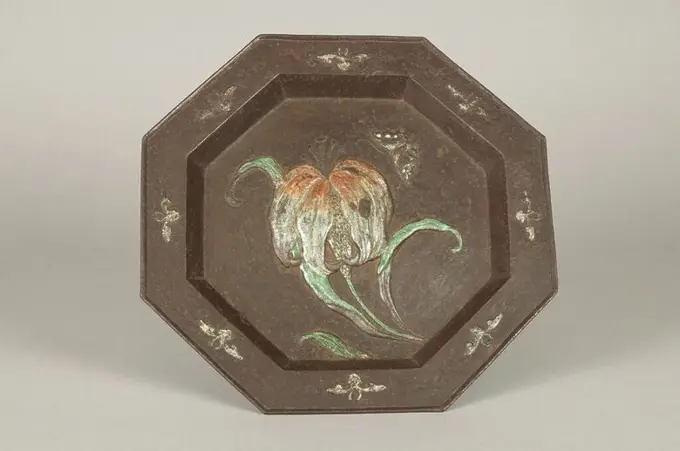
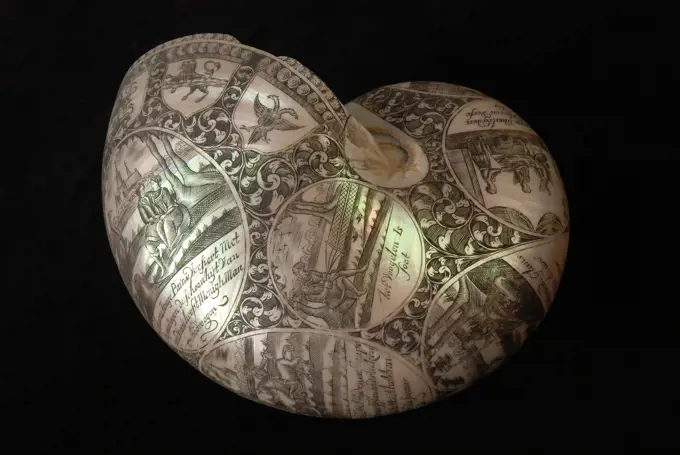
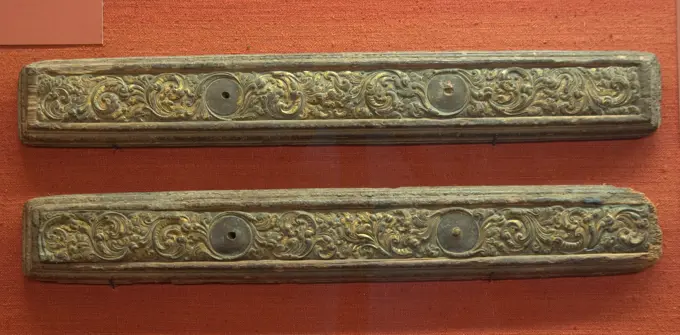
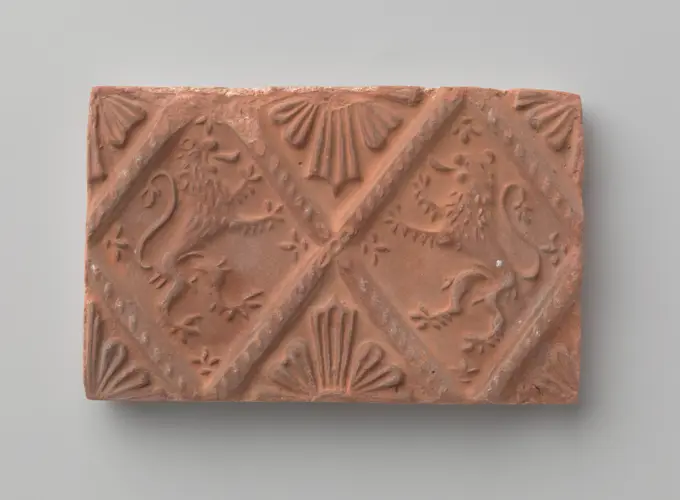
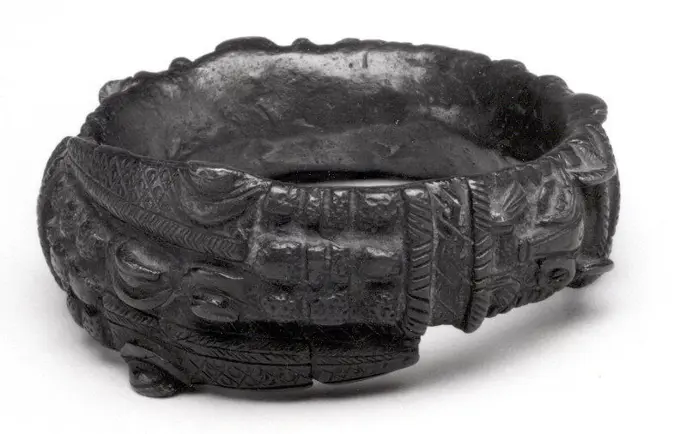
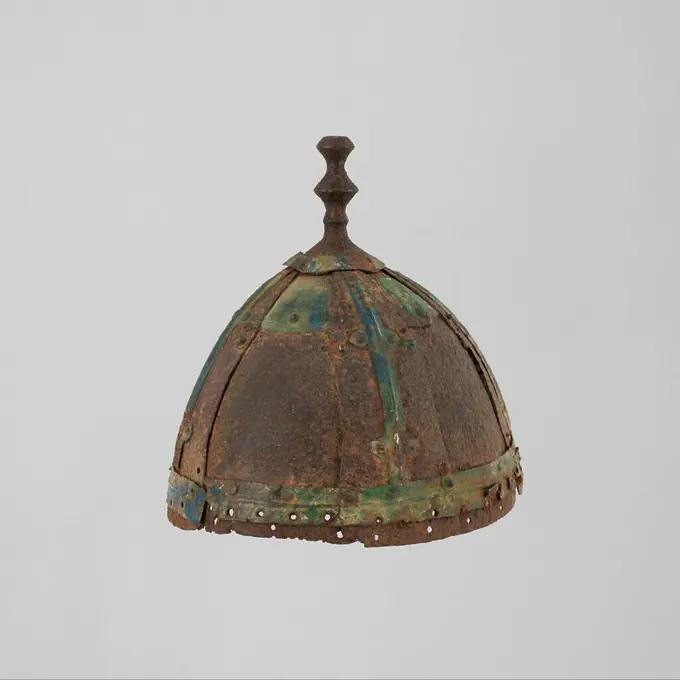
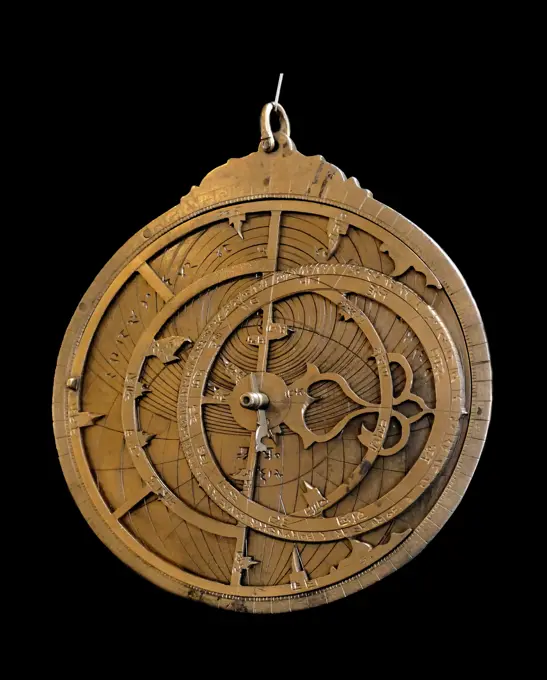
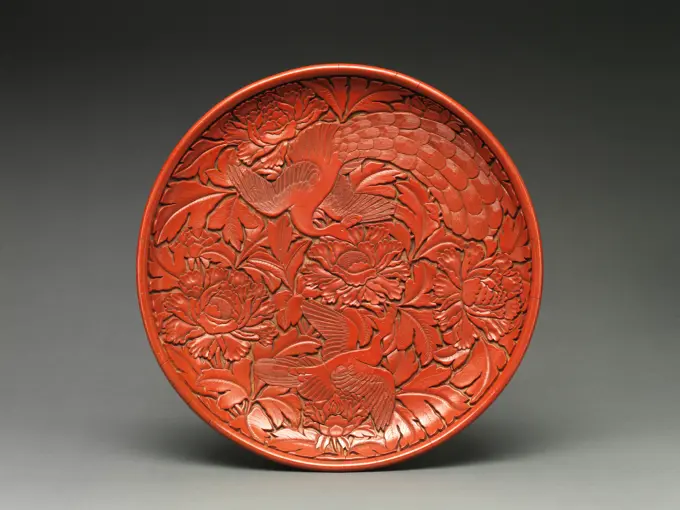
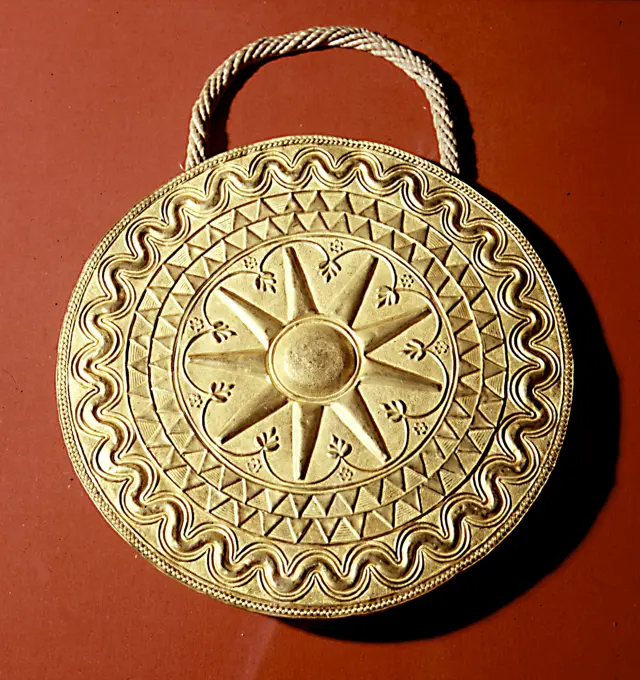
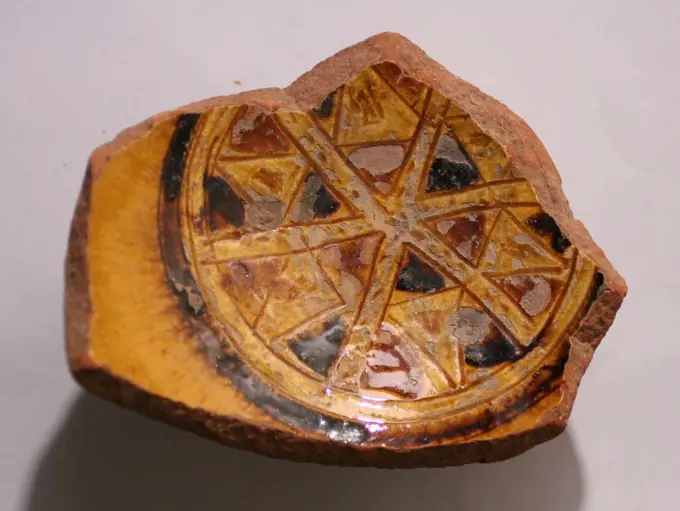
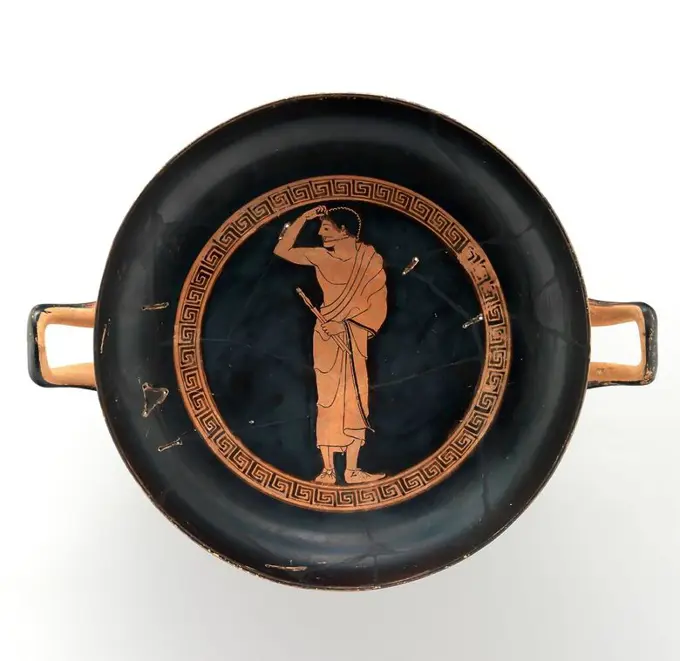
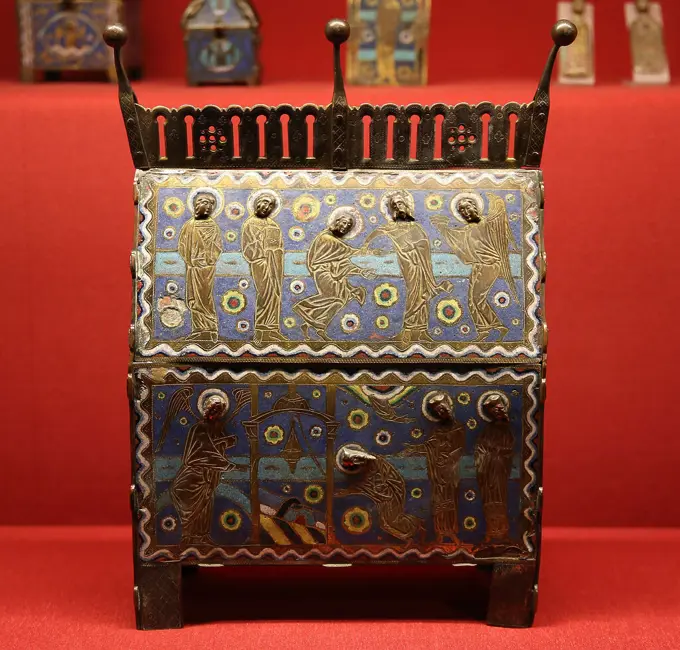
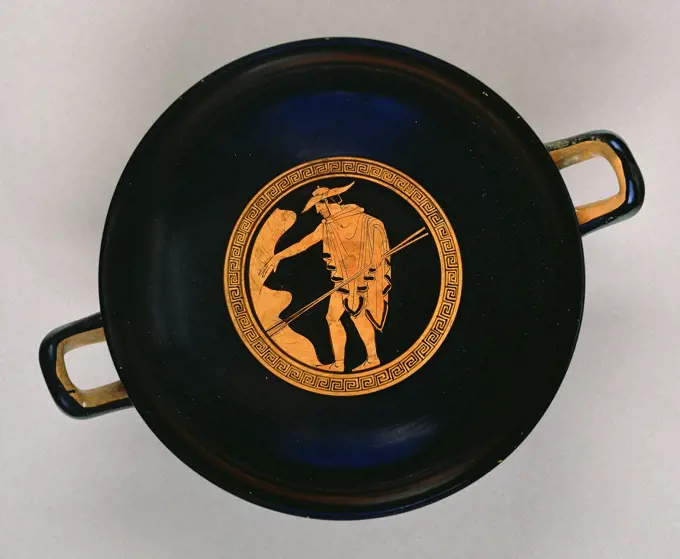
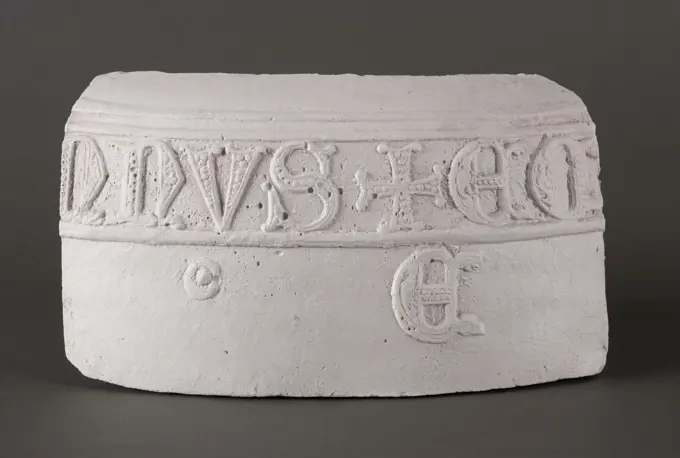
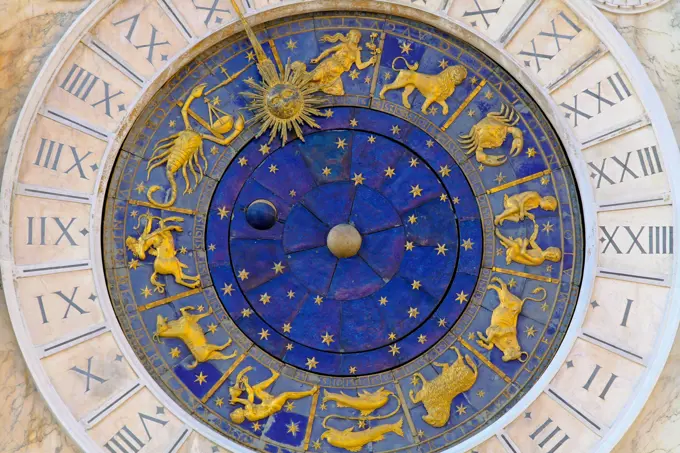
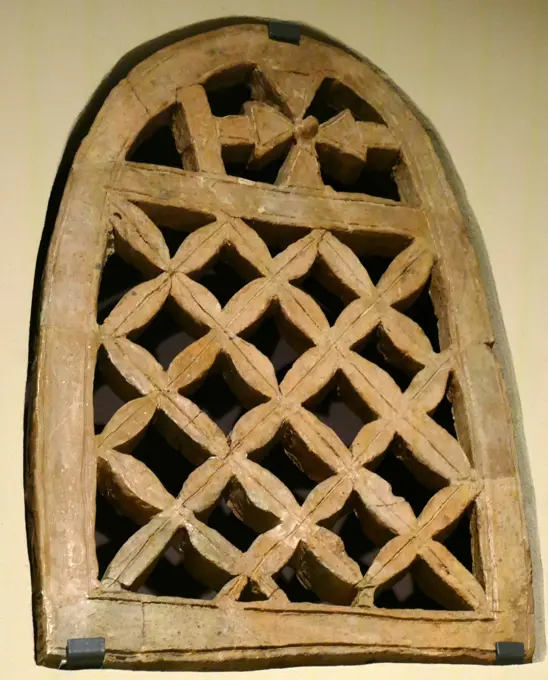
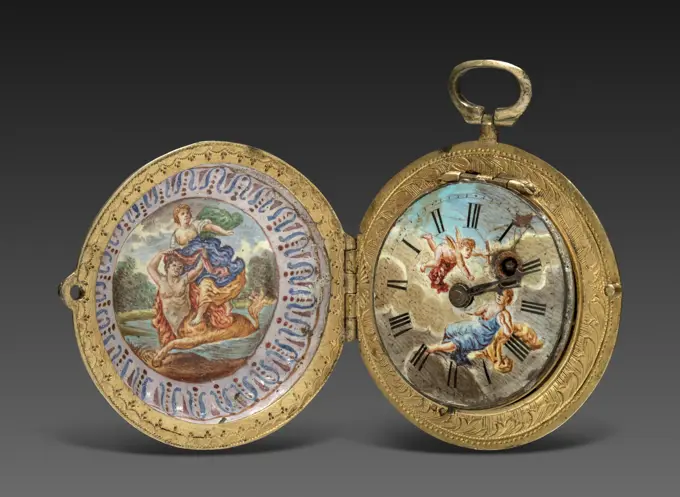
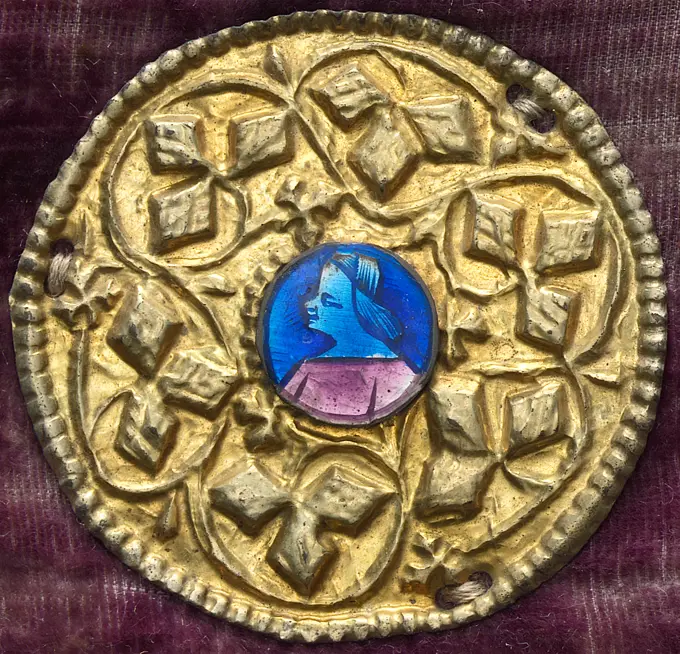
Fragment majolica dish, green, orange, yellow and blue on white, ornamental motif with four ellipses and four leaves, middle circle, dish tableware holder earth discovery ceramics pottery glaze, archeology food serving decorateFragment of a Bowl 10th century. Fragment of a Bowl 450240Snuff Bottle, 17th-19th century, 3 1/4 x 2 3/8in. (8.3 x 6cm), Lacquer, red coral, silver, Mother-of-Pearl, Abalone shell, 17th-19th centuryPlate. UnknownZonnebloem, 1919    wood (plant material)Purse. Culture: European. Dimensions: Overall: 9 x 7 1/16 x 1 5/8 in. (22.9 x 17.9 x 4.1 cm)purse clasp only: 5 x 6 x 1 5/8 in. (12.7 x 15.2 x 4.1 cm). Date: 15th-16th century.Purses of various shapes and sizes, carried by both men and women, were given descriptive terms in medieval inventories, such as bourse or poche à compartement. In the fifteenth century, purses with clasps of metal and loops on the rear which could be attached directly to the belt superseded the pouches which closed with drawstrings and hung from the belt. The clasp no doubt came into use to provide greater security for money or other valuables when the owner walked on crowed city streets.This purse has two inside pockets and a concealed smaller section with two small openings hidden beneath the front flat. Museum: Metropolitan Museum of Art, New York, USA.Silver reliquaries, Tibet. Goldsmith's art, Tibetan Civilisation, 19th century.Twelve specifications. The twelve specifications consist of a gold-plated silver fork, a spoon and a knife; The forks and knives have porcelain lifted, painted in underglazing blue and gold with an ornament inspired by lace. On the backs of the stems of the spoons, a crowned weapon is engraved with two crossed rakes above a hilly landscape, perhaps the family crest Wietzendorff (Wittendorf) from Hanover.. Rectangular exhibition from yellow silk. On the front and rear of the exhibition is a medallion in which an embroidered iris in blue, goose, white and gold-colored butter, around, around silver and gold thread ornaments in symmetrical Fantatsie motif. The edge is deposited with a board. The stock market is lined with a yellow side.Mirror with Interlacing Dragons, early 600s-early 900s. China, Tang dynasty (618-907). Bronze; diameter: 16.9 cm (6 5/8 in.); overall: 0.6 cm (1/4 in.); rim: 0.6 cm (1/4 in.).Brush and Cover, c. 1600, 8 7/16 x 5/8 in. (21.43 x 1.59 cm), Carved red lacquer (ti-hung) on wood and animal fur, China, 16th-17th century, Certain Neolithic pottery of the Yang-shao culture (3rd millennium BCE) shows evidence of being painted with the same type of pointed tip brush used by painters and calligraphers today. The Chinese brush is an exceptionally versatile and sensitive writing and painting instrument. Responsive to the slightest pressure, its mastery requires years of difficult practice. However, it provided talented painters and calligraphers an extraordinary tool for self-expression by producing the individualized brushstrokes that formed the aesthetic basis of their art.Textile Fragment 3rd-4th century. Textile Fragment 443458Pottery, the main local craft in desert areas, Jaisalmer, Rajasthan, India, AsiaBronze mitra (belly guard) late 7th century B.C. Greek, Cretan These three mitrai were found on Crete with the two helmets exhibited above. They were suspended from belts to protect the lower abdomen. One, with a depiction of the foreparts of horses, is inscribed "Synenitos, the son of Euklotas, took this." Another, with the foreparts of winged horses, is inscribed "Aisonidas, the son of Kloridios, took this." The third mitra is decorated with two sphinxes. Such heraldic representations of fantastic animals were derived from Near Eastern prototypes.. Bronze mitra (belly guard). Greek, Cretan. late 7th century B.C.. Bronze. Archaic. BronzesHearthstone, Luiks, from Luik, Liege Belgium, with wide frame, with cartouche, hearth fireplace component ceramic pottery, fired fireplace of the Liege type with wide frame with cartouche building history heatingsesterce; Antoninus Pius (86-161; Roman emperor 138-161); 158-159 (158-00-00-159-00-00);Copper scales, round, spherical with three holes in the edge with strings. Libra of copper, spherical with three holes in the edge with strings. The scale has probably served for weighing medicines. According to the spring, a barber or surgery has been used with the journey.Drum 19th century Native American (Creek, Muskhogean family). Drum 501245Wine Cup with a Sexual Encounter; Foundry Painter (Greek (Attic), active 500 - 470 B.C.); Athens, Greece; about 470 B.C; Terracotta; 9.4 × 30.5 × 23.6 cm (3 11,16 × 12 × 9 5,16 in.)Dish. Culture: Japan. Dimensions: H. 1/2 in. (1.3 cm); W. 8 5/8 in. (21.9 cm). Date: 19th century. Museum: Metropolitan Museum of Art, New York, USA.Engraved nautilus shell, nautilus shell conch shell mother of pearl, engraved Nautilus shell engraved with erotic representationsPair of Manuscript Covers 11th-12th century Nepal (Kathmandu Valley) These covers once protected the palm-leaf folios of a religious text. The interior surface has traces of original paint. The outer surfaces are clad in copper sheet with a repoussé foliate meander design and gilded. Copper discs served to secure a binding cord.. Pair of Manuscript Covers. Nepal (Kathmandu Valley). 11th-12th century. Wood with repoussé gilt copper and color. Thakuri period. WoodworkHearing stone with representation of two climbing lions, c. 1875 - c. 1900 Hearing stone with representation of two climbing lions, placed in profiled window. The half windows at the top and bottom are filled with star motif. Netherlands earthenware Hearing stone with representation of two climbing lions, placed in profiled window. The half windows at the top and bottom are filled with star motif. Netherlands earthenwareEarringHearing stone with representation of two climbing lions, c. 1875 - c. 1900 Hearing stone with representation of two climbing lions, placed in profiled window. The half windows at the top and bottom are filled with star motif. Netherlands earthenware Hearing stone with representation of two climbing lions, placed in profiled window. The half windows at the top and bottom are filled with star motif. Netherlands earthenwareBracelet: Crocodile and Leopard Heads 16th-19th century Edo peoples At its origins, the centralized city-state of Benin was founded by Edo-speaking peoples. The accounts by official court historians and descriptions provided by visitors evoke a vibrant cultural center continually redefined by its leadership through shifting internal and external power dynamics. According to oral tradition, circa 1300, Edo chiefs are reputed to have reached out to the leader of neighboring Ife, Oranmiyan, to establish a new divinely sanctioned royal dynasty. Since then, the investiture of Benins rulers to the title of obas has conferred upon them at once a role of chief priest officiating in important religious ceremonies and presiding over an elaborate structure of palace officials. During the fifteenth century reign of Oba Ewuare, Benins armies were formed and the fortification of its capital with a massive wall undertaken. In parallel, delegations of Portuguese traders assiduously sought to secure Purse, Medium: cotton, silk, beads Technique: looping incorporating strung beads., Small bag of very fine beadwork illustrating the four continents: 'LEUROPE', 'L'ASIE', 'L'AFRIQUE' and LAMERIQUE'. Panels worked separately then joined., France, 18th century, costume & accessories, Purse. Round box with a presentation of a lying lion cut into the varnish.Eight-Plate Helmet. Culture: possibly Tibetan. Dimensions: H. 8 1/2 in. (21.6 cm); W. 7 1/2 in. (19.1 cm); D. 9 in. (22.9 cm); Wt. 2 lb. 4.5 oz. (1034.8 g). Date: 8th-10th century. Museum: Metropolitan Museum of Art, New York, USA.Medal of Claude Joseph Rouget de L'Isle (1760-1836) (reverse), 1911. Alfred Borrel (French, 1836-1927). Bronze; overall: 5.8 x 0.5 cm (2 5/16 x 3/16 in.). The French sculptor and medalist Alfred Borrel (1836-1927) created this portrait medal to commemorate the 75th anniversary of Rouget de L'Isle's death in 1836, the same year in which the sculptor was born.Right tray; F.K. (Fl. Ca 1845); 1845 (1845-00-00-1845-00-00);Korczak (coat of arms), Krystall, Bronisław (1887-1983) - collection, Sulima (coat of arms), coats of arms, testamentary record (provenance), testamentary record of Bronisław KrystallClogged filter with sediments at coffee maker Clogged filter with sediments at coffee maker Copyright: xZoonar.com/MarkoxBericx 7059722Shield (phub). Culture: Tibetan. Dimensions: Diam. 29 7/8 in. (75.9 cm). Date: possibly 14th-16th century.This shield belongs to a rare group, examples of which have been found at Tsaparang in the Ngari region of western Tibet, and in Phyang Monastery in the Ladakh region of northwestern India. The iron fittings on these shields are extremely similar to those on some types of Tibetan leather arm guards, horse shaffrons, and furniture, especially leather trunks and boxes. Museum: Metropolitan Museum of Art, New York, USA.Plate. Mintons Ltd. (England, Staffordshire, Stoke-on-Trent, founded 1793)Henry Stacy Marks (England, 1829-1898). England, 1866. Furnishings; Serviceware. PorcelainReliquie mit fitomorphem und geometrischem Dekor Relic with fitomorphic and geometric decoration, 13th century, Relics Room, Monastery of Santa María de San Salvador de Canas, Canas, La Rioja, Spain Copyright: xZoonar.com/Tolox 22946306Pre-Columbian Jewelry Chimú culture 1100 AC-1470 AC Perú Funerary offerings.Ornament, one of a pair, 221-206 BCE, 1 7/8 in. (4.76 cm) (diameter), Gold, China, 3rd century BCECameo Gem Inset Into a Hollow Ring. UnknownBrass Astrolabe, made by Al Ibn Ibrahim, Morocco, in the 14th century. The astrolabe was one of the most prestigious ancient scientific instruments. The chiselled and finely carved disc represents the main stars visible at different times of the year in the sky. The main part of this instrument was built in Morocco in the 14th century while the other three parts were manufactured in India at the beginning of the 19th century.Dish with peafowls and peonies early 15th century China The two birds” design featuring a pair of birds among flowers was a popular motif in Chinese carved lacquer, particularly from the thirteenth to early fifteenth century. In this example, two peafowls fly amid lush, blossoming peonies. Such decoration also became standard in other media, such as textiles and ceramics, produced by the imperial workshop of the Ming dynasty.. Dish with peafowls and peonies. China. early 15th century. Carved red lacquer. Ming dynasty (1368-1644), Yongle mark and period (1403-24). LacquerTerracotta kylix: lip-cup (drinking cup) ca. 550-540 B.C. Attributed to the Tleson Painter Interior, sirenExterior, obverse and reverse, inscription: hail and drink wellThis thin, delicate kylix depicts a siren encircled by a tongue pattern. Traces of red and white paint remain on her wings and body.. Terracotta kylix: lip-cup (drinking cup) 250665 : Attributed to the Tleson Painter, Terracotta kylix: lip-cup (drinking cup), ca. 550540 B.C., Terracotta, H. 4 7/16 in. (11.3 cm.) Diameter 6 in. (15.3 cm.). The Metropolitan Museum of Art, New York. Rogers Fund, 1918 (18.74.2)Base unknownGold pectoral disc. Ashanti. 19th cent. A.D. Ghana.Ornament tile, dark blue on gray, with brushed diamond pattern, as checkerplate, large windows, floor tile tile images ceramic earthenware glaze, d 1.2Fragment of a Bowl 14th-15th century. Fragment of a Bowl 446378Dupré, Augustin or Auguste (1748-10-06-D.1833-01-30), Confidence raises trade (dummy title), 1796. Terracotta. Carnavalet museum, history of Paris.Decorative wall ornament, Junagarh Fort, Rajasthan, India, AsiaBandbox (USA); Manufactured by Hannah Davis (1784 - 1863); block-printed paper, wood support; 45 x 35 x 33 cm (17 11/16 x 13 3/4 x 13 in.)Quesera. Museu Català de les Arts i Tradicions Populars.DISCO ACANALADO CON DIBUJOS-ESTILO ORDOS-FINALES DE LA DINASTIA TCHEOU. Location: MUSEO REAL ARTE CHINO. STOCKHOLM.Terracotta kylix (drinking cup). Culture: Greek, Attic. Dimensions: H. 3 3/4 in. (9.5 cm)diameter 9 9/16 in. (24.3 cm). Date: ca. 490 B.C..Interior, youth wearing phorbeia (lip band) and holding double flute (aulos); inscribed the boy is fairExterior, youthsThe scenes here depict young Athenian men engaged in pursuits characteristic of their age and status. Music was an integral part of education, with the flute and the lyre as the primary instruments. The youth on the interior must just have stopped playing because he still wears the phorbeia. His companions on the outside converse and occupy themselves with a hare. Museum: Metropolitan Museum of Art, New York, USA.Chasse or box reliquary. Figures enamelled. Limoges. France. 13th century. Mares Museum. Barcelona. Spain.Wine Cup with a Religious Procession; Attributed to Briseis Painter (Greek (Attic), active 510 - 470 B.C.); Athens, Greece; about 510 B.C; Terracotta; 10.3 × 28.3 × 22.1 cm (4 1,16 × 11 1,8 × 8 11,16 in.)Ojime Japan 19th century View more. Ojime. Japan. 19th century. Edo period (1615-1868). OjimeBell Nowak (inscription: NNUS EC / E)  Silver bell tower, Wawel Cathedral, KrakowMoon phase dial Zodiac clock at San Marco square in Venice Copyright: xZoonar.com/Baloncicix 7026694Latticed window grill in sandstone from Faras Cathedral was a cathedral in the Lower Sudanese Nubian city of Faras. between the 7th and 14th centuries. re-discovered by Polish archaeologists under Kazimierz Michalowski between 1960 and 1964Watch, late 1700s - early 1800s. Marchand (French). Enameled case mounted in engraved gilded metal; diameter: 4.4 cm (1 3/4 in.).Button with vitruvian person button with vitruvian personRose branch made of iron from the gunboat of Jan van Speijk, L. Caron, after 1831 - after 1832 box Flat, egg -shaped box, the tip down, lid slightly bulging. On the outside covered with red and black leather, decorated with gilded plant motifs. Clowned on the inside with white silk, the edges of light blue and white cardboard. Inscription: This rose branch is made of an 'iron eye bolt from the cannoneer boat No. 2, on which J.C.J. Van Speyk on February 5, 1831 the heroic death died, and honored by Mr. C.P.E. Robide van der Aa. Belongs to inv. No. NM-1089-A Amsterdam cardboard. silk. leather. printing / gildingNorth Italian 14th Century, Costume Ornament with Profile Portrait, c 1380 1400 North Italian 14th Century, Costume Ornament with Profile Portrait, c. 1380/1400, repoussé silver, gilded, and translucent enamel, attached to a strip of velvet, Samuel H. Kress Collection 1961.9.187BANDEJA DE PLATA DORADA. Author: PEDRO ZUBIETA (S XVI). Location: Iglesia de san Juan bautista. MARCHENA. Seville. SPAIN.