Historic Metal Candlesticks and Cups

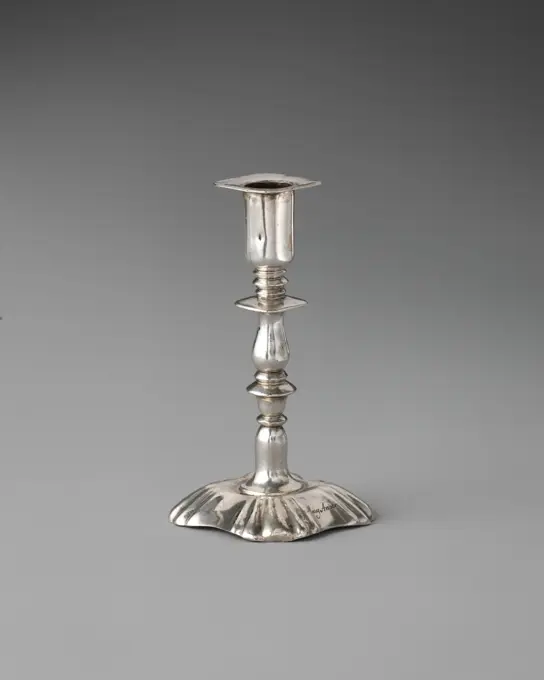
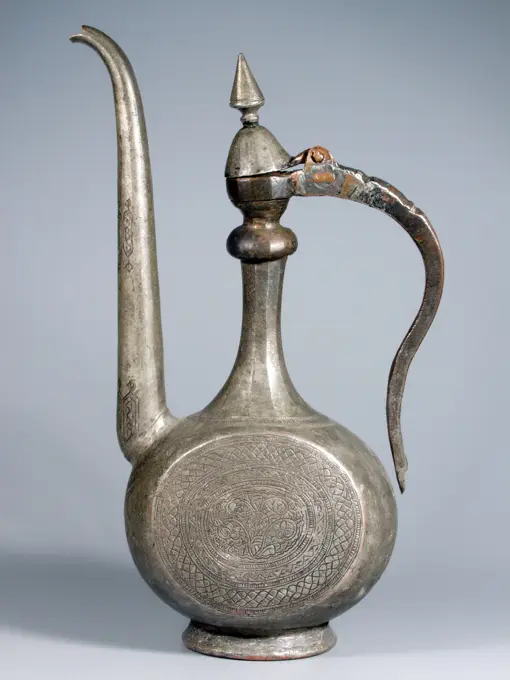
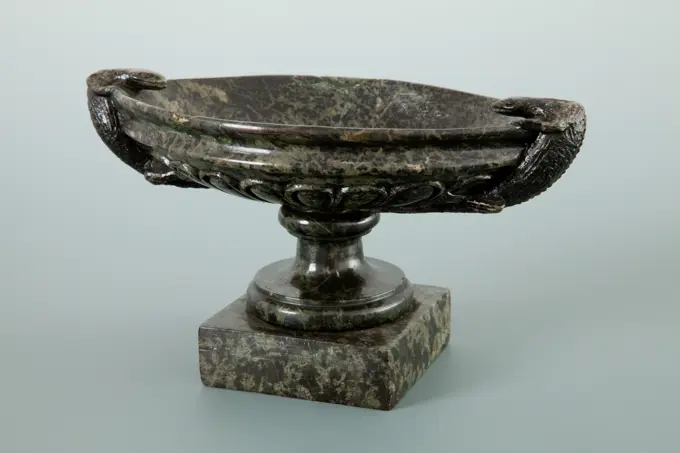
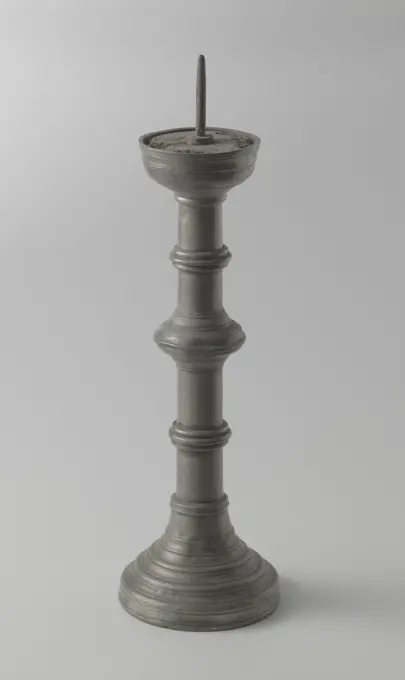
Antique metal candlesticks and ornate cups from various periods, featuring intricate decorations and historical significance, reflecting craftsmanship and artistry.
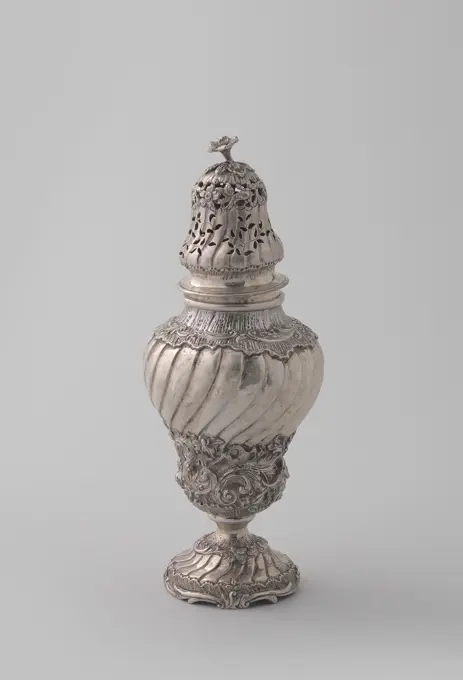
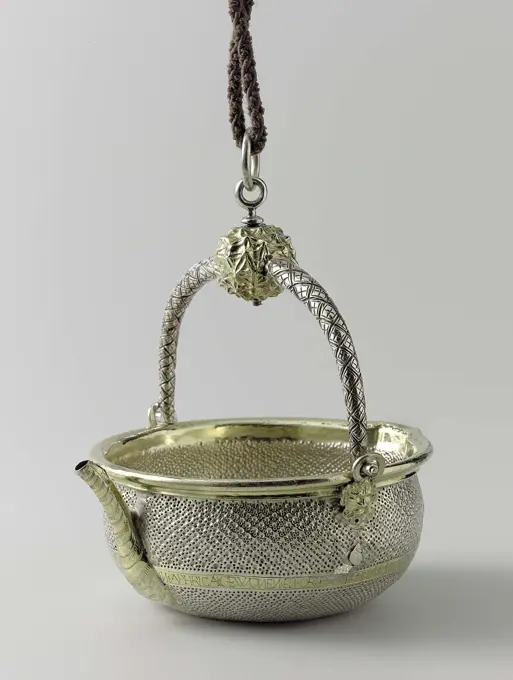
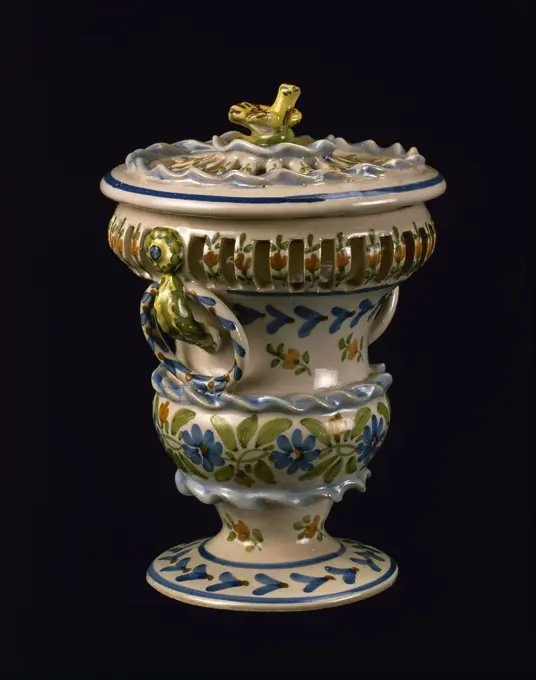
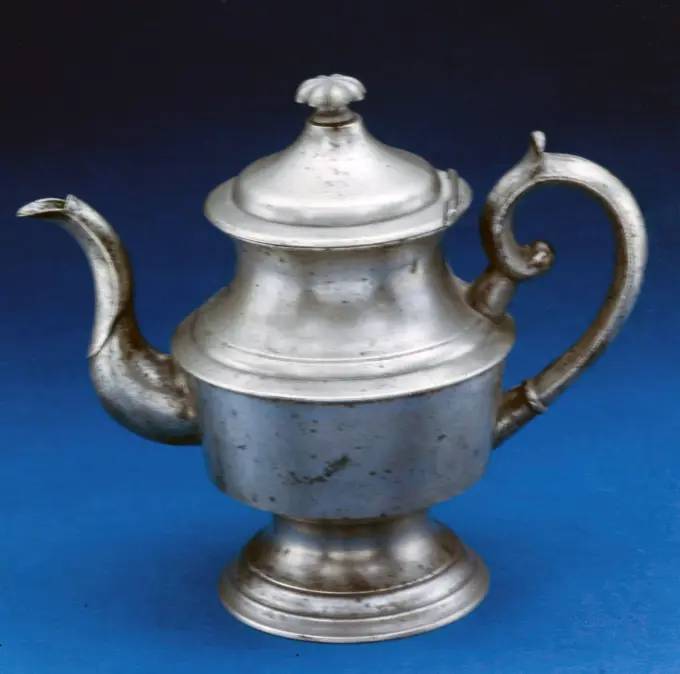
Silver sugar spreader, inverted pear shape on curved foot with twisted openwork cap decorated with driven rocailles, tibulas, flowers and birds., Jan Verdoes (Falsification of), 1746 Silver sugar spreader. The reverse pear -shaped barrel, the vaulted foot and the openwork cap are twisted and decorated with driven rocailles, tiflens, flowers and birds. Haarlem silver (metal) Silver sugar spreader. The reverse pear -shaped barrel, the vaulted foot and the openwork cap are twisted and decorated with driven rocailles, tiflens, flowers and birds. Haarlem silver (metal)
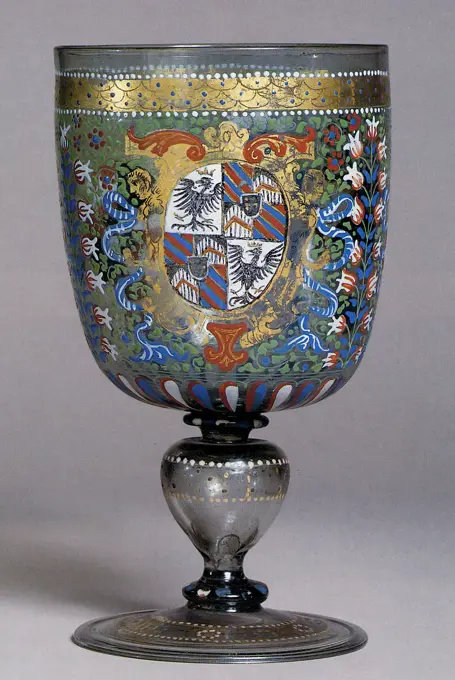
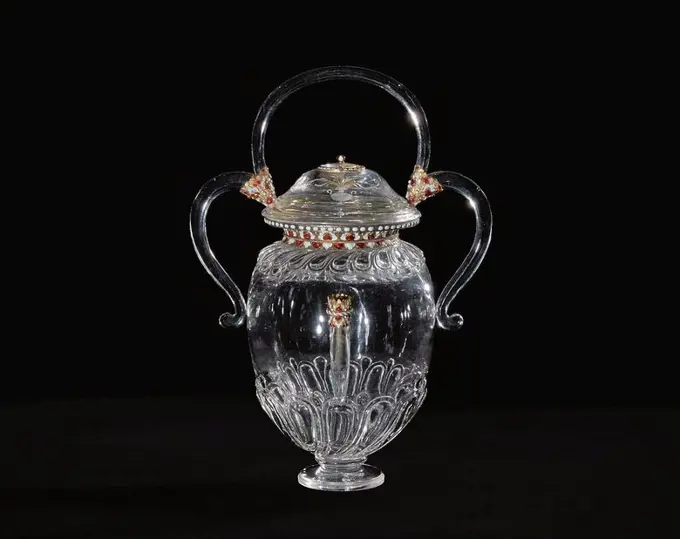
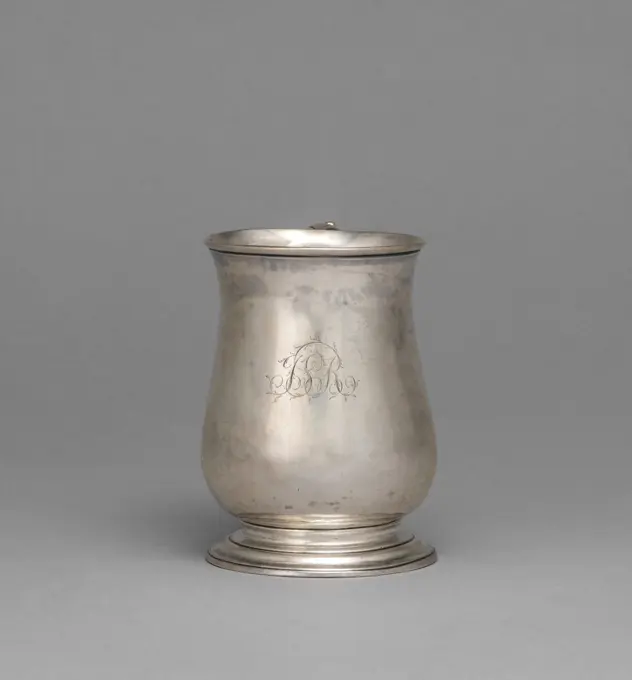
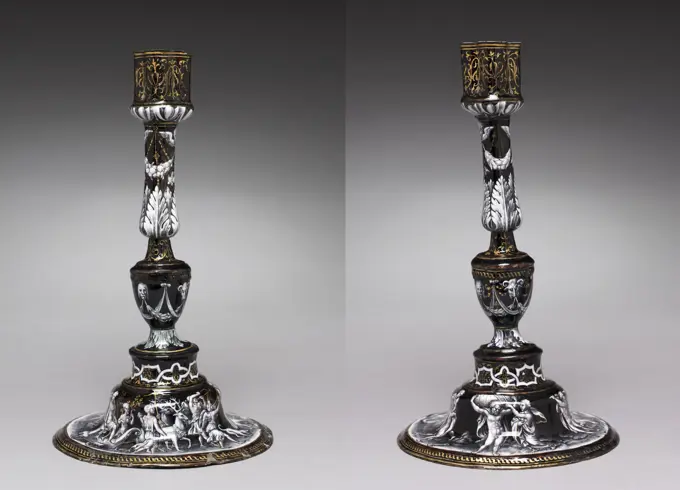
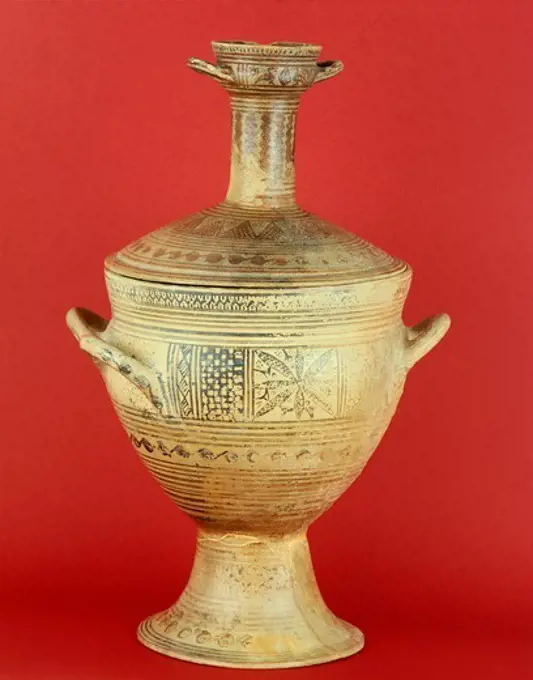
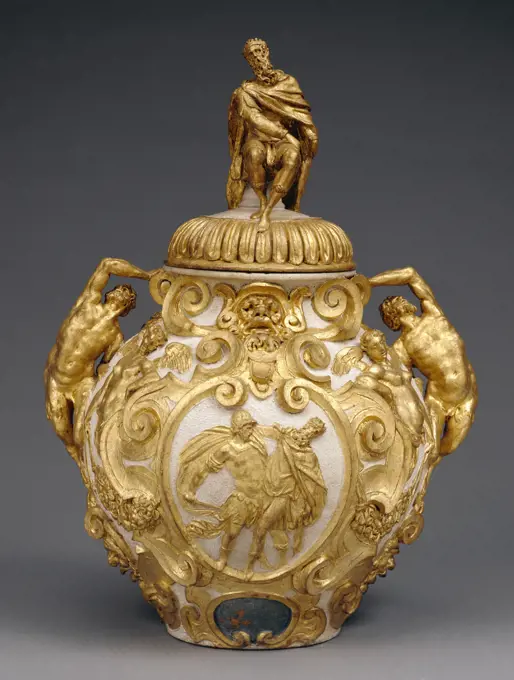
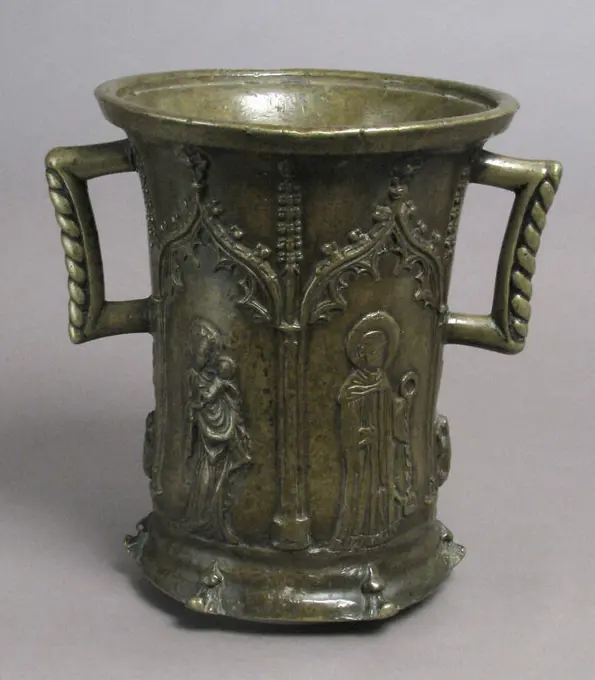
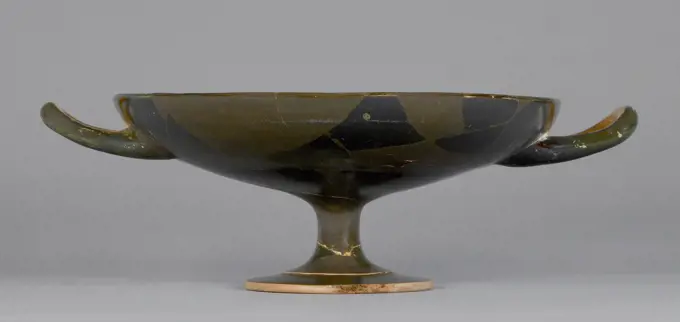
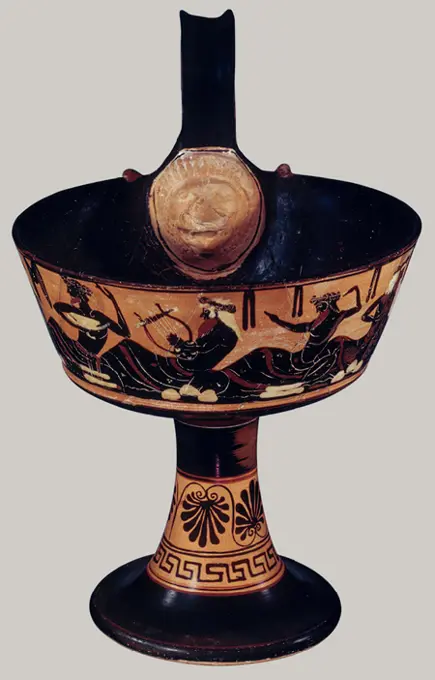
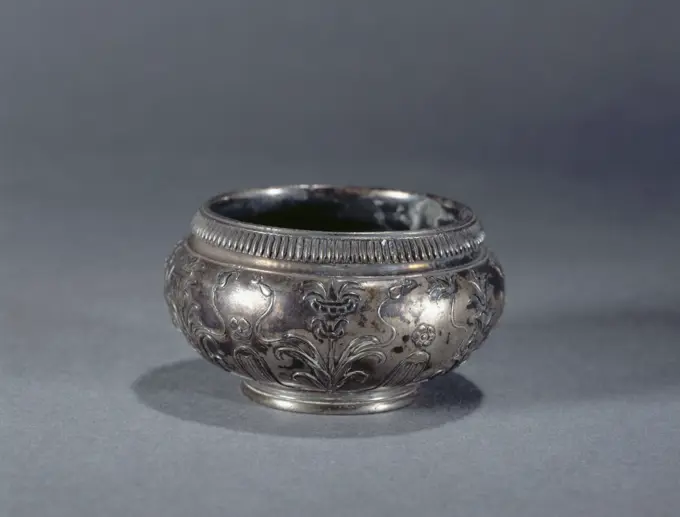
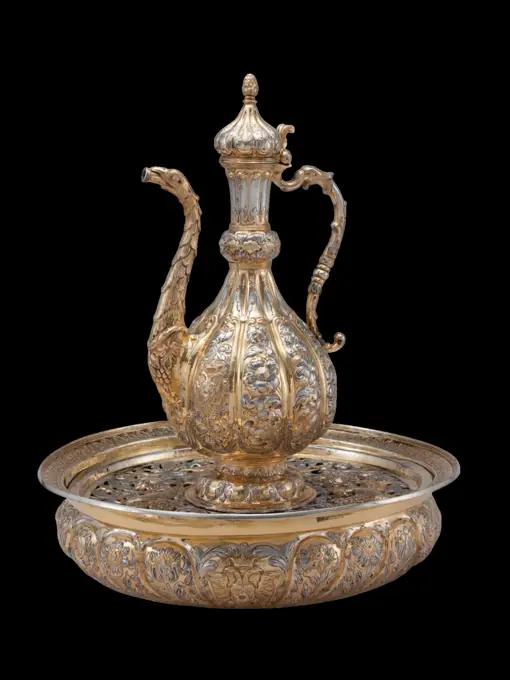
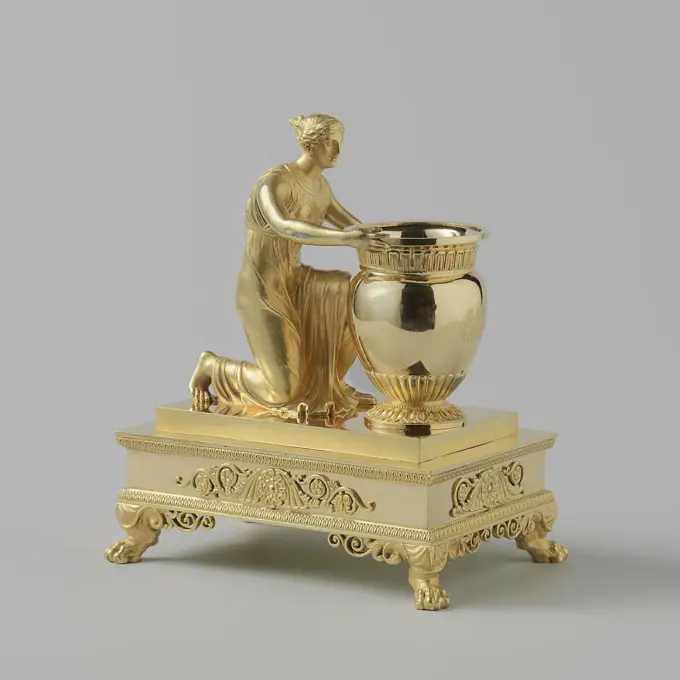
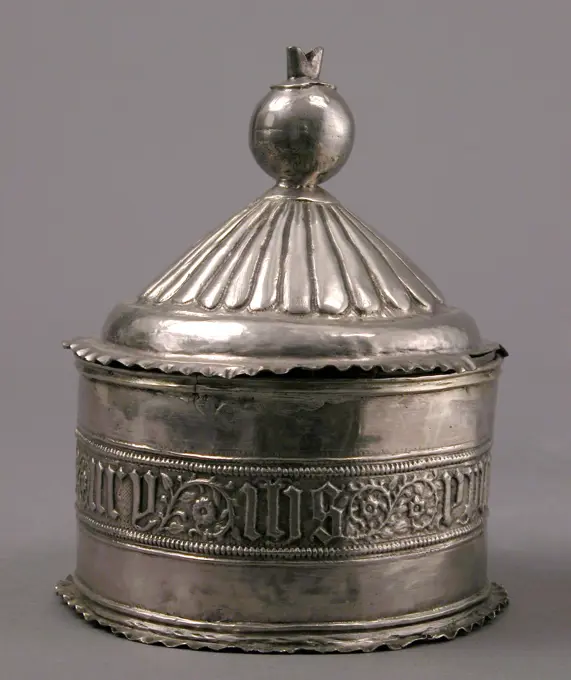
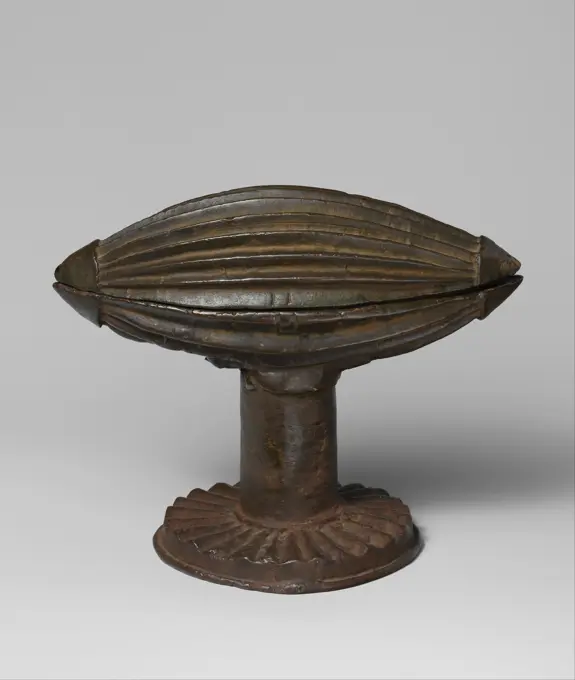
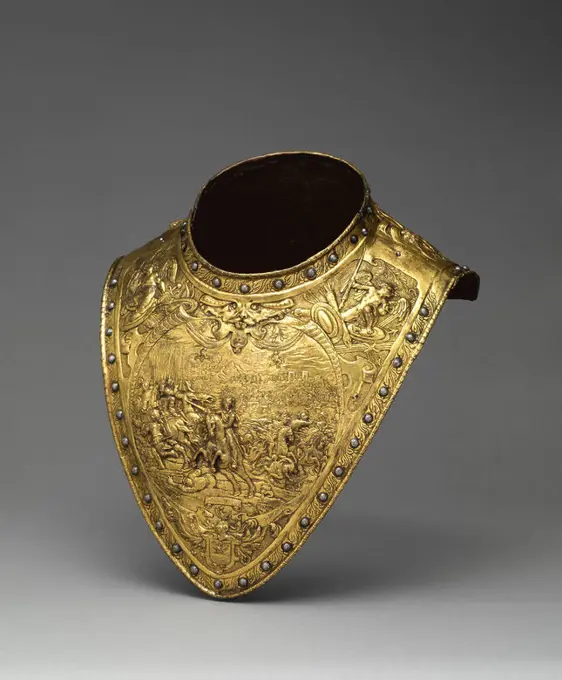
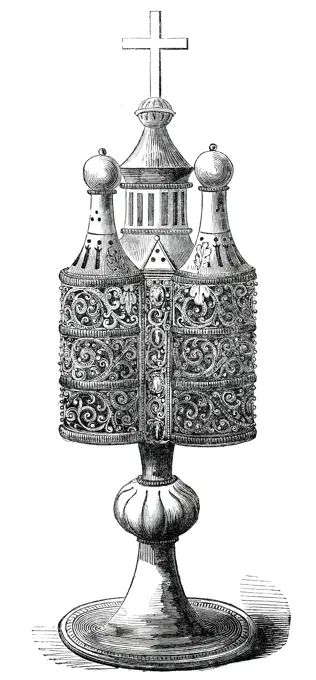
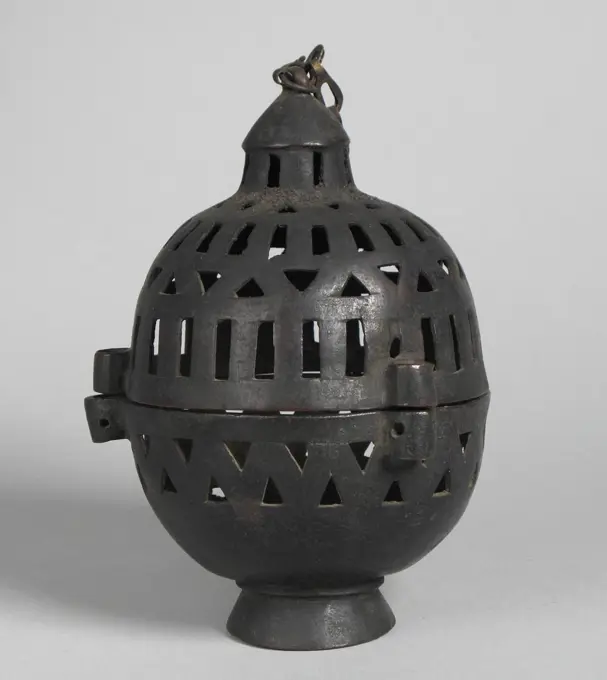
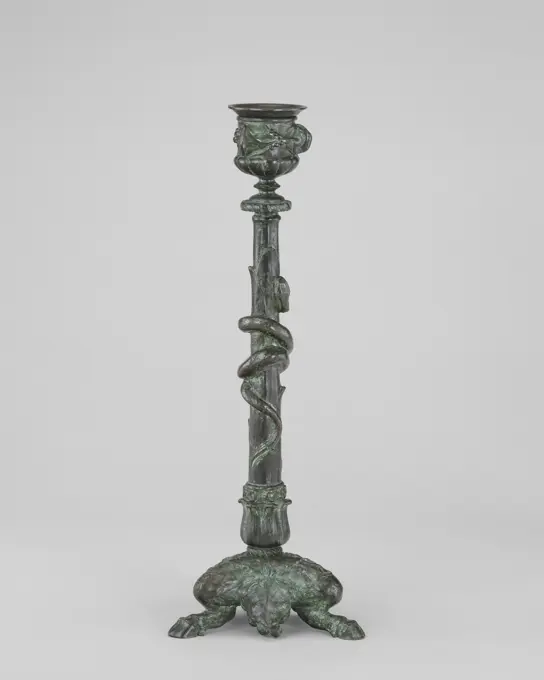
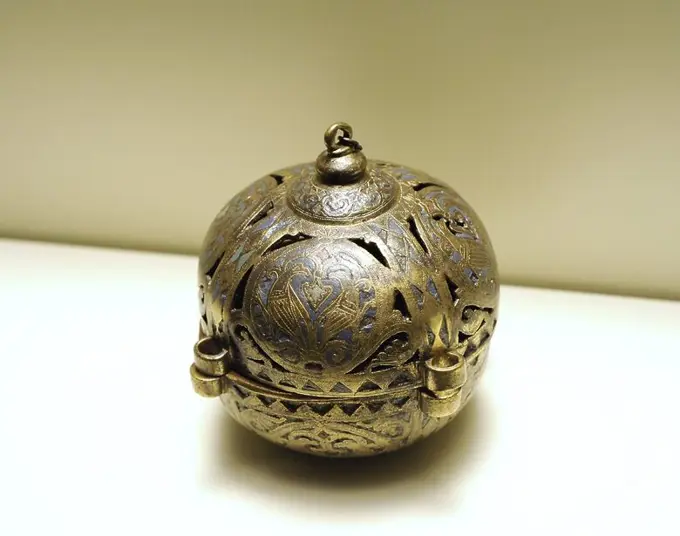
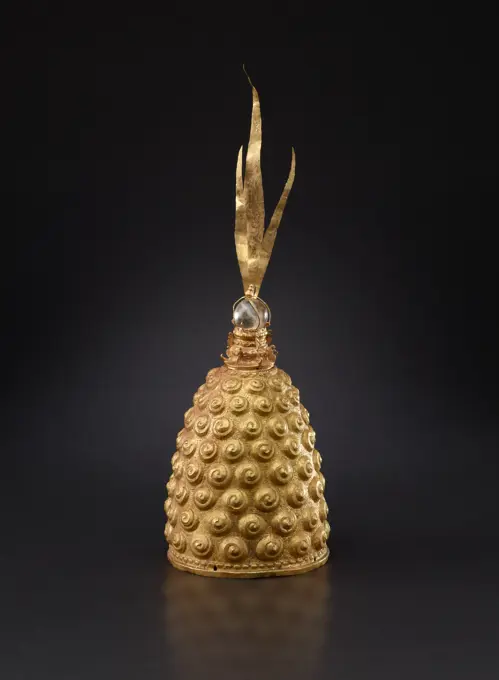
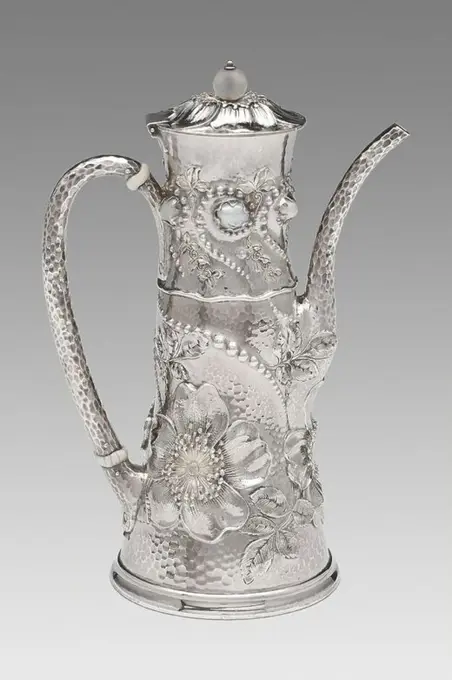
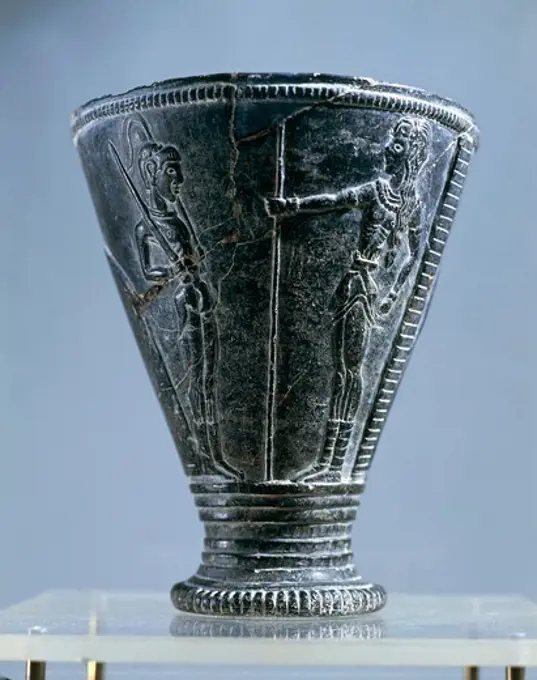
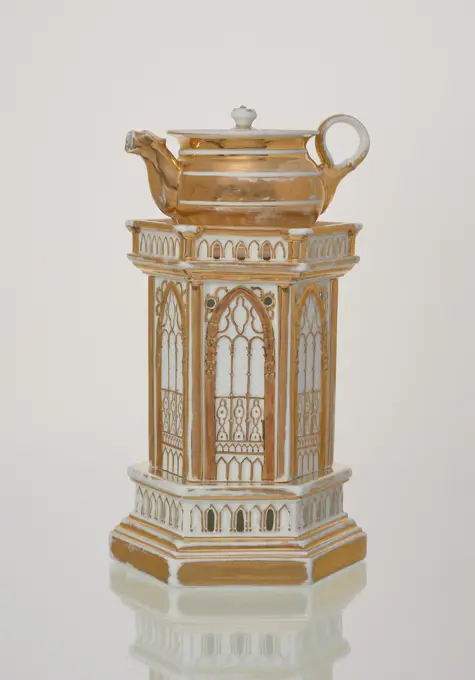
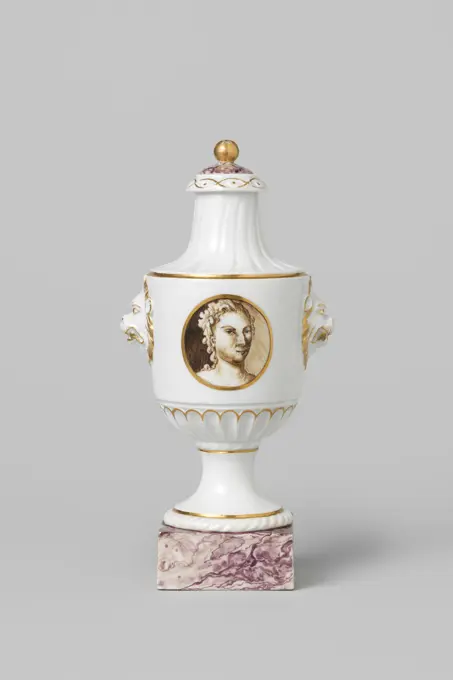
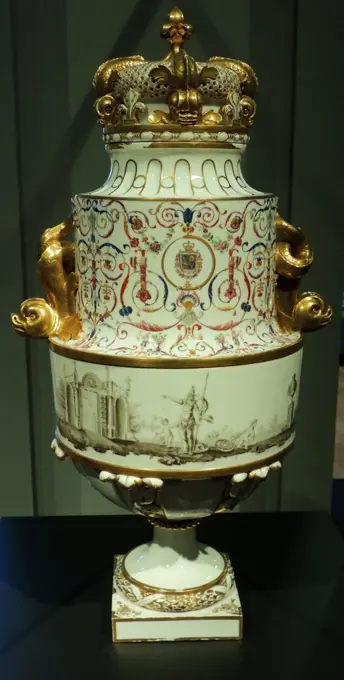
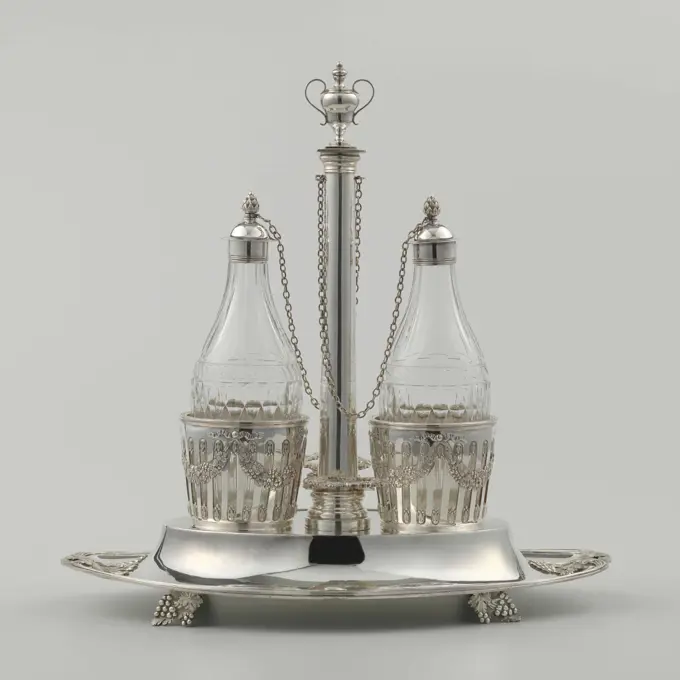
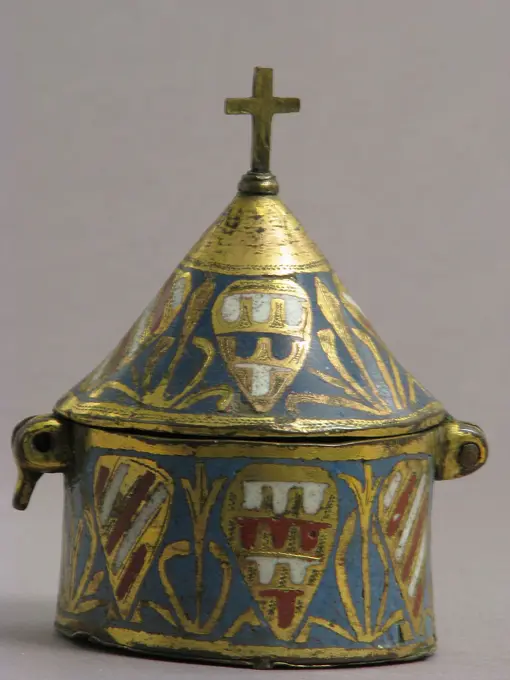
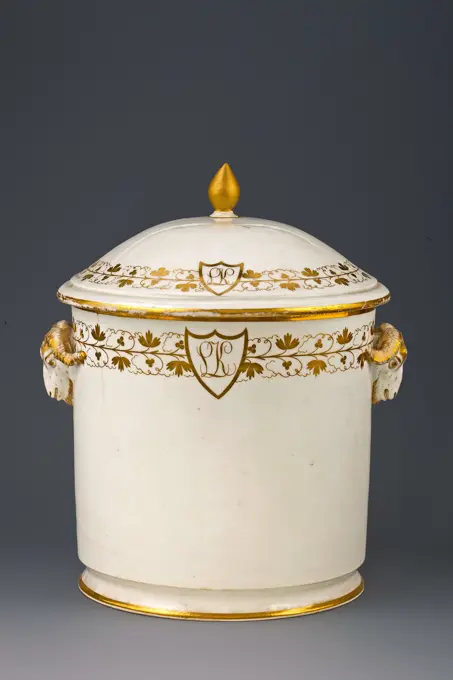
Vase with a lid. Korzec (manufaktura porcelany ; 1790-1832), factoryArmorial goblet 1592 Façon de Venise, probably southern Germany or Tyrol. Armorial goblet 460899Anonymous / 'Rock crystal vessel with spout and trefoiled handle'. 1600 - 1650. Rock crystal / Hyaline quartz, Enamel, Gold. Museum: Museo del Prado, Madrid, España.Miniature kettle with stand 18th century British. Miniature kettle with stand. British. 18th century. Silver. Metalwork-Silver-MiniatureTerracotta tray. Culture: Etruscan. Dimensions: H.: 6 1/2 in. (16.5 cm)Diam.: 12 7/8 in. (32.7 cm). Date: ca. 550-500 B.C..Ornate bucchero stands with removable trays, often decorated with four female heads, are distinctive objects found in Chiusine burials. The ultimate prototypes for the circular trays are likely East Greek Orientalizing examples. Museum: Metropolitan Museum of Art, New York, USA.Cann, c. 1770. Thomas Sparrow (American, 1746-). Silver; overall: 12 cm (4 3/4 in.); with handle: 13.1 cm (5 3/16 in.); without handle: 8.8 cm (3 7/16 in.).Candlestick BrothersCandlesticks, c. 1565. Attributed to Jean II de Court (French, bef 1583). Painted enamel (grisaille) on copper; overall: 33.6 cm (13 1/4 in.).Goldsmith's art, Italy, 15th-16th century. Bucket shaped holy water font. Lombard manufacture.Reliquary. Culture: Italian, Venice. Dimensions: 10 1/8 × 4 1/8 in. (25.7 × 10.5 cm). Date: late 15th-early 16th century. Museum: Metropolitan Museum of Art, New York, USA.Censer. unknown, craftsmanVisigothic jug, bronze, 7th century, Iturrieta cave, Mañaria, Arkeologi Museoa, archaeological museum, Bilbao, Bizkaia, Basque Country, Spain.Silversmith's Art, Italy 19th century. Silver Neapolitan candlestick, 1840.Purportedly John Newton, Sugar Bowl and Cover (spurious), late 19th early 20th century, silver.Vase Chelsea Keramic Art Works. Vase. AmericanKrater with a lid and decorated in geometric patterns, attributed to the Cesnola Painter (750-725 BC), from Pescia Romana, Lazio, Italy. Italic Civilization, 8th Century BC.Decanter - Masonic decanter Doulton & Company, 1854-1899 Doulton & Company, 1854-1899Mithridatum Drug Jar; Attributed to Annibale Fontana (Italian, about 1540 - 1587); Milan (possibly), Northern Italy, Italy; about 1580; Terracotta with white paint and gilt exterior and glazed interior; 59.9 cm (23 5,8 in.)Jar and tall stand with perforated base mid-5th century Korea This combination of a round jar and an elongated stand with a perforated design is representative of high-fired, wheel-thrown gray stoneware from the Silla kingdom and the neighboring Gaya federation. Vessels of this type seem to have functioned primarily as burial objects.. Jar and tall stand with perforated base 39519Mortar. Culture: Austrian. Dimensions: Overall: 9 13/16 x 9 3/4 x 8 in. (24.9 x 24.7 x 20.3 cm). Date: ca. 1451. Museum: Metropolitan Museum of Art, New York, USA.Miniature cup late 18th century possibly British, Sheffield. Miniature cup. possibly British, Sheffield. late 18th century. Silver-plated copper. Metalwork-Silver-MiniatureLid. UnknownSalt-cellar, anonymous, 1618 The basement of the triangular salt barrel rests on three cast, s-volute-shaped legs, decorated with pearls and curling leaves and ending in eagle heads crowned by volutes. The basement is made up of a narrow, flat lower edge; a wide, rejuvenating, s-shaped vaulted edge decorated with a stamped, repeating pattern of rolling work with stylized leaf motifs; A constricted edge decorated with a stamped, repeating pattern of Cabochons; a rejuvenating overhanging edge with a stamped decoration of scales; A narrow constricted edge and the overhanging curved top. This is driven around a central rosette with three grotesque masks in the corners. A second, gilded rosette is attached to the central rosette, which carries a ball. On it is a cast, also gold -plated, naked woman kneeling at an anchor, the hands folded, who symbolize hope. Volute -shaped supports rest on the three corners. They stand with lion legs on balls, end in winged chimaeren and show in the middle Turban Helmet. Culture: Turkish, possibly Istanbul, in the style of Turkman armor. Dimensions: H. 12 3/4 in. (32.39 cm); Diam. 9 1/4 in. (23.5 cm); Wt. 4 lb. 4 oz. (1928 g). Date: late 15th century.Helmets of this type are usually called turban helmets because of their large bulbous shape and the flutings that imitate the folds of a turban. Because certain dervish groups wore turbans wound with a prescribed number of folds to represent an important mystical number, it is likely that turban helmets were regarded not merely as armor but also a kind of religious insignia, their very shape marking the wearer as a fighter in the Holy War. Turban helmets, together with mail-and-plate armor of matching decoration, were intended for the heavy cavalry and are recorded as early as the fourteenth century. This example appears to have belonged to the dynasty of the Aq Quyunlu (White Sheep Turkoman) that ruled northwestern Iran and Anatolia in the fifteenth century. The inscriptions, damascened wiUnknown, vase with cover (title of the whole). Porcelain, polychrome enamels, gilding. Petit Palais, Museum of Fine Arts of the City of Paris.William Kieckhofel, Baptismal Font and Stand, c 1939 Baptismal Font and StandAttic Red-Figure Cup Type B; Attributed to Brygos Painter (Greek (Attic), active about 490 - 470 B.C.); Athens, Greece; about 480 B.C; Terracotta; 10 × 31.4 × 23.5 cm (3 15,16 × 12 3,8 × 9 1,4 in.). Chocolate head from painted porcelain. The two ears are gilt, as well as the foot ring, the mouth edge and the inside. On the outside under the mouth edge a lace-like ornament runs into gold. On both sides, the crowned weapon of the Farnese family is painted, which is flanked by a standing, kneeled or on a chair-sitting Chinese, which are placed on a floor with flowers. The head is noticed.Terracotta one-handled kantharos (drinking cup) ca. 500 B.C. Attributed to the Class of the One-handled Kantharoi Symposium (drinking party) of nine menThe symposium is in full swing. A flute player provides entertainment, and one guest joins in by strumming a lyre. Other guests hold various types of cups; everyone wears a wreath. Their cloaks hang on the wall. Food has been set on low tables before them.. Terracotta one-handled kantharos (drinking cup) 255152Decoration of stems and flowers in silver ", Rome ancient. Paris, Museum of Fine Arts of the City of Paris, Petit Palais. 35016-1 Silver, silverware, cut, decor, flower, floral, ancient rome, stem, dishesSamuel R. Richards and Samuel Williamson, Creampot, c. 1797, silver.Candlestick with three weapons, decorated with email, anonymous, c. 1200 - c. 1250 Gilded copper candlestick, decorated with email champlevé. The triangular base rests on three legs. The surfaces of the base are decorated with three circles in which a red weapon can be seen against a light blue background. On the base is the trunk, which is decorated halfway with a nodus. At the top is a fairly flat, flower -shaped fat catcher with a pointed point to attach the candle. Limoges copper (metal). gilding Gilded copper candlestick, decorated with email champlevé. The triangular base rests on three legs. The surfaces of the base are decorated with three circles in which a red weapon can be seen against a light blue background. On the base is the trunk, which is decorated halfway with a nodus. At the top is a fairly flat, flower -shaped fat catcher with a pointed point to attach the candle. Limoges copper (metal). gildingGold cup with bird handles, called Nestor's cup, from the Tomb 4 Circle A of Mycenae (Greece). Goldsmith art, Mycenaean Civilization, 16th Century BC.Miniature candlestick (one of a pair) 1828-29 Henry Flavelle. Miniature candlestick (one of a pair). Henry Flavelle. Irish, Dublin. 1828-29. Silver. Metalwork-Silver-MiniatureKomfoor van Zilver on three curved and grooved legs., John Angell (attributed to), 1824 - 1825 Silver's grower on three bent and grooved legs. The spirit holder is connected to the legs. London silver (metal) Silver's grower on three bent and grooved legs. The spirit holder is connected to the legs. London silver (metal)Pitcher (aph);  2. PO. 18th century (1750-00-00-1800-00-00);Aphtabe, a gift for a museum, jugs, Islam art, collection of MNWRitual Ewer with Manasa, the Snake Goddess 10th century India (probably Bihar),. Ritual Ewer with Manasa, the Snake Goddess 38944KnapetorosaTin candlestick with three nodi and candle pin, anonymous, 1500 - 1600 Candlestick Van Tin, inside cave. The pedestal is, with a wooden core, is wide at the bottom and runs upwards and narrower through the hollow and convex rings placed above each other. There is a cylindrical shaft on the foot, with four smooth parts separated by three wide nodes. The upper and lower nodi consist of three convex rings. The middle nodus is higher and wider. On the shaft is the fat catcher, with a wooden core and in the middle a candle pin of iron. Lower Rhine region tin (metal). wood (plant material). iron (metal) casting Candlestick Van Tin, inside cave. The pedestal is, with a wooden core, is wide at the bottom and runs upwards and narrower through the hollow and convex rings placed above each other. There is a cylindrical shaft on the foot, with four smooth parts separated by three wide nodes. The upper and lower nodi consist of three convex rings. The middle nodus is higher and wider. On the shaft Candlestick of tin, teachered model. Candlestick of tin. The challenge stands on three low legs, formed by voluten. The baluster-shaped strain is twisted with an abovementioned bok form. The flower-shaped fat catcher is missing.Verschnörkelte antike Silberkanne und Becken vom Chisinauer Hof ca. 1680-85 Verschnörkelte antike Silberkanne und Becken vom Chisinauer Hof ca. 1680-85 LicenseRF Copyright: xZoonar.com/GallóxGusztávx 23297656Wine Glass 1725-1735 Bohemia. Glass .WaterPitcher.  Maker: Hatting, Meyer and Warne, American, active 1857Vase;  19th century (1800-00-00-1900-00-00);. In 1535, Emperor Charles V defeated the Turks at Tunis. One of his officers, Count Maximilian of Buren, seized this basin as booty. As the inscription on the object shows, he then gave it to the town of Grave on 26 December 1536. Earlier the Turks had themselves looted the basin in Naples.Ivory Tusk Vases, late 1800s. Japan, Meiji period (1868-1912). Carved ivory, pigment; overall: 27 cm (10 5/8 in.); base: 20 cm (7 7/8 in.).ALFABEGUER O ALBAHAQUERO - S XX. Location: ALFARERIA. SPAIN.. A confidante of the Russian empress commissioned this 140-piece service, several items of which are displayed here. Silversmith Odiot, the painter Prudhon and the architect Cavelier proudly presented the new models at the 1819 French national exhibition of decorative art. Notable are the kneeling angels supporting the soup tureen, which are characteristic of the late Empire style.Anonymous / 'Case for boat-shaped rock crystal vessel with Neptune on a dolphin'. Ca. 1590. Leather, Wood, Metal, Cloth. Museum: Museo del Prado, Madrid, España.Pyx late 15th-early 16th century Spanish Pyxes (from the Greek for "boxwood vessel") are receptacles made to hold the consecrated bread, or Host, in reserve during Communion. The sacrament of Communion derives from the Gospel accounts of the Last Supper, in which Jesus gave bread to his disciples and said, "Take ye, and eat. This is my body" (Matthew 26:26)-an idea reiterated by the Latin inscription on the pyx.. Pyx 463002Pair of Vases (Adelaide Vases), Manufacture de Sèvres, 1848 Vase of porcelain with high-set, small, an ears-end ears, on square gilt base, painted in gold and platinum with Renaissance-like ornament edges with multi-colored butterflies and three-dimensional "stones", a wide white zone between the edges on which multi-color flowerblingers . Sèvres porcelain. gold (metal). platinum (metal). bronze (metal) gilding Vase of porcelain with high-set, small, an ears-end ears, on square gilt base, painted in gold and platinum with Renaissance-like ornament edges with multi-colored butterflies and three-dimensional "stones", a wide white zone between the edges on which multi-color flowerblingers . Sèvres porcelain. gold (metal). platinum (metal). bronze (metal) gildingTaza y plato, obra de Juli González i Pellicer, siglo XX. Colección privada.Lidded Vessel: Fluted Gourd 16th-19th century Edo peoples In the Benin kingdom, kola nuts were an important focus of courtly interactions. A symbol of civilization, sociability, and rank, they were given to guests to show hospitality and distributed as small offerings at ritual events associated with honoring ancestors, including divination practices. Kola nuts were frequently stored and presented in elaborately designed and decorated containers made from wood, ivory, or brass. This box, in the form of a gourd raised on a footed pedestal, was likely the property of an oba or an important chief given that works in brass are reserved for only those of the highest rank.The unusual shape of the vesselan oblong form with multiple, lengthwise ridgestakes its inspiration from a species of gourd that frequently served as an offering to Osanobua, the creator god. As such, the container's design involves a series of visual and conceptual puns. Not only do the two resemble each other in shape aGorget. Culture: probably Dutch. Dimensions: 16.134a: L. 14 1/2 in. (36.8 cm); W. 12 3/4 in. (32.4 cm); 16.134b: L. 7 3/4 in. (19.7 cm); W. 13 1/4 in. (33.7 cm). Date: ca. 1630.The embossed battle scenes derive from engravings by Antonio Tempesta (1555-1630) and Jacques Callot (1592-1635). The style of the surrounding figures, as well as the ornamental framework, is reminiscent of Dutch goldsmiths' work. The coat of arms at the base of the front plate is that of the Frankfurt branch of the Guaita family. Museum: Metropolitan Museum of Art, New York, USA.Candlestick with profiled trunk and foot. The object is poured into one whole. The trunk is hollow to the top knot. The profiled conical foot is over in a strain with two buttons, which is under hexagonal and top, and then in the round-deepened fat catcher. Foot and fat catcher are decorated with hole motives. At the bottom of the inside there are three cams to attach the pedestals. These are missing, as well as the candle pin. The fat catcher is very damaged. The holes in the edge of the foot are fitted afterwards.Cover of Zodiac Cup van Brons ,, 1355 - 1356 Cover of Zodiac Cup of Bronze. Dated. East Java bronze (metal) Cover of Zodiac Cup of Bronze. Dated. East Java bronze (metal)Chrismatory, from the Archaeological Institute Museum, 1850. Ecclesiastical object used for containing chrism oil. 'The Chrismatory...was exhibited by the Rev. Walter Sneyd, of Denton, and is an unusually good specimen of that peculiar kind of religious vessel, which contained the holy oil for sacramental purposes. Its date is about the early part of the 14th century'. From "Illustrated London News", 1850.Coffee pot, c. 1830, Calder, American, 8 3/4 x 9 x 5 1/4in. (22.2 x 22.9 x 13.3cm), Pewter, United States, 19th centuryVase (title awarded). Ceramics turned. Terracotta. Carnavalet museum, history of Paris.. Lid of Zodiac cup from bronze. Dated.Censer 16th century () South Netherlandish (). Censer. South Netherlandish (). 16th century (). Brass. Metalwork-BrassAntoine Louis Barye, Candlestick with Volubilis, Roots, and Fawn's Feet with a Serpent about the Stem, model nd, cast c 1845 1874 Candlestick with Volubilis, Roots, and Fawn's Feet with a Serpent about the StemPricket Candlestick with Fantastic Creatures ca. 1150-75, with later restoration South Netherlandish Three hybrid winged creatures emerge from abstract feet to form these candlesticks. Their appearance suggests that the artist intended to symbolize the ability of light to chase away the powers of darkness.. Pricket Candlestick with Fantastic Creatures 468342Mosque Lamp, Philippe-Joseph Brocard, c. 1880 Mosciage lamp made of smoke -colored glass with curved base with turned rim, transferred to a short trunk. The lamp has a flattened spherical body with three S-shaped eyes on which the lamp can hang. Wide, flared neck. Émail painting in white, blue, red and gold. On the foot and the trunk, between two tires with flower and leaf vines in gold, a band with three medallions with a stylized lily in red and white and a scalloped edge. On the body and the neck Arabian inscriptions (probably from the Quran) between ties with flower and leaf vines in gold. Signed on the bottom.  glass. Mosciage lamp made of smoke -colored glass with curved base with turned rim, transferred to a short trunk. The lamp has a flattened spherical body with three S-shaped eyes on which the lamp can hang. Wide, flared neck. Émail painting in white, blue, red and gold. On the foot and the trunk, between two tires with flower and leaf vines in gold, a band with three medallPrzeszo Przyszoci unknownJug with a traffic jam J. & L. LobmeyrESCRIBANIA EN FORMA DE CASTILLO ALMENADO - TERUEL - SIGLO XV. Location: ARCHAEOLOGICAL MUSEUM. TERUEL. SPAIN.Caster 1751-52 Jabez Daniel. Caster 197403Tafelbel, anonymous, c. 1600 - c. 1800 Table bell with clock -shaped body with three double threads. The handle made up of two smooth nodi, two discs and four loops. On the upper button, the year 1582 has been scratched with the diamond. In the bell a glass clapper hangs on a gilded metal eye Low Countries glass. metal glassblowing / gilding Table bell with clock -shaped body with three double threads. The handle made up of two smooth nodi, two discs and four loops. On the upper button, the year 1582 has been scratched with the diamond. In the bell a glass clapper hangs on a gilded metal eye Low Countries glass. metal glassblowing / gildingIncensario. Anónimo, Cataluña. Segundo cuarto del siglo XII. Procedencia desconocida. Museo Nacional de Arte de Cataluña (MNAC). Barcelona. Cataluña. España.Candlestick from brass, anonymous, c. 1450 - c. 1500 The object is composed of two parts: the foot and the trunk with candle holder. They were cast and then turned. The high profiled Konical base is provided with a raised edge at the top, so that he can also serve as a fat catcher. The trunk is sounded on the cone -shaped middle part and then turned at the bottom. The trunk, which is decorated with four knots and one of which is slightly larger, turns at the top to a profiled cylindrical holder with two rectangular openings. Foot and holder are decorated with shill. Northern Netherlands (possibly) brass (alloy) casting The object is composed of two parts: the foot and the trunk with candle holder. They were cast and then turned. The high profiled Konical base is provided with a raised edge at the top, so that he can also serve as a fat catcher. The trunk is sounded on the cone -shaped middle part and then turned at the bottom. The trunk, which is decorated with four knots and one of whCrown Top or UsnishaCoverByzantine Master, Steel, gold and silver, 13th century, Russia, Moscow , State Armory Chamber in the Kremlin, H 30Tibetan buddhist ceremonial religious bell isolated on whiteAnonymous / 'Case for heliotrope nef'. 1650 - 1711. Leather, Wood, Metal, Cloth. Museum: Museo del Prado, Madrid, España.Parade cap of the 4th Austrian Uhlans RegimentJohannes Lutma (I), 1647ancient oriental metal teapot on dark background. antique bronze tableware. ancient metal utensilsCandlestick with the Holy Sebastian. The candlestick is composed of the following parts: the foot with the three legs, the decoration to these legs, the holy Sebastian, the tree, the fat catcher and the candle holder. The decorations, riveted to the legs, consist of dogs with stretched front legs, which keep an arrow clamped in the mouth and have placed the ears in the neck. The feet standing on three legs, which is provided at the top of coarse rings, has a border consisting of nine border with the inscription: + San Ta Seb Bas Tia Nus Ora Pro Nobis. Saint Sebastiaan is wearing a loincloth. His right arm is behind him and his left arm is bound to the tree above his head. He stands on his right foot, which he has placed in front of his left, and keeps the head used to his right. At the height of the neck, this figure is attached to the tree with a screw. This is somewhat erratic in shape and has branches, which above the head of the figure the vet-tilered fat catcher and the eight-flavTable bell with inscription: SOLI DEO GLORIA 1661. The object is composed of four parts: the bronze bronze and the roasted bronze handle, the iron ear and the wrought iron clapper. De Schel is bell-shaped and has a profiled edge. At the top of the inscription Soli Deo Gloria 1661 and a frieze from arches. The handle is a button-shaped one on top of a jerk.Coffee Pot. Design attributed to Charles Osborne; American, 1847-1920; Tiffany and Company; American, founded 1837; New York, New York. Date: 1881-1889. Dimensions: 19.1 × 7.6 × 12.7 cm (7 1/2 × 3 1/8 × 5 1/8 in.); 372.5 grams. Silver, pearls, chalcedony, and ivory. Origin: New York City. Museum: The Chicago Art Institute, Chicago, USA. Author: Charles Osborne.Prince's Vase', in black steatite, from Aghia Triadha (Hagia Triada), Island of CretePlate decorated with relief depicting a pair of horses, 8th Century B.C.Bronze Snake 11th Century. IndiaJoseph Sheene, Jug and Cover, 1698/99, silver.In the form of a monster, Saracchi (workshop of), 1600 - 1649 In the form of a monster, from jasper with a gold frame, occupied with precious stones in motifs from email. The barrel is composed of five parts. The monster has a wide -open mouth, which can be used as a lamp. Malib jasper. gold (metal). In the form of a monster, from jasper with a gold frame, occupied with precious stones in motifs from email. The barrel is composed of five parts. The monster has a wide -open mouth, which can be used as a lamp. Malib jasper. gold (metal).Pickle jar 1870-90 Challinor, Taylor and Company Marbled glassware was originally developed in England. It was patented in the United States by Challinor, Taylor and Company in 1886.. Pickle jar 5605Manufacture of Sèvres, Sèvre vase with decorations, 1847. Sèvre porcelain with bronze mount. House of Victor Hugo - Hauteville House.Chalice called San Remy, XII century. Reims Cathedral Treasury, France. The Arts of the Middle Ages and at the Period of the Renaissance by Paul Lacroix, 1874Four-piece night light. Nieokreślona manufaktura, factoryVase painted with guinea fowls in landscape. Vase of porcelain. On the square pedestal rests the high, round foot that the vase bears. On the vase, lion masks such as ears. completely open. Painted with a river landscape with guinea fowls and a church tower.Lidded vase. Leperre-Durot Factory, Lille, c.1785. Painted and gilded hard-paste porcelain. The Leperre-Durot porcelain factory was founded in 1784 and shortly afterwards placed under the patronage of three-year-old dauphin, the eldest son of the French king Louis XVI. The lid of this impressive piece is surmounted by the dauphins crown and the handles are in the shape of dolphins. The crown princes coat of arms and monogram are incorporated in the decoration.. Bottle with cut decoration. The silver cap is attached to the holder with a chain. Bottle with cut decoration. The silver cap is attached to the holder with a chainBottle c 1849-1852 Bennington. Earthenware . Lyman, Fenton & Co.Pyx. Culture: French. Dimensions: Overall: 4 x 3 1/4 x 2 11/16 in. (10.1 x 8.3 x 6.8 cm). Date: ca. 1250-1300.The coats of arms on this pyx are fictive--they are used simply as a decorative element. They may seem a curious choice for an object meant to hold the bread consecrated as Christ's body during the mass, but the lines between the religious and worldly realms of the Middle Ages were often blurred. Museum: Metropolitan Museum of Art, New York, USA.Censer, 1723-1735, 37 3/16 x 23 3/4 x 13 7/8 in. (94.4 x 60.4 x 35.3 cm) (a:)23 3/4 x 12 x 8 1/2 in. (60.4 x 30.48 x 21.6 cm) (b:, c: (each)), Bronze, China, 18th century, Standard ritual bronzes cast for the altar comprise five vessels (wu gang), a censer, two candlesticks, and a pair of vases. Early woodblock prints depict these objects formally arranged in a line across the altar table with the censer used as a centerpiece flanked by candlesticks with the vases at the two ends. Ritual bronze vessels like these, made for the imperial palaces and temples, were governed by state regulations under a section titled, 'Rules for Making Sacrificial Vessels and Ornaments for Temple Use.' The archaistic décor including taotie masks and cicada blades against a spiral ground is a revival of a Song dynasty (960-1279) style which was itself an interpretation of ancient Shang and Zhou (16th c. - 221 BCE) ritual bronzes. Each vessel of this large and important set bears the six-character reign markVase, Yongzheng period, 1723-1735, 23 3/4 x 12 x 8 1/2 in. (60.4 x 30.5 x 21.6 cm), Bronze, China, 18th century, Standard ritual bronzes cast for the altar comprise five vessels (wu gang), a censer, two candlesticks, and a pair of vases. Early woodblock prints depict these objects formally arranged in a line across the altar table with the censer used as a centerpiece flanked by candlesticks with the vases at the two ends. Ritual bronze vessels like these, made for the imperial palaces and temples, were governed by state regulations under a section titled, 'Rules for Making Sacrificial Vessels and Ornaments for Temple Use.' The archaistic décor including taotie masks and cicada blades against a spiral ground is a revival of a Song dynasty (960-1279) style which was itself an interpretation of ancient Shang and Zhou (16th c. - 221 BCE) ritual bronzes. Each vessel of this large and important set bears the six-character reign mark of the Yongzheng emperor (1723-35), and the censer and canCASCO CELTA DE ORO - SIGLO VI AC - PROCEDENTE DE LEIRO,RIANXO (LA CORUÑA). Location: MUSEO ARQUEOLOGICO / CASTILLO. LA CORUNA. A CORUÑA. SPAIN.Neck of stoneware jug, tin valve cover, under pouring mask, ear piece, jug crockery holder fragment soil find tin ceramics stoneware glaze salt glaze metal, molded hand turned baked glazed Neck ear piece of stoneware jug gray shard with salt glaze bandor profiled rings cord strap Pewter lid marked on the bottom flap lid on inside marked: crowned rose mark badly visible archeology import pottery drink pour beer wine