Historic Metal Jugs and Flagons

A collection of artistic metal jugs and flagons, crafted in various styles from silver to tin, highlighting historical functionality and aesthetic charm.

Jug to Holke, Marcin (Fl. Ca 1765-Ca 1792); the seventies of the 18th century (1770-00-00-1779-00-00);
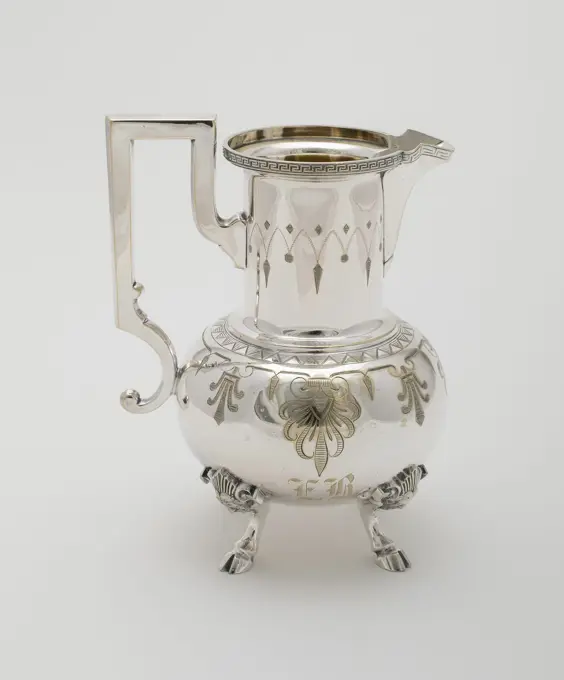
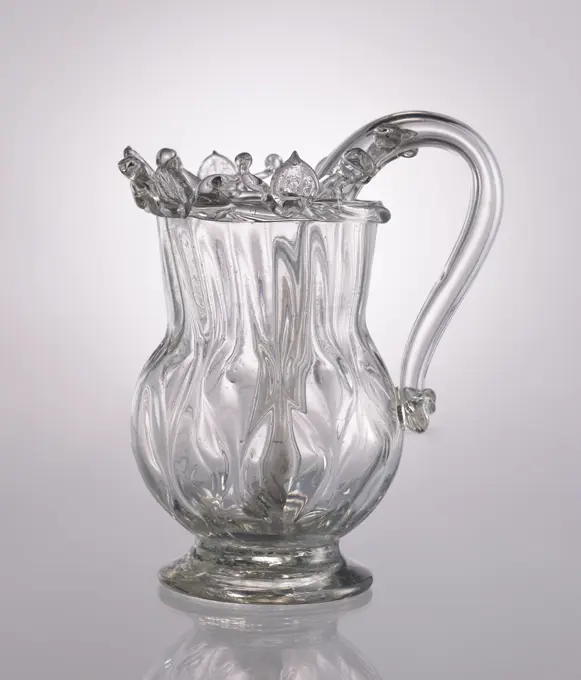
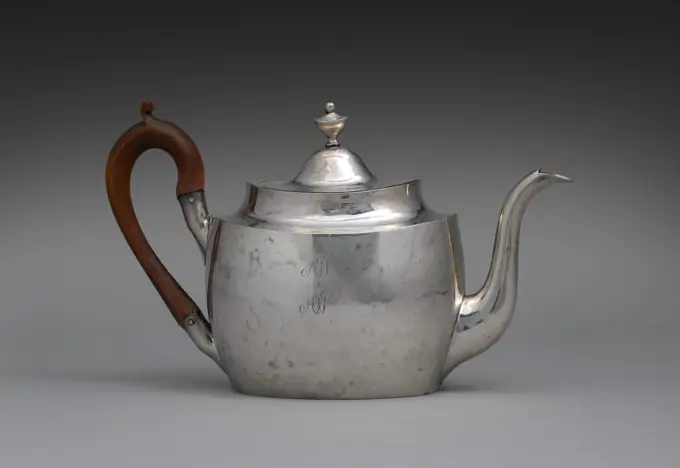
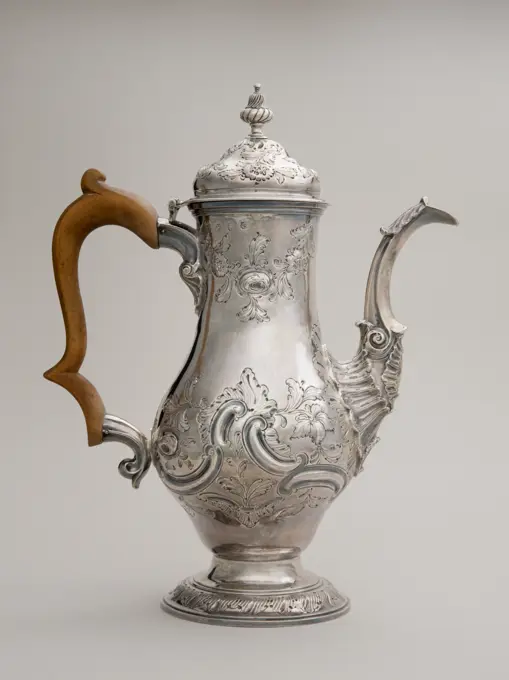
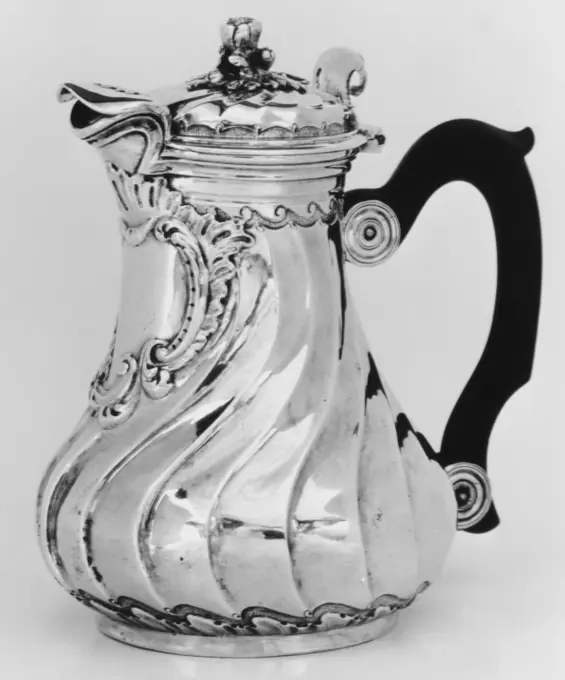
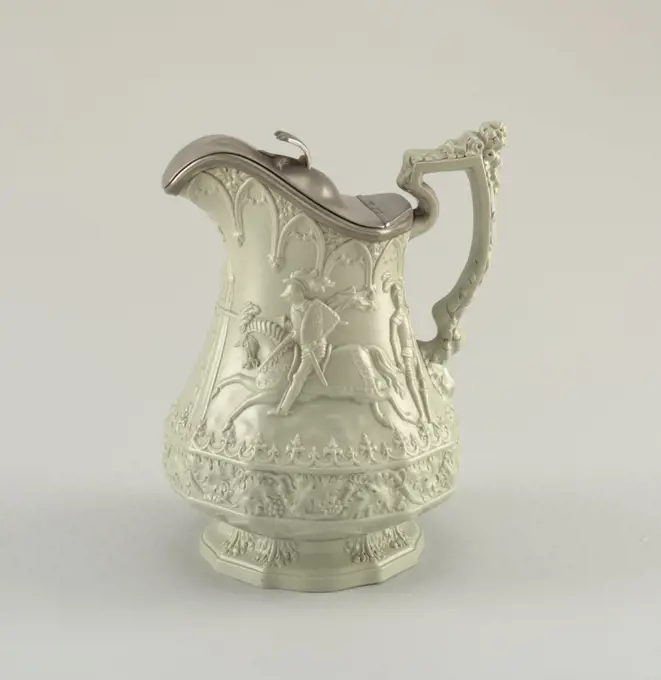
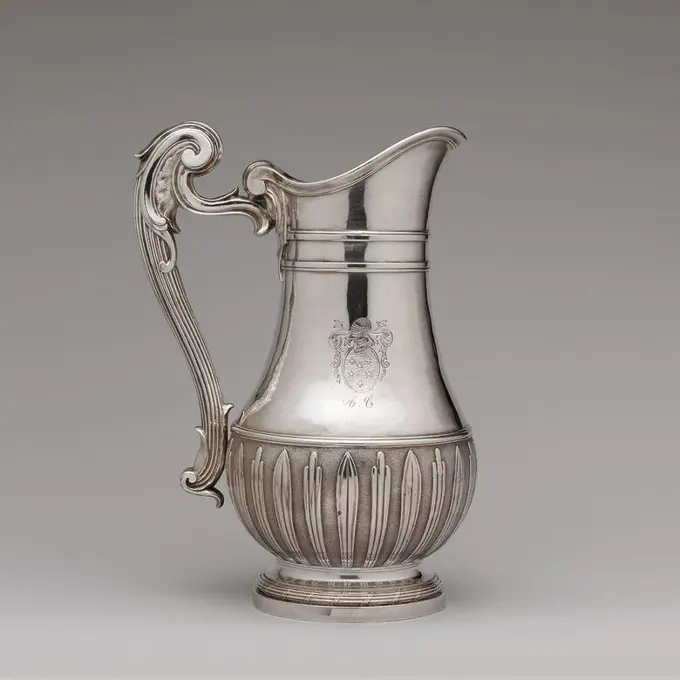
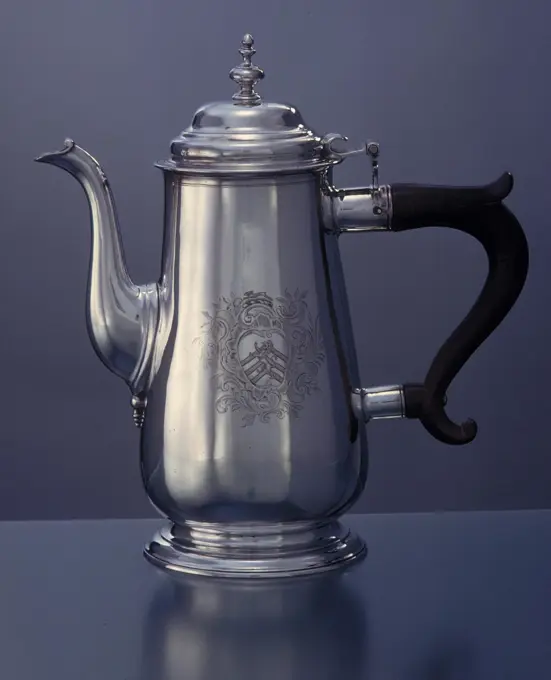
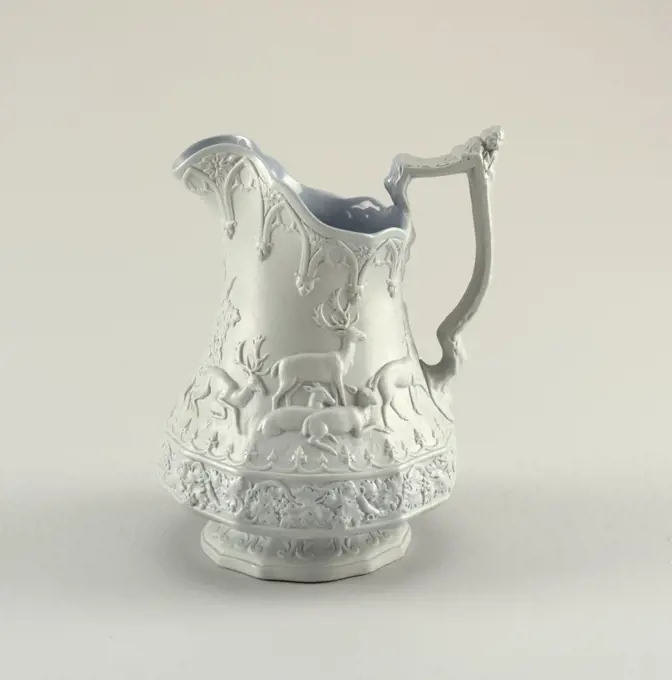
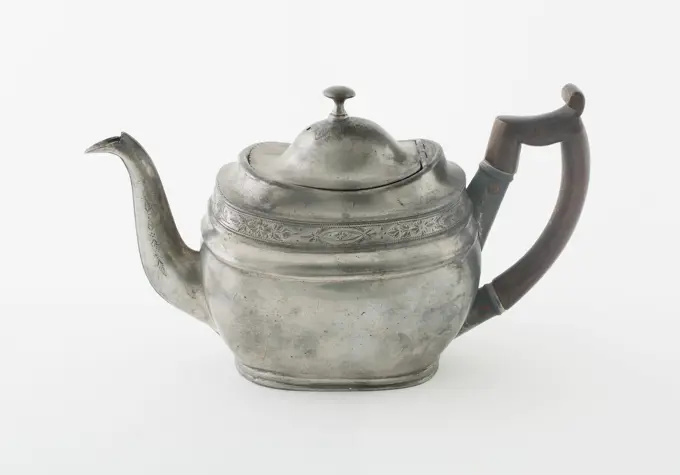
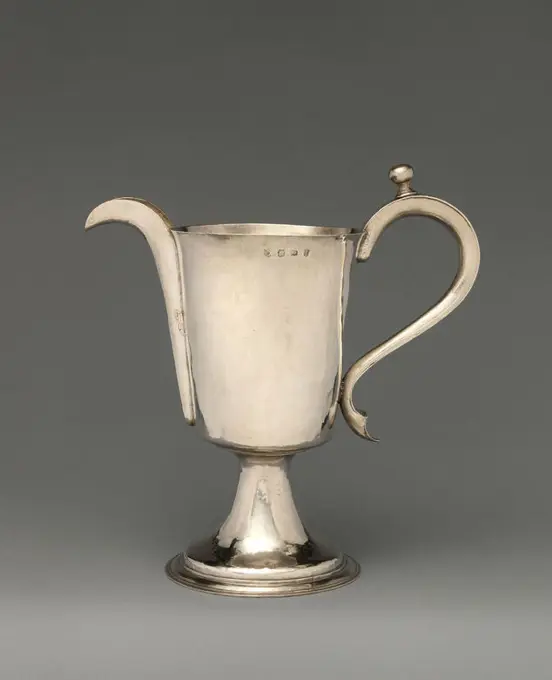
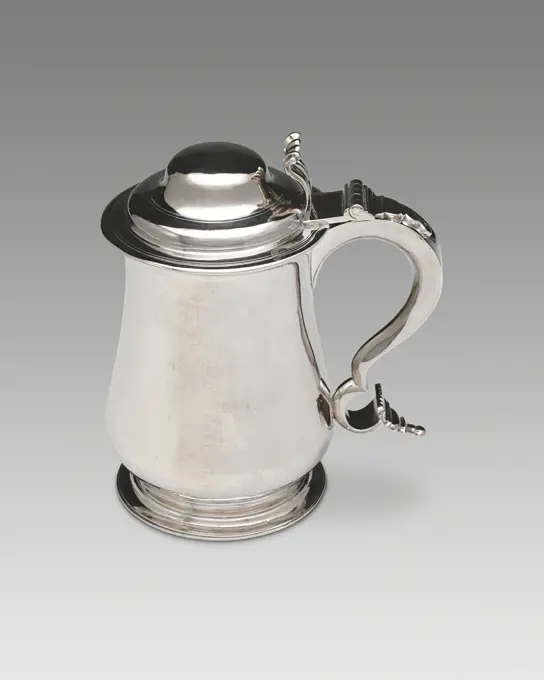
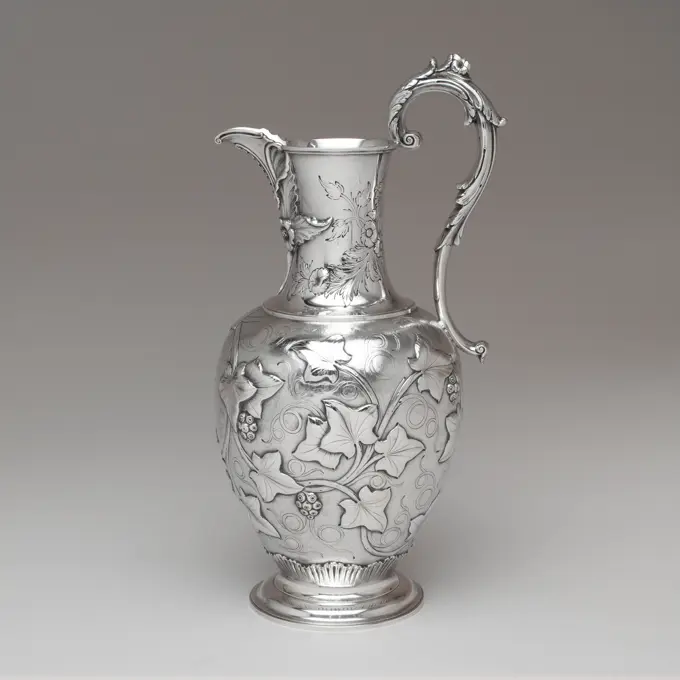
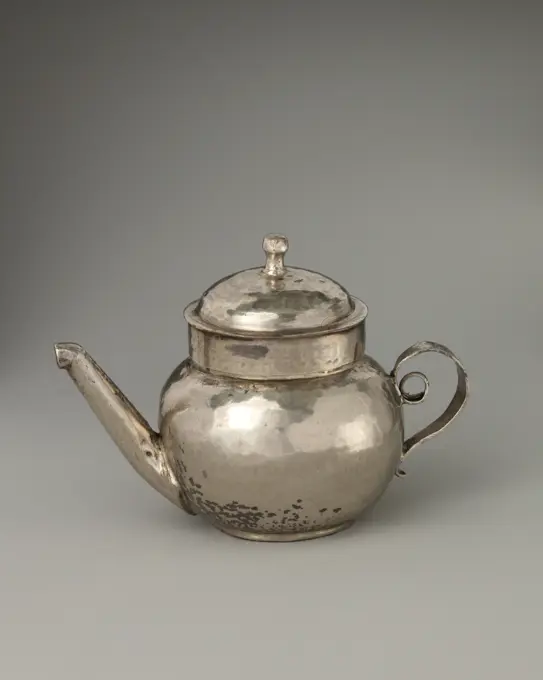
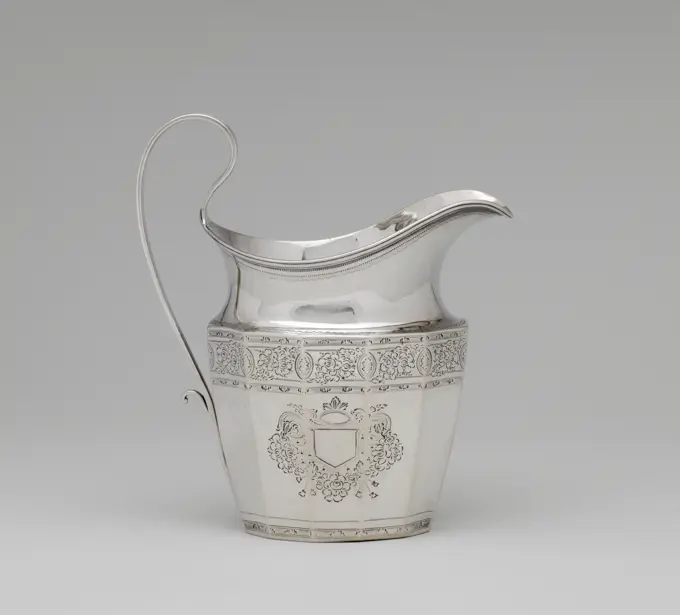
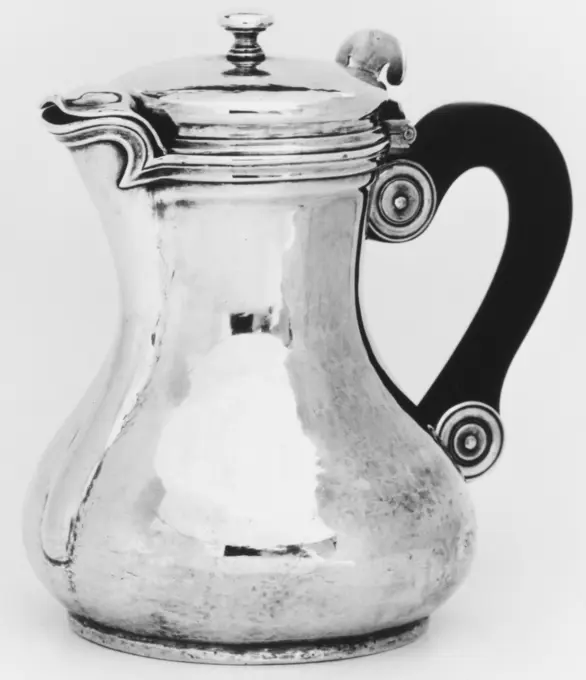
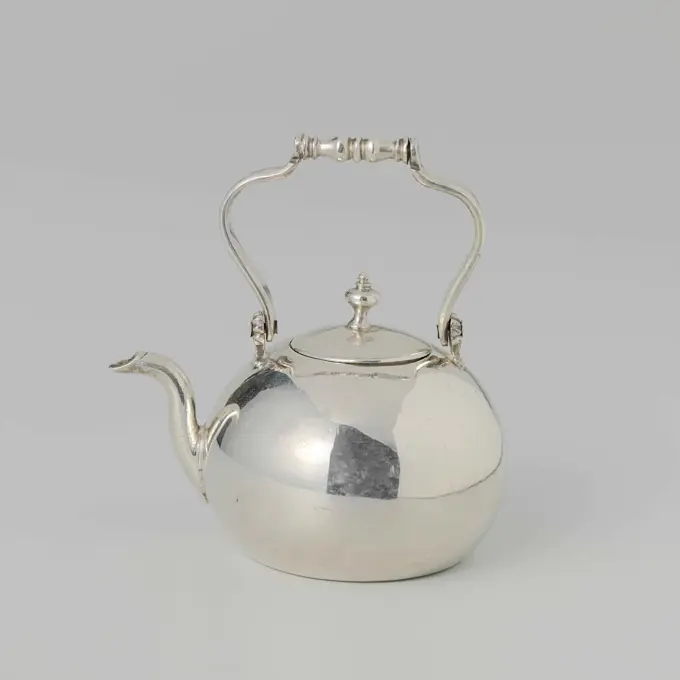
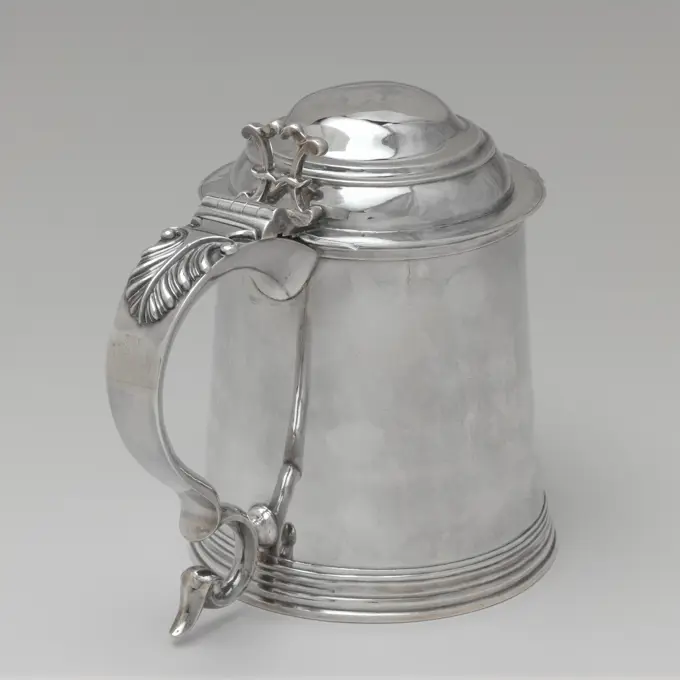
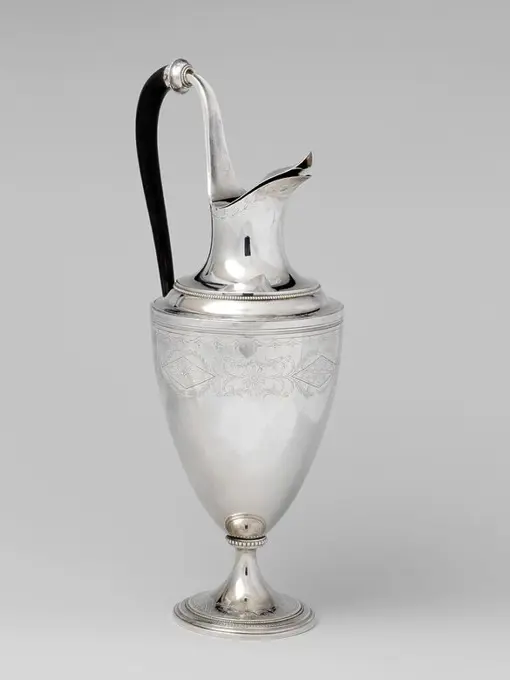
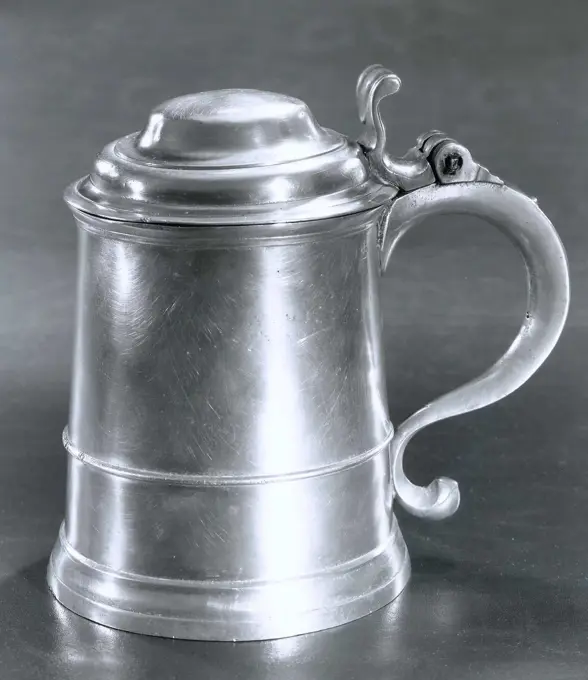
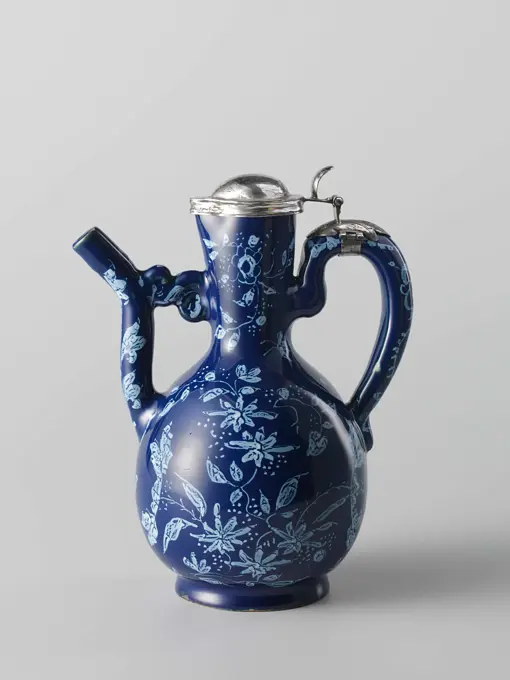
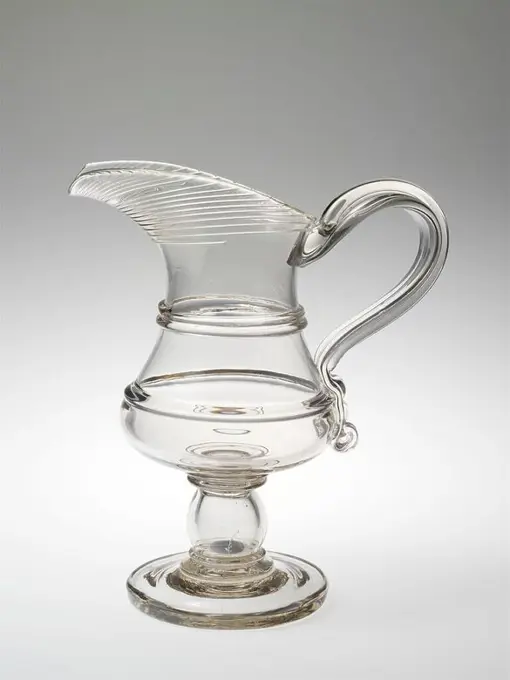
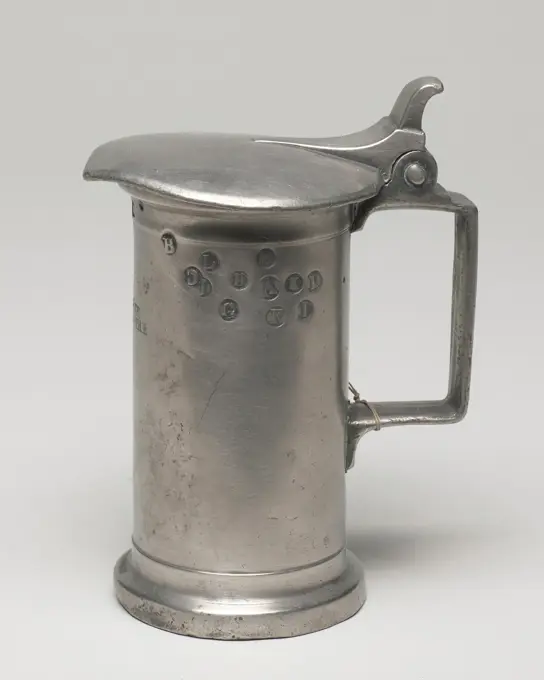
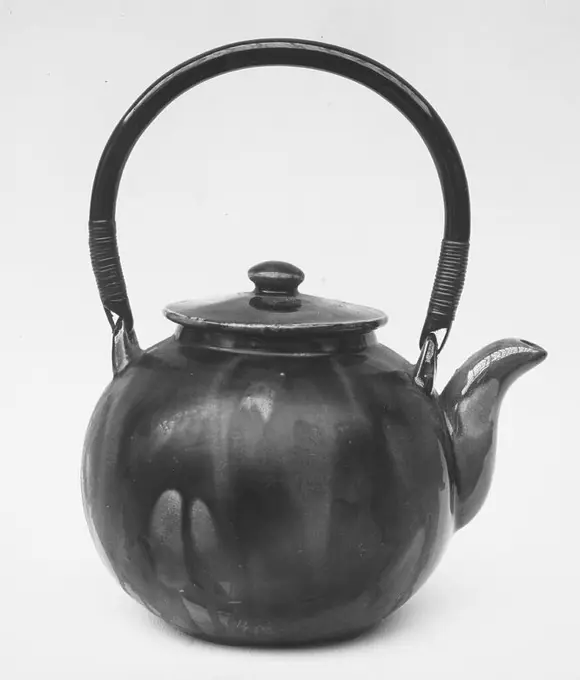
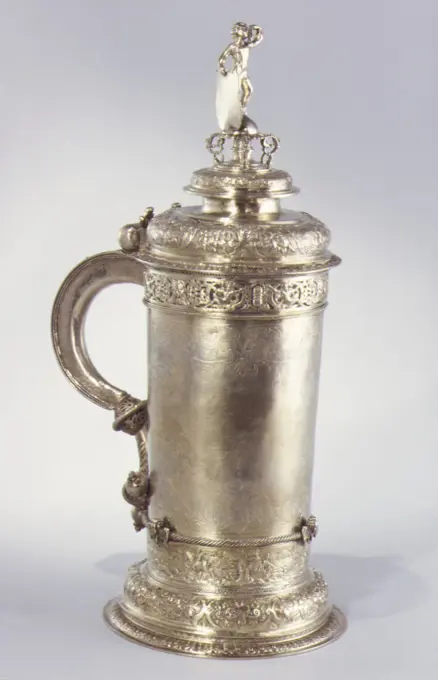
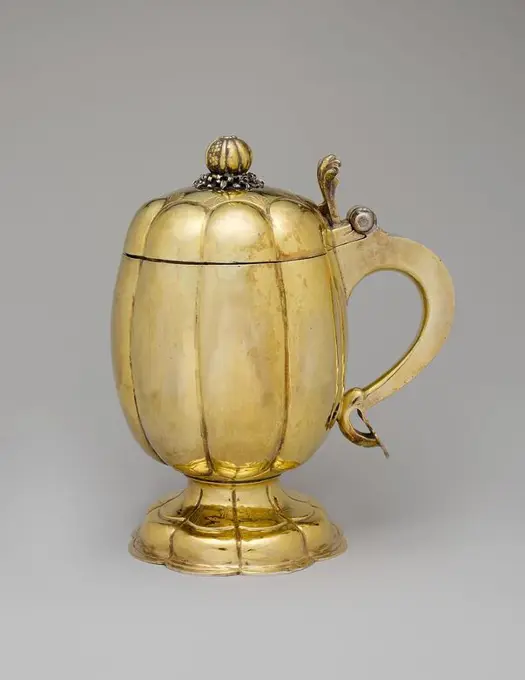
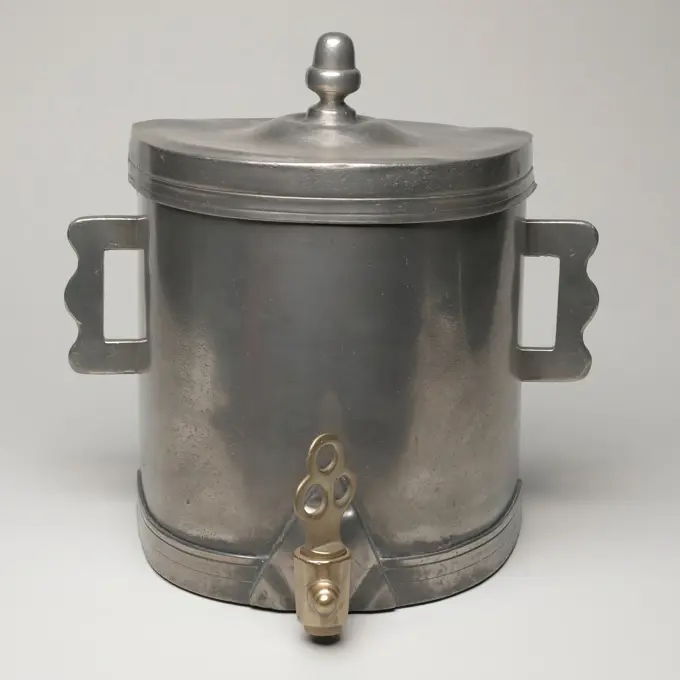
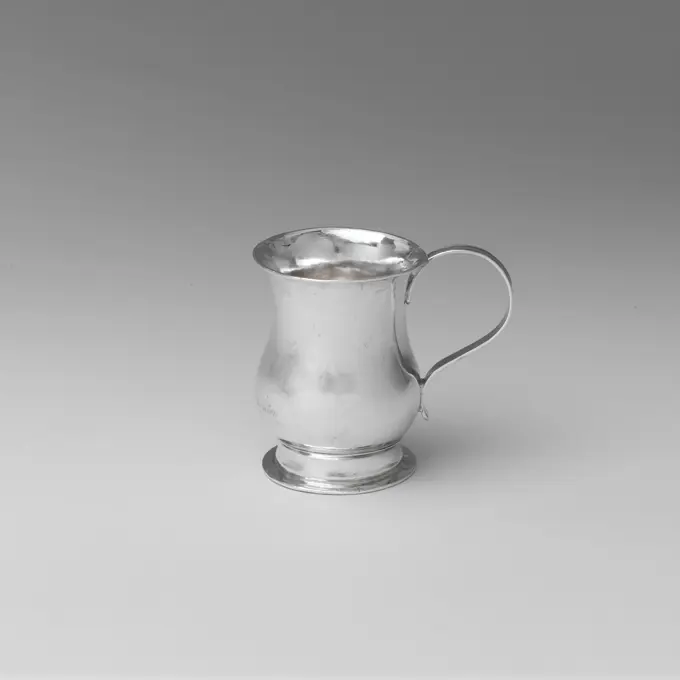
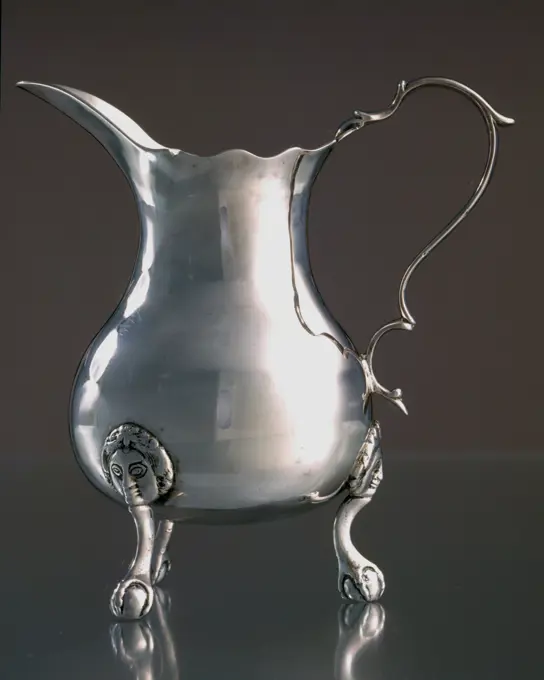
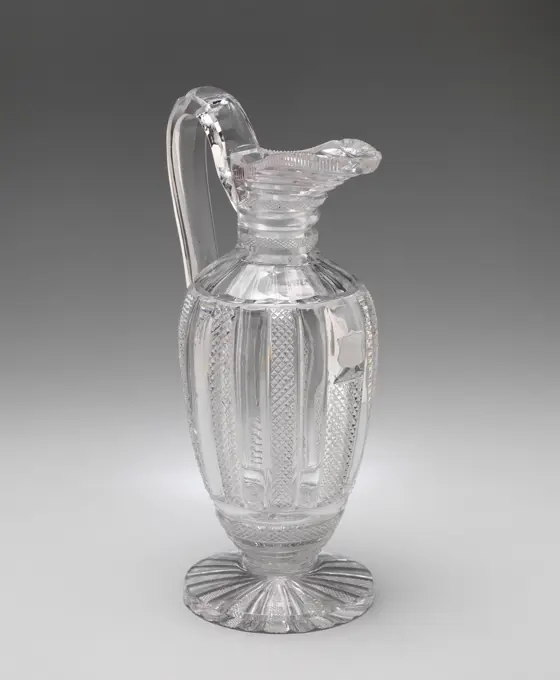
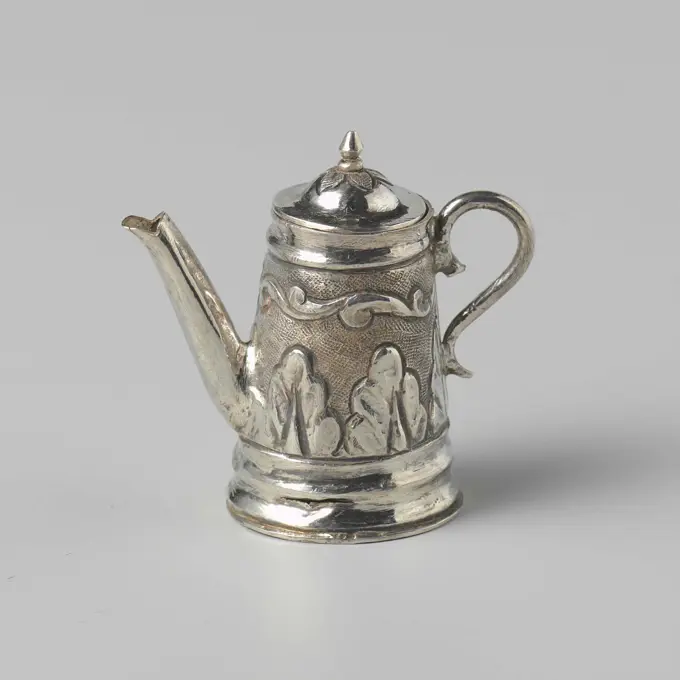
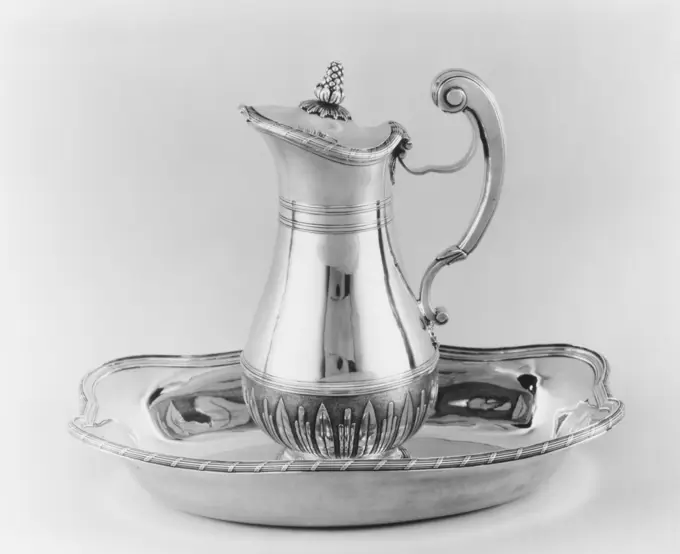
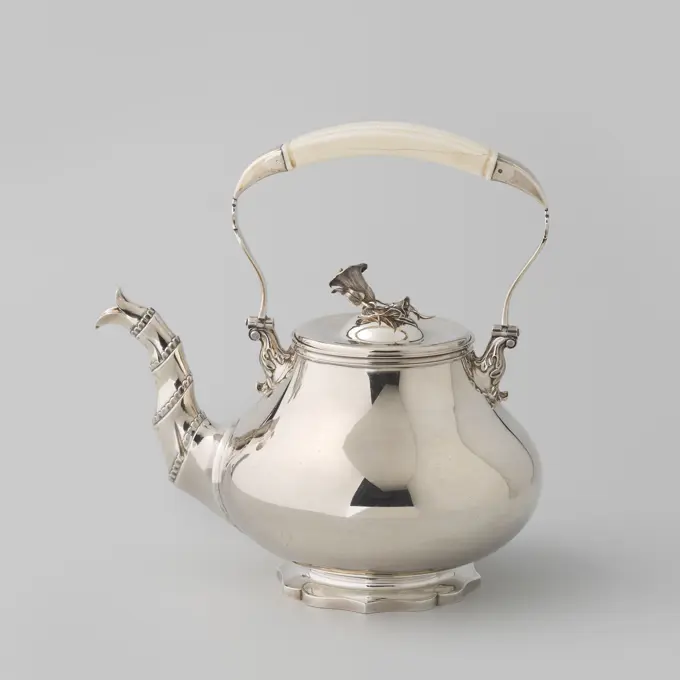
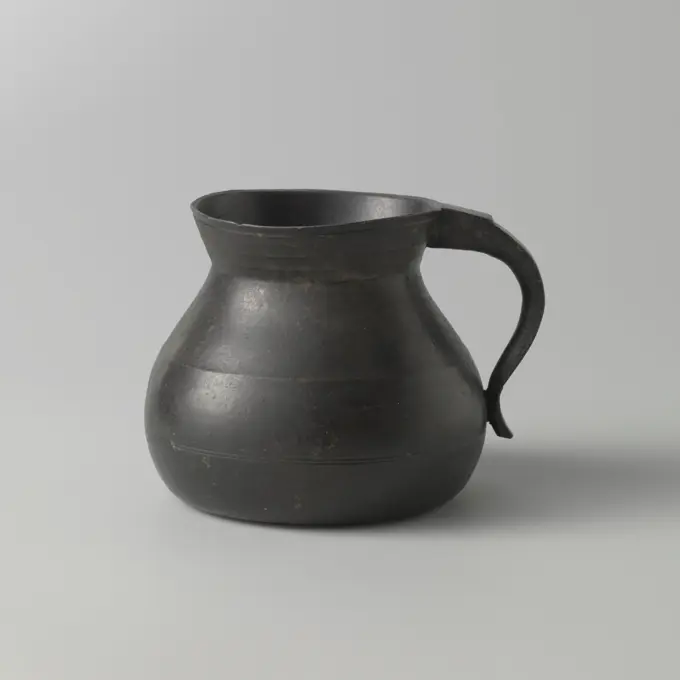
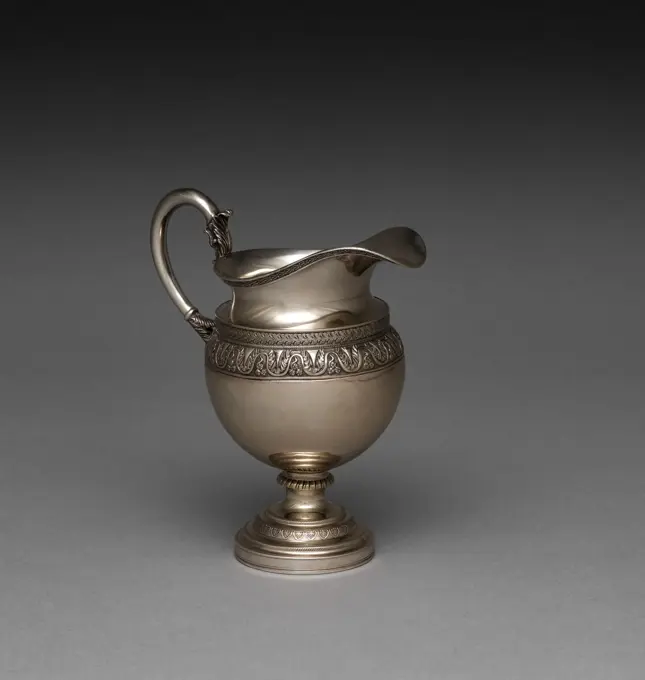
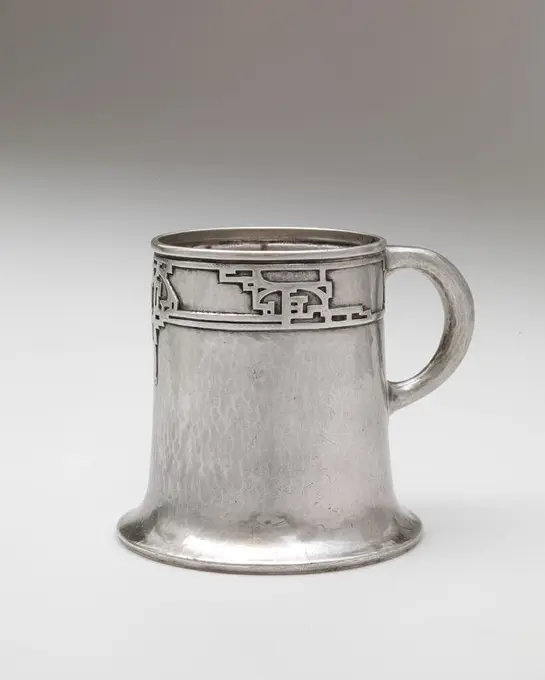
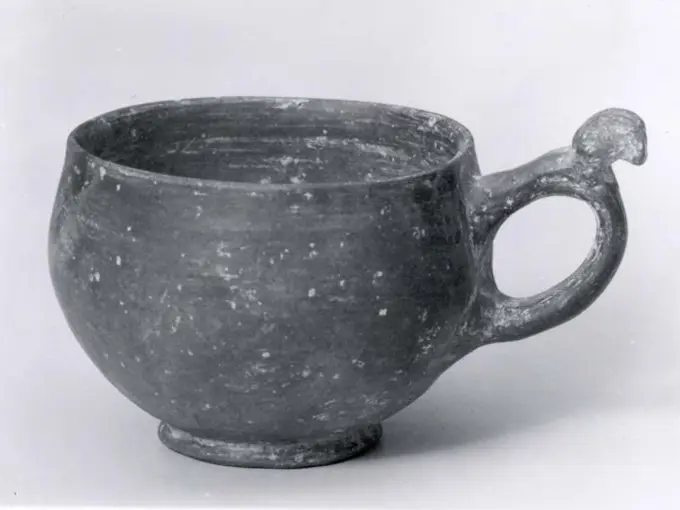
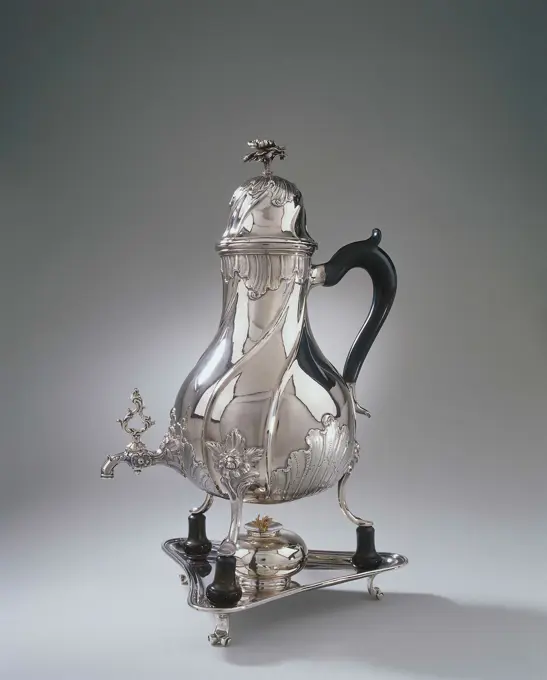
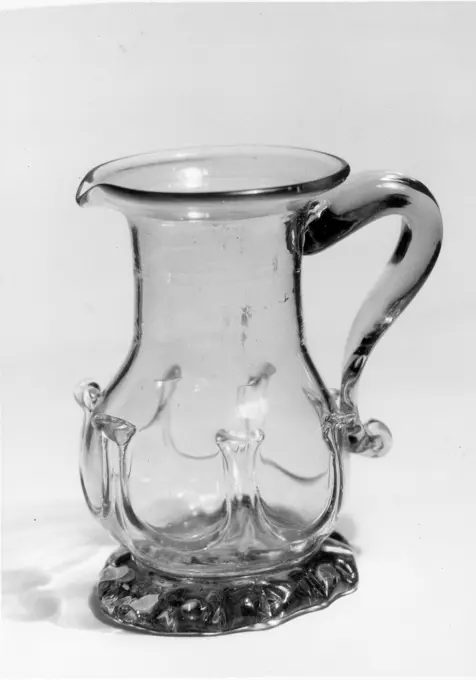
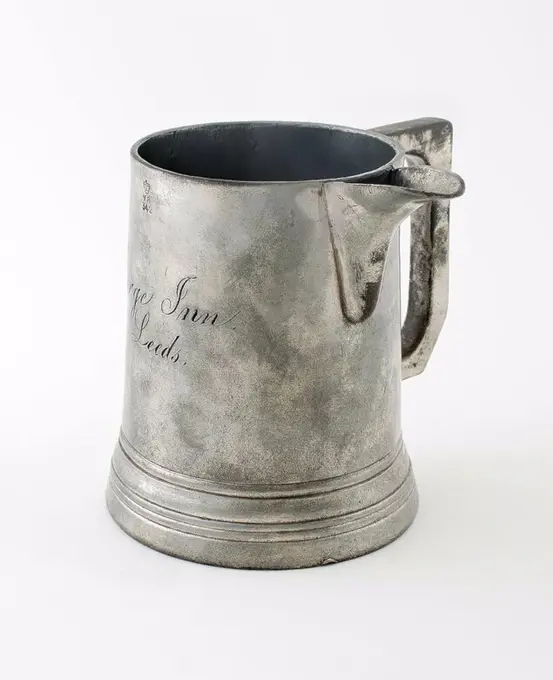
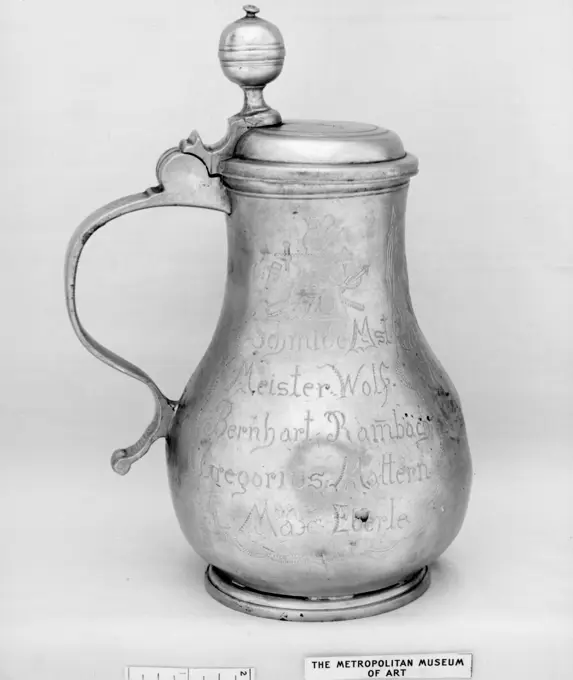
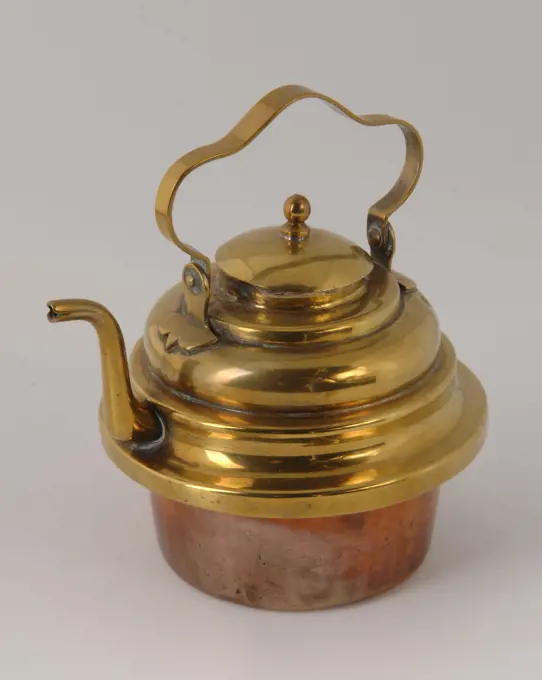
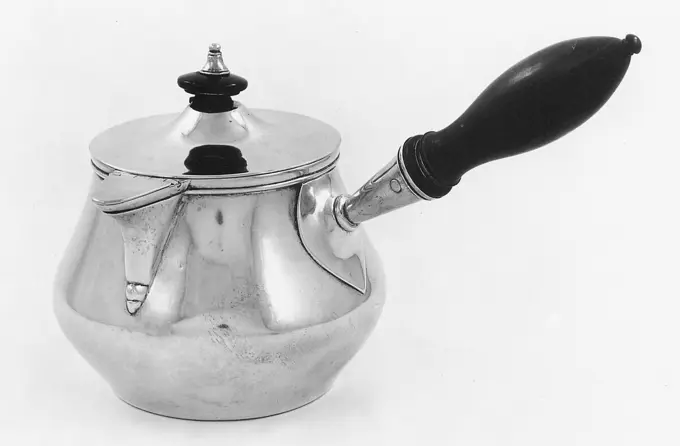
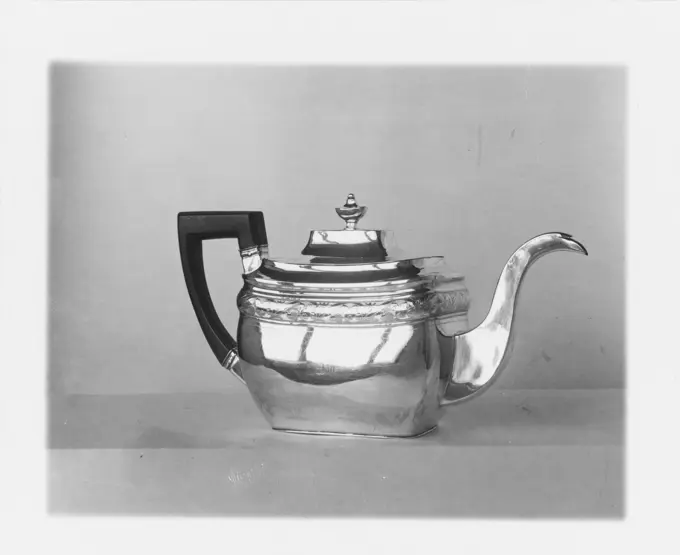
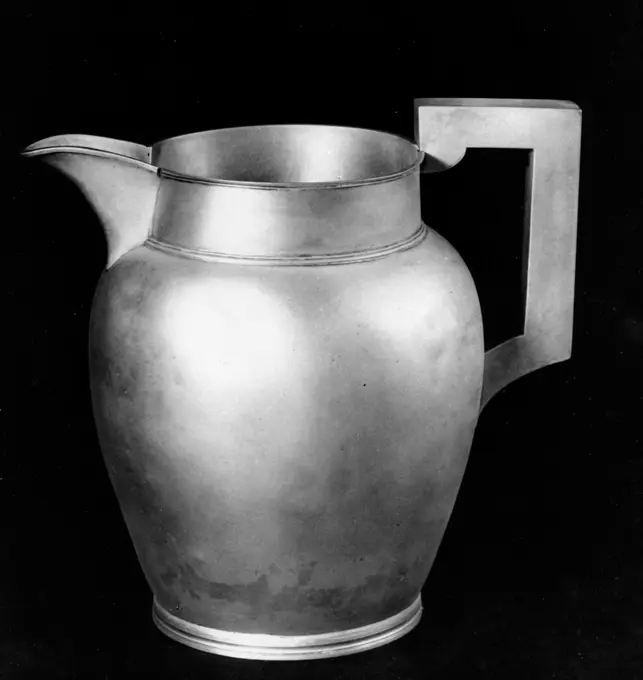
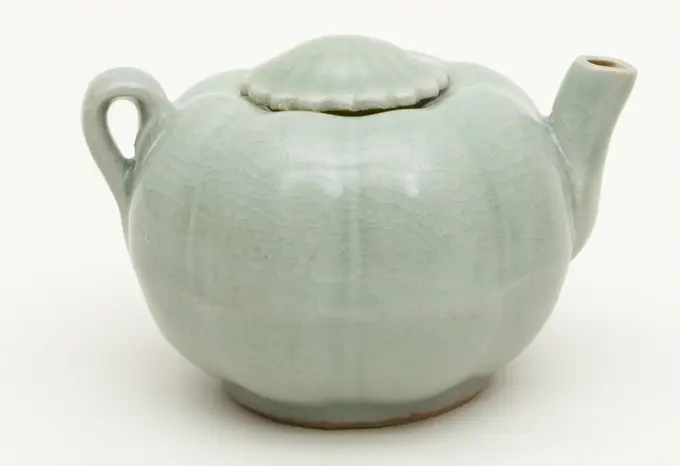
Joseph Richardson Jr., Cann, c. 1800, silver.Tin jug with eight -sided body and lid, anonymous, c. 1325 - c. 1375 Eight -sided jug from tin. The profiled stand ring turns into a baluster -shaped body. In the middle of the vaulted lid is a sitting lion, which serves as a button. The thumb rest is formed by two acorns and passes into the handle via a double -cacky hinge, which runs almost straight down after a curvature. A decoration has been applied to the handle. West-Europa tin (metal) casting Eight -sided jug from tin. The profiled stand ring turns into a baluster -shaped body. In the middle of the vaulted lid is a sitting lion, which serves as a button. The thumb rest is formed by two acorns and passes into the handle via a double -cacky hinge, which runs almost straight down after a curvature. A decoration has been applied to the handle. West-Europa tin (metal) castingFlagon. Maker, attributed to: William Will, American, 1742-1798Jug to Holke, Marcin (Fl. Ca 1765-Ca 1792); the seventies of the 18th century (1770-00-00-1779-00-00);Tuitkan from tin with lid. Small tangkan from tin. A baluster-shaped body is resting at the stand ring. The lip edge is decorated with two profiled tires. The light-vurgled lid contains a flat thumb trust with a double-headed hinge. From here the handle runs to the center of the convex belly. The spout is at odds with it and runs upwards from the bottom. Halfway through a connecting piece, the spout is fixed to the lip edge.Cream Pot, part of Tea and Coffee Service 1878 Connecticut. Silver . Rogers and Smith Company (Maker)Mustard pot 18th century possibly British or Dutch. Mustard pot. possibly British or Dutch. 18th century. Pewter. Metalwork-PewterTankard (England); copper, silverPaul de Lamerie, Coffeepot, 1725/26, silver.Tubel - Vexierglas; Non -like Lona Huta; 18th century (1701-00-00-1800-00-00);Teapot, c. 1800. Firm of Henry Farnam (American, 1773-1833), firm of Rufus Farnam (American, 1771-). Silver; overall: 17.3 x 28.3 x 12.1 cm (6 13/16 x 11 1/8 x 4 3/4 in.).Arthur Annesley, Coffeepot, 1760/61, silver and wood.Tankard.   Maker: Benjamin Burt, 1729-1805Coffeepot 1775-76 Jacques-Pierre Marteau. Coffeepot 200121Eglinton, W. Ridgway & Company, Hanley and Shelton, Staffordshire, England, active ca. 1830 - 1854, Glazed stoneware, pewter, A highly decorative green jug with detail on the body, spout and handle. The center depicts a knight riding a horse in an outdoor scene. This jug includes a pewter cover., Hanley, England, 1840, ceramics, Decorative Arts, Jug, JugOnion-shaped wine jug with a cover. Malcz, Karol (1797-1867), goldsmithEwer. Culture: French, Paris. Dimensions: Height: 8 7/8 in. (22.5 cm). Maker: Thomas Germain (1674-1748, master 1720). Date: 1736-37. Museum: Metropolitan Museum of Art, New York, USA.Myer Myers, Cann, c. 1785, silver.Church flagon. Culture: British, York. Dimensions: Height: 10 in. (25.4 cm). Maker: Edmund Harvey (British, ca. 1700-1750). Date: ca. 1725-50. Museum: Metropolitan Museum of Art, New York, USA.Coffeepot.   Maker: Daniel Henchman, 1730-1775Jug, S. Hughes & Co., Glazed stoneware, Blue-grey body; running stags decoration., ca. 1842, ceramics, Decorative Arts, JugTeapot 1815-1825 Birmingham. Pewter (Britannia metal) and wood . Birch and VilliersTeapot 1715-22 Jesse Kip. Teapot 8374Tea teapot; Scott, Digby & Smith, Benjamin (Fl. 1802-1807), Rundell Bridge & Rundell (fl. Ca 1788-1845); 1803/04 (1803-00-00-1804-00-00);Teapot. A teapot of this small size was used to make very strong tea. After being poured into a teacup, this was diluted with hot water from a water kettle. The teapot shows the restrained rococo style that was favoured in The Hague. The crowned monogram EE is that of the (unidentified) owner.Ewer. Culture: British, London. Dimensions: Overall (confirmed): 11 3/8 × 10 7/8 × 5 5/8 in., 35.64 oz. (28.9 × 27.6 × 14.3 cm, 1010.5g). Maker: Probably Peter Bettesworth (British). Date: 1635/6.This austere and minimally-decorated silver ewer is remarkable for its clean outline and its energetic, sculptural profile. The dramatic sweep of the elongated spout is balanced by an ear-shaped handle fitted with a thumb piece allowing a grip that balances the weight of the filled vessel. The construction may be simple--it is formed of uncomplicated raised components-- but it is composed with a sure sense of proportion and function. The ewer would have been displayed with a matching basin on a sideboard or cupboard and brought to the table for the washing of hands during a meal. The form of this ewer, with its slightly everted rim, trumpet-shaped foot and flaring spout was employed at least until the 1670s. Only a few examples survive with their basins, which have a broad, plain rim and raiTankard c 1754-1775 Philadelphia. The bulbous form of this tankard was most popular in Philadelphia, but was occasionally seen in tankards and mugs from New York. The scroll thumb-piece and double-domed lid, without a finial, were also typical of Philadelphia work. Tankards were popular drinking vessels throughout the 18th century, but were replaced at the beginning of the 19th century with the introduction of inexpensive glassware.. Silver . William HollingsheadPitcher ca. 1845 Robert and William Wilson This pitcher and the matching goblets are decorated with a grapevine motif chased in repoussé and with ruffled leaves that recall eighteenth-century Rococo ornament. The set originally belonged to the donors grandmother Grizelda Gilchrist Polk, who married Russell Houston, chief attorney for the Louisville-Nashville Railroad. Her monogram, “GGH,” is engraved on the front of the pitcher. The goblets are inscribed to two other members of the Polk-Houston family.. Pitcher 5876Miniature teapot with cover 1703 Possibly by George Manjoy British. Miniature teapot with cover. British, London. 1703. Silver. Metalwork-Silver-MiniatureBaluster measure, 18th century, 5 x 4 x 2 3/4in. (12.7 x 10.2 x 7cm), Pewter, England, 18th centuryTuitkan from tin with copper frame. Tangkan from tin. The high foot with copper frame on the lower edge supports the baluster-shaped body. The lip edge is from buyer. The globe vaulted lid has a copper edge with center on top of a copper handle. The thumb trust is formed by two bullets, which is connected to the curled handle via a double-headed hinge. The spout runs up from the bottom of the belly and ends in a beetle head.Jug And Cover (England); silver, woodCreamer 1780-1820 British, probably. Creamer 2593Stadskan van Tin with lid, anonymous, c. 1500 - c. 1550 Stadskan with Tin lid. On the high, hollow, conical base with a wide position ring, a baluster -shaped body with a straight -up lip edge, where tires are applied to decoration at the widest point of the body, halfway through the neck and the lip edge. The top is closed with a vaulted, round lid with a button in the middle. The lid runs through angular thumb rest and a one-cash hinge into an elongated S-shaped handle. A rose medallion has been applied to the bottom on the inside. Northern Netherlands tin (metal) casting Stadskan with Tin lid. On the high, hollow, conical base with a wide position ring, a baluster -shaped body with a straight -up lip edge, where tires are applied to decoration at the widest point of the body, halfway through the neck and the lip edge. The top is closed with a vaulted, round lid with a button in the middle. The lid runs through angular thumb rest and a one-cash hinge into an elongated S-shaped handleCreamer ca. 1799 John McMullin. Creamer 20427Coffee urn with stand and burner, Nathanael Teuter, 1806 The round, conical can rejuvenate upwards and is slightly arched at the bottom. The jug has a loose, clock -shaped lid that consists of a hollow and a sphere part and that is crowned by a pineal -shaped ebony button on a straight base. The KAR has two high -rising, curved ears of ebony with silverfarts and a round, narrow -giving tap in which a rotating seal sticks, which is crowned by a flat, mushroom -shaped ebony handle. The lower part of the jug is open with a pattern of pointed arches, leaves and dots. A traffic jam runs under the openwork part. Partles run just below the tap and on the lower edge of the lid. The extendable rear is screwed with a conical button to a copper drawer that acts as a bowl. Amsterdam silver (metal). copper (metal). ebony (wood) The round, conical can rejuvenate upwards and is slightly arched at the bottom. The jug has a loose, clock -shaped lid that consists of a hollow and a sphere part and that iCup ca. 550 B.C. Etruscan Loop handle surmounted by a pointed boss.. Cup. Etruscan. ca. 550 B.C.. Terracotta; bucchero. Archaic. VasesCoffeepot 1766-67 Denys Frankson In 1545 François I founded the Hôpital de la Trinité to shelter abandoned children. Among the trades taught there was silversmithing, taught by a worker who had been favorably passed on by the wardens of the guild. In recompense for his instruction, the teacher-worker could become a master at the end of eight years. Antoine Bailly registered his first mark in 1748 in this way. In 1756, as a Paris maker, he turned in the mark gained through his work at the Hôpital and registered the mark which is found on this piece.. Coffeepot 200120Coffeepot Coffeepot; Probably Johann Christian Ibert; Germany; pewterWestward Ho!/Pioneer pattern pitcher c 1876 Philadelphia. Glass . Gillinder and Sons (Manufacturer)Boiler. Round kettle with lid and handle. There is a profiled button on the lid. The handle has a profiled handle. The boiler has been marked: STK. = Amsterdam, JRL. = B (1761), Mt. = Arnoldus van Geffen and a boar cup.Tankard ca. 1765-70 Samuel Tingley. Tankard 8227Ewer (aiguière). Culture: Flemish, Ghent. Dimensions: Overall: 15 1/4 × 7 × 5 3/8 in. (38.7 × 17.8 × 13.7 cm). Maker: Pierre Joseph Jacques Tiberghien (1755-1810). Date: ca. 1800. Museum: Metropolitan Museum of Art, New York, USA.Tankard.   Maker: Thomas Danforth III, American, 1756-1840Jug. The colour pattern of this jug resembles that found on late 17th-century crockery from Nevers in central France. The technique of white decorations on a blue ground is known as Persian Blue’. The shape of this vessel is derived from metal ewers from the Middle East.Pitcher. Culture: American. Dimensions: 11 3/8 x 6 in. (28.9 x 15.2 cm). Maker: Probably New England Glass Company (American, East Cambridge, Massachusetts, 1818-1888). Date: 1817-40.The threaded decoration on the lip and the tooled midrib of this classic Empire pitcher are characteristic features of the New England Glass Company's products. The hollow stem contains an English shilling dated 1817. Museum: Metropolitan Museum of Art, New York, USA.Wine measure, 18th century, 5 1/4 x 4 x 2 3/4 in. (13.34 x 10.16 x 6.99 cm), Pewter, France, 18th centuryTeapot, 19th century, 9 x 11 x 6 1/2 in. (22.86 x 27.94 x 16.51 cm), Pewter, England, 19th centuryTeapot.   Maker: Nicholas Roosevelt, American, 1715-1769Teapot. Culture: Japan. Dimensions: H. 4 in. (10.2 cm). Date: 1800. Museum: Metropolitan Museum of Art, New York, USA.Flagon late 16th century probably German. Flagon 193586Tankard. Culture: Estonian, Tallinn (Reval). Dimensions: Overall (confirmed): 9 1/8 x 7 3/4 x 5 3/8 in., 38.025oz. (23.2 x 19.7 x 13.7 cm, 1078g). Maker: Ludwig Wachman (mentioned 1632). Date: 1640-50. Museum: Metropolitan Museum of Art, New York, USA.Confectioner; Hunt & Roskell (London; company Z Otnicz; Fl. 1822-1965), Hunt, John Samuel (1785-1865); 1856/57 (1856-00-00-1857-00-00);Wall cistern, 18th century, 12 1/2 x 13 1/4 x 9 1/2in. (31.8 x 33.7 x 24.1cm), Pewter; brass, Germany, 18th centuryKettle with lid Westwalewicz, StanisławCann 1784-96 Possibly by Cary Dunn. Cann 5330Handled Cup. China. Date: 618 AD-906 AD. Dimensions: W. 10.6 cm (4.2 in.). Silver. Origin: China. Museum: The Chicago Art Institute, Chicago, USA.Samuel Tingley, Creampot, c. 1770, silver.Tankard. William Hollingshead; American, 1728-1808; Philadelphia, Pennsylvania. Date: 1754-1775. Dimensions: 20.3 × 16.8 × 12.1 cm (8 × 6 5/8 × 4 3/4 in.). Silver. Origin: Philadelphia. Museum: The Chicago Art Institute, Chicago, USA.Coffeepot 1736 Phillip Kinnersly. Coffeepot. Irish, Dublin. 1736. Silver, wood. Metalwork-SilverClaret jug 1820-30 Apsley Pellatt. Claret jug 20799Lavabo. The vessel is poured into CIRE Perdue technique with the spouts and presumably also with the handle deposits as a whole. The Platbolle vessel has a large hollow collar. The two curved spouts, which are in diameter more or less oval and are in each other's extension, end in blurred animal heads. Arranging the collar at odds at the level of the sharp edge, the two handle tips in the form of women's heads, in which the handle holes. The handle consists of a round curved iron rod with a copper plate upholstery. Cast outlids can be observed on vessel and spouts. The holes in the women's heads are probably drilled when the current handle was made to replace.Chrysanthemum Teapot; Manufactured by Tiffany and Co. (United States); USA; raised, cast, chased, and engraved silver; Overall: 16 x 27.8 x 17 cm (6 5/16 x 10 15/16 x 6 11/16 in.)Tankard with a flower among foliate scrolls, anonymous, c. 1750 - c. 1774 Beer mug of stoneware with a cylindrical body and C-shaped ear. Partly covered with cobalt blue. The entire outside with light breach, vertical lines. On the front an entry and blue -filled decoration of a flower surrounded by leaf vines. Blue dots on the edge and foot. Attached to the ear a pewter frame with lid and the inscription 'No. 5 I F. H.I 1758 '. On the inside, a few bred letters and 'I f Aecksch'. Lahntal, Westerwald. Lahntal Stoneware. Glaze. Cobalt (Mineral). frame: tin (metal) vitrification Beer mug of stoneware with a cylindrical body and C-shaped ear. Partly covered with cobalt blue. The entire outside with light breach, vertical lines. On the front an entry and blue -filled decoration of a flower surrounded by leaf vines. Blue dots on the edge and foot. Attached to the ear a pewter frame with lid and the inscription 'No. 5 I F. H.I 1758 '. On the inside, a few bred letters and 'I f Aecksch'. LahnInkwell. UnknownWater Pitcher (part of set with 1973.769a-g) Made 1900 Providence. Silver . Gorham Manufacturing CompanyCoffee pot. Cup shaped coffee pot with an S-shaped handle and a lid with button. The wall of the pot is decorated with acanthus leaves and rocaille ornaments in relief on a roughened surface. The coffee pot is marked with a sword. The coffee pot is saved as part of a coffee and tea table (BK-NM-11177-158).Ewer and basin 1737-38 Pierre Miston. Ewer and basin. French, Montpellier. 1737-38. Silver. Metalwork-SilverBowl late 16th-mid 17th century Spanish, Castile (Cadalso). Bowl 185956Teapot.   Maker: Joseph Richardson, Jr., American, 1752-1831  Maker: Nathaniel Richardson, American, 1754-1827Teapot, round, with accolade -shaped foot, fa. Ash. Bonebakker and Son, 1853 The round tea kettle rests on a right -wing base with accolade -shaped sides. The vaulted, rejuvenating foot carries the flattened pear -shaped barrel. At the top of the barrel is an opening surrounded by a profile edge, in which the vaulted, rejuvenating lid fits. This is crowned by a button in the shape of a flower branch. Below the top edge of the vessel are the two S-shaped bent, with leaves decorated of the hinged handle. This is made up of two S-shaped, silver parts, connected by a curved ivory grip. The boiler has an S-shaped, curved spout that is designed as a bamboo branch. Amsterdam silver (metal). ivory The round tea kettle rests on a right -wing base with accolade -shaped sides. The vaulted, rejuvenating foot carries the flattened pear -shaped barrel. At the top of the barrel is an opening surrounded by a profile edge, in which the vaulted, rejuvenating lid fits. This is crowned by a button in the Tin house with slanted rim, anonymous, 1500 - 1600 Tin parlor. The round pot has a flat bottom. The belly is decorated with a double profiled band and runs up halfway after a nod conically. After a congestion, a border runs upwards conically. The edge is profiled at the top and has light, horizontal canelures. A handle is turned on on the top edge. Rotterdam tin (metal) casting Tin parlor. The round pot has a flat bottom. The belly is decorated with a double profiled band and runs up halfway after a nod conically. After a congestion, a border runs upwards conically. The edge is profiled at the top and has light, horizontal canelures. A handle is turned on on the top edge. Rotterdam tin (metal) castingTerracotta guttus (flask with handle and vertical spout). Culture: Greek, South Italian, Campanian. Dimensions: 3 7/8in. (9.9cm). Date: 4th century B.C..On the top, frontal head of a satyrThe head is rendered with particular expression and precision. Museum: Metropolitan Museum of Art, New York, USA.Cream Jug, c. 1811-1825. Harvey Lewis (American, 1835). Silver; overall: 18 x 15.1 cm (7 1/16 x 5 15/16 in.).Teapot, c. 1790, Thomas Underhill; Maker: and John Vernon (active partnership c. 1787-1795), American, 9 1/2 x 11 1/2 x 5 1/2in. (24.1 x 29.2 x 14cm), Silver, wood, United States, 18th centuryBeer mug with ear, decorated with a cartouche and year 1583. Beer mug with ear of brown glazed stoneware. Decorated with a cartouche in which a women's figure with musical instruments and a book. With year 1583.Tea caddy, Silver, London, England, 1800, metalwork, Decorative Arts, Tea caddyCup. Artist: Robert R. Jarvie (American, 1865-1941). Culture: American. Dimensions: 3 1/2 in. (8.9 cm), Lip diameter: 2 3/4 in. (7 cm), Foot diameter: 3 5/8 in. (9.2 cm) 8 oz. 4dwt (255.6g). Date: ca. 1911. Museum: Metropolitan Museum of Art, New York, USA.Cup ca. 900-700 B.C. Iran This cup is shaped like a modern teacup. It has rounded sides and a concave base on a ring. A loop handle with a tab for the thumb is attached to the body on one side. The cup is made of grey clay and has been burnished. Wheel lines on the interior indicate that it was made on a potters wheel.This cup was excavated at Tepe Sialk, near Kashan in central Iran. Sialk was the site of a fortified town, constructed in the early first millennium B.C. Several hundred yards from the town there was a large cemetery, called Necropolis B by the archaeologists who explored it between 1933 and 1937. The graves were pits covered with pitched roofs made of stone or clay, and in addition to the bodies of the dead they contained jewelry, weapons, leather armor, horse trappings and ceramic vessels, including other similar cups. Its small size and handle suggest it could have been used for a hot liquid, but this cannot be proven. Possibly it was used in a funerary banquet or rit. The pear-shaped can, with a loose lid, has three high legs that rest on rosewood woods, a tap and a c-shaped ear of water buffel horn. The cast paws are formed as a branch with a flower and end in a foot. The body is resurrected; The ribs describe an S-shaped curve that continues over the lid. Along the top of the body a multi-profiled edge runs a single profile along the underside of the lid; The curve is interrupted there. About the abdomen between the legs, at the bottom along the top edge of the pot and around the lid knob, which has the shape of a rosary, sparkling edges. The molded crane is placed against the foam edge on the front of the belly. This is made up of a cylindrical portion with a foam wreath-like, a portion in which the rotating tap fits, and a faceted portion that is at the end, where it bends down, is surrounded by a leafy. The grip of the tap is an asymmetrical, open cartouche built out of leaf volutes. The silver connecting piece on the underside of the horn eaPitcherPint Mug with Spout. England. Date: 1835-1845. Dimensions: 11.4 × 10.2 × 8.3; 12.1; 12.1 cm (H. 4 1/2 × D. base 4 × D. top 3 1/4; depth with handle 4 3/4; depth with spout 4 3/4 in.). Pewter. Origin: England. Museum: The Chicago Art Institute, Chicago, USA.Beer mug with lid. Beer mug with lid.Head, completely gilt and with a biscuit portrait of the Duc de Berry ranschrift and with arm engraved in the gold, Frisian and Putti. Cup of porcelain, completely gilt and with a biscuit portrait of the Duc de Berry with peripheral and with arm engraved in gold engraved, Frisian and Putti. Ear in the form of a gooseneck with palm with. Signature in gold: Denuelle Rue de Crussol a Paris and in brown: (Manuf) Re de s.a.r. () De Berry.Teapot with gilded fittings, anonymous, c. 1675 - c. 1699 Teapot of red stoneware with a spherical body, bent spout and square ending in a curl. With a gilded bronze frame with chain, crowned by a boy and two birds. On the belly a wide band with a boy between flower vines in relief. On the shoulder and above the foot a tire with tendrils. The lid with flower vines. On the spout Lotus vranks and the ear with insects. Yixing. China Stoneware. frame: Bronze (metal). frame: Gilding (Material) Teapot of red stoneware with a spherical body, bent spout and square ending in a curl. With a gilded bronze frame with chain, crowned by a boy and two birds. On the belly a wide band with a boy between flower vines in relief. On the shoulder and above the foot a tire with tendrils. The lid with flower vines. On the spout Lotus vranks and the ear with insects. Yixing. China Stoneware. frame: Bronze (metal). frame: Gilding (Material)Jug, Samuel and Eli” pattern. Maker  Manufacturer: T. & R. Boote, British, 1842-1963Flagon early 18th century German According to the inscription on the body, this flagon was evidently originally the property of a smith's guild.. Flagon. German. early 18th century. Pewter. Metalwork-PewterJug 18th century Spanish, Castile. Jug. Spanish, Castile. 18th century. Glass. Glassmetal worker: Gresnich, Copper miniature kettle, kettle kitchenware miniature toy relaxant model copper brass, spout 10.0 beaten soldered brass copper with brass bag The brass belly is under wide and above narrow stepped height difference Corrugated handle loose lid 1868 Sibilla van Embden play food prepare cookingOval cooler with scalloped edge. Tin oval wine cooler on stand ring. The vessel consists of a shallow, convex belly, above that a profiled tire, which turns into a smooth, widening upper part. The top edge is coarse scaled. On the top edge two bracelet forms with a moving handle. Tracks of black and gold paint visible.Vijzel with coat of arms and dragon -shaped handle, anonymous, c. 1600 - c. 1699 The cast round auger extends upwards, has a rounding rim and a little flared foot. On the front wall a weapon (a crossbar over three corners and three six -pointed stars above it), at the back a handle in the form of a dragon. The wall is articulated by six vertically placed ribs, which alternately rise or zigzagswide. In addition, five reliefs with six -leaf rosettes or Jacobusschelpen. Spain (possibly) bronze (metal) casting The cast round auger extends upwards, has a rounding rim and a little flared foot. On the front wall a weapon (a crossbar over three corners and three six -pointed stars above it), at the back a handle in the form of a dragon. The wall is articulated by six vertically placed ribs, which alternately rise or zigzagswide. In addition, five reliefs with six -leaf rosettes or Jacobusschelpen. Spain (possibly) bronze (metal) castingTankard 1707 Johann Georg Eben Inscribed on the front of the tankard: Johann Grave* Elisabeth Berens 1707 and Wenn Lieb und Fried sich Küssen, wird unglück weichen müssen (When Love and Peace kiss, misfortune must give way). Johann Grave was a customs official in Riga.. Tankard 195226Sauceboat 1771-72 British, London. Sauceboat. British, London. 1771-72. Silver. Metalwork-SilverPitcherBird Vesel 12th-15th century Chimú. Bird Vesel. Chimú. 12th-15th century. Silver. Peru. Metal-ContainersHamilton & Co., Saucepan and Cover, c. 1825-40, silver.Teapot 1800-1810 William G. Forbes. Teapot. American. 1800-1810. Silver. Made in New York, New York, United StatesTankard (fast) with a portrait, anonymous, c. 1540 - c. 1560 Jug (schnelle) of stoneware with cylindrical, tapered body and C-shaped ear. Profiles under the edge and above the foot. Covered with a brown Engobe. On the front of the jug in relief three times an elongated, printed and imposed box with a portrait in a medallion between curl. Cologne/ Frechen. Cologne (possibly) stoneware. glaze. engobe vitrification Jug (schnelle) of stoneware with cylindrical, tapered body and C-shaped ear. Profiles under the edge and above the foot. Covered with a brown Engobe. On the front of the jug in relief three times an elongated, printed and imposed box with a portrait in a medallion between curl. Cologne/ Frechen. Cologne (possibly) stoneware. glaze. engobe vitrificationHugh Wishart, Water Jug, c. 1790, silver.Melon-Shaped Ewer (Wine Pot) with Flower-Head/ Foliate Lid. China. Date: 1200-1299. Dimensions: H. 5.8 cm (2 5/16 in.); diam. 8.9 cm (3 9/16 in.). Longquan ware; stoneware with underglaze molded decoration. Origin: China. Museum: The Chicago Art Institute, Chicago, USA.