Historic Metal Jugs and Flagons

A collection of artistic metal jugs and flagons, crafted in various styles from silver to tin, highlighting historical functionality and aesthetic charm.

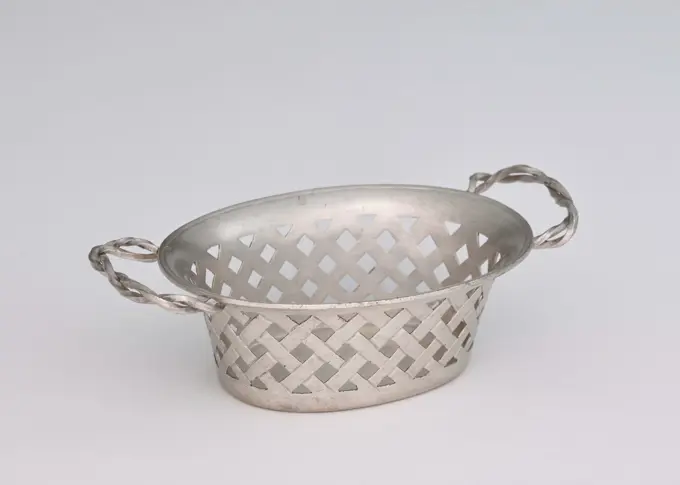
Jug to Holke, Marcin (Fl. Ca 1765-Ca 1792); the seventies of the 18th century (1770-00-00-1779-00-00);
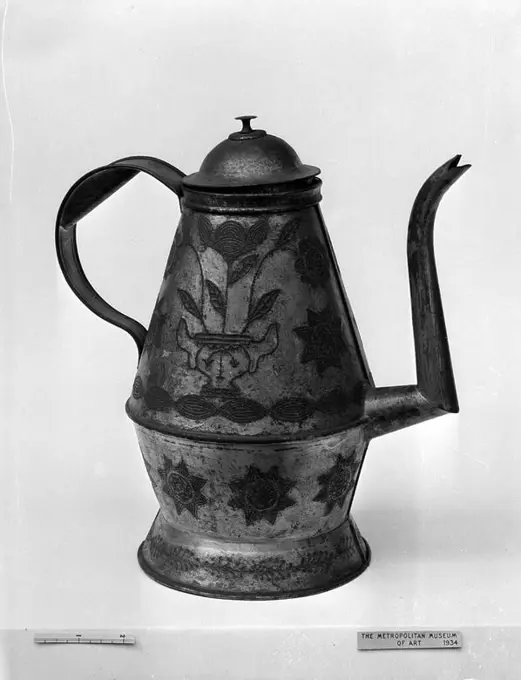
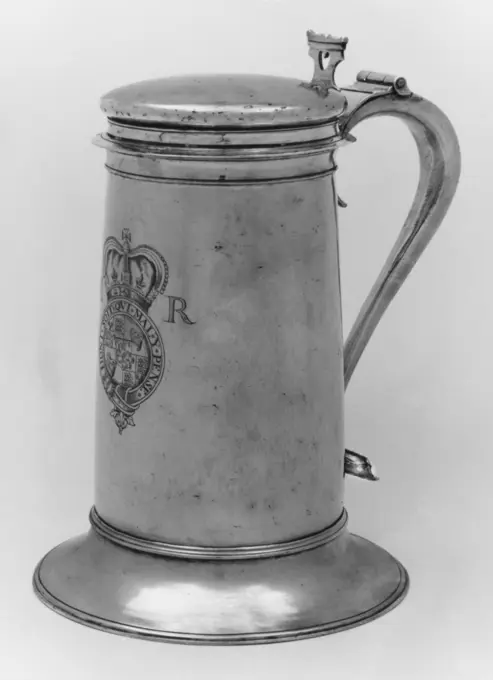
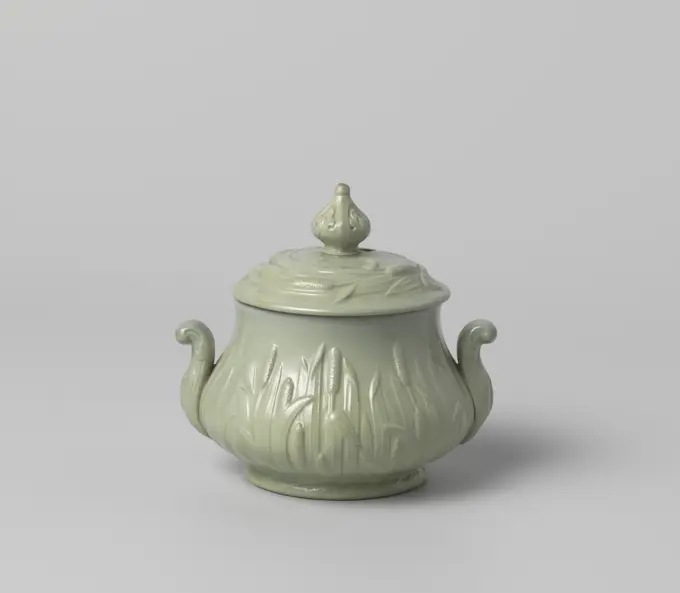
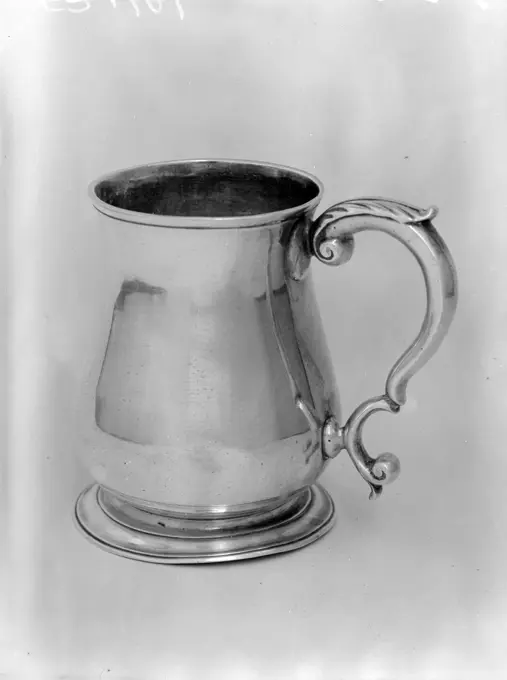
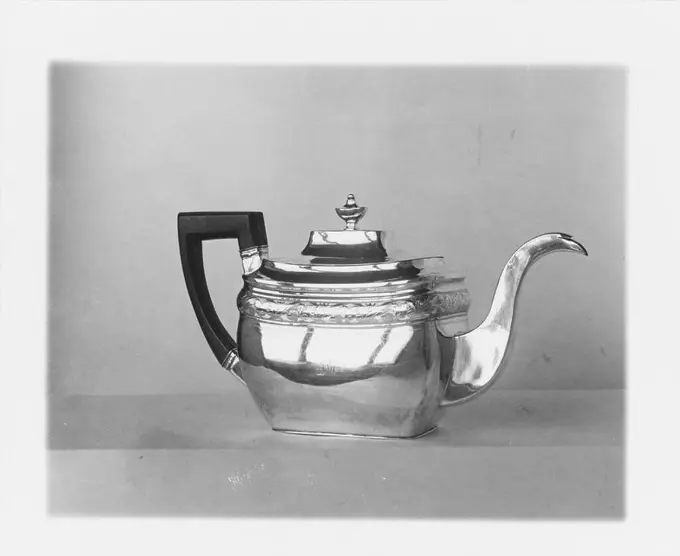
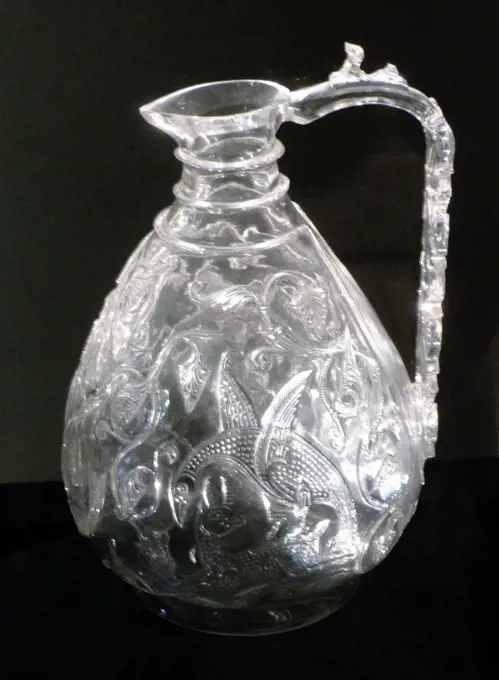
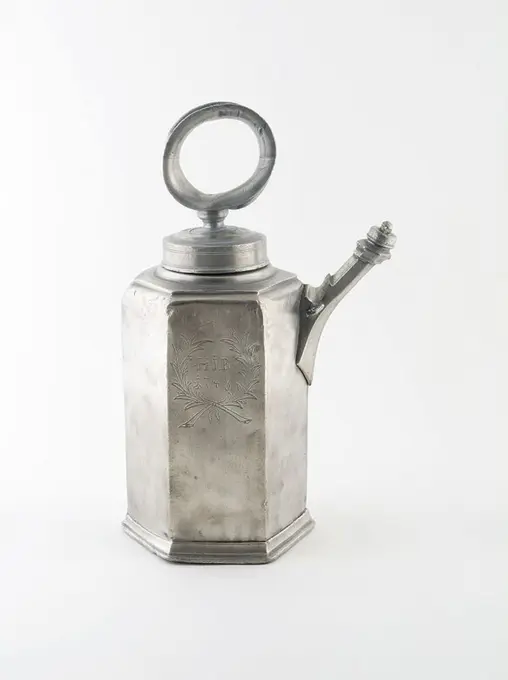
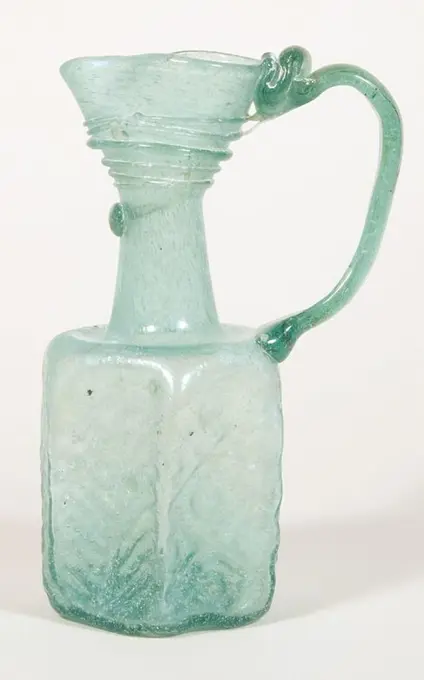
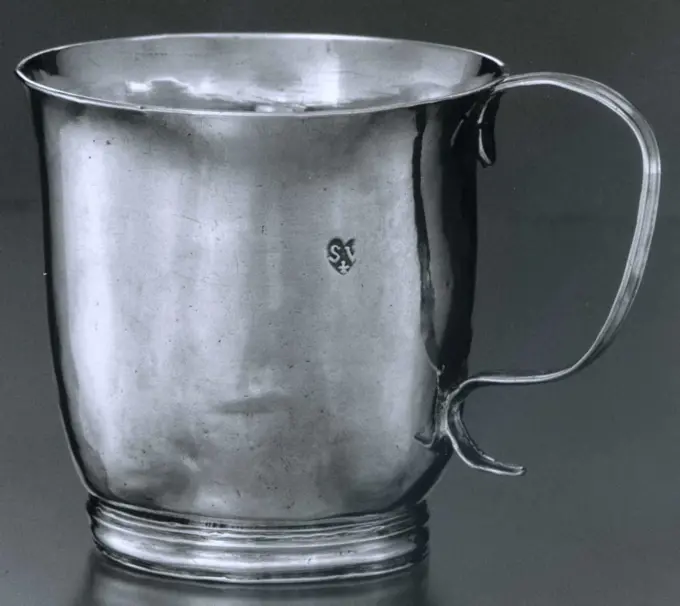
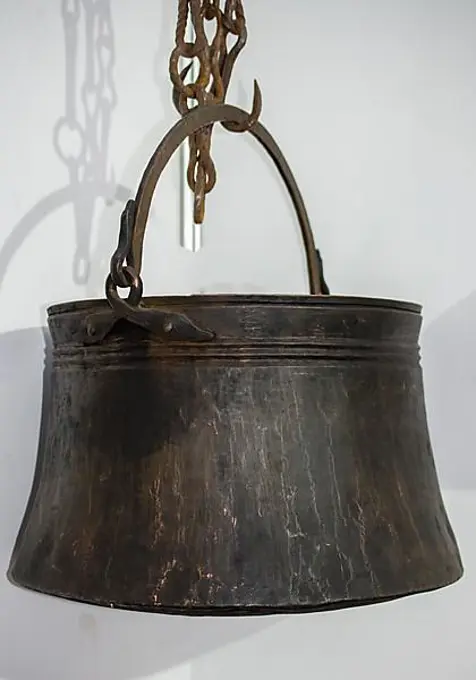
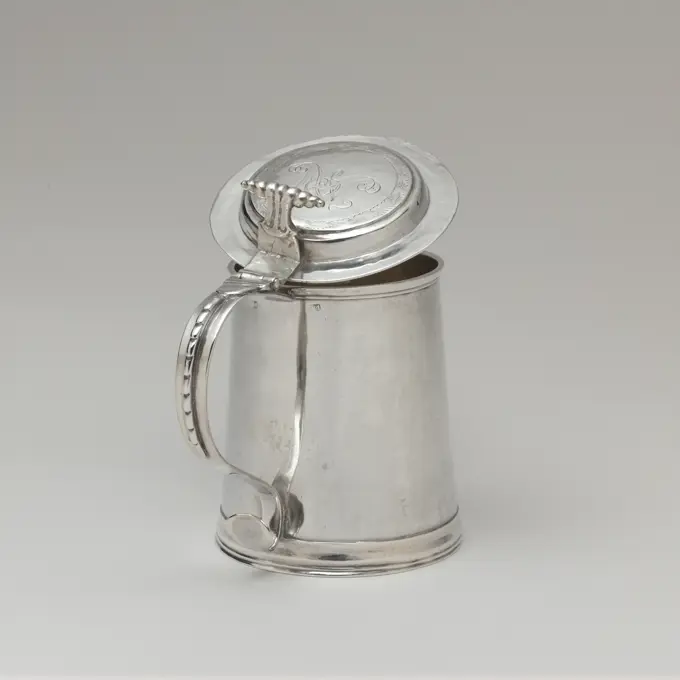
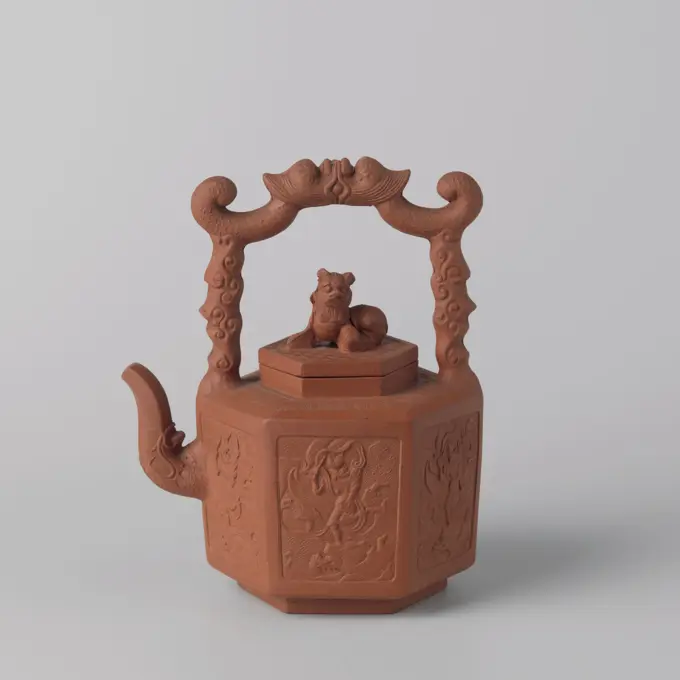
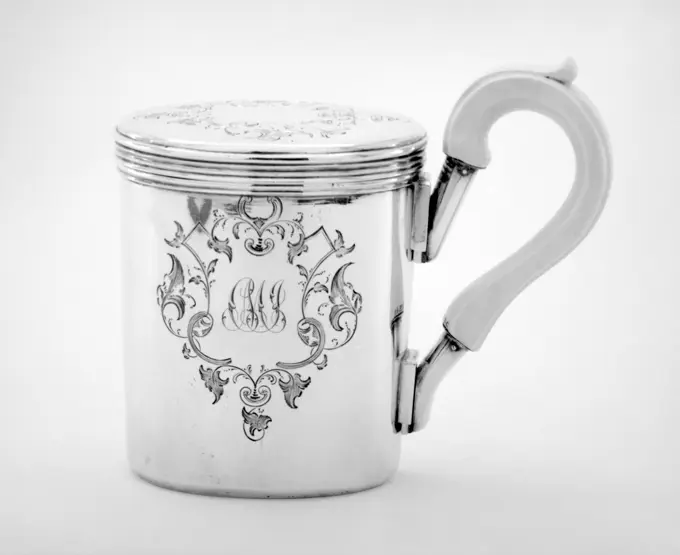
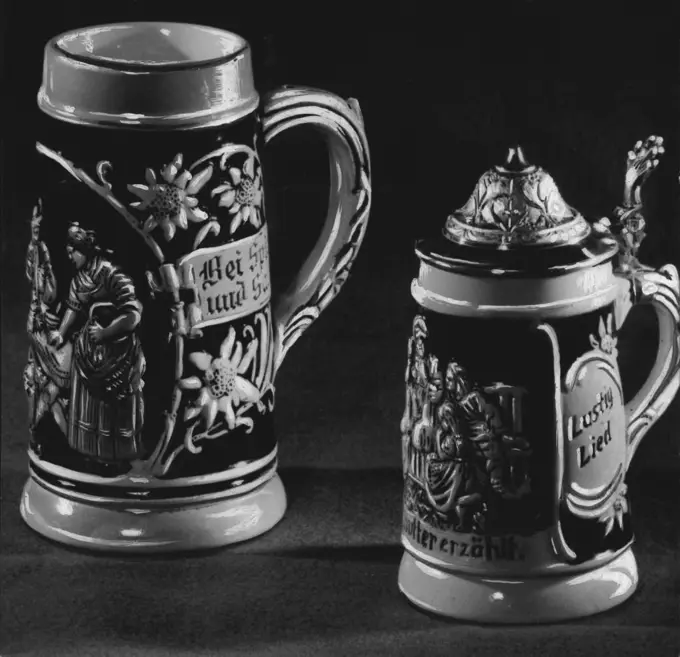
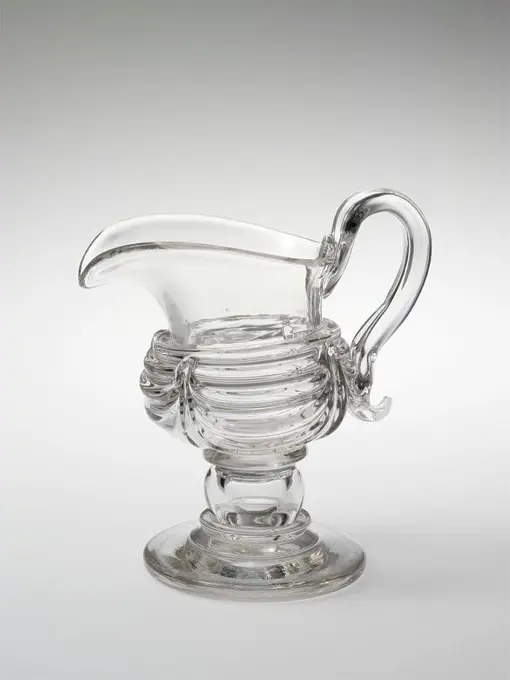
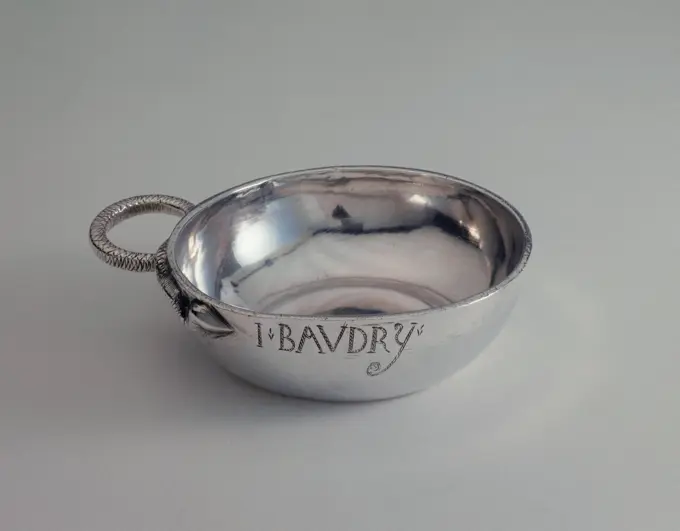
Mustard pot and spoon (one of a pair) 1771-72 Edward Aldridge II. Mustard pot and spoon (one of a pair). British, London. 1771-72. Silver. Metalwork-SilverCoffeepot. Culture: American. Dimensions: H. 10 3/4 in. (27.3 cm). Date: 1840-70. Museum: Metropolitan Museum of Art, New York, USA.Close-up of a pitcher, EnglandFlagon 1660-61 R. F., London. Flagon. British, London. 1660-61. Silver gilt. Metalwork-SilverMaker's mark PE, probably for William Pearson, Jug and Cover, 1716/17, silver and wood.Cup 1715-25 Andrew Tyler. Cup 2794Sugar bowl with relief decoration of lisdodden. Sugar bowl of pottery, celathon-colored. The walls embossed decorated with lis dods, which partly through the two S-shaped ears. The vaulted lid is embossed with a wreath of lisdodden, and is crowned by an onion-shaped button, on which embossed French lilies.Globular Ewer 18th century. Globular Ewer 447088Mug 1700-1800 Possibly Thomas Gilpin. Mug. British. 1700-1800. Silver. Made in London, EnglandTeapot 1808-9 Duncan Urquhart. Teapot. British, London. 1808-9. Silver. Metalwork-SilverLid And Two-part Spout Of Hot Water Kettle/urn (USA), ca. 1845; Made by Samuel Kirk & Son; silverTea and Coffee Service. Jean-Simon Chaudron; American, born France, 1758-1846; Anthony Rasch; American, c.1780-1858; Philadelphia, Pennsylvania. Date: 1809-1812. Dimensions: Coffee pot: 27.9 × 30.5 × 15.2 cm (11 3/4 × 12 × 6 1/2 in.), 1475.2 grams; Tea pot: 25.4 × 30.5 × 12.7 cm (10 1/8 × 12 × 5 7/8 in.); Cream pot: 17.8 × 15.2 × 10.2 cm (7 1/4 × 6 1/4 × 4 in.); Sugar bowl: 22.9 × 22.9 × 12.7 cm (9 × 9 1/2 × 5 1/4 in.), 800.9 grams. Silver and ebonized wood. Origin: Philadelphia. Museum: The Chicago Art Institute, Chicago, USA.Cream Jug. United States, New England, 1830-1840. Furnishings; Serviceware. Pressed opalescent glassTeapot. Culture: American. Dimensions: Overall: 6 5/8 x 12 3/8 in. (16.8 x 31.4 cm); 21 oz. 7 dwt. (664.8 g)Base: 4 5/8 x 3 1/8 in. (11.7 x 7.9 cm). Maker: William G. Forbes (1751-1840). Date: 1800-1810. Museum: Metropolitan Museum of Art, New York, USA.Tankard 1761-93 Henry Will. Tankard. American. 1761-93. Pewter. Possibly made in Albany, New York, United States; Possibly made in New York, New York, United StatesRock Crystal Ewer, Egypt, probably Cairo 1000-50.Silver and bronze coffee jug, Egyptian, 14th century.Oil Lamp. Manner of Bernardo Buontalenti (Italy, Florence, circa 1536-1608). Italy, circa 1575-1600. Furnishings; Lighting. BronzeSize of 1 oil size with handle .ize or 1 oil size with handle (approx. 1/2 liter), v.zv. label.Wine Can. Wilhelm I. Breitenger I or II; Swiss; Zürich, Switzerland. Date: 1746. Dimensions: 37.5 x 16.5 x 23.5 cm (14 3/4 x 6 1/2 x 9 1/4 in.). Pewter. Origin: Zürich. Museum: The Chicago Art Institute, Chicago, USA.Chafing Dish c 1730 Boston. Chafing dishes were common in the colonies and closely resemble their English counterparts. The interior plate held hot coals, and the chafing dish was probably fitted with a small tray that rested on the scroll supports and supported a kettle or pot. The decorative pierced work around the rim of the dish allowed the heat of the coals to warm the tray. The hoof foot is typical of New England chafing dishes of the period.. Silver and wood . John BurtCan with lid of gilded silver with mirror monogram with the letters E A V B., Daniel Garnier (attributed to), c. 1690 Can with lid of gilded silver, on a round foot. The vessel is cylinder-shaped with a smooth spout and a handle that is formed by 2 C-Voluten. The jug is decorated with flowers and leaves. At the front a mirror monogram with the letters EAVB (Elisabeth van Nassau Beverweerd). maker: Londonmaker: Parismaker: The Hague silver (metal). gilding (material) gilding Can with lid of gilded silver, on a round foot. The vessel is cylinder-shaped with a smooth spout and a handle that is formed by 2 C-Voluten. The jug is decorated with flowers and leaves. At the front a mirror monogram with the letters EAVB (Elisabeth van Nassau Beverweerd). maker: Londonmaker: Parismaker: The Hague silver (metal). gilding (material) gildingTea orcoffeepot.   Maker: John Curry, American, active ca. 1825-67Een halve kan jenever.Size of 1/2 can be gin with handle. Signature, entitled and labeled.Small gardening watering can isolated on white. Studio shot.Jug -Cup Kardaszy Ski, L.Milk jug. Pear-shaped milk jug on three wide, flat, outwardly bent legs. The handle is S-shaped and the top edge of the can be serrated. The milk jug has been labeled: STK. = Amsterdam, JRL. = O (1748) and MT. = Prescribed by Daniel van Strant.Milk Pitcher 1870-90 Adams and Company. Milk Pitcher. American. 1870-90. Pressed yellow glass. Made in Pittsburgh, Pennsylvania, United StatesCreampotPitcher 1810-1820 Staffordshire. Lead-glazed earthenware with lustre decoration .Jug. Byzantine; Eastern Mediterranean, probably Syria. Date: 501 AD-600 AD. Dimensions: 13.8 × 8.7 × 6.6 cm (5 3/8 × 3 3/8 × 2 5/8 in.). Glass, mold-blown technique. Origin: Syria. Museum: The Chicago Art Institute, Chicago, USA.Cup.   Maker: Samuel Vernon, American, 1683-1737Teapot 1784-85 William Plummer. Teapot 195476Pitcher. Culture: American. Dimensions: 9 1/2 x 8 in. (24.1 x 20.3 cm). Manufacturer: Dallas Pottery (1865-82). Date: 1875-79. Museum: Metropolitan Museum of Art, New York, USA.Retro style old metal cauldron item for cookingUrn with Cover. Ephraim Brasher; American, 1744-1810; New York, New York. Date: 1765-1775. Dimensions: 43.8 × 28.1 × 27.6 cm (17 1/4 × 11 1/16 × 10 7/8 in.); 2746.8 grams. Silver. Origin: New York City. Museum: The Chicago Art Institute, Chicago, USA.Chamber candlestick or taperstick 1811-12 John Ash I. Chamber candlestick or taperstick. British, London. 1811-12. Silver. Metalwork-SilverTeapotTeapot ca. 1846 William F. Ladd. Teapot 8423Tankard 1700-1730 Possibly Jacob Marius Groen American. Tankard 8230Size of approx. 1 1/4 liter with handle. Maat of Amsterdam of approx. 1 1/4 liter with handle marked.Maker Unknown, Cream Pitcher, c. 1810-c. 1830, cobalt blue glass.Beer mug with pewter lid on which a medallion with man and woman. Beer mug from multi-colored padded faience, with a pewter lid. On the pulp, manganese purple courses are painted within which orange flowers with a yellow heart and green and blue leaves. Blue circles are painted along the lower and top edge. The lid has a medallion with a representation of a man, a woman and a pot in which a plant.Hot Water Pot 1501-1600 Japan. This pot has a very complex shape compared to the other examples displayed in this case. It has a cuspate handle, lobed lid, and high, tripartite foot, features that can be traced back to Chinese models. It is finished with a coating of red lacquer, over a layer of black underneath. Likely employed in Zen temples for the hot water used for making tea, it is an object of extreme elegance.. Lacquer on wood .Tankard.   Maker: Benjamin Burt, 1729-1805Ernest Chaplet (1835-1909). Pitcher. Flammed porcelain. 1909. Museum of Fine Arts of the City of Paris, Petit Palais. 60192-15 Anse, small container, pitcher, flame porcelainMug. United States and England, mid-19th century. Furnishings; Serviceware. Earthenware (Bennington Ware)BowlHexagonal tea pot with a figure on a dragon's head amid waves, anonymous, c. 1700 - c. 1749 Hexagonal teapot made of red stoneware with a curved spout and upright handle. On the wall six courses containing a representation in relief of Kuixing, the god of literature, standing on a dragon's head between waves. On the shoulder a band with stylized leaf motifs. The base of the spout is formed by a dragon's head in relief. The uprights of the handle are in the form of cloud motifs; The layer is formed by two dragons. Yixing. China stoneware Hexagonal teapot made of red stoneware with a curved spout and upright handle. On the wall six courses containing a representation in relief of Kuixing, the god of literature, standing on a dragon's head between waves. On the shoulder a band with stylized leaf motifs. The base of the spout is formed by a dragon's head in relief. The uprights of the handle are in the form of cloud motifs; The layer is formed by two dragons. Yixing. China stonewareA tin oil lamp with glass reservoir. Oil lamp from tin. The round base has a raised edge and runs in the middle clock-shaped up with a strain that excludes upwards and an oil lamp is wearing the spout and the glass lamp on a short, ribbed strain. Opposite the spout, the handle is applied to just below the ribbed part of the trunk.Miniature chocolate pot ca. 1720-30 David Clayton British Note the projecting handle of the stirrer, which would have been made of wood on a full-size chocolate pot. Listen to experts illuminate this artwork's story Listen Play or pause #413. Retail Value. High and Low Supported by Bloomberg Philanthropies We're sorry, the transcript for this audio track is not available at this time. We are working to make it available as soon as possible.. Miniature chocolate pot. British, London. ca. 1720-30. Silver, wood. Metalwork-Silver-MiniatureShaving cup with cover and handle; soap dish (part of a set) 1848-49 Johann Bernhard Hertz (Hentz) The firm of Nicholls & Plincke was founded by members of the relatively large community of English silversmiths and craftsmen working in Saint Petersburg. After 1840 it was one of the most important retailers of luxury items before Carl Fabergé overshadowed all competitors. Several contemporary Saint Petersburg newspapers praised the high-quality products of the magasin anglais Nicholls & Plincke.According to the donor's family tradition, this rare set with more than fifty items bearing the monogram CMI was "originally made for and used by Colin Macrae Ingersoll 1819-1903, when he accompanied his father, Ralph Isaacs Ingersoll 1788-1872, to the Court of Czar Alexander II of Russia, where the latter served President James Knox Polk 1795-1849 as Minister Plenipotentiary from 1846 to 1848.. The family story has always been that the set and case were made for stagecoach travel in RuCampania Napoli Naples S. Lorenzo Maggiore17. Hutzel, Max 1960-1990 Medieval: Sculpture, architecture, architectural sculpture (including Roman spolia) 13-14th century Chapter house; sarcophagi, gravestones; wall painting. Fragment of mosaic; sculptural fragments in the Sala Capitolare. Post-medieval: Architecture, architectural sculpture, ceiling painting fresco cycle; prints depicting Venice c. 1845 (4), sculpture; life-size creche figures dressed in original Neapolitan costume Church restored in 1882, 1926, 1944; excavations under the transept undertaken between 1958-1962, and in the cloister in 1976, have revealed remains of a Roman macellum (market), street, and the paleochristian basilica of the 6th c. AD. Antiquities: Pottery: black-glazed, archaic banded, domestic wares, bucchero; architectural terracottas, statuettes, lamps, sculpture fragments Object Notes: 3 color negatives with no prints at the end. General Notes: Most objects/paintings/frescoes unidentified. Three batches Pair of Stirrups. Culture: German or Netherlandish. Dimensions: Stirrup (a); H. 6 1/2 in. (16.5 cm); W. 5 in. (12.7 cm); D. 3 1/2 in. (8.9 cm); Wt. 14.1 oz. (399.7 g); stirrup (b); H. 6 3/4 in. (17.1 cm); W. 5 in. (12.7 cm); D. 3 1/2 in. (8.9 cm); Wt. 14.1 oz. (399.7 g). Date: ca. 1660-1670.Such stirrups of circular shape came back in fashion in the mid-17th century in the northern part of Europe. The swivel suspension eye allowed the stirrup leather to stay flat against the horse's flank when the stirrup is in use, but it is more fragile than non-rotating systems. Museum: Metropolitan Museum of Art, New York, USA.Pitcher c 1885 Baltimore. Earthenware . Chesapeake Pottery (Producer)Roomkan, Johannes Steltman, 1940 Right-walking cream jug, oval in diameter with a C-shaped bent black wooden ear with silver turns, and a high S-shaped bent spout. Marked and dated. Can be part of a coffee service. The Hague silver (metal). wood (plant material) casting Right-walking cream jug, oval in diameter with a C-shaped bent black wooden ear with silver turns, and a high S-shaped bent spout. Marked and dated. Can be part of a coffee service. The Hague silver (metal). wood (plant material) castingTraditional Christmas gifts are Bavarian beer steins for 21/- and the 1 - pint stein without a lid is 18/6. December 8, 1953. (Photo by Visatone (Aust.) Pty. Ltd.).Mug 1892 Rookwood Pottery Company American. Mug 5365Mug.   Maker: Edward Danforth, American, 1765-1830Tankard c 1868-1874 New York. Silver . Kidney and JohnsonCreampitcher.   Maker: Browne and Seal, American, active ca. 1810 - 1811Cream pitcher. Culture: American. Dimensions: 6 1/16 x 5 9/16 in. (15.4 x 14.1 cm). Maker: Attributed to New England Glass Company (American, East Cambridge, Massachusetts, 1818-1888); Possibly South Boston Flint Glass Works. Date: 1815-35.Glass, elaborately cut or engraved in a variety of patterns based on English Regency styles, was in vogue for fine tableware during the early nineteenth century. This elegant cream pitcher and its related sugar bowl reveal a sophisticated alternative to cutting: the manipulation of the clear, colorless glass in its molten state. The vessels combine multiple decorative techniques characteristic of three New England factories that were producing stylish wares during the 1820s and 1830s. The predominant feature is the tooled horizontal ribbing on a second gather, or applied layer, of glass, which was drawn upward into the ribs with a sharp tool to create a swag pattern. This striking ornamentation is repeated on the domed cover of the sugar bowl and agPunnet. Holke, Marcin (fl. ca 1765-ca 1792), goldsmithCreamer.   Maker: Gerardus Boyce, American, 1795-1880Creamer 1870-90 Challinor, Taylor and Company. Creamer. American. 1870-90. Pressed purple marble glass. Made in Tarentum, Pennsylvania, United StatesMilkus with performances of the intake of Kattenburg and Abraham Valentine. Milk jug with lid, porcelain, part of a crockery with medallions painted in brown in which historical events and portraits of people from national history. Shown Event: Taking Kattenburg in 1787. Depicted person: Valentine. Signature."ORZA"EN CERAMICA NEGRA-S XX ARTE POPULAR. Location: ALFARERIA. QUINTANA REDONDA. Soria. SPAIN.Inktpot of Tin Inktstel with a spring, 1850 - 1900 Tin's ink pot has a cylindrical body. The inner box is narrower and the vaulted top falls over the outer jar. In the middle of the curve, a clock -shaped lid that can be opened with a bipping hinge. Netherlands tin (metal) casting Tin's ink pot has a cylindrical body. The inner box is narrower and the vaulted top falls over the outer jar. In the middle of the curve, a clock -shaped lid that can be opened with a bipping hinge. Netherlands tin (metal) castingTrade school icons set outline vector. Money academy. Bank education neon color on black. Trade school icons set vector neoncloseup of coffee drip kettle on black backgroundEggcoddler.   Maker: The Kalo Shop, American, 1900-1970Cup ca. 1853 Edward C. Moore. Cup 18815Covered Tankard 1830-1850 Bohemia. Glass; blown, cut and enameled with pewter mount .Tumbler, c. 1759-1760, Paul Lamerie, English, 1688 - 1751, 3 x 3 1/2 x 3 1/2 in. (7.62 x 8.89 x 8.89 cm), Silver, England, George IIClose-up of mortar and pestleOne small Japanese red teapot on a table. Hanging Censer. Eastern Mediterranean, Coptic, Coptic Period (500 - 1000 CE). Tools and Equipment; containers. BronzeTraditional festive Moroccan silver tea set and glasses on white backgroundPitcherJug. English for the American market; Liverpool. Date: 1790-1800. Dimensions: 24.1 × 25.1 cm (9 1/2 × 9 7/8 in.). Earthenware. Origin: Liverpool. Museum: The Chicago Art Institute, Chicago, USA.Boulogne-Petit. "Taste-vin". Money. 1771-1772. Museum of Fine Arts of the City of Paris, Petit Palais. 74384-31 Silver, silverware, bottleneck, name, tatevin, engravingBaptism mug; Pairpont, Brothers (London; the company Z Otnari Fl. 1848-Ca 1937); 1928 (1928-00-00-1928-00-00);Barrel Bank' still bank, 20th century, 4 5/16 x 2 15/16 x 2 15/16 in. (10.95 x 7.46 x 7.46 cm), Glass, 20th centuryTeapot 1765 Englebart Joosten Jr. The melon shape, with cover in form of a leaf and spout like a melon stalk, is a charming conceit of the late Rococo period.. Teapot 195242