Historic Metalwork

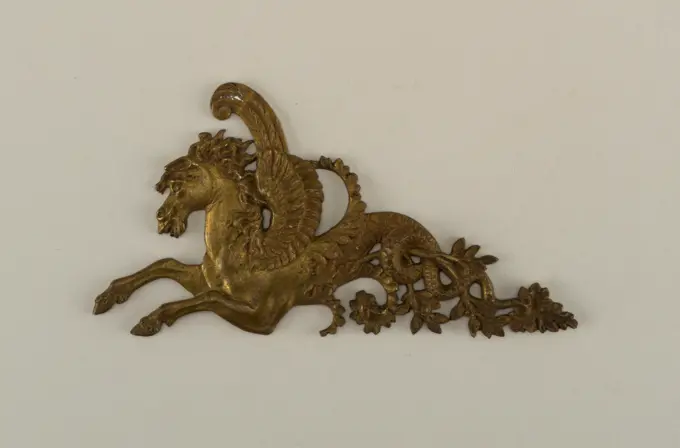
A display of ancient ornamental pieces, including brooches and sword fittings, highlighting intricate designs and historical significance.
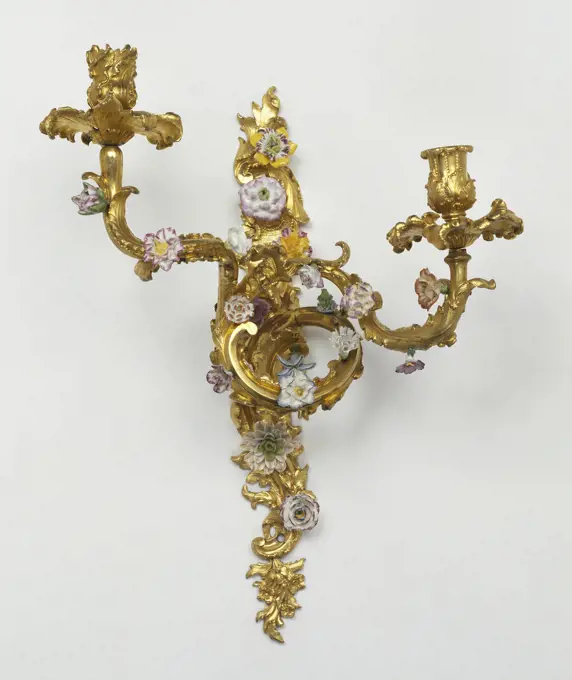
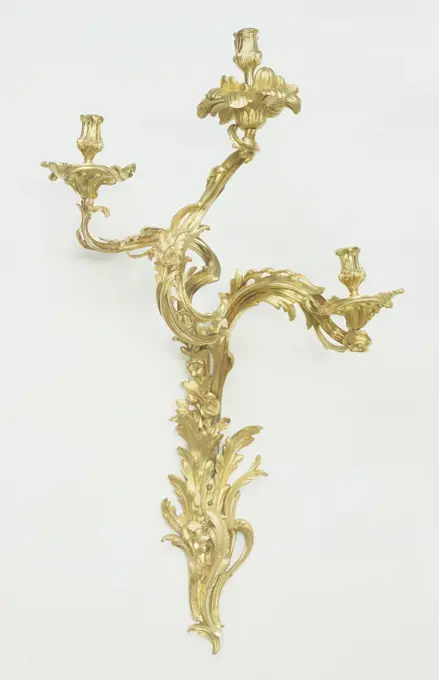
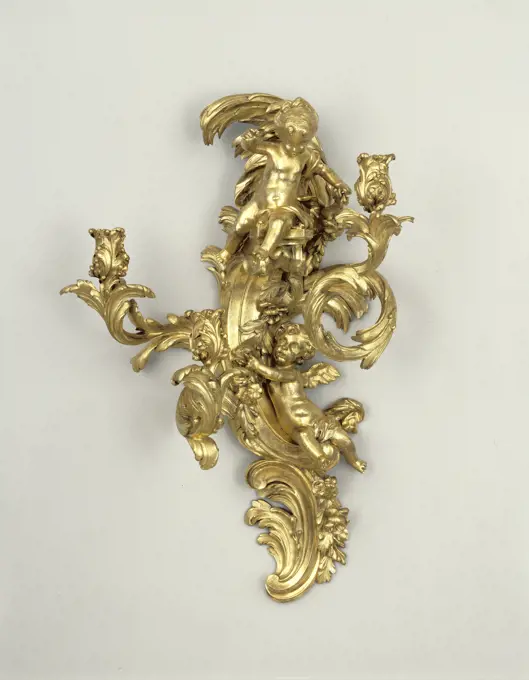
Wall Light; Paris, France; about 1750; Soft-paste porcelain; gilt bronze; 45.7 × 34.3 × 19.7 cm (18 × 13 1,2 × 7 3,4 in.)
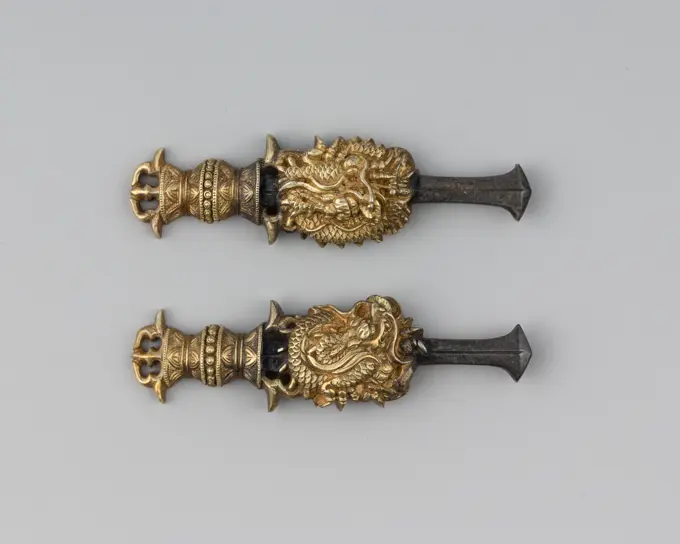
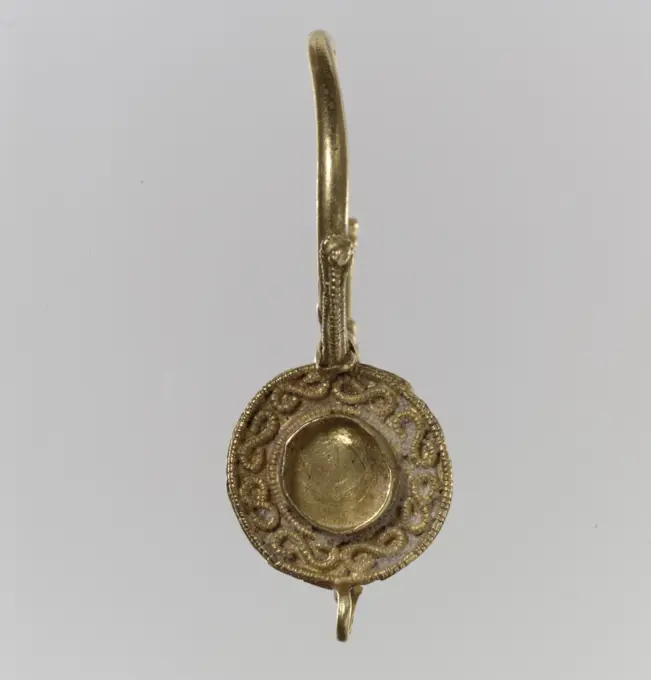
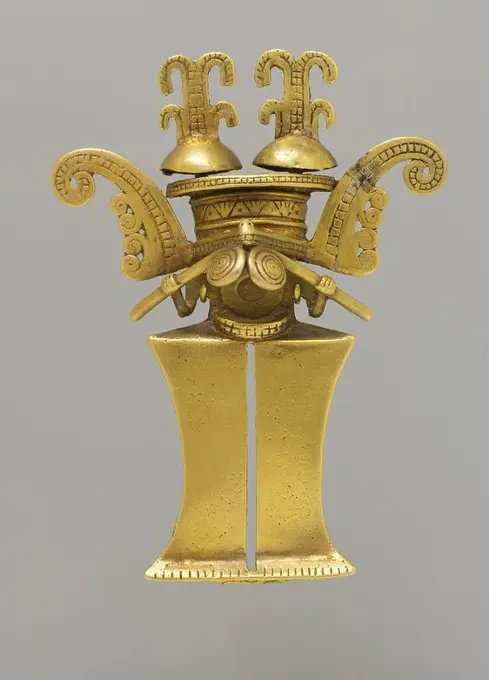
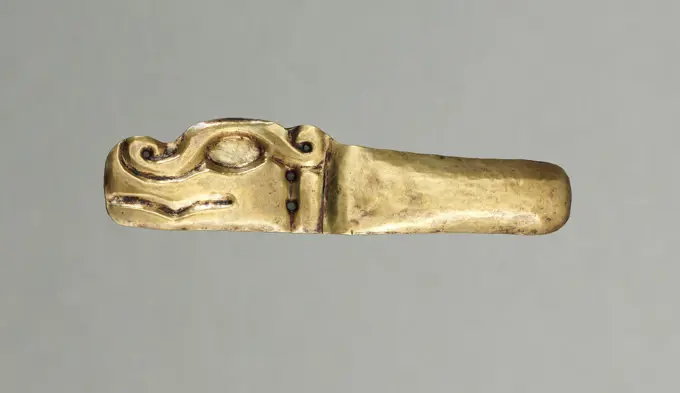
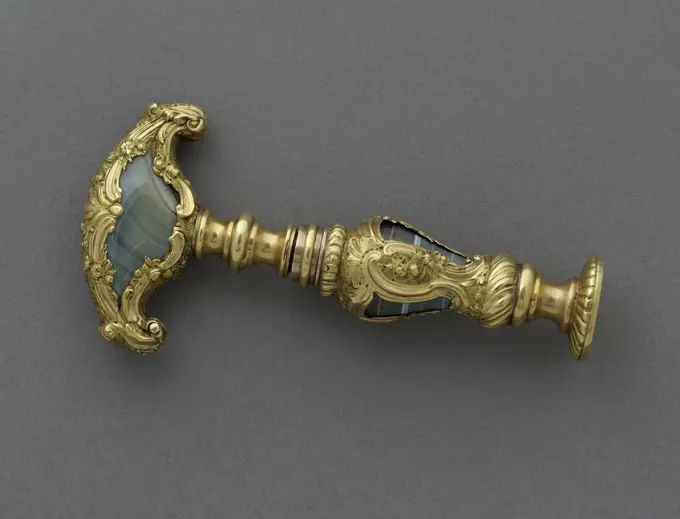
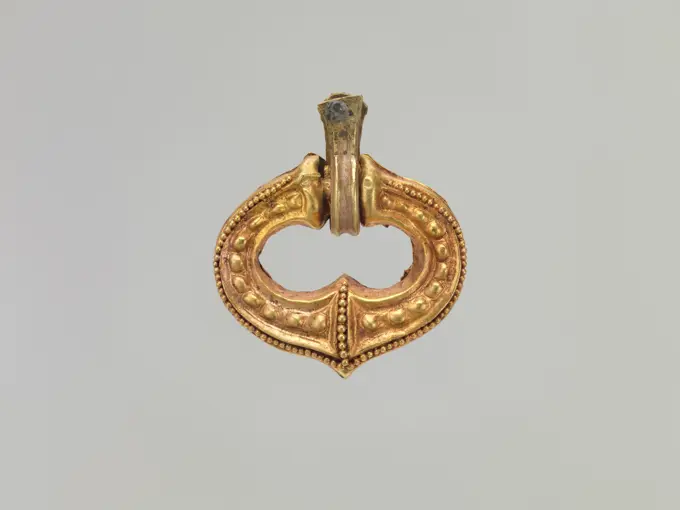
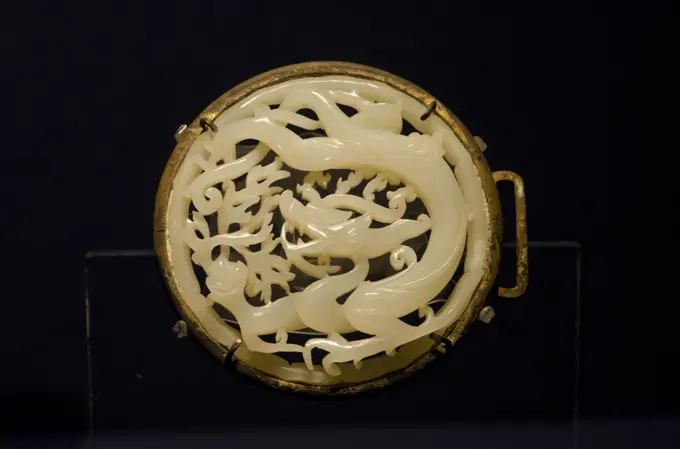
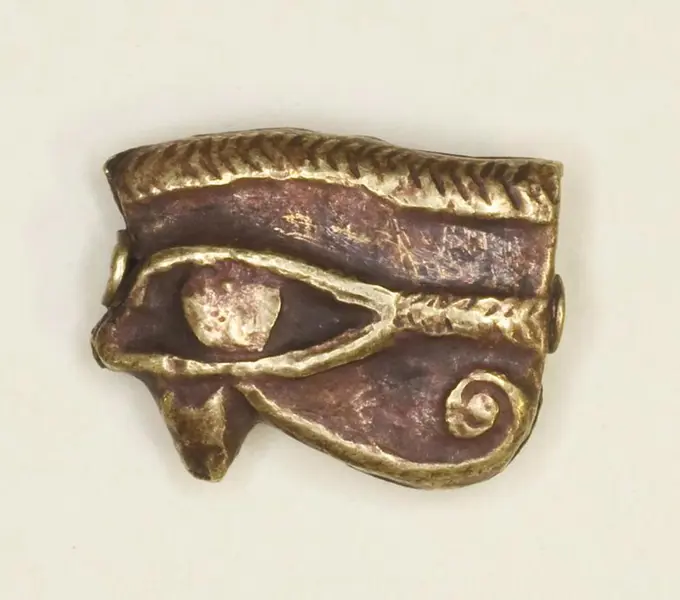
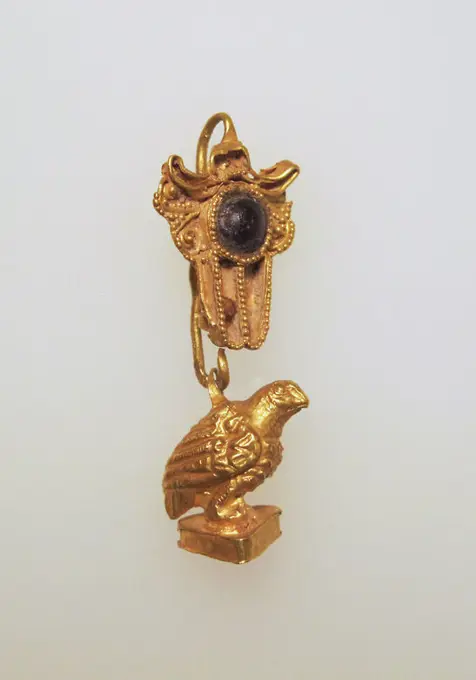
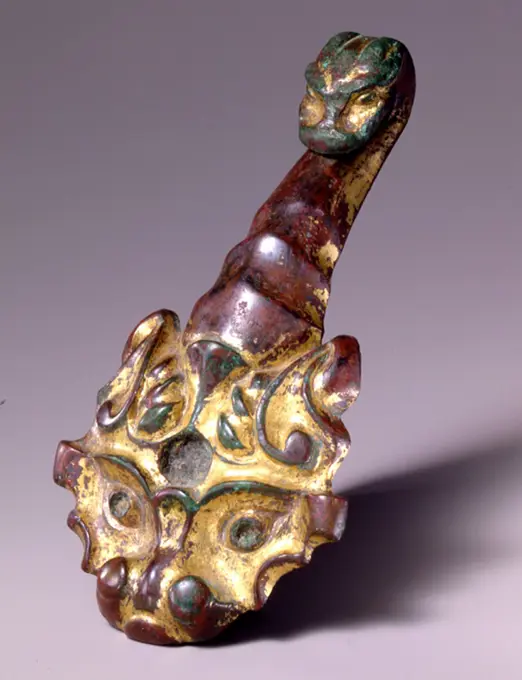
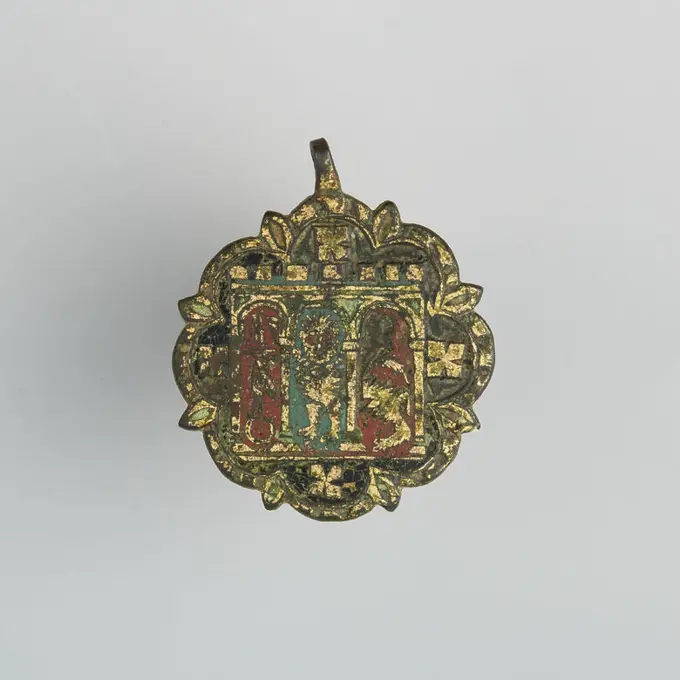
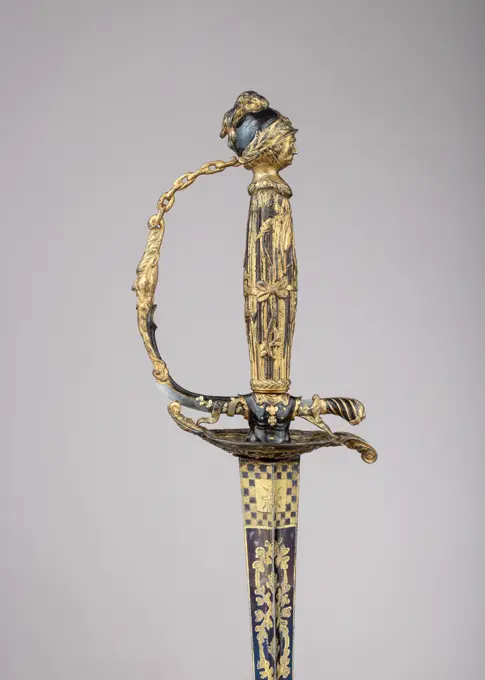
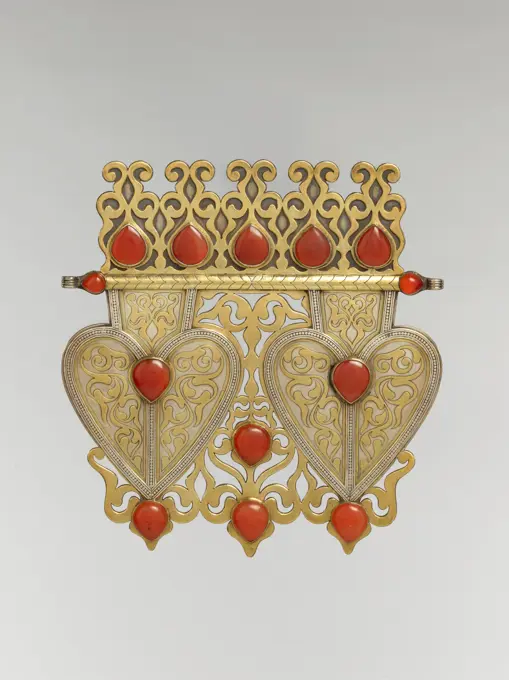
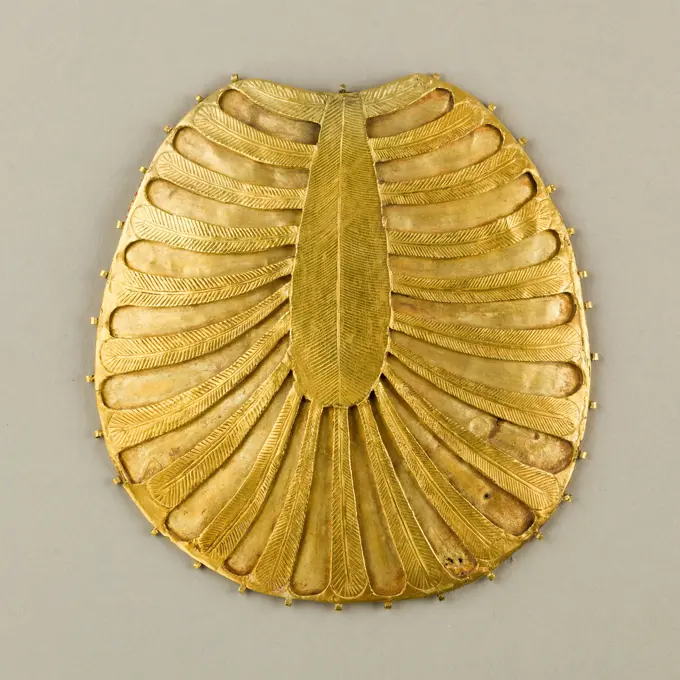
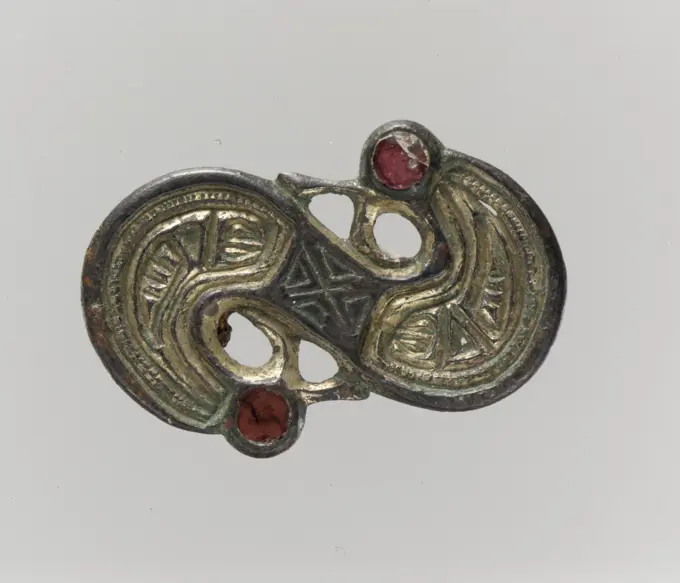
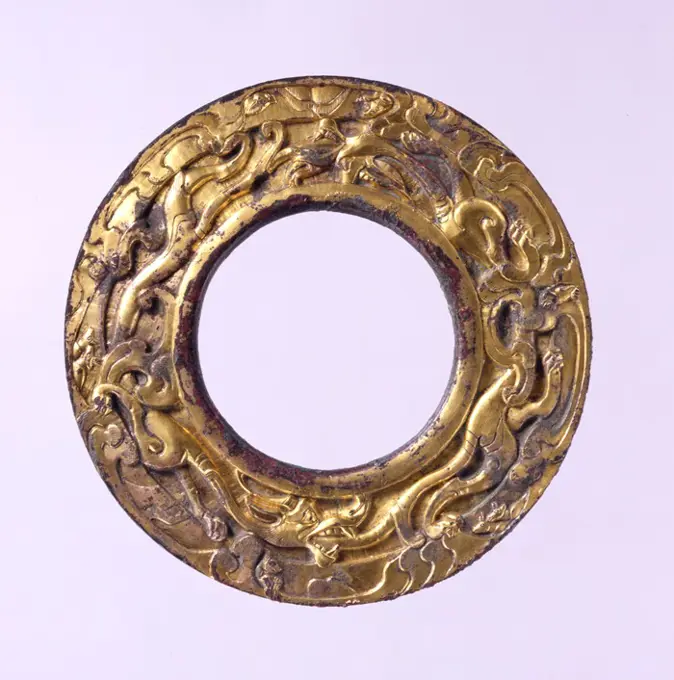
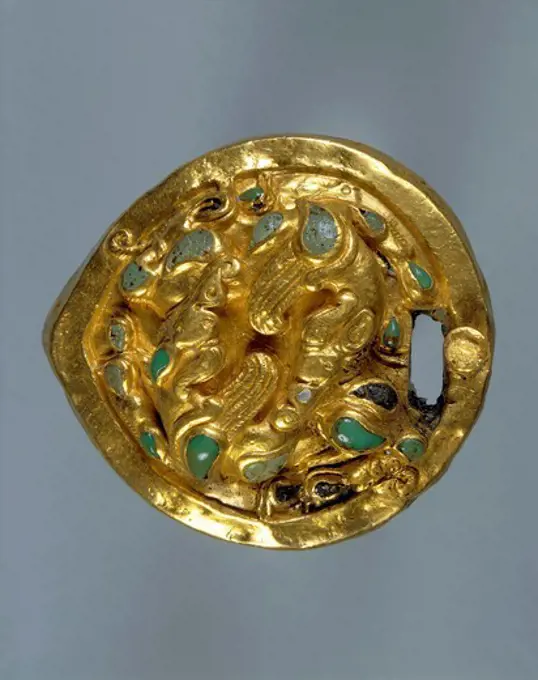
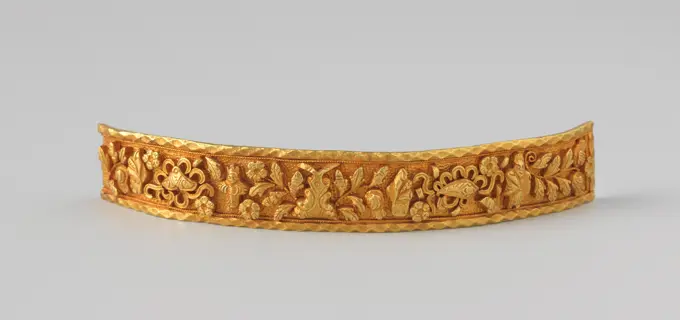
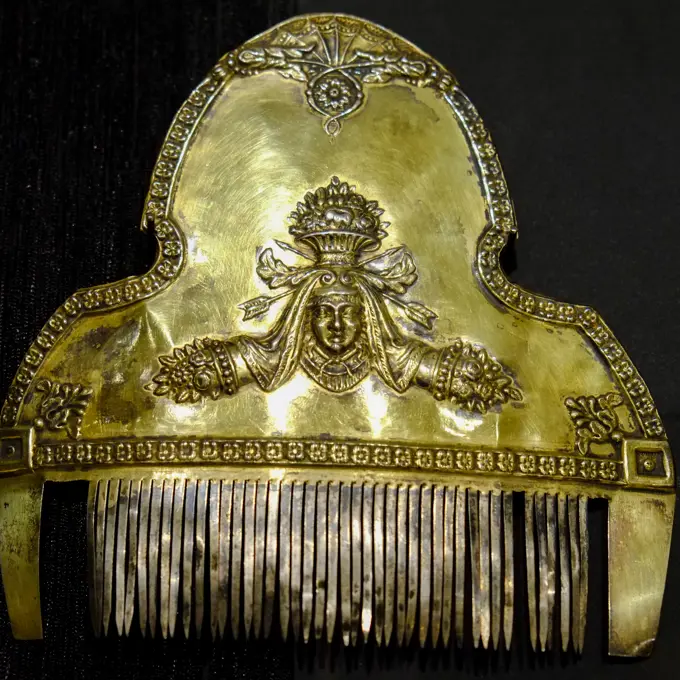
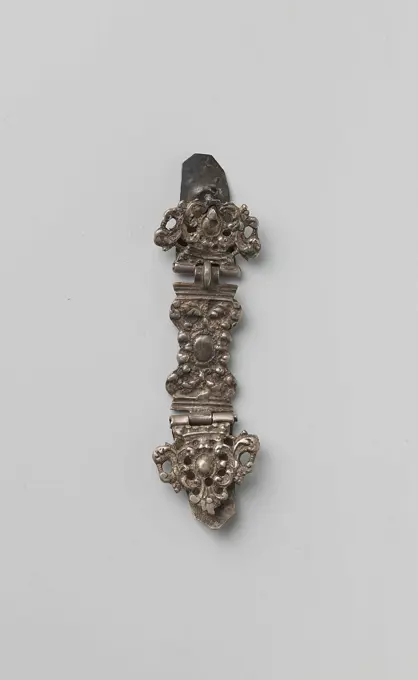
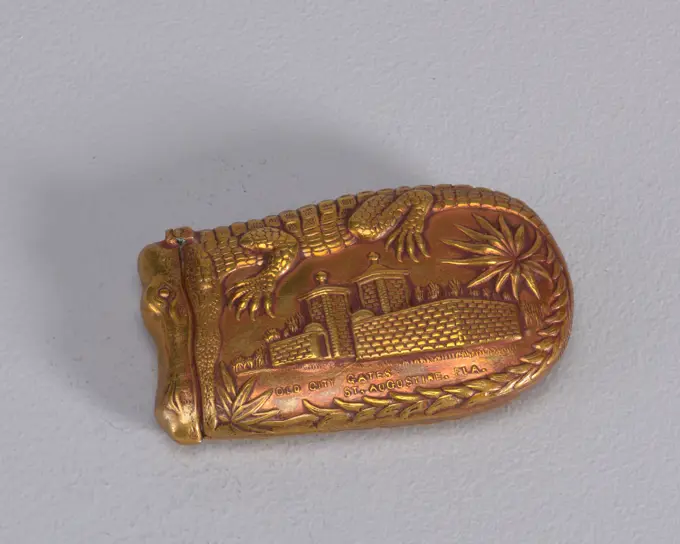
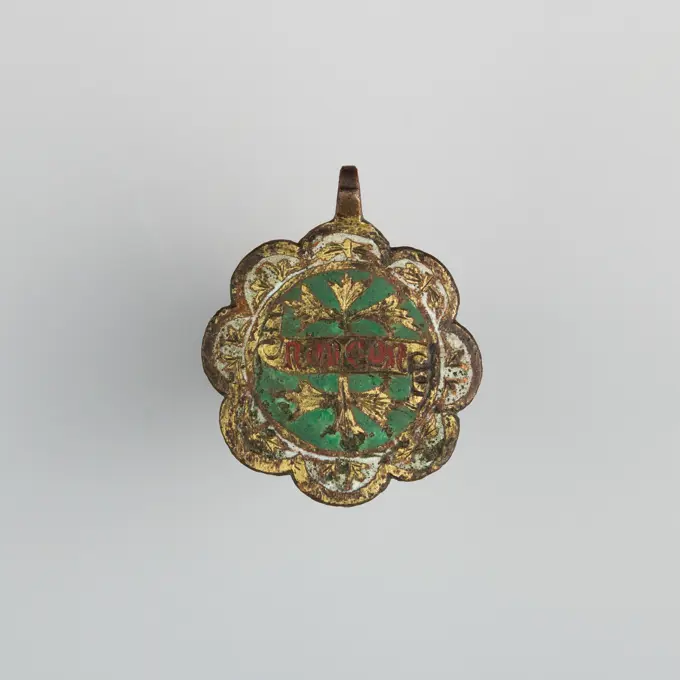
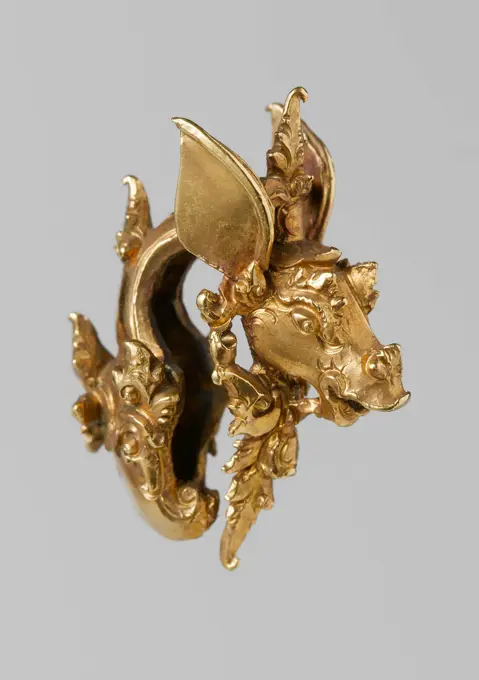
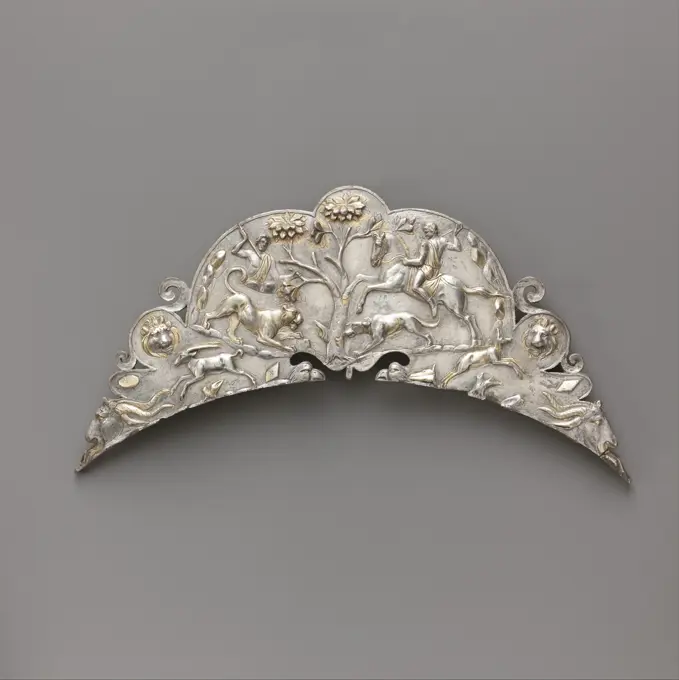
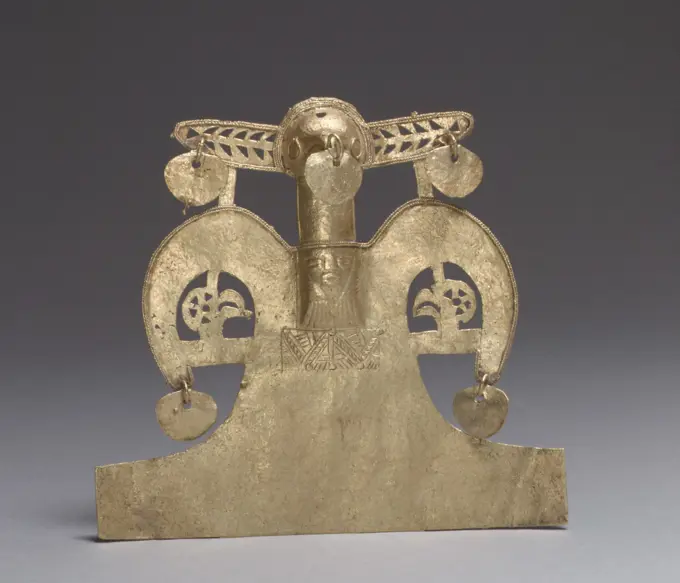
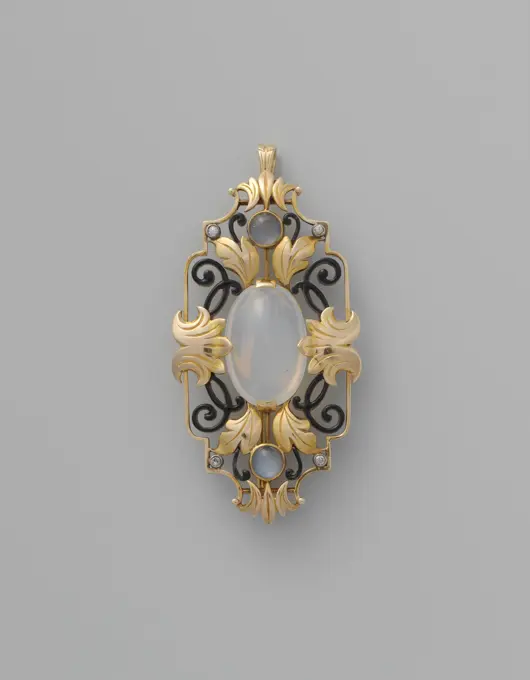
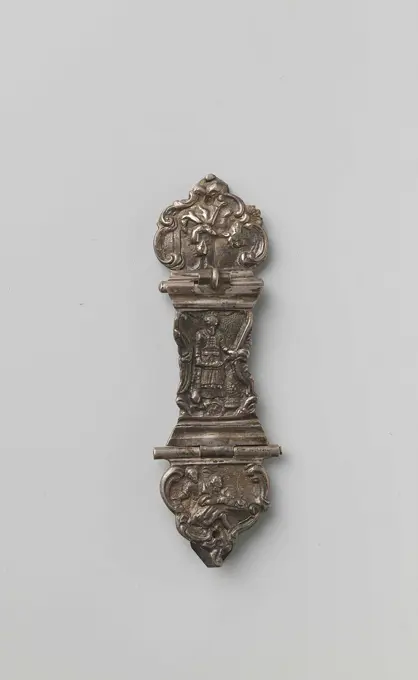
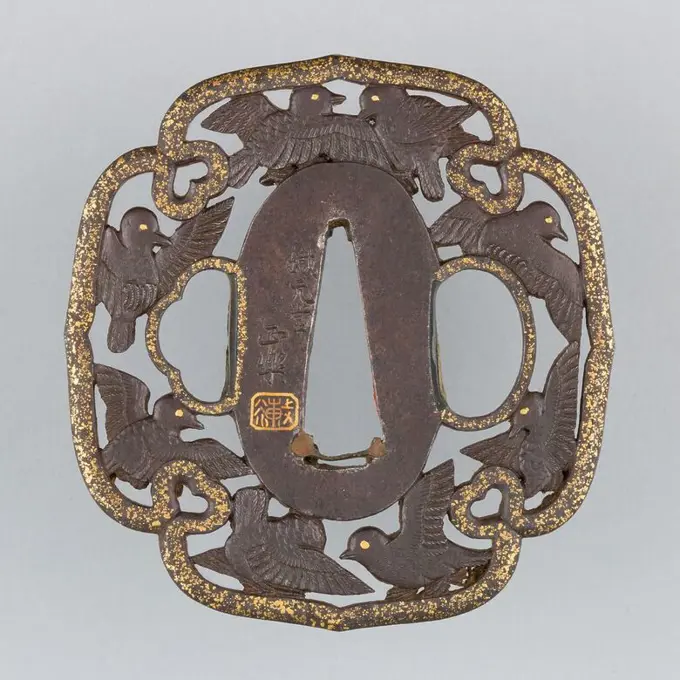
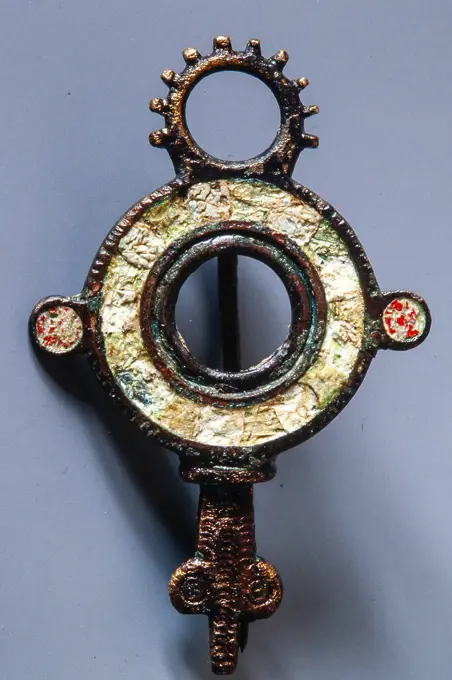
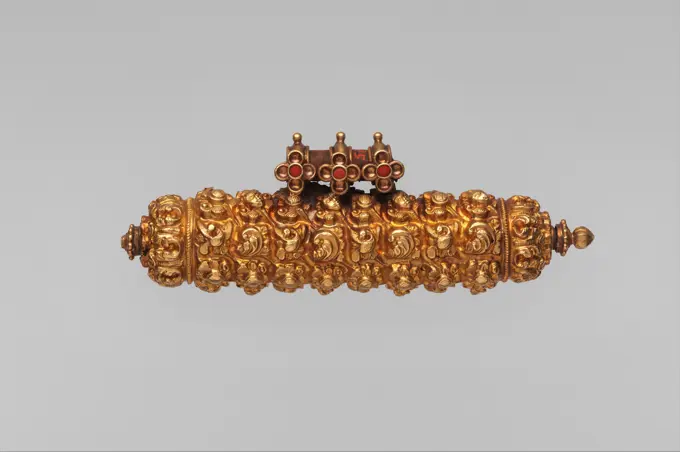
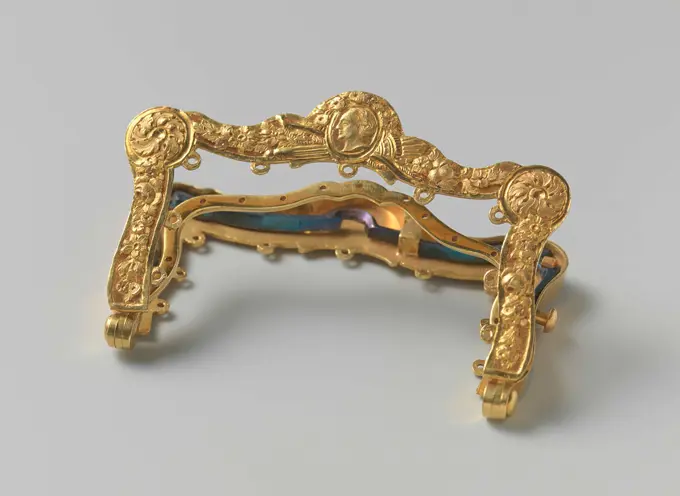
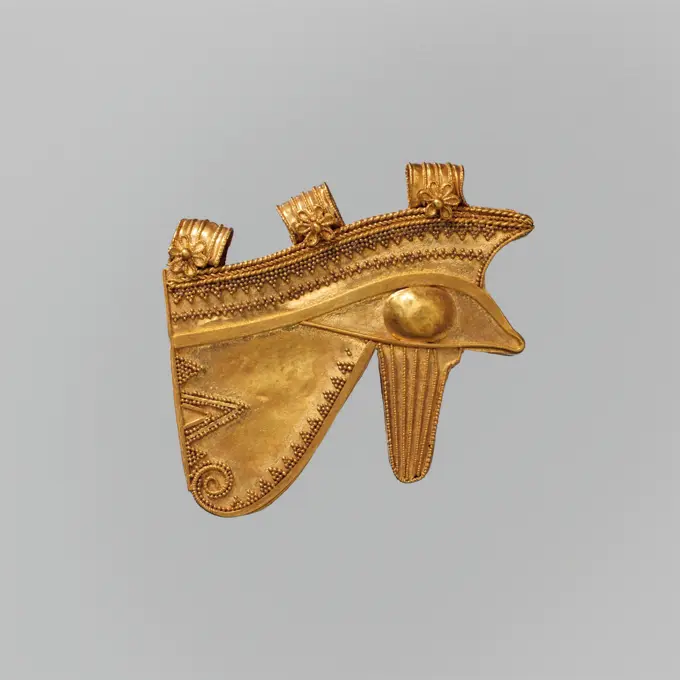
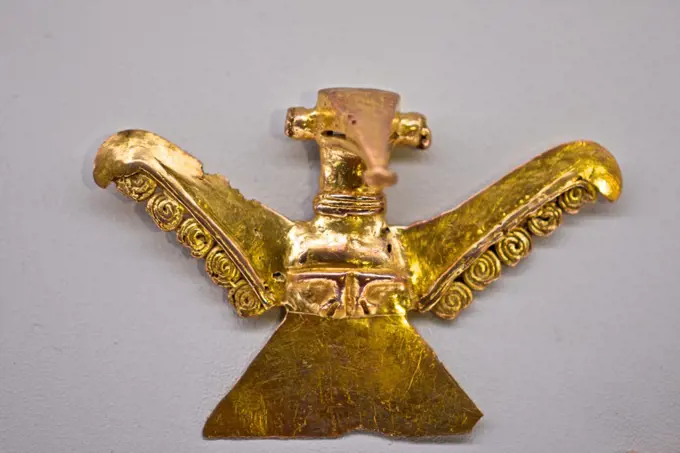
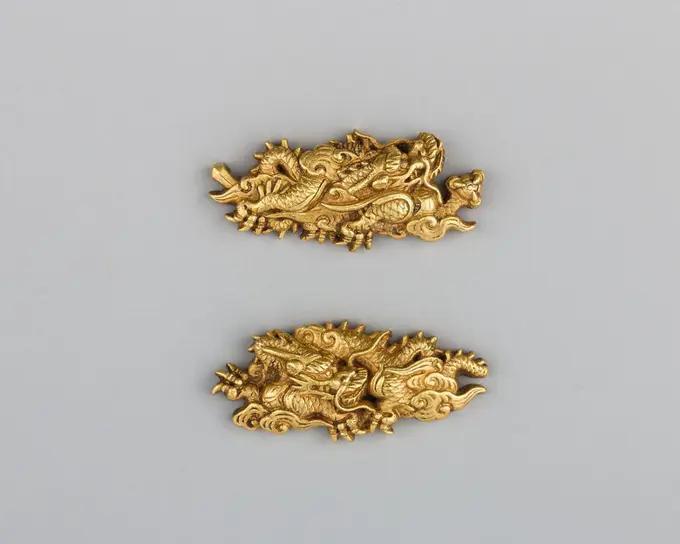
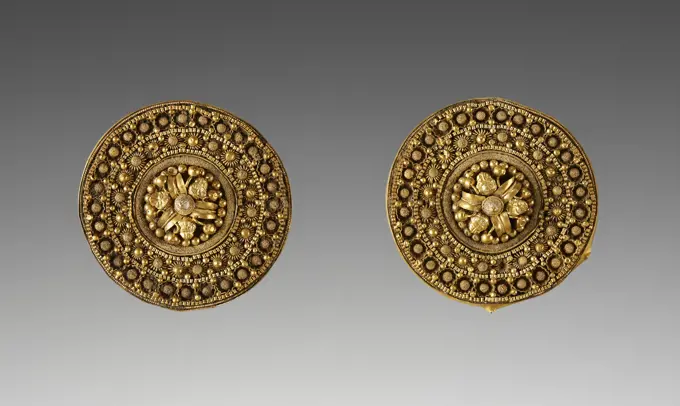
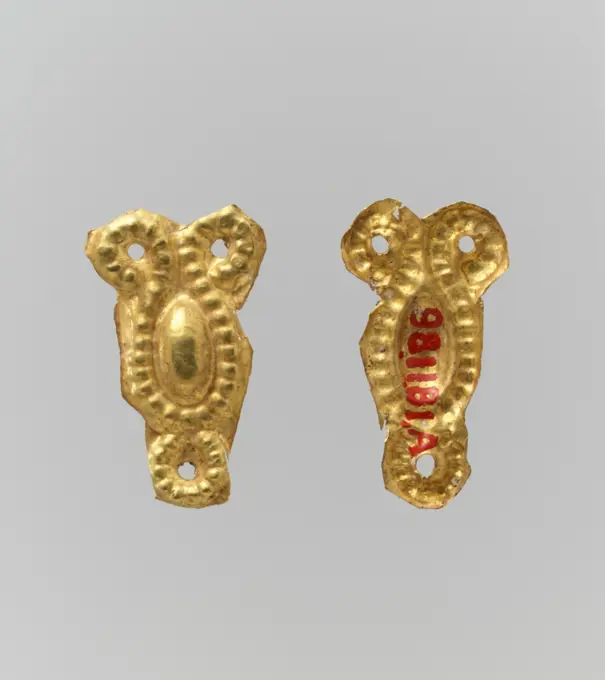
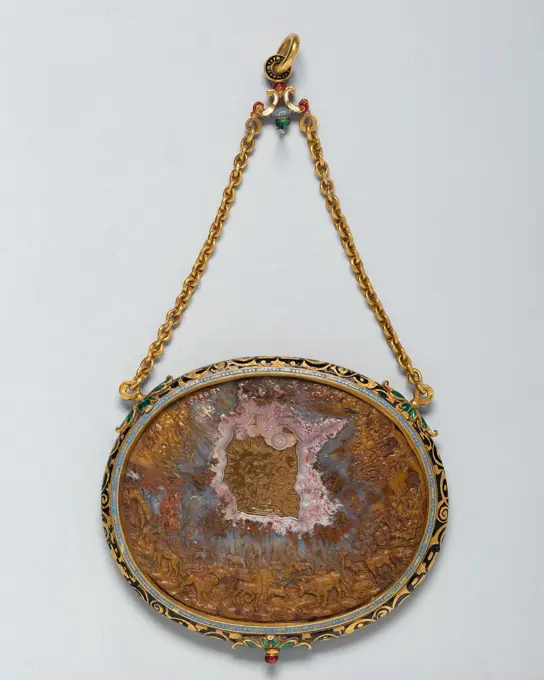
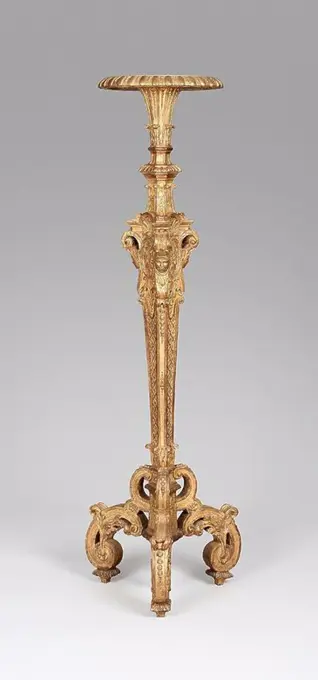
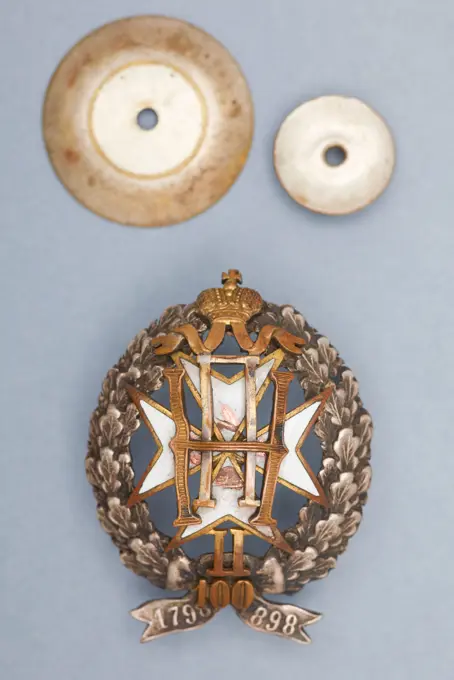
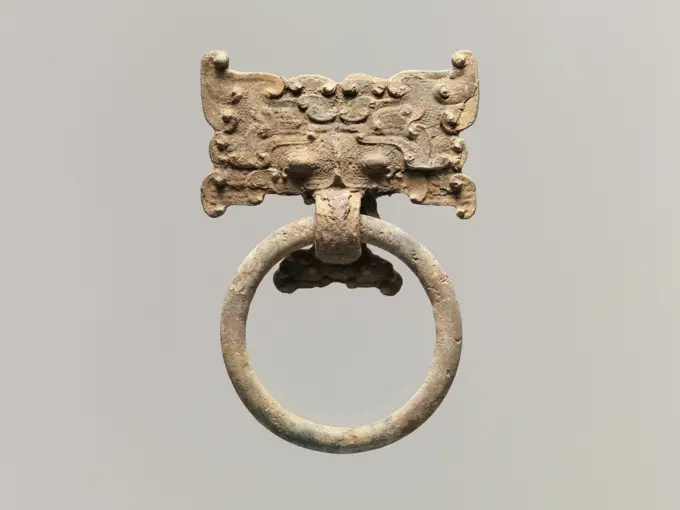
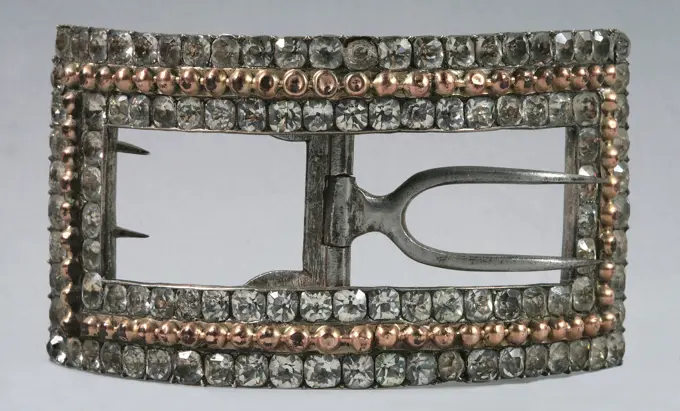
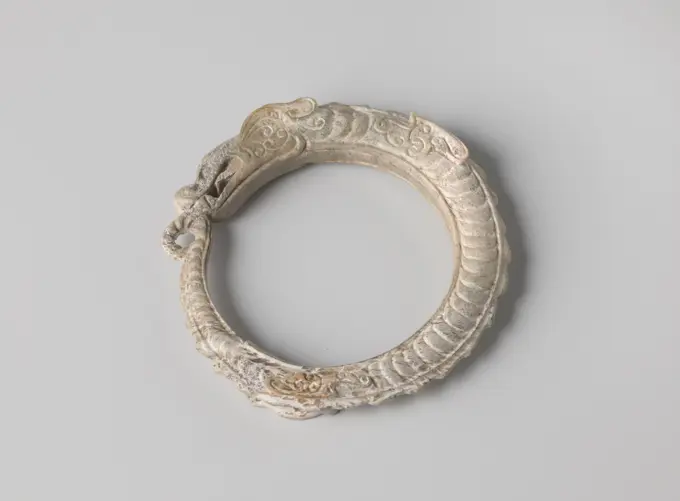
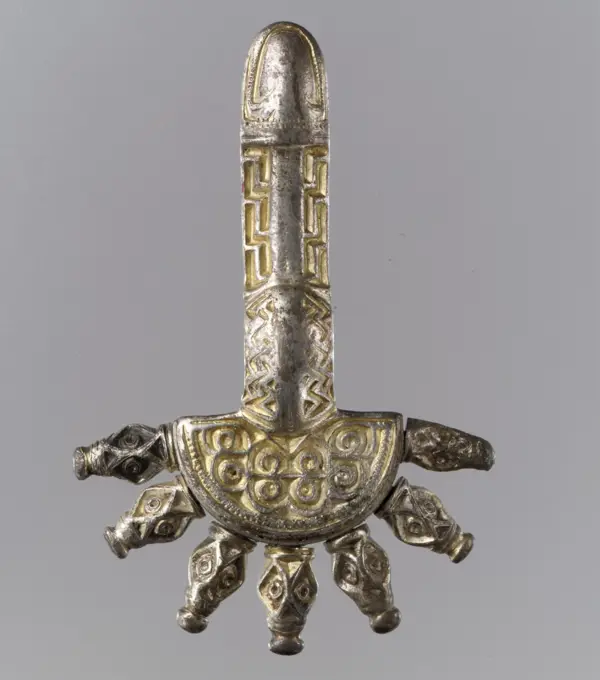
Bow Brooch late 5th-early 6th century Alemannic The bow brooch was a component of many Germanic womens dress. In Frankish territory brooches were generally worn in pairs, as decorative elements on a strap hanging from the belt. The bow refers to the bend or curve that links two terminals.. Bow Brooch 468259Guilloche, Gilt bronze, ca. 1780, metalwork, Decorative Arts, GuillochePair of Sword-Grip Ornaments (Menuki) 18th century Japanese Menuki are a pair of ornamental sword fittings attached to either side of a sword hilt.. Pair of Sword-Grip Ornaments (Menuki). Japanese. 18th century. Gold, silver. Sword Furniture-MenukiMountEarring 6th-7th century Langobardic or Byzantine () Fashionable in Italy for at least a century before the arrival of the Langobards, earrings of the “basket” variety, like the many shown in this case, quickly became part of Langobardic women’s dress.. Earring. Langobardic or Byzantine (). 6th-7th century. Gold. Made in Italy. Metalwork-GoldMasked Figure Pendant. Artist: Tolima (). Culture: Tolima (). Dimensions: H. 3 7/8 x W. 2 7/8 x D. 1 1/8 in. (9.8 x 7.3 x 2.8 cm). Date: 10th-16th century. Museum: Metropolitan Museum of Art, New York, USA.Spoon(), c. 500-200 BC. Peru, North Highlands, Chavín de Huantar(), Chavín style (1000-200 BC). Hammered and cut gold; overall: 7.4 x 1.8 cm (2 15/16 x 11/16 in.).Corkscrew. Agate and gold pushed, openwork and chiseled. England (), Midenish 18th century. Paris, Cognacq-Jay museum. 36972-2 Agate, opening, chisel, art object, gold pushing, goldsmith, corkscrewWall Light; Paris, France; about 1750; Soft-paste porcelain; gilt bronze; 45.7 × 34.3 × 19.7 cm (18 × 13 1,2 × 7 3,4 in.)Grenadio plate from the wreck of the East Indiesman Hollandia. Badge, military; ID. NG-1975-19-H-345/1113.Decorated Fitting 7th-9th century China (Xinjiang Autonomous Region, Central Asia) The nomadic communities of Central Asia used such plaques to embellish clothing and horse trappings. As these nomadic cultures herded animals and were constantly moving, their artistic production was expressed in portable objects that marked the wearers status and wealth. The outstanding preservation of these fragile ornaments suggests they were used in conjunction with burials, where the body was aggrandized with valuable textiles and augmented with gold. Although it is difficult to date and place these objects geographically, their presence in Central Asia and has a long, established history.. Decorated Fitting 65321Glass multiple cosmetic flask (kohl tube). Culture: Roman, Syrian. Dimensions: H. 8 5/16 in. (21.1 cm). Date: 5th century A.D..Translucent yellow green; handles and trails in translucent deep turquoise blue.Outsplayed rim folded over and in; body comprising four compartments made by pinching tubular paraison vertically to form diaphragms; irregular flattened bottom, slightly concave, with central circular pontil mark; ornate handle comprising a thick rod, applied to top of neck at junction of two compartments and drawn up to form an arched basket handle; two other rods applied above junction of compartments, drawn up vertically with flattened loops above, tooled in horizontally, and attached to top of basket handle, thus forming a cross-shaped design; another thick rod applied to top of flattened loops, with pinched horizontal projections, and drawn up to form a second arched basket handle above.On handle, on top a circular solid knob, flanked by two small trails applied to upper baChina, Shanghai, Shanghai Museum. Ancient jade collection. Jade belt buckle with dragon design, c. Ming (1368-1644)Amulet of the Eye of the God Horus (Wedjat). Egyptian. Date: 305 BC-30 BC. Dimensions: 0.9 × 1.2 × 0.3 cm (3/8 × 1/2 × 1/8 in.). Gold. Origin: Egypt. Museum: The Chicago Art Institute, Chicago, USA. Author: Ancient Egyptian.CapitalEarring with hawk pendant. Culture: Cypriot. Dimensions: Other: 9/16 x 1/2 x 1 1/2 in. (1.5 x 1.3 x 3.8 cm). Museum: Metropolitan Museum of Art, New York, USA.Hook with Horned Feline 3rd century B.C. North China. Hook with Horned Feline. North China. 3rd century B.C.. Gilded bronze. MetalworkCircular Pendant with Abstract Foliate Motifs Last quarter of the 10th-last quarter of the 15th century Indonesia (Java). Circular Pendant with Abstract Foliate Motifs 50437Foliate Armband Ornament 8th-12th century Indonesia (Central Java). Foliate Armband Ornament 64265Watch in the form of a beetle ca. 1850-60 Swiss. Watch in the form of a beetle 193392Badge (probably from Horse Harness). Culture: Spanish. Dimensions: H. 2 3/8 in. (6 cm); W. 2 in. (5.1 cm); Wt. 1 oz. (28.3 g). Date: ca. 1400. Museum: Metropolitan Museum of Art, New York, USA.Earring 6th-7th century Langobardic. Earring 465180 Langobardic, Earring, 6th7th century, Gold, Overall: 1 5/8 x 1 9/16 x 3/8 in., 0.1oz. (4.1 x 3.9 x 1 cm, 3g). The Metropolitan Museum of Art, New York. Gift of J. Pierpont Morgan, 1917 (17.192.124)Smallsword with Scabbard ca. 1760-70 French By the early seventeenth century, the rapier, a long slender thrusting sword, began to dominate as the gentlemans weapon of choice. During the course of the century, however, as civilian fencing techniques became more specialized and refined, the rapier developed into a lighter, trimmed-down weapon known by about 1700 as the smallsword. Smallswords, often richly decorated, remained an integral part of a gentlemans wardrobe until the wearing of swords in civilian settings went out of fashion at the end of the eighteenth century, at which time pistols were replacing swords as arms most frequently used in personal duels. The majority of smallsword hilts are made of silver or steel, but many also employ a wide variety of luxurious materials, such as gold, porcelain, and enamel. At their best, smallswords combine the crafts of swordsmith, cutler, and jeweler to create an elegant weapon that was also a wearable work of art.. Smallsword with ScabbDouble Cordiform Pendant mid- to late 19th century. Double Cordiform Pendant. mid- to late 19th century. Silver; fire-gilded and chased, with decorative wire, openwork, and cabochon carnelians. Attributed to Central Asia or Iran. JewelryDisk Made of Two Sheets of Gold, One Concave the Other Decorated with Feathers or Palm Fronds ca. 1479-1425 B.C. New Kingdom This gold disk from the funerary equipment of three foreign wives of Thutmose III with its now open spaces for original inlay as well as incised decoration of palm fronds or feathers was previously understood as the head piece of a wig cover from which rosettes (26.8.117a) were suspended. Such a reconstruction was first suggested by Herbert E. Winlock in 1937 and later modified. According to present understanding the joining of the rosettes to the gold disk and the use of the whole as a wig cover is uncertain.. Disk Made of Two Sheets of Gold, One Concave the Other Decorated with Feathers or Palm Fronds. ca. 1479-1425 B.C.. Gold. New Kingdom. From Egypt, Upper Egypt, Thebes, Wadi Gabbanat el-Qurud, Wadi D, Tomb of the Three Foreign Wives of Thutmose III. Dynasty 18S-Shaped Brooch 6th century Frankish. S-Shaped Brooch 465346 Frankish, S-Shaped Brooch, 6th century, Silver-cast relief and settings; chased, punched; niello inlay; garnets, gilt., Overall: 1 9/16 x 1 1/8 x 3/8 in. (4 x 2.9 x 1 cm). The Metropolitan Museum of Art, New York. Gift of J. Pierpont Morgan, 1917 (17.192.4)Seven -year rosette;  19th century (1801-00-00-1900-00-00);Bridle Fitting with Mythological Landscape 3rd-2nd century B.C. North China. Bridle Fitting with Mythological Landscape 59549Gold and turquoise parade belt buckle, from the Vinnica Region, Ukraine. Jewellery. Sarmatian Civilization, 1st Century AD.Counter Plate from a Belt Buckle 675-725 Frankish Belts were important features of early medieval dress. Not only did they serve the practical function of holding weapons and tools, but their fittings, which could vary in terms of material, decoration, and size, were also highly visible indicators of rank and status. Iron buckles, many imposing in size, were worn by both men and women. Their intricate decoration was achieved by squeezing narrow twisted strips of silver into patterns engraved on the surface of the prefabricated iron pieces. A complete belt would have consisted of a buckle, a counter plate that was placed opposite the buckle, and sometimes a rectangular plate placed in the middle of the belt at the back for decoration.. Counter Plate from a Belt Buckle. Frankish. 675-725. Iron with silver inlay and copper alloy rivets. Metalwork-IronHeaddress, anonymous, c. 1400 - c. 1950 Golden head tooisel with relief decoration.  gold (metal) Golden head tooisel with relief decoration.  gold (metal)Necklace 18th-19th century. Necklace. 18th-19th century. Gold. Attributed to India. JewelryValencia, Spain, Europe Antique Royal Spanish Hair Mantilla combs.Two wall lights. These wall lights are early examples of Neoclassicism in its purest form. The model is emphatically antique’, and every part is decorated with motifs derived from Classical architecture.Book lock of silver. .Four Wall Lights; Attributed to Jacques Caffieri (French, 1678 - 1755 (master 1714)); Paris, France; about 1751; Gilt bronze;Pair ofEarringsFrame; cast and fire-gilt bronzeGold pectoral from the Aegina treasure, 17th century BC. Artist: UnknownEscutcheonA vessel in the form of an oyster shell; Sazikow (Moscow and St. Petersburg; the company Z Otnicz; 1793-1887); 1859 (1859-00-00-1859-00-00);Foundation Jakub Ksawery Count. Potocki (1934-) - collections, Potocki, Jakub Ksawery (1863-1934) - collection, gift (provenance), oysters (vessel form), testamentary record of Jakub Ksawery PotockiBadge (probably from Horse Harness). Culture: Spanish. Dimensions: H. 3 1/4 in. (8.3 cm); W. 2 3/4 in. (7 cm); Wt. 2 oz. (56.7 g). Date: ca. 1400. Museum: Metropolitan Museum of Art, New York, USA."Old City Gates, St. Augustine, Fla." Matchsafe; Manufactured by Watson Company; USA; brass; 4 x 6.3 x 1 cm (1 9/16 x 2 1/2 x 3/8 in. )Badge or Harness Pendant 14th century Spanish Heraldry, or coat-of-arms, were vitally important in Europe throughout the Middle Ages and the Renaissance. Heraldic emblems were used to identify noble families, cities, regions, and even countries. In addition to being displayed on shields and flags, heraldry was incorporated into architectural decoration on the interior and the exterior of buildings, on furniture, works of art, clothing, and horse equipment. Harness pendants, like this example, would have been attached to a headstall, bridle, or other straps making up the tack of a horse ridden by a nobleman or noblewoman, or a member of their household. Many harness pendants also have decoration that is simply ornamental, or have symbols that are not specifically heraldic in nature.. Badge or Harness Pendant. Spanish. 14th century. Copper, gold, enamel. Miscellaneous-BadgesEarring with Animal Head. Earrings in the shape of a horse head with flepors between which a floral ornament.Silver handle of a large dish 2nd-early 3rd century A.D. Roman The Romans prized silver tableware very highly and liked to collect large sets for show as much as for use. Consequently, many of the vessels were highly decorative; mythological scenes and favorite pastimes such as hunting frequently served as subjects. Here many details of the relief have been highlighted with gilding.. Silver handle of a large dish 247524Gold belt buckle from the Parthian period. Dated 1st Century ADLoop.Bactrian Gold: Bracelets with Antelope Terminals Artist Unknown Kabul Museum, Afghanistan MountBird Pendant 10th-16th century Muisca The Muisca people lived in the fertile basins in the high mountains of the eastern Andes near the present capital of Colombia, Santa Fe de Bogotá. As there were no sources of gold in their territory, they bartered emeralds, cotton cloth, and salt for the precious material. Muisca gold objects differ from other Precolumbian gold works in function and manufacture. Many are votive offerings rather than wearable objects. They are invariably lost-wax casts of tumbaga, an alloy that could contain as much as 70 percent copper, and their surfaces are not as smooth. They were often left unpolished, as was this pendant.Bird-form pendants were popular in Precolumbian America, particularly in the region of the Isthmus of Panama, where their basic formhead and spread wings and tailwas quite consistent. In adjacent Colombia, however, bird pendants vary greatly in design and composition. This example displays a typical Isthmian morphology, but it is more ornateDouble use spindle, c. 1935 Brooch can also be used as a pendant of gold with oval cabochon cut moonstone in the middle, around four diamonds (old sharpening), two round cabochon cut moonstones and black email, with a falling plate eye. The pin has a ball closure. The Hague diamond (mineral). gold (metal). moonstone grinding Brooch can also be used as a pendant of gold with oval cabochon cut moonstone in the middle, around four diamonds (old sharpening), two round cabochon cut moonstones and black email, with a falling plate eye. The pin has a ball closure. The Hague diamond (mineral). gold (metal). moonstone grinding. Buckle of silver, oval-shaped with two flowers embossed in the corners, other setting diamond-shaped. Hinged closure at the rear, in the form of a fish tail.Brochette with a golden vice, c. 1898 - c. 1990 Brochette with a golden five with sculptor from Wilhelmina with a hook closure and a safety chain of gourmet links. Netherlands gold (metal) Brochette with a golden five with sculptor from Wilhelmina with a hook closure and a safety chain of gourmet links. Netherlands gold (metal)Book lock with representation of Moses. Church lock of silver, with representation of Moses. Signature: We, and Minerva head.MountPair of Stirrups 1795-1805 Spain. Gilt bronze .. Small bronze bell.Sword Guard (Tsuba). Culture: Japanese. Dimensions: H. 2 1/2 in. (6.4 cm); W. 2 3/8 in. (6 cm); thickness 1/8 in. (0.3 cm); Wt. 2.2 oz. (62.4 g). Date: dated 1780. Museum: Metropolitan Museum of Art, New York, USA.Goldsmith's art, Italy, 16th century. Rock crystal and enamelled gold table fountain, set with cameos, emeralds, rubies, gilded bronze, 38.5 x40x33 cm. Saracchi Workshop manufacture. Detail.Pair of Sword-Grip Ornaments (Menuki) 18th century Japanese Menuki are a pair of ornamental sword fittings attached to either side of a sword hilt.. Pair of Sword-Grip Ornaments (Menuki). Japanese. 18th century. Copper-gold alloy (shakud), copper-silver alloy (shibuichi), silver, gold. Sword Furniture-MenukiDagger with Sheath. Culture: Hilt, Indian, Mughal; blade and sheath, Turkish, Ottoman. Dimensions: H. with sheath 19 3/16 in. (48.7 cm); H. without sheath 18 3/16 in. (46.2 cm); W. 3 1/2 in. (8.9 cm); Wt. 13.1 oz. (371.4 g); Wt. of sheath 6 oz. (170.1 g). Date: Hilt, 17th-18th century; blade and sheath, 19th century.The inscription on the blade includes the names of the owner and the maker and the date, A.H. 1151 (A.D. 1689-90). Museum: Metropolitan Museum of Art, New York, USA.Silversmith's art, Italy, 17th century. Repousse' silver-gilt plate with central decoration depicting Naples coat of arms supported by two Puttos among vegetal decorations, 1698.Nose Ornament 6th-7th century Moche (Loma Negra). Nose Ornament. Moche (Loma Negra). 6th-7th century. Silver, gold. Peru. Metal-OrnamentsHarness Ornament with Stag 1st century B.C.-1st century A.D. North China. Harness Ornament with Stag 65254EscutcheonFíbula romana decorada con incrustaciones de vidrio, procedente del yacimiento arqueológico de Torre Llauder. Can Serra Museu de Mataró.Bracket (one of two) 1730-1740 France. Wood, possibly oak, carved and gildedPendant Shaped as a Horseman 1850-1900 Austria. Gold, enamel, diamonds, and pearls . Salomon WeiningerAmulet Case 17th-19th century This gold and coral amulet case is decorated with the skill and precision of a master carver. Three flowers with four petals, each with a stigma made of orange coral, adorn the loops where the chain of the amulet would be strung. The body is chiseled in relief in rows of eight figures each. Some of the rows are made of carefully constructed faces and abstracted flowers placed on top of leaves. Other rows depict birds intermingled with abstracted flowers. The exact significance of this amulet is unknown, yet its power and beauty can be appreciated at a glance.. Amulet Case 446800Stock market bracket with flowers and a medallion. The cast exhibition bracket consists of two equal, hinged with each other, arc-shaped halves with a scalloped contour. A wide, smooth top edge is perpendicular to one of these two halves. In this half, a blue steel, bow-shaped spring is attached with woe. The spring consists of two parts that meet in a golden hook. The shorter part is operated with a gold push button in the side of the bracket and pushes the other section up. The bracket closes by means of a bracket attached to the other half, which grabs behind this longer portion of the spring. The longer part of the spring is also connected to a golden button, placed in the opposite side of the bracket, but it cannot be moved. Both halves are equipped with nine eyelets at the bottom to attach the bag. A smooth indoor bracket has been applied between the two halves. Both halves show decorations on a roughened ground within smooth edges. In the middle is an oval medallion with a turneGoldsmith's art, Italy, 19th century. Gold demi parure set with pearls, rubies and emeralds, 1880-1900. Detail.This horn once hung with a similar one (now lost) in the middle of the Mariakerk, Utrecht. Both were given to the Bishop of Utrecht in 1095 but came from the abbey of Saint Hubert (patron saint of hunters) in the Belgian Ardennes. The horn is decorated with hunting scenes; around the wide end are two hunters attacking wild animals.Bliżej Kultury unknownPie de relicario, siglo XIV, Catedral de Tortosa.Wedjat Eye Amulet 332-30 B.C. Ptolemaic Period The wedjat eye amulet represents the healed eye of the god Horus, who can be depicted in falcon or human shape, or as a falcon headed man. The eye features both human and falcon elements. It shows a human eye with a horizontal cosmetic line that extends from its outer corner and combines it with the stylized facial markings of a falcon. The latter are reflected in the vertical extension below the pupil and in the diagonal line that ends in a spiral. The small triangular markings on the amulets right side are known from wedjat eye hieroglyphs of the Ptolemaic Period and it is likely that this amulet dates to this period as well. The ancient Egyptian name "wedjat" means "the one that is sound." In Egyptian mythology Horus eye was injured or stolen by the god Seth and then restored by Thoth. The wedjat eye embodies healing power and symbolizes rebirth. An amulet in this shape was thought to protect its wearer and to transfer the power of reCosta Rica, San Jose, Pre-Columbian Gold Museum, Gold metalworking with shape of birds representing spirits invoked by shamanHair Ornament 19th century Japan. Hair Ornament 60607One of a pair of Wall Lights; French; Paris, France; 1745 - 1749; Gilt bronze; 72.4 x 47.6 x 26.7 cm (28 1,2 x 18 3,4 x 10 1,2 in.)Book lock with representation of Aaron. Church lock of silver, with representation of Aaron. Two evangelists in the corners. Signature: ADVDL.Nose Ring, 20th Century. India. Silver; overall: 6.4 cm (2 1/2 in.).Pair of Sword-Grip Ornaments (Menuki). Culture: Japanese. Dimensions: L. of each 1 3/8 in. (3.5 cm); Wt. of each 0.4 oz. (11.3 g). Date: possibly early 17th century. Museum: Metropolitan Museum of Art, New York, USA.Pair of Disk Earrings; Etruria; late 6th century B.C; Gold; 4.2 cm (1 5,8 in.)Snuff Box, Tortoiseshell, gold, Irregularly octagonal, with hinged cover; blonde tortoiseshell, with molded edges and raised panel on cover; decorated in gold piqué work; on cover, within a double border of strapwork and scrolled cartouches filled with diaper pattern in piqué pint, figures of Diana with hound, Venus with Cupid and two seated figures with staffs, in piqué posé; on bottom , in same technique, Cupid beneath a tree, with bow and quiver, holding a heart, a mask at his feet; details of flowers, birds and insects in piqué point; above, traces of a scroll, probably originally with inscription., France, ca. 1750, containers, Decorative Arts, box, boxRing with Oval Bezel with Java Kuno Raised Inscription Second half of the 9th-first quarter of the 10th century Indonesia (Java). Ring with Oval Bezel with Java Kuno Raised Inscription 50401Decorative oriental knife decorated with precious gemstones. Decorative knife handlePull; 1914-27-80Gold appliques 3rd century A.D. Roman. Gold appliques 246834The past of the future unknownVinaigrette. Marked KH & Co.; Birmingham, England. Date: 1801-1812. Dimensions: 7.6 × 3.2 cm (3 × 1 1/4 in.). Silver and silver gilt. Origin: Birmingham. Museum: The Chicago Art Institute, Chicago, USA.Star-shaped Watch, anonymous, c. 1825 - c. 1850 jewellery Star -shaped watch from Kristal with a gilded silver frame and an enamelled hook. Midden-Europa (possibly) copper (metal). crystal (lead glass).Pendant with a Cameo of Orpheus Charming the Animals 1550-1600 Europe. Chalcedony, gold, and enamel . Alessandro MasnagoStand for Candelabrum (Torchère). France, Paris. Date: 1685-1690. Dimensions: 181.9 × 55.2 × 41.9 cm (71 5/8 × 21 7/8 × 16 1/2 in.). Caned, gessoed, and gilded oak. Origin: France. Museum: The Chicago Art Institute, Chicago, USA.Commemorative badge of the 100th anniversary of the election of Tsar Paweł and the Grand Master of the Malta OrderPurse late 17th century-early 18th century French. Purse. French. late 17th century-early 18th century. silk, metalRing Handle China. Ring Handle 61257Loop .Ring in the form of a dragon, anonymous, 1100 - 1300 Ring in the form of dragon. China jade (rock) Ring in the form of dragon. China jade (rock)John H Tercuzzi, Brooch and Earrings, c 1938 Brooch and EarringsBoekslot, the clasp with portrait medallion, Hendrik Tollenaar Wunsch, 1790 Book lock of gold, Louis XVI. The flash in the middle is constricted in the middle and shows the portrait of a Roman in the medallion on that point. Amsterdam gold (metal) Book lock of gold, Louis XVI. The flash in the middle is constricted in the middle and shows the portrait of a Roman in the medallion on that point. Amsterdam gold (metal)