Historic Metalwork

A display of ancient ornamental pieces, including brooches and sword fittings, highlighting intricate designs and historical significance.
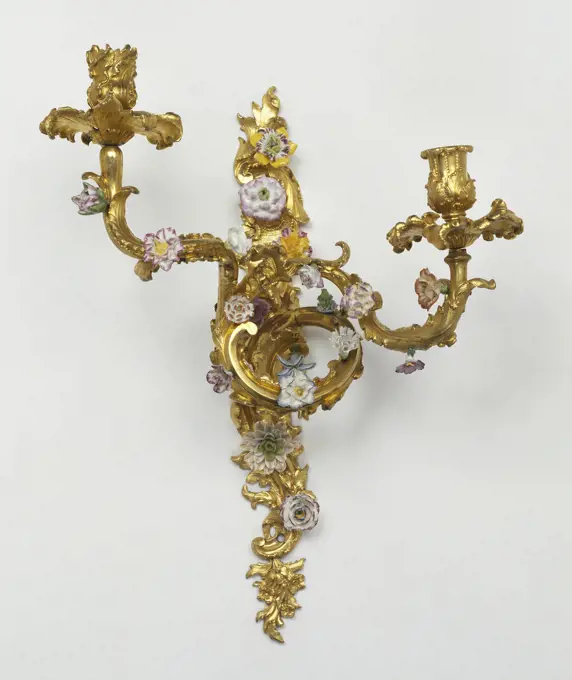
Wall Light; Paris, France; about 1750; Soft-paste porcelain; gilt bronze; 45.7 × 34.3 × 19.7 cm (18 × 13 1,2 × 7 3,4 in.)
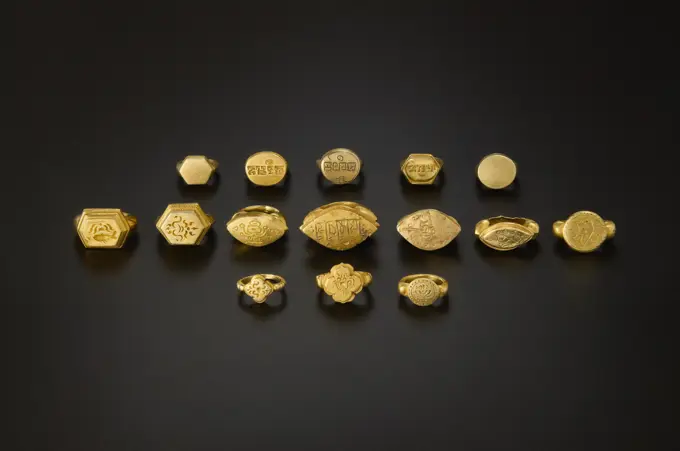
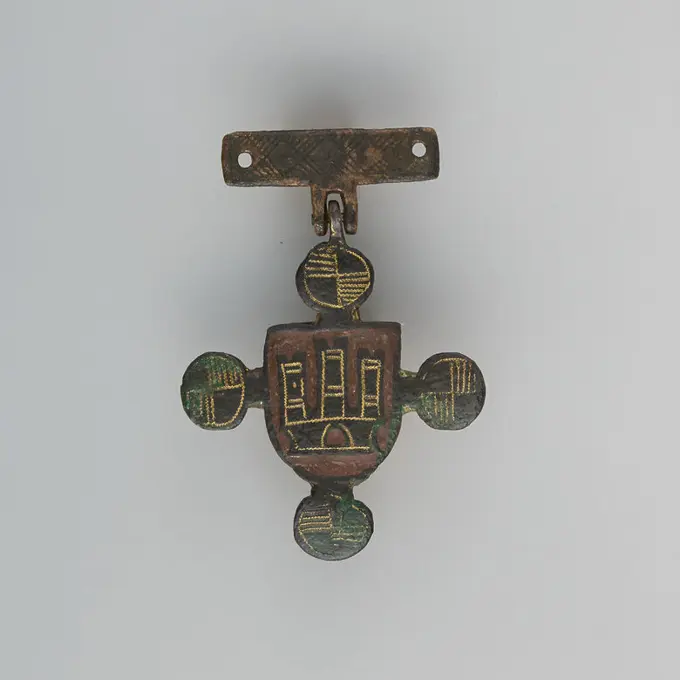
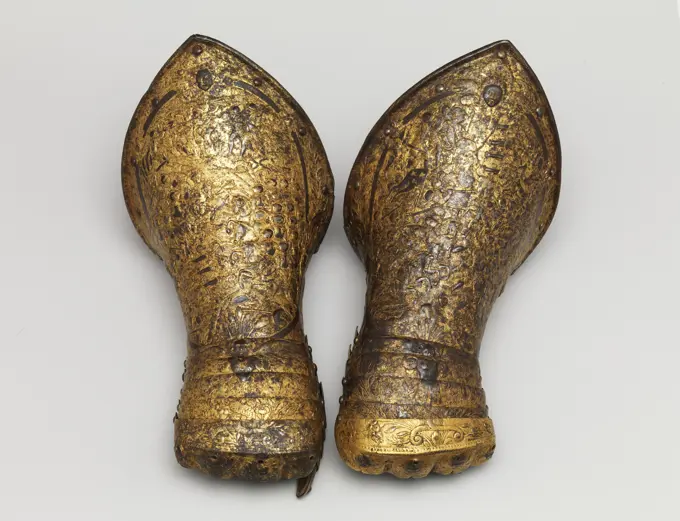
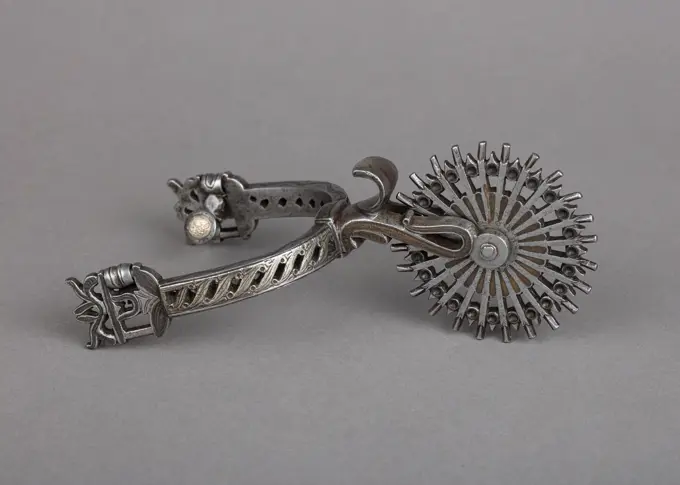
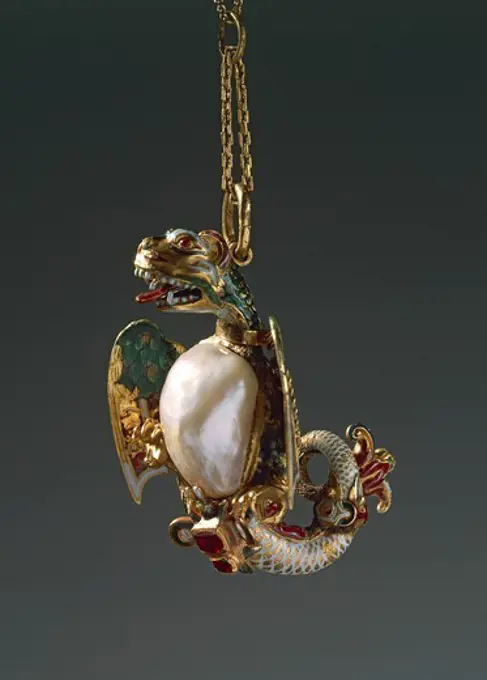
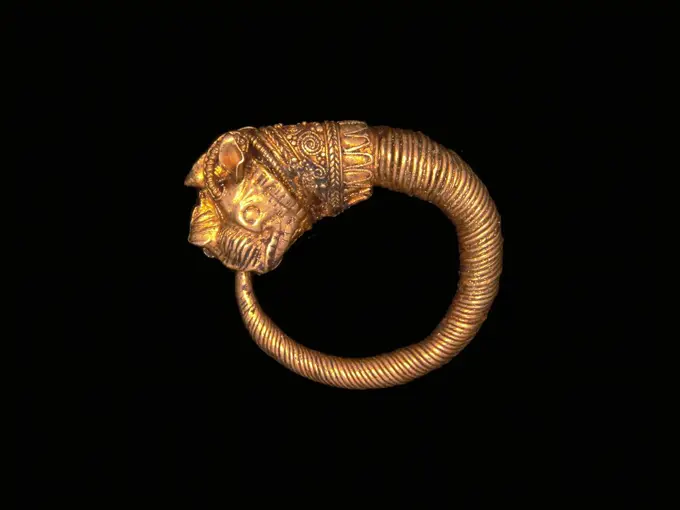
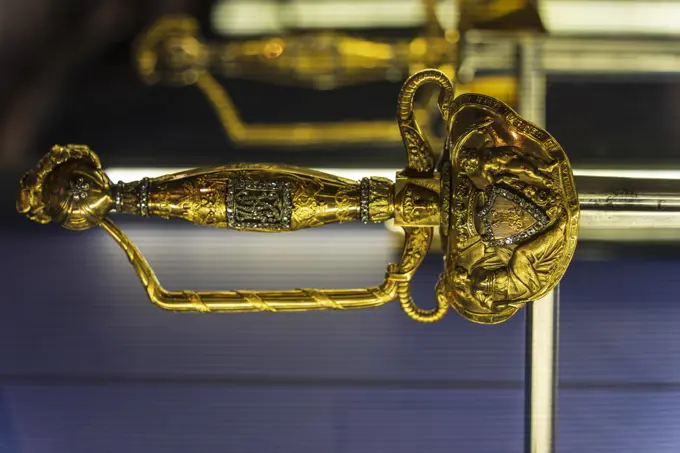
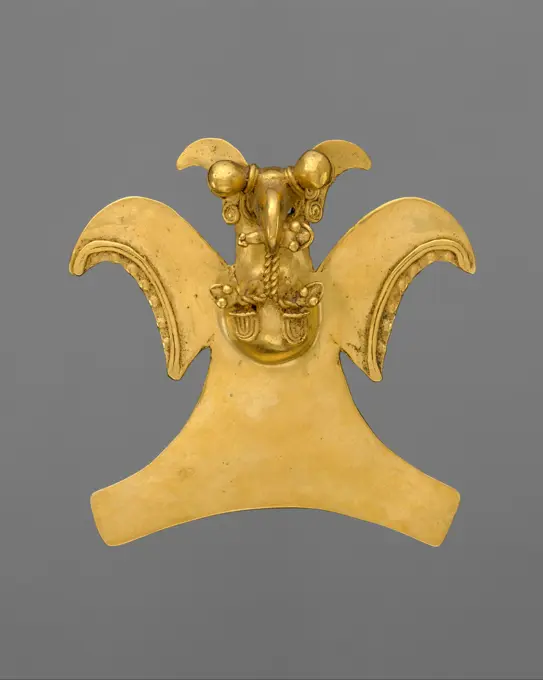
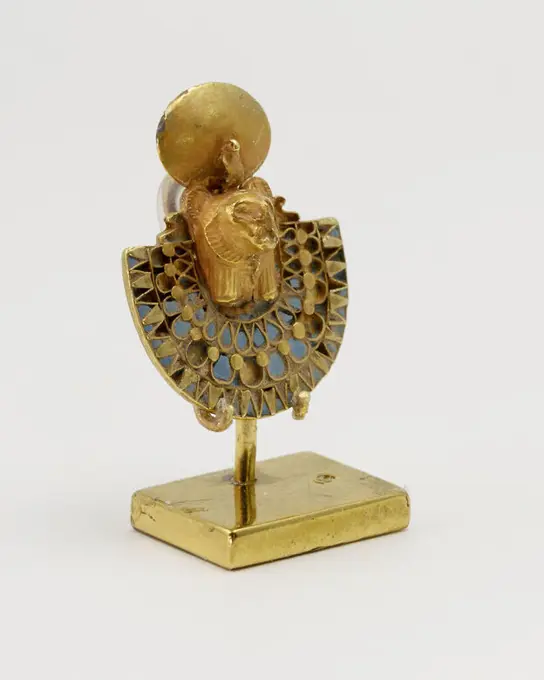
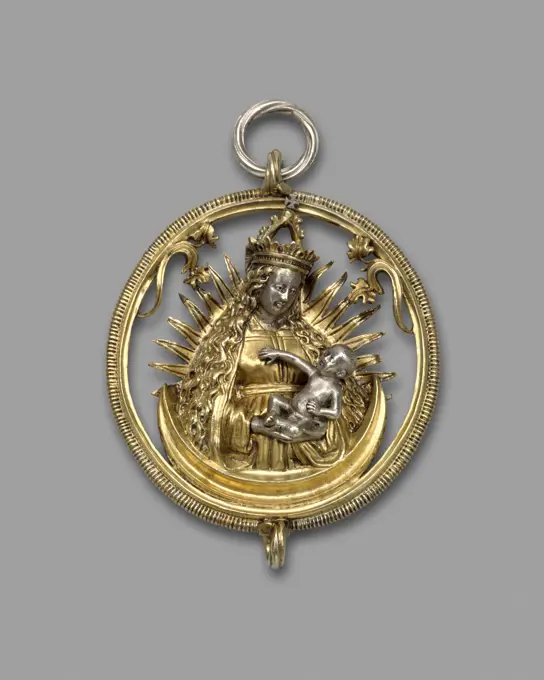
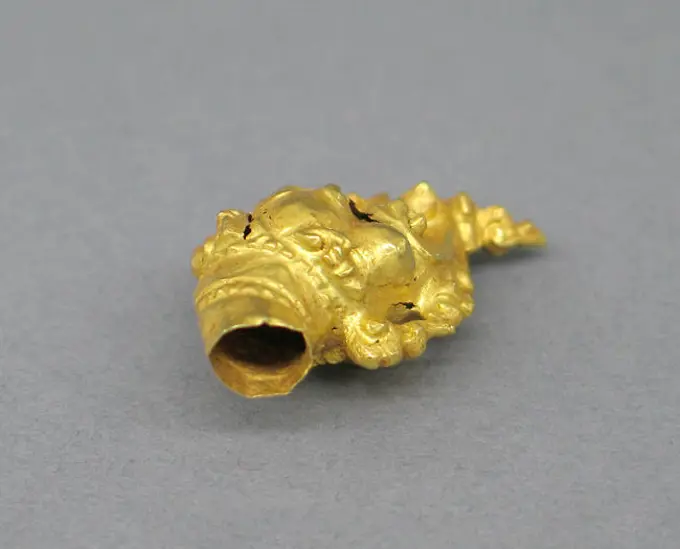
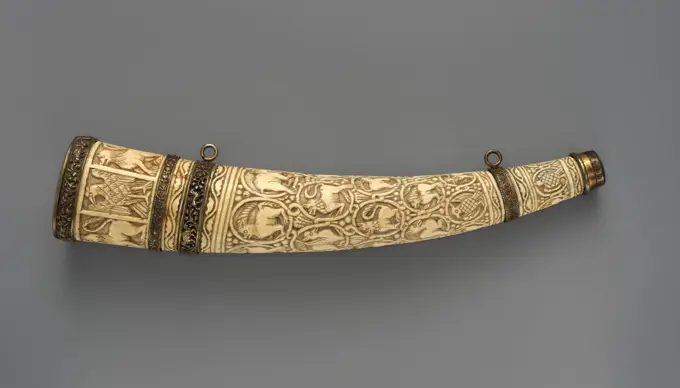
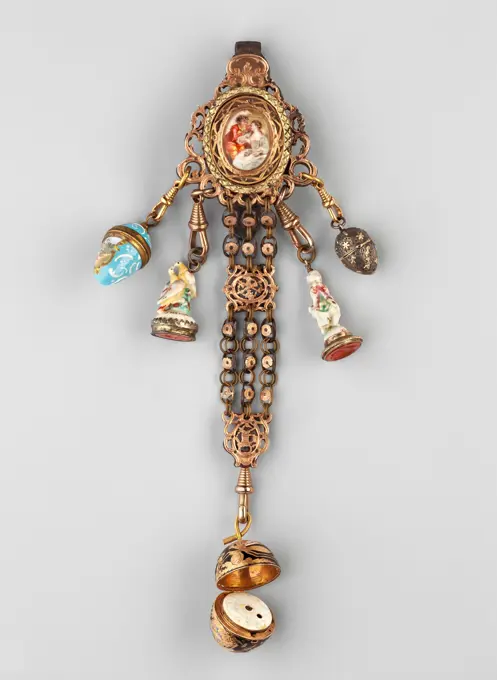
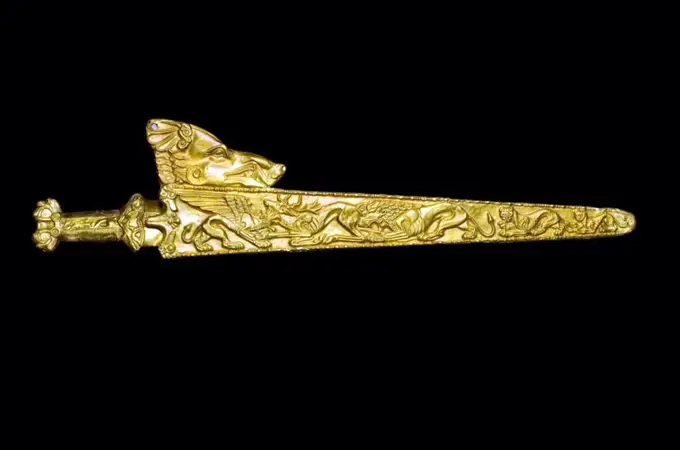
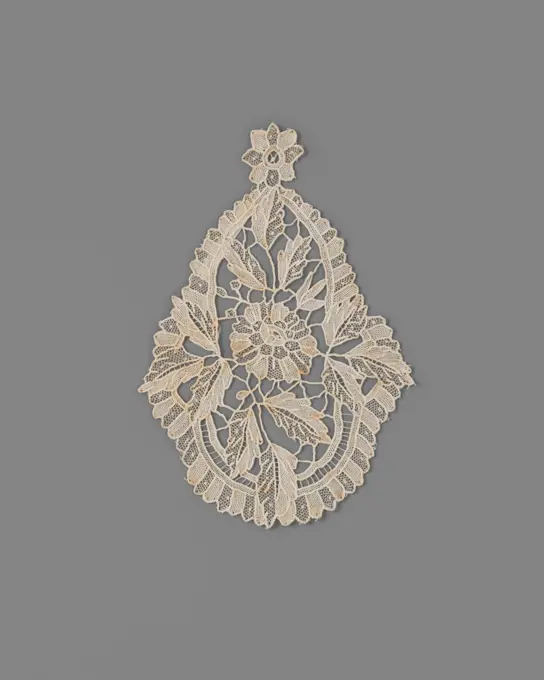
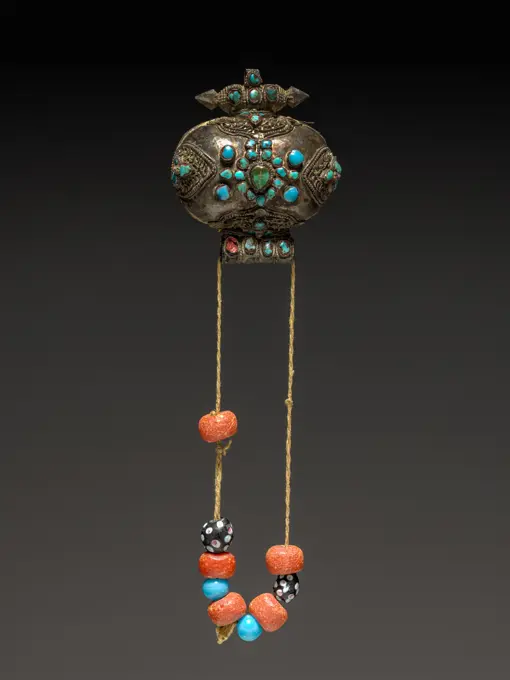
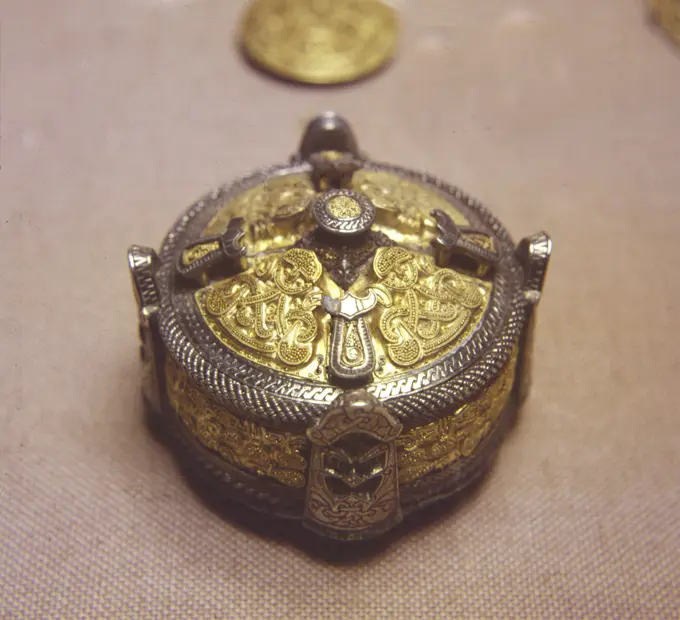
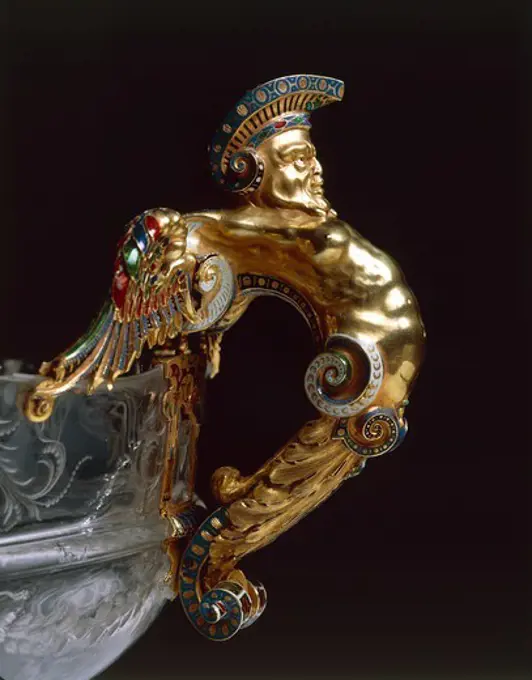
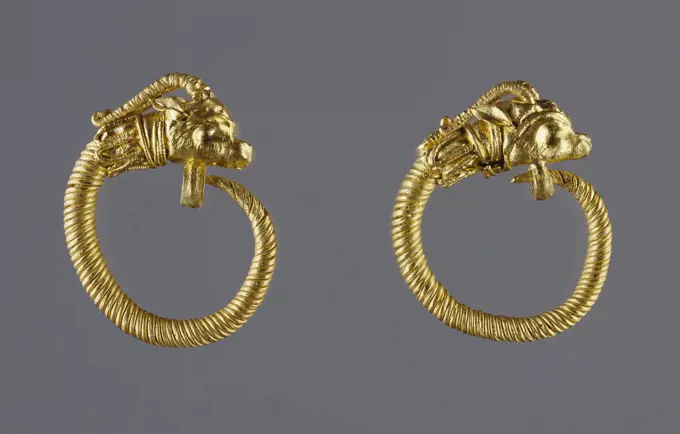
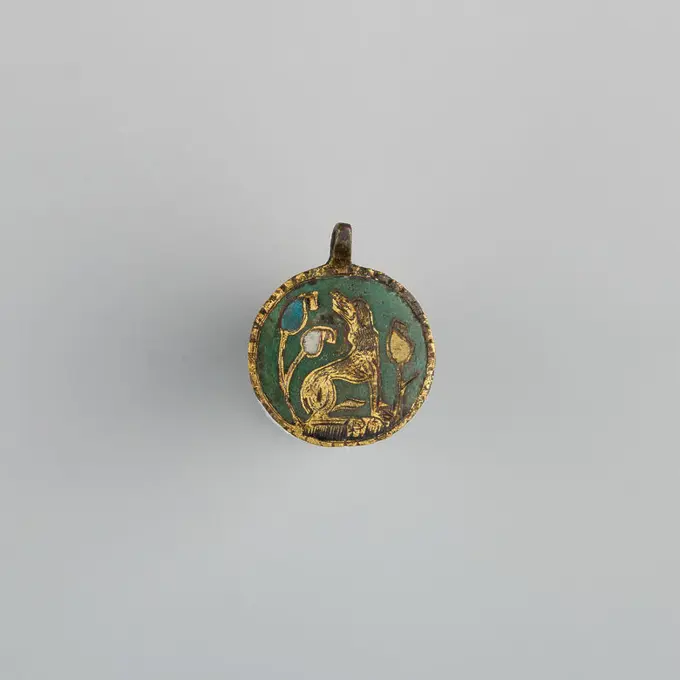
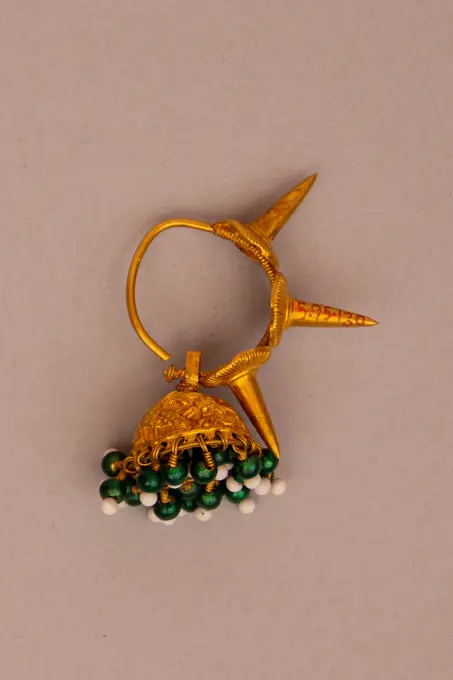
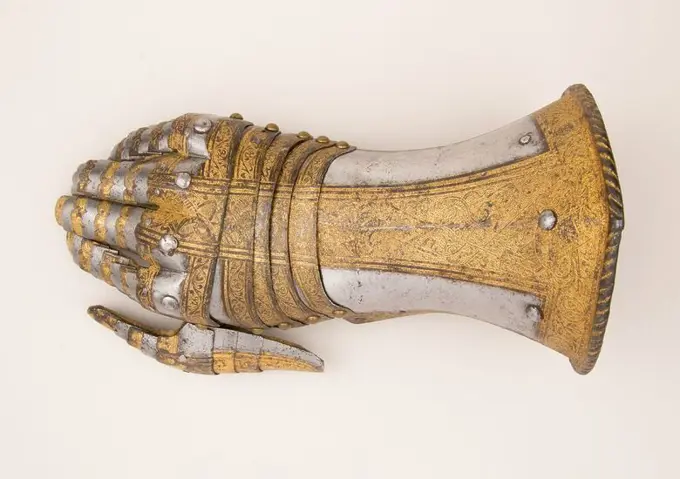
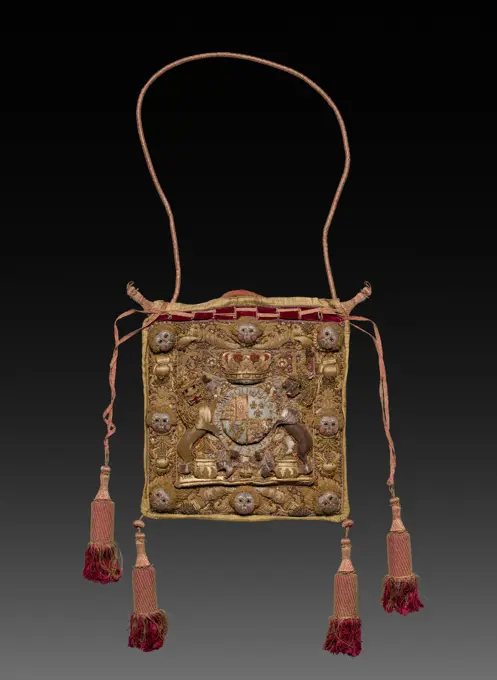
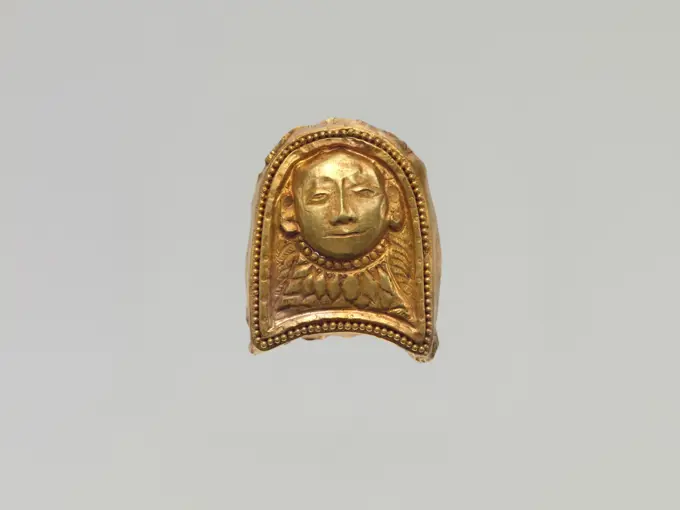
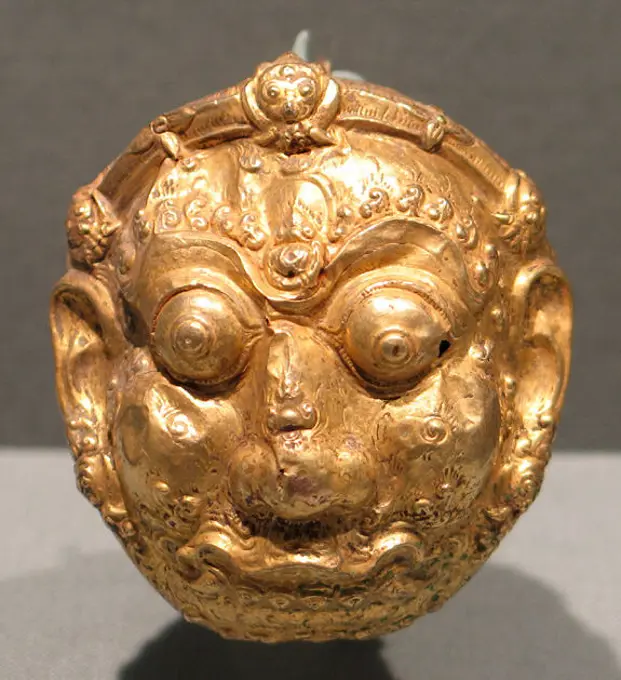
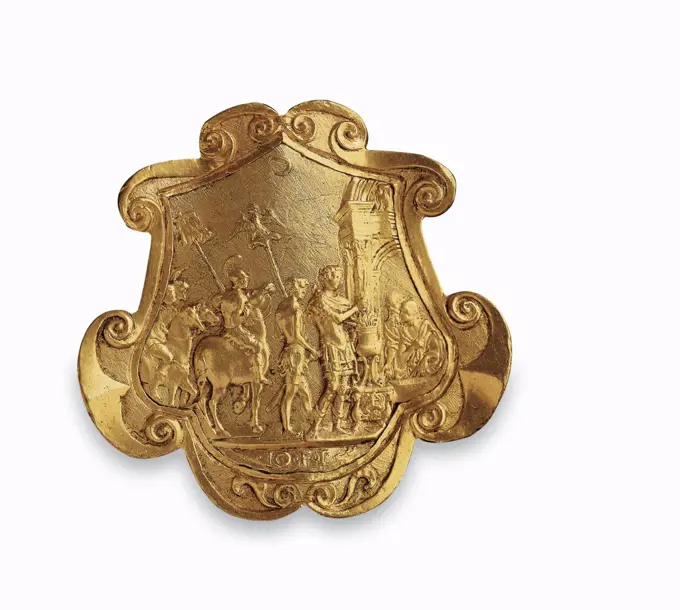
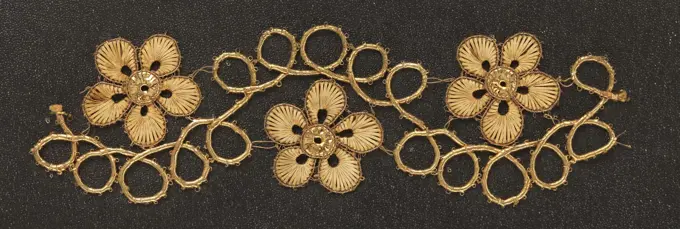
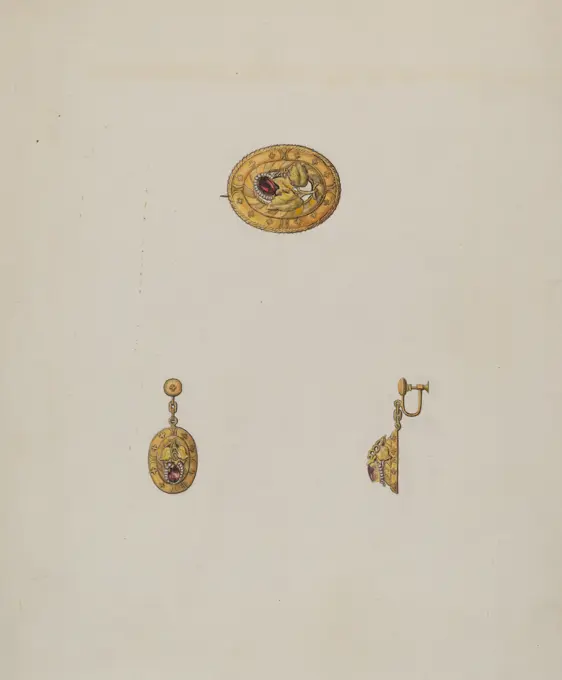
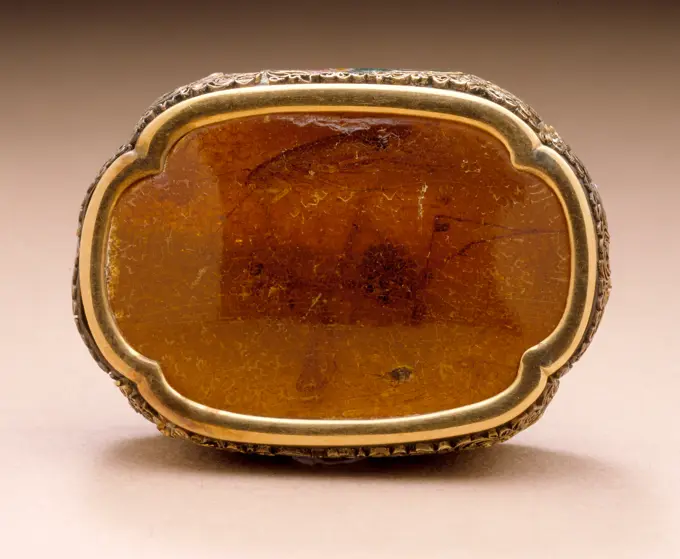
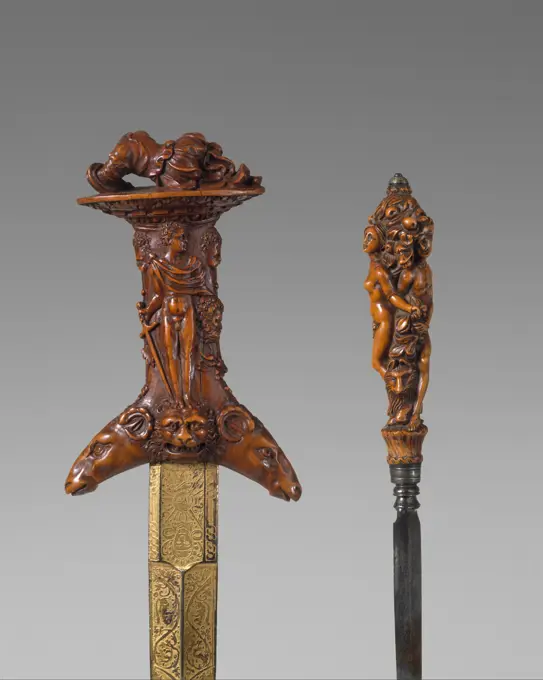
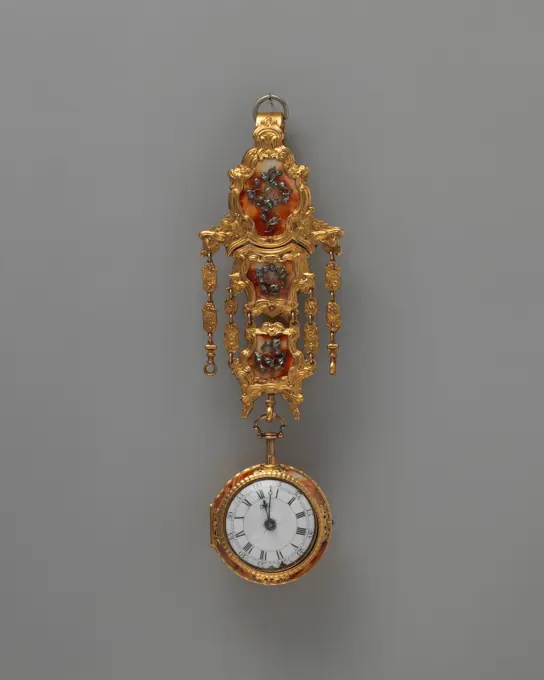
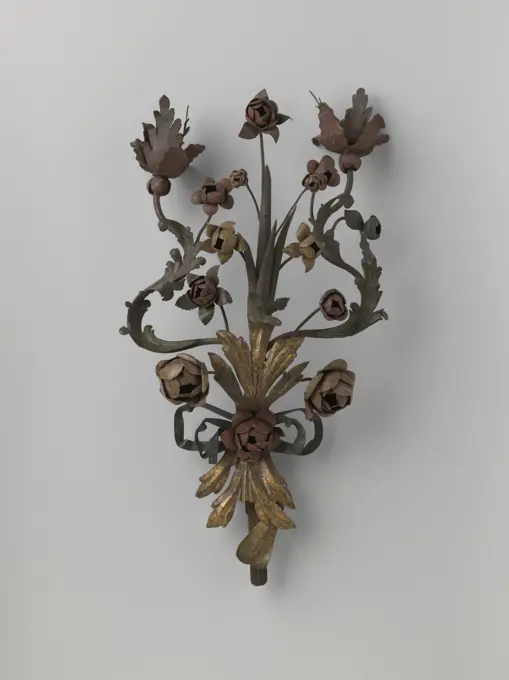
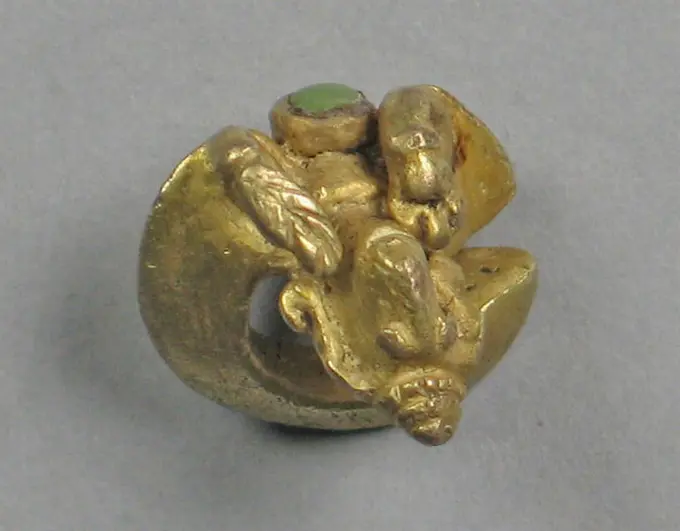
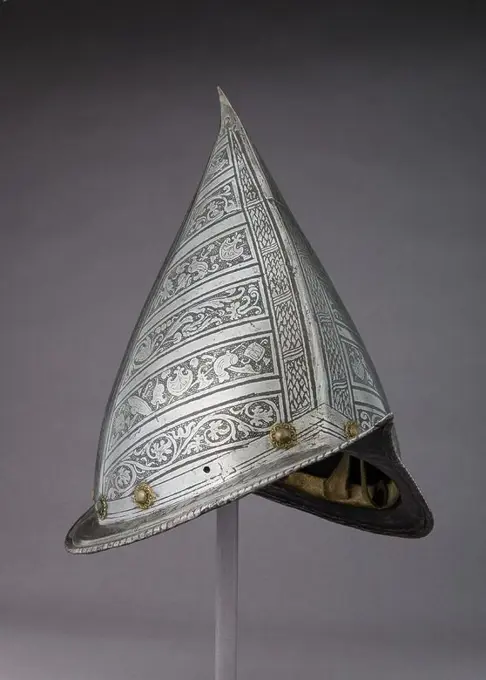
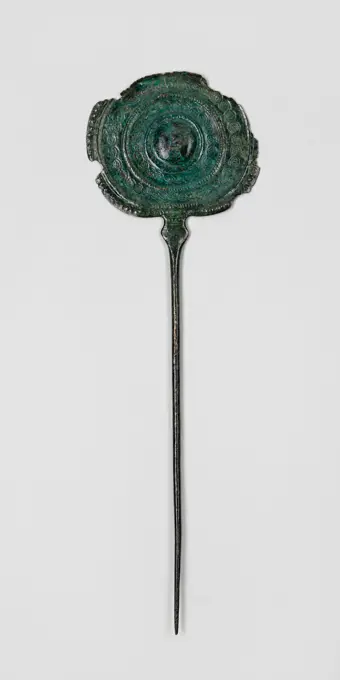
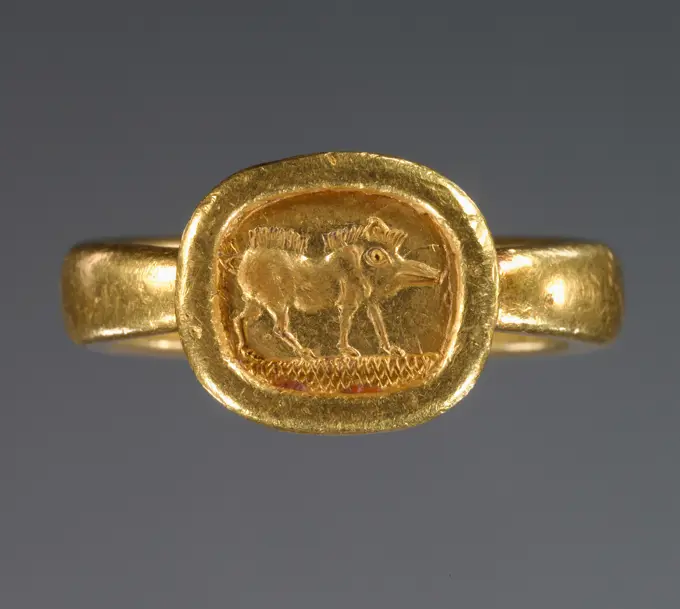
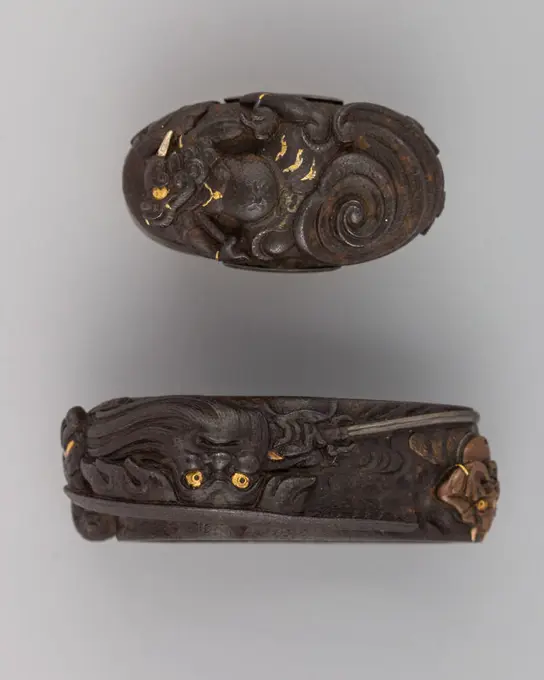
Sword-Hilt Collar and Pommel (Fuchigashira). Culture: Japanese. Dimensions: Kashira (a); H. 1 5/16 in. (3.3 cm); Wt. 0.9 oz. (25.5 g); fuchi (b); H. 1 3/4 in. (4.5 cm); Wt. 1.7 oz. (48.2 g). Date: 18th century. Museum: Metropolitan Museum of Art, New York, USA.Pocket watch. Jean Baptiste Baillon, purveyor to the French queen, was famous for his watchcases with diamond flowers. This example gives an impression of his speciality; he used various colours of gold to craft asymmetrical bouquets of flowers with hearts and petals partly made of diamonds. Baillon entrusted the goldsmiths work to specialists, such as Dequay.Knife Handle (Kozuka). Culture: Japanese. Dimensions: L. 3 7/8 in. (9.8 cm); W. 9/16 in. (1.4 cm); thickness 1/4 in. (0.6 cm); Wt. 1 oz. (28.3 g). Date: ca. 1615-1868. Museum: Metropolitan Museum of Art, New York, USA.Abruzzo, Isola del Gran Sasso d'Italia, S. Massimo, Italy, 20th century, photo, photography, EuropeMount (France); bronze (gilt), goldHeavy Hexagonal BezelRingBadge (probably from Horse Harness). Culture: Spanish. Dimensions: H. 3 3/8 in. (8.1 cm); W. 2 5/16 in. (5.8 cm); Wt. 1 oz. (28.3 g). Date: ca. 1400. Museum: Metropolitan Museum of Art, New York, USA.Pair of Gauntlets ca. 1600 French The battle scenes depict soldiers wearing contemporary armor and include banners with the arms of France. These gauntlets are part of an embossed and gilt parade armor that once belonged to the English collector Horace Walpole (1717-1797) at Strawberry Hill, which was among the first Gothic Revival houses in Europe.. Pair of Gauntlets 21925Rowel Spur second half 18th - early 19th century Mexican This spur, inlaid with silver, was made for a Mexican charro (the Mexican cowboy). Its neck is shaped as a serpent or an eel, the tail of which holding an elaborated pierced rowel. The top edge of the heel band is adorned with silver-inlaid serpents and pierced on the sides with a frieze of volutes. Charros were originally land, horse and cattle owners who had an high social and economical status. They would meet during ceremonies and festivals and demonstrate their skills through several kind of rodeo games called charrería. Charros and charrería are still an important part of Mexican traditional culture, and horses are a central aspect of it. During these festive events, charros like to display splendidly decorated horse tack and spurs, the latter being one of the main symbols of their culture.. Rowel Spur. Mexican. second half 18th - early 19th century. Iron, silver. Equestrian Equipment-SpursGoldsmith's art, Flanders, 16th century.  Enamelled gold set with pearls and rubies pendant in shape of a dragon fighting against a bee, 1580, mm. 65x32Bracelet, 1800s. Burma. Silver gilt; diameter: 5.8 cm (2 5/16 in.).Earring with Lion Head Finial. Greek. Date: 300 BC-101 BC. Dimensions: 3.3 × 2.9 × 0.9 cm (1 1/4 × 1 1/8 × 3/8 in.). Gold. Origin: Ancient Greece. Museum: The Chicago Art Institute, USA.sword gift from the city of Vitoria to General Alava sword gift from the city of Vitoria to General Alava, Álava Armory Museum, Vitoria, Basque Country, Spain Copyright: xZoonar.com/Tolox 21366696Telltale. When the back of the telltale is heated, for instance with a candle, a portrait of Hendrik Daniëlsz Hooft, Burgomaster of Amsterdam and supporter of the Dutch Patriots, appears. Also visible are a keeshond and an aphorism translatable as: He lives hidden in a cloud in the heart ofthe Batavian people’. The owner of the object thus reveals his patriotic sympathies.Fitting for leather decorationsEagle Pendant A.D. 800-1519 Chiriquí Few ancient American gold objects are as well known today as the so-called eagle pendants. Bird pendants of the type illustrated here were first named aguilas (eagles) by Christopher Columbus, who observed them being worn by local people hung from their necks, as "an Agnus Dei or other relic," when he sailed along the Carribean coast of Central America in the early 1500s. Bird imagery remained important to indigenous belief in the region into the twentieth century. Many varieties of birds abound in Central America, and there is much speculation about the species represented on the pendants, given the great variety in the shapes and sizes of the beaks. Some researchers believe that they are birds of prey because of the prominent beaks and claws and the various items often held in them. This example holds both a small fish and a double-headed snake in its beak.. Eagle Pendant 310268Amuletic aegis of Bastet or Sakhmet. Dimensions: H. 2.5 cm (1 in.): W. 2 cm (13/16 in.). Date: ca. 1070-664 B.C..This small piece represents a so called aegis, which is a protective element that combines a broad collar with the head of a deity. The broad collar was a common jewellery item that consisted of several rows of beads and was worn on the chest. Here the head of a feline goddess is featured; this is possibly Sakhmet. She wears a large sun disk and a uraeus cobra on her head. Underneath her lion ruff one can see part of a human tripartite wig, a common element for animal headed deities. Museum: Metropolitan Museum of Art, New York, USA.Pendant, One of a Pair 18th-19th century. Pendant, One of a Pair. 18th-19th century. Gold and silver. Attributed to India. JewelryJewelry, Silver, gilded, Sweden, Stockholm, Swedish Museum of National Antiquities,Pair of Sword-Grip Ornaments (Menuki) 18th century Japanese Menuki are a pair of ornamental sword fittings attached to either side of a sword hilt.. Pair of Sword-Grip Ornaments (Menuki). Japanese. 18th century. Gold. Sword Furniture-MenukiBracelet. Inventor: John M. Cookingham, American, born 1845Gold Weight 18th-19th century Akan peoples. Gold Weight 317683Pendant with Virgin and Child early 16th century German The design of this pendant served as the insignia for the Schwanenorden, or Order of the Swan, founded in 1443 by Friedrich II, elector of Brandenburg. Several contemporary portraits show similar pendants worn on chains around the neck with a large pearl or other ornament suspended from a loop. The image of the Virgin and Child on the crescent moon, inspired by Revelation, is similar in composition to woodcuts by Hans Baldung Grien, a protégé of Albrecht Dürer in Nuremberg.. Pendant with Virgin and Child 471929Wall arm of gilded iron, from Verz. Mannheimer., 1700 A gilded iron wall arm. Formed by a long, oriented, with leaves -occupied slender that bends at the end and ends in a flower after a nodus. Just below the middle, a second sprouts to the wall bending rank with a disk -shaped nodus for the middle. This slender with a returning side drink is set with leaves and ends in a flower. Coming from the collection of Dr. F. Mannheimer. Venice iron (metal) gilding A gilded iron wall arm. Formed by a long, oriented, with leaves -occupied slender that bends at the end and ends in a flower after a nodus. Just below the middle, a second sprouts to the wall bending rank with a disk -shaped nodus for the middle. This slender with a returning side drink is set with leaves and ends in a flower. Coming from the collection of Dr. F. Mannheimer. Venice iron (metal) gildingJewelry from the Kingdom of Jodphur on display at the Royal Ontario Museum in TorontoSet of Two Rod Finials in Foliate Shape second half of the 8th-second half of the 10th century Indonesia (Java). Set of Two Rod Finials in Foliate Shape 50127Oliphant 12th-13th century Fantastic and real creatures, juxtaposed within roundels, abound on the carved surface of this hunting horn. Ivory tusks of this type, used as reliquaries or symbols of land tenure, were apparently produced for both Muslim and Christian patrons in the medieval Islamic period. Similar motifs in contemporary textiles reveal the popularity of this repeating design.. Oliphant. 12th-13th century. Ivory; carved, gilded silver and bronze mounts. Attributed to Southern Italy. Ivories and BoneGentleman. Artist: UnknownWall arm of gilded copper, decorated with C and S-Volute-shaped acanthus leaves., Anonymous, 1750 Wall arm of gilded copper. The Applique consists of three merging C-shaped acanthus drinks. From this, two S and C-shaped volutes jump to the left and the right, on which the candle holders, formed by three acanthus leaves, are screwed. Rosette -shaped fat catchers have been installed among the candle holders. See: BK-1953-3-B. Northern Netherlands (possibly)Netherlands (possibly) copper (metal) gilding Wall arm of gilded copper. The Applique consists of three merging C-shaped acanthus drinks. From this, two S and C-shaped volutes jump to the left and the right, on which the candle holders, formed by three acanthus leaves, are screwed. Rosette -shaped fat catchers have been installed among the candle holders. See: BK-1953-3-B. Northern Netherlands (possibly)Netherlands (possibly) copper (metal) gildingChatelaine with a watch-watch, bake and key rings; Moilliet, Jean-Jacques (Fl. Ca 1790); End of the 18th century (1800-00-00-1810-00-00);Cupid (mitol.), Zawadzka, Wanda - testamentary record, pigeons, eggs, genre miniatures, stamps, transmission (provenance), sewing (accessories), testamentary record (provenance)Decorative plaqueScythian gold sword and scabbard. The scabbard has a representation of the intertwined beasts and gryphons of the Inner Earth. From Bolschaja Beloserka. Museum of Historic Treasures of Ukraine, Kiev. Image released to the press in 2009. The Scythians were an ancient Iranian people of horse-riding nomadic pastoralists who throughout Classical Antiquity dominated the Pontic-Caspian steppe, known at the time as Scythia. By Late Antiquity the closely-related Sarmatians came to dominate the Scythians in the west.Votive crown of Spanish Visigothic king Recceswinth (653-672).. Madrid, national museum of archaeology. Location: MUSEO ARQUEOLOGICO NACIONAL-COLECCION. MADRID. SPAIN.Ornament: pyxis lid 8th-12th century Indonesia (Central Java). Ornament: pyxis lid. Indonesia (Central Java). 8th-12th century. Gold. JewelryPrzeszo PrzyszociPlaque with Bactrian Camel 2nd-1st century B.C. North China. Plaque with Bactrian Camel 59525ShoeBuckle.   Maker: Myer Myers, American, 1723-1795Sword pommel with Mutius Scaevola and Roman scene, by Master IO.F.F., 15th Century, gilded bronze, natural brown patina. Italy: Lazio: Rome: National Museum of Palazzo Venezia: Inv. P.V. 11536. Whole artwork. Mutius Scaevola men horse column canopy lance/spear banners fire flames tripod framePendant in the form of a vase 5th-4th century B.C. Greek Gold pendant in the form of a vase.. Pendant in the form of a vase. Greek. 5th-4th century B.C.. Gold. Classical. Gold and SilverMorse 14th century French. Morse 464656Sansovino-style oval frame 19th century, style late 16th century Italian, Bologna. Sansovino-style oval frame 461428Woman's Handbag. Germany, late 19th century. Costumes; Accessories. SilverScythian gold stag plaque, 4th century BC Artist: UnknownPendant 17th-19th century Philippines. Pendant 40587Przeszo Przyszoci unknownJabot van point of Gaze de Brussels, Anonymous, c. 1875 Jabot from Point de Gaze de Bruxelles. Central to the decoration, a flower grabbed between thirteen leaves that differ in shape from each other. Brussels . Jabot from Point de Gaze de Bruxelles. Central to the decoration, a flower grabbed between thirteen leaves that differ in shape from each other. Brussels .Amulet, 1800s. Tibet. Silver with turquoise; overall: 6.4 x 5.8 cm (2 1/2 x 2 5/16 in.).Knife with Case, late 1700s-early 1800s. Japan, Edo period (1615-1868). Ivory, steel or iron; overall: 29.4 cm (11 9/16 in.).Bracelet (France); gilded metal, agates; Overall: 16 x 4.3 x 3 cm (6 5/16 x 1 11/16 x 1 3/16 in.)Marteus Box Brooch, gold and silver 1000 AD. Gotland, Sweden. VIKING.CORONA VOTIVA DE RECESVINTO-ARTE VISIGODO-DETALLE (CONJUNTO Nº67942). Location: MUSEO ARQUEOLOGICO NACIONAL-COLECCION. MADRID. SPAIN.Goldsmith's art, Italy, 16th century. Rock crystal and enamelled gold cup. Height cm. 19. Milanese manufacture. Detail: enamelled gold handle in shape of a winged figure.Earrings; Alexandria, Egypt; 220 - 100 B.C; Gold; 2.2 cm (7,8 in.)Badge (probably from Horse Harness). Culture: Spanish. Dimensions: H. 1 5/8 in. (4.1 cm); W. 1 3/8 in. (3.5 cm); Wt. 0.5 oz. (14.2 g). Date: ca. 1400. Museum: Metropolitan Museum of Art, New York, USA.Nose Ring, One of a Pair 18th-19th century. Nose Ring, One of a Pair. 18th-19th century. Gold. Attributed to India. JewelryOctagonal Box, 1700s-1800s. India, 18th-19th century. Gold paste and rubies, emeralds and diamonds; diameter: 4.2 cm (1 5/8 in.).Dagger China. Dagger 41941Gauntlet for the Right Hand. Culture: Italian, Milan. Dimensions: L. 11 9/16 in. (29. 4 cm); W. 5 3/4 in. (14.6 cm); D. 6 1/4 in. (15.9 cm); Wt. 1 lb. 12 oz. (793.8 g). Date: ca. 1550-60.This gauntlet is finely decorated with trophies or panoplies of arms, consisting of armor parts, weapons, musical instruments, and ribbons arranged in bands and set on a dotted ground. These motifs exist in many variations and are found regularly on Italian decorative art objects throughout much of the sixteenth century. Museum: Metropolitan Museum of Art, New York, USA.Lord Chancellor's Burse (Purse) with Royal Cypher and Coat of Arms of George III, 1700s. England, 18th century. Red silk velvet, silk embroidery, goldwork, pearls, black beads, sequins, pendant tassels; overall: 78 x 50 x 5 cm (30 11/16 x 19 11/16 x 1 15/16 in.).Vintage golden skeleton key isolated on white backgroundGallon;  beginning of the 19th century (1901-00-00-1910-00-00);Belt buckle 3rd-4th century China. Belt buckle 61174. Inro with Netsuke and Ojime. The fifty-part INRO is decorated with baya plants in Takamakie on a substrate sprinkled with gold; The gourds (partially in silver) and a fence (in mother-of-pearl) are inlaid. The Netsuke is decorated with a Phoenix; The ojime is sliced to a little boy who looks at the moon. (The Netsuke and Ojime were added later)Plaque with Head 7th-9th century China (Xinjiang Autonomous Region) The nomadic communities of Central Asia used such plaques to embellish clothing and horse trappings. As these nomadic cultures herded animals and were constantly moving, their artistic production was expressed in portable objects that marked the wearers status and wealth. The outstanding preservation of these fragile ornaments suggests they were used in conjunction with burials, where the body was aggrandized with valuable textiles and augmented with gold. Although it is difficult to date and place these objects geographically, their presence in Central Asia and has a long, established history.. Plaque with Head 65164Pair of gold earrings with disk and pendant clustered spheres 2nd-3rd century A.D. Roman Convex disks and pyramids of balls.. Pair of gold earrings with disk and pendant clustered spheres. Roman. 2nd-3rd century A.D.. Gold. Imperial. Gold and SilverRattle with Kala Head last quarter of the 10th-last quarter of the 14th century Indonesia (Java). Rattle with Kala Head 40116Bridge style fibulas, goldsmitheryTESORO DEL CARAMBOLO-PECTORAL DE ORO S VI/VII AC-ARTE TARTESICO. Location: MUSEO ARQUEOLOGICO-COLECCION. Sevilla. Seville. SPAIN.Sword pommel with Mutius Scaevola, by Master IO.F.F., 15th Century, bronze, yellow patina. Italy: Lazio: Rome: National Museum of Palazzo Venezia: inv. P.V. 11537. Whole artwork. Pommel coat of arms frame men horse banners lance/spear column canopy flames fire tripod inscriptionBroad Collars, Reign of Thutmose III, Metropolitan Museum of Art, Manhattan, New York City, USA, North AmericaGeisha's Head, Brass, In the form of a Geisha's head in 3/4 profile, with raised, finely rendered ceremonial hairdo that wraps from front to back, featuring assortment of hair ornaments, including a large flower with bow and tassles on front, textured comb on reverse. Lid opening intersects upper part of hairdo, hinged on right side. Striker located on lower right, at base of neck., Japan, late 19th century, containers, Decorative Arts, Matchsafe, MatchsafeBliżej Kultury unknownPair of bracelets (chandan churi), anonymous, c. 1750 Bracelet with a bronze binner with hinge and lock, on which a gold ring is attached, decorated with a raised circular ornaments and pearl edges. Forms a few with AK-NM-7054-B. Surat gold (metal). bronze (metal) forging / striking (metalworking) Bracelet with a bronze binner with hinge and lock, on which a gold ring is attached, decorated with a raised circular ornaments and pearl edges. Forms a few with AK-NM-7054-B. Surat gold (metal). bronze (metal) forging / striking (metalworking)Link from a belt with Figure of Justice. Culture: possibly German; probably French or German. Dimensions: L. 4.5 cm, h. 4 cm. Date: late 16th century or second quarter 19th century. Museum: Metropolitan Museum of Art, New York, USA.Commemorative badge of the Old Catholic Congress in Vienna on 7 September 1909.Mount (France); bronze (gilt), gold; 1907-18-26Fragment goudgalon.Fragment gold galon, decorated with garlands with flowers and a branch with leaves and flowers.Helmet for officers of the Infantry, Grand Duchy of Mecklenburg-Schwerin, Germany, 1897Pendant with Figure of Justice 1850-1900 Europe, northern. Gold, enamel, lapis lazuli, rubies, pearls, and diamonds .Flat lobed EarOrnamentLluís Masriera / Colgante con imagen de mujer bailando, platino, oro, esmalte, diamantes, 1910. Colección privada. Author: LLUÍS MASRIERA I ROSÉS.Bertha Semple, Pin and Earring Set, c 1936 Pin and Earring SetBelt fitting mid-7th-9th century Northwest China/Eastern Central Asia. Belt fitting. Northwest China/Eastern Central Asia. mid-7th-9th century. Gold. period of Tibetan rule. MetalworkStraw cloth purse with metal frame and clasp decorated with roses and pearl inserts, fashion accessories, Italy, early 20th century.Fossilized Insects. Japan, 19th century. Costumes; Accessories. Cloisonne with gold wire on silver ground, amberDirk with Sheath ca. 1650-1700 French In addition to functioning as essential military side arms, daggers were worn by all classes of society as a part of everyday dress in medieval and Renaissance Europe. They were used as tools, as eating utensils, and as a ready means of self-defense. Daggers were generally carried in a sheath at the belt and varied greatly in size. The amount and type of decoration displayed on a dagger depended entirely upon the taste and means of its owner. Few, however, exhibit images as elaborate and detailed as the Old Testament subjects that adorn the carved wood grip of this example. The old Testament was adapted by early Christians from the Tanakh, the most sacred teachings of Judaism, to provide the scriptural foundation for the advent of Jesus Christ as told in the New Testament. The events and characters of the New Testament are seen in the Christian tradition as the divinely ordained culmination and fulfillment of the Hebrew scriptures. Therefore, figurSasanian art. Vase with female figures. Silver; chasing, gilding. Iran. 6th-7th centuries. The State Hermitage Museum. Saint Petersburg. Russia.Vinaigrette with Harbor Scene 1846-1847 Birmingham. Silver and silver gilt .Watch and chatelaine 18th century Probably by Francis Perigal There are five Perigals listed in the eighteenth-century records of the London Clockmakers Company. This watch may have been made by the founder of the family, Francis Perigal (active 1741-70), who had a shop in the Royal Exchange, or by his son, also named Francis (active 1748-75). Listen to experts illuminate this artwork's story Listen Play or pause #413. Retail Value. High and Low Supported by Bloomberg Philanthropies We're sorry, the transcript for this audio track is not available at this time. We are working to make it available as soon as possible.. Watch and chatelaine. British, London. 18th century. Case: gold, enamel, diamonds; Dial: enamel, silver hands, set with diamonds; Movement: with diamond endstone. HorologyWall arm, whose arms and candle holders are designed as flower branches, anonymous, c. 1700 - c. 1750 A forged iron altar bouquet. Painted with the original colors.  iron (metal) forging A forged iron altar bouquet. Painted with the original colors.  iron (metal) forgingEar ornament , Garuda, Meru 8th-12th century Indonesia (Central Java). Ear ornament , Garuda, Meru. Indonesia (Central Java). 8th-12th century. Gold. JewelryBelt, Medium: silk, metallic thread, silver, and turquoise Technique:, Woman's belt made of gold and black ribbon with a silver filigree buckle decorated with turquoise and other materials. Lined in magenta silk., Russia, late 19th century, woven textiles, BeltMorion-Cabasset. Culture: Italian. Dimensions: H. 11 3/4 in. (29.8 cm); W. 9 1/4 in. (23.5 cm); D. 13 3/4 in. (34.9 cm); Wt. 3 lb. 9 oz. (1610 g). Date: ca. 1575. Museum: Metropolitan Museum of Art, New York, USA.Crescent-shaped HeadOrnamentArched EarOrnamentSzpila. nieznany warsztat luristański, workshopDisk Brooch 200-500 Roman. Disk Brooch 465005 Roman, Disk Brooch, 200500, Copper alloy, glass or garnet, Overall: 1 9/16 x 1 1/8 x 1/4 in. (4 x 2.8 x 0.7 cm). The Metropolitan Museum of Art, New York. Gift of J. Pierpont Morgan, 1917 (17.191.296)Wall arm made of gold-plated bronze with two arms and linear stem. Gold-plated bronze wall arm, with two arms. At the bottom of the wind-shaped strain there is a saterrop with bacchus instruments and a hose on the top, which winds down through a festoon and ceased at the top by a bow. The C-shaped arms bear on top of a leaf voltreat, where a festoon with grape costs run through, which connect both arms. The fat catchers are surrounded by grape vents and fruits. See also: BK-16900-A.Gold earring in the form of a dove 2nd century B.C. Greek Earring with a dove.. Gold earring in the form of a dove. Greek. 2nd century B.C.. Gold. Hellenistic. Gold and SilverRing with engraved bezel. Unknown