Historic Metalwork and Ceramics

A collection of decorative historical objects including bronze hand bells, a stoneware plate, and ornate candelabra. Features varied materials and intricate designs.

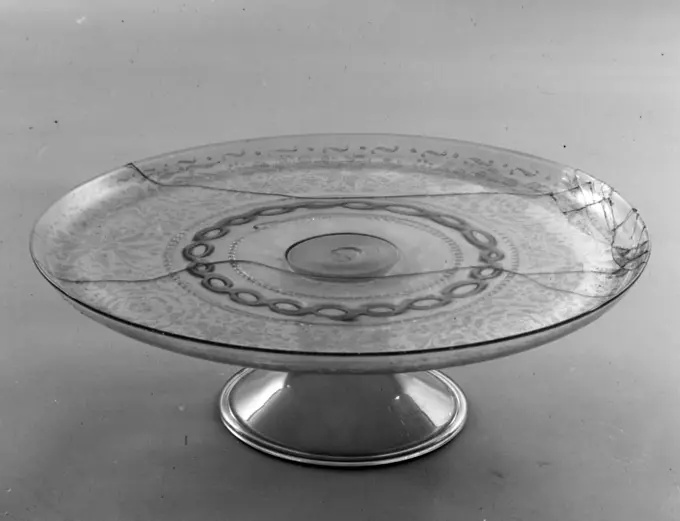
Plate late 16th-early 17th century China. Plate. China. late 16th-early 17th century. Stoneware with white slip decoration on light blue glaze ("Swatow" ware). late Ming dynasty (1368-1644). Ceramics
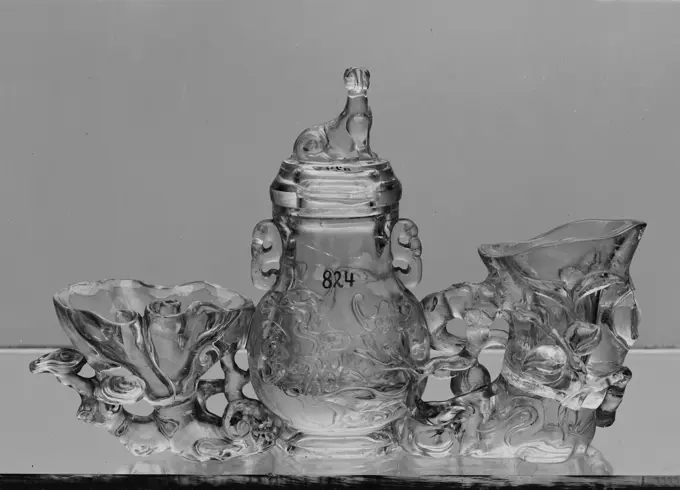
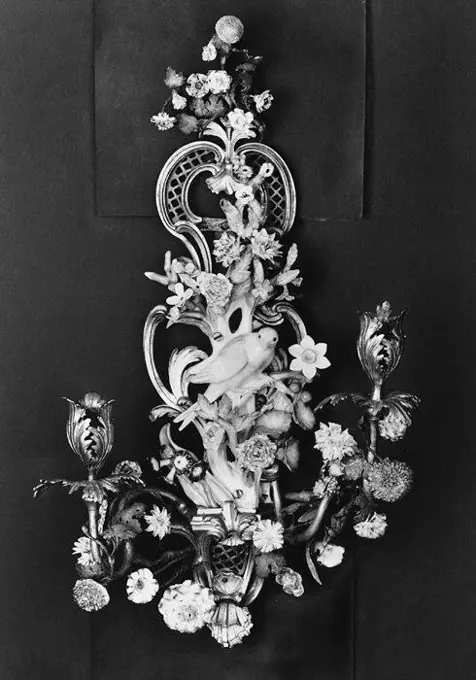
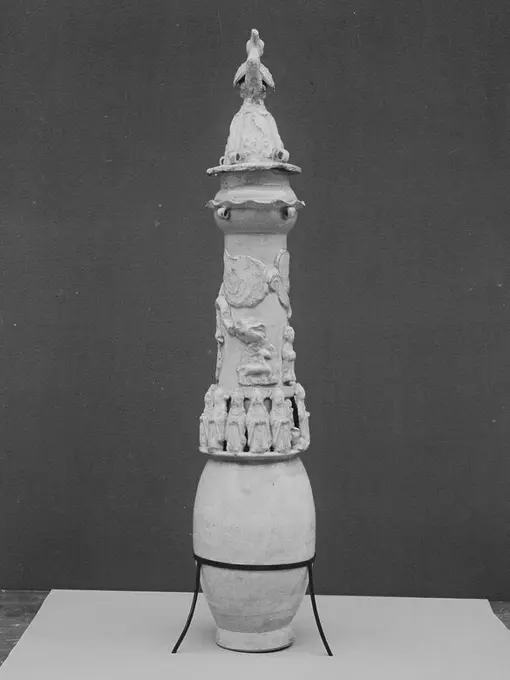
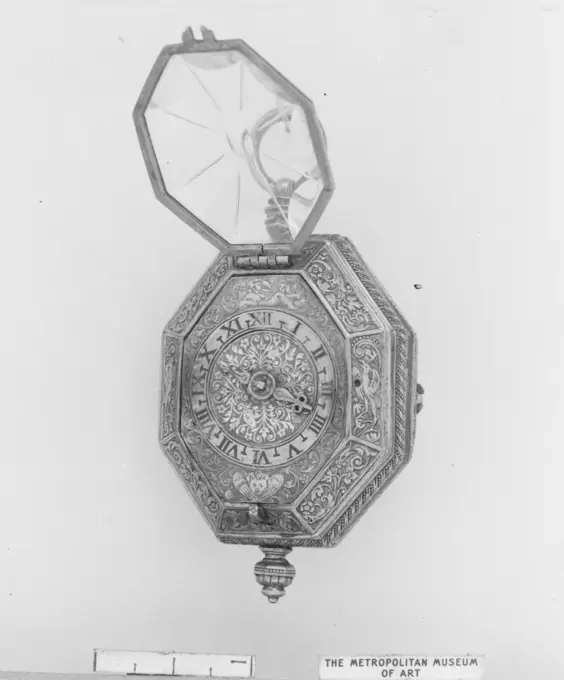
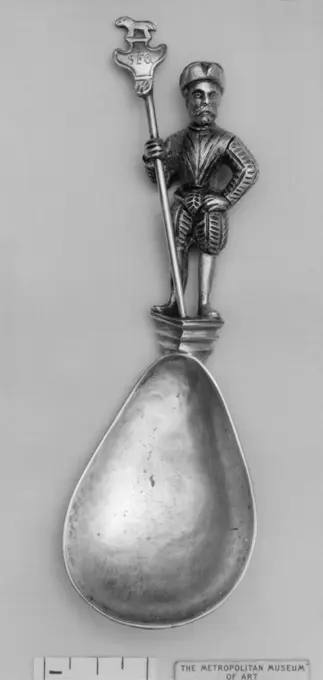
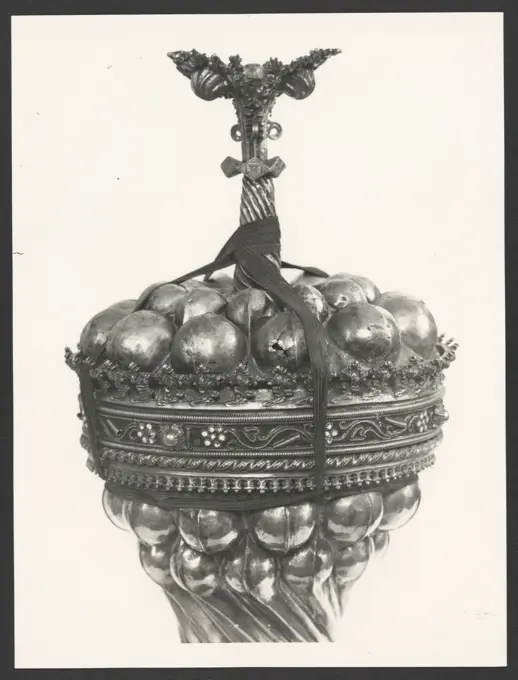
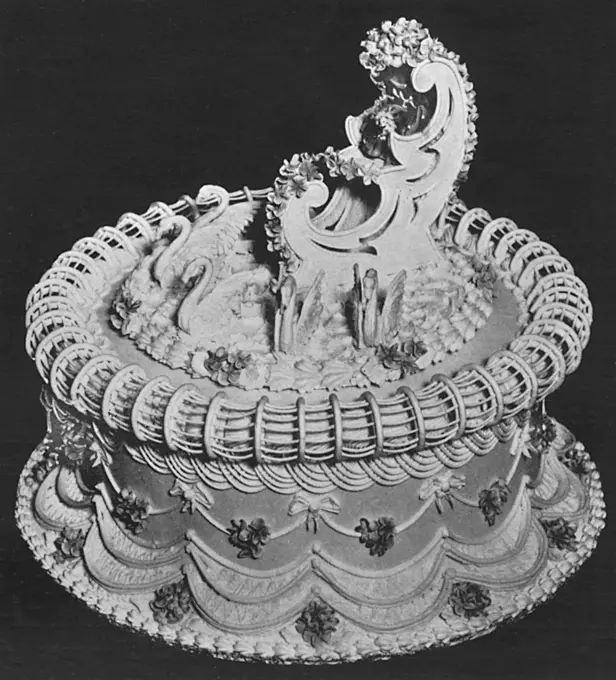
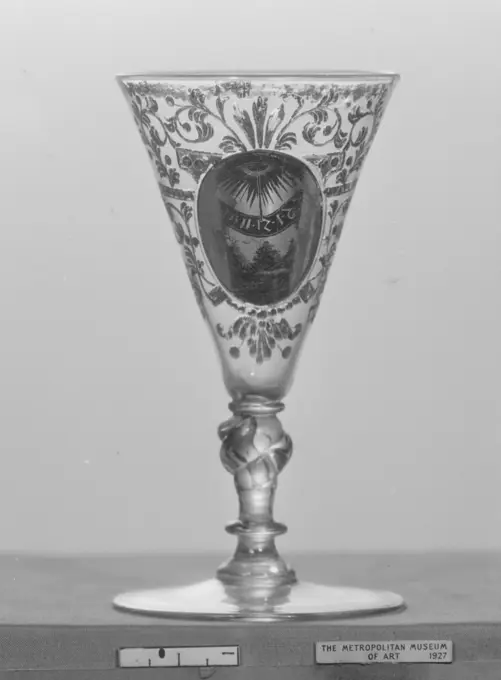
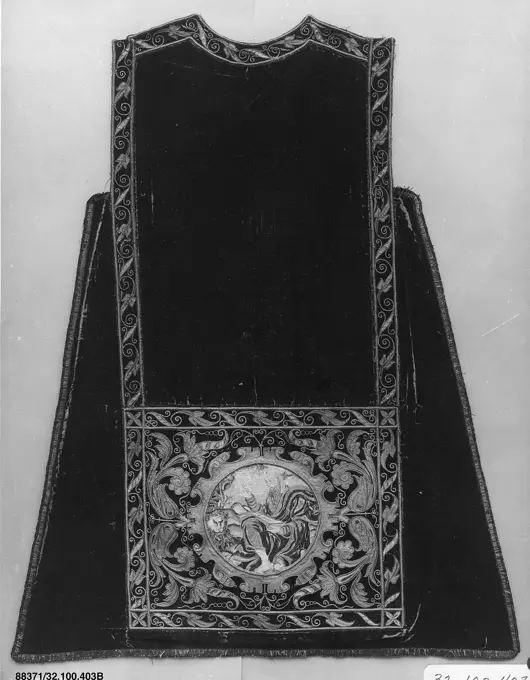
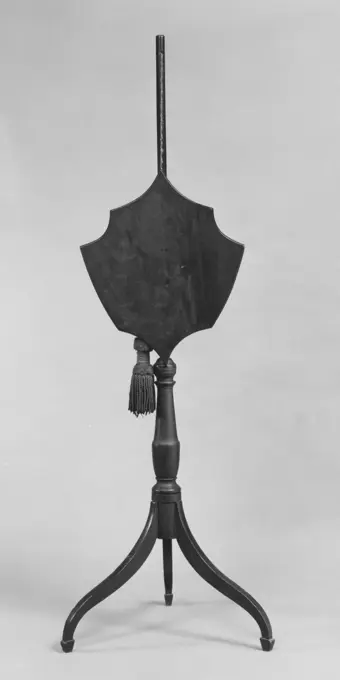
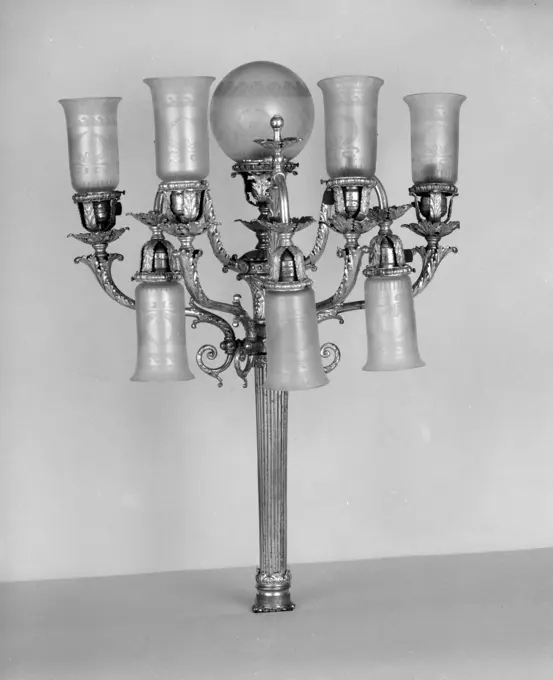
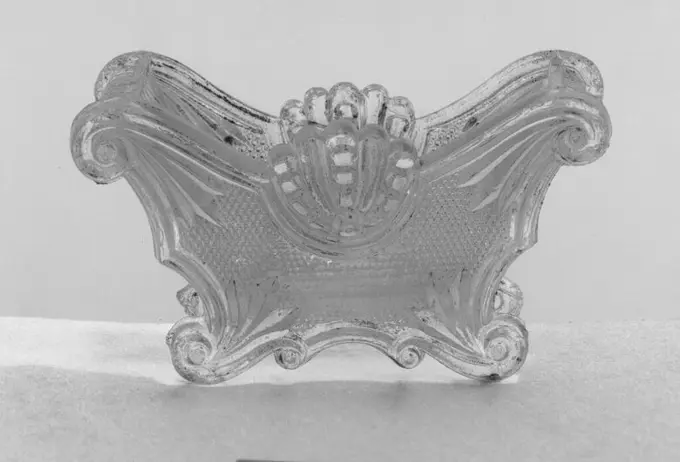
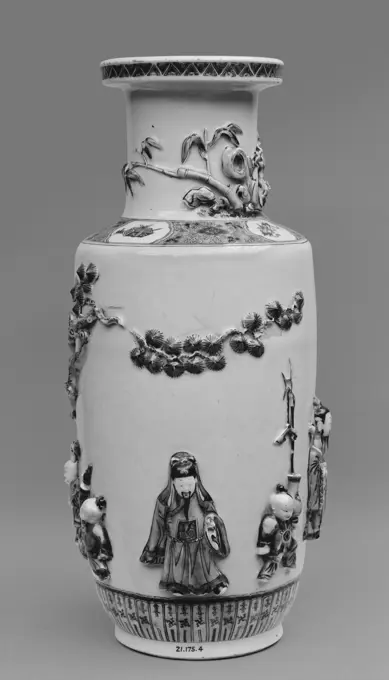
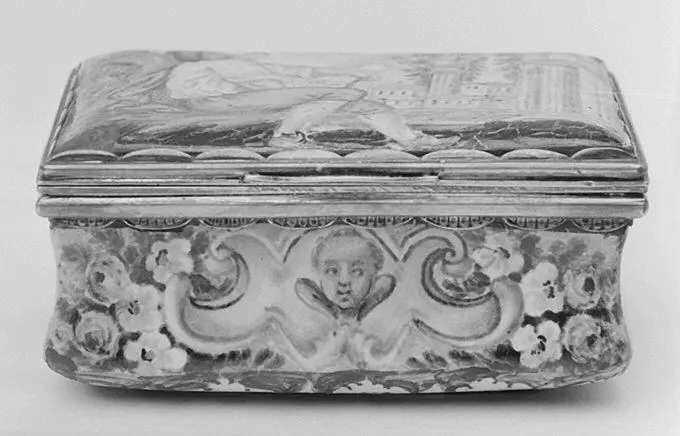
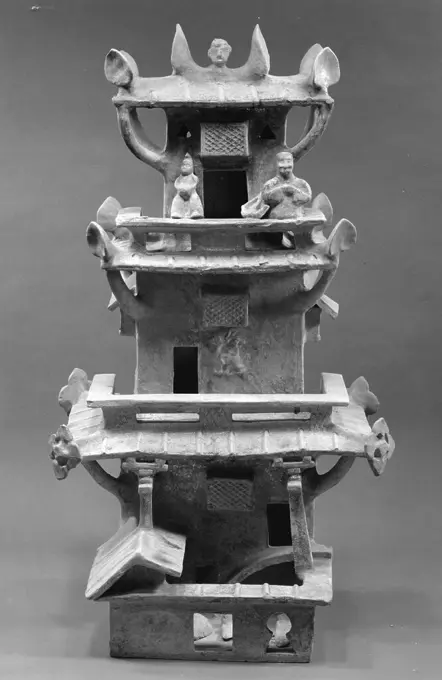
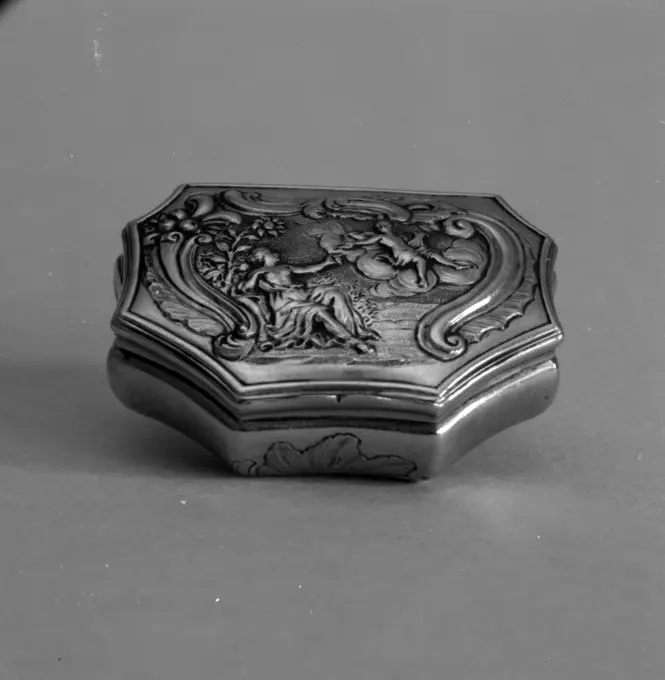
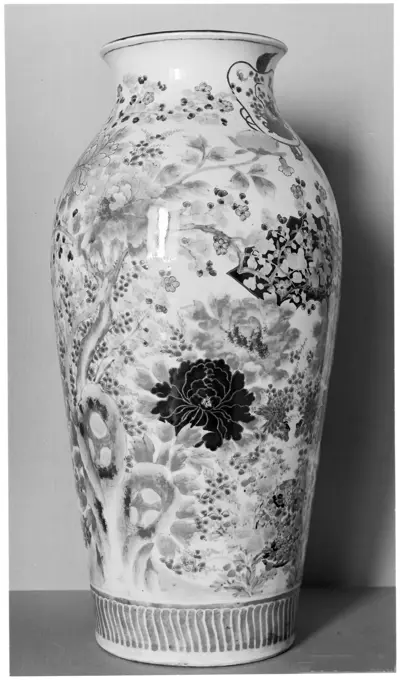
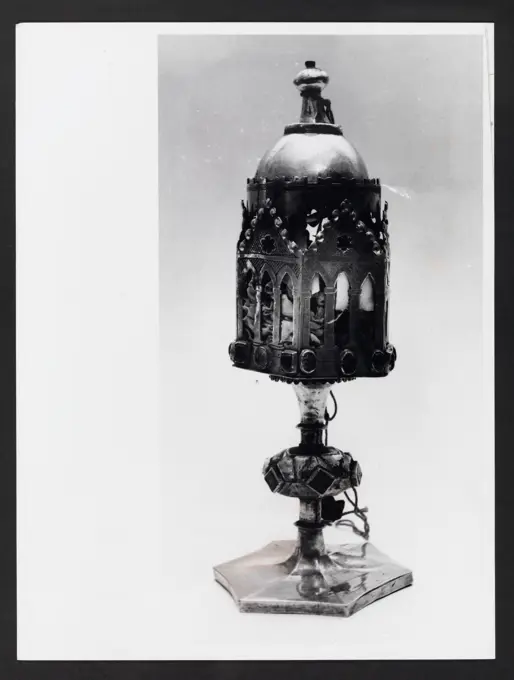
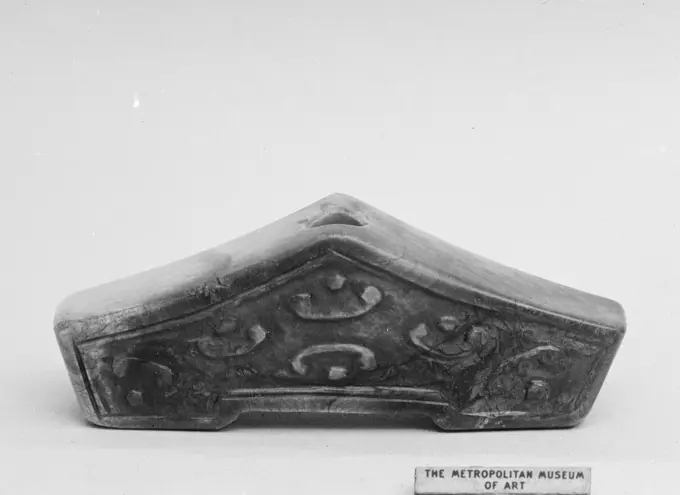
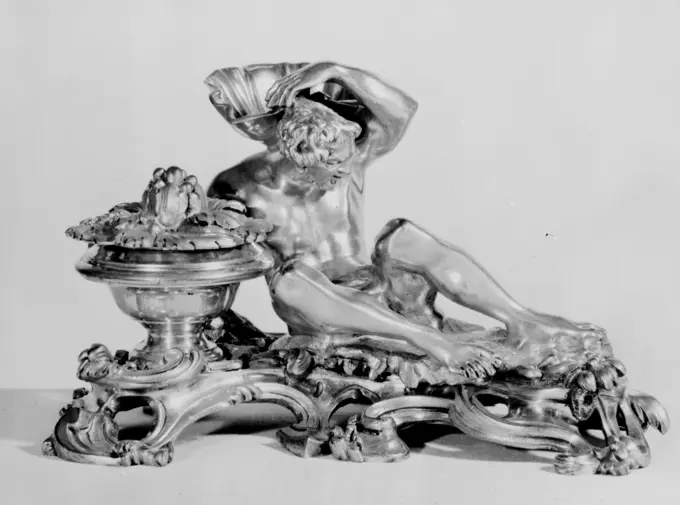
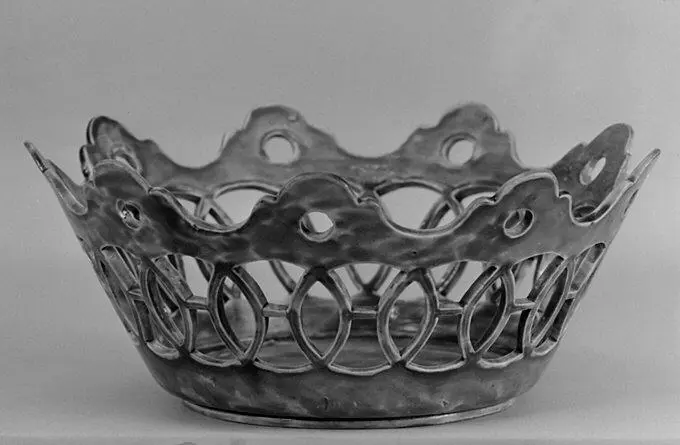
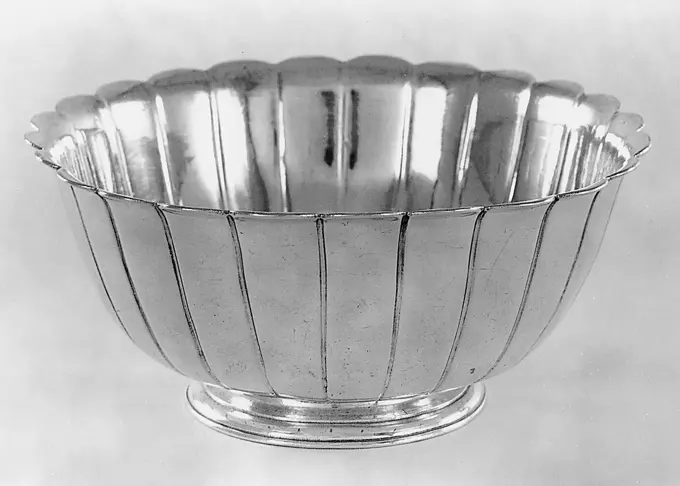
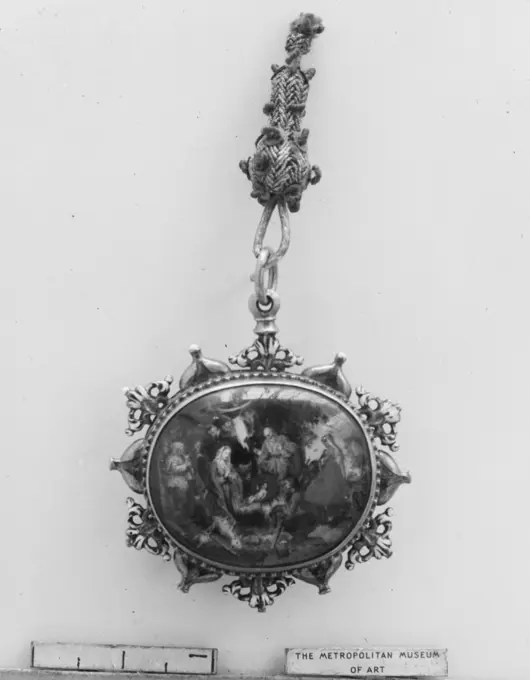
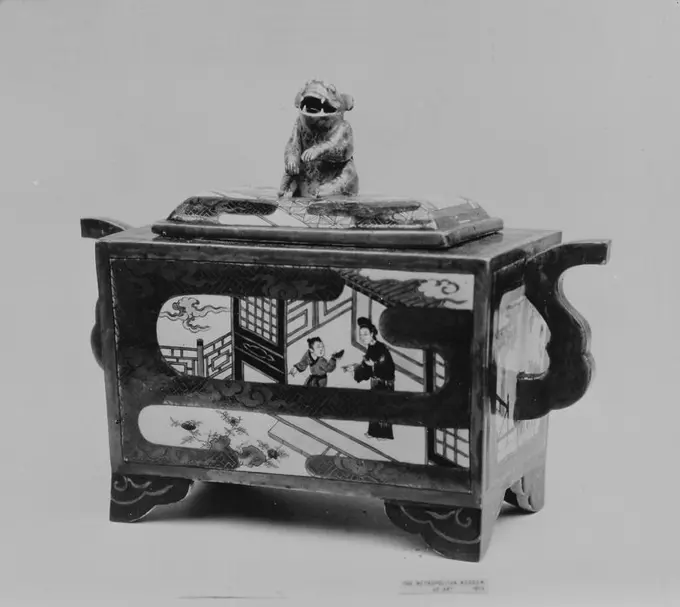
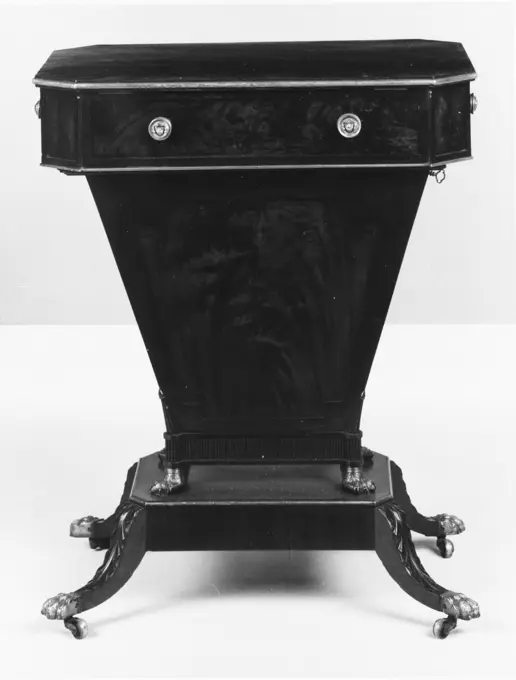
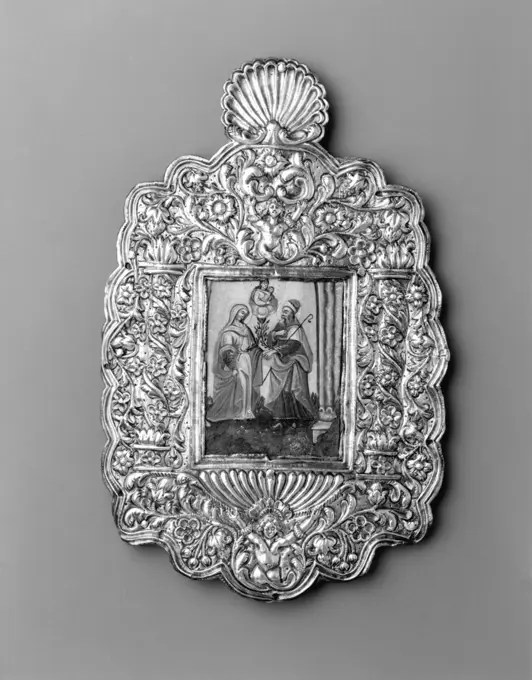
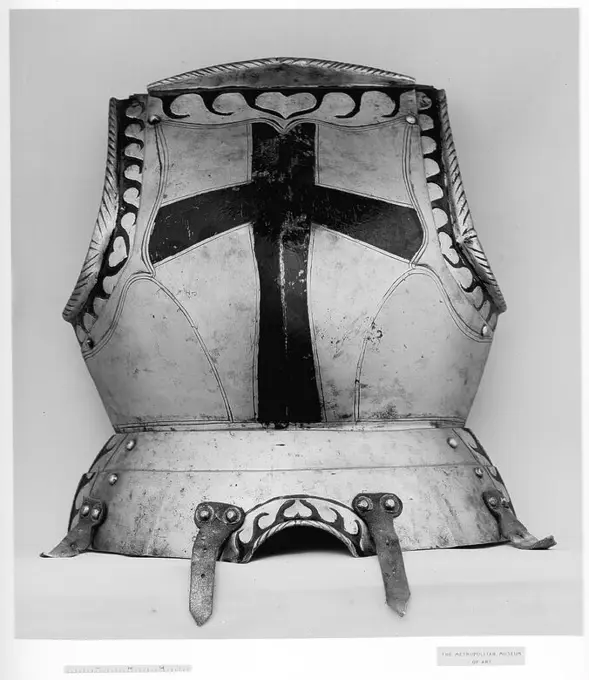
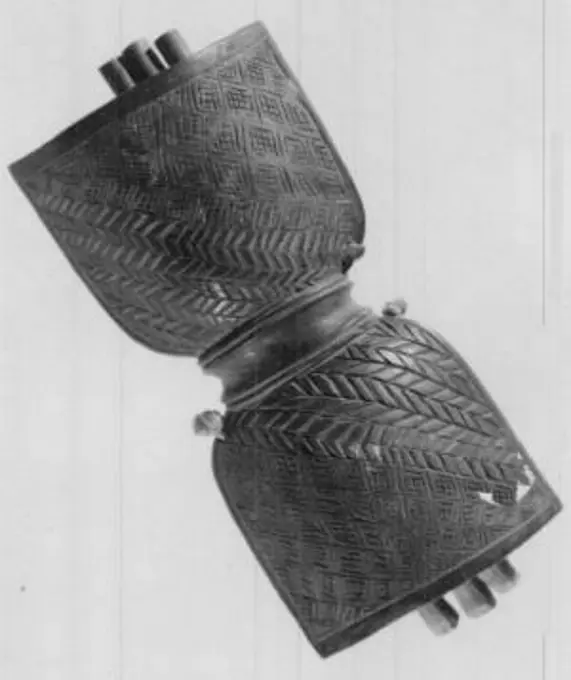
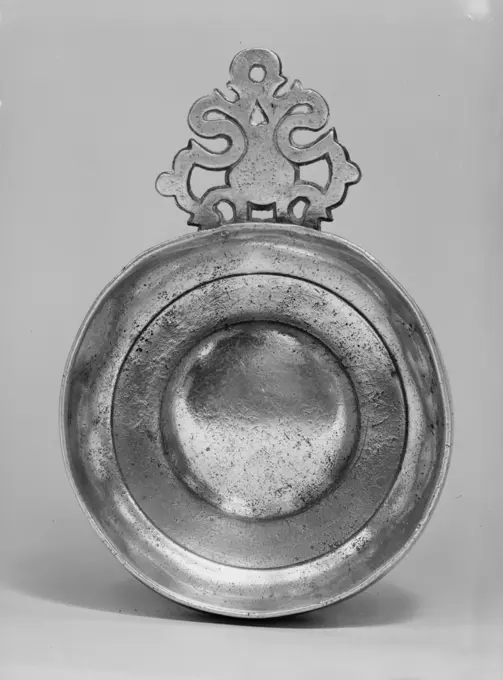
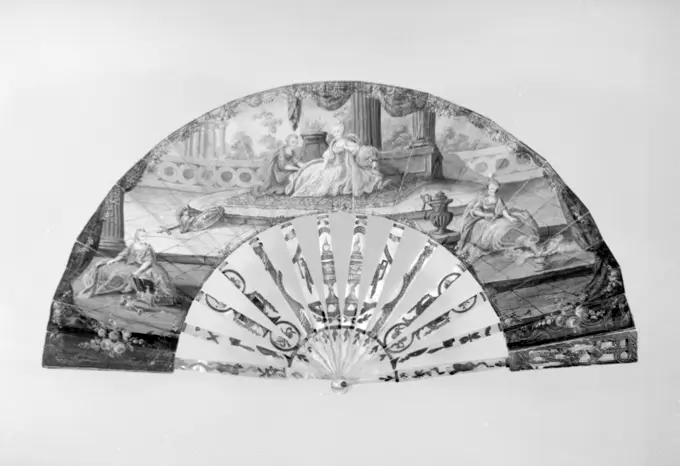
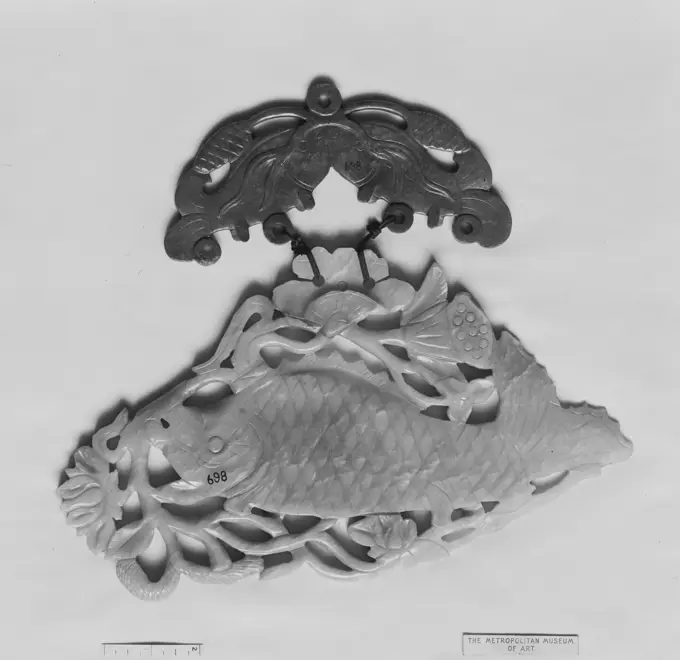
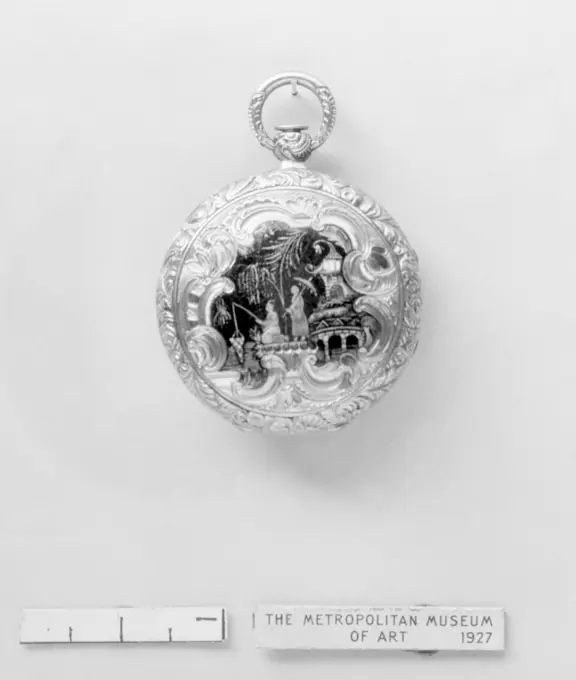
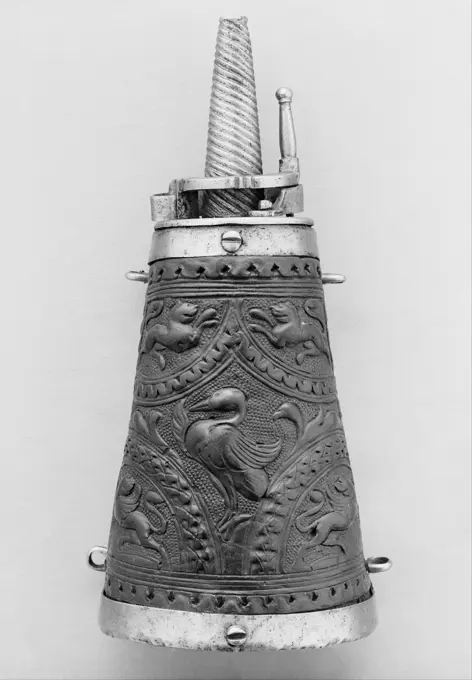
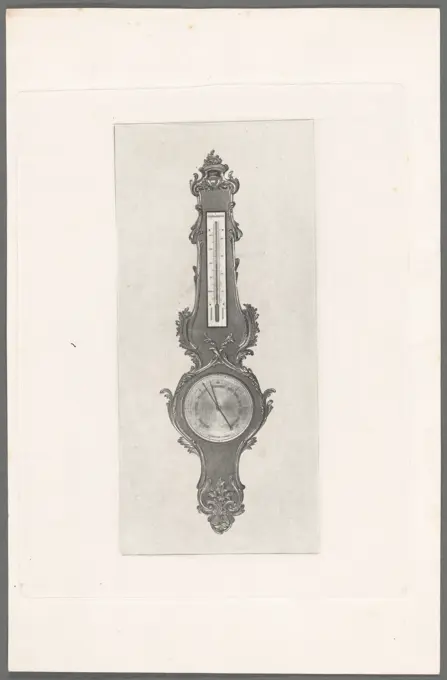
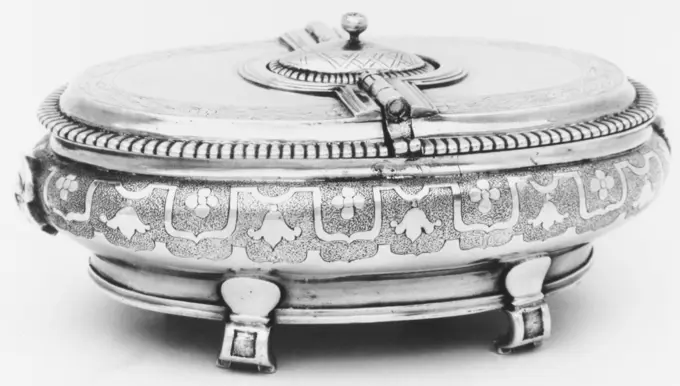
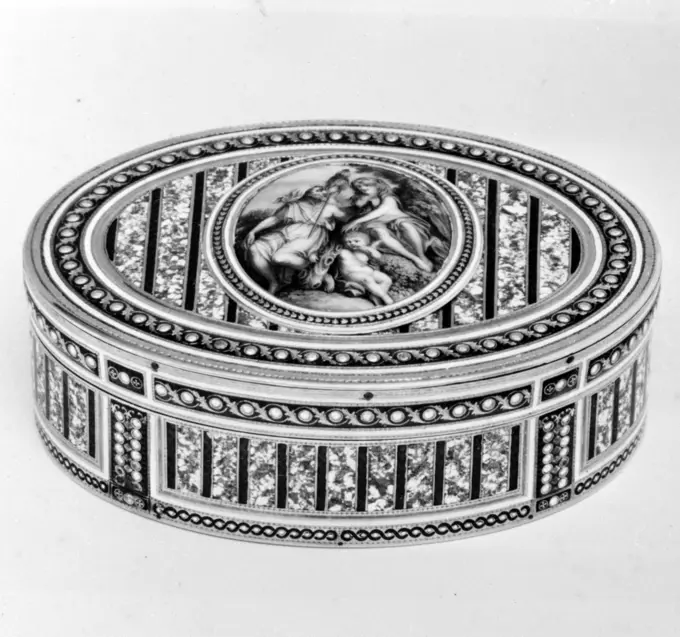
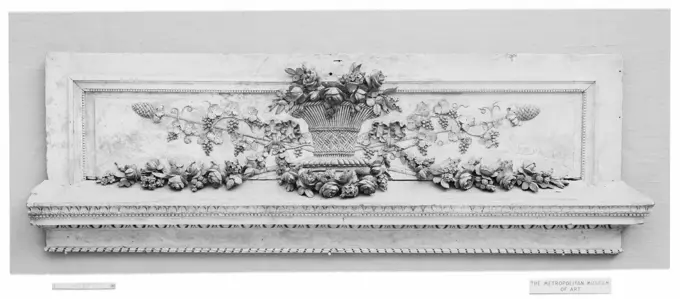
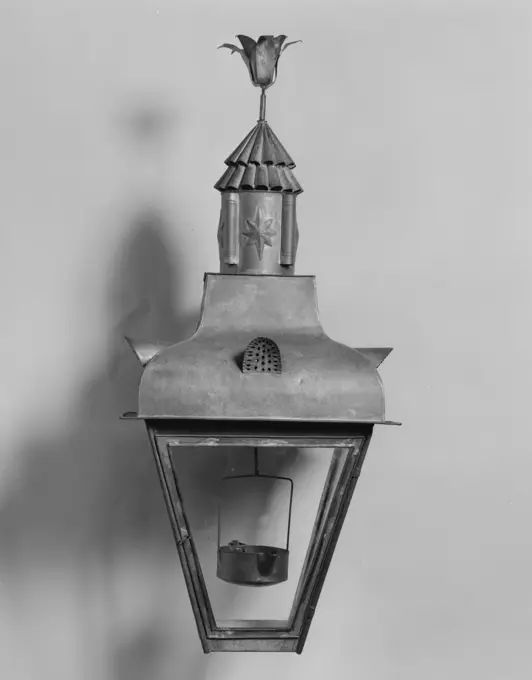
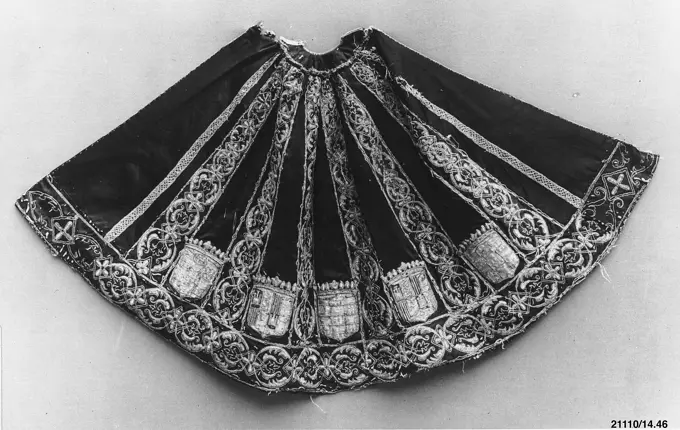
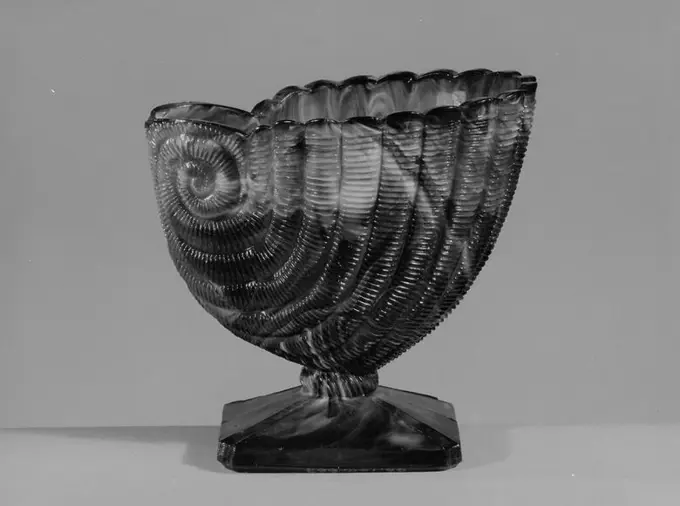
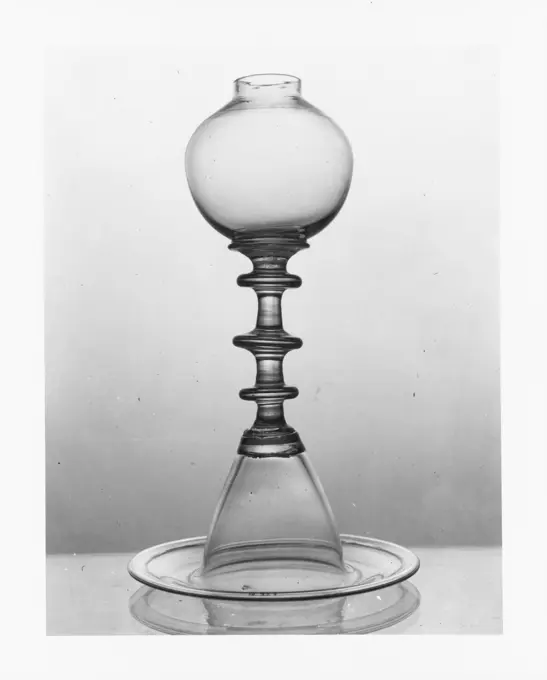
Hand Bell second half of the 10th-11th century Indonesia (Java). Hand Bell. Indonesia (Java). second half of the 10th-11th century. Bronze. Eastern Javanese period. MetalworkNocturnal European 19th centuryBottle with Cover 18th century China. Bottle with Cover. China. 18th century. Rock crystal. HardstonePlate late 16th-early 17th century China. Plate. China. late 16th-early 17th century. Stoneware with white slip decoration on light blue glaze ("Swatow" ware). late Ming dynasty (1368-1644). CeramicsCandelabrum 1810-20. Candelabrum 1136Teapot ca. 1725 Meissen Manufactory German. Teapot 188665 Factory: Meissen Manufactory, German, 1710present, Teapot, ca. 1725, Hard-paste porcelain, Height: 4 1/4 in. (10.8 cm). The Metropolitan Museum of Art, New York. Gift of Alfred Duane Pell, 1902 (02.6.125a, b)Wall bracket (one of a pair) ca. 1745 Meissen Manufactory German. Wall bracket (one of a pair) 203181Bowl 1835-40. Bowl. 1835-40. Lacy pressed glassESPEJO DE ISABEL LA CATOLICA CONVERTIDO EN CUSTODIA DE TIPO OSTENSORIO - SIGLO XV - FOTOGRAFIA EN BLANCO Y NEGRO - AÑOS 60. Location: CATEDRAL-CAPILLA REAL-INTERIOR. GRANADA. SPAIN.Funerary Urn. Culture: China. Dimensions: H. 29 1/2 in. (74.9 cm). Museum: Metropolitan Museum of Art, New York, USA.Plate 1750 Japan. Plate. Japan. 1750. Porcelain decorated in enamels and pierced medallions (Arita ware, Imari type). Edo period (1615-1868). CeramicsCovered Saltcellar ca. 1835 Boston & Sandwich Glass Company. Covered Saltcellar. American. ca. 1835. Lacy pressed glass. Possibly made in Sandwich, Massachusetts, United StatesWineglass (Hohlpuffenglas) first half 17th century German. Wineglass (Hohlpuffenglas). German. first half 17th century. Glass. GlassCreamer. Culture: American. Dimensions: Overall: 6 7/8 x 6 7/16 x 3 3/4 in. (17.5 x 16.4 x 9.5 cm); 10 oz. 1 dwt. (312.6 g)Foot: 3 7/8 x 3 3/16 in. (9.8 x 8.1 cm). Maker: Garrett Eoff (1779-1845). Date: ca. 1825. Museum: Metropolitan Museum of Art, New York, USA.Cricket cage 18th-19th century China. Cricket cage. China. 18th-19th century. Gourd, ivory. Qing dynasty (1644-1911). Cricket cagesWhale Oil Lamp ca. 1827-35 American. Whale Oil Lamp 5440Vase (one of a pair) ca. 1713-20 Meissen Manufactory German. Vase (one of a pair) 209410Wall Plaque ca. 1895 View more. Wall Plaque. ca. 1895. MetalClock-watch ca. 1590 German. Clock-watch. German. ca. 1590. Metal, rock crystal, silver, gilt metal. HorologyCocks & Bettridge, Caddy Spoon, 1808/9, silver.Figure-top spoon second half 16th century possibly Southern German. Figure-top spoon 188234 possibly Southern German, Figure-top spoon, second half 16th century, Silver, parcel-gilt (), Length: 5 3/4 in. (14.6 cm). The Metropolitan Museum of Art, New York. Gift of Mrs. Samuel P. Avery, 1897 (97.2.211)blur in iran antique door entrance and      decorative handle for backgroundLazio Rieti Rieti Museo del Tesoro del Duomo0. Hutzel, Max 1960-1990 Photos are all of metalwork: crucifixes, chalices and monstrances in most part. Negatives without prints also show some statuary. Owner: Cathedral Object Notes: Hutzel photo campaign date: December 27, 1982. His notes indicate that this is the "Museum of the Processional Cross," however TCI indicates that it is the Museo del Tesoro del Duomo. It is also possible that negatives without prints may belong to the Museo Civico in Rieti. German-born photographer and scholar Max Hutzel (1911-1988) photographed in Italy from the early 1960s until his death. The result of this project, referred to by Hutzel as Foto Arte Minore, is thorough documentation of art historical development in Italy up to the 18th century, including objects of the Etruscans and the Romans, as well as early Medieval, Romanesque, Gothic, Renaissance and Baroque monuments. Images are organized by geographic region in Italy, then by province, city, site cMonstrance 16th-17th century German and Polish. Monstrance 193574One Tier Wedding Cake with Gondola     Date: 1936FLORERO - FOTOGRAFIA EN BLANCO Y NEGRO - SIGLO XIX. Location: MUSEO DEL ROMANTICISMO-FOTOGRAFIA. MADRID. SPAIN.Candlestick 1630-70 British or Flemish. Candlestick. British or Flemish. 1630-70. Brass. Possibly made in Flanders, Belgium; Possibly made in EnglandWineglass ca. 1730 Bohemian. Wineglass. Bohemian. ca. 1730. Glass, verre églomisé and Zwischengold glass. GlassTazza ca. 1600 Italian, Venice (Murano). Tazza. Italian, Venice (Murano). ca. 1600. Glass. GlassWhale Oil Lamp 1830-40 Probably New England Glass Company. Whale Oil Lamp 5460Wine bottle ca. 1750 Japan. Wine bottle. Japan. ca. 1750. Clay, finely crackled glaze clouded with stains; decoration in underglaze blue (Kiyomizu ware). Edo period (1615-1868). CeramicsSnuff bottle with stopper 18th-19th century China. Snuff bottle with stopper 41105Parts of a pair of andirons 18th century French. Parts of a pair of andirons. French. 18th century. Gilt bronze. Metalwork-Gilt BronzePart of a dalmatic 16th century Spanish. Part of a dalmatic 222580Wineglass 1762 Style of William Fortuyn. Wineglass. Dutch. 1762. Glass. GlassFirescreen ca. 1790 American. Firescreen 3642Bowl. Dimensions: H. 2 1/4 in. (5.7 cm); Diam. 10 in. (25.4 cm). Date: 1820-40. Museum: Metropolitan Museum of Art, New York, USA.Hat 1820-40 American. Hat. American. 1820-40. Blown molded lead glass. Probably made in Pennsylvania, United StatesGlass Globe ca. 1895. Glass Globe. ca. 1895. GlassSaltcellar. Dimensions: 1 3/4 x 2 x 3 1/16 in. (4.4 x 5.1 x 7.8 cm). Date: 1830-35. Museum: Metropolitan Museum of Art, New York, USA.Vase with immortals early 18th century China. Vase with immortals. China. early 18th century. Porcelain with relief decoration and painted in overglaze polychrome enamels (Jingdezhen ware). Qing dynasty (1644-1911), Kangxi period (1662-1722). CeramicsUmbria Terni Collescipoli S. Maria Maggiore2. Hutzel, Max 1960-1990 Post-medieval: Architecture, architectural sculpture (15th century); Baroque interior (c. 1688); frescoes (c. 1690). In sacristy treasury: metalwork (13-16th century) Object Notes: Hutzel photo campaign date: February 6, 1986. General Notes: Re material in treasury, Hutzel refers reader to Terni-Narni Catalogue Should treasury be noted in location field German-born photographer and scholar Max Hutzel (1911-1988) photographed in Italy from the early 1960s until his death. The result of this project, referred to by Hutzel as Foto Arte Minore, is thorough documentation of art historical development in Italy up to the 18th century, including objects of the Etruscans and the Romans, as well as early Medieval, Romanesque, Gothic, Renaissance and Baroque monuments. Images are organized by geographic region in Italy, then by province, city, site complex and monument.Snuffbox mid-18th century Probably Castelli. Snuffbox. Italian, probably Castelli. mid-18th century. Earthenware; silver. Ceramics-PotteryMultistoried Watchtower with Front Court. Culture: China. Dimensions: H. 33 1/4 in. (84.5 cm); W. 18 1/8 in. (46 cm). Date: ca. 1st-early 3rd century.Pottery models of houses and farm structures were commonly included in Eastern Han burials to provide for the afterlife. Museum: Metropolitan Museum of Art, New York, USA.Snuffbox ca. 1730-40 German. Snuffbox. German. ca. 1730-40. Gold. Metalwork-Gold and PlatinumCorner console. Culture: French. Dimensions: 21 1/4 × 11 3/4 in. (54 × 29.8 cm). Date: early 18th century. Museum: Metropolitan Museum of Art, New York, USA.Chandelier 1670-1700. Chandelier. 1670-1700. Iron, woodPair of Vases late 19th century Japan. Pair of Vases. Japan. late 19th century. White porcelain decorated with blue under the glaze, enamel, iron red and gold (Arita ware). Edo (1615-1868) or Meiji period (1868-1912). CeramicsTea caddy 1745-46 Paul de Lamerie British The cover slides open. The coat of arms is for a bachelor of the Haselwood family of Northamptonshire.. Tea caddy 192138Covered incense burner China. Covered incense burner. China. Nephrite. Qing dynasty (1644-1911), Qianlong period (1736-95). JadeAbruzzo L'Aquila Castelvecchio Subequo S. Francesco, Museum0. Hutzel, Max 1960-1990 Reliquaries, processional cross (15th century) statues- including a silver Madonna and Child with Angels, sculpture-including wooden statue of Christ, and frescoes Roman sculpture fragments, bronze sculpture, bronze plate, iron sword, roman coins German-born photographer and scholar Max Hutzel (1911-1988) photographed in Italy from the early 1960s until his death. The result of this project, referred to by Hutzel as Foto Arte Minore, is thorough documentation of art historical development in Italy up to the 18th century, including objects of the Etruscans and the Romans, as well as early Medieval, Romanesque, Gothic, Renaissance and Baroque monuments. Images are organized by geographic region in Italy, then by province, city, site complex and monument.Sword pommel China. Sword pommel. China. Jade. Han dynasty (206 B.C.-A.D. 220). JadeBracelet (part of a set) 19th century G.L. Barberi. Bracelet (part of a set). G.L. Barberi. Italian, Rome. 19th century. Gold, mosaic, onyx ()Vase as a plumber masterpieceZhaofu Collar early 18th century China. Zhaofu Collar 64124Waist Lame. Armorer: Attributed to Wolfgang Grosschedel (German, Landshut, active ca. 1517-62); Attributed to Franz Grosschedel (German, Landshut, recorded 1555-79). Culture: German, Landshut. Dimensions: H. 2 1/2 in. (6.4 cm); W. 13 in. (33 cm); Wt. 3 oz. (85 g). Date: ca. 1555-60. Museum: Metropolitan Museum of Art, New York, USA.Inkwell ca. 1760 French Both functional and highly decorative, bronzes dameublement such as wall-lights, firedogs, clocks and desk accessories played an important role in the luxurious French interior from the late seventeenth till the early nineteenth century. These objects followed the latest stylistic changes and well-known artists and sculptors were sometimes involved in their design. Indispensable for letter writers, a gilt-bronze inkstand would not only complement the mounts of the writing table on which it was placed but could be a piece of sculpture in its own right. Here, a male nude reclines on the scrolling base and leans against a lidded vase which forms the inkwell. With his left arm, he supports a large shell which rests on his shoulder. The figures twisting form and the curves of the base suggest a date of manufacture in the 1760s.. Inkwell. French. ca. 1760. Gilt bronze. Metalwork-Gilt BronzeBasket ca. 1760 British, Staffordshire. Basket 197606Set of four vase ornaments 18th century French. Set of four vase ornaments. French. 18th century. Gilt bronze. Metalwork-Gilt BronzeCharles Perier, Bowl, 1733/34, silver.Pendant 17th century Spanish. Pendant. Spanish. 17th century. Gold, verre eglomisé, enamelCenser with cover. Culture: Japan. Dimensions: H. (with cover) 9 1/4 in. (23.5 cm); W. 5 1/2 in. (14 cm); L. 12 in. (30.5 cm). Date: 1750. Museum: Metropolitan Museum of Art, New York, USA.Fan French second half 19th centuryMeiping vase 18th century China. Meiping vase. China. 18th century. Porcelain painted with coral red glaze (Jingdezhen ware). Qing dynasty (1644-1911). CeramicsAymé Videau, Set of Four Candlesticks, 1744-47, silver.Box 1830-70 American. Box. American. 1830-70. Parian porcelain. Probably made in Bennington, Vermont, United StatesRome ItalyDish ca. 1830 American. Dish. American. ca. 1830. Lacy pressed glass. Made in New England, United StatesPair of chutes French 18th century View more. Pair of chutes. French. 18th century. Gilt bronze. Metalwork-Gilt BronzeWork Table 1810-20 Attributed to the Workshop of Duncan Phyfe Scottish Perhaps unique in design, this is one of two known work tables of this type. The best features of New York Classical style are seen in its shape and decoration. The workings of its interior are equally elaborate. The lid, hinged from the front, springs up upon release of a hidden catch to reveal a plain panel with a mirror on the reverse.. Work Table. American. 1810-20. Mahogany veneer, mahogany, gilt-brass ornament, white pine, yellow poplar. Made in New York, New York, United StatesThe Meeting of Joachim and Anna Unknown. The Meeting of Joachim and Anna, 18th century. Oil on paper mounted on copper plate (painting); silver on wood core (frame), frame: 11 7/8 x 7 1/2 x 1/2 in. (30.2 x 19.1 x 1.3 cm).  PAINTINGS AND THEIR FRAMES Lists of paintings in dowries and estate inventories often include descriptions, however brief, of their frames. In the colonial period, frames were often higher in value than their painted images, especially when made of silver or embellished with gold leaf. Paintings were even cut down to fit expensive frames or discarded altogether and replaced with mirrors. The nearby large painting on copper of Saint Catherine of Siena was evidently so esteemed by its owner that a richly embossed silver frame was commissioned for it. The valuable silver frames for the two small, unrefined interpretations of the Annunciation and the Meeting of Joachim and Annaadorned with embossed flowers, twisted Solomonic columns, putti (winged infants), scalloped shWellhead China. Wellhead 62986Breastplate with Tassets. Culture: Swiss. Dimensions: 08.261.10a; H. 17 1/2 in. (44.5 cm); W. 15 1/4 in. (38.7 cm); D. 8 3/4 in. (22.2 cm); Wt. 6 lb. 6.7 oz. (2911.5 g); 08.261.10b, c; H. 15 1/2 in. (39.4 cm). Date: ca. 1580. Museum: Metropolitan Museum of Art, New York, USA.Kunda (Double Bell) late 19th century Congolese Used by the Nganga, healer and spiritualist, the hourglass shaped double bell is liked to Nkisi cult worship and is used during songs and dances to treat the ill. It was also used to tame evil witches, evil spirits of the dead and ghosts. This is an outstanding example features grooved crosshatched diamond and herringbone patterns.. Kunda (Double Bell). Congolese. late 19th century. Wood. Congo. Idiophone-Shaken-rattlePorringer 1760-93 William Kirby. Porringer. American. 1760-93. Pewter. Made in New York, New York, United StatesDish, Satin Iris” pattern.   Maker: Thomas Hawkes and Company, American, active ca. 1880 - 1964Fan 18th century French. Fan 209809Beaker on stand ca. 1600 German. Beaker on stand 202112Fish Gong China. Fish Gong. China. Nephrite, (a) gong: white of yellowish tone clouded with lighter tints; (b) mount: olive green with shades of brown. Qing dynasty (1644-1911), Qianlong period (1736-95). JadeBrooch or pendant 19th century possibly French. Brooch or pendant. possibly French. 19th century. Platinum (), gold back; diamondsUnknown photographer, green vault in Dresden (without date): Baptismal basin of the Saxon royal family by D. Kellerthaler. Photo on cardboard, 16.7 x 10.9 cm (including scan edges) unbek. Fotograf : Grünes Gewölbe in Dresden (ohne Dat.)Watch ca. 1820-40 Watchmaker: Firm of Alliez, Bachelard et Terond Fils. Watch 195650Powder Flask second half 16th century Italian. Powder Flask. Italian. second half 16th century. Leather, steel, wood, pigment. Firearms Accessories-Flasks & PrimersPrint of a thermometer made by "Lerebours à Paris". 1841 - 1844. Fizeau, H. (Hippolyte), 1819-1896. Prints. The Miriam and Ira D. Wallach Division of Art, Prints and Photographs: Photography CollectionPendant probably 18th century Attributed to Johann Friedrich Dinglinger. Pendant. German, probably Dresden. probably 18th century. Gold, enamel, rubies, diamond (or crystal), pearlChair seat cover mid-18th century British. Chair seat cover 221887Caddy spoon 19th century British, Birmingham. Caddy spoon 188211Lavatory 18th century German. Lavatory 193260Spice box with grater ca. 1744-45 François Duran. Spice box with grater 200154Snuffbox with miniature of Hercules, Omphale and Cupid 1789-90 Joseph Etienne Blerzy French In eighteenth-century Europe, Paris led the production of high-quality luxury goods. Parisian goldsmiths made a wide range of small, personal articles such as snuffboxes; étuis to hold sealing wax, tweezers, or utensils for sewing; souvenirs, which contained thin ivory tablets for note taking; and shuttles for knotting lace. Gold snuffboxes and boxes decorated with portrait miniatures were prized and frequently given as royal gifts, often to ambassadors or members of the court in lieu of cash payments for their services. Coveted and admired, these boxes were produced from a variety of materials. The best were skillfully made of gold and embellished with diamonds, enameled decoration, lacquer, and other luxurious materials. By the middle of the century, the taking of snuff had become an entrenched social ritual, and the snuffbox, too, had become an important social prop. Snuffboxes were considereOverdoor (Dessus de porte) 18th century French. Overdoor (Dessus de porte). French. 18th century. Wood, gilt on grey ground. WoodworkLantern 1700-1800 American. Lantern. American. 1700-1800. Tin. Made in Pennsylvania, United StatesChute 18th century French. Chute. French. 18th century. Gilt bronze. Metalwork-Gilt BronzeCover 16th century Spanish. Cover 219684Salver ca. 1770 William Reynolds. Salver 192166Vase. Culture: China. Dimensions: H. 9 1/4 in. (23.5 cm). Museum: Metropolitan Museum of Art, New York, USA.Vase. Dimensions: H. 3 3/4 in. (9.5 cm); Diam. 4 3/8 in. (11.1 cm). Date: 1880-90. Museum: Metropolitan Museum of Art, New York, USA.Bliżej Kultury unknownPowder Flask ca. 1610 Jeremias Ritter German The horn is carved with a figure of Saint Hubert, patron of hunters.. Powder Flask 23348Lamp 1800-1830 American. Lamp 4682