Historic Metalwork

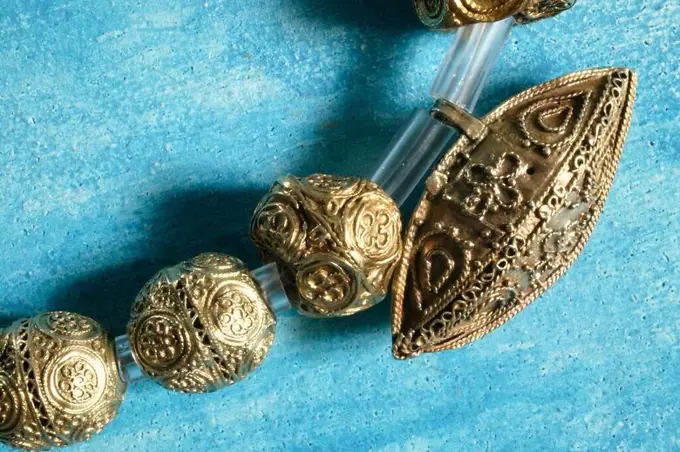
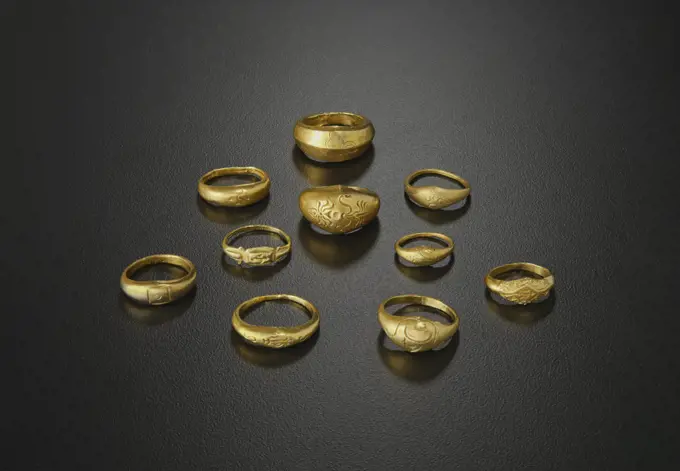
A display of ancient ornamental pieces, including brooches and sword fittings, highlighting intricate designs and historical significance.
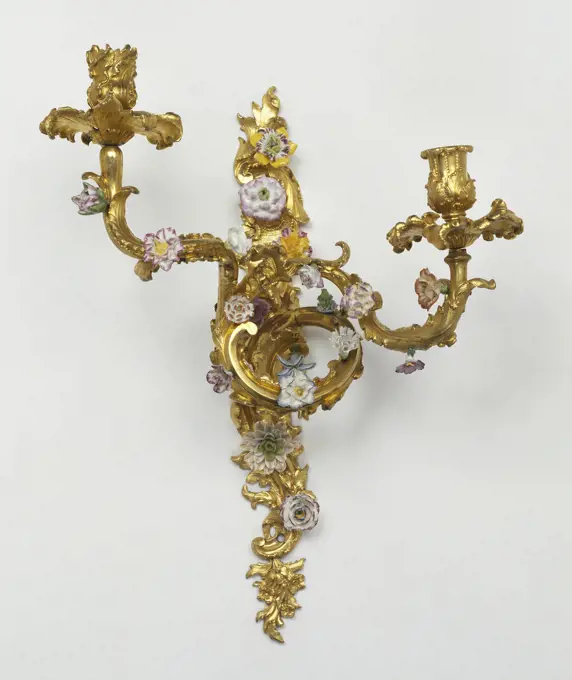
Wall Light; Paris, France; about 1750; Soft-paste porcelain; gilt bronze; 45.7 × 34.3 × 19.7 cm (18 × 13 1,2 × 7 3,4 in.)
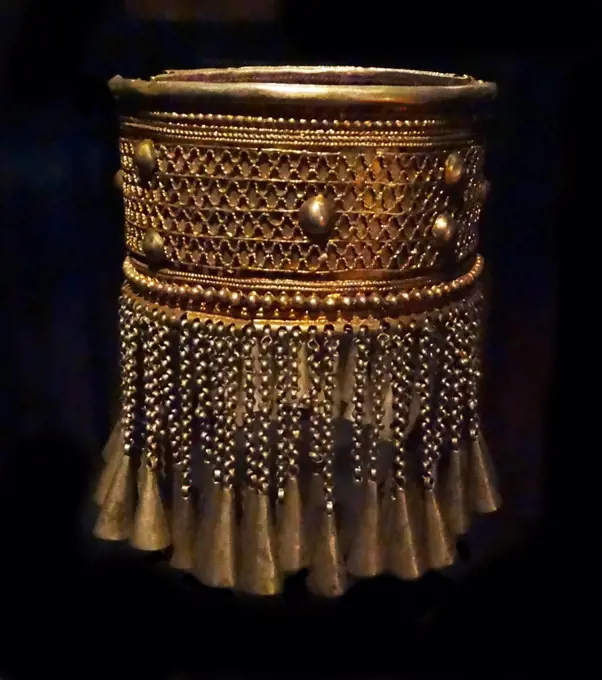
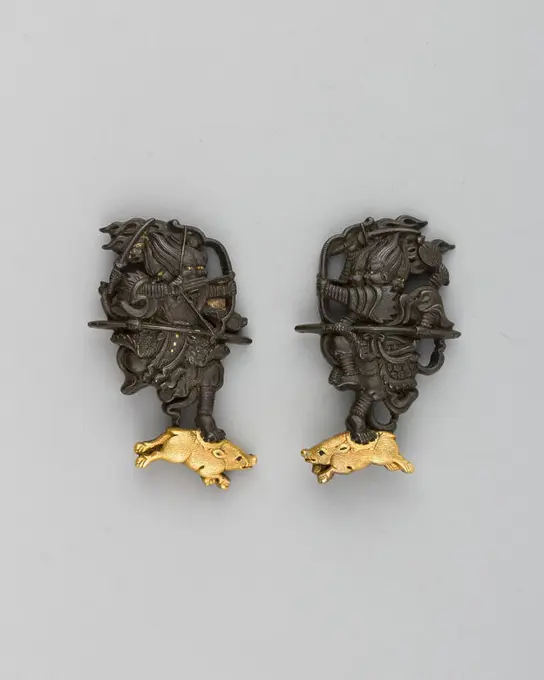
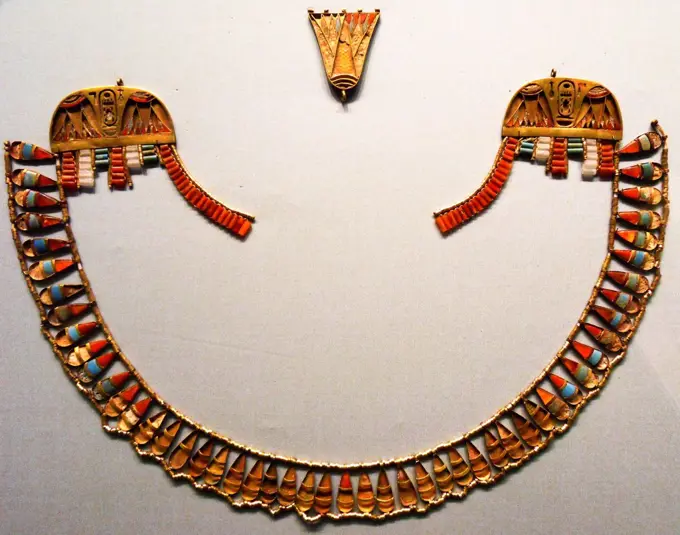
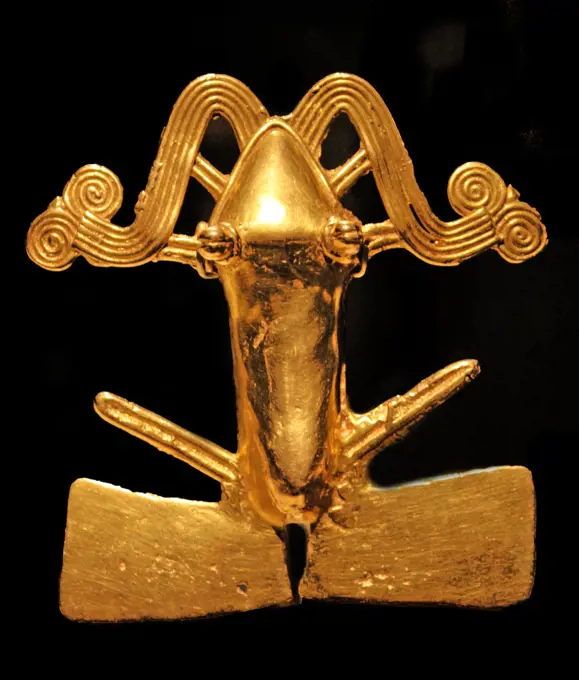
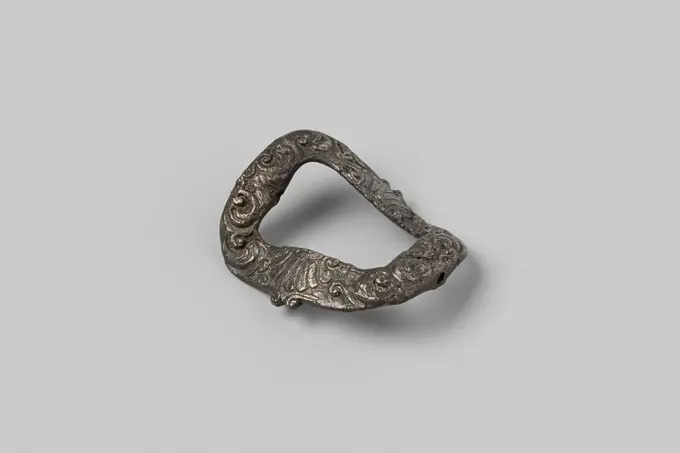
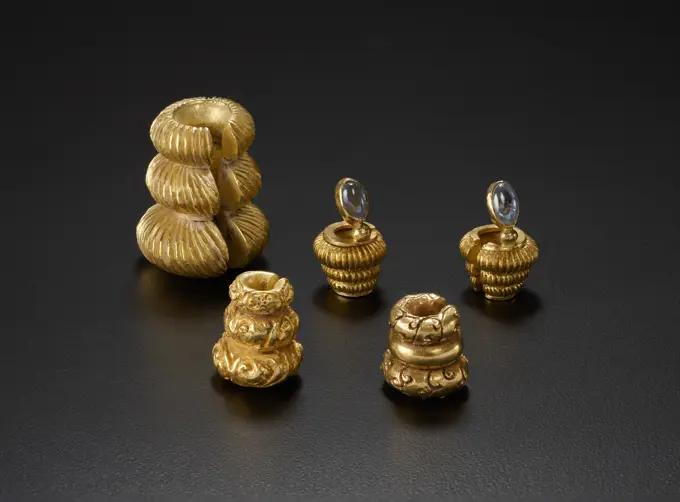
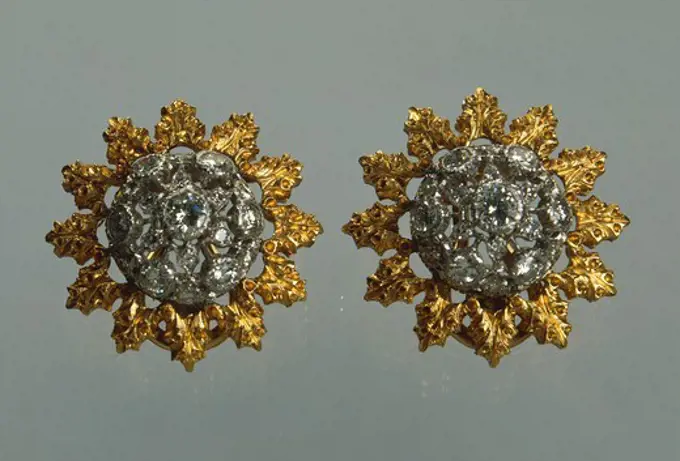
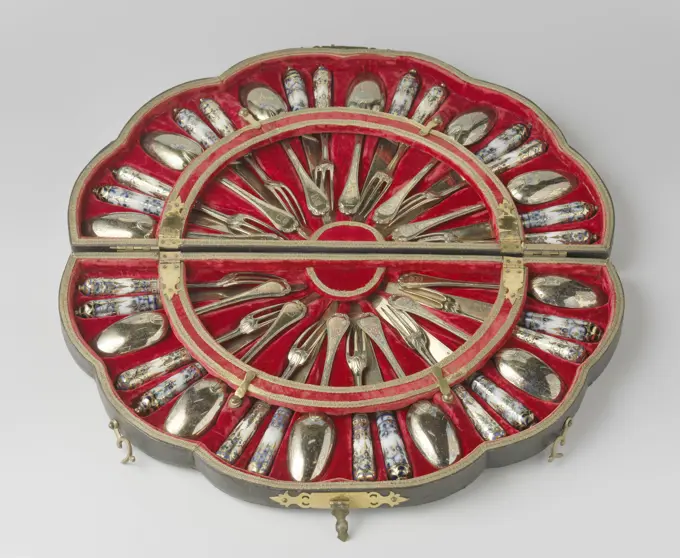
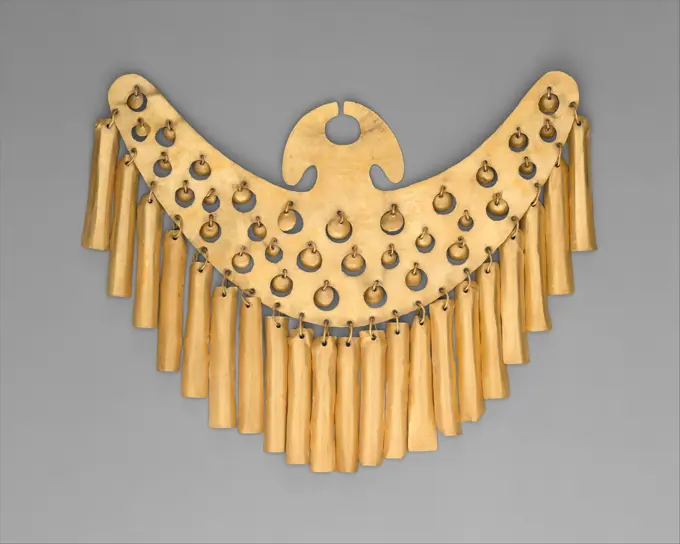
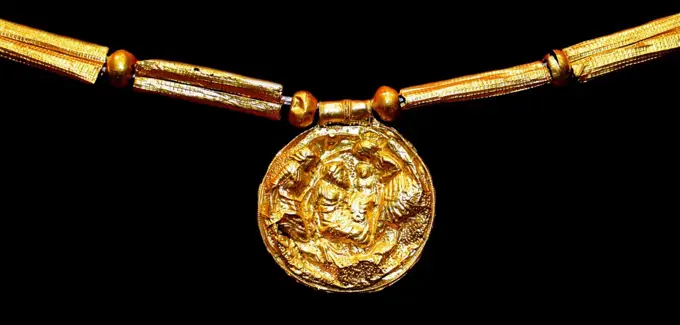
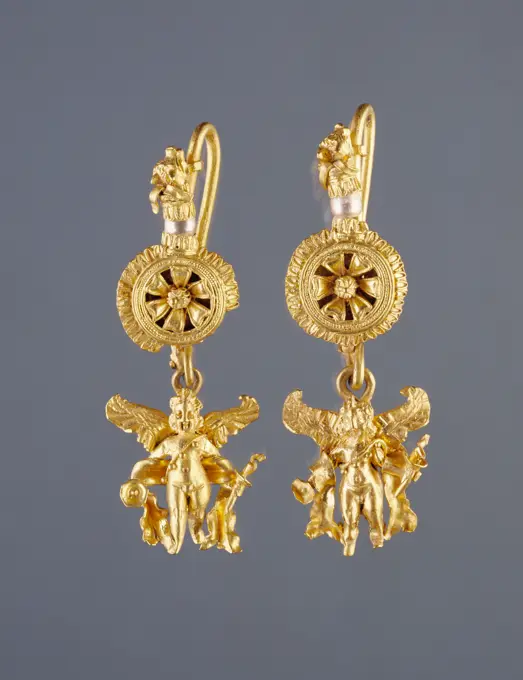
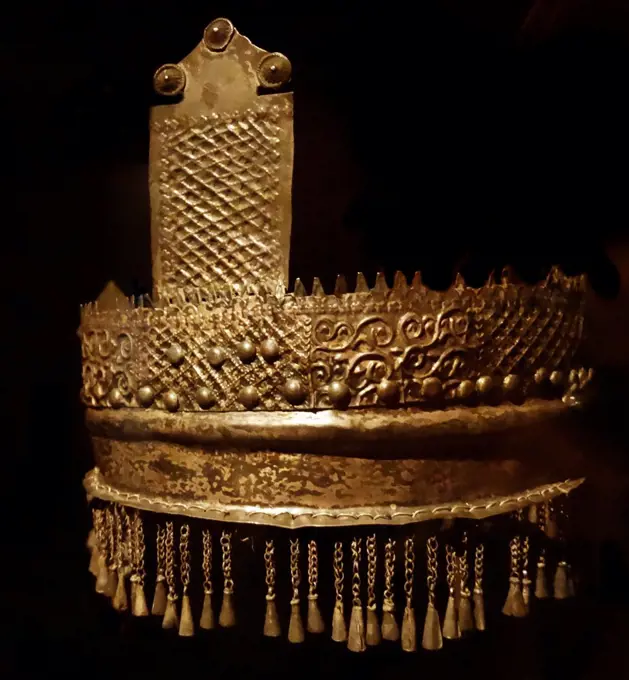
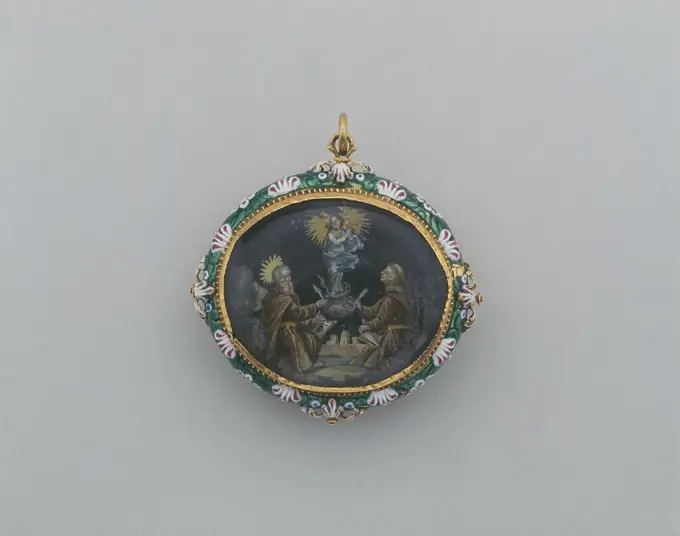
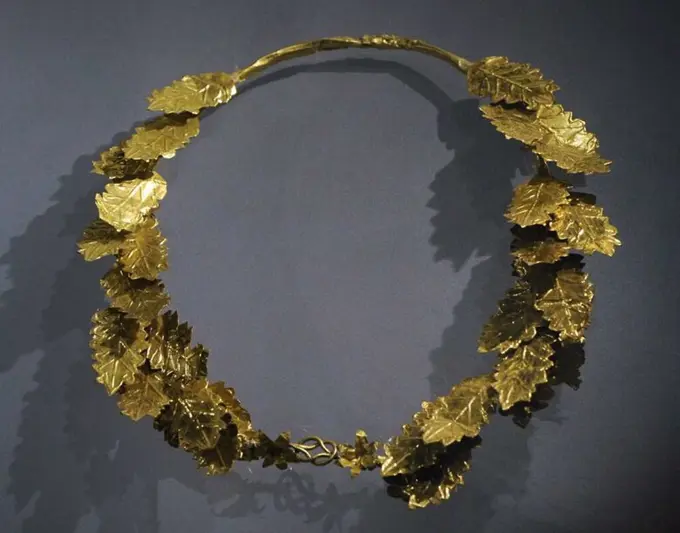
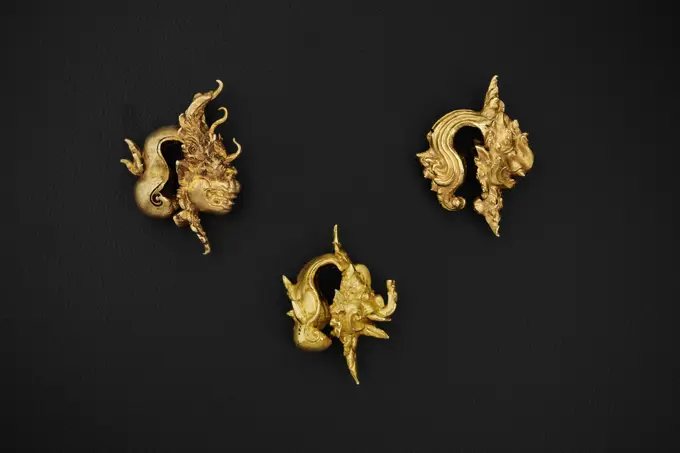
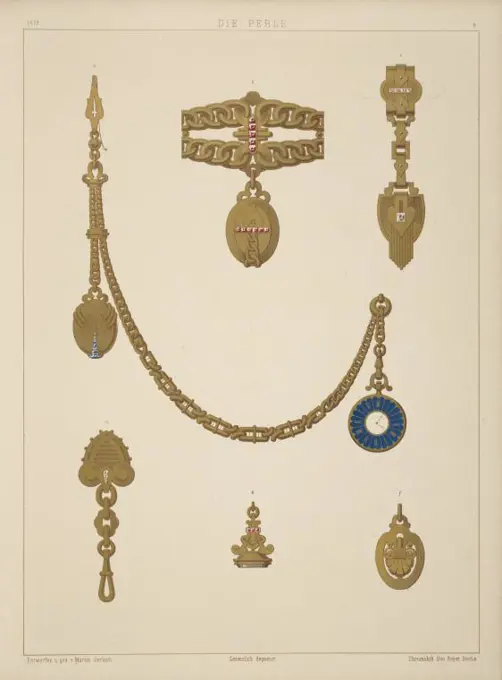
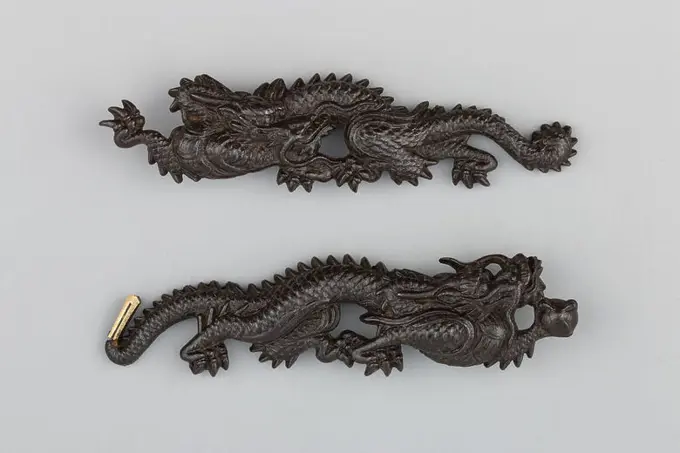
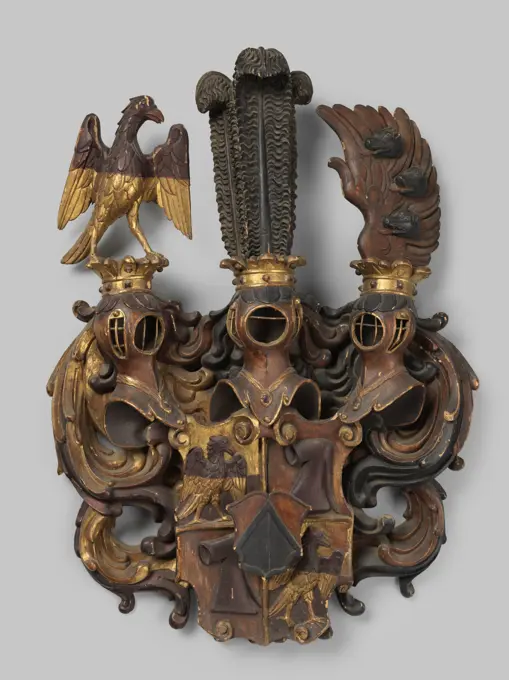
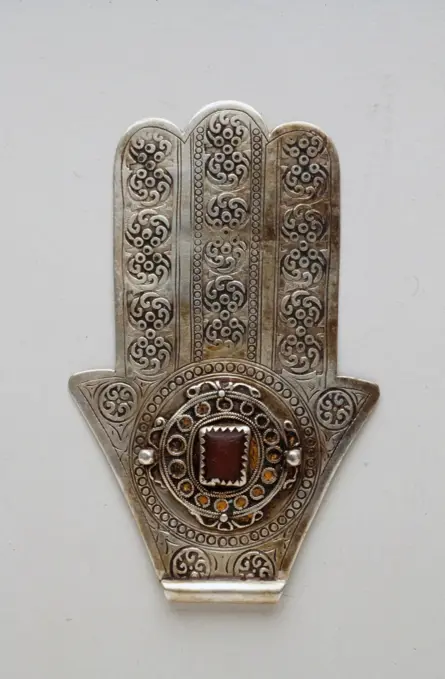
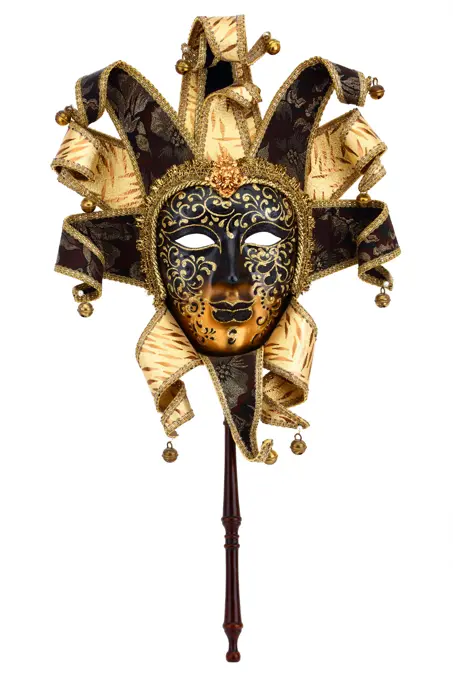
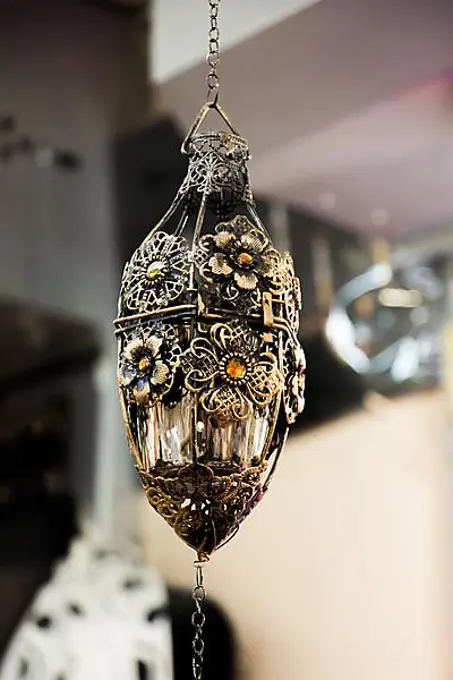
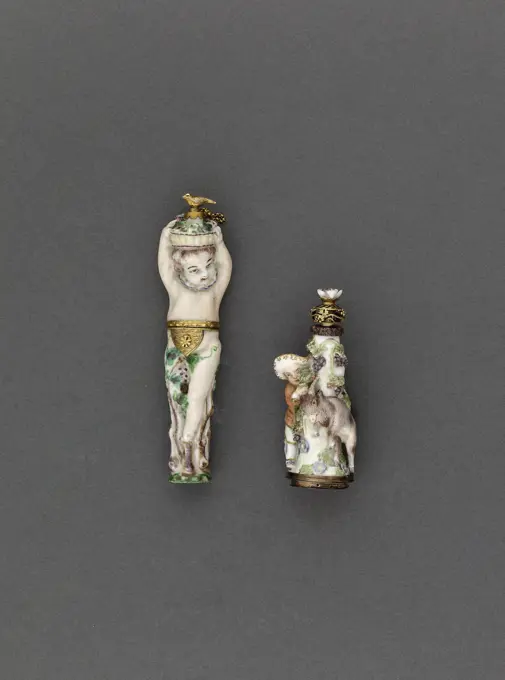
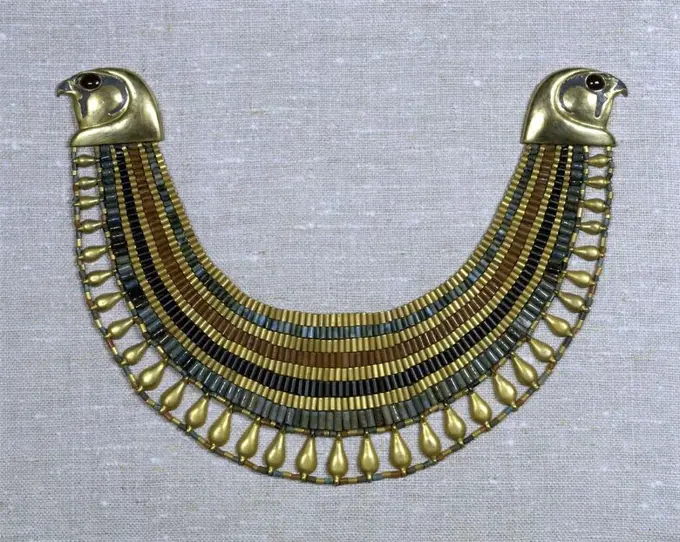
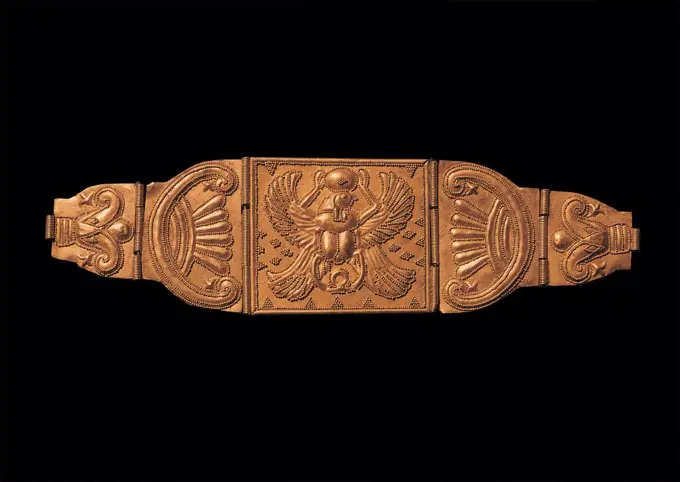
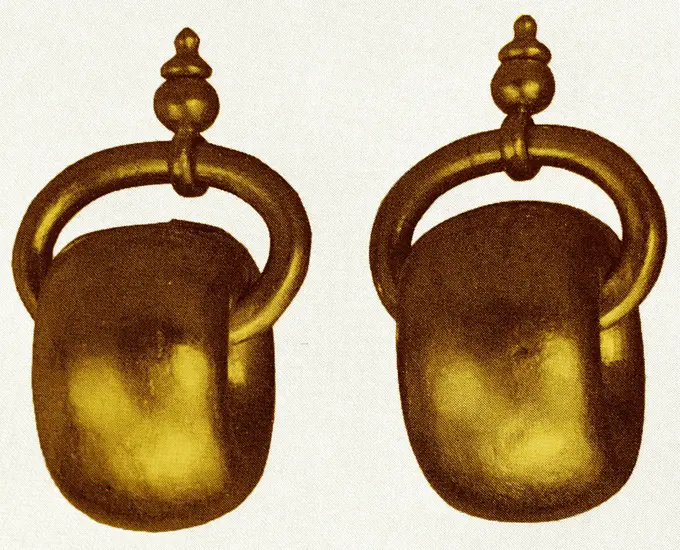
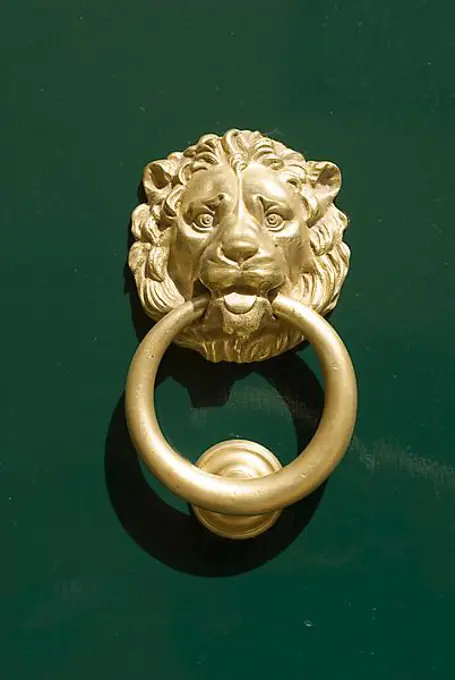
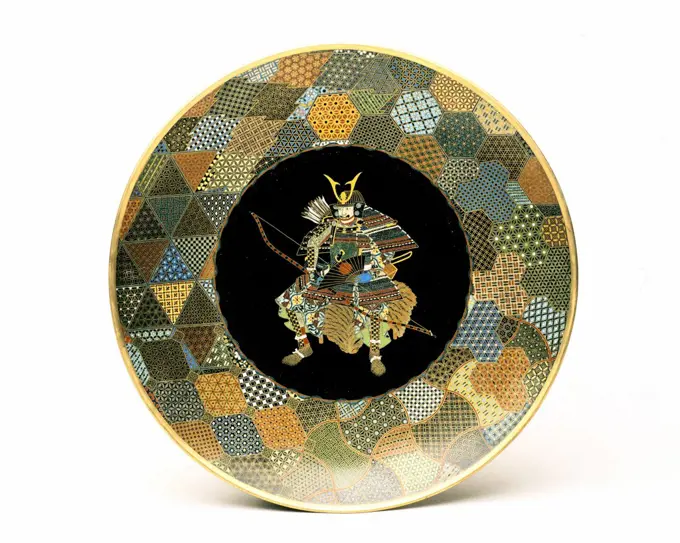
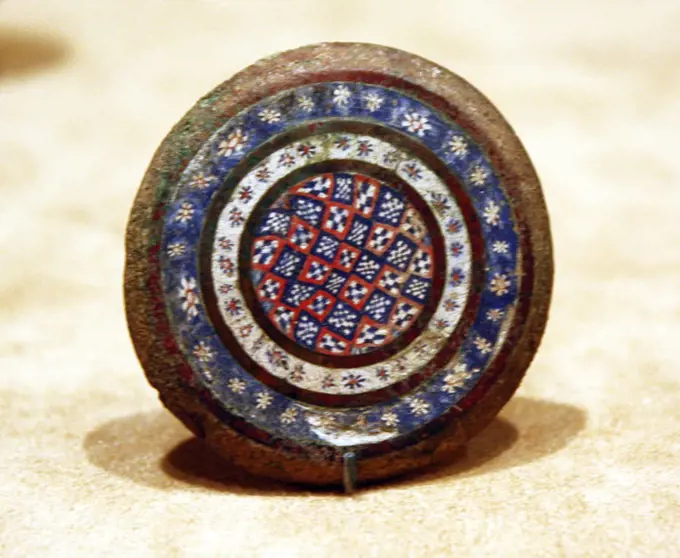
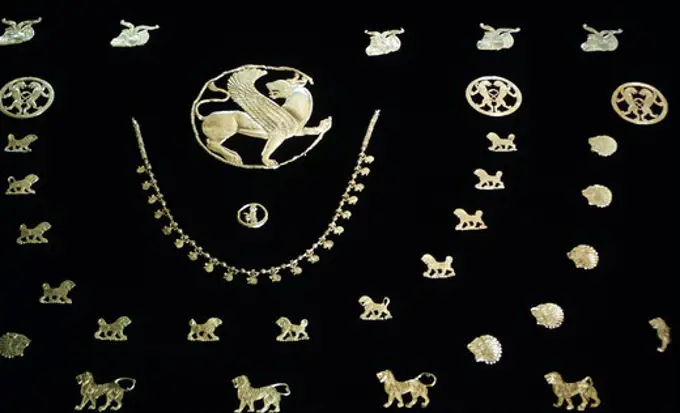
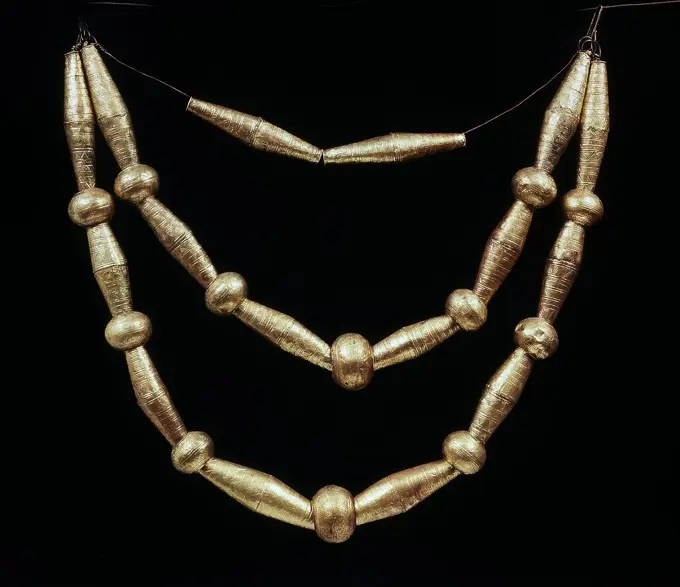
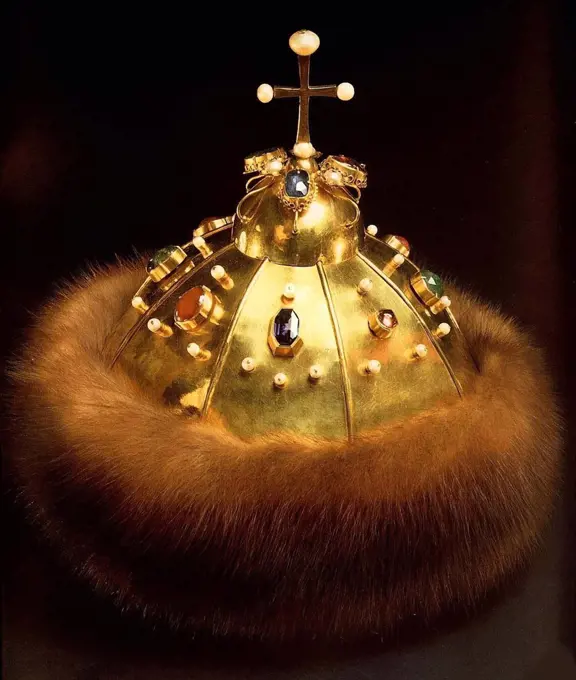
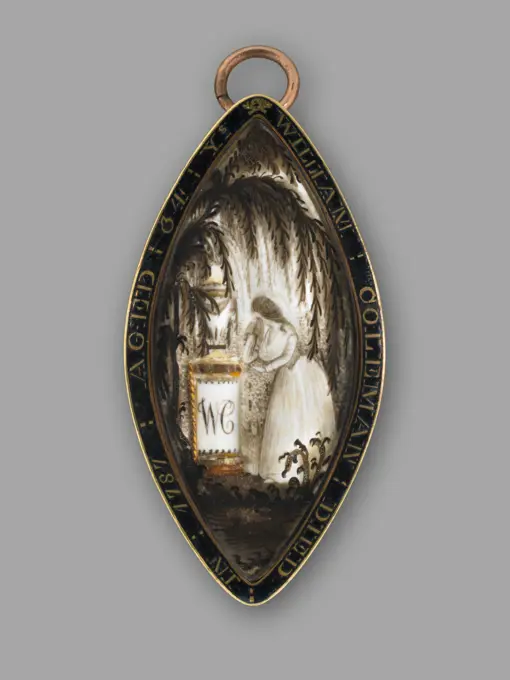
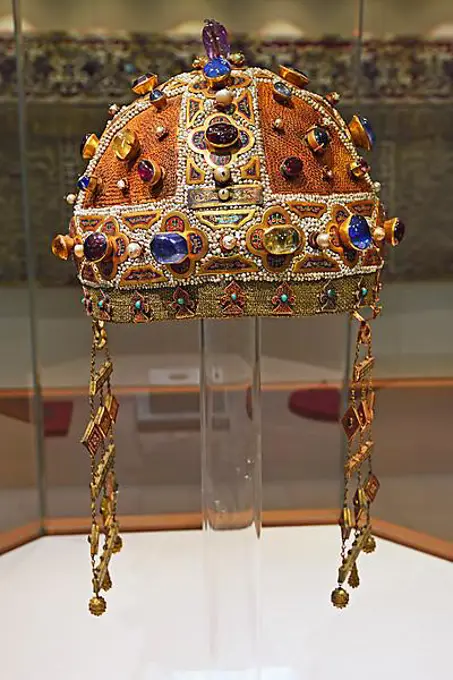
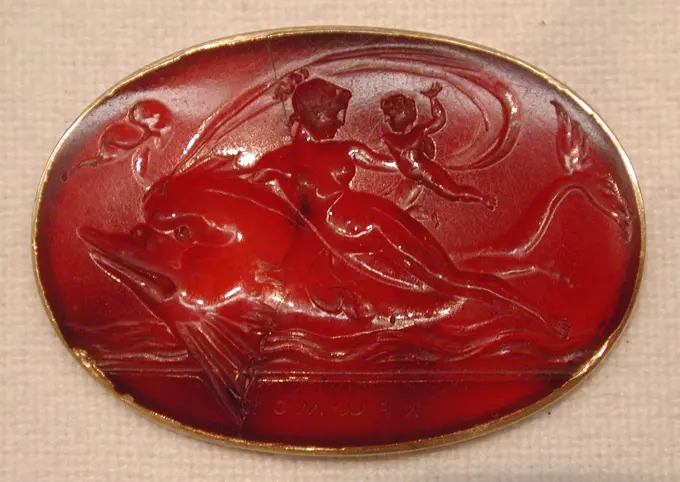
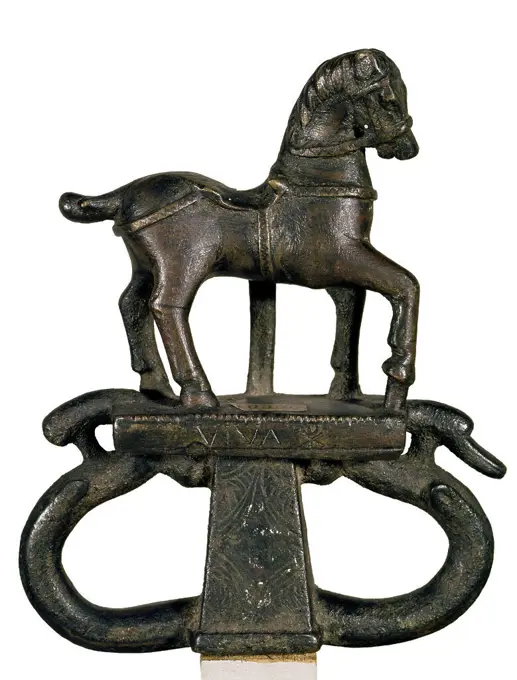
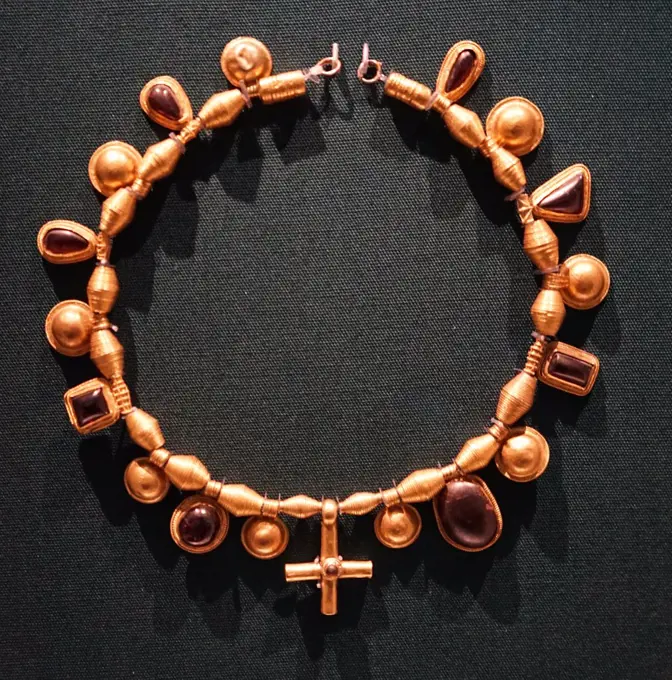
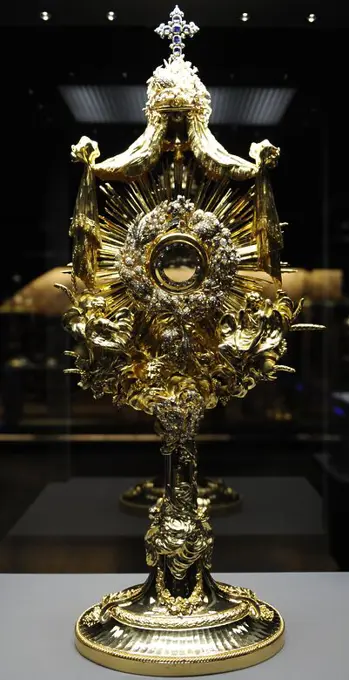
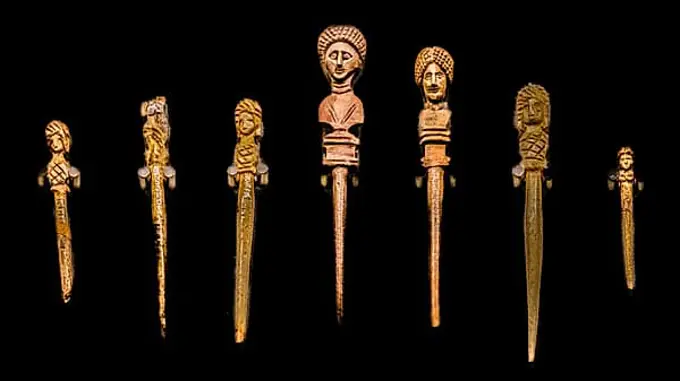
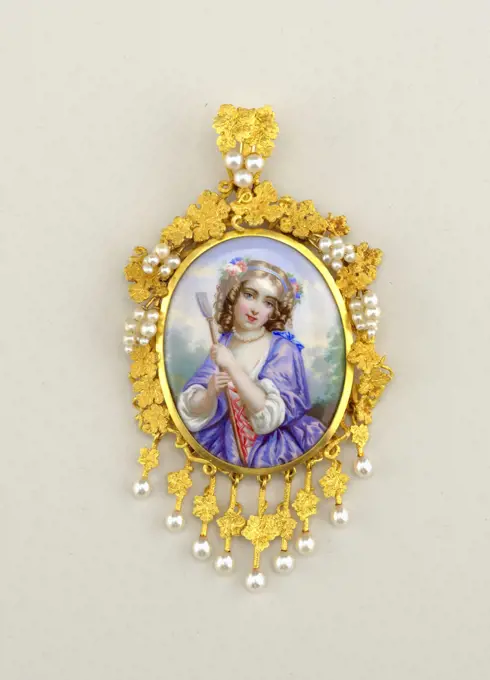
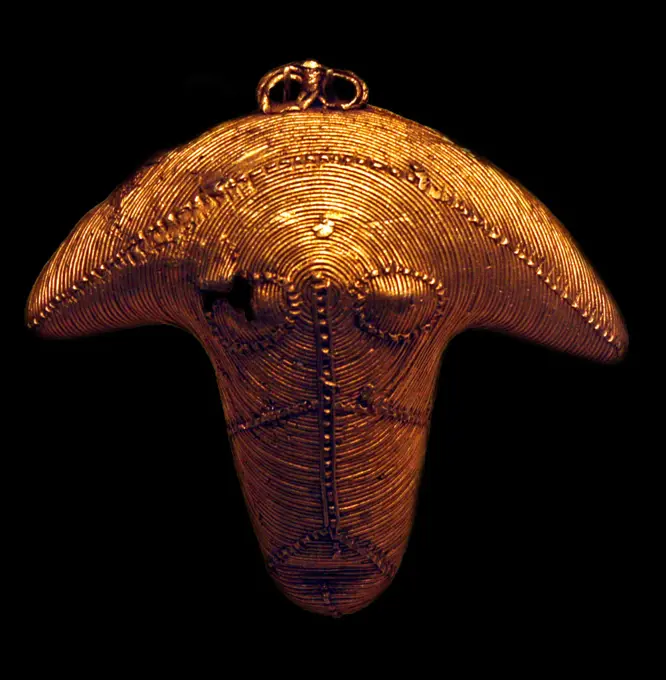
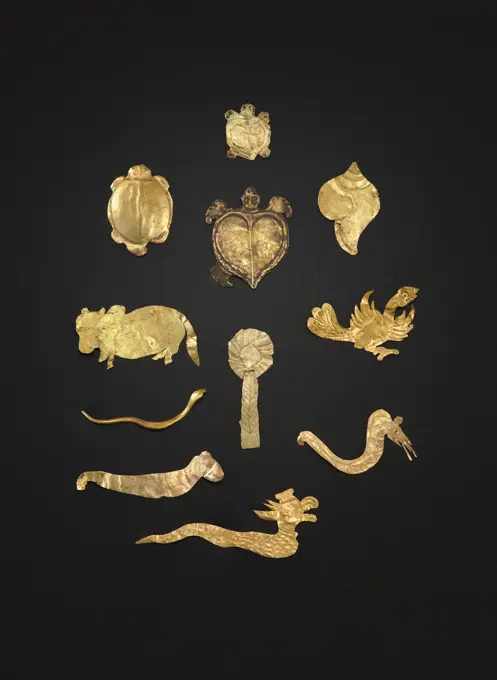
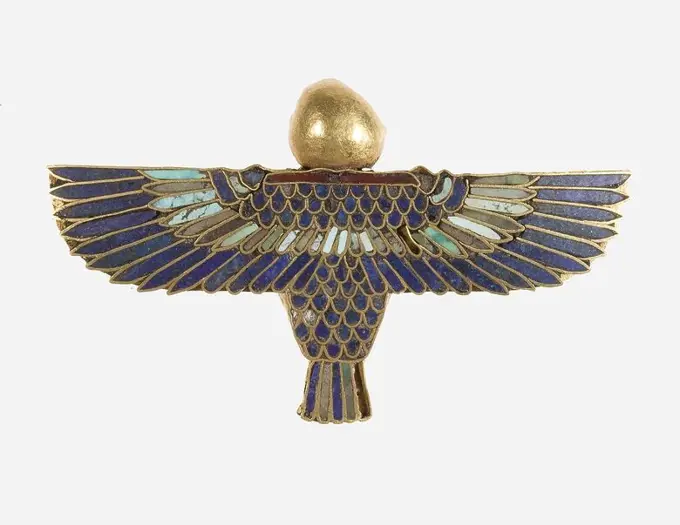
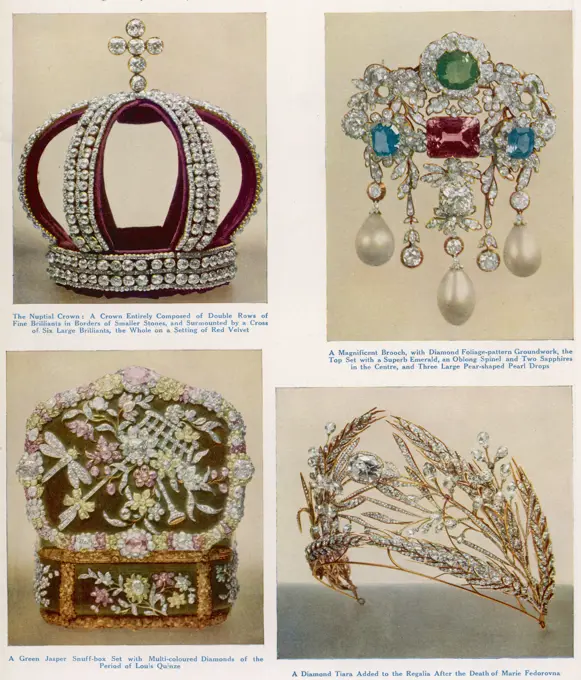
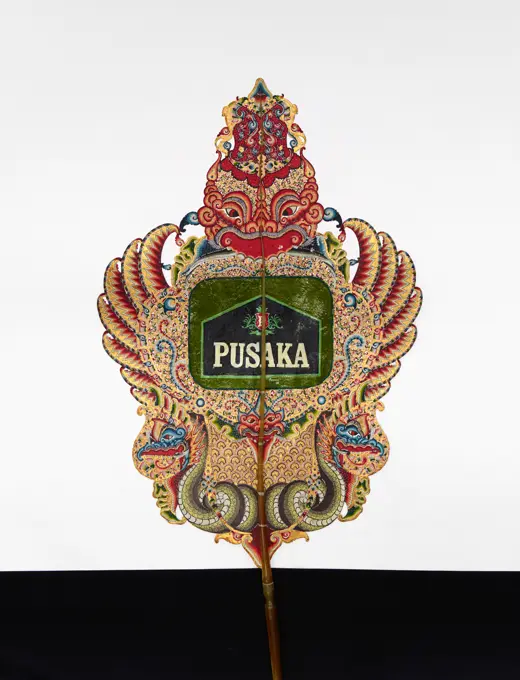
Barrier in the form of an anchor, worn by Gerrit Leijster, one of the 'axes' in the fight at the Kattenburger Bridge against the Patriotic Schutterij on May 30, 1787, Anonymous, 1766 medal Gilded copper carrier with eye and ring.  penning: silver (metal). penning: gilding (material) gildingBracelet. From Ethiopia, made from copper gilt and velvet.Pair of Sword-Grip Ornaments (Menuki). Culture: Japanese. Dimensions: L. of each 1 7/16 in. (3.7 cm); W. of each 13/16 in. (2.1 cm); Wt. of each 0.3 oz. (8.5 g). Date: 1750-87. Museum: Metropolitan Museum of Art, New York, USA.Golden artifact from Calima Culture, Colombia, Bogota, Museo del Oro, Pre-Columbian ArtGold object found in a tomb near Tarquinia, Italy. British Museum. London. UK.Beaded Collar 1479 B.C. Worn frequently as pieces of jewellery among the royalty and elite in ancient Egypt.Frog Pendant. Costa Rica, Chiriqul. 11th-16th century. Cast Gold. Frogs are frequently depicted in the goldwork of Costa Rica and Panama, a tropical region where numerous species abound, from tiny terrestrial varieties to giant tree frogs.Kneeespoon from the wreck of the East India Hollandia.Kniegesp. Buckle, chape buckle, knee buckle; (1) Ring (3x2.4, 0.2T), Relieved Decoration of Scrolling Shell Motifs, Scrolling Projections On Long Sides (Spindle Longitudinal).Large Cord Fastener or EarOrnamentMount, ca. 1810; stamped, cast and chased gilt-bronzePurse first quarter 18th century probably Austrian. Purse 156862Goldsmith's art, Italy, 20th century. Mario Buccellati, gold and diamond earrings, 1960s.Scarab inset into a Ring. UnknownPECTORAL DE CHIAO DE LAMAS PORTUGAL. CELTA. (DEPOSITO: MUSEO ARQUEOLOGICO NACIONAL).Pendant 8th-11th century Panama. Pendant 312918Twelve specifications, c. 1730 - c. 1735 The twelve specifications consist of a gilded silver fork, a spoon and a knife; The forks and the knives have sheds porcelain, painted in underlaze blue and gold with a lace -inspired ornament. On the backs of the stems of the spoons, a crowned weapon is engraved with two crossed rakes above a hilly landscape, perhaps the Wietzendorff family crest (Wittgendorf) from Hanover. porcelain company: Meissensilversmith: Augsburgsilversmith: Hannover porcelain. silver (metal) gilding / engraving The twelve specifications consist of a gilded silver fork, a spoon and a knife; The forks and the knives have sheds porcelain, painted in underlaze blue and gold with a lace -inspired ornament. On the backs of the stems of the spoons, a crowned weapon is engraved with two crossed rakes above a hilly landscape, perhaps the Wietzendorff family crest (Wittgendorf) from Hanover. porcelain company: Meissensilversmith: Augsburgsilversmith: Hannover porcelain. silver (DETALLES COLLAR. (DEPOSITO: MUSEO ARQUEOLOGICO PROVINCIAL DE CORDOBA).Nose Ornament 1st-7th century Calima (Yotoco) Nose ornaments are among the earliest personal adornments used throughout the Andes in Precolumbian times. They were made in a variety of materials, ranging from modest wood, bone, and shell to precious ones like gold, silver, and even platinum. Those in gold are known in countless, often imaginative, shapes and sizes, from small simple rings to elaborate multipiece constructions. Among the largest and most dazzling are those made in the Cauca Valley by the Yotoco people. This example is large enough to have covered the lower face when inserted into the wearer's nose. With its numerous free-hanging round and rectangular dangles, it would have produced a striking visual and audible effect.. Nose Ornament 309410Etruscan gold necklace from Italy. 400-350 BCDisk Earring with a Figure of Eros. UnknownBangle 9th-10th century India. Bangle 37671Silversmith's art, Italy, 16th century. Unknown Lombard artist, silver knives.Bow Fibula, 500-550. Alemannic, 6th century. Silver gilt and niello; overall: 7.7 x 4.9 x 2 cm (3 1/16 x 1 15/16 x 13/16 in.).Unknown photographer, green vault in Dresden (without dat.): Golden appendix to mercy chains. Photo on cardboard, 11 x 16.9 cm (including scan edges) unbek. Fotograf : Grünes Gewölbe in Dresden (ohne Dat.)Crown. From Ethiopia, made from silver.Two-Sided Pendant with the Appearance of the Virgin to Saint Catherine of Alexandria, and the Virgin Immaculate with Ramon Llull and Duns Scotus. Spanish. Date: 1650-1750. Dimensions: 5.7 × 5.3 cm (2 1/4 × 2 1/16 in.). Gold, enamel, and reverse painting (verre eglomisé) on glass. Origin: Spain. Museum: The Chicago Art Institute, USA.Crown of oak leaves. 250 BC. From Potidea (Macedonia). Archaeological Museum. Thessaloniki. Greece.Badge or Harness Pendant 14th century Spanish Heraldry, or coat-of-arms, were vitally important in Europe throughout the Middle Ages and the Renaissance. Heraldic emblems were used to identify noble families, cities, regions, and even countries. In addition to being displayed on shields and flags, heraldry was incorporated into architectural decoration on the interior and the exterior of buildings, on furniture, works of art, clothing, and horse equipment. Harness pendants, like this example, would have been attached to a headstall, bridle, or other straps making up the tack of a horse ridden by a nobleman or noblewoman, or a member of their household. Many harness pendants also have decoration that is simply ornamental, or have symbols that are not specifically heraldic in nature.. Badge or Harness Pendant. Spanish. 14th century. Copper, gold, enamel. Miscellaneous-BadgesBrooch, 18th century AD, Tibet. Made of red and turquoise glass, set in a copper-gilt frame, it depicts animals in a landscape.Makara EarOrnamentGold Sheet Fragment A.D. 900-1470 Peruvian. Gold Sheet Fragment 309079Six designs for jewelry, including gold and blue pendant watch.. Gerlach, Martin. Prints, Design drawings. 1872 - 1873. The Miriam and Ira D. Wallach Division of Art, Prints and Photographs: Art & Architecture Collection. Jewelry , Design, Pendants (Jewelry)Fragment goudgalon, 1800 - 1900 Fragment golden galon, decorated with garlands with flowers and a branch with leaves and flowers.  . Fragment golden galon, decorated with garlands with flowers and a branch with leaves and flowers.  .Pair of Bangles, 185-72 BC. India, Sunga Period (185-72 BC). Gilt bronze;ÌJsslee, anonymousPair of Sword-Grip Ornaments (Menuki). Culture: Japanese. Dimensions: Menuki (a); L. 3 in. (7.6 cm); Wt. 0.6 oz. (17 g); menuki (b); L. 3 in. (7.6 cm); Wt. 0.5 oz. (14.2 g). Date: 18th century. Museum: Metropolitan Museum of Art, New York, USA.Aplika w kształcie półksiężyca z przedstawieniem trzech głów. unknown, authorCoat of arms of wood, anonymous, c. 1500 - c. 1600 Wooden cut coat of arms, partly gilded and further painted in black, reddish -brown and violet. The weapon is celebrated and shows an eagle in two fields and a hood in two fields. The shield also has an imposed heart shield. On the weapon there are three crowned helmet marks with an eagle, three ostrich springs and a wing, on which three wild boar heads. The whole is surrounded by symmetrical leaf work. Southern Germany wood (plant material). gilding (material) gilding Wooden cut coat of arms, partly gilded and further painted in black, reddish -brown and violet. The weapon is celebrated and shows an eagle in two fields and a hood in two fields. The shield also has an imposed heart shield. On the weapon there are three crowned helmet marks with an eagle, three ostrich springs and a wing, on which three wild boar heads. The whole is surrounded by symmetrical leaf work. Southern Germany wood (plant material). gilding (material) gildingBadge (probably from Horse Harness). Culture: Spanish. Dimensions: H. 3 in. (7.6 cm); W. 1 3/4 in. (4.4 cm); Wt. 1.5 oz. (42.5 g). Date: early 14th century. Museum: Metropolitan Museum of Art, New York, USA.Snake bracelet A.D. 1st century Roman Period Snake jewelry was not limited to Egypt in the Ptolemaic and Roman Periods, and, in fact, was not a traditional Egyptian sort of jewelry before the Ptolemaic Period. Bracelets with animals, including snakes, appeared in Western Asia from about the eighth century BC, and spread to Greece in the fifth century BC, and came to Egypt mainly with the Ptolemaic Dynasty. In Greek culture there were certainly healing associations with snakes, but there may have been other assocations, too.. Snake bracelet. A.D. 1st century. Gold. Roman Period. From EgyptHand pendant, about 1850, Unknown Arab, Berber, or Jewish, 5 1/2 x 3 1/2 in. (13.97 x 8.89 cm), Silver, enamel, glass, Morocco, 19th century, The hand motif as a sign of protection, widespread in northern Africa even today, dates back to ancient Mesopotamia. In Arab cultures, it is popularly called the 'Hand of Fatima,' after the Prophet Muhammads daughter, while Jews in the Maghreb call it khamsa, from 'five' in Arabic. The hand is believed to deflect the negative energy of the evil eye.Venedig Maske isoliert auf einem weißen Hintergrund A Venice mask isolated on a white background LicenseRF Copyright: xZoonar.com/NigelxStripex 15152371Pendant, 19th Century. Tibet, 19th century. Turquoise with semi-precious stones; overall: 3.8 cm (1 1/2 in.).Disk with dragons 14th-early 15th century China This disc either may have been used as inlay to decorate another a piece of furniture or a screen, or functioned as an independent work of art. Known as chihulong, the four snakelike dragonstwo large, two smallprowling along the surface are identifiable by their long, narrow necks, the raised lines across their backs, and their branching tails.. Disk with dragons 39623Old style ceiling lamps for interior decorationKnife Case; silk, metallic yarnsTwo large round zeeuwse buttons of silver. Two large round zeeuwse buttons of silver. Around with a coarse pearl edge around a rosette deposited by Festons. Half a sphere in the middle surrounded by openwork arcs. A edge of windows around it. The buttons are connected by a silver link.antique door handle on the old wooden entrance antique door handle-knocker on the old wooden entrance Copyright: xZoonar.com/DanilinxVladyslavx 11718689English anonymous. Studies. Porcelain. 18th century. Paris, Cognacq-Jay museum. 56642-1 Etui, porcelainBroad collar of Senebtisi. Dimensions: Outside diam. 25 cm (9 13/16 in); max w. 7.5 cm (2 15/16 in). Dynasty: Dynasty 12, late-early 13. Date: ca. 1850-1775 B.C.. Museum: Metropolitan Museum of Art, New York, USA.Beads, 22. Dimensions: Other: 20 1/2 in. (52.1 cm)Diameter (average bead): 5/8 in. (1.6 cm)Other (Average losenge): 2 3/8 in. (6 cm)Diameter (smallest losenge diameter): 3/8 in. (0.9 cm). Museum: Metropolitan Museum of Art, New York, USA.Gold bracelet - Tharros, by Unknown, 7th Century - 6th Century b.C., embossed gold panel. Italy, Sardegna, Cagliari, National Archaeological Museum. Whole artwork. Goldsmithery: goldwork bracelet plaque central winged scarab (Khefri) bird's head (Ra) sun disc filling triangular side plates palmettes external plates lotus flowers Egyptian divinities symbols syncretism.Memorial badge of the shooting competition organized on the occasion of the 200th anniversary of the defense of the Bern canton in front of Napoleon's army on March 5, 1798 at Grauholz HugueninNecklace with scarab pendant, c. 1925, 10 x 1 1/4 x 1/2 in. (25.4 x 3.18 x 1.27 cm), Gold, enamel, England, 20th centuryBelt, early 1700s. Netherlands, early 18th century. Enamel on copper with gilt metal mounts and cloisonné medallions; overall: 55.9 cm (22 in.).Gold earrings from Silla, Korea. (57 B.C.-A.D. 668) found in the Seobongchong Tomb.Greek Art. Laurel wreath. Gold. Eastern Mediterranean. Early Hellenistic Era. Late 4th century B.C. The State Hermitage Museum. Saint Petersburg. Russia.Lion head door knocker on a door in Polignano a Mare, Italy, EuropeLluís Masriera / Colgante con figura renacentista, c. 1916-1919. Oro amarillo calado, cincelado y punzonado, marfil, plata, diamantes, perlas, filigrana y esmalte translúcido «pliqué-à-jour». Museu Nacional d'Art de Catalunya (MNAC). Author: LLUÍS MASRIERA I ROSÉS.Cameo 1775-1800 Burslem. Stoneware (jasperware)Villena Hoard. Gold. Late Bronze Age. Villena, Alicante, Spain. Replicas (originals at the Museo Municipal de Villena). National Archaeological Museum. Madrid. Spain.Japanese plate. Seated warrior in full armour holding bow and fan, quiver of arrows on his back. Cloisonne enamel on copper 1850-1875.Ring, 8th-10thcentury, Gold; cast, incised, 2.085 × 2.02 × 1.41 cm, 13.585 g (13/16 × 13/16 × 9/16 in., 13.585g), Made in Java, Indonesia, Java, Early Classic Period(650-1000), JewelryPolish Samaritan's Case Badges, in the shape of an eagle stylized as the eagle of King Zygmunt and the OldThe Golden Horns of Gallehus, discovered in Gallehus, north of Mogeltonder, Southern Jutland, Denmark. The horns date to the early 5th century, the beginning of the Germanic Iron Age. The original horns were stolen and melted down in 1802. Replicas of the horns must thus rely on 17th and 18th-century drawings that also having been stolen and retrieved twice, in 1993 and in 2007. Museum of Denmark.Gold coin necklace, India Copyright: xMxAmirtham/DinodiaxPhotoxTraditional jewellery, Mary History Museum, Turkmenistan, Mary, Turkmenistan, AsiaDisk Brooch. Copper alloy inlaid with millefiore enamel. Roman. Made 100-300, probably in Gaul.Lluís Masriera / Colgante en forma de clavel, 1904. Colección privada. Author: LLUÍS MASRIERA I ROSÉS.Gold ornament produced by the Nias people, native to Nias, an island off the west coast of North Sumatra, Indonesia early 20th centuryNecklace, Gold Ornaments from Achaemenid Period Persian  Antiques-Jewelry Woman's Belt Buckle. probably England, 1785-1790. Costumes; Accessories. Glass, paste stones, and metalWatch. Culture: British, London. Dimensions: Diameter: 3 1/4 in. (8.3 cm). Maker: Watchmaker: Edward Prior (British, active 1800-68). Date: 19th century. Museum: Metropolitan Museum of Art, New York, USA.COLLAR DE ORO ETRUSCO DE LA TUMBA DE R GALASSI. Location: MUSEOS VATICANOS-MUSEO GREGORIANO ETRUSCO. VATICANO.'The Orb', 1937. Artist: Unknown.Crown of Peter the Great by Russian master, gold, enamel, gems, 1682, Russia, Moscow, State Armory Chamber in the Kremlin, D 61Mourning Brooch for William Coleman (ca.1753-1787). Artist: UnknownCandlestick Base second half 14th century. Candlestick Base. second half 14th century. Brass; engraved and originally inlaid with silver. Attributed to Egypt or Syria. MetalRingHat Ornament, 1800s. Burma. Silver and rubies; overall: 8.6 x 6.4 cm (3 3/8 x 2 1/2 in.).Crown, Camelaukion of Constance of Aragon, Cathedral of Palermo, Sicily, Italy, EuropeIno with her infant Melicerta on the back of a dolphin early 19th century Italian Prince Poniatowski's collection, orginally presented as a collection of antique gems, was sold in 1839. A large component of the collection was acquired by a British amateur named Tyrrell, who attempted to sell it to the British Museum. However, the collection was revealed to be largely forged before this could occur, and the collection was dispersed. Many of the Greek names inscribed on the Poniatowski gems were fictitious. See also 20.80.2 and 61.109.1-.7.. Ino with her infant Melicerta on the back of a dolphin. Italian. early 19th century. Carnelian and gold. Lapidary Work-GemsPASARRIENDAS VISIGODO DE BRONCE CON FIGURA DE CABALLO Y PEDESTAL CON CRISMON - SIGLO IV-V. Location: MUSEO ARQUEOLOGICO NACIONAL-COLECCION. MADRID. SPAIN.Pendant with women's portrait with wavy hair and stylized flowers, anonymous, c. 1900 Pendant of gold, diamonds and mirror. In Art Nouveau style with a women's portrait with wavy hair and stylized flowers. Paris gold (metal). diamond (mineral). looking glasses Pendant of gold, diamonds and mirror. In Art Nouveau style with a women's portrait with wavy hair and stylized flowers. Paris gold (metal). diamond (mineral). looking glassesTortoise-shell earrings from Papua New Guinea, with glass beads traded from Europe, Circa 1900Crowned Garuda EarOrnamentThe Desborough Necklace from Anglo-Saxon, England. Found in a woman's grave with gold wire beads and pendants. Dated 7th CenturyBase of a bottle. Eastern Mediterranean, late 7th to early 8th century. Glass. Glass, free-blown, with applied decorationDouble-Sided Pendant with the Virgin and Christ 1701-1800 Italy. Gold, enamel, and coral .Custody of gilded silver decorated with precious stones who rich ladies of Amsterdam gave the monks of the Church of The Sapling, Amsterdam. By Jacques Francois Joseph Lefebvre-Caters. 1782-1798. Catharijneconvent Museum. Utrecht. Netherlands.Hairpins, 1st-4th century, National Archaeological Museum, Villa Cassis Faraone, UNESCO World Heritage Site, important city in the Roman Empire, Aquileia, Friuli, Italy, Aquileia, Friuli, Italy, EuropePendant, Gold, enameled metal, pearls, Grape vine border framed miniature portrait of a woman holding a shoe-horn-like tool., ca. 1850, jewelry, Decorative Arts, PendantRam's Head Ornament. Cote d'Ivoire. Lagoon peoples. 19th-20th century. Gold.VotiveOfferingA pendant depicting a ba-bird with outstretched wings. Dimensions: L. 5 × W. 2.9 × D. 0.7 cm (1 15/16 × 1 1/8 × 1/4 in.). Dynasty: Dynasty 26-30. Date: 664-332 B.C..Ba-bird amulets, like this rare beautifully inlaid example, were placed on the chest of a mummy, presumably as protective substitute for an individual's own ba. The ba-bird was the part of a human activated after death: it was commissioned to visit the world of living as well as oversee critical events during the deceased's passage from this world to the next. The earliest, a gold foil example, was included in Tutankhamun's mummy (ca. 1327 B.C.), but those of Dynasty 26 and later (664-332 B.C.), parallel the one here. Museum: Metropolitan Museum of Art, New York, USA.The Russian state jewels acquired by an English syndicate and sold at Christies Auction Rooms. The regalia shown are: the nuptial crown, a magnificent brooch, a green jasper snuff box, and a diamond tiara.  1927Button, 1801-50; cut steeldetail Cisitalia 202 MM 1947 1940s red blueclose up of Leaf houseplants in the living room. selective focus.. close up of Leaf houseplants in the living room. selective focusShadow Puppet (Wayang Kulit) of Gunungan Pusaka or KayonPusaka.   Maker: Ki Enthus Susmono, Indonesian, 1966-2018