Historic Pottery Collection

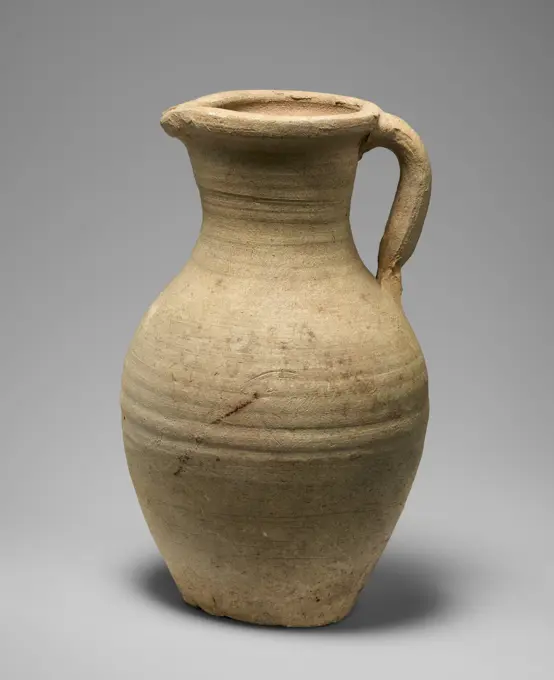
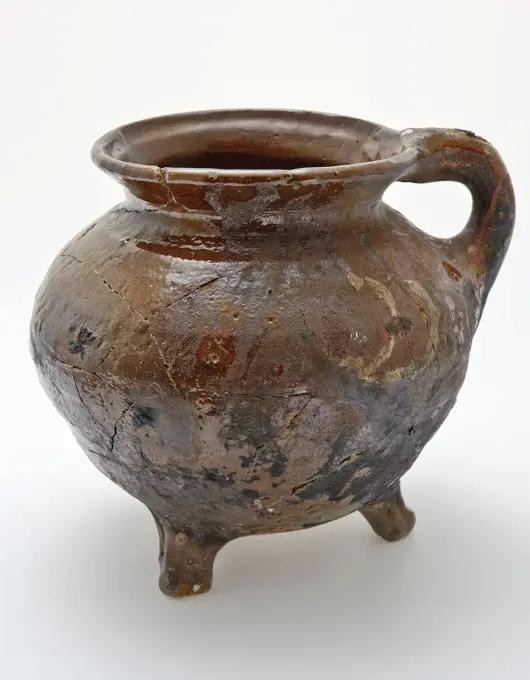
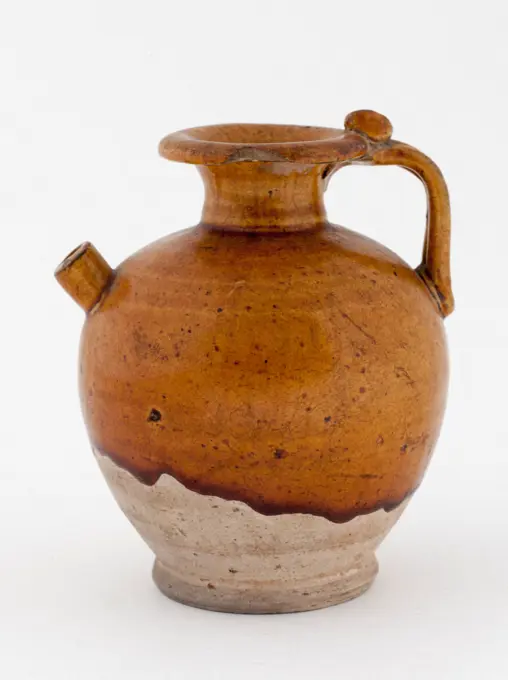
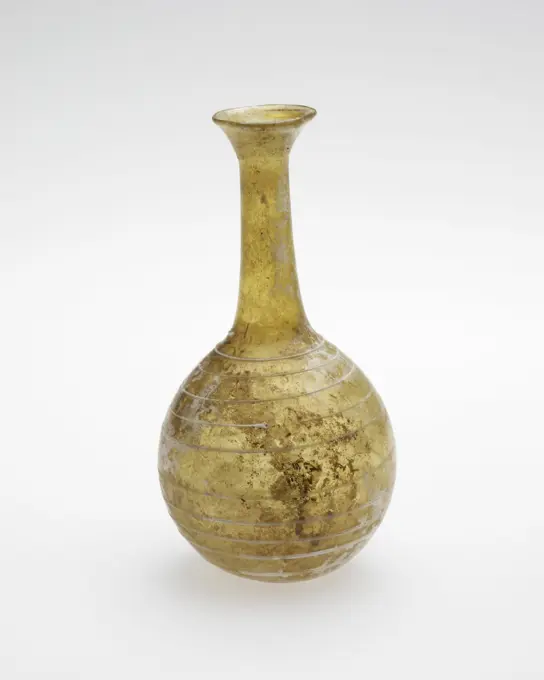
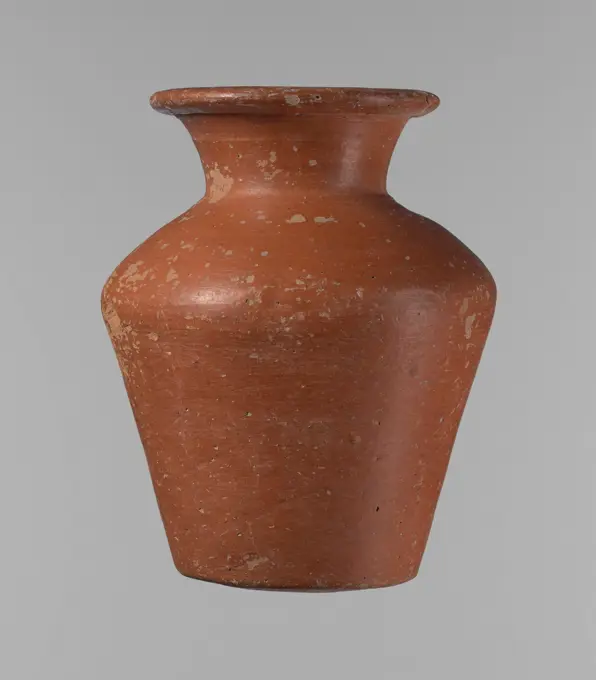
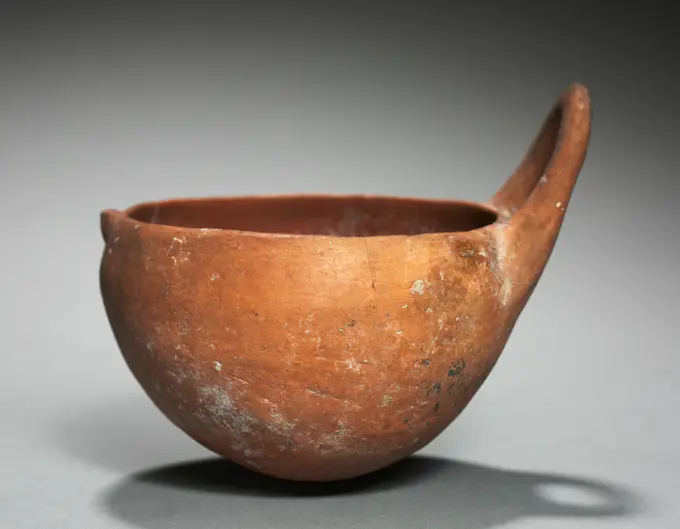
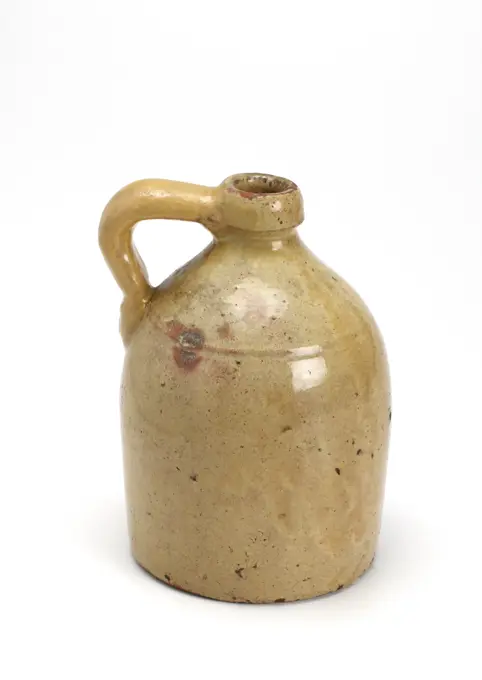
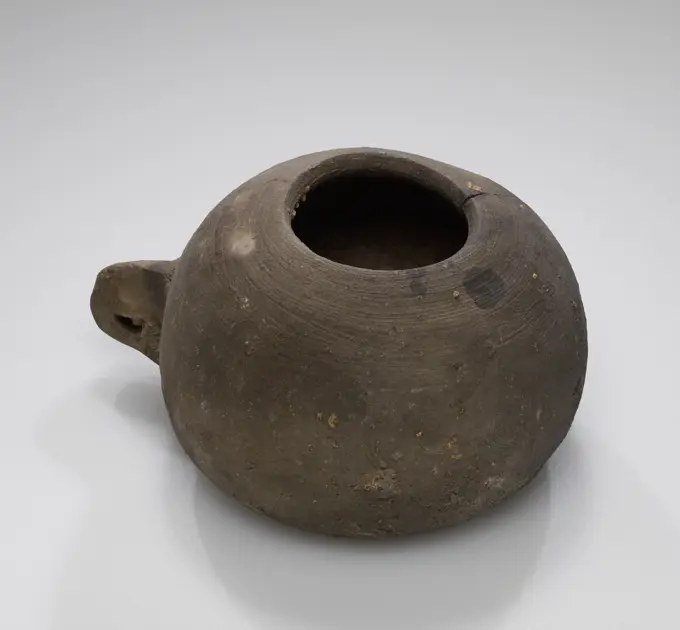
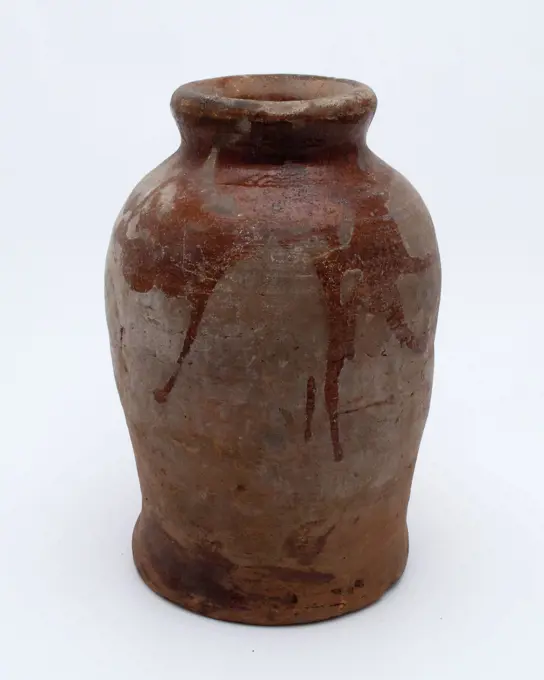
Assorted ancient earthenware pots and jars from various cultures, highlighting unique shapes, textures, and historical significance in ceramics.

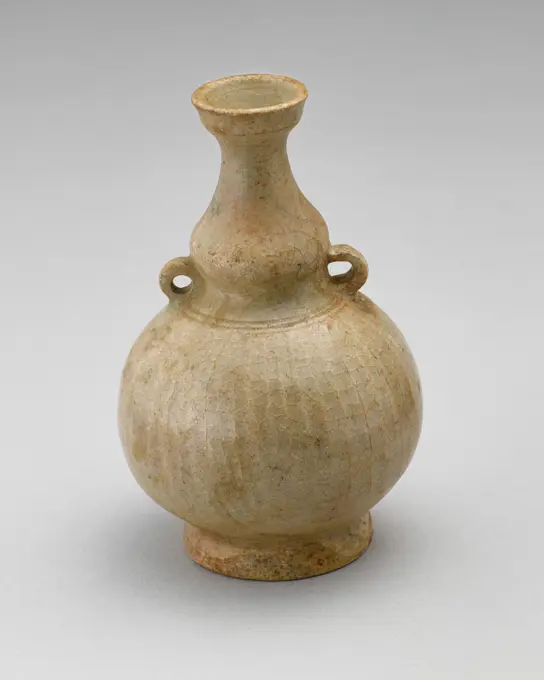
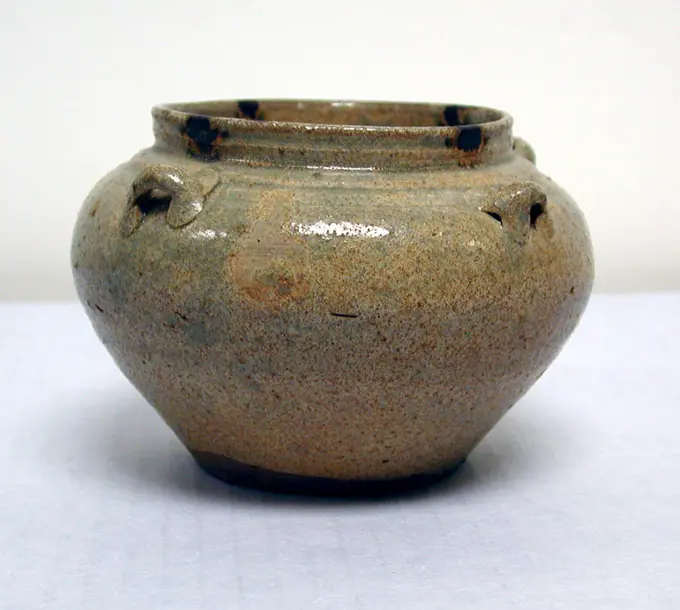
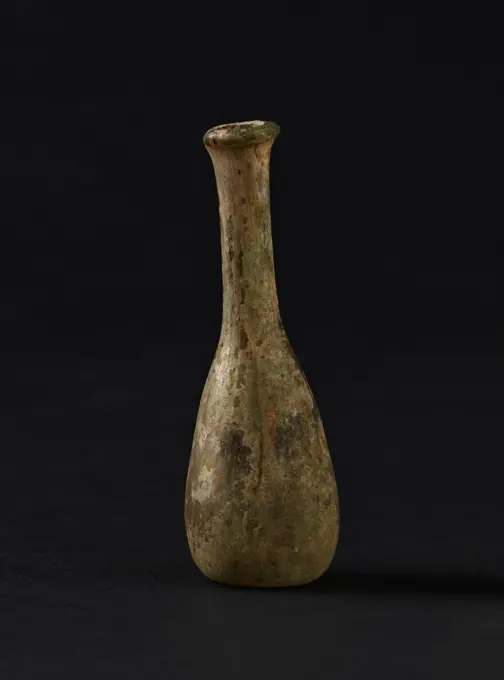
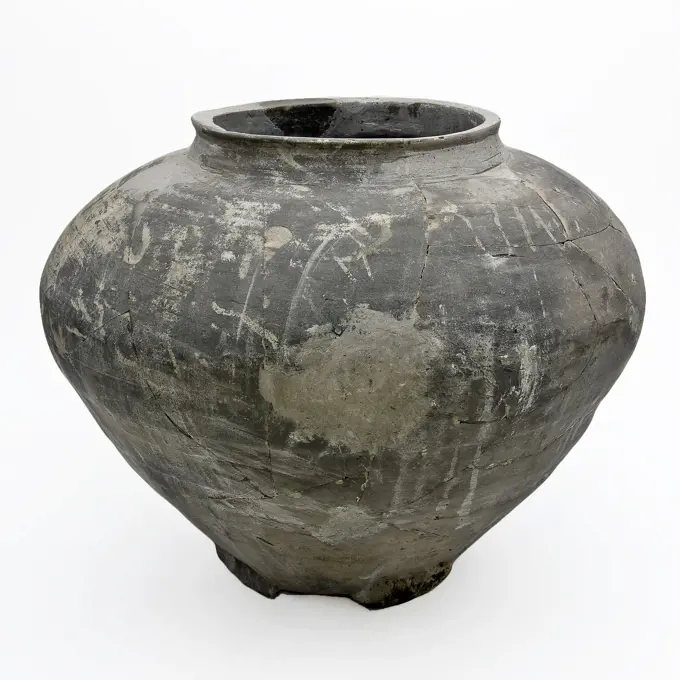
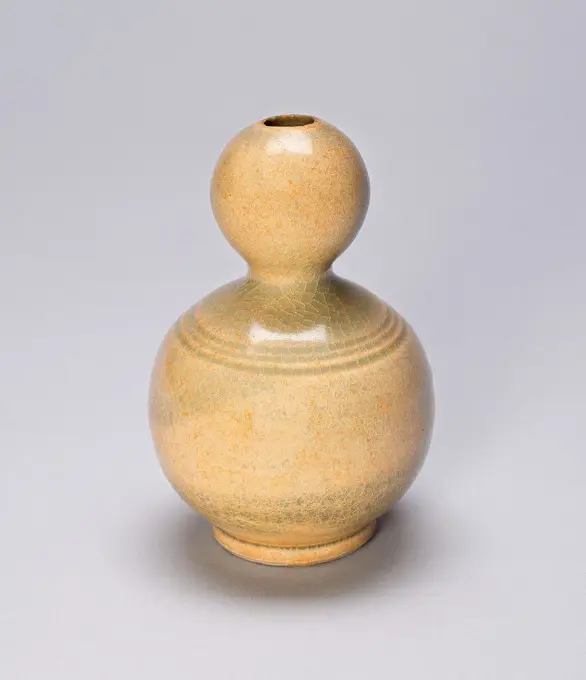
Long-necked jar, 5th century, Unknown Korean, 7 7/16 × 7 1/2 × 7 3/8 in. (18.89 × 19.05 × 18.73 cm), Stoneware with incidental ash glaze, Korea, 5th century
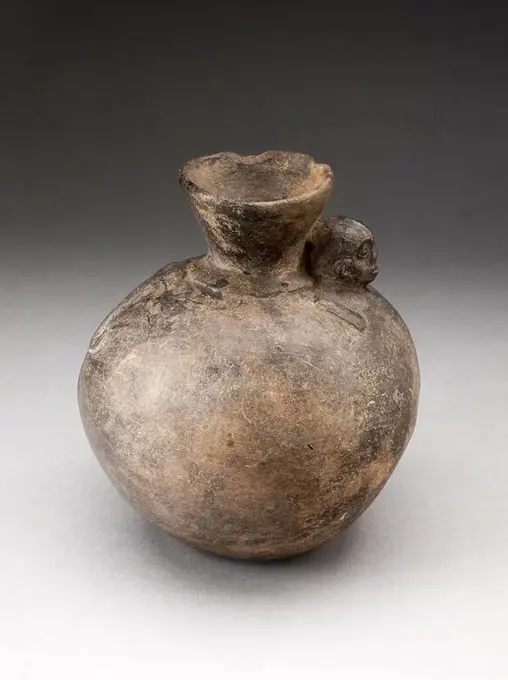
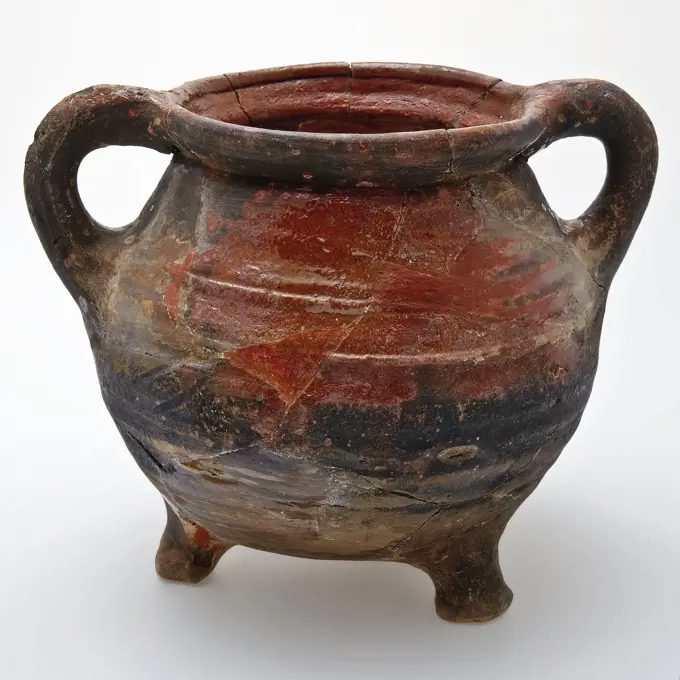
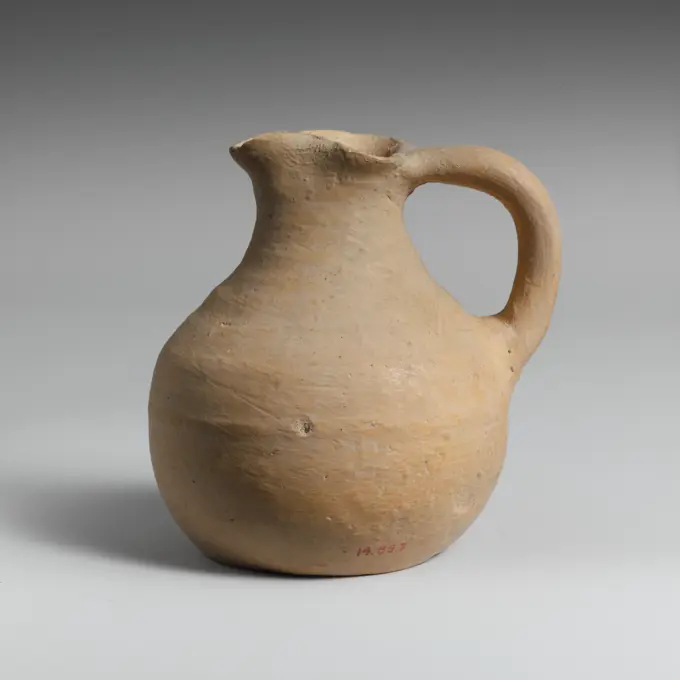
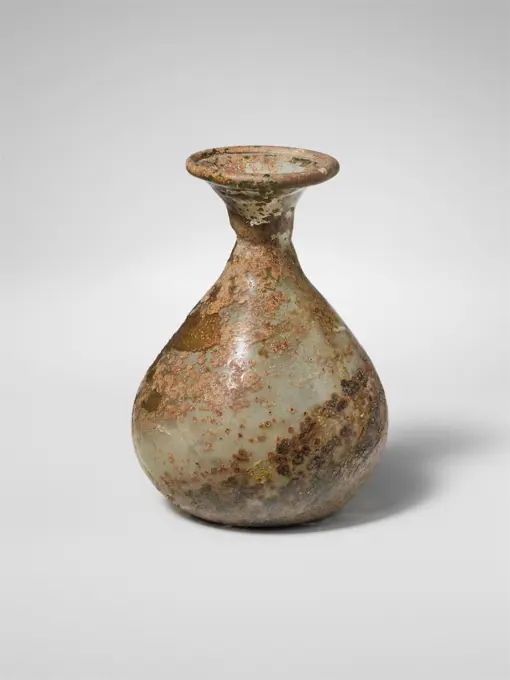
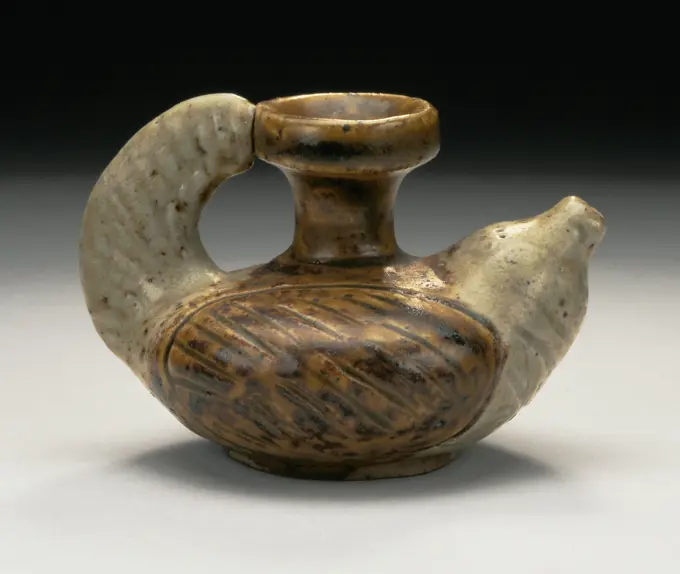
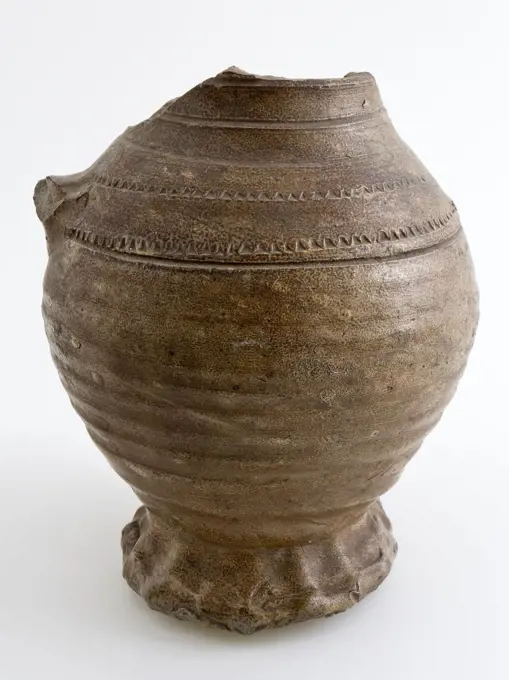
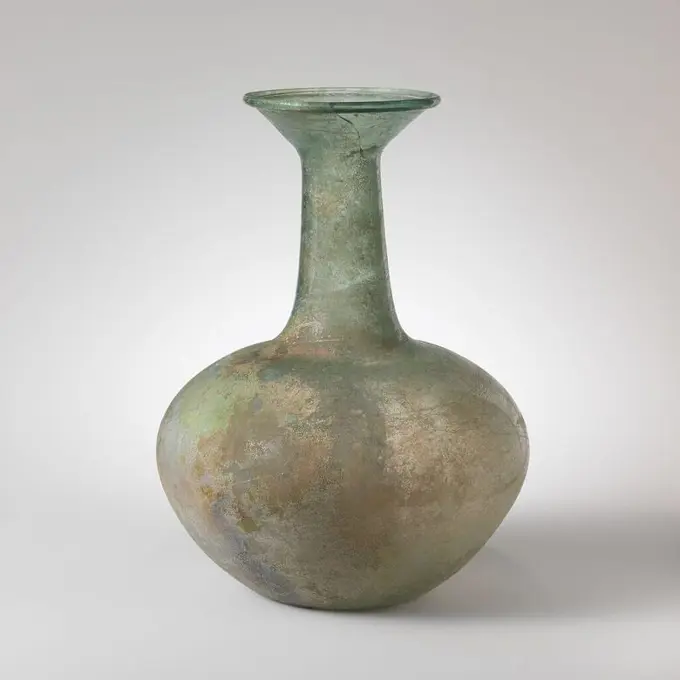
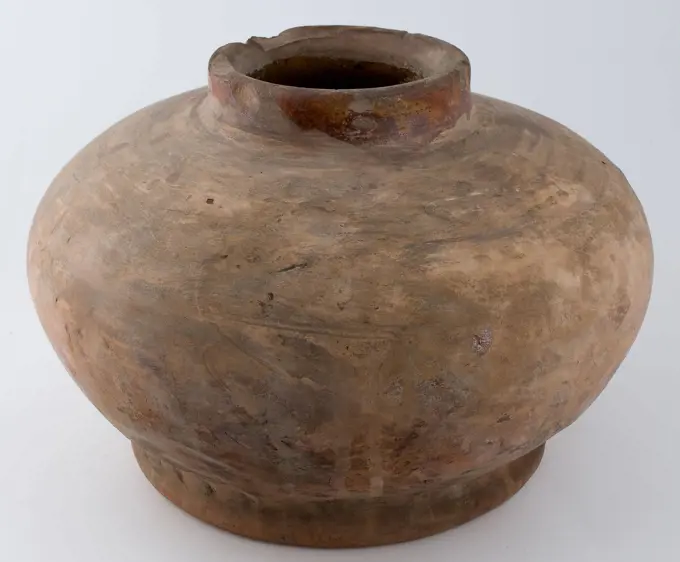
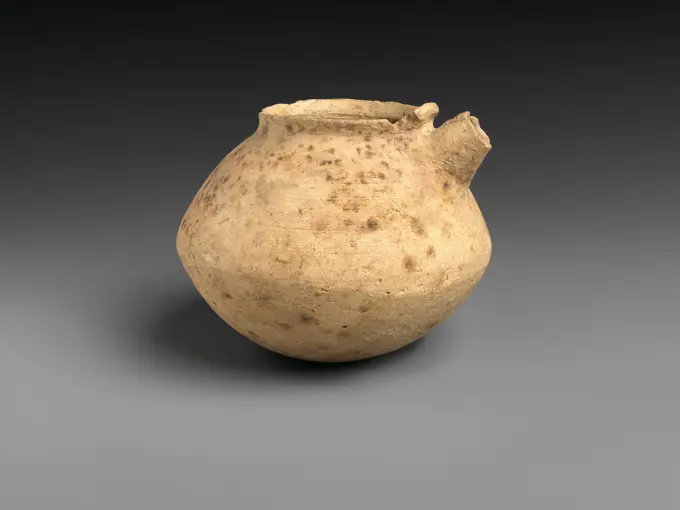
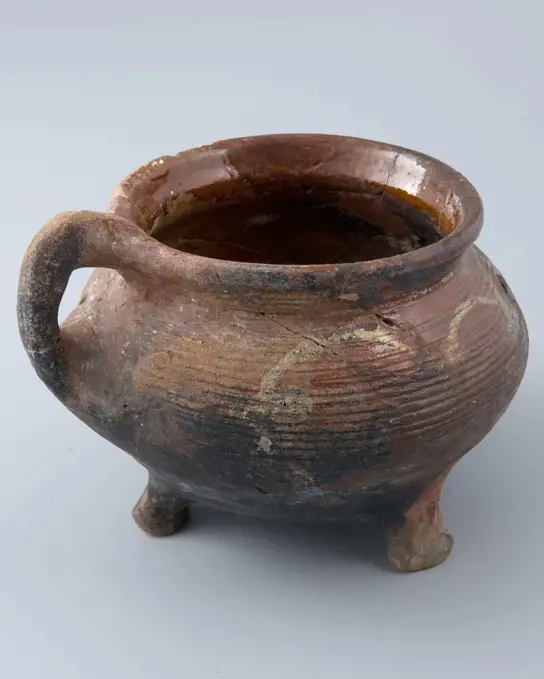
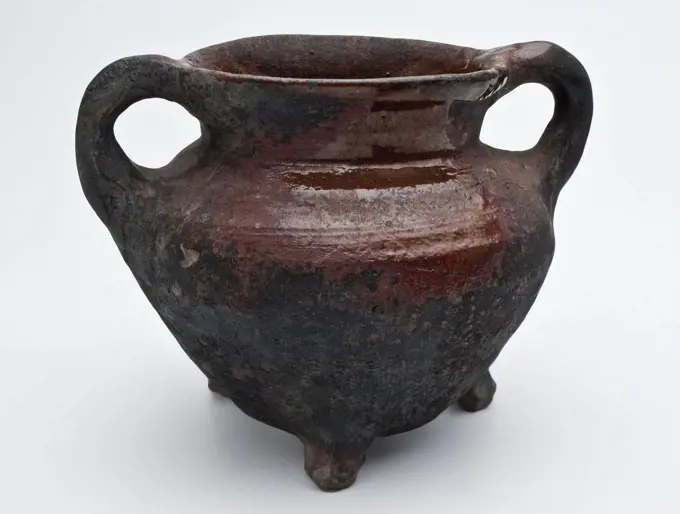
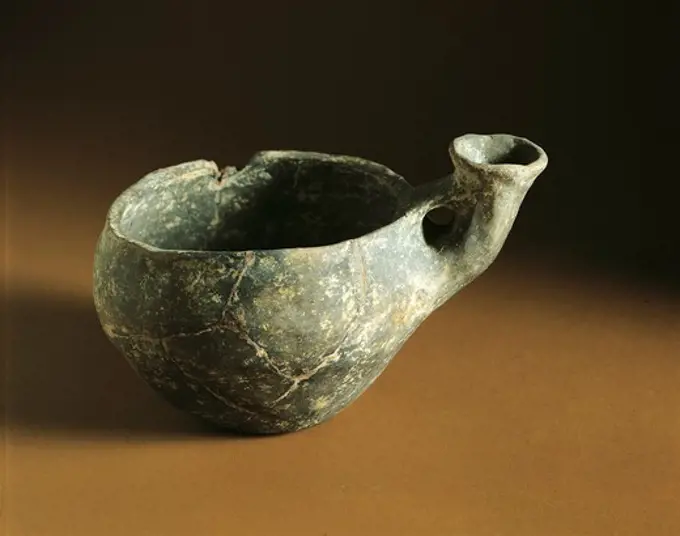
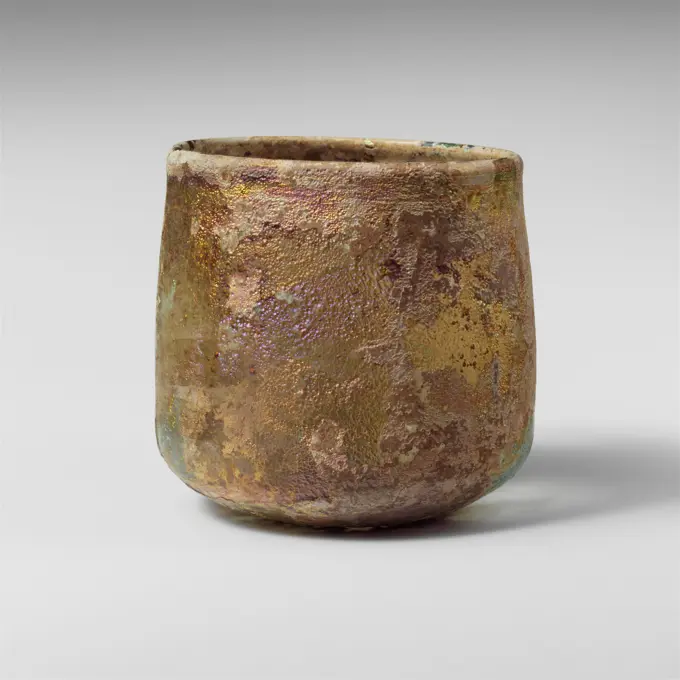
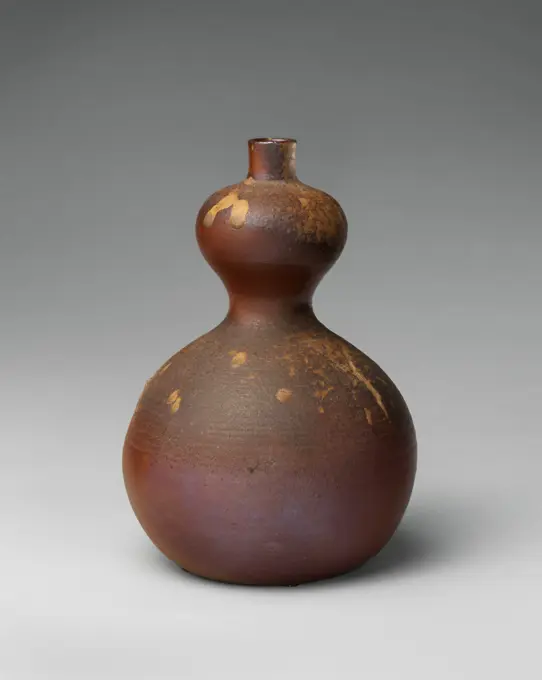
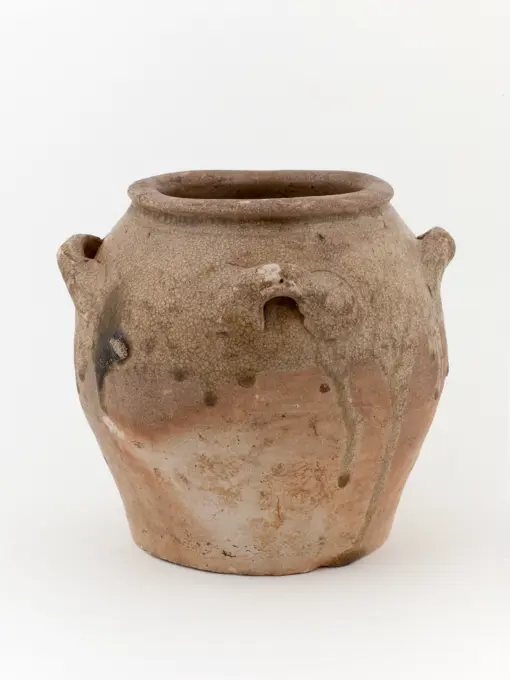
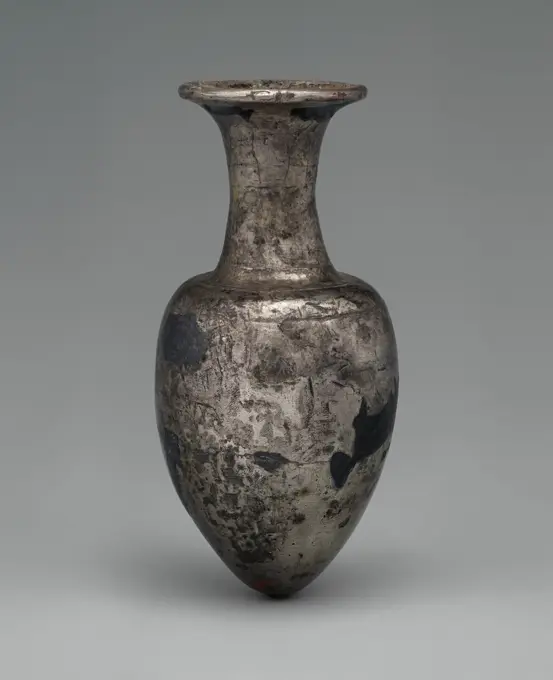
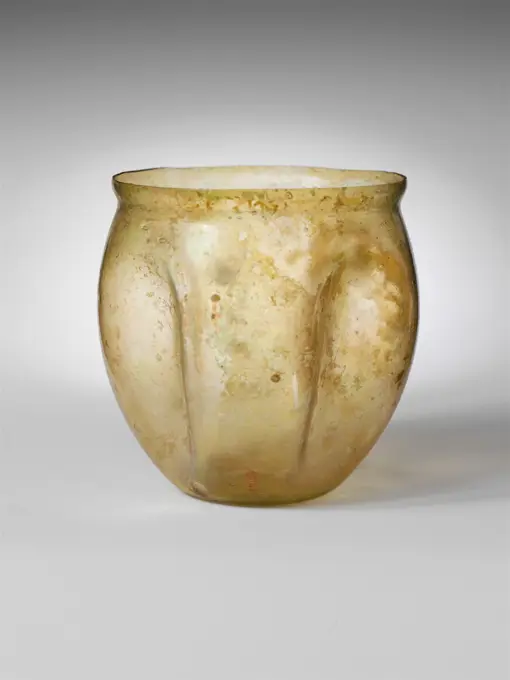
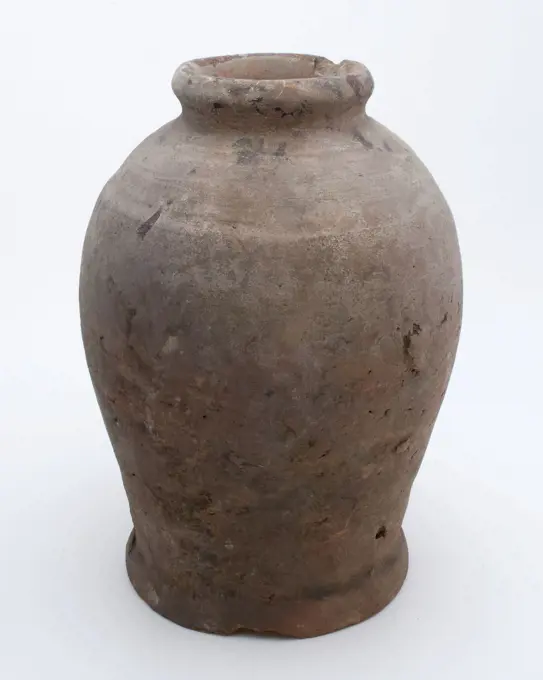
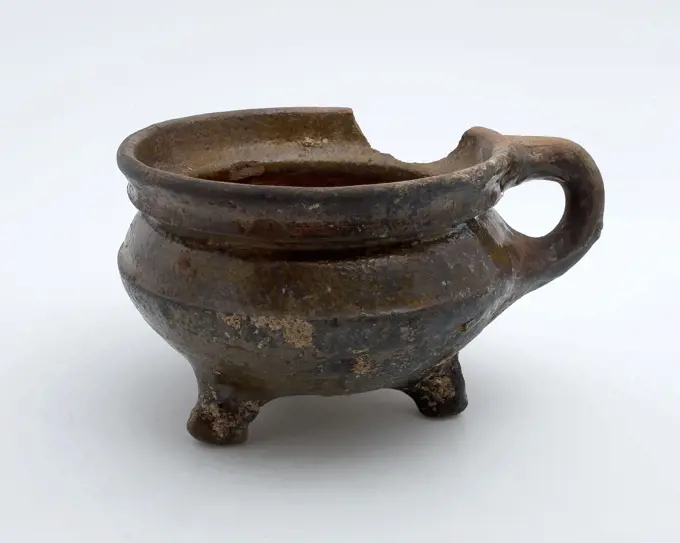
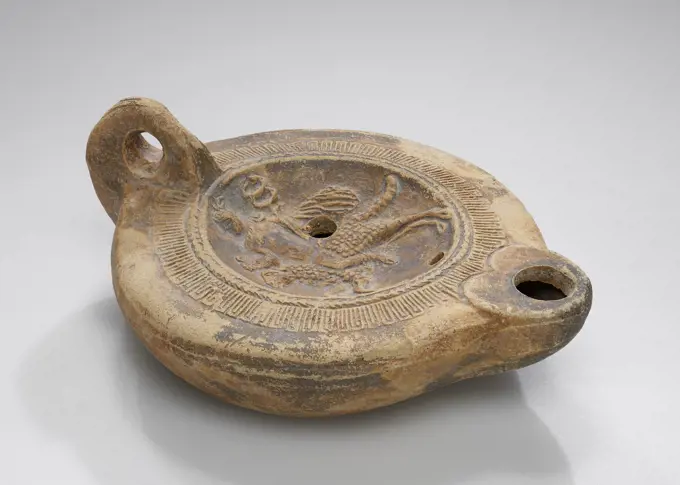
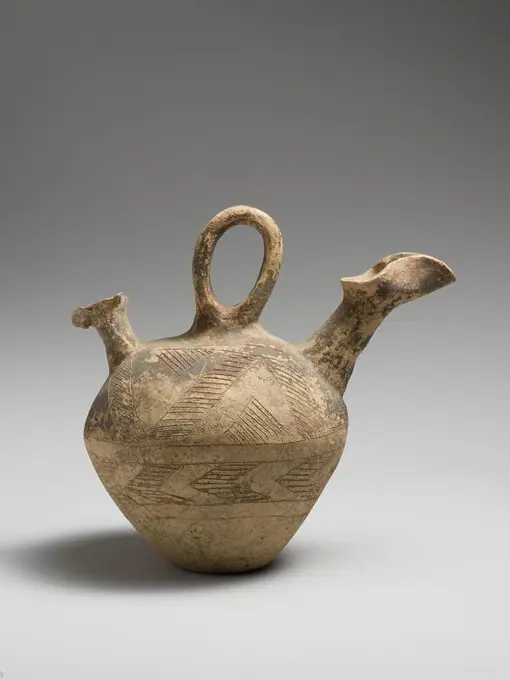
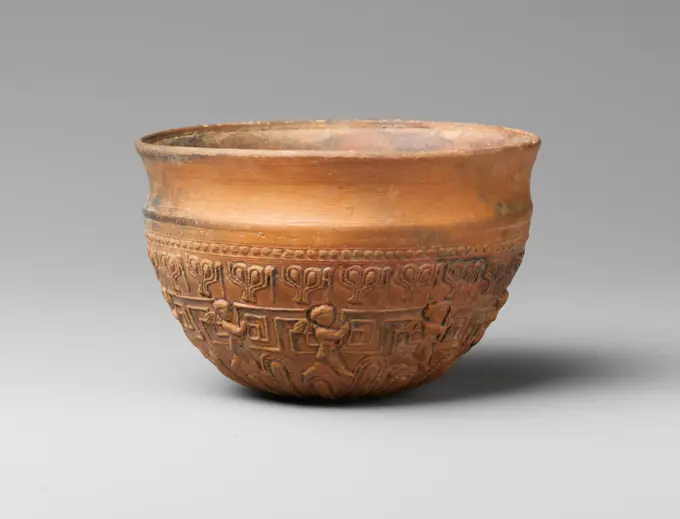
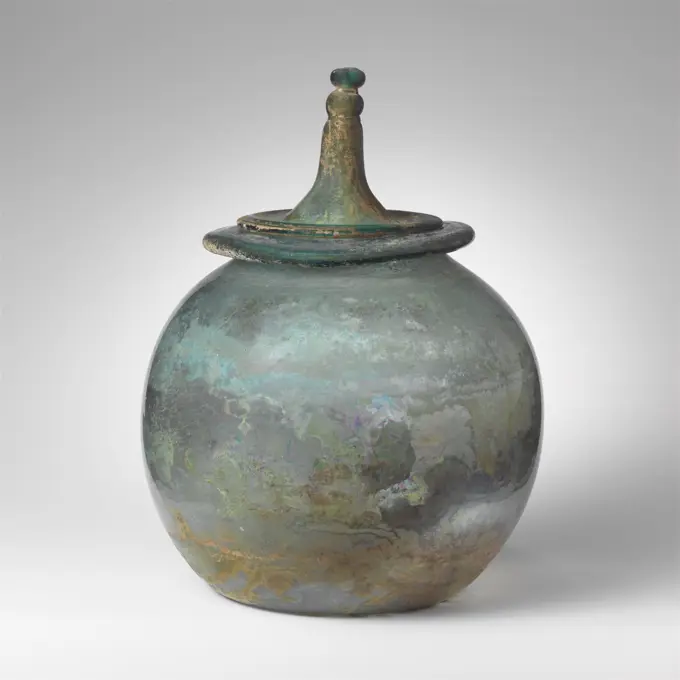
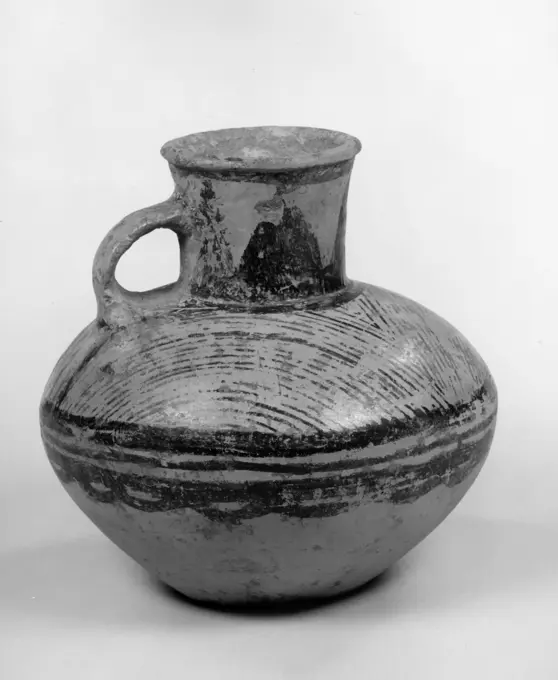
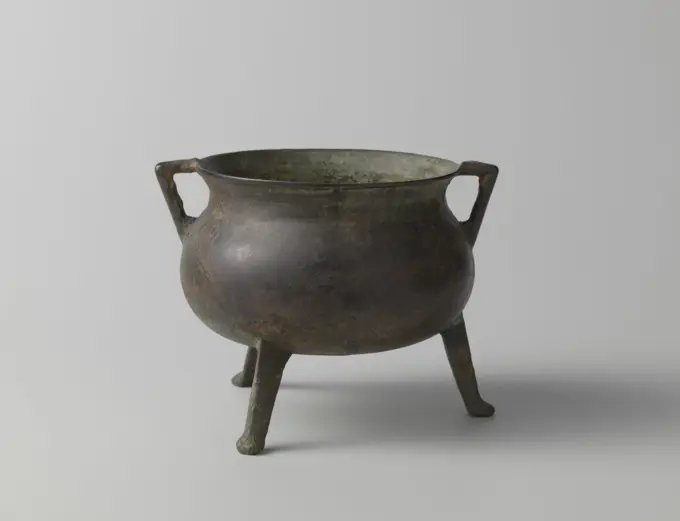
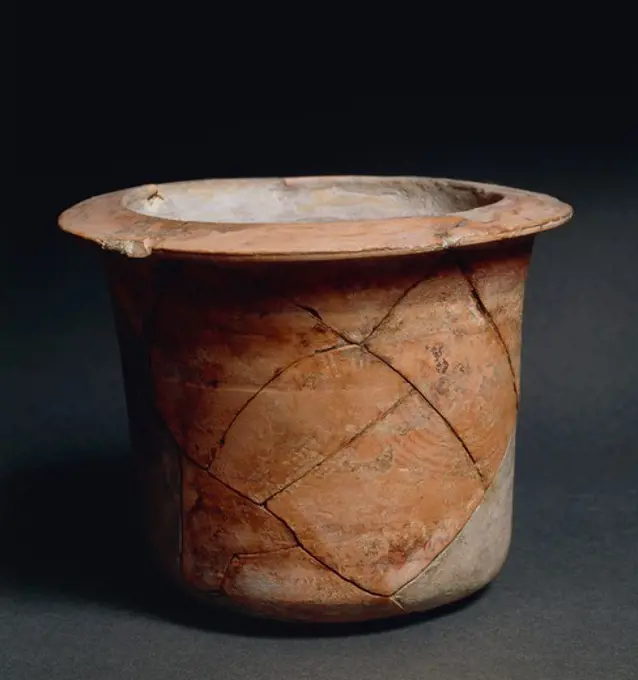
Spherical pot of earthenware, anonymous, c. 1500 - c. 1700 Spherical pot of earthenware, on three legs and with two ears. The pot has a wide neck. Netherlands (possibly)Germany (possibly) earthenware   Lever Spherical pot of earthenware, on three legs and with two ears. The pot has a wide neck. Netherlands (possibly)Germany (possibly) earthenware   LeverLong-necked jar, 5th century, Unknown Korean, 7 7/16 × 7 1/2 × 7 3/8 in. (18.89 × 19.05 × 18.73 cm), Stoneware with incidental ash glaze, Korea, 5th centuryBrownware Jar with Monkey in Relief on Flared Neck. Chimú; North coast, Peru. Date: 1000-1400. Dimensions: H. 16.4 cm (6 7/16 in.). Ceramic and pigment. Origin: North Coast. Museum: The Chicago Art Institute, Chicago, USA.Terracotta bridge-spouted jar. Culture: Minoan. Dimensions: Total H. 7 1/4 in. (18.4 cm.). Date: ca. 1600-1450 B.C..Bridge spout, sprials and sketchy bands, drip around rim, dark-on-light ware. Museum: Metropolitan Museum of Art, New York, USA.Vase with 'taotie' masks in Relief. Vase of earthenware, with a worn painting. On the abdomen a 'taotie' mask twice in relief. Below and multiple horizontal tires. Manufactured to a bronze grave vase.Vase bottle (common name), 1400. Gray cutting sandstone. Cernuschi Museum, Asia Museum of Asia in the city of Paris.Spouted pitcher. Culture: Iran. Dimensions: H. 8 3/4 in. (22.2 cm). Date: ca. 1300-1100 B.C.. Museum: Metropolitan Museum of Art, New York, USA.Glass jar. Dimensions: H.: 4 x 3 7/8 x 1 5/8 x 2 in. (10.2 x 9.8 x 4.1 x 5.1 cm).Translucent pale green; applied blobs in same color.Outsplayed, horizontal rim, with rounded outer lip; concave cylindrical neck; broad, sloping shoulder; convex side to body tapering downwards; integral base ring; uneven bottom with central kick covered by pad from pontil.On body, three roughly horizontal rows of applied but flattened blobs in relief, all of differing sizes and shapes, some with trailing ends: top row comprises ten large blobs, middle row ten smaller blobs, and bottom row eleven blobs.Intact; some pinprick bubbles; dulling, iridescence, and large areas of thick enamel-like creamy weathering. Museum: Metropolitan Museum of Art, New York, USA.Jar ". Black terracotta. China, Han dynasty (206 BC-220 AD). Paris, Cernuschi museum. Chinese art, Chinese Ceramic, container, Han dynasty, Ebrecher, Han time, jar, container, terracottaAmphora; terracottaLarge earthenware grape on three legs, two sausage ears, pouch model with coarse turnings, grape cooking pot tableware holder kitchenware earthenware ceramics earthenware glaze lead glaze, hand turned glazed fried Large pottery grape on three legs. Red shard sparsely glazed. Pocket model Outstanding slanted top edge with thickened and round edge. Two sturdy standing sausage ears Partly black discolored by soot through use. Very thick and rough glaze layer at the bottom of the soil archeology inn Het Hart Geervliet Bernisse indigenous pottery cooking cuisine nutrition food preparation Soil discovery: Geervliet Dorpsplein 1 demolition Trouw put 5 city inn 't Hart 1985.Small terracotta trefoil-mouthed jug ca. 1950-1900 B.C. Minoan Fine plain ware without decoration.. Small terracotta trefoil-mouthed jug. Minoan. ca. 1950-1900 B.C.. Terracotta; Fine plain ware. Middle Minoan IB. VasesVase. Culture: Roman. Dimensions: 4 1/2in. (11.5cm)Other: 4 7/16in. (11.3cm). Date: 1st century A.D..Reddish vase with double line of brown circles in barbotine decoration; unglazed. Museum: Metropolitan Museum of Art, New York, USA.Lamp. UnknownGlass flask 2nd-3rd century A.D. Roman Translucent pale blue green.Tubular rim, folded out, over, and in, and smoothed into broad flaring, funnel-shaped mouth; short cylindrical neck, with tooled indent around base; piriform body; pushed-in bottom with slight kick at center.Complete except for pitting holes and one crack in body; many bubbles; deep pitting, brilliant iridescence, and patches of creamy brown weathering.. Glass flask 244713Holy Water Container (Kendi). Thailand, Sawankhalok, 16th century. Furnishings; Accessories. Stoneware with brown and white glazeTerracotta jug with incised decoration ca. 1600-1050 B.C. Cypriot This jug was likely inspired by Tell el-Yahudieh Ware pottery imported to Cyprus from Egypt.. Terracotta jug with incised decoration. Cypriot. ca. 1600-1050 B.C.. Terracotta. Late Bronze Age. VasesTerracotta oinochoe (jug). Culture: Greek, Attic. Dimensions: H. 7 7/8 in. (20 cm). Date: late 10th-early 9th century B.C..The vases in this case with the accession numbers that begin with 30.118.1 belong to a deposit that was found at the Sanctuary of Zeus on Mount Hymettos, near Athens. The objects date to a period of about two centuries, from the late tenth to the late eighth centuries B.C. and illustrate the nature of ordinary dedications. Of note is the considerable number of small pieces. The vases were acquired as a gift of the Greek government.This oinochoe and its counterparts, 30.ll8.18, 30.118.20, 30.118.40, illustrate Athenian artists' mastery of potting and decoration from the beginning of the Geometric period. Museum: Metropolitan Museum of Art, New York, USA.Brown stoneware jug with pinched foot, rad-stamp decoration on shoulder, jug crockery holder soil find ceramic stoneware clay engobe glaze salt glaze, surface 8.9 hand turned stamped glazed baked Stoneware jug gray shard uneven brown engobe and salt glaze around neck and upper half belly grooves and radstempelovering. Around lower half belly turns pinched foot. Almost spherical belly. Leaning stand archaeology Rotterdam Delfshaven Lage Erf import pottery serving drinks wine beer Soil discovery Rotterdam: Lage Erf Delfshaven 1925.Jug ca. 3rd-7th century A.D. Sasanian Plain unglazed ceramics, like this jar, are the most common type of pottery found during the Sasanian period. These plain vessels were part of the everyday household materials. Ceramics during this period were mostly wheel-made. One handle is preserved and across from the handle a small indented spout is visible on the rim. The jar was excavated from a house at the site of Maaridh II in the Ctesiphon area. The city of Ctesiphon was located on the east bank of the Tigris River, 20 miles (32 km) south of modern Baghdad in Iraq. It flourished for more than 800 years as the capital of the Parthians and the Sasanians, the last two dynasties to rule the ancient Near East before the Islamic conquest in the seventh century. Systematic excavations in the Ctesiphon area were undertaken by an expedition in 1928-29 sponsored by the German Oriental Society (Deutsche Orient-Gesellschaft). The Metropolitan Museum of Art and the Staatliche Museen, Berlin, undertoPottery jug be placed on seven stand fins, with ear and shank, water jug crockery holder soil find ceramic earthenware glaze lead glaze, hand-turned glazed baked Pottery can be glazed sparingly on stand fins red shard. Ball-shaped body with gradual narrowing to the foot. Rubbing neck Standing sausage ear attached to the shoulder and just below the neck edge Restoration is painted in color archeology Rotterdam indigenous pottery prepare food drink serve water Soil discovery: Rotterdam.Glass flask with two handles. Culture: Roman, Cypriot. Dimensions: 4 1/2 in. (11.5 cm)Other: 2 1/8 in. (5.5 cm)Diam. of rim: 1 in. (2.6 cm)Diam. of foot: 1 5/16 in. (3.3 cm). Date: 1st century A.D..Translucent pale green; handles in same color.Rim folded down, round, and up, with beveled outer lip; short, flaring mouth; cylindrical neck; convex shoulder curving downward; straight, tapering sides to body, turned out to form integral base ring with slight concave bottom; two claw handles applied to shoulder, drawn up and round, then trailed onto top of neck and underside of rim.Badly cracked around body, with one hole in side below handle; few bubbles; dulling, faint pitting, and creamy weathering with iridescence. Museum: Metropolitan Museum of Art, New York, USA.Glass perfume bottle 1st century A.D. Roman Miniature perfume bottleColorless with pale green tinge.Rim folded out, over, and in; cylindrical neck, with broad, tooled-in area around base; squat bulbous body; small, slightly concave bottom.Intact; dulling, pitting, and iridescent weathering covering most of surfaces.. Glass perfume bottle 239758Decorated Jug of Neferkhawet. Dimensions: H. 26.5 cm (10 7/16 in.); Diam. 21 cm (8 1/4 in.); Diam. of rim 11.7 cm (4/5 8 in.); Diam. of mouth 6.9 cm (2 11/16 in.); Diam. of base 6.9 cm (2 11/16 in.). Dynasty: Dynasty 18, early. Reign: reign of Thutmose I-early sole Thutmose III. Date: ca. 1504-1447 B.C.. Museum: Metropolitan Museum of Art, New York, USA.Cooking jug, grape-model of red earthenware on three legs, sausage ear, glazed, grape cooking pot tableware holder utensils earthenware ceramic earthenware glaze lead glaze, hand-turned glazed fried lemonade Pottery cooker grape-model with one standing sausage ear Three legs. Red shard glazed exterior only on the shoulder glazed Egg-shaped body with outstanding funnel-shaped upper edge Some sloppy muds next to the ear without covering glaze archeology inn The Heart Geervliet Bernisse indigenous pottery cooking kitchen preparing food Soil discovery: Geervliet Dorpsplein 1 demolition Trouw put 5 city inn 't Hart 1985 .Buire ". Terracotta with amber glaze. China, Tang dynasty (618-907). Paris, Cernuschi museum. Anse, Chinese art, bun, Chinese ceramic, container, jug, tang dynasty, bottleneck, container, terracottaBottle 50 BCE-50 CE Mediterranean Region. Glass, blown technique . Ancient RomanJuglet. Culture: Cypriot. Dimensions: 3 1/4in. (8.3cm). Date: 750-600 B.C..Handle-ridged jug, pale clay with dark slip, traces of bands and circles in white. Museum: Metropolitan Museum of Art, New York, USA.Earthenware cooking pot, glazed, vertical bandoor, on three legs, cooking pot tableware holder utensils earthenware ceramics earthenware glaze lead glaze, hand-turned glazed baked earthenware cooking pot glazed vertical bandoor on three legs Low model wide top edge. Roetsporen on the soil archeology Rotterdam railroad tunnel indigenous pottery cooking kitchen food food preparation Soil discovery: tracé rail tunnel Rotterdam.Glass bottle. Culture: Roman. Dimensions: H.: 9 7/16 in. (24 cm). Date: 4th-5th century A.D..Translucent blue green.Everted tubular rim, folded over and in; funnel-shaped mouth; cylindrical neck, expanding downwards; broad but squat body with maximum diameter above mid-point; concave bottom.Broken and repaired on one side of rim and mouth; pinprick bubbles and blowing striations; dulling, pitting, and iridescent weathering. Museum: Metropolitan Museum of Art, New York, USA.Mug. Culture: Etruscan. Dimensions: H. 8.94 cm.. Date: 4th century B.C.. Museum: Metropolitan Museum of Art, New York, USA.Heavy pottery pot on wide stand ring, round and stocky model, pot holder ceramic earthenware glaze lead glaze, opening 13.5 hand-turned glazed baked Pottery pot on wide stand ring. Round and stocky model Upright neck edge. Tightening of the side wall above the stand ring Narrow neck opening. Red shard internally glazed Was probably used in the sugar indigenous pottery industry sugar refining industrySpouted jar ca. 2900-2700 B.C. Sumerian. Spouted jar. Sumerian. ca. 2900-2700 B.C.. Ceramic. Early Dynastic I. Mesopotamia, NippurPottery cooking jug or grape on three legs, one sausage ear, silt decoration, grape cooking pot tableware holder kitchenware earthenware ceramics earthenware glaze lead glaze, hand turned glazed fried loin cord Small cooking jug with one ear short and wide neck Lightly squeezed ear above the rim. Many fine twists on the shoulder covered with some lead glaze Decorated in sludge technique some yellow arches on the shoulder. Red shard. Restoration is repainted archeology underground pit Rotterdam City Triangle Groenendaal indigenous pottery food preparation cooking kitchen Soil discovery underground pit Groenendaal first 50 meters from the subway. Found 1975-09-11.Terracotta alabastron (perfume vase). Culture: Etruscan, Etrusco-Corinthian. Dimensions: H. 3 7/16 in. (8.8 cm). Date: ca. 625-575 B.C..Three-tiered body with pendant designs on the upper tier. Museum: Metropolitan Museum of Art, New York, USA.Pottery cover, ash pot on stand ring, broken ears, aspot cover pottery earthenware earthenware ceramic earthenware glaze lead glaze, opening 14.0 hand-turned glazed baked Ash-pot without lid red earthenware rim for overlap lid two horizontal upward curved ears lacking sparing glaze slightly pinched stand ring rotations below the neck at height of the ears decoration of three incised lines archeology Valckensteyn Poortugaal Albrandswaard indigenous pottery kitchen fireplace cooking room fireplace extinguishing ash Soil discovery: canal at kitchen castle Valckensteyn at Poortugaal now Albrandswaard 1961.Pottery grape on three legs, sparing lead glaze, two ears, grape cooking pot tableware holder utensils earthenware ceramics earthenware glaze lead glaze, hand turned set glazed fried Grape dark red two round ears high outward neck little thickened round edge reversed pouch-shaped single turns on the shoulder sparingly glazed three legs. Traces of use heavily used archeology Capelle aan den IJssel House in Capelle castle indigenous pottery cooking kitchen food preparation tableware Soil discovery: house in Capelle Capelle aan den IJssel.Glass bottle 2nd-3rd century A.D. Roman Translucent pale yellow green.Rim folded out, over, and in; broad, almost horizontal mouth; cylindrical neck expanding downwards; squat globular body; kick in bottom, with off-center pontil scar.Intact; pinprick and larger bubbles, and blowing striations; slight dulling and faint iridescence on exterior, patches of brownish weathering on interior.. Glass bottle 245228Ovoid vase with pigeons in a panel decoration, anonymous, c. 1170 - c. 1199 Vase of quartz fritry decorated with pigeons in courses and tiflakes in brown luster on the surface of transparent alarm laze. is the earthenware. glaze. luster (textile) painting / vitrification Vase of quartz fritry decorated with pigeons in courses and tiflakes in brown luster on the surface of transparent alarm laze. is the earthenware. glaze. luster (textile) painting / vitrificationSpouted bowl, from Emilia Romagna regionGlass beaker 2nd-3rd century A.D. Roman Colorless with pale blue green tinge.Thickened, rounded, vertical rim with inner lip; straight sides expanding slightly downwards, then turned in at sharp angle to bottom with pointed kick at center.Complete, but hole in side (from devitrification); pinprick bubbles and blowing striations; dulling, deep pitting, brilliant iridescence and whitish weathering.. Glass beaker 244614Lamp. UnknownLidded Spherical Box; Cyclades, Greece; 2700 - 2200 B.C; Marble; 7.6 × 11.7 cm (3 × 4 5,8 in.)Vase ". Terracotta. Vietnam-Xe-Xive s. Paris, Cernuschi museum. 72361-38 Vietnamese object, terracotta, vaseGlass flask 2nd-3rd century A.D. Roman Small indented flask.Colorless with blue green tinge.Plain, rounded rim; flaring mouth; cylindrical neck;sloping, convex shoulder; sides tapering downward; small, pushed-in bottom, with off-center pontil mark.Seven vertical indents in body, two with pinched protrusions near the bottom.Broken around rim and neck, and repaired, with one hole in mouth; a few large bubbles; patches of dulling, pitting, and iridescent weathering.. Glass flask 239650Glass perfume bottle. Culture: Roman. Dimensions: Overall: 2 3/16in. (5.6cm)Diam.: 1 1/16 x 15/16 in. (2.7 x 2.4 cm). Date: 1st century A.D..Small unguentarium.Translucent light yellow brown.Rim folded out, over, and in; flaring mouth; cylindrical neck, tapering downwards with tooled indent around base; conical body with slightly convex sides; flattened bottom.Intact, except for chip in rim; pinprick bubbles and blowing striations; dulling, pitting and iridescent weathering, with some soil encrustation on interior. Museum: Metropolitan Museum of Art, New York, USA.Double Gourd Vessel 18th century Japan This sake bottle in the shape of a double gourd is an example of Bizen ware, undecorated and unglazed save for the speckles and drips of natural ash glaze, created during the firing process, that appear mainly on the upper portion of the piece. The dark reddish-brown clay and the fire-marks typical of Bizen ware can be seen on the lower section of the body.. Double Gourd Vessel. Japan. 18th century. Stoneware with natural ash glaze (Bizen ware). Edo period (1615-1868). CeramicsRectangular Bottle with Loop Handles 25 CE-220 CE China. Earthenware with lead green glaze and underglaze molded and incised decoration .Jar (Guan) 4th century China. Jar (Guan) 50707Cup. UnknownOinochoe (Pitcher) 800 BCE-700 BCE Thessaly. VotivesThis precious bronze object is a votive, or devotional gift, made for gods. They come in many forms. Some are miniature sculptures of animals, mostly depicting horses, deer, and birds. Others are items of personal adornment, including beads and brooches. Quite a few seem once to have been attached to something else. Thousands of votives that were hung from sacred trees or placed in sanctuaries around Greece. Once a shrine was full, the votives were gathered together and ceremonially buried to make room for more offerings. This votive comes from Thessaly in northeastern Greece.. Bronze . Ancient GreekJar with small handles. Covered sandstone. Intermediate period (4th-the past century). Paris, Cernuschi museum. 60216-2 Covered, intermediate period, gres, jar, Vietnamese object, small handleTerracotta jug with horse's head in relief 480-350 B.C. Cypriot Jug with horse's head, horizontal bands, and concentric circles.. Terracotta jug with horse's head in relief 240220Long-necked jar ca. 1279-1213 B.C. New Kingdom, Ramesside Wine was a coveted drink starting in Egypts earliest days, though wine services do not have a long history there, as strainers were not found before the New Kingdom. The importance of wine grew during that period, as intoxicating drinks played a prominent role in festivals and in communal celebrations. When associated with Bastet and other feline goddesses, these drinks helped partakers emulate the drunkenness that brought about the goddesses pacification. Such practices probably occurred in festivals for Bastet in Tell Basta, where this and other vessels were found. The vessels were buried in two caches close to the temple, along with silver and gold jewelry, ingots, and lesser objects. Rare in antiquity, most silver and gold vessels were later melted down and reused for new projects. The Tell Basta hoards are thus exceptional finds.Jars like this one might be used for mixing wine.. Long-necked jar. ca. 1279-1213 B.C.. SilverEarthenware cooking pot, grape-model, red shard, sparingly glazed, two hook ears, on three legs, cooking pot tableware holder utensils earthenware ceramics earthenware glaze lead glaze, hand-turned baked glazed earthenware cooking pot grape-model red shard sparingly glazed two vertical applied croquettes three legs archeology Rotterdam indigenous pottery food preparation cooking food kitchen fire Soil discovery: brand Rotterdam.Pottery pot on stand, baluster shape, was used in the sugar industry, sugar bowl pot holder soil find ceramic earthenware glaze lead glaze, hand-turned glazed earthenware pot on stand. Baluster shape with round shoulder and narrow neck opening Coarse, twisted spine over the shoulder. Made of relatively dry clay Red shard internal glazed Thick and round top edge protruding archeology indigenous earthenware sugar sugar industry confectioneryGlass cup 2nd-3rd century A.D. Roman Translucent pale yellowKnocked-off, uneven rim; bulging collar below; convex sides tapering downwards; plain concave bottom.Four large indents in body.One faint wheel-abraded horizontal line around top of body below collar.Intact; pinprick and larger bubbles; iridescence with patches of weathering on interior.. Glass cup 239862Ewer with fluted sides, anonymous, c. 900 - c. 999 Can of earthenware with a ribbed abdomen and a wide, flared neck, covered with a gray -green glaze. Knanked spout from the shoulder; the ear from the shoulder connected to the edge. The glaze is somewhat affected. A crack from the foot to the belly. A chip in the edge. Celadon . China earthenware. glaze vitrification Can of earthenware with a ribbed abdomen and a wide, flared neck, covered with a gray -green glaze. Knanked spout from the shoulder; the ear from the shoulder connected to the edge. The glaze is somewhat affected. A crack from the foot to the belly. A chip in the edge. Celadon . China earthenware. glaze vitrificationLamp. UnknownFOREIGN OLDPottery pot on stand, baluster shape, used in the sugar industry, sugar pot pot holder soil find ceramic earthenware glaze lead glaze, hand-turned glazed earthenware pot on stand. Baluster shape with round shoulder and narrow neck opening. Thick and round neckline with waistline. Fuzzy turnbuckles Made from rather dry clay Red shard internal glazed Here sugar cones were made archeology indigenous earthenware sugar confectionery sugar industryBowl. Culture: Taino. Dimensions: H. 3 3/4 x W. 6 1/4 in. (9.5 x 15.9 cm). Date: 13th-15th century. Museum: Metropolitan Museum of Art, New York, USA.Pottery cooking pot, low model with sausage ear, on three legs, grape cooking pot tableware holder kitchen utensils earthenware ceramics earthenware glaze lead glaze, hand-turned glazed fired Low pot wide neck opening with lid trench three legs standing ear Tightening ring in the middle of the belly Red earthenware yellow- brown glazed. underside of grit traces Inside and outside beige (lime) Attack archeology Rotterdam railway tunnel indigenous earthenware food food preparation cooking kitchen Soil discovery: railway tunnel or construction site Rotterdam.Pearshaped jar with a grey glaze, anonymous, c. 1600 - c. 1699 Printed pear -shaped pot of stoneware, with a crackled gray glaze. Two chips in the edge, one of which is restored. Korea stoneware. glaze vitrification Printed pear -shaped pot of stoneware, with a crackled gray glaze. Two chips in the edge, one of which is restored. Korea stoneware. glaze vitrificationBarbotine Vase, 1st to 2nd Centuries AD. Egypt, Roman Empire. Marl clay ware; diameter: 11.7 cm (4 5/8 in.); diameter of mouth: 4.4 cm (1 3/4 in.); overall: 13.5 cm (5 5/16 in.).Pottery cooking pot, grape-model, red shard, sparingly glazed, sausage ear, on three legs, cooking pot crockery holder kitchen utensils earthenware ceramics earthenware glaze lead glaze, hand-turned glazed baked Pottery cooking pot grape-model red shard sparing lead glaze three-legged spruce on the underside. Some rotating around the shoulder archeology indigenous pottery food prepare cooking food cuisineLamp, North Africa; 1st - 4th century; Terracotta; 2.4 x 8 x 10.5 cm (15,16 x 3 1,8 x 4 1,8 in.)Glass aryballos (oil bottle) 2nd-3rd century AD Roman Translucent blue green; handles and trail in same color.Thick, partially tubular rim, folded out, down, round, and in, flattened on upper surface; cylindrical neck, expanding downwards; sloping shoulder; globular body; bottom with central kick and pontil mark; two dolphin handles applied to shoulder over trail decoration, drawn up side of neck to underside of rim, turned out, round, and down, forming to ring holes, then folded back and trailed off upwards.Trail applied to bottom and wound round and up in a spiral 16 times, ending on lower neck (trail is thick and fire-rounded on lower body but becomes fine and in sharp relief above).Intact; many pinprick and a few larger bubbles, and some glassy inclusions; slight soil encrustation and faint iridescence on exterior, patches of weathering on interior.Greenish aryballos with dolphin handles and glass threads around body.. Glass aryballos (oil bottle). Roman. 2nd-3rd century AD. Glass;Pottery cooking pot, grape-model, two vertical sausages, on three legs, grape cooking pot tableware holder kitchenware soil discovery ceramic earthenware glaze lead glaze, Grape. Pouch-shaped three legs two upright ears Clear turning rings Inside and outside very economical glazed Red earthenware outside traces of archeology Rotterdam railway tunnel food preparation cooking kitchen food Soil discovery: railway tunnel Rotterdam.Double-Chambered Vessel 100 CE-700 CE México. Ceramic . TeotihuacanDish;  around 2686- 2181 BC ; Old PASpherical vessel; Unknown Night -Tamanian workshop; approx. 2600 2350 BC ; Early period D Azira III (-2600-00-00--2350-00-00);One-Handled Bowl, c. 2000-1725 BC. Cyprus, Early Cypriot III-Middle Cypriot II. Red ware; diameter: 7 cm (2 3/4 in.); overall: 11 cm (4 5/16 in.); without handle: 7 cm (2 3/4 in.).Jug -Jug. Cyprus, 2400-1350 B.C.. Furnishings; Serviceware. Buff clayLamp. UnknownGray pottery storage jar on four fins, storage jar pot holder soil find ceramic earthenware, hand-turned fried Storage jar of blue-gray earthenware short neck with narrow flat upper edge four pinched fins rings archology Valckensteyn Poortugaal Albrandswaard indigenous pottery store basement store stock packaging kitchen Soil discovery: moat at drawbridge castle Valckensteyn at Poortugaal now Albrandswaard 1962Jar with fluted sides, anonymous, c. 960 - c. 1279 Pot of stoneware with a ribbed wall, partially covered with a white sludge. The belly is spherical. The underside is unglazed. Cizhou (Juluxian). China stoneware. glaze vitrification Pot of stoneware with a ribbed wall, partially covered with a white sludge. The belly is spherical. The underside is unglazed. Cizhou (Juluxian). China stoneware. glaze vitrificationPottery pot on stand, baluster shape, used in the sugar industry, sugar bowl pot holder soil find ceramic earthenware glaze lead glaze, opening, hand turned glazed baked Pottery pot on stand ring. Baluster shape with round shoulder and narrow neck opening. Thick and round neckline with wide constriction. Blurred turnings. Red shard internal glazed Here sugar cones were made archeology indigenous earthenware sugar confectionery sugar industryTerracotta zoomorphic askos (vessel). Culture: Cypriot. Dimensions: H. 5 11/16 in. (14.5 cm). Date: ca. 1725-1600 B.C..Fantastic vase with loop handle, spout, and animal's head, incised designs. Museum: Metropolitan Museum of Art, New York, USA.Terracotta Megarian bowl ca.165-100 B.C. Greek, probably Asia Minor This finely made bowl is decorated in relief with a lesbian-leaf molding (a vegetal motif named for the island of Lesbos) banded by a row of small beads and a raised ridge. Below, meanders serve as a backdrop to a procession of Erotes, who step between jeweled long petals of alternating lengths that surround an exceptionally ornate triple rosette foot-medallion. Notable on this bowl are the long petals, which are normally of uniform length, and the highly unusual pairing of this ornament with figural decoration. Although it is believed that the long petal motif was introduced to mold-made ceramics around 165 B.C. by Corinthian potters, the particular style of the lesbian-leaf molding on this bowl associates it with Ionian workshops in Asia Minor where it appears to have been a popular variant.. Terracotta Megarian bowl 254534Prehistory, Italy, Eneolithic. Bonu Ighinu culture. Decorated two-handled vase. From Oliena, province of Nuoro.Handled "palace ware" pot ca. 9th century B.C. Iran. Handled "palace ware" pot 326187Lamp. UnknownGlass dish used as a lid of a cinerary urn mid-1st century A.D. Roman Translucent pale yellowish green.Rim folded out and down, forming collar around top of side; shallow side, bulging slightly downwards, and then turned sharply in to pushed-in floor; solid, low outsplayed foot ring; slightly concave bottom.Intact; pinprick and a few larger bubbles; dulling, severe pitting of surface bubbles, and iridescence, with patches of limy encrustation around rim.The dish was turned upside down and placed over the rim of the jar to form a lid.. Glass dish used as a lid of a cinerary urn 701990. Cabin from quartz frying with a ribbed, pear-shaped body with a monochrome green turquoise alkalilation.Lamp, North Africa; 1st - 4th century; Terracotta; 2.6 x 8.4 x 11.5 cm (1 x 3 5,16 x 4 1,2 in.)Bottle. Culture: Moche. Dimensions: Height: 10 5/16in. (26.2cm)Diameter: 9 3/16in. (23.4cm). Date: 6th-7th century. Museum: Metropolitan Museum of Art, New York, USA.Glass cinerary urn with lid 1st-early 2nd century A.D. Roman Jar (A):Translucent blue green.Broad, tubular rim, folded out, down, and in, forming uneven, wavy upper surface; globular body; concave bottom.Complete, but one crack in rim and upper side; pinprick and a few larger bubbles; some pitting, dulling, and iridescent weathering on exterior, brilliant iridescence and creamy weathering on interior. A band of irregular horizontal lines is scratched onto top part of body just below the rim, presumably from use.Lid (B):Translucent blue green.Thick horizontal rim, folded down and in, with rounded edge and beveled ridge on upper surface; oval body with concave side, then conical, rising to a hollow stem, tapering upwards, tooled into two vertical, round knobs.Intact; pinprick and a few elongated bubbles; dulling, slight pitting, iridescence, and creamy brown weathering.The lid does not fit well on mouth of jar.. Glass cinerary urn with lid 251002 Roman, Glass cinerary urn with lid, 1stHandled Ewer with Vertical Ribs 1100-1299 China. Northern blackware, Cizhou type; light grey stoneware with white trailed slip under dark brown glaze .Jar 10th-11th century. Jar 449068Lamp. UnknownSmall Double-Gourd Bottle. China. Date: 1279-1368. Dimensions: H. 8.0 cm (3 3/16 in.); diam. 5.7 cm (2 1/4 in.). Stoneware with underglaze incised decoration. Origin: China. Museum: The Chicago Art Institute, USA.Pilgrim Flask 8th century. Pilgrim Flask 448696Jug (Hu) ca. 2500-2300 B.C. China. Jug (Hu) 40083Jug. Culture: French. Dimensions: Overall: 5 9/16 x 4 7/16 in. (14.2 x 11.2 cm). Date: 15th century. Museum: Metropolitan Museum of Art, New York, USA.Cooking pot, anonymous, 1500 - 1700 The pot, which is cast in its entirety, has a casting seam in the middle between the ears. The hull is round, but somewhat flat at the bottom. The transition from hull to neck is fluent. The lip edge has a relatively sharp edge at the top and is vertical and somewhat bulky. The pot stands on three legs, which are in diameter triangular, and that end in his feet. The two sharp -corner, not in -lying lying ears are set to hull and lip edge. Southern Netherlands (possibly) bronze (metal) casting The pot, which is cast in its entirety, has a casting seam in the middle between the ears. The hull is round, but somewhat flat at the bottom. The transition from hull to neck is fluent. The lip edge has a relatively sharp edge at the top and is vertical and somewhat bulky. The pot stands on three legs, which are in diameter triangular, and that end in his feet. The two sharp -corner, not in -lying lying ears are set to hull and lip edge. Southern Netherlands (pItalic civilizations, Liguri, 9th century b.C. Top hat vase. From the necropolis of Genicciola, province of Massa-Carrara.Bulbous Vase with Makara Spout 10th-11th century() Indonesia (Java). Bulbous Vase with Makara Spout. Indonesia (Java). 10th-11th century(). Bronze. Eastern Javanese period. MetalworkTerracotta kantharos: karchesion (deep cylindrical drinking cup). Culture: Greek, Boeotian. Dimensions: Overall: 4 13/16 x 7 1/4in. (12.2 x 18.4cm). Date: 5th century B.C..Black glaze cup with handles and banding around the base. Museum: Metropolitan Museum of Art, New York, USA.