Historic Silver Spoons

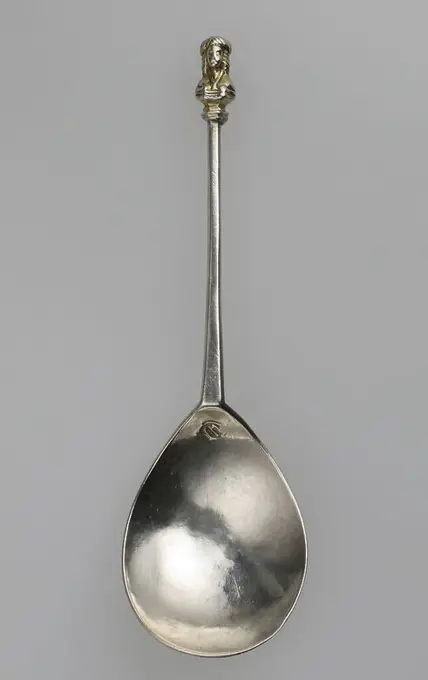
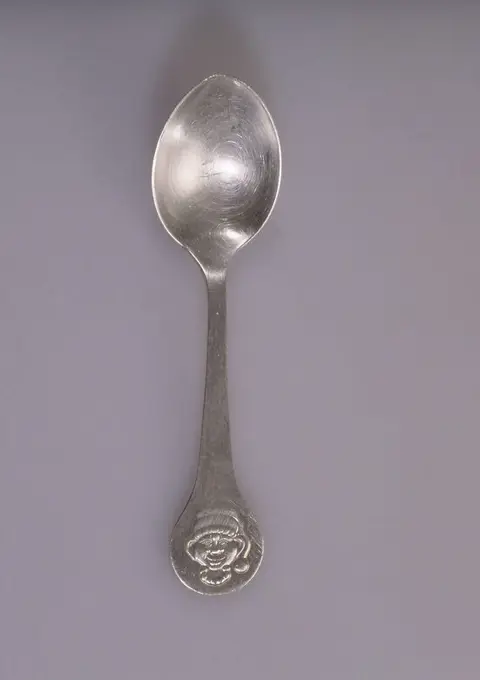
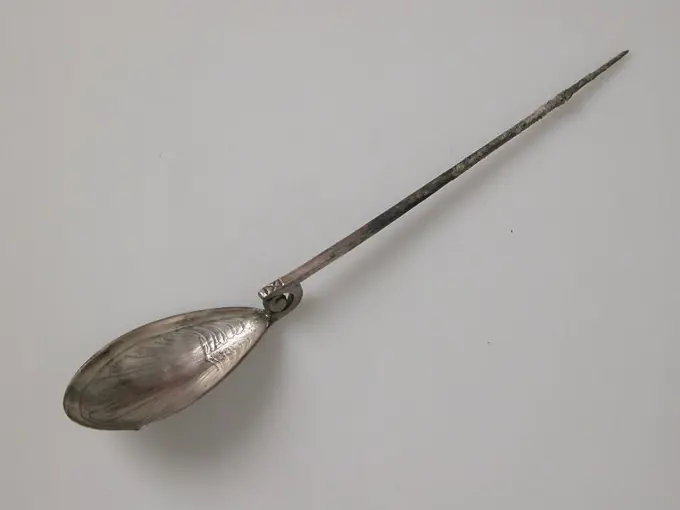
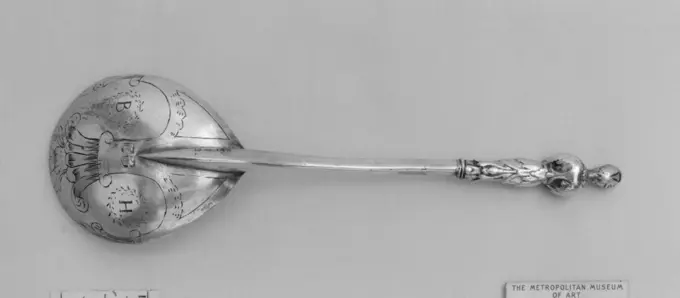
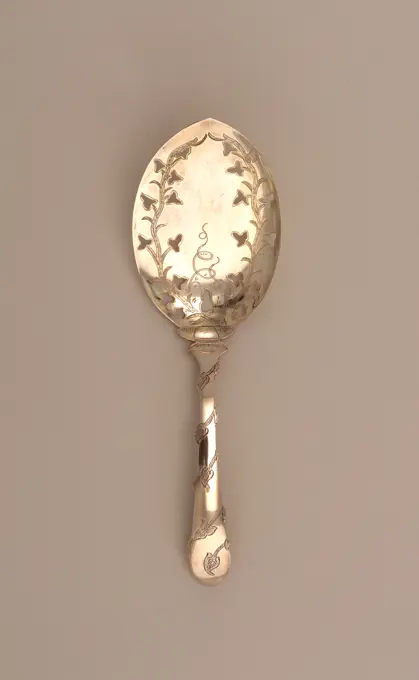
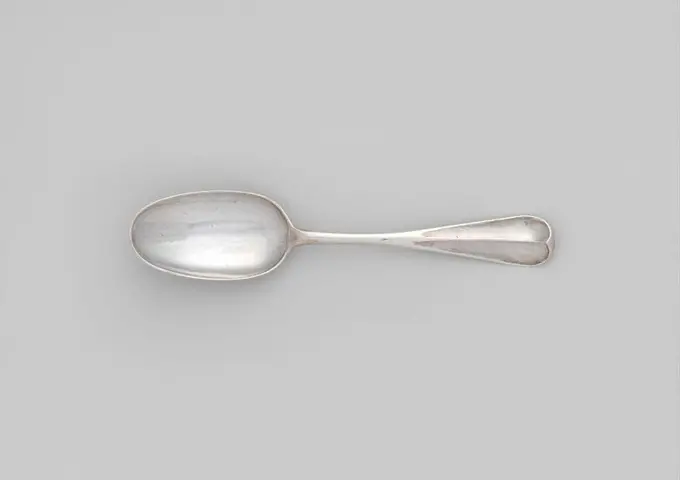
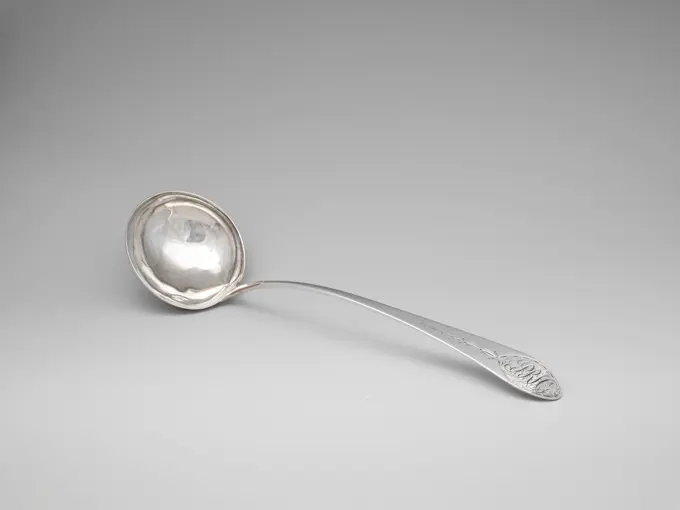
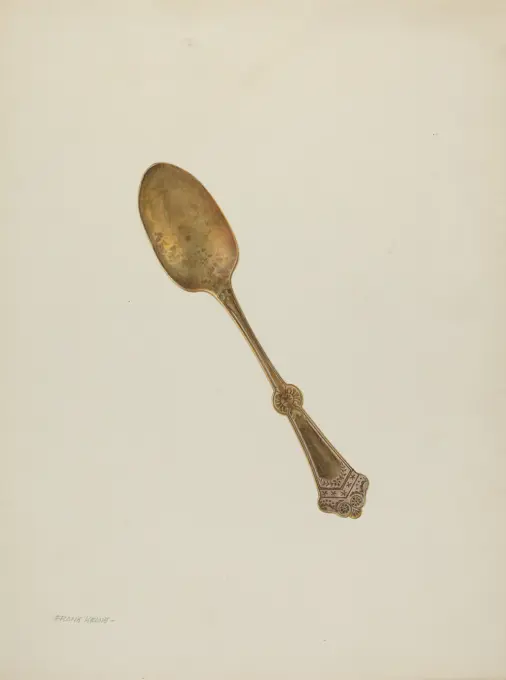
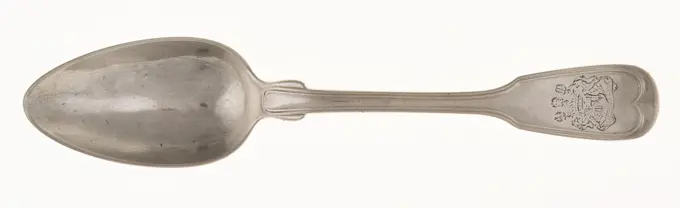
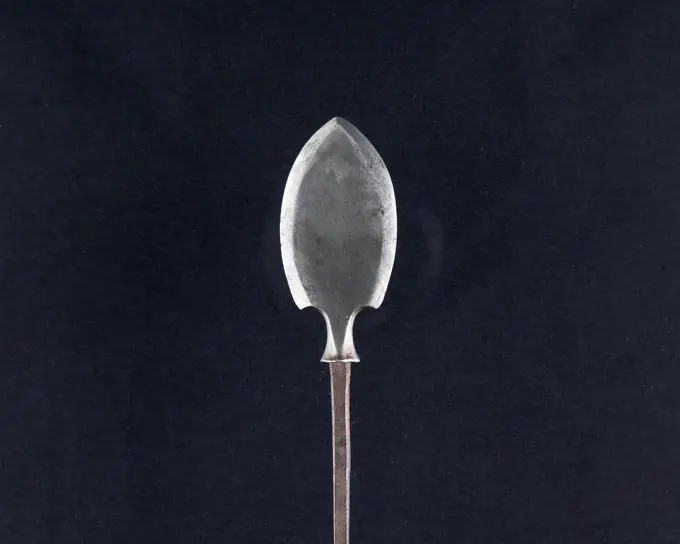
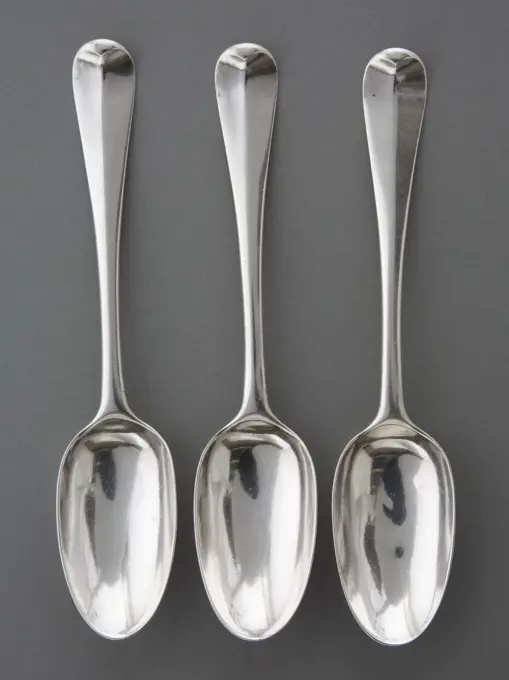
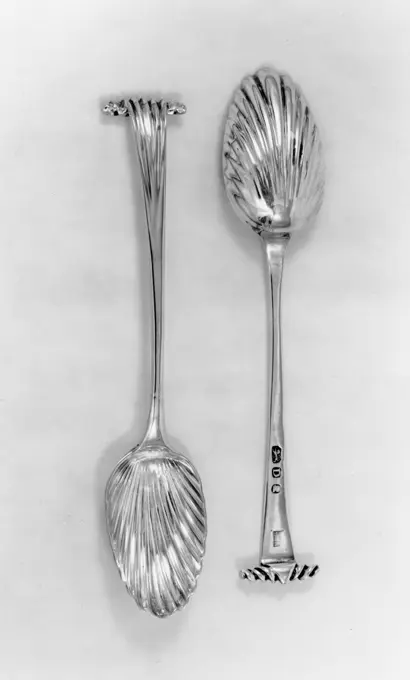
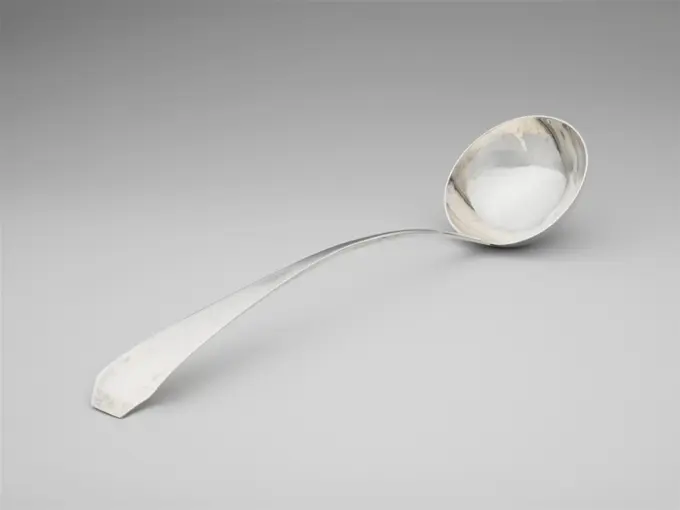
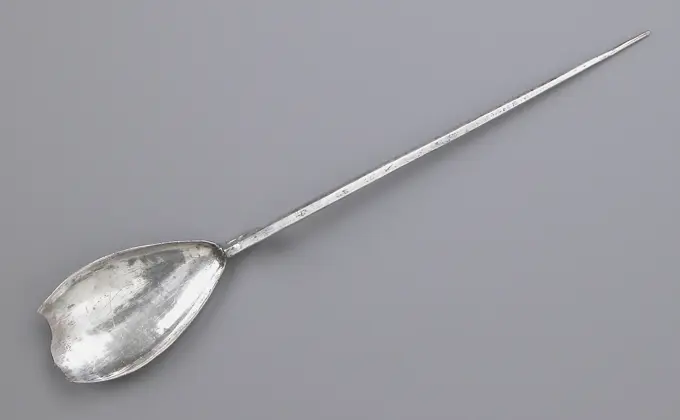
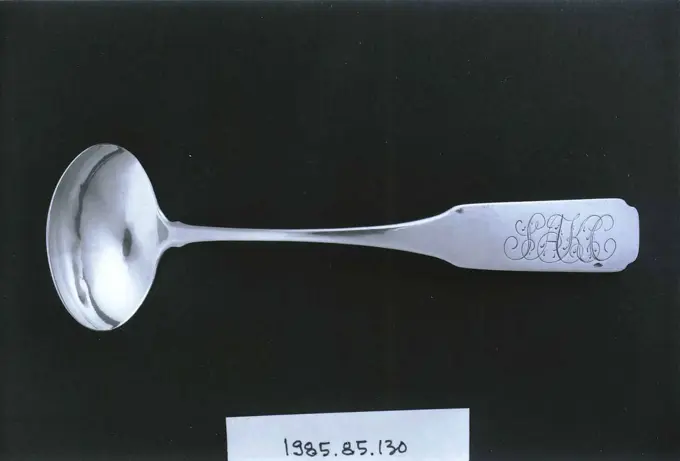
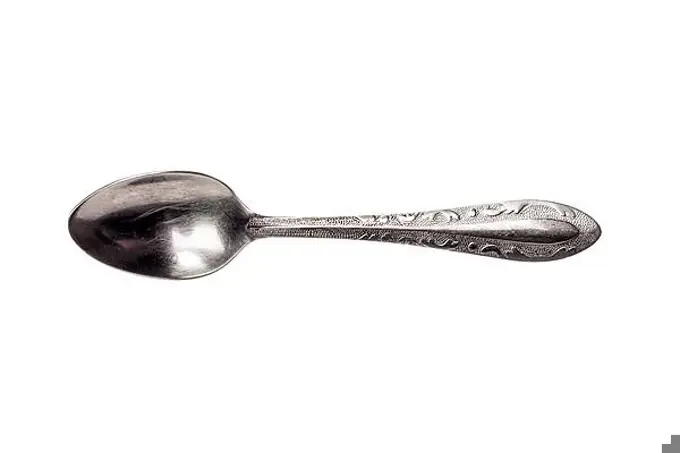
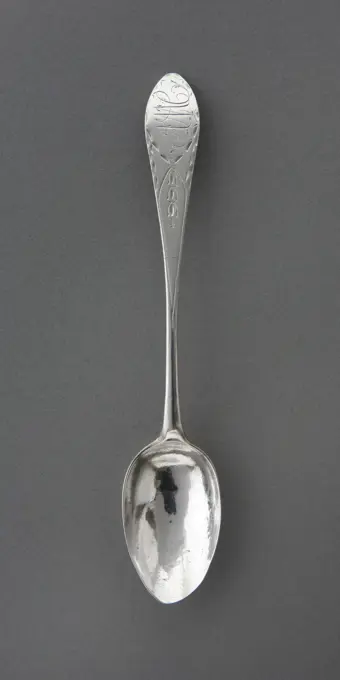
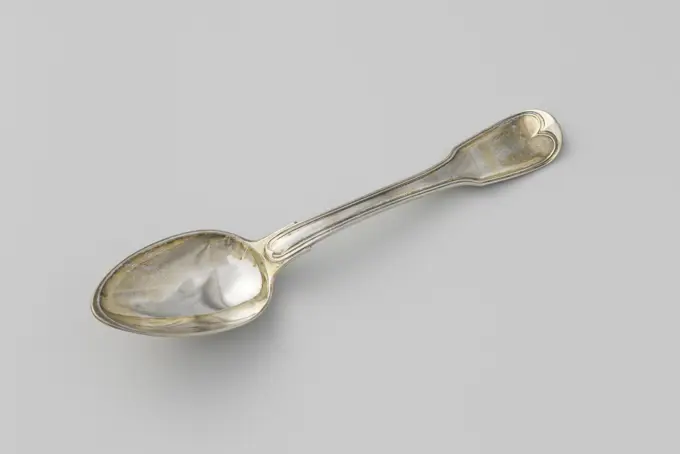
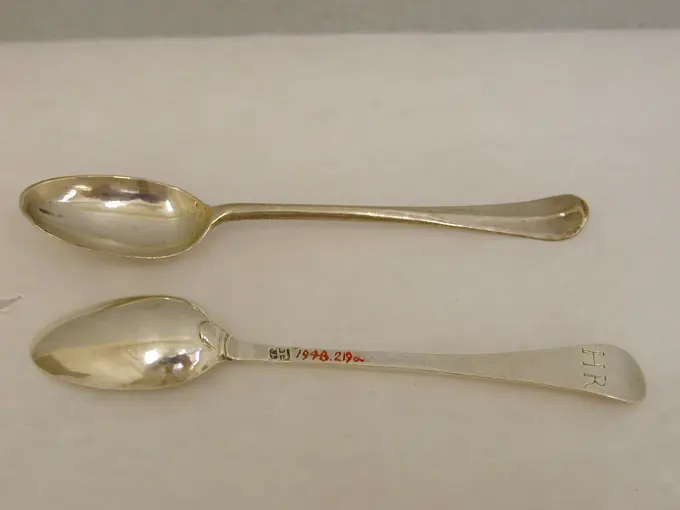
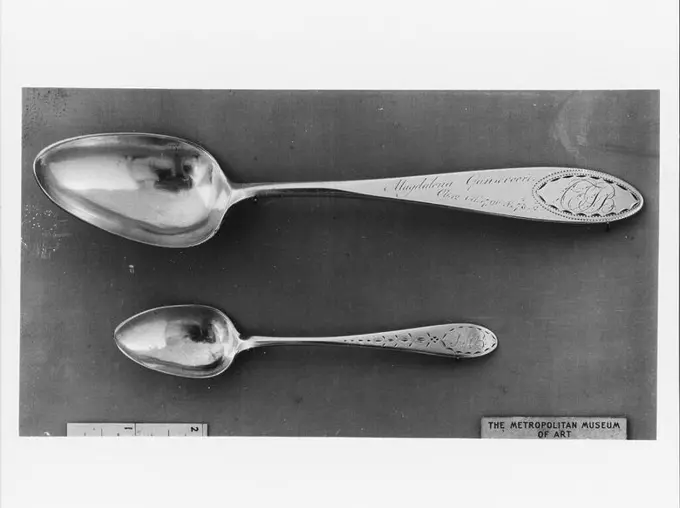
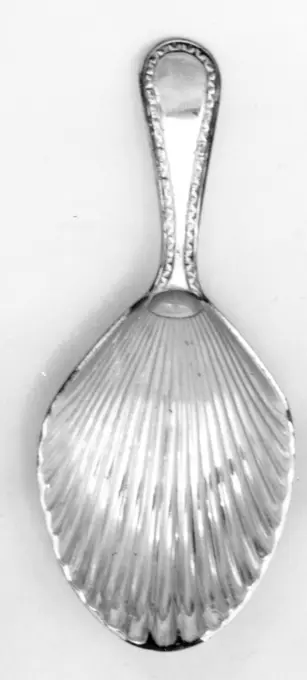
A variety of antique silver spoons with intricate designs, showcasing craftsmanship and historical significance in metalwork.

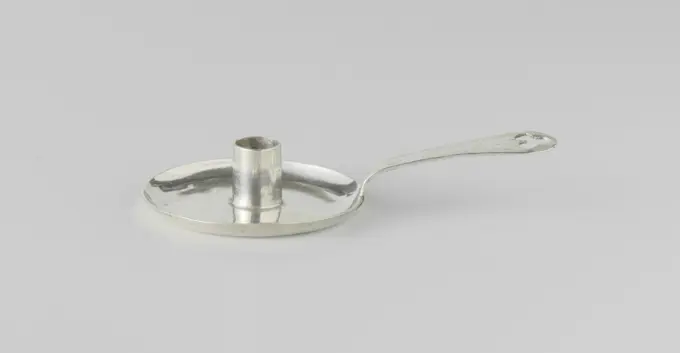
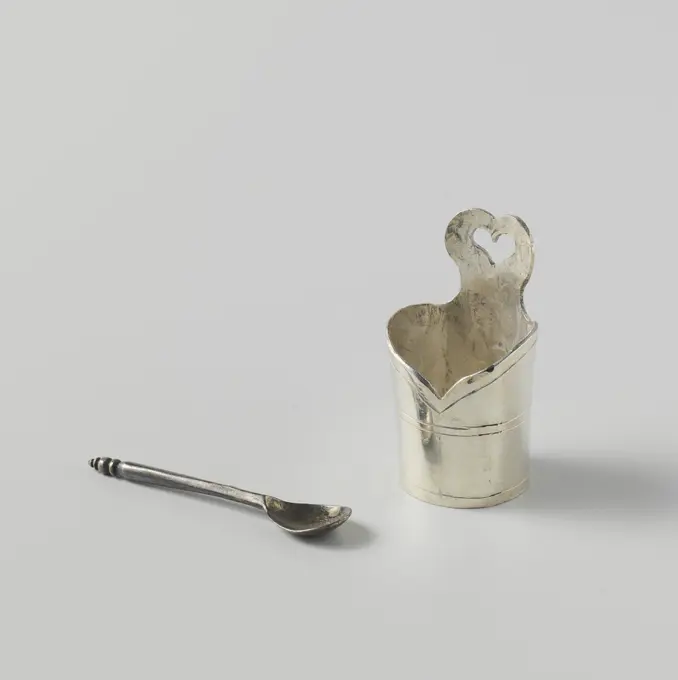
Silver miniature spoon, spoon cutlery miniature model silver, Spoon with round bowl profiled end of stem ankle. reinspection sign: little dolls eating food house interior
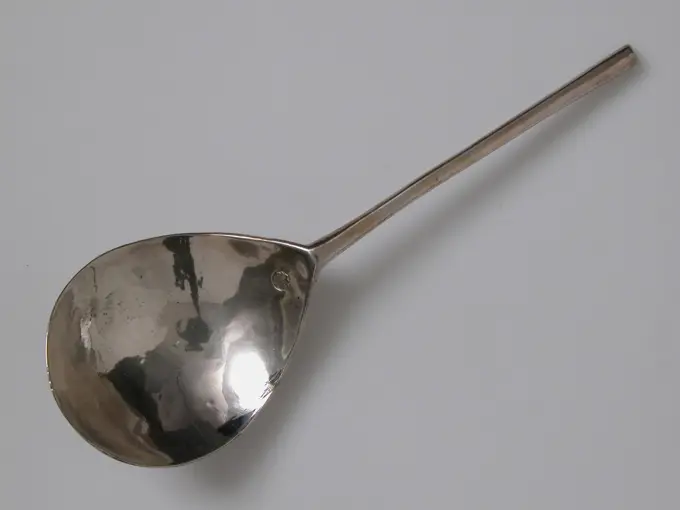
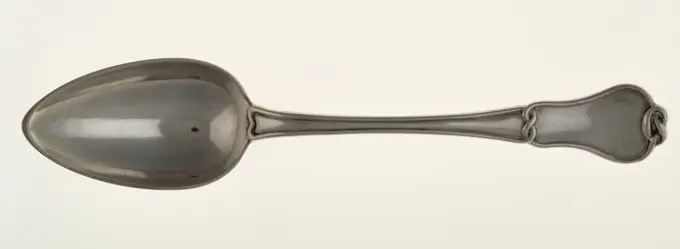
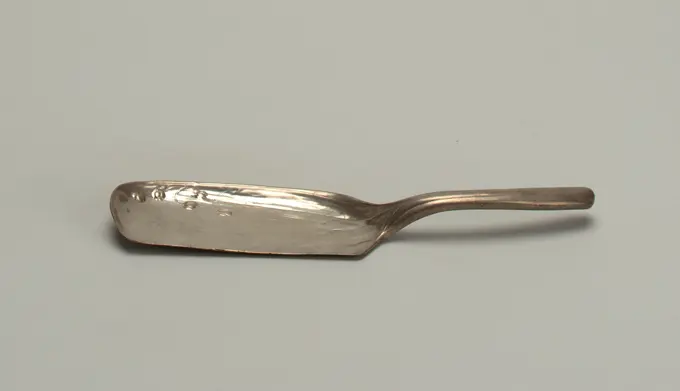
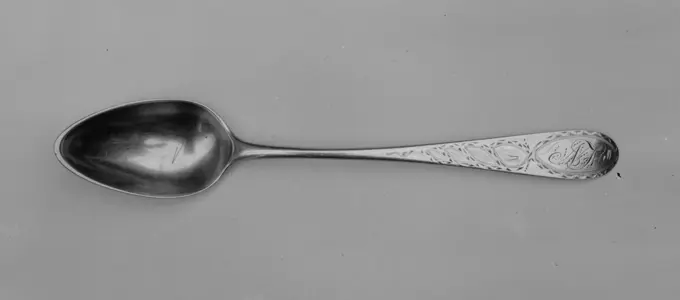
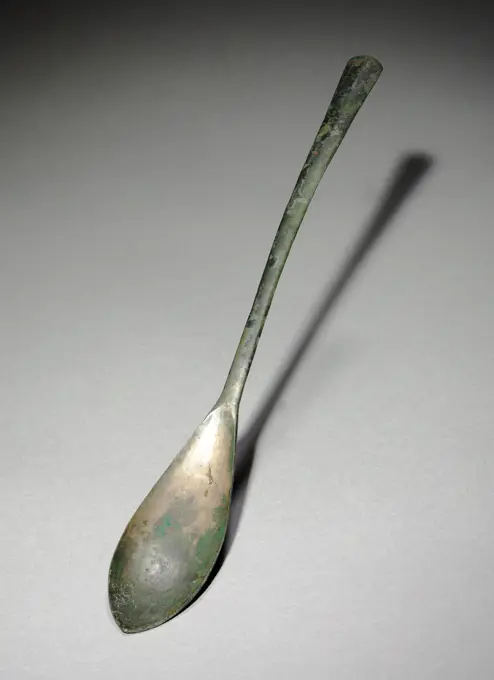
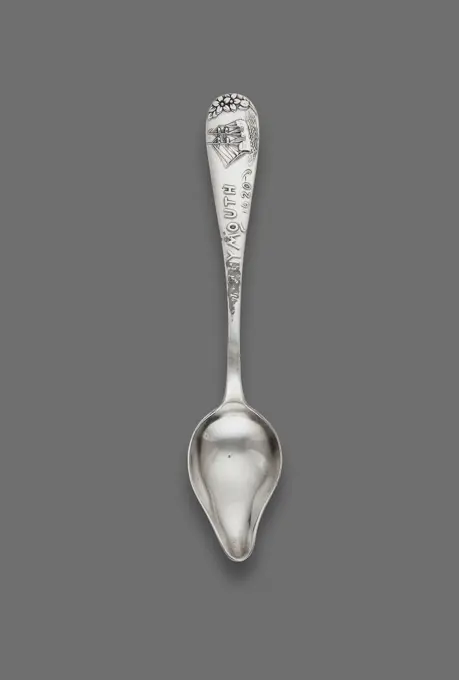
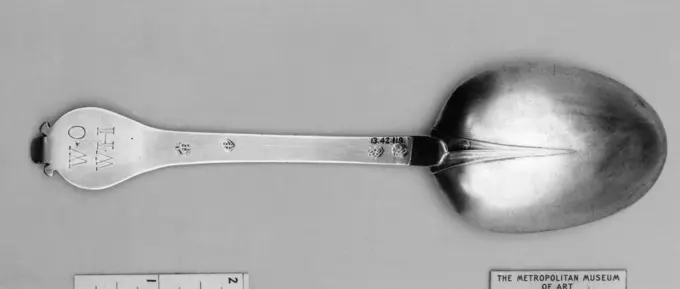
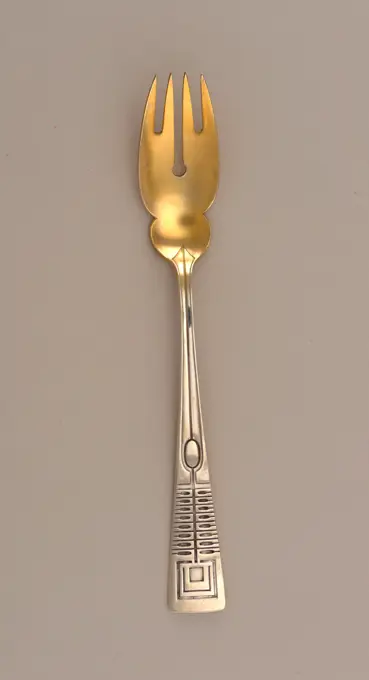
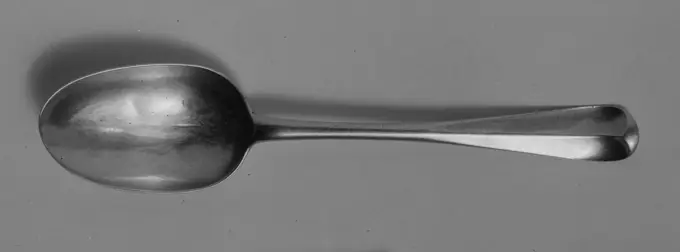
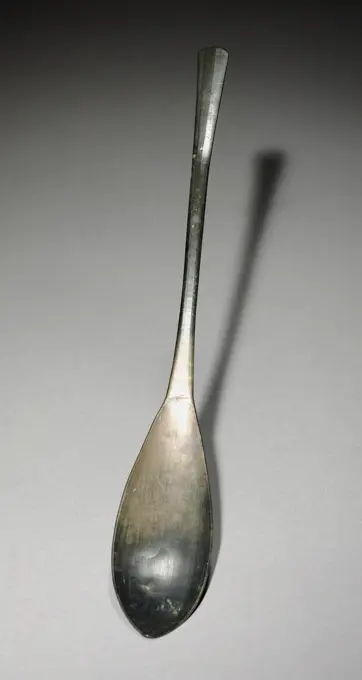
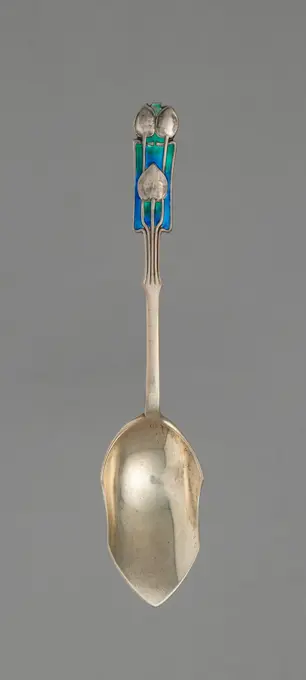
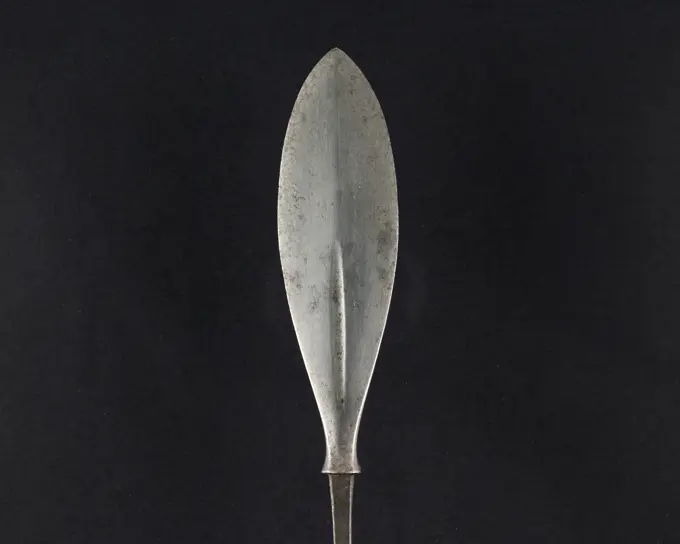
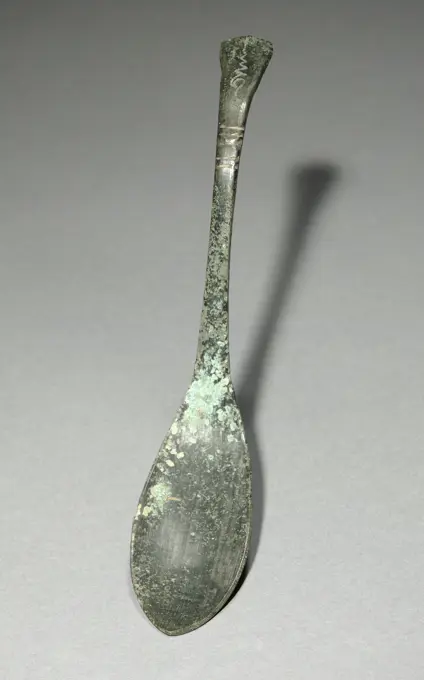
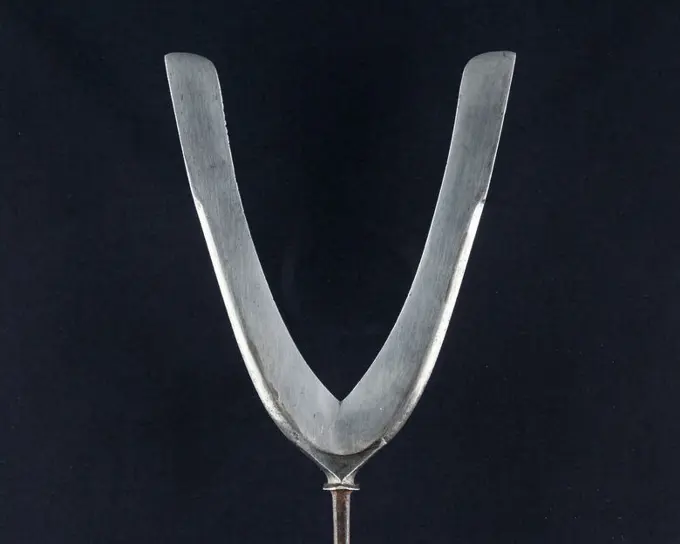
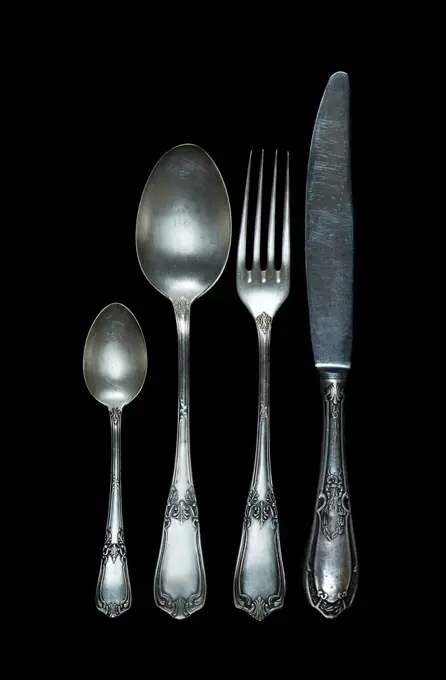
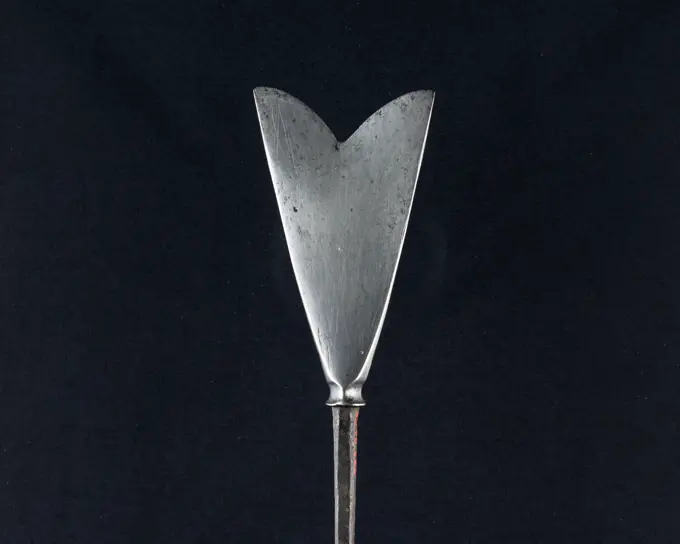
a hundred; Malcz, Karol (1797-1867), Silver Products Factory K.F. Malcza (Warsaw; Sreber label; 1828-1864); 1852 (1852-00-00-1860-00-00);a hundred; Malcz, Karol (1797-1867), Silver Products Factory K.F. Malcza (Warsaw; Sreber label; 1828-1864); 1852 (1852-00-00-1860-00-00);Spoon. Designed by Charles Robert Ashbee; English, 1863-1942; Made by the Guild of Handicraft Ltd.; England, 1888-1908; Chipping Campden, Gloucestershire, England. Date: 1902-1903. Dimensions: 19.1 cm (7 17/32 in.). Silver with dyed green chalcedony. Origin: Chipping Campden. Museum: The Chicago Art Institute, USA.Silver miniature spoon, spoon cutlery miniature model silver, Spoon with round bowl profiled end of stem ankle. reinspection sign: little dolls eating food house interiorSpoon 1487 British Numerous inventories refer to spoons "slipped on the stalk," that is, spoons the stems or handles of which were simply terminated at right-angles. A great number of spoons of this type have survived and their popularity may well be explained by the simple and consequently less expensive decoration of the handles.This example is considered by some scholars to be the earliest extant example of an English slip-top spoon. On the back of the handle at the top appear the crowned leopards head, the London hallmark for the years 1485 to 1488, the date letter for the 1487, and an illegible makers mark.. Spoon. British. 1487. Silver. Metalwork-Silvera hundred; Malcz, Karol (1797-1867), Silver Products Factory K.F. Malcza (Warsaw; Sreber label; 1828-1864); 1852 (1852-00-00-1860-00-00);Crumber with Lily of the Valley Decoration Crumber; Designed by Hugo Leven (German, 1874-1956); Manufactured by J. P. Kayser & Sohn (Germany); pewter; L x W x D: 29.8 x 7.6 x 2.9 cm (11 3/4 in. x 3 in. x 1 1/8 in.)Tea Spoon ca. 1800 Isaac Hutton American. Tea Spoon 8439Maidenhead Type Spoon. Culture: British. Dimensions: Overall: 6 1/8 in. (15.6 cm). Date: probably late 15th century.Maidenhead spoons seem to have made their appearance in the late fourteenth century. That some were indented to represent the Virgin Mary is revealed in an inventory of Durham Priory, in 1446, in which "ij coclearia argentea at deaurata unius sectae, cum ymaginibus Beatae Mariae in fine eorundem" ("two partially gilded silver spoons with the image of the Holy Mary at their ends"), and again in a much later of 1525 in which spoons "knopped with the image of our Lady" are mentioned. In the present example, the Virgin, dressed in the fashion of the first half of the fifteenth century, wears an elaborate rolled headdress and a dress with a V-shaped neckline and a raised collar. These two spoons, although both probably of provincial workmanship since they bear no clearly identifiable London silver mark, are good examples of two of the most popular types of spoons in the lateSpoon 1730-60 American. Spoon 7817CUCHARA DE PLATA.Silver Spoon. Culture: Late Roman. Dimensions: Overall: 7 7/16 x 1 1/8 x 5/8 in. (18.9 x 2.9 x 1.6 cm). Date: 4th-5th century.Pear-shaped spoons with long, pointed handles were found throughout the Empire. Some were used specifically for the Christian liturgy; others, like this one, simply served as luxury household utensils. Museum: Metropolitan Museum of Art, New York, USA.a hundred; Klinkosch, Josef Carl von (1822-1888); 1872-88 (1890-00-00-1890-00-00);Tablespoon.   Maker: Jacob Sargeant, American, 1761-1843Maiden head spoon 17th century Swiss, Zurich. Maiden head spoon 192283Spoon, 918-1392. Korea, Goryeo period (918-1392). Silver bronze; overall: 25.6 cm (10 1/16 in.).DessertSpoon.   Maker: Nathan Storrs, American, 1768-1839Spoon.  Maker: Edward Webb, American, 1666-1718Souvenir orange spoon, so-called Pilgrim” pattern. Manufacturer: William B. Durgin Company, American, 1853-1931Retailer: Mary F. Campbell, American, 1830-ca. 1915Retailer: Daniel Low and Company, American, founded 1867Spoon ca. 1690 British, Provincial. Spoon 192259Spoon isolated on white backgroundSaline spoon, scoop-shaped with engraved stem and oval at the point. Four salt spokes of silver. Scoop-up with engraved stalks, at the point an oval. Brand: The Hague (illegible), Master Sign I.P.B. (attributed to Jan Pieter Barbie (R)). Numbered a to D.Spoon (Netherlands), 1877; Manufactured by J.M. van Kempen and Son, Voorschoten (Netherlands); silver; L x W x D: 18.4 x 5.8 x 4.2 cm (7 1/4 x 2 5/16 x 1 5/8 in.)Spoon. Culture: American. Dimensions: L. 7 3/8 in. (18.7 cm). Maker: Jonathon Reed (active ca. 1730-42). Date: 1720-30. Museum: Metropolitan Museum of Art, New York, USA.Spoon 18th century German, Potsdam. Spoon 188116 German, Potsdam, Spoon, 18th century, Silver, 7 3/4 in. (19.7 cm). The Metropolitan Museum of Art, New York. Gift of Mrs. Samuel P. Avery, 1897 (97.2.81)Ladle 1790-1800 John Burger. Ladle 4658Frank M Keane, Dessert Spoon, c 1940 Dessert SpoonFork (Germany); Designed by Peter Behrens (German, 1868-1940); Manufactured by Martin Josef Rückert (Germany); silver, silver gilt; cm: L: 18 x W: 2.5Spoon 19th century Japan. Spoon 59928Spoon 1695-96 Thomas Issod. Spoon 197414Table Spoon 1730-40 Jonathan Clarke. Table Spoon 8106Spoon, 918-1392. Korea, Goryeo period (918-1392). Silver bronze; overall: 25.8 cm (10 3/16 in.).Figure-top spoon late 16th-early 17th century possibly German. Figure-top spoon 188287 possibly German, Figure-top spoon, late 16thearly 17th century, Silver, parcel-gilt, 6 5/8 in. (16.8 cm). The Metropolitan Museum of Art, New York. Gift of Mrs. Samuel P. Avery, 1897 (97.2.264)Tablespoon.   Maker: Samuel DeMilt, American, active ca. 1805-35Spoon with round container and straight flat handle with a hexagonal cross -section, anonymous, c. 1590 - c. 1596 spoon Spoon with a round container and a straight flat handle with a hexagonal cross -section. Steel attack a point. Netherlands tin (metal) casting  Nova Zembla. Saving HuysRockledge Silver Service Spoon; Designed by George Washington Maher (American, 1864-1926); Manufactured by Gorham Manufacturing Company (United States); Client: Ernest L. and Grace King; USA; silver; L x W x D: 6.2 x 3.1 x 2 cm (2 7/16 x 1 1/4 x 13/16 in.)Set of six Spoons in Original Box, c. 1895-1910. Liberty and Company (British), attributed to Archibald Knox (British, 1864-1933). Silver, enamel decoration and leather box;a hundred;  XIX-XX century (1800-00-00-1810-00-00);Funeral Spoon ca. 1700 American. Funeral Spoon. American. ca. 1700. SilverTablespoon.   Maker: William Cario, Jr., American, 1736-1809Arrowhead (Yanone) 18th century Japanese Although today Japanese warriors are renowned most for their swordsmanship, archery, especially from horseback, has been an essential part of samurai warfare and culture for centuries. Arrows were fitted with heads of varying shape according to their intended use in war, the hunt, or target practice. Arrowheads made for use on the battlefield incorporated different designs intended for specialized purposes such as the piercing of armor or to cause maximum damage to horses and unarmored personnel.Large arrowheads, pierced and elaborately chiseled with landscapes, birds, flowers, dragons, and Buddhist divinities, were created to be admired for the beauty of their metalwork and design rather than for use in archery. Such highly elaborate examples may have been made for presentation or as a votive offerings to a shrine.. Arrowhead (Yanone). Japanese. 18th century. Steel. Archery Equipment-ArrowheadsEliakim Hitchcock, Tea Spoon, c. 1760, silver.Teaspoon.   Maker: Phineas Bushnell, American, 1741-1836Spindle 3rd-12th century. Spindle 445358Figure-top spoon second half 19th century German. Figure-top spoon 188232Simeon Soumaine, Set of Three Tablespoons, c. 1725-40, silver.Tea Spoon 1775-1800 Daniel Van Voorhis. Tea Spoon 8474Spoon 1704-5 Edward Sweet. Spoon 198009Spoon with apostle as a crowning. Spoon with oval bin and poured stem with apostle as a crowning. Brands: BI and B and an A.Peter, Ann, and William I Bateman, Teaspoon, one of six (altered), 1799/1800, silver.Ladle 1800-1830 James Howell. Ladle 4664Tablespoon.  Maker: Pierre Huguet dit Latour, 1749-1817Butter Spoon Spoon; Designed by Charles Rennie Mackintosh (Scottish, 1868-1928); Client: Miss Catherine Cranston (Scottish, 1849-1934); Scotland; silver-plated nickel; Length: 21 cm (8 1/4 in.)Porringer 1750-65 Joseph Clark(e) Jr.. Porringer 6673Spoon 4th-7th century Coptic. Spoon 473117Löffel aus Edelstahl isoliert auf schwarzem Hintergrund Stainless steel spoon isolated on black background, package design element LicenseRF Copyright: xZoonar.com/MaksimxLashcheuskix 23223265Smallladle.   Maker: Shubael Storrs, 1778-1847A soviet style metallic stainless inox coffee spoon with decorations isolated on white backgroundLepel.Spoon of silver, with striker oval bowl and peak tapered stem. The handle is engraved at the top with a flower drink and an oval medallion.Sugar Sifter 19th century Japan. Sugar Sifter 59926Spoon with clifford helmet sign. The egg-shaped bin of the spoon is on both upstairs and bottom by means of single praise connected to the flat, curved stem, which widened to the spatula-shaped end. Upper and bottom of the handle are surrounded by a double fillet edge, which is injected at the end. The Clifford Helmet is engraved on the underside of the spatula.François Joubert, Twelve Spoons, 1789, silver.Spoon with a round bowl and a straight flat stem with a hexagonal diameter. Steel placement a point.John Gibbs, Teaspoon, c. 1790, silver.Spoon with the Helmet Helmet sign, Hendrik Helweg, 1832 The egg-shaped container of the spoon is connected to the flat, bent stem on both the top and bottom by means of a single praise, which broadens to the spatula-shaped end. At the top and bottom of the handle are surrounded by a double file edge, which has been swept up at the end. The Clifford helmet is engraved on the underside of the spatula. Amsterdam silver (metal) The egg-shaped container of the spoon is connected to the flat, bent stem on both the top and bottom by means of a single praise, which broadens to the spatula-shaped end. At the top and bottom of the handle are surrounded by a double file edge, which has been swept up at the end. The Clifford helmet is engraved on the underside of the spatula. Amsterdam silver (metal)Arrowhead (Yanone) 18th century Japanese Although today Japanese warriors are renowned most for their swordsmanship, archery, especially from horseback, has been an essential part of samurai warfare and culture for centuries. Arrows were fitted with heads of varying shape according to their intended use in war, the hunt, or target practice. Arrowheads made for use on the battlefield incorporated different designs intended for specialized purposes such as the piercing of armor or to cause maximum damage to horses and unarmored personnel.Large arrowheads, pierced and elaborately chiseled with landscapes, birds, flowers, dragons, and Buddhist divinities, were created to be admired for the beauty of their metalwork and design rather than for use in archery. Such highly elaborate examples may have been made for presentation or as a votive offerings to a shrine.. Arrowhead (Yanone). Japanese. 18th century. Steel. Archery Equipment-ArrowheadsPair ofteaspoons.   Maker: S. H., 1750-1770Tablespoon. Hezekiah Silliman; American, 1739-1804; New Haven, Connecticut. Date: 1760-1775. Dimensions: 19.4 × 6.7 cm (7 5/8 × 2 5/8 in.). Silver. Origin: New Haven. Museum: The Chicago Art Institute, Chicago, USA.Gold plated fork with four teeth, fork cover cutlery silver gold, forged gilded stem four teeth. Pine cone BW in oval (smashed back) eating Napoleon Suermondt Rotterdam 1811 According to tradition, Napoleon left Suermondt Maire de Rotterdam 1811.Jacob Gielens, Wooden Dipper, 1938 Wooden DipperTable Spoon. Culture: American. Dimensions: L. 9 in. (22.9 cm); 2 oz. (62 g). Maker: Isaac Hutton (American, New York 1766-1855 Albany, New York). Date: ca. 1796. Museum: Metropolitan Museum of Art, New York, USA.Wellner, knife to the initials of Adolf Hitler (attributed title), 1933. Silver metal. General Leclerc Museum of the Liberation of Paris - Jean Moulin Museum.Apostle spoon: St. James the Great 1592/93 William Cawdell The set (67.166.1-.13) includes a master spoon with a figure of Christ and twelve apostle spoons. Martin Hewitt who made the Saint Andrew spoon had served his apprenticeship under William Cawdell. Both were specialist spoonmakers.. Apostle spoon: St. James the Great. British, London. 1592/93. Silver, partly gilded. Metalwork-SilverFigure-top spoon ca. 1768 Philippus Roorda. Figure-top spoon 188292 Maker: Philippus Roorda, 1732after 1793, Figure-top spoon, ca. 1768, Silver, 7 1/8 x 1 7/8 in. (18.1 x 4.8 cm). The Metropolitan Museum of Art, New York. Gift of Mrs. Samuel P. Avery, 1897 (97.2.269)Figure-top spoon first quarter 17th century Dutch, Zierikzee. Figure-top spoon 188312 Dutch, Zierikzee, Figure-top spoon, first quarter 17th century, Silver, Overall: 6 7/8  2 1/2 in. (17.5  6.4 cm). The Metropolitan Museum of Art, New York. Gift of Mrs. Samuel P. Avery, 1897 (97.2.289)Blaker, Jacob Dijckman (attributed to), c. 1671 - c. 1719 Round Blaker with a flat handle. The end of the Steel is trimmed in Drielobbig. De Blaker is unadorned and noticed: size = attributed to Jacob Dijckman, crowned B and an ax. Amsterdam silver (metal) Round Blaker with a flat handle. The end of the Steel is trimmed in Drielobbig. De Blaker is unadorned and noticed: size = attributed to Jacob Dijckman, crowned B and an ax. Amsterdam silver (metal)Daniel Venton, Two Tea Spoons, c. 1775, silver.Japanese” Table spoon. Manufacturer: Tiffany and Company, American, founded 1837 Designer Edward C. Moore, American, 1827-1891Stephen Adams I, Caddy Spoon, 1787/88, silver.Pipette with serum, gel, oil or other cosmetic product. Macro.Timothy Gerrish, Three Tea Spoons, c. 1790, silver.Saucepan, Frederik van Strant (II), 1737 Saucepan with pour and on for the wooden stem. A six -pointed star is engraved on the bottom on the inside. The wooden handle is profiled. The saucepan is marked: stk. = Amsterdam, Jrl. = 1737, Mt. = Frederik van Strant II. Amsterdam silver (metal). ebony (wood) Saucepan with pour and on for the wooden stem. A six -pointed star is engraved on the bottom on the inside. The wooden handle is profiled. The saucepan is marked: stk. = Amsterdam, Jrl. = 1737, Mt. = Frederik van Strant II. Amsterdam silver (metal). ebony (wood)Ladle 1777-90 Joseph Richardson Jr.. Ladle. American. 1777-90. Silver. Made in Philadelphia, Pennsylvania, United StatesSpoon, 918-1392. Korea, Goryeo period (918-1392). Bronze; overall: 16.8 cm (6 5/8 in.).John LeTelier Sr., Tablespoon, c. 1793, silver.Arrowhead (Yanone). Culture: Japanese. Dimensions: L. 15 3/4 in. (40 cm); L. of head 5 1/4 in. (13.3 cm); W. 4 1/4 in. (10.8 cm); Wt. 3.3 oz. (93.6 g). Date: 18th century. Museum: Metropolitan Museum of Art, New York, USA.Henry M. Norris, Caddy Spoon, 1835/36, silver.Spoon 19th century possibly Norwegian, Oslo. Spoon 188104Set of Tablespoons (14) 1789-1820 Paris. These tablespoons are part of a vast service made for Emperor Napoleon Bonaparteís sister Pauline on the occasion of her marriage to the Roman nobleman Camillo Borghese, Sixth Prince of Sulmona.In the years after the French Revolution, architects and designers adopted the visual language of ancient Greece and Rome to express the new imperial order. Napoleon, hoping to promote Parisís luxury trades, commissioned several silver dinner services as gifts to be sent abroad.. Silver gilt . Martin-Guillaume BiennaisSpoonful of sugarTrench craftsmanship. Field kitchen saucepan made of artillery scalesSmallSpoonZeeplepel, anonymous, c. 1700 - c. 1800 Sea spoon with a steel profiled at the end. The spoon is in a soap bin (Invnr. BK-NM-11177-77-A). The spoon is marked: m in oval and a boar head. Netherlands silver (metal) Sea spoon with a steel profiled at the end. The spoon is in a soap bin (Invnr. BK-NM-11177-77-A). The spoon is marked: m in oval and a boar head. Netherlands silver (metal)Row of vintage knife, fork and spoons are isolated on black backgroundSet of four bowls 18th century French. Set of four bowls 201828Arrowhead (Yanone) 18th century Japanese Although today Japanese warriors are renowned most for their swordsmanship, archery, especially from horseback, has been an essential part of samurai warfare and culture for centuries. Arrows were fitted with heads of varying shape according to their intended use in war, the hunt, or target practice. Arrowheads made for use on the battlefield incorporated different designs intended for specialized purposes such as the piercing of armor or to cause maximum damage to horses and unarmored personnel.Large arrowheads, pierced and elaborately chiseled with landscapes, birds, flowers, dragons, and Buddhist divinities, were created to be admired for the beauty of their metalwork and design rather than for use in archery. Such highly elaborate examples may have been made for presentation or as a votive offerings to a shrine.. Arrowhead (Yanone). Japanese. 18th century. Steel. Archery Equipment-ArrowheadsMaker's Mark IS, Caddy Spoon, 1817/18, silver.Dessert Spoon (France); Manufactured by Charles Victor Gibert (French); silver; L x W x D: 18.3 x 3.7 x 2 cm (7 3/16 x 1 7/16 x 13/16 in.)Tablespoon.   Maker: J. Lockward, active ca. 1805 - 1820Maker, formerly attributed to: James D. Lockwood, American, active ca. 1798-1838Retailer: Thomas Milne, active ca. 1793 - 1815Fish Knife and Fork, c. 1900. Josef Maria Olbrich (German, 1867-1908). Silver; overall: 22.6 cm (8 7/8 in.).