Historic Silver Spoons

A variety of antique silver spoons with intricate designs, showcasing craftsmanship and historical significance in metalwork.

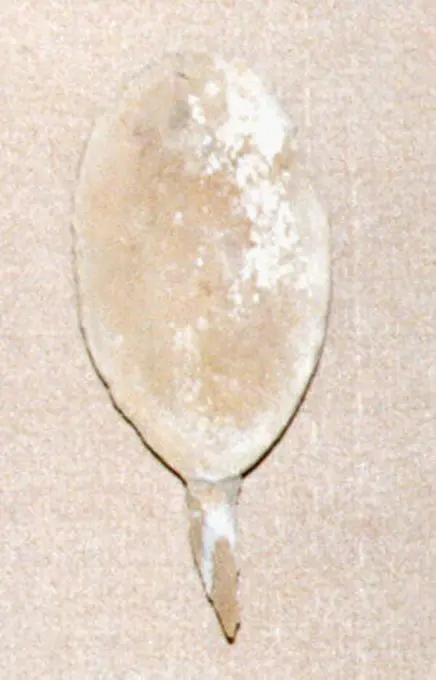
Silver miniature spoon, spoon cutlery miniature model silver, Spoon with round bowl profiled end of stem ankle. reinspection sign: little dolls eating food house interior
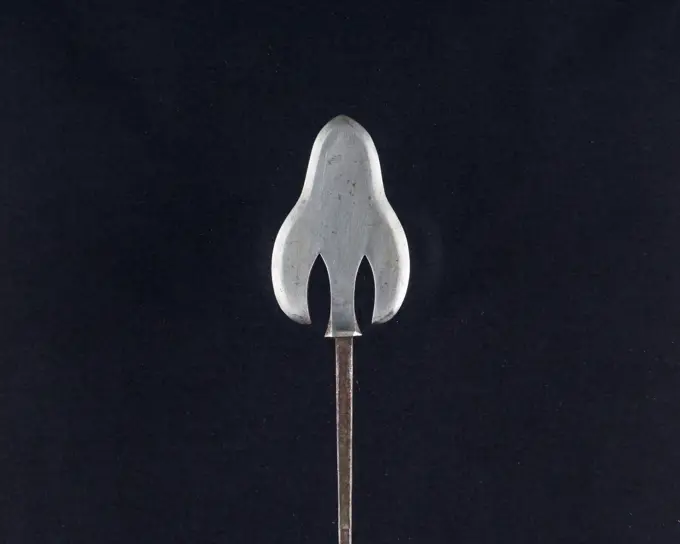
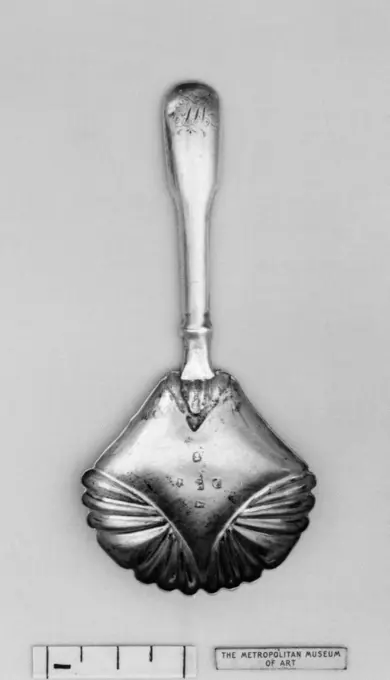
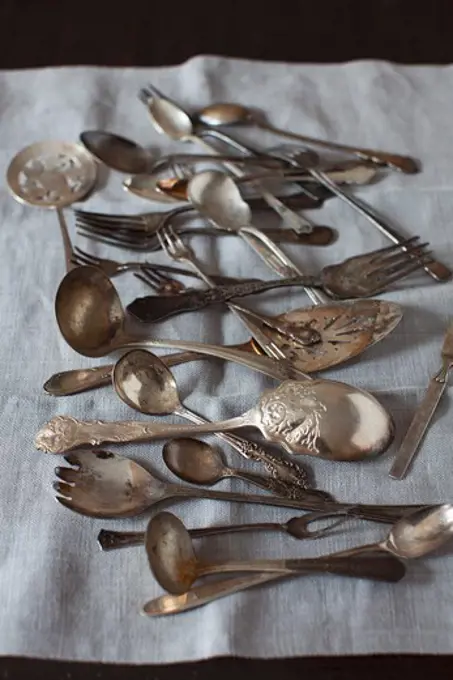
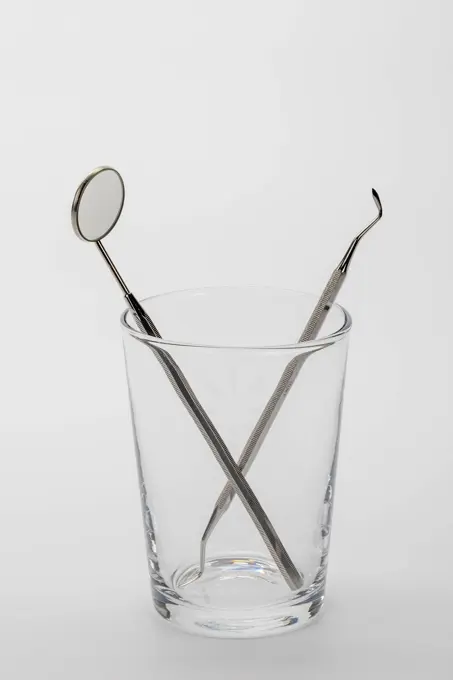
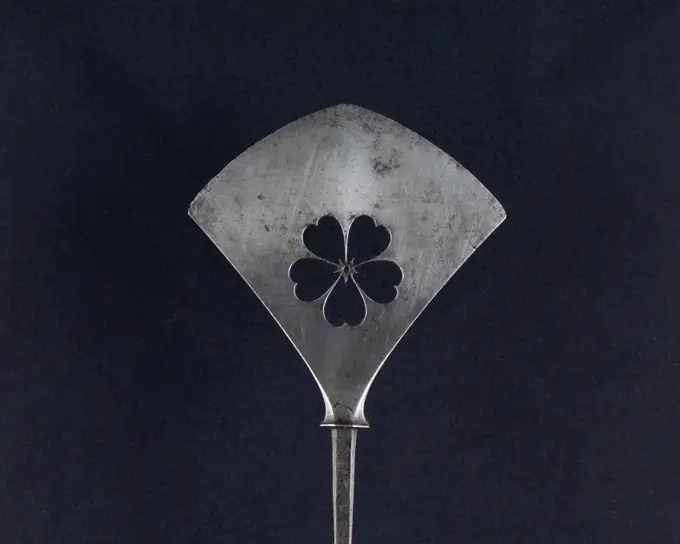
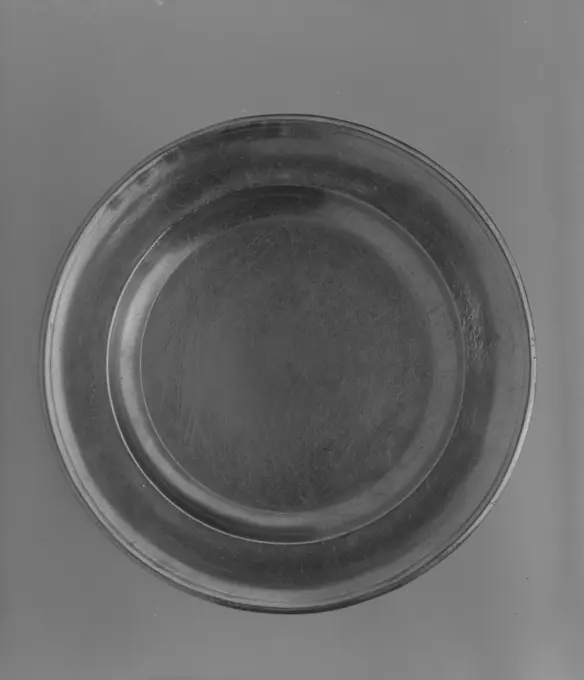
Plate 1815-25 Jehiel Johnson. Plate. American. 1815-25. Pewter. Possibly made in Middletown, Connecticut, United States; Possibly made in Fayetteville, North Carolina, United StatesThree dessertspoons.   Maker: Philip Huntington, 1770-1825Arrowhead (Yanone) 18th century Japanese Although today Japanese warriors are renowned most for their swordsmanship, archery, especially from horseback, has been an essential part of samurai warfare and culture for centuries. Arrows were fitted with heads of varying shape according to their intended use in war, the hunt, or target practice. Arrowheads made for use on the battlefield incorporated different designs intended for specialized purposes such as the piercing of armor or to cause maximum damage to horses and unarmored personnel.Large arrowheads, pierced and elaborately chiseled with landscapes, birds, flowers, dragons, and Buddhist divinities, were created to be admired for the beauty of their metalwork and design rather than for use in archery. Such highly elaborate examples may have been made for presentation or as a votive offerings to a shrine.. Arrowhead (Yanone). Japanese. 18th century. Steel. Archery Equipment-ArrowheadsOld vintage small brass spoon with green patina isolated on white backgroundPorringer.   Maker: Myer Myers, American, 1723-1795Incense boat and spoon 1708-9 Benjamin Pyne. Incense boat and spoon 236950Souvenir spoon with profile head of Queen Victoria and finial in form of St. Paul's Cathedral Saunders & Shepherd British 1897-98 View more. Souvenir spoon with profile head of Queen Victoria and finial in form of St. Paul's Cathedral. British, London. 1897-98. Silver, parcel-gilt. Metalwork-SilverFocolare spoon second half of 6th century B.C. Etruscan Leaf-shaped bowl, very slightly hollowed out.. Focolare spoon. Etruscan. second half of 6th century B.C.. Terracotta; bucchero. Archaic. VasesCaddy spoon 1826-27 Probably by Thos. Newbold. Caddy spoon 188202 Maker: Probably by Thos. Newbold, entered 1820, Caddy spoon, 182627, Silver, Length: 3 3/4 in. (9.5 cm). The Metropolitan Museum of Art, New York. Gift of Mrs. Samuel P. Avery, 1897 (97.2.178)Ladle with handle in the shape of a dragon's head 3rd century China. Ladle with handle in the shape of a dragon's head 44390Spoon with elongated, oval bowl and hexagonal handle, spoon cutlery soil find tin metal, cast Elongated oval tray double or hexagonal steel archaeology Rotterdam rail tunnel food Soil discovery: rail tunnel Rotterdam.Old Spoons and Forks on LinenSixteaspoons. Maker, formerly attributed to: Samuel Merriman, 1771-1805Maker, possibly by: Silas Merriman, American, 1734-1805Seal-top spoon late 16th-early 17th century British. Seal-top spoon. British. late 16th-early 17th century. Latten, tinned. Metalwork-Base MetalSeventeaspoons.   Maker: Caleb Warner, 1784-1861Knife. Knife with a steel blade and a silver handle. It has a profiled end with a small button. The blade of the knife is marked with a steel brand. The knife belongs to a spoon (BK-NM-4712) in a capacity (BK-NM-4711).Pair ofPlates. Maker, formerly attributed to: Semper Eadem, American, ca. 1760-1780SixTablespoons.   Maker: Hazen and Collins, American, 1843-1847Mouth mirror and dental probe in tooth cup glass, white background,Taking New Zealand mussel out of its shellA dish on a tray with a ladle inside , Tableware, Tichnor Brothers Collection, postcards of the United StatesArrowhead (Yanone) 18th century Japanese Although today Japanese warriors are renowned most for their swordsmanship, archery, especially from horseback, has been an essential part of samurai warfare and culture for centuries. Arrows were fitted with heads of varying shape according to their intended use in war, the hunt, or target practice. Arrowheads made for use on the battlefield incorporated different designs intended for specialized purposes such as the piercing of armor or to cause maximum damage to horses and unarmored personnel.Large arrowheads, pierced and elaborately chiseled with landscapes, birds, flowers, dragons, and Buddhist divinities, were created to be admired for the beauty of their metalwork and design rather than for use in archery. Such highly elaborate examples may have been made for presentation or as a votive offerings to a shrine.. Arrowhead (Yanone). Japanese. 18th century. Steel. Archery Equipment-ArrowheadsWooden spoon ca. 7th-9th century A.D. Alanic. Wooden spoon 327566Water Liquid Drop Isolated on Transparent. Water liquid drop isolated on transparent background. Water splash, droplets. Nature eco sign symbol. Wet and environment, clean droplet, bubble aqua, natural fresh illustration. Vector long drop