Historic Terracotta Artifacts

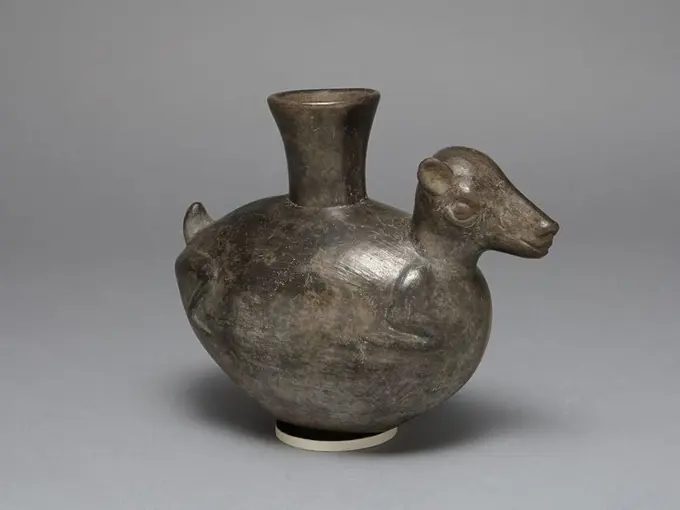
An assortment of ancient terracotta lamps and whistles from Costa Rica and Anatolia, highlighting historical craftsmanship and design from various cultures.
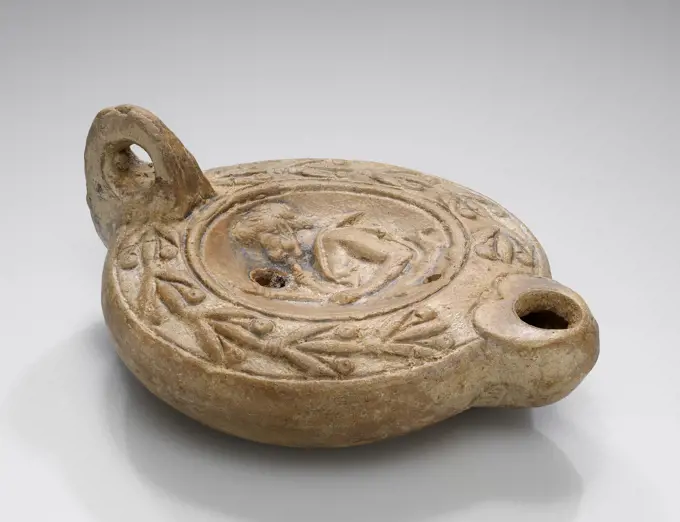
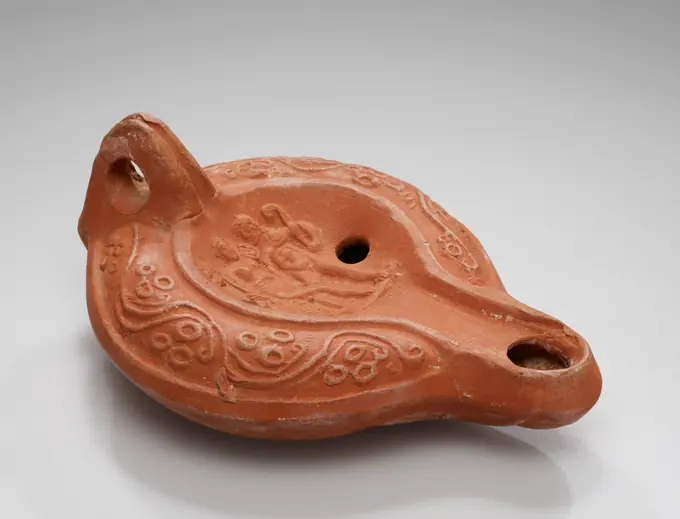
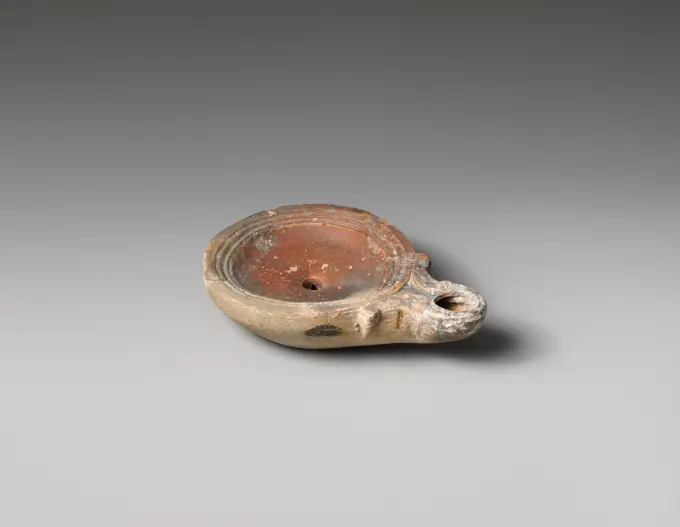
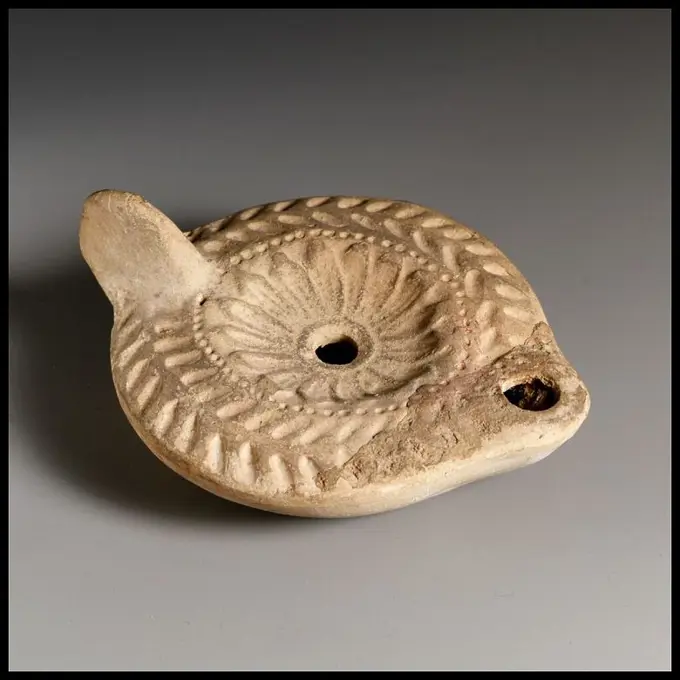
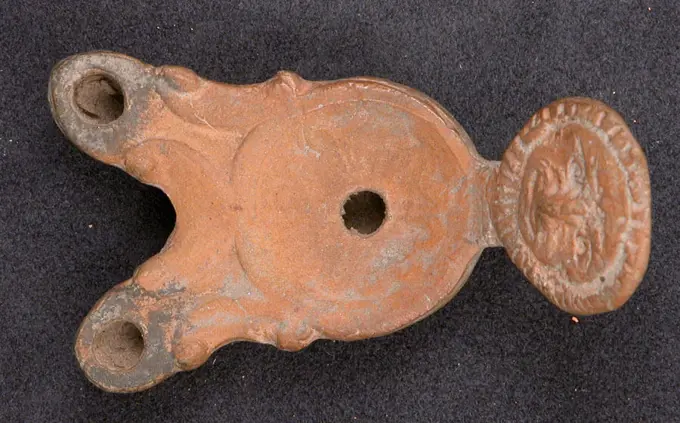
Lamp, North Africa; 2nd century; Terracotta; 2.6 x 8 x 10.2 cm (1 x 3 1,8 x 4 in.)
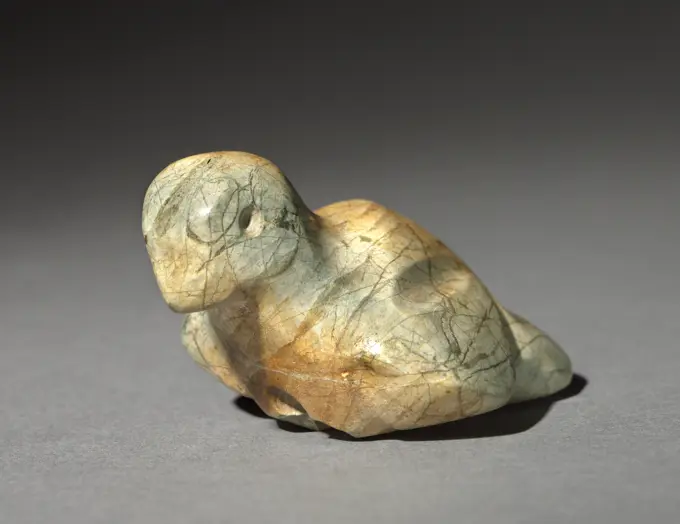
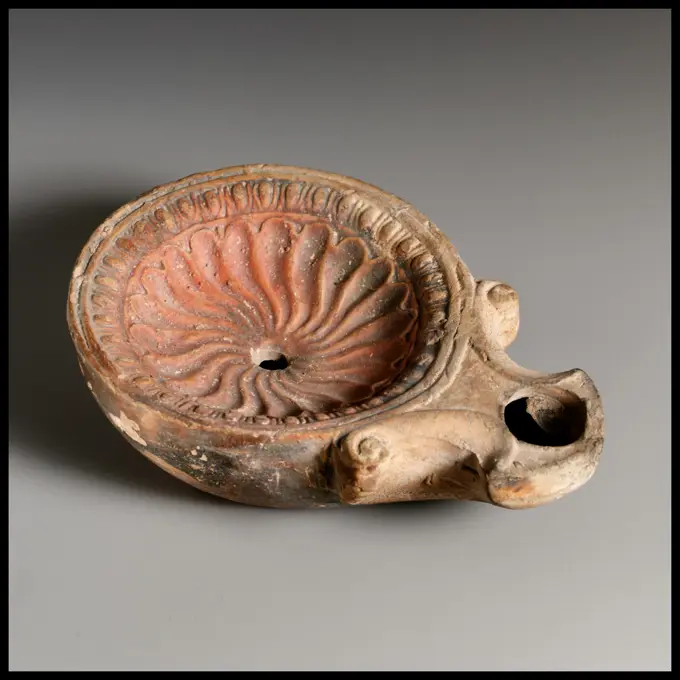
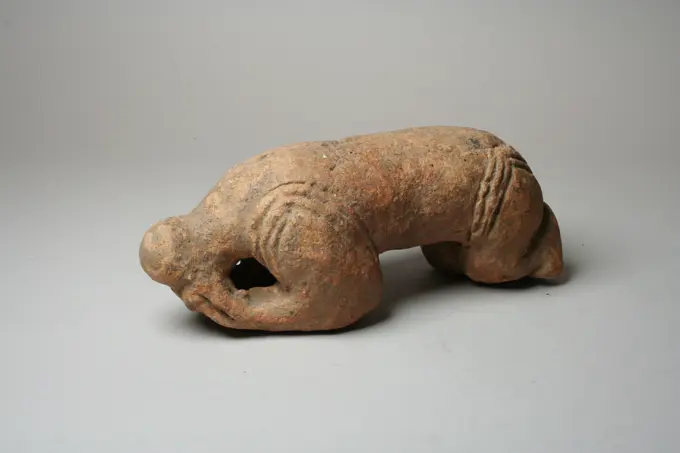
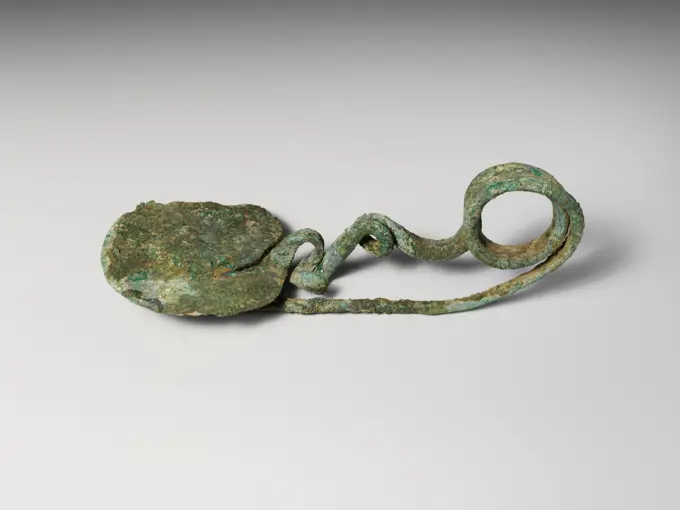
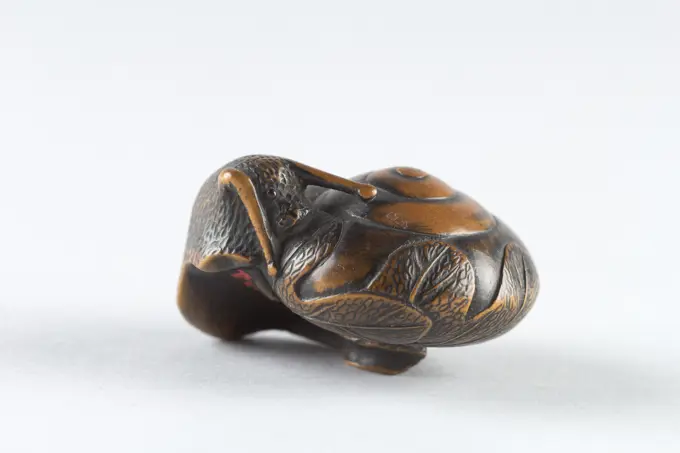
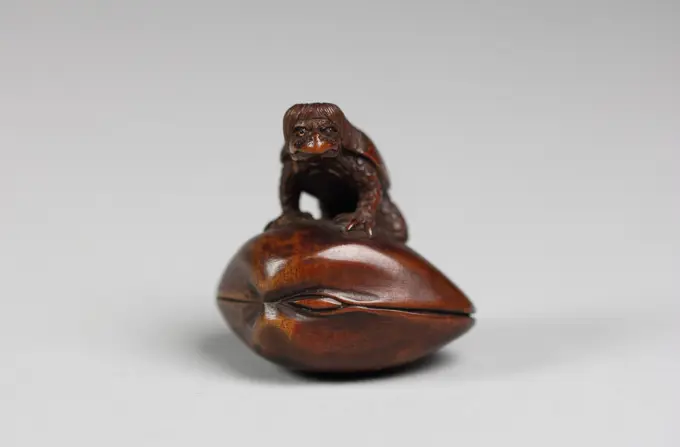
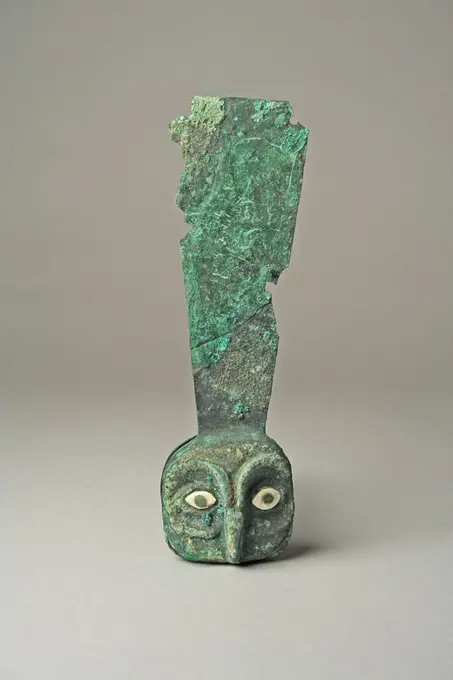
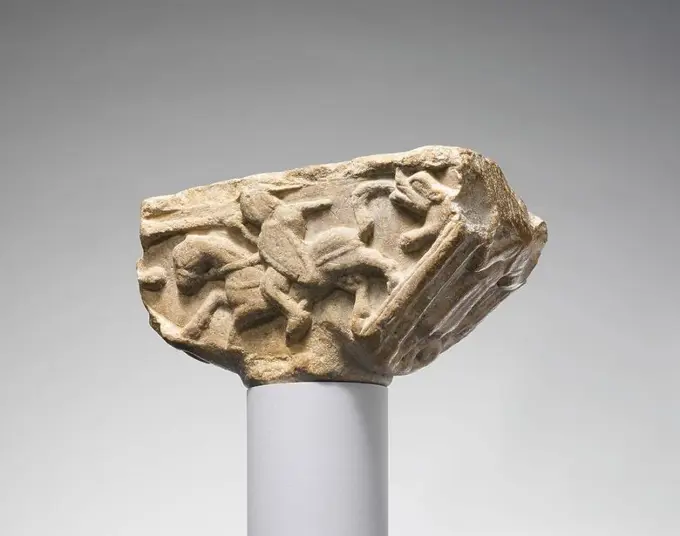
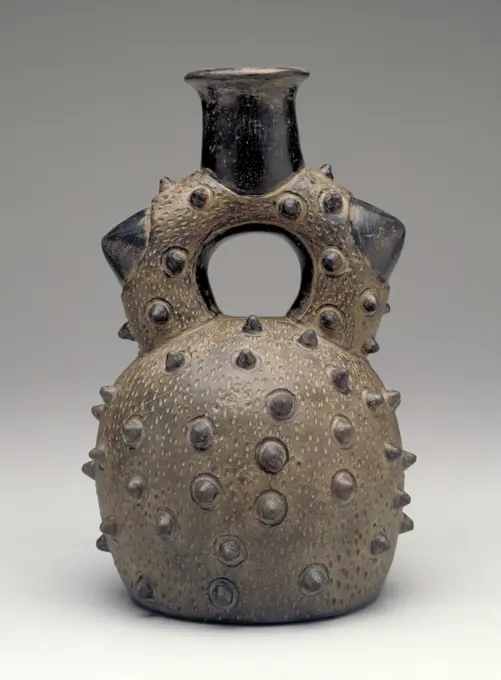
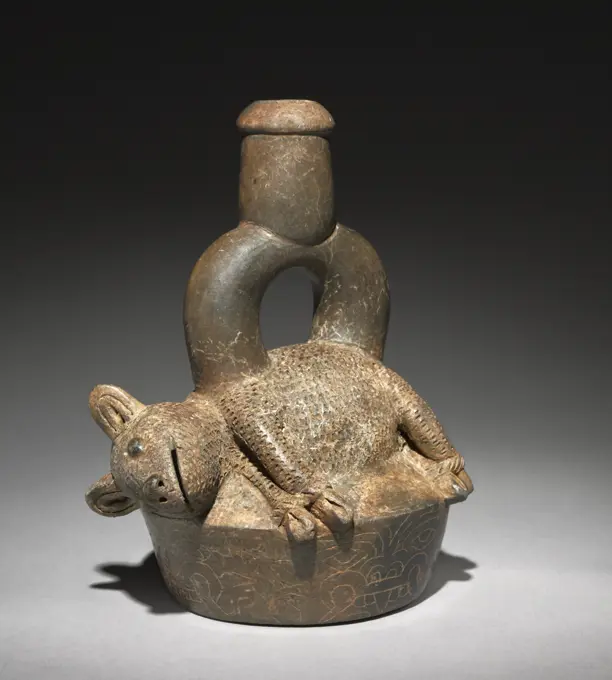
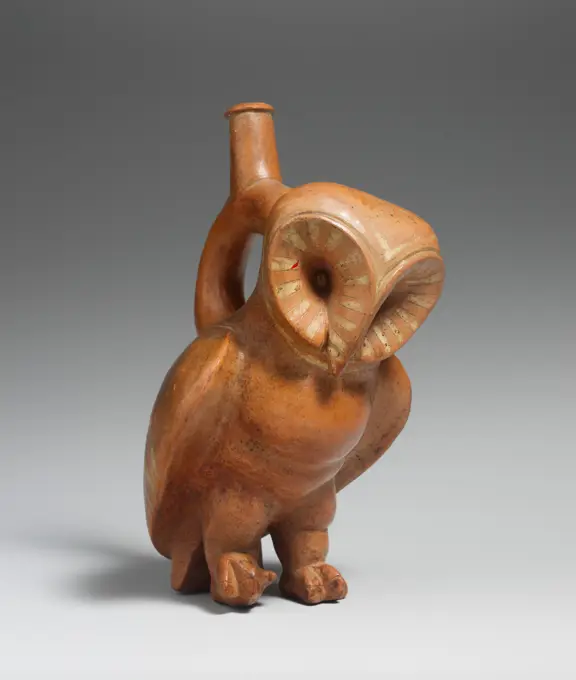
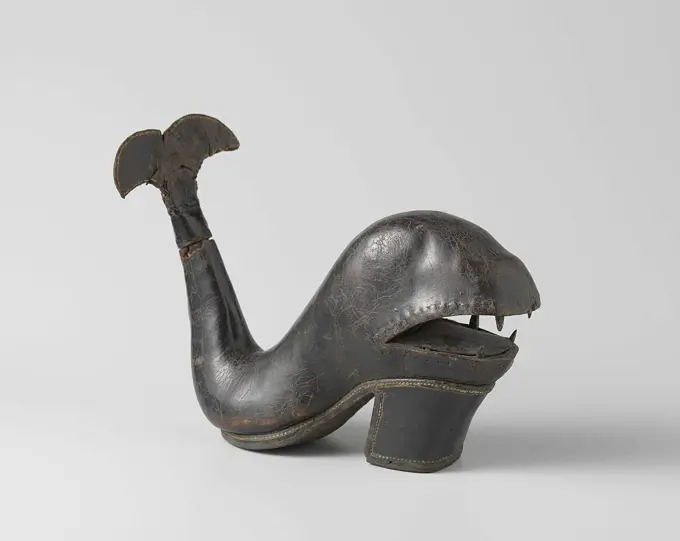
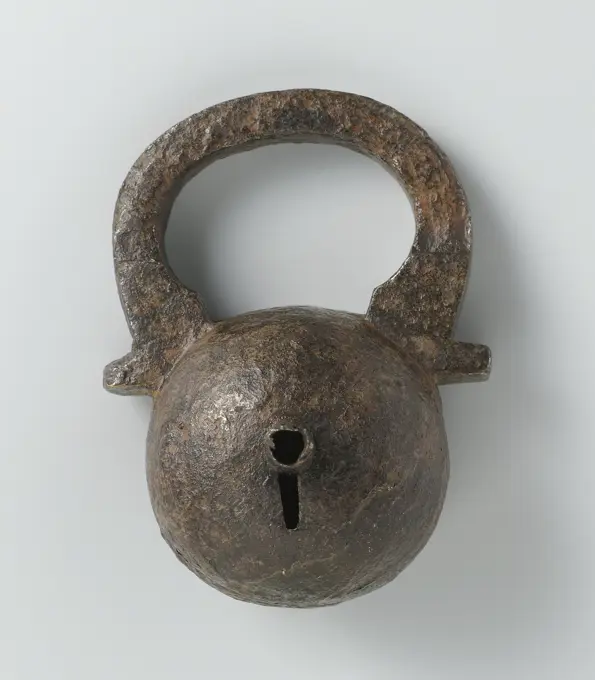
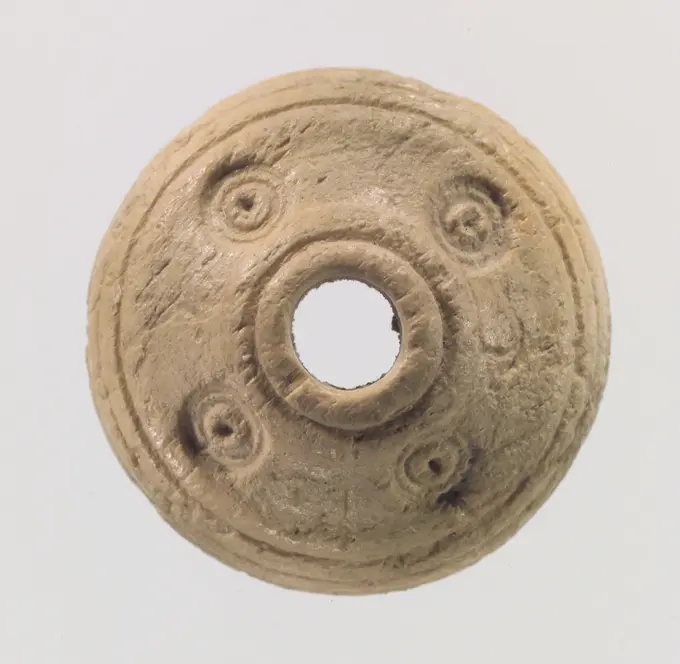
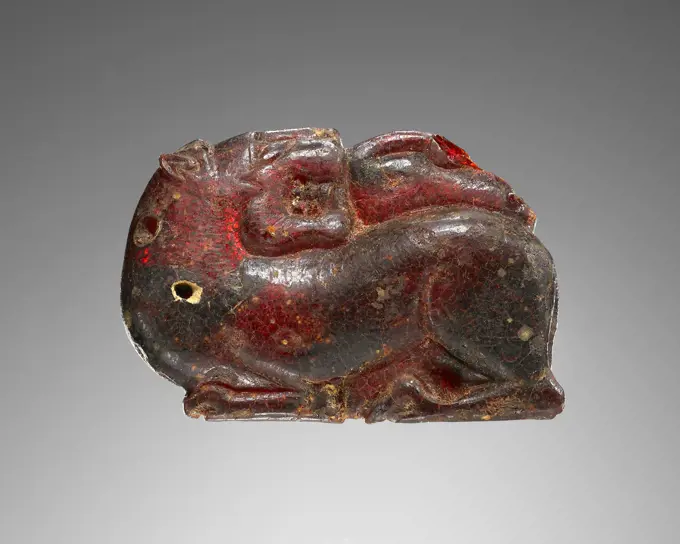
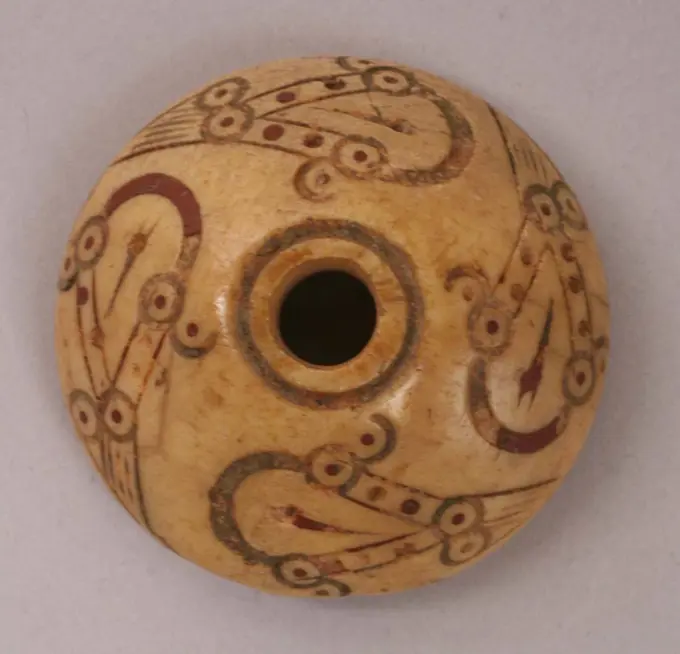
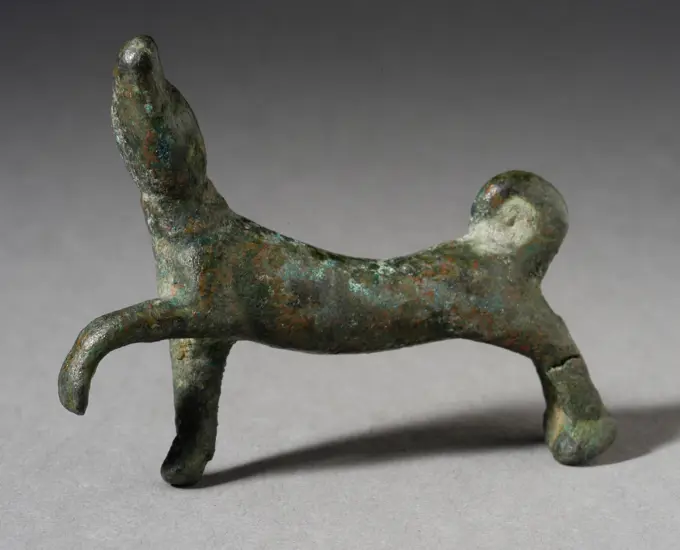
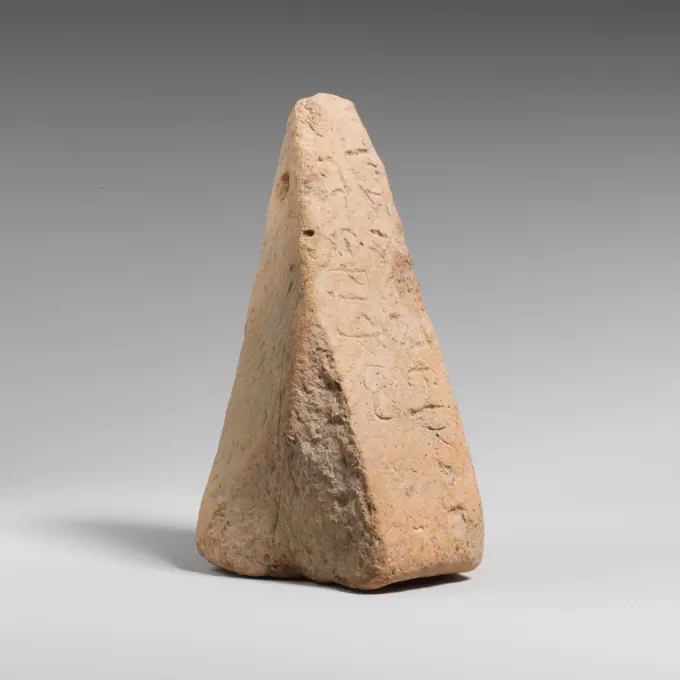
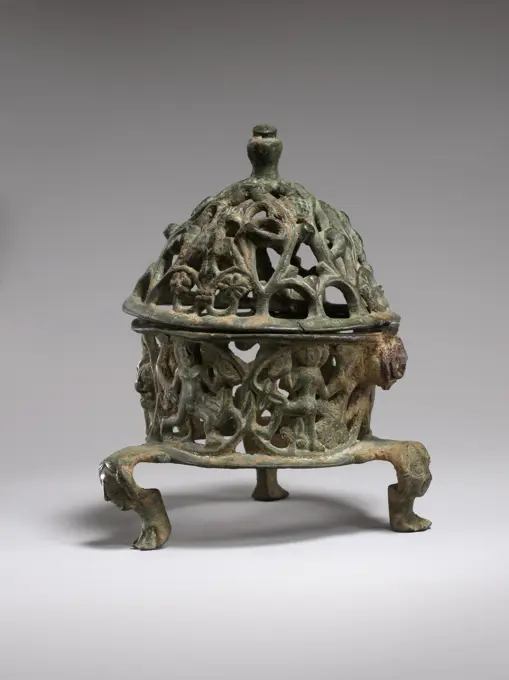
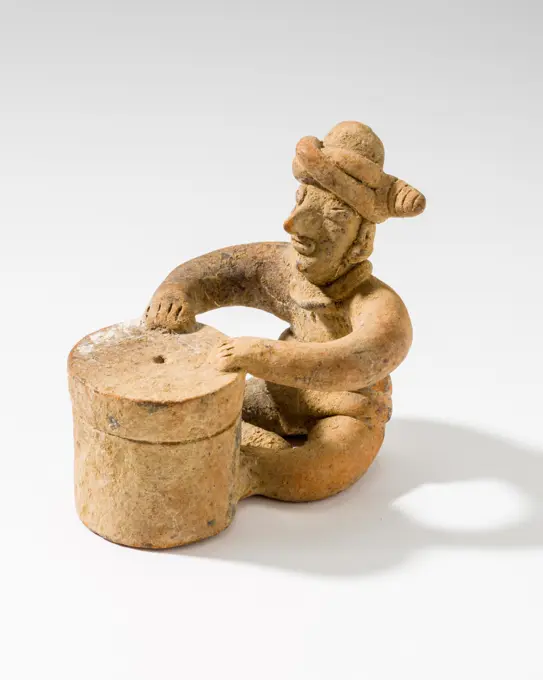
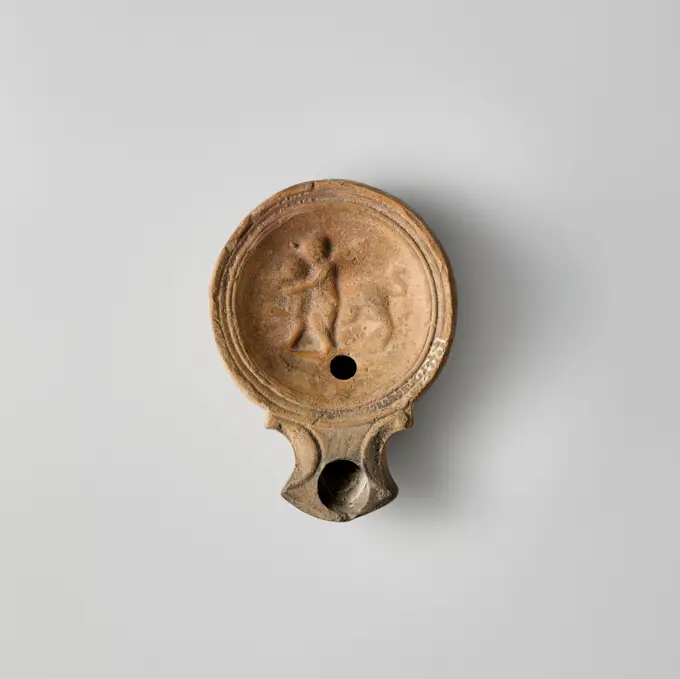
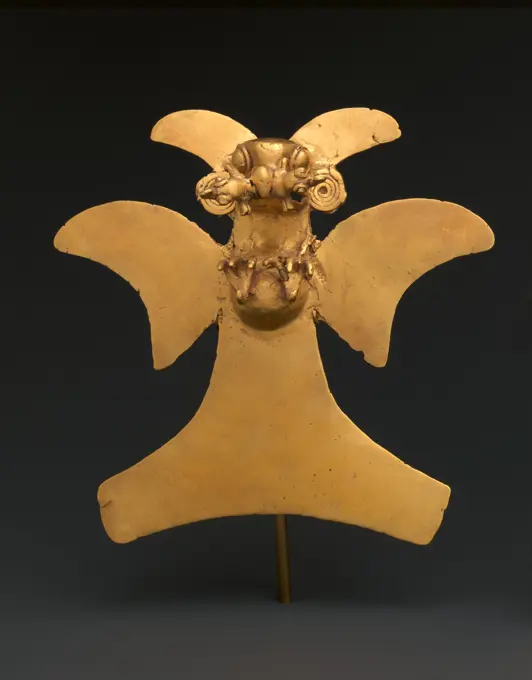
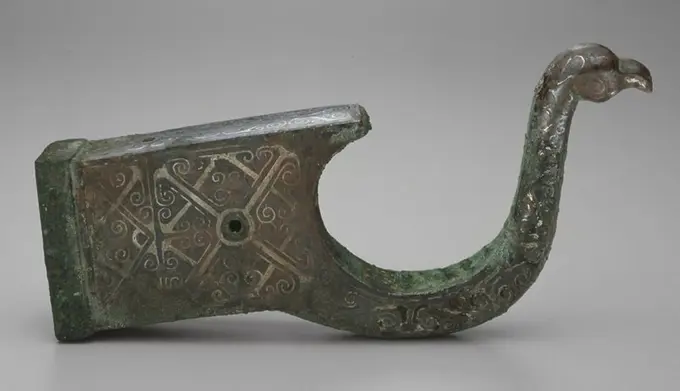
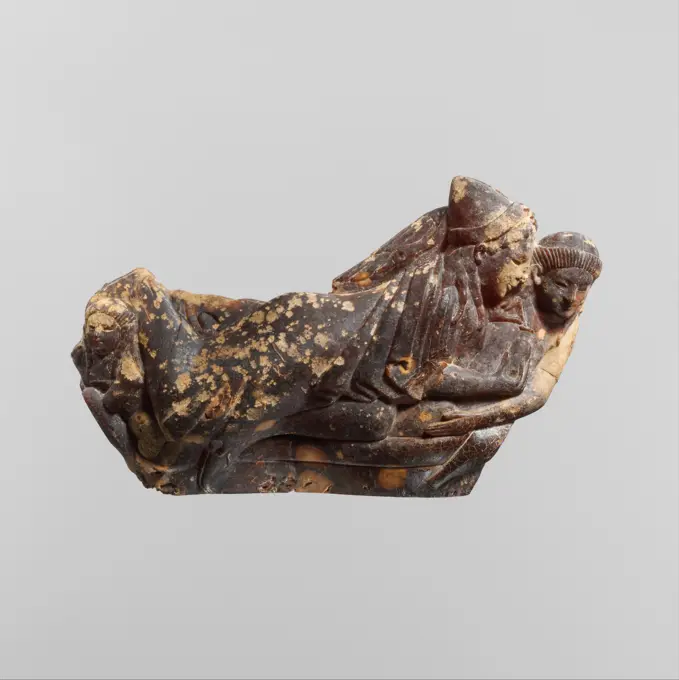
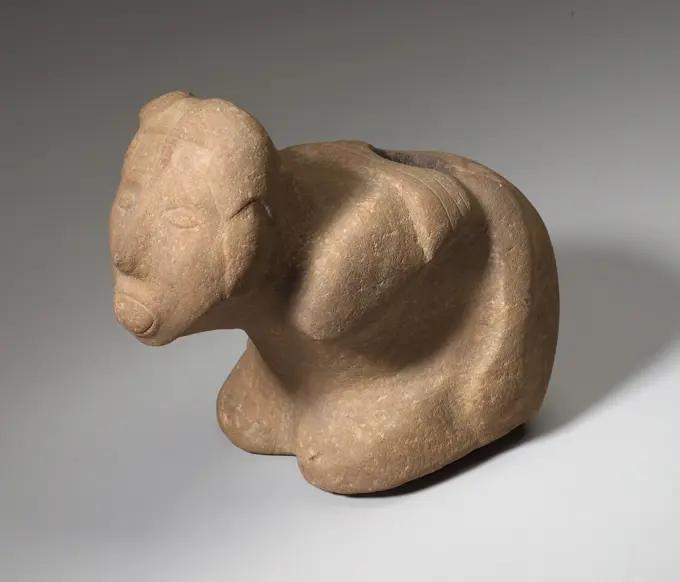
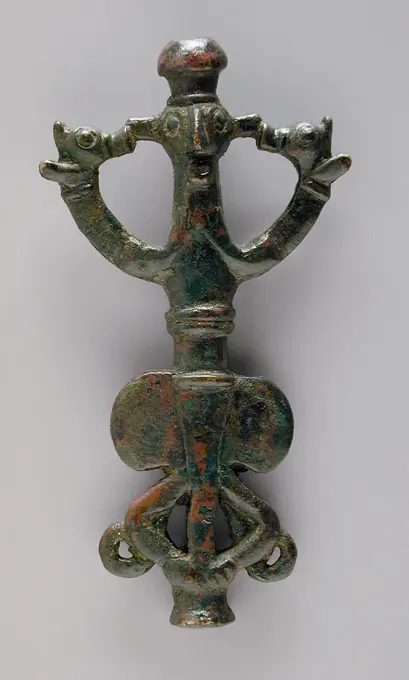
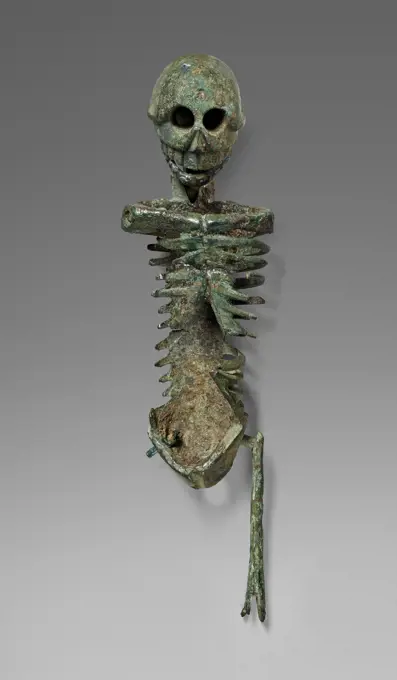
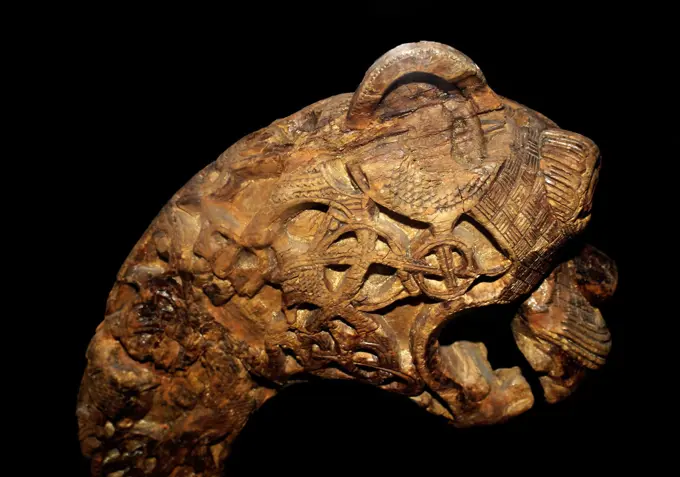
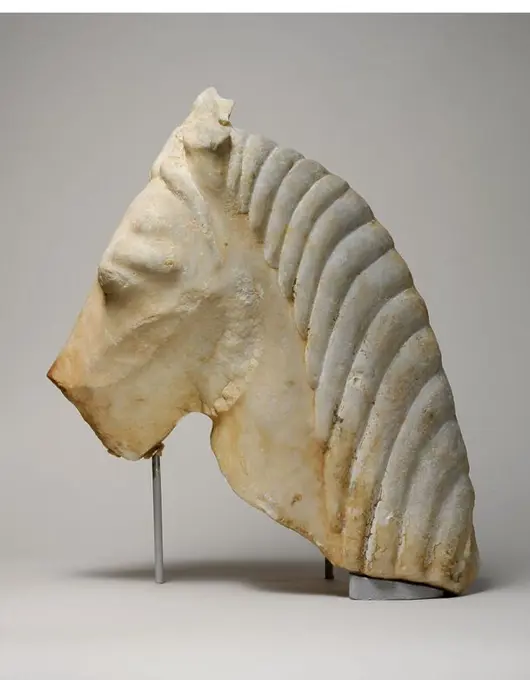
Alabaster alabastron (perfume vase) 5th-4th century B.C. Cypriot Alabastra are ubiquitous in the Greek world and frequent in neighboring regions, particularly the Levant and Egypt. On Cyprus, stone examples begin during the Archaic period (seventh and sixth centuries B.C.) and become widespread during Classical times. The consistency of the shape makes it difficult to date them and to distinguish local from imported examples. Deposits of alabaster exist on the island. Alabastra served men and women in life and frequently were placed in burials.. Alabaster alabastron (perfume vase) 243981Temple with Figure. Culture: Mezcala. Dimensions: H. 6 1/4 x 5 1/2 in. (15.9 x 14 cm). Date: 1st-8th century. Museum: Metropolitan Museum of Art, New York, USA.Glazed oil lamp. unknown, craftsmanBird Pendant, 100 BC - 300. Mexico, Guerrero, Mezcala. Polished gray-brown stone; overall: 4 x 4.8 x 7.8 cm (1 9/16 x 1 7/8 x 3 1/16 in.).Terracotta oil lamp late 3rd century A.D. Roman, Cypriot Loeschcke Type 1A. Mold-made. Discus: rosette with many, wavy petals around a small central filling hole. Narrow, continuous shoulder decorated with ovules, and two raised lines. Volutes flanking angular nozzle with large wick hole. Raised base ring; concave base inscribed: P·C·F.Intact. Mottle dark brown slip.. Terracotta oil lamp. Roman, Cypriot. late 3rd century A.D.. Terracotta. Late Imperial. TerracottasTumi knife with condor Moche artist(s) 200-900 CE View more. Tumi knife with condor. Moche artist(s). Moche. 200-900 CE. Copper (cast), shell, turquoise. Peru, Piura region. Metal-ImplementsCrouching Figure 13th-19th century Middle Niger civilization. Crouching Figure. Middle Niger civilization. 13th-19th century. Terracotta. Mali, Inland Niger Delta region. Ceramics-SculptureBronze ladle 1st-2nd century A.D. Roman With round shallow bowl.. Bronze ladle 246676Bronze disc-type fibula (safety pin) 10th century B.C. Italic Serpentine fibulae have distinctive coiled bows. Disk-type have an enlarged clasp in the shape of an ovoid disk. This fibula incorporates both elements.. Bronze disc-type fibula (safety pin) 256010Vessel, 2nd century BCE- 7th century CE, 10 in. (25.4 cm), Ceramic, pigment, Peru, 2nd century BCE- 7th century CELamp. UnknownMolded Appliqué Ornament. Culture: West China. Dimensions: 2 3/4 x 1 1/2 in. (7 x 3.8 cm). Date: ca. 2nd-5th century.This appliqué of a floret and streamers issuing from an ornamental disk comes from the distinctive unglazed earthenware vessels found at the village of Yotkan, near the present-day oasis town of Khotan, in what is now China's Xinjiang Uygur Autonomous Region. Yotkan is the site of the ancient capital of the kingdom of Khotan, a major Buddhist center in its time and an important relay station on the southern branch of the overland Silk Road. Museum: Metropolitan Museum of Art, New York, USA.Dish ca. 6th-8th century A.D. Sasanian or Islamic. Dish 322765Netsuke of Snail 19th century Japan. Netsuke of Snail. Japan. 19th century. Wood. Edo (1615-1868) or Meiji period (1868-1912). NetsukeNetsuke of a Kappa on a Clamshell 19th century Japan. Netsuke of a Kappa on a Clamshell. Japan. 19th century. Wood. Edo (1615-1868) or Meiji period (1868-1912). NetsukeOwl Tab Ornament. Culture: Moche (Loma Negra). Dimensions: L. 5 in. (12.8 cm). Date: 390-450. Museum: Metropolitan Museum of Art, New York, USA.Bird-shaped vessel 1st millennium B.C. Iran. Bird-shaped vessel 325706Capital of a Column with an Armored Knight on Each Side. Culture: Italian. Dimensions: H. 6 15/16 (17.6 cm); W. 13 5/8 (34.6 cm); D. 6 1/8 in. (15.5 cm). Date: ca. 1100. Museum: Metropolitan Museum of Art, New York, USA.Vessel, 13th-6th century BCE, 9 x 4 3/4 x 4 3/4 in. (22.9 x 12.07 x 12.07 cm), Ceramic, Peru, 13th-6th century BCE, The extraordinary biodiversity of the Amazon and Andes regions of South America and the active trade networks between the regions provided a near endless source of natural subjects for artists. Plants and animals were common Chavin ceramic subjects; artists often abstracted or stylized natural forms to create elegant, tactile vessels. This pattern and form of this highly-textured spiny vessel may have been inspired by fruit such as cherimoya or guanaba.Male Head. UnknownFragments of a cart or chariot, sockets ca. 500-480 B.C. Etruscan Large collection of bronze and iron attachments once belonging to a chariot.. Fragments of a cart or chariot, sockets 253027 Etruscan, Chariot fragments, sockets, ca. 500480 B.C., Bronze, Iron, 6 7/8  8 1/2 in. (17.5  21.6 cm). The Metropolitan Museum of Art, New York. Fletcher Fund, 1929 (29.131.3r1r2)Burial Urn with Stamped Design (lid), 500s-600s. Korea, Unified Silla period (676-935). Stoneware with stamped designs under olive-green glaze; diameter: 11.2 cm (4 7/16 in.); average: 8.2 cm (3 1/4 in.). After the introduction of Buddhism, cremation became a common practice in Korea. This jar, which once contained the remains of the dead, may have nested in a larger stone container. The repetitive patterns that appear on the lid and the container was done with a stamping technique.Bottle. Roman; Levant or Syria. Date: 101 AD-400 AD. Dimensions: H. 11.1 cm (4 3/8 in.); diam. 6 cm (2 3/8 in.). Glass, blown technique. Origin: Syria. Museum: The Chicago Art Institute, Chicago, USA. Author: ANCIENT ROMAN.Vessel with Peccary, 500-200 BC (Thermoluminescence date, 1190-90 BC). Central Andes, North Coast, Chongoyape, Formative period. Ceramic; overall: 17.8 x 12.7 x 11.4 cm (7 x 5 x 4 1/2 in.).Owl Stirrup Spout Bottle 2nd-3rd century Moche Moche ceramists rendered naturalistic details of humans, animals, and plants with great anatomical precision. Exact species and even historical individuals can be recognized in sculptural images depicted with a high degree of realism. In Moche religion and iconography, birds of prey include falcons, eagles, condors, vultures, and owls. Naturalistic or anthropomorphized birds of prey perform a variety of ritual activities related to their natural behavior such as battles, hunts, and sacrifices. Perhaps because they are nocturnal, owls seem to be closely related to the funerary domain. Anthropomorphized owls prepare bodies and offerings for burials and also carry deceased warriors to the world of the dead. Many species of owls living in the desert environment of the Peruvian north coast are represented by Moche ceramists. This vessel probably shows a Tyto alba, recognizable by the heart-shaped facial disk and the absence of ear tufts.. Owl SLion pin ca. 9th century B.C. Iran. Lion pin 325146Bulgaria, Sofia, Natsionalen Istoritcheski Muzej, Bronze ritual axe from TetevenDouble-Chambered Vessel. Teotihuacan; Teotihuacan, Mexico. Date: 100 AD-700 AD. Dimensions: H. 6.4 cm (2 1/2 in.). Ceramic. Origin: Mexico. Museum: The Chicago Art Institute, Chicago, USA.Bunde Mask, 20th century, 14-7/8 x 8-1/16 x 7-11/16 in. (37.8 x 20.5 x 19.5 cm), Wood, pigment, Sierra Leone, 20th centuryHorned Toad. Mexico, Colima, Colima, 200 BCE-500 CE. Ceramics. Burnished ceramic with slipHandstone. Mexico, Teotihuacan, Teotihuacan, 400-700 CE. Stone. Green alabaster. This striking object is a cross between a whale and a shoe with a high heel. It lacks only the opening for the foot. In fact, it is actually a bottle made of leather: the tail is the stopper. Because of its shoe shape, the bottle is thought to have been a showpiece or masterpiece for a cobblers guild.Lion-Shaped Support. Afghanistan, 12th-13th century. Metal. BronzeAmulet of a Dog, 2123-2040 BC. Egypt, First Intermediate Period. Turquoise green faience; overall: 1 cm (3/8 in.).Vase fragment 7th century B.C. East Greek Foot of chalice.. Vase fragment. East Greek. 7th century B.C.. Terracotta. Archaic. VasesBullet lock with remnant of the key, anonymous, c. 1590 - c. 1596 lock Bullet lock, padlock, with the remnant of the key.  iron (metal) forging  Nova Zembla. Saving HuysEmilia-Romagna Ferrara Ferrara Museo Civico di Schifanoia65. Hutzel, Max 1960-1990 General Notes: INCOMPLETE RECORD--NEGATIVES PROCESSED, PRINTS FILED German-born photographer and scholar Max Hutzel (1911-1988) photographed in Italy from the early 1960s until his death. The result of this project, referred to by Hutzel as Foto Arte Minore, is thorough documentation of art historical development in Italy up to the 18th century, including objects of the Etruscans and the Romans, as well as early Medieval, Romanesque, Gothic, Renaissance and Baroque monuments. Images are organized by geographic region in Italy, then by province, city, site complex and monument.Figures of animals, terracotta funerary statues, China. Chinese Civilisation, Wang Mang Period, 1st century.Button ca. 3rd-7th century A.D. Sasanian. Button. Sasanian. ca. 3rd-7th century A.D.. Bone. Sasanian. Iran, Qasr-i Abu NasrPendant: Lion with Bird; Italy; 600 - 550 B.C; Amber; 42 × 60 × 15 mm (1 5,8 × 2 3,8 × 9,16 in.)Imitation of a Statuette of a Grotesque. UnknownSpindle Whorl 8th-10th century The dot-in-circle motif recalls designs presumed to be of magical significance, most likely an abstract eye to ward off the evil-eye, which serve an apotropaic function. Easily reproduced with a tool and visible in many cultures and times, this symbol may have lost its meaning, and become simply a decorative pattern, or may have one that we have not yet discovered. The likelihood of these designs bearing significance increases when the dot-in-circles form birds, another apotropaic symbol; and/or when there are inscriptions, including abbreviated words or symbolic letters.. Spindle Whorl 447349Quiver with Eleven Crossbow Bolts quiver, probably early 16th century; bolts, 14th-16th century Western or Central European; quiver, possibly German The most powerful projectile weapon during the Middle Ages, the crossbow had gone out of general use in warfare by the mid-sixteenth century, as a result of the increasing efficiency of hand-held firearms. The crossbow remained popular, however, as a sporting weapon for target shooting and particularly for the hunt, because of its precision, quiet discharge, and the range of its projectilesup to four hundred yards, depending on the size of the weapon. Heavy crossbows, widely used in central Europe for big-game hunting, had massive gun-shaped stocks, often veneered or inlaid with engraved staghorn. While the bows and the release mechanisms were the work of specialists, the stocks were made by the same artisans and decorators who provided stocks for firearms. Lighter forms of the crossbow evolved in Italy and France. These prodds, or stone Statuette of a bird Etruscan. Statuette of a bird. Etruscan. Terracotta. TerracottasStirrup Spout Bottle. Culture: Moche (Loma Negra). Dimensions: H. 7 1/2 x W. 5 7/8 in. (19.1 x 14.9 cm). Date: 390-450. Museum: Metropolitan Museum of Art, New York, USA.Terracotta oil lamp ca. A.D. 40-100 Roman, Cypriot Loeschcke Type 4. Mold-made. Discus: plain, concave bowl, with central filling hole and a band of concentric lines and grooves towards edge. Volutes flanking nozzle. Within impressed base ring, uneven flat base, with a central raised letter: .Intact.. Terracotta oil lamp. Roman, Cypriot. ca. A.D. 40-100. Terracotta. Early Imperial. TerracottasPossible seat with alligator head appearance. Greater Nicoya region, Ometepe Period, Cosa Rica. 1350-1550 AD. Volcanic rock (38 x 32.5 cm). Museum of the Americas. Madrid, Spain.Owl Mace Head 2nd-7th century Moche. Owl Mace Head 315357Bronze female figure ca. 1700-1600 B.C. Minoan The gesture of the figure is commonly interpreted as one of worship or of veneration.. Bronze female figure 251557 Minoan, Bronze female figure, ca. 17001600 B.C., Bronze, H.: 1 7/16 in. (3.7 cm). The Metropolitan Museum of Art, New York. Funds from various donors, 1924 (24.150.9)Prancing Dog Figurine. Egypt, Roman Period (30 BCE - 395 CE) or later. Sculpture. BronzeDecorative shell;  1. PO. 20th century (1901-00-00-1950-00-00);Capital 14th century French. Capital. French. 14th century. Stone. Sculpture-ArchitecturalTerracotta loom weight 6th century or later Greek, Cretan In the form of a truncated pyramid.. Terracotta loom weight. Greek, Cretan. 6th century or later. Terracotta. Archaic or later. TerracottasLamp. UnknownFigurine. UnknownMiniature Headdress 664-332 B.C. Late Period. Miniature Headdress 550946Vase fragment East Greek/Sardis, Lydian. Vase fragment 252779 East Greek/Sardis, Lydian, Vase fragment, Terracotta, Overall: 2 7/8 x 1 1/2in. (7.3 x 3.8cm). The Metropolitan Museum of Art, New York. Gift of The American Society for the Excavation of Sardis, 1926 (26.199.212)Pig still bank, 20th century, 4 5/16 x 3 9/16 x 4 9/16 in. (10.95 x 9.05 x 11.59 cm), Ceramic, 20th centuryColumn, 1200s. France, 13th century. Stone; overall: 115 cm (45 1/4 in.); part 1: 22.9 cm (9 in.); part 2: 19.7 cm (7 3/4 in.).Female figurine - fragment;  III-II century BC () (-300-00-00--201-00-00);Vase jue ". Bronze. China, Zhou dynasty. Paris, Cernuschi museum. 72455-13 Chinese art, bronze, zhou, tripod dynasty, jue vaseCenser Frame with Inhabited Vine Scroll 6th century Byzantine The cavorting putti in the vine scroll represent the good life and may be associated with the retinue of Dionysos, the classical god of wine. Fragrant incense would have been burned on hot coals in the lost liner.. Censer Frame with Inhabited Vine Scroll. Byzantine. 6th century. Copper alloy. Made in Syria. Metalwork-Copper alloyHead of a Figure of the Early Spedos Variety. UnknownBow Fibula 800 BCE-700 BCE Greece. This precious bronze object is a votive, or devotional gift, made as an offering to the gods. They come in many forms, such as animals, beads and brooches. Many seem once to have been attached to something else. Votives were hung from sacred trees or placed in sanctuaries around Greece. Once a shrine was full, the votives were ceremonially buried to make room for more offerings.. Bronze . Ancient GreekGlass alabastron (perfume bottle). Culture: Greek, Eastern Mediterranean. Dimensions: H.: 5 3/16 in. (13.2 cm)Diam.: 1 5/16 in. (3.4 cm)Other: 1 1/2 in. (3.9 cm). Date: 3rd-2nd century B.C..Translucent cobalt blue, with handles in same color; trails in opaque white and opaque yellow.Cylindrical neck; small, uneven shoulder; cylindrical body, with slightly convex sides, tapering in to uneven rounded bottom with slightly pointed tip; two lug handles applied over trail at top of body, one horizontal, the other probably vertical.A white trail applied around lower neck and wound down in a spiral slight over four times; a second white trail applied vertically on body and wound round almost horizontally in three irregular lines, and a yellow trail wound down neck in a spiral over white, continuing as a band of close-set horizontal lines around middle of body over second white trail and tooled into a zigzag pattern with carelessly applied tooling strokes, then wound around lower body in aTurkey, Kanesh, Rhyton (drinking vessel) in the shape of a lion from the Assyrian colonyFragmentary Handle; Rome, Lazio, Italy; 4th - 5th century; Glass; 10.5 cm (4 1,8 in.)Terracotta oil lamp. Culture: Roman, Cypriot. Dimensions: Overall: 1 5/8 x 3 5/8 in. (4.1 x 9.2 cm). Date: late 3rd century A.D..Loeschcke Type 8. Unpierced handle. Mold-made. Discus: rosette around central filing hole. On shoulder: impressed herring-bone wreath. On base, within irregular incised ring, inscribed Greek letters: CYP/IWN. Accretion around nozzle and left front of shoulder. Museum: Metropolitan Museum of Art, New York, USA.Small Drummer Figure. Mexico, Colima, 200 BCE-500 CE. Ceramics. Buff ceramic with post-fire applied paintTerracotta oil lamp 1st half of 1st century A.D. Roman Loeschcke Type 1A. Mold-made. Discus: standing winged Eros, facing left, embracing a lion, also facing left, around the neck, with ground line below. Single filling hole at bottom near nozzle, with a band of lines and grooves around edge. Volutes flanking angular nozzle. Raised base ring, and uneven, pushed-in base, with a large, raised letter: A ().Intact.. Terracotta oil lamp. Roman. 1st half of 1st century A.D.. Terracotta. Early Imperial. TerracottasEagle Pendant A.D. 800-1519 Chiriquí These pendants combine physical characteristics of several birds, including double crests reminiscent of harpy eagles. Sometimes, these pendants functioned as bells: there are tiny clappers within the bulbous eyes of the two smaller eagles. One of the last kings of the Bribris of Costa Rica, Antonio Saldaña, was photographed around the turn of the century wearing a cluster of such pendants.Estos colgantes combinan características físicas de varias aves; aquellas con doble cresta evocan las águilas harpías. Muchas veces estos colgantes también eran utilizados como cascabeles. Así lo demuestran las pequeñas claquetas situadas en los ojos bulbosos de las dos águilas. Antonio Saldaña, uno de los últimos reyes de los Bribris de Costa Rica, fue fotografiado a finales del siglo XIX o principios del siglo XX llevando varios de estos colgantes. Listen to experts illuminate this artwork's story Listen Play or pause #1618. Eagle Pendant Supported by Bloomberg Earflare 7th-10th century Wari. Earflare 315429Bow Support for a Crossbow. China. Date: 399 BC-300 BC. Dimensions: 8.4 × 19.3 × 3.0 cm (3 1/4 × 7 1/2 × 1 1/8 in.). Bronze inlaid with strand silver. Origin: China. Museum: The Chicago Art Institute, Chicago, USA.Shards of Martavanen from V.O.C. ship De 'Witte Leeuw', Anonymous, Before 1613  Shards of Martavanen from V.O.C. ship De 'Witte Leeuw'. Chinezizid-China stoneware. porcelain   Sint-HelenaVotive small ships from Sardinia region, Italy, Nuraghic civilization, 850-535 B.CBelt Buckle Fragment 4th-7th century Frankish. Belt Buckle Fragment 469777Carved amber bow of a fibula (safety pin) ca. 500 B.C. Etruscan Couple reclining on a couch, with attendant and birdThis work ranks as the most complex carved amber surviving from ancient Italy. Preserved at its base are holes containing traces of an iron pin, indicating that the original object was a fibula. The representation shows a woman and man reclining on a couch. The woman wears a pointed hat, long cloak, and pointed shoes. In her right hand, she holds the base of a small vase, and the fingers of her left touch the mouth of the vase. Her companion is a young, beardless man with a round face. The back view shows his long hair, the modulated folds of his overgarment, and his shoes on the ground. A bird nestles at the shoulders of the couple, and a small attendant stands at their feet.The Morgan Amber was reputedly found at Falconara in Picene territory. The iconography of the reclining couple and ceremonial banquet spread westward from the Ancient Near East through Greece. While Pipe, c. 1200, 7 5/8 x 5 1/8 x 9 in. (19.37 x 13.02 x 22.86 cm), Stone, United States, 12th-13th century, Chiefly warfare spread among the societies across the middle of North America beginning around 1000 CE. The rulers struggled for power and prestige, battling against neighboring chiefdoms for supremacy. Conflict permeated all aspects of life and as a result was reflected in the art produced at that time. This pipe represents a prisoner taken in war, and its large size indicates that it had ceremonial use as a shared smoking device. It depicts a defeated warrior deprived of all marks of rank and privilege except for his beaded forelock of hair, bound helplessly into a humiliating position. Objects such as this pipe were used ritually to ensure victory against one's enemies.Standard FinialEmilia-Romagna Ferrara Ferrara Museo Civico di Schifanoia59. Hutzel, Max 1960-1990 General Notes: INCOMPLETE RECORD--NEGATIVES PROCESSED, PRINTS FILED German-born photographer and scholar Max Hutzel (1911-1988) photographed in Italy from the early 1960s until his death. The result of this project, referred to by Hutzel as Foto Arte Minore, is thorough documentation of art historical development in Italy up to the 18th century, including objects of the Etruscans and the Romans, as well as early Medieval, Romanesque, Gothic, Renaissance and Baroque monuments. Images are organized by geographic region in Italy, then by province, city, site complex and monument.Pin. Iran, Luristan, circa 1350-800 B.C.. Jewelry and Adornments; pins. Bronze, castEar Spool, c. 1200-1350, 9/16 x 2 7/8 x 2 7/8 in. (1.4 x 7.3 x 7.3cm), Limestone, copper, shell, United States, 12th-14th centuryBlackware Jar in the Form of an Animal, Possibly a Llama. Chimú; North coast, Peru. Date: 1200-1450. Dimensions: H. 20 cm (7 7/8 in.). Ceramic. Origin: North Coast. Museum: The Chicago Art Institute, Chicago, USA.Animal Ornament. Culture: Moche (Loma Negra). Dimensions: Length 4-1/4 in. (10.8 cm). Date: 390-450. Museum: Metropolitan Museum of Art, New York, USA.Profile Face 6th-7th century Moche (Loma Negra). Profile Face 313428CERAMICA IRANI-RITON EN BARRO GRIS S IX. Location: MUSEO ARQUEOLOGICO NACIONAL-COLECCION. MADRID. SPAIN.Fragment tobacco pipe. Fragment tobacco pipe with a crown, a fish, waves and the letters K R M pictured. Of the excavations at the Hofstede Arentsburg 1827-1831 under the supervision of professor Reuvens.Lampka. unknown, authorIncense Burner 12th century Incense was widely used in the medieval Islamic world. At receptions and special events, servants would waft the guests with the aromatic smoke emanating from the openwork of the incense burner and sprinkle them with drops of scented water. This birdshaped incense burner represents a class of metalwork that would have been sold at market. Birds figure prominently in the decorative repertoire of the Seljuq period, and were probably associated with good fortune.. Incense Burner 452378Nautilus pompilius shell from the wreck of the Dutch East India ship Witte Leeuw, before 1613  Schelp from V.O.C. ship the 'Witte Leeuw', shell of a squid.  .   Sint-HelenaFragment of an Ivory Relief with a Draped Male and Large Animal. UnknownRectangular Cauldron 1200 BCE-1001 BCE China. Bronze .Capital 15th century Spanish. Capital. Spanish. 15th century. Sandstone. Made in Spain. Sculpture-ArchitecturalBronze brooch with phallic shape. Length 11 mm Width 6 mm.( 1 St - 4 th Ce ). - Roman period, from the " Miracle Wall " ( Martyrdom of Saints Children ; Justo y Pastor ) -Archaeological site of Complutum in Alcala de Henares (Madrid). SPAIN.Fragment (from the altar cabinet); (possibly) belonging to the Retable of Soest. .Miniature Skeleton; Asia Minor; 25 B.C. - A.D. 100; Bronze; 6.6 × 2 × 1 cm (2 5,8 × 13,16 × 3,8 in.)Lamp 1st century B.C.-1st century A.D.. Lamp. 1st century B.C.-1st century A.D.. Earthenware. CeramicsExcavation of Oseberg Viking age ship discovered in a large burial mound at the Oseberg farm near Tønsberg in Vestfold County, Norway began in 1903. The Oseberg ship dated from 834 AD, was pulled ashore and used as a burial ship for the two ladies. That site also contained numerous richly decorated objects in wood. The characteristic motif of the style is gripping beasts. The gripping beast motif is what clearly distinguishes the early Viking art from the styles that preceded it.Small Plumb Bob. Egypt, New Kingdom - Ptolemaic Period (1569 - 30 BCE). Tools and Equipment; plumb bobs. BronzeMarble head of a horse. Culture: Greek, Attic. Dimensions: H. 13 3/8 in. (34 cm)length 13 3/4 in. (34.9 cm). Date: 2nd half of 6th century B.C..Horses were closely associated with the wealthy, land-owning class that could afford to raise and maintain them. Statues of horses and riders were sometimes offered as dedications at sanctuaries of the gods, such as that of Athena on the Akropolis in Athens and that of Demeter at Eleusis. Museum: Metropolitan Museum of Art, New York, USA.