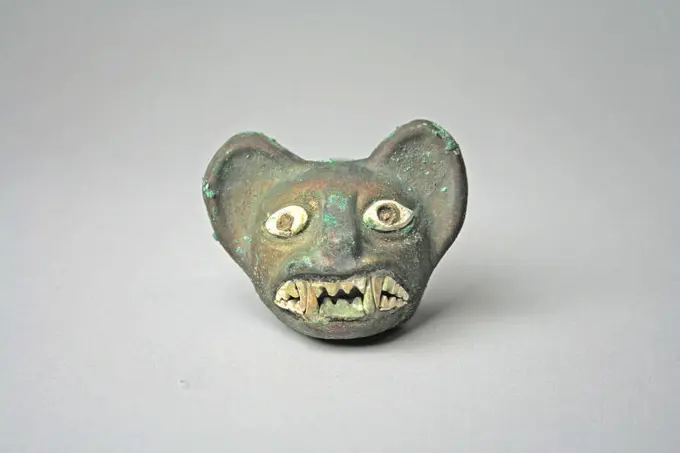
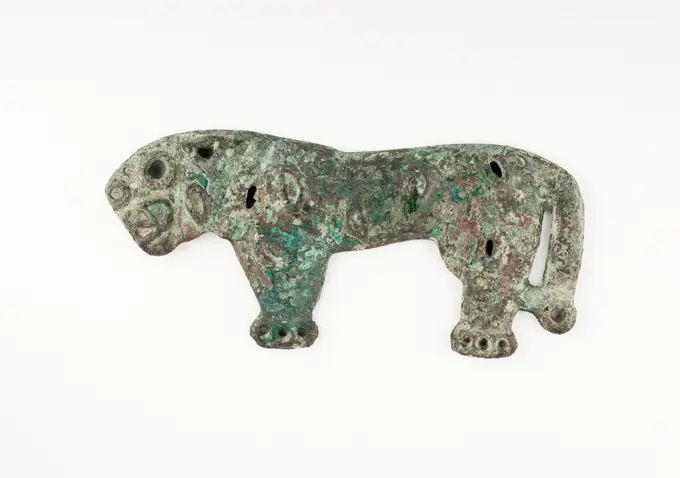
Historic Terracotta Artifacts

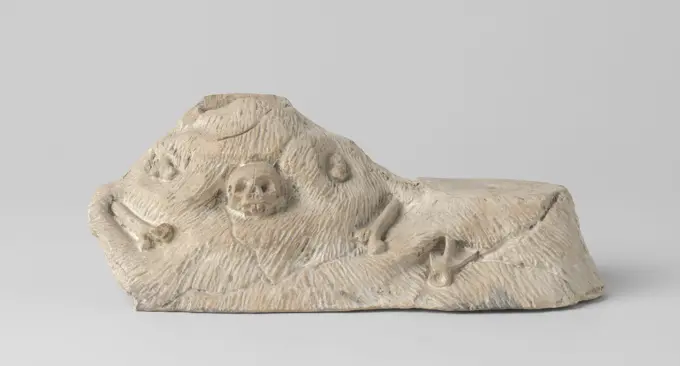
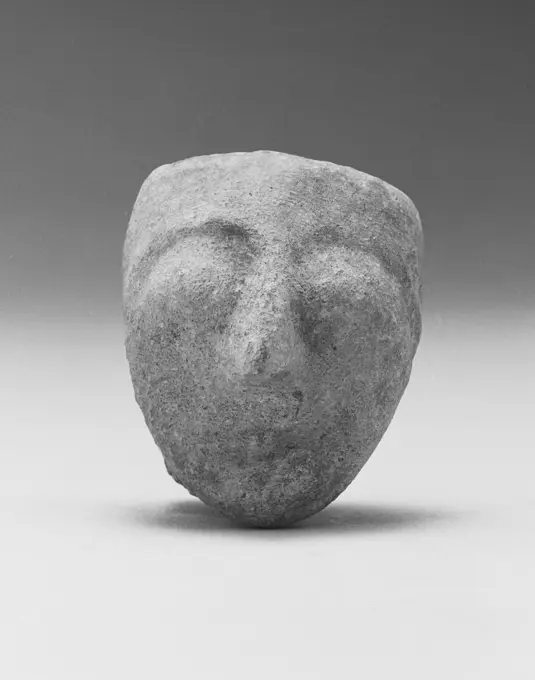
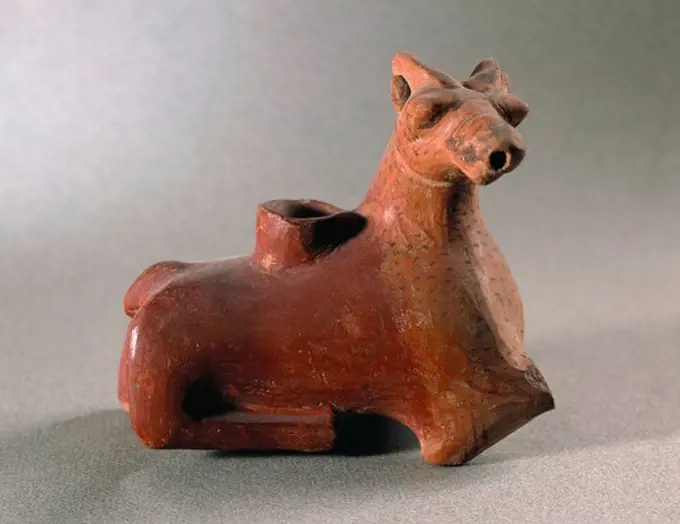
An assortment of ancient terracotta lamps and whistles from Costa Rica and Anatolia, highlighting historical craftsmanship and design from various cultures.
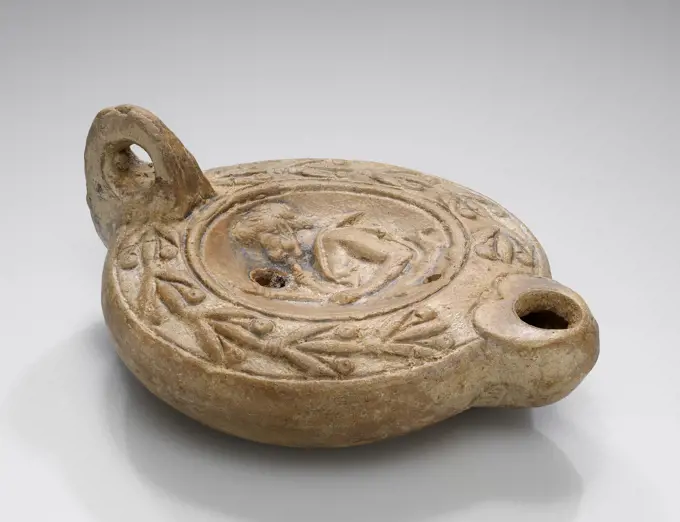
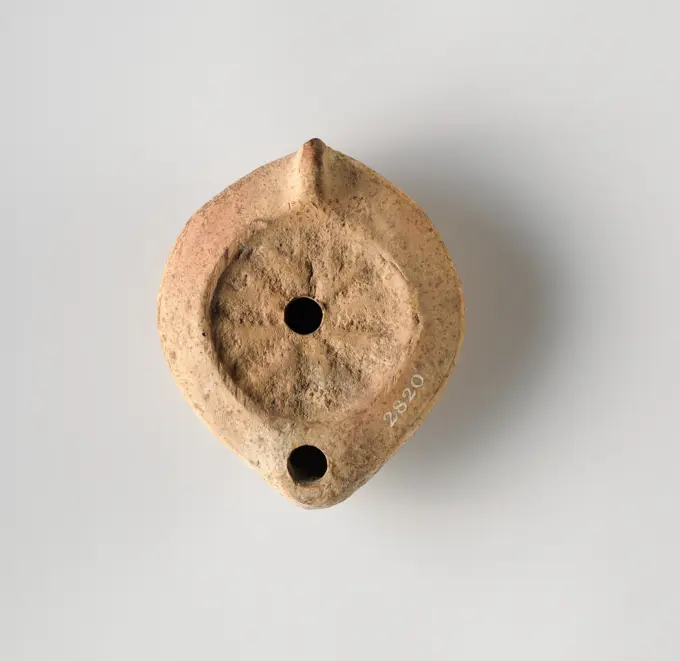
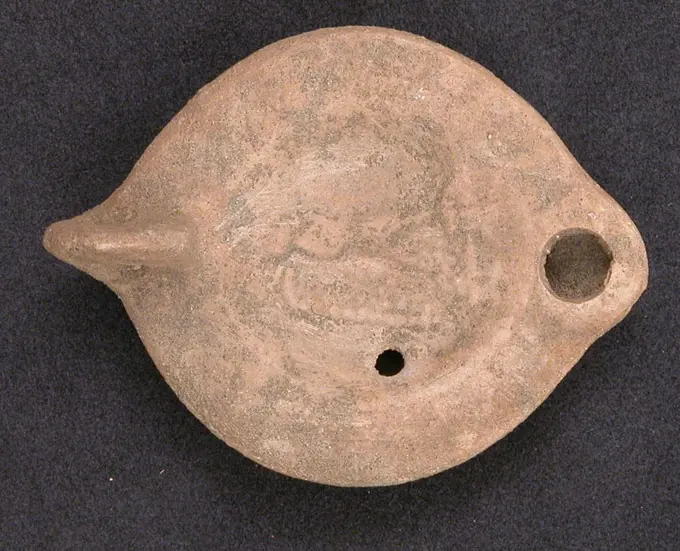
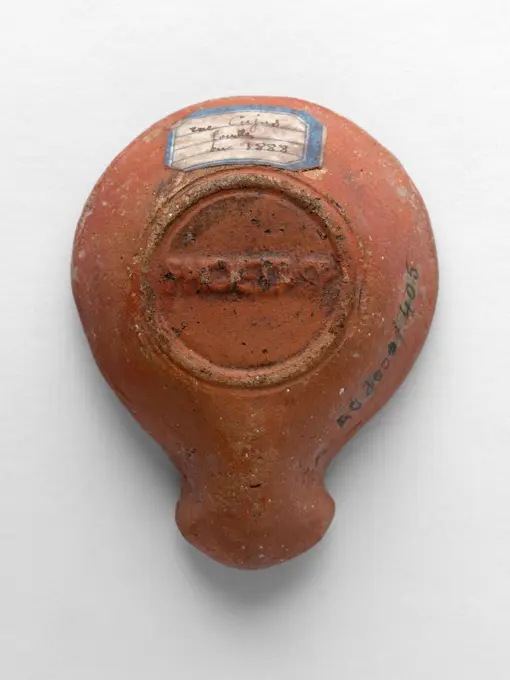
Lamp, North Africa; 2nd century; Terracotta; 2.6 x 8 x 10.2 cm (1 x 3 1,8 x 4 in.)
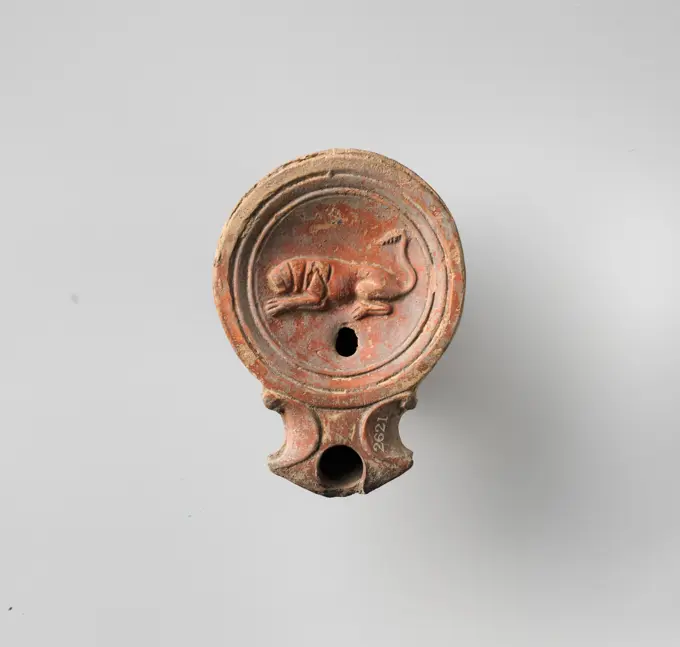
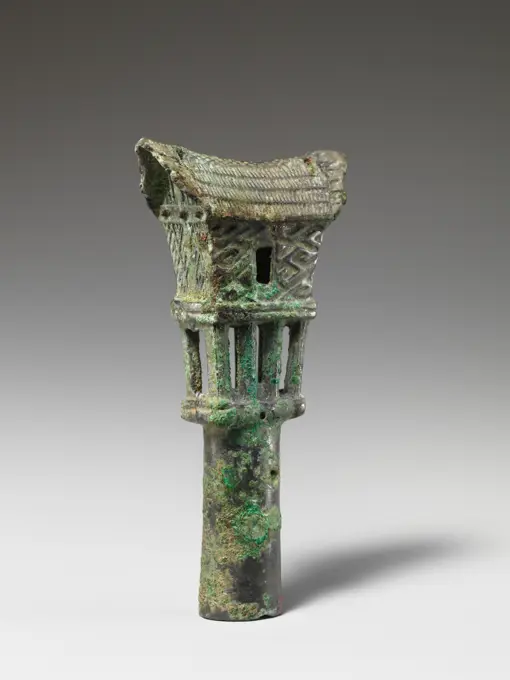
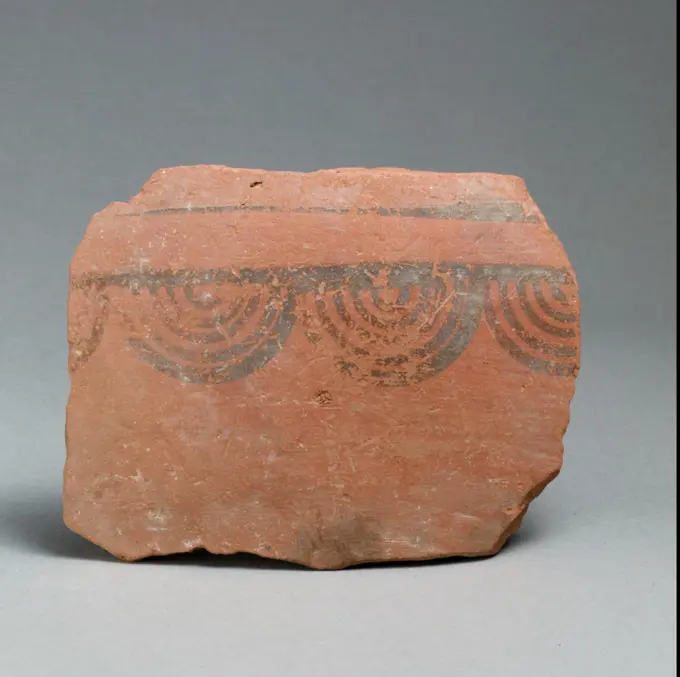
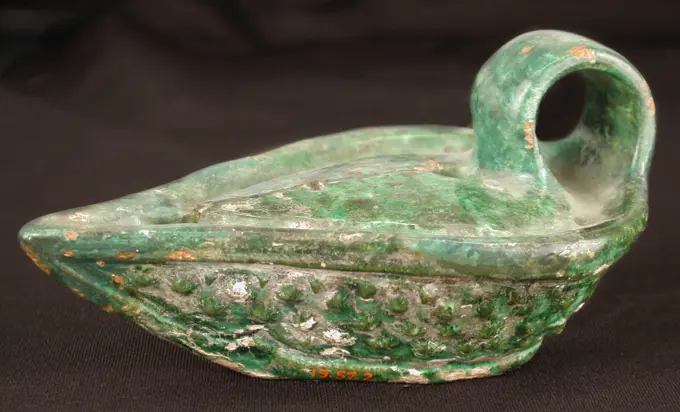
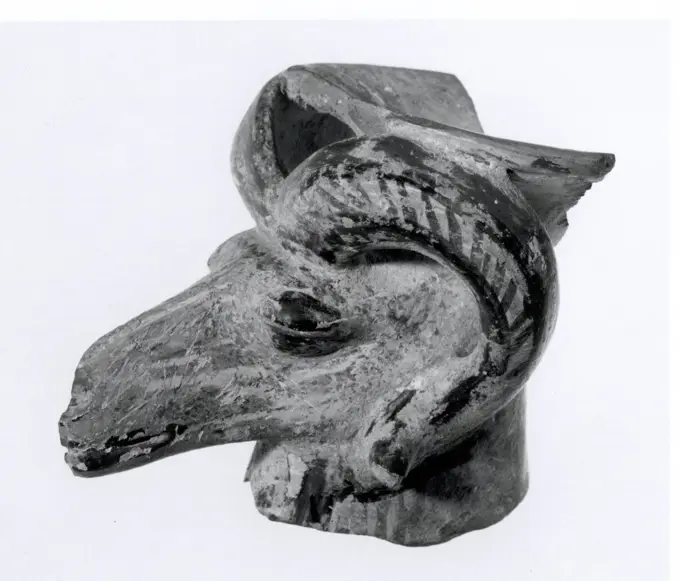
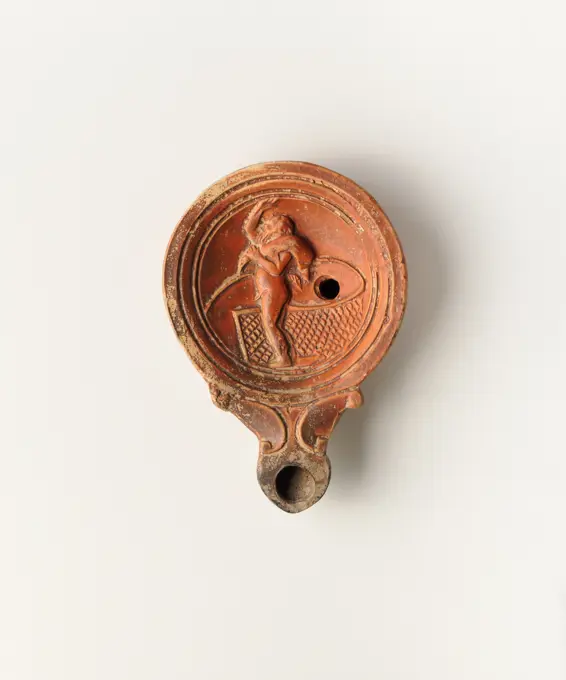
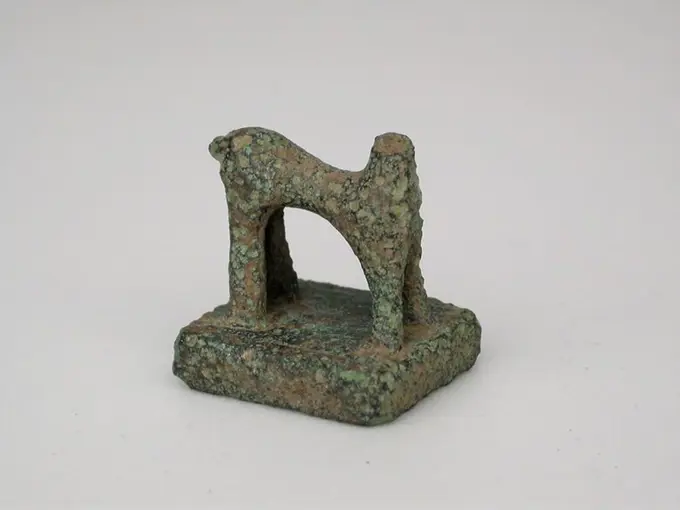
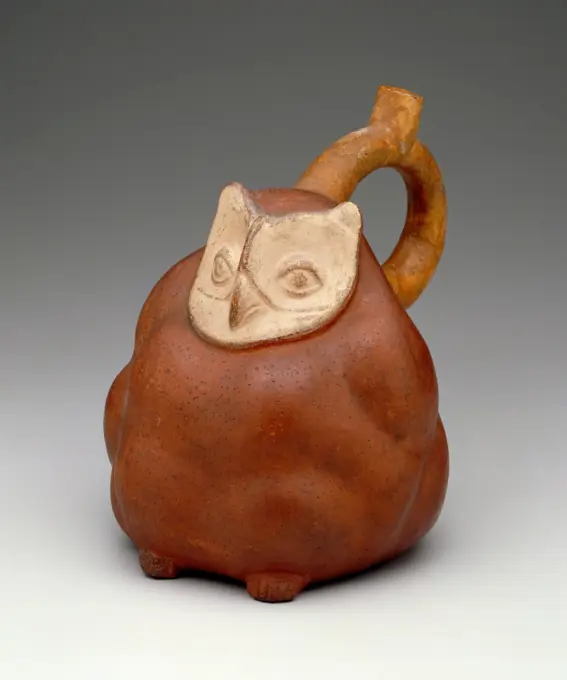
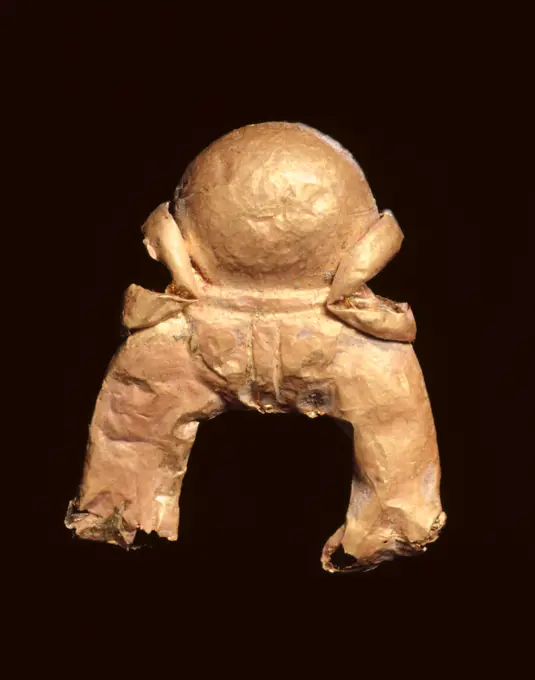
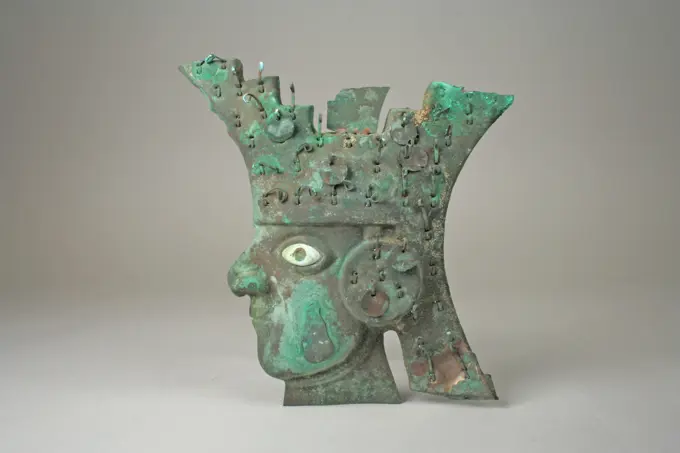
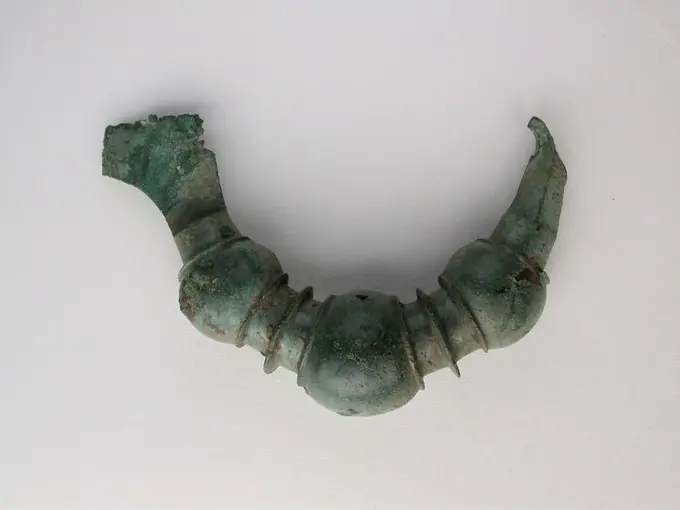
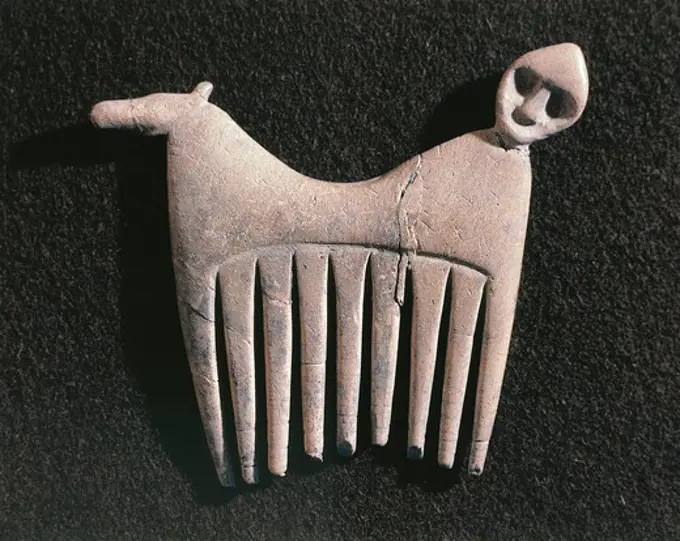
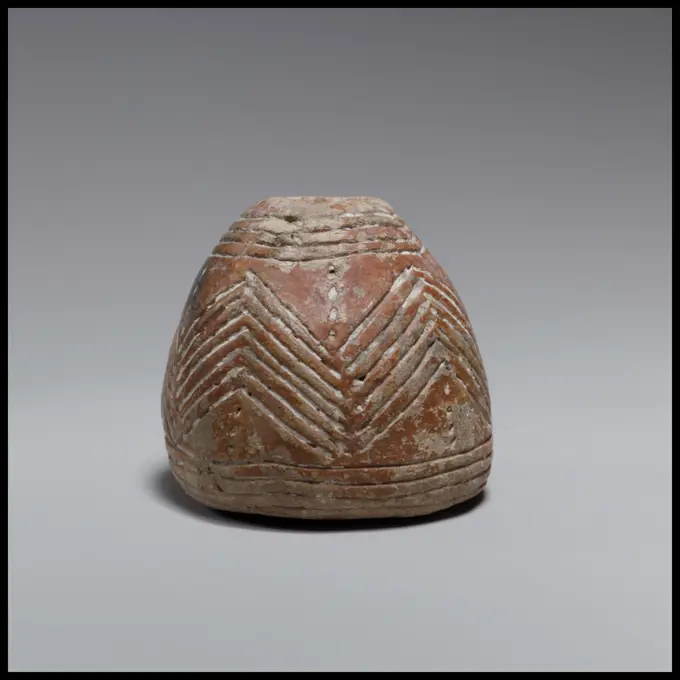
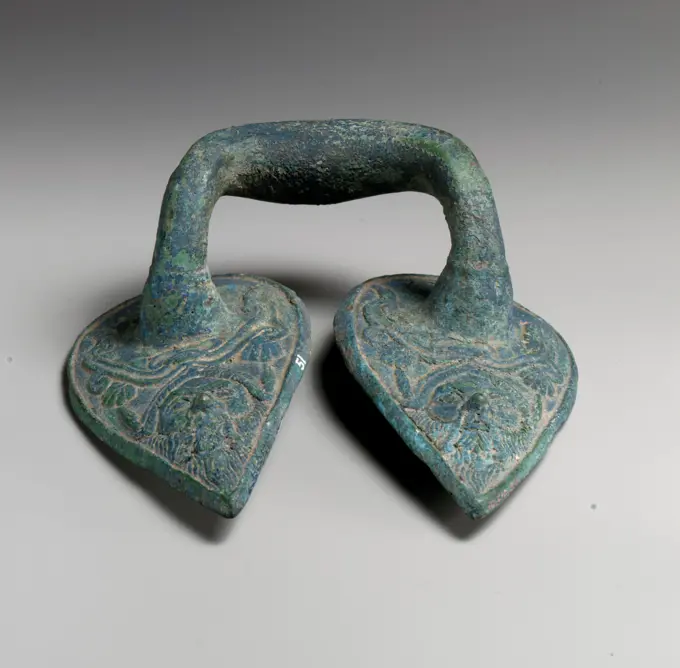
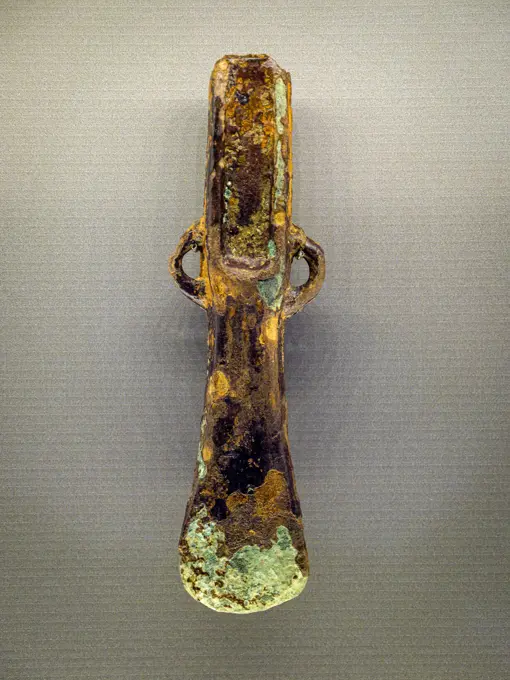
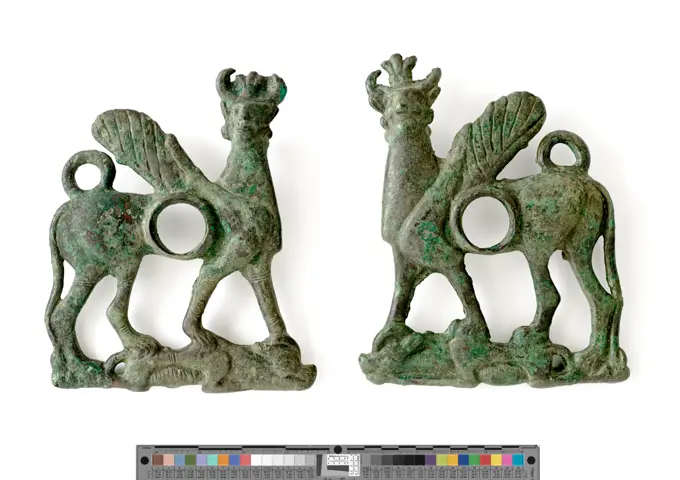
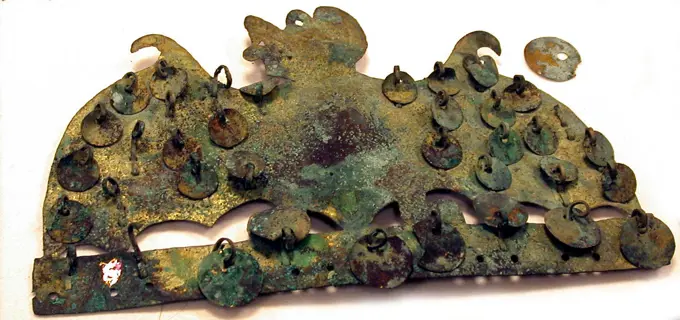
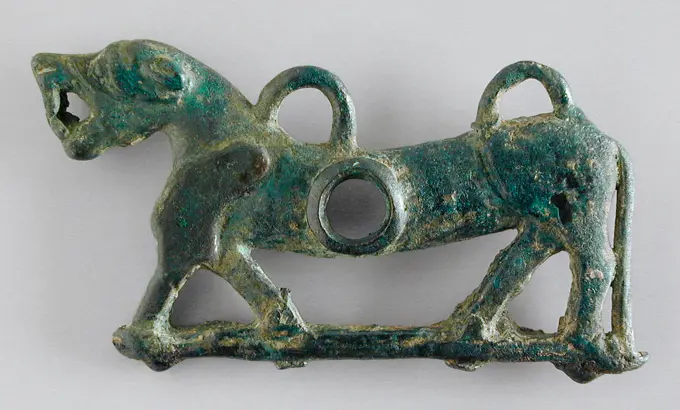
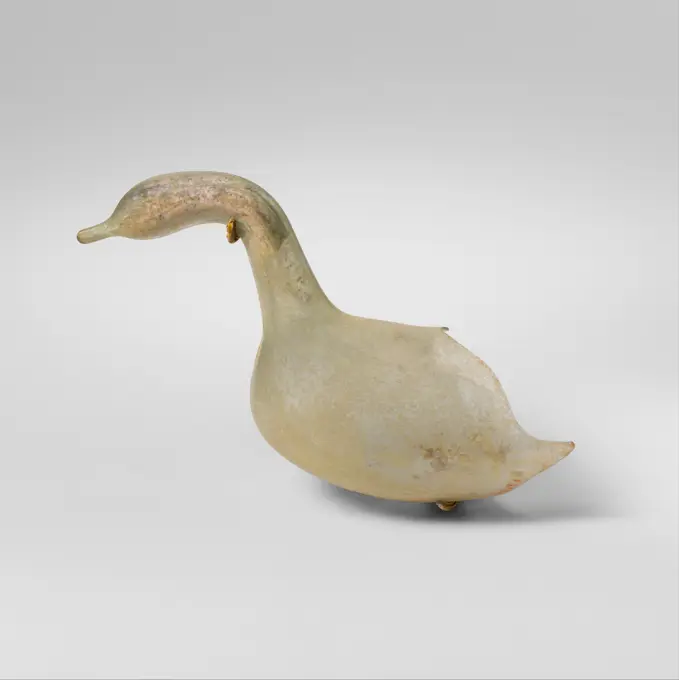
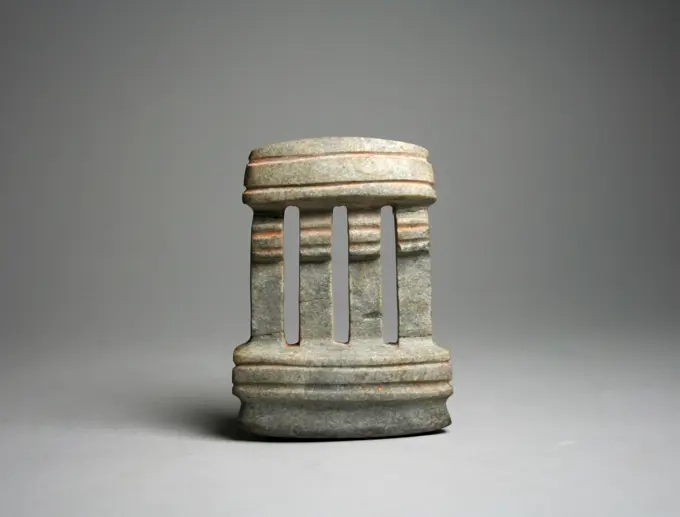
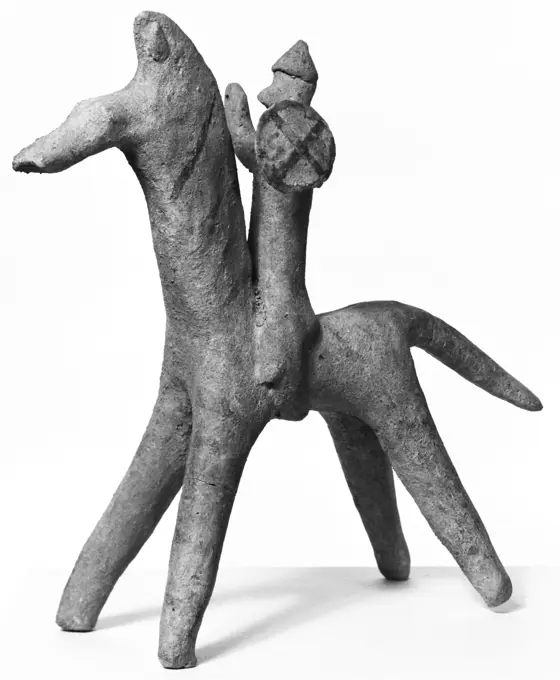
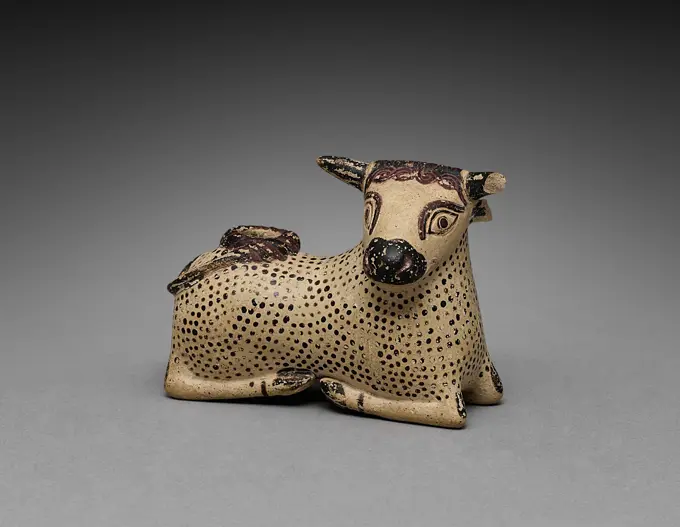
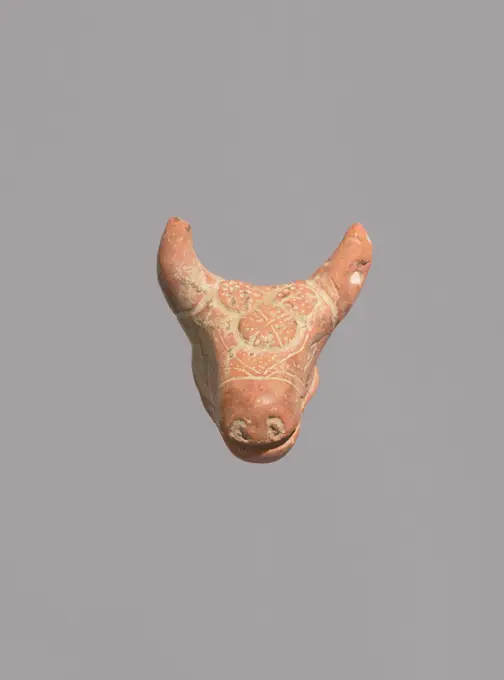
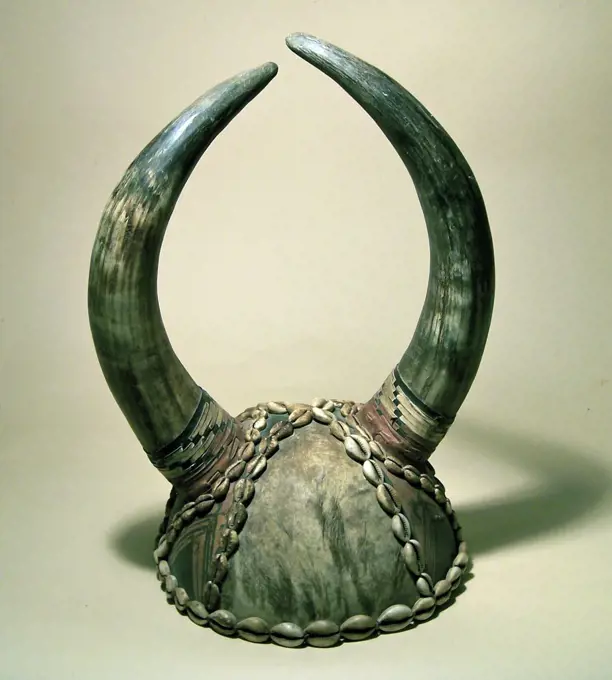
Cast Pendant. UnknownTerracotta oil lamp ca. A.D. 40-100 Roman Loeschcke Type 1A. Mold-made. Discus: a crouching lion, facing left, with tail raised; a single, irregular filling hole at bottom below lion, with a band of lines and grooves towards edge. Volutes flanking angular nozzle, with a large wick hole. Incised base ring, and flat base.Intact, except for old chip on front edge of nozzle.. Terracotta oil lamp. Roman. ca. A.D. 40-100. Terracotta. Early Imperial. TerracottasModel of a Pile Dwelling 3rd-1st century B.C. Southwest China (Dian culture). Model of a Pile Dwelling 64788Tomb Figure of Dragon Head (3200-2000 B.C.) - (1368-1644 A.D.) China. Tomb Figure of Dragon Head 44391Figurka konia. unknown, authorMandora. Culture: Italian. Dimensions: 14 3/16 × 3 3/4 × 3 1/8 in. (36 × 9.6 × 8 cm). Date: ca. 1420.This is the most elegant example of three similar, extant small stringed instruments that date from the early fifteenth century. Originally the instrument would have been strung with five strings, but whether it was played with a bow or plucked with a plectrum or fingers, remains unclear. The carved imagery relates to courtly romance and probably alludes to the rewards of fidelity in love. Cupid, armed with bow and arrow, hovers over the couple, a young man represented as falconer (the falcon denotes loyalty and trust) and a maiden with unbound hair who clasps his arm. A dog, likewise suggesting loyalty, sits at their feet. The rich iconography of the instrument unites art and music in the service of romance. Museum: Metropolitan Museum of Art, New York, USA.Small bronze pendant in the form of acorns linked to a small washer . 1.7 cm x 0.9 cm. - Medieval period from the archaeological site of " La Magistral " in Alcala de Henares - " Burgo de Santiuste Museum " (Madrid). SPAIN.Vase fragment East Greek/Sardis, Lydian. Vase fragment 252704 East Greek/Sardis, Lydian, Vase fragment, Terracotta, Overall: 4 13/16 x 3 3/4in. (12.2 x 9.6cm). The Metropolitan Museum of Art, New York. Gift of The American Society for the Excavation of Sardis, 1926 (26.199.136)The lamp decorated with the representation of the goddess Roma;  II century (101-00-00-200-00-00);Lion's Head, 17th Century. India, Mughal period (1526-1756). Ivory; overall: 18.6 cm (7 5/16 in.).Temple ModelCERAMICA GRIEGA S III AC-DELFIN CON NINO.Terracotta oil lamp 5th-6th century A.D. Roman, Cypriot Vessberg Type 19. Mold-made, with unpierced handle. Discus: indistinct radiating linear depressions decorated with herring-bone patterns, interspersed with impressed circles; a single filling hole slightly off-center. Plain, sloping shoulder. Undefined, slightly concave base.Intact.. Terracotta oil lamp. Roman, Cypriot. 5th-6th century A.D.. Terracotta. Early Byzantine. TerracottasLamp 9th century The shallow open lamps previously used in the Middle East were replaced by deeper pinched bowls, imported from Greece in Hellenistic times. However, the low-relief decoration and green or honey-colored glazes are characteristic of the Roman pottery tradition. These lamps burned olive oil through a fiber wick.. Lamp. 9th century. Earthenware; molded, slipped and glazed. Attributed to Syria, probably Aleppo. CeramicsFragment of a rhyton in the shape of a ram's head ca. mid- to late 1st millennium B.C.. Fragment of a rhyton in the shape of a ram's head 326419Axe Head. Indonesia, circa 1st-3rd century A.D.. Arms and Armor; axes. Copper alloyTerracotta oil lamp ca. A.D. 40-100 Roman, Cypriot Loeschcke Type 4. Mold-made. Discus: naked Silenus standing in profile to left, head titled slightly back, right arm raised above his head, and holding a wine skin over his left shoulder; behind him is a net-like enclosure; a single filling hole at right behind the figure, and a band of lines and grooves towards edge. Volutes flanking nozzle. Incised base ring, and slightly concave base.Intact.. Terracotta oil lamp. Roman, Cypriot. ca. A.D. 40-100. Terracotta; mold-made. Early Imperial. TerracottasSeal with Quadruped. Greek; Thessaly. Date: 800 BC-600 BC. Dimensions: 2.6 x 2.5 x 2.2 cm (1 x 1 x 7/8 in.). Bronze. Origin: Thessaly. Museum: The Chicago Art Institute, Chicago, USA. Author: ANCIENT GREEK.Sculpture of an elephant. Cast bronze, with copper inlays. Iran, Khorusan, 13th century. Found by chance near the village os Znamenka in Pavlograd district (Ekaterinoslav Region, Ucrania). The State Hermitage Museum. Saint Petersburg. Russia.Jue ". Bronze. China, Shang Dynasty. Paris, Cernuschi Museum. 72198-22 Chinese art, bronze, shang dynasty, extended shape, tripod, three feet, gue vase, jue versesLazio Roma Rome SS. Giovanni e Paolo, Museum40. Hutzel, Max 1960-1990 Medieval: Ceramic fragments, sculptural fragments, fresco fragments, inscribed tomb markers. Houses one of the best collections of Malagan medieval ceramics for casting wall monuments, copies of which are housed in campanile. Specific Location: Museum Antiquities: Ceramic fragments, sculptural fragments, architectural fragments Object Notes: Basilica has separate record and is filed separately. German-born photographer and scholar Max Hutzel (1911-1988) photographed in Italy from the early 1960s until his death. The result of this project, referred to by Hutzel as Foto Arte Minore, is thorough documentation of art historical development in Italy up to the 18th century, including objects of the Etruscans and the Romans, as well as early Medieval, Romanesque, Gothic, Renaissance and Baroque monuments. Images are organized by geographic region in Italy, then by province, city, site complex and monument.Two axle pins 9th century B.C. China. Two axle pins 61057Vessel, c. 200 BCE - 600 CE, 7 3/4 in. (19.69 cm), Clay, pigments, Peru, 3rd century BCE - 7th century CEGold Piece in Shape of Triratna, 185-72 BC. India, Sunga Period (185-72 BC). Gold;Chair of power made from Pedra stone, Ecuador. Dated 7th CenturyProfile Face 6th-7th century Moche (Loma Negra). Profile Face. Moche (Loma Negra). 6th-7th century. Silvered copper, shell, stone. Peru. Metal-OrnamentsMask, 1930s, 31 1/4 × 12 5/16 × 12 7/16 in. (79.38 × 31.27 × 31.59 cm), Wood, pigments, Burkina Faso, 20th centuryStanding Ram, c. 3000 BCE, 1 x 1 1/4 x 1/4 in. (2.54 x 3.18 x 0.64 cm), Marble, Iraq, 31st-30th century BCEPlaque: Addorsed Lions' Heads with Boar in Relief. UnknownLamp 2nd-6th century. Lamp 444799Helmet. Culture: Turkish. Dimensions: H. 8 3/4 in. (22.2 cm); Diam. 8 in. (20.3 cm); Wt. 2 lb. 8 oz. (1134 g). Date: early 17th century.There appeared in the sixteenth century a new type of armor worn by the Ottoman warrior that was unlike any seen elsewhere in the Islamic world: helmets, shields and shaffrons (horse's head defenses) made entirely of gilt copper, tombak in Turkish. The medium was employed purely for its colorful effect and ostentation, so that the armor can have been intended only for ceremonial use, possibly for the sultan's bodyguard. Until recently, the Metropolitan possessed two incomplete helmets (acc. nos. 36.25.125, 1974.118) and three shaffrons (acc. nos. 21.102.3, 36.25.496, and 36.25.507) in tombak. While the present helmet is a modest example of this genre, and, like many Ottoman helmets, has since lost its applied brim, nasal bar, and suspended nape defense and cheekpieces, not to mention its finial, it nevertheless is a welcome addition to oVessel in form of bull ca. 2nd-3rd century A.D. Roman or Parthian (). Vessel in form of bull 324571Bow Fibula (Brooch). Greek; Thessaly. Date: 800 BC-700 BC. Dimensions: 6.6 × 10.7 × 2.6 cm (2 5/8 × 4 1/4 × 1 in.). Bronze. Origin: Greece. Museum: The Chicago Art Institute, Chicago, USA. Author: ANCIENT GREEK.Chinese Lion Dance Mask. Yūtoku (or Arinori) (Japan, active late 18th century). Japan, late 18th century. Costumes; Accessories. Wood (movable jaw)Prehistory, Sweden, Bronze Age. Two-handled helmet in the shape of a bird's head, from Glasbacka.Bird -shaped emblem. Bronze. Excavations of Olov Janse, necropolis of Lach Truong, falls 4. Epoque of Giao Chi (1st century BC-4th century AD). Paris, Cernuschi museum. 60216-1 Bronze, GIAO CHI, LACH TRUONG, Vietnamese object, bird, falls 4Urartian. Iron Age. Bronze helmet. 9th-8th century BC.Probably from north-western Iran. British Museum. London.Bone comb from the Island of GotlandPrehistory, Italy, Bronze Age. Votive bronze figurine. From Santhia', province of Vercelli.Bronze ritual wine vase, from Fupeng, China. Chinese Civilisation, Western Zhou Dynasty, 11th century BC.Lamp. Rue Cujas (1888), coll. MAGNE. Terracotta. High Empire. Decor of radiant and elongated oves. Paris, Carnavalet museum. Lengthened, Decor of Oves, High Empire, Lamp, Oil lamp, radiant, terracottaA collection of shards, anonymous, 1000 - 2000 A collection of shards excavated on the Spuistraat at the expansion of the building of the Kasvereeniging consisting of: 7 pots and pots shards of brown clay, covered with colorless lead glaze on the inside and outside. 7 pots and potsolers with only lead glaze on the inside. 3 jar shards with lead glaze on both sides, brown on the outside, green on the inside. 5 pots shards from outside green, yellow inside. 2 pots shards on the inside and outdoor yellow. 1 pipe horses base of a crucifix (BK-KOG-1708-1). 16 marked tobacco pipes. 2 plates from below with lead glaze, from above with white tinglaze and in blue the inscription M.A.; damaged. 1 plate entirely with white tinglaze with a landscape; 1 plate entirely with white tinglaze and decorated in blue with weapon of Amsterdam. 5 white ointment jars. 17 Dishes (a few glued) front and rear with white tinglaze and decorated in blue. 8 dishes with lead glaze below and above white tinglaze and bTerracotta body and neck fragment of a jug. Culture: Minoan. Dimensions: Overall: 3 3/16 x 4 1/8in. (8.1 x 10.5cm). Date: ca. 2100-1800 B.C..From Knossos, CreteFragment with molded decoration. Museum: Metropolitan Museum of Art, New York, USA.ELEMENTOS SUELTOS DE UN CARRO DE BRONCE IBERICO PROCEDENTE DE MAQUIZ (JAEN) - S IV AC.Wine vessel in double owl shape, 12th-11th century BCE, 6 3/16 × 5 5/8 × 5 13/16 in., 3.3 lb. (15.72 × 14.29 × 14.76 cm, 1.5 kg)4 1/8 × 3 1/4 in. (10.48 × 8.26 cm) (object part, mouth-a)4 3/8 × 3 5/8 in. (11.11 × 9.21 cm) (object part, mouth-b)5 5/8 × 4 11/16 in. (14.3 × 11.9 cm) (object part, belly), Bronze, China, 12th-11th century BCETerracotta conical-hemispherical spindle-whorl with flat base ca. 2000-1725 B.C. Cypriot Spindle whorls aided in the making of cloth for garments and bedding. They were placed in tombs, perhaps so that the deceased could continue to spin wool in the afterlife.. Terracotta conical-hemispherical spindle-whorl with flat base 240524Dotaku ritual bell, bronze, Yayoi periodHuman Head. UnknownBronze handle of a vessel with Silenos mask 450-400 B.C. Etruscan From a vase; with garlands.. Bronze handle of a vessel with Silenos mask 248322Ceramic Ocarina 11th-16th century Carchi. Ceramic Ocarina 314182Talon-Axt und Ringe Talon axe and rings, bronze, Monte Betaio, Turtzios, Arkeologi Museoa, museo aqueologico, Bilbao, Bizkaia, Pais Vasco, Spain Copyright: xZoonar.com/Tolox 22845511Pendant: Ram's Head. UnknownTurkey, Kultepe, Rhyton in the shape of a crouched animal, gloss painted terracottaPair of Cheekpieces from a Horse Bit. Iran, Luristan bronzes, circa 1000-650 B.C.. Tools and Equipment; horse trappings. Bronze, castTerracotta smoking pipes  Tamil Nadu  India Copyright: xMxAmirtham/DinodiaxPhotoxAnimal Ornament 6th-7th century Moche (Loma Negra). Animal Ornament 314875Cheekpiece from a Horse Bit. Iran, Luristan, Luristan bronzes, circa 1000-650 B.C.. Tools and Equipment; horse trappings. Bronze, castGlass bottle in the shape of a bird 1st century A.D. Roman Translucent pale blue green.Long, solid, rounded beak; head projecting forward and slightly downward, attached to tubular neck that merges with plump body.Broken, with back part of body and tail missing; few bubbles; dulling and faint iridescence on exterior, creamy iridescent weathering covering interior with one patch of limy encrustation.Bottles of this type were made with their contents (either liquid perfume or cosmetic powder) sealed inside. The tip of the tail had thus to be broken to remove the contents.. Glass bottle in the shape of a bird 249377Celtic Type Fibula, 450-225 BC. Classical, Poland (). Bronze; overall: 4.4 cm (1 3/4 in.).Italy, Liguria, Finger-protection rings from the necropolis of ChiavariClay model representing agricultural work from Vounous, Cyprus, Bronze Age, PrehistoryStone Temple Model 1st-8th century Mezcala. Stone Temple Model 317497Beaver-Shaped Bowl, c. 1890-1920. North America, Northwest Coast, Tlingit, Post-contact period. Wood; overall: 11.3 x 27 x 18.7 cm (4 7/16 x 10 5/8 x 7 3/8 in.).Statuette of a Horse and Rider. UnknownOil Flask in the Shape of a Bull, 600-575 BC or AD 1900s. Greek, Corinthian or modern forgery. Ceramic; overall: 6.5 cm (2 9/16 in.). This small bull-shaped flask is similar in form and painted decoration to a class of figure-shaped perfume vessels created during the late seventh and early sixth centuries BC in Greece and Italy (especially Corinth, Rhodes, and Etruria). The stippled body decoration characterizes such vases from multiple sites, while the light-colored clay and inconspicuous orifice placement are typical of Corinth. But no other reclining bulls are known among such vases (and only a few bullheads or upper bodies), raising questions about authenticity. A 1986 analysis determined that this object had been recently fired, and a 2020 clay analysis placed its origin in the Catalonia region of Spain, far from any known ancient production area for such flasks.Saddle late 16th-17th century Turkish This saddle is the only known Ottoman example of its type. The use of pierced leather decoration appliquéd on different colored grounds occurs on a small number of Ottoman objects--bow cases and quivers, canteens--of the sixteenth century. It appears that all of them were made for high-ranking officers.. Saddle. Turkish. late 16th-17th century. Wood, bone (staghorn), bark, leather, textile, iron, pigment. Equestrian Equipment-SaddlesDuck-Shaped Vessel (Zun) 2nd-1st century B.C. China. Duck-Shaped Vessel (Zun) 44397Seal amulet in the form of a reclining cow ca. 3300-2900 B.C.. Seal amulet in the form of a reclining cow 324427Scabbard, Before 1916. Philippines. overall: 1.3 cm (1/2 in.).Bull's head - a fragment of the figurine;  III/II century BC -1st century (-225-00-00-100-00-00);Vessel in Form of a Crocodile. Guatemala, Maya, 300-600 CE. Ceramics. Slip-painted ceramic with post-fire pigmentNigerian horned helmet, decorated with cowrie shells.Dragon 7th century China. Dragon. China. 7th century. Gilt bronze. Tang dynasty (618-907). SculpturePlaque fragment ca. 18th century B.C. Old Assyrian Trading Colony. Plaque fragment 323532Feline Head Ornament. Culture: Moche (Loma Negra). Dimensions: H.: 1 13/16 x W. 2 1/4 in. (4.6 x 5.8 cm). Date: 390-450. Museum: Metropolitan Museum of Art, New York, USA.Plaque. Northern China or Inner Mongolia, 5th-3rd century B.C.. Sculpture; plaques. Bronze, castBox with Ink Cakes: Green Ink Cake in Shape of Coiled Dragon, 1795-1820. China, Qing dynasty (1644-1911), Jiaqing reign (1795-1820). Ink cake; case: 26.4 x 19.1 cm (10 3/8 x 7 1/2 in.); lid: 26.5 x 19.2 cm (10 7/16 x 7 9/16 in.).