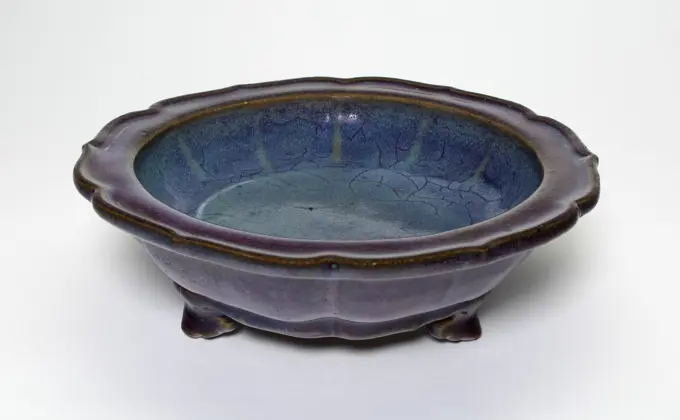
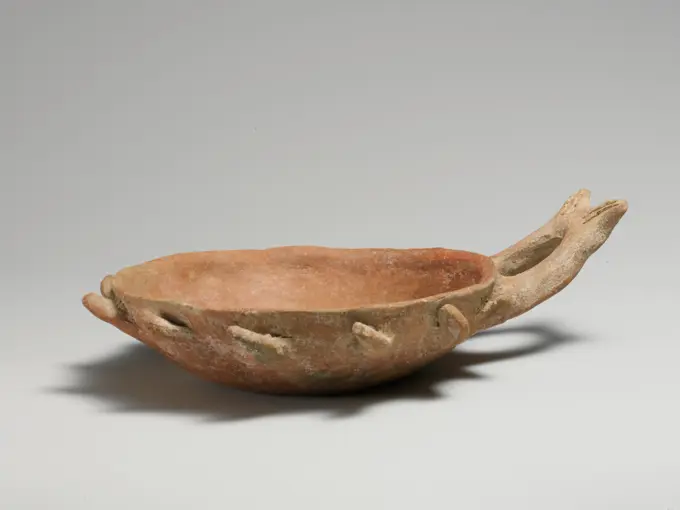
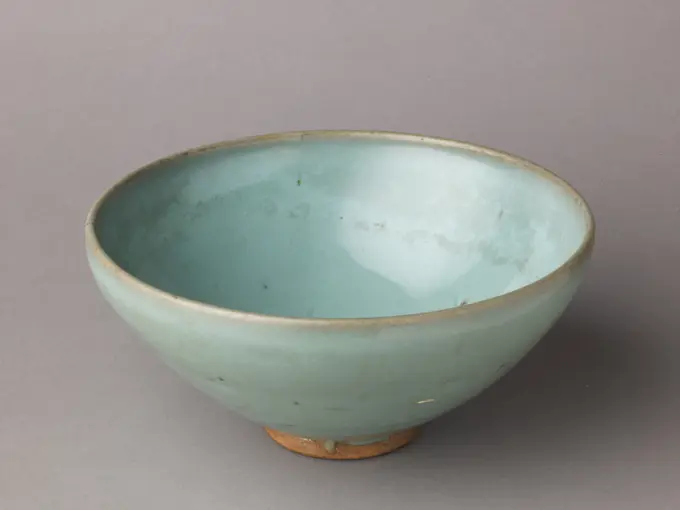
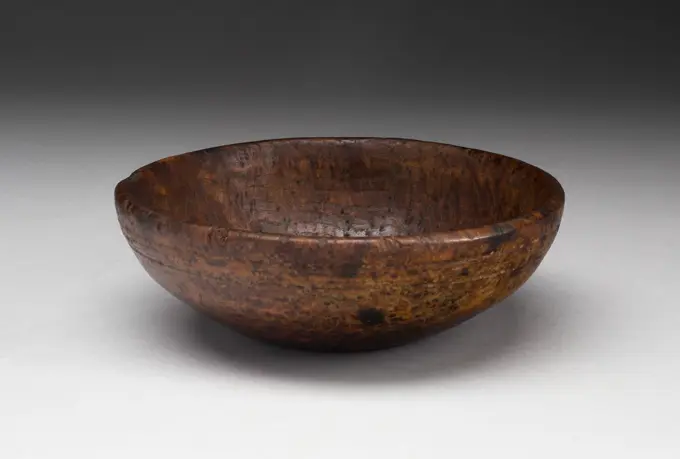
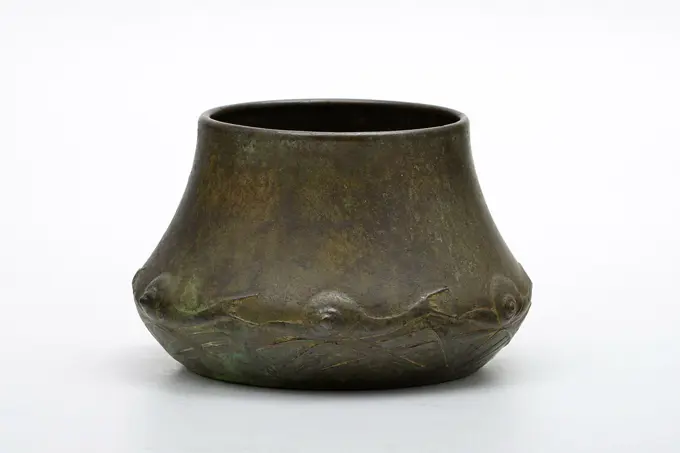
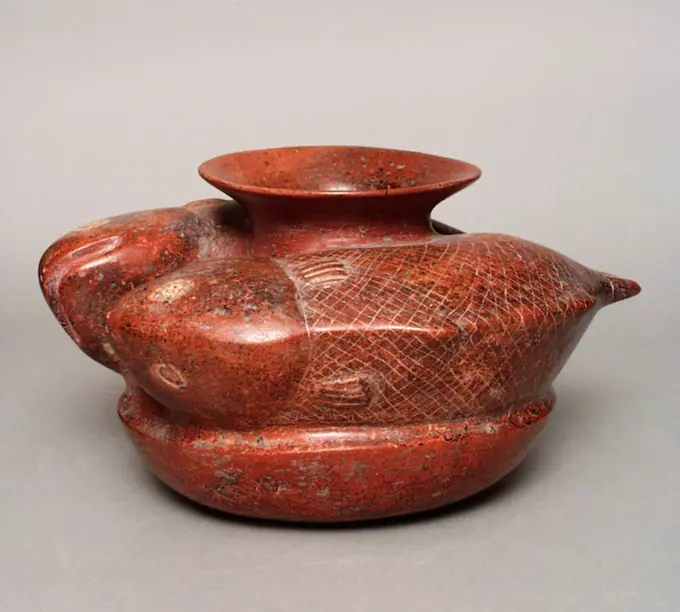
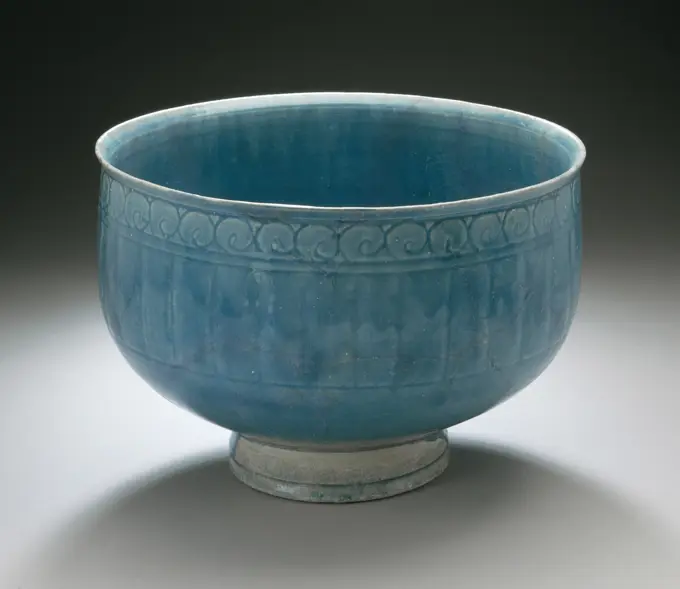
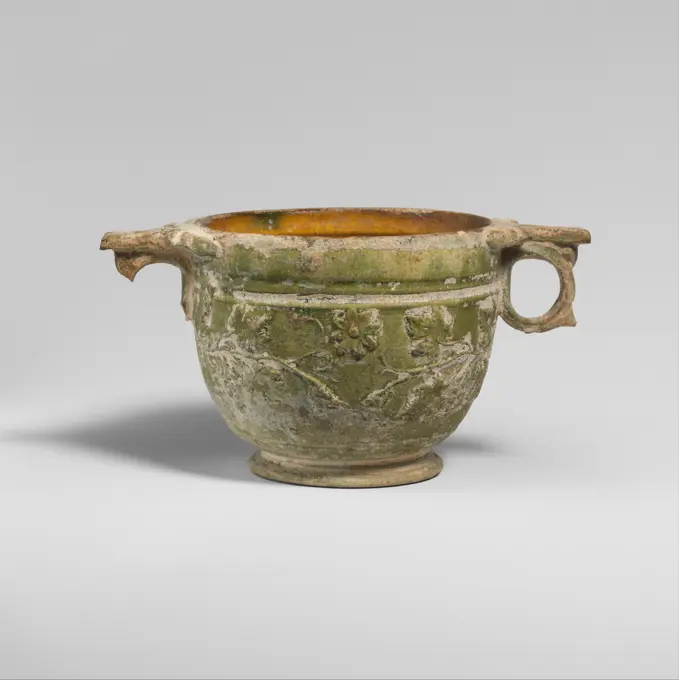
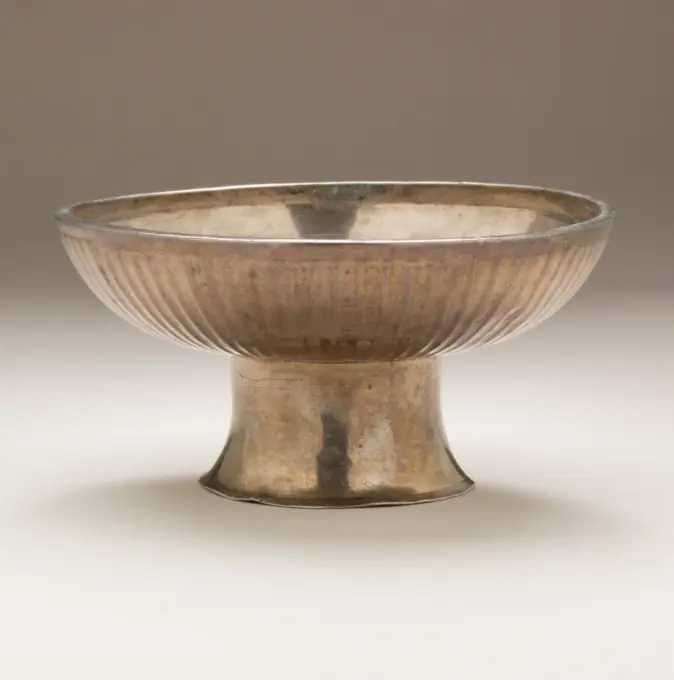
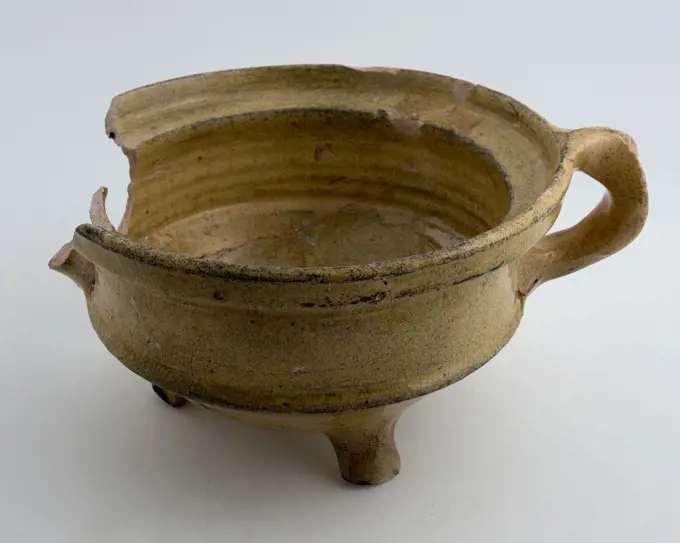
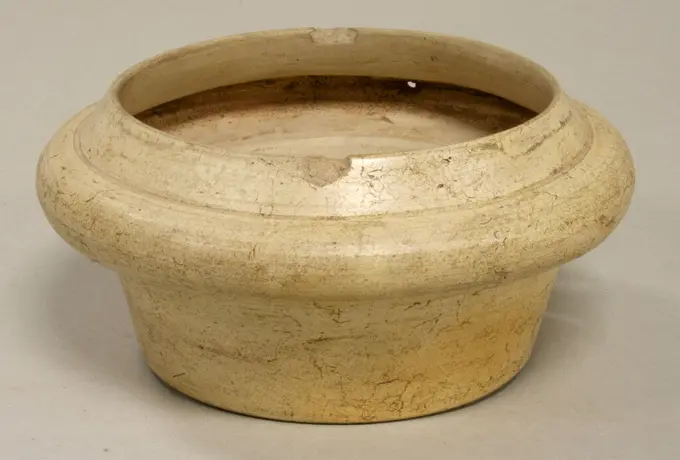
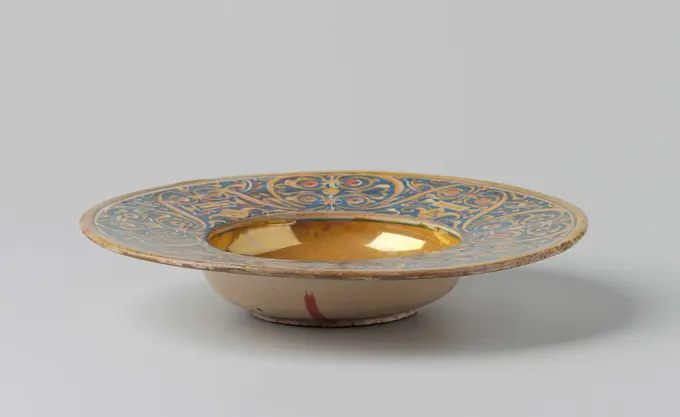
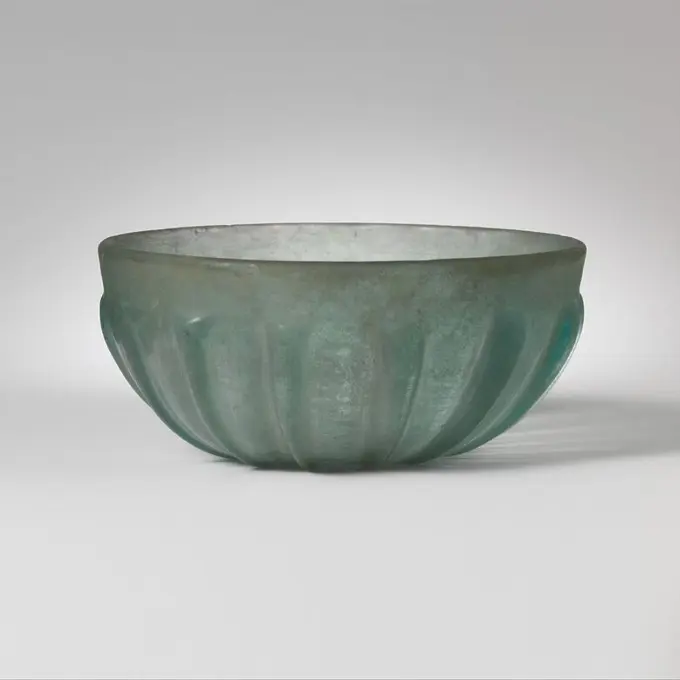
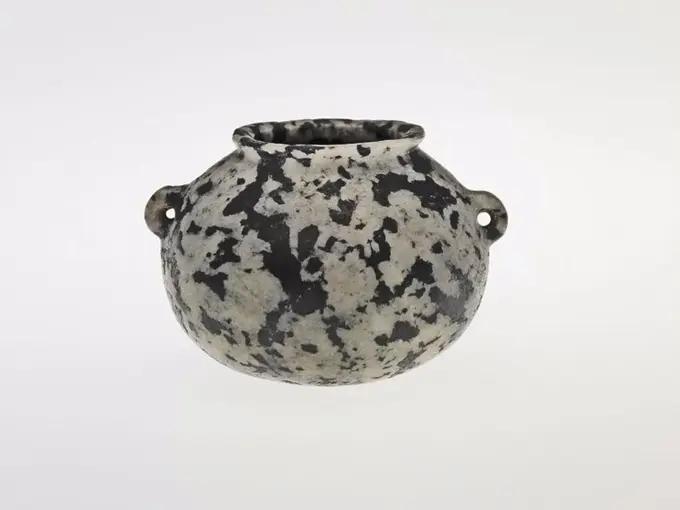
Historic Terracotta Bowls

A collection of ancient terracotta bowls from Vietnam and East Asia, featuring unique glazes and traditional decorative patterns.

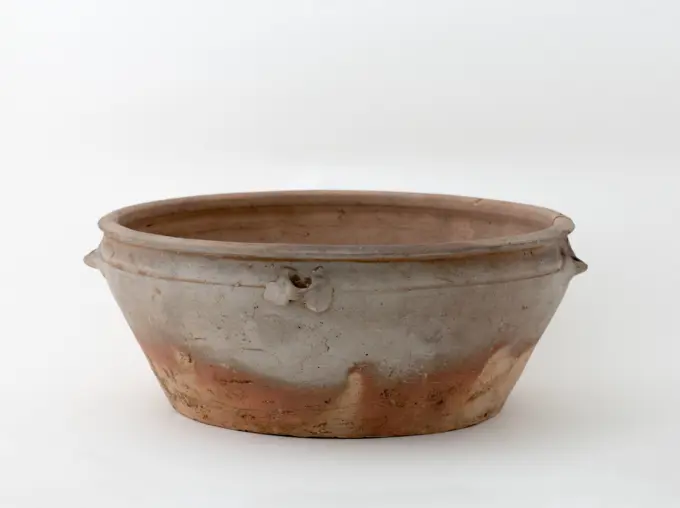
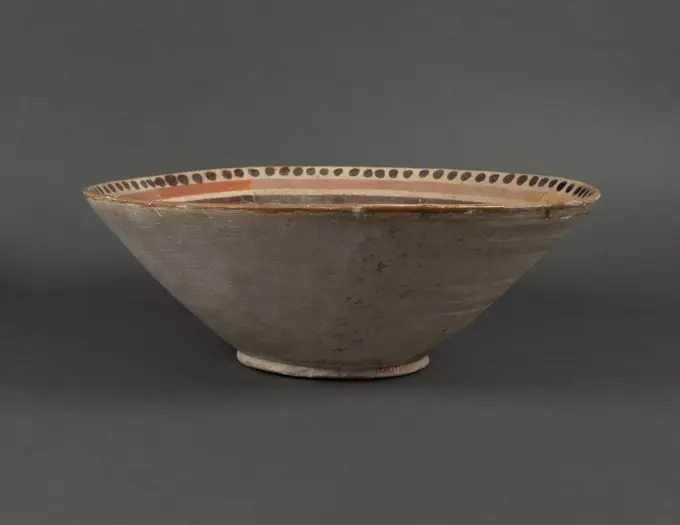
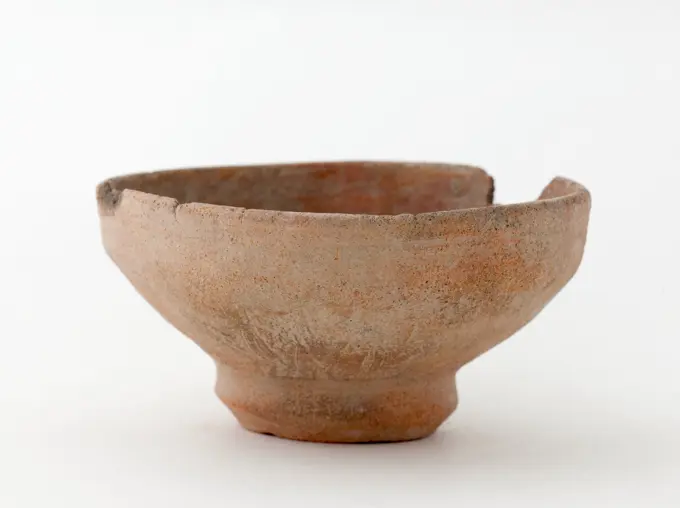
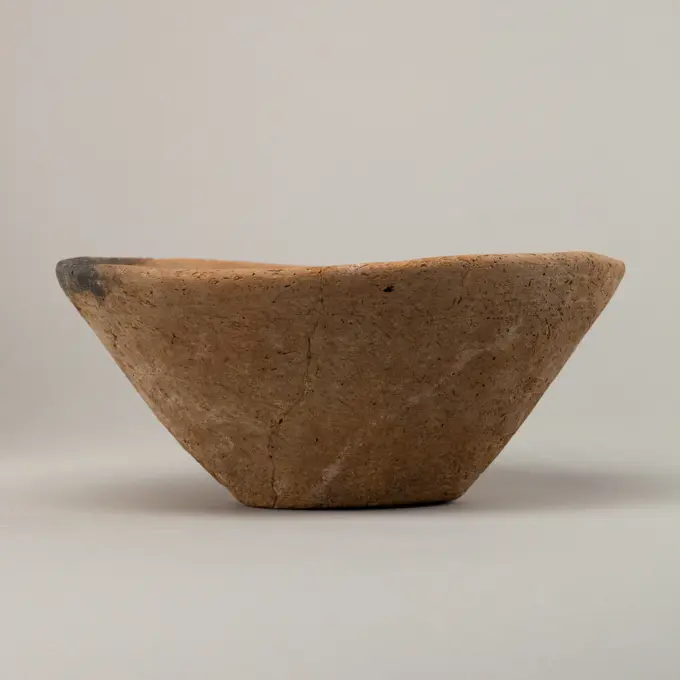
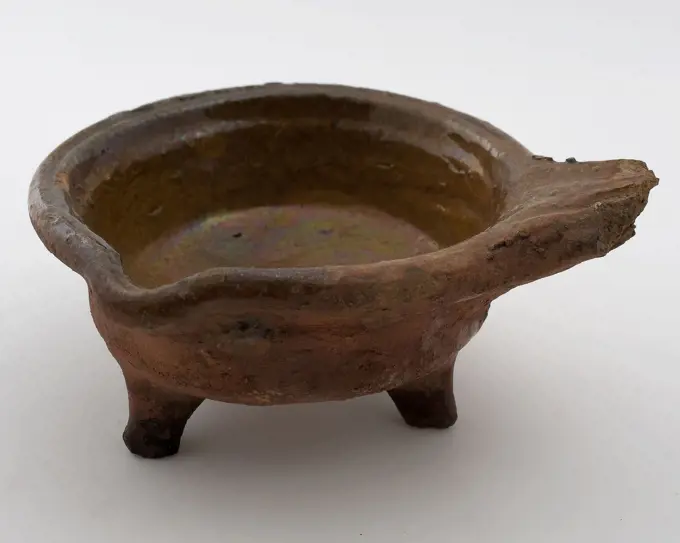
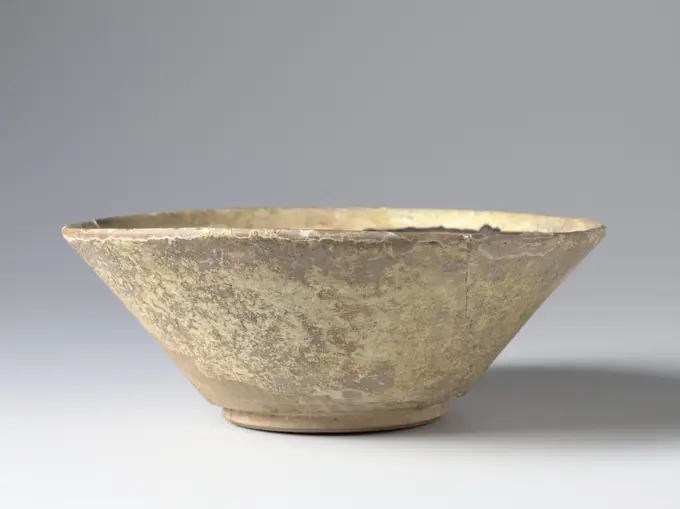
Grand Bassin.. Vietnam-XEN Vietnam. Park s. Paris, museum berne. 72187-6 Large basin, Vietnamese object, terracotta
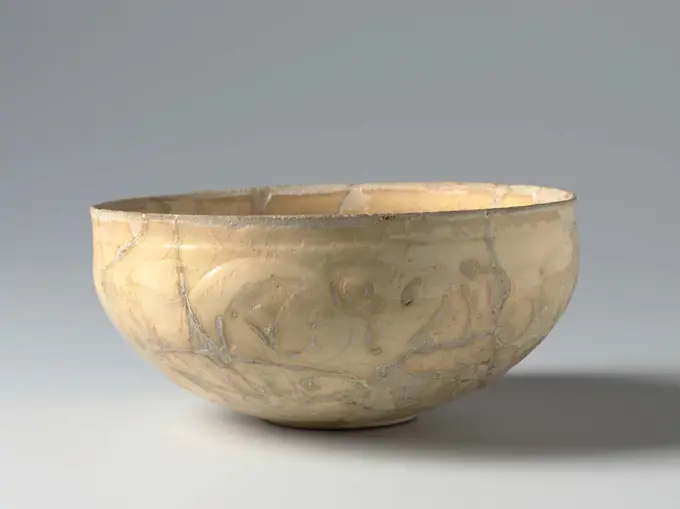
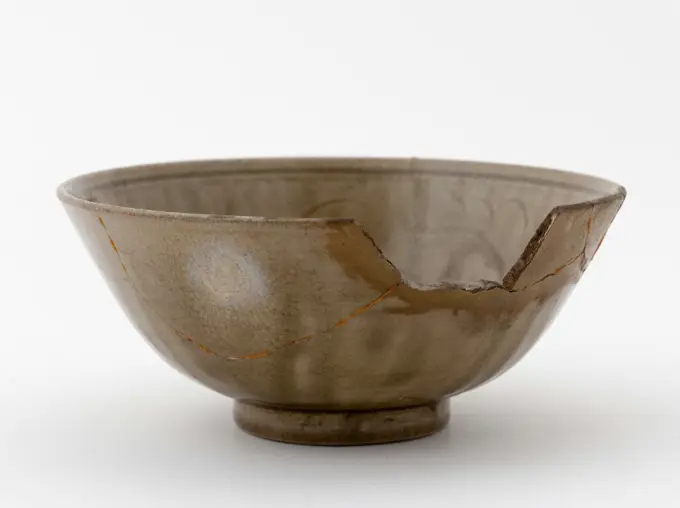
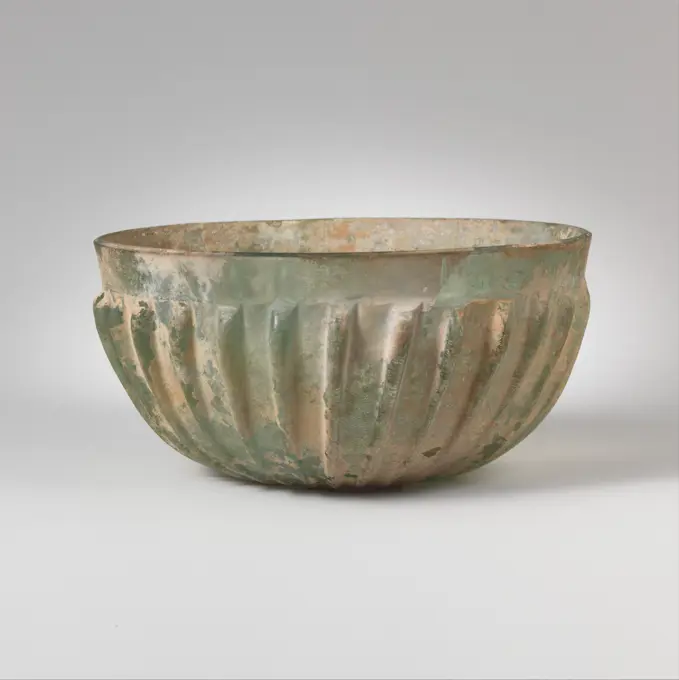
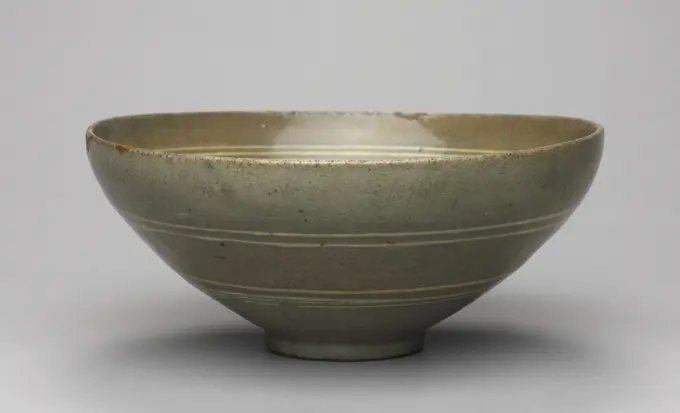
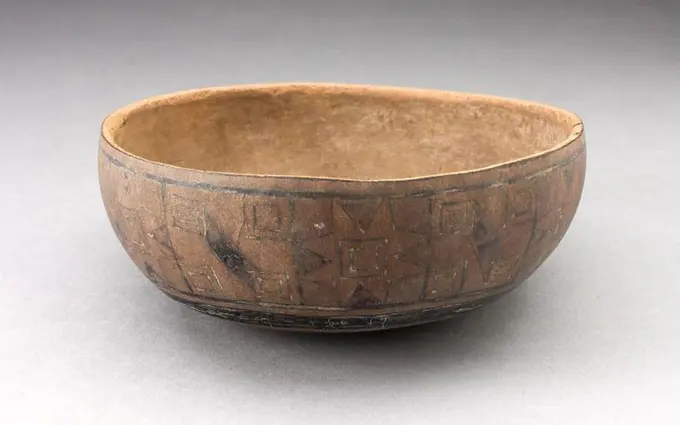
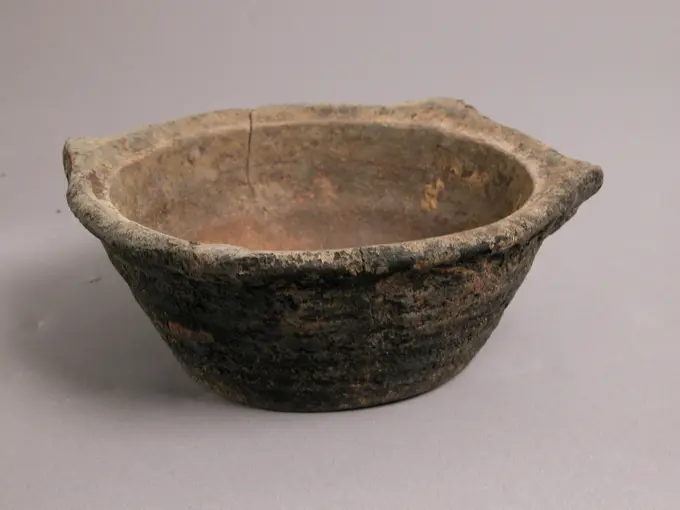
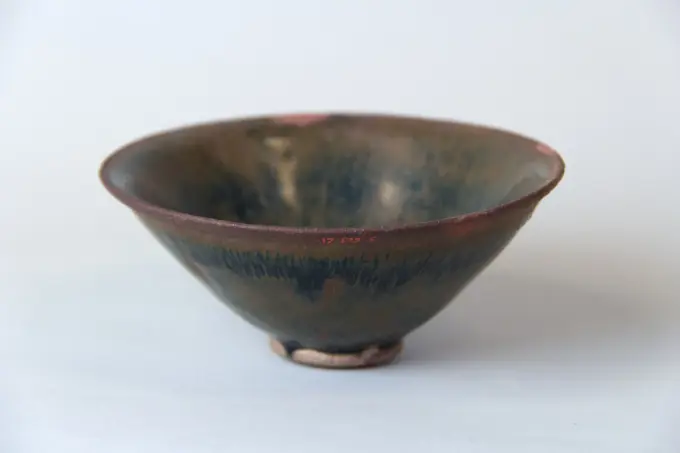
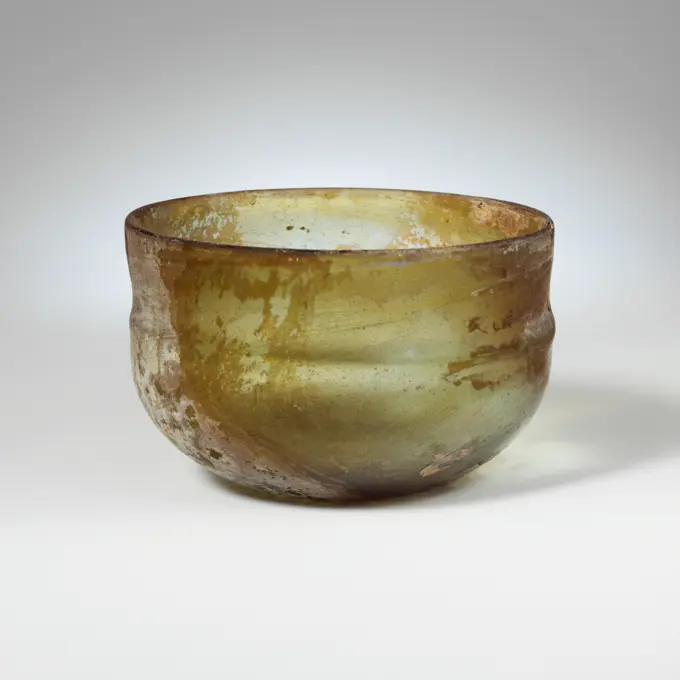
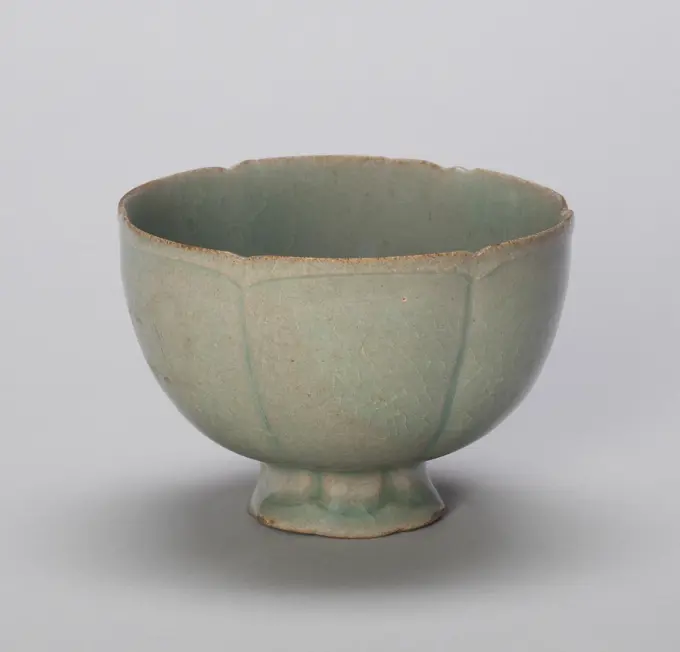
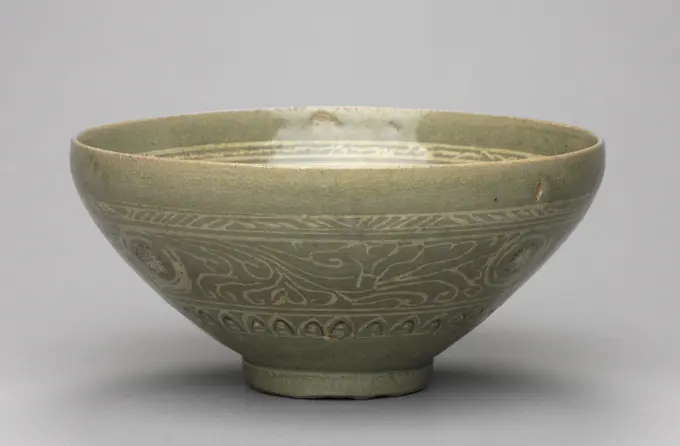
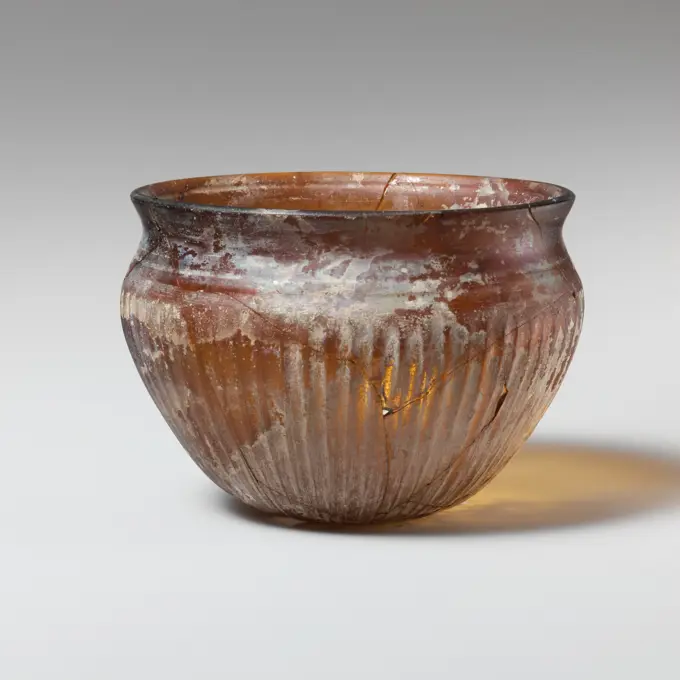
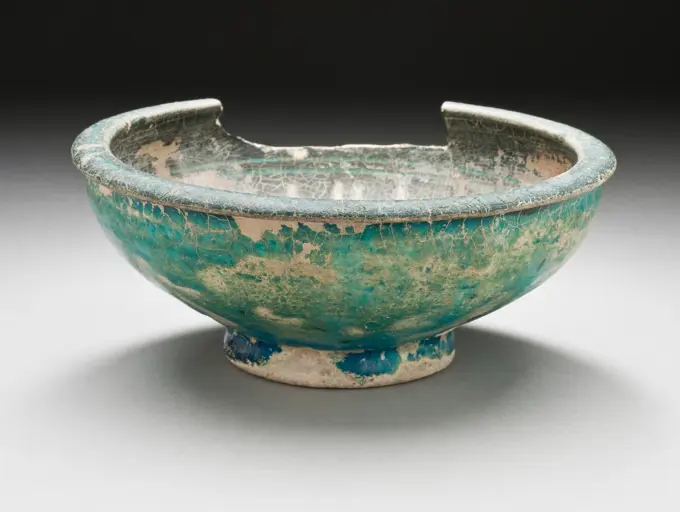
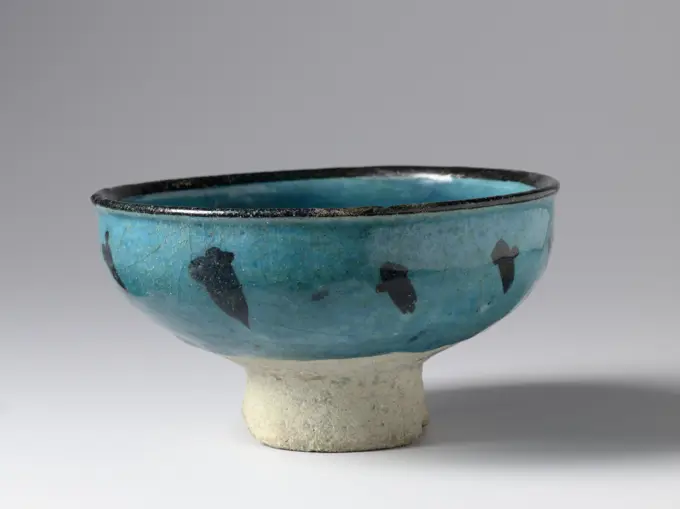
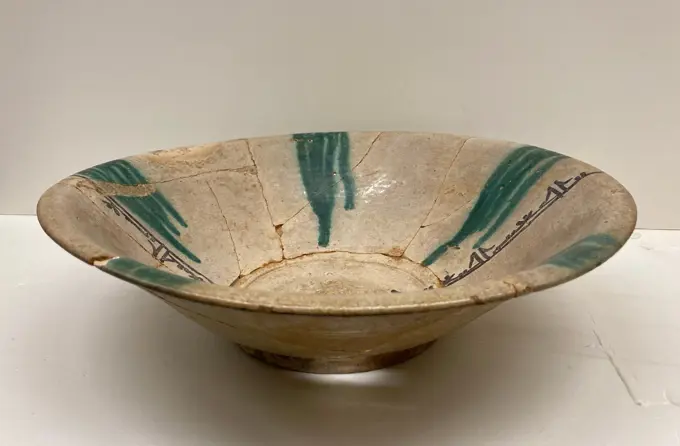
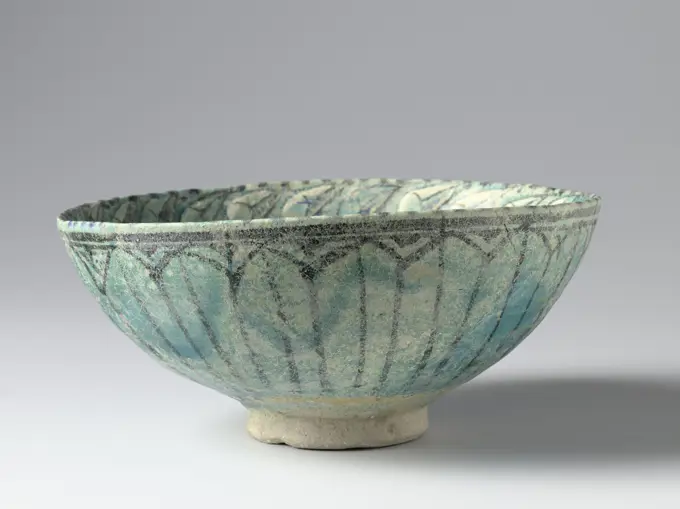
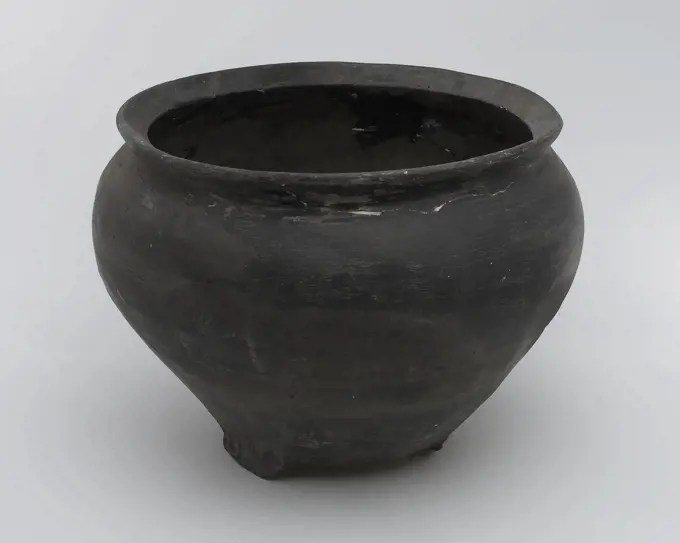
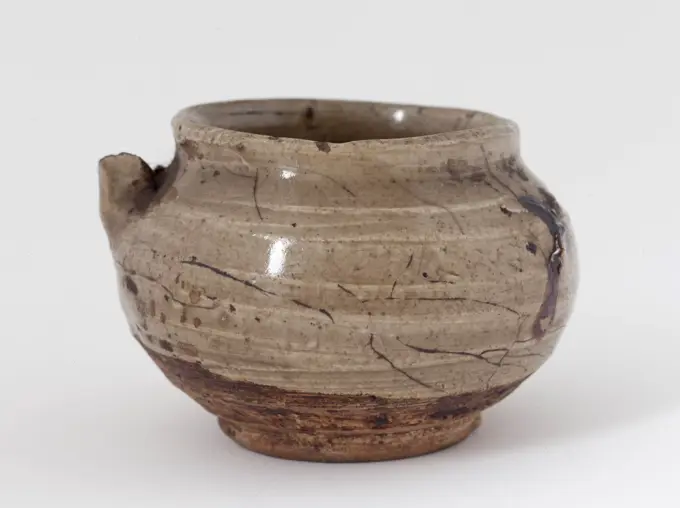
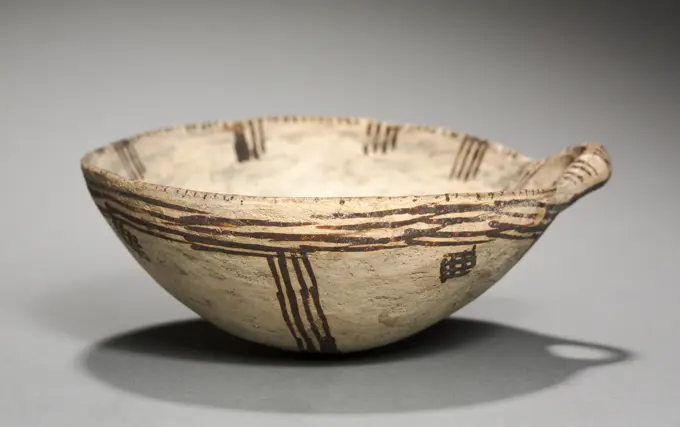
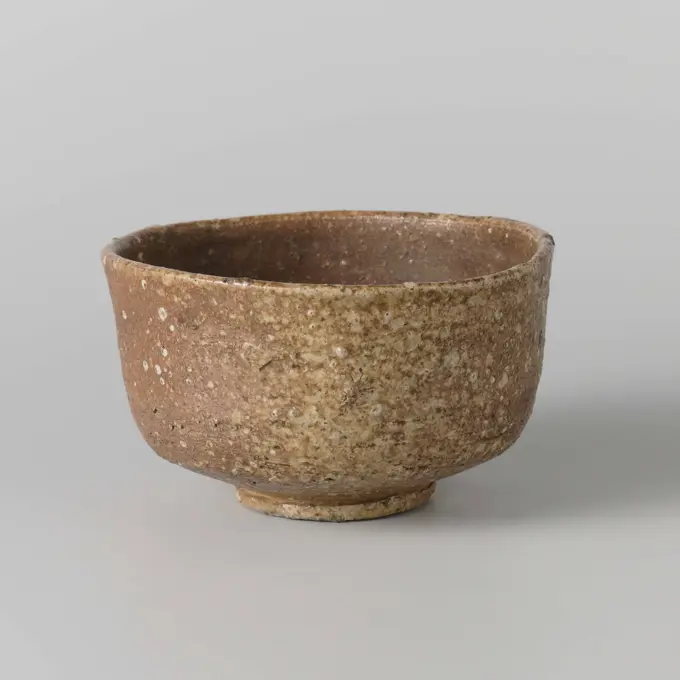
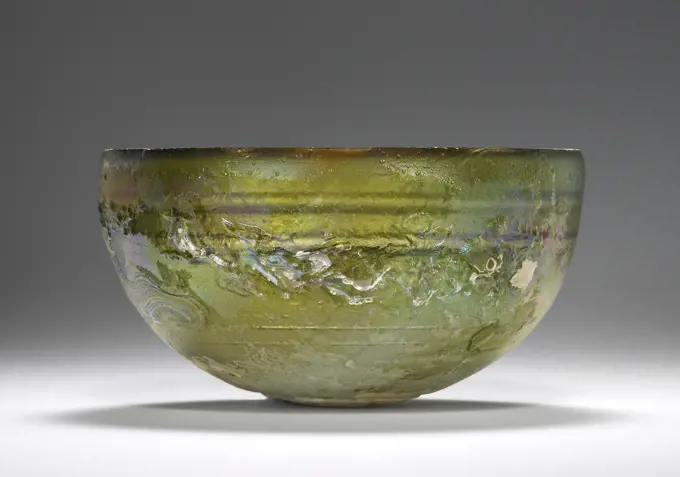
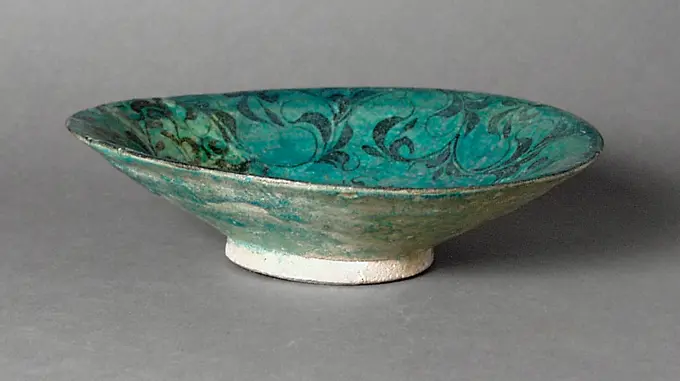
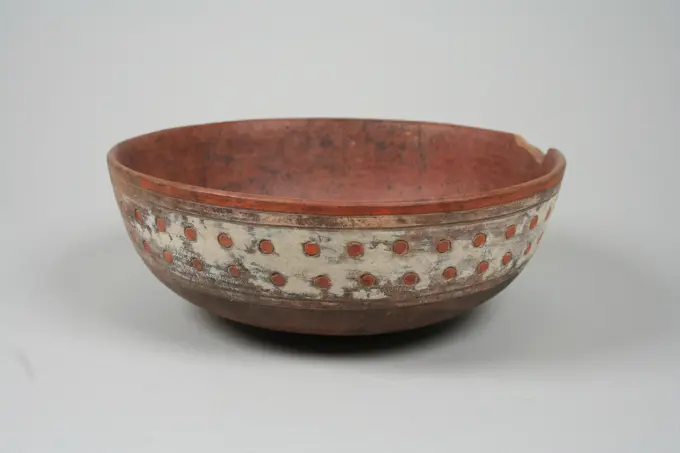
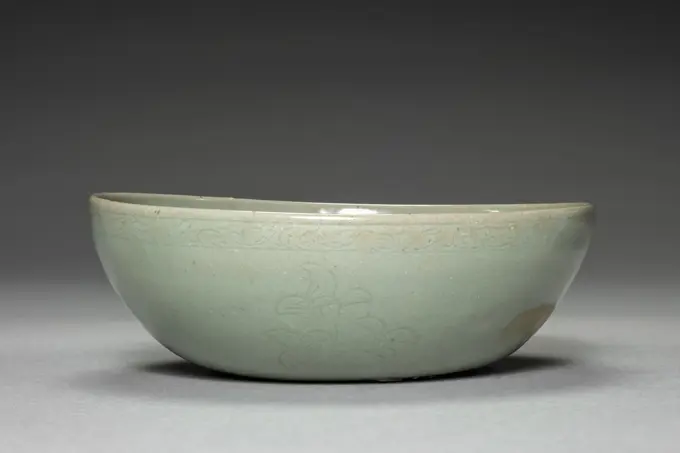
Tea bowl with a grey brown glaze and a metal rim, anonymous, c. 960 - c. 1279 Teaom of stoneware, partially covered with a gray -brown glaze. The center has been raised. The lower half of the bowl is unglazed. The edge is caught in a metal band. Old label on the bottom with 'W021'. Jian. China stoneware. glaze. metal vitrification Teaom of stoneware, partially covered with a gray -brown glaze. The center has been raised. The lower half of the bowl is unglazed. The edge is caught in a metal band. Old label on the bottom with 'W021'. Jian. China stoneware. glaze. metal vitrification. Monochrome beige bowl, decorated with ingrangled tendrils and palmets over which transparent alkalilation.Basin ". Terracotta. Vietnam-Xe-Xive s. Paris, Cernuschi museum. 72185-34 Basin, Vietnamese object, terracottaCup ". GRS covered Cladon. 13th century, Muse Cernuschi. Lotus flower patterns on the inner wall. Asian art, extreme-East art, Vietnamese art, ceramic, cut, gres, dishesGrand Bassin.. Vietnam-XEN Vietnam. Park s. Paris, museum berne. 72187-6 Large basin, Vietnamese object, terracottaGlass hemispherical ribbed bowl late 1st century B.C.-mid-1st century A.D. Roman Translucent pale blue-green.Slightly flaring rim with angular top edge and inward-sloping band below; convex side curving in to uneven flat bottom.On interior, band of two fine horizontal grooves on lower part of side; on exterior, twenty-seven long, slender ribs, some vertical, others slanting, with flattened tops, tapering downwards and extaneding onto outer edge of bottom.Intact, but one long crack running from rim down side; many pinprick and one large bubble; patches of deep pitting, dulling, creamy brown weathering, and iridescence.Cast, with ribbed sides.. Glass hemispherical ribbed bowl 248857Glass beaker 2nd-3rd century A.D. Roman Colorless with deep blue green tinge.Rounded, outsplayed rim; cylindrical body with sides expanding slightly downwards, then sloping in sharply to integral, thick pad base; slightly pushed-in bottom with central pontil mark.Intact; pinprick and larger bubbles and blowing striations; dulling, creamy brown weathering, and brillant iridescence.. Glass beaker 244697Glass ribbed bowl mid-1st century A.D. Roman Translucent pale blue green.Knocked-off, outsplayed rim; short concave neck; bulging side curving in to thick, flat bottom with rounded convexity on interior.Side tooled into sixteen irregular, vertical ribs.Intact, except for two chips in rim; pinprick bubbles; dulling, deep pitting, and numerous patches of thick milky weathering and brilliant iridescence.Bowl with ribbed sides.. Glass ribbed bowl 245233Bowl 9th century View more. Bowl. 9th century. Earthenware; white slip with polychrome slip decoration under transparent glaze. Excavated in Iran, Nishapur. Ceramics. Tea bowl of stoneware, covered with a white sludge and a red-brown glaze. The outer wall with a wide bond with vertical lines. Above and under horizontal lines. The budget decoration is filled with white sludge (Mishima technique). Old label on the bottom with 'Korea / 15'. Come has been broken. Hagi.Bowl with Willow and Reed Design, 1300s. Korea, Goryeo period (918-1392). Pottery; diameter: 19.1 cm (7 1/2 in.); overall: 8.1 cm (3 3/16 in.).Bowl with Incised and Painted Textile-Like Motifs. Colonial Inca; South coast or southern highlands, Peru. Date: 1400-1600. Dimensions: 5.2 x 13.3 cm (2 1/16 x 5 1/4 in.). Gourd and pigment. Origin: Peru. Museum: The Chicago Art Institute, Chicago, USA.. Bowl of earthenware decorated with black, red, greenish and white sludge, with some incisions through black sludge, on Engobe of white sludge. In the flat an inscription that can be read as 'Bismillahi' Rahmani 'R-rahim' ('in the name of God the merciful, the almighty') or a repeated 'al yoemn' ('happiness') or a repeated 'Barakat' ('blessing of Allah'). On the inner wall stylized flower branches.Bowl with floral design, first half 12th century, Unknown Korean, 2 3/4 × 7 3/8 × 7 1/4 in. (6.99 × 18.73 × 18.42 cm), Stoneware with mold-impressed design under celadon glaze, Korea, 12th century, High-fired ceramics with a green-blue celadon glaze were introduced to the Korean peninsula from China in the tenth century. Within a century or two, Korean artisans had developed their own distinctive tradition of celadon warethe only variety of high-fired ware produced in the Goryeo periodthat received high praise even from the Chinese. The inside of this thin-bodied bowl is decorated with an elegant design of flowers and leaves applied with a mold.Bowl 4th-7th century Coptic. Bowl 478494Teabowl China. Teabowl 48107Lobed Cup 900 CE-999 CE China. Stoneware with crackled white glaze .Glass bowl 3rd-4th century A.D. Roman Translucent pale green with blue tingeRounded, vertical rim; collar below curving in to projecting horizontal rib; below sides curving in to bottom with kick and pontil scar at center.Intact, except for one very small chip in rim; pinprick bubbles and blowing striations; dulling, some pitting, and patches of iridescent weathering on exterior; some creamy brown weathering on interior.. Glass bowl 239877Lobed Cup 1100-1199 South Korea. Stoneware with underglaze molded decoration .Bowl with Inlaid Waterfowl, Willow, and Reed Design, 1300s. Korea, Goryeo period (918-1392). Celadon with inlaid design; diameter of mouth: 19.7 cm (7 3/4 in.); overall: 9.1 cm (3 9/16 in.).Glass bowl with fluted decoration late 2nd-early 1st century B.C. Greek Translucent honey brown.Outsplayed rounded rim; concave neck; deep convex side tapering slightly downward to slightly uneven flat bottom.On interior, a single horizontal groove below rim; on exterior, a band of two broad horizontal grooves around lower part of neck; a series of sixty-five shallow-cut vertical flutes on side extending from neck to bottom; below this another band of two narrow horizontal grooves forming concentric circles around edge of bottom.Broken and repaired, with two large and several small holes in body; dulling, slight pitting, and white iridescent weathering.Rotary grinding marks on interior, around neck, and on bottom on exterior.The shape and decoration on this bowl imitate Hellenistic silverwork. The star-shaped pattern on the bottom became a common motif on terracotta Megarian bowls in the first century B.C.. Glass bowl with fluted decoration. Greek. late 2nd-early 1st century B.C.. Glas. Tea bowl of stoneware with three notches in the foot ring, covered with a cracked cream-colored glaze. Old label on the bottom with 'Hagi'. Hagi.Bowl 4th-7th century Coptic. Bowl 478686Bowl with a duck and a pseudo-inscription border, anonymous, c. 900 - c. 999 Come of earthenware with white sludge and a painting with black sludge under a transparent lead glaze. A duck on the bottom; The inner wall with a tire pseudo script. Nishapur earthenware. glaze painting / vitrification Come of earthenware with white sludge and a painting with black sludge under a transparent lead glaze. A duck on the bottom; The inner wall with a tire pseudo script. Nishapur earthenware. glaze painting / vitrificationBowl (common name). Sandstone turned, Céladon. Cernuschi Museum, Asia Museum of Asia in the city of Paris.Bowl. Iran, 12th century. Ceramics. Fritware, black slip, glazedQingbai Ware Bowl, 1100s-1200s. South China, Southern Song dynasty (1127-1279). Porcelain with pale bluish-white glaze, Qingbai ware; silver mount; bowl: 8.2 x 14.5 cm (3 1/4 x 5 11/16 in.).Bowl. Culture: China. Dimensions: H. 3 1/2 in. (8.9 cm); Diam. 8 in. (20.3 cm); Diam. of foot 2 5/8 in. (6.7 cm). Museum: Metropolitan Museum of Art, New York, USA.Bowl with a stylized flowering plant, anonymous, c. 1200 - c. 1299 Come from quartz fritry goods decorated with a stylized flowering plant in black under a monochrome transparent turquoise glaze on the bottom. Raqqa earthenware. glaze painting / vitrification Come from quartz fritry goods decorated with a stylized flowering plant in black under a monochrome transparent turquoise glaze on the bottom. Raqqa earthenware. glaze painting / vitrificationBowl 8th-9th century. Bowl. 8th-9th century. Earthenware; painted in color on an opaque white glaze. Excavated in Iran, Nishapur. Attributed to Iran, Nishapur. CeramicsGlass ribbed bowl late 1st century B.C.-mid-1st century A.D. Roman, Syro-Palestinian or Italian Translucent purple with colorless streaks.Plain vertical rounded and partly uneven rim; convex sides curving in to slightly concave bottom.On interior, three horizontal grooves: one below rim, cut irregularly, the other two in a band around middle of body; on exterior, twenty-eight shallow ribs with flattened tops, set vertically or slightly obliquely, tapering towards bottom and ending at junction of side and bottom.Intact; very few bubbles; some dulling, slight pitting, and numerous patches of iridescent weathering.Rotary grinding marks on interior; some irregular tooling marks in plain band between rim and ribs on exterior.. Glass ribbed bowl. Roman, Syro-Palestinian or Italian. late 1st century B.C.-mid-1st century A.D.. Glass; cast, tooled, and cut. Early Imperial. GlassBowl, 13th-14th century, 4-7/16 x 9-13/16 x 9-13/16 in. (11.3 x 24.9 x 24.9 cm), Stoneware with painted iron-brown decor under a clear glaze, Vietnam, 13th-14th century. Shallow bowl of stoneware with a thickened edge on the outside, partially covered with a cream-colored glaze. The bottom is unglazed. Cizhou ?.Cup ". Terracotta. Vietnam-Xe-Xive s. Paris, Cernuschi museum. 72361-13 Cup, Vietnamese object, terracottaCup ". GRS white covered white reflections blue-green. Paris, Muse Cernuschi. Coupe Vietnamese art, Vietnamese collection, cut, transparent coverage, white GRES, blue-green reflection, archeological vestigeBowl 19th century Japan. Bowl 47138Teabowl. Artist: Kikkutei II (). Culture: Japan. Dimensions: H. 2 3/8 in. (6 cm); Diam. 4 1/4 in. (10.8 cm). Date: ca. 1850. Museum: Metropolitan Museum of Art, New York, USA.Glass bowl late 1st-early 3rd century A.D. Roman Colorless; handle trails in same glass.Broad, outsplayed rim, turned up, round, down, and under; short convex side to body; tubular, slightly outsplayed, low foot ring, made by folding; downward rounded ridge around edge of bottom, pushed-in center with circular pontil mark, forming domed base to interior of bowl; two handles applied on opposite sides of rim, tooled to form a row of alternating vertical ridges and furrows.Intact; pinprick bubbles; dulling, pitting, creamy brown weathering, and iridescence.Small, with boss in center and plastic decoration on rim.. Glass bowl. Roman. late 1st-early 3rd century A.D.. Glass; blown, trailed, and tooled. Imperial. GlassBowl with foliate scroll borders, anonymous, c. 1275 - c. 1324 Come from quartz fritry with a black painting under a transparent turquoise alternal laze. On the inner wall tires with modeled leaf vines. The outer wall with leaf motifs. is the earthenware. glaze painting / vitrification Come from quartz fritry with a black painting under a transparent turquoise alternal laze. On the inner wall tires with modeled leaf vines. The outer wall with leaf motifs. is the earthenware. glaze painting / vitrificationBlack storage pot on three stand lobes, girth under top edge, storage jar pot holder soil find ceramic pottery, hand-turned baked Black pot on three stand lobes. Stock pot with wide neck opening. Strapping underneath the outstanding top edge Smothered black earthenware archeology Poortugaal Albrandswaard pottery store storehouse basement stock Grondvondst Poortugaal.Faience bowl. Culture: Cypriot. Dimensions: H. 2 in. (5.1 cm)diameter 5 1/2 in. (14 cm). Date: ca. 1300-1200 B.C..Interior, lotus flowerThis is probably a local, Cypriot imitation of an Egyptian faience lotus bowl. Here, the flower is on the interior. The exterior of metal phialai are often articulated with more or less stylized petals. Museum: Metropolitan Museum of Art, New York, USA.Buolo ". Stud coungeular bacheté de chauz. Paris, pricée musée cenuscchi. Chinese art, table art, bun, Chinese ceramic, covered Celadon, gres, container, brunette stainDeep bowl ca. 3850-2960 B.C. Predynastic Period. Deep bowl. ca. 3850-2960 B.C.. Pottery. Predynastic Period. From Egypt, Southern Upper Egypt, Hierakonpolis (Nekhen), MMA excavationsBowl 4th-7th century Coptic. Bowl 478881Foliate Dish with Three Feet 960 CE-1279 China. Jun ware; stoneware with purple-blue glaze .Terracotta bowl with handle ca. 1700-1600 B.C. Cypriot Bowl with handle and horn-like decorations.. Terracotta bowl with handle. Cypriot. ca. 1700-1600 B.C.. Terracotta; Drab Polished Ware. Middle Bronze Age. VasesDeep bowl, Jun ware 11th-12th century Chinese. Deep bowl, Jun ware. Chinese. 11th-12th century. Stoneware with blue glaze.. CeramicsBowl c 1700-1775 United States. Maple . Artist unknownVase. Gift by Mr. Max Emden, HamburgVessel with FishBowl 4th-7th century Coptic. Bowl 478833Basin. Syria or Egypt or Iran, 12th century. Ceramics. Fritware, incised and glazedPottery saucepan, red shard, internally glazed, short handle, on three legs, saucepan pan tableware holder kitchen utensils earthenware ceramic earthenware glaze lead glaze, hand-turned baked glazed earthenware saucepan red shard on the inside covered with lead glaze with greenish spots short handle three legs with traces of archeology indigenous pottery food prepare cooking food kitchenMegarianbowlBowl - Portneuf potteryBowl - Portneuf potteryBowl - Portneuf potteryBowl probably 11th century Aside from the streak of turquoise-colored glaze down one side of the exterior, this seems to be a close imitation of Chinese porcelain. It bears minute carved notches at the rim, and the wall is so thin that it is actually translucent. View more. Bowl. probably 11th century. Stonepaste; carved, transparent greenish glaze. Excavated in Iran, Nishapur. Ceramics. Come from Quartz Fritgoed decorated with pseudo-script in relief and covered with a transparent turquoise alkalilation.Footless Cup or Lid 4th-7th century Coptic. Footless Cup or Lid 478887Terracotta lead-glazed scyphus (drinking cup) 1st half of 1st century A.D. Roman Mold-made body, with applied handles. Pale green exterior and yellow-brown interior.Vertical, rounded rim, with flaring band below on interior, forming horizontal ridge; convex-curving side, tapering to flaring base ring; flat base; two ring handles on upper body, with round stud at top and outward angular projection at bottom; above each ring, horizontal thumb-rest, flaring to straight ends and flanked by volutes and finials.Decoration: matching pattern in relief on both sides; two vine tendrils with leaves and bunches of grapes, facing inward; at center, above ends of vines, a rosette with a central dot and eight pointed petals; tendrils hang from a large, vertical ribbon, round at bottom, whose top is concealed by the handle. Above decoration, two horizontal grooves; below, a raised horizontal line. Groove on bottom of base ring; raised circle around edge of base.Most of one ring handle missing, but bodBowl with foot 4th century B.C. Etruscan. Bowl with foot. Etruscan. 4th century B.C.. Terracotta; black-glaze. Vases. Come decorated from pottery in sgraffito (inglog) lines and green lead glazing with two decorative tires on the inner wall and a wavy line on the outer edge.Pedestal Bowl. Iran, 224-651. Furnishings; Serviceware. SilverARTE PREHISTORICO. VASO DE BOQUINQUE. VALLE DE MANZANARES. MADRID. EDAD DE BRONCE FINAL. MUSEO MUNICIPAL. MADRID.Earthenware cooking pot, entirely yellow glazed, two bandors, on three legs, cooking pot crockery holder utensils earthenware ceramics earthenware glaze lead glaze, hand turned glazed baked Pottery casserole white shard entirely yellow glazed two vertical bands on three legs archeology Rotterdam City center Stadsdriehoek Oudehaven indigenous pottery food preparation kitchen food cooking Soil discovery: Old Port Rotterdam.Incised Painted Bowl 5th-2nd century B.C. Paracas. Incised Painted Bowl. Paracas. 5th-2nd century B.C.. Ceramic, slip, pigment. Peru. Ceramics-ContainersBowl (Tecomate). Culture: Olmec. Dimensions: Height 3 in.. Date: 12th-9th century B.C.. Museum: Metropolitan Museum of Art, New York, USA.Bowl. Iran or Transoxiana, 10th century. Ceramics. Earthenware, slip-painted and glazedPainted bowl with geometric patterns 3rd-2nd century B.C. Paracas. Painted bowl with geometric patterns 308360One-Handled Bowl, c. 1450-1200 BC. Cyprus, Late Cypriot II. White slip ware; overall: 5.7 cm (2 1/4 in.); diameter of rim: 14.2 cm (5 9/16 in.).Bowl 1600-1050 B.C. Cypriot Flat handle, bands of lattice, chain and dots.. Bowl. Cypriot. 1600-1050 B.C.. Terracotta. Late Cypriot. Vases. Tea bowl of stoneware, covered with a red-brown, creamy glaze. Old label on the bottom with 'shigaraki / xviie'. Two cracks in the wall. Shigaraki.Small BowlTerracotta bowl. Culture: Cypriot. Dimensions: H. 5 5/16 in. (13.5 cm). Date: ca. 2500-1900 B.C..Incised bands and zigzags with miniature bowls on rim. Museum: Metropolitan Museum of Art, New York, USA.Cup 1736-95 Chinese. Cup 2822Fluted Bowl with Chrysanthemum Flower Heads. Korea. Date: 1265-1299. Dimensions: H. 6.3 cm (2 1/2 in.); diam. 11.2 cm (4 7/16 in.). Celadon-glazed stoneware with underglaze inlaid decoration of black and white clays. Origin: Korea. Museum: The Chicago Art Institute, Chicago, USA.Bowl, Yao-chou ware, 11th-12th century, 3/4 x 3 3/4 x 3 3/4 in. (1.91 x 9.53 x 9.53 cm), Stoneware with celadon glaze, China, 11th-12th centuryRibbed Bowl; Workshop in the Eastern Mediterranean, Eastern Mediterranean; late 1st century B.C. - early 1st century A.D; Glass; 5.8 x 12.8 cm (2 5,16 x 5 1,16 in.)BowlBowl with pseudo-inscription in brown and red, anonymous, c. 900 - c. 999 Come of earthenware decorated with manganese brown and red sludge on Engobe from white sludge. On the inner wall pseudo-script. On the bottom two old labels with 'Collection Oosterbaan-Lugt' and 'Collection Vecht/ Amsterdam'. Nishapur earthenware. glaze painting / vitrification Come of earthenware decorated with manganese brown and red sludge on Engobe from white sludge. On the inner wall pseudo-script. On the bottom two old labels with 'Collection Oosterbaan-Lugt' and 'Collection Vecht/ Amsterdam'. Nishapur earthenware. glaze painting / vitrificationIncised Painted Bowl 5th-2nd century B.C. Paracas. Incised Painted Bowl 308654Dish with Incised Floral Design, 1100s. Korea, Goryeo period (918-1392). Glazed porcelain; overall: 5.1 cm (2 in.). Celadons wares used for everyday such as this dish were among the most common burial objects in tombs during the Goryeo period (918-1392). Furnishing tombs with an elaborate assemblage of objects was believed to honor and comfort the newly dead. Generally, Goryeo tombs were left untouched until the late 19th century. During the colonial period (1910-45), however, Japanese archaeologists competitively excavated the tombs located in Kaeseong, the former capital of the Goryeo period, and these wares soon became available for Japanese and Western collectors.Dish. Culture: Etruscan. Dimensions: Overall: 2 3/8in. (6cm)Other: 7 1/4in. (18.4cm). Date: 7th century B.C..High foot, red ware, fluting on inside. Museum: Metropolitan Museum of Art, New York, USA.Bowl. China, Song Dynasty, 13th-14th century. Furnishings; Serviceware. Porcelain with white glazeMiniature Pedestal Bowl. Culture: Aztec. Dimensions: Height 1-3/8 in.. Date: 15th-early 16th century. Museum: Metropolitan Museum of Art, New York, USA.Bowl with Beaded Rim, 300-500. Byzantium, Syria, early Byzantine period, 4th-5th Century. Silver; overall: 10.4 x 27.8 x 10.5 cm (4 1/8 x 10 15/16 x 4 1/8 in.).Bowl 11th-12th century China. Bowl. China. 11th-12th century. Porcelaneous ware with reddish brown glaze ("red" "brown" Ding ware). Northern Song dynasty (960-1127). CeramicsBowl. Culture: China. Dimensions: H. 5 1/4 in. (13.3 cm); Diam. 14 1/4 in. (36.2 cm). Museum: Metropolitan Museum of Art, New York, USA.Schotel, veelkleurig beschilderd op het plat met een wapen met twee klimmende leeuwen, binnen een cirkel.Round dish of multicolored painted majolica. On the flat a circle has a weapon painted in which two climbing, antithetic lions. Above the weapon is a banderole with inscription: Spes Mea painted in Bona Fortuna. Sheet motifs are painted on the edge. The dish is painted in the colors blue, green and gold and red luster.Bowl - Portneuf potteryBowl China. Bowl 48485Glass ribbed bowl. Culture: Roman. Dimensions: 2 1/16 x 4 9/16in. (5.2 x 11.6cm). Date: 1st century A.D..Translucent blue green.Plain rounded rim; sides curving in to slightly concave bottom.On exterior, fifteen prominent, almost vertical ribs with angular tops and tapering towards bottom, almost touching at center, with vertical tooling indents flanking some of ribs.Intact; a few pinprick bubbles; dulling, slight pitting, and very faint weathering.Rotary grinding marks on interior.Greenish-blue bowl with heavy ribs. Museum: Metropolitan Museum of Art, New York, USA.Galvanoplastic reproduction of a bowl with leaves and children. Galvanoplastic reproduction of a bowl with leaves and children.Teabowl with chrysanthemums, anonymous, anonymous, c. 1850 - c. 1899 Teaom van Steengoed, covered with a red -green (imitation peachbloom) Glaze. On the wall three times a saved and painted chrysanthemum. The edge is caught in an iron band. The underside of the bowl is unglazed. Kyoyaki. Japan stoneware. glaze painting / vitrification Teaom van Steengoed, covered with a red -green (imitation peachbloom) Glaze. On the wall three times a saved and painted chrysanthemum. The edge is caught in an iron band. The underside of the bowl is unglazed. Kyoyaki. Japan stoneware. glaze painting / vitrificationBowl. Culture: Coptic. Dimensions: Overall: 2 1/16 x 5 1/16 in. (5.2 x 12.8 cm). Date: 4th-7th century. Museum: Metropolitan Museum of Art, New York, USA.Pottery ointment jar, white shard, internally glazed yellow, ointment jar pot holder soil find ceramic earthenware glaze lead glaze, hand turned glazed baked Pottery white ointment jar internal yellow glazed on stand. Tapered downwards with narrowing over the foot archeology health care indigenous pottery pharmacy store sell craftRomania, Istria, Terracotta vaseJar with Handles. Egyptian. Date: 3500 BC-3200 BC. Dimensions: 4.2 × 5.7 × 5.5 cm (1 11/16 × 2 3/16 × 2 1/4 in.). Breccia. Origin: Egypt. Museum: The Chicago Art Institute, Chicago, USA. Author: Ancient Egyptian.Cup Depicting Long-Necked Birds Made 180 BCE-500 CE Peruvian South Coast. Ceramic and pigment . Nazca