Historic Textile Fragments

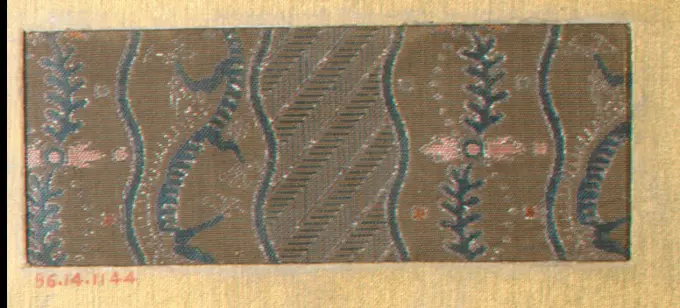
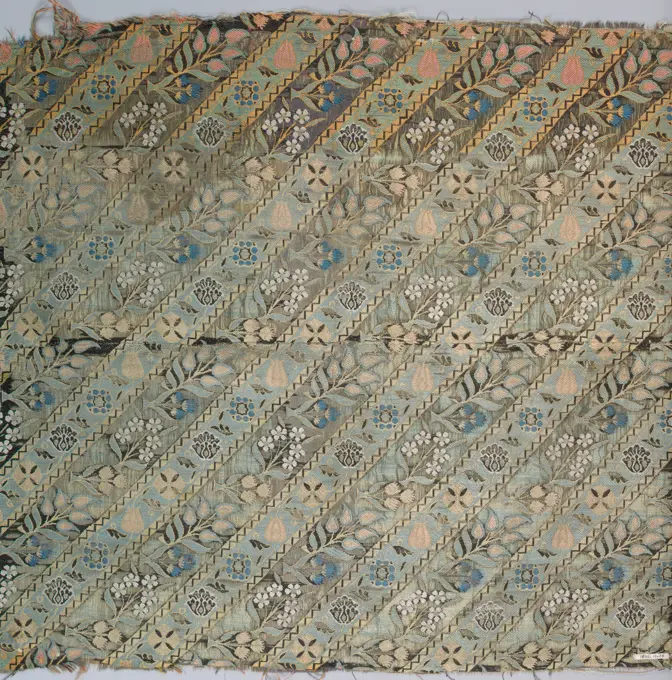
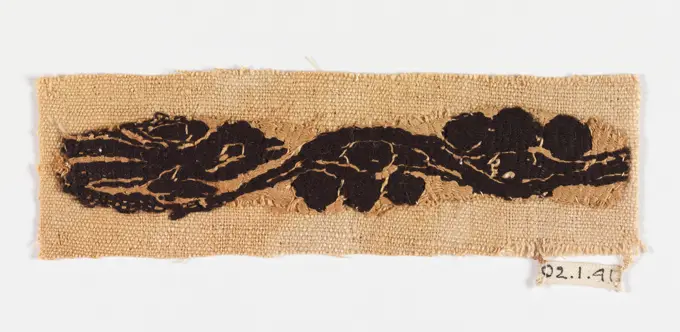
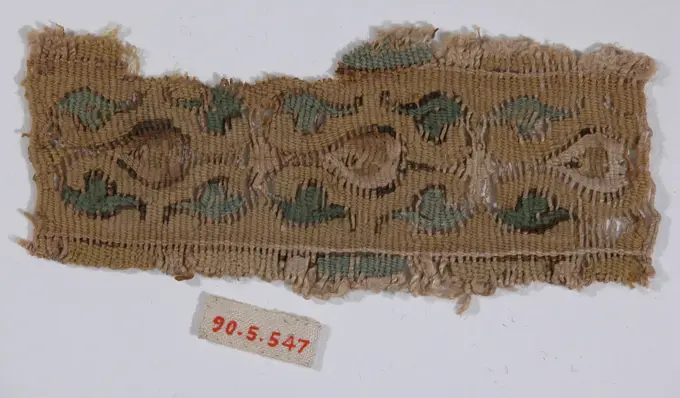
Collection of various textile fragments featuring intricate floral and geometric patterns, including Italian, Persian, and Chinese designs from the 13th to 17th centuries.
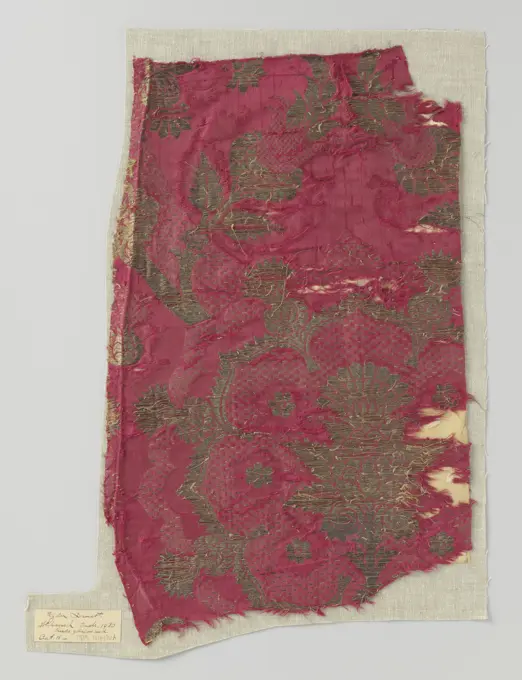
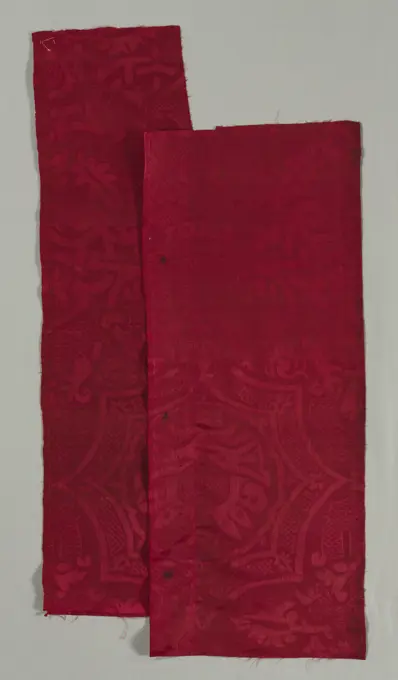
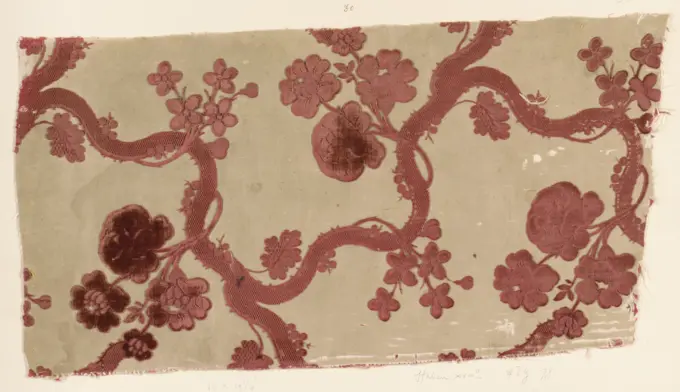
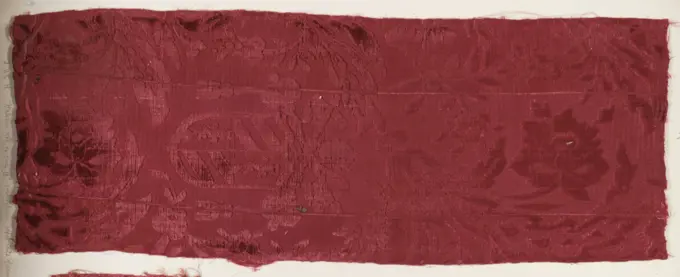
Fragment red damask brokaat with pomegranate moths, anonymous, c. 1450 - c. 1499 Fragment of red silk damask brokat with pomegranate skills. Italy silk. damask Fragment of red silk damask brokat with pomegranate skills. Italy silk. damask
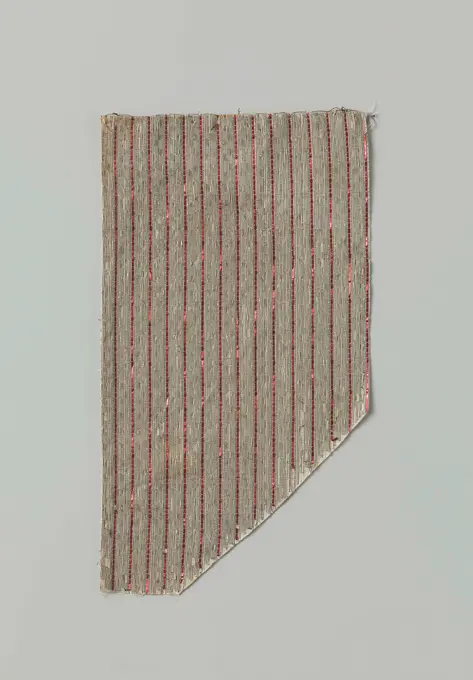
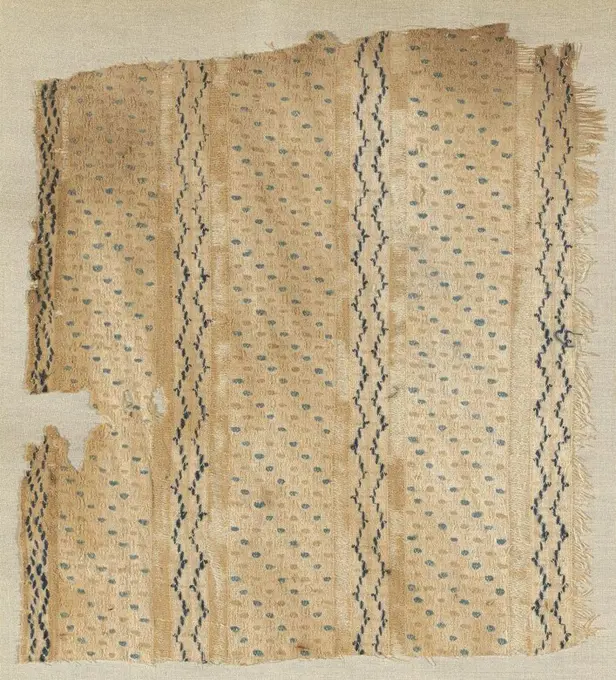
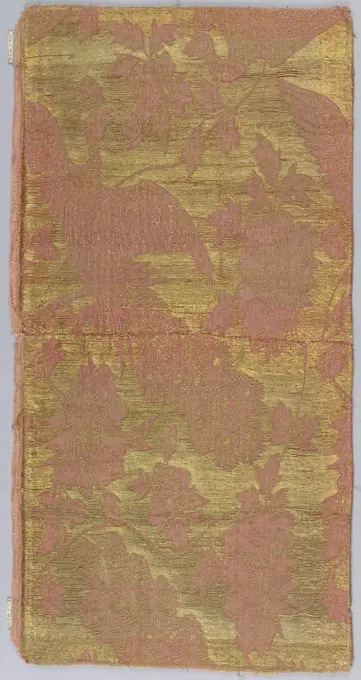
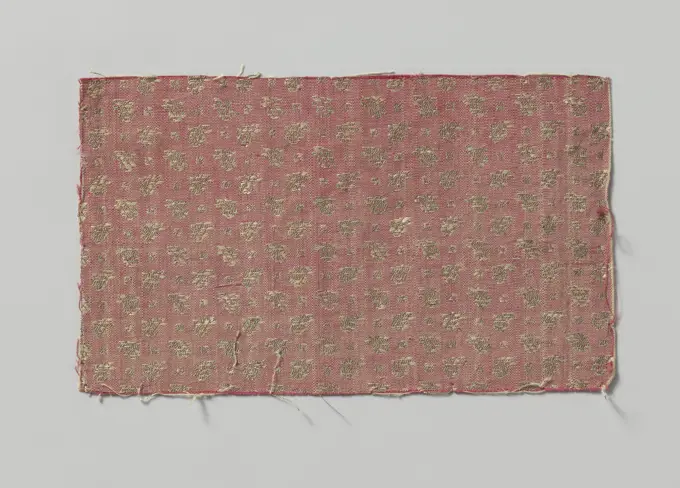
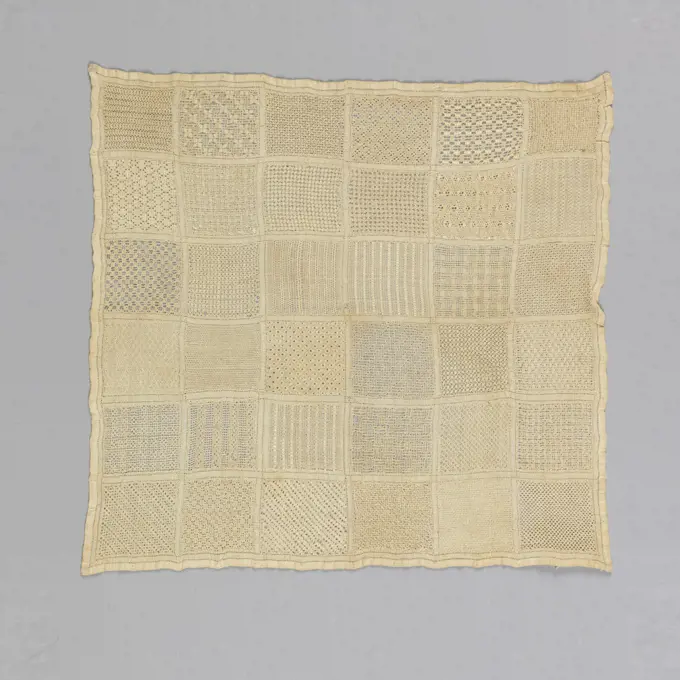
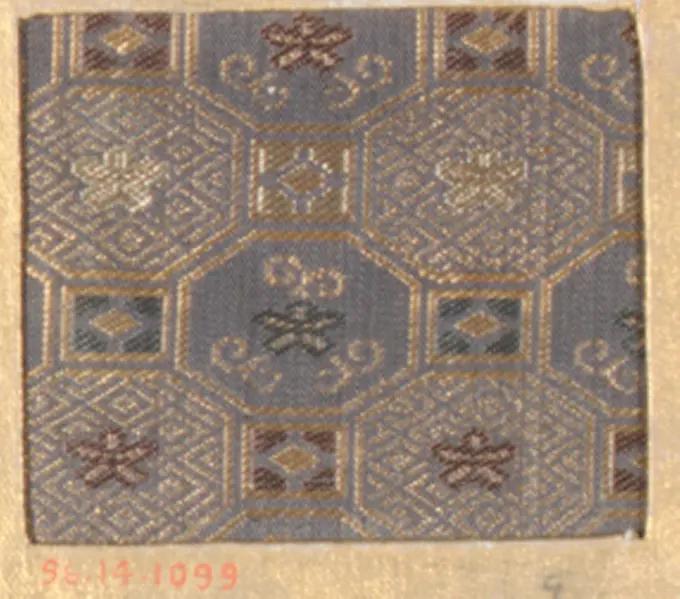
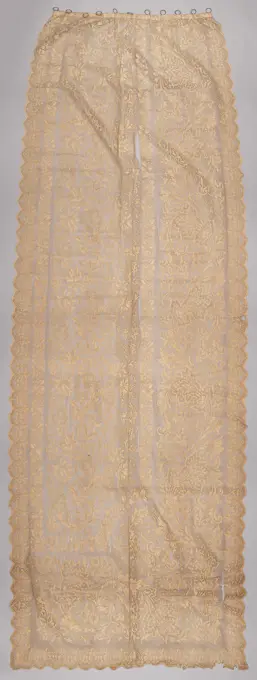
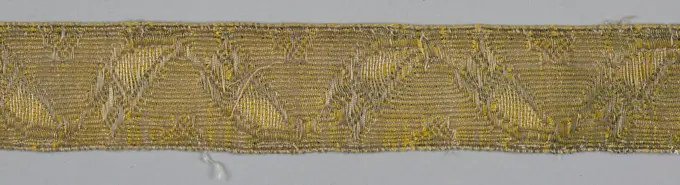
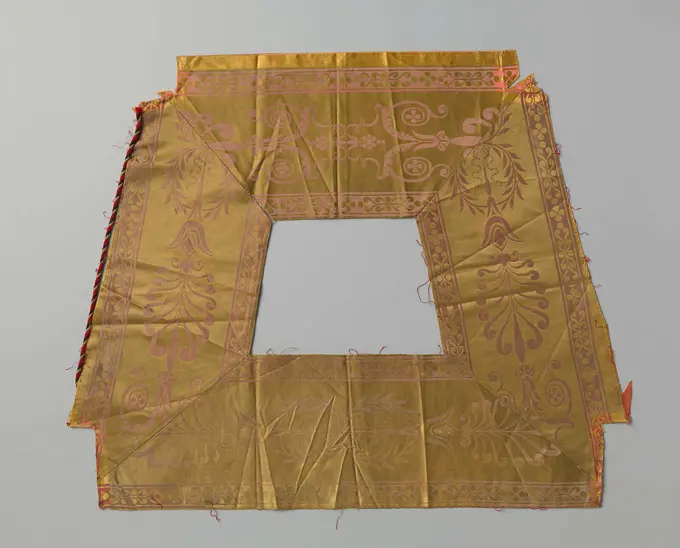
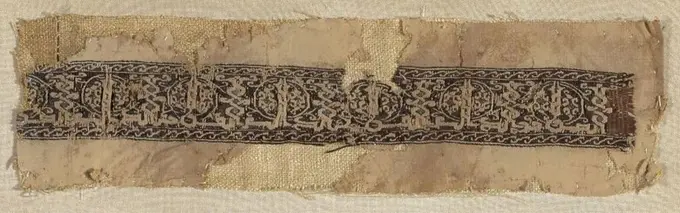
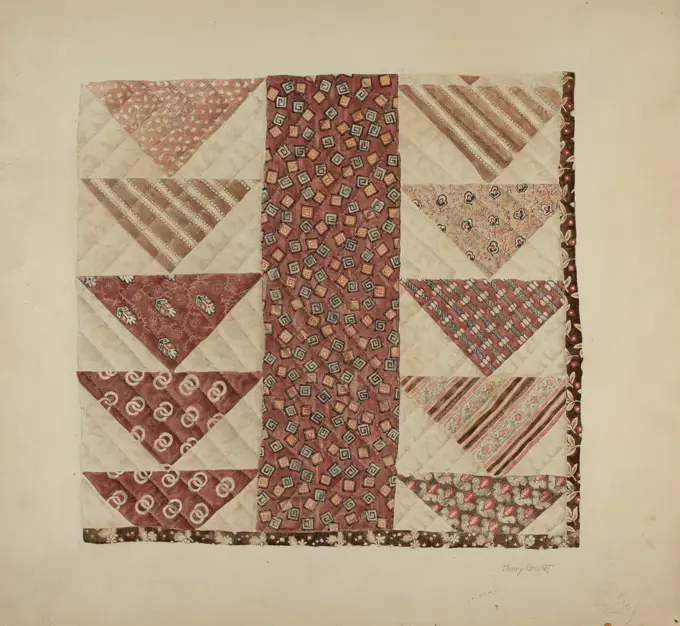
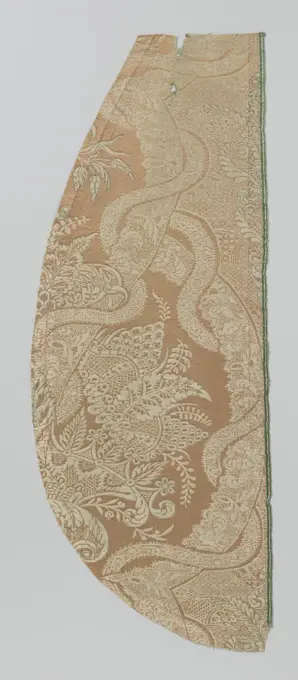
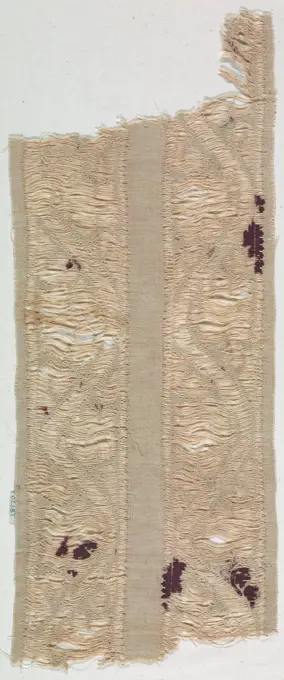
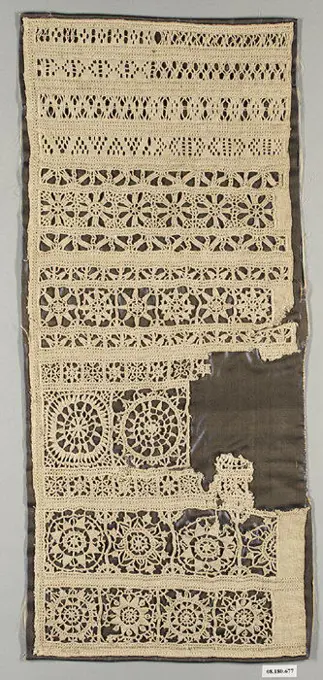
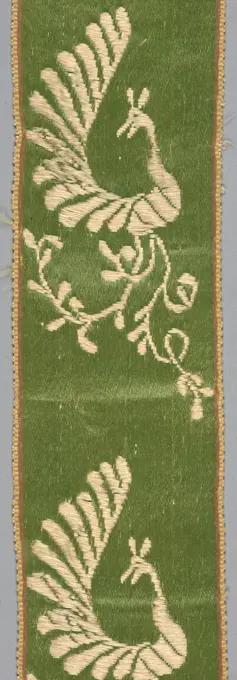
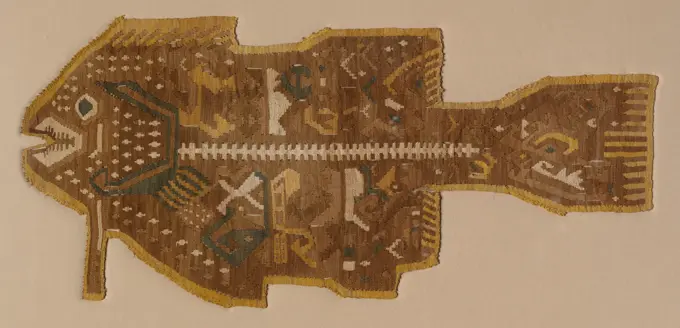
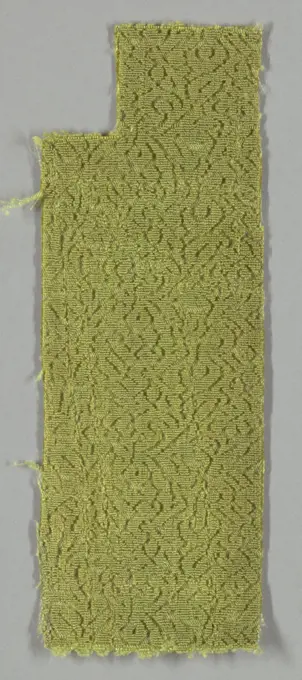
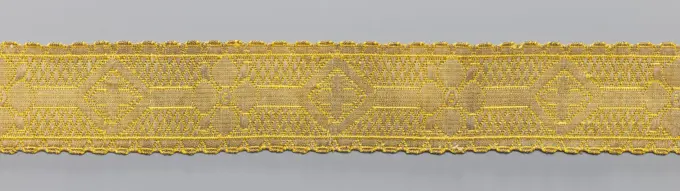
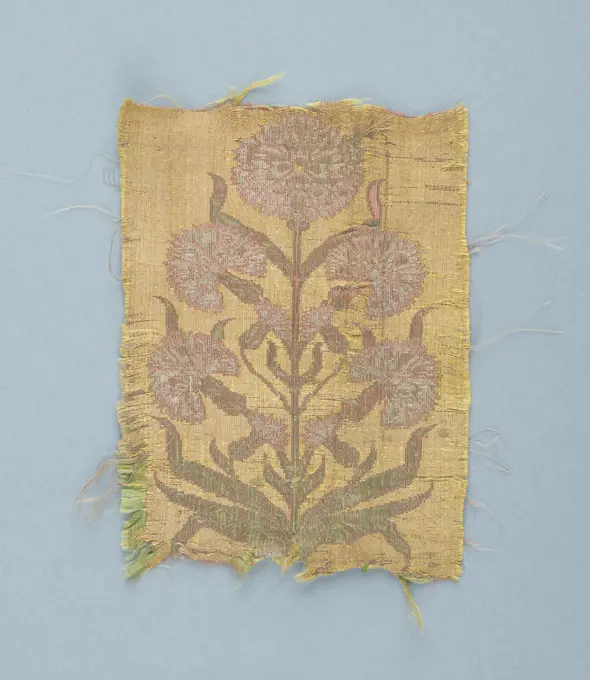
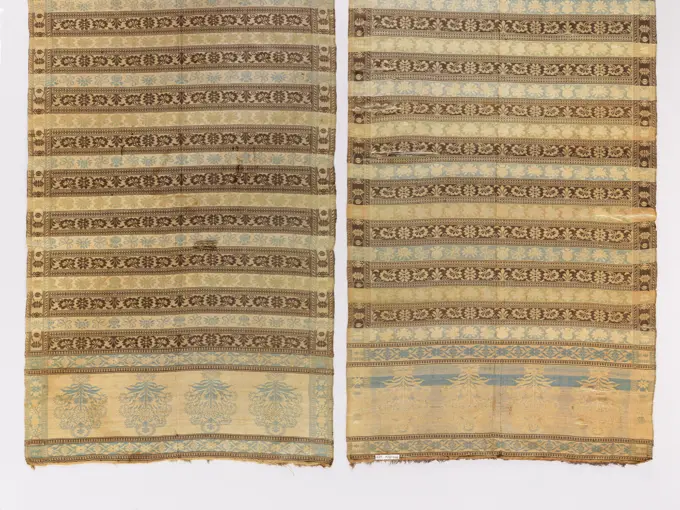
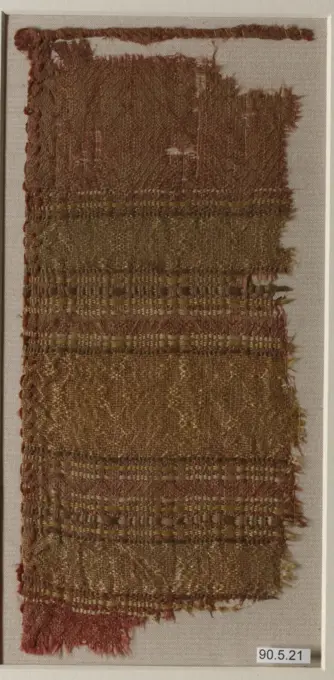
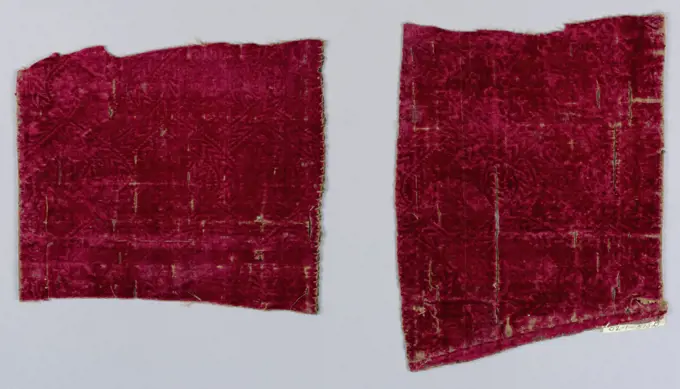
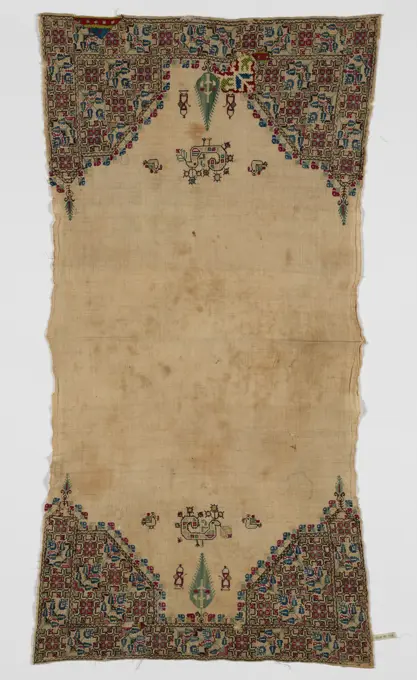
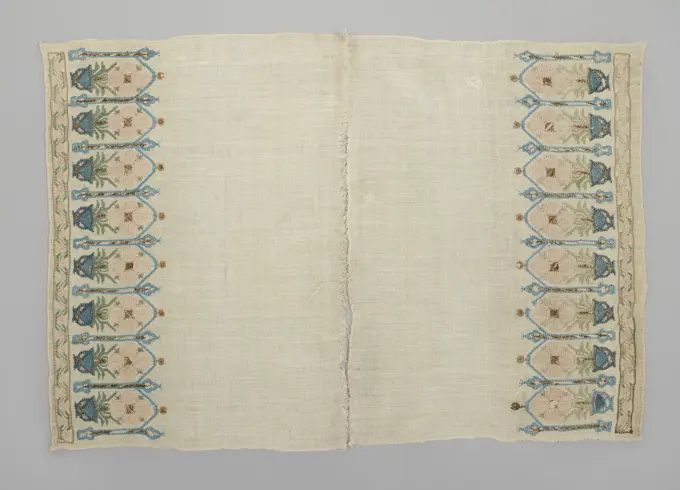
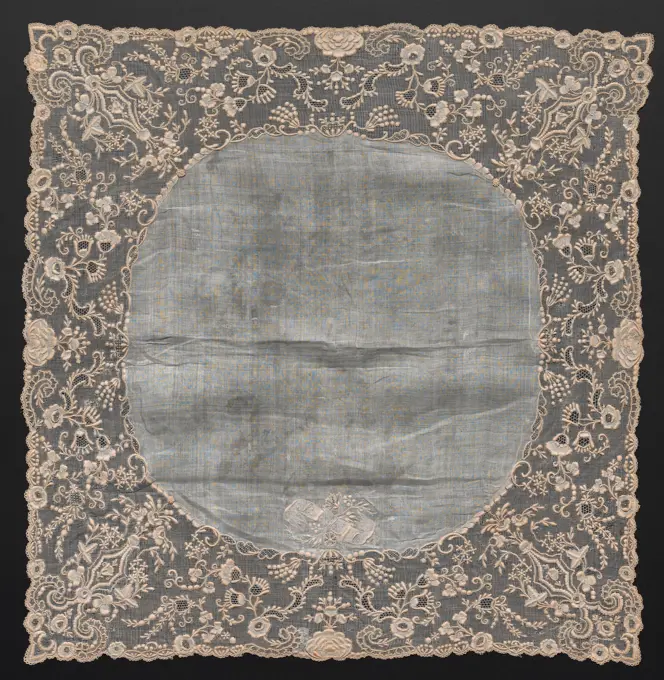
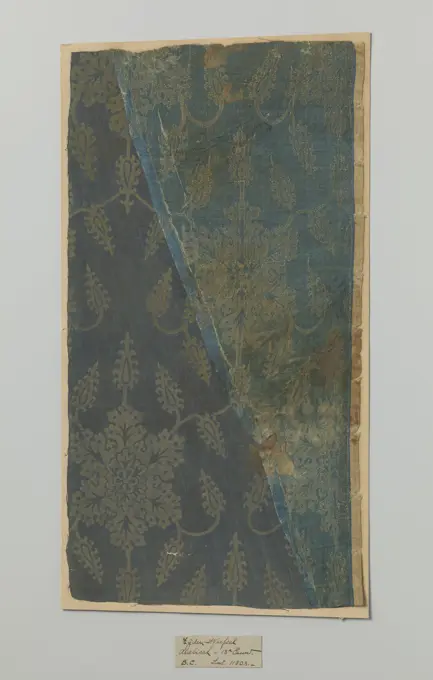
Fragment 17th century Italian. Fragment 230208Sampler; cotton; Warp x Weft: 27 x 33 cm (10 5/8 x 13 in.); Bequest of Mrs. Henry E. Coe; 1941-69-170Fragment of Persian silk fabric unknownFragment, Medium: silk, cotton, Technique: plain weave plus plain weave, Symmetrical plant forms in white on pink., Spain, 17th century, woven textiles, FragmentPiece. Culture: China. Dimensions: 3 x 4 1/4 in. (7.62 x 10.80 cm). Date: 13th-14th century. Museum: Metropolitan Museum of Art, New York, USA.Fragment red damask brokaat with pomegranate moths, anonymous, c. 1450 - c. 1499 Fragment of red silk damask brokat with pomegranate skills. Italy silk. damask Fragment of red silk damask brokat with pomegranate skills. Italy silk. damaskFragment striped silk tissue. Fragment striped silk tissue. A gray-green soil with silver color has red stripes.Sampler(Limar)Piece 17th century Japan. Piece 71926Fragments of silk fabric  belt divisions and motifs chinoiserie unknownHammock; raffia, woodFragment (Dress Fragment) Made 1601-1700 Italy. Silk, velvet; cut and uncut; plain weave foundation .Piece 16th century Spanish. Piece. Spanish. 16th century. Silk. Textiles-WovenFragment Made 1650-1700 Italy. Silk, silver gilt strips, and silver gilt strips wound around silk fiber core, plain weave with supplementary patterning and supplementary brocading wefts .Fragment; silkFragment. Egypt. Date: 900 AD-1300. Dimensions: 24.8 × 21.6 cm (9 3/4 8 1/2 in.). Linen, compound weave. Origin: Egypt. Museum: The Chicago Art Institute, Chicago, USA.Textile Fragment 17th century. Textile Fragment 454533Ribbon; 1913-26-1-a/cPiece 18th-19th century Japan. Piece 66062Fragment, Medium: silk, metallic Technique: woven, Peacocks and peonies in red and gold., Japan, 19th century, woven textiles, FragmentExcerpt Eastern textile, c. 1800 - c. 1850 Fragment Eastern textile with a scattered pattern of large and small golden stylized leaves on a red soil. In the silk. cotton (textile). Fragment Eastern textile with a scattered pattern of large and small golden stylized leaves on a red soil. In the silk. cotton (textile).Fragment, Medium: silk Technique: 4&1 satin damask, Foliate diamond grid in black., late 16th or early 17th century, woven textiles, FragmentSampler, Medium: silk embroidery on linen foundation Technique: satin, darning, eyelet, overcastting and drawnwork on plain weave, Thirty six patterns worked in embroidery and drawnwork., Mexico, 18th century, embroidery & stitching, SamplerBook cover with overall pattern of diamonds with rosettes 19th century Anonymous. Book cover with overall pattern of diamonds with rosettes. Anonymous , 19th century. 19th century. Relief print (wood or metal). PrintsPiece 18th-19th century Japan. Piece 66821Fragment blue velvet brocade with pomegranate moth, anonymous, c. 1470 - c. 1480 Fragment silk velvet brokate with pouring pomegranate in lobed contour on blue soil pattern of golden by flowers and leaves. See also A and C. Italy silk. velvet (fabric weave) Fragment silk velvet brokate with pouring pomegranate in lobed contour on blue soil pattern of golden by flowers and leaves. See also A and C. Italy silk. velvet (fabric weave)Fragment, Medium: silk Technique: cut supplementary warp pile (velvet) in a plain weave foundation, Small fragment of brown cut velvet in a lattice design containing small stylized sprigs., Italy, 16th-17th century, woven textiles, FragmentTextile LengthVitrage of machining with ascending flower and leaf reflections within three shelter beads. Vitrage of machining. The pattern has ascending flower and leaf reflections within three shelter beads. The net curve has sudden rings.Fragment green silk brocade. Fragment green silk with pattern in gold from palmettes in rows alternately bent left and right. Between the rows of a continuous silver weft.Handkerchief with embroidered weapons by Bosch Reitz and Teding van Berkhout, Anonymous, 1859 Natural Batist handkerchief with woven stripes and a motif in embroidery: whitework. The embroidered motive concerns the alliance weapons of Bosch Reitz and Teding van Berkhout. Embroidery technology: satin stitch, steel stitch, stitch stitch, sandstick, and shade flan stitch. Weapons: The weapons are leaning diagonally against each other and are crowned jointly by a helmet sign with Blaker, which is flanked by Acanthus leaves. On the coat of arms of Bosch Reitz there are two stars above a French lily. On the weapon of Teding van Berkhout are kepers and a swan. Netherlands (possibly) linen (material) embroidering Natural Batist handkerchief with woven stripes and a motif in embroidery: whitework. The embroidered motive concerns the alliance weapons of Bosch Reitz and Teding van Berkhout. Embroidery technology: satin stitch, steel stitch, stitch stitch, sandstick, and shade flan stitch. WeaponsFragment, Medium: silk, metallic, cotton Technique: plain weave with supplementary weft bound in plain weave., Two fragments sewn together. Symmetrical arrangement of plant forms., 17th century, woven textiles, FragmentTissue unknownRibbon (France)Fragment silk tissue of a seat cladding .. Fragment yellow silk tissue, of a chair covering. The pattern has pink palmets and arabesken on a yellow ground. The fragment belongs to thirteen fragments with Invnr. BK-1992-18-A T / M BK-1992-18-m.Altar rug from Linnamast with a border bobbin with very thin tan with C-shaped splits and buttons, anonymous, c. 1650 - c. 1699 Altar rug from Linnamast with a pattern of clovers four. Rectangular model. On one side a strip is sewn from Kloskant, Old Flemish side. The repeating and continuous pattern consists of a very thin rank with a lot of C-shaped splits and with small oval buttons or berries at the ends. The rank is made in a grid, a five -piece ground. The very sparingly applied fullwork is made in linen battle, where the openwork edges are approximately the same wide as the fullwork. The top of the strip is sewn straight on the fringes of the damask. The bottom is straight finished with picots. The short sides are finished with a zoompje. A tribute runs around the damask, except for the fringes. Southern Netherlands linen (material) bobbin lace / old Flemish lace Altar rug from Linnamast with a pattern of clovers four. Rectangular model. On one side a strip is sewn from KloskantBorder. Coptic; Egypt. Date: 1101-1200. Dimensions: 24.1 × 6.4 cm (9 1/2 × 2 1/2 in.). Linen and wool, slit tapestry weave. Origin: Egypt. Museum: The Chicago Art Institute, Chicago, USA.Fragment, Medium: wool pile on linen Technique: cut velvet, Fragment of striped wool velvet showing broad stripes of blue and rose with narrow stripes of tan, rose, yellow, and blue., Belgium, 17th century, woven textiles, FragmentSilk Fragment, 16th century. Spain, 16th century. Fancy satin weave: silk; average: 99.1 x 26.7 cm (39 x 10 1/2 in.).Textile Fragment 3rd-4th century. Textile Fragment 443564Henry Granet, Patchwork Quilt (Section), c 1938 Patchwork Quilt (Section)Fragment Zijdelampas, Anonymous, c. 1720 - c. 1730 Fragment silkelama pass, more or less hemisphere, with lace pattern and flower and leaf work, mirror image of BK-NM-3639-A. Italy Ketting an element: Silk lampas (textile material) Fragment silkelama pass, more or less hemisphere, with lace pattern and flower and leaf work, mirror image of BK-NM-3639-A. Italy Ketting an element: Silk lampas (textile material)Fragment (Egypt); warp: s-spun linen. weft: s-spun linen; s-spun woolFragment of the decorative belt tunics or bedspreads; Egyptian workshop; VIII-IX century (701-00-00-900-00-00);Piece 18th-19th century Japan. Piece. Japan. 18th-19th century. Silk. Textiles-WovenFragment 18th century Italian. Fragment 215027Piece 18th-19th century Japan. Piece 66863Textile Fragment 5th-6th century. Textile Fragment 444233Textile Fragment 10th century. Textile Fragment 448327Piece 18th-19th century Japan. Piece. Japan. 18th-19th century. Silk. Textiles-WovenFragment of Coptic fabric unknownTextile FragmentTextile, Medium: cotton Technique: roller printed, Fragments from a dress. Semi-transparent cotton with self-stripe printed with scattered, widely-spaced naturalistic rosebud in multicolor. Three blue threads in selvages., England, ca. 1835, printed, dyed & painted textiles, TextileFragment (Iran); silk, metallicCotton bedspread with Zaans Sticwork and embroidery; Fils Tirés, Anonymous, c. 1700 - c. 1899 Cotton bedspread with embroidery and stitching. In the middle, the pattern has a circle within which a overhoek squared around around which four palmets, separately separated by a shell and a pineal. The soil is filled with flowers and leaves around the circle. In the corners, the pattern has pine cone motifs and leaves.  cotton (textile) embroidering Cotton bedspread with embroidery and stitching. In the middle, the pattern has a circle within which a overhoek squared around around which four palmets, separately separated by a shell and a pineal. The soil is filled with flowers and leaves around the circle. In the corners, the pattern has pine cone motifs and leaves.  cotton (textile) embroideringBand Fragment (Egypt); medium:warp; s-spun linen. wefts; s-spun linen, s-spun woolFragment. Japan. Date: 1601-1700. Dimensions: 16.6 x 20 cm (6 9/16 x 7 7/8 in.). Plain compound twill, silk and gilt paper; 3 strips to m.m. Origin: Japan. Museum: The Chicago Art Institute, Chicago, USA.Textile Fragment 5th century. Textile Fragment 444033Fragments (Italy); silk, metallicPiece early 19th century Japan. Piece 65947Fragment 16th-17th century Italian. Fragment 230610RibbonFish-Shaped Applique, 1400-1532. Central Andes, Central Coast, Ychsma (Pachacamac) people. Cotton and camelid fiber, tapestry weave with areas of eccentric weft floats; overall: 26 x 56.5 cm (10 1/4 x 22 1/4 in.); mounted: 32.4 x 62.9 cm (12 3/4 x 24 3/4 in.). This fish-shaped textile, a complete weaving with 33 finished edges, was stitched with others like it to a mantle, a shawl-like garment that was a staple of ancient Andean wardrobe. The partial x-ray view,” which emphasizes the bony white teeth and spine, is unique to the style of the Ychsma (yeach-mah), who lived on Peru’s central coast. Marine imagery may relate to both subsistence and religious concerns—at least some coastal people of the period conceived of the sea as a deity.Fragment Made 500 CE-800 CE Peru. Cotton, plain weave double cloth; edged with cotton, plain weave .Kontusz sash/belt. Królewska manufaktura jedwabna w Grodnie (Grodno; wytwórnia tkanin jedwabnych i pasów; 1768-1780), manufactureTextile Fragment 6th century. Textile Fragment 444083Fragment, Medium: silk Technique: uncut supplementary warp pile (velvet), Fragment of chartreuse green uncut velvet on silk ground of same color. Intricate design of closely spaced, tiny flowering branches in varied forms alternating in direction., Italy, early 17th century, woven textiles, FragmentBed Cover (Spain); linen, wool; 1952-65-2Stop patch of linen, with multi -colored embroidery, 1758 Stop patch with embroidery. The embroidery has the year 1758 and the ICL initials in a square, with various stops around it.  linen (material) embroidering Stop patch with embroidery. The embroidery has the year 1758 and the ICL initials in a square, with various stops around it.  linen (material) embroideringBecause, right, of brown wool, without a thumb, anonymous, c. 1610 - c. 1670  Because, right, of brown wool, without a thumb, on which a repair piece sewn from the same tissue. Rectangular piece of tissue that is folded in the middle and sewn on the edges, with a space saving for the thumb. Woven in twill binding with nine Z-beaten chain wires and six S-slammed impact wires per centimeter.  wool   Spitsbergen. SmeerenburgGallon;  18th-19th century (1701-00-00-1900-00-00);Hugh Clarke, Piece of Homespun Wool, c 1938 Piece of Homespun WoolTestlap of fillet side with thirty through -stop variations, anonymous, c. 1900 Testlap of natural -colored lace -ups, fillet side, with thirty through -stop variations. It concerns two strips that are attached to a piece of thick paper. Netherlands paper. embroidering Testlap of natural -colored lace -ups, fillet side, with thirty through -stop variations. It concerns two strips that are attached to a piece of thick paper. Netherlands paper. embroideringFragment, Medium: Linen Technique: bobbin lace (Lille-style with heavy outlining thread), Fragment of Lille type bobbin lace., 19th century, lace, FragmentFragment of fabric brocaded with gold unknownConciliate belt;  End of the 18th century (1791-00-00-1800-00-00);Textile Fragment 13th century. Textile Fragment 443601Fragment, Medium: cotton Technique: block printed and/or painted on plain weave Label: block printed on cotton plain weave, Coarse red cotton is printed in saffron yellow and silver shows scrolled floral border and a row of cone-shaped trees, each tree has a large bird in it. Trees and birds are drawn in silver only. Design may be painted or block printed or both., India, 17th century, printed, dyed & painted textiles, FragmentFragment, Medium: silk Technique: supplementary warp forming raised pile (velvet); then embossed, Embossed pattern of interlaced straps on red velvet., 16th-17th century, woven textiles, FragmentConciliate belt; Royal Manufacture of Jedwabna in Grodno (Grodno; Silk fabric and belt fabric factory; 1768-1780); 1768-1780 (1768-00-00-1780-00-00);Fragment of a Ship Flag. Large fragment of a ship flag, blue with a yellow Scandinavian cross and a forked flight. In the upper neck presumably a royal crown. With double notch on the flight side. This Swedish flag was loved by Admiraal van Wassenaer Obdam in the Sons on November 8, 1658.Fragment 18th century Italian. Fragment 230223Fragment, Medium: Technique: printed, USA, 19th century, printed, dyed & painted textiles, FragmentFragment Made 1601-1650 Italy. Silk, warp-float faced satin weave self-patterned by reversing of faces (satin damask) .Sampler (Mexico); silk embroidery, linen foundationSteel linen with a start of cut work with wheels and squares as an example of this technique with matching fragment, anonymous, c. 1925 - c. 1929 sample Steel natural-colored linen with lace plunger: Reticella in open sewing technique (cut work). Study material. In the coarse linen, a start has been made of a geometric pattern with four rows of open work, as an example of this technique. In a diagonal line there are wheels around three intersections, one wheel per intersection, made by oming chain and impact wires with feston stitches. The spanning threads with which the wheels are formed are also formed with Feston stitches Omnaid. In six openwork squares there is a wheel per square in a network of non -fested spanneries. To the right of the pattern you can see how chain threads (vertical) and impact wires (horizontally) are partly cut and pulled out. A start has been made with the festival of the bundles of impact wires that are left. The linen is finished with hems along which an edTowel 18th century. Towel. 18th century. Linen, silk; plain weave, embroidered. Attributed to Albania, probably Argyrokastro. Textiles-EmbroideredChair Seat Cover (USA); linenTextile Fragment 5th-6th century Coptic. Textile Fragment 475228Tapa cloth, Medium: bark (bronssetia) Technique: printed, Two thicknesses of bark cloth, white, printed in grey and yellow in lozenge and zigzag pattern., Pacific Islands, 19th century, non-woven textiles, Tapa clothEnding towel Peszkir unknownFragment, Medium: silk, metallic yarns Technique: compound twill weave with discontinuous supplementary weft patterning (brocade), Fragment of woven silk with a repeating pattern of a bird perched on a branch of roses arising from a mound. In pale blue, green, and pink silks on a silver metallic ground., Persia, present-day Iran or India, 17th century, woven textiles, FragmentFragment 17th-early 18th century Italian. Fragment 230438Piece 18th century French. Piece 229700Sampler, Medium: linen Technique: embroidered with drawnwork, Sampler with sixteen squares of drawnwork with embroidery., Mexico, late 18th-19th century, embroidery & stitching, SamplerHandkerchief, early 1800s. France, early 19th century. Embroidery: linen; overall: 48.2 x 48.8 cm (19 x 19 3/16 in.).Fragment sides atine, anonymous, c. 1900 Fragment blue silk with pattern in yellow of rosettes formed by leaf work connected by winding leaf vines. Pattern is signed. AzendaRAchtsman: Krefeld silk Fragment blue silk with pattern in yellow of rosettes formed by leaf work connected by winding leaf vines. Pattern is signed. AzendaRAchtsman: Krefeld silkFabric fragment. unknown, authorPiece 18th century Japan. Piece 71508Piece 18th-19th century Japan. Piece 67094