Historic Textile Fragments

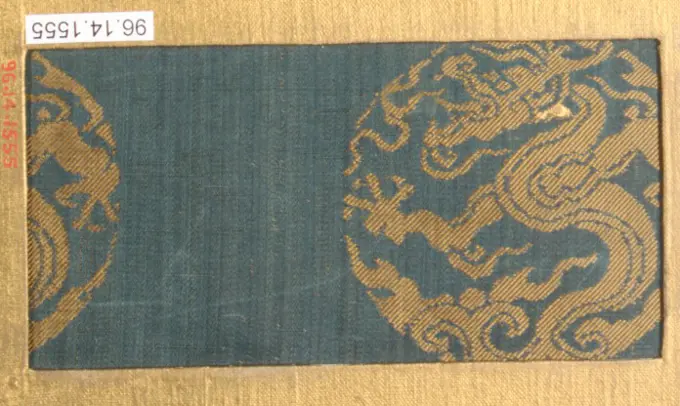
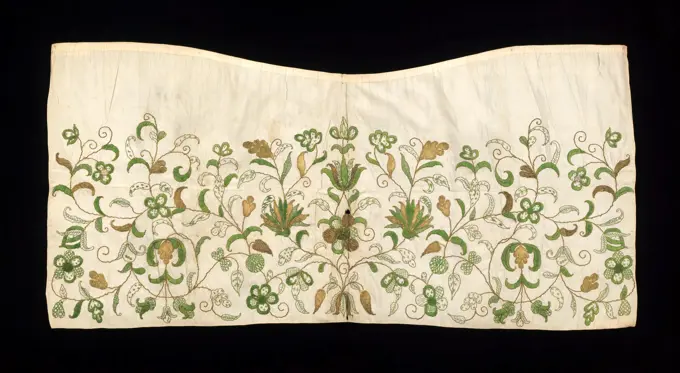
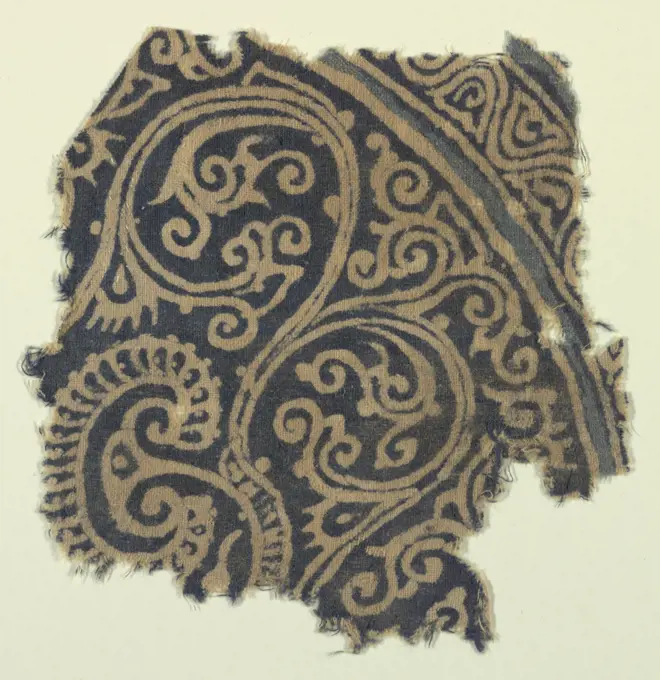
Collection of fabric fragments showcasing intricate patterns and motifs, including floral and leaf designs in silk and linen from various historic origins.

Fragment yellow side with leaf motif in yellow and red, anonymous, c. 1580 - c. 1600 Fragment of yellow -green silk with pattern of stylized flower branches in rows to the left and to the right. Italy silk. metal thread Fragment of yellow -green silk with pattern of stylized flower branches in rows to the left and to the right. Italy silk. metal thread
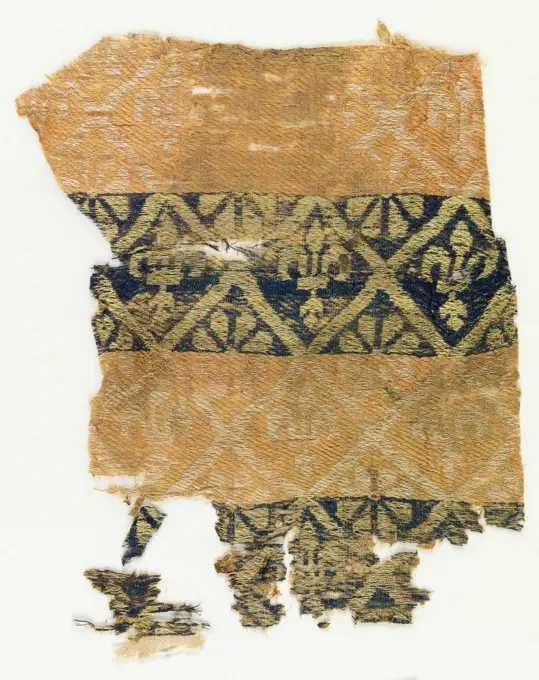
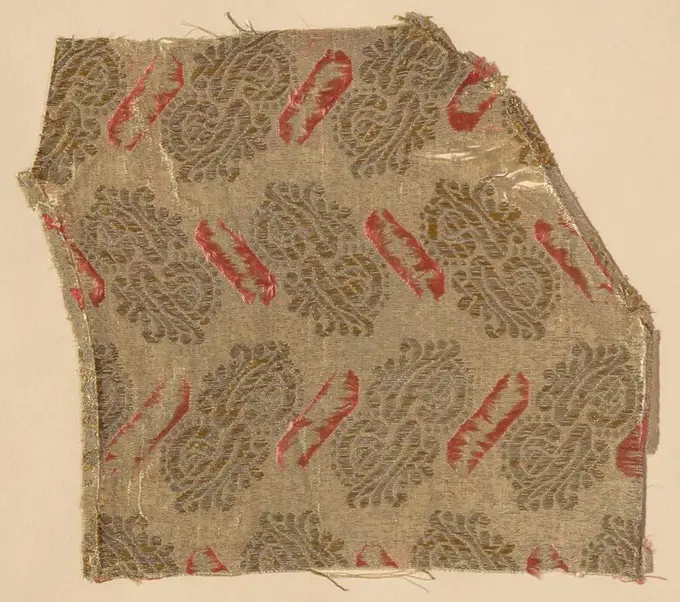
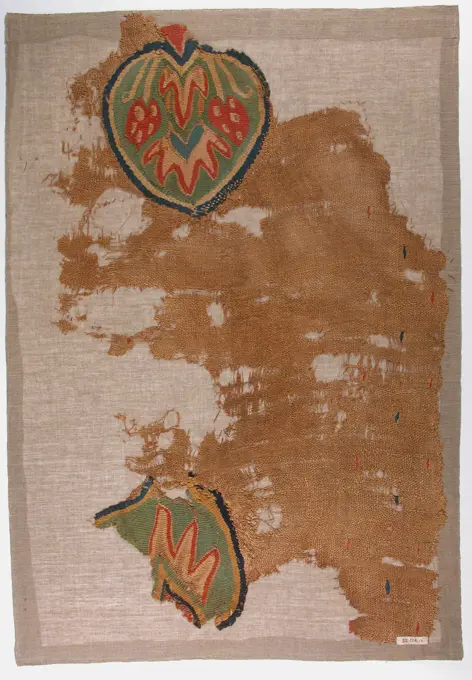
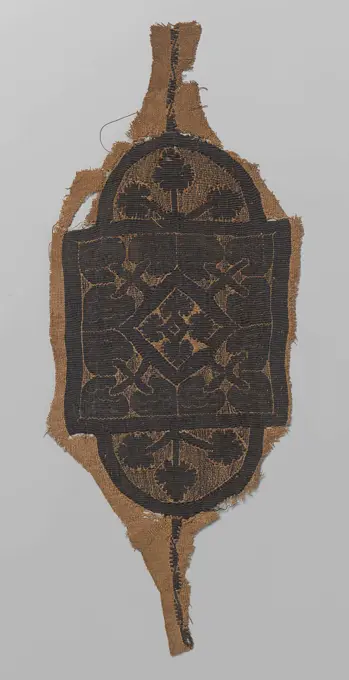
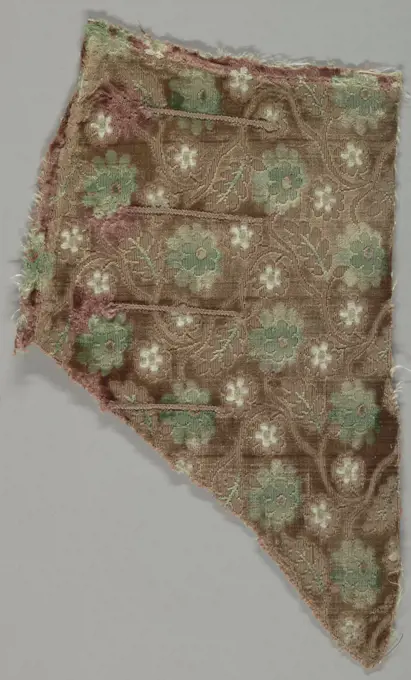
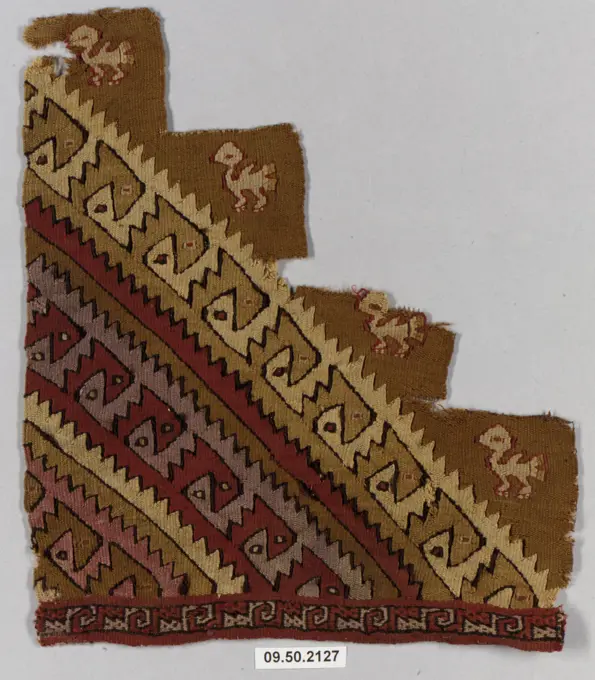
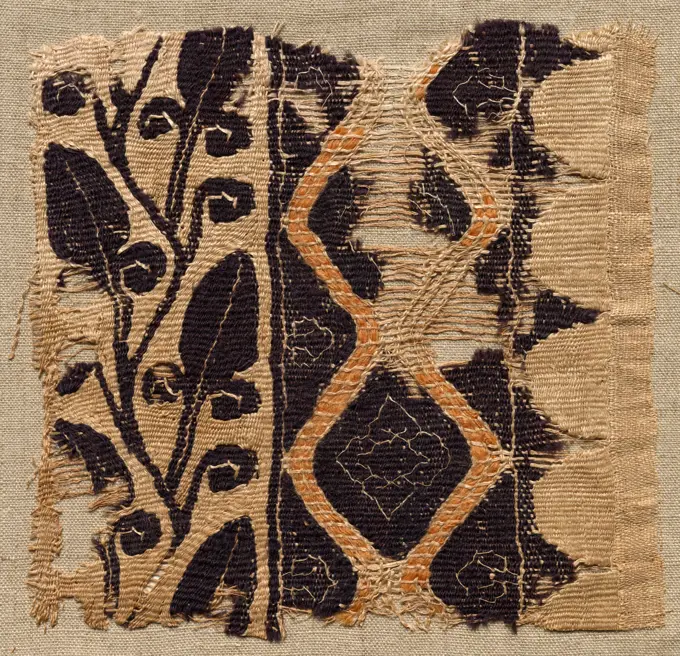
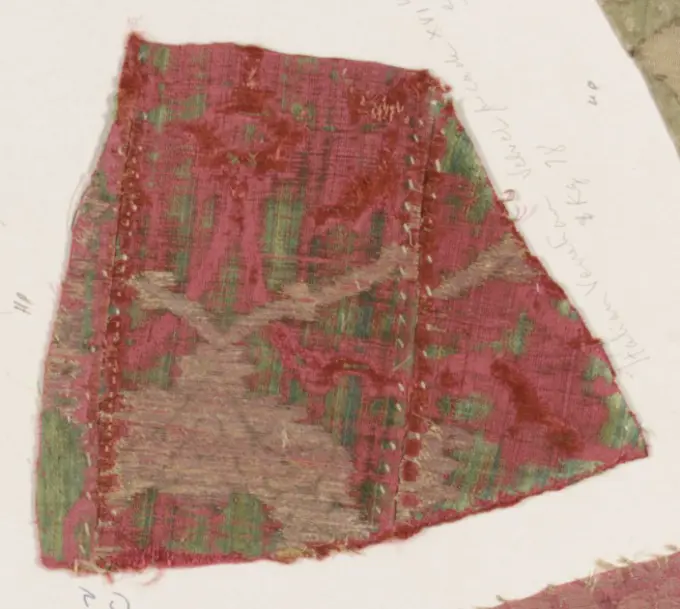
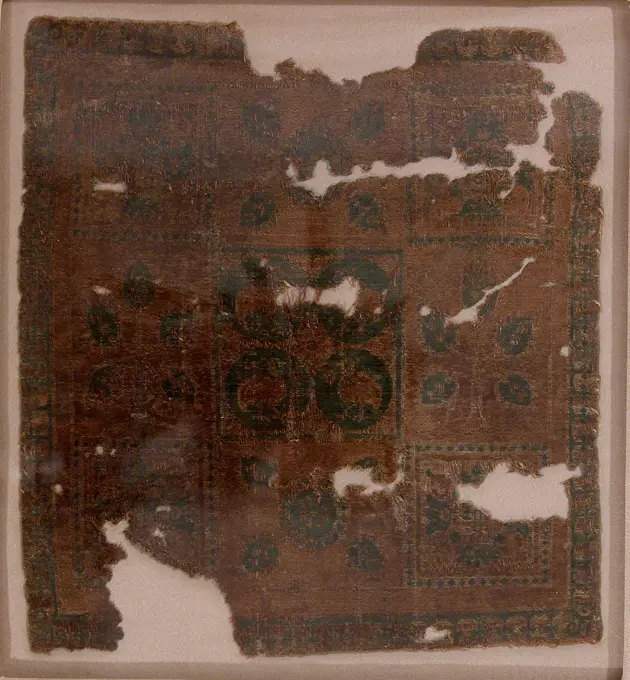
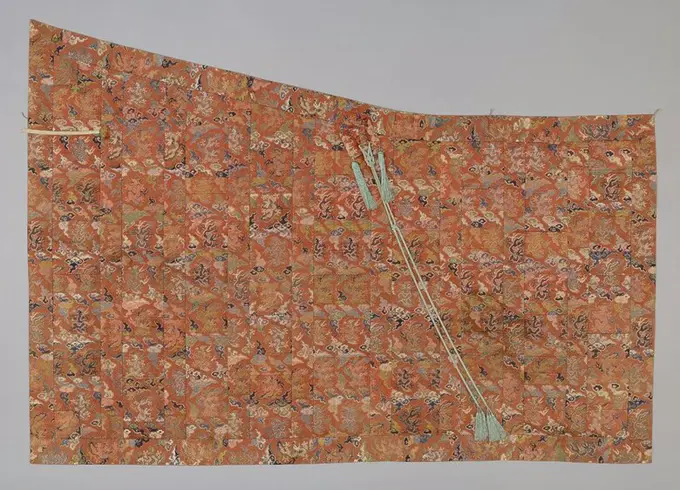
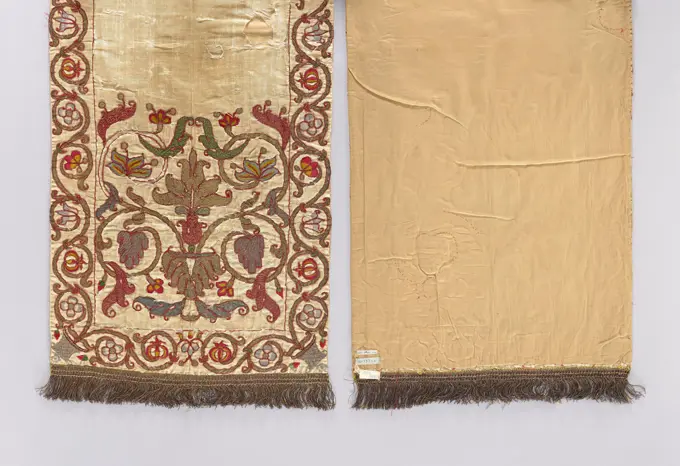
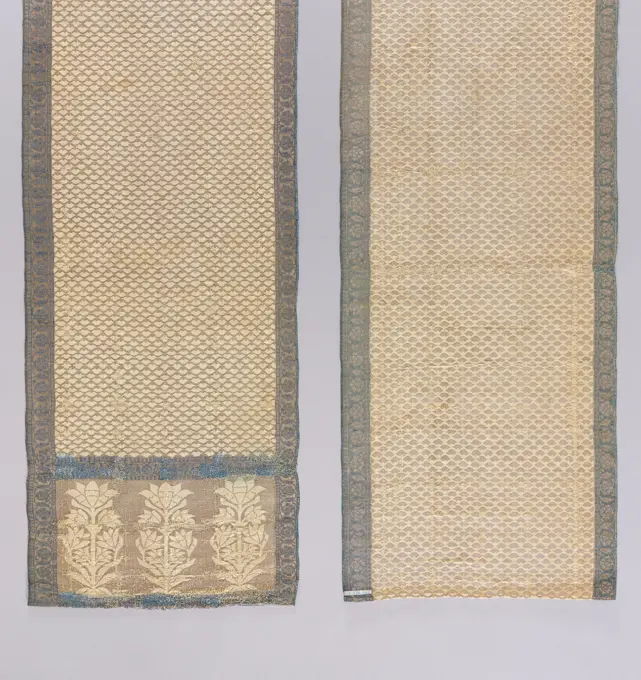
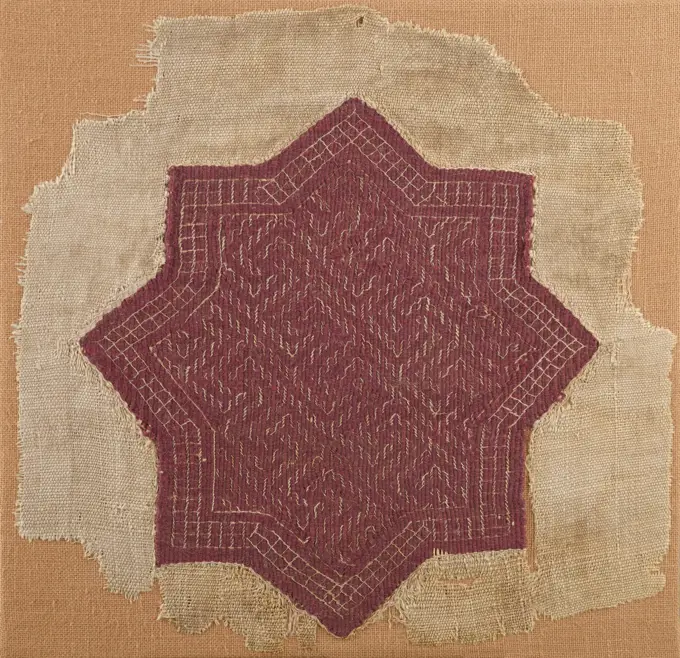
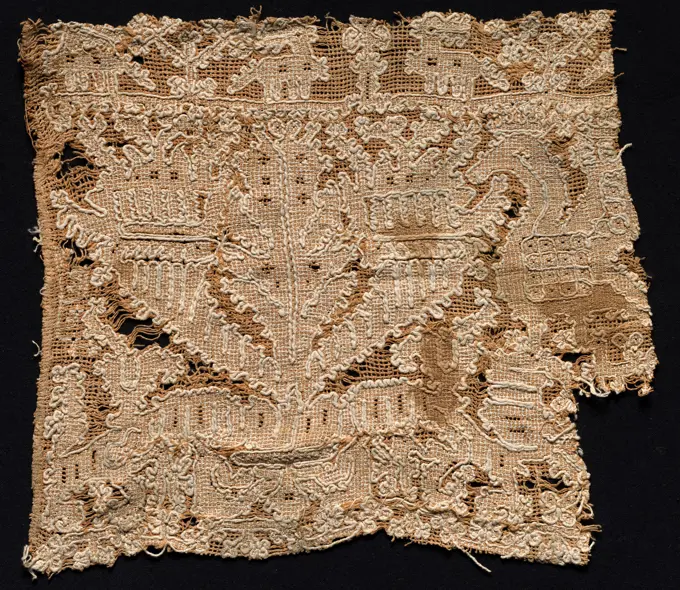
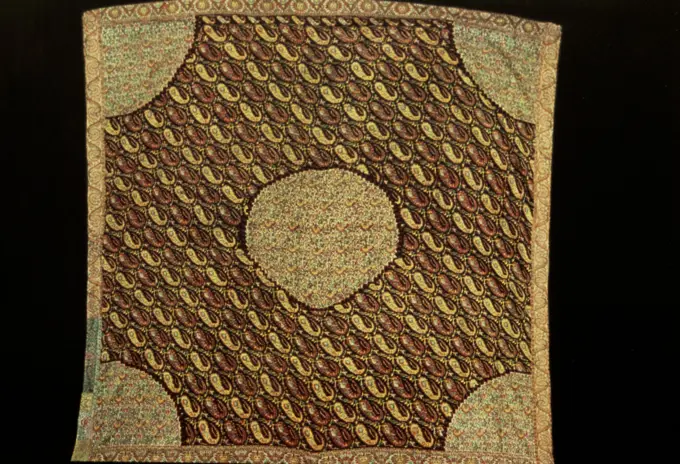
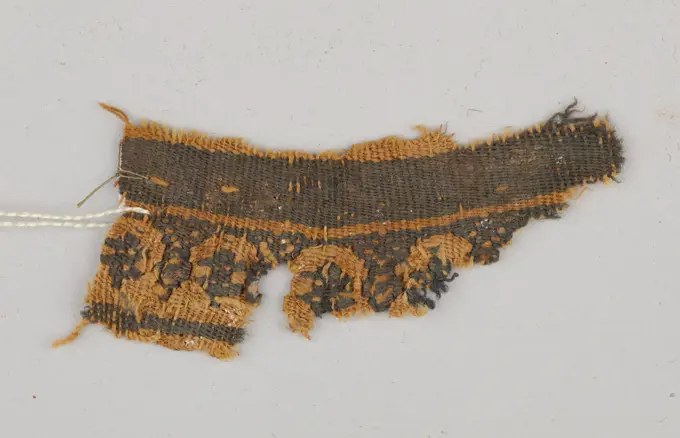
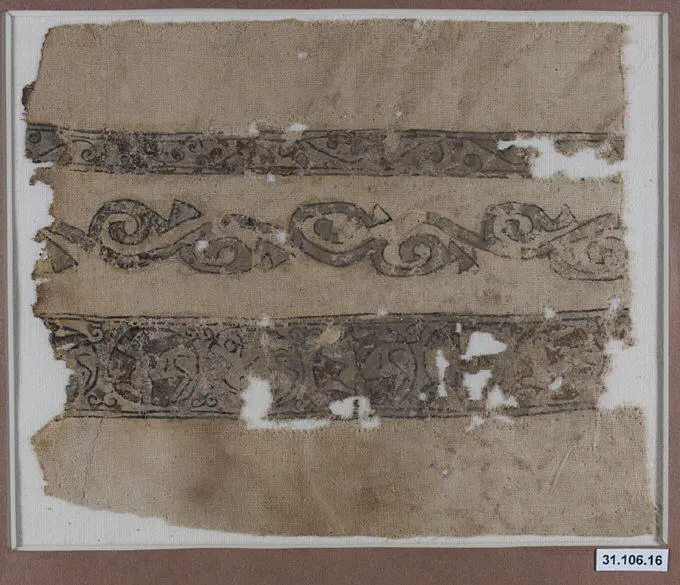
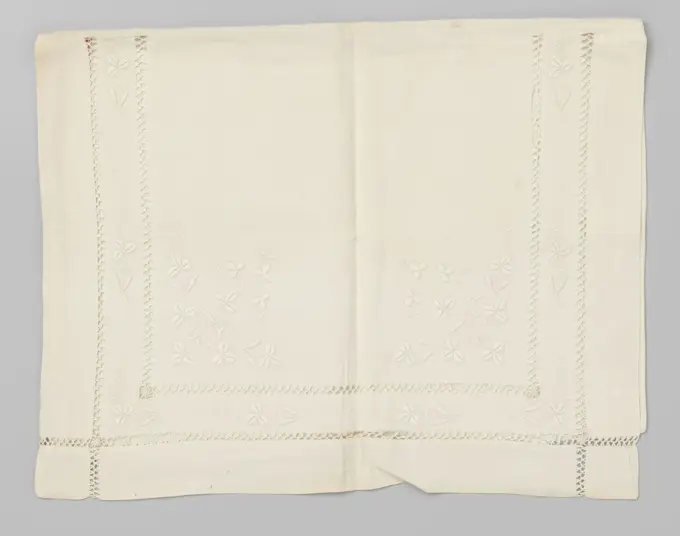
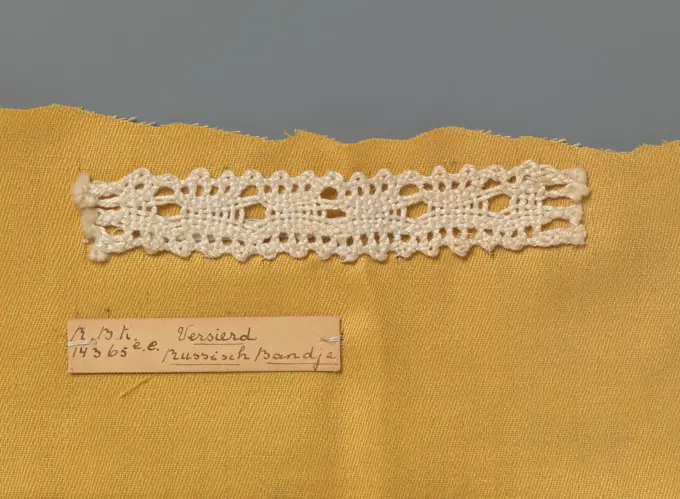
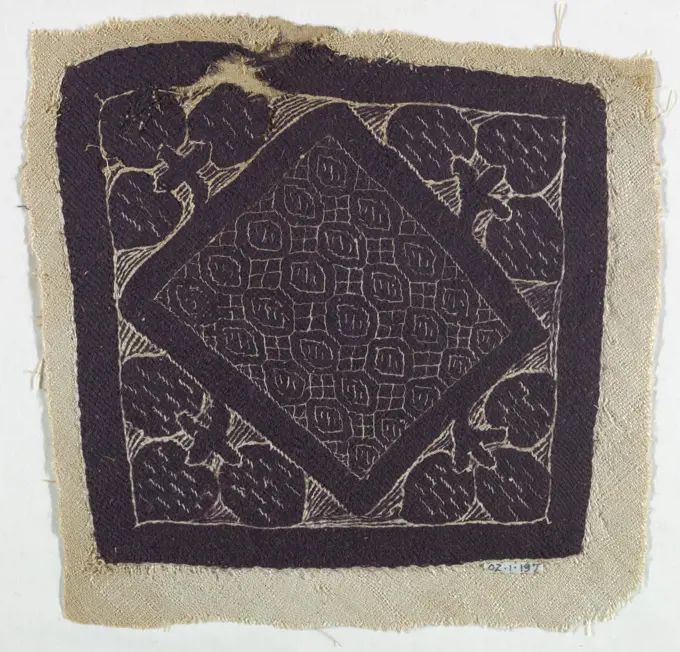
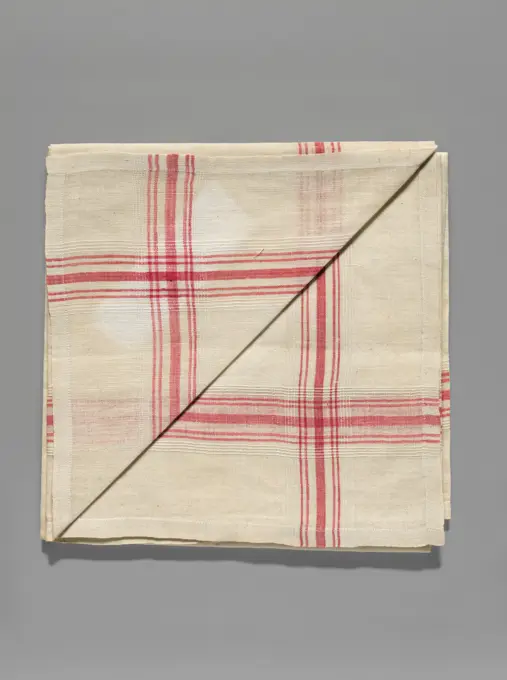
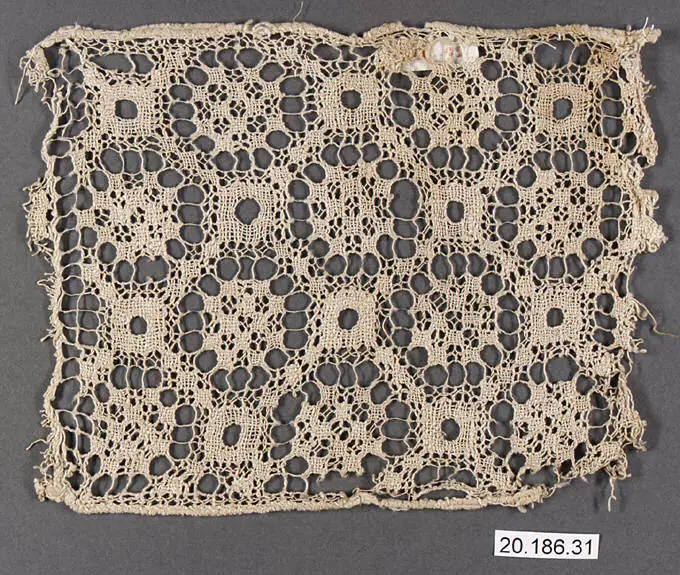
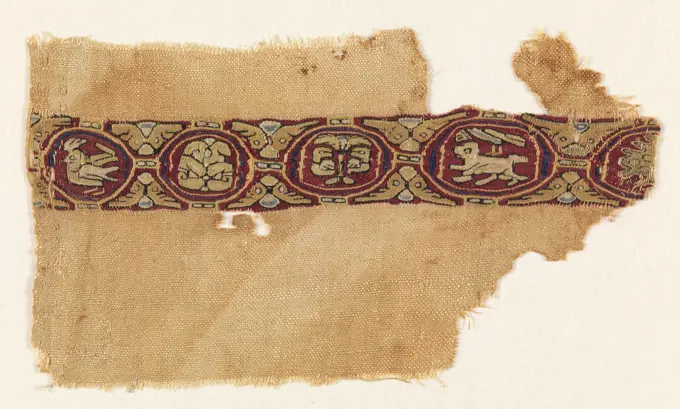
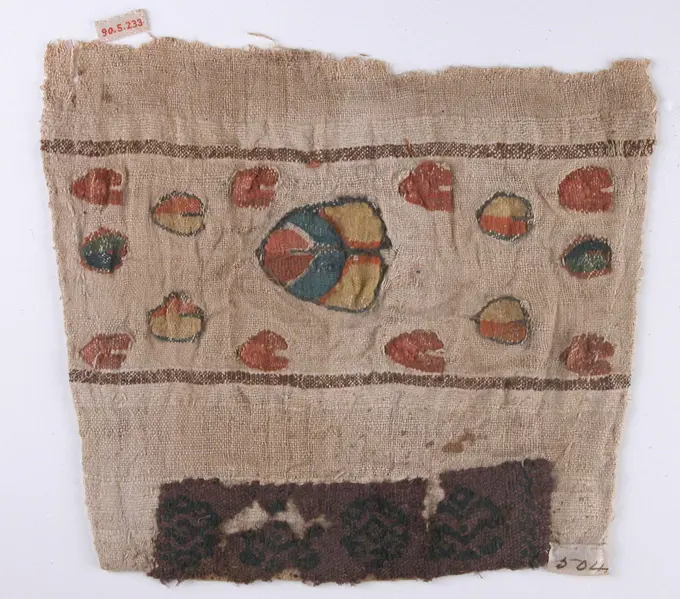
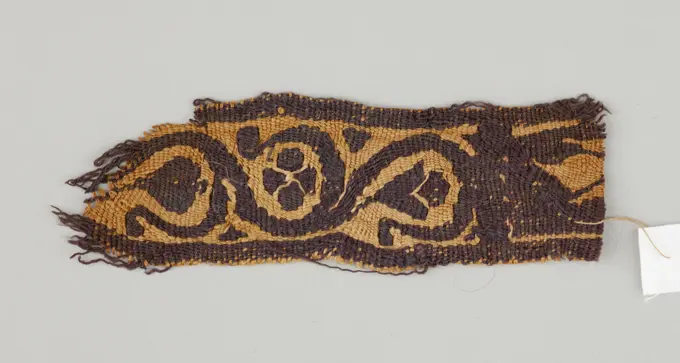
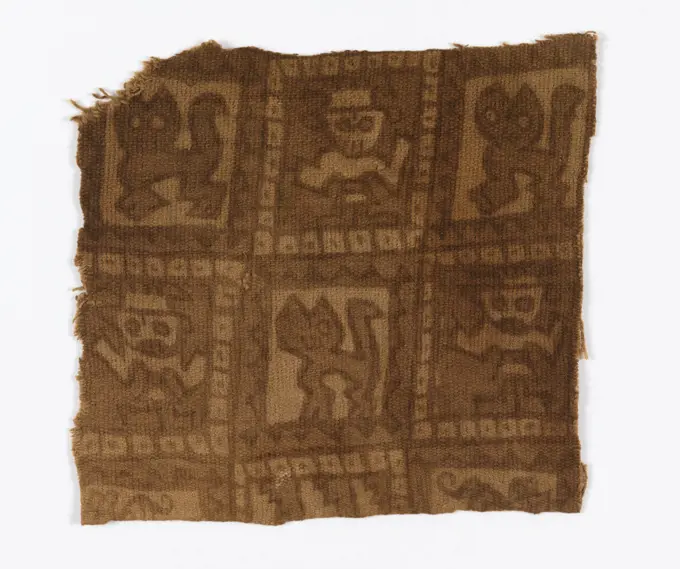
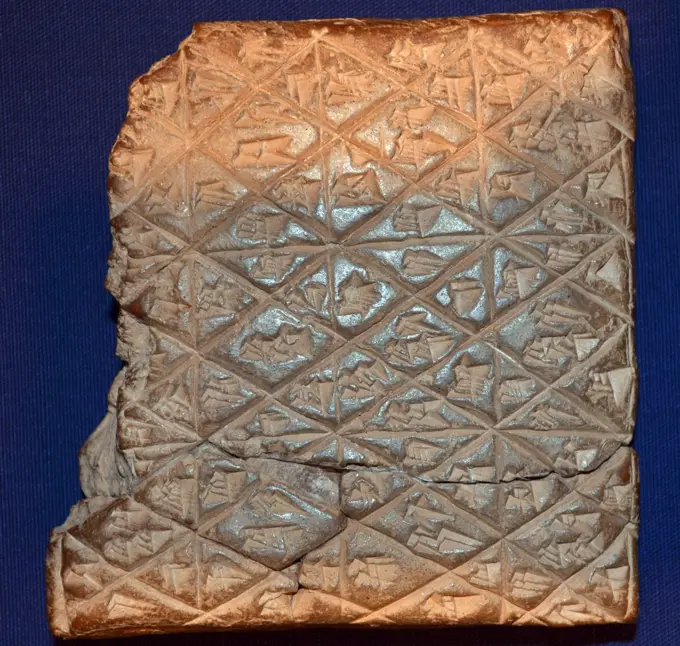
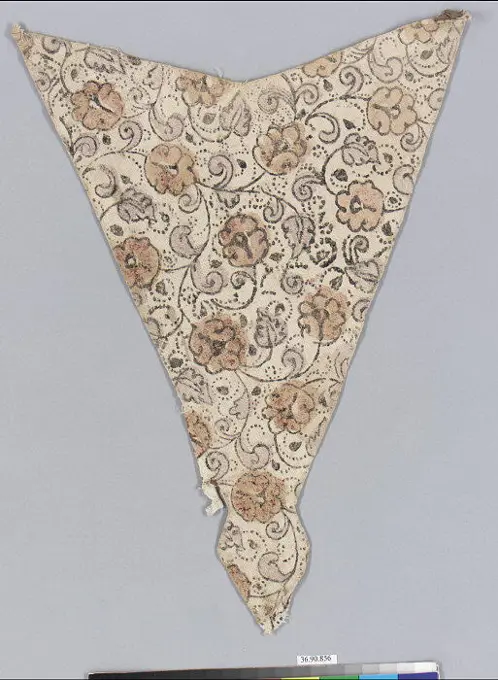
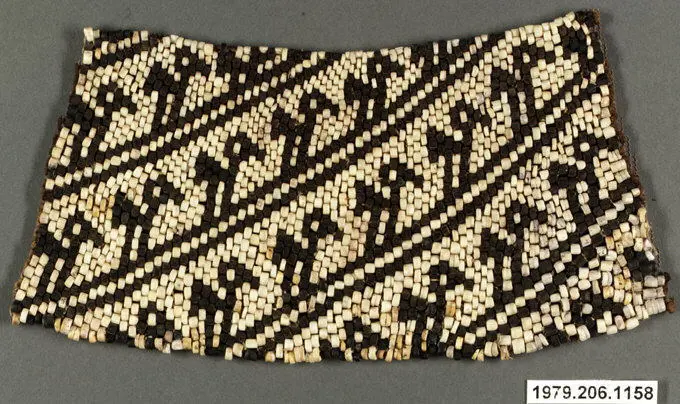
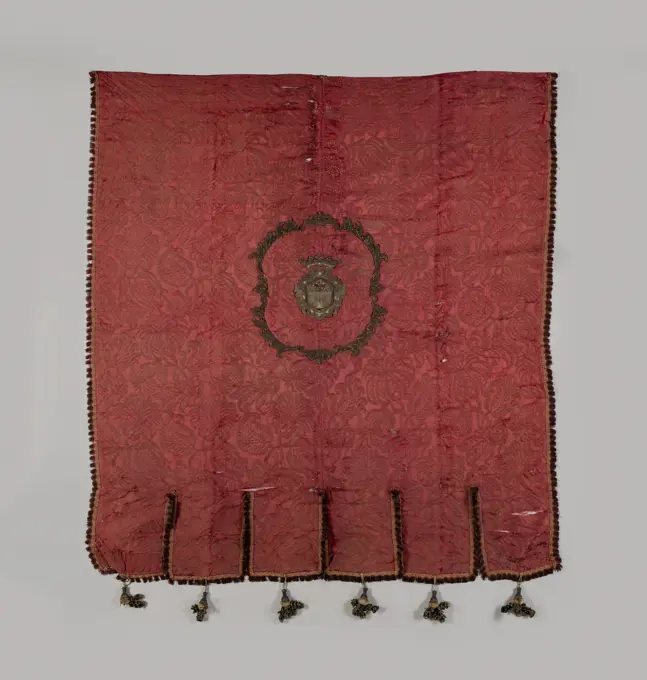
Veil. unknown, authorFragment silk tissue with motif of stylized leafwork. Fragment of woolen, woven fabric. Purple and yellow. Germany, 1600.Fragment yellow side with leaf motif in yellow and red, anonymous, c. 1580 - c. 1600 Fragment of yellow -green silk with pattern of stylized flower branches in rows to the left and to the right. Italy silk. metal thread Fragment of yellow -green silk with pattern of stylized flower branches in rows to the left and to the right. Italy silk. metal threadTowel (Spain); linen; Bequest of Marian Hague; 1971-50-58Fragments; silk, metallicTextile, Medium: cotton Technique: printed by engraved roller on plain weave, Fragment, cotton printed in shades of brown; background of curving stems and flowers and feathery leaves in darker browns; parts re-served in white. Roller print., England, 19th century, printed, dyed & painted textiles, TextileFragment; silk; Warp x Weft: 20.3 x 15.4 cm (8 in. x 6 1/16 in.)Petticoat 1750-75 British. Petticoat 90467Three double -sided gallows;  19th century (1801-00-00-1900-00-00);Fragment, Medium: silk, metallic Technique: woven, Gold colored silk fabric with the design also in gold., 17th century, woven textiles, FragmentFragment 16th century Italian. Fragment 230336Fragment, 1300s. Iran or Iraq , Mongol period, 14th century. Lampas, silk and gold thread; overall: 26.7 x 14 cm (10 1/2 x 5 1/2 in.).Fragment. Dimensions: 9 in. high 8.25 in. wide (22.86 cm high 20.95 cm wide). Date: 3rd-4th century. Museum: Metropolitan Museum of Art, New York, USA.Fragment; wool, linenFragment. Italy. Date: 1625-1675. Dimensions: 28.5 x 30.3 cm (11 1/4 x 11 7/8 in.). Silk, silver gilt strips, and gold gilt strips wound around silk fiber core, plain weave with supplementary patterning and supplementary brocading wefts. Origin: Italy. Museum: The Chicago Art Institute, Chicago, USA.Bliej Kultury unknownTextile Fragment 4th-6th century. Textile Fragment. 4th-6th century. Linen, wool. Attributed to Egypt. TextilesFragment late 16th century Italian. Fragment 230029Weefselfragment met tabula.Outer linen tissue fragment with woven pattern in dark blue wool from a square in which a diamond. A semicircle on two sides of the square, from which a bearing line comes. Square, diamond and semicires filled with a large leaf motif with detailing in flying wire technology.Taqueté fragment with star and cross pattern, 1200s. Spain, probably Almeria. Taqueté: silk and gold thread; average: 14 x 41 cm (5 1/2 x 16 1/8 in.).Fragment of Coptic fabric unknownFragment, Medium: silk Technique: cut and uncut voided supplementary warp pile in a satin foundation (pile-on-pile velvet), Small-patterned or 'miniature' velvet with a white satin foundation. Velvet ground originally rose colored, but now faded to an allover tan color. Slender serpentines with serrated leaves and rosette-like flowers largely in uncut pile with some details in cut pile or voided. Design in green pile and white ground. Part of a man's coat; three false buttonholes., France, 1750-1800, woven textiles, FragmentTapestry Fragment 10th-15th century Peru; central coast (). Tapestry Fragment. Peru; central coast (). 10th-15th century. Camelid hair, cotton. Peru, Lima province. Textiles-WovenSidewall, Block-printed, Tile pattern with alternating motifs set within. Printed in white, brown, olive green on tan ground., USA, 1850-1900, Wallcoverings, SidewallFragment of a Large Cloth, Perhaps a Pallium, 400s - 500s. Egypt, Byzantine period, 5th - 6th period. Tabby weave, inwoven tapestry ornament; wool and linen; overall: 16 x 15.6 cm (6 5/16 x 6 1/8 in.).Tunic Fragments with Scattered Design 6th-8th century. Tunic Fragments with Scattered Design 445850. Long scarf of white tulle with silver lamé in a geometric pattern.Fragment of Printed Linen 15th century German. Fragment of Printed Linen 463242Loincloth, Fragment or Textile Fragment, Undetermined Chimú. Loincloth, Fragment or Textile Fragment, Undetermined, 1000-1400. Cotton, camelid fiber, 12 × 12 3/4 in. (30.5 × 32.4 cm).   Arts of the Americas 1000-1400Fragment 16th-17th century Italian. Fragment 230414Fragment (Italy); silkFragment of a Tunic 5th-6th century. Fragment of a Tunic 443786Fragment Zijdelampas, Anonymous, c. 1700 - c. 1750 A fragment white silk tissue with red flowers and gold thread. NOTE: MEERSHIP; 0.4 cm wide, Effen -binding multiple impacts in one jump. Netherlands silk. metal thread lampas (textile material) A fragment white silk tissue with red flowers and gold thread. NOTE: MEERSHIP; 0.4 cm wide, Effen -binding multiple impacts in one jump. Netherlands silk. metal thread lampas (textile material)Textile Fragment 5th-9th century The design of this silk fragment consists of three rows, each containing three compartments. Pearl borders, floral motifs, palmettes and pendants predominate the ornamental repertory here. The center square is filled with four birds, each set within its own small circle. Silks with relatively simple color schemes like this one were probably purchased by local elites, who used smaller pieces to decorate their clothes.. Textile Fragment 453295Kesa. Japan. Date: 1801-1850. Dimensions: 150.4 x 213.3 cm (59 1/4 x 84 in.). Silk and gilt-paper strip; twill weave with secondary binding warps and supplementary patterning wefts; silk tassels. Origin: Japan. Museum: The Chicago Art Institute, Chicago, USA.Conciliate belt;  1st half 18th century (1701-00-00-1750-00-00);Conciliate belt;  1st half 18th century (1701-00-00-1750-00-00);Strip early 18th century Flemish. Strip 215307FRAGMENTO DE CUERO PINTADO CON BR0CADOS FERRETEADOS. Location: MUSEE D'ARTS DECORATIFS. MADRID. SPAIN.Edging, Medium: linen Technique: needlework on gauze weave net, Buratto-style fragment shows a portion of a conventionalized leaf design with small scrolls., Italy, 16th-17th century, lace, EdgingFragment; silkPurse (France); silk, metalTextile Fragment, undetermined Chimú. , 1000-1532. Cotton, camelid fiber, 15 9/16 × 16 in. (39.5 × 40.6 cm).   Arts of the Americas 1000-1532Fragment Made 1301-1400 Italy. Silk and gilt-animal-substrate-wrapped linen, plain weave with supplementary patterning and brocading wefts bound by secondary binding warps in plain interlacings .Towel Fragment (Italy), 17th century; linen, cotton; Warp x Weft: 6.7 x 31.7 cm (2 5/8 x 12 1/2 in.)A fragment of Coptic fabric unknownFragment with Animal and Vegetal Motifs, 16th century. Italy, 16th century. Needle lace, burato (twined ground and darned in two directions); unbleached and bleached linen (est.); overall: 29.2 x 32.2 cm (11 1/2 x 12 11/16 in.). The dark yellow of the unbleached linen ground allows for the pattern, worked in bleached linen in the burato technique, to prominently stand out. A thicker white thread outlines the design of stags in the top register, the vegetal motifs throughout, and the griffin or crowned eagle on the right.Shawl, 19th century, L.71-3/4 x W.67 in., wool, India, 19th centuryEmbroidery, Medium: silk on linen Technique: embroidered, Fragment embroidered in multicolored silk., possibly 12th century, embroidery & stitching, EmbroideryFragment, Medium: silk Technique: cut and uncut supplementary warp pile (velvet) on voided satin ground, Ciselé velvet in orange cut and uncut velvet. Ground in uncut pile. Figure of small round flowers in cut pile. Curving zigzag lines and also buds of flowers, voided in satin ground., France, 18th century, woven textiles, FragmentFragment of Coptic fabric unknownTextile Fragment 11th century. Textile Fragment 448592Fragment 18th century Italian. Fragment. Italian. 18th century. Silk. Textiles-VelvetsKloskant strip with hollow and convex double frames, anonymous, c. 1850 - c. 1860 Black bobbin strip: Chantilly side. A grid -founded shows an empty top and a very heavier symmetrical design. Holle and Bolle Double Lists, step -by -step together, follow the sculptures, which in turns consist of half rosettes and an arc of leaves. Belgium silk bobbin lace Black bobbin strip: Chantilly side. A grid -founded shows an empty top and a very heavier symmetrical design. Holle and Bolle Double Lists, step -by -step together, follow the sculptures, which in turns consist of half rosettes and an arc of leaves. Belgium silk bobbin laceIrrit to incentive on a double piece of cotton and with trace wires for making a part of a collar of needle side, Belgian interned (Village Elisabeth, Amersfoort), c. 1915 - c. 1924  Property for a part of a collar of Venetian needle side. The needle side pattern is drawn with ink on blue paper and holes were then stung along the pattern lines. A trace wire is sewn through this 'incentive' and the double layer of cotton. If the needle side stitches are made over and between the trace wires, the incentive and the cotton surface can be cut and removed. Then you only have a needle side, in this case a part of the collar that can then be processed with the other parts and the edge into a collar. The design of the collar was made by a person from Belgium who was interned in the 'Elisabeth-Dorp' camp in Amersfoort in the First World War. Mrs. Van Nierop started making the collar and has donated the unfinished parts to the Rijksmuseum as a study material. Designer: AmersfoortAmsterdam Pick: PNight bag of fine linen, decorated on the valve with white embroidery with open hems and clover leaves., 1875 - 1900   linen (material) embroidering   linen (material) embroideringSteel climbing side with coarse wire as an example of a ribbon in linen stroke with recesses used in Russian rint side. Steel natural colored and colored clamping side with coarse thread as an example of a ribbon in linen battle with recesses. This type of ribbon is applied in Russian rint side.Fragment of fabric unknownFragment, Medium: Warp; S-spun linen. Wefts; S-spun linen, S-spun wool, Square within a diamond. Inner square filled with geometric pattern. Outer frame with trefoil leaves., 4th-5th century, woven textiles, FragmentTextile ShinGuardFragment of an orange flag for General Guide, from the Citadel of Antwerp, Anonymous, 1831  Fragment of an orange flag for General Guide, from the Citadel in Antwerp, a fragment, originally to stick. Guidon Amsterdam wool   Citadel of Antwerp (19th century)Inlay, floral, sema-tawy. Dimensions: H. 1.9 × W. 3.3 cm (3/4 × 1 5/16 in.). Date: 100 BC-100 AD.A mosaic glass technique allowed multiples of an image to be created: a figural or design composition was made by bundling colored glass canes, which were then drawn out into a long bar like this partially preserved example. The bar was then sectioned at right angles, probably by striking the bar with appropriate tools, to produce small inlay tiles. The tile would then be smoothed and polished on the face intended to appear outwards. Museum: Metropolitan Museum of Art, New York, USA.Neckerchief ca. 1868 United Society of Believers in Christs Second Appearing (“Shakers”), Mount Lebanon, New York. Neckerchief. American, Shaker. ca. 1868. Cotton, woven. Made in New Lebanon, New York, United StatesFragment 16th century Italian. Fragment 220841Fragment Silk Brokaat tissue with a pattern of pastel -colored flowers on striped soil, 1600 - 1800 Fragment Silk Brokaat tissue with a pattern of pastel -colored flowers on striped soil. Pattern: vertical silver lanes (perishing up to the yellow core) interspersed with narrow light blue lanes in gray-beige frame. Filling of curved flower branches and stiff palm flowers in pink with white and pink with silver. Eastern textile. Persia silk. brocade (textile) Fragment Silk Brokaat tissue with a pattern of pastel -colored flowers on striped soil. Pattern: vertical silver lanes (perishing up to the yellow core) interspersed with narrow light blue lanes in gray-beige frame. Filling of curved flower branches and stiff palm flowers in pink with white and pink with silver. Eastern textile. Persia silk. brocade (textile)Piece 16th-17th century Italian. Piece 216934Band, Medium: linen, wool Technique: S-spun plain weave linen with S-spun wool supplementary weft (brocading), Fragment with four complete medallions and interstices filled with triangular forms. Motifs are bird, animal and plant forms., Egypt, 3rd century, woven textiles, BandCushion cover 19th century French. Cushion cover 228683Fragment of a Ship Flag. Fragment of the stleing side of a ship flag, white with a white rectangle in the upper neck with a red cross (St. George's Cross). This is a white ship flag of the period 1630-1702.Fragment, Medium: silk Technique: supplementary warp, cut and uncut, in plain weave foundation, Fragment made up of several small pieces sewn together., 17th century, woven textiles, FragmentThree rags of white velvet with gold thread embroidery in the shape of shoe cover, can be made mule, component semi-finished shoe footwear clothing velvet metal largest piece, textile embroided trimmings shoe makerPiece 18th century Japan. Piece. Japan. 18th century. Silk / Compound weave. Edo period (1615-1868). Textiles-WovenRug, 20th century, 62 3/4 x 34 1/4 in. (159.4 x 87 cm), United States, 20th centuryTextile Fragment 5th-6th century. Textile Fragment 443719Fragment of Coptic fabric unknownFragment, Medium: cotton Technique: painted, Small square of light brown cotton, painted in two shades of brown. Pattern showing alternately an animal and a human shape. One selvage intact., Peru, 12th century (crossed out and marked 'L. C. Coast'), printed, dyed & painted textiles, FragmentNAIPE DECORADO EN COLOR ROJO CON CRUCES INSCRITAS EN CUADRADOS - CUERO Y PIGMENTO - SIGLO XVIII - PROCEDENTE DE CHILE - ESTILO MAPUCHE - 10,7x7,9 CM. Location: MUSEO DE AMERICA-COLECCION. MADRID. SPANIEN.The Royal Game of Ur 2600 B.C. A wooden game board inlaid with shell, red limestone and lapis lazuli.  Sacking cloth on wooden Sacking cloth on a wooden background Copyright: xZoonar.com/RuslanxNassyrovx 14709588Accessory set. Culture: Irish. Date: ca. 1850.The varieties of plant forms and flowers represented, their naturalism and the three-dimensionality set this extraordinary example of Irish crochet lace apart from the more static designs of later examples. Museum: Metropolitan Museum of Art, New York, USA.Fragment, Medium: silk, metallic Technique: cut supplementary warp loops in 4&1 satin foundation with brocaded wefts bound in 2/1 twill by supplementary warps, Swinging branches with pomegranite, fruit and blossoms in green and metallic., Italy, 1400-25, woven textiles, FragmentFragment 16th-17th century Italian. Fragment. Italian. 16th-17th century. Silk, metal thread. Textiles-VelvetsPiece possibly French 18th centuryFragment groen zijdeweefsel met borduurwerk in roze en wit.Fragment silk tissue with embroidery. The embroidery has circles within which a flower branch. Around the circle the pattern has an urban edge pattern. The circle has a notch from which a pearlguird land runs to a palm measure and from there to the following circle. The fragment has been deposited along the underside with a band within which a wave motif of silver sequins.Textile Swatches Onondaga Silk Company, Inc. (1925-1981). , 1948-1959. 47 silk, 36 nylon, 17 metal, a: 23 x 17 3/4 in. (58.4 x 45.1 cm).    1948-1959Sampler (Netherlands); silk embroidery on cotton foundationBeaded Wrist Ornament 12th-14th century Chancay. Beaded Wrist Ornament 313350Apron 16th century-17th century Italian. Apron 102519Sleeves; silk on cottonFragment 17th century Italian. Fragment 230305Banner, 1700s. Spain, 18th century. Crimson silk brocade, with applied embroidery; scalloped border with fringe and tassels; overall: 114.2 x 107.9 cm (44 15/16 x 42 1/2 in.).Piece 18th-19th century Japan. Piece. Japan. 18th-19th century. Silk. Textiles-WovenChild's Gown (England); linen, cottonApron second quarter 18th century probably British. Apron 156054Fragment, Medium: cotton Technique: resist-printed on plain weave, Unbleached cotton cloth resist-printed in two shades of blue. Fragment of a motif, more or less circular, reserved in ground color. Center: vine pattern curving inward to frame actively curved foliage ('raisins a appendice') and part of a palm leaf on fan-shaped leaf in profile. Small segment of a curved border shows remains of bands in lighter blue., India, 12th-13th century, printed, dyed & painted textiles, FragmentFragments; mohair woolFragment of wall covering from Lampas with lovebird pattern, c. 1770 - c. 1790 Excerpt of wall covering. Lovebird pattern. Lyon (possibly) lampas (textile material) Excerpt of wall covering. Lovebird pattern. Lyon (possibly) lampas (textile material)Machinal application side cuff with fan-shaped flowers and three-piece leaves. Cuff from natural machine side: Etkant applicated on machining tulle. The Etkant imitates Duchesse-Kant. Conical model. Pattern with impeller shaped flowers. Thus smaller rosette flowers and three-piece leaves to short stems.Panel, 19th century, 65 1/2 x 26 in. (166.37 x 66.04 cm), Silk, metallic thread; embroidery, Russia, 19th centuryHandcrafted picture album isolated on white background.