Historic Textile Fragments

Fragments of textiles from different cultures and centuries, featuring intricate patterns and historical significance.
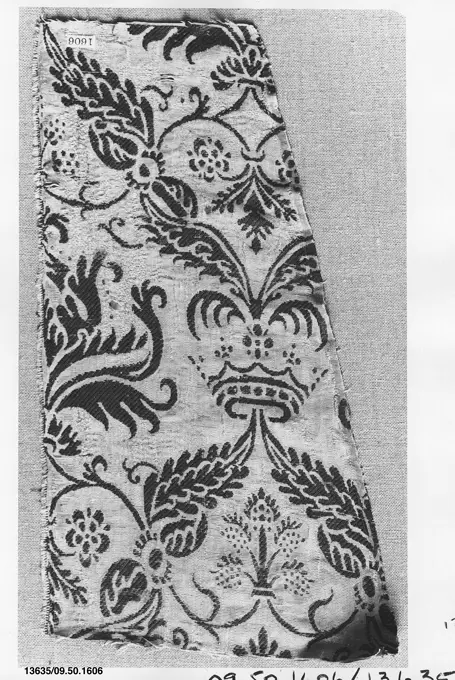
Piece 17th century Spanish. Piece 216629
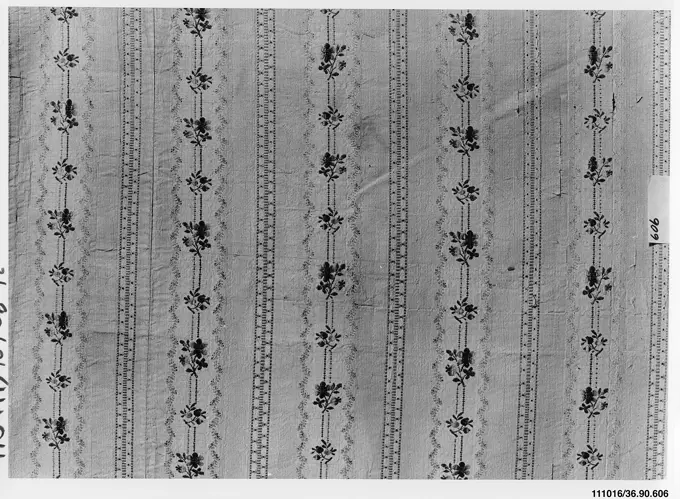
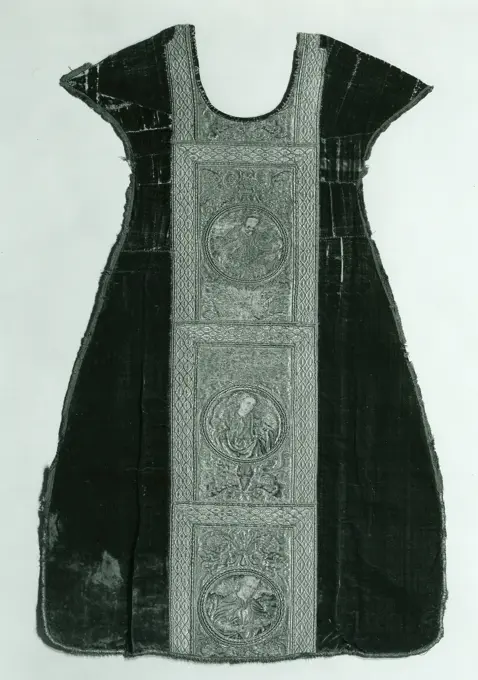
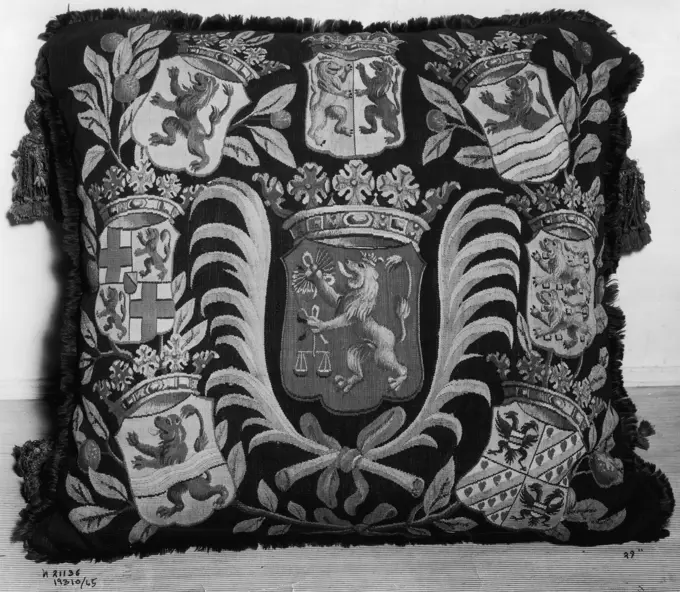
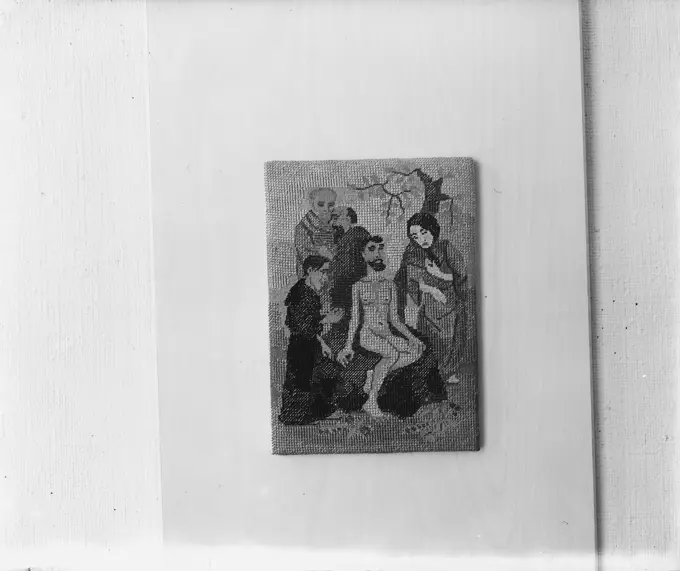
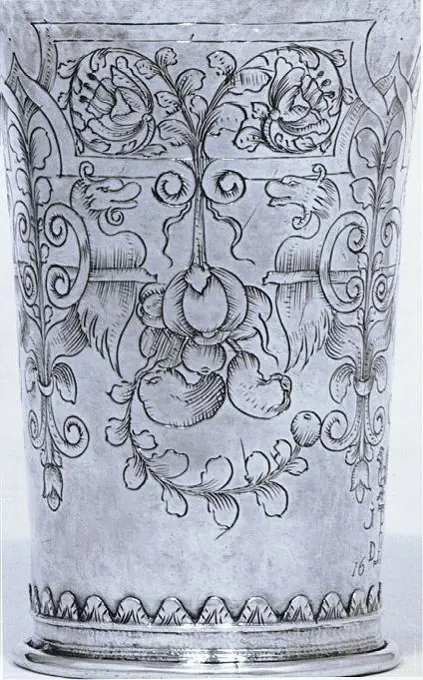
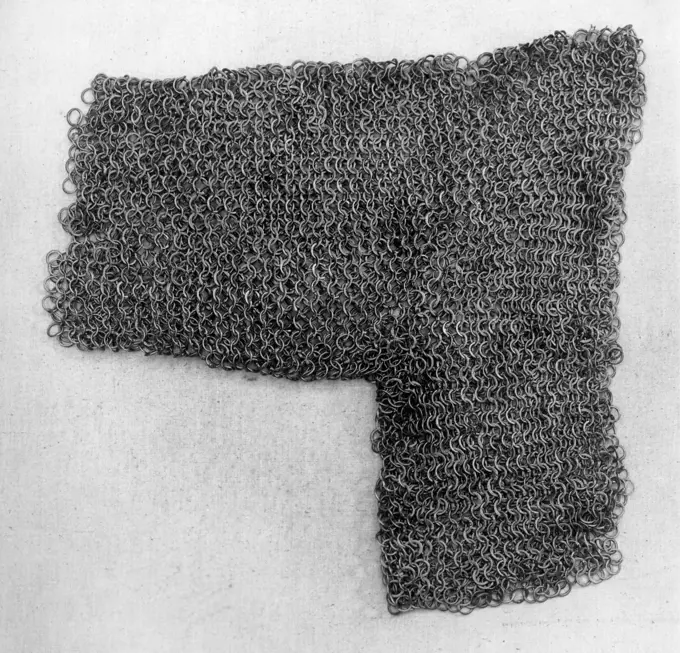
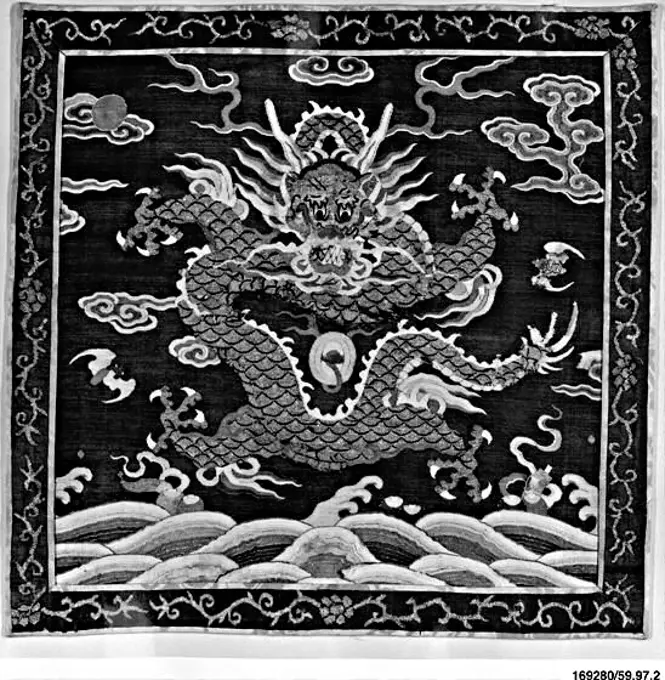
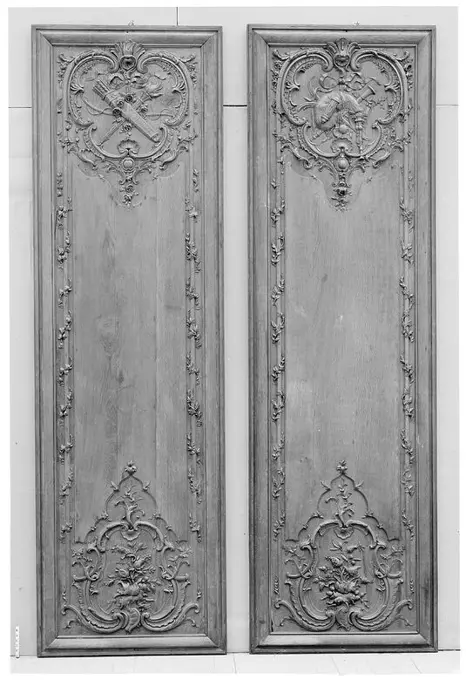
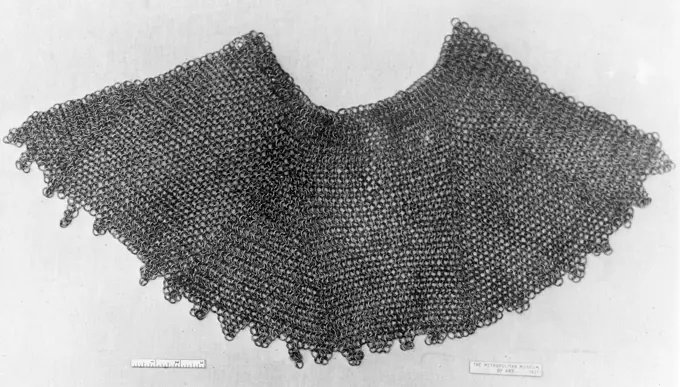
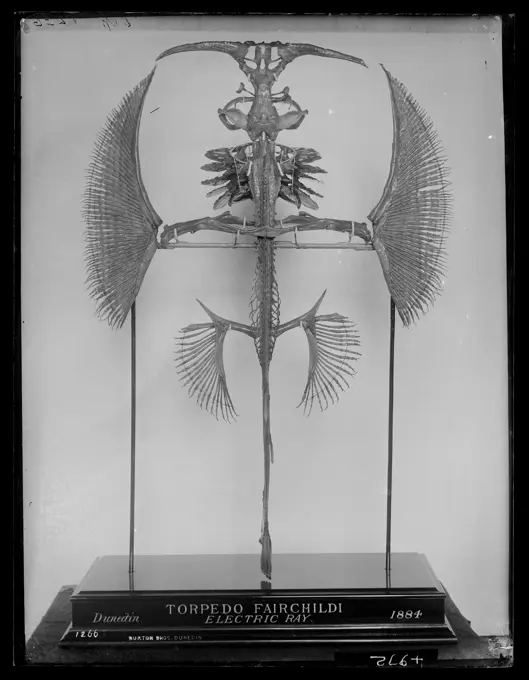
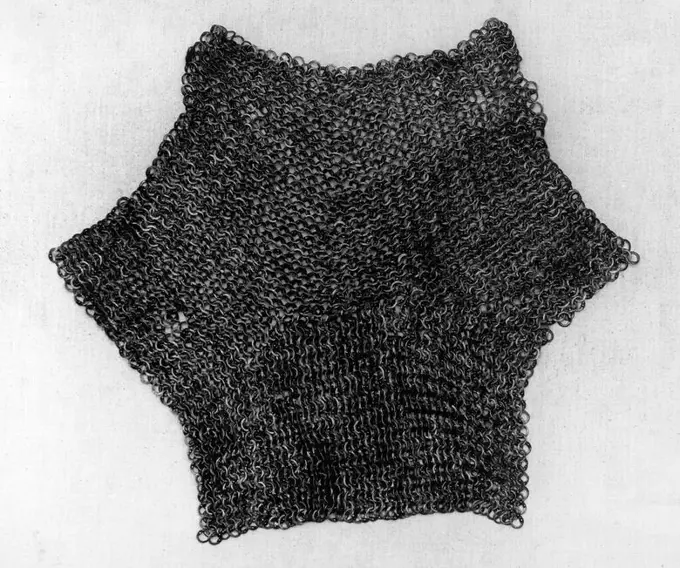
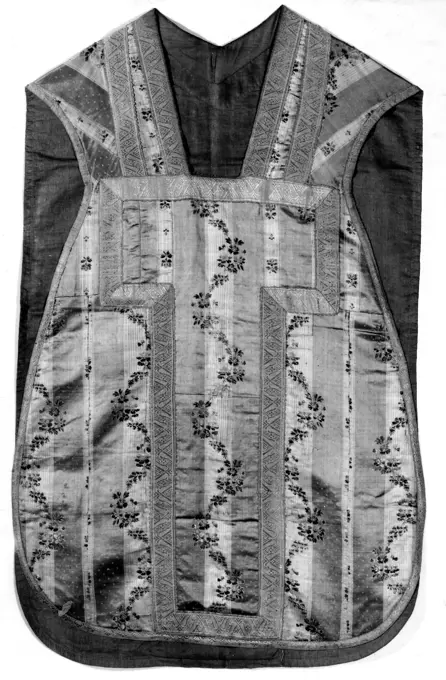
Chasuble Made 1775-1825 France. Blue and white striped silk with pink flowers .Piece 18th century French. Piece 223707Coverlet Made 1870-1876 United States. Cotton and wool, plain weave with plain interlacings of secondary binding warps and patterning wefts (Beiderwand); woven on loom with Jacquard attachment; full loom width; seamless; fringed .Sleeve Band 19th century China. Sleeve Band 68763Table top. Culture: British. Dimensions: H. 31 1/4 x W. 30 3/4 inches (79.4 x 78.1 cm). Date: 18th century. Museum: Metropolitan Museum of Art, New York, USA.Sample ca. 1830 French, Mulhausen. Sample 219986Rank Badge with Wild Goose late 18th-early 19th century China. Rank Badge with Wild Goose 68963Wallpaper.   Maker: Paul BalinRetailer: A. H. Davenport, American, late 19th-early 20th centuryChasuble Front with Orphreys 16th century Spanish. Chasuble Front with Orphreys 460779Rectangular edge tile in purple with sling decor of speckled tulip, flower with ten triangular petals, leaves, type of tulip fawn, yellow pottery, edge tile wall tile tile sculpture ceramic earthenware glaze, baked 2x glazed paintedA vintage retro woodcut print or etching style vegetable wooden sign illustration. Fresh Garden Vegetable Wooden SignCollection of the Green Vault in Dresden, Filigree box, vintage engraved illustration. Magasin Pittoresque 1880.Council cushions. unknown dated 1740 Tapestry Dimensions: H 29" x W 29" Tapestry Materials/Techniques: unidentified material (linen; warp: 8/cm); wool & silk (weft: 26-32/cm); wool (fringe); silk & taffeta (fringe); metallic thread (silver & silver-gilt) Culture: Dutch Weaving Center: Amsterdam Ownership History: French & Co. purchased from William Randolph Hearst, n.d.; sold to the Minneapolis Institute of Arts 1/21/1939. United States, Minnesota, Minneapolis, The Minneapolis Institute of Arts, accno. 39.15. Inscriptions: Inscription on back of cushion not visible in photograph; see Adelson catalog: 1740 In center, coat of arms of United Provinces of Netherlands, surrounded by 2 palm fronds tied together with ribbon, surrounded by 7 city-arms (clockwise, from bottom left): Overijssel, Utrecht, Holland, Gelderland, Zeeland, Friesland & Groningen Possibly woven in Delft. French & Co. stock sheet in archive, 19310 Adelson, European Tapestry (1994), 377-382, no.23 Related Works: IconograpAltar cloth or hanging 16th century Italian. Altar cloth or hanging. Italian. 16th century. Needle lace with bobbin lace edging. Textiles-LacesPiece 16th-17th century Italian. Piece 223449Anefo photo collection. Embroidery old No. 25. December 12, 1945Clock ornament French 18th century View more. Clock ornament. French. 18th century. Gilt bronze. Metalwork-Gilt BronzeAnefo photo collection. Miss Miss Biegel. Embroidered cloth. May 4, 1948Textile Fragment 5th-6th century. Textile Fragment. 5th-6th century. Wool, linen; plain weave, brocaded (). Attributed to Egypt. TextilesSnuff Bottle China. Snuff Bottle 41205Fragment. Date: 4th century. Museum: Metropolitan Museum of Art, New York, USA.Coonley, Avery, House: Leaded Glass Window. Frank Lloyd Wright; American, 1867-1959. Date: 1908. Dimensions: Unframed: 111.1 × 49.9 cmFramed: 116.3 × 55 × 3.6 cm. Leaded glass window; clear, green, and opaque glass in lead cames; mounted in black wood frame with Plexiglas shield. Origin: Riverside. Museum: The Chicago Art Institute, Chicago, USA.Shawl third quarter 19th century Belgian, Brussels. Shawl. Belgian, Brussels. third quarter 19th century. Needle lace, Point de Gaze. Textiles-LacesPair of keyhole escutcheons French 18th century View more. Pair of keyhole escutcheons. French. 18th century. Gilt bronze. Metalwork-Gilt BronzeMachine Lace Edging, early 19th century (after 1810). England, early 19th century (after 1810). Lace ; average: 12.7 x 49.6 cm (5 x 19 1/2 in.).Beaker. Maker, formerly attributed to: Cornelius Vander Burgh, American, 1653-1699Medallion China. Medallion 68785Sleeve of Mail 16th century German From about the third century B.C. through the early fourteenth century A.D., mail, also called chain mail, was the predominant and most effective type of body armor known in Europe. From about the mid-fifteenth century onward, mail was used in conjunction with full plate armor to fill the gaps between plates. Separate mail sleeves were made to be worn with a cuirass (breastplate and backplate); shaped panels of mail called gussets, covered the armpits or the crooks of the elbows and were attached to arming jackets, garments specially tailored to be worn under armor; and mail breeches, called brayettes or pairs of paunces, could be worn by men fighting on foot.. Sleeve of Mail 34857Length of Textile, 1774-1793. France, 18th century, period of Louis XVI (1774-1793). Plain cloth; lancée; overall: 75.5 x 55 cm (29 3/4 x 21 5/8 in.).Fragment of a Band. Dimensions: 4 3/16 in. high 2 3/8 in. wide (10.6 cm high 6 cm wide). Date: 6th century. Museum: Metropolitan Museum of Art, New York, USA.Boy's Robe 19th century China. Boy's Robe 68507Symmetrical ornament with leaf motifs, Anonymous, Hans Weiditz (II), 1514 - 1532 print Print is part of an album.  paper letterpress printing foliage ~ ornamentRank Badge with Four-Clawed Dragon late 17th-early 18th century China. Rank Badge with Four-Clawed Dragon 70240Panel with attributes of music (one of a pair). Culture: French. Dimensions: Overall (confirmed): 125 3/4 x 37 3/4 x 3 1/2 in. (319.4 x 95.9 x 8.9 cm). Date: 1700-1735. Museum: Metropolitan Museum of Art, New York, USA.Collar of Mail 16th century German From about the third century B.C. through the early fourteenth century A.D., mail, also called chain mail, was the predominant and most effective type of body armor known in Europe. From about the mid-fifteenth century onward, mail was used in conjunction with full plate armor to fill the gaps between plates. Separate mail sleeves were made to be worn with a cuirass (breastplate and backplate); shaped panels of mail called gussets, covered the armpits or the crooks of the elbows and were attached to arming jackets, garments specially tailored to be worn under armor; and mail breeches, called brayettes or pairs of paunces, could be worn by men fighting on foot.. Collar of Mail 34832Sampler 19th century Italian. Sampler 228357Woman's Pockets. United States, 1800-1820. Costumes. Cotton plain weave, printed and pieced, with linen plaited tieTorpedo Fairchildi Electric Ray gelatin dry plate negatives, black-and-white negativesChildren playing water game in garden park. unknown c. 1690 Tapestry Dimensions: H 8'8" x W 10'2" Tapestry Materials/Techniques: unknown Culture: Flemish Weaving Center: unknown Ownership History: French & Co. purchased from Lyeman Corporation, received 8/14/1964; sold to V. & C. Vigo & Charles Sternberg 4/30/1965. Pail of water on rope suspended from 2 trees empties on child, riding barrel on sled, below as other children pull sled; statue of goddess on L; fountain in distance (BRD) scrolling acanthus leaves with flowers French & Co. stock sheet in archive, H-104Piece 18th-19th century Japan. Piece 66913Rank Badge with Paradise Fly-Catcher late 18th-early 19th century China. Rank Badge with Paradise Fly-Catcher 68920Fragments 3rd-4th century. Fragments 444285Woman's Rank Badge with Wild Goose late 18th-early 19th century China. Woman's Rank Badge with Wild Goose 68932Headdress Ornaments late 18th century China. Headdress Ornaments 50683Danish Ax, vintage engraved illustration. From Natural Creation and Living Beings.Collection of the Dutch Heidematschappij. reproductions, pruning. undatedCup; Huta Kryszta around 1730-1740 (1730-00-00-1740-00-00);1939, gearbox noFragment of Turban Cloth 18th century. Fragment of Turban Cloth 450685The fragment of 100 dollar bill. Close upPiece 18th-19th century Japan. Piece 67517Armpit Defense. Culture: German. Dimensions: H. 10 5/8 in. (27 cm); W. 11 in. (28 cm); Diam. (outside) of links 13/32 in. (10.8 mm); Diam. (inside) of links 9/32 in. (6.8 mm); Wt. 1 lb. 12 oz. (.8 kg).. Date: 16th century. Museum: Metropolitan Museum of Art, New York, USA.Card 1809 American. Card. American. 1809. Paper. Made in Pennsylvania, United StatesScholar 19th century China. Scholar 60990Still Life - Plucked Chicken, Sausages, Fruit, etc. Unknown Dutch. Still Life - Plucked Chicken, Sausages, Fruit, etc., 17th century. Painting on wood, 17 5/16 x 18 3/8 in. (44.0 x 46.7 cm).   European Art 17th centuryTray 18th century China. Tray 60943