Historic Textile Fragments

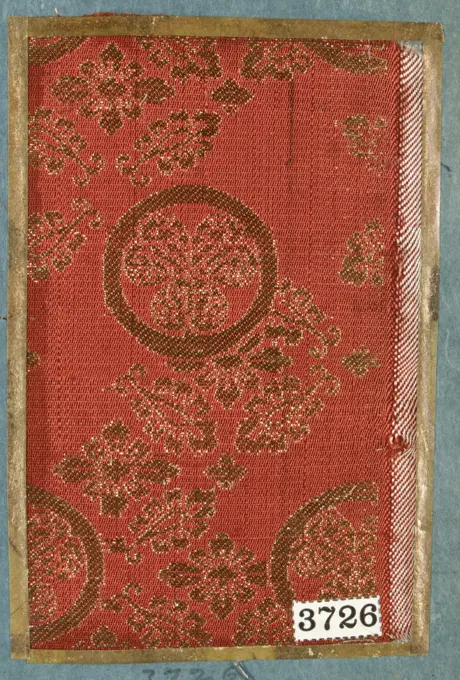
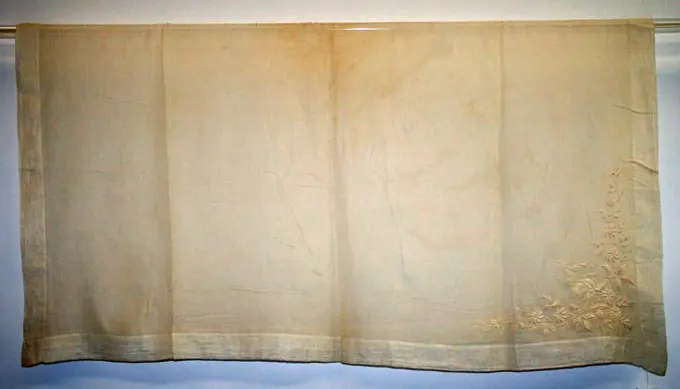
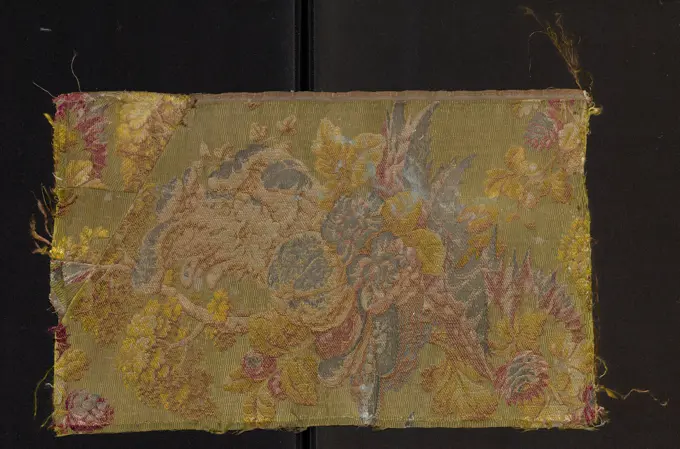
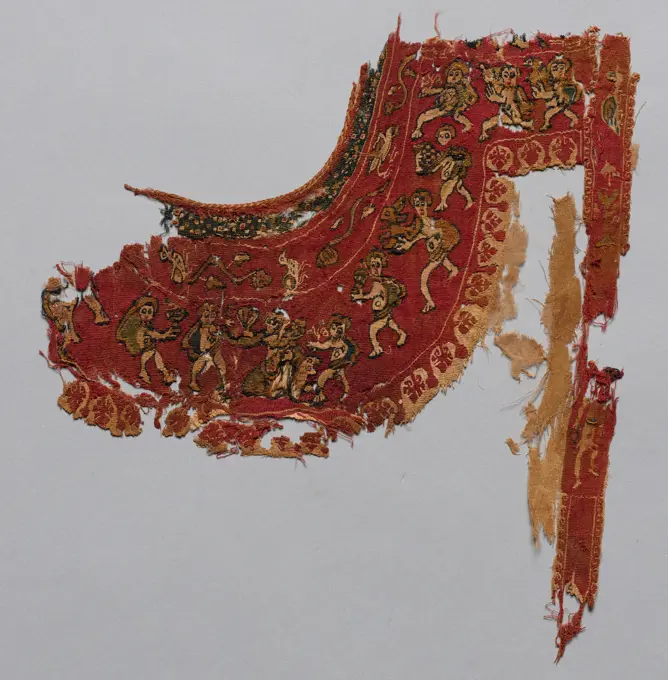
Fragments showcasing intricate patterns and textures from historical textiles, featuring floral and animal motifs in ancient styles.

Fragment samiet, anonymous, c. 400 - c. 599 Tissue fragment with a red pattern on green soil, consisting of roller corners, alternately filled with a deer jumping to the right or a dog that runs to the left. A stylized floral pattern between the huge corners. The pattern is interrupted by a horizontal strap made of dark blue with a connected circle motif in flying wire technology. Egypt Necklace: Linen (Material). impact: Wool. Flying wire: Linen (Material) samite / tapestry Tissue fragment with a red pattern on green soil, consisting of roller corners, alternately filled with a deer jumping to the right or a dog that runs to the left. A stylized floral pattern between the huge corners. The pattern is interrupted by a horizontal strap made of dark blue with a connected circle motif in flying wire technology. Egypt Necklace: Linen (Material). impact: Wool. Flying wire: Linen (Material) samite / tapestry
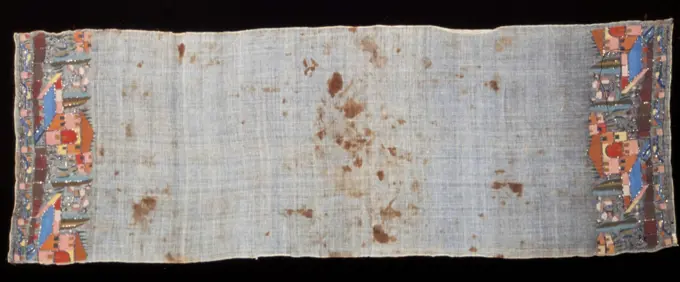
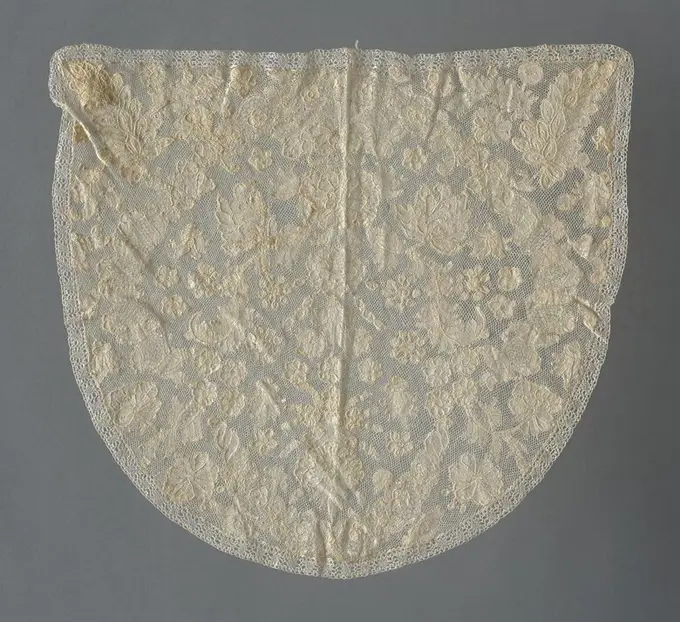
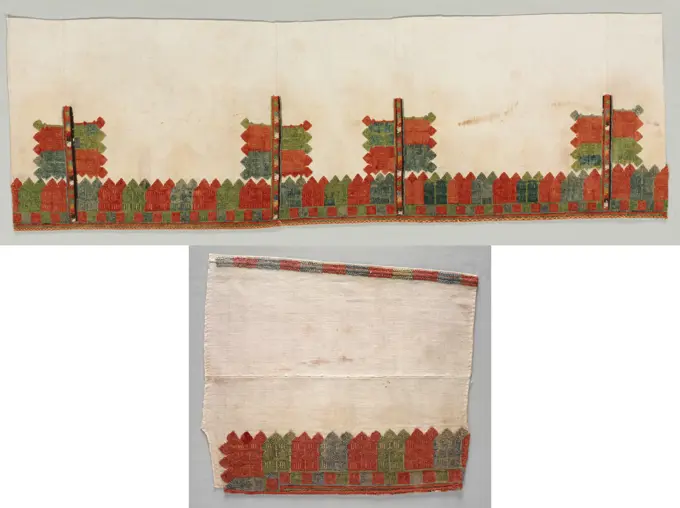
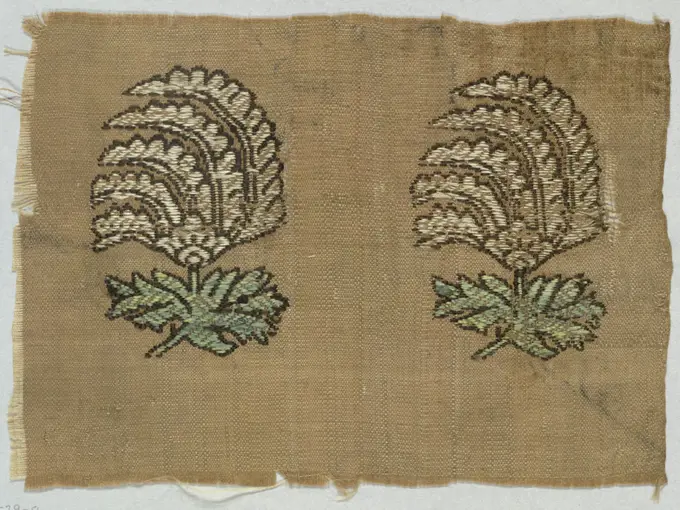
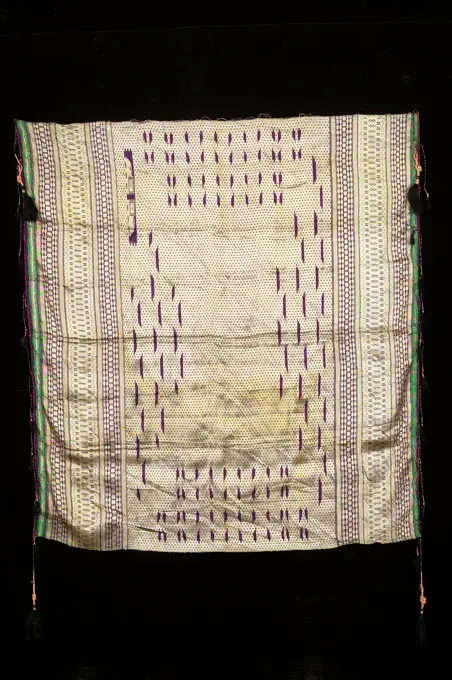
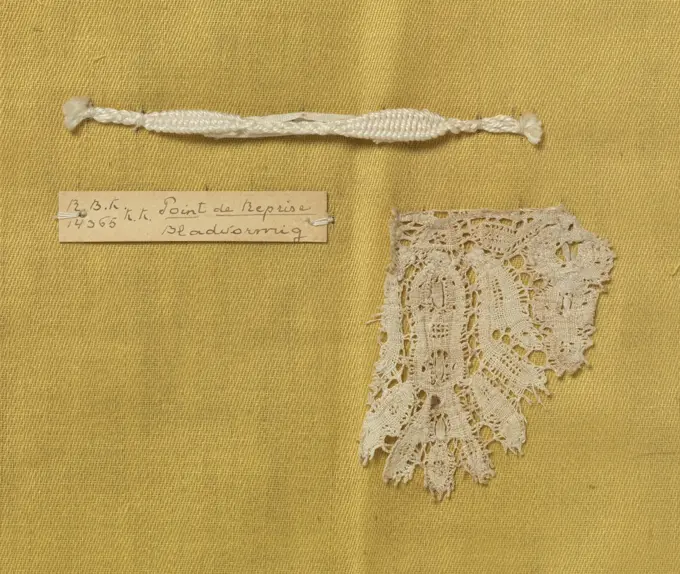
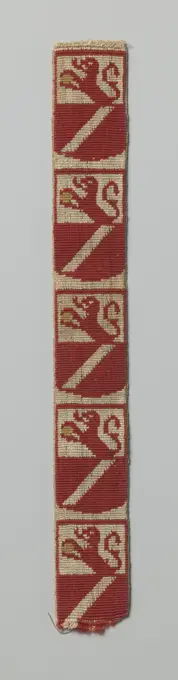
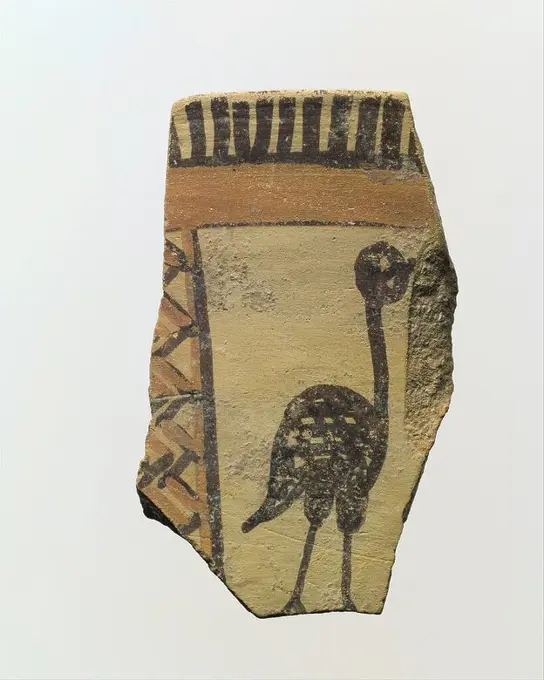
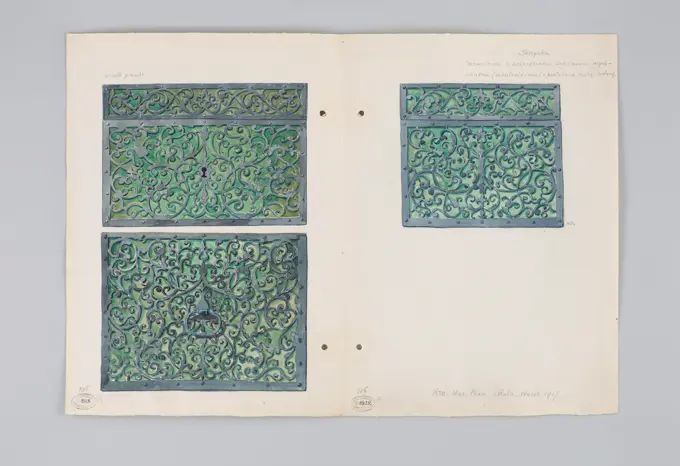
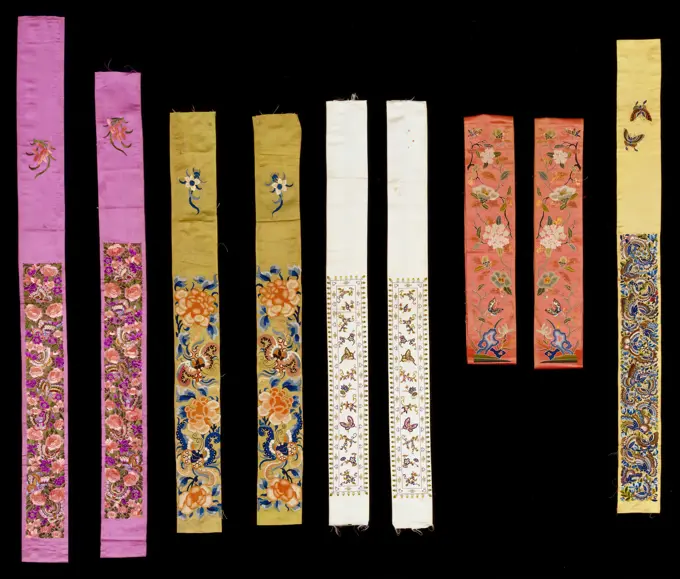
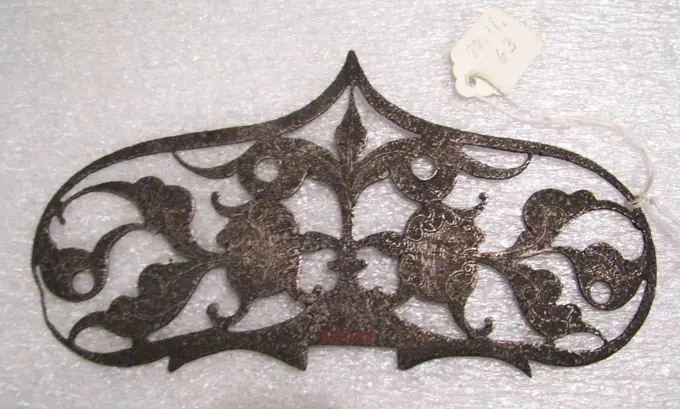
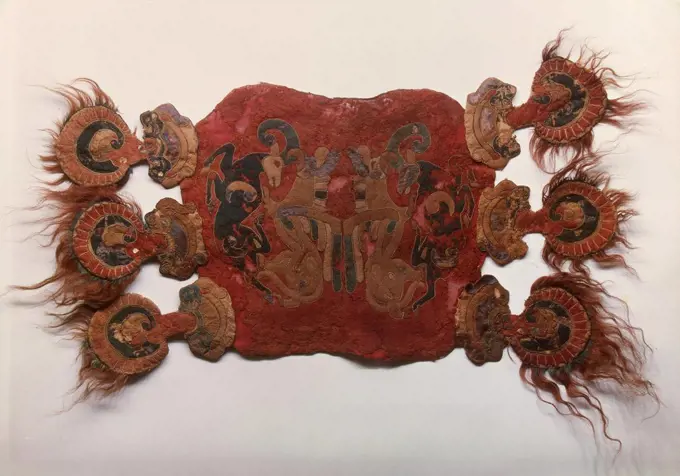
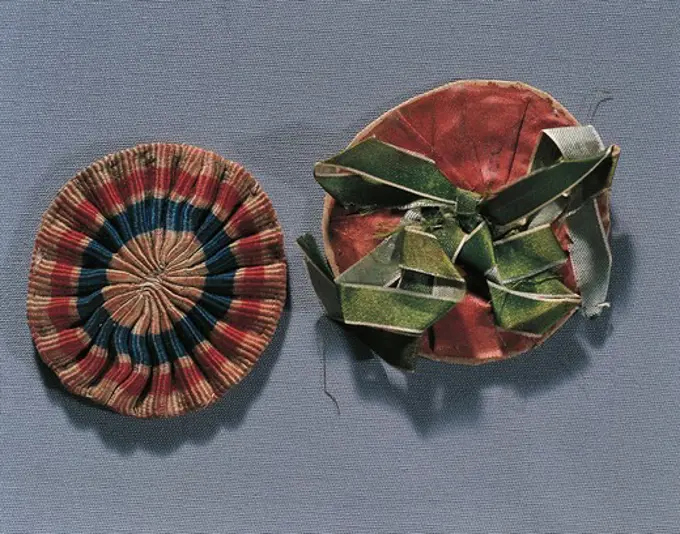
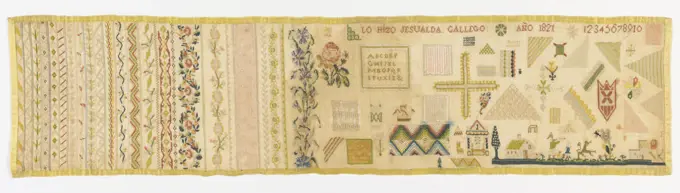
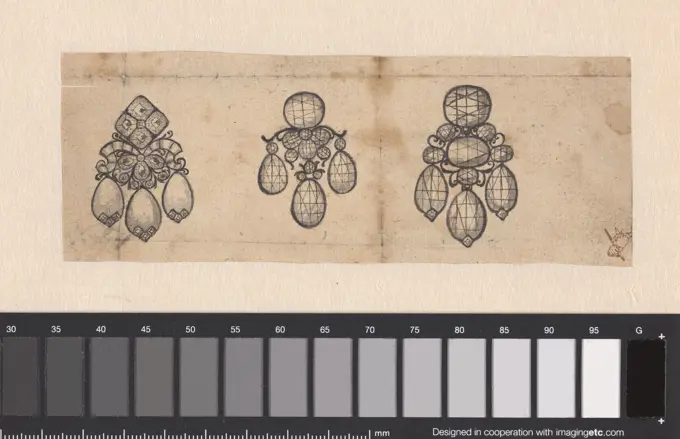
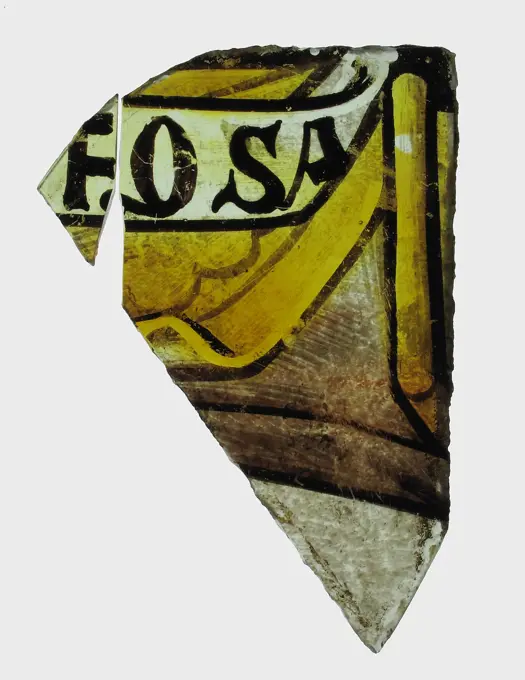
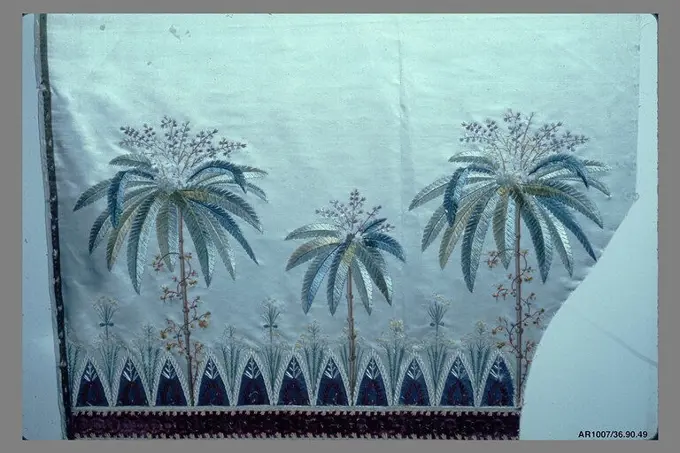
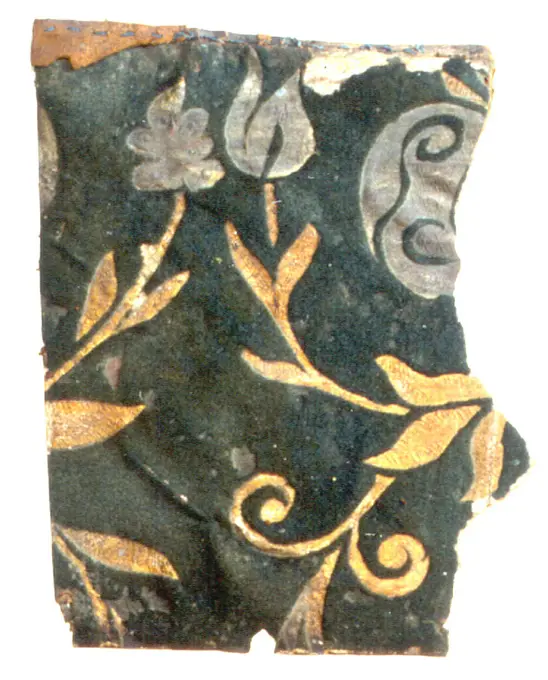
Leather (Spain); leather, flocked, stamped, gilded; 24 x 19 cm (9 7/16 x 7 1/2 in.)Headpiece, 907-1125. China, Liao dynasty (907-1125). Embroidery, silk; overall: 21.8 x 34.9 cm (8 9/16 x 13 3/4 in.). These headpieces are embroidered with butterflies, birds, animals, flowers, leaves, and delicate vine scrolls. In general, the design is related to the theme of the lotus pond, best known from Liao tomb paintings. Paired ducks or geese swimming in water and looking in opposite directions seem to have become popular in the north of China before spreading further south and to Central Asia. On the other hand, recumbent animals looking back are a Central Asian image that migrated to northern China. Headpieces of this shape, intersected by two bands and secured by ties, have a long history in northern China. A gold replica was found in a tomb dating as early as 500-550.Towel-scarf, 19th century, L.62 x W.21 in., linen, silk; needlework, Turkey, 19th centuryMedallion (Egypt); warp; s-spun wool. weft; s-spun linen, s-spun woolKnitted Mitaine of unbleached cotton with ajour work and a border with bastard and open circles, anonymous Vase of porcelain, decorated in relief in pâte-tur-pâte technology with five poppies in pink and blue gray of green stems, and with twelve green fruit buttons along the mouth edge on the tengels of the same flower. Brands: factory brand in green, kl. in green; Ingrift R.R. 4152. Decor of Karl Lindström.  cotton (textile) knitting Vase of porcelain, decorated in relief in pâte-tur-pâte technology with five poppies in pink and blue gray of green stems, and with twelve green fruit buttons along the mouth edge on the tengels of the same flower. Brands: factory brand in green, kl. in green; Ingrift R.R. 4152. Decor of Karl Lindström.  cotton (textile) knittingCap Crown. Belgium, Flanders, Brussels. Date: 1725-1750. Dimensions: 23.2 × 25.6 cm (9 1/8 × 10 1/8 in.). Linen, bobbin part lace of a type known as "Brussels" with Droschel mesh ground. Origin: Brussels. Museum: The Chicago Art Institute, Chicago, USA.Fragment; linen; 1897-8-300Skirt Border and Sleeve, 1700s. Greece, Dodecanese Islands, 18th century. Embroidery: silk on cotton tabby ground;Frieze Fragment 15th century Spanish. Frieze Fragment 467570Gimp 15th-16th century Unknown. Gimp. Unknown. 15th-16th century. Silk and metal thread. Textiles-TrimmingsFragment, Medium: silk Technique: plain weave with supplementary weft, Tan fragment with two cone-shaped floral forms perched over leafy stems. Brocaded in white, green and black., Iran, 19th century, woven textiles, FragmentTissue. unknownFragment of a Shoulder Band 6th century. Fragment of a Shoulder Band 443704Linen mark, Wah ca. 1981-1975 B.C. Middle Kingdom. Linen mark, Wah 564903Fragment of red and yellow silk daamast, anonymous, c. 1550 - c. 1599 Fragment of red and yellow silk with pattern apple in the wreath of rose buttons and leaves. Italy silk damask Fragment of red and yellow silk with pattern apple in the wreath of rose buttons and leaves. Italy silk damaskBorder, Technique: bobbin lace, Bobbin lace entre-deux (joined), ogee shapes; early 18th century Maline, early 18th century, lace, BorderFragment (Shitenno from Kesa) Made 1875-1900 Japan. Silk and gold-leaf-over-lacquered-paper-strip twill weave with supplementary patterning wefts bound by secondary binding warps in twill interlacings .Zagu (Seating Mat) Made 1800-1868 Japan. Border, shiten silk; complex gauze weave self-patterned with areas of plain weave; center and lining probably hemp, plain weave .Sidewall - Fragment (USA); machine-printed; 14.5 x 27 cm (5 11/16 x 10 5/8 in.)Textile Sample from Sample Book 19th century Japan. Textile Sample from Sample Book 68203Shawl 1800-1810 American. Shawl 110201Fragment Werra plate, mirror finish hare, year 1607, light yellow and green glaze, border decoration bows and plants, plate crockery holder earth discovery ceramics earthenware glaze, Red earthenware with drawing in light yellow and green glaze archeology Rotterdam Delfshaven Soil discovery of the construction of the new lock and bridge in Delfshaven.Fragment red silk velvet, c. 1600 - c. 1699 Fragment red velvet from silk. The pattern has flower branches with large leaves, between which zigzag lines.  silk. velvet (fabric weave). satin Fragment red velvet from silk. The pattern has flower branches with large leaves, between which zigzag lines.  silk. velvet (fabric weave). satinFragment of the fabric;  18th century (1701-00-00-1800-00-00);Dąmbska, Grażyna - collection, fabrics, purchase (provenance)Sampler (Morocco); silk, cotton on cottomPiece 19th century Japan. Piece 72134Textile Fragment 3rd-4th century. Textile Fragment 443315Neckband and Clavus from a Tunic, 600s-700s. Egypt, Umayyad period (661-750). Wool and linen: tabby weave, inwoven tapestry ornament; overall: 29 x 27.5 cm (11 7/16 x 10 13/16 in.).Steel clamping side with coarse wire as an example of shape stroke with seven ribs with a fragment side in which this technique has been applied. Steel natural colosside with coarse thread as an example of shape stroke with seven ribs with a fragment side in which this technique has been applied. The date concerns the steel.Ribbon French 19th centurySet of Bed Hangings - eight fragments of embroidery, 17th century. Embroidered wool on linen. Maker unknownKesrowan, mid 20th century, H.47-1/4 x W.43-3/4 in., Silk, metallic thread, Syria, 20th centuryMitaine of white knitted cotton, c. 1750 - c. 1800 Mitaine of white knitted cotton, with a pattern of large staggered windows with arcs between which a cross pattern. Hand ridge with seven scoops. West-Europa whole: Cotton (textile) knitting Mitaine of white knitted cotton, with a pattern of large staggered windows with arcs between which a cross pattern. Hand ridge with seven scoops. West-Europa whole: Cotton (textile) knittingSteel bobbin with coarse wire as an example of leaf -shaped forms with a fragment side in which this technique is used, anonymous, c. 1900 - c. 1930 sample Steel natural -colored bobbin with coarse wire as an example of leaf -shaped forms with a fragment Old Flemish side in which this technique is used. The date concerns the steel. West-Europa staal: cotton (textile). fragment: linen (material) bobbin lace / tally (or jewel) / old Flemish laceLivreiband with weapon family Backer, Anonymous, c. 1750 - c. 1799 Livreiband with weapon family Backer of white, red and yellow side with five times the weapon of the Amsterdam family Backer. The Netherlands (Amsterdam or Haarlem), second half of the 18th century. Netherlands silk embroidering Livreiband with weapon family Backer of white, red and yellow side with five times the weapon of the Amsterdam family Backer. The Netherlands (Amsterdam or Haarlem), second half of the 18th century. Netherlands silk embroideringFragment (Egypt); warp; s-spun linen. wefts; s-spun linen, s-spun woolSherd. Culture: Halaf. Dimensions: 2.83 x 1.65 in. (7.19 x 4.19 cm). Date: ca. 5600-5000 B.C..Halaf pottery was made by hand and decorated with very finely executed designs in one or two colors. The surface of the finest pottery was then highly burnished and a glossy effect was achieved by the use of fluxes, which serve to lower the melting point of the pigments, in some cases accidentally achieving true glazes. This fragment of a thin walled vessel has the exterior painted with light and dark brown decoration consisting of a stylized bird in profile with back arched, a long neck, and a large circular head. A vertical zigzag pattern on the left and a dark brown band partly frame the bird. The rim edge has a horizontal band with vertical stripes. Museum: Metropolitan Museum of Art, New York, USA.An oak box with openwork gel fittings and a stick from mica dyed from the collection of the Industry and Agriculture Museum in Warsaw in 1917 - views at the front and in advance in a 1: 1 scale, an oak box with an openwork gel fitting and a FLEK from mica dyed from the collections of the Industry Museum and the collection Agriculture in Warsaw in 1917 - side view in a 1: 1 scale; Sztolcman, Władysław Roman (1873-1950); 1917 (not after 19.04.1917) (1917-00-00-1917-00-00);Tarock game, tw, With Wiener Type,Volksleben representations - Ten PIKShip flag. Dutch tricolor with inscription in black and gold on both sides.Textile Fragment 300-600 Coptic. Textile Fragment 475241Fragment of the fabric  floral twig pattern complemented with embroidery unknownFragments, Medium: silk, metallic thread Technique: 8-harness satin patterned by weft floats (alternate wefts are a complementary pair) plus a continuous supplementary weft; all weft floats (including supplementary weft) bound in 3/1 twill weave by a supplementary warp, Fragments, somewhat related to the bizarre style, in cream and silver thread with red and green outlining. Densely patterned with curving stylized leaves and flowers., France, early 18th century, woven textiles, FragmentsBracelet of coarse linen with leather buckle, marked: LSD.N.4, Anonymous, Before 1895 Bracelet of coarse linen with leather buckle, marked: lsd.n.4. Europe leather. linen (material). copper (metal) Bracelet of coarse linen with leather buckle, marked: lsd.n.4. Europe leather. linen (material). copper (metal)Textile. Culture: Japan. Dimensions: 2 1/2 × 4 1/8 in. (6.4 × 10.5 cm). Date: 19th century. Museum: Metropolitan Museum of Art, New York, USA.Pair of Sleeve Bands, 19th century, L.36 x W.3-3/4 in., silk, embroidery, China, 19th centuryPiece 18th century China. Piece 72042Gold Appliqué in the Form of a Cross ca. 600 Langobardic Once they were in Italy, the Langobards adopted the custom of sewing one or more crosses on the shrouds of the deceased. The origin and meaning of the custom remain uncertain.This group of objects was found in the grave of a Langobardic horseman, who was buried in his warrior dress, with weapons, shield, helmet, and the fittings for his horse. What remains are the many gold pieces that would have ornamented his clothing and equipment, and they attest to the great wealth of the Langobardic aristocracy within a generation of settling in Italy.. Gold Appliqué in the Form of a Cross 469011Piece 14th century Japan. Piece 71010Corner fragment of a shawl, 19th century, 14 x 12 1/2 in. (35.56 x 31.8 cm), Wool, India, 19th centuryCrochet Doily. Dated: 1935/1942. Dimensions: overall: 34.6 x 44.8 cm (13 5/8 x 17 5/8 in.) Original IAD Object: 14". Medium: graphite and watercolor on paper. Museum: National Gallery of Art, Washington DC. Author: Herbert Marsh.Sampler, Medium: silk embroidery on cotton foundation Technique: cross stitch on plain weave, Double headed eagle surrounded by vases, baskets, flowers, insects and animals; trees and people are surrounded by a border comprised of 27 different designs., Italy, early 19th century, embroidery & stitching, SamplerFragment (Italy); linenPiece 18th-19th century Japan. Piece 66703Card Case (France); silk, metalDoor ornament 1600-1620 German. Door ornament. German. 1600-1620. Iron. Metalwork-IronSampler Made 1801-1900 United States. Silk, plain weave; embroidered with silk in cross stitches . Meliza ThornalSaddle Cover, Ancient Altaian, Pazyryk Burial Mounds  Toddler embraces a dog, anonymous, c. 1850 - c. 1930 drawing On the right on the same leaf a sketch of a Pierrot-like figure in a semicircle of people.  parchment (animal material). ink. watercolor (paint). pencil brush / pen child playing with animalsHandkerchief, circa 1916, maker unknown.Trimming (USA); Warp x Weft: 9.5 x 6 cm (3 3/4 x 2 3/8 in.)Foil cutting plate from Tiffany Studios. Culture: American. Dimensions: 20 x 6 in. (50.8 x 15.2 cm). Maker: Tiffany Studios (1902-32). Date: 1900-1907.Tiffany Studios (1902-1932) became well-known for its leaded-glass products, including lampshades (see 1974.214.15a,b; 1986.81.1a,b,c; 2011.99.3). During the course of its operation, the lampshade department was one of the most innovative and successful craftsmen's shops in America. To produce these complex objects, a skilled craftsperson would rely on cartoons to cut out brass templates that would then be used as guides to cut the hundreds of individual pieces of glass. The shade would then be assembled on a rounded wooden model or "form" and the glass pieces secured together with soldered lead. The American Wing's collection includes several objects involved in the fabrication of Tiffany's glass lampshades such as: a workbench (1980.497.1), a wooden model (1980.497.4), cartoons (1980.497.14), tools for cutting glass (1980.497.2,.3), aEmbrasse of red -white checkered silk, anonymous, 1776 - 1800 Embrasse of red-white checkered silk, lined with white linen and with two set metal hooks and eyes. Northern Netherlands silk. linen (material) Embrasse of red-white checkered silk, lined with white linen and with two set metal hooks and eyes. Northern Netherlands silk. linen (material)CockadesSampler, Jesualda Gallego, Medium: silk embroidery on linen foundation Technique: embroidered in running, satin, knot, four-sided, chain, cross, buttonhole, reflected element work, and withdrawn element work on plain weave foundation, Long horizontal sampler with vertical stripes of floral pattern, spot motifs, alphabet and numerals. Bound with yellow silk ribbon., Mexico, 1821, embroidery & stitching, SamplerThree pendants with diamonds, the left -wing also with pearls, anonymous, c. 1680 - c. 1700 drawing  France (possibly) ink brushRibbon French 19th centuryWand aus Strohballen Wand aus Strohballen Copyright: xZoonar.com/angetax 5312504Skirt, 20th century, 20-1/2 x 17-1/4 in. (52.1 x 43.8 cm), Leather, beads, Zimbabwe, 20th centuryGlass Fragment 16th century Spanish (). Glass Fragment. Spanish (). 16th century. Colorless glass. Glass-StainedSidewall (France); linen, paint; 61.5 x 30.5 cm (24 3/16 x 12 in.)Woman's ceremonial overskirt, 20th century, 24 3/4 x 28 1/4 in. (62.9 x 71.8 cm) (irregular), Wool, Bolivia, 20th centuryFragment, Medium: linen Technique: needle lace, Fragment of a tiny flower with five petals and stem., Italy, 16th-17th century, lace, FragmentFragment; linenTextile Fragment 6th century Coptic. Textile Fragment. Coptic. 6th century. Linen, wool. Made in Byzantine Egypt. Textiles-Wovenart set of vintage frame labelDress border 1805-15 French. Dress border 223155Piece 18th-19th century Japan. Piece 66837A question stamp depicting a red cross, and a mermaid above him Warsaw;  around 1914 1920 (1914-00-00-1920-00-00);Textile 15th century German. Textile 463295Fragment Made 1000-1476 Peru. Cotton, predominant warp, plain weave; painted. . ChancayA question stamp depicting a bow and inscription: Tow. N. Ch. In. W. A p.; Society of Christ Sciences Wincenty and Paulo; around 1913 1921 (1913-00-00-1921-00-00);