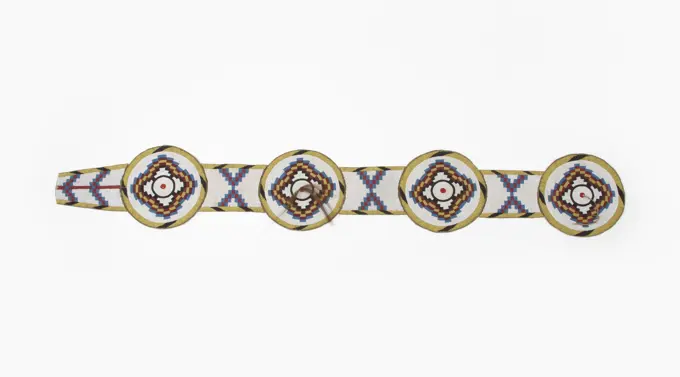
Historic Textile Trimmings

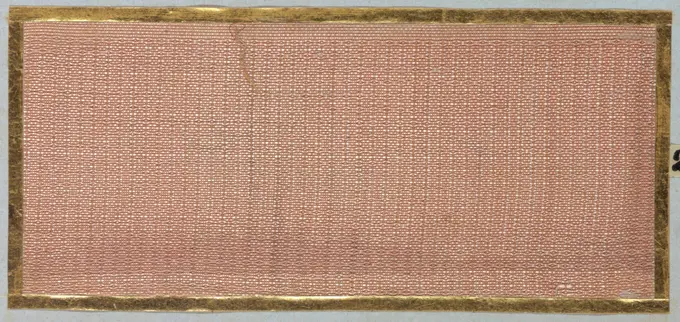
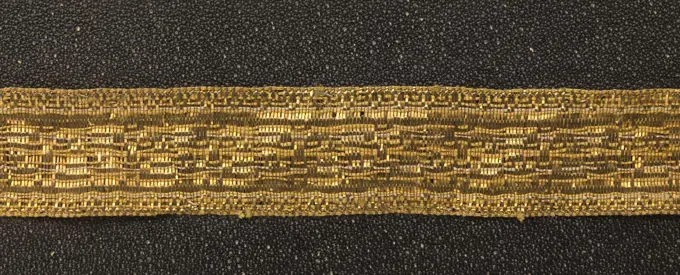
Close-up views of decorative textile trimmings and laces from the 18th century, showcasing intricate patterns and fine craftsmanship.

Border, Medium: linen Technique: needle lace, Border shows scrolls of floral and foliated forms. Pattern connected by picoted bars and outlined by cordonnet. Solidly-worked areas are interspersed by decorative filling stitches known as gaze quadrillée., France or Italy, 1650-1700, lace, Border
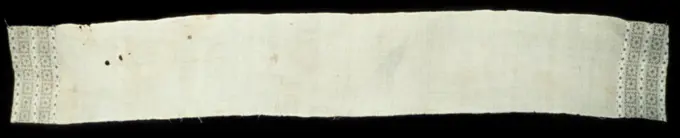
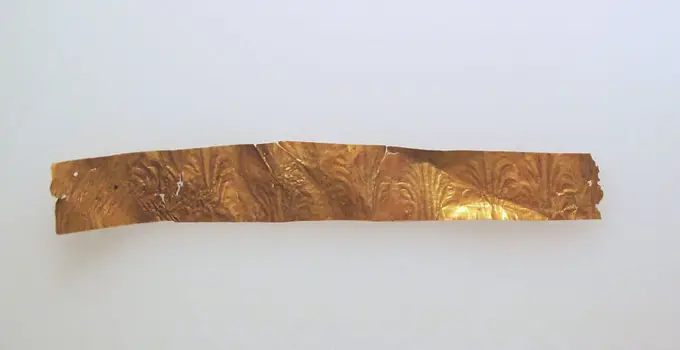
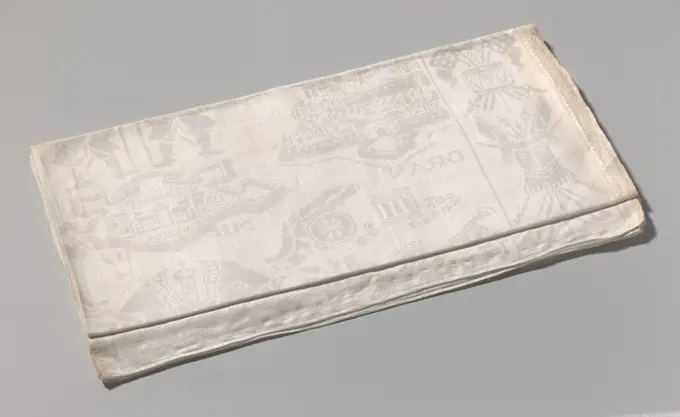
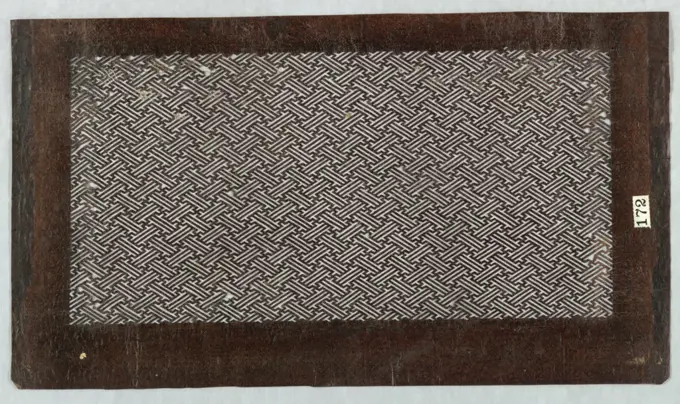
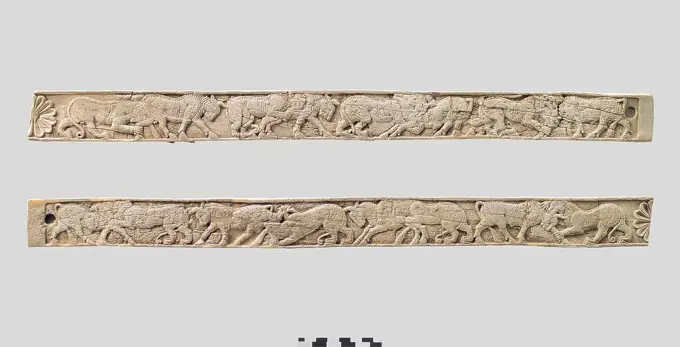
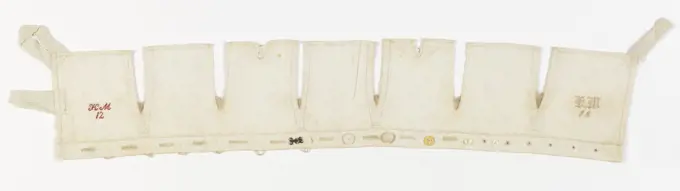
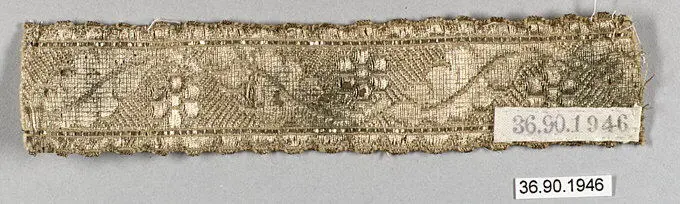
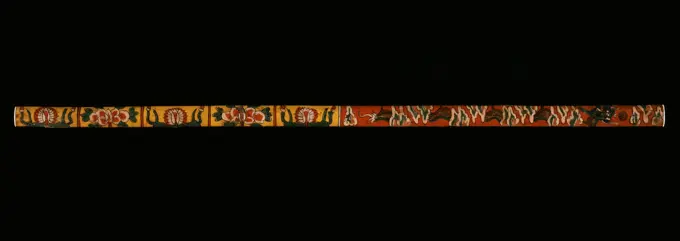
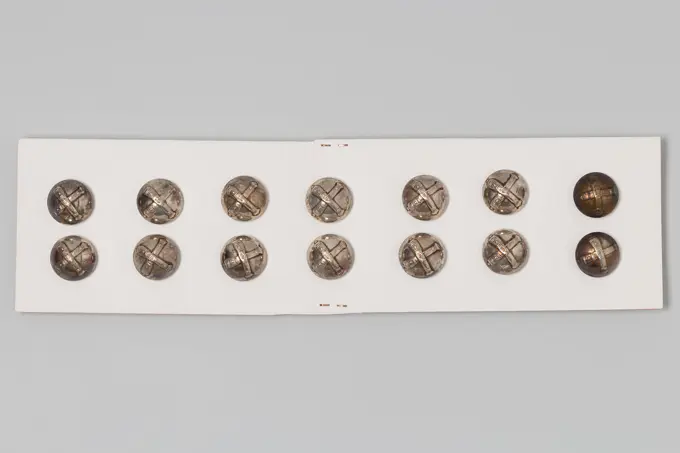
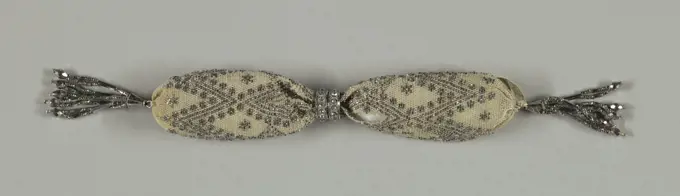
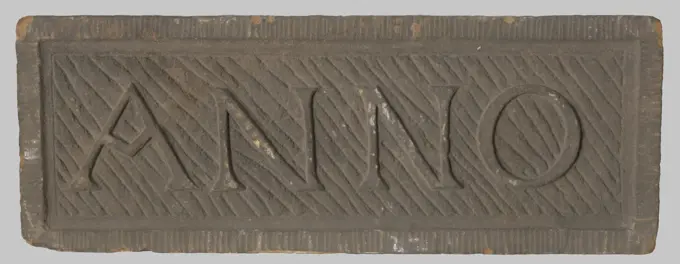
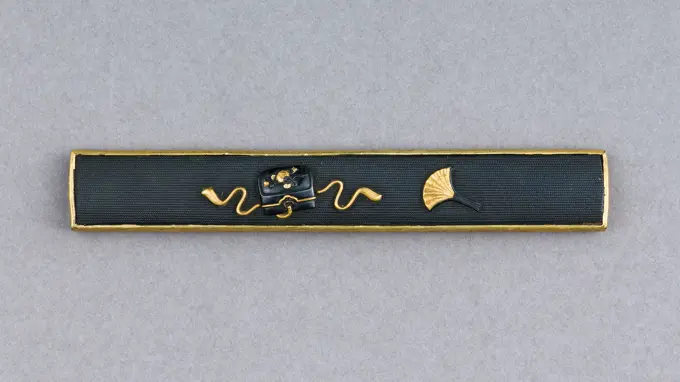
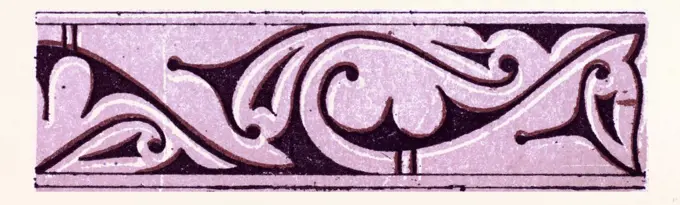
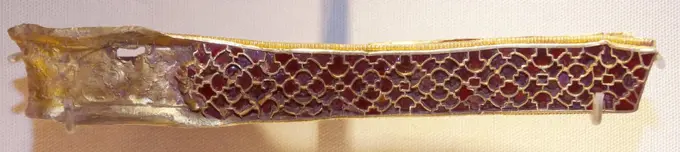
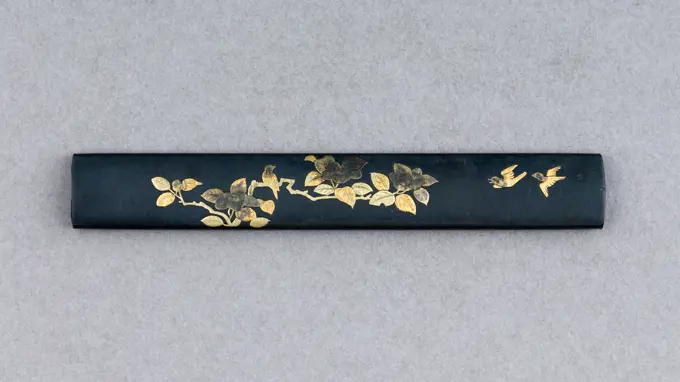
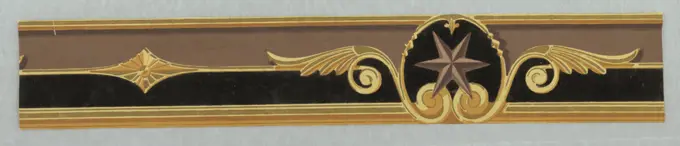
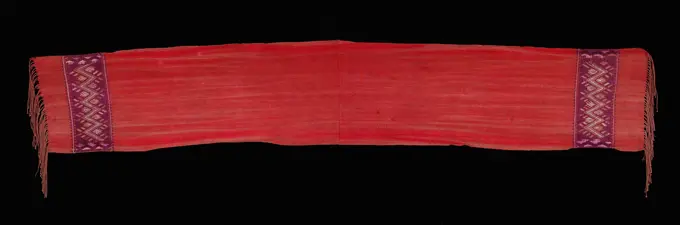
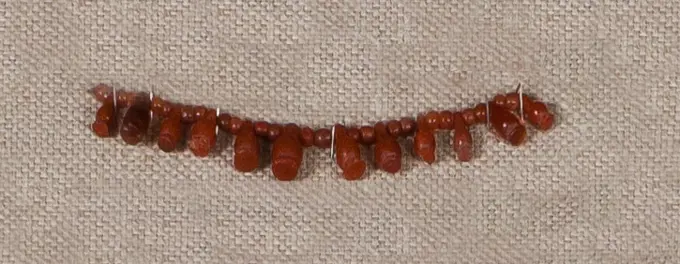
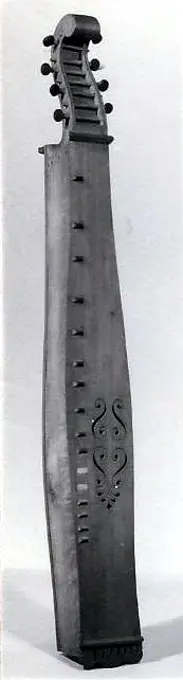
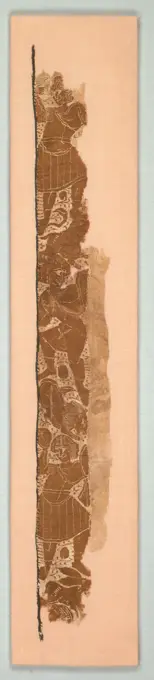
Fragment, Part of an Ornament from a Garment, 400s. Egypt, Byzantine period, 5th century. Tabby weave with inwoven tapestry ornament, linen and wool; overall: 47.6 x 6.2 cm (18 3/4 x 2 7/16 in.); mounted: 53.3 x 12.1 cm (21 x 4 3/4 in.).Needlepoint (Cutwork) Lace Band, 16th century. Italy, 16th century. Lace, needlepoint: linen; average: 9.3 x 308 cm (3 11/16 x 121 1/4 in.).Border. Flanders, Brussels. Date: 1690-1710. Dimensions: 7.4 × 93.2 cm (2 7/8 × 36 3/4 in.). Linen, bobbin part lace. Origin: Brussels. Museum: The Chicago Art Institute, Chicago, USA.Curtain, yellow, trimmed with passion with palmets and curved ribbon., Anonymous, 1790 - 1816 Yellow sides Unfarted curtain, trimmed with silk passion with palmets and curved ribbon. A frowned head at the top. At the top at the back linen strap with copper rings. Cords on each of the outer rings. Corning with BK 1980-776B, C, D. Northern Netherlands silk Yellow sides Unfarted curtain, trimmed with silk passion with palmets and curved ribbon. A frowned head at the top. At the top at the back linen strap with copper rings. Cords on each of the outer rings. Corning with BK 1980-776B, C, D. Northern Netherlands silkTrimming (France); silkKloskant cuff with straight orbit, Sophia Gerardine Cenijn-Smit, c. 1914 Cuff made of natural -colored bobbin. Narrow rectangular model. The pattern consists of a horizontal straight lane cloated in netslag, around which a frame runs that has been held in linen battle. In the list, cut -outs are made above and under a row of cut -outs, always three holes among each other where the middle one is the largest and that repeats itself at a regular distance. The cuff is finished along two short and one long side with an open arched edge, cloated in linen stroke with openwork edges and on the outside with a thicker and shiny contour thread and finished with picots. A block of shape in each bow. Amsterdam cotton (textile) bobbin lace Cuff made of natural -colored bobbin. Narrow rectangular model. The pattern consists of a horizontal straight lane cloated in netslag, around which a frame runs that has been held in linen battle. In the list, cut -outs are made above and under a row of cut -outs,Capslip from application side with a few flower branches, anonymous, c. 1906 - c. 1918 Barbe of natural -colored application side, bobbin lacquered on mechanical tulle. Some loosely stripped leaf branches are applied to the center of the rectangular field; These are on one piece in bobbin and on the other in tambouring work. At the straight ends there is always a coarse branch with flowers and leaves on a stock -littered stock. Rim of flat scoops, alternately of a switching band and a button with a bonding drink. The Hague (possibly) linen (material) Barbe of natural -colored application side, bobbin lacquered on mechanical tulle. Some loosely stripped leaf branches are applied to the center of the rectangular field; These are on one piece in bobbin and on the other in tambouring work. At the straight ends there is always a coarse branch with flowers and leaves on a stock -littered stock. Rim of flat scoops, alternately of a switching band and a button with a bonding drink. The Hague (Trimming, Medium: silk Technique: velvet, Red and white trimming fragment ornamented with white threads arranged to form a pattern of interlocking compartments., France, 19th century, trimmings, TrimmingTrimming, Medium: silk Technique: velvet, Red and white trimming fragment ornamented with white threads arranged to form pattern of interlocking compartments., France, 19th century, trimmings, TrimmingBobbin Lace Band, 17th century. Italy, Venice, 17th century. Lace, bobbin; overall: 5.2 x 116 cm (2 1/16 x 45 11/16 in.).Trimming (France); silkFragment of the lace;  XVII-XVIII century (1601-00-00-1800-00-00);Scarf, 18th century, 100 x 16in. (254 x 40.6cm), Linen, gold metallic thread; embroidered, Greece, 18th centurySample Made 1825-1850 France. Silk and straw, stripes of plain weave with supplementary facing wefts bound in twill interlacings with stripes self-patterned by warp-faced plain weave of complementary warps and inner wefts .Frontlet of gold leaf. Dimensions: Other: 11/16 × 4 1/2 in. (1.7 × 11.5 cm). Museum: Metropolitan Museum of Art, New York, USA.Tablecloth with the conquest of Neuhäusel, Gran, Buda and Pest by Leopold I, Emperor of Germany, Anonymous, c. 1686 Linnamast tablecloth with the conquest of Neuhäusel, Gran, Buda and Pest by Leopold I, Keizer van Germany. Flanders (Possible) linen (material) damask  Pest. Boedapest. Nové Zámky. Esztergom Linnamast tablecloth with the conquest of Neuhäusel, Gran, Buda and Pest by Leopold I, Keizer van Germany. Flanders (Possible) linen (material) damask  Pest. Boedapest. Nové Zámky. EsztergomPiece 18th century Italian. Piece 214916KeychainFringe late 18th century Italian. Fringe 224899Lint, anonymous, c. 1830 Ribbons of translucent pink fine mesh or tulle with leaf motif from approx. 1830, reinforced along the edges with iron wire. Europe silk. embroidering Ribbons of translucent pink fine mesh or tulle with leaf motif from approx. 1830, reinforced along the edges with iron wire. Europe silk. embroideringPiece 18th century French. Piece 214033Fragment (Japan)Fringe, Medium: silk, linen Technique: plain weave, Red fringe with a heading and small loops supporting tufts of floss., Italy, 17th century, trimmings, FringeBand (France); linenFylfot motif, Mulberry paper (kozo washi) treated with fermented persimmon tannin (kakishibu), and silk threads (itoire), Fylfot (sayagata) is a popular geometric design that was called 'saya' during the Edo era. This pattern is a standard map symbol for Buddhist temples in Japan. Originally this pictogram came from the Hindu God of love Vishnu's chest hair. Today, it represents a good omen and virtue., Japan, mid 18th - early 19th century, textile designs, Katagami, KatagamiSilk ribbon, with window and dip pattern in red and white, anonymous, c. 1700 - c. 1894 Silk ribbon, with window and dip pattern in red and white. Possibly a long -term or long -etching band, used as the ombo of the Hindeloper Wentke. West-Europa silk Silk ribbon, with window and dip pattern in red and white. Possibly a long -term or long -etching band, used as the ombo of the Hindeloper Wentke. West-Europa silkStrip Machine side with a rococorand of needle side, anonymous, 1775 - 1795 Strip of natural-colored needle side: Alençon side. The strip is put on a strip of machine tulle. It is a scalloped edge with rococo ornament, filled with decorative grounds and a hexagonal mesh ground. No finish on the top, the tulle is cut. France linen (material) Alençon Lace Strip of natural-colored needle side: Alençon side. The strip is put on a strip of machine tulle. It is a scalloped edge with rococo ornament, filled with decorative grounds and a hexagonal mesh ground. No finish on the top, the tulle is cut. France linen (material) Alençon LaceFurniture plaques carved in relief with animal combat. Culture: Assyrian. Dimensions: H. 1 3/4 x W. 21 3/4in. (4.4 x 55.2cm). Date: ca. 8th century B.C..These long ivory strips were found in a storage room in Fort Shalmaneser, a royal building at Nimrud that was used to store booty and tribute collected by the Assyrians while on military campaign. Since the wooden frame to which the ivory panels were attached had disintegrated, it was not possible to fully reconstruct the piece of furniture to which they belonged. They were probably part of a bed or couch, judging from the large panel associated with them, which is also in the Metropolitan Museum's collection (59.107.1). Both strips show lions attacking bulls, with half a rosette on one end and a flat edge with a dowel hole on the other end. Originally, the two strips were probably connected to form a single strip, with the half-rosettes lined up to join each other. The dowel holes likely aided the attachment of the ivory veneer to a fVignette with the bust of the king in the medallion; Aldegrever, Heinrich (Ca 1502-1555 cars 1561); 1535 (1st edition) (1535-00-00-1561-00-00);Needle sheath 17th century Italian. Needle sheath. Italian. 17th century. Wood. Textiles-Methods and MaterialsRibbon, Medium: Technique: velvet, Red velvet ribbon, shaped into a curve with stitches at center., USA, late 19th century, woven textiles, RibbonBlade with Ivory Handle and Sheath. UnknownTextile; silkStrip bobbin with two different cartouches, anonymous, c. 1725 - c. 1749 Strip of natural-colored bobbin: binche side. The pattern consists of an alternation of two different cartouches, with a separate rosette flower in the ornamental filling in one of them. From this cartouche on both sides at the top of a curved flower stem, where the plume -shaped flower lies along the underside of the strip and cuts the next cartouche. Under the curved flower stem splits a very thin sprig on one side with rosette flower and on the other side with a tulip -like flour. The motifs are connected by a grid, a five -part ground. The motifs are made in linen battle with openwork edges and few recesses. Two different decorative lands have been used in the cartouches, both with snowflakes. At the top and bottom are straight finished, with the bottom with picots. Southern Netherlands (possibly) linen (material) Bobbi Lace / Binche Lace Strip of natural-colored bobbin: binche side. The pattern consists of anStrook passement met gouddraad.Strip passing of gold thread.Fragment late 16th century Italian, Venice. Fragment 212730Glass Fragment 14th century European. Glass Fragment. European. 14th century. Pot metal glass. Glass-StainedKnife Handle (Kozuka). Culture: Japanese. Dimensions: L. 3 13/16 in. (9.7 cm); W. 9/16 in. (1.4 cm); thickness 3/16 in. (0.5 cm); Wt. 0.8 oz. (22.7 g). Date: ca. 1615-1868. Museum: Metropolitan Museum of Art, New York, USA.Band (India); cotton, silkManuscript Covers. Sri Lanka, 19th century. Manuscripts. SilverMount for Spear-Shaft ca. 400 Late Roman This object comes from the Vermand Treasure, the most richly appointed barbarian-warrior grave ever found. The grave was likely that of an auxiliary soldier stationed in the Roman province of Gaul. It also contained a shield, parts of which of which are on view in the Arms and Armor Galleries.. Mount for Spear-Shaft 465202Pennant from the Battle of Lepanto. Naval battle which took place on 7 October 1571 between the Holy League (coalition of Catholic countries) and the Ottoman Empire. Silk damask and painting, ca. 1571. Museum of Santa Cruz. Toledo. Spain. (On loan, Toledo Cathedral).Border. Date/Period: 1575/1599. Medium: linen. Technique: punto in aria needle lace. Author: UNKNOWN.Galloon mid-18th century French. Galloon. French. mid-18th century. Metal thread. Textiles-TrimmingsBorder early 19th century possibly French. Border 213075Sewing sampler, Medium: cotton Technique: sewn and embroidered on plain weave foundation, A long piece of handwoven cotton stitched with buttons, button loops, buttonholes, hemming, tabs, hooks and eyes, and lace fillings. KM12 is embroidered in red cross stitch at one end and KM18 in knot stitch at the other, possibly dating the piece to 1812., USA, early 19th century, embroidery & stitching, Sewing samplerGalloon 17th-18th century Unknown. Galloon 213776Border, Medium: linen Technique: needle lace with ground of loop & twist with twist return, Border with a slightly scalloped border of floral sprays and a powdered-over net of semé de larmes., France, late 18th-early 19th century, lace, BorderFragments of silk fabric  throws of flower bouquets against the background of belts and stripes unknownStrip of lace tissue with triangles and triangular frills, anonymous, c. 1500 - c. 1649 Strip of natural lace tissue: open tissue in linen binding. The repeating and geometric pattern consists of an equilateral triangle between two slugged rectangular blocks. The successive triangles are alternately with the point up and down. Schulpenrand with triangular frills. Top right. Southern Netherlands (possibly) linen (material) Strip of natural lace tissue: open tissue in linen binding. The repeating and geometric pattern consists of an equilateral triangle between two slugged rectangular blocks. The successive triangles are alternately with the point up and down. Schulpenrand with triangular frills. Top right. Southern Netherlands (possibly) linen (material)Galloon 18th century French. Galloon 225027SetteeGreen ribbon Ribbon of green fabric detail Copyright: xZoonar.com/ClaudioxDiviziax 8029115Measuring Stick. Korea, Joseon dynasty (1392-1910), 19th century. Tools and Equipment; measurers. Reverse painted ox horn veneer on bamboo coreCollar unknownKnife Handle (Kozuka). Culture: Japanese. Dimensions: L. 3 13/16 in. (9.7 cm); W. 9/16 in. (1.4 cm); thickness 3/16 in. (0.5 cm); Wt. 1 oz. (28.3 g). Date: ca. 1615-1868. Museum: Metropolitan Museum of Art, New York, USA.Spherical button of silver -plated copper, on which two crossed guns in relief; Part of an artillery uniform, P. Mansvelt & Zn, 1885 Marked as a margin: "P. Mansvelt & z. 'S Hage". The Hague copper (metal) Marked as a margin: "P. Mansvelt & z. 'S Hage". The Hague copper (metal)Edging (Italy); linen; 1933-1-223Spherical knot of silver plated copper, on which two crossed guns are relieved; Part of a militia uniform. Signature as a peripheral: "P. Mansvelt & Z. 'S Hage". Salvaged in a box at a sash; Note in box: "W. Six 1859-1928 / 14 Knoops Schutterij Uniform / 1885".Miser's purse, Medium: silk, steel Technique: knotted netting, White silk purse ornamented with cut steel beads in zigzag and diamond patterns. Two steel rings with raised ball pattern, control side opening; tassels of steel bars and beads at either end., France, early 19th century, costume & accessories, Miser's purseSpire -shaped stocking insert from Kloskant with flower basket, anonymous, c. 1911 Black bobbin gubble: Chantilly side. Pointed -shaped model. The pattern consists of a flower basket with ribbons that hang to the tip of the stocking. The motifs are made in netslag with thicker contour threads. They are connected by a hexagonal grid, a tuler land. A rose soil has been used sparingly as a decorative land. Along the circumference of the stocking insert, an edge has been made in netslag, which is finished on the inside and outside with a thicker contour wire. Geraardsbergen whole: Silk bobbin lace Black bobbin gubble: Chantilly side. Pointed -shaped model. The pattern consists of a flower basket with ribbons that hang to the tip of the stocking. The motifs are made in netslag with thicker contour threads. They are connected by a hexagonal grid, a tuler land. A rose soil has been used sparingly as a decorative land. Along the circumference of the stocking insert, an edge has been made in neFringe 17th century Italian. Fringe. Italian. 17th century. Silk. Textiles-TrimmingsExample of Ottoman art patterns applied on metalsTrim for Hem of Tunic or Skirt (Tablet WovenBand)Sash; woolJacket (Indonesia); cotton, mica, shellsSampler, Medium: linen embroidery on linen foundation Technique: withdrawn element embroidery with needle-made fillings on plain weave foundation, Central part of a whitework sampler with bands of pattern., England, 17th century, embroidery & stitching, SamplerStrip -Facing brick with inscription anno. ,, c. 1663  Lying rectangle with an shaded edge all around and an shaded surface on which the inscription Anno. Two facing bricks belong to the stone: KOG-ALS-146-1 with two spewing heads and Kog-Eels-146-3 with 1663. Netherlands (possibly) .Suspenders 1840-59 European. Suspenders 122485Comb back. Inlaid of 25 rhinestones in rounded squares, carved in fronts, of growing size towards the center, 2 rings at the ends.Border 17th century Italian. Border 214794Knife Handle (Kozuka) ca. 1615-1868 Japanese A kozuka is a handle of a by-knife that is part of a sword mounting. It is kept in a slot on the reverse of a katana scabbard, often with a matching kōgai (hairdressing tool).. Knife Handle (Kozuka) 34505Trimming (Italy); silver in flat strips wound on a silk coreArabian ornamentCloisonné and garnet, decorative gold strip from the Staffordshire Hoard of Anglo-Saxon gold and silver metalwork. Discovered in a field near the village of Hammerwich, near Lichfield, in Staffordshire, England, on 5 July 2009, it consists of over 3,500 items from the Anglo-Saxon kingdom of Mercia.Border (France); roller printed on machine-made paper; 65 x 5.5 cm (25 9/16 x 2 3/16 in.)Strip crocheted side with five -pointed stars and flowers made with open circles, anonymous, c. 1890 - c. 1909 Part of a strip of natural -colored Irish crocheted side. The original, repeating, pattern consists of a double row with a total of eight triangular floral motifs made with open circles, interspersed with one five -pointed star with a circle in the middle and a circle on each point. Crochet irregular mesh soil with picots. At the top and bottom are finished with a straight edge. Ireland cotton (textile) Part of a strip of natural -colored Irish crocheted side. The original, repeating, pattern consists of a double row with a total of eight triangular floral motifs made with open circles, interspersed with one five -pointed star with a circle in the middle and a circle on each point. Crochet irregular mesh soil with picots. At the top and bottom are finished with a straight edge. Ireland cotton (textile)Textile Fragment third quarter 17th century. Textile Fragment 453221Knife Handle (Kozuka) ca. 1615-1868 Japanese A kozuka is a handle of a by-knife that is part of a sword mounting. It is kept in a slot on the reverse of a katana scabbard, often with a matching kōgai (hairdressing tool).. Knife Handle (Kozuka) 34562Border, Block-printed and flocked on machine-made paper, This design consists of a six-pointed star enframed in a winged oval, each separated by rayed lozenges against a half-flocked background band. Printed in black flocking, yellow, gold, browns and tan., H# 190, France, 1850-70, Wallcoverings, BorderRibbon; silk, metallicMan's sash (Faja), 1930-1940, 92 x 13 1/2 in. (233.68 x 34.29 cm) (includes fringe), Cotton, silk; supplementary weft patterning, Guatemala, 20th centuryShoulder Band Fragment 5th century. Shoulder Band Fragment. 5th century. Linen, wool; tapestry weave. Attributed to Egypt. TextilesHandle of a Fly Whisk 18th century This handle of a fly-whisk, used to disturb flies, is made of nephrite and inlaid and inset with gold and rubies. Lotus leaves are carved into both ends and a small bud at the bottom of the handle is made of stone and outlined in gold. Fly-whisks like this one appear in Mughal paintings, including several in the Museums collection.. Handle of a Fly Whisk 452307Fringe, Medium: silk Technique: soumak weave, Yellow fringe with a soumak heading, picots and skirt threads., Spain, 16th century, trimmings, FringeBelt, early 18th Century. Netherlands, 18th century. Enamel on copper with gilt metal mounts and cloisonné medallions; overall: 55.9 cm (22 in.).String of Carnelian Beads and Poppy Pendants ca. 1981-1295 B.C. Middle Kingdom-Early New Kingdom. String of Carnelian Beads and Poppy Pendants. ca. 1981-1295 B.C.. Carnelian. Middle Kingdom-Early New Kingdom. From Egypt, Memphite Region, Lisht North, Cemetery, Debris, MMA excavations, 1920-22. Dynasty 12-18Ribbon, Medium: silk, cotton Technique: plain weave, Lavender ribbon with lavender and white ornament., USA, late 19th century, woven textiles, RibbonStrip 17th century Italian, Milan. Strip 212377.Langeleik 18th century Norwegian. Langeleik 501599VaseBlanket strip -Trimming, Medium: silk, metal, glass beads, Gold and silver metal cord in scroll design, graduating large to small from left to right. Glass beads stitched to edge of scrolls., France, late 19th century, trimmings, TrimmingPipe Case 19th century Japan. Pipe Case 60517Panel. England. Date: 1830-1840. Dimensions: 50.2 × 15.6 cm (19 3/4 × 6 1/8 in.)Repeat: 8.1 × 8.6 cm (3 1/4 × 3 3/8 in.). Silk, plain weave self-patterned by main warp and ground weft floats, areas of twill weave, and areas of satin weave; woven on loom with Jacquard attachment. Origin: England. Museum: The Chicago Art Institute, Chicago, USA.Textile Swatches Onondaga Silk Company, Inc. (1925-1981). , 1948-1959. 37 silk, 37 metal, 26 acrylic, 43 1/2 x 16 in. (110.5 x 40.6 cm).    1948-1959Ice Cream Fork, The Commonwealth” Pattern.  Maker: Porter Blanchard, American, 1886-1973HOMONGI EN FUKURO OBI MET ALPENSCENES, 1980-2000 Semi-formal women's kimono for visitors (Homongi) with accompanying belt for a kimono without stiff inside part and with decoration on just a part of the plane (Fukuro Obi). Japan silk painting Semi-formal women's kimono for visitors (Homongi) with accompanying belt for a kimono without stiff inside part and with decoration on just a part of the plane (Fukuro Obi). Japan silk painting