Historic Textiles

Fragments of ancient textiles from Italy and Central Asia, featuring intricate patterns and rich materials like silk and gold, reflecting the craftsmanship of historical fabrics.
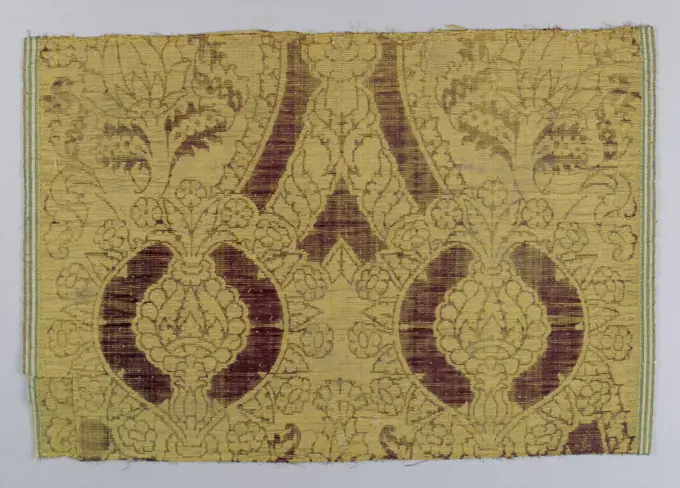
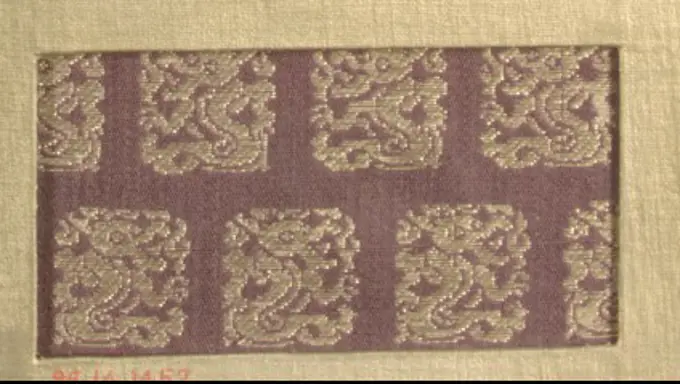
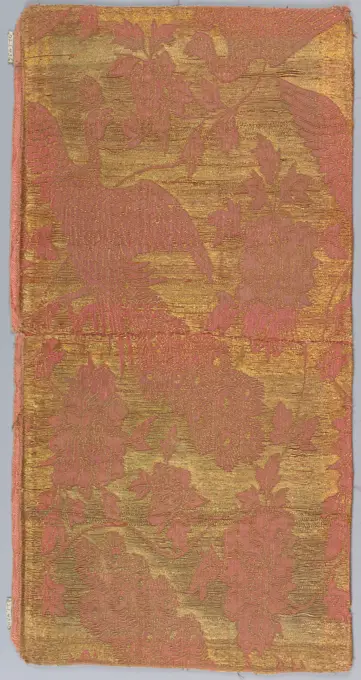
Panel, Medium: silk, metallic threads Technique: supplementary warp in plain weave foundation with continuous supplementary wefts (velvet), Pomegranate pattern in mauve and gold., Spain, 15th century, woven textiles, Panel
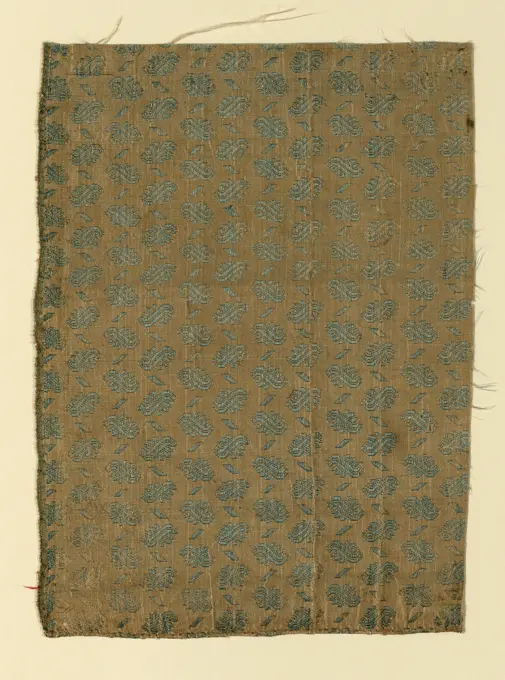
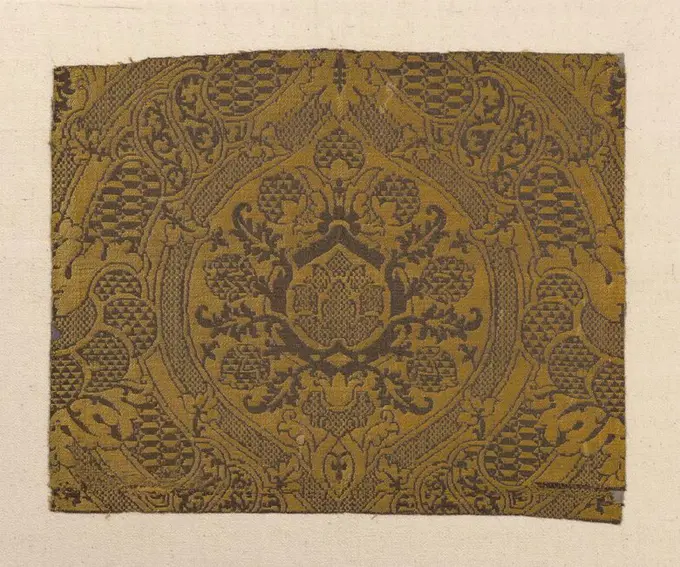
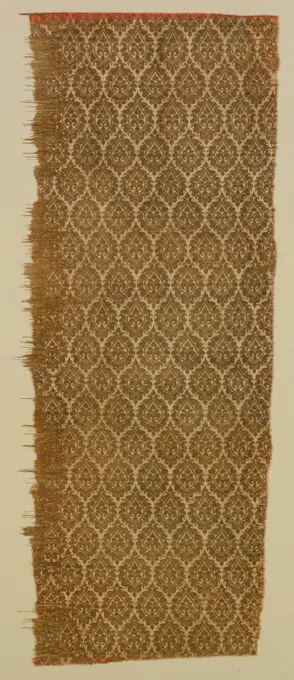
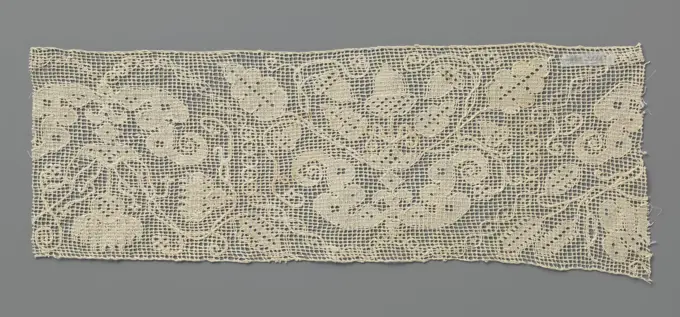
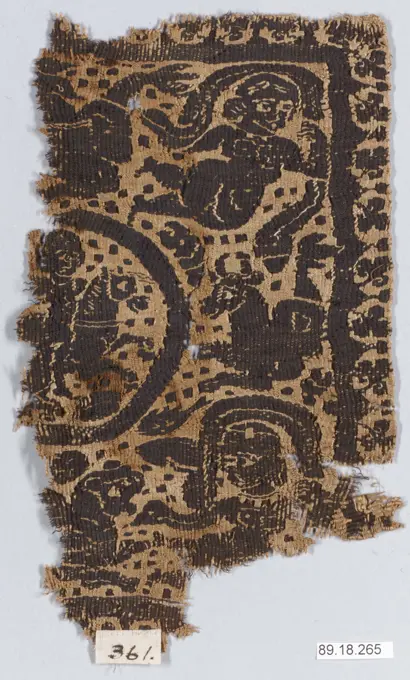
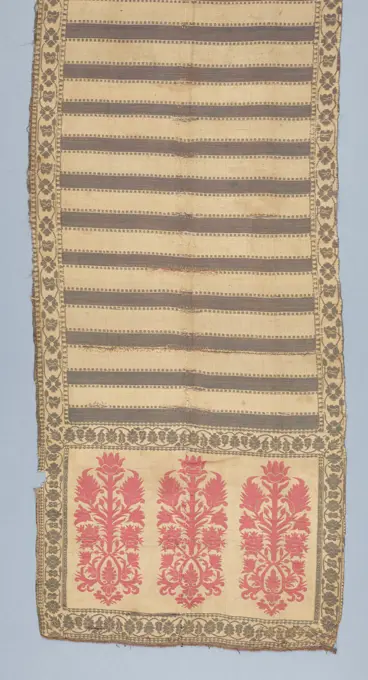
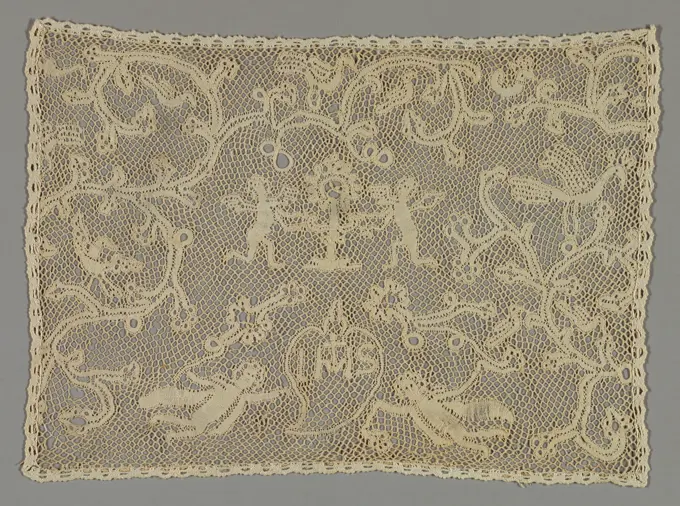
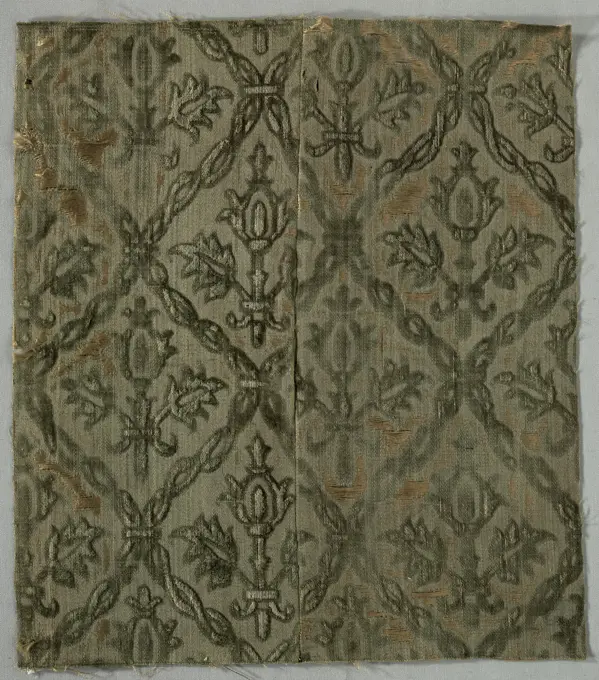
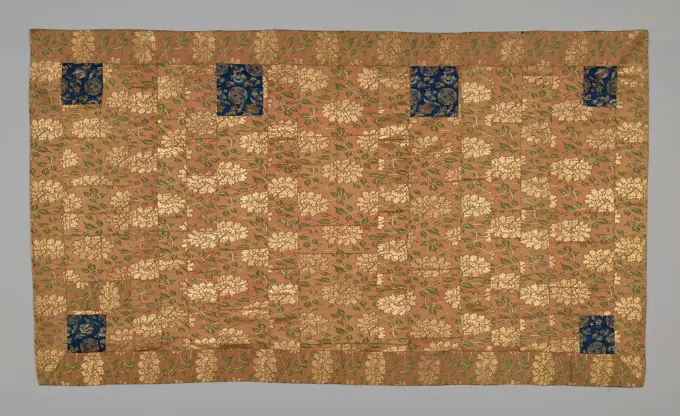
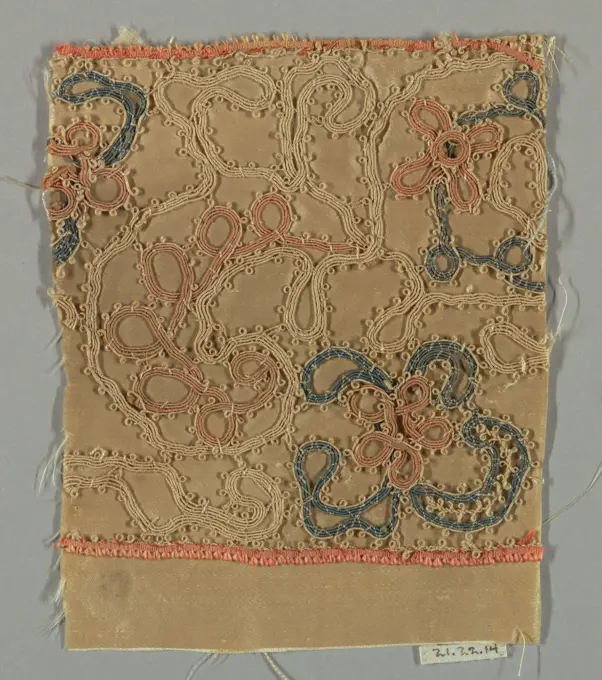
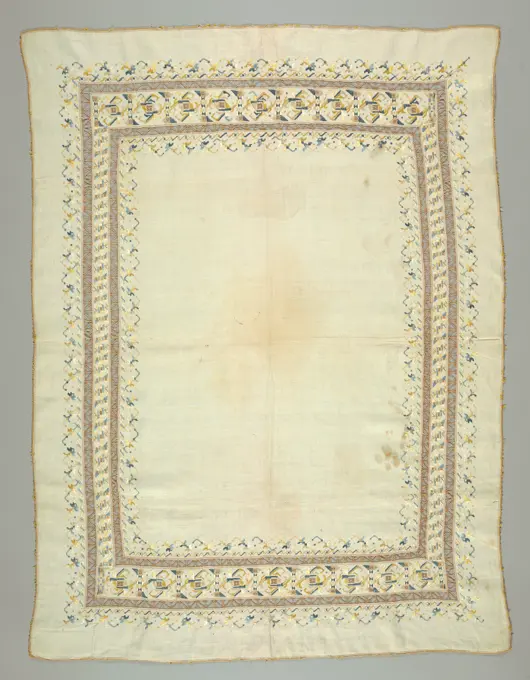
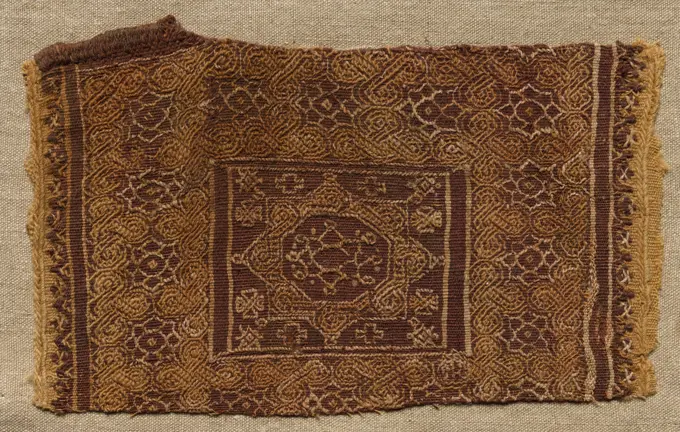
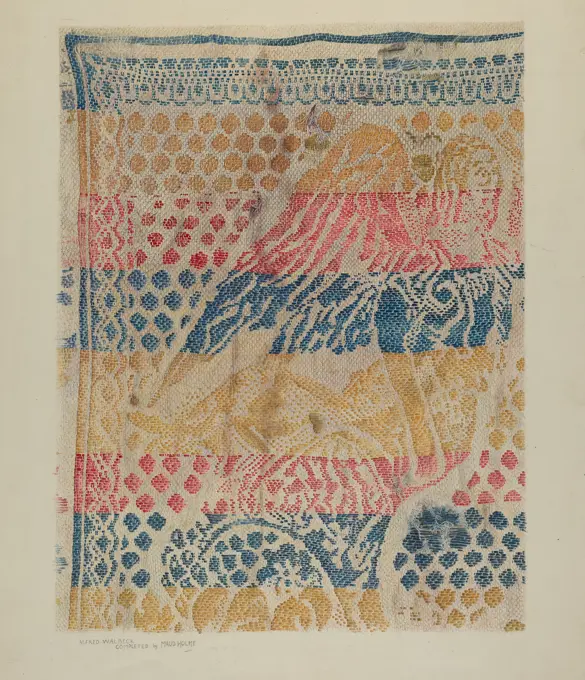
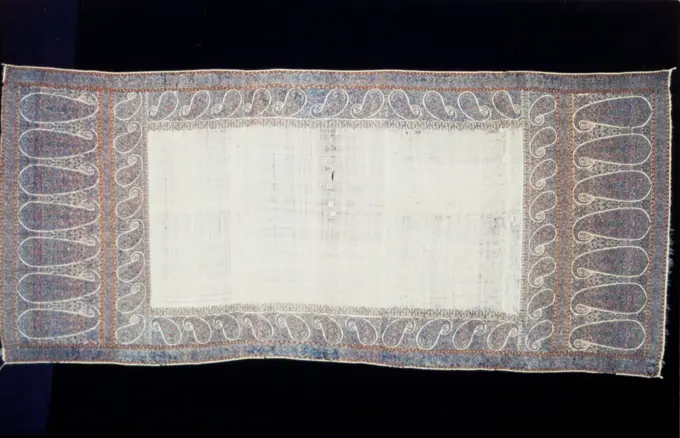
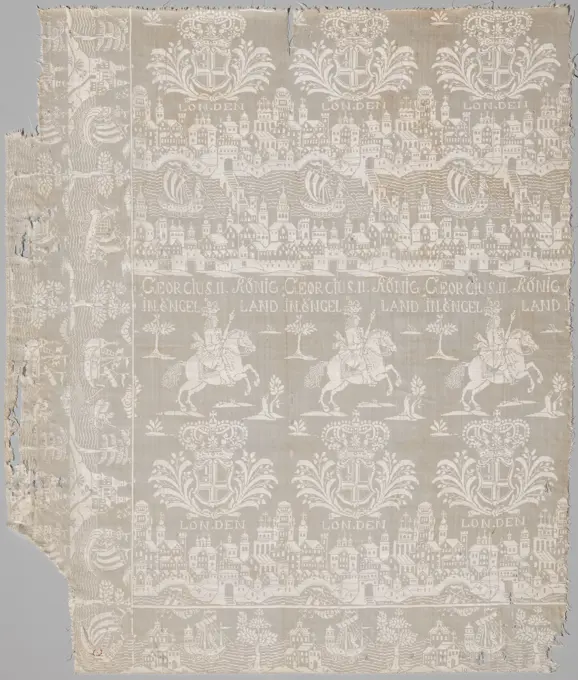
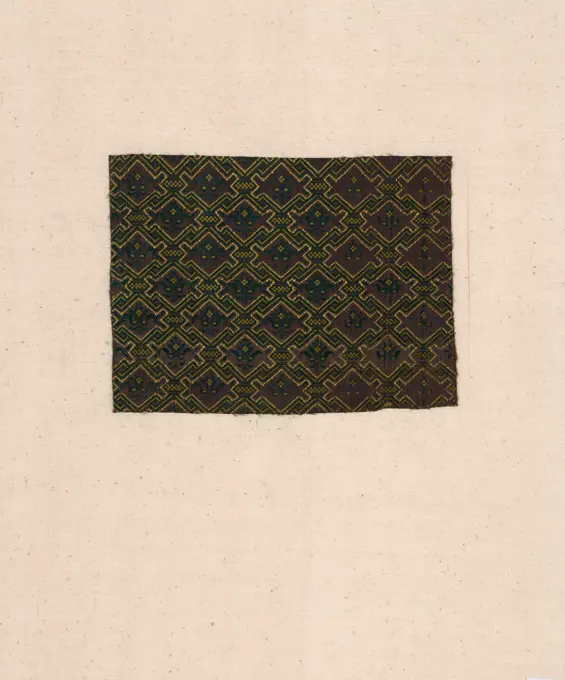
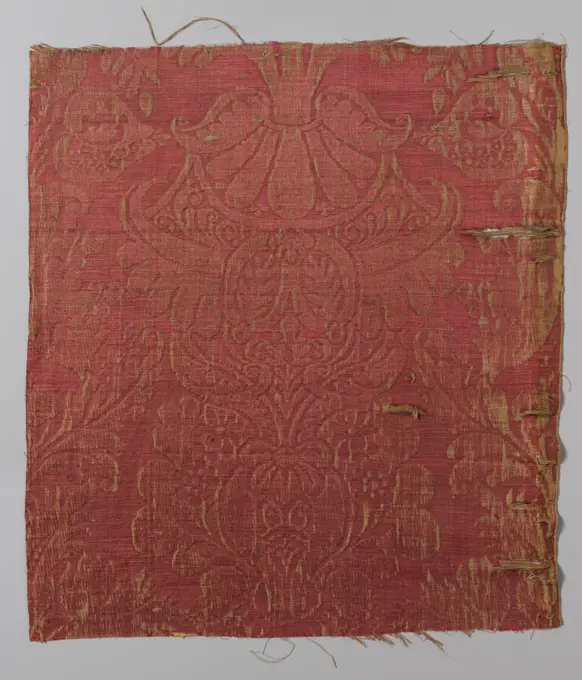
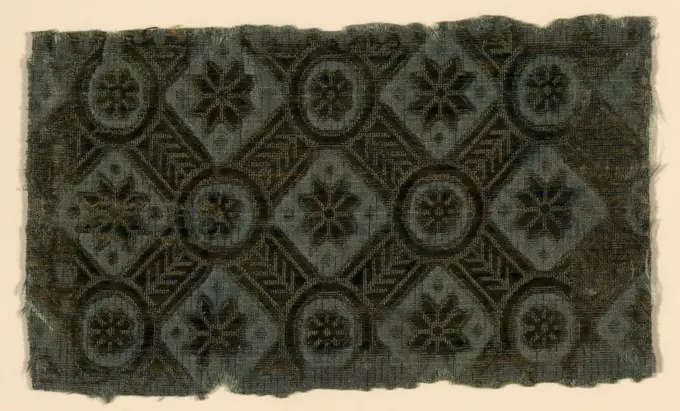
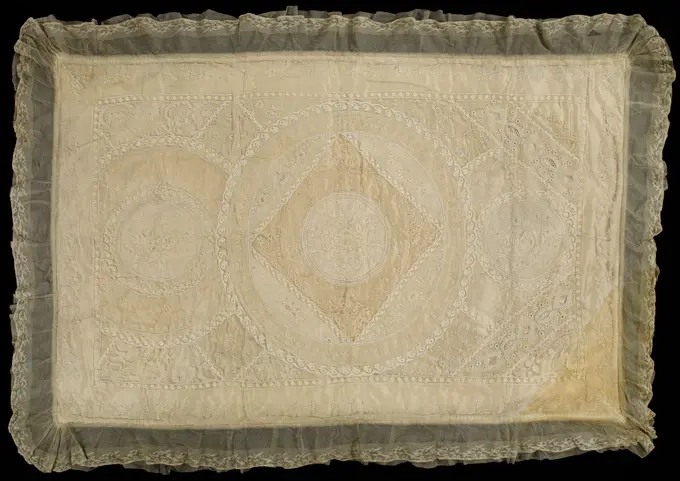
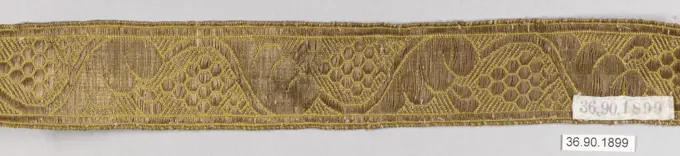
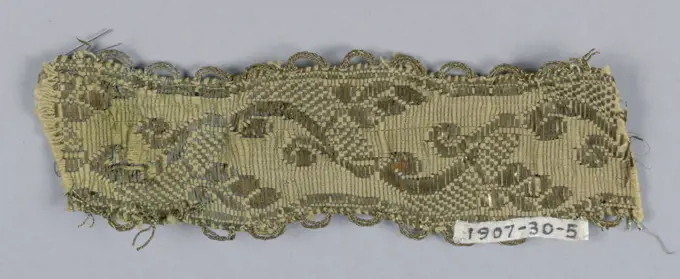
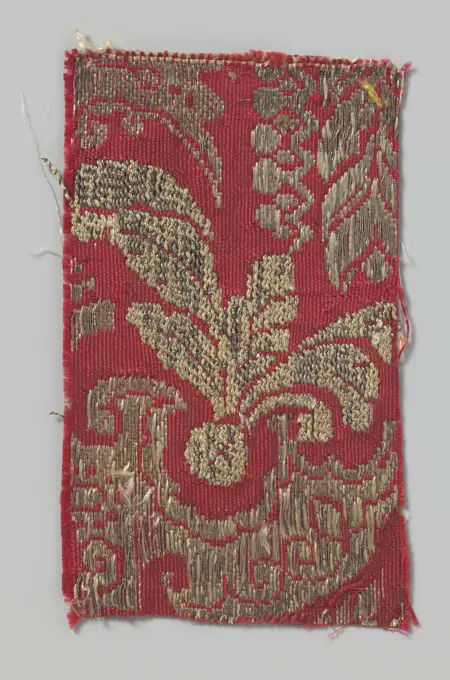
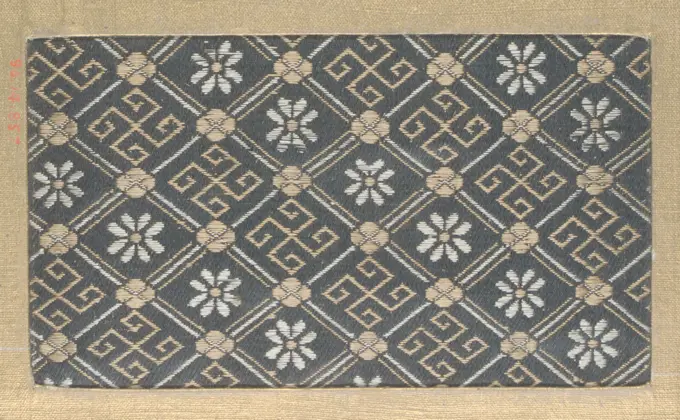
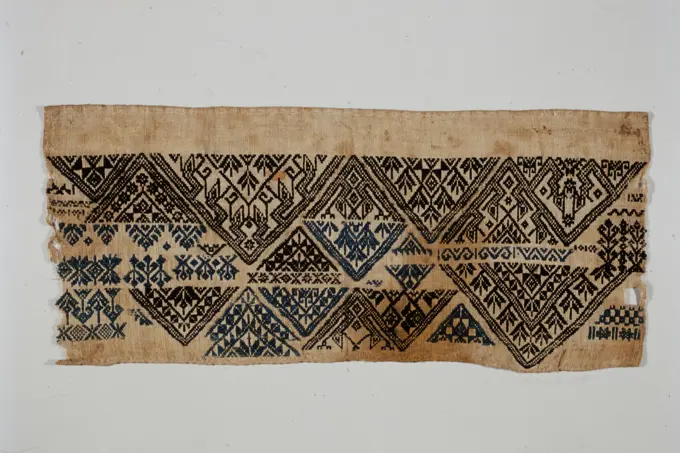
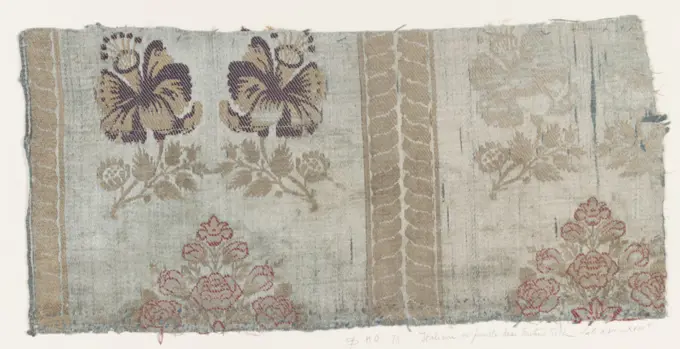
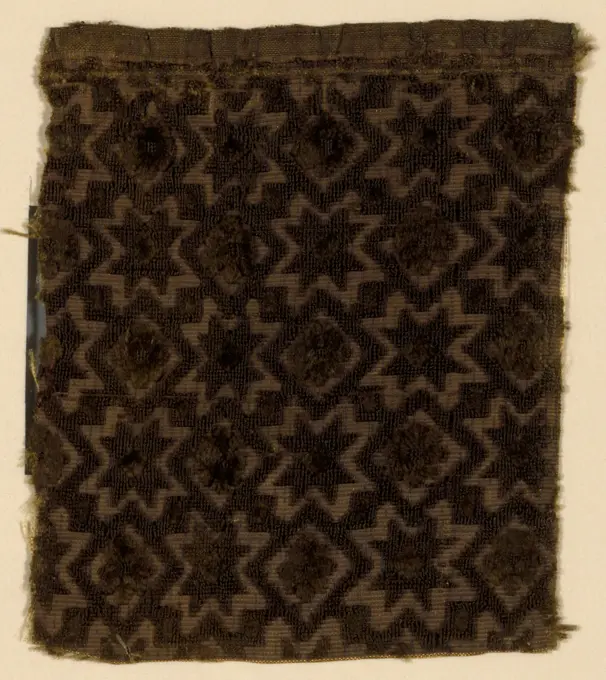
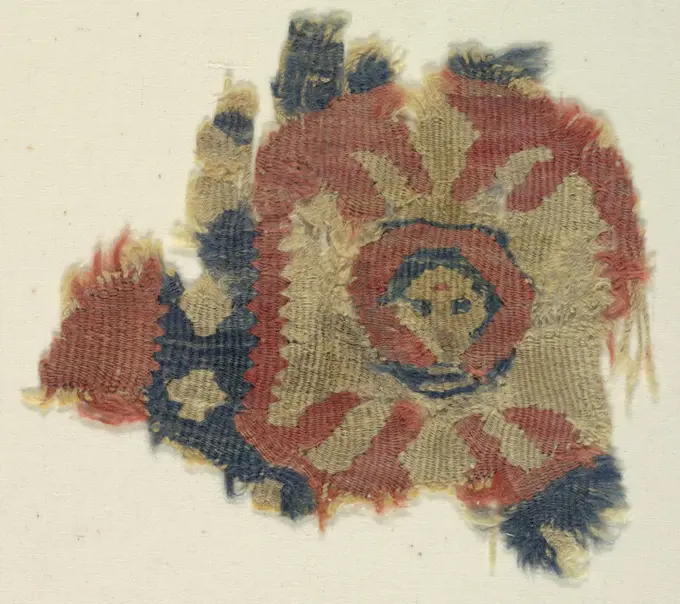
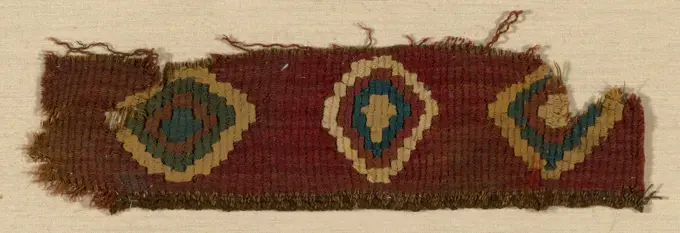
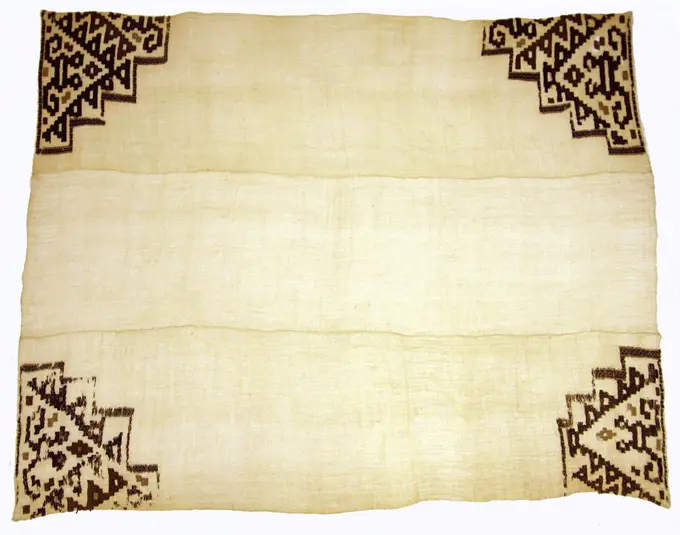
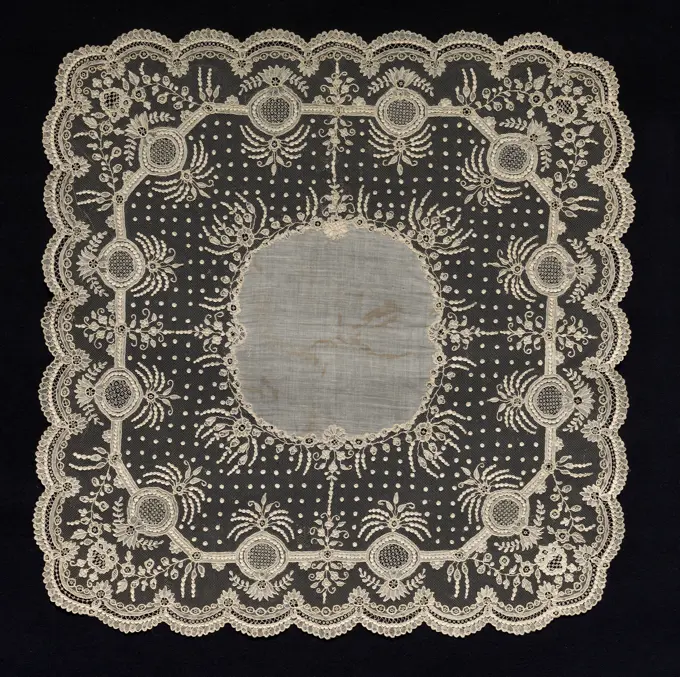
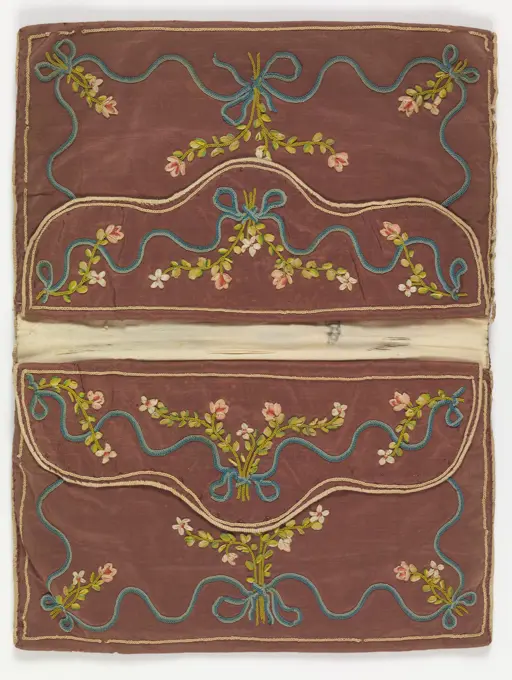
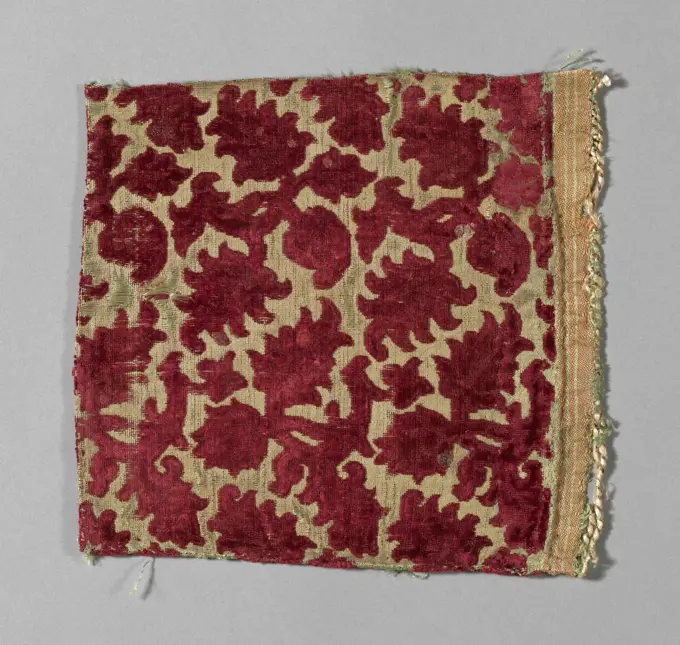
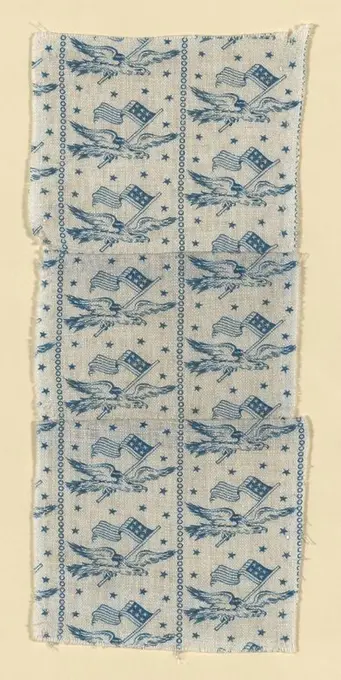
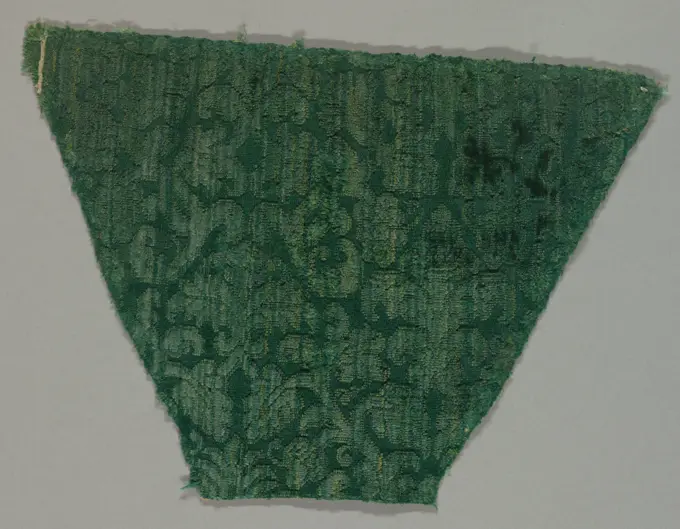
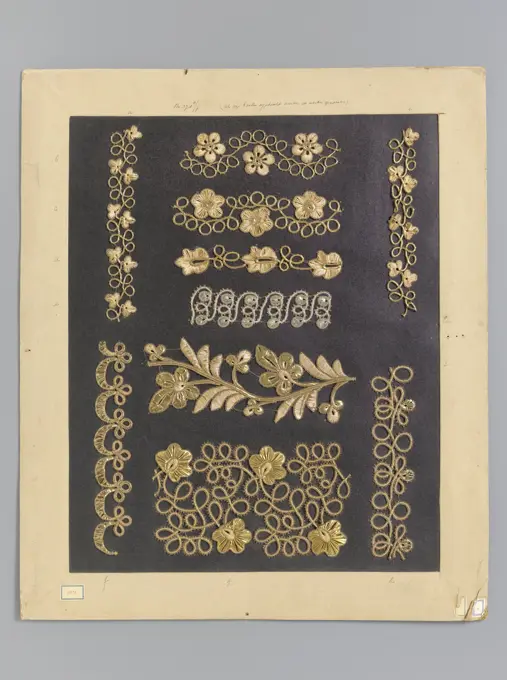
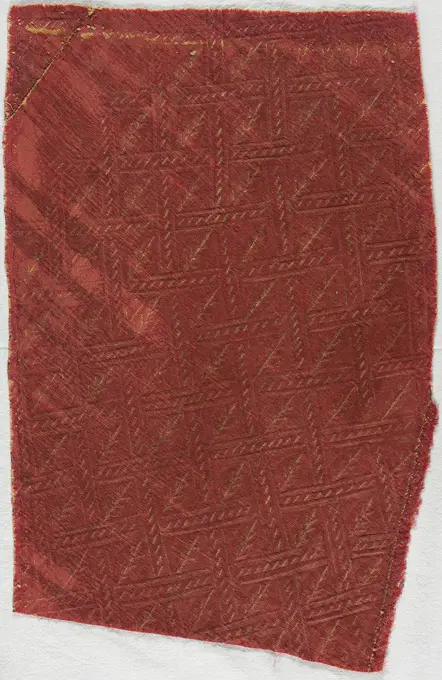
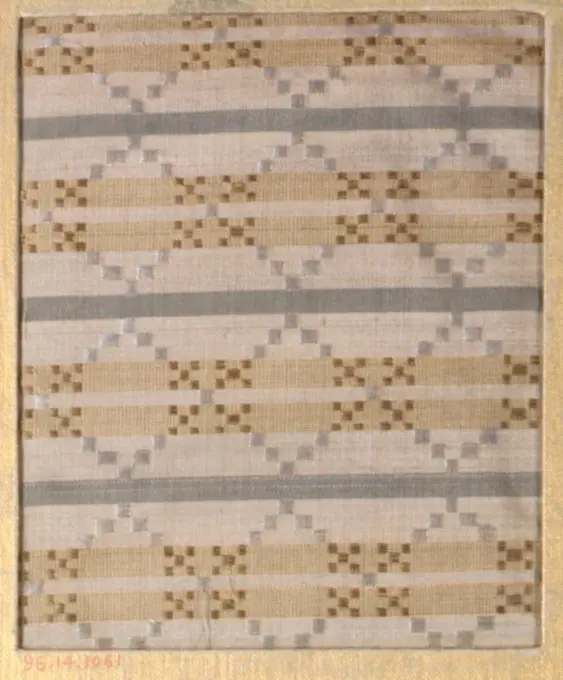
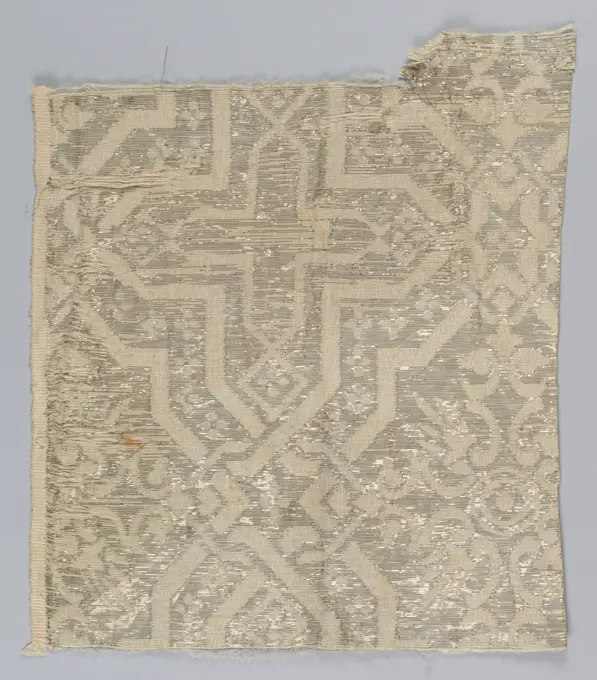
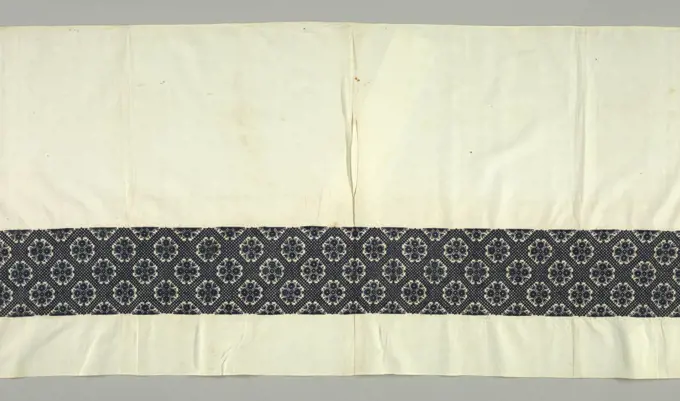
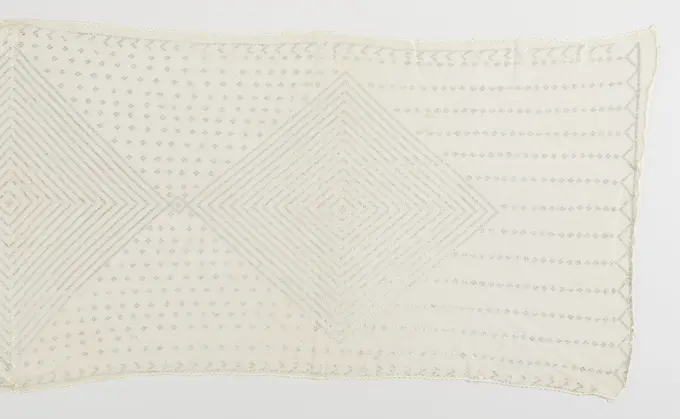
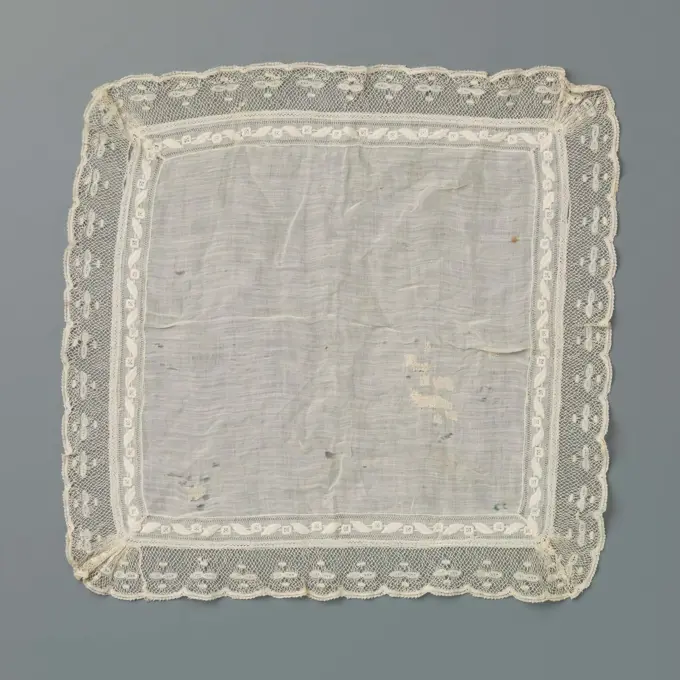
Fragment, Medium: silk, cotton () Technique: plain weave with supplementary weft patterning, Floral forms with curling leaves., 17th century, woven textiles, FragmentPiece 16th-17th century Italian. Piece 223469Fragment Made 1650-1700 Italy. silk .Fragment. Italy. Date: 1525-1575. Dimensions: 44.5 x 55.1 cm (17 1/2 x 21 3/4 in.). Silk, satin weave with twill interlacings of secondary binding warps and patterning wefts. Origin: Italy. Museum: The Chicago Art Institute, Chicago, USA.Textile with Palmettes, 1200s-1300s. Central Asia, Mongol period, 13th - 14th century. Silk and gold thread; tabby with supplementary weft; overall: 85.5 x 35 cm (33 11/16 x 13 3/4 in.). Designs of repeated ogives were popular in Central Asia and survive in a number of variations. Usually, the ogival frame encloses a floral motif, as in this example. Sometimes paired animals occur instead. Silks with this type of pattern were exported to Western Asia and to Europe, where they inspired textile designs woven locally. Mongol silks with exotic floral and animal patterns were acquired for use as clothing and furnishings by the clergy and nobility. They were also used by painters as models for hangings or garments.Sidewall Sample; machine-printed on paper; 22.5 x 22.5 cm (8 7/8 x 8 7/8 in.)Strip of lace plunge with oak leaves and acorns, anonymous, c. 1600 - c. 1699 Strip of natural -colored lace -ups: fillet side. The repeating and symmetrical pattern consists of a triangular dish with oak leaves and three acorns. The bowl is on a trunk with curling leaves and with a base formed by a splitting chain of connected ovals, which runs like a pendulum in the foot of the successive (inverted) bowl. The pattern is alternately reversed and is embroidered in the stopping technique, on a finely knotted network with square meshes. Contour lines are applied around the motifs with a slightly thicker and shiny wire. Top and bottom of the strip are straight. Germany (possibly) linen (material) embroidering Strip of natural -colored lace -ups: fillet side. The repeating and symmetrical pattern consists of a triangular dish with oak leaves and three acorns. The bowl is on a trunk with curling leaves and with a base formed by a splitting chain of connected ovals, which runs like a penduluCaucasian Kuba carpet unknownPanel, Medium: silk, metallic threads Technique: supplementary warp in plain weave foundation with continuous supplementary wefts (velvet), Pomegranate pattern in mauve and gold., Spain, 15th century, woven textiles, PanelTextile Fragment 3rd-4th century. Textile Fragment 443470Contustion sash unknownTextile; silk, metallic threadFragment; silk; Warp x Weft: 13.2 x 12.4 cm (5 3/16 x 4 7/8 in.); 1896-32-5Fragment, Medium: silk, metallics Technique: woven, Stars in red, white and metallics on blue ground., Iran, 17th century, woven textiles, FragmentLace Panel (Italy); linenPiece 18th-19th century Japan. Piece 67168Fragment of semi silksemi silk fabric unknownSluier of hoedensluier van kantborduurwerk op machinale tule met moesjes en waaiervormen.Veil or hat veil of edge embroidery: Limerick side or Lierse side (tamerie on machine tulle). The rectangular veil is located along one of the long sides decorated with tambourish in a varied pattern of a fan-shaped leaf rosette and a vase with a fan-shaped bouquet in it. The field is strewn with moes. A pearl edge runs along two short and one long side.Piece 18th-19th century Japan. Piece 67445Fragment 900 CE-1470 Peru. Cotton, plain weave with paired warps; center cotton, plain weave double cloth; two selvages present . ChancayVelvet Fragment, 1650-1699. Italy, 2nd half 17th century. Velvet; overall: 37.8 x 33 cm (14 7/8 x 13 in.).Textile 19th century Japan. Textile 67992Kesa Made 1875-1900 Japan. .Carpet unknownBorder Fragment (Italy); silk on silkCover (Spain); silk on linen; Bequest of Marian Hague; 1971-50-66Long Sarong (kain Panjang) (Indonesia); cottonEmbroidered Towel (Havlu), 19th century. Turkey, 19th century. Embroidery: silk and metallic threads on cotton tabby ground; average: 151.1 x 86.4 cm (59 1/2 x 34 in.).Fragment. Italy. Date: 1350-1400. Dimensions: 20.2 x 34.6 cm (8 x 13 5/8 in.)Weft repeat: 12.7 cm (5 in.). Silk and animal-substrate-wrapped linen, warp-float faced 5:1 satin weave with weft-float faced 1:3 's' twill interlacings of secondary binding warps and supplementary patterning wefts. Origin: Lucca. Museum: The Chicago Art Institute, Chicago, USA.Towel border 1800-1850 Russian. Towel border 173352Piece 18th-19th century Japan. Piece 66729Fragment, Probably Part of a Clavus, 300s - 600s. Egypt, Byzantine period, 4th - 7th century. Tabby weave, inwoven tapestry ornament; wool and linen; overall: 20 x 12.7 cm (7 7/8 x 5 in.).Alfred Walbeck and Maud M Holme, Handwoven Table Cover, c 1940 Handwoven Table CoverWaist Wrapper(Saput?)Shawl (doshalla), 19th century, L.115 x W.54 in., wool, India, 19th centuryTablecloth ,, 1725 - 1750 Fragment of a white linen damask tablecloth with a bridle port of George II of England and a face on London. Germany linen (material) damask Fragment of a white linen damask tablecloth with a bridle port of George II of England and a face on London. Germany linen (material) damaskTextile Fragment 3rd-4th century. Textile Fragment 443414Fragment Made 1575-1600 Spain. Silk, plain weave with paired warp and with two-color supplementary pile warps forming warp floats and uncut voided velvet .Fragment of red linen and silk, so -called brokatel, with stylized floral figure with vase -shaped base and surrounded by stylized leaves, anonymous, c. 1700 - c. 1725 Fragment so -called brokatel, red with linen order and silk impact. Pattern of stylized floral figure with vase -shaped base, surrounded by silent leaves. Germany (possibly) linen (material). silk damask Fragment so -called brokatel, red with linen order and silk impact. Pattern of stylized floral figure with vase -shaped base, surrounded by silent leaves. Germany (possibly) linen (material). silk damaskFragment Made 1575-1625 Italy. Silk and gilt-metal strips, plain weave with supplementary facing wefts and supplementary pile warps forming cut and uncut voided velvet .Fragment, 17th century; silk; Warp x Weft: 15.3 x 10.5 cm (6 x 4 1/8 in.)Fragment (Spain); silk, linenQuilt, 19th century, 65 x 42 in. (165.1 x 106.68 cm), Lace, satin, France, 19th centuryTwo connected fragments silk samiet with supplemented pattern. Fragment (2 pieces stuck together) with pattern of three horizontal webs whose middle is decorated with geometric motifs.Fragment (Iran); silk, metallic threadPillow Sham (Unfinished). Made by the great-great grandmother, Jane Bolas Vaughan, or great-great-great grandmother, Elizabeth Ottiwell Vaughan, of Edward Goldisborough Chambre Vaughan, 1834-1914; England, Shropshire, Lobbington, Ellesmere, Burlton Hall. Date: 1675-1725. Dimensions: .1: 27.6 x 40.7 cm (10 7/8 x 16 in.).2: 41.2 x 11.8 cm (16 1/4 x 4 5/8 in.).3: 40.4 x 13.3 cm (15 7/8 x 5 1/4 in.).4: 12.6 x 42.4 cm (5 x 16 3/4 in.).5: 3.5 x 2.7 cm (1 3/8 x 1 1/8 in.). (except c.5): Linen, plain weave; underlaid with cotton, plain weave; c.3: embroidered with silk in back, chain, open chain, leaf, Roman, Roumanian, satin and stem stitches; edged with linen, plain weave tape; a: two loom widths joined; c.3: backed with paper; c.5: paper wrapped with silk. Origin: Shropshire. Museum: The Chicago Art Institute, Chicago, USA.Galloon late 18th-early 19th century European. Galloon 224980Trimming, Medium: cotton and metal, Trimming (galloon) with a design of angular stems and leaves; edges scalloped and ornamented with loops; furnishing trim, France, mid-19th century, trimmings, TrimmingFragment of red silk. Fragment of red silk with pattern in yellow, gold and silver of leaf and tape work.Fragment, Medium: linen Technique: bobbin lace (Brussels-style), Fragment with an elaborate scrolling design and a slightly scalloped edge. Variety of openwork stitches with picoted bars., Belgium, 18th century, lace, FragmentPiece 18th-19th century Japan. Piece. Japan. 18th-19th century. Silk. Textiles-WovenTextile Fragment 16th-17th century. Textile Fragment. 16th-17th century. Silk and metallic thread; brocaded. Country of Origin Iran. Textiles-BrocadesSampler, 20th century, 20 1/2 x 8 7/8 in. (52.07 x 22.5 cm), Cotton, Thailand, 20th centuryFragment of silk fabric unknownFragment 17th-18th century Italian or Near Eastern. Fragment. Italian or Near Eastern. 17th-18th century. Silk. Textiles-WovenEmbroidered Sampler 1739 Ruth Rogers American This sampler features the figures of Adam and Eve, modestly covered with applied crocheted fig leaves. Adam and Eve samplers were popular in the Boston area during the first half of the eighteenth century. Most retain the long, narrow proportions commonly found in earlier English examples. Certain decorative motifs, such as the hexagonal band at the center of this sampler, are found only in Boston needlework of the eighteenth century.. Embroidered Sampler 14085Fragment, 18th century; silk and metal; Warp x Weft: 7.5 x 15.3 cm (2 15/16 x 6 in.)Fragment Made 1575-1625 Italy. Silk and gilt-metal strips, warp-float faced satin weave with supplementary facing wefts and supplementary pile warps forming cut and uncut voided velvet .Piece 19th century Japan. Piece 67165Fragment, Medium: wool, linen Technique: tapestry weave, Tapestry weave fragment showing a symmetrical undyed shape on red ground. At center, a human head. Incomplete border of green and white., Egypt, 300-500, woven textiles, FragmentFragment Made 1 CE-1532 Peru. Slit tapestry .Fragment; silk, metallic yarnsEmbroidery; silk, metal-wrapped silk cordMantle 12th-15th century Chimú. Mantle 308280Needlepoint Lace (Alençon Lace) Handkerchief, early 19th century. France, Alençon, early 19th century. Linen center with border of needlepoint lace border; average: 43.2 x 44.5 cm (17 x 17 1/2 in.).Letter Case (France); silkPiece 18th century Japan. Piece 71617Fragment Made 1601-1625 Italy. Silk, satin weave with supplementary warps forming cut, uncut, and voided velvet .Fragment. United States. Date: 1876. Dimensions: 18.5 × 8 cm (7 1/4 × 3 1/8 in.). Cotton, plain weave; roller printed. Origin: United States. Museum: The Chicago Art Institute, Chicago, USA.Piece 18th century Japan. Piece 71176Textile Fragment 3rd-4th century. Textile Fragment 443563Fragment of Band or Border, 6th century. Syria, 6th century. Compound twill weave, silk; overall: 3.5 x 21 cm (1 3/8 x 8 1/4 in.).Fragment; linenPiece 18th-19th century Japan. Piece 67394Towel or Napkin Made 1701-1800 Turkey. Embroidered .Border 16th century Italian. Border 223039Fragment; silk; Bequest of Richard Cranch Greenleaf in memory of his mother, Adeline Emma Greenleaf; 1962-56-115Piece 17th century Japan. Piece 71385Nine gold -colored passions and one silver -colored passion on cardboard, anonymous, c. 1800 - c. 1899 Cardboard on which ten passions are fixed, one of which is made of silver -colored wire and nine of gold -colored wire. Flowers are attached to curly garlands. With one passement (F) they are not flowers, but sickles attached to garlands. With another fragment the curls are missing and it is a slightly wavy slender with leaves and flowers. Fragment is a passion of silver. The letters A to J are written on the cardboard next to the strips. unknown silver thread Cardboard on which ten passions are fixed, one of which is made of silver -colored wire and nine of gold -colored wire. Flowers are attached to curly garlands. With one passement (F) they are not flowers, but sickles attached to garlands. With another fragment the curls are missing and it is a slightly wavy slender with leaves and flowers. Fragment is a passion of silver. The letters A to J are written on the cardboard next to tFragment Made 1601-1625 Italy. Silk, cut, uncut velvet against twill weave foundation .Piece 15th-16th century Italian or Turkish. Piece 216221Samite with roundels of rosettes, 700s-800s. Iran. Samite: silk; overall: 17.7 x 17.7 cm (6 15/16 x 6 15/16 in.).Band (Spain, Toledo); cotton or linenK'ang Cover Made 1800-1850 China. Silk, 3 1 'Z' twill damask weave; embroidered with silk and silvered-metal-strip-wrapped silk in knot stitches; couching; lined with silk, 5 1 twill damask weave .Mae A Clarke, Embroidered Coverlet, c 1936 Embroidered CoverletEnd Of A Towel (Near East); silk and metallic threads on cotton foundationTextile Fragment. Italy, 1600-1620. Textiles; fragments. Silk twill with metal-strip supplementary-weft patterning, stampedSampler(Limar)Piece 18th-19th century Japan. Piece 67037Fragment, 17th century; silkCap Crown (Belgium); linenPiece 18th-19th century Japan. Piece 66783Shawl Made 1801-1900 India. Cashmere wool, twill tapestry .Textile (Russia); silk, cotton, metallic foilFragment (possibly Japan); silk, metallicBag in a flat, rectangular model, completely cut blue, gold and silver-colored beads in geometric pattern, with copper-colored bracket in relief, anonymous, c. 1900 - c. 1920 Bag in a flat, rectangular model, completely cut blue, gold and silver-colored beads in symmetrical and geometric pattern that is the same on the front and back. The rectangular copper -colored bracket has a shell and leaves relief and opens with a push button. On top of two copper eyes, possibly for a handle. The inside consists of a gray -colored quilted in diagonal stitched lining. Netherlands (possibly) whole: Steel (Alloy). Bracket: Copper (Metal). Lining: Silk forging / gilding / forging Bag in a flat, rectangular model, completely cut blue, gold and silver-colored beads in symmetrical and geometric pattern that is the same on the front and back. The rectangular copper -colored bracket has a shell and leaves relief and opens with a push button. On top of two copper eyes, possibly for a handle. The inside conPanel, Medium: linen, silk Technique: satin and buttonhole stitches, Panel embroidered with a band of hexagonal motifs set in ground of crossing diagonal lines made up of small four-lobed figures. Ends of panel are buttonholed., Fez, Morocco, 19th century, embroidery & stitching, PanelFragment, Medium: silk Technique: supplementary warp forming raised pile in plain weave foundation., Candelabra motif in offset rows in deep mauve on natural., 16th-17th century, woven textiles, FragmentRectangular scarf of cream -colored tulle with silver rampe in a geometric pattern, anonymous, c. 1920 - c. 1925 Long scarf made of white tulle with silver slamé in a geometric pattern. Indonesia whole:. Decoration: Long scarf made of white tulle with silver slamé in a geometric pattern. Indonesia whole:. Decoration:Batist handkerchief with an intermediate site in white work and trimmed with a valenciennes edge. Handkerchief from Batist with an embroidery intermediate site: white work. The handkerchief is trimmed with a border of the climbing: Valenciennes side. The pattern of the white work consists of a concatenation of becoming one square rosette flower followed by an on a feather similar leaf. The motifs are connected to each other by a thin line. The repeating lace sampling pattern consists of two oval ovals with top and bottom of the switchpoint a mesh. The motifs are made in linen battle with open borders and three recesses in each oval. The motifs are connected by a grille, a square valenciennes ground. The very lightly scalloped edge consists of a band in linselag with openwork edges and is finished with an even narrower band with picots.