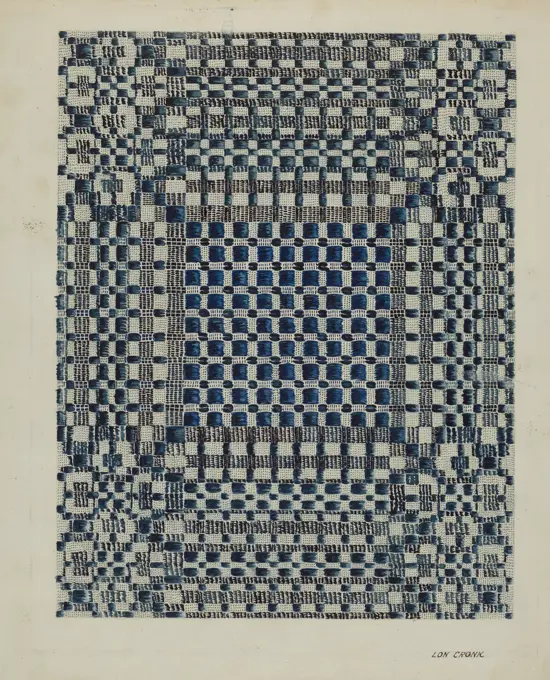
Historic Textiles

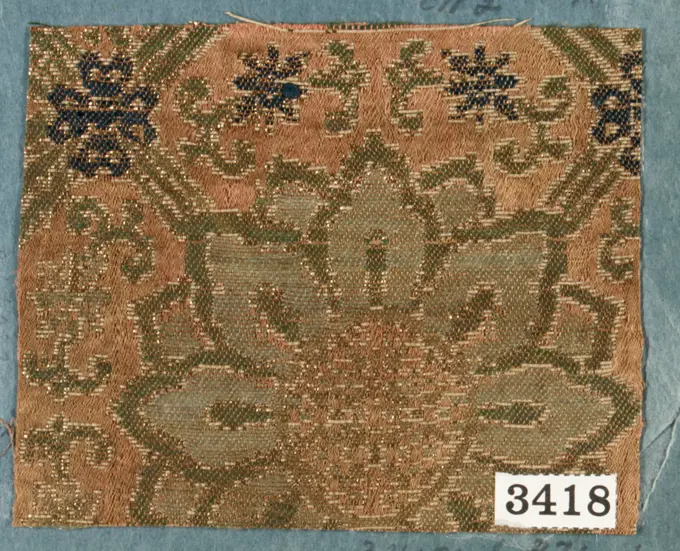
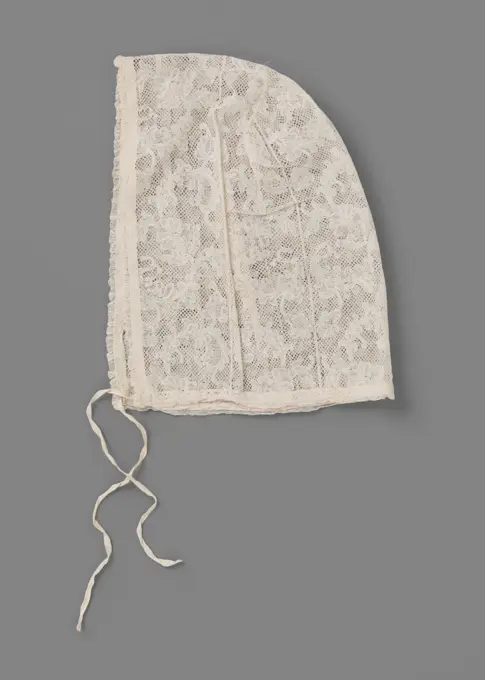
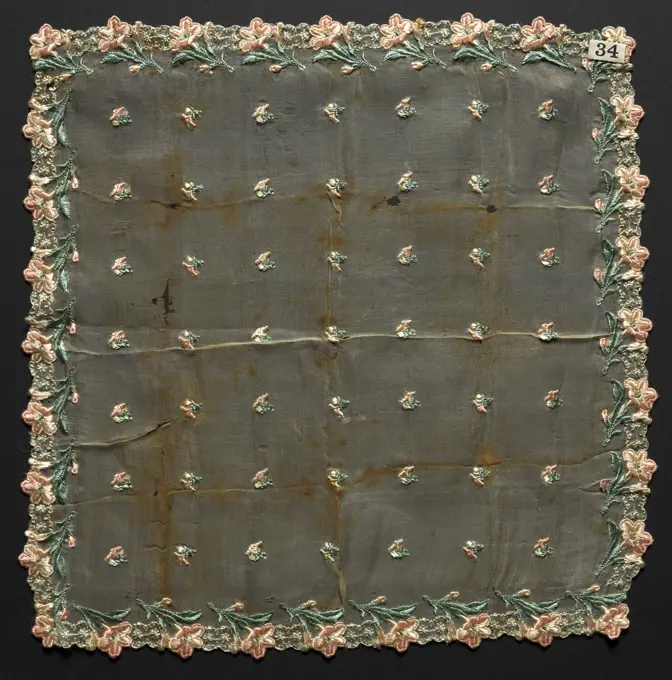
Fragments of ancient textiles from Italy and Central Asia, featuring intricate patterns and rich materials like silk and gold, reflecting the craftsmanship of historical fabrics.
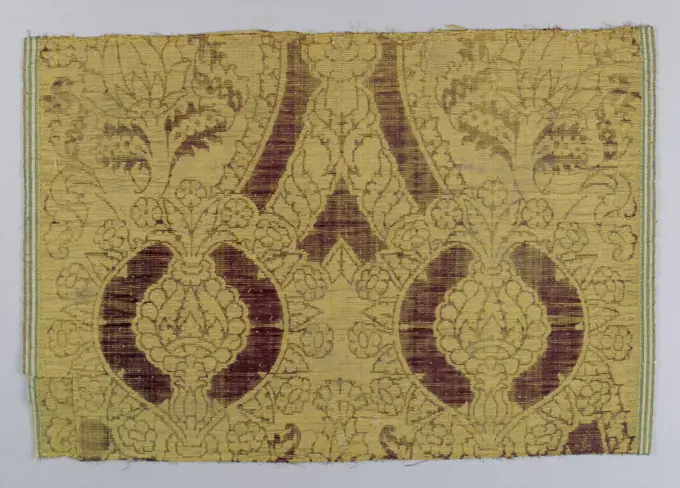
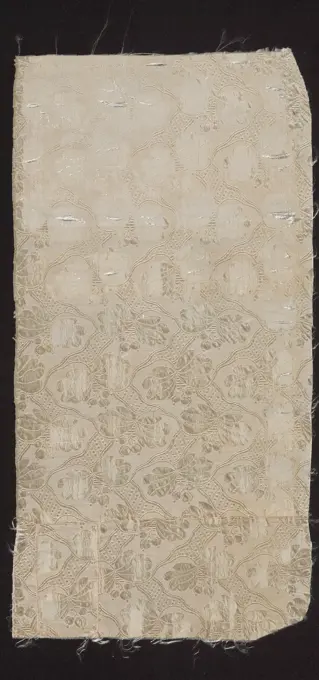
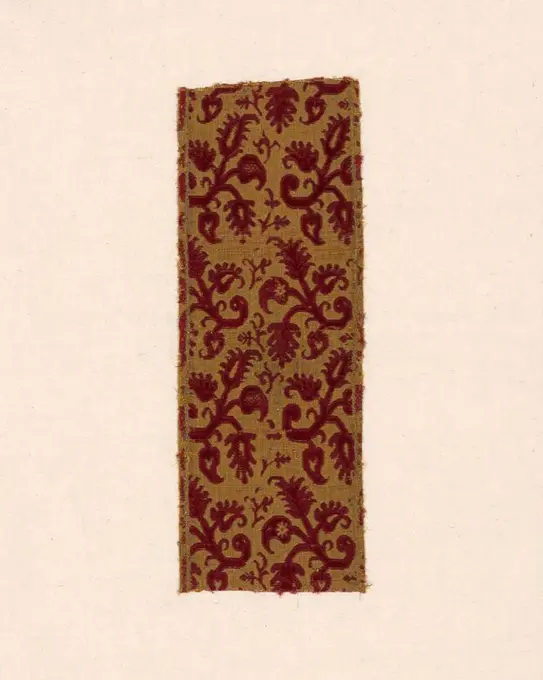
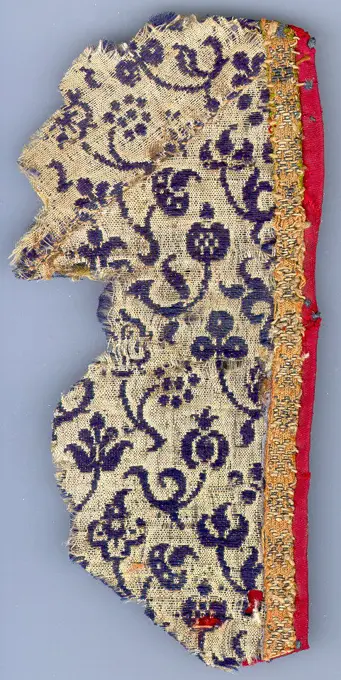
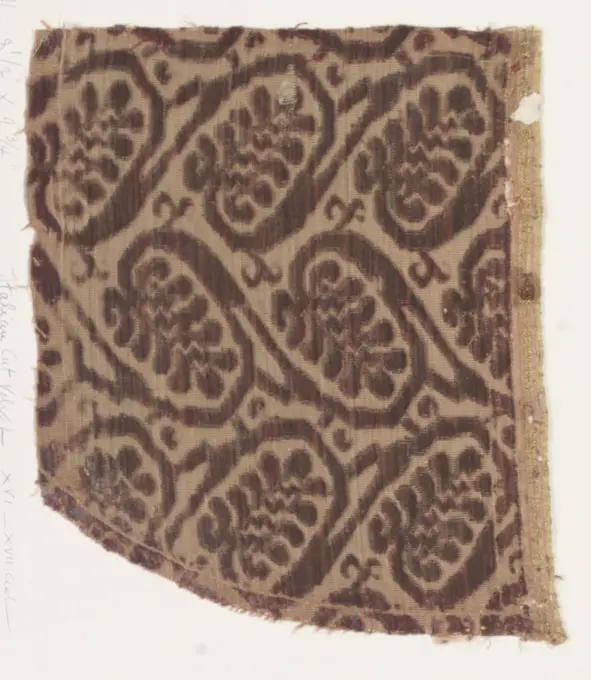
Panel, Medium: silk, metallic threads Technique: supplementary warp in plain weave foundation with continuous supplementary wefts (velvet), Pomegranate pattern in mauve and gold., Spain, 15th century, woven textiles, Panel
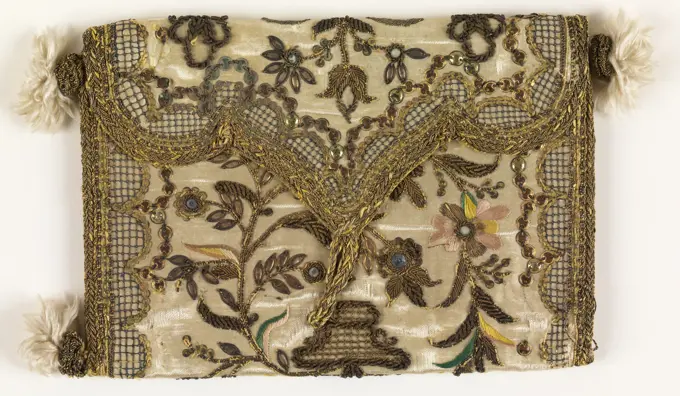
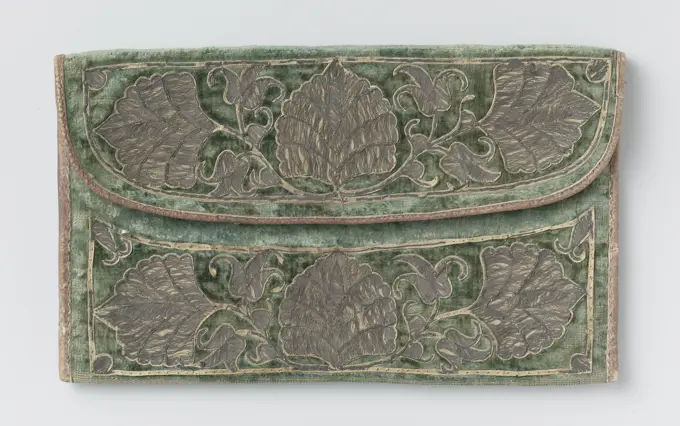
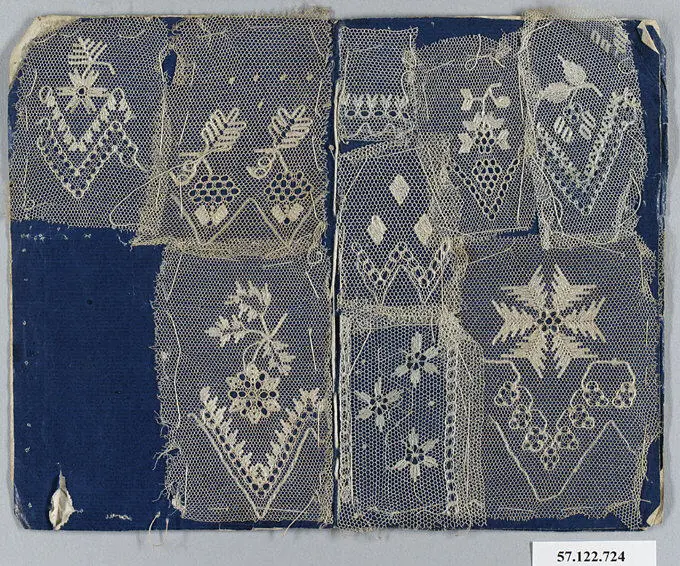
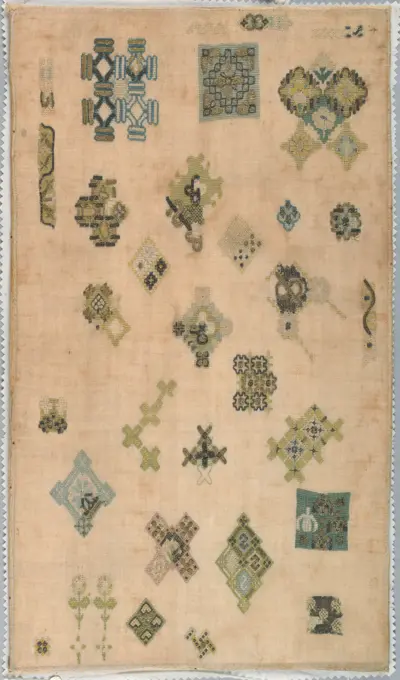
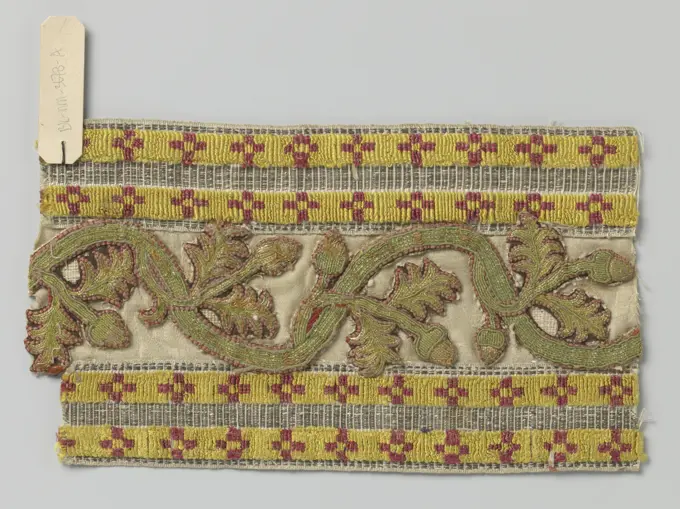
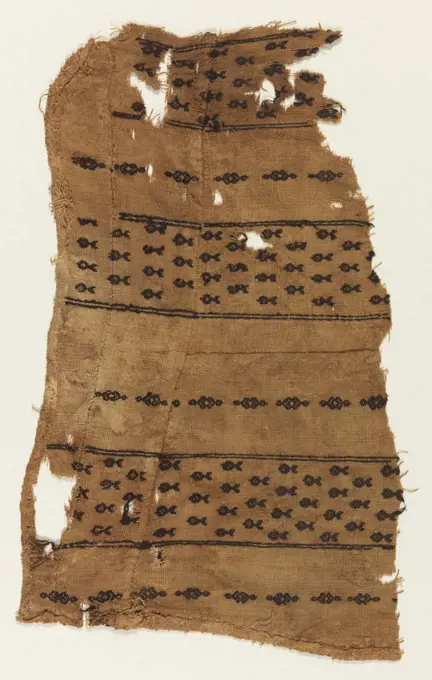
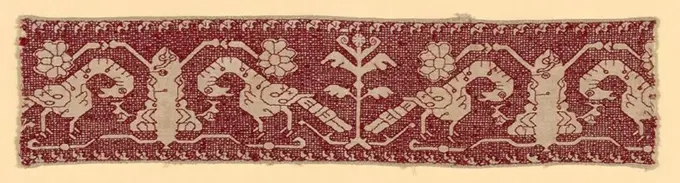
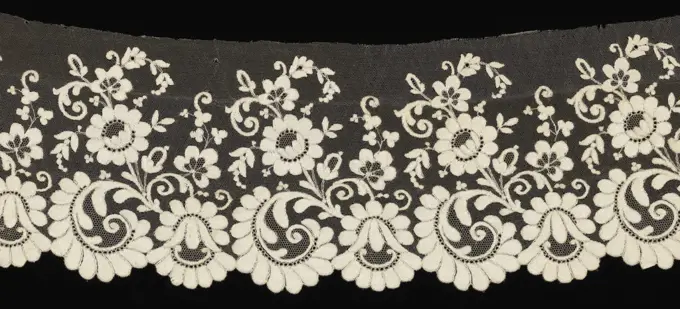
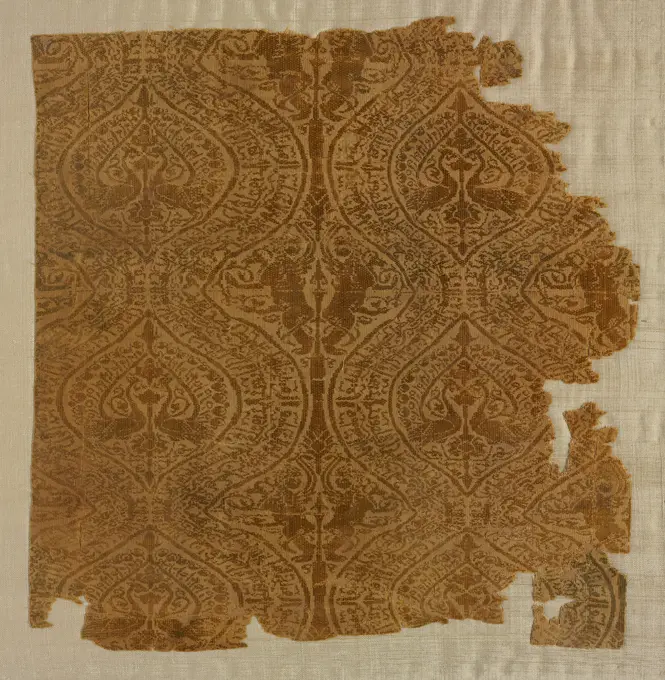
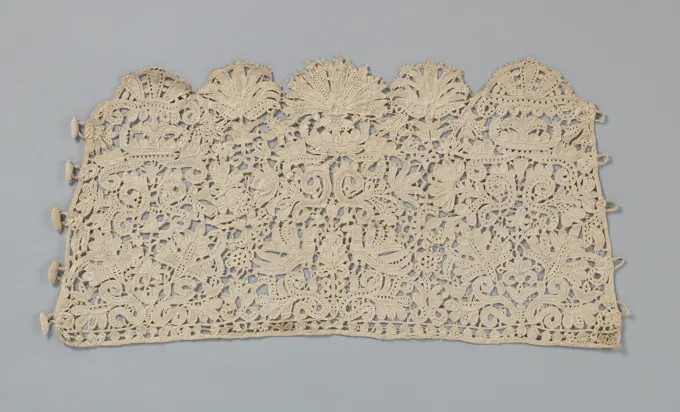
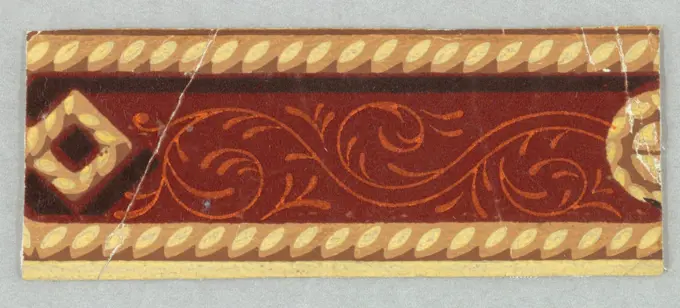
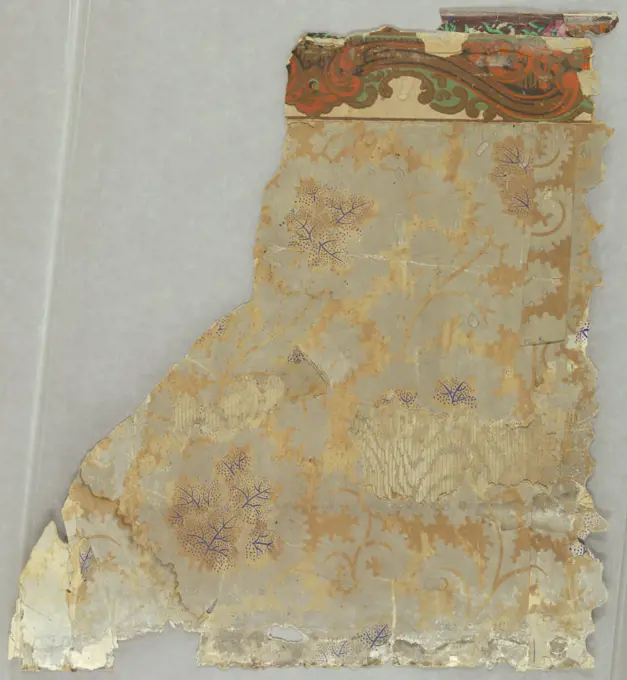
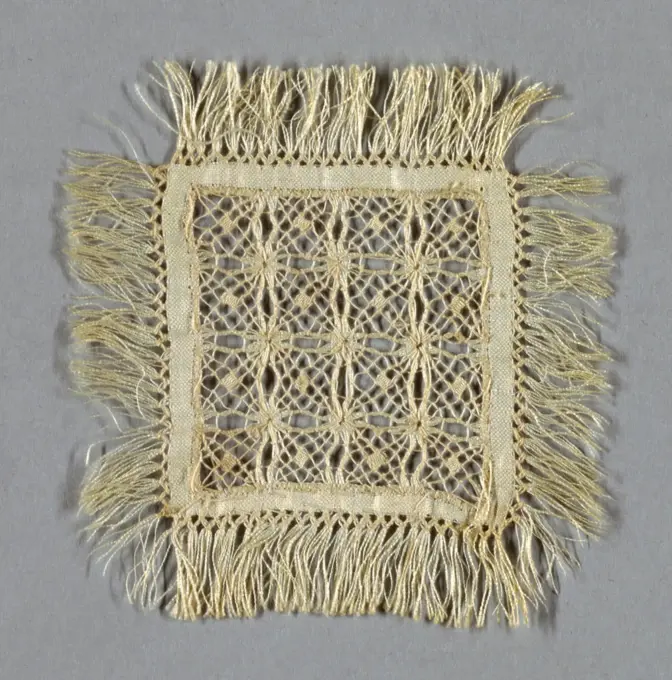
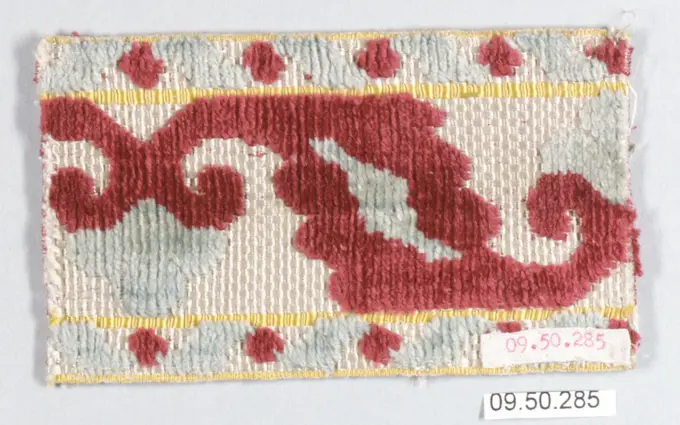
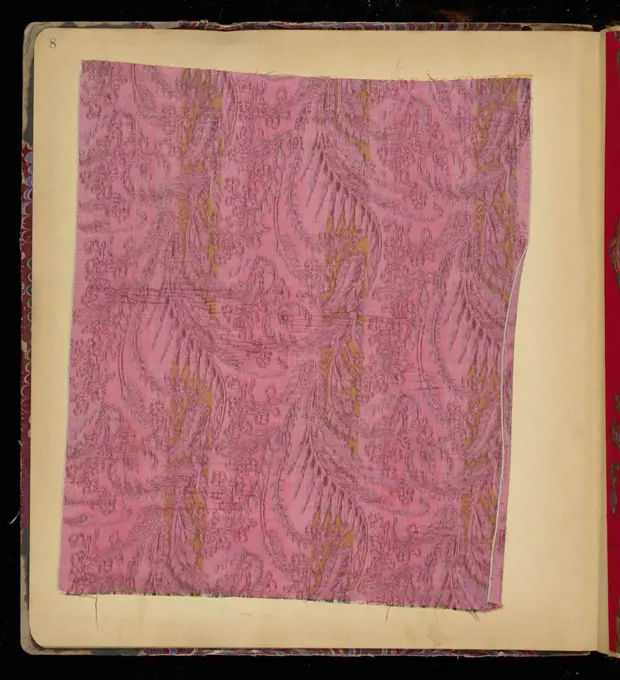
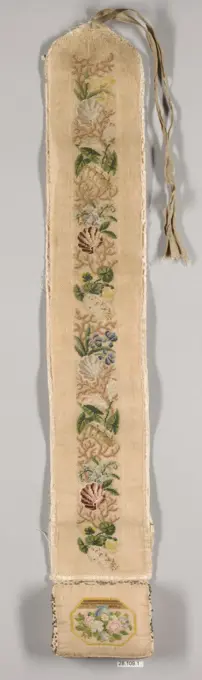
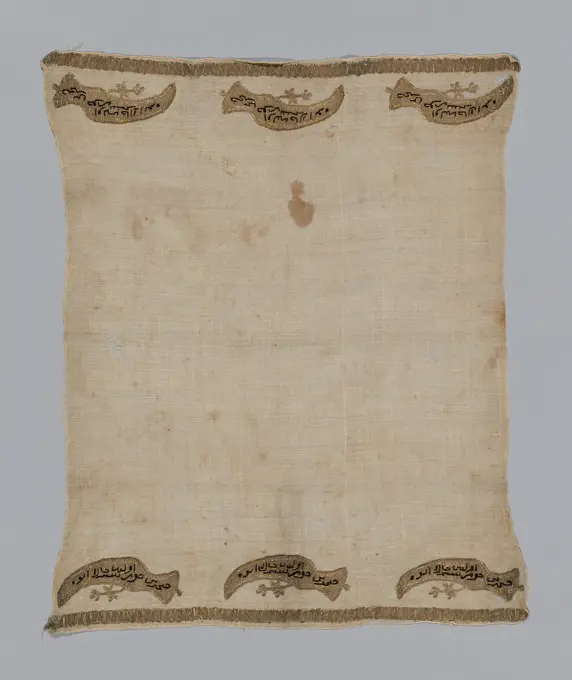
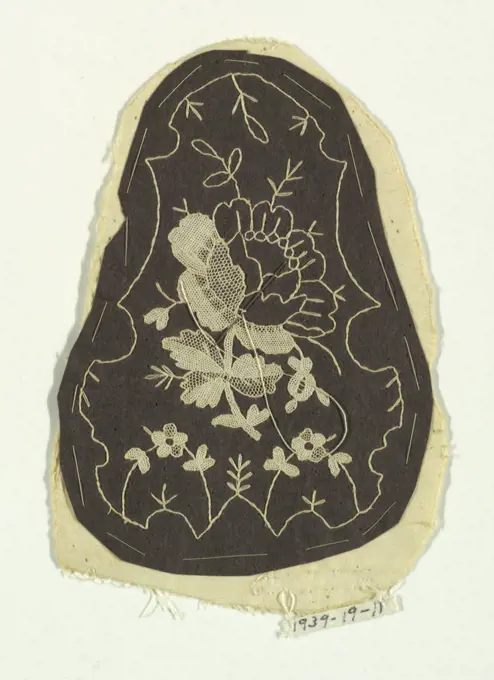
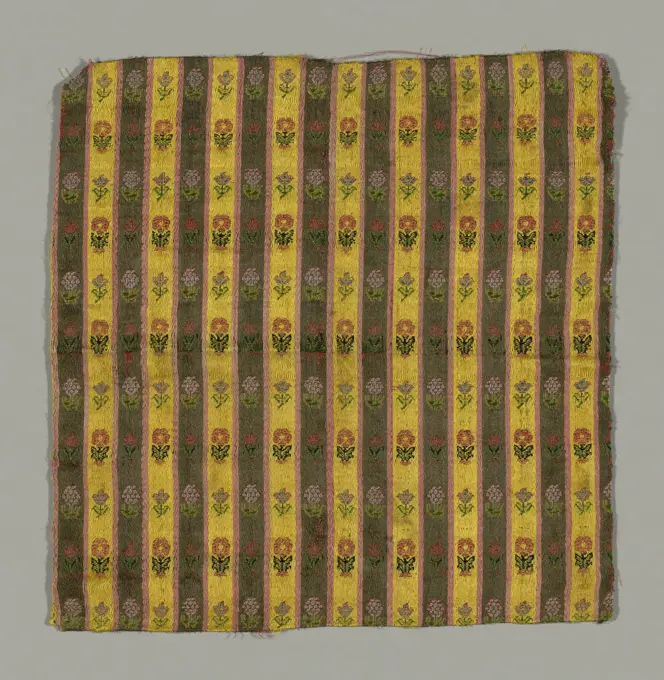
Fragment of the fabric;  1760 (1760-00-00-1760-00-00);Dąmbska, Grażyna - collection, fragments of silk fabrics, fragments of a larger textile object, fabrics, silk fabrics, silk fabrics of the 18th century, patterned fabrics, purchase (provenance)Fragment of Coptic fabric unknownSutra Cover Made 1590-1599 China. Silk and gold-leaf-over-lacquered-paper strips, plain weave with supplementary patterning wefts bound in weft-float faced 1 2 'Z' twill interlacings .Fragment. Italy. Date: 1601-1625. Dimensions: 32.4 x 11.8 cm (12 3/4 x 4 5/8 in.)Repeat: 14.6 x 6.6 cm (5 3/4 x 2 5/8 in.). Silk, plain weave with gilt-metal strip supplementary facing wefts with supplementary pile warps forming cut and uncut voided velvet. Origin: Italy. Museum: The Chicago Art Institute, Chicago, USA.Piece Japan 18th-19th centuryPiece 16th-17th century Italian. Piece 223557Letter Case (France); silk, gilt foil-wrapped silk, paste jewels, gilt foil spangles on silk foundationFragment striped silk tissue, c. 1400 - c. 1950 Fragment striped silk tissue.  silk Fragment striped silk tissue.  silkTowel end, Medium: silk and metallic threads on cotton foundation Technique: embroidered on plain weave, Strip of embroidery, probably a towel end, with a zigzag design, has pink carnations and small blue flowers above and stylized basket shapes below., Turkey, 19th century, embroidery & stitching, Towel endPiece of fabric. unknown, authorCandlewick Coverlet (Woven). Dated: 1935/1942. Dimensions: overall: 29.9 x 22.8 cm (11 3/4 x 9 in.). Medium: watercolor, graphite, and gouache on paperboard. Museum: National Gallery of Art, Washington DC. Author: Jules Lefevere.Sampler (Spain); linen embroidery with glass beads on linen foundationPillow Sham (Unfinished) Made 1675-1725 Shropshire. (except c.5) Linen, plain weave; underlaid with cotton, plain weave; c.3 embroidered with silk in back, chain, open chain, leaf, Roman, Roumanian, satin and stem stitches; edged with linen, plain weave tape; a two loom widths joined; c.3 backed with paper; c.5 paper wrapped with silk .Letter bag from M.A. de Ruyter, Anonymous, c. 1650 - c. 1675  Flat green velvet bag with red leather edges. On the velvet pieces of leather are sewn on which gold thread is embroidered. Only decorated the side of the valve; Under the valve the inscription: De Ruyter. Inside covered with linen, two compartments separated by a piece of leather. In the bag a rectangular parchment label with inscription: letter bag carried by the Admiral M. A. / de Ruyter / A. Maghreb leather. linen (material). ink. velvet (fabric weave). embroideringFragment, Medium: silk, linen Technique: woven brocatelle, Red and yellow vase motif with large leaves., Italy, 17th century, woven textiles, FragmentSheet with two borders with stripes and a floral pattern late 18th-mid-19th century Anonymous. Sheet with two borders with stripes and a floral pattern. Anonymous , Italian, late 18th-mid 19th century. late 18th-mid-19th century. Relief print (wood or metal). PrintsSampler 19th century German. Sampler 228647Fragments (Spain); silkSquadron of the National Cavalry unknownSampler (England); silk and metal-wrapped silk embroidery on linen foundation; Frame H x W: 58.4 x 35.6 cm (23 x 14 in.) H x W: 56.5 x 32.4 cm (22 1/4 x 12 3/4 in.) unframedTextile Sample from Sample Book 19th century Japan. Textile Sample from Sample Book 68243Band 16th-17th century Italian. Band 215461Fragment silk tissue with multi -colored embroidery, c. 1400 - c. 1950 Fragment silk tissue, damask, with multi -colored embroidery. The pattern has two yellow lanes with red crosses along the top and bottom. A green leaf garland runs between the lanes in the middle.  linen (material). silk embroidering / damask Fragment silk tissue, damask, with multi -colored embroidery. The pattern has two yellow lanes with red crosses along the top and bottom. A green leaf garland runs between the lanes in the middle.  linen (material). silk embroidering / damaskFragment 18th century Flemish. Fragment 218905Textile, Embroidery using silk thread on linen plain weave., Vertical stripes of small shapes in brown silk., Near East, 13th century, embroidery & stitching, TextileFragment from a Border. Italy. Date: 1601-1700. Dimensions: 7.4 x 30.8 cm (2 7/8 x 12 1/8 in.). Linen, plain weave; embroidered with silk floss in double running and back stitches. Origin: Italy. Museum: The Chicago Art Institute, Chicago, USA.Flounce, Medium: silk Technique: bobbin lace, blonde style, Flounce showing a pattern of flowers and scrolling leaves that form a scalloped border., Spain, 19th century, lace, FlounceFragment (France); silk, metallic threadsFragment Made 301 CE-400 CE Egypt. Wool, compound weave .Textile ca. 1500 Italian. Textile. Italian. ca. 1500. Wool, silk. Textiles-WovenHandkerchief Made 1825-1875 Philippines. Pineapple fiber, plain weave; cut and drawn work embroidered with silk and cotton in darned squares, interlocking, overcast and single faggot stitches; and embroidered with cotton in back, buttonhole, cross, individual satin, satin, stem and twined double running stitches .Fragment 17th century Italian. Fragment 230193Noh Headdress with Auspicious Motifs Japan early 19th century View more. Noh Headdress with Auspicious Motifs. Japan. early 19th century. Twill-weave silk with supplementary gold-thread weft patterning. Edo period (1615-1868). Costumes-AccessoriesPiece 18th century China or Japan. Piece 71207Piece 18th-19th century Japan. Piece. Japan. 18th-19th century. Silk. Textiles-WovenFragment with peacocks in ogival pattern, 1004-1260 (radiocarbon date, 95% probability). Iran or Iraq, possibly Rayy. Silk: plain weave with supplementary weft; overall: 24.1 x 22.9 cm (9 1/2 x 9 in.).Textile Fragment 17th-18th century. Textile Fragment. 17th-18th century. Silk. Made in Iran. TextilesFragment silk tissue. Fragment (10 on patterned parts) with pattern of stylized palm with volutes, interspersed with switch-shaped tires. Pattern is signed.Sampler Made 1801-1900 Spain. .Embroidered Interior Textile, anonymous, c. 1750 - c. 1760  France (possibly) silk embroidering  France (possibly) silk embroideringPair of cuffs 17th century Italian. Pair of cuffs. Italian. 17th century. Bobbin and needle lace. Textiles-LacesFragment, Medium: silk Technique: cut and uncut supplementary warp pile (velvet), Fragment of blue cut and uncut velvet on rose silk ground. Design in velvet forms hexagonal-shaped areas each enclosing a tiny blossom., France, mid-late 18th century, woven textiles, FragmentFragment ciseléfluweel..A fragment of a hammered velvet, decorated with sprinkled blades and flowers in green. The design is surrounded by a salmon-colored impact. Note: Self side; 1 cm, solid bond, 1 cm folded on top and bottom.Fragment early 17th century Italian. Fragment 230052Piece 17th century Japan. Piece 71301Piece 18th-19th century Japan. Piece 67728Letter bag in rectangular shape of light brown silk shot with a gold sink and decorated with metal lovers and gold thread, on which embroidered 'Anno' and '1781', Anonymous, 1781 Letter bag in rectangular shape of light brown side, trimmed with a gold sided board. The bag is folded double. The outside is identically decorated as the inside: a swinging edge of continuous silver lovers, fixed with silver thread, along which stylized flowers in colored metal lovers. In this frame a garland and on a bow a medallion within which 'Anno' and '1781' is embroidered on the outside of the bag. On the inside of the bag 'Je Suis Discret' and 'Pour l'Amitie' applied in the same way. The two courses inside are lined with a ponjé side. France whole: Silk. board:. board:. Decoration: Silver thread. Decoration:. Decoration: Paillette. Text: Silk. Lining: Silk embroidering / embroidering Letter bag in rectangular shape of light brown side, trimmed with a gold sided board. The bag is folded double. The ouTextile 19th century Japan. Textile 68052Fragment, Medium: silk Technique: plain compund satin weave, France, 1805, woven textiles, FragmentMasi (tapa cloth) textilesFragment; linen, wool; Warp x Weft: 8.9 x 10.5 cm (3 1/2 x 4 1/8 in.)Strip of bobbin with stylized flour between two vertical lines and ovals on a triangular fragment linen batist, anonymous, c. 1600 - c. 1635 Strip of natural -colored bobbin, Old Flemish side or Dutch bobbin side. The strip is attached to a triangular fragment linen batist. The side has a pattern that consists of vertical straight lines, between which a stylized flower stands. On the center line, the flower is flanked on the left and right by a lying rush -hour, which always cuts the vertical line. The motives are made in linen battle with recesses, there is hardly any soil, the motives are connected by very short braids. Up and bottom of the strip are finished with a straight edge. Southern Netherlands linen (material) bobbin lace / old Flemish lace Strip of natural -colored bobbin, Old Flemish side or Dutch bobbin side. The strip is attached to a triangular fragment linen batist. The side has a pattern that consists of vertical straight lines, between which a stylized flower stands. Cap of six strips of bobbin with leaves and flowers, anonymous, c. 1750  Hat of six strips of natural -colored bobbin, Mechelen side. The pattern has made tumbles and flowers in netslag and linen battle and are connected by a grid, a five -part ground. The hat can be cut off by means of a cord. Mechelen linen (material) bobbin lace / Mechlin (lace)Textile Fragment 9th century. Textile Fragment 451875Piece 19th century Japan. Piece 72064Fragment; silk, linen, cottonHandkerchief, 1889. Cuba, late 19th century. Pineapple cloth, embroidered in silk; overall: 33.7 x 33.7 cm (13 1/4 x 13 1/4 in.).Piece 18th-19th century Japan. Piece. Japan. 18th-19th century. Silk. Textiles-WovenBorder, Block-printed and flocked, Rectangle with cable molding or rope twist along top and bottom edges. Part of a square and part of a circle, composed of cable molding, at respective short sides. Between, strip of red flock overprinted with foliate rinceaux in bright orange. Printed in yellow and brown distemper and red flock., England, 1860, Wallcoverings, BorderRed from a needle side with four fan palms and a round linen centerpiece, anonymous, c. 1900 Dress of linen and natural -colored needle side: Venetian relief side. Square model with a round linen center and four inserts of linen in the ring around the center. Pattern with picoted bars and a fan palm in each corner. Italy (possibly) linen (material) Venetian raised work Dress of linen and natural -colored needle side: Venetian relief side. Square model with a round linen center and four inserts of linen in the ring around the center. Pattern with picoted bars and a fan palm in each corner. Italy (possibly) linen (material) Venetian raised workFragment; linenFragment 16th-17th century Italian. Fragment 230662Needlepoint Bell Pull. Dated: c. 1941. Dimensions: overall: 26.6 x 36 cm (10 1/2 x 14 3/16 in.) Original IAD Object: 49" long; 2 1/2" wide. Medium: watercolor, pen and ink, and graphite on paperboard. Museum: National Gallery of Art, Washington DC. Author: Edmond Lorts.Fragment Made 1625-1675 Italy. Silk, plain weave with self-patterning ground wefts .Textile Fragment 5th-6th century Coptic. Textile Fragment. Coptic. 5th-6th century. Linen, wool. Made in Byzantine Egypt. Textiles-WovenFragment Oriental textile. Gold on red. Pattern: Rows of styled styled pattern. Blades with small cubes in between. NOTE: Consists of five fragments sewn together.Child's Tunic Made 601 CE-700 CE Egypt. Linen and wool, tapestry weave . CopticPiece 16th century possibly Italian. Piece 213073Fragment blue velvet broker with pomegranate pattern. Fragment silk velvet brocade with blue ground pattern of golden by flowers and leaves surround pomegranate in lobby contour. See also B and C.Sidewall - fragment, Machine-printed, flocked, a) Top layer; on discolored white background, pale gray flat leaf patterns with scalloped edges, white background exposed to represent veining. Reserved white areas within gray leaves form smaller leaf patterns with veining in thin blue lines, and blue pin-work; b) Border over top layer: brown, green, and orange flocked rococo-revival leafy-scroll pattern; c) gray on white leaf-like pattern; d) bottom layer: gray on white overall pattern possible meant to represent wood graining (); e) border: maroon background with bright pink and blue flowers, green leaves., USA or England, 1840-1900, Wallcoverings, Sidewall - fragmentScarf 19th century. Scarf 126796Fragment with Scattered Pattern 6th-8th century. Fragment with Scattered Pattern. 6th-8th century. Wool, linen; plain weave, tapestry weave. Attributed to Egypt. TextilesTextile Fragment Possibly Chimú. Textile Fragment, 1532-1700 or 1000-1400. Cotton, 5 1/2 × 59 in. (14 × 149.9 cm).   Arts of the Americas 1532-1700 or 1000-1400Sample, Medium: linen Technique: grid of withdrawn element with needle lace, reticella style, Square of fringed linen with center portion ornamented with drawn and cutwork with lace stitches. One of six samples mounted on a piece of blue satin ribbon., New York, USA, 1892, lace, SamplePiece 17th century Japan. Piece 71524Galloon 18th century German. Galloon 215675Scrapbook, Medium: silk, metallic, wool Technique: various weave structures., Scrapbook, assembled in New York, containing 1,545 swatches of textiles and ribbons. Some examples were purchased in shops in New York and Paris, others appear to come direct from the manufacturer. Several colorways. Swatches are either pasted or pinned into book and include woven, printed and warp printed, and machine embroidered samples., Some swatches have labels attached: 'Magasins du Louvre' on p.13 and 41; 'Arnold Constable' label on pp 49, 111, 133, 136 and 147; 'B. Altman & Co.' p.91; 'Au Printemps' p.93; 'Au Bon Marche' p.147; 'Jarroson & Laval' p.147; a dyeing card from A.B. Chambeyron & fils, St. Etienne, May 14, 1900, some style #s and weaves., France, USA, 1900-15, sample books, ScrapbookFragment, Medium: Technique: printed, USA, 19th century, printed, dyed & painted textiles, FragmentGallon;  19th century (1801-00-00-1900-00-00);Needlecase French 1805-10Undersleeves ca. 1872 American. Undersleeves. American. ca. 1872. cotton, flaxFragment red lampas with geometric pattern of green band work with Arabic texts, anonymous, c. 1300 - c. 1499 Fragment with a red -fond of a repeating geometric pattern of green band work with Arabic texts in hexagons. Spain silk lampas (textile material) Fragment with a red -fond of a repeating geometric pattern of green band work with Arabic texts in hexagons. Spain silk lampas (textile material)Towel or Napkin Made 1801-1900 Turkey. Towel, embroidered with six daggers with inscriptions, black and gold. . AnonymousPattern with uncompleted lace, Medium: paper, wool, linen Technique: needle lace with ground of loop & twist with loop & twist return, Outlining thread is couched on pattern in design of a rose with bud and leaf, and a small five petalled flower with leaves. Part if the pattern has been worked., Belgium, late 19th century, lace, Pattern with uncompleted laceScarf, 25 1/4 x 13 11/16 in. (64.14 x 34.77 cm) (without fringe), Cotton, ChinaTextile Fragment 16th century. Textile Fragment. 16th century. Silk. Made in Turkey. TextilesFragment (Japan)Piece 19th century Japan. Piece 71895Fragment (Dress Fabric) Made 1701-1900 Persia. .Shawl or head wrap, mid 20th century, 57 9/16 x 61 in. (146.21 x 154.94 cm) (without fringe), silk, Uzbekistan, 20th centurySquare ca. 1600 Italian. Square 212423Napkin with flowers and garlands, anonymous, c. 1800 - c. 1810 Linnamast napkin with flowers and garlands. Midfield: A straight -up fine swinging branch, with cord and brush, is intersected by a wide wavy -leafed branch. Edges: three times a straight list, coordinously wound; The middle one is wide and with leaves wound, the outer narrow and with a fine flower branch overranks. Brabant (possibly) linen (material) damask Linnamast napkin with flowers and garlands. Midfield: A straight -up fine swinging branch, with cord and brush, is intersected by a wide wavy -leafed branch. Edges: three times a straight list, coordinously wound; The middle one is wide and with leaves wound, the outer narrow and with a fine flower branch overranks. Brabant (possibly) linen (material) damaskCoverlet fragment, Medium: wool, linen or cotton Technique: plain weave with supplementary weft patterning (overshot), Traditional coverlet design with blocks of geometric pattern and a deep chevron border, in dark blue, indigo-dyed wool with undyed linen (or cotton)., Pennsylvania, USA, early 19th century, woven textiles, Coverlet fragmentMedallion (Egypt); warp: s-spun linen; wefts: s-spun linen, s-spun woolBand (Germany); silk on linen; Bequest of Marian Hague; 1971-50-108Sari Made 1801-1900 India. Red silk and gold .Piece 18th-19th century Japan. Piece 66822Fragment (Italy); silkClavus band, Medium: wool, linen Technique: slit tapestry with supplementary weft wrapping, Long, narrow band ending in a stem with an ovate form. A dancing nude female figure at the top and geometric patterns in tile-like formations below., 4th-5th century, woven textiles, Clavus bandLon Cronk, Coverlet, c 1937 Coverlet